Categories
Livelihood

Difference between Disguised Unemployment and Seasonal Unemployment

That unemployment is a major concern for any country, including India, is not a matter of question. However, understanding how unemployment manifests itself can go a long way in dealing with the problem and coming up with effective solutions. India is a big country with more than 1.4 billion people. A vast majority of this population is employable because the country is the youngest in the world. However, a massive unorganised labour market has two distinct threads that stand out: disguised unemployment and seasonal unemployment. It is crucial for policymakers to understand these nuances to craft necessary solutions that may help in reducing unemployment.

Let’s look at these in detail.

Disguised Unemployment

Disguised unemployment exists when part of the labour force is either left without work or is working in a redundant manner, resulting in essentially zero worker productivity. To understand this, let us look at an example. Let’s say that workers are required in a biscuit manufacturing unit. To support the demand, there’s a need for 100 workers who can effectively complete the work on time. However, the employer hires 150 workers for the same job. What will happen now?

Either the extra 50 people will have no work to do, or less work will be allocated to all the workers to adjust for this surplus labour. So, disguised unemployment does not affect aggregate economic output. However, it also does not increase productivity. Thereby, leading to waste of human resources. Developing countries with big populations usually have to deal with this problem of disguised unemployment because their workforce keeps expanding while the job opportunities do not grow in tandem with it.

One way of dealing with this problem is to encourage the individuals to acquire diverse skills so that they can contribute to other tasks. It may also help in creating new opportunities for the workers. At the same time, policymakers should focus on promoting entrepreneurship, especially small businesses as they have the potential to create jobs for a large population.

Seasonal Unemployment

It is when jobs are available only during a specific time period in a year. Let’s say you work as a paragliding pilot in the Himalayas. Now, it is highly likely that you will only have work available to you during some months in the entire year when the weather conditions are favourable for flights. This means that for the rest of the year you will either have no work or have to find something else to do which may not be your core skill. This problem of seasonal unemployment is found in a number of industries and sectors which gives rise to uncertainty among the workers and creates dependency on making a year’s worth of wages in a short time. Therefore, many communities engaged in such seasonal employment sometimes have to struggle when the incomes are not as per expectations during the work season.

Again, what can help in this situation is diversification of skills and creating new work opportunities for the people. If there are options beyond what is available to them, people can engage themselves in other work when they are available. Also, entrepreneurship serves as a major solution to this problem as well. For example, the paragliding pilot may decide to open a small business like running a homestay or an eatery to make up for the lack of employment during some months in the year.

India’s Challenge

Despite overall improvements in labour force participation and employment rates, employment conditions in India remain poor. India’s youth account for almost 83% of the unemployed workforce. The share of educated youth (with secondary or higher education) in the total unemployed has almost doubled from 35.2% in 2000 to 65.7% in 2022. Disguised unemployment often manifests as stagnant or declining wages, increased self-employment among women, and a higher proportion of unpaid family work among youth.

According to the Centre for Monitoring Indian Economy (CMIE), the unemployment rate in India stood at 9.2% in June 2024. Seasonal unemployment is tied to cyclical industries such as agriculture, tourism, and retail. During peak seasons, jobs are available, but they vanish during off-seasons.

Both disguised unemployment and seasonal unemployment are complex problems to deal with. Also, because these problems are highly localised and work-specific, it is important for policymakers to take a nuanced approach when creating solutions. In the end, workers’ benefits should be kept in mind. By weaving policies that address both, we can create a stronger, more resilient fabric for India’s workforce.

Smile Foundation and Employment of Youth

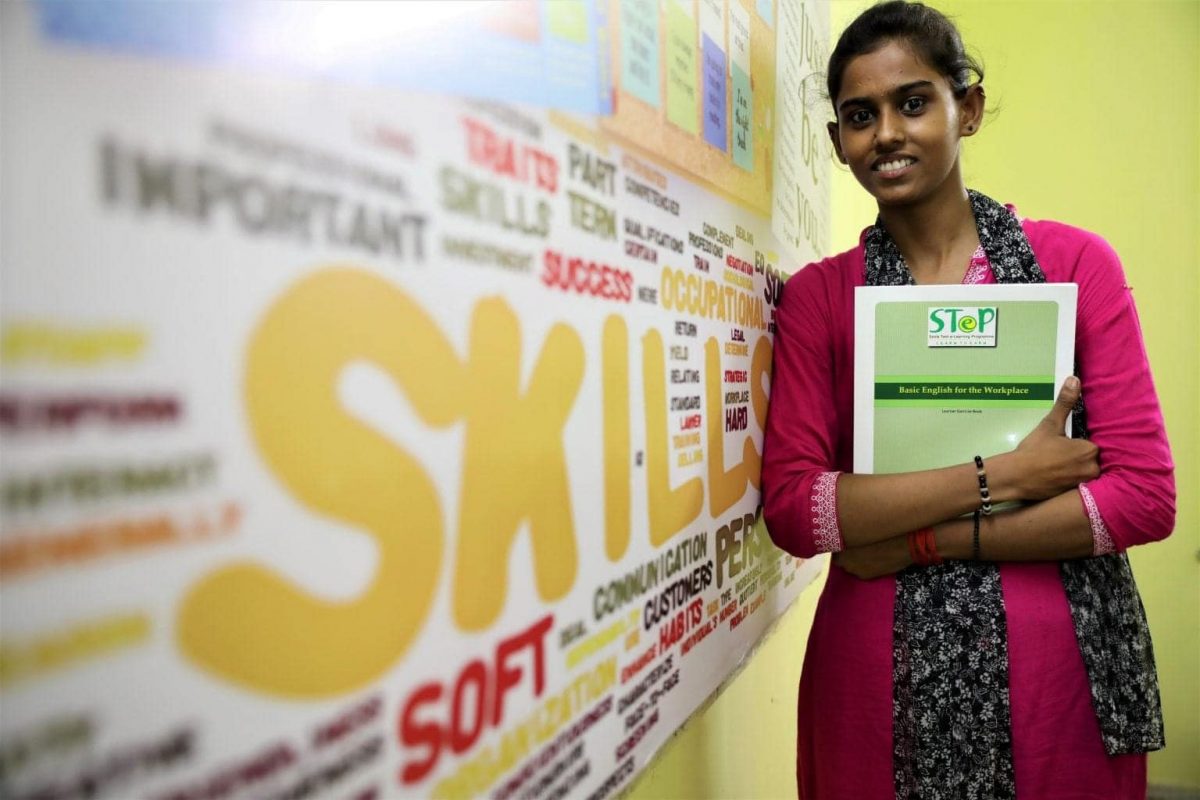
Smile Foundation has partnered with Amazon to establish 21st-century learning labs, equipping skilling centers with digital devices to enhance their capabilities. By collaborating with industry experts in skill development and vocational training, such as NIIT Foundation, Wadhwani Foundation, and Tata Strive, Smile Foundation has effectively implemented curriculums in core employability skills, BFSI (Banking, Financial Services, and Insurance), GDA (General Duty Assistant), and Digital Marketing. These partnerships ensure our training programs align with industry standards, providing students with the essential skills needed for employment. Additionally, we have focused on building strong relationships with employers to facilitate job placements for our trained candidates. Our alliances with companies like Team Lease, Quess Corp, and Better Place support the successful placement of skilled youth into the workforce.
Categories
Skill Development

Job-oriented training programmes in higher education

Students pursuing higher education often jest or express genuine concern at some point, saying, “This degree won’t guarantee me a job!” This sentiment, whether humorous or earnest, reflects a common awareness among students about the challenges they may encounter when transitioning from education to employment.

One of the significant issues contributing to this challenge is the lack of emphasis on skill development within academic programs. As a result, there remains a noticeable gap between what students learn in educational settings and the practical skills demanded by employers. This mismatch often leads to stress and apprehension among graduates who find themselves unprepared to pursue suitable job opportunities upon completing their studies. 

In a 2023 paper by Deeksha Chaurasia and Punnam Veeriah published in the Indian Journal of Vocational Education, the authors emphasise that as India becomes a ‘knowledge economy,’ there is a growing imperative to prioritise skilling the youth. These skills must be directly relevant to the changing economic landscape. Given how the job market lately has become extremely dynamic, employers across the globe seek candidates who possess not only academic knowledge but also practical skills aligned with current industry needs. This shift underscores the critical importance of aligning educational outcomes with the evolving demands of the economy to ensure graduates are well-prepared and competitive in the workforce.

During discussions on the budget earlier this month, Finance Minister Nirmala Sitharaman highlighted the government’s commitment to skill development. She emphasised that the establishment of 3,000 new Industrial Training Institutes (ITIs) is underway. This initiative aims to strengthen vocational training and create abundant opportunities for youth to acquire skills relevant to various industries.

How are we doing in skilling of youth when compared to other countries?

In fact, over the past decade, a series of studies have advanced the discussion on skilling the youth . For example, Arora and Chhadwani’s 2019 research, titled, ‘Analysing the impact of Skill India as a tool for reshaping the Indian economy’, highlighted the critical need for effective implementation of the Skill India Mission to boost momentum. The report outlines that currently, India faces a significant shortage of trained workforce, with only 2.3 per cent having received formal skill training, in stark contrast to other countries like South Korea, Japan, Germany, and the United Kingdom, among others. This underscores the urgent requirement to prioritise skill development and ensure the successful execution of the Skill India Mission.

The mission to skilling of youth

The National Education Policy echoes the same sentiment of integrating education with skill development. It recognises that rapid technological advancements, including Artificial Intelligence, automation and robotics, are reshaping industries, creating a demand for a flexible and skilled workforce. Consequently, there is this pressing need to enhance the capacity of India’s education and skill sectors to meet these evolving demands and enhance employability.

Additionally, while emerging technologies offer opportunities for various industries, there is also apprehension about potential job displacement. This is another reason why striking a balance between imparting skills and traditional education is crucial. This balance not only facilitates the adoption of new-age technologies but also ensures that these advancements contribute to increased employment rather than displacement.

An article in the Financial Times proposes that Higher Education Institutes could serve as pivotal centres for cultivating expertise in AI and related fields. By incorporating technology-focused training programmes in the curriculum, such institutes have the opportunity to equip students with the necessary knowledge and skills required to excel in an evolving job market. This proactive approach ensures that students are adequately prepared for emerging job trends, thereby sustaining the competitiveness of the workforce in an AI-driven future.

The National Skill Development Corporation (NSDC), under the Skill India mission, is actively pursuing several initiatives to generate opportunities for youth. The key initiatives include the Pradhan Mantri Kaushal Vikas Yojana (PMKVY), which emphasises on-the-job training and industry partnerships. It also offers contemporary courses in coding, AI, robotics, drones as well as the development of soft skills. As of October 2023, PMKVY has successfully trained 14 million candidates across 2,640 training centres, according to official records.

What else?

Another significant initiative is the National Apprenticeship Promotion Scheme-2 (NAPS-2), which aims to promote apprenticeship training nationwide. It has engaged 42,453 unique establishments in apprenticeship programs. Most importantly, the Jan Shikshan Sansthan (JSS)– implemented through NGOs— has been focusing on providing vocational training to non-literates, neo-literates, and school dropouts in rural areas. JSS identifies local market-relevant skills to support the growth of local trades and create new opportunities. As of October 2023, 288 JSS centres have successfully trained 2.1 million candidates. 

These initiatives collectively aim to bolster skilling the youth across various sectors and regions, crucially contributing to the socio-economic growth of the country. However, there remains a pressing need for further action in a nation striving to employ a workforce of 500 million people.

Our work to skill and place youth from slums and villages of India

Smile Foundation has been contributing to this cause by preparing less-privileged youngsters from slums across India to enter the current job market successfully. Through our vocational education programme tailored for girls from remote rural areas, we empower them with skills for careers in sectors such as retail management, digital marketing, business process outsourcing, and healthcare, among others.

As of 2022-23, we have trained over 10,000 young individuals, with more than 6,000 securing placements in various jobs. In addition, our initiative “iTrain on Wheels” has upskilled over 90,000 painters, expanding their opportunities for diverse employment. These efforts reflect our commitment to equipping marginalised communities with the skills and opportunities needed to thrive in the workforce.

We are looking forward to expanding our presence in the skilling landscape by forging new CSR partnerships. If you are a socially conscious organisation with deep interests in a skilled workforce, please contact us here and know more about our skilling and livelihood initiatives. 

Categories
Education

Quality Education for Our Youngest

Do you know that the early childhood days, typically the period from birth through eight years old, are extremely crucial in an individual’s life? Before the next question arises in your mind, I will tell you why. According to studies, a child’s brain undergoes rapid and extensive development during their early childhood. Their neural connections, which are formed at a high pace, are directly influenced by their experiences, environment and interactions.

While positive stimuli support the development of efficient neural connections, adverse experiences would hinder brain development and create long-term consequences. Upon utilising this period effectively, children would be bestowed with opportunities to shape their cognitive functions like language acquisition, memory power and problem-solving abilities. This is why early child education becomes the most important.

Early child education

It is nothing but the quality education, both formal and informal, that children receive before entering the primary school, i.e., from birth till their eighth year. Since whatever the child undergoes during this period plays a crucial role in their life and has a long-term consequence, it is essential to provide quality early child education to promote significant physical, cognitive, emotional and social growth. This in turn will lay the foundation for future learning, behaviour and health outcomes.

The United Nations Educational, Scientific, and Cultural Organization (UNESCO) has developed a framework for facilitating international comparisons of education systems and qualifications—the International Standard Classification of Education (ISCED). The framework has included early child education under ISCED level 0. Its primary goal is to promote children’s social skills, language development, early literacy and numeracy, creativity and physical well-being through play-based learning and structured activities.

Components of early child education

Education, just like everything else, should be provided in appropriation with age. That’s why it is important to consider numerous factors and implement various techniques in early child education. Below are some of the effective ways to provide quality education to our youngest.

  1. Play-based learning: Play is a natural and essential activity through which children will explore, experiment, discover and make sense of the world. That’s why play is central to early child education. Through play-based learning, one can support holistic development, including problem-solving, critical thinking, self-regulation, empathy and gross motor and fine motor skills of children. In addition, the play-based learning will allow the children to make choices, take small risks, and exert control over their experiences. This freedom will in turn enhance their confidence and ability to function independently.
  2. Developmentally appropriate practices: Grounded in research and understanding of child development theories, these practices act as a guiding principle for educators. For developmentally appropriate practices tailor suits the educational experiences to match the children’s age, developmental stage, individual needs, and cultural background. The practice is aligned with children’s physical, emotional, social and linguistic capabilities. This approach lets the children learn and grow at their own pace by responding to and supporting their developmental milestones.
  3. Foundational Literacy and Numeracy (FLN): Without focusing only on the academic outcomes, foundational skills in literacy and numeracy should be taught to the children. FLN refers to the basic skills in reading, writing and mathematics. It in turn means the children’s ability to read, understand and write basic alphabets and numbers. It also means, children can perform simple mathematical operations like addition and subtraction and apply them in their daily life. For these foundational literacy and numeracy skills lay the foundation for future academic success and create a lifelong love for learning. Some of the strategies to promote early literacy are reading aloud, storytelling and retelling, phonological awareness and print awareness.

Early child education in India

Understanding the crucial role of early child education in a child’s lifelong learning and development, the Indian government has been taking numerous steps not just to implement it but also to enhance it constantly. One such initiative is the implementation of the Integrated Child Development Services (ICDS) scheme, now renamed Anganwadi services. The objective of the scheme is to provide holistic early childhood care, including education, nutrition, and health check-ups in underserved areas. According to the Poshan tracker, the country has about 13.99 lakh Anganwadi centres in 764 districts implementing 7,205 projects.

The centre benefits about 10.03 crore people, including 38 lakh children aged below six months, 4.08 crore children aged between six months and three years, and 4.44 crore children aged between three and six years. At these centres, children till 6 years would be provided early education, nutritious meals, health care and other immunisation services. They also play a vital role in mobilising community participation and conducting awareness campaigns.

Smile Foundation’s role

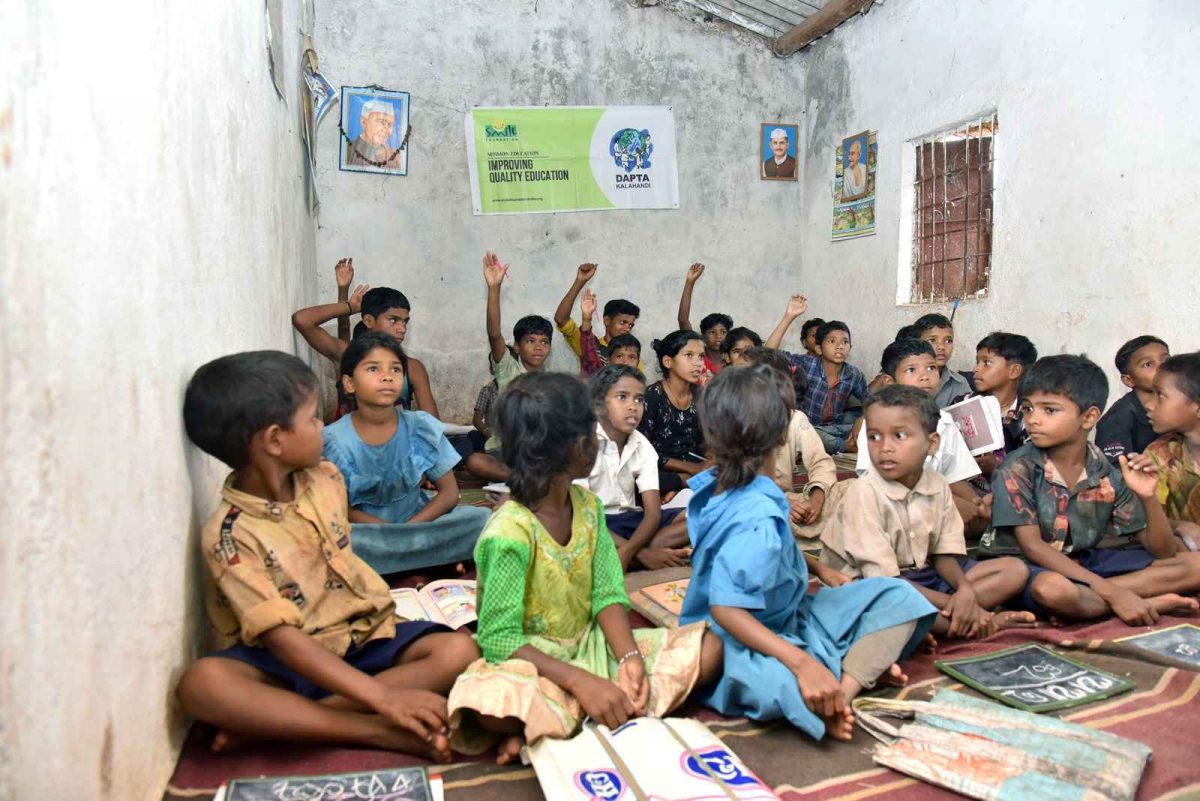
Known for our contribution in the field of education for children from marginalised communities for more than 20 years, Smile Foundation has been working closely with children aged between three and 18 years. With the sole objective of empowering these kids, our Mission Education programme is well aligned to the New Educational Policy (NEP 2020) and SDG Goal 4, which advocates for ensuring inclusive and equitable quality education and promoting lifelong learning opportunities for all.

We have been following its 4-pronged approach—

  • improving learning outcomes,
  • capacity building of teachers,
  • enabling learning environments
  • and community engagement

—to support the children and 1.2 lakh children have received quality education with our CSR interventions.

In our journey towards creating a concrete foundation for the youngest, we have been transforming Anganwadis to model Anganwadis to provide a safe and appropriate environment for the children. We attempt to introduce a technology-driven approach in early child education to make learning effective and engaging. Not just that, we insist on community partnership and ensuring the participation of local communities in the success of the centres. We also put consistent efforts into creating a robust early learning framework that works 100% in favour of the children’s development.

Know more about partnering with us for educating children through a CSR project here.

Categories
Education

What is the role of education in human capital formation?

Whether you are building an organisation or a nation, what is most essential for you is human capital. It is through the knowledge, skills and abilities of individuals that organisations and nations develop. Human capital is a crucial factor for both personal as well as societal growth. For example, a nation with high-quality human capability is likely to have more creative expression which can add to its overall growth.

Now, to cultivate and enhance this human capital, the best tool that we have is education. It is only through quality education that we can impart necessary skills in people so that they can enable societal growth. This is especially true for a country like India which has a large human capital. If India wants to reap the benefits of having a huge human capital, it needs to invest heavily in education.

So, exactly what’s the role of education in human capital formation?

The foundational knowledge

Most formative time for any individual is their childhood years. It is during this time that a strong foundation for lifelong learning and growth can be set. Quality preschool programmes lay the foundation for cognitive, social and emotional development. These early experiences shape a child’s future learning trajectory. This is why we need access to high-quality schools, colleges and universities for our population because that is where they receive structured education.

Not just academic knowledge, but individuals also learn critical thinking and discipline in these institutions. Formal education equips individuals with the tools needed to navigate the complexities of the modern world. And then, one must always remember that in today’s fast-changing world, education does not just stop after one graduates from a college. It is, instead, a lifelong process. Lifelong learning—through workshops, online courses and continuous skill development—ensures that human capital remains relevant and adaptable throughout life.

Role of education in individual talent and capabilities

Imagine you are participating in a contest, and you have to find people to be a part of your team. Let’s say the contest is about ideating and launching a business. What kind of individuals will you look for? It is highly likely that you will try to find a diverse pool of talented and capable individuals to join your time. You may need someone who understands marketing, someone who knows product design and someone who is good at social media.

This is a good example of how human capital works. If you need a quality human capital for a contest, imagine the kind of difference talented and capable individuals can make for an economy. And the best way to nurture these diverse talents is through education. It can be formal education, informal education, or a combination of both. Whether it’s artistic creativity, scientific curiosity or entrepreneurial acumen, schools and colleges provide platforms for students to explore and develop their unique abilities.

At the same time, skill acquisition, upskilling and reskilling are central to developing human capital in today’s world. Skills such as programming, communication, problem-solving, teamwork, leadership, etc., are constantly evolving today because of the rapid changes in technology. Therefore, a good human capital can only be sustained through constant upskilling and reskilling of individuals.

Lastly, we cannot forget the role of education in empowering women by breaking down barriers and promoting gender equality. Educated women contribute significantly to family well-being, community development and economic growth. Also, as we educate more and more women, we increase the pool of human talent.

Beyond academic knowledge

As mentioned before, skill-building and talent is not just about academic knowledge, but it is also associated with factors such as emotional intelligence, ethical values and much more. Sports, arts and extracurricular activities contribute to a well-rounded personality. Therefore, we cannot forget the role these activities play in creating a diverse human talent pool.

Similarly, schools and colleges bring together students from diverse backgrounds. Interacting with peers from different cultures, religions and socioeconomic strata fosters empathy, tolerance and social cohesion. This, in turn, allows the individuals to work together with better coordination and show stronger results.

Economic impact

One of the biggest benefits of an educated human capital is the economic growth that comes out of it. Skilled and educated individuals are more productive and they are more likely to possess other qualities like leadership skills, teamwork, etc. Therefore, they can also act as strong guides for others. At the same time, education is also the pathway to earning higher income and breaking social barriers.

With these advancements, individuals can attain financial stability and invest their money in improving the lives of people around them. Also, longer schooling years provide the basic capacity to learn new skills. Education equips individuals with the ability to adapt to changing job markets and technological advancements.

Global context

Across the globe, nations continue to invest in their human capital because it pays dividends in the form of economic and social growth. Not just that, countries also try to ensure that their human capital does not leave to take citizenship of any other nation. This is because losing highly-capable individuals means losing opportunities of growth. That is why nations try to create a favourable environment for talented individuals to start new businesses, find better jobs or ensure upward mobility for themselves. Throughout history, education has been a catalyst for societal transformation. From the Renaissance to the Industrial Revolution, educated individuals have driven progress.

Collective future

So, as we understand, education is not just about passing exams; it is about shaping lives and building human capital. As we strive to create a better country and world, we must recognise the role that education plays in this process. By investing in education, we invest in our collective future—one where human capital flourishes, bridges gaps and propels us toward prosperity.

What did Smile Foundation do in the year 2022-23?

  1. 405 Mission Education Centres – Early Childhood Education to Senior Secondary Education for underserved children between 3 to 18 years of age.
  2. 12 Government Collaboration Projects – Support government education infrastructure and teacher training initiatives to improve learning outcomes of children.
  3. 44,000+ girls supported under vocational education – Quality improvement and system strengthening interventions to promote and support in-school vocational education
  4. 2000+ scholarships for completing schooling and higher education – Scholarships for deserving students at school level and after school for vocational courses and technical courses like engineering
Categories
Education

Why Donation for Child Education Matters?

Education is the cornerstone of any society’s growth and development. It shapes individuals, equips them with skills and empowers them to contribute meaningfully to their communities. However, for millions of underserved children around the world, education remains an unattainable dream

The absence of quality education keeps children entangled in a relentless cycle of poverty, inequality and social exclusion, limiting their future opportunities. By investing in child education, we can transform lives, communities and ultimately, entire societies. Donations for child education are not just acts of charity but vital contributions to social progress and equity.

Our Motto: Education is Empowerment

Education is a powerful tool for individual and societal transformation. It opens doors to opportunities that would otherwise remain closed and provides the foundation for personal and professional growth. For underserved children, education is more than acquiring knowledge as a pathway to a brighter future. It equips them with critical thinking skills, literacy and numeracy, which are essential for navigating the complexities of life and the job market.

Education also fosters social cohesion and reduces inequality. When children from all backgrounds have access to quality education, it promotes inclusivity and understanding. It breaks down barriers and builds bridges between different segments of society, encouraging a sense of community and shared responsibility. This aligns with the United Nations SDG 4, which aims to ensure inclusive and equitable quality education for all.

Barriers to Education for Underserved Children

Despite the recognised importance of education, numerous barriers prevent underserved children from accessing it. These barriers are multifaceted and often interlinked, creating a vicious cycle that is difficult to break without external intervention.

1. Economic Constraints: Poverty is one of the most significant barriers to education. Families struggling to meet their basic needs often cannot afford school fees, uniforms, books or transportation. Children from such families are more likely to drop out of school to work and support their households.

2. Gender Inequality: In many communities, gender discrimination limits girls’ access to education. Cultural norms and practices may prioritise boys’ education over girls’, leading to a significant gender gap in school enrollment and completion rates. This challenge is addressed by SDG 5, which seeks to achieve gender equality and empower all women and girls.

3. Geographical Barriers: Children living in remote or rural areas often face challenges in accessing schools due to distance and lack of infrastructure. Poor road conditions and inadequate public transportation further exacerbate these difficulties.

4. Social Exclusion: Children from marginalised communities, including ethnic minorities, refugees, and those with disabilities, often face discrimination and exclusion from the education system. This exclusion can be due to prejudice, lack of inclusive policies or inadequate facilities to cater to their needs.

Addressing Educational Inequities

Addressing educational inequities requires a multifaceted approach involving financial support, advocacy and community engagement. Financial support through scholarships for school fees, uniforms and books is essential. Establishing community-based schools in areas lacking formal education infrastructure can guarantee that all children have access to quality education tailored to local needs. 

Advocacy and raising awareness are important for promoting inclusive policies and dismantling barriers to education, involving collaboration with governments, communities and stakeholders. Additionally, support services like after-school programmes, mentoring and counselling help children overcome challenges, ensuring they not only attend school but also thrive in their educational journey. Together, this helps ensure these efforts create a supportive environment for every child to receive a quality education. Financial donations play a crucial role in sustaining these initiatives.

How Donations Can Make a Difference?

Donation for child education profoundly impacts individuals, communities and society. They ensure sustainable funding for educational programmes, especially those run by non-governmental organisations and individuals, allowing for long-term planning and stability. Donations facilitate resource allocation to essential areas, such as building classrooms, purchasing textbooks and funding teachers. 

With adequate funding, educational programmes can be scaled to reach more children, amplifying their impact and fostering positive change. In addition, donations drive innovation in education, supporting new teaching methods, technologies and teacher training, which continually enhance educational quality. Together, these contributions make a tangible difference, empowering children with the skills and opportunities needed for a brighter future.

Towards a Brighter Future: Initiatives by Smile Foundation

Smile Foundation has undertaken several impactful initiatives in education, aiming to bridge the gap for underserved children. Mission Education programme, a Smile initiative, focuses on providing quality education, benefiting thousands of children across India. It follows a four-pronged approach:

  • Improving learning outcomes
  • Creating an enabling learning environment
  • Capacity building of teachers
  • Community engagement

By setting up well-equipped learning centers, the Foundation ensures a conducive learning environment. 

Through its Shiksha Na Ruke initiative, Smile Foundation has been supporting children in challenging situations to continue their education, aiming for a brighter future and improved quality of life. Currently, we are directly educating over 120,000 children across 27 states in India. Our efforts rely entirely on the generous contributions of socially committed individuals. Donations play a crucial role in sustaining and expanding these initiatives, enabling us to reach more children and transform their lives through education.

The Bottom Line and Donation for Child Education

“Education is the most powerful weapon which you can use to change the world.” 

– APJ Abdul Kalam

Education is a transformative force that can change the trajectory of a child’s life. For underserved children, it offers a chance to break free from the shackles of poverty and inequality. It empowers them to dream big and build a better future for themselves and their communities. 

Donation for child education matters because they provide the resources needed to make this transformation possible. By supporting educational initiatives, donors can contribute to creating a more just, equitable and prosperous society.

Every donation, no matter how small, can have a profound impact on a child’s life. Through collective effort and generosity, we can ensure that every child has the opportunity to receive a quality education and realise their full potential.

Categories
Smile Partners In Change Partnerships

Need-based approach of Smile Foundation

When the United Nations released the Sustainable Development Goals (SDGs) from 2015 to 2030, it made it apparent that the goals could only be realised with the participation of multiple stakeholders, such as governments, civil society members, educators and citizens globally.  It was said that those working in relevant fields could help bridge knowledge and action gaps to accelerate progress towards the SDGs

Non-governmental organisations (NGOs) also have a crucial role in this framework. They can monitor progress, highlight problem areas, and lobby for integrating and streamlining SDG-specific policies, thereby holding governments and businesses accountable. Embracing this pivotal role in realisingSDG goals, Smile Foundation has been extending its work across various fields to create impact.

Our work is significantly rooted in the idea that civil society must proactively participate in the development to kickstart a process of sustainable change. Since our inception, we have embarked on over 400 projects with a need-based approach, spanning 27 states and 2000 villages, continuously striving to push the envelope further. 

From the 17 SDGs, our prime focus is on good health (SDG 3), quality education (SDG 4), gender equality (SDG 5), good jobs and economic growth (SDG 8) and partnership for the goals (SDG 17). The COVID-19 pandemic has had devastating impacts on all these aspects. 

Stop learning losses

A study conducted by the UN revealed that learning losses affected four out of every five of the 104 countries examined. Additionally, projections indicate that by 2030, approximately 84 million children and young people will still be out of school. This underscores NGOs’ critical role in collaborating with governments to ensure children return to school, stay there and mitigate learning losses.

Specifically in India, despite enacting the Right to Education (RTE) Act in 2010, which ensures free and compulsory education for all children aged 6-14, there has been uneven progress in learning outcomes across different demographics. Challenges such as socio-economic disparities among parents and inadequate school infrastructure continue to hinder access to quality education. Recognising our responsibility in this ecosystem, Smile Foundation actively addresses educational inequality by implementing initiatives that support children from disadvantaged backgrounds in achieving equitable learning outcomes.

Skilling and Vocational Education

In today’s technology-driven world, many of the fastest-growing industries and occupations demand strong STEM (Science, Technology, Engineering, and Mathematics) skills. At Smile Foundation, we have significantly emphasised promoting STEM learning, which is crucial in driving innovation. We have established STEM labs at 12 locations and have distributed DIY activity kits for hands-on, activity-based learning to build critical thinking skills, particularly among underrepresented students. 

Additionally, we are working towards enhancing the centre infrastructure by implementing smart class setups, integrating educational software and providing educational tablets to students. Concurrently, we are actively involved in vocational training initiatives, aligning with the National Education Policy’s goal of introducing vocational learning from Grade 6 onwards. Project Manzil—conducted in collaboration with IPE Global—is dedicated to preparing secondary school students to make informed career choices and become job-ready. This initiative trains girls in various fields, such as IT, healthcare, beauty & wellness, retail, apparel, home furnishing, etc. The aim is to empower young individuals with the skills and knowledge necessary to thrive in today’s competitive job market.

Healthy people do better in lives: A need-based approach on healthcare

The Sustainable Development Goals (SDGs) also underscore a commitment to ensuring healthy lives for all and promoting well-being across all age groups. In the realm of healthcare, Smile Foundation is dedicated to advancing these goals by promoting universal health coverage and alleviating the burden on the government healthcare system. Our healthcare interventions aim to provide essential primary healthcare services directly to underserved communities in both rural areas and urban slums. The objective is to reach vulnerable populations who lack access to basic healthcare facilities due to financial constraints. 

As of 2022-23, our initiatives have benefitted over 1 million individuals, 75 percent of whom are women. This focus is particularly crucial in a country where healthcare disparities are pronounced among underrepresented communities. We focus on urban slum dwellers, particularly those facing significant health challenges due to low health awareness and the economic burden of losing wages to seek medical care. 

Our efforts further extend beyond healthcare provision to include improving basic sanitation facilities, recognising the fundamental role of hygiene in preventing illnesses, and promoting community health. This encompasses conducting training sessions to educate young children and individuals in underrepresented areas on essential practices such as hand washing, proper sanitation, and hygiene. 

This goal can only be realised by implementing strategies that address these issues at their roots and continually seeking improvement. 

Women entrepreneurs and caring for their nutritional health

Our 2005 programme, Swabhiman, focuses on marginalised and socially excluded women by intervening through a need-based approach in areas such as nutrition, healthcare, and livelihoods to empower women through innovative community practices. Swabhiman enables women to access healthcare services, instigate sustainable changes in their communities, and supports them in gaining awareness, skills, and financial independence. The project has impacted over 1.5 lakh women, along with nutrition enhancement support to over 35 thousand women and children. This holistic approach aims to create lasting impacts and advance gender equality, aligning with the objectives of the SDGs. 

The country can only prosper and embark upon its path of economic prosperity by uplifting grassroots communities and helping small business owners become entrepreneurs who can craft long-term, sustainable solutions. We believe in assisting them with the necessary resources to become field leaders. Our work includes providing training and capacity building, as well as supporting social innovators with the required funds and encouraging them to raise additional funds from locally accessible resources. Between 2022 and 2023, we supported over 100 social initiatives and community-based organisations to complement the Government of India’s ‘Atmanirbhar Bharat’ initiative. This is apart from our direct intervention projects where we go in and set-up the infrastructure and human resource support with the support of various related government departments. 

All hands on the deck

Our lifecycle approach caters to the overall needs of an individual for a life of better quality through dignity and financial independence. All our seven programmes- Mission Education, Health Cannot Wait, Swabhiman, STeP, Empowering Grassroots, Child for Child and Disaster Response are created through a need-based approach and customised keeping in mind the evolving needs of the country’s low-income communities. We are looking forward to partnering with more brands who prioritise social-causes into the DNA of their work and hope to create real change.

Categories
Smile

Why is the Educated Unemployed a Peculiar Problem of India?

Every now and then, we come across a news story highlighting that thousands of applicants appear for a handful of jobs advertised by either a government agency or private organisation. In fact, when it comes to a government job, even for a position like peon, people who hold BA and MA degrees stand in long queues for hours.

This indicates a worrying trend in India where the problem of educated unemployed has been a major concern. Being the youngest country in the world, India has the largest number of working populations, many of whom are highly-educated. However, the global economy’s lacklustre performance since Covid-19 and local factors within the country have created a situation where these educated youngsters do not have the job opportunities they need.

Why is the educated unemployed a peculiar problem of India? Let’s look at the reasons behind this problem.

Mismatch between education and employment

India faces a paradox: an abundance of educated individuals coexists with a scarcity of suitable employment opportunities. There are various reasons for this. One of the biggest reasons is the rising educational aspirations of Indians. More and more people are investing in getting quality education, sometimes sending their children to the best institutions in the country and the world. However, this growing trend of getting quality education is not supported by an equally robust job market. While there is an influx of graduates, it is not aligning with the demands of the job market.

At the same time, while the quantity of educational institutions has grown, the quality and relevance of education remain uneven. Many graduates lack practical skills or industry-specific knowledge required by employers. This is because the institutions are not yet equipped to prepare the students for industry-specific work. Additionally, societal preferences often favour white-collar jobs, leading to oversupply in certain fields (such as engineering and management) while neglecting vocational and technical skills.

Structural issues in job market

In India, the informal sector employs a significant portion of the workforce. However, it offers limited job security, low wages and minimal benefits. Graduates find it hard to fit into this predominantly unorganised sector. This creates a huge demand for government jobs which provide the necessary security and respect. It may be the reason why even those with bachelor’s and master’s degrees prefer to apply for low-grade government sector jobs. 

Also, urban centres attract educated youth, leading to overcrowding and fierce competition for jobs. Rural areas, on the other hand, struggle with underemployment and lack of opportunities. Then, there are gender disparities that need highlighting too. Educated women face additional hurdles due to societal norms, safety concerns, and limited mobility. Their participation in the workforce remains disproportionately low.

Economic factors and job creation

One of the biggest reasons, as also discussed previously in the article, is slow job growth. While the educated workforce is increasing every year, the number of jobs being added to the market is comparatively lower. India’s economic growth hasn’t translated into commensurate job creation. 

The lack of viable non-farm employment options exacerbates the problem. While formal sectors like IT and finance thrive, they absorb only a fraction of the educated workforce. Informal sectors struggle to absorb the surplus. Women constitute a staggering 76.7% of the educated unemployed youth, compared to 62.2% for men. This gender disparity compounds the issue.

Policy intervention to solve the problem of educated employed

There are a number of policies that the government of India has been running to provide the necessary skills to people. Initiatives like National Skill Development Corporation (NSDC) aim to reach a large section of the Indian population and enable them to find the right jobs. However, there are many gaps highlighted in such initiatives. At the same time, focusing on skills might not be helpful. A more difficult task is to bring jobs to the country by giving a push to the industry. More manufacturing facilities mean job creation for a larger population.

However, if India wants to create job opportunities for its educated youth, the country needs to focus on jobs that are in accordance with the skills of these people. To do that, the country needs to create a favourable environment for international companies to set up their offices in India and provide jobs to the country’s youth. 

Not just that, there needs to be a push in the direction of creating local employment opportunities by encouraging entrepreneurship. Over the last decade, India has already seen a rapid increase in the number of start-ups in diverse sectors. This has added lakhs of jobs both for the skilled and unskilled workers. However, there needs to be a continued growth in this direction to ensure that it can match the growth in the number of educated people entering the workforce.

At the same time, balancing formal and informal sectors, promoting flexible work arrangements and addressing gender biases are essential. And to create a favourable work environment in the country, the government also needs to work on comprehensive social policies. Investing in healthcare, childcare and eldercare infrastructure can ease the burden on educated women, enabling their participation in the workforce.

Educated and employed India

Educated unemployed remains a peculiar challenge for India. As the nation strives for inclusive growth, addressing this paradox requires concerted efforts from policymakers, educators and employers. Only then can we bridge the gap between education and meaningful employment, ensuring that every educated individual contributes effectively to India’s progress.

Smile Foundation is addressing the critical issue of youth unemployment in India through its skilling and livelihood programme, STeP (Smile Twin e-Learning Programme). Recognising the mismatch between education and job market demands, Smile Foundation focuses on equipping young people from underserved communities with practical skills and industry-specific knowledge.

By partnering with various stakeholders, the foundation offers vocational training, career counselling and placement support to bridge the gap between education and employment. These initiatives empower youth to secure meaningful jobs, contributing to their personal growth and the broader economic development of the country.

Categories
Health

Slum Children and their Declining Health


Based on the data of the 2019-20 National Family Health Survey-5,

  • 35.5% of Indian children under the age of five suffer from stunted height,
  • 19.3% are wasted
  • and 32.1% are underweight.

While the data gives an overall picture of the prevailing malnourishment in the nation, which is among the highest in the world – nearly double that of the Sub-Saharan, the health crisis is unequal between the urban and rural divide.

According to a report, the declining health of children is a concentrated phenomenon where a relatively small number of states, districts and villages account for a large share of the health burden.

As per a report by DTE, children living in urban slums with low incomes encounter many health and hygiene issues. While the average infant mortality rate in urban India is 41.7, it is 54.6 among the urban poor. Deeper research and statistics about the deteriorating health of India’s slum children, however, are lacking.

Reports from states

One of UNICEF’s earlier State of the World’s Children reports stated that children living in nearly 50,000 slums in India are invisible. A study by PwC suggests that half of these slum populations are distributed across the states of Maharashtra, New Delhi, Andhra Pradesh, West Bengal, Tamil Nadu and Gujarat.

The majority of recently identified cases of malnourished children in Nagpur are from slum areas, according to a recent survey conducted by Maharashtra’s Integrated Child Development Department. Almost ten years ago, CRY conducted a study on 500 children in New Delhi’s slums, finding that nearly half of the children under six years old were underweight, that 45 per cent had stunted growth and that less than one-third (about 31 per cent) had received at least one dose of the recommended vaccination. Around the same time, another study from Tamil Nadu revealed that an urban child experiences roughly 12.5 illness episodes in a year.

Factors affecting the declining health of slum children

India’s urban population has increased five times since the country’s first census in 1951 in independent India. This shows how India is transitioning from a country with a large rural population to one with a growing urban population.

With more people residing in urban cities, the proportion of urban poor people is also on the rise, which is concerning. As per Census 2011, there are 13.7 million slum households in India that live amidst poor health outcomes, inadequate basic amenities, unstable income, and a sense of growing insecurity.

Millions of children live in slums where access to basic facilities like clean drinking water, decent housing, drainage and a place to defecate increases the risk of infection and worsens malnutrition.

According to medical research published in the journal Indian Pediatrics, a significant number of Indians still struggle with nutritional deficiencies, which are particularly severe for children living in urban slums.

Faulty feeding practices, impaired utilisation of nutrients due to diseases and infections, poor environmental conditions, lack of proper childcare practices and inadequate food and health security are a few of the key factors contributing to the overall decline of the health of slum children.

Iron deficiency anaemia (IDA), vitamin A deficiency (VAD), protein energy malnutrition (PEM) and iodine deficiency diseases (IDD) are the major nutritional problems impacting these children. Furthermore, there is a continuous lack of awareness and understanding regarding nutrient-dense food and the absence of competent caretakers.

Numerous diseases and health issues are also caused by the lack of water and sanitation facilities in urban slums, shared toilets, poor cleanliness, and frequently open defecation. According to the Ministry of Health and Family Welfare, more than 12 billion INR is spent every year on illnesses resulting from poor sanitation.

What should be the approach to support slum children?

It was estimated that more than half of the Indian population would be living in the urban areas by 2020 and nearly one-third of them would be slum dwellers. The consolidated effect of such ongoing rapid urbanisation and large-scale migration has a damaging effect on the health of children, which negatively affects their cognitive development.

Taking socioeconomic variables into account, addressing the nutritional issues of urban poor and slum children is a step towards the nation’s overall growth. If particular measures are not taken to address the health and nutrition issues of the urban poor, the problem of malnutrition in urban slums will only get worse as urban migration increases in the coming years. Enhancing the nutritional condition of impoverished children requires a more direct, integrated and focused approach.

Primarily, there is a need to develop and implement models of child care while planning for green cities and urban settlement models. Since the private healthcare sector is heavily represented in urban areas, there should also be mechanisms for the convergence of public and private sectors.

Furthermore, the government should prioritise the health of urban poor and urban children while developing cities, going beyond just taking the urban middle class into account.

Smile Foundation’s ‘Health Cannot Wait’

To ensure healthcare facilities are equal for all, Smile Foundation‘s ‘Health Cannot Wait’ initiative, precisely aimed at those from underserved communities, has been phenomenal in strengthening the country’s existing healthcare system and reducing out-of-pocket expenses on health. Through this, Smile strives to deliver quality healthcare services to the doorstep of vulnerable communities, with a special focus on children. Awareness activities like school health camps and street plays are also conducted to encourage children and the community to adopt health-seeking behaviour.

We aim to positively affect the lives of thousands of slum children, hoping for a near future with no slums and no child having to live a life of hardships in them.

Categories
Smile

Tax Savings Under Section 80G: Do Good, Feel Good

Dealing with tax deductions can be quite overwhelming, especially when it comes to your hard-earned money. There are effective strategies to lower your taxable income by making charitable contributions. Consider an individual who donates INR 50,000 to a recognised charity. With a 50% deduction rate, they can reduce their taxable income by INR 25,000, leading to significant tax savings. All the while making a positive impact on important causes. Let’s  understand Section 80G and explore how it can be a valuable tool for saving on taxes.

Tax Savings under Section 80G

Section 80G is an important provision in the tax laws that allows individuals and organisations to claim deductions for donations made to certain charitable institutions. Donating money to eligible charitable institutions can provide taxpayers with a tax savings opportunity under Section 80G of the Income Tax Act, of 1961.

When individuals contribute to eligible institutions and organisations, they can claim deductions ranging from 50% to 100% of the donated amount. This allows taxpayers to support causes they care about and provides them with potential financial benefits. Nevertheless, some specific requirements and criteria must be met to qualify for these deductions.

Taxpayers, regardless of their residency status, are eligible to claim a deduction from their gross total income before the imposition of taxes if they have contributed to specific institutions, funds or associations. This deduction falls under Section 80G. It is important to remember that this deduction is only available to taxpayers who have chosen the old tax regime. Individuals who fall under the new tax regime are not eligible to take advantage of this deduction benefit.

Understanding the Scope of Donations and Tax Savings under Section 80G

When making donations, it is important to ensure that they are made towards approved recipients or donees. There are also other points to be taken care of.

  1. Donations should be made with taxable or exempt income only. 
  2. Donations should go to approved recipients/donees. Examples include government-established relief funds, charitable institutions committed to education, medical relief, environmental conservation, or rural development, and specific trusts and societies. 
  3. To claim the deduction, the donee organisation must provide a certificate together with the receipt. 
  4. Income tax deductions are limited to the amount contributed. 
  5. Tax deductions only apply to gifts given in cash, cheques, or demand drafts. 
  6. Donations of more than INR 2,000 must be made in any mode other than cash. 
  7. Donations in kind, such as medicines, clothing, or food, are not tax-deductible.
  8. Deductions can be claimed while completing an income tax return.

Documents for Claiming the Deduction

First and foremost check that the organisation you donated to is currently registered under Section 80G. The official Income Tax Department website allows you to verify your information. Taxpayers can claim deductions under Section 80G while filing their income tax returns. The information from the documents, the exact donated amount and the particulars of the charitable organisation have to be filled in accurately during the process. Then, during the ITR submission, please ensure that the following documents are kept handy: 

1. Form 10BE: You have to get this form from the institution or NGO that received your donation. It functions as evidence to substantiate your claim. The donation amount must correspond with the information in Form 10BE prior to submitting your tax return. In the event of any discrepancies, request a revised Form 10BE from the institution.

 2. Receipt: Obtain a receipt from the charity or trust to which the donation is made, which should be duly stamped. It should include your name, address, donated amount, PAN number of the organisation and other pertinent information.

3. Trust Registration Number: The Income Tax Department assigns a registration number to eligible trusts under Section 80G. Donors are required to verify and confirm that the receipt they receive includes the trust’s registration number, which is a critical validation for the donation.

The Deduction Limits Under Section 80G

The various donations specified in Section 80G are eligible for a deduction of up to 100% or 50%, with or without restriction, as provided in Section 80G.

The deduction under this section is permitted as follows:
(a) 100% deduction with no maximum limit.
(b) 50% deduction with no upper limit.
(c) 100% deduction with a maximum limit.
(d) 50% deduction up to a maximum limit.

The Income Tax Department has enlisted certain Trusts donating to which one can claim 100 percent deductions. Make sure you familiarise yourself with any recent changes in legislation or any other important amendments in Section 80G. Also note that the income tax department updates the list of institutions approved by the Principal Commissioner or Commissioner of Income Tax to receive donations under Section 80G regularly.

Do Tax Savings under 80G

Education, health, women empowerment and youth development are all great causes to support while saving money on taxes. The pleasant truth about donating to nonprofits is that it has significant effects on society and your mental wellness and financial planning. Smile Foundation works on all these focused welfare projects with proven impact and credibility and accountability. You can make a small donation here and save tax under section80G.

Categories
Insights

The Plight of Women in India

India is a land where women are equated with goddesses. However, the real scenario can often be contrasting. In many situations, women are barely even treated as humans! Be it urban areas or rural, women in India face a daily struggle against misogyny.

Despite the adverse circumstances, women continue to survive. And there are many reasons why they bear these: pressure from family, financial pressures, no support from family. And the biggest driving force of course: What will society say?

Illiteracy among women has led to their lack of awareness about their rights enshrined in the Constitution. According to the 2011 Census, female literacy stands at 65.5% while male literacy at 82.1%. The gap is more pronounced in rural areas. Apart from the poor educational opportunities, women face a number of other problems and challenges that require urgent attention.

Female infanticide and foeticide 

A female starts experiencing discrimination before she is even born. A girl child is considered a burden to the family whereas a boy is considered an asset. After marriage, women in India are expected to live with their in-laws. Thus, investing money in their education is considered to be a waste of resources.

Moreover, socio-cultural practices like dowry make girls undesirable. To skip the financial burden, some parents kill the unborn foetus or the newborn daughter. We may think that it is a thing of the past, but the lived reality of girls and women in many parts of the country has remained the same for decades.

Due to such evil practices, sex determination of the baby is now illegal. However, thousands continue to break the law to get rid of daughters. Several government programmes are also trying to reduce the stigma around the girl child through initiatives like ‘Beti Bachao Beti Padhao’.

Educate every single girl and woman

“If you educate a man, you educate an individual, but if you educate a woman, you educate a family.”

These words are absolutely true. The most important weapon for a girl to fight discrimination is education. When a girl is educated, she has the power to make her own decisions, improve the standard of life for her family and children, expand her career opportunities and reform society as a whole. When a girl is educated, she is empowered and leads by example.

In rural areas, due to the lack of educational opportunities, girls are expected to take care of household work only or are employed in minimum wage jobs to support the family. Even if a girl manages to go to school, there are chances that she might experience gender-based discrimination, face sanitation problems after reaching adolescence because of poor school infrastructure and face the risk of being sexually abused on the way to school. Caste dynamics – prevalent specially in the rural landscape adds the extra burden on young women to practise agency associated with education.

What about their healthcare and sanitation?

Rural areas and urban slums are bereft of proper healthcare, sanitation and infrastructure. People die due to what are considered to be trivial diseases in developed areas.

Living nearby dumps and in congested spaces, sanitation becomes one of their biggest problems. Due to a major lack of toilets, around 17% (around 154.5 Million) of rural Indians are forced to defecate in the open, spreading diseases like cholera and contaminating unprotected water sources. Women are also exposed to the risk of being harassed or raped during such times.

Pregnant women in villages have to travel very far on a daily basis to get water or use a toilet. Instead of going far to give birth, they stick to midwives, which later on affects the health of both the mother and the child, increasing maternal deaths and neonatal deaths. Adolescent girls often contract infections due to lack of sanitation and sanitary pads during menstruation and have no proper medical assistance to get through it.

Work gap and politics

Women face gender discrimination and abuse in the working community as well. This ranges across the pay, the promotions or the work politics. As per the The World Economic Forum’s June release of the Global Gender Gap Index data, Indian women earn only ₹40 for every ₹100 earned by men, reflecting a significant gender pay gap. A 2019 MSI survey had revealed that the median gross hourly salary for men in India in 2018 was ₹242.49, while it was ₹196.3 for women. Women are also exposed to sexual abuse at their workplace. There is a great stigma even in reporting the wrongful conduct of a co-worker. Recently, a woman died from suicide due to workplace bullying and body shaming.

And in the urban workforce, promotions work only till a certain level when it comes to women. Everything seems and feels transparent but women are often deprived of higher posts in an organisation due to gender bias. Out of 2000 CEOs of companies listed on the National Stock Exchange, only about 200 are women. The number of women who break through the glass ceiling happens to be very low. Even in the 21st century, women are looked down upon as the ‘lesser’ sex, someone who should be staying at home and taking care of the kids.

Child marriage, dowry system and domestic violence

Women in India are often considered as a burden, and thus married off at a very early age when they do not even know what marriage is. Child marriage is a strongly ingrained societal norm that shows the widespread gender inequality and discrimination rooted in Indian minds. Child marriage is a violation of a child’s rights, putting them at risk of violence, exploitation, and abuse. When a young girl is married, she is pressurised into quitting school to work for the home and bearing children. These expose her to venereal diseases at a young age and she might even lose her life while giving birth.

The dowry system is very much still prevalent in urban as well as rural areas. Often the bride’s family is harassed for more and more money and if their needs aren’t met the girl is tortured or even killed. In 2022, reported dowry death cases in India amounted to nearly 6400 – reported being the operating word here as most of these cases go unreported in our country.

Abusing women is an accepted practice in the Indian patriarchal setup. Domestic violence against women occurs in many forms. Even though many laws have been created to prevent and punish domestic violence, it is still rampant.

The sex ratio in the northern states of India is so skewed that a single woman is married to multiple men in the same family, a recipe for abuse, violence and harassment. Polyandry and fraternal polyandry is practiced in most of the north Indian states due to low female ratios and in villages, where the societies are male-dominated and which still follow ancient rituals and customs. Women don’t have a say in this and don’t get to decide who they want to get married to.

Swabhiman programme for women in India

Smile Foundation’s Swabhiman programme seeks to help and empower marginalised women from rural and semi-urban backgrounds. Some of the initiatives under the programme include providing ration and health kits to girls, providing educational support and inform and educate parents. Reproductive health and child health services are also among the major intervention areas of Swabhiman.

The programme reimagined itself into an initiative of providing women resources to become small entrepreneurs by providing them with financial literacy through regular workshops by industry experts and investing in businesses of their choice after brainstorming with the team about the viable business opportunities in their community. 

The initiative is based on the premise that the best hope of empowering women is through attitudinal and behavioural changes in the community, including men.

For the year 2022-23, Swabhiman has made a difference to the lives of women and girls through these interventions:

  1. 75,000+ women sensitised on Reproductive & Child Health

    Door-to-door visits, community mobilisation sessions, awareness talks, street plays, couple counselling session and more were conducted.

  2. 5,000+ women sensitised on Reproductive & Child Health

    Door-to-door visits, community mobilisation sessions, awareness talks, street plays, couple counselling session and more were conducted.

  3. 54 women-led businesses & micro-enterprises initiated

    With a strong network of over 400 employment partners across industries, 64% of the trained youth secured jobs and entered the workforce.

  4. Community Awareness Tools in alliance with Govt. bodies

    Information, Education and Communication (IEC) material kits for pregnant women and recipe booklets for low cost high nutrition food were developed and handed over to district administration.

We invite CSR partnerships from corporates for whom gender equality is one of their  biggest thematic areas and who want India to fare better in the numbers of small women-led enterprises. 

0%