Categories
Education Smile

Prevalence of Child Labour in India

In a country known for its multi-culture and economic strides, India has a long standing scuffle with an insidious problem: child labour. The sight of young children toiling away in agricultural fields, factories, street work and as home helps make us question how long will it take for the dream of a developed India to become true? Especially when the socioeconomic disparities have persisted over decades. Despite laws and initiatives aimed at curbing this practice, child labour remains a reality for millions.

Understanding Child Labour in India

Child labour refers to the employment of children in any work that deprives them of their childhood. It interferes with their ability to attend regular school, and is mentally, physically, socially or morally harmful. Child labour in India spans various sectors each with its own challenges and hazards. Children in these sectors face long hours, exposure to harmful substances, exploitation and abuse, often with little to no legal protection or compensation.

According to a report by the International Labour Organization (ILO), India is home to the largest number of child labourers in the world. It is estimated that10.1 million children aged between 5 to 14 years are engaged in various forms of labour.

The Root Causes of Child Labour in India

The prevalence of child labour in India is rooted in a complex interplay of factors:

  • Poverty: Poverty is the most significant driver of child labour. Families struggling to make ends meet often view their children’s earnings as essential for survival.
  • Lack of Education: Limited access to quality education, coupled with high dropout rates, forces many children into the workforce. UNESCO reports that nearly 6 million children in India are out of school.
  • Socio-cultural Factors: In some communities, cultural norms and traditions perpetuate child labour. Children, especially girls, are often expected to contribute to household income or take care of domestic chores.
  • Weak Enforcement of Laws: While India has stringent laws against child labour, enforcement remains a challenge. Corruption and lack of resources hinder the effective implementation of these laws.

COVID-19 Impact

The COVID-19 pandemic exacerbated the problem of child labour. School closures and economic hardships forced many children into the workforce. A report by Save the Children revealed that the pandemic could push an additional 8 million children into child labour globally, with India being significantly affected.

Stories of Hope

The Indian government has launched several initiatives to combat child labour. Initiated in 1988, the National Child Labour Project (NCLP) aims to rehabilitate child labourers between age of 9-12 through education and vocational training. The Child Labour (Prohibition and Regulation) Amendment Act, 2016, further strengthens the legal framework by prohibiting the employment of children below 14 years and regulating the work conditions for adolescents.

Bachpan Bachao Andolan (Save Childhood Movement) by Nobel laureate Kailash Satyarthi, rescued thousands of children from bonded labor and exploitation. Their efforts not only provided these children with a chance at education but also brought global attention to the issue.

Operation Smile

In a notable effort, Operation Smile, a nationwide campaign, rescued over 76,000 children from child labour and other forms of exploitation in 2020. The initiative, spearheaded by the police and child welfare departments, focuses on identifying and rehabilitating child labourers.

Give them a simple and beautiful life

Efforts to combat child labour require multifaceted approaches. There is a need for stricter enforcement of laws and the introduction of more robust measures to protect our children. Access to quality education must be ensured by addressing root causes of dropout rates.

Raising awareness about the detrimental effects of child labour and the importance of education is essential. Community-based initiatives and media campaigns can play a significant role in changing mindsets. Providing economic support to families through social welfare programs can reduce the dependence on child labour. Initiatives like skill development programs for adults, and livelihood support can make a difference..

The prevalence of child labour in India is a complex issue that demands urgent attention. While progress has been made, there is still a long way to go. It is a collective responsibility – of the government, civil society, businesses, and individuals – to ensure that every child has the opportunity to enjoy their childhood, receive an education and look forward to a brighter future.

In the words of Kailash Satyarthi,

“Childhood means simplicity. Look at the world with the child’s eye – it is very beautiful.”

It is our duty to protect this beauty and give every child the chance to learn and grow in a world free from the shackles of labour.

Doing our Part towards Child Labour in India: Smile Foundation

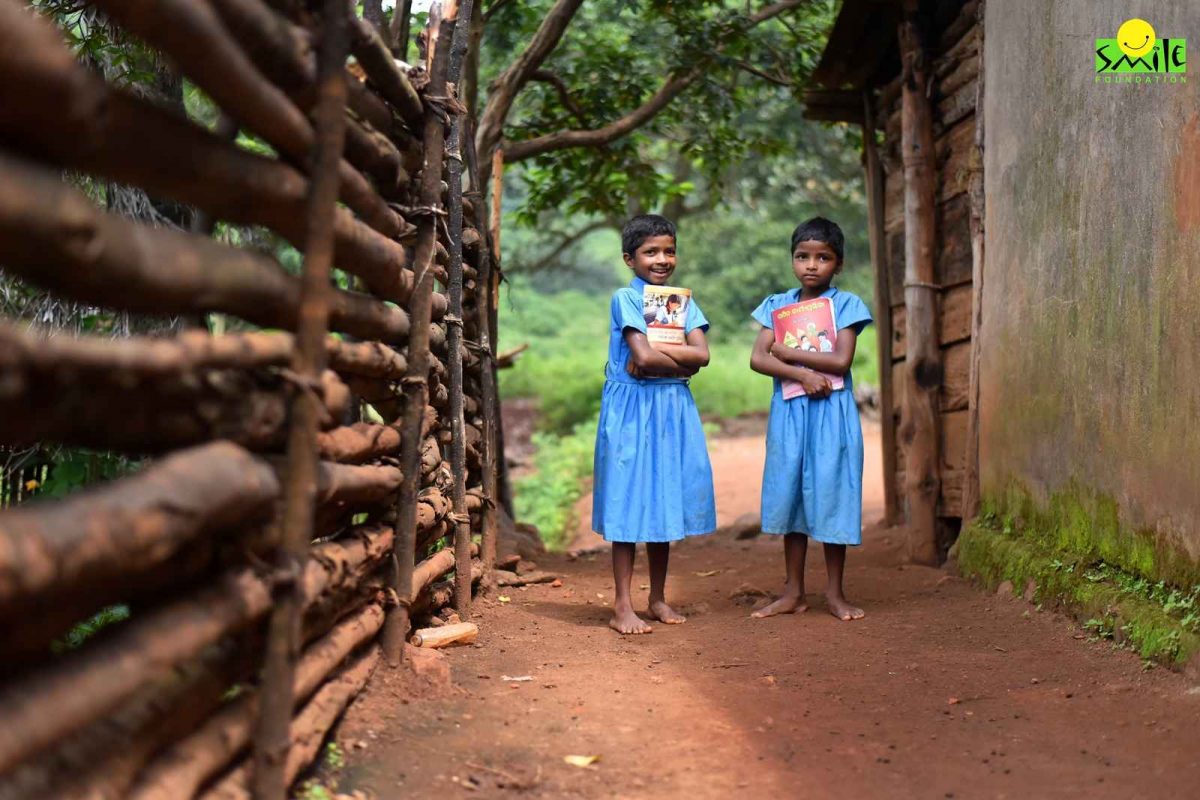
Smile Foundation’s education campaign Shiksha Na Ruke is transforming the lives of children from slums and remote areas across India. We provide them access to quality education and a chance at lifelong love for learning. Recognising the barriers these children face, including lack of resources and socio-cultural challenges, we work to bring them into the educational fold. 

By establishing schools and learning centres, we help children who might otherwise be forced into child labour or denied their right to education. We work so that instead of surviving, these children thrive in a supportive and nurturing environment. The approach not only focuses on academic growth but also addresses the socio-emotional needs of these young learners. One child at a time and in the quest to build a more educated and equitable society – in the area of education that’s our belief.
Categories
Education Insights

Is Social Media Changing the Meaning of Education?

In contemporary times, accessing knowledge about a specific topic does not necessitate a visit to a university. With a few clicks, a series of resources can become available to anyone with some understanding of the internet. Be it theory heavy disciplines like museology, curation, or something as complex as physics or coding, the internet has expanded the ambit of our learning by providing limitless possibilities in the realm of education. Take the case of Khan Academy, an American non-profit that offers a set of online tools to help educate students. With over 10,000 video lessons across a series of subjects, the platform has emerged as a great learning tool for free and equitable education globally.

Social media platforms, designed to expand interactive spaces where users can engage through various mediums, push the envelope even further. They can help foster a culture of learning and knowledge sharing. Christine Greenhow,  Julia Sonnevend,  Colin Agur in their 2016 book Education and Social Media: Toward a Digital Future write that when any form of internet technology evolves, educators are usually the first one to reject it. However, the rapid advancements in technology and the changing landscape of education globally, underscore how social media platforms have been playing an active role in revolutionising education—making it more accessible and interconnected than ever before. This emphasises the significance of social media’s role in education as a topic deserving of our attention.

It’s everywhere

The ubiquitous presence of social networking has piqued students’ interest. According to a 2016 survey conducted by Tata Consultancy Services, 70.8 percent of students in Mumbai spent between 15 to 180 minutes daily on social networking sites, with 48.2 percent using them for school-related tasks. Interestingly, social media usage among youth in smaller towns surpassed that in major cities. Mumbai ranked fourth in this regard, while tier-2 cities such as Pune (54.2%) and Vizag (53%) had a higher proportion of students utilising online platforms for their school assignments. 

Quite evidently, social media platforms have changed how students engage with education and professional development. Each platform offers unique benefits that cater to different aspects of learning and career preparation. YouTube has also played a pivotal role in this revolution. Over the years, it has evolved into a ubiquitous educational hub, offering a vast range of videos from academic lectures to tutorials. Teachers from around the world have embraced YouTube as a platform to facilitate learning. Students are increasingly seeking the platform’s help to clear concepts. 

Personal wins

A notable example is Roshni Mukherjee, who has amassed over 3 million subscribers on Instagram and created more than 8000 lessons tailored for Class 11 and 12 students. In an interview with the Indian Express, Roshni expressed that receiving feedback from students who understand topics quicker than in traditional classes motivates her greatly. 

Spaces like Quora, a question-and-answer website, and Facebook, a microblogging site have further pushed the envelope. The former serves as a knowledge-sharing platform where students can pose questions and receive answers from experts and peers across the globe. Facebook, by view of its features, allows students to share resources, discuss academic topics, and collaborate on projects. 

These communities serve as dynamic spaces where learners can exchange ideas, seek advice, and access relevant study materials curated by fellow students or educators. In fact, Telegram—a messaging app—serves as a repository for resources allowing educators to share study materials, video recordings, readings, supplementary resources, and assignment guidelines with students.

In the same vein, LinkedIn has emerged as a powerful tool for students aiming to expand their professional network and explore career opportunities while still pursuing their studies. The application allows students to gain insights into various industries, reach out for mentorship and even secure internships or part-time jobs that align with their career aspirations. 

Increased accessibility to education: Thanks to social media

Education, thanks to social media, has become a commodity accessible to all, thus democratising access by lowering barriers for underserved communities. It encourages collaborative learning by enhancing access to information, yet it also brings its own unique challenges. Despite a plethora of resources, social media use can impact students’ learning process, social interactions, etc. 

A 2021 cross sectional study conducted by Manjur Kolhar, Raisa Nazir Ahmed Kazi and Abdalla Alameen revealed that more than half students reported that social media use had affected their learning activities. Most students felt more drawn toward social media than toward academic activities. The use of these apps also delayed bedtime to social media use, further affecting their health. This trend concerns educators, who are grappling with how to redirect students to harness the educational benefits of social media while managing the inherent distractions that come with it. 

The integration of social media into education becomes a huge responsibility for schools and institutions. Beyond incorporating these platforms, they must guide students in discerning reliable information, managing time amidst distractions and navigating privacy and ethics. This ensures students harness social media thoughtfully and responsibly, cultivating digital literacy crucial for functioning in a dynamic global landscape. 

Don’t paint the picture too rosy for education through social media

Early this year, UNESCO issued a significant report emphasising both the potential and pitfalls of social media in education. While acknowledging the benefits of digital technologies in enriching teaching and learning experiences, the report also underscored significant concerns. These include privacy breaches, distractions that hinder learning, and the prevalence of cyberbullying. Moreover, the report also highlighted that social media can exacerbate gender stereotypes, adversely affecting the well-being, educational outcomes and career decisions of girls, further outlining the need for stakeholders to intervene with the right practices. 

Undoubtedly, as our world hurtles into the digital age, social media has firmly embedded itself into our daily lives. For educators, students and parents this means a collective need to embrace the potential of social media while they adapt to the evolving educational landscape.

Our Work

Smile Foundation’s Mission Education Program is dedicated to not only providing quality education but also addressing the socio-emotional needs of children. Understanding that emotional well-being is integral to a child’s overall development, the program incorporates holistic approaches that nurture both the mind and the heart. Through various initiatives, including counselling, extracurricular activities and community engagement, Mission Education creates a supportive environment where children can thrive emotionally and academically. 

The program’s counselling sessions also talks about cyber crime and prepares students to address issues pertaining to social media. Overload of information without guidance is harmful on impressionable minds and we are making efforts to protect the children from instances that can possibly scar them by training and sensitising the teachers towards the changing needs of children. 

Categories
Women Empowerment

Why are women employed in low-paying jobs?

Seema is a daily wager, one of the very few women from her village who works on the farms alongside men. The 24-year-old supports her family of four, including her husband and two young kids, ever since her husband developed an ailment that has not been diagnosed yet. Every day, she wakes up, cleans the house, cooks food, takes care of all the chores, and then goes to work on the farm, only to return at night and again do household work.

Even before she started working on the as a daily wager, Seema took care of all the tasks at home. On the farm, she gets paid INR 300 per day, a hundred rupees lesser than the men. She does the same work, puts in the same number of hours, and yet she is paid less than the others just because she is a woman.

Her story is also the story of millions of women across the globe as the persistent gender pay gap remains a concern. Despite progress, women continue to earn less than men across various occupations and industries. For every dollar a man earns, on average, a woman is paid only 54 cents. This problem has been highlighted on several occasions and remains unresolved. Especially in a country like India, where a large chunk of the workforce is employed in unorganised sector, this unfair pay gap is a major problem. So why do women often find themselves in low-paying jobs?

Occupational Choices

What comes to your mind when you hear the word nurse? Is it a woman that you picture or a man? It is highly likely that you think of a woman when you hear that word.

Similarly, when you hear the word pilot, what do you imagine? A man or a woman dressed in a pilot’s uniform? We carry many biases and stereotypes when it comes to gender and these stereotypes are strongly embedded in our way of thinking about the occupational choices for both men and women.

Often, women are seen to be more fit for occupational choices like teaching, caregiving, administrative work, etc. On the other hand, men are viewed as leaders working in more technical jobs. Even AI tools like ChatGPT have been observed to perpetuate these gender biases when it comes to professional choices. These gender differences in occupational choice contribute to the overall pay gap.

Industry and Sector Bias leading to women in low-paying jobs

Another factor is the industry or sector of economic activity. Men are more likely to work in manufacturing, which tends to offer higher earnings. In contrast, women are often employed in educational services, where pay is considerably lower. This occupational segregation perpetuates the wage disparity. Even when we look at large corporations, we will find that there are more men in leadership positions and fewer women. The gap is so big that it may take years to achieve any form of equality in this area. Women in low-paying jobs also means that India not doing well in its Sustainable Development Goals.

Social Norms

There are innumerable societal norms and stereotypes that restrict women from achieving greater success in the professional field. In India, the problem is even bigger because of the social evils like dowry, early marriage, etc. Often, boys in a family are given preference over girls to study and build their careers because they are seen as the breadwinners while girls are trained for housework.

Historically, women have been associated with caregiving and domestic work. These roles, often unpaid or underpaid, have spilled over into the labor market. Additionally, biases persist regarding women’s abilities, leading to lower expectations and, consequently, lower pay.

Negotiation and Self-advocacy

Studies show that women tend to ask for less pay than men during negotiations. It may be because of various reasons, like the discrimination faced in the workplace, the lack of confidence because of the overall disparity, or the domination of men in leadership roles. This willingness to accept lower salaries contributes to the overall decline in wages when women enter certain fields. Encouraging self-advocacy and negotiation skills can help address this issue.

Maternity, Period Leave and Career Breaks

The debate around period leaves for women created a furore in India in the last few years. Many argued that this will be harmful for women as employers will choose to not hire women because of this likelihood of giving them extra leaves.

Apart from this, a stigma is attached with maternity leaves even after they are legally mandated. It is also women who pay a higher price for any career breaks. The stereotypes are so deep-rooted that some reports suggested employers preferring to hire less women employees in the aftermath of Me Too Movement. All this shows that women have faced a tough situation and have to work harder to prove their worth in workplaces, sometimes having to neglect their physical and mental wellbeing. This also adversely affects their pay scale as compared to men.

Case Study: Indian Garment Industry and women in low-paying jobs

The Indian garment industry employs a large number of women. Despite their significant contribution, women’s wages remain low. Factors such as piece-rate payment systems, lack of bargaining power and limited access to formal education contribute to this disparity. In this industry, women are in low-paying jobs.

Most of the home-based garment workers operate from the confines of their houses, transforming living spaces into makeshift workshops. They are often subcontracted to perform specific tasks like sewing, embroidery or finishing. However, these workers receive meager piece-rate payments, which depend on the number of items produced rather than the hours worked. Also, majority of these workers are women who do this part-time work while managing their households.

Pay for skills, not Body Mass Index (BMI) – Against women in low-paying jobs

So what can be done to address these issues? India needs comprehensive policy reforms to safeguard the interests of women. There needs to be a stronger focus on eliminating this pay gap and bringing greater parity in workplaces.

While the formal sector can be easily regulated, what’s needed is a mechanism that can create the right conditions for women in the informal sector as well. This needs to be achieved while also ensuring that employers do not begin to hire lesser women for work because of these changes.

The policies should focus on promoting gender equality, investing in skill development and creating safe and inclusive work environments. Organisations, government bodies and civil society must collaborate to bridge the gender pay gap and uplift women in the workforce.

Categories
Smile Insights

What do we mean by ‘Child for Child’?

Are you aware that the United Nations General Assembly adopted a landmark treaty in 1989 to ensure that children enjoy basic human rights and fundamental freedom? One of the articles of the treaty—the United Nations Convention on the Rights of the Child (UNCRC)—says that children have the right to freely express their views in all matters affecting them and those views should be given due weight in accordance with their age and maturity. But how will the children be able to be empathetic and form an opinion if they are not even aware of the ground reality? 

After all, as the saying goes,

‘You can’t teach an old dog a new trick.’

For society to have responsible individuals and changemakers, the sense should be sown at a young age. That’s why it has become increasingly important to sensitise the children about the prevailing differences in society.

Why did we think privileged ones should engage with underprivileged children?

With the intention to inculcate the feelings of empathy and conscience among the children, Smile Foundation launched the ‘Child For Child’ (CFC) programme in 2006, i.e., just a few years after their establishment. We believe children to be the best change agents, not just in their families but also in the communities.

It’s sad that children, who are capable of changing society upside down, are tied to mobile phones and other electronic gadgets. While a section of them enjoys technological advancement as they are forced to breathe the air of ignorance, the other section, mostly from marginalised communities, is struggling even to meet their basic needs. To bridge the gap between these sections, the first and foremost thing that one needs to do is make them aware of the other section through sensitisation. 

That’s exactly what Smile Foundation has been doing as a part of the programme. For we believe society sees no sustainable change unless members of privileged society are actively involved in the upliftment process. Not just that, there is also a huge need to channelise the children’s energy and enthusiasm in a positive direction to build a healthy society.

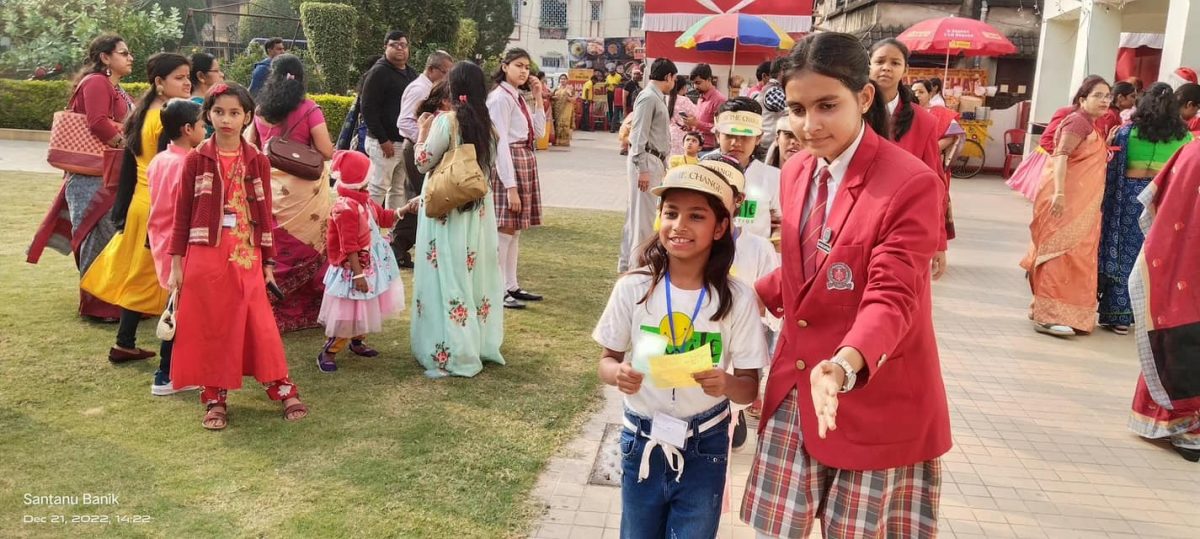
Under the programme, we have been visiting schools and conducting interactive sessions to talk in detail about the inequalities and social discrimination in the society they live in. The children will also be told about the deprivation and pain endured by those from the marginalised communities to have the same access as they have.

Not just that, volunteers also put in their full efforts to make the children realise how blessed they have been to actually have escaped from the plight that underprivileged children go through on a daily basis. It is important to count on our blessings to develop the right attitude and become empathetic towards the underprivileged. For empathy is the spark that ignites the desire to bring about change in the world.

Designing of the unique programme

The ‘Child For Child’ programme has been designed to work at three levels to sensitise children, teachers and parents. Engaging sessions and informative workshops where stories of inspiring change-makers, pioneers and Indian leaders are shared are conducted for children. While seminars and workshops are conducted for teachers, webinars are conducted for parents. We have conducted more than 2,500 value education sessions and sensitised over 3 lakh students studying at more than 1500 schools across the country in the year 2022–23.

To kick-start discussions about vital personal, societal, moral and global issues, we have also been organising a film screening festival for the last then years called Smile International Film Festival for Children and Youth (SIFFCY). Films are an intriguing alternative to start such difficult discussions. This year, more than 50,000 children and youths aged between six and 25 years get to watch over 150 critically acclaimed award-winning movies from 40 countries at the festival that was organised from April 9 at 50 locations besides New Delhi. It is one of the biggest children’s film festivals organised in the country.

Attempting to even out the bumps, the programme has also been organising interactive sessions between privileged and underprivileged children. During the meetup, they celebrate festivals, share experiences, exchange knowledge and learn new skills. These sessions are indeed helping the children to develop friendships beyond the border.

What does feel better if not the words of testimony? One of the supporters, Savita Arora, principal of Bharati Public School, said,

“Smile Foundation sensitised the students and teachers to make the world a better one. Because children who are underprivileged and those who hardly get anything to survive are fed by the foundation.

Educating a person is easy. But concepts with values and the ways values are taught to them are more important. The foundation is doing its best in it.”

Savita is definitely not the lone one to speak well about our work in this field and we hope to engage many more privileged and underprivileged children in the coming years.

Categories
Education

A Life Richer by Virtues: Remembering Dr. A.P.J. Abdul Kalam

Some people claim to greatness by way of saying it, but some people claim to greatness by never having to claim to it.

Dr. A.P.J. Abdul Kalam (born on 15 October 1931 in the beautiful Rameswaram town of Tamil Nadu) has been talked about as and remains to be the most beloved President of India that the country has ever had. Indeed, he was the only one who could have made the unfathomable transition from being the Missile Man of India to becoming the People’s President, two roles which were poles apart, and yet he excelled at both of them in his inimitable effortless manner. He was a walking inspiration and continues to inspire us long after he has left.

After finishing his education at Schwartz Higher Secondary School in Ramanathapuram, Dr. Kalam enrolled at St. Joseph’s College in Tiruchirappalli, graduating with a degree in Physics in 1954. In 1955, he relocated to Madras to pursue aerospace engineering at the Madras Institute of Technology. During his time there, Dr. Kalam worked diligently on a senior class project.

Innumerable instances from his life still move us, and on his birthday, we go back to some of those moments that have touched the lives of millions of Indians, and motivated us to “Dare to Dream”.

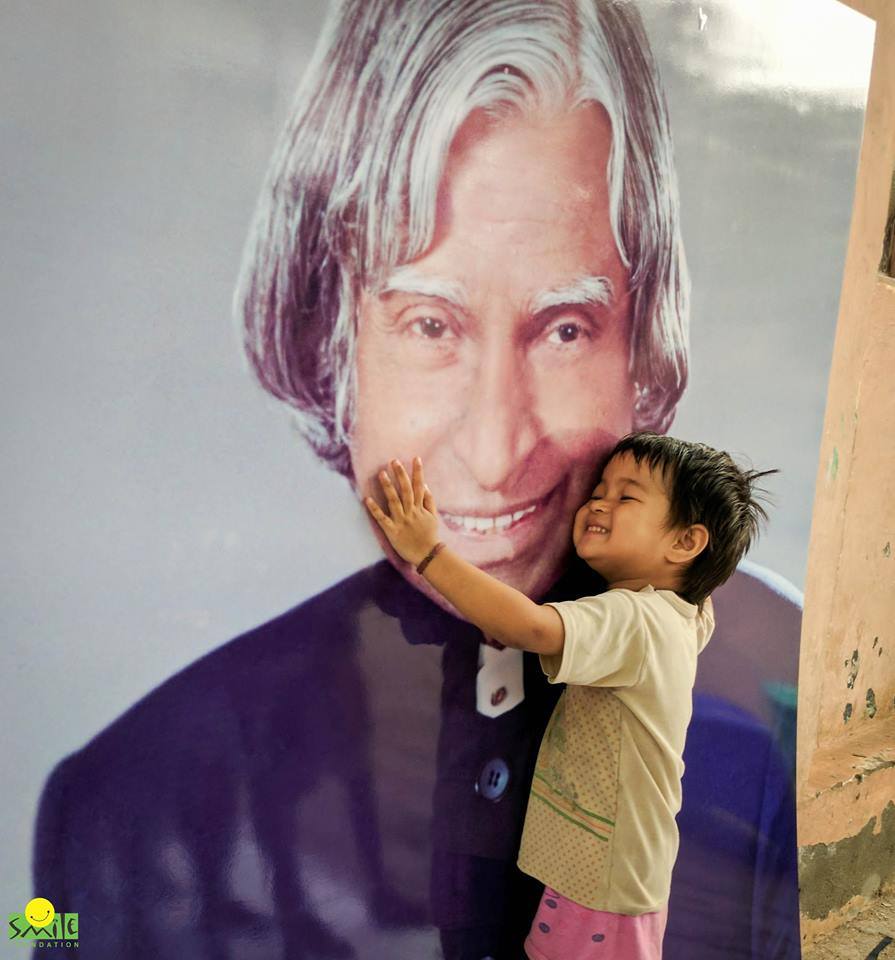
Dr. Kalam always had a special bond with children. No matter whether he was a scientist or the President, first and foremost, he always thought of himself as a teacher. When it had been declared that he would be the next President of India, Dr. A.P.J. Abdul Kalam had gone to a small school to deliver a lecture to about 400 children. As fate would have it, the electricity went off at the school and he had gone there with very minimal security.

But that did not deter him and instead of waiting, he stepped forward and asked all the students to circle around him, and started off his lecture without any pomp or show.

“If people will remember me as a good teacher, that will be the biggest honour for me,” are his words that resonate with us even today.

Dr. A.P.J. Abdul Kalam

He believed that greatness can never be achieved without compassion and humility. His life is a living testament to that. He never thought himself to be superior to anyone, and believed that there was something to learn from everyone. On several occasions, he would receive requests from children and youth who wanted to meet him and share their ideas. He not only met them, but also discussed with great passion every idea that they shared with him.

These little anecdotes that make up the exemplary life of Dr. Kalam make one smile and leave one inspired. One story that stands out is from the days when he was working as a scientist. 70 scientists were working on a project together, and one of the junior members of his team had promised to take his children to an exhibition, and so wanted to leave early at 5:30 PM. While Dr. Kalam agreed readily, the scientist got occupied with work and by the time he realized he had to go, it was already 8:30 PM. However, Kalam had figured that the scientist had gotten busy, and had showed up at his house at 5:15 PM and took his children to the exhibition instead!

The purity and beauty of his actions remain unparalleled even today. Perhaps, because of his little quirks and huge generosity, Dr. Kalam remains to date one of those rare leaders who are equally loved by all. On his birthday, let us all remember this great visionary of our time, the pride of the country, the children’s favourite.

He may have left the world  on 27 July 2015 after living 83 fruitful years, but he will forever remain in our hearts! 

Smile Foundation and Dr. A.P.J. Abdul Kalam

‘I am Kalam’ is a 2011 Indian Hindi-language drama film produced by Smile Foundation and is the story of a boy Chotu, from a poor family who works as a child labourer at a highway-side dhaba. Irrespective of the problems in his life, he is a happy child with a simple dream to become someone like Dr. APJ Abdul Kalam. Learn about the movie here!

We are excited to invite schools to join us in a unique educational initiative by screening the movie “I Am Kalam” for your students. This film, which beautifully captures the transformative impact of Dr. A.P.J. Abdul Kalam’s words and actions, is a reminder of the power of dreams and determination.

Screening “I Am Kalam” at your school will provide students with valuable lessons about:

  • Resilience and Determination: Chhotu’s story exemplifies how determination and a positive attitude can overcome even the most challenging circumstances.
  • The Importance of Education: Dr. Kalam’s emphasis on education as a tool for empowerment will resonate deeply with students, encouraging them to value and pursue their studies with renewed vigor.
  • Inspiring Leadership: Dr. Kalam’s life demonstrated that true leadership is about service, humility, and dedication to a greater cause. His example teaches students that anyone can make a significant impact, regardless of their starting point.
    Interactive Discussions

After the screening, we encourage schools to hold interactive discussions where students can share their thoughts and reflections on the movie.

How to Participate

We invite your school to take part in this initiative by organizing a screening of “I Am Kalam” for your students. Here are the steps to get started:

  • Contact Us: Reach out to our team at +91 70654 45667 (Alka Karnatak, Child for Child Programme) or mail us at: info.cfc@smilefoundation.email to schedule a screening date.
  • Prepare for the Screening: We will provide you with resources and discussion guides to help facilitate a meaningful experience for your students.

By screening “I Am Kalam” at your school, you will not only entertain your students but also instill in them the values and ideals that Dr. A.P.J. Abdul Kalam stood for. The movie will open up meaningful discussions and personal reflections, encouraging students to dream big and strive for excellence.

We look forward to collaborating with schools to bring this inspiring story to young minds across the country. Let’s work together to nurture the next generation of leaders and changemakers, inspired by the legacy of Dr. A.P.J. Abdul Kalam.

Categories
Smile Insights

What Areas Do Smile Foundation Work In? 

Smile Foundation is dedicated to conducting real work on the ground and promoting inclusivity in society and business as a means of effecting change. Smile Foundation’s projects align with the Sustainable Development Goals (SDGs) and the approach integrates intersectionality within the SDGS as well. Our projects work towards achieving SDG 1- No Poverty, SDG 2- Zero Hunger, SDG 3- Good Health and Well-being, SDG 4- Quality Education & SDG 5- Gender Equality, SDG 6- Clean Water and Sanitation, SDG 8- Decent work and Economic Growth and SDG 10- Reduced Inequalities. 

The Core Areas of Work

Our primary goals include education, health, livelihood, women’s empowerment, disaster relief and grassroots empowerment. These are some of the key campaigns we work on.

Shiksha Na Ruke

289608853 5841912925832627 8226446160788972057 n
Sivani and her mother

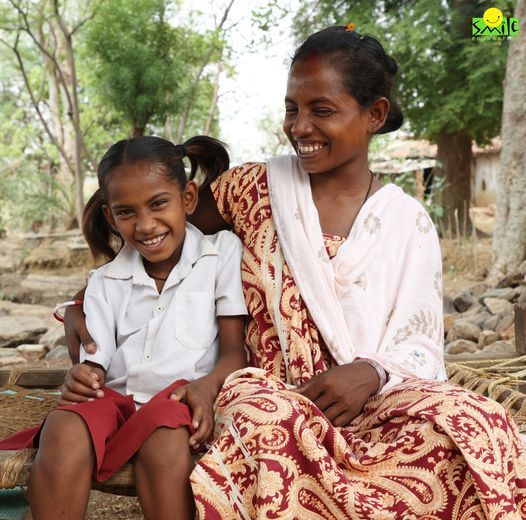
I am a farmer earning 200-250 rupees a day. Neither my parents nor I went to school. Before marriage, I was determined to educate my children. I am grateful to those who educate my daughter for free. Seeing her in uniform, studying like children from affluent families, fills me with pride. I want her to achieve everything I never did.

– Sivani’s mother, Mission Education Centre – Jharkhand

The challenging socio-economic circumstances of many children who miss out on a good education and the low participation of women in education and STEM learning programmes is the basis for this initiative. Smile Foundation’s  Shiksha Na Ruke project focuses on

  • education
  • health check-ups
  • teacher capacity building
  • vocational training
  • music
  • sports
  • life skills
  • STEM learning
  • digital literacy
  • and scholarships for girls as their areas of work.

Health Cannot Wait

106947067 3605623259461616 497024425835006120 n
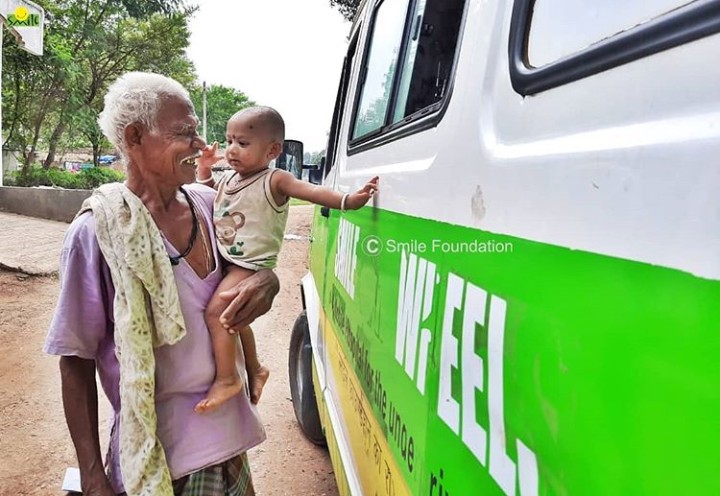
Bisahu Khare with this grandson, Surya

Surya’s mother died in childbirth, leaving his grandfather to care for him. When his grandfather developed health issues, he turned to Smile’s mobile medical van for treatment. With the doctors’ help and his determination, he improved his health and could continue to provide for Surya’s future.

– Bisahu Khare, Chhattisgarh

The Health Cannot Wait initiative by Smile Foundation improves the healthcare system including dental care and reduce the out-of-pocket expenses by providing quality healthcare services directly to vulnerable communities, with a special focus on women and children. We organise health camps that educate about water, sanitation and hygiene (WASH) and promote children’s health.

Our Mobile Healthcare Units offer outpatient services, testing and medicines to underserved populations. Telemedicine Centres and e-Health Kiosks connect remote rural areas with urban health centres, making specialised healthcare more accessible. Smile Foundation also supports Government Health Centres by integrating telemedicine, training frontline workers and upgrading Primary Health Centres (PHCs). These efforts collectively improve healthcare access and empower communities.

She Can fly

I aspire to become an IAS officer to positively impact society and my country. Inspired by this education centre, I dream of opening my own to support others on their educational journey. I want an inclusive space where anyone, regardless of background, can learn. I particularly aim to empower mothers who couldn’t study when they were young through education.

– Nazneen

Smile Foundation’s She Can Fly initiative is aimed at enabling and empowering girls to become self-reliant. We want them to rise up to their full potential through interventions in education, vocational and skill training and healthcare and nutrition. It is also a step towards sensitising the civil society at large and helping create a gender-neutral society.

Swabhiman

269603200 5280058985351360 8486469598454878696 n edited
Yashoda at her home

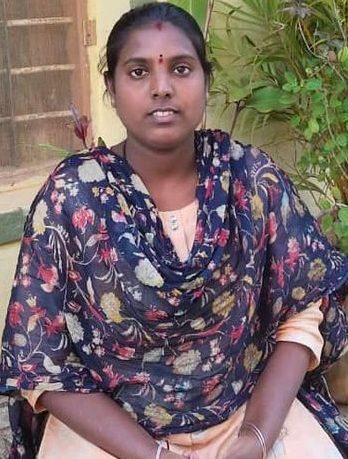
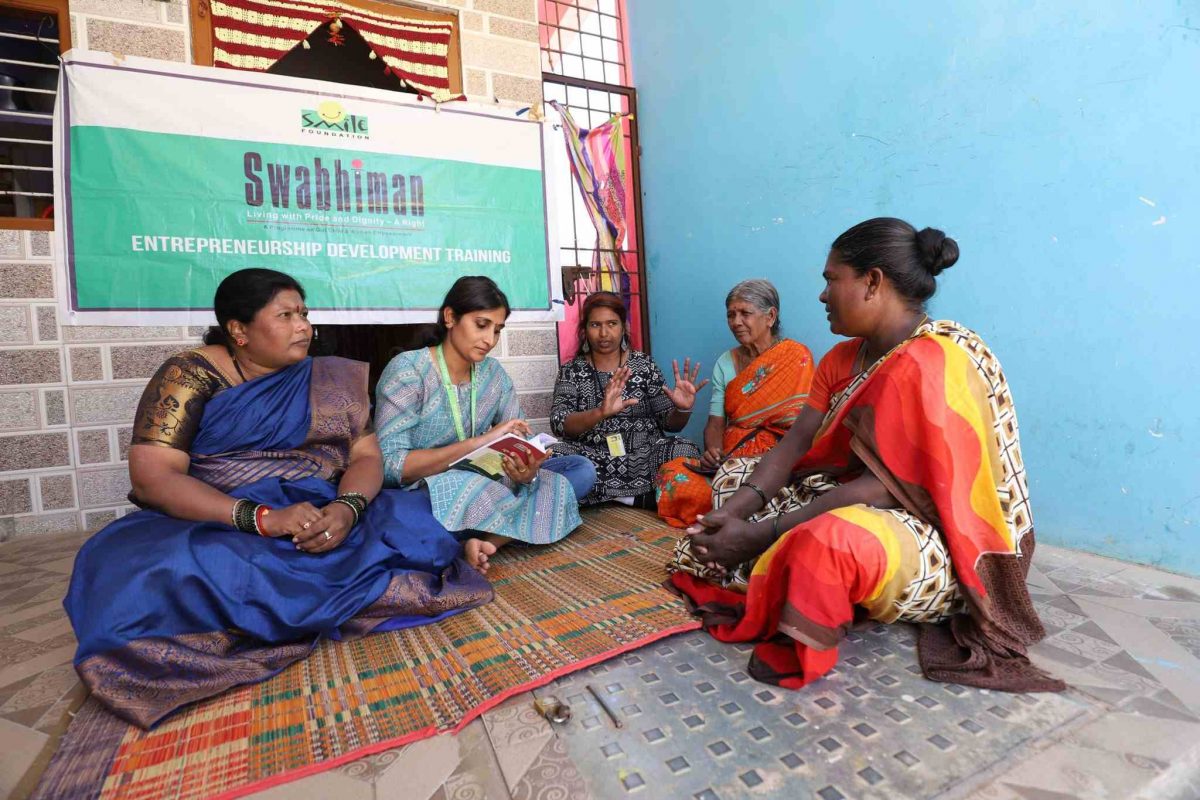
Yashoda joined Smile’s “Entrepreneur Development Training Programme” after her husband lost his job during the pandemic. After completing the training she rallied the community women and established “Kadamba Naturals,” crafting handmade organic cosmetics.

Yashoda is a community leader today, who envisions expanding her business to empower more women towards self-reliance.

In 2005, Swabhiman, a women empowerment programme, reached out to marginalised and socially excluded women with interventions in nutrition, healthcare and livelihood. Smile undertook innovative community practices to help them seek reproductive healthcare, understand their nutrition needs and achieve financial independence through skill training and financial literacy. Swabhiman also actively works to create a gender equal society, engaging men and boys to participate in the process of women empowerment.

The core areas of work include – Reproductive & Child Health, Nutrition Enhancement, Entrepreneurship Development, Digital Financial Literacy, Govt. Convergence & System Strengthening and Sustainability in Communities.

Tayyari Kal Ki

Gunjan is a 19-year-old ambitious girl from Bihar and is currently residing in Noida with her parents and 3 siblings. She is pursuing her graduation in Political Science; however, she was always inclined to make a future in Digital Marketing. She joined STeP Digital Marketing Skilling Programme, which gave her a platform to display her thoughts before like-minded people, and made her realize her true potential. She is currently working at Forward Eye Technology as a Senior Digital Marketing Executive and grossing in a package of Rs. 12,000 per month.

Tayyari Kal Ki train & up-skill the youth between the age of 18-32 years for empowering them with a secure livelihood. This livelihood mission is in strong alignment with the Government of India’s Skill India initiative. The highlights of the programme are – Cloud-based Online Training, Industry Exposure Visits, Hand-on Training, Direct Interface With Employers.

Other Initiatives

Under the Child For Child programme, Smile Foundation conducts school sessions to raise awareness among children about various causes and their privileged status. The Empowering Grassroots programme aids grassroots initiatives in becoming locally sustainable, aligning with India’s “Atmanirbhar Bharat”. Additionally, the Disaster Response programme provides emergency relief during calamities, focusing on children and their families.

Categories
Skill Development

Smile works as a Livelihood NGO too

When founded by a group of friends in 2002, who would have given a thought that Smile Foundation would help over 56,500 youth from backward communities across the country to get job opportunities in various sectors. We have collaborated with various industrial giants to ensure that job opportunities reach the marginalised.  

Founded with a vision to bring comprehensive and sustainable changes in the lives of the underserved, Smile Foundation has evolved as a livelihood NGO over a period of time. Their constant work towards enhancing the economic well-being and socio-economic status of people through various interventions has helped them to attain the title. This evolution has taken place in addition to their immense contribution in the fields of education, health and women empowerment. What sets the foundation apart is their integrated approach, which focuses on long-term upliftment strategies.  

What is the youth lacking to get jobs?

If one is well-aware of the country’s demographic dividend window, expected to last until the mid-2050s, they will know that breaking the cycle of inequality is not a cake walk. To connect the unemployed youth and the job providers, one needs to conduct studies at grass-roots levels and understand the missing pieces. The missing piece here is the lack of requisite qualifications and adequate training.

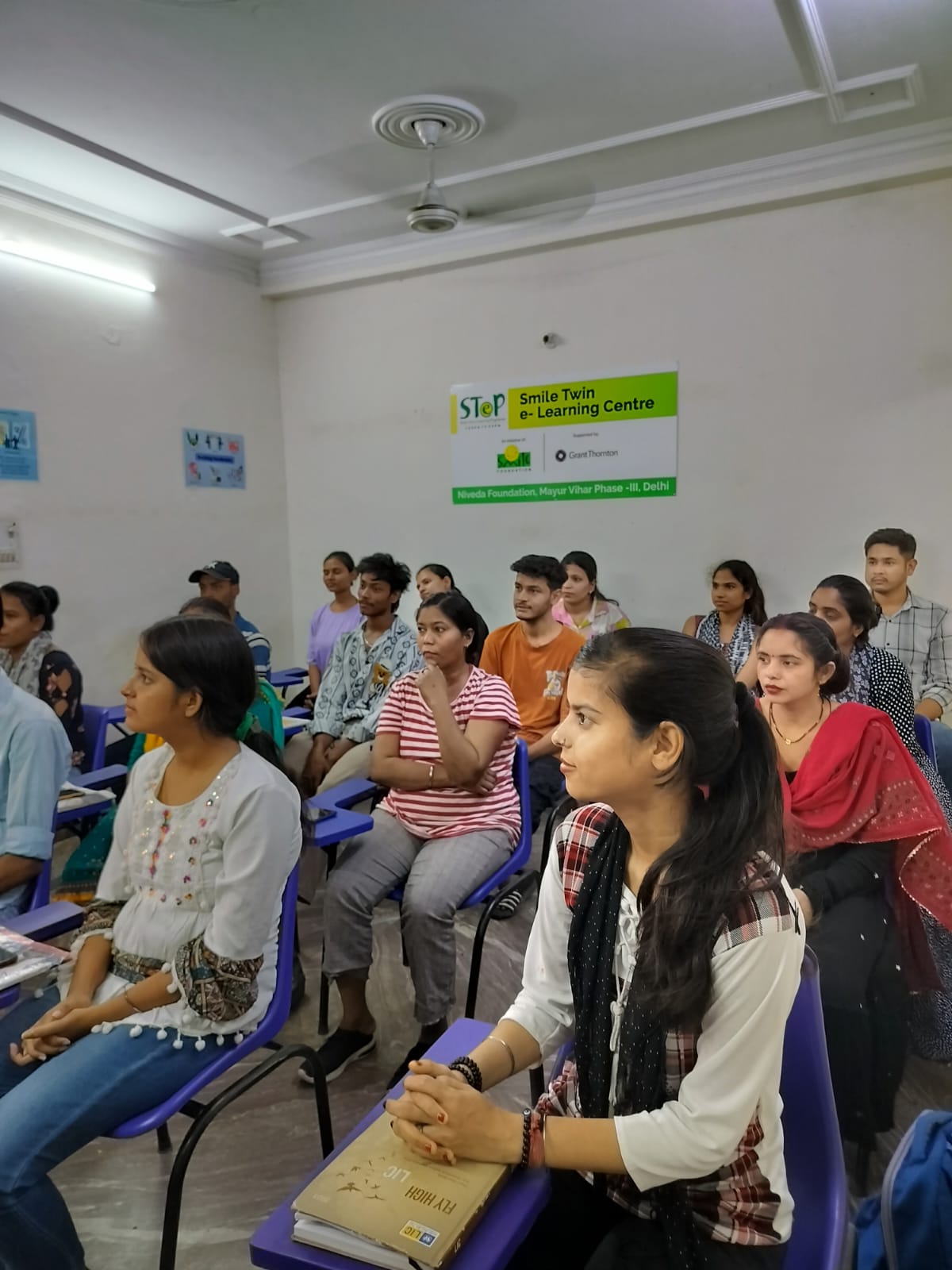
To bridge the gap, we mobilise the community to understand their willingness and then enrols them in the training courses of their choice of our livelihood initiative STeP (Smile Twin e-Learning Programme). Post-training, which lasts about four to six months, provides them with hands-on training to prepare them for workplace challenges and career guidance. Our role just doesn’t end there. We believe in going the last mile to give back to society by tying up with numerous companies and offering placement support. In most cases, we also provide post-placement support.

Our phenomenal partnerships steering our efforts

The livelihood initiative of Smile Foundation has over 74 skilling centers and has conducted over 800 career counseling and industry exposure sessions. Partnering with more than 400 giants from various industries, including the insurance, banking, and hospital sectors. Some of their employment partners are ICICI Lombard, BLK Super Specialty Hospital, HDFC Financial Services, HDFC Life, Venkateshwar Hospital, Fortis Hospital, and Apollo Pharmacy, we focus on driving down the unemployment rates in the country too.

Not just that, we have also partnered with several industry experts, including the Wadhwani Foundation, the NIIT Foundation and Tata Strive, to provide effective upskilling and vocational training. With the knowledge and resources they have acquired from their partners, the livelihood NGO has been constantly upgrading its curriculum in core employability skills, banking, financial services and insurance (BFSI), and digital marketing. 

The partnership is indeed valuable to the trainees. For, it helps them understand the industry requirements and equip themselves with the skills in demand. Through such collaborations, we have facilitated job placements for trained candidates in companies like Quess Corp., Better Place and Teamlease. The foundation has trained over 90,000 youths till date, of whom over 56,500 have acquired job offers.

For instance, the livelihood NGO joined hands with Berger Paints in 2021 to support one of their upskilled training programmes – iTrain on Wheels – that is aimed at enhancing the skills of painters. In the year 2023, about 94,333 painters were trained at over 100 remote sites in 24 states through 19 iTrain vans. The programme not only concentrates on bestowing emerging painters with contemporary painting techniques but also focuses on existing painters to increase their employment opportunities.

Not just that, we have also collaborated with Amazon to create 21st century learning labs. The labs come in handy while providing hands-on training to trainees.

Recent skilling partnerships – Our work as a livelihood NGO

Our collaboration with the charitable wing of the Flipkart Group – the Flipkart Foundation – in 2023 will ensure that the trainees of Smile Twin e-Learning Programme (STeP) centers in Bengaluru will get adequate industry-oriented employability skills.

The foundation has also been empowering women to become skilled and financially independent through their women empowerment programme – Swabhiman. Under this programme, we provide entrepreneurship and skill development training to help women understand and implement the financial management, marketing and communication techniques required to scale up their businesses. Over 1000 women and adolescent girls were trained as change agents and about 54 women-led businesses and small enterprises were set up.

Transformation of women into decision-makers

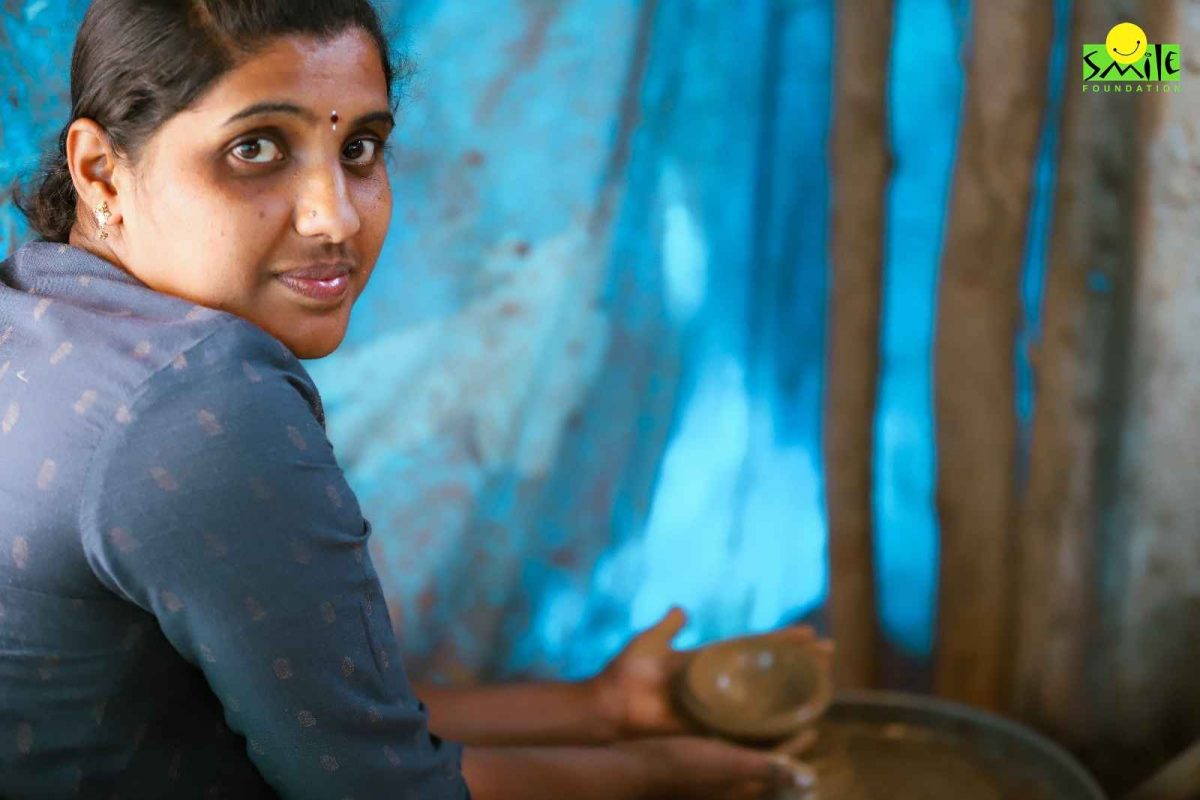
The success stories that constantly emerge from the livelihood programmes of the foundation are testimonies to our impact on the ground. For instance, take the story of a young mother, Yashoda, from Karnataka. Her once-peaceful life turned bitter during the COVID-19 pandemic when her husband lost his job. Determined to fight the odds, she joined the NGO’s entrepreneur development training programme. Today, she, along with like-minded women from her community, has become a businesswoman who produces handmade organic cosmetics like kajal, bathing powder and tooth powder, among others. Now, she is not just financially stable but also wants to expand her business.

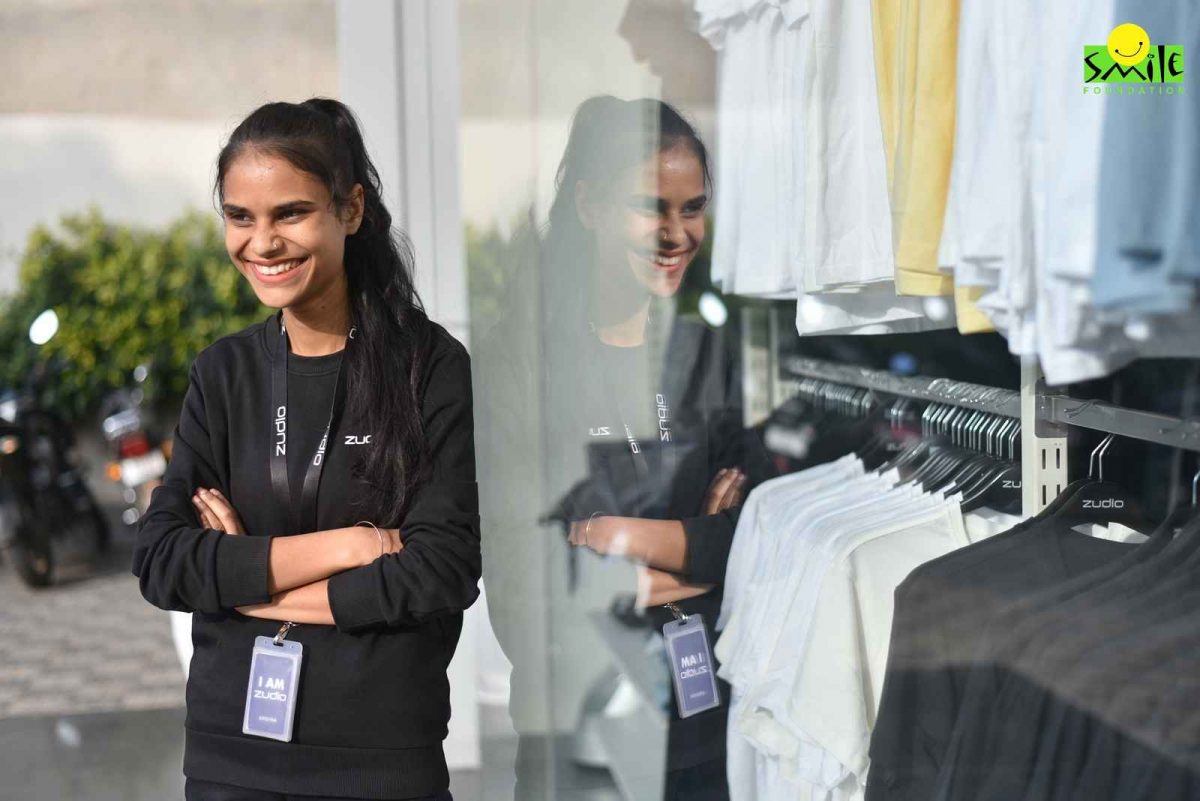
The story of Ritu is not very different. Caught in the vicious circle of poverty, Ritu’s life had become even more miserable when her father lost his job during the pandemic. Though she desired to study further, her family situation did not allow it. But she did not let her world end there. She had taken up core employability training under the STeP programme, she is now working at a retail clothing chain in New Delhi with expertise in fast fashion, including clothing, accessories and shoes.

The stories just don’t end here. For, the livelihood NGO has been pulling all the strings to create a visible and long-term impact on the livelihood of many more in the years to come. We invite corporates to join us in our skilling mission and provide training to the youth so that India becomes more than a progressive nation.

Mail us at: cp@smilefoundationindia.org

Categories
Women Empowerment

Creating Successful Women Entrepreneurs

Women entrepreneurship in India is evolving but numerous challenges persist, especially for women from low-income backgrounds. In both India and globally, women entrepreneurs face unique hurdles and opportunities. Despite progress, many struggle with limited access to funding, education and mentorship, alongside deep-rooted cultural and societal barriers. These challenges, however, are not insurmountable.

By implementing targeted support and strategic initiatives, we can empower women from diverse backgrounds to transform their entrepreneurial dreams into thriving businesses.

Global Landscape of Women Entrepreneurship

Globally, women own approximately 37% of all businesses, a number that continues to grow. Yet, they often encounter gender-specific barriers, including limited access to funding, lack of mentorship and societal expectations. According to the Global Entrepreneurship Monitor (GEM) 2020/2021 Women’s Report, 49% of women entrepreneurs globally cite fear of failure as a major obstacle, compared to 37% of men. 

In many developing countries, these challenges are compounded by socio-economic factors. Women in slums and rural areas often have limited access to education, financial resources and social networks, making it exceedingly difficult for them to start and sustain businesses. Nevertheless, driven by resilience and an innovative spirit, women entrepreneurs are rising up the ladder making their presence felt in the very male-dominated space of business.

How’s India faring in creating Successful Women Entrepreneurs?

In India, out of 58.5 million establishments in India, 8.05 million are run by women entrepreneurs, accounting for approximately 13.76% of all establishments, as per the Sixth Economic Census by the National Sample Survey Organisation (NSSO). This low percentage reflects the myriad challenges faced by women, particularly those from underserved backgrounds. 

Women in rural areas or urban slums encounter additional hurdles such as societal norms, lack of family support and financial constraints. Many women drop out of school due to socio-economic pressures or early marriages, limiting their knowledge and skills. For instance, only 27% of Indian women above the age of 25 have completed secondary education, compared to 56% of men.

Furthermore, access to capital remains a significant challenge. The credit gap for women-owned small and medium enterprises (SMEs) in developing countries is estimated at $1.5 trillion, according to the International Finance Corporation.

Barriers and Challenges Faced by Women Entrepreneurs

Access to capital remains a significant barrier, with many women lacking collateral and facing discrimination from financial institutions. Societal expectations and cultural norms often impose additional hurdles, limiting their business opportunities and involvement. 

Balancing domestic responsibilities, especially during pregnancy and as new mothers, further complicates their entrepreneurial pursuits. Many women also encounter a lack of support, both emotional and professional, important for business growth. These multifaceted challenges highlight the need for targeted interventions and support systems to empower women entrepreneurs to succeed.

Opportunities and Support Systems

Government initiatives like Mahila e-Haat, Stand-Up India and Mudra Yojana aim to provide financial and technical assistance to women entrepreneurs, bridging the gender gap by offering easier access to credit and resources. 

Companies can invest in women-centric projects, through Corporate Social Responsibility (CSR) providing funding, training and mentorship. For instance, the Tata Group’s initiatives for women’s empowerment include vocational training programmes and financial literacy workshops. NGOs are instrumental in providing grassroots support. 

Various development organisations offer training, financial assistance and advocacy for women entrepreneurs, particularly those from rural and slum areas. The rise of digital platforms has opened new avenues for women entrepreneurs. E-commerce platforms, social media and digital marketing enable women to reach wider markets with minimal investment. Digital literacy programmes can further enhance these opportunities. 

Swabhiman: A Smile Foundation Initiative

Swabhiman, an initiative by Smile Foundation, has been instrumental in empowering women through entrepreneurship skilling since 2005. Recognising the critical link between gender equality and sustainable development, Swabhiman works with marginalised and socially excluded women, providing interventions in livelihood, nutrition and healthcare. 

Through innovative community practices, the programme empowers women with reproductive healthcare knowledge, nutritional awareness and skills training to achieve financial independence. Additionally, Swabhiman focuses on entrepreneurship development and skill training for women in urban slums and rural areas, promoting digital financial literacy to enhance economic security. By actively engaging men and boys, the initiative strives to cultivate a gender-equal society, encouraging community-wide support for women’s empowerment.

The Role of Society in Creating Successful Women Entrepreneurs

Community support systems, such as women’s business associations and local initiatives, can provide essential training and financial assistance. Moreover, societal attitudes that celebrate and normalise women’s achievements in business can inspire confidence and ambition. By addressing structural barriers and biases, society can empower women to innovate, lead and thrive in the entrepreneurial landscape.

By addressing the unique challenges of women and leveraging opportunities through social work, government and CSR initiatives, and societal support, we can pave the way for successful women entrepreneurs.

As activist-writer Bosa Sebele said,

“There is no source more powerful than a woman determined to rise”.

Their success not only transforms their lives but also contributes significantly to the broader socio-economic development of their communities. Through collaborative efforts and sustained support, we can create a world where every woman, regardless of her background, has the opportunity to realise her entrepreneurial dreams and contribute to a more equitable society. Let us work together to ensure that the path to success is open to any woman who dares to dream!

Categories
Smile

Best Livelihood Programmes in India

Have you ever wondered how an individual can actually be independent in the absence of financial freedom? Won’t it be termed slavery if one had to obey their employer blindfolded to earn the money required to fulfill their basic requirements? This is when economic empowerment comes into picture. Economic empowerment has become more important in a country as populous and diverse as India to alleviate poverty, narrow down socio-economic disparities and let a person live with dignity. 

Economically empowering the marginalised and vulnerable communities in the country whose unemployment rate has crossed 7% is not an easy task. India’s unemployment rate was 7.6% in March 2024, according to the Centre for Monitoring Indian Economy, an economic think tank.

Several organisations work in parallel with the government to offer skills training, entrepreneurial support and job opportunities through their best livelihood programmes in India. These programmes help the individuals not just to secure a stable income but also to overcome the socio-economical barriers and improve their standard of living, thereby. Economic empowerment achieved through livelihood programmes is the only sustainable path in India’s journey towards becoming a superpower. 

Let’s take a look at some of the best livelihood programmes in India.

  1. Mahatma Gandhi National Rural Employment Guarantee Scheme (MGNREGS)

The scheme was implemented in 2005 with the vision to enhance the livelihood of rural households in the country. Under the scheme, villagers get guaranteed employment for about 100 days in a financial year with a minimum wage of INR 202 per day. Volunteering villagers are assigned unskilled manual work to create and maintain public assets like plantations.

The scheme plays a vital role during the lean agricultural seasons and in improving the rural infrastructure. According to the NREGA website, the scheme has 13.07 crore active workers in the financial year 2024–25 and created about 8.28 crore assets since its inception. It means the scheme has roughly benefitted 3.2 crore rural households in the country.

  1. Deendayal Antyodaya Yojana – National Rural Livelihoods Mission (DAY-NRLM)

The flagship programme of the union ministry of rural development aims at ensuring that economically backward households get profitable self-employment and skilled wage job opportunities for their sustainable livelihood. Under the scheme, people will get into skill development training and placement opportunities.

The scheme also supports self-employment through rural self-employment institutes, innovations, infrastructure creation and market support. Under the scheme, subsidised loans would be given to self-help groups (SHGs). According to the NRLM website, 10 crore households were mobilised into SHGs till date and 16.54 lakh SHGs have availed of loans worth Rs 33,480 crore during the financial year 2024-25.

  1. Pradhan Mantri Kaushal Vikas Yojana 4.0 (youth training programme)

The scheme aims at promoting an enabling environment for youths to acquire skills and choose a career path well-aligned with their aspirations and abilities. People aged between 15 and 59 years get training under the scheme. About 24.18 lakh youths have registered under the scheme in the current financial year.

According to the Skill India Digital website, the scheme has 12,249 training centres in 729 districts, which train youths for 777 job roles in 37 sectors with the help of 5,416 training partners. About 11.02 lakh youths are trained, 5.31 lakh trainees are assessed and 4.77 lakh trainees are certified this year. Ever since the scheme was launched in 2015, 1.37 crore youths were trained, of which 1.1 crore trainees were certified and 21.84 lakh were placed, the website adds.

  1. Startup India scheme

The scheme was launched in 2016 with the objective to support entrepreneurs and to build a robust start-up ecosystem, thereby transforming India from a country of job seekers to a country of job creators. The scheme supports startup ventures through its funding schemes like the Startup India Seed Fund Scheme, the Credit Guarantee Scheme for Startups and Startup India Investor Connect, which facilitates business opportunities and offers tax benefits.

Under the scheme, incubators and accelerators are established across the country to provide startups with mentorship, infrastructure and networking opportunities that play a vital role in their growth. It has encouraged numerous young entrepreneurs to develop scalable businesses. The Startup India website has about 7.3 lakh portal users and 1.42 lakh recognised startups. To encourage innovation among the entrepreneurs, national startup awards have been given annually.

  1. Deendayal Antyodaya Yojana – National Urban Livelihoods Mission (DAY-NULM)

The scheme aims at reducing poverty by enabling successful self-employment and skilled wage employment opportunities to urban financially backward households to help them improve their livelihood. The scheme provides housing facilities to urban homeless. Under the scheme, access to suitable spaces, institutional credit, social security and skill development training would be provided to urban street vendors to help them access the emerging market opportunities.

The scheme promotes community-based organisations and self-help groups among the urban poor with an aim to enhance their collective strength and participation in local governance. Also, under the scheme, affordable credit and financial assistance are provided to microenterprises. Ever since it was launched in 2013, the scheme has been implemented in 790 cities.

  1. Skill India mission 

With the rising unemployment rate, bridging the gap between the unemployed youths and industrial requirements is the only way ahead. That’s when the Skill India mission becomes more than essential. Launched in 2015 with a vision to promote multiple skill-related and livelihood programmes among youths, the mission offers numerous offline and online courses like computer application, e-commerce, graphic designing, financial accounting and hardware technology. Their innovative training programmes which are curated with the help of industrial experts, aims to build a society where skills would open doors to endless employment opportunities.

Similarly, Smile Foundation has also been constantly working on connecting unemployed youth from marginalised communities with the sectors that have huge potential in terms of revenue generation and employment opportunities. We have been offering skill development training and organising job placements for the slum and rural youth across the country through our skilling and livelihood programme, STeP (Smile Twin e-Learning Programme). We have trained over 90,000 youths till date, of whom over 56,500 have acquired job offers. 

Categories
Women Empowerment Insights

Behavioural Change Communication and Young Menstruating Girls


Imagine being a young girl faced with the onset of menstruation without any prior knowledge or understanding. The whispers in the corridors, the hushed tones at family gatherings—all contribute to a sense of secrecy and embarrassment surrounding the biological process. This stigma not only affects a girl’s self-esteem but also hinders her daily life.

Earlier this year, a report jointly launched by WHO and UNICEF underscored the global persistence of stigma surrounding menstruation. The report said that adolescents often feel ashamed or hesitant to
openly discuss the issue openly. This enduring stigma emphasises the prevalence of myths and misconceptions about menstruation across diverse cultures that persist across generations.

Beliefs that associate menstruation with impurity often result in restrictions on women’s daily activities—they may be barred from entering kitchens or religious places, and sometimes even asked to sleep on the floor. In this confusing environment, girls often struggle to navigate their
adolescent years, impacting their health by leaving them confused, ashamed and lacking proper guidance.

This is particularly why menstrual health and hygiene management (MHHM) has emerged as a critical public health issue in recent years. In many public spaces in our country and globally, there is inadequate waste disposal infrastructure for sanitary pads, and accessing soap and water
can be difficult during menstruation.

The approach of Behavioural Change Communication (BCC)

MHHM aims to ensure that girls have access to basic infrastructure to manage menstruation safely and hygienically. Under the same, state and central governments as well as development organisations have tried to employ Behavioural Change Communication (BCC) as an approach to transform how we perceive and support menstruating girls.

In simple terms, one can define BCC as an approach that attempts to engage individuals, groups, or communities to promote positive health behaviors through effective communication strategies. The process incorporates use of multi-media channels for systematic information dissemination with a larger goal to address pressing issues.

In the space of menstrual health and education, BCC can be used as a tool to educate girls, families and communities about menstrual health in ways that are relatable and respectful of cultural norms, and thus holds importance for the young menstruating population. Think of using real-life stories and experiences to humanise the conversation around menstruation, or devising communities wherein older girls can mentor and
support younger girls through their menstrual journey. At its core, BCC is an approach that doesn’t just inform but empowers.

For starters, BCC equips girls with accurate information about their bodies, menstrual cycles, and hygiene practices. This knowledge becomes a tool for empowerment, allowing girls to navigate their menstrual journey confidently. The attempt is to encourage open dialogue, transforming cultural attitudes in order to pave the way for a healthy environment.

A very successful Behavioural Change Communication example

Case in point, between 2013 and 2016, in three districts of Uttar Pradesh—Mirzapur, Jaunpur, and Sonebhadra—the government implemented GARIMA, a community-based BCC program funded by UNICEF. This initiative aimed to normalise menstruation as a routine aspect of life
for adolescent girls in rural areas.

Through a combination of audio-visual and print media, along with life skills-based activities such as group screenings of films and storybook readings, the project fostered open dialogue about menstruation. It reached approximately 64,000 adolescent girls across 1,975 villages, seeking to dismantle the culture of silence and promote ongoing conversations among peers, families, and communities. The results showed that adolescent girls showed higher knowledge about puberty, higher knowledge about reproductive parts, positive attitudes towards gender and significantly higher levels of some discussion and dialogue.

In 2022, an independent study conducted among adolescent girls in Uttar Pradesh highlighted that direct communication and personal guidance significantly enhanced their knowledge and practices regarding menstrual hygiene product use and disposal. This empowerment enabled
them to effectively manage their periods, promoting overall health and reducing the risk of infections or complications.

Similarly, a study in Assam in 2016 found that BCC strategies, including infotainment approaches, positively correlated with improved health and academic performance among young girls. These findings underscore the impactful role of tailored communication in empowering girls and supporting their well-being and educational outcomes.

Building on the findings from these studies, it is increasingly clear that providing young girls with support and information on menstruation through interactive interventions significantly impacts their education. This approach enhances their understanding of health issues, reduces absenteeism from school, supports ongoing educational progress, and ultimately improves their prospects for academic achievement. In the longer run, these efforts aim to foster gender equity.

Therefore, BCC interventions have the potential to challenge stereotypes and norms that perpetuate discrimination. By doing so, they contribute to creating a more inclusive society where girls can thrive confidently and without stigma.

Smile Foundation and work on period-positivity

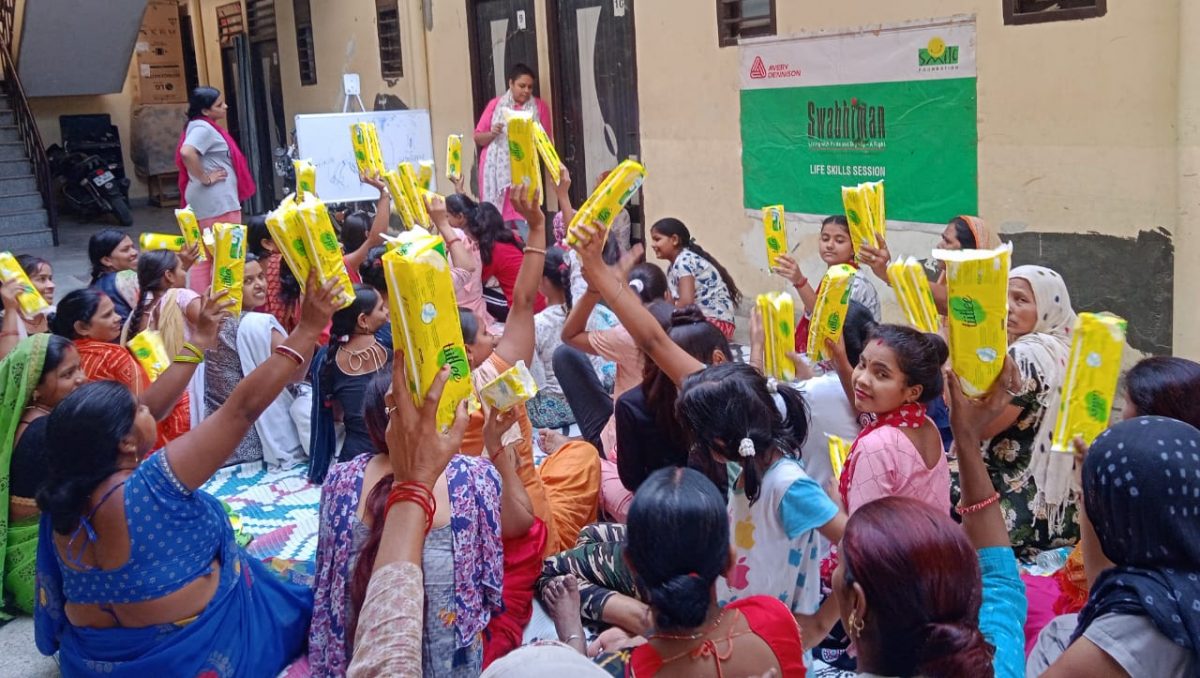
Embracing contemporary communication strategies for societal transformation, one of the focus areas of Smile Foundation’s Swabhiman program is dedicated to empowering adolescent girls and women through enhanced awareness of menstrual hygiene. Our initiative spans underserved urban villages and remote rural areas, where we conduct sanitary napkin donation drives, host engaging and informative workshops on relevant themes, and actively mobilise communities to foster a period-positive culture.

Swabhiman aims to empower adolescent girls and women, ensuring they have the knowledge and resources for confident, healthy living. Through our efforts, we aspire to forge a path towards a vibrant, inclusive future where every girl can thrive with dignity.

0%