Categories
Smile

Play together, create change together: Child for Child

In modern Indian society, a tragic contradiction persists. While children from middle and higher-income households enjoy advanced technology and luxurious lifestyles, thousands of children from lower-income households struggle to meet their basic needs.

Privileged children often live in a comfortable bubble, often unaware of the harsh realities faced by those living on the margins. Meanwhile, underprivileged kids find themselves marginalized, struggling to find their place in mainstream society. It is not the fault of those born with privileges. Quite simply, we only know the life we live, unless shown different perspectives from time to time.

Smile Foundation’s Child for Child (CFC) program initiated in 2006 aims to involve privileged children in the process of social development, feeling empathy and promoting responsible citizenship.

The Power of Empathy and Education

Sustainable change can only occur when the privileged society actively participates in the development process. Children, with their boundless energy and open minds, are potential change agents. Moving beyond indifference that may often overshadow our natural empathetic tendencies, CFC steps in, channeling the energy and enthusiasm of children into positive actions and instilling a strong value system.

A Comprehensive Approach: Change happens when one child stands up for another child

The Child for Child program operates at three levels to create a well-rounded impact:

1. Children: Value Education and Workshops

CFC conducts engaging sessions and workshops in various schools across India. These sessions aim to sensitise children to various social causes and instill values that promote responsible citizenship. By sharing stories and lessons from the lives of inspiring change-makers and leaders who have dedicated their lives to societal betterment, the program tries to mold children into not only successful individuals but also responsible citizens and potential future change-makers.

In the academic year 2022-23, more than 2,500 value education sessions were conducted. These sessions covered a range of topics from empathy and kindness to leadership and social responsibility. The goal is to help young minds realise the importance of growing up as conscientious and active members of society.

2. Schools and Teachers: Creating Dialogue

Schools and teachers shape the minds of children. Through seminars and workshops, CFC creates a dialogue among educators about the importance of value education and the need to lead with empathy among students. These interactions equip teachers with the tools and strategies needed to incorporate these values into their everyday teaching practices.

3. Parents and Caregivers: Sensitisation and Communication

The role of parents and caregivers is crucial in reinforcing the values taught at school. CFC conducts webinars and provides communication tools to sensitise parents about the importance of empathy and social responsibility. This ensures that the lessons learned in school are reinforced at home, creating a consistent and supportive environment for children.

Building Bridges Through Interaction

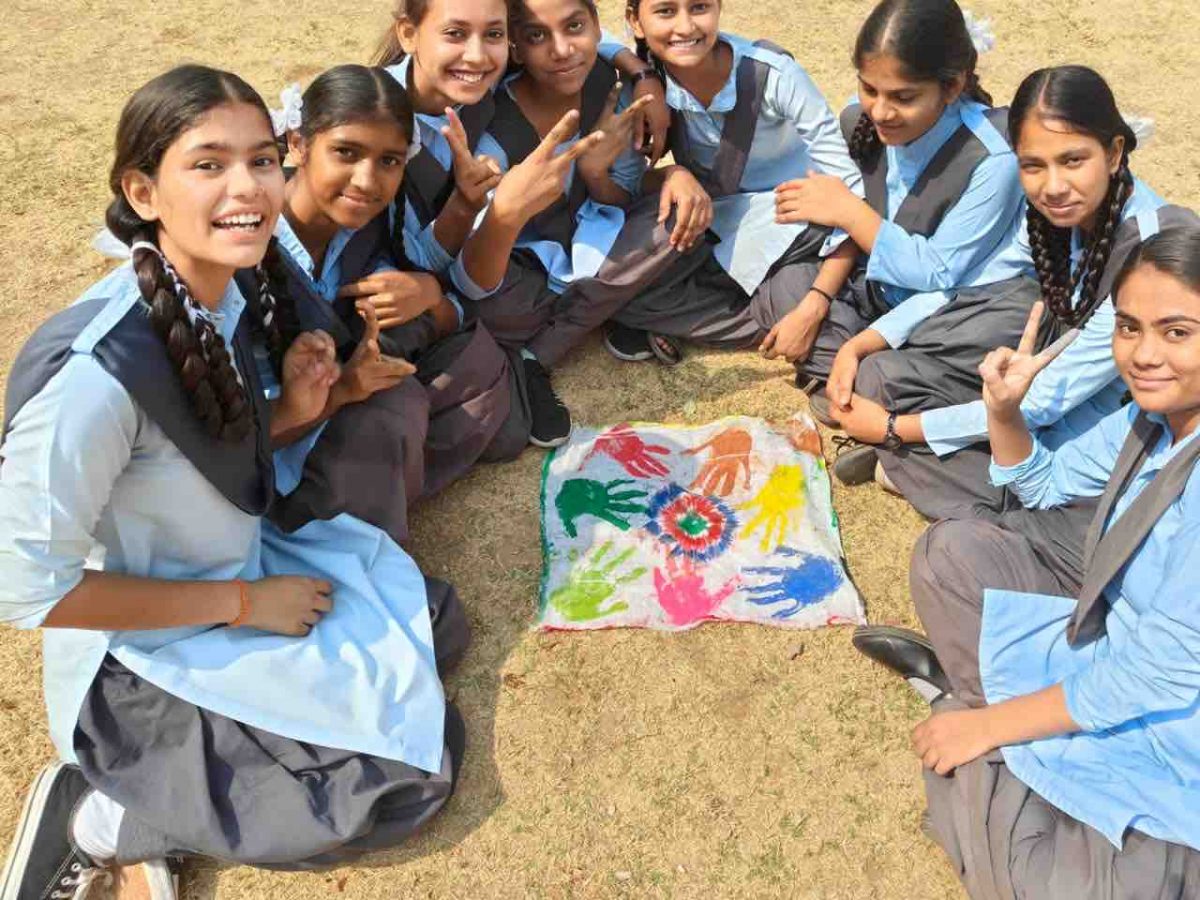
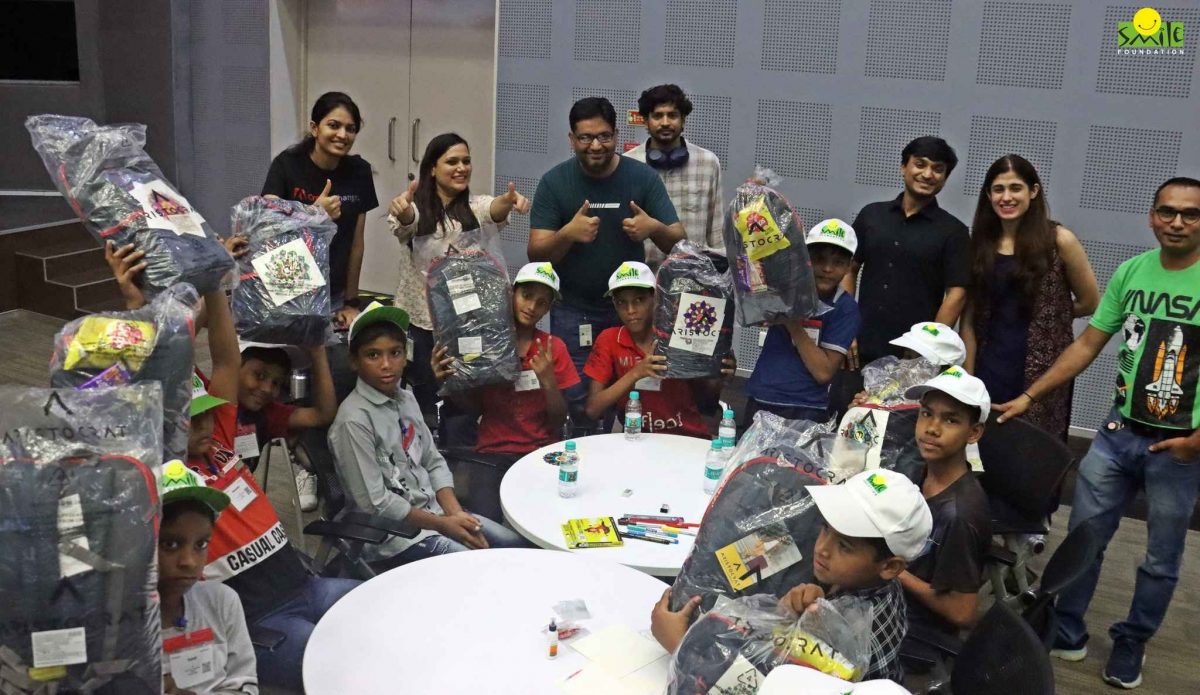
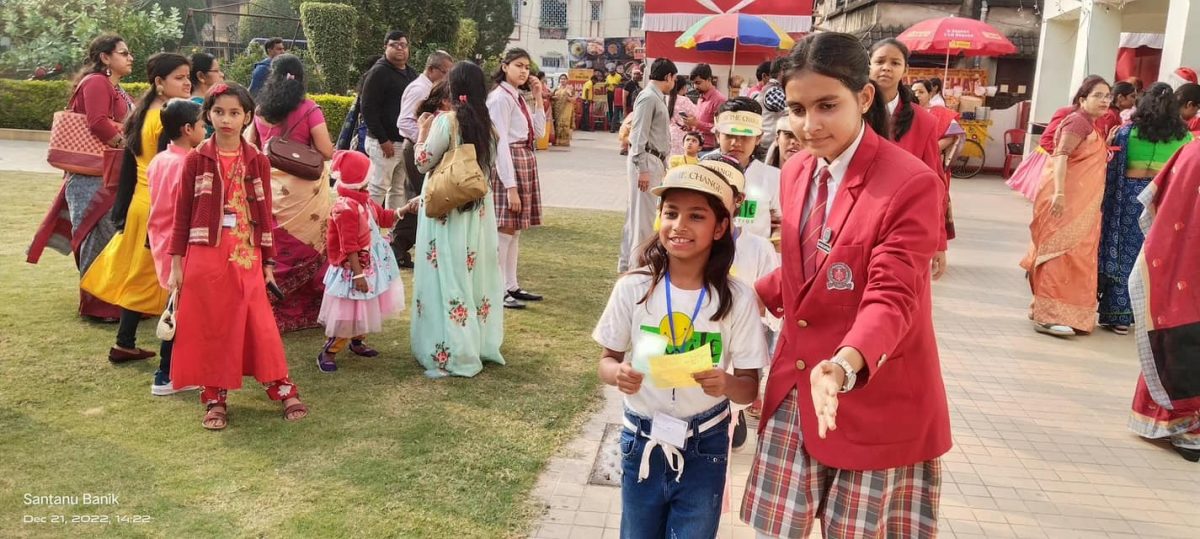
One of the main objectives of CFC is to bridge the gap between privileged and underprivileged children. To achieve this, CFC organises interactive sessions where children from different backgrounds come together to celebrate festivals, share experiences and learn new skills from each other. These interactions help privileged children develop empathy and understanding, while underprivileged children gain exposure and confidence.

For instance, during the Diwali festival, privileged children from a private school in Delhi and underprivileged children from a nearby slum community came together to celebrate. They shared stories, learned about each other’s cultures and participated in fun activities. Such experiences foster friendships and break down social barriers, creating a more inclusive society.

Creativity and Awareness

The Smile International Film Festival for Children and Youth (SIFFCY) is another significant initiative under the CFC programme. The 10th edition of SIFFCY brought critically acclaimed films from around the world to thousands of school children and youth in India. The festival stimulates discussions on personal, societal, moral and world issues, encouraging children to think critically and empathetically about the world around them.

The Impact Made Last Year through Child for Child

Over 300,000 children have been engaged through various activities and more than 1,500 schools have been covered. These numbers are not just statistics- they represent lives touched, minds opened and future leaders inspired.

Categories
Women Empowerment

Lifecycle Approach in Women Empowerment – Swabhiman

Every issue is always compounded by factors visible only after greater research and in-depth analysis of the associated thematic areas. Women empowerment is one such social issue whose ranking recently got hit in the SDG India Index 2023-24 . Gender Inequality – SDG (Goal 5) is the only the index in red, which means a performance below 50.

A concerted approach to resolve interconnected challenges was the need of the hour and our women empowerment program, Swabhiman has been championing this cause. It is doing so using a holistic, lifecycle approach to uplift women and adolescent girls across India. With interventions in

  • reproductive and child health,
  • nutrition enhancement,
  • entrepreneurship development,
  • digital financial literacy,
  • sustainability in communities
  • and system strengthening through government convergence,

Swabhiman has made a significant impact in transforming lives and communities.

Health and Well-being: The Foundation of Empowerment

A world where every woman has access to quality healthcare and accurate information about her body is almost a perfect world. Swabhiman is working to make this a reality. The program offers health education and services to women and adolescent girls through awareness campaigns, health camps and partnerships with local health providers. More than medical check-ups, it is about empowering women to take control of their health and their futures.

Take Sunita*, for instance. Before Swabhiman, she did not have access to proper prenatal care. Through the program, she received the necessary health services and guidance, leading to a healthier pregnancy and a thriving baby. Sunita’s story is just one of many, as over 80,000 women and girls have benefited from Swabhiman’s health services. This has resulted in healthier communities and reduced maternal and infant mortality rates.

Nutrition Enhancement: Feeding Minds and Bodies

Swabhiman knows that good nutrition is important for healthy development and works tirelessly to enhance nutritional awareness and practices among women. Through nutrition workshops, cooking demonstrations and community nutrition sessions, women learn about balanced diets, proper infant feeding practices and the nutritional needs of adolescents.

Imagine the impact of this knowledge on a community. Women are now able to make healthier food choices for their families, combating malnutrition and food insecurity. The focus of initiative on locally available, nutritious foods and sustainable agricultural practices has led to healthier families and a more informed community.

Entrepreneurship Development: Building a Future

Economic empowerment is a game-changer for women. Our entrepreneurship development initiatives equip women with the skills and resources needed to start and sustain their businesses. The program offers training in various vocational skills, business management and financial literacy, enabling women to become economically independent.

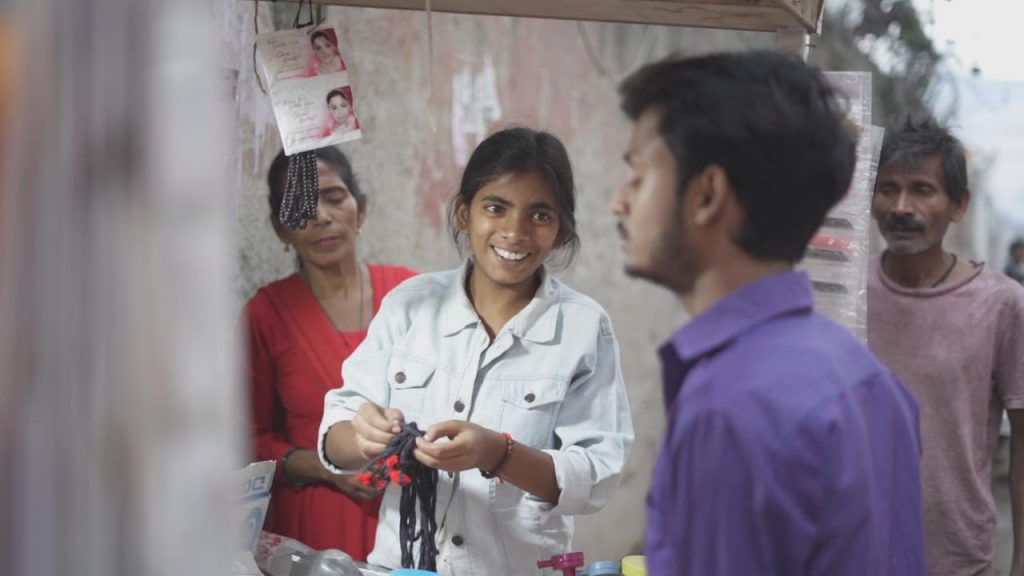
Consider the story of Indu, who started a cosmetic shop after receiving training from Swabhiman. Today, her business not only provides for her family but also creates jobs in her community. Since its inception, Swabhiman has facilitated the initiation of 84 women-led businesses and small enterprises.

449647732 921780009973142 3397711852637301261 n
Indu talking to her customers at her cosmetic shop

Digital Financial Literacy: Navigating the Modern World

In today’s digital age, financial literacy is of utmost importance. Swabhiman integrates digital financial literacy into its training programs, teaching women how to manage their finances, use digital banking services and leverage financial technologies. This knowledge empowers women to participate fully in the economy and make informed financial decisions.

Think about the difference this makes. Women can now save money, invest in their businesses and access formal financial services. These efforts in bridging the digital divide and enhancing financial inclusion ensure that women are equipped to navigate the modern financial landscape.

Sustainability in Communities: Long-term Impact

Sustainability is at the heart of Swabhiman’s approach. We promote sustainable practices in entrepreneurship and community development. By encouraging community-ownership, the focus is on ensuring that the benefits of interventions are long-lasting and contribute to the overall sustainability of the communities we serve.

System Strengthening through Government Convergence: A Collaborative Effort

Effective collaboration with government bodies is essential for the success and sustainability of development programs. Swabhiman strengthens local systems by working closely with government agencies and aligning its interventions with national policies and schemes. This convergence maximises the benefits of the program and ensures comprehensive support for the communities.

By partnering with government health, education and social welfare departments, the initiatives facilitate access to government services and entitlements for women and girls. This collaborative approach enhances the reach and impact of the program, making sure that the interventions are sustainable and integrated into the broader development framework.

A partnership we are proud of: IndoStar Home Finance Private Limited

Smile Foundation partnered with IndoStar Home Finance Private Limited to launch the Swabhiman project in Modgaon, Palghar of Maharashtra. The launch event at Modgaon Gram Panchayat saw participation from the IndoStar team, government officials including the Gram Panchayat leader, the Principal of Modgaon School and community members. Over a hundred attendees from the neighborhood joined, emphasising the importance of women and child health, nutrition and entrepreneurship development.

The Swabhiman project in Modgaon aims to empower women through reproductive health awareness and entrepreneurship development. We hope to impact 5,000 women and adolescent girls and 280 underserved women. It raises awareness on reproductive and sexual health issues, safe motherhood and family planning, while also improving health-seeking behavior through periodic health camps and workshops.

Business skills training will capacitate women to start their own enterprises. By addressing these critical areas, Swabhiman aims to improve the quality of life, increase family income and advocate for women rights, creating a sustainable and empowered community.

Real Lives Transformed through Lifecycle Approach to Women Development

The impact is evident in the lives of the women and communities it has touched. Over 150,000 women have been empowered through various interventions. More than 1,000 women and adolescent girls trained as change agents are leading community initiatives and advocating for women rights.

One of the shining success stories of Swabhiman is the establishment of 84 women-led businesses and small enterprises. These businesses have provided economic opportunities and contributed to the local economy. Women entrepreneurs who started tailoring, cosmetic, beauty parlous businesses, have become role models in their communities, inspiring others to pursue their dreams.

Swabhiman’s health interventions have also had a profound impact. Over 80,000 girls and women have gained access to healthcare services, leading to improved health outcomes and reduced maternal and infant mortality rates. The programme’s emphasis on nutrition support to 35,000+ women and girls has led to healthier families and communities, as women adopt better dietary practices and ensure their children receive proper nutrition.

Swabhiman exemplifies a comprehensive, lifecycle approach to women empowerment. By addressing critical areas such as reproductive and child health, nutrition, entrepreneurship, digital financial literacy, sustainability and system strengthening, the programme has transformed the lives of thousands of women and their communities.

Swabhiman’s success lies in catering to the lifecycle approach to women, which recognises the interconnectedness of various factors that contribute to women empowerment. Here is to a future where every woman has the opportunity to lead a life of dignity and independence.

*(name changed for privacy concerns)

Categories
Insights

The Role of NGOs in International Development

When we talk about making the world a better place, development organisations are often at the forefront, driving significant change. Over the years, the role of NGOs in international development has expanded from providing immediate aid to addressing broader issues such as human rights, environmental conservation and social justice. Their influence on policies, collaborations with governments and private sectors, and their vital role in community development are all evolvements that have made NGOs entities driving social good all across the world.

In India, a country with high aspirations and intense social issues, NGOs are shaping lives and contributing to the country’s potential as an economic superpower.

Their journey and the role of NGOs in international development

NGOs have come a long way since the term was first coined in 1945 with the establishment of the United Nations. Initially, their primary focus was on providing emergency relief and humanitarian aid. However, as global challenges evolved, so did the role of NGOs. Today, they engage in advocacy, development and social justice, working tirelessly to address a wide array of issues. This evolution has been marked by increasing professionalisation, diversification of roles and strategic partnerships with various stakeholders, including governments, private sectors and other civil society organisations.

Influencing Policies

NGOs play a critical role in influencing policies at both national and international levels. Through advocacy and lobbying, they bring attention to pressing issues such as human rights, environmental conservation and social justice.

Organisations like Amnesty International and Greenpeace have been at the forefront of advocating for policy changes that prioritise human rights and environmental sustainability. Their data-driven reports, grassroots campaigns and strategic alliances with policymakers led to significant legislative changes and international agreements, exemplified by the Paris Agreement on climate change​.

In India, NGOs have been instrumental in advocating for policies that promote social equity and environmental protection. For instance, in the implementation of the Right to Education Act and the National Rural Employment Guarantee Act, NGOs have forged important partnerships that support these policies on the ground level. Vulnerable populations have access to necessary services and opportunities because of NGO interventions, contributing to more inclusive and equitable development.

Collaborating with Governments and Private Sectors

NGOs often collaborate with governments and private companies to implement social programs effectively. They bring expertise, resources and on-the-ground insights that often determine the success of these initiatives. For example, NGOs work with local governments to enhance education, health and livelihood programs.

In India, NGOs have been instrumental in the implementation of government schemes like the Swachh Bharat Mission and Beti Bachao Beti Padhao. By acting as intermediaries, NGOs ensure that the benefits of these programs reach the most marginalised communities​.

Moreover, partnerships with the private sector through Corporate Social Responsibility (CSR) initiatives have enabled NGOs to scale their impact. These collaborations allow NGOs to access additional resources, expertise and networks, amplifying their efforts to address complex social issues. For instance, Smile Foundation’s partnership with corporate entities has significantly expanded the reach and effectiveness of their programs, benefiting almost 120,000 of underserved children through education alone across India.

Trust and Community Engagement

One of the reasons NGOs are so effective is the trust they build within communities. People often see NGOs as more approachable and reliable, at times more than governmental institutions. This trust is nurtured through consistent community engagement, transparency and accountability. Successful NGOs like Smile Foundation, Akshaya Patra, and Pratham have established deep connections with the communities they serve. By involving community members in the planning and execution of projects, these NGOs ensure a sense of ownership and sustainability​.

NGOs employ participatory approaches, involving community members in decision-making processes and project implementation. This community-ownership first approach ensures that interventions are tailored to the specific needs and priorities of the communities. As a result, the programs are more effective and sustainable, leading to long-term positive outcomes.

Transformative Impact on Lives

Many individuals who have benefited from NGOs return to their communities to contribute, creating a butterfly effect of positive change. Educational programs run by NGOs have empowered countless children with the skills and knowledge to pursue higher education and meaningful careers. These beneficiaries often become mentors and role models, inspiring others to follow suit. This cycle of giving back strengthens the social fabric and accelerates community development.

For example, many of the children of Smile Foundation’s Mission Education program who were provided with access to quality education were able to climb up the social ladder through financial independency and network-building. These children have gone on to achieve academic and professional success, returning to their communities as change-makers and contributing to the development of the next generation. It has been observed that those who benefit from NGO initiatives become their lifelong supporters helping others lead better lives.

NGOs and India’s Economic Aspirations

India’s dream of becoming an economic superpower is closely tied to improving social indicators such as education, health and poverty reduction. By addressing systemic issues and providing innovative solutions, NGOs contribute to creating a more educated, healthy and economically active population. Their initiatives uplift individual lives and contribute to the broader economic growth of the country.

By advocating for the rights of women, children and other disadvantaged groups, they contribute to creating a more equitable society where everyone has the opportunity to thrive. This inclusivity is essential for sustainable economic growth and social stability.

There are NGOs dedicatedly working for domestic violence facers, differently abled groups, sexually-abused children, innovative solutions to smallholder farmers, socially-taboo diseases, and more. Every area is being looked into to restore the dignity of humans in every corner possible of the country.

The Power of Partnerships

Partnerships are at the heart of how NGOs operate. By working together with governments, private companies, other NGOs and international organisations, they can pool resources, share expertise and reach wider audiences. These collaborations successfully scale-up programs, ensuring sustainability and tackle complex issues that need multifaceted approaches.

Effective partnerships enable them to leverage the strengths and capabilities of different stakeholders, creating synergies that enhance the overall impact of development efforts. By working together, partners can address multiple dimensions of a problem, ensuring that interventions are comprehensive and sustainable. This collaborative approach is particularly important in addressing complex challenges such as poverty, inequality and climate change, which require coordinated efforts at multiple levels.

Without NGOs, many communities might struggle to improve their quality of life. NGOs fill gaps left by the government and private sectors, providing essential services and advocating for the underserved. They are often the first responders in crises, whether natural disasters, pandemics or social upheavals. The COVID-19 pandemic highlighted how NGOs provide relief, raise awareness and support recovery efforts.

NGOs have been instrumental in providing immediate relief and long-term support during the pandemic. Their efforts included distributing food and essential supplies, raising awareness about COVID-19 prevention, and supporting the education of children through digital learning initiatives. These interventions have helped mitigate the impact of the pandemic on communities reeling under the pandemic and contributed to their resilience and recovery.

Successful NGOs in India

India is home to numerous successful NGOs that have made significant contributions to development. Founded in 2002, Smile Foundation has made efforts to significantly impact millions of lives through our various programs, including the Smile on Wheels (mobile healthcare units), Mission Education, Swabhiman (women’s empowerment) and STeP (skilling-livelihood program).

Akshaya Patra is another exemplary NGO, known for its mid-day meal program that feeds over 1.8 million children across India, promoting education and nutrition simultaneously. Pratham, one of the largest educational NGOs, focuses on improving literacy and learning outcomes, reaching millions of children with its innovative teaching methods.

Develop and grow: Role of NGOs in International Development

NGOs are indispensable to international development. They influence policies, support government and private sector programs, and build trust within communities. As we keep working hard towards a better world, the role of NGOs in international development will remain fundamental in improving the quality of life and ensuring equitable growth for all. By building trust, powering partnerships and engaging communities, NGOs play a central role in shaping a more just, inclusive and sustainable future.

Categories
Insights Education Health

Intersectionality in Sustainable Development Goals

The COVID-19 epidemic serves as a stark reminder of the complex and interconnected nature of the global challenges we confront. It has highlighted the undeniable connection between inequality, discrimination and health.

Moving forward, a comprehensive response must address root causes such as deforestation, air pollution and inadequate healthcare. The response should also consider consequences like economic resilience and social protection. Let us understand why intersectionality in Sustainable Development Goals (SDGs) is a keystone to achieving their long-term benefits. All the more so that responses to COVID-19 and similar crises (which are inevitable) become more equitable, inclusive and effective.

Synopsis of Sustainable Development Goals & Intersectionality

The interdependence of the SDGs  is central to their concept. Spearheaded by the United Nations, SDGs represent a universal call to action to end poverty, protect the planet and guarantee all people enjoy peace and prosperity by 2030. The SDGs, launched in 2015, are a collection of 17 global objectives designed to be a “blueprint to achieve a better and more sustainable future for all.” 

So, how are SDGs interdependent?

Key goals, such as gender equality, require an integrated approach. Gender Equality (SDG 5), for example, is not simply about equal rights for women worldwide, but about comprehending the particular challenges encountered by women from various backgrounds. Similarly, Reduced Inequalities (SDG 10)  demand thoughtful examination of the layers of discrimination, necessitating a strategy that considers race, ethnicity, age, sexual orientation, disability and other markers of identity. Furthermore, there is a significant overlap between climate, health and development. Climate change has a wide-ranging impact on public health and development, with consequences for healthcare access, infrastructure and socio-economic stability. 

Within our world’s myriad of cultural, social and economic identities, the concept of “intersectionality” emerges as an essential lens through which we can view and solve complex societal issues. Intersectionality, a term coined by Kimberlé Crenshaw, underscores the importance of understanding how overlapping identities including race, gender and class impact access to rights and opportunities. 

The Essence of Intersectionality in Sustainable Development Goals

In 2006, the Convention on the Rights of Persons with Disabilities became the first human rights treaty to recognise various forms of discrimination that intersect and overlap. UN Women has emphasised the importance of adopting an intersectional approach to address violence against women. The Intersectionality Resource Guide and Toolkit, launched in 2021, emphasises the need to use intersectionality to identify individuals left behind in sustainable development and why, as well as to improve SDG policies and activities. Intersectionality ensures that strategies do not overlook the complex impediments faced by marginalised groups. By recognising these deep social dynamics, SDGs can be implemented more effectively.

How Intersectionality Has Been Put into Practice in Real Life

Real-world uses of intersectionality within the SDGs are numerous. The Joint Programme on Gender Equality and Women Empowerment in Ethiopia seeks to empower rural women by addressing gender inequality, poverty and food security. It adopts an integrative approach to addressing the overlapping challenges of gender and rural poverty, combining initiatives to improve women’s income, food security and overall economic position.

Dalmia Bharat Sugar & Industries Limited has implemented an intersectional approach to sustainable development by integrating various social and environmental goals. Their efforts focus on

  • improving the livelihoods of rural communities,
  • enhancing the economic status of sugarcane farmers,
  • promoting social inclusion by targeting marginalised groups, including women and small-scale farmers,
  • and addressing environmental sustainability through the promotion of organic farming and sustainable water management practices.

Tactics for Infusing Intersectionality in SDGs

  • Policymakers can promote intersectionality in SDGs. Governments can establish legislation that expressly addresses the various hurdles that intersectional groups encounter.
  • Emerging technology and innovations can help promote the intersectionality agenda in SDGs. For instance, AI and machine learning can analyse vast amounts of data to uncover patterns of inequality.
  • Businesses using these advancements can create inclusive, effective CSR strategies, driving sustainable and equitable growth aligned with the SDGs. Implementing diversity and inclusion programs also helps businesses boost productivity, profitability and employee engagement. 
  • Education and awareness-raising are similarly critical. By educating policy-makers, stakeholders and the general public about the importance of an intersectional perspective, we sow the seeds for more inclusive development strategies.


Mindset of intersectionality in SDGs

A call to action echoes across different sectors of society to collaborate and innovate with an intersectional mindset. Smile Foundation works to integrate intersectionality within the SDGS through its initiatives like Shiksha Na Ruke, She Can Fly and Health Cannot Wait. These initiatives specifically address SDG 1: No Poverty, SDG 3: Good Health and Well-being, SDG 4: Quality Education, SDG 5: Gender Equality, SDG 10: Reduced Inequalities, while also integrating other SDGs into them. They collectively aim to improve the quality of life for girls and women by ensuring access to quality education, better health care and proper sanitation, thereby addressing key barriers to gender equality and empowerment.

Moving forward, embracing and applying intersectionality could turn the SDGs from aspirations into tangible realities for communities worldwide.

Categories
Partnerships Partners In Change

The Future of CSR in India 

The landscape of Indian business is unlike what it was ten years ago. The introduction of the Corporate Social Responsibility (CSR) mandate in 2014 through Section 135 of the Companies Act sparked a transformative wave across the country’s corporate sphere. This regulation compels companies to meet defined sales and profit thresholds and allocate a minimum of 2% of their annual profits to CSR initiatives.

What’s happening today?

Today, the conscientious implementation of CSR has discovered substantial capital and ignited a surge in social innovation. It has catalysed diverse impactful programmes addressing critical societal issues nationwide, significantly benefiting millions of people. This shift underscores how CSR has become a powerful force for positive change, bridging the gap between corporate success and social responsibility in India. 

Over the decade, this mandate has shifted philanthropic efforts towards strategic policies, emphasising corporate contributions to sustainable national growth. Notably, this requirement has broadened the scope of addressed issues, from education and poverty to environmental sustainability, training, development, and combating drug abuse. In summary, the CSR law has unlocked the social sector’s cumulative capital worth ₹217k crores. Therefore, to say that corporations, through their CSR efforts, have contributed to the socio-economic progress of India would be an understatement. 

Indeed, the next decade also appears promising. The future of CSR in India appears to be offering much more.

What’s the promise of tomorrow? The future of CSR in India

In contemporary times, this directive has propelled CSR to the forefront of corporate agendas. It involves top-tier executives and board members in crafting strategies and ensuring their execution—a level of engagement previously uncommon.

Corporations today have dedicated CSR teams, with 85 per cent appointing designated leaders to drive these initiatives forward. This organisational shift underscores a commitment to impactful, long-term community investment. ‘Dus Spoke India Inc’, a report by The Bridgespan Group, suggests that in the next decade, the CSR expenditure in India will reach almost ₹120k crores with the significant involvement of CSR leaders.  

The next decade awaits a time of a paradigm shift from merely creating impact to catalysing transformative change. Collaboration emerges as a pivotal priority, setting the course for CSR in the upcoming decade. Leaders foresee a future marked by multi-stakeholder projects involving partnerships with governments and philanthropists. This trend aims to expand collaborative efforts within corporations, hindered by limited awareness, concerns over attribution and visibility of outcomes. 

The future of CSR in India is to broaden project horizons, easing governments’ adoption and scaling of CSR endeavours while philanthropists unite resources and capabilities. According to the India Philanthropy Report 2024, fostering collaborations that blend technical know-how, social initiative stewardship and funding is crucial. An example is the SBI and USAID’s India Health Alliance alliance, which aims to bolster the healthcare infrastructure. 

Moreover, innovation takes center stage as organisations increasingly invest in cutting-edge technologies and platforms to enhance government efficacy. Supporting incubators for social startups aims to cultivate sustainable impact, while initial project funding that can later scale across both public and private sectors contributes to this strategic approach. 

Branching out

Looking ahead, the future promises increased capital, a stronger focus on impact and a heightened commitment to sustainability. The trajectory of Indian agriculture hinges on sustainable and inclusive practices, with CSR playing a pivotal role in this transformation. By integrating technology and making strategic investments, CSR has the potential to bolster rural economies significantly. 

While healthcare and education currently dominate CSR expenditures, absorbing nearly half the total funding, other sustainable sectors are poised to attract increasing CSR investments in the coming years. Looking ahead, the policy also appears poised for stability shortly, accompanied by enhanced incentives for CSR expenditure.

In the future of CSR in India, industry leaders anticipate a shift towards directing CSR funds to the North-East regions and island territories. They envision a comprehensive national development strategy. There is an expectation that companies will interact with local government authorities to implement CSR better. Successful innovations should prompt governments to scale them to state or national levels. 

As underscored by experts, there needs to be an enabling ecosystem. The vision is to cultivate a nurturing environment through research investments, foster knowledge exchange, establish collaborative platforms and host sector-wide gatherings. There is a critical need for a unified platform where nonprofits, CSR organisations, and government bodies can engage in dialogue, foster partnerships, and share collective knowledge to ensure networking and discovery of collaboration opportunities. 

Smile Foundation creating change through CSR partnerships

The aim is to bolster the social sector by enhancing existing CSR initiatives and effectively utilising corporate resources. Development organisations, renowned for their meticulous programmes, have emerged as invaluable collaborators. Smile Foundation, through strategic CSR partnerships, has been actively engaged in education, healthcare, skill development, nutrition, and women empowerment, thereby advancing sustainable goals.

Continuously expanding our campaigns, we leverage our network of volunteers and leaders to empower grassroots communities. Such endeavours expand the scope of social sector efforts to address a broader range of issues. Our partnerships also allow corporations to tread sustainably and partake in nation-building.

Categories
Smile

Four Pillars of Life: Education, Health, Equity and Livelihood

Holistic development refers to a comprehensive and multi-faceted approach to human and societal growth. It considers the full range of factors that contribute to overall well-being, including economic, social, cultural and environmental elements.

This approach recognises that true progress cannot be achieved by addressing only one area in isolation; instead, it requires coordinated efforts across multiple domains for balanced and sustainable development. Holistic development aims to improve quality of life, promote equality and ensure that growth benefits all segments of society.

In the quest for a better life, four foundational pillars stand out: Education, Health, Gender Equity and Livelihood. Each of these elements plays a critical role in enhancing the quality of life. In the context of the Indian subcontinent, these pillars are even more crucial, given the diverse challenges and opportunities the region presents. These pillars are interconnected and they create a better life for individuals and communities.

Education: The first step towards change

Education is often seen as the cornerstone of development. It empowers individuals with the knowledge, skills and confidence needed to improve their lives and contribute to their communities. In the Indian subcontinent, where disparities in access to quality education are still prevalent, the role of education becomes even more significant.

Impact on Individuals and Communities

Education opens up opportunities for better employment, leading to economic stability and growth. According to UNESCO, each additional year of schooling can increase a person’s earnings by up to 10% . Education also increases awareness, enabling individuals to challenge social injustices and advocate for their rights.

Moreover, educated individuals are more likely to make informed health choices, contributing to better health outcomes for themselves and their families.

Despite the progress, there are significant challenges such as inadequate infrastructure, teacher shortages and gender disparities. Initiatives like the Right to Education Act in India aim to address these issues by ensuring free and compulsory education for children aged 6 to 14 years.

Health: Upon which life can be beautifully lived

Good health helps an individual lead a productive and fulfilling life. A healthy population is the most important for economic development and societal well-being. In the Indian subcontinent, health challenges are multifaceted, ranging from communicable diseases to lifestyle-related conditions.

Impact on Development

Healthy individuals are more productive, which directly contributes to economic growth. The World Health Organization (WHO) highlights that improving health outcomes can lead to significant economic benefits.

Healthy children are more likely to attend school regularly and perform better academically. Access to healthcare reduces the financial burden of illness on families.

Healthcare systems in the Indian subcontinent face challenges such as insufficient funding, inequitable access and high out-of-pocket expenses. Programs like the National Health Mission (NHM) and various CSR initiatives in partnerships with development organisations in India aim to provide accessible and affordable healthcare to all, particularly the underserved populations .

Gender Equity: Ensuring Equal Opportunities

Gender equity says that everyone, regardless of gender, should have equal access to opportunities and resources. In many parts of the Indian subcontinent, gender disparities are still pronounced, affecting women’s access to education, health and economic opportunities.

Impact on Society

Gender equity in the workforce can significantly boost economic productivity. The McKinsey Global Institute estimates that advancing gender equality could add $12 trillion to global GDP by 2025 .

Gender equity contributes to more equitable and cohesive societies. Educated and empowered women are more likely to invest in their families and communities. Women receive the care they need, leading to better health outcomes for entire families.

Barriers such as patriarchal norms, limited access to education and healthcare and gender-based violence hinder progress. Initiatives like Beti Bachao Beti Padhao (Save the Girl Child, Educate the Girl Child) in India aim to address these issues by promoting the value of girls and ensuring their education and empowerment.

Livelihood: The Path to Economic Development in India

Access to sustainable livelihoods is essential for economic stability and growth. It ensures that individuals can support themselves and their families, contributing to overall societal development. In the Indian subcontinent, creating sustainable livelihoods is critical given the high levels of poverty and unemployment.

Impact on National Growth

Sustainable livelihoods lift people out of poverty and provide economic security. When individuals are economically stable, they can invest in their communities, leading to broader social and economic development. Access to diverse livelihood opportunities increases resilience against economic shocks and natural disasters.

Challenges include limited access to resources, skills, and markets. Programs like the Mahatma Gandhi National Rural Employment Guarantee Act (MGNREGA) in India provide employment opportunities and improve rural infrastructure, contributing to sustainable development.

Interconnected Pillars: Driving Holistic Development in India

These four pillars are deeply interconnected. For instance, quality education leads to better health outcomes, gender equity ensures equal opportunities in education and employment and sustainable livelihoods contribute to economic stability and health. Together, they create a synergistic effect that drives holistic development in India.

Addressing the challenges like Smile Foundation does and leveraging the opportunities in these four pillars of a better life can significantly improve the quality of life for individuals and communities. As we continue to strive for a better future, let’s recognise and strengthen these pillars, ensuring that everyone has the opportunity to lead a healthy, educated, equitable and economically stable life.

By focusing on these foundational elements, we can build a society that is not only prosperous but also just and inclusive, paving the way for a better life for all.

Categories
Education

Benefits of Early Childhood Education 

For children, contextual factors play a crucial role in developing their foundational skills. These factors help a child relate intrinsically to the world leading to directly acquired insights by way of mindfulness. In EU and ASEAN nations the aspect of Early Childhood Education (ECE) has been a primary aspect in policy making as development of a child has both individualistic as well as societal benefit. 

Background and The Need Of ECE Programmes For Children

At an individualistic level, it may lead to better societal participation of a child- kind, socially and emotionally connected individuals while at a deeper level it improves happiness and emotional quotient. This leads to reduction of crime rate, corruption and hate crimes. The United Nations have made it compulsory along with many countries of EU to compulsorily adapt frameworks of ECE as a part of its International Standard Classification of Education (ISCED). 

In medical terms 90% of development of the brain happens before a child reaches Kindergarten school. Apart from regular school-based formal education at this age, it is extremely important to nurture the cognitive strengths of children. ECE massively helps a child to develop social skills such as interpersonal communication, sharing and accepting emotions in the rightful manner.

According to a popular study, children exposed to ECE at a very early age are very likely to complete graduation smoothly without any hindrances. Keeping in mind the magnanimous benefits of ECE, governments in several countries are developing educational policies to ensure uniform application of mindfulness-based ECE as it also helps working parents to manage the holistic development of their child. 

Long Term and Short Term Benefits of Early Childhood Education

In terms of socio-economic analysis, a popular study by academicians of University of Virginia discusses both short term and long term benefits of ECE. Specifically the study revealed that ECE has exceptionally been a strong aspect for children with parents from lower income group, as the structured programmes made the children academically stronger to take up junior school education and be emotionally mature. 

Children who received well structured ECE programmes get benefits of diminished ‘convergence’. In simple terms whatever the societal attitude may be the children who have grown emotionally calm by way of ECE programme have developed less negative behavioural traits. 

The immediate benefits of ECE programmes:

  1. The wholesome growths of personal, experiential, cognitive and societal factors facilitate enhanced learning of new skills.
  2. ECE strongly facilitates social group adaptation which alter proves in to a greater means of inclusive attitude towards people of different nationality, race, ethnicity, gender etc. 
  3. Better emotional control, dynamic personality and culturally adaptive with higher states of concentration. 
  4. ECE very much forms a part of Human Resource Development in terms of Economic indexes for any nation. Thereby we observe better happiness, emotional balance, productivity and enhanced learning experiences among individuals receiving ECE.
  5. It enhances a child’s performative functions such as calculation speed. Lack of predetermined time enhances creativity and critical thinking skills. 

In fact the enhanced insight and emotional benefit are even accounted for in many countries as a part of the GDP in forms of opportunity costs and indirect costs. A prime example of such a model in Asia can be Bhutan which heavily developed and connected ECE and emotional wellbeing based education with Environmental, Social Governance models for better productivity of a nation as a whole.

The enhancement of human capital that an individual achieves is determined by several factors, such as innate ability, family characteristics (e.g. factors related to income or education), the cognitive and non-cognitive skills acquired and its allied skill empowerment proves to be significant in development of a nation. Even following the mindfulness and happiness education models were adopted in Delhi based schools in India following the path of Bhutan and its Buddhist principles. ECE has also gained significance in Japanese elementary schools. 

The additional model followed in Japanese schools is life based philosophical education for children. There is no particular model in Japan. Tailor-made guidance is provided to each kid based on their learning preferences. 

Early Childhood Education and nonprofits

For the growth of children in the most positive and feeling of freedom must be a crucial factor that needs celebration in schools, children homes, preschools and crèches. Though Ministries of Education with Women and Children Welfare Department can lay down the policy guidelines but the implementation and ensuring interaction of children not only with people but with nature is a tedious job that non- profit organizations have expertise in.

Training of teachers and enrollment of mindfulness-based trainers as faculties in schools are very much necessary. A deep bond between parents, child and teacher will help to enhance the model better. There must be a sympathetic relation between the child and their peers and such a lovable environment must be created by the teacher.  In fact role play and art can be a great tool and means to develop such mindfulness based ECE curriculum.

Besides classroom-based training, schools and nonprofits together must work to develop retreat centers for children to promote environmental learning as well as ECE models. The mentors, in full capacity of the significance the main subject of the child’s activity/action-based learning has in early childhood education, supports the child’s inheritance of the values, the process of its pursuit and manifestation of dreams of being responsible citizens of a country.

Smile Foundation’s work

Smile Foundation is actively involved in early childhood education through various initiatives aimed at creating a solid foundation for young children. Their efforts focus on transforming Anganwadis (childcare centers) into Model Anganwadis, providing safe and stimulating environments for learning and play. These centers emphasise a multi-sectoral approach, integrating health, nutrition and early childhood education to ensure holistic development.

One of the key aspects of their programme is the introduction of technology-driven which make learning interactive and engaging for children. Additionally, they emphasise community participation, ensuring local involvement and ownership in the success of these educational centers.

Moreover, Smile Foundation’s grassroots approach allows us to tailor their initiatives to the specific needs of the communities we serve, addressing local challenges and leveraging community strengths to enhance early childhood education. Our efforts aim to build a robust early learning framework that can contribute significantly to the overall development of children in India​.

Categories
Education

Why is Quality Education important for Sustainable Development?

As the world advances toward the Sustainable Development Goals (SDGs), it becomes increasingly clear that quality education plays an important role in achieving these objectives. The fourth goal of the SDGs explicitly aims to “ensure inclusive and equitable quality education and promote lifelong learning opportunities for all.”

This goal is not just an isolated target – it is intricately linked with all other goals, from eradicating poverty to promoting good health and well-being. Quality education is fundamental to fostering the knowledge, skills, values and attitudes necessary for creating a sustainable and resilient future.

Building a Knowledgeable and Skilled Workforce

Quality education equips individuals with the knowledge and skills needed to participate effectively in the workforce, contributing to economic growth. It inculcates critical thinking, problem-solving abilities and technical skills essential for the workforce. This, in turn, drives productivity and innovation, which are crucial for sustainable economic development.

For instance, nations with higher education levels tend to have higher income levels and better economic stability. These can then be reinvested into sustainable practices and technologies.

Promoting Health and Well-being

Education is a key determinant of health outcomes. Individuals with higher education are more likely to make informed health decisions, access healthcare services and adopt healthier lifestyles. Quality education promotes awareness about nutrition, hygiene, disease prevention and reproductive health, leading to better health outcomes.

According to UNESCO, educated mothers are more likely to ensure that their children are vaccinated and receive adequate nutrition, reducing child mortality rates. This not only improves individual well-being but also reduces the strain on healthcare systems, allowing resources to be allocated more efficiently.

Empowering Women and Promoting Gender Equality

Quality education for girls and women leads to numerous social and economic benefits, including increased income, improved health outcomes and greater political participation. Educated women are more likely to participate in the labor market, delay marriage and have fewer, healthier children. According to some estimations, each additional year of schooling for girls can increase their future earnings by 10-20%.

Fostering Environmental Stewardship

Education for sustainable development (ESD) aims to equip learners with the understanding, skills and attitudes needed to address global challenges such as climate change, biodiversity loss, and resource depletion. Quality education encourages environmental awareness and stewardship, encouraging individuals to adopt sustainable lifestyles. These informed individuals also advocate for policies that protect the planet.

According to UNESCO, almost 47% of national curriculum frameworks in about 100 countries reviewed had no reference to climate change, and those that did often included it minimally. This highlights the need for integrating environmental education into curricula to equip the future generations to tackle environmental challenges.

Reducing Inequality and Promoting Peace

Education is a powerful tool for reducing inequality. Quality education provides individuals with the skills and opportunities needed to improve their socioeconomic status. It opens doors to better job prospects, higher wage, and increased economic security. By reducing poverty and promoting social mobility, education contributes to more equitable and inclusive societies.

Education is also a fundamental building block for peace and security. Quality education promotes understanding, tolerance and respect for diversity, which are essential for preventing conflict and strengthening social cohesion. Educated individuals are more likely to engage in dialogue, resolve disputes peacefully and contribute to community development. Every year of education reduces conflict risk by around 20%, according to a think piece for Global Monitoring Report. By promoting peace and security, education creates an environment conducive to sustainable development.

Global challenges require global solutions. Quality education promotes international cooperation and understanding, increasing global partnerships. These are important for addressing issues such as climate change, pandemics and economic instability. Educational exchanges, international research collaborations and cross-cultural programmes help build a global community of learners. These create leaders committed to sustainable development. These partnerships can facilitate the sharing of best practices, technologies and resources, amplifying the impact of sustainable development initiatives.

Equity through quality education

From promoting health and well-being to fostering environmental stewardship, reducing inequality and encouraging innovation, education is integral to achieving the SDGs. As we move forward, it is imperative to ensure that quality education is accessible to all, enabling individuals and communities to thrive in an equitable world. By investing in education, we invest in the future of our planet and the well-being of generations to come, and those who are here right now.

Categories
Health Nutrition

India Wins When Its Children Become Healthy

Today’s children are tomorrow’s future. To invest in a child is to invest in a country’s growth and prosperity for decades to come. And in India, one needs to initiate that by partnering with development organisations for a child’s health.

Despite decades of investments to address India’s growing health crisis, multiple reports and surveys have shown how the country has one of the worst rates of child nourishment globally with more than half of the country’s children under the age of four being reported to be underweight and stunted.

What does the data suggest?

By far, India has the largest number of infants, aged between 6 to 23 months, who have not been fed in the past 24 hours. A recent Harvard study, published earlier this year, terms this phenomenon as ‘zero-food’ children where they do not consume milk, any formula or food for an entire day.

According to the study, India has an estimated 6.7 million ‘zero-food’ children which accounts for half the population of ‘zero-food’ children across 91 other countries included in the survey.

As of October 2021, it was estimated that over 33 lakh children in India remained malnourished and more than half of them fall in the severely malnourished category. Further, with the Covid pandemic exacerbating the health and nutrition crisis among the underserved strata of society, the Women and Child Development Ministry estimated that there are 17.76 lakh severely acute malnourished children and 15.46 lakh other children being moderately acute malnourished.

UNICEF in 2022 said that India has the highest number of children suffering from acute malnutrition. In its May 2022 child alert, the global body had called the situation an ‘overlooked child survival emergency’ with the situation in the South Asian country being worse than that of sub-Saharan Africa.

How are CSR partnerships/donations and healthy children related?

India’s overall health expenditure has always been towards a moderately lower limit drawing heavy criticism from health experts and activists. A recent Lancet report says that the country’s healthcare expenditure lies at 1.2% of the GDP as against a planned vision of 2.5% by 2025.

While the overall appropriations for the Union budget 2021–22 increased by 14.5%, however, the portion devoted to child nutrition decreased by 18.5% from 2020–21 to 2021–2022.

Budgetary allocation cuts like these severely compound an already flailing health crisis, distinctly affecting the children, there has to be a need to move beyond government funding and encourage third-party resources to ensure that every child has access to the right nutrition. While several not-for-profit organisations, large-scale enterprises, social firms, health donors, and so on, have actively pulled in funds to mitigate hunger ills, the country must do more and donate through CSR partnerships for child health.

The interventions of healthcare funding

The funding will further help adopt tools beyond the prevalent methods of monitoring children’s health. Here’s how: In India, the most important government tool to track a child’s health and nutrition is the Integrated Child Development Services (ICDS), which provides a supplement nutrition programme to facilitate education. However, services like ICDS and midday school meals have become irregular following the prolonged closure of schools due to the pandemic and poor maintenance of primary schools, disproportionately affecting children living in multi-dimensional poverty as these vulnerable youth have been largely dependent on these services to fulfil their rights and entitlements

Further, more budgetary allocations must be strategised to afford services like RUTF (Ready to Use Therapeutic Food) to help with malnutrition in children under 5 years. According to a UNICEF estimate, it costs about Rs 7,000 to complete one course of RUTF with an amount of 10-15 kgs over eight to six weeks without considering the transportation and delivery costs.  However, with the pandemic-induced economic distress along with the Ukraine-Russia war, the cost may have increased by manifolds.

India’s children are their future

With so many challenges lining the way up for the improved health of a child, it is imperative for socially-inclined businesses to partner with nonprofits for child health which will help in further collaborations with project partners at the grassroots levels and bring about a sustainable transformation in India’s health narrative.

Children are the future of the country and to ensure their well-being, one needs to invest in their health. Healthy children ensure a healthy country and prosperity. Moreover, most adult health complexities trickle down to their childhood. So it is important to maintain a healthy childhood to avoid medical complications in later years.

Further, health funders must donate for child health for several other connecting factors; it also leads you to ensure the proper health of the country’s mothers and women as the health of a child is closely related to a mother’s nutrition. Second, one needs to partner and donate for child health as they are the most vulnerable population of a country, dependent on others for resources.

What we do for healthy children of India

At Smile Foundation, we believe in equal healthcare for all. With our two-pronged approach to providing curative and preventive services, we address the gaps in the availability, accessibility and affordability of healthcare.

We actively promote health-seeking behaviour within communities, addressing their unique disease burdens and providing essential health education. By strengthening and supplementing existing government services, we enhance the overall healthcare infrastructure. Our initiatives improve access to maternal and child healthcare, ensuring that mothers and children receive the care they need for healthy lives.

We are also dedicated to reducing out-of-pocket healthcare expenses for families, helping to alleviate the financial strain of medical costs. Through our efforts, we aim to meet the goals of Universal Health Coverage and support the Ayushman Bharat initiative of the Government of India.

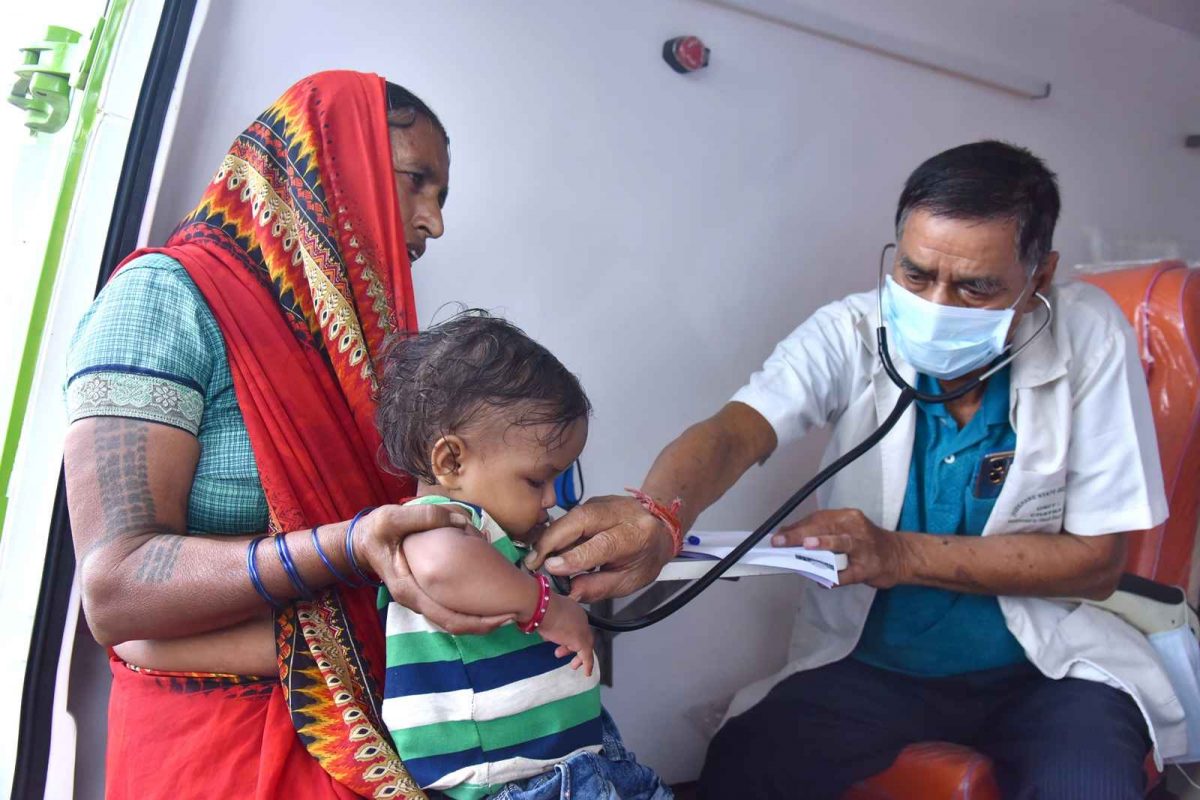
Additionally, we implement community health camps, mobile health units and telemedicine services to reach remote and underserved areas in rural and urban slums of India, ensuring that even the most marginalised populations have access to quality healthcare. Our programmes also focus on preventive measures, such as vaccination drives, nutritional support, and health awareness campaigns, to create a healthier future for all.

Join us at Smile Foundation as we work towards a healthier, more equitable world, where everyone has the opportunity to lead a healthy life.

Categories
Education

Workings of an Education NGO

Education is the backbone of civil society and offers a solution to break free from generations of social problems. It is a sign of progress and national empowerment to invest a significant share of its resources on education. This can help us achieve individual, societal and economic growth. An educated society is more resilient against prejudice, bias, racism, sexism, systemic poverty and more empowered to stand for itself. 

NGOs exist to fill in the state gaps and considered too non profitable for the private sector to address. An education NGO thus helps join the desirable goals of empowerment to those often neglected by government policies and for those private education may be not a financially viable option. 

Education NGOs affecting millions of lives

India has no dearth of education NGOs. A 2023 report by the Great Place To Work India finds that around 8/10 of Indian NGOs work with education or health. Contributing as much as 2% to India’s GDP, there is no doubt about the millions of lives NGOs directly affect.

The government Niti Aayog’s Darpan portal shows over 175,000 registered non-profits in India currently. However, this data lacks exact details of size of the organisations, funding sources, yardstick of measurements of growth and other details. This lack of transparency has determined that 5 million children aged 6 – 14 years in India do not attend school. Of this, 53% are girls who are kept at home and illiterate. Another alarming fact is that only 53% of the country’s population has access and means to a primary school. 

NGOs workings vary as per organisations goal’s, funding, vision and local applicable laws and resources available. Usually, however, there are several ways the NGO is organised.

The individuals that run the organisation include:

Directors: There is always a board of directors that has strategic oversight, direction and accountability. They allocate people in positions of power and look at a long-term prospect of their clients. 

Executive team: These are the staff that provide the actual working and day to day management of tasks. They are the working force which ensures the theoretical plan of action plays outs on ground as desired.

Volunteers: Volunteers often work on minimum wage for learning, experience and starting a career. They reach out to hyper localised environments and provide on ground work that may be inaccessible to executive staff. 

Each education NGO has its own unique style to work. After structuring, each NGO is divided on vision and goals. Next, funding is vital for any organization’s functioning. However, for NGOs it presents a particular challenge as simply profiteering off private donations cannot be a sustainable model in the long run. Several NGOs opt various sources for the same:

Grants: International and national grants, often from the government or other agencies and foundations form a large chunk of funds to work with.

Fundraising Events: Although not too popular in India, several varieties of fundraising events exist to raise awareness. These can include paid dinner parties, comedy shows, legacy gifts or even something as simple as homemade picnic meals. 

Donations: Private donations from individuals are the most common source of funding for NGOs. Corporate CSR, community groups and brands want to invest into social responsibility too. 

Smile Foundation as an Education NGO and more

A report reveals that while gathering huge donor funding, often from abroad, is great for management, it is the core ground work that needs work. Automation and statistics play no bar in a situation where 56% of kids can’t do basic division and 25% of kids can’t read a single sentence in their local language.

Such shocking data highlights the need for ensuring funding reaches NGOs with a proven track record of demonstrable work. Vocational education here presents an urgent need of the hour, more than sticking with fancy equipment and haphazard dumping of money in reviving old projects.

Smile Foundation as more than an education NGO has a 4-pronged approach to address gaps between traditional education and lack of empowerment of local communities. Our flagship programme Mission Education(ME) works with the objective of empowering underserved children by providing education, nutrition and wellness support. This wholesome care ensures actual skill sets that not only helps ensure children become productive members of society in their adulthood via seeking employable skills, but also empower others. Our programme aligns well with the

  • New Education Policy (2020)
  • and the Sustainable Development Goal of 2015

to ensure inclusive and equitable quality education and promote lifelong learning opportunities for all. 

Mission Education works with young children in more dire circumstances including economically challenged, differently abled children, disaster-struck children, abandoned and street children and children living in tribal belts, remote villages and hard to reach areas. Furthermore, our ever-expanding network across 27 states, with 12 Aspirational Districts and 15 government connected states ensures total transparency in our workings and fund utilisation. Find the perfect fit for your CSR work today and become our partner-in-change to create change that lasts.

0%