Categories
Education

STEM Education and Revolution of India

STEM education – short for Science, Technology, Engineering and Mathematics – played an all-important role in India’s IT revolution. The world-class IT industry spawned as a result led to sweeping economic and political transformations. 

India’s tryst with the IT revolution shows that STEM education is essential for a developing nation. STEM skills can help address complex challenges of sustainable development—climate change, energy sufficiency, healthcare delivery, food security etc. Moreover, high STEM literacy enables nations to create new technologies and industries. This helps reduce dependence on imports and promotes self-sufficiency. A STEM-literate workforce also attracts foreign investment and fosters global partnerships and competition, resulting in job creation and economic prosperity. 

It’s not hard to imagine then that a focus on STEM education will be key in transforming India’s future.

Advantages of focusing on STEM education

STEM education comes with advantages that last for years beyond the actual duration of the education. It develops a spirit of innovation through practical, interdisciplinary approach to problem solving. It further equips students with logical reasoning and critical thinking skills. These are core abilities that help in actively analysing, evaluating and applying knowledge towards tackling complex challenges. Thus, STEM education can prepare students for fulfilling careers that make full use of their cognitive abilities. 

STEM fields are emerging as a popular choice among students. STEM skills feature heavily among the demands of tomorrow’s workforce. There is a high demand for software developers, data scientists, biotechnologists, medical researchers etc. In addition, demand for experts in fields such as artificial intelligence, machine learning, blockchain development, and quantum computing is growing. These fields are poised to transform the world as we know it. 

So, how can we accelerate the STEM education revolution in India? To understand the way forward, we must first understand the current situation of education in India. 

The current landscape of Indian education

Rote learning, exam-oriented curriculum and insufficient infrastructure and resources define India’s current education system, especially in the rural areas of India. An excessive focus on marks leads to a stifling of skills such as creativity, innovation, critical thinking, problem-solving and collaboration. As a result, the next generation of students is likely to be academically accomplished, but acutely unemployable. Application-oriented education is the need of the hour so that students can apply their STEM skills to real-life problems. 

A huge digital divide between urban and rural sectors also marks India’s STEM education landscape. Rural India lags significantly behind in adopting digital technologies, and also lacks technological infrastructure and modern learning systems. A comprehensive Digital Public Infrastructure (DPI)—including connectivity, devices, software, e-platforms and data centres—in rural centres can bridge this divide. 

But there is cause for optimism, too. The Indian government and industry have undertaken various initiatives to address these challenges and boost STEM education in India. 

Initiatives to foster STEM education in India 

National Education Policy (NEP) 2020 – India’s first education policy of the 21st century, proposes the revamping of the current education structure. NEP 2020 places a particular emphasis on the transformation of STEM education in India. 

Here’s how NEP 2020 aims to promote STEM education in India:

  • The revised pedagogy in NEP 2020 aims to be more holistic, integrated, inquiry-driven, discovery-oriented, learner-centred, flexible and enjoyable. 
  • Education will emphasise the understanding of key concepts, ideas, applications and problem-solving abilities.
  • Experiential learning and hands-on learning will take the focus away from rote learning. 
  • Coding will be introduced from class 6 onwards, giving students a head start in the competitive job market. 
  • School curricula will introduce key concepts in artificial intelligence, machine learning, blockchain programming etc. 
  • Students as young as 6-years old will learn foundational concepts in maths, computational thinking, machine learning, and data science. 
  • Multidisciplinary education that integrates humanities and arts subjects will break down silos and hierarchies in education. 

Skill India and Atal Innovation Mission (AIM) – launched by NITI Aayog in 2016 – are also bringing STEM skills to the youth. As a part of the AIM, the government launched over 10,000 Atal Tinkering Labs (ATLs) across India. More than 60% of these are in government and rural schools, widening access to rural areas. About 96% of the ATLs serve co-educational or all-girls schools, promoting gender equality. The EdTech industry, too, is bringing STEM labs, tinkering labs, 3D printing, electronics, IoT and sensors to Indian classrooms. 

STEM education by Smile Foundation

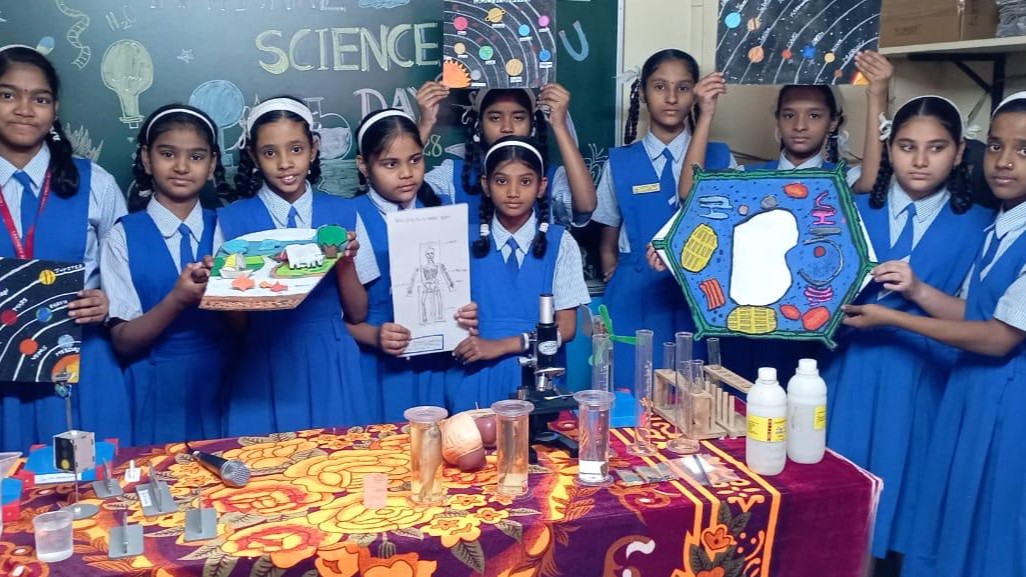
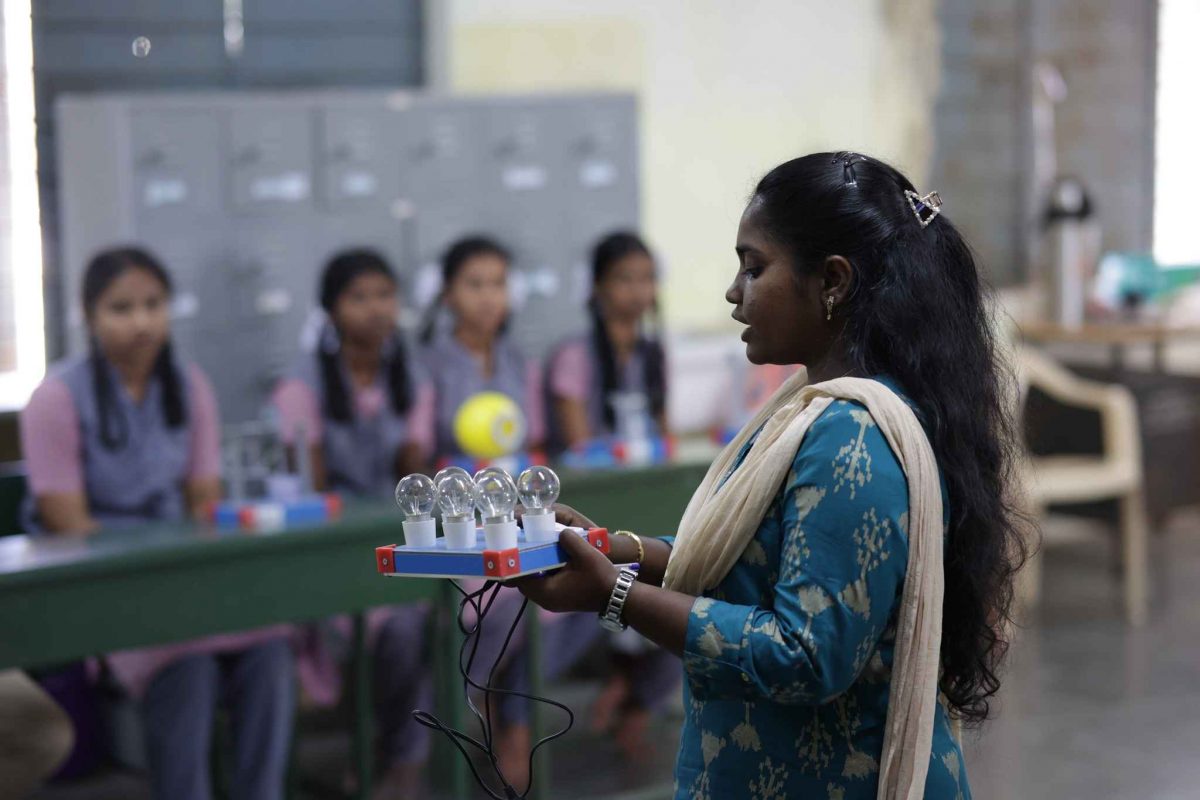
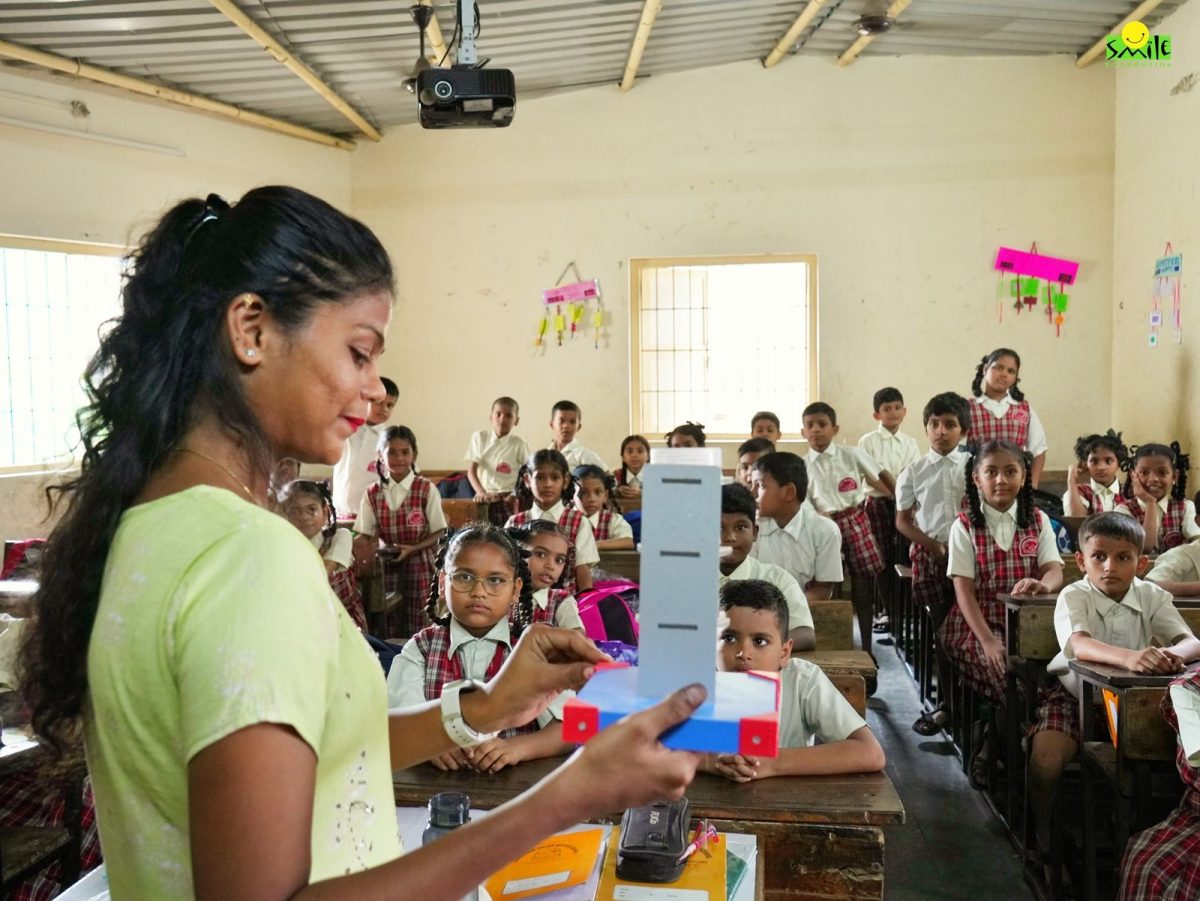
Smile Foundation is spreading STEM education to the remotest parts of India. It conducts hands-on workshops and interactive sessions to empower educators with skills and innovative learning methods. To further integrate STEM education in schools, it also encourages project-based learning through aeromodelling, 3D printing, robotics, astronomy etc. 

Smile Foundation recently joined hands with IIT Bombay to bring STEM education to young children. So far, 960 children have benefitted from this collaboration. Its NXplorers Carnival also empowered young minds in Andhra Pradesh to become future-ready with STEM skills. 

Through its STEM initiatives, Smile Foundation is playing a part in nurturing the next generation of innovators, inventors and leaders. It’s only through such collaborations between government, schools, industry, and developmental organisations that India’s STEM revolution will take wings. 

Your organisation too can become a flag bearer of innovation by partnering with us for STEM education of children here.
Categories
Girl Child

1 Girl and 111 Trees: Caring about Girl Child in India

Teamwork makes the dream work! And this stands true for the village Piplantri in Rajasthan. Whenever a girl child is born there, 111 saplings are planted. Since its start in Piplantri, this remarkable endeavour has shown positive effects on the local community. The tradition was initiated by the former village head, Shyam Sundar Paliwal, in 2007 to fight gender discrimination and environmental degradation. 

For nearly 16 years, this tradition has prospered. About 50 girls are born each year, leading to the growth of over 400,000 trees. The birth of a daughter is now celebrated by the community. This initiative has not only contributed to the transformation of the desert area in Piplantri, but has also played a significant role in shifting the attitudes and mindsets of the community. 

By empowering girls and women in a village, transforming the desert into a thriving green area and reducing droughts, the Piplantri campaign also effectively addresses the cultural and resource disparities that women encounter during disasters. Let’s examine how Paliwal’s simple idea ensured all this, contributing to a brighter future.

Importance of Rooting For Girl Children

It’s a given that girls face numerous challenges, including discrimination, lack of access to education and gender-based violence. However, supporting and advocating for girl children uplifts them, benefits communities and economies at large.

Like many rural areas in India, Piplantri had skewed sex ratios and a cultural preference for boys. Paliwal sought to change this by celebrating the birth of girls and linking it to environmental conservation and a more sustainable future for the village. This shift in perception is crucial in changing societal attitudes towards girls, portraying them as bearers of prosperity and ecological balance. 

Ensuring Educational and Social Development for Girl Child in India

But it doesn’t stop there. Parents are expected to commit to educating their daughters and actively discourage child marriage. This aspect is critical as it guarantees that girls are provided with the chance to develop, acquire knowledge and emerge as empowered individuals. Education is a fundamental tool for breaking the cycle of poverty and discrimination. By guaranteeing education, this practice supports the all-around development of girl child in India.

Economic Benefits and Community Involvement

The trees planted are often fruit-bearing or medicinal, providing an additional source of income for the families. This economic incentive further reinforces the value of the girl child, as her birth brings tangible benefits to the family. The entire community’s involvement in planting and nurturing the trees fosters a sense of collective responsibility and unity, strengthening social bonds.

Holistic Empowerment

Moreover, this practice exemplifies holistic empowerment by addressing both immediate and long-term needs of girl children. At the heart of this initiative lies a deep understanding that true empowerment goes beyond access to education/economic opportunities. It requires a multifaceted approach that addresses the social, emotional and cultural barriers that girls often face. The community has come together to cultivate an environment where girls are celebrated, valued, supported and given the tools to thrive.

This integrated approach sets a powerful example of how local customs can be harnessed to tackle global challenges such as gender inequality and climate change.

A Campaign for Ecofeminism 

Paliwal’s campaign has grown into a broader ecofeminist movement. Ecofeminism is important as a political ideology, given its close association with climate change and the pressing global warming crisis. Ecofeminism highlights the disproportionate impact of environmental issues on women and gender-variant individuals, attributing it to oppressive patriarchal structures.

As natural disasters become more frequent due to global warming, political scientists have identified several factors contributing to their disproportionate impact on women, such as a higher likelihood of women living in poverty, limited freedom of movement to mitigate the effects of environmental issues, being subjected to systematic violence and increased caregiving responsibilities. The growth of trees in Piplantri has increased the groundwater level and decreased droughts. Women’s cooperatives created employment opportunities, and there is a strong emphasis on girls’ education and development, leading to positive community changes and a cultural shift benefiting women.

A Model for Broader Adoption for Girl Child in India

The success of the “111 saplings” tradition in Piplantri has the potential to inspire other regions to adopt similar practices. This model shows that grassroots initiatives, grounded in local culture and values, can create lasting change. This in turn contributes to a more equitable and sustainable world.

In conclusion, celebrating the birth of a girl child in Rajasthan serves as a powerful reminder of the positive impact that valuing and supporting girls can have on society and the environment. Initiatives for girls and women, like Smile Foundation’sShe Can Fly and Swabhiman recognise the importance of education and gender equality as crucial to the well-being of nations, and also to their social and economic development. Supporting girls is not just a human rights issue; neglecting it undermines hard-earned development gains.

Educating girl child transforms her life by providing her with the knowledge, skills and confidence needed to pursue her dreams. With access to education, girls can make informed decisions about their health, career and future. This leads to greater personal independence and empowerment. They gain the ability to break free from the constraints of traditional roles, explore career options and achieve financial stability. Education opens doors to a world of possibilities, enabling girls to realise their full potential and live fulfilling, self-determined lives.

Categories
Smile Livelihood

College Education: What Happens After That?

The journey through college is often painted with the colours of hope and promise. Students are fuelled by the belief that a degree is a surefire passport to a prosperous career. Yet, reality often presents a stark contrast, especially in regions like India, where educational achievements do not always align with economic opportunities.

The Great Expectation

The vision of college education as a transformative journey promising upward social and economic mobility is deeply embedded in the societal fabric. Parents save relentlessly, nurturing dreams of their children emerging as successful professionals.

This vision, however, is increasingly at odds with the reality faced by graduates. They find themselves in an oversaturated job market where the demand for traditional academic qualifications is mismatched with the supply of jobs that genuinely require such education.

The Reality of Graduate Employment

In India, the plight of the educated unemployed is alarming. Despite achieving higher educational qualifications, many graduates find themselves earning less than individuals engaged in manual labour, such as farmhands. This discrepancy is not just a reflection of economic dynamics but also a commentary on the quality and relevance of the education provided.

Universities churn out graduates by the millions each year, yet the curriculum remains disconnected from the practical job market demands. Theoretical knowledge, without the backing of practical skills, renders many graduates unprepared for the professional world. This mismatch is exacerbated by the rapid technological advancements and changing industry dynamics, which colleges struggle to keep pace with.

The Underemployment Crisis after College Education

Underemployment among college graduates is a silent crisis. Many find themselves working in roles that do not require a degree, their qualifications merely a decorative piece rather than a functional asset. The frustration of being underemployed is compounded by societal pressure and personal expectations that come with a college degree.

For instance, in urban areas with high cost of living, graduates often juggle multiple jobs to make ends meet. Their degree, which was supposed to be a ticket to a comfortable life, seems more like a burden that does not pay off. The emotional and financial strain of this can be overwhelming, leading to disillusionment and a reevaluation of the value of higher education.

The Economic Impact

The economic implications of such a workforce are significant. When a large portion of the population is underemployed, it not only affects individual lives but also stymies economic growth. The underutilisation of human resources leads to a waste of educational investments and hampers productivity.

Furthermore, the disparity in income among the educated and less educated but more practically skilled workforce raises questions about the economic value of a college degree. This scenario also leads to social unrest, as the youth feel cheated out of the promises made to them. This incites a reevaluation of societal norms and expectations related to education and employment.

Bridging the Gap

Addressing this issue requires a multi-faceted approach. Educational institutions need to overhaul their curriculum to make it more aligned with industry requirements. This could involve greater collaboration with industry leaders to design courses that are relevant and skill-oriented.

Moreover, the government and private sector need to create more opportunities for skilled employment. Entrepreneurship should be encouraged with easier access to capital and resources, allowing innovative minds to create their own job opportunities. Vocational training and apprenticeships should be expanded to provide in-demand practical skills. This will ensure that graduates are not only knowledgeable but also employable.

Personal Development and Lifelong Learning

Beyond systemic changes, individuals must also adapt to the changing landscape by embracing lifelong learning. The concept of education being confined to the years spent in college is outdated. Continuous learning and skill development through online courses, workshops and reading can keep individuals competitive in the job market.

Self-improvement and adaptability are crucial in a world where the nature of work is constantly evolving. Graduates should seek to diversify their skills and knowledge, staying abreast of industry trends and technological advancements. This proactive approach to personal development can significantly enhance their employability and career prospects.

The Role of Technology in Education

Technology has the potential to revolutionise education, making it more accessible and aligned with the needs of the job market. Online platforms can offer customised learning experiences that are more engaging and practical. Additionally, technology can facilitate connections between students and industry professionals, offering networking opportunities that are crucial for job placement.

Virtual internships, online certifications and digital portfolios are some examples of how technology bridges the gap between education and employment. By integrating these tools into the educational system, we can ensure that graduates are better prepared for the challenges of the modern workplace.

Redefining Success

The narrative of college education as a sure path to success is in need of revision. It’s crucial for potential students, educational institutions,\ and policymakers to adapt to the realities of the modern world where traditional degrees no longer guarantee a prosperous career. Instead, a combination of relevant skills, continuous learning and entrepreneurial initiatives may pave the way for fulfilling the promises of higher education.

Success should be redefined not as merely obtaining a degree, but as acquiring the skills and knowledge necessary to thrive in a competitive and ever-changing job market. This shift in perspective can empower graduates to take control of their careers. It will help them seek out opportunities that align with their passions and talents.

The Urgency of Change

As we navigate this transition, the focus must shift from acquiring a degree to gaining meaningful education. Individuals must be empowered not just to seek jobs but to create opportunities and lead industries. This change is not just necessary; it is urgent, as the future of our youth and the economic stability of our society depends on it.

Governments, educational institutions, and the private sector must work together to implement these changes. Policies that promote skill development, innovation, and entrepreneurship are essential to creating a more resilient and dynamic workforce. By investing in the education and empowerment of our youth, we can build a brighter future for all.

The Road Ahead

The traditional path of college education as a guaranteed route to success is increasingly misaligned with the realities of the job market. A holistic approach that includes curriculum reform, lifelong learning, and technological integration is necessary to bridge the gap between education and employment. By fostering an environment that values skills, innovation, and continuous learning, we can ensure that higher education remains a powerful tool for personal and societal advancement.

The future of education lies in its ability to adapt and evolve, preparing individuals not just for the jobs of today but for the opportunities of tomorrow. This vision requires a collective effort to redefine success and create an educational system equipping graduates for a fulfilling life.

Smile Foundation and Skilling during and after College Education

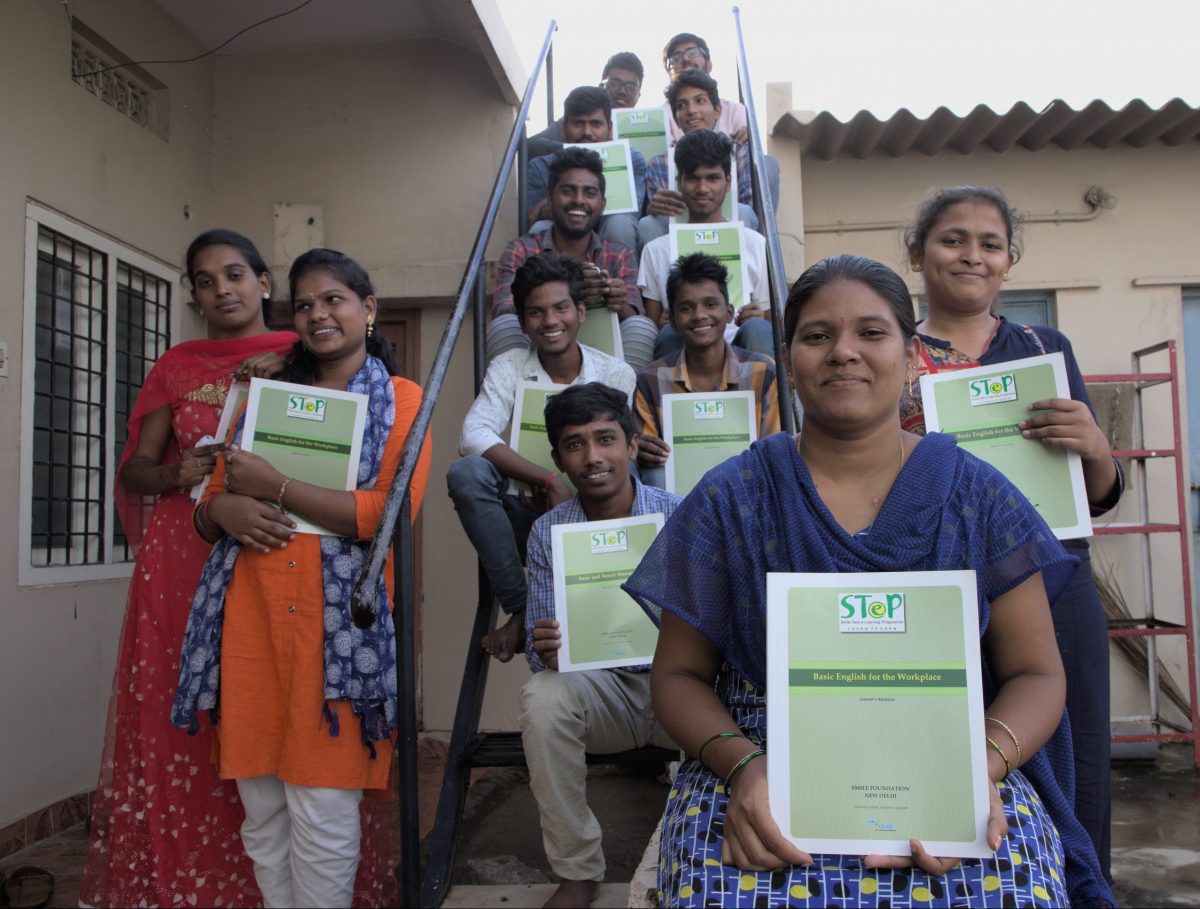
Smile Foundation’s skilling initiative – STeP (Smile Twin e-Learning Programme) is making a significant impact by empowering youth with the skills needed to secure respectable employment, both while pursuing their college graduation and after completing their education. By offering a range of vocational training and professional development courses, the programme equips young individuals with practical skills that meet industry demands.

This initiative has skilled more than 90,000 people, with over 56,500 trained youth securing jobs across seven states in India. By bridging the gap between education and employment, Smile Foundation contributes to the economic growth of communities. This encourages a generation of skilled and confident professionals ready to make their mark in various sectors.

Categories
Education

Green Jobs for the Indian Youth: Progressive Nation, Protected Nature

India is progressing towards a greener economy, creating new green jobs for the youth, establishing the nation as progressive while protecting its environment. This shift is a win-win for the country, contributing to economic growth and sustainability.

For example, Rajasthan CM Bhajanlal Sharma recently announced the allocation of land for four solar projects to NTPC Renewable Energy. These projects will not only create local employment opportunities but also boost economic activities. The solar project, involving multiple stages from planning and construction to operation and maintenance, will generate a wide range of jobs.

The growing number of green jobs

Key roles include project managers, site engineers, environmental consultants, construction workers, electrical technicians, heavy equipment operators, safety officers, solar panel technicians, maintenance workers, monitoring and control technicians, and cleaners. Additionally, administrative staff, HR personnel and logistics coordinators will support project operations, while local businesses and vendors will benefit from increased economic activity.

Recent advancements in renewable energy technologies, such as floating solar PV systems and advanced wind turbine designs, are transforming the industry by enhancing efficiency and expanding deployment possibilities. These innovations contribute to job creation and environmental sustainability. For instance, India’s deployment of floating solar panels on reservoirs maximises land use efficiency while generating clean energy.

Given the rising job opportunities, the youth must be ready to take on these roles. Their involvement will significantly contribute to the Indian economy’s growth and sustainability. However, a LinkedIn analysis shows that only 5% of Gen Z workers have “green” skills like carbon measurement, renewable energy projects, waste reduction and water quality protection. Despite the scarcity of green skills, over 138 Indian companies have pledged net-zero emissions by 2050, driving green jobs in sectors like automotive, construction and textiles.

More training for green jobs

Training individuals for green jobs is essential to achieve renewable energy targets and address environmental challenges like air pollution and water scarcity. Green job training also promotes social inclusion by empowering marginalised communities, enhancing job prospects and fostering community resilience and well-being. This inclusive approach ensures that the benefits of sustainable development reach all sectors of society, contributing to long-term socio-economic stability.

The Skill Council for Green Jobs and the Apprenticeship Act of 1961 have made significant strides in training individuals to be job-ready. Apprenticeship programmes in India provide training for various roles crucial to green industries, such as solar PV manufacturing, installation, wastewater treatment and wind power plant maintenance.

Nonprofits doing their bit

Smile Foundation is a key player in this context, acting as a catalyst for change. We complement and supplement government efforts towards achieving the Sustainable Development Goals (SDGs). According to their manifesto, “We collaborate, sensitise and partner with like-minded institutions and individuals to implement high-impact programmes.”

A greener economy aligns well with the SDGs. Through initiatives emphasizing energy efficiency, renewable energy, and sustainable practices, India is paving the way for a future where economic development and environmental conservation are intrinsically linked. This balanced approach benefits the economy and secures a healthier planet for future generations. These efforts directly contribute to SDGs such as affordable and clean energy (SDG 7), sustainable cities and communities (SDG 11) and climate action (SDG 13).

To maintain this momentum, skill training is of utmost importance and should be provided through the right channels. While government initiatives are crucial, the work by nonprofits like Smile Foundation holds strong ground and cannot be overlooked. Their efforts complement governmental actions, ensuring effective skill development for green jobs.

In conclusion, the principle of “what you sow is what you reap” is profoundly relevant here. By focusing on green jobs, India is moving towards a cleaner economy and caring for the environment. It’s crucial that India does this right to ensure significant sustainable development.

Categories
Education

Education Can Take the Lead in Climate Action

Given the escalating impact of climate change, it has become increasingly clear that a multidimensional approach is essential. While technology and policy reform play crucial roles, education is a powerful yet underutilised tool that can drive substantial climate action. In a country as diverse and populous as India, leveraging education to combat climate change is not just an option — it is a necessity.

The Intersection of Education and Climate Change in India

India, home to over 1.3 billion people, faces significant climate-related challenges. Rising temperatures, heat waves, erratic monsoons and extreme weather events threaten the livelihoods of millions. The agricultural sector, which employs nearly half of India’s workforce, is particularly vulnerable. Yet, amidst these challenges, lies a profound opportunity — education.

Education can empower individuals with the knowledge and skills needed to mitigate and adapt to climate change. It can nurture a generation of environmentally conscious citizens who understand the urgency of climate action. More importantly, it can drive community-level change, especially in rural areas where the impacts of climate change are most acutely felt.

Linking SDG 4 and SDG 13: How Can Quality Education Influence Climate Action?

The Sustainable Development Goals or the SDGs took shape during the 2012 United Nations Conference on Sustainable Development in Rio de Janeiro. A set of 17 goals was developed with a dream to meet the numerous political, environmental and economic challenges that our world is facing by 2030.

From eliminating hunger to reducing inequalities, from providing quality education to facilitating climate action, the 17 SDGs touch all the pressing needs the world is facing. The SDGs are interconnected and often overlap, which is crucial because significant progress can only be achieved when all sectors collaborate towards the shared objective of sustainable development.

The SDG 4 aims to ensure inclusive and equitable quality education for all, and SDG 13 calls for urgent action to combat climate change and its impacts, highlights the interconnected nature of global challenges. By aligning these goals, we can harness education as a critical tool for climate action. Educating the youth about climate science, sustainable practices and the importance of environmental stewardship can empower them to become proactive agents of change.

This synergy not only promotes climate resilience but also ensures that education systems adapt to the evolving needs of our world. Amalgamating SDG 4 and SDG 13 can turn schools and universities into centers of sustainability, enhancing both academic excellence and environmental awareness. By doing so, we can develop a generation armed with the knowledge and skills necessary to address climate change effectively, securing a sustainable future for everyone.

Climate Education in Schools

Integrating climate education into the national curriculum is a critical step. Schools can serve as incubators for climate literacy, equipping students with a deep understanding of environmental issues and sustainable practices. This involves more than just theoretical knowledge; practical, hands-on experiences are essential. For instance, school projects can focus on creating kitchen gardens, conducting energy audits or organising clean-up drives. These activities not only enhance learning but also instill a sense of responsibility and agency in young minds.

India’s National Education Policy (NEP) emphasises experiential learning and critical thinking, making it a promising framework for integrating climate education. However, implementation remains a challenge, particularly in under-resourced schools.

Here, community participation and support from NGOs can play a pivotal role. Programmes that encourage people to donate to education in India can help bridge resource gaps and ensure that all students, regardless of their socioeconomic background, have access to quality climate education.

Higher Education and Research

Higher education institutions are uniquely positioned to lead in climate research and innovation. Universities can act as hubs for developing sustainable technologies, conducting climate impact assessments and devising mitigation strategies. Moreover, interdisciplinary research can address the multifaceted nature of climate change, integrating insights from science, engineering, economics and social sciences.

Dr Miniya Chatterji, founding director of the Anant School for Climate Action and CEO of Sustain Labs Paris mentioned that only around 120,000 people worldwide, and less than 5,000 in India, have the proper training to meet the opportunities expected in the global climate industry by 2030. Chatterji emphasised that India’s priority is to build climate resilience for its most vulnerable populations, who are most affected by heat waves, floods and declining groundwater reserves. Addressing these challenges requires industries to have a workforce equipped with knowledge and technical skills in climate change.

Collaboration between academia, industry (including nonprofits) and government is essential. Initiatives such as private-nonprofit and public-private partnerships can fund research projects and translate academic findings into practical applications. Additionally, encouraging students to pursue careers in environmental sciences and sustainability can build a workforce capable of driving India’s green transition.

Community Education and Empowerment to fight Climate Change in India

In rural India, where literacy rates are lower and climate impacts are harsher, community education is vital. Traditional knowledge and practices, passed down through generations, offer valuable insights into sustainable living. Educational programmes that respect and integrate this indigenous knowledge can be highly effective.

For example, promoting water conservation techniques that align with local customs can enhance community buy-in. Similarly, educating farmers about sustainable agricultural practices, such as crop diversification and organic farming, can increase resilience to climate change. Extension services, workshops and demonstration projects are practical ways to disseminate this knowledge.

Non-formal education programmes, including adult literacy classes and vocational training, can also contribute significantly. By equipping individuals with new skills, these programmes can create alternative livelihoods and reduce dependence on climate-vulnerable sectors. Initiatives that seek to donate/contribute for education in India can support these community-based efforts, providing the necessary resources for effective programme delivery.

Policy Support and Implementation

Government policies play an important role in facilitating an educational environment conducive to climate action. Policies that mandate climate education in schools, support research initiatives and fund community education programmes are essential. Additionally, providing incentives for schools and universities to adopt green practices can set a powerful example.

However, policy alone is not enough. Effective implementation requires monitoring, evaluation and adaptation. Regular assessments can identify gaps and areas for improvement, ensuring that educational initiatives remain relevant and impactful. Engaging stakeholders, including educators, students, and community members, in the policy process can enhance its effectiveness and sustainability.

What Role Does Technology Play?

Technology can enhance the reach and impact of climate education. Digital platforms and online resources can help make educational content accessible to a wider audience. E-learning modules, virtual workshops and interactive apps can provide engaging and informative climate education.

For rural and remote areas with limited internet access, radio programmes and community centers equipped with digital tools can be effective alternatives. Moreover, using technology to collect and analyse environmental data can support citizen science initiatives, encouraging community involvement in climate monitoring and action.

Success Stories from India

India is already witnessing inspiring examples of education-driven climate action. Anant National University in Ahmedabad launched India’s first school for climate action, addressing national and global environmental challenges. The Anant School for Climate Action offers academic courses on climate studies, impact and adaptation, equipping students with essential skills for sustainability and climate change careers, driving India’s transition towards a sustainable future.

In Kerala, the ‘Student Police Cadet’ project integrates environmental education into its curriculum, encouraging students to engage in planting trees and waste management activities. Similarly, in Rajasthan, Barefoot College trains rural women to become solar engineers, empowering them to bring renewable energy to their communities.

These initiatives highlight the transformative potential of education. By showcasing successful models, we can inspire and replicate such efforts across the country as well as globally. Sharing these stories through media and public platforms can also raise awareness. It can mobilise support for educational programmes focused on climate action.

The Need for Financial Support

Achieving these ambitious goals requires substantial investment. Funding is needed to develop and distribute educational materials, train educators and implement community projects. Donations can play a crucial role here. Encouraging individuals to donate and organisations to partner for education in India can provide the necessary financial support to scale up successful initiatives and reach more communities.

Transparent and accountable use of funds builds trust and encourages continued support. Regular reporting on the impact of donations and the progress of educational programmes demonstrates their effectiveness and encourage more contributions as undertaken by Smile Foundation too.

Role of Smile Foundation 

Smile Foundation complements and supplements the national government’s efforts towards achieving the Sustainable Development Goals (SDGs) in education and other allied areas. We believe education is the most effective way to tackle healthcare, poverty, population control, unemployment and human rights issues.

Mission Education, our flagship programme, works with underserved children to provide education, nutrition and wellness support. Additionally, the we are also driven towards climate action by educating children about environmental stewardship and sustainable practices, empowering them to contribute to a healthier planet.

Take a step towards Climate Action

Education is a powerful catalyst for climate action. By encouraging environmental literacy, promoting sustainable practices and empowering communities, it can drive substantial and lasting change. In India, where the impacts of climate change are far-reaching, leveraging education is not just beneficial—it is imperative.

Through integrated efforts involving schools, higher education institutions, community programmes and supportive policies, we can create a generation of climate-conscious citizens ready to lead the fight against climate change in India. As we look to the future, it is clear that education must take the lead in our collective efforts to build a sustainable and resilient India.

Do consider making a small donation here for education in India can provide the necessary resources to realise this vision. By investing in education today, we are investing in a greener, healthier tomorrow.

Categories
Women Empowerment

Digital India Should Do More for Women

In today’s world, where digital transformation is happening at a breakneck pace, there is a glaring issue that cannot be ignored – the gender digital divide, especially in India. While the Digital India initiative has brought about significant progress, it has not been as inclusive as it should be. The digital gender gap is a persistent issue that undermines women empowerment.

The Promise and Reality of Digital India

The Digital India initiative aimed to overhaul public services through information technology, promising easy access to essential services by enhancing internet connectivity and digital empowerment. Despite its successes, the benefits have not reached everyone equally. Women, especially those in rural areas and with less education, often find themselves on the wrong side of this digital divide.

Why the Digital Divide Matters

This divide is not just about internet access – it is about the inequalities in digital literacy and access to technology. For women, this means fewer job opportunities, less access to educational resources, healthcare information and essential government services that are increasingly moving online.

Take the COVID-19 pandemic, for example. Education shifted online, but girls and women, especially from economically weaker sections, struggled to keep up due to a lack of digital devices and reliable internet. Similarly, women entrepreneurs could not digitise their businesses, hampering their operations during lockdowns.

Barriers to Bridging the Digital Divide Gap

Several barriers contribute to this widening gap. Cultural norms and socio-economic factors play significant roles. In many parts of India, there is still a strong bias against educating girls and giving them equal access to technology. When resources are limited, families often prioritise male members for access to technology and higher education.

Financial constraints are another major barrier. Digital devices and data plans are often too expensive for many women, especially in rural areas. The lack of digital literacy among women exacerbates the issue, as they are less likely to see the value in investing in digital tools and services.

Expanding Digital Infrastructure for Equal Access

To truly support women in the digital age, we need to expand and upgrade the infrastructure of the Digital India initiative, especially in rural areas. Many areas still suffer from poor electricity supply and internet connectivity, which disproportionately affects the ability of women to leverage digital technologies. Prioritising infrastructure development in underserved regions can help bridge this gap, ensuring that women in these areas are not left behind in the digital revolution.

Integrating Gender Sensitivity into Digital Policy

We also need gender-sensitive policies to ensure that digital services cater to women’s needs and address gender-specific barriers. Government services delivered through digital platforms should consider factors such as local languages and literacy levels, which can differ significantly between genders. Additionally, data protection measures should be enforced to keep women’s data safe, increasing their confidence in using digital services.

Promoting Women in Tech

Encouraging women’s participation in the tech sector is another crucial step. The tech industry is overwhelmingly male-dominated, which influences the kinds of products and services developed and the markets they target. Encouraging more women to pursue STEM education and careers in technology through scholarships, mentorships, and supportive workplace policies can change this landscape. Successful women tech leaders can also serve as powerful role models, inspiring more young girls to enter this field.

Supporting Women Entrepreneurs

Digital platforms provide a unique opportunity for women entrepreneurs to scale businesses from local to global. Initiatives like the “Digital Women Awards,” which recognise and support women leveraging the internet for business ventures, can be great motivators. E-commerce platforms should prominently feature products and services offered by women-led businesses, providing them with a broader market reach.

Tailored Financial Services

Access to finance is another significant hurdle for women wishing to enter the digital economy. Digital financial services tailored to the needs of women, including micro-financing and easy-to-use mobile banking services, can help overcome this. Ensuring that women can access these services safely and conveniently can dramatically increase their participation in the economy.

Creating Awareness and Changing Perceptions towards Digital Divide

Changing societal attitudes towards women using technology is perhaps the toughest challenge. Intensive awareness campaigns are necessary to shift perceptions. Men and boys must be included in these conversations to understand and support the importance of women’s digital empowerment. Regular workshops and interactive sessions that include both genders can foster a more inclusive understanding of the digital world.

Monitoring Progress and Ensuring Accountability

To ensure that efforts to reduce the digital gender gap are effective, continuous monitoring and evaluation are necessary. Setting up a dedicated body to oversee gender parity in the digital domain, along with regular reporting and accountability mechanisms, can help ensure that goals are met and that policies effectively address women’s needs.

Digital India has the potential to transform lives—not just economically but also in terms of social justice and equality. By focusing on women’s digital empowerment like we do in our women empowerment programme, Swabhiman India can ensure its journey towards becoming a digitally advanced nation is inclusive and equitable.

Empowering women digitally empowers the entire nation, paving the way for a balanced and progressive digital future. The path is long and filled with challenges, but the potential benefits for half of the population—and indeed for the entire nation—are too significant to be overlooked. Smile Foundation will do everything in its power to create equity between gender wherever possible.

Categories
Smile Education

Driving STEM Education in India

STEM Education has evolved into the foremost academic framework, essential for preparing our children for the future. As we strive to propel India towards becoming a 5 Trillion economy, we must assess the inclusivity of STEM education.

We must ensure that every child of India, even in the rural and remote areas, has access to STEM.

STEM Education- The New Wave

For one’s better understanding, STEM means Science, Technology, Engineering, and Mathematics. This approach aims to empower students to think critically, ask questions and conduct hands-on experiments for answers.

STEM education in India offers a diverse array of benefits crucial for shaping a robust educational landscape. It integrates hands-on learning and real-world applications, promoting equality and fostering critical thinking among students.

By encouraging creativity and independent exploration, STEM prepares learners for future careers in emerging technologies and enhances scientific literacy. Moreover, it cultivates collaboration and resilience through teamwork, essential for addressing complex challenges. It not only builds essential skills across disciplines, but also enriches educational experiences. This lays a strong foundation for innovation and sustainable development in the country’s educational framework.

India’s Rural Education aligned with STEM? 

In 2020, the Indian government initiated the National Education Policy (NEP 2020) to ensure that young learners learn quality education enhancing their cognitive skills. Through the NEP 2020, the Government aims to achieve universal schooling, facilitating approximately 20 million students’ return to educational institutions. The policy introduces a developmental 5+3+3+4 structure to replace the traditional 10+2 format. This focuses on crucial learning stages from early childhood to adolescence.

Key initiatives include a National Curricular Framework for Early Childhood Education, a National Mission on Foundational Literacy and Numeracy, and the establishment of the Academic Bank of Credit. It also emphasises holistic education reforms, including multidisciplinary Education and research Universities and mandatory four-year B.Ed. degrees by 2030. These changes aim to prepare students for future challenges, including pandemics, through enhanced online education initiatives.

But the real question that arises is- To achieve such goals with the NEP policy and STEM education, has the Indian government facilitated mechanisms that bring the rural children of India under the umbrella of STEM education?

STEM Education in Rural India?

There is no doubt that India’s educational system has come a long way. Schemes like Beti Bachao, Beti Padhao and scholarships, have made education accessible for rural children in India. But, needless to say, a long way still lies ahead to make education holistic in rural India. 

With the introduction of the NEP policy 2020 and STEM education, a silver lining for the future of underserved children in rural and urban poor India seems to have arisen. The current issues such as lack of proper educational infrastructure and facilities, shortage of quality teachers and dropping out of school are the foremost challenges that need to be dealt with.

But, by restructuring the educational environment as per the STEM educational approach, it can be hoped that Indian education would become holistically developed for the underprivileged children of India.

How?

To begin with, India must invest in setting up a Digital Public Infrastructure (DPI) at the rural level to allow its rural students to get access to STEM education.

Through a comprehensive and efficient DPI system there can be a few Kickstarter benefits in the rural STEM education journey in India- 

  • Teachers must be trained to impart STEM subjects to rural students. By introducing teaching techniques that are creative and interesting these teachers would be able to intrigue the students to attend schools and learn inquisitively, thereby overcoming the challenges of dropping out from their educational journey. 
  • As much as access to online learning should be focused on, the introduction of creating mobile STEM labs shall also help underserved students in the nooks and corners of the country be acquainted and trained with STEM knowledge. 
  • Offering free technical books in regional language can benefit students as it will make it easier for them to understand the concepts better, keep their interest high. Most importantly, by being free it would not be an additional burden on their families already struggling with the means to support their children’s education. This would especially help the girl child in India to complete her education easily. Due to financial constraints, it is the girl child who has to sacrifice her education, so that her brothers complete their education and become the breadwinner of their families. 

STEM Outreach Programmes via NGOs in India 

  1. Smile Foundation

To equip schools with STEM, Smile Foundation in association with several corporates, educational institutions and NGO organisations has initiated activity-based learning aligned with STEM learning. The aim is to build scientific temperament from an early age in marginalised children so that they can embrace this new learning methodology throughout their educational journey. 

By providing

  • learning material
  • establishing STEM labs at 12 locations including DIY activity kits for activity-based learning
  • and establishing digital classrooms

Smile Foundation is working towards giving the underserved children the support they need. The support to be at par with the mainstream educational environment. Furthermore, a lot of attention is given to training teachers for them to impart STEM knowledge to the students effectively. 

Regular stimulating training sessions with over 400 teachers and principals are conducted to upskill their teaching skills. Smile Foundation’s focus is to enable teachers with

  • inquiry-based and activity-based teaching methods
  • classroom management
  • child pedagogy
  • and multi-level child-centric teaching

so that a healthy and experiential learning environment is established in the classrooms that keeps the students interested in learning.

2. India STEM Foundation

India STEM Foundation advances STEM education across India by organising robotics competitions, workshops, and mentorship programs. These initiatives inspire children nationwide to develop critical skills in STWM subjects. This fosters a culture of innovation and problem-solving from a young age.

3. CRY (Child Rights and You)

CRY (Child Rights and You) empowers marginalised children in India with STEM education through scholarships, and advocacy for quality education. By promoting access to STEM learning opportunities, CRY ensures children can explore and excel in STEM subjects.

STEM for Every Child

Smile Foundation truly believes that by empowering the underserved children of India with the power of STEM education, we are unleashing the ocean of talent that can boost national welfare to greater horizons. Therefore, our efforts towards providing inclusive STEM education at every remote and nook corner of the country have intensified. We aim to achieve a holistic educational experience for the children of marginalised communities.

Through our programme Mission Education, we are closely working on the grassroots level to ensure that- 

  • Government’s Educational Initiatives are supported to have a magnified impact. By working with government bodies to integrate STEM education into school curriculums and policies in rural parts of the nation, we are aiming to achieve equitable access to quality education across the country.
  • As a strong advocate of making technology accessible for all, Smile Foundation has and shall continue to support infrastructure and resources for STEM labs, computers and internet connectivity in rural schools to facilitate hands-on learning experiences.
  • With regular and on-point training for teachers in STEM pedagogy and methodologies, Smile Foundation is continuing to equip the teachers with the necessary skills to ensure that rural children in India are given quality STEM education effectively.
  • To stay connected with the grass-level communities to be able to engage parents, and local leaders to raise awareness about the importance of STEM education and encourage support for STEM initiatives.

How is Smile invested in STEM Education?

Quality STEM education is crucial for the future of Indian educational system. Therefore, our community must unite in ensuring that every child benefits from it. To achieve this goal, Smile Foundation advocates for collaborative efforts with like-minded individuals, corporate partners and academia. These partnerships aim to innovate and scale STEM education initiatives, leveraging resources and expertise.

At Smile Foundation, we firmly believe that together, we can revolutionise education in India. Our goal is to provide every child—regardless of socio-economic background or physical ability—with the opportunity to learn with curiosity, ease and a passion for personal and communal growth. Are you ready to be the catalyst for positive change in an underserved child’s future? If so, support their education today, for a brighter tomorrow for all of us.

Categories
Women Empowerment

Are there Components to Women Empowerment?

India has a rich history of the movement for women’s empowerment. Like many other nations, we have seen a long struggle by the women, showcasing their resilience and achieving progress. While a lot has been achieved over decades and centuries, there is still a long way to go when it comes to women empowerment. Therefore, today we are going to look at this topic and understand it in-depth. What exactly is women empowerment and are there any components to it?

Historical Perspective

While we speak of the struggle for gender equality and women’s empowerment, there have been significant milestones in the past. Whether it is the abolition of Sati or the participation of women leaders in the Indian Independence movement, it all created a fertile ground for a larger social change.

Leaders like Sarojini Naidu and Annie Besant not just fought for the political rights of all Indians, but also represented the women and their interests at a bigger stage. In 1930, the Indian National Congress demanded universal suffrage, recognising that women’s voices were essential for a free India. This was a major step towards recognising the political and social equality of women in India of the future.

Apart from this, Rukmini Devi Arundale, a dancer and activist, challenged societal norms by promoting classical arts and education for women. Dr. Muthulakshmi Reddi, India’s first female legislator, championed healthcare, education, and women’s rights. The Indian Constitution guaranteed equal rights to women. However, challenges persisted due to cultural norms and economic disparities. The National Commission for Women (NCW) was established in 1992 to address gender-based issues.

Later, legal changes, such as the Dowry Prohibition Act (1961) and the Protection of Women from Domestic Violence Act (2005), aimed to protect women’s rights. Grassroots movements, like the Self-Employed Women’s Association (SEWA), empowered women economically. However, even today India faces persistent challenges, including gender-based violence, unequal pay, and limited representation. Initiatives like Beti Bachao, Beti Padhao (Save the Girl Child, Educate the Girl Child) continue to strive for change. Along with these major events, the journey of gender equality and achievement of women empowerment has also been about smaller and less visible changes.

Significance of Women Empowerment

Gender equality is not a mere slogan- it is a fundamental human right. Denying women equal opportunities perpetuates injustice. 

Whether it is Phoolan Devi who fought against adversity and discrimination to reach Indian Parliament, Malala Yousafzai who was targeted by terrorists in Pakistan for demanding basic rights of women, or Mamata Devi of Dharamshala in India who has shattered many glass ceilings in her lifetime – all these women and their stories remind us why we need to continue fighting for women’s empowerment.

Why does it matter?

Empowered women are catalysts for economic prosperity. When barriers crumble, women contribute significantly to workforce productivity. Their entrepreneurial ventures, leadership roles and innovations fuel growth. According to the World Bank, closing gender gaps in labor force participation could boost global GDP by $160 trillion by 2030. Imagine the ripple effect — an empowered woman’s income uplifts her family, her community and the entire economy.

Secondly, gender equality is not a mere slogan- it is a fundamental human right. Denying women equal opportunities perpetuates injustice. Empowerment dismantles discriminatory structures, allowing women to access education, healthcare and legal protection. When women thrive, society thrives. It is a ripple effect of justice, echoing through generations.

Lastly, our progress hinges on empowering all members of society. The United Nations’ Sustainable Development Goals (SDGs) recognise this truth. Goal 5—achieve gender equality and empower all women and girls—anchors the global agenda. When women participate in decision-making, environmental stewardship and community development, sustainable change takes root. From clean water to climate action, women’s empowerment is woven into the fabric of progress.

Components of Women Empowerment

This brings us to the central argument of this piece. Are there any components to women empowerment? And, if yes, what are those? To understand this, we must realise that women empowerment is not a monolithic concept. It is multifaceted and dynamic. There are many aspects to it that are complex in nature. If we truly want to achieve what we desire, we need to investigate these aspects in detail.

  1. Self-worth: Self-worth refers to how women perceive their intrinsic value, capabilities and right to assert themselves. It transcends mere confidence — it is about recognising one’s worthiness to participate fully in all aspects of life. Story of Jyoti Kumari of Bihar, who pedalled her bicycle 1200 km carrying her injured father from Delhi to Darbhanga, is an example of her unwavering determination and deep sense of self-worth. Jyoti believed she deserved a chance to save her family, defying societal norms that often limit girls’ mobility.
  2. Decision-making: It encompasses the freedom to make decisions about one’s life, whether related to education, career, marriage or reproductive health. It is about autonomy and agency. Various initiatives like self-help groups and entrepreneurship cells support marginalised women to skill themselves and start their own businesses which provides them economic independence. This allows the women to make decisions for themselves which is not possible for them when they are dependent on male members of their families.
  3. Access: It refers to equitable opportunities — be it education, healthcare, or economic resources. It’s the bridge between potential and realisation. For example, in India, KGBVs provide residential education to girls from marginalised communities. These schools ensure access to quality education, nutrition and life skills. By breaking down barriers, KGBVs empower girls to dream beyond societal limitations.
  4. Control: It involves decision-making power within and outside the home. It is about dismantling patriarchal structures that limit women’s autonomy. Like, Rwanda’s progressive land laws grant equal inheritance rights to men and women. As a result, women own and control land—an essential asset for economic stability. This shift transforms gender dynamics, empowering women to shape their destinies.
  5. Influence: Influence extends beyond personal agency — it is about shaping societal norms, policies and attitudes. Empowered women become change agents. For example, the #MeToo movement provided women the necessary strength and influence that they needed to highlight the problem of sexual harassment they faced in their everyday lives. It would not have been possible if they did not come together to use social media as a platform to raise their voices.

Empowerment for Tomorrow

As we discuss the components of women empowerment, we must understand that there is so much that is yet to be achieved. Therefore, it is important to continue discussing the ways of achieving gender equality and women empowerment. It is only through a collective effort that we can achieve this. Every woman’s voice matters.

Whether whispered in a rural classroom or echoed through social media, these voices shape our collective destiny. Let us amplify stories like Jyoti Kumari and Mamta Devi’s — their journeys remind us that empowerment begins within, fuelled by unwavering self-worth. Support women when they practise their agency and try to gain influence over a situation that empowers them through Smile Foundation‘s gender equity initiative. Let us become allies in this journey of empowerment for tomorrow.

Categories
Women Empowerment Girl Child

International Women in Engineering Day

What do Ayyalasomayajula Lalitha, Sudhira Das and Rajeshwari Chatterjee have in common? All three women were engineers, pioneers who successfully battled social norms and gender biases to become literal trailblazers in a male-dominated field. These women continue to serve as an inspiration for younger generations.

Widowed at the age of 18, Lalitha studied electrical engineering at the College of Engineering, Guindy. The first woman electrical engineer in India, she went on to be a consultant to the UN on engineering projects. 

The first female engineer from Karnataka, Rajeshwari was a professor at the Indian Institute of Science (IISc), Bengaluru. She is known for the work she did on passive microwave devices. Sudhira, the first woman engineer from Odisha, is known for establishing the Women’s Polytechnic at Bhubaneswar in 1978.

Why are we remembering the contributions of these women today? On June 23, 2024, the world celebrates International Women in Engineering Day (INWED). The Women’s Engineering Society in the UK launched the National Women in Engineering Day in 2014. It was observed globally in 2017 and aims to celebrate women in engineering. This year, the theme is #Enhancedbyengineering, which recognises the contributions of women to various engineering disciplines.

Data Points

In India, more women are taking up engineering as a career. According to a survey conducted by Coursera from 2019 to 2024, 35% of all course enrollments were women as compared to 25% five years ago. In STEM (Science, Technology, Engineering, and Mathematics) courses, 32% were women learners, when compared to 22% five years ago.

An article on All Together, the blog of the Society of Women Engineers, says, “India has the highest number of female STEM graduates in the world — about 40%…. But ironically, we find only 14% of them in the workforce!”

The article gives data from the Union Ministry of Human Resource Development in 2020’s report for the academic year 2019-2020. The percentage of girls admitted in core engineering disciplines was: 5.9% for mechanical engineering, 22.5% for civil engineering, 22.7% for metallurgical engineering, 23.2% for chemical engineering, and 27.3% for electrical engineering. In disciplines such as mechanical engineering, the enrollment of women is the least.

There are several reasons why women do not opt for some core engineering disciplines or why they don’t join the workforce. These include lack of awareness about the sector, lack of role models, gender discrimination, hesitation to join male dominated disciplines and organisations, and family responsibilities.

A Business Insider article says, “40% of India’s women engineers don’t have jobs because of ‘rampant’ sexism at the workplace”.  It showcases statistics from a survey conducted by the Society of Women Engineers and the Center for WorkLife Law at the University of California, Hastings College of the Law.

The survey, which interviewed 423 women and 270 men, says the employment rate of women engineers dropped from 35% in 2005 to 26% in 2018. One of the major reasons for the decrease was “gender discrimination during hiring decisions and bias faced at the workplace”.

Our Work

Various organisations across the world have been working to bridge the gender gap where women in STEM are concerned. Smile Foundation has been working in the field of education, healthcare, livelihood and women’s empowerment, launched a pan-Indian scholarship programme. The aim is to give aspiring engineers, with a special focus on women, the tools they need to make a mark in the field.

We have partnered with Deutsche Bank, Quantiphi, Quest Global and Siemens to conduct scholarship programmes. The six active projects benefit more than 2,000 students. 

The scholarship covers the tuition fees for the four-year courses. Each student gets a laptop and access to other essential resources. They receive training in employability and communication, provided internship opportunities. We also help the students gauge industry needs by organising visits to sites, offices and various departments of potential employers. Based on the industry needs, they get relevant domain/ technical skills. Mock tests, aptitude tests and mock interviews help students prepare to face interviews. Placement assistance is provided in the final year of the course.

The first batch of 30 female students from Mumbai and Bengaluru selected for the Quantiphi’s Women Engineering Education Network (QWEEN) Scholarship programme, are pursuing engineering programmes in recognised universities. The programme, jointly conducted by Quantiphi, a leading data and analytics solutions company and Smile Foundation, got launched in January 2022. The aim is to promote gender diversity in engineering and financially support underserved girls. Another 15 girls from pan-Indian locations were selected for the scholarship programme in 2022.

The same year, we tied up with Deutsche Bank to provide engineering scholarships to 200 young women from underprivileged backgrounds. The selected students received scholarship letters and laptops at events held at Deutsche Bank offices in Bengaluru, Mumbai, Pune, and Jaipur. 

Smile Foundation and International Women in Engineering Day

As we celebrate International Women in Engineering Day, let us recognise and support the incredible contributions of women in this field. By empowering and encouraging more women to pursue engineering, we pave the way for a more diverse and innovative future. At Smile Foundation, we remain committed to an inclusive environment where women engineers can thrive and make a lasting impact. Together, we can build a world where opportunities in engineering are accessible to all.

Categories
Girl Child Education

Single Girl Child Scholarships Quota Not Enough

In recent years, progressive initiatives like the single girl-child quota in higher education institutions (HEIs) have been lauded as significant steps towards achieving gender equality in education. These measures, while undoubtedly beneficial, fall short of ensuring true equality and empowerment for women. Let’s delve into the effectiveness of these quotas and scholarships, examine their impact and explore the broader changes required to make a meaningful difference in the lives of single girl children in India.

The Current Landscape of Educational Quotas

Delhi University, a trailblazer in this initiative, has introduced a single girl child quota across all its programmes starting from the 2024-25 academic session. This policy reserves supernumerary seats specifically for single girl children, aiming to encourage the education of daughters in families where there is only one girl child. By addressing both the symptoms and root causes of gender disparity, the quota promotes higher education among a segment of society that is often marginalised.

This initiative is an important step in recognising the unique challenges faced by single girl children, who often bear the brunt of gender discrimination and societal expectations. In a culture where sons are traditionally favoured, daughters frequently face obstacles in accessing the same educational opportunities. The introduction of such quotas is a proactive measure to counter these deep-seated biases and encourage families to invest in the education of their daughters.

The Impact of UGC Scholarships and Fellowships

In addition to the quotas, the University Grants Commission (UGC) has implemented various scholarships and fellowships to support single girl children. Notable among these is the Savitribai Jyotirao Phule Fellowship for Single Girl Child, which provides financial assistance to PhD students. This fellowship, named after a pioneering female educator and social reformer, symbolises the commitment to fostering educational opportunities for women.

While these programmes have benefited a significant number of recipients, they still cover only a fraction of potential candidates. From 2018 to 2023, the number of single girl children who have availed themselves of these opportunities has been limited, suggesting a gap between the availability of such initiatives and the actual needs of the demographic. This disparity highlights the need for more comprehensive outreach and support mechanisms to ensure that all eligible candidates can benefit from these programmes.

Challenges Beyond Financial Support

Although girl child scholarships and quotas are critical, they alone are insufficient to combat the deep-seated societal biases and structural barriers that limit educational opportunities for women. Issues such as safety concerns, societal prejudice, and economic barriers continue to impede the educational journey of many women. For instance, the concern for the safety of women studying away from home or living in hostels significantly affects the decisions families make regarding higher education for their daughters.

Safety concerns are a major factor deterring families from sending their daughters to distant educational institutions. Instances of harassment and violence against women in educational settings have created an environment of fear and apprehension. This not only limits the mobility of female students but also constrains their educational choices and opportunities.

Societal prejudices and stereotypes about the role of women further compound these challenges. Traditional views that prioritise marriage and domestic responsibilities over education for women persist in many parts of India. These attitudes often result in early marriage and discontinuation of education for many girls, thwarting their aspirations and potential.

Economic barriers also play a significant role in limiting educational opportunities for single girl children. Despite the availability of gitrl child scholarships, the overall cost of education, including tuition fees, accommodation, and other associated expenses, can be prohibitive for many families. This economic strain forces families to make difficult choices, often prioritising the education of sons over daughters.

Holistic Solutions for a Deeper Impact: Girl Child Scholarships and Beyond

To truly empower single girl children through education, a more comprehensive approach is required—one that goes beyond financial aid. This includes creating safer educational environments, promoting societal change, and improving the accessibility and affordability of education.

Creating Safer Educational Environments

Enhancing security measures in and around educational institutions can reassure families about the safety of their daughters. This includes improved campus security, safe transportation options, and robust mechanisms to address and prevent harassment and violence. Institutions should also foster a culture of respect and equality, where female students feel valued and supported.

Promoting Societal Change

Educational campaigns aimed at changing societal attitudes towards the education of girls are crucial. These should focus on altering perceptions and encouraging families to invest in their daughters’ education as they would for their sons. Community-based initiatives, involving local leaders and influencers, can play a pivotal role in shifting mindsets and breaking down gender stereotypes.

Improving Accessibility and Affordability of Education

Making education more accessible and affordable can help overcome economic barriers. This could involve expanding the scope of girl child scholarships, increasing the number of seats available under such quotas, and providing additional financial support for associated expenses like accommodation and study materials. Government and private sector partnerships can also play a role in funding and sustaining these initiatives.

Support Systems and Mentorship

Establishing support systems and mentorship programmes for single girl children can significantly enhance their educational experiences. Mentorship can provide guidance, encouragement, and role models for young women, helping them navigate the challenges of higher education. Support systems, including counselling services and peer networks, can also address the emotional and psychological needs of students.

Policy Innovation and Implementation

Effective policy implementation is key to the success of these initiatives. This involves regular monitoring and evaluation of programmes to ensure they are meeting their objectives and making necessary adjustments based on feedback and outcomes. Policymakers should also consider innovative approaches to address emerging challenges and create a more inclusive educational environment.

The Road Ahead: Girl Child Scholarships

The introduction of the single-girl child quota is a commendable step towards promoting gender equality. However, for these efforts to be genuinely transformative, they must be part of a broader, more strategic approach that addresses the myriad challenges faced by women in society. This includes not only enhancing their educational opportunities but also ensuring that once educated, these women can lead secure, empowered lives without the constraints imposed by prevailing gender biases.

To achieve this, a concerted effort from all stakeholders is required. Governments, educational institutions, non-governmental organisations, and communities must work together to create an enabling environment for the education of single girl children. Collaboration and partnership are essential to mobilise resources, share best practices, and drive sustainable change.

Smile Foundation is making a significant impact by providing scholarships to girl children, ensuring their access to quality education from school through higher education. These girl child scholarships aim to empower girls from underserved backgrounds, enabling them to overcome financial barriers and pursue their academic dreams. By supporting their education, we aim to foster gender equality, encouraging personal and professional growth, and contributing to the creation of a more equitable society. 

The journey towards true gender equality in education is long and complex, but with sustained effort and commitment, it is achievable. By empowering single-girl children through education and addressing the structural barriers they face, we can pave the way for a brighter, more equitable future for all women in India.

0%