Categories
Education Health Women Empowerment

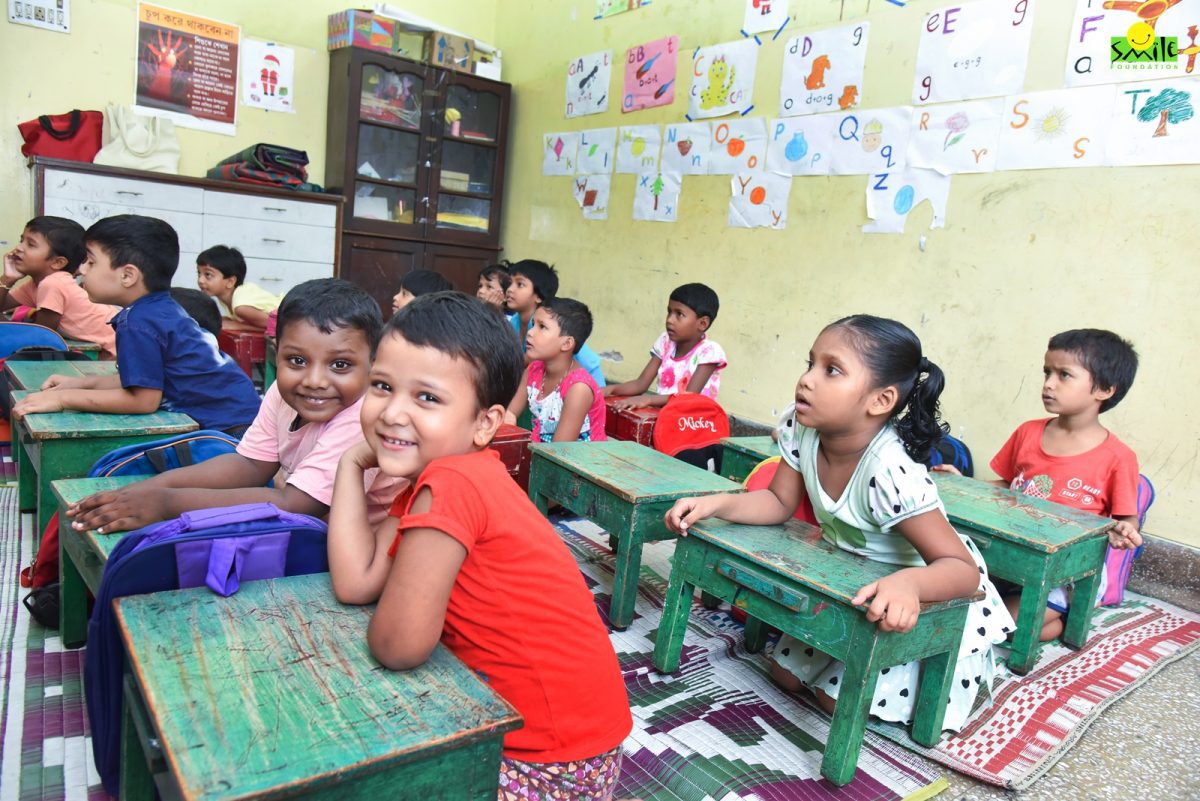
Low Education Affecting the Health of Indian Women 

The intricate relationship between education and health is well-documented worldwide. In India, where gender disparities in education persist, this connection highlights stark inequalities, especially affecting women.

Education provides individuals with the knowledge to make informed decisions about health, nutrition, and family planning. Unfortunately, many Indian women, deprived of adequate educational opportunities, face severe health challenges. Let’s understand better how low education levels among Indian women impact their health and what potential interventions are needed to address these issues. 

The Landscape of Education and Its Direct Impact on Health 

Education is a crucial pathway to better health outcomes. For Indian women, the journey through education is often interrupted by socioeconomic constraints and cultural norms that favour male education over female. These disparities limit the access of women to health information and services and restrict their ability to make autonomous decisions in various life aspects, including health. 

Health Literacy and Awareness 

Educated women are better equipped to understand health-related information, significantly improving their health outcomes and those of their families. They possess a better understanding of nutritional needs, hygiene importance, and sexual and reproductive health, enabling them to make informed decisions. Conversely, women with lower educational levels often lack basic health literacy, a vital component in managing personal and child health, understanding medication instructions and navigating health systems. 

Delayed Marriages and Reduced Fertility 

Education also influences social and reproductive behaviours. Educated women are more likely to marry later and have fewer children, directly benefiting their health. Early marriages, often linked to lower education levels, result in early pregnancies, increasing the risk of maternal and infant mortality. 

Health Challenges Faced by Less Educated Women 

Women with lower education levels in India face numerous health issues:

1. Reproductive Health: Limited knowledge of reproductive health leads to higher incidences of teenage pregnancies, higher fertility rates and complications during childbirth. These women are less likely to receive prenatal and postnatal care, increasing health risks for both mother and child. 

2. Nutritional Deficiency: Many women without proper educational backgrounds are unaware of their nutritional needs. This ignorance can lead to malnutrition, particularly harmful during pregnancy and breastfeeding, affecting both maternal health and children’s developmental health. 

3. Chronic Diseases: Chronic conditions like diabetes, hypertension and cardiovascular diseases are often poorly managed by less educated women due to a lack of health literacy. This results in higher morbidity and mortality rates within this demographic. 

The Economic Implications: Labour Force Participation 

Women’s participation in the labour force is closely linked to their education levels. Educated women are more likely to join the workforce and secure employment that offers health benefits and economic stability. In contrast, women with lower education levels are often limited to unskilled labour, which is precarious and provides little in terms of health insurance or job security. 

Policy and Practical Solutions 

Addressing the health disparities caused by low educational attainment requires a multifaceted approach: 

1. Enhancing Educational Access: Ensuring that girls have access to quality education is fundamental to improving health outcomes. This involves enroling more girls in schools and ensuring they complete their education up to at least the secondary level. 

2. Integrating Health into Education: Health education should be a core part of the school curriculum from an early age. Topics should include nutrition, personal hygiene, sexual and reproductive health and basic information about common diseases. 

3. Empowering Women Economically: Vocational training and skill development programs can empower women, enhance their job prospects, and provide them with better economic and health outcomes. 

4. Strengthening Health Services: Governments and NGOs should collaborate to improve the availability, accessibility and affordability of healthcare services, particularly in rural and underserved areas. This includes investing in healthcare infrastructure, training healthcare providers and implementing outreach programmes focused on women’s health.

The health of Indian women is intricately linked to their educational attainment. By bridging the educational gap, enhancing health literacy and supporting women’s economic empowerment, significant improvements in health outcomes can be achieved. A concerted effort from the government, civil society and local communities is essential to ensure that the benefits of education and health are accessible to all women across India, paving the way for a healthier and more equitable society. 

In conclusion, tackling the issue of low education among Indian women is paramount for their health and well-being. Through comprehensive strategies that address educational access, health literacy, economic empowerment and strengthened healthcare services, we can create a future where every woman has the opportunity to thrive and contribute to the prosperity of her community and nation.

Invest in Girl Child Education: A Healthier Future for Indian Women

Low education levels significantly impact the health and well-being of Indian women. Educated girls grow into empowered women who make informed decisions about their health, nutrition and family planning, leading to healthier communities. By investing in girl child education, you contribute to breaking the cycle of poor health, creating a generation of strong, healthy girls and women.

Make a Difference Today

Support girl child education here and help build a healthier, brighter future for Indian women. Your donation can change lives and uplift entire communities. You can catalyse real positive change.
Categories
Livelihood

Workings of a Livelihood Project in India

Asha’s husband passed away a few years ago because of an undiagnosed illness. Asha lives in a small house with her parents-in-law and three kids – two boys and a girl. All of them are of school-going age. However, Asha needs help with household chores while she goes out to work as a daily wager and provide whatever she can for her family. She receives a government pension and ration support, but that was not enough to lead a life of even basic needs.

This means that her 12-year-old daughter, Salony, has to drop out of school to take care of the chores while Asha goes out to find some work during the day. She is not a skilled worker, so she has to take up whatever task that is offered. On some days, she finds work but mostly, she comes back empty handed. This has made life difficult for all the members in her family. This also meant that her 14-year-old son might have to drop out of school and work as a construction worker to make money for the family.

Asha’s story is the story of innumerable people living in the less fortunate parts of the country. Due to a lack of livelihood opportunities in their communities, these people sometimes have to migrate to urban areas, or engage in menial work at extremely low compensation because they don’t have a better alternative. This is where the need for a well-functioning livelihood project arises.

With the help of such projects, these communities and people in need can be engaged in sustainable and respectful livelihoods so that they can make money and live a life of dignity.

Essence of a Livelihood Project

While it may be an easy assumption, the purpose of a livelihood project is not just to provide immediate financial support. Instead, they are designed to provide long-term support in building self-reliance and resilience. These projects focus on capacity building of the people, equipping them with skills in a way that does not only improve their economic situation but also prepares them for opportunities in the future.

At the core of sustainable development in India lies the concept of livelihood projects—initiatives meticulously crafted to enhance the living standards of individuals by equipping them with the necessary skills, resources and opportunities to earn a sustainable income. These projects are not mere stopgap measures; they are transformative processes that empower communities to break free from the cycle of poverty.

Operational Model

Livelihood projects and implemented after meticulous planning and follow a strong operational model like one followed at Smile Foundation:

  1. The projects are tailored as per the unique needs of a community and this is achieved through stakeholder engagement, where the planners collaborate directly with community members to understand their needs and aspirations.
  2. Following this, resource allocation is carried out, wherein financial, human and material resources are distributed according to the project’s requirements. This phase is critical as it sets the foundation for all subsequent activities.
  3. After that, many livelihood projects introduce training modules which is an integral part of the whole process. With the help of these modules, the planners and execution team provide practical knowledge and hands-on experience to the beneficiaries based on the market demand.
  4. Lastly, the most important aspect of these projects is outcome measurement because it is extremely essential to gauge the true impact of these projects and to ascertain whether they are achieving the goal of creating sustainable income opportunities for the beneficiaries while preparing them for long-term self-reliance.

Impact and Significant of Livelihood Projects

Livelihood projects is one of the biggest rural employment guarantee programmes in the world that has been running in India – the Mahatma Gandhi National Rural Employment Guarantee Act (MNREGA). In 2006-07, the programme engaged 21 million households and this number reached 55 million in 2010-11. Not just that, it has contributed significantly to rural income, with more than Rs 200000 crore spent as wages till 2014-15.

However, as mentioned previously, the impact of such projects is not limited to financial assistance. They also help in overall increase in income, employment opportunities and entrepreneurial ventures.

A study by the World Bank on a government-run rural livelihoods programme in India revealed significant increases in median income, highlighting the direct impact of such initiatives on economic well-being. These programmes are crucial in addressing the stark reality that over 296 million people in India still live in poverty, despite substantial poverty reduction efforts over the years.

These projects also help in providing dignity to individuals, especially those living in socially and economically disadvantaged communities. They provide employment opportunities to those typically ignored by the traditional job market, lead to empowerment of women by addressing the gender gap in the labour market and ensure self-respect for the marginalized population. 

Integration with Larger Solutions

The livelihood projects, across the world, are woven with the larger Sustainable Development Goals (SDGs) by the United Nations. They particularly align with SDGs like eliminating poverty, creating gender equality and ensuring decent work and economic growth. The two things central to these projects are sustainability and scalability. Environmental considerations are integrated into project designs to ensure that economic gains do not come at the cost of ecological balance.

Community ownership is emphasised to ensure that projects are not only accepted but also cherished by those they serve, enhancing their longevity. Lastly, these projects are designed and redesigned as per the evolving economic conditions making them relevant and effective in the long run.

More than one Asha

Now, let’s look at Asha’s story from the perspective of what we have discussed so far about livelihood projects and their working mechanisms. If after school education, her children are inducted into a well-planned livelihood project, they are most likely to be educated and skilled as per the needs of the market and the unique requirements of the community they belong to.

Further, the children will be provided with necessary support to perform well in the work that they choose. It will not only open-up opportunities for them but also Asha, who can enrole in women empowerment programme like Swabhiman.

The project will also empower her and provide sustenance to her entire family, allowing her children to get education and have a chance at a better life that poverty often deprives one of. These projects are especially important today because of the economic hardship that a large section of our population is facing due to the widespread negative effects of covid pandemic and subsequent lockdowns.

If we want to promote rural growth, increase consumption, and accelerate the economic growth of India, we must implement more than large scale livelihood project across the country with the help of both government and non-government organisations.

Smile Foundation’s Livelihood Programme STeP

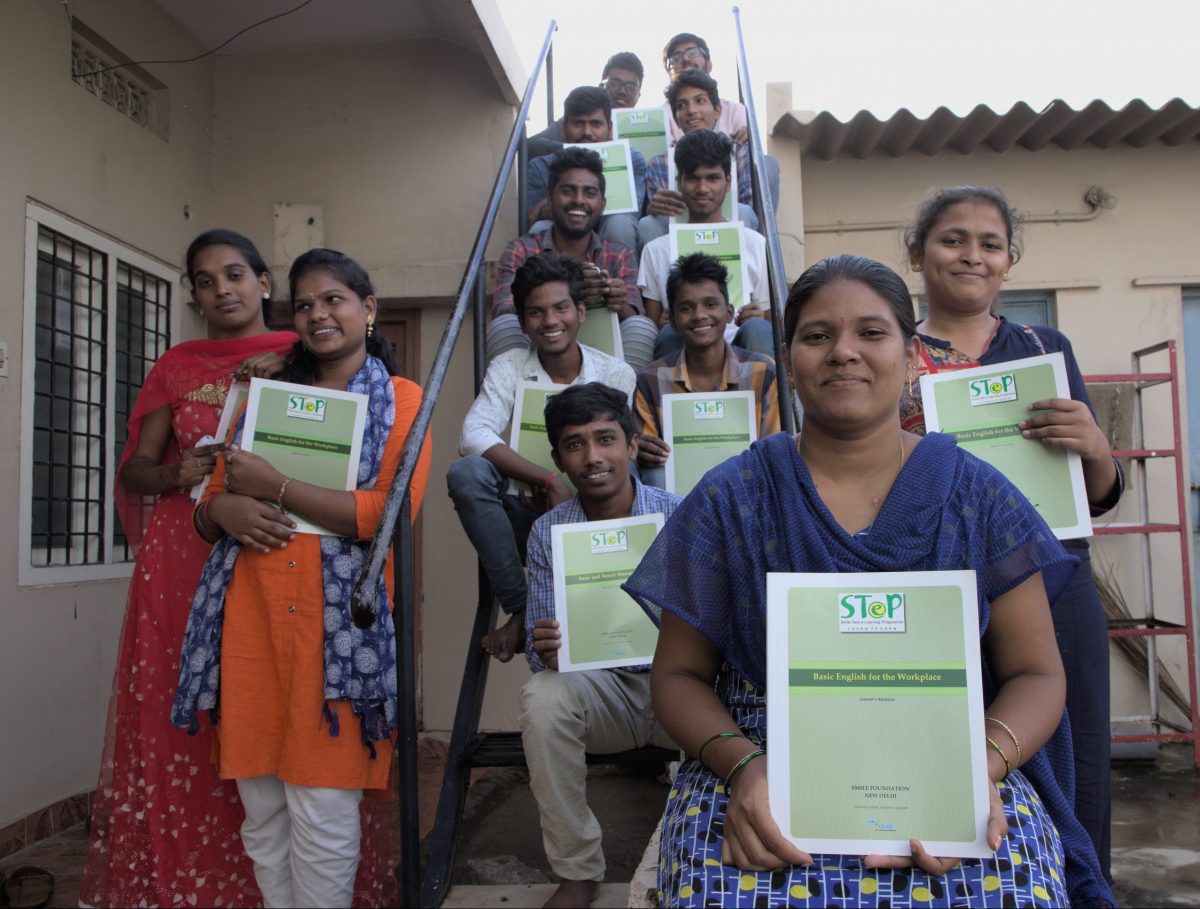
Smile Foundation’s Smile Twin e-Learning Programme (STeP) is a pioneering initiative aimed at transforming the lives of underserved youth by equipping them with essential skills for the modern job market. STeP offers training in areas such as retail management, hospitality, customer relations, digital literacy, and more, bridging the gap between education and employability.

By focusing on skill development, the programme empowers young individuals to secure meaningful employment, thereby fostering economic independence and a better quality of life for their families. More than 10,000 young students have been trained under our livelihood initiative with more than 65% placement.

Support Our Mission

Help us continue to create brighter futures for underprivileged youth. Your donation can make a significant impact by providing these young individuals with the skills they need to succeed.

Donate here and become a part of this transformative journey.

Categories
Education

NEP Addressing Poor Learning Outcomes 

The National Education Policy (NEP) 2020 heralds a groundbreaking era in the Indian educational landscape. Designed to overhaul a system long troubled by disparities in quality and accessibility, this comprehensive policy aligns the Indian education with global standards and prepares the future workforce with 21st-century skills while addressing the low learning outcomes in the students.

With a bold vision for inclusivity, modernisation, and holistic development, NEP 2020 aims to reshape the foundation of Indian education, fostering a generation of innovative and responsible citizens.

Foundational Reforms: Early Education 

One of the most significant aspects of NEP 2020 is its focus on Early Childhood Care and Education (ECCE). Recognising the critical role early years play in cognitive, emotional and social development, the policy proposes an integrated approach that combines education with healthcare.

This holistic framework ensures that every child has a nurturing environment conducive to all-round development. By emphasising play-based and activity-based learning, the policy aims to make early education enjoyable and impactful, setting a strong foundation for lifelong learning. 

Restructuring Curriculum and Instruction 

NEP 2020 introduces a revolutionary 5+3+3+4 curricular structure designed to align with the developmental stages of a child’s brain. This system replaces the old 10+2 structure and is divided into foundational, preparatory, middle and secondary stages. Each stage is tailored to address the specific needs of children, ensuring a smooth transition and continuity in learning. 

The policy advocates for a pedagogical shift towards experiential learning, where critical thinking and problem-solving take centre stage. This approach makes learning more engaging and relevant to real-life situations. Instead of rote learning, students might engage in projects that require them to apply subject concepts solving practical problems. This hands-on method not only deepens understanding but also cultivates a love for learning. 

Teacher Empowerment and Training 

Teachers are the backbone of any educational reform, and NEP 2020 places them at the heart of its vision. Recognising the need for highly skilled educators, the policy outlines comprehensive strategies for attracting and retaining the best talent in teaching. This includes substantial improvements in teacher training programmes, ongoing professional development and a clear career progression path with ample opportunities for leadership and growth. 

The policy also calls for a reform of teacher training institutions, ensuring they meet stringent accreditation standards. By continuously updating their skills and knowledge, teachers can stay abreast of the latest educational methodologies and technologies, enhancing their effectiveness in the classroom. This, in turn, creates a more dynamic and engaging learning environment for students. 

Technology Integration Across the Spectrum to increase Learning Outcomes

In an era where technology plays an integral role in every aspect of life, NEP 2020 emphasises the importance of integrating technology into education. The policy envisions a future where we weave digital tools seamlessly into the fabric of learning, making education more accessible and equitable. To bridge the digital divide, substantial investments in digital infrastructure are planned, promoting online resources and virtual classrooms that can reach even the most remote areas. 

The use of technology in education is both about providing access to information and enhancing the learning experience. For example, interactive e-books, educational apps and virtual laboratories can make complex concepts more understandable and engaging. Additionally, technology can facilitate personalised learning, allowing students to learn at their own pace and in their own style. 

Assessment Reforms for Holistic Evaluation 

Traditional assessment methods that rely heavily on rote memorisation are often criticised for failing to capture a student’s true potential. NEP 2020 addresses this by introducing significant reforms in assessment methodologies. The policy advocates for continuous and comprehensive evaluation (CCE). Here students are assessed on their understanding, application of knowledge and skills throughout the academic year. 

Regular formative assessments, such as quizzes, projects and presentations, provide ongoing feedback and support student learning are all going to address low learning outcomes. This approach helps identify areas where students need improvement and allows for timely interventions. Moreover, the policy emphasises the importance of developing higher-order thinking skills, such as critical analysis and creative problem-solving, which are essential for success in the 21st century. 

Higher Education: Flexibility and Research 

NEP 2020 brings a breath of fresh air to higher education in India by introducing flexibility in course choices and curricular structure. Students can now tailor their education according to their interests and career goals. Fostering a more personalised and meaningful learning experience are the key themes of NEP. The policy encourages the creation of multidisciplinary institutions that integrate arts, sciences, and professional studies. These steps can prepare students to think broadly and solve complex problems. 

Research and innovation are also key focus areas of NEP 2020. The policy aims to cultivate a robust research culture by promoting research-oriented teaching and providing adequate funding for research projects. By encouraging collaboration between academic institutions, industry and government, NEP 2020 seeks to create a vibrant ecosystem that drives innovation and contributes to national development.

Inclusive Education for All 

Inclusivity is a core tenet of NEP 2020, reflecting a commitment to providing equitable educational opportunities for all, regardless of socioeconomic background or physical abilities. The policy details mechanisms for scholarships, teacher deployments and infrastructure enhancements, particularly in rural and marginalised areas. This ensures that education is not just a privilege for the few but a fundamental right for every child. 

Special attention for children with disabilities, with provisions for creating inclusive classrooms that cater to their specific needs. This includes training teachers in special education, providing assistive devices, and ensuring accessible school infrastructure. By fostering an inclusive educational environment, NEP 2020 aims to break down barriers. This, in turn, will create a more just and equitable society. 

Implementation: The Challenge Ahead to Address Low Learning Outcomes

While NEP 2020’s vision is ambitious, the real challenge lies in its implementation and addressing low learning outcomes. This requires coordinated efforts from federal to local levels, substantial financial investments and a cultural shift in how education is perceived and valued. The policy outlines a phased implementation strategy, with clear goals set for the next decade. Regular monitoring and evaluation are crucial to ensure the policy’s adaptability and effectiveness. 

For successful implementation, it is essential to build strong partnerships between government, educational institutions, nonprofits and civil society. Engaging stakeholders at all levels, from policymakers to teachers and parents, is key to fostering a collective commitment to educational reform. Additionally, leveraging technology for efficient administration and data management can help streamline the implementation process and track progress. 

Our Mission Education (ME) programme aligns well with NEP and its dynamic undertakings. This flagship programme provides basic education to underserved children and runs over 260 education projects across India, ensuring that thousands of children receive quality education and a chance for a better future.

A Leap Towards a Knowledge Economy 

NEP 2020 has the potential to dramatically transform India’s educational landscape, positioning the country as a global knowledge superpower. By focusing on quality, equity and modernisation, the policy aims to enhance educational outcomes and foster a generation of well-rounded, responsible citizens. These individuals will be equipped with the skills and knowledge needed to drive future innovations and contribute to national and global development. 

As India embarks on this transformative journey, the success of NEP 2020 will depend on our collective commitment to its vision. By embracing the principles of inclusivity, flexibility and continuous improvement, we can create an educational system that not only meets the needs of today but also anticipates the challenges of tomorrow. Together, we can build a brighter future for our children and our nation.

Your Support Matters

Your donation can help Smile Foundation continue its mission to provide quality education and holistic development to thousands of children. By contributing, you enable us to improve learning environments and ensure that every child has the opportunity to succeed.

Join us in our journey to educate and empower children who need our help. By making a generous donation here, you can bring a smile to a child’s face and pave the way for a brighter future.

Categories
Health

Addressing Low Health-Seeking Behaviour in India

India is often seen as a hub for medical tourism, attracting patients from across the globe who seek quality healthcare at affordable costs. Yet, paradoxically, many Indians themselves exhibit a striking reluctance to seek medical help until their health conditions become severe. This delay in health-seeking behaviour can lead to worsened outcomes and, in many cases, preventable deaths, particularly among the youth.

The Reluctance of Indians to Seek Medical Help

Despite the advanced medical facilities available, many Indians tend to ignore their health issues until the pain becomes unbearable or there is visible evidence of something seriously wrong. This tendency is often due to a combination of cultural factors, lack of awareness and economic constraints. According to studies published less than 35% of rural Indians seek medical help when needed. The numbers are better for urban areas. This disparity underscores the urgent need for increasing health awareness and improving access to healthcare across the country.

Rising Incidence of Young Deaths

India has seen a worrying trend of young adults succumbing to heart attacks and other lifestyle-related diseases. According to the World Health Organization (WHO), cardiovascular diseases (CVDs) are the leading cause of mortality in India, accounting for over 27% of all deaths.

Alarmingly, a significant portion of these deaths occur in individuals under the age of 50. This trend is not unique to India; worldwide, the incidence of young deaths due to heart attacks is rising. The American Heart Association reports that heart attacks in people aged 35-54 have been increasing steadily over the past decade.

Promoting Health-Seeking Behaviour in Children and Women

To combat these alarming statistics, it is important to instill health-seeking behaviour from a young age. Schools can play a pivotal role in this regard. By incorporating health education into the curriculum, children can learn about the importance of regular check-ups, a balanced diet, physical activity and early detection of health issues. Health camps and regular screenings in schools can ensure that health issues are identified and addressed early.

For women, especially those in rural areas, Anganwadi centers can be instrumental. These centers, which are part of the Indian public health system, can provide not only maternal and child health services but also educate women about the importance of seeking timely medical help. By leveraging these existing structures, we can promote a culture of health-seeking behaviour among some of the most vulnerable populations.

The Link Between Healthcare and Economic Health

Good healthcare infrastructure is a hallmark of a healthy economy. When people are healthy, they are more productive, which contributes to economic growth. The WHO emphasizes that investments in health can yield significant economic returns- India with its dream of surpassing the second largest economy in the world by 2048 has to care about the purchasing power parity (PPP) of its citizens. A factor deeply dependent on the good health of Indians.

For every dollar invested in health, there is a return of up to $4 in terms of increased productivity and reduced healthcare costs. Thus, improving healthcare infrastructure and promoting health-seeking behaviour are not just moral imperatives but also economic necessities.

Smile Foundation’s Healthcare Initiatives

Smile Foundation is actively working towards bridging the healthcare gap in India through various innovative programmes.

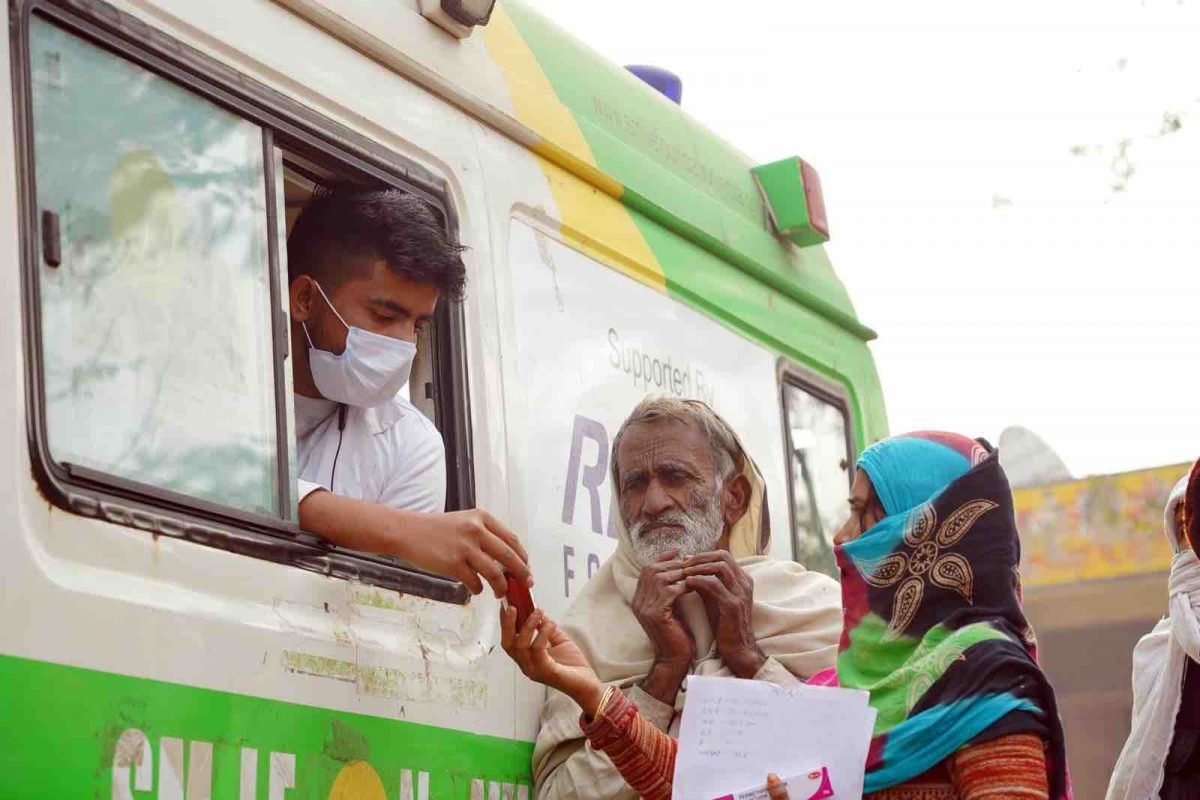
  1. Mobile Medical Units: These units smartly names Smile on Wheels (SoW) travel to remote and underserved areas, providing essential medical services to those who have little or no access to healthcare facilities. They offer a range of services including general free health check-ups, diagnostic tests and distribution of medicines.
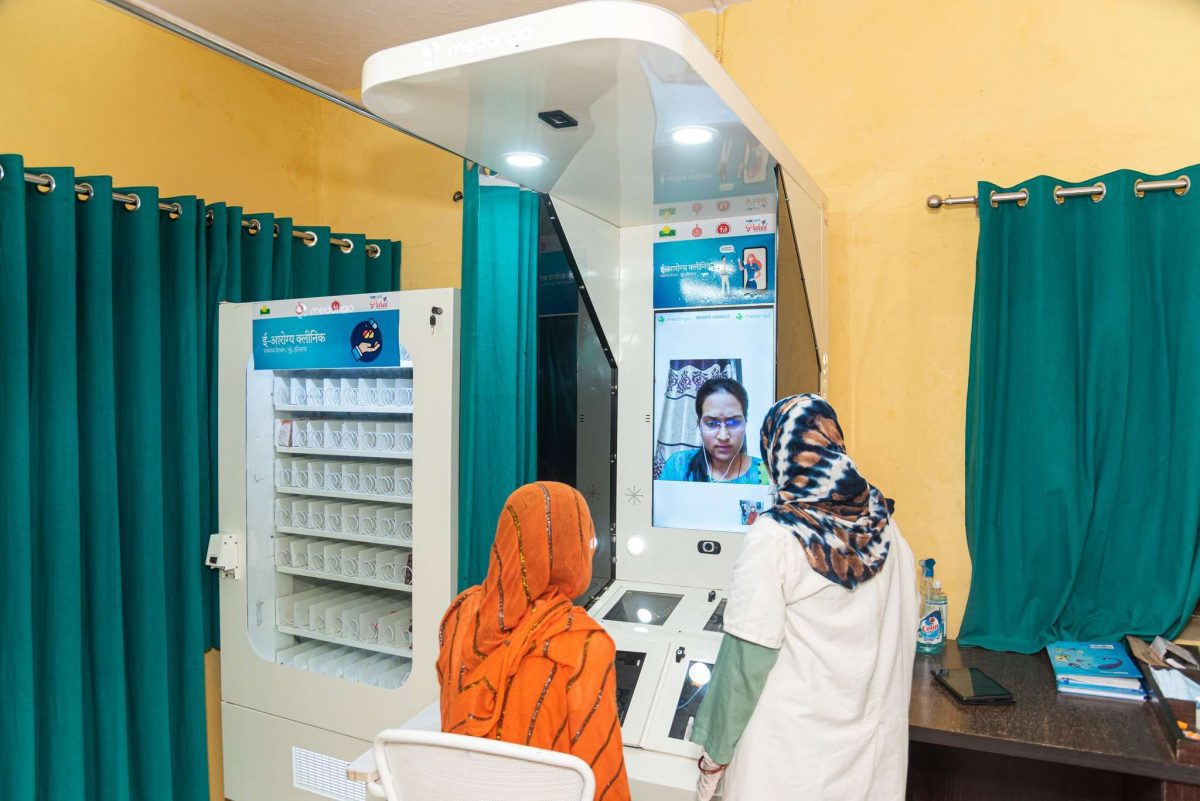
  2. Telemedicine: Leveraging technology, our telemedicine initiative connects patients in remote areas with specialist doctors. This service ensures that even those in the most inaccessible regions can receive expert medical advice and care.
  3. Health Camps: Regular health camps are organised in urban slums and rural areas, focusing on preventive healthcare. These camps offer screenings for various diseases, vaccinations and health education.
  4. Dental Care: Recognising the importance of oral health, Smile Foundation conducts dental camps where free check-ups and treatments are provided.
  5. Physiotherapy for Truck Drivers: This unique initiative addresses the health needs of truck drivers, who often suffer from musculoskeletal problems due to long hours of driving. Through physiotherapy camps, drivers receive the care they need to remain healthy and productive.

What can you do?

Your support can make a significant difference in the lives of many. By making a donation to our healthcare initiatives, you can help ensure that more Indians with less means have access to the medical care they need. Together, we can promote health-seeking behaviour, improve healthcare infrastructure and ultimately SAVE LIVES.

Through these efforts, Smile Foundation aims to create a healthier, more informed society where every individual has the opportunity to lead a healthy life. Your thoughtful contribution here can help turn this vision into reality.

Categories
Health

The Green Gains of Telemedicine

Imagine someone living in a remote village of India, probably hundreds of kilometres away from a good-quality intensive care facility. What happens when they encounter an emergency? Since there are no intensivists in the local healthcare facility of their village, the only choice they are left with is to travel for hours, sometimes days, to reach a hospital where they can receive the necessary treatment.

However, there is a major challenge to this situation. In a severe case, this delay in receiving treatment can cause loss of life or other complications which could have been avoided by making the facility of an intensivist available in the patient’s village. Experts have pointed out the uneven distribution of healthcare professionals in rural and urban areas. Apart from this, in the absence of a live register for practicing doctors, it becomes difficult to know the accurate picture.

This is where telemedicine and tele-ICU facilities come in to bridge the gap. They enable a wider distribution of healthcare facilities by leveraging technology, lowering the burden on local facilities and providing necessary support to those living in rural and remote areas of the country.

Tele-ICUs enable an intensivist (a physician who specialises in the care and treatment of patients in intensive care) to monitor around 50-60 patients in multiple locations, compared to only 10-15 patients when the intensivist is at the bedside. This technology scales the scarce expertise of intensivists, making critical care more accessible.

What is Telemedicine?

While we have already spoken about it, let us try to understand what telemedicine is and how it functions. It is the remote delivery of medical services using technology. As discussed above, it helps in democratising the medical facilities and increasing accessibility. However, an often-overlooked aspect of telemedicine is its potential to reduce carbon footprint and helping the environment. Further, in this article, we will be focusing on this aspect of telemedicine and discuss its green gains.

Telemedicine and Carbon Footprint– A Case Study

A particular study conducted by the researchers at LY Prasad Eye Institute in Hyderabad found that 70-80 per cent of patients who were visiting the hospital for a check-up could easily receive the necessary support and guidance through teleconsultation because their problems were not as serious.

The study found that over a three-month period, teleconsultation led to 1,666 fewer kilometres of travel for patients and an average reduction of 176.6 kg of carbon dioxide emissions. These are figures the healthcare sector cannot afford to ignore. The healthcare sector in India emitted 74 million tonnes of carbon dioxide in 2014, around 3% of India’s total emissions of the gas that year. This figure is likely to have increased since then.

As we had discussed above the case of someone living in a remote part of the country, hundreds of kilometres away from a healthcare facility; for them to access support, they would have to travel the whole distance. This means carbon emissions which can be eliminated completely if telemedicine and teleconsultations are made available across the country.

It can be a gamechanger not just for these cases, but also for urban pockets where people can consult a doctor from the comforts of their home. In a country, where a huge amount of carbon emissions come from road traffic, this is a solution we cannot ignore.

Rise of Telemedicine in India and Globally

Telemedicine has proven particularly beneficial in rural areas, where access to healthcare is often limited. It has also been instrumental during the COVID-19 pandemic, allowing for continued healthcare delivery while minimizing the risk of virus transmission. The research paper, titled “Global evidence on the rapid adoption of telemedicine in primary care during the first 2 years of the COVID-19 pandemic: a scoping review protocol”, provides the evidence of rapid adoption of telemedicine in primary care facilities during the first two years of Covid-19 pandemic. The paper highlights that while the primary care was relying mostly on face-to-face consultations in the pre-pandemic era, it has now rapidly shifted to teleconsultations, making an important shift in the healthcare landscape.

One such case study is of the Veterans Health Administration (VHA) in the United States which has been at the forefront of adopting telehealth programmes. It has been found that their initiative has not only improved the accessibility drastically but has also helped in significant environmental benefits.

A study found that the VHA’s telehealth programme saved millions of miles of patient travel each year. This reduction in travel corresponds to substantial carbon emissions savings. Using an Environmental Protection Agency emissions calculator, it was estimated that these savings were equivalent to removing thousands of passenger vehicles from the road for a year.

Telehealth/Telemedicine Initiatives in India

Invested individuals, nonprofits, private companies and the state have been focusing extensively on technology as a problem-solving mechanism in different areas, and healthcare is no exception to this. Over the last one decade, several initiatives have been launched to increase accessibility, invariably helping in environmental gains. 

e-Sanjeevani – Also known as the National Telemedicine Service of India facilitates quick and easy access to medical professionals and doctors through a smartphone. e-Sanjeevani operates in two modes: e-Sanjeevani AB-HWC and e-Sanjeevani OPD. The former is a provider-to-provider telemedicine system under the Ayushman Bharat Scheme, operating in a hub and spoke model. Health & Wellness Centres act as spokes linked with hubs set up in Medical Colleges/District-Level Hospitals, populated with doctors and specialists.

e-Sanjeevani OPD is a patient-to-doctor telemedicine system, enabling people to avail outpatient services from home. It aims to provide safe health services, bypassing avoidable elements such as travel, waiting time, and risk of infection. It has eased the burden on hospitals, allowing them to cater to more serious patients. In many states, eSanjeevaniOPD has enabled round-the-clock health services 365 days a year.

Challenges and Future Direction for Telemedicine in India

Despite its potential, the adoption of telemedicine faces several challenges. These include technological barriers, regulatory issues, and resistance from patients and providers. Addressing these challenges requires concerted efforts from all stakeholders, including policymakers, healthcare providers, and technology companies.

Particularly, for a country like India, where close to 70 per cent of the population lives in rural areas with minimal resources and financial support, implementing telemedicine facilities is highly-dependent on government intent and the initiatives by non-government organisations.

World Health Organization (WHO) has also come out with a comprehensive guide to assist countries in effective implementation of telemedicine services. The guide is not a stand-alone solution, but a complementary tool that works with user-cantered solutions to deliver high-quality remote care that is accountable and suitable to the context in which patients live.

It outlines practical steps countries can take through a process of planning, implementing, maintaining and budgeting a telemedicine programme to deliver equitable health outcomes. The guide also emphasises the importance of national digital health strategies underpinning all telemedicine interventions and includes leadership and governance, strategy and investment, infrastructure, legislation, policy and compliance, workforce, and services and applications.

Climate Change and Us

At the time of writing this article, data has shown that India is experiencing its longest and deadliest heatwave in a long time. Several parts of the country have been facing shortages of water, deaths of individuals due to heat-related complications, forest fires and much more.

Globally, the discourse around climate change is becoming more complicated as the world is realising the real and serious impact of it. Therefore, what we need today is for everyone to come together and fight this problem. We must focus more and more of our attention on shifting towards green energy and on reducing our carbon footprint. The telehealth and telemedicine initiatives can play a big role in this transition.

How You Can Help

Your support will help us more people by scaling up our projects related to telemedicine in India. By making a small donation to our healthcare programme, you can help us:

  • Expand our telemedicine infrastructure to more remote and underserved areas.
  • Provide training and support to healthcare professionals on the effective use of telemedicine tools.
  • Ensure that patients, especially the elderly and the newborns, receive timely and quality medical care, regardless of their location or environmental conditions.

Together, we can build a resilient healthcare system that not only survives but thrives in the face of climate change. Your contribution can make a significant difference in the lives of countless individuals who rely on telemedicine for their healthcare needs.

Join us in this mission. Donate here today and be a part of the solution for a healthier, more resilient future. You and I this equally well that- Health Cannot Wait!

Categories
Girl Child

7 ways to empower girl child in India

“I can’t even explain how helpful this scholarship is for me,” says first year Information Technology student, Arti, while talking about the financial support she received from our scholarship support initiative to pursue her college studies. Coming from a low-income family, with both her parents working as farmers, being admitted to an IT course in a reputed college was like a dream come true for her.

However, it was not an easy path to take because her parents could not afford to pay her high fee. Without scholarship support, she may have had to drop out and give up her dreams, or her father would have had to take out a loan at high interest rate. This is when Arti learnt about the scholarship that Smile was offering and applied for it. She cleared all the processes and received the amount.

“I was overjoyed when I received the scholarship. They also gave me a laptop to support me in my long-term studies. It was really important for me as an IT branch student,” she added. Arti wants to help her aging parents after getting a job. A scholarship for her means upliftment of an entire family.

The need for empowering girl children


A 2024 research paper titled “The Importance of Educating and Empowering Girl Child in India”, written by Dr Meena Khoda and Sangita Hazarika, highlights the importance of education for the empowerment of girl children in India. The authors have emphasised that in a patriarchal society like India, it is through education that girls can be empowered. Through a secondary data research, the authors found that no state in India had a higher or equal literacy level for girls as compared to boys.

This shows that girls continue to be stuck in a vicious circle where they do not receive adequate education, which in turn affects their self-worth and leads to more societal problems like child marriage, etc. It also ensures that girls and women do not adequately participate in the economic and social growth of the country.

Mahatma Gandhi once said – “If you educate a man you educate an individual, but if you educate a woman you educate an entire family.”

This is particularly true because it has been found that educated mothers are healthier and they also have better educated and healthier children. This is because when educated women become mothers, they are aware of the needs and wants of their own bodies and the social needs of their children. They are able to influence decisions that impact the future of their children and families. Therefore, an educated woman can empower an entire family, and uplift everyone with her.

Seven ways to empower a girl child in India

Having understood the importance of empowering a girl child, now we must look at the many ways through which we can achieve this goal. Here are the seven ways to empower a girl child in India:

Understanding the role of education

We have already discussed this in detail – education is extremely important to empower the girl child. It not only makes them socially aware, but also opens new opportunities for them. Educated girls can go on to excel in different careers and leave an indelible mark. They can also become financially independent, thus giving them the agency to make their own decisions. Therefore, education is the most potent tool in liberating the women and giving them a chance to realise their true potential.

Promoting health and well-being

A strong correlation has been found in the empowerment of women and their health and wellbeing. A research paper titled “The Role of Women’s Empowerment in Enhancing Health and Wellbeing and in Ensuring Sustainable Development, and Implications for Policy in Ethiopia: A Review Paper” by Adamu Amanu Asari found that women who shoulder the majority of children’s, households’, and communities’ welfare obligations, play a vital role in the nation’s development. However, their effectiveness in these roles depends on their empowerment status.

This is true for any developing or developed country in the world, including India. Health and wellness of women ensures that they live better lives and empowered women are more likely to make better health related decisions for themselves.

Breaking gender stereotypes

This brings us to our next point, which is about breaking gender stereotypes. In a society where women face numerous stereotypes, they are more likely to remain stuck in a negative loop. There are some stereotypes like women cannot do well in STEM subjects or they cannot drive as well as men. Such stereotypes create adverse situations for women in which they face higher societal pressure while pursuing a career path not considered ‘feminine’.

These stereotypes are further perpetuated in today’s technologically advanced world as well, embedding them in our systems even strongly. A study by a team of psychology researchers revealed that gender-neutral internet searches often yield male-dominated results. This bias in search algorithms can influence users, promoting gender bias and potentially affecting hiring decisions. The study, published in the Proceedings of the National Academy of Sciences (PNAS), is part of ongoing research into how artificial intelligence (AI) can shape our perceptions and actions.

Another research article found that AI systems reflect the biases of the source material, perpetuating harmful ideas about certain genders. These harmful ideas have led to systemic oppression of women and other marginalized genders for decades. And, this is why, it is important to address the problem of gender stereotypes if we want to find ways to empower girl child in India.

Fighting against early marriage

In India, each year, at least 1.5 million girls under 18 get married. While the prevalence of early marriage declined from 47% to 27% between 2005-2006 and 2015-2016, it is still too high. This practice not only affects the girl directly but also her family and community.

A girl who is married as a child is more likely to be out of school, not earn money and not contribute financially to the community. She is more likely to experience domestic violence and become infected with HIV/AIDS. She is more likely to have children when she is still a child, increasing the chances of her dying due to complications during pregnancy and childbirth. Therefore, fighting against early marriage is a crucial step in empowerment of girls and women in India.

Engaging community and stakeholders

Now that we understand the various issues that we need to tackle for empowerment of women to come true, let us look at how we can do it. One of the best ways to do this is by engaging the community and important stakeholders in the process. These stakeholders can be the teachers, local leaders, influential members of the society, or others.

Since stakeholders carry a certain authority in the societies and communities they operate in, engaging them and taking them onboard can accelerate the process of achieving positive results. Community involvement, in the same way, helps in taking everyone together to work towards a common goal. This can be a gamechanger especially in villages and smaller towns where communities play an important social role.

Making boys allies in the journey

Boys, from a young age, are conditioned to develop patriarchal ideas of the society. This puts them in an advantageous position and normalises the discrimination of girls in their eyes.

When these boys grow up to become men, they fail to fight alongside women for equal opportunity, justice and empowerment. Therefore, it is extremely important to educate the boys from an early age about these issues and to make them allies. Aware and educated boys grow into men who support the women in their life in realising their dreams and potential.

Supporting NGOs

Lastly, another way to empower girl children is to support the initiatives that are working in this direction. We started this story by highlighting how our scholarship support helped Arti in focusing on her studies, and how young Arti dreams to take care of her ageing parents when she grows up and finds a job. This is how we can create a long-lasting impact by supporting young women.

If you are someone who wants to be a part of this change, then becoming a part of our She Can Fly initiative is one of the best ways to empower girl child in India. In the end, it is only through everyone’s collective efforts that we can achieve the dream of empowering our girls. By empowering them, we can empower our country.

Categories
Skill Development

Skilling Key to Reap Demographic Dividend of India 

India stands on the cusp of a demographic dividend, a phenomenon where the working-age population outnumbers the dependents, offering a unique opportunity for economic growth. However, to harness this potential, skill and education are paramount.

The demographic dividend of India presents an unprecedented opportunity for economic transformation. With a young and dynamic population, the potential for growth is immense. We need a robust skilling of its workforce and training framework to leverage this demographic dividend to our advantage. 

Understanding the Demographic Dividend 

The demographic dividend refers to the economic growth potential that arises when the proportion of working-age individuals in a population is higher than that of dependents. This shift provides a window of opportunity for accelerated economic development, provided that the working-age population is adequately skilled and employed. 

For India, the key to unlocking the demographic dividend lies in skilling. A skilled workforce is essential for enhancing productivity, fostering innovation and driving economic growth. Skilling not only empowers individuals but also strengthens the overall economy by creating a more competent and competitive labour force. 

Current State of Skilling in India 

Despite the potential, India faces significant challenges in terms of skilling. The current state of vocational training and education needs to be improved to meet the demands of a rapidly changing job market. There is a need for a comprehensive overhaul of the skilling ecosystem to address these gaps. 

The Indian government has launched several initiatives aimed at improving skilling. Programs such as Skill India, Pradhan Mantri Kaushal Vikas Yojana (PMKVY), and National Skill Development Mission (NSDM) are designed to enhance vocational training and skill development across the country. 

The private sector also plays a crucial role in skilling. Collaborations between industry and educational institutions can bridge the gap between academic learning and practical skills. Companies increasingly invest in training programmes to ensure their workforce has the necessary skills. 

Despite the efforts, several challenges hinder the skilling process in India. These include a lack of quality training infrastructure, inadequate funding and a mismatch between the skills provided and the market demand. Addressing these challenges is crucial for the success of skilling initiatives. 

Opportunities in Skilling 

The skilling landscape in India presents numerous opportunities. Technological advancements, such as online learning platforms and digital tools, offer innovative training delivery methods. Additionally, sectors like IT, healthcare and renewable energy are emerging as key areas for skill development. 

The Role of Education in Skilling 

Education forms the foundation of skilling. A strong educational system that emphasises both academic and vocational training is essential for developing a skilled workforce. Integrating skill-based learning into the education curriculum can ensure that students are job-ready upon graduation. 

Skilling in Rural Areas 

Rural areas in India often face greater challenges in terms of skilling. Limited access to quality education and training facilities hampers the skill development process. Targeted initiatives are needed to address these issues and ensure that rural youth are not left behind. 

Women and Skilling 

Empowering women through skilling is crucial for inclusive growth. Initiatives aimed at increasing female participation in the workforce can significantly contribute to the demographic dividend. Providing women with access to quality training and employment opportunities is essential. 

Youth and Skilling

The youth form the backbone of India’s demographic dividend. Ensuring that young people are equipped with relevant skills is vital for the country’s economic future. Vocational training programmes and apprenticeships can provide practical experience and enhance employability. 

Skilling and Entrepreneurship 

Skilling also plays a vital role in fostering entrepreneurship. By providing individuals with the necessary skills and knowledge, they can create their own businesses and contribute to economic growth. Entrepreneurship development programmes can support this process. 

Technological Advancements in Skilling 

Technology is transforming the skilling landscape. Online learning platforms, virtual reality, and artificial intelligence are revolutionising the way skills are imparted. These advancements make training more accessible and effective. 

Skilling and Employment 

Effective skilling directly impacts employment rates. By aligning training programmes with market demand, individuals can secure better job opportunities. This not only benefits the workforce but also contributes to economic stability. 

Our Smile Twin e-Learning Programme (STeP) for skilling in India

The primary goal of STeP is to bridge the gap between education and employment for underserved youth. The programme focuses on providing vocational training in various fields, such as retail management, hospitality, and digital marketing, along with important life skills and computer proficiency. By doing so, Smile Foundation aims to create a skilled workforce capable of contributing to the nation’s economic growth.

Key Components of the Programme

  1. Vocational Training: STeP offers a wide range of vocational courses tailored to industry demands. These courses are designed to provide practical knowledge and hands-on experience, ensuring that students are job-ready upon completion.
  2. Life Skills Development: In addition to technical skills, the programme emphasises the importance of life skills, such as communication, teamwork and problem-solving. These skills are crucial for personal and professional growth, enabling students to navigate the complexities of the modern workplace.
  3. Computer Literacy: Recognising the importance of digital proficiency in today’s job market, STeP includes comprehensive computer training. Students learn basic to advanced computer skills, preparing them for roles that require digital competency.
  4. Placement Assistance: One of the standout features of STeP is its robust placement support. Smile Foundation collaborates with various industry partners to provide job placements for its graduates. This network of corporate partnerships ensures that students have access to quality employment opportunities.
  5. Continuous Support and Mentorship: The programme extends beyond classroom training, offering ongoing support and mentorship to students. This guidance helps them navigate the job market and their career paths effectively.

Impact of the Programme

Since its inception, STeP has transformed the lives of thousands of young individuals across India. By providing them with the necessary skills and knowledge, Smile Foundation has enabled many to secure stable employment, support their families and contribute positively to their communities.

Graduates of the STeP programme often share inspiring stories of personal and professional growth. Many have moved from struggling to find employment to thriving in their careers, thanks to the comprehensive training of the initiative.

Future Plans for Skilling in India through STeP

Smile Foundation continues to expand the reach of its skilling programmes, aiming to touch more lives and adapt to the evolving job market. With a focus on inclusivity and innovation, the foundation plans to introduce new courses aligned with emerging industry trends, ensuring that its beneficiaries remain competitive in a dynamic employment landscape.

Categories
Education

Slum Children’s Education: Quest for A Dignified Life

Education is a fundamental right that springs from a person’s very being. An educated and empowered individual helps themselves and society to grow as a whole. Education allows a child to grow in all aspects– be it emotional or social, and lead a dignified life. But what exactly is keeping the children of the 5.1% demographic of India residing in slums from getting a proper education? 

Slum Children Deserve A Dignified Life

Children are capable of wonders if they are simply taught to hold a pencil and explore the powers it contains by themselves. All children are alike with their eyes full of wonder and the fire to know more. All of them want to know why the moon follows them everywhere, and the world has a responsibility to not let this fire extinguish. 

Unfortunately, most of the children living in Indian slums remain illiterate and grow up to find a living in meager jobs that barely pay them or help their families. The high fees for private schools usually hold parents back from sending their kids to schools. Many of them are forced to start earning during their childhood. Children from the slums usually depend on jobs like rag picking and street performing in order to earn a daily wage to support their families. 

Their education is closely linked to the economic progress of the country. The literacy rate of the nation has mostly affected the increase or decline of other key determinants of socio-economic growth. A high drop-out rate is observed among slum children. Late enrollment in schools is also common in these areas due to migratory reasons. Slum children’s education in India is at a critical stage and the country needs to amplify its efforts to bring these children into the fold of quality education. 

Challenges of Children Living in Slums

Slums are overcrowded with people trying to live, accommodate themselves in small spaces. The children living in such closed spaces get exposed to various weather-related diseases and are forced to live in unhygienic conditions.

Education is usually not a primary concern in these areas and parents often make their children work to make up for the financial gaps their families must be facing. The children often sell small items like flowers, food items, or picking up garbage to contribute to their family’s income in some way. 

Schooling is still a far-fetched concept for many living in these areas. Boys are either made to drop out to support their families, and girls are either married off, and/or make a living as domestic helpers in urban households. Even when families can afford education, they often prioritise the education of boys over girls.

Slum Children’s Education

Education problems in slum areas are making it difficult to improve the living standards of people in slums and the overall conditions of slums as well. Educational institutions around these areas are underdeveloped and provide insufficient learning facilities. Good schools charge a fee overwhelming for many families. Consequently, the slum children end up having low enrollment rates in schools. 

Teachers of these institutions are usually not well-qualified. There is a need for teachers to understand what every child requires even more so when they come from slums. A child’s emotional and physical needs are more often than not overlooked. This makes it difficult for a child to learn in these conditions. 

Underqualified teaching staff makes it all the more difficult for children to acquire quality education. Children need awareness about the measures to be taken to prevent getting sick. 

The Suffering of Slum Children Must Stop

Education is a powerful tool that empowers an individual. It can change the lives of not just one but many. But some instances take away the glimmer of hope from these children. There is disheartening news piece from 2023 about the demolition of an open school run under a flyover in Mayur Vihar, Delhi. It was a makeshift center run by the goodwill of an individual. He wished to provide quality education to 200 children from the nearby slums. 

A Dignified Life Ahead

From learning alphabets to digits, rote learning to vocational learning- at every step, children and youth should lead a dignified life with education. Smile Foundation acknowledges and works on the importance of education. With our flagship programme, Mission Education, we strive to provide quality education to slum children. Our initiative bridges the gap in education between the high-income and low-income demographics. 

How You Can Help

Supporting education initiatives like ours can significantly impact the lives of slum children. If you make a donation here, it will provide free education to slum children. It will help fund schools, provide learning materials, and work towards giving every child the opportunity to learn and grow.

Addressing the barriers the slum children face can lead to a more educated, empowered, and equitable society. Together, we can create a brighter future for these children and our society as a whole.

Categories
Smile

What Can You Always Do More? CARE

Celebrated annually on June 7, World Caring Day, serves as a call to action for individuals and organisations to demonstrate care in meaningful ways. One of the most impactful ways to show care is by supporting the education of those in need.

The Essence of World Caring Day

World Caring Day is a global initiative encouraging people to engage in acts of kindness and compassion. It emphasises the importance of caring for one another and building a supportive community. The day serves as a reminder that every small act of care can make a significant difference in someone’s life. Whether it’s through volunteering, offering a helping hand or providing financial support, caring actions help create a more interconnected and compassionate world.

Why Education?

Education empowers individuals, improves health outcomes, and drives economic growth. However, access to quality education remains a challenge for many, particularly in low-income and marginalised communities. By funding education, you can help bridge this gap and provide children and young adults with the tools they need to succeed.

The Impact of Education

  1. No one wants to remain poor all through their lives: Education equips individuals with the knowledge and skills necessary to secure better-paying jobs and improve their quality of life. This, in turn, helps lift families and communities enjoy a better quality of life and living.
  2. No good ideas remain hidden: Educated individuals are more likely to contribute to technological advancements and economic growth. They bring fresh ideas and innovative solutions to the challenges facing their communities and the world.
  3. Improving Health Outcomes: Education, particularly for women and girls, is closely linked to improved health outcomes. Educated individuals are more likely to make informed health choices, seek medical care and advocate for better health services.
  4. Promoting Equality: Education plays an important role in promoting gender equality by empowering girls and women to pursue their dreams and participate fully in society.

How to Care by Funding Education

Supporting education can take many forms, from direct financial contributions to volunteering your time and skills. Here are some ways you can get involved:

1. Sponsor a Child’s Education

Sponsoring a child is one of the most direct ways to make a difference. Smile Foundation offers sponsorship programmes where your contribution can provide financial support for the tuition, school supplies and other educational needs of a child. This support can help ensure that the child stays in school and receives a quality education.

We work on various projects, such as vocational education, bridge course for non-school going children, providing scholarships for continued education and remedial classes. You can help them expand their reach and impact more lives.

Scholarship programs provide financial assistance to students who may not have the means to afford higher education. By contributing to scholarship funds, you can help talented and deserving students pursue their academic goals and unlock their full potential.

2. Volunteer Your Time

If financial contributions are not feasible, consider volunteering your time and skills. Smile Foundation welcomes volunteers to assist with tutoring, mentoring and other educational activities. Your time and expertise can make a significant impact on the educational journey of a child.

3. Advocate for Educational Policies

Advocacy is another powerful way to support education. By raising awareness about the importance of education and advocating for policies that promote access to quality education, you can help create systemic change. This includes supporting legislation that increases funding for schools, improves teacher training and provides equal educational opportunities for all students.

Even if one day is not enough to care a lot, you can start caring a bit more on World Caring Day

World Caring Day makes you reflect on how we can make a positive impact in the lives of others. By contributing towards the education of a child, we can provide children and young adults with the opportunities they need to succeed and create a better future for themselves and their communities. Whether through financial contributions, volunteering or advocacy, every act of care can make a difference. This World Caring Day, let us commit to supporting education and fostering a more compassionate and equitable world.

Categories
Partners In Change Smile

5 Community Giving Back Ideas for Your Summer Vacations

Summer vacations are a perfect time to unwind, explore new places, and create lasting memories. While enjoying your break, why not add a meaningful dimension to your travels by giving back to the community? India, with its diverse cultures and rich heritage, offers numerous opportunities for community service and volunteering. Here are five community giving back ideas for your summer vacations in India that can make your holiday truly enriching.

1. Volunteer at a Rural School

Rural India often face challenges in providing quality education due to limited resources and infrastructure. Volunteering at a rural school can be a transformative experience for both you and the students. Many development organisations work to bridge the educational gap in these areas by setting up volunteer programs.

  • Teach English or Math: Use your skills to help students improve their language and arithmetic skills.
  • Organise Extracurricular Activities: Introduce students to art, music, sports and other activities that foster creativity and holistic development.
  • Infrastructure Improvement: Participate in building libraries, painting classrooms or setting up computer labs.

By contributing your time and knowledge, you can help empower children with the education and skills they need to build a better future.

2. Join Environmental Conservation Efforts

From lush forests to serene beaches, the diverse ecosystems of India need protection and conservation. Summer vacations are an ideal time to get involved in environmental initiatives that aim to preserve and restore these natural habitats.

  • Beach Cleanups: Participate in beach cleanup drives to remove plastic and other waste, ensuring cleaner and safer shorelines.
  • Tree Planting Campaigns: Join local reforestation projects to plant trees in deforested areas, contributing to climate resilience and biodiversity.
  • Wildlife Conservation: Volunteer at wildlife sanctuaries or national parks, assisting in animal care, research and habitat restoration.

Your efforts can help protect the natural beauty of India, support wildlife conservation and raise awareness about environmental sustainability.

3. Support Healthcare Initiatives during your Summer Vacations

Access to healthcare remains a challenge in many parts of India, especially in rural and remote regions. Volunteering with healthcare initiatives can make a significant difference in the lives of those who lack adequate medical services.

  • Medical Camps: If you have a medical background, you can volunteer at health camps, providing basic medical care, vaccinations, and health check-ups.
  • Health Education: Conduct workshops on hygiene, nutrition, and disease prevention to educate communities about maintaining good health.
  • Support for the Elderly: Spend time at old age homes, providing companionship, and assisting with daily activities for the elderly.

Impact: Your involvement can help improve health outcomes, enhance awareness about health issues, and bring comfort to vulnerable populations.

4. Participate in Women Empowerment Programmes

Gender inequality is a pervasive issue in many parts of India. Volunteering with women empowerment programmes can help women gain access to education, vocational training and essential resources, enabling them to lead independent and fulfilling lives.

  • Skill Development Workshops: Teach skills such as sewing, computer literacy or financial management to help women become economically self-sufficient.
  • Mentorship Programs: Offer guidance and support to young girls and women, helping them build confidence and pursue their goals.
  • Awareness Campaigns: Conduct awareness sessions on women’s rights, health, and safety to educate communities and promote gender equality.

Empowering women not only transforms their lives but also contributes to the overall development and prosperity of their communities.

5. Engage in Community Development Projects

Community development projects aim to improve the quality of life in underserved areas by addressing various social, economic and infrastructural needs. By engaging in these projects, you can help create sustainable change and foster community well-being.

  • Sanitation and Clean Water Projects: Help build toilets, wells or water purification systems to ensure access to clean water and proper sanitation.
  • Agricultural Support: Assist farmers with sustainable farming techniques, organic farming or setting up community gardens.
  • Cultural Preservation: Participate in initiatives that preserve local arts, crafts and traditions, ensuring they are passed down to future generations.

Your participation in community development projects can lead to improved living conditions, enhanced economic opportunities and the preservation of cultural heritage.

Do good and enjoy your summer vacations

Giving back to the community during your summer vacations in India is a rewarding way to make a positive impact while exploring the country’s rich diversity. Whether you choose to volunteer at a rural school, join environmental conservation efforts, support healthcare initiatives of Smile Foundation, participate in women empowerment programmes or engage in community development projects, your contributions can create lasting change and inspire others to do the same. This summer, discover the joy of giving back.

0%