Categories
Girl Child Health

ARSH for Girls living in Remote Areas of India

The topic of Adolescent Reproductive and Sexual Health (ARSH) for girls living in remote areas of India is an issue of equity, education and empowerment. In India, where urban and rural settings often provide vastly different experiences, the challenges faced by adolescent girls in remote areas are particularly pronounced.

In remote areas of India, traditional beliefs and cultural norms significantly influence the reproductive and sexual health education of adolescent girls. Topics related to sexuality are often considered taboo, leading to a lack of open discussion and perpetuating myths and misconceptions. These cultural barriers result in limited knowledge about menstruation, contraception and sexually transmitted infections (STIs), contributing to poor health outcomes.

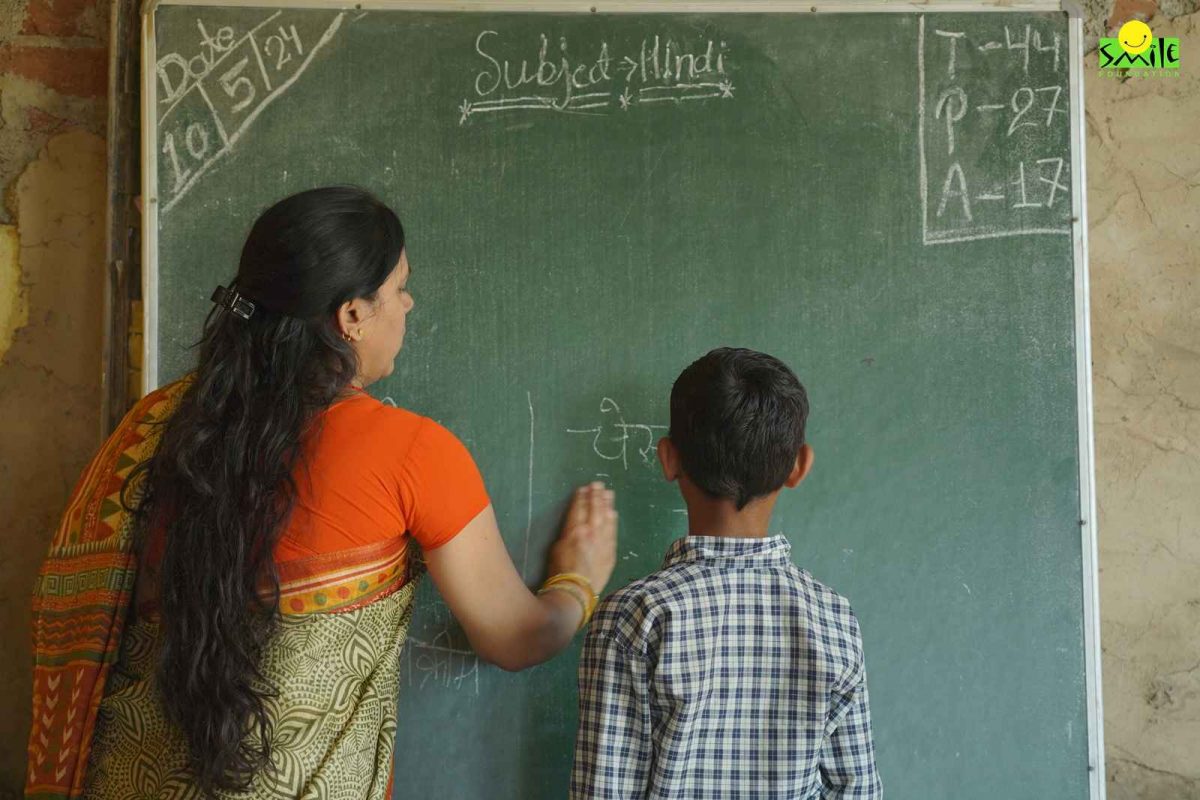
Then comes the access to education in remote areas which is often limited, with many girls dropping out of school due to socio-economic pressures or gender biases. This lack of education directly impacts their understanding of reproductive health. Schools that do exist in these regions may not have the resources or trained staff to provide comprehensive ARSH education. As a result, adolescent girls are left without the critical information needed to make informed decisions about their bodies and health.

What about healthcare? Healthcare infrastructure in remote areas is frequently underdeveloped. Clinics and healthcare professionals may be scarce and those that do exist may lack the necessary supplies or expertise to address ARSH needs adequately. Transportation to healthcare facilities can also be a significant barrier, further limiting access to necessary services.

The Impact of Limited ARSH Education and Services

Early Marriage and Pregnancy

Without proper ARSH education, many girls in remote areas of India face early marriage and pregnancy. According to UNICEF, India has one of the highest rates of child marriage in the world, which is particularly prevalent in rural and remote areas. Early marriage often leads to early pregnancy, which can have severe health implications for both the mother and the child.

Menstrual Health Management

Menstrual health management is a critical aspect of ARSH. In many remote areas, girls lack access to sanitary products, clean water and private spaces for managing menstruation. The stigma surrounding menstruation further complicates this issue, often leading to girls missing school during their periods and, in some cases, dropping out entirely.

Mental Health Concerns

Adolescence is a crucial period for mental health development. The lack of ARSH education and services can lead to increased anxiety, depression and other mental health issues among adolescent girls. The stigma and shame associated with reproductive and sexual health can exacerbate these problems, leading to long-term mental health challenges.

Strategies for Improvement

Community Engagement and Education

Community engagement invariably overcome socio-cultural barriers. Involving local leaders, parents and teachers in ARSH education initiatives can help shift cultural norms. They can promote open discussion about reproductive health. Peer education programmes, where trained adolescents educate their peers, have also proven effective in disseminating information in a relatable and impactful manner.

Integrating ARSH into School Curricula

Incorporating comprehensive ARSH education into school curricula by providing accurate information about puberty, menstruation, contraception and STIs. Schools should also offer safe and private spaces for girls to discuss their concerns and access sanitary products. Training teachers to handle these topics sensitively and accurately is equally important.

Strengthening Healthcare Infrastructure

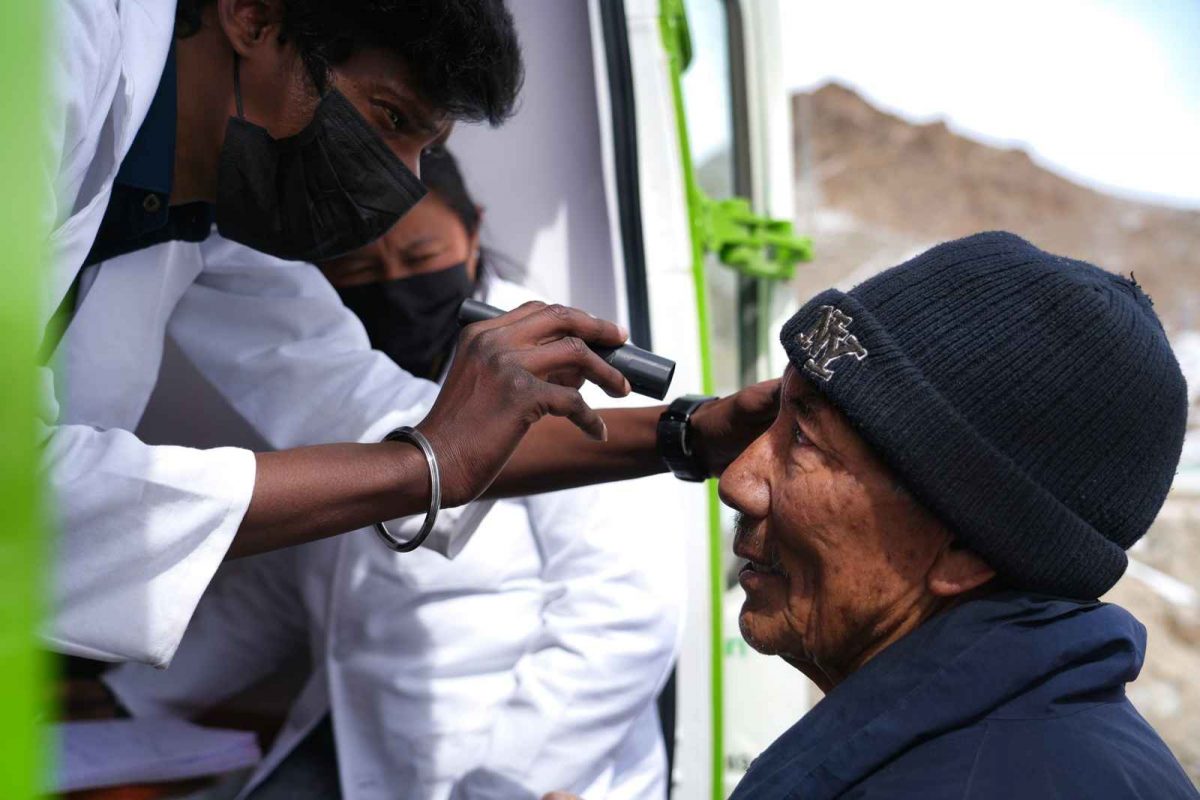
Improving healthcare infrastructure in remote areas is vital for addressing ARSH needs. This involves increasing the number of healthcare facilities and professionals trained in adolescent health. Mobile medical units and telemedicine can also bridge the gap, providing remote areas with access to healthcare services and information.

Policy Advocacy and Implementation

Advocacy at the policy level is necessary to ensure that ARSH initiatives receive adequate funding and support. Policies should focus on providing comprehensive sex education, improving healthcare access and addressing gender inequalities. Collaboration between government, development organisations and community-based organisations can drive these policy changes and ensure effective implementation.

Case Study: Smile Foundation’s ARSH Initiatives

Smile Foundation has been actively working to improve ARSH for girls in remote areas and slum areas. Through its various programmes, the initiative is providing education on menstrual health, contraception and reproductive rights. One of our initiatives involves setting up health camps in remote villages, offering free consultations, sanitary products and educational workshops.

By involving community leaders and local women as facilitators, Smile Foundation ensures that the information is culturally sensitive and well-received. Our peer education model has also been successful, with trained adolescents leading discussions and activities related to ARSH, thereby creating a supportive and informed community environment.

A blueprint for sustainable change

Addressing Adolescent Reproductive and Sexual Health (ARSH) for girls living in remote areas of India requires a multifaceted approach that considers socio-cultural, educational and healthcare barriers. By engaging communities, integrating ARSH into school curricula, strengthening healthcare infrastructure and advocating for supportive policies, significant strides can be made towards improving the health and well-being of these adolescent girls.

Development organisations demonstrate the positive impact of dedicated efforts in this area, offering a blueprint for sustainable change. Creating equity in ARSH is a step towards empowering young girls to lead informed, healthy and fulfilling lives.
Categories
Education

Creating Equity in STEM Education

STEM education—Science, Technology, Engineering, and Mathematics—plays a critical role in shaping the future of any nation. In India, equity in STEM education is essential for the country to harness its demographic dividend and ensure inclusive growth. Despite significant advancements in various sectors, India faces substantial challenges in providing equitable access to quality STEM education. Addressing these challenges requires a multifaceted approach involving policy interventions, community engagement, and innovative educational practices.

The Importance of STEM Education

STEM education is vital for developing a skilled workforce capable of driving technological innovation and economic growth. It equips students with critical thinking, problem-solving and analytical skills, important in our evolving job market. Moreover, a strong foundation in STEM needs to be there to address global challenges such as climate change, healthcare and sustainable development.

In India, the demand for STEM professionals is rising, driven by the burgeoning tech industry of the country and its position as a global IT hub. However, the current education system often fails to provide equitable opportunities for all students, particularly those from marginalised communities.

Barriers to Equity in STEM Education

Socio-Economic Disparities

Socio-economic disparities significantly impact access to quality education in India. Students from low-income families often attend poorly equipped schools with limited resources and inadequate infrastructure. These schools lack trained teachers, laboratories and important learning materials, hindering the ability of students to pursue STEM subjects effectively.

Gender Inequality

Gender inequality remains a significant barrier to STEM education in India. Cultural and societal norms often discourage girls from pursuing careers in science and technology. According to UNESCO, women represent only 30% of the world’s researchers. In India, the participation of women in STEM fields is even lower, exacerbated by a lack of female role models and mentors in these areas.

Geographic Disparities

Geographic disparities contributes significantly towards STEM education inequity. Rural areas, which constitute a large portion of India, often lack access to quality education. Schools in these regions face chronic shortages of qualified teachers, laboratories and digital resources, making it challenging to provide effective STEM education.

Lack of Inclusive Curriculum

The existing curriculum often fails to cater to diverse learning needs and does not reflect the lived experiences of students from different backgrounds. An inclusive curriculum that acknowledges and integrates cultural and social diversity can significantly enhance student engagement and learning outcomes.

Strategies for Creating Equity in STEM Education

Policy Interventions

The government plays a pivotal role in promoting equity in STEM education. Policies aimed at improving school infrastructure, providing scholarships and enhancing teacher training can make a significant difference. The National Education Policy (NEP) 2020 emphasises the importance of STEM education and aims to make it more accessible and inclusive. Implementing such policies effectively requires robust monitoring and evaluation mechanisms.

Community Engagement

Community engagement creates a supportive environment for STEM education. Local communities can encourage students, especially girls, to pursue STEM subjects. Community-based programmes and initiatives can help bridge the gap between schools and families, ensuring that students receive the necessary support and encouragement.

Innovative Educational Practices

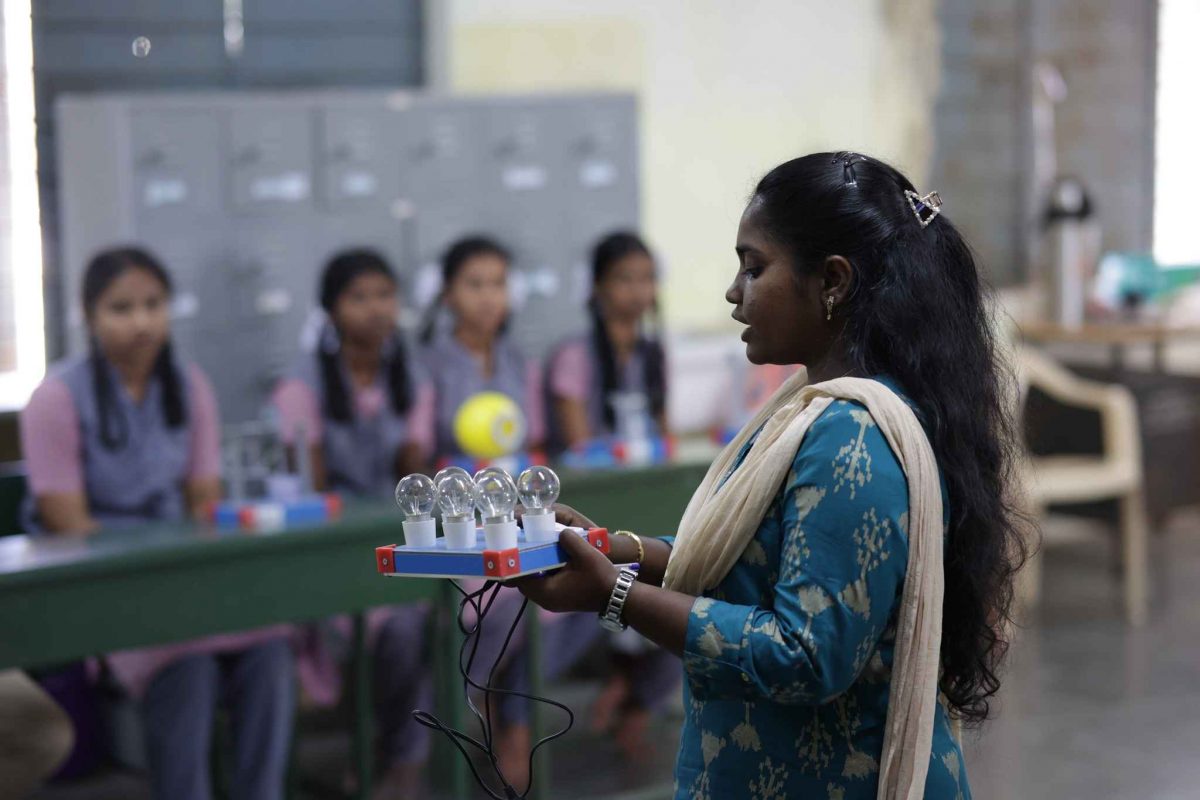
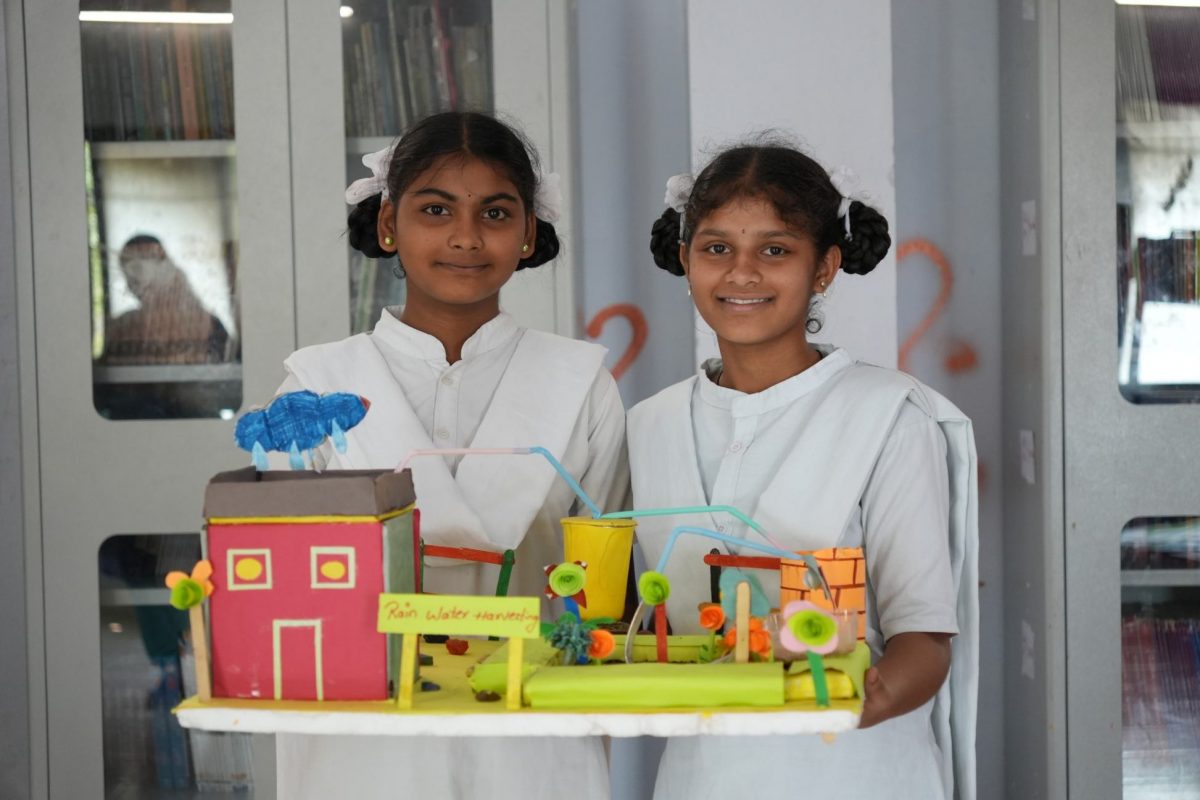
Adopting innovative educational practices can enhance STEM learning and make it more accessible. For example, experiential learning through hands-on activities, science fairs and project-based learning can make STEM subjects more engaging and relevant to the lives of students. Additionally, integrating technology in education, such as online learning platforms and digital labs, can overcome geographical barriers and provide students with access to quality STEM education.

Mentorship and Role Models

Mentorship programmes can significantly impact the interest of students and persistence in STEM fields. Connecting students with mentors and role models from diverse backgrounds can provide guidance, inspiration and encouragement. Women in STEM, in particular, can benefit from female mentors who can help navigate the challenges of pursuing careers in traditionally male-dominated fields.

Inclusive Curriculum Development

Developing an inclusive curriculum that reflects the diversity of students’ experiences and backgrounds is important. Incorporating local knowledge, cultural contexts and real-world applications can make STEM education more relevant and engaging. Additionally, using multiple languages and providing learning materials in vernacular languages can enhance understanding and inclusivity.

Success Stories and Initiatives creating Equity in STEM

Several initiatives in India are making significant strides in promoting equity in STEM education. For instance, the Atal Innovation Mission (AIM) by NITI Aayog aims to foster innovation and entrepreneurship among students by establishing Atal Tinkering Labs (ATL) in schools across the country. These labs provide students with access to modern tools and technologies, encouraging hands-on learning and creativity.

Another notable initiative is the ‘Teach for India’ programme, which recruits and trains graduates to teach in under-resourced schools. By placing motivated and well-trained teachers in these schools, the programme aims to improve the quality of education and inspire students to pursue STEM subjects.

Smile Foundation is also making commendable efforts to promote STEM education among underserved children. Through its initiative, the foundation provides children from low-income families with access to quality STEM education, aiming to bridge the gender gap in these fields. The programme includes hands-on learning experiences, mentorship opportunities and exposure to STEM careers, empowering children, especially girls, to pursue their interests and excel in STEM disciplines.

Complex but necessary

Creating equity in STEM education in India is a complex but necessary endeavour. By addressing socio-economic, gender and geographic disparities, and adopting inclusive educational practices, India can ensure that all students have the opportunity to excel in STEM fields. This, in turn, will contribute to the economic growth of the country, technological advancement and social development. The path to equity in STEM education requires collaboration between the government, educators, communities and organisations, but the potential rewards are immense—transforming lives and shaping a brighter future for India.

Categories
Partnerships

Good News! CSR Partnerships Work Really Well

In recent years, India has witnessed a surge in successful CSR partnerships in India between businesses and nonprofits. These collaborations are creating real impacts at micro, macro and environmental levels, contributing to sustainable development and social well-being. From community upliftment to environmental conservation, the synergy between businesses and nonprofits is proving to be a game-changer for India.

Micro-Level Impacts: Empowering Communities through CSR Partnerships in India

At the micro level, business-nonprofit CSR partnerships in India are driving tangible improvements in local communities. These partnerships often focus on areas such as education, healthcare and livelihood generation, directly benefiting individuals and families.

1. Education and Skill Development

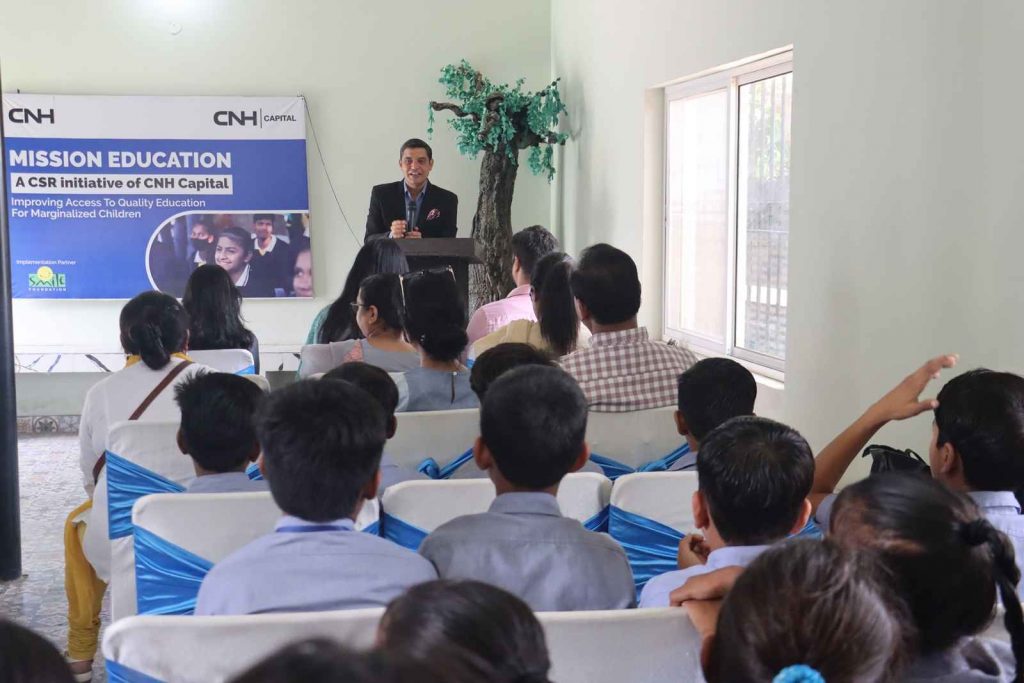
Smile Foundation and CNH Capital have partnered to enhance educational access for marginalized children in Gurugram, Haryana. This collaboration focuses on improving foundational literacy and numeracy for primary school students by setting up a Foundational Literacy and Numeracy (FLN) lab and supplying essential teaching materials and textbooks.

438118063 893114276173049 6742300880378225689 n 11zon

The key activities of this initiative include conducting baseline and end-line assessments to track learning progress, providing capacity-building programs for teachers and offering infrastructure support to create a conducive learning environment. Additionally, community engagement and employee volunteer activities will involve stakeholders in the educational process, ensuring a holistic approach.

The expected outcomes of this initiative are significant- improved learning outcomes, better hygiene practices and strengthened teacher skills. These efforts promise a brighter and more promising future for the underserved children of Gurugram.

2. Healthcare Initiatives

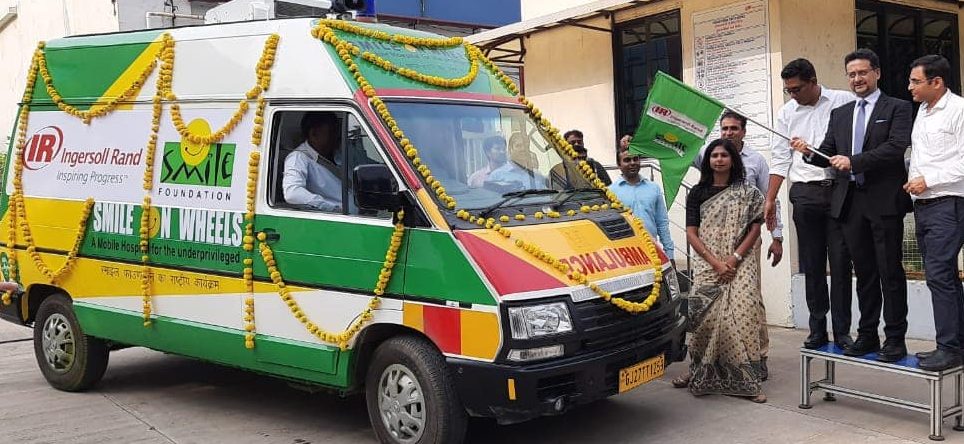
Healthcare is another critical area where business-nonprofit collaborations are making a difference. The partnership between Novartis and Smile Foundation aims to facilitate healthcare services for economically disadvantaged people in Naroda and neighbouring areas in Ahmedabad. Ingersoll Rand is supporting the ‘Smile on Wheels’ initiative that targets mobile healthcare vans to deliver professional healthcare services at the doorsteps of 4 lakh urban slum dwellers in identified communities.

74183851 2985488421475106 1238468942381449216 n edited

As part of the project, Ingersoll Rand will support fully-equipped medical vans to deliver healthcare facilities such as regular health check-ups, basic pathological tests and doctor consultation. As part of the mandate, the doctors and paramedics will also hold awareness sessions among the local population to sensitise them on health and hygiene issues. These vans will cater to 12000-15000 patients annually.

3. Livelihood and Economic Development

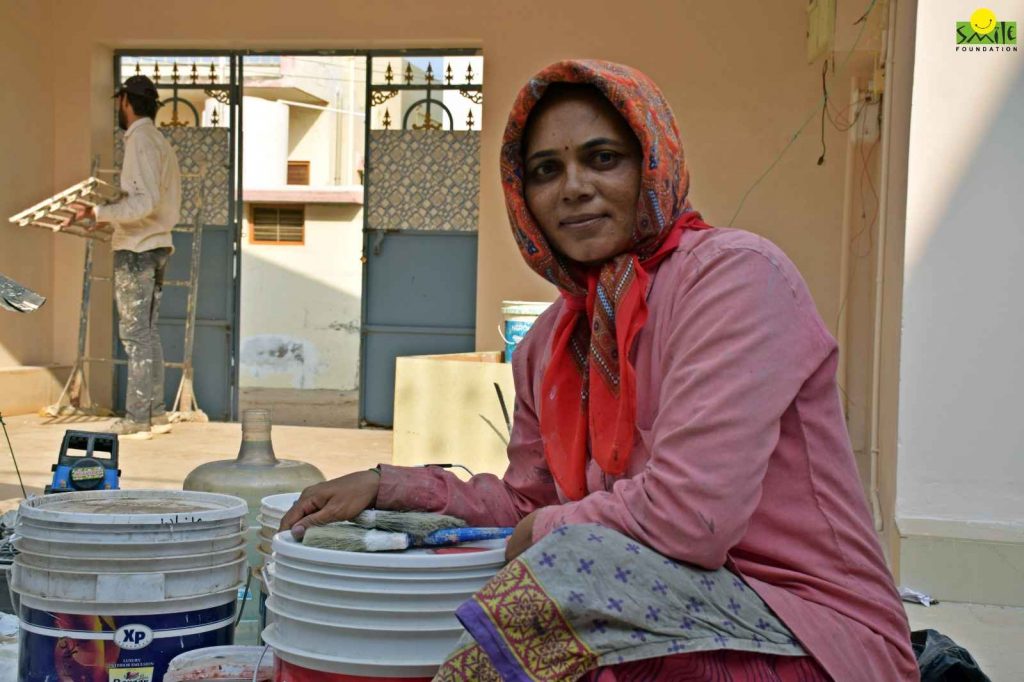
Many business-nonprofit partnerships focus on creating sustainable livelihoods. The collaboration between Berger Paints India Limited and Smile Foundation to implement the ‘iTrain on Wheels‘ programme- an upskilling initiative aimed at honing the skills of young painters by training them in contemporary painting techniques while upskilling existing painters to enhance their employability opportunities is one of a kind.

402101277 762309519253526 3262836443389038903 n 11zon

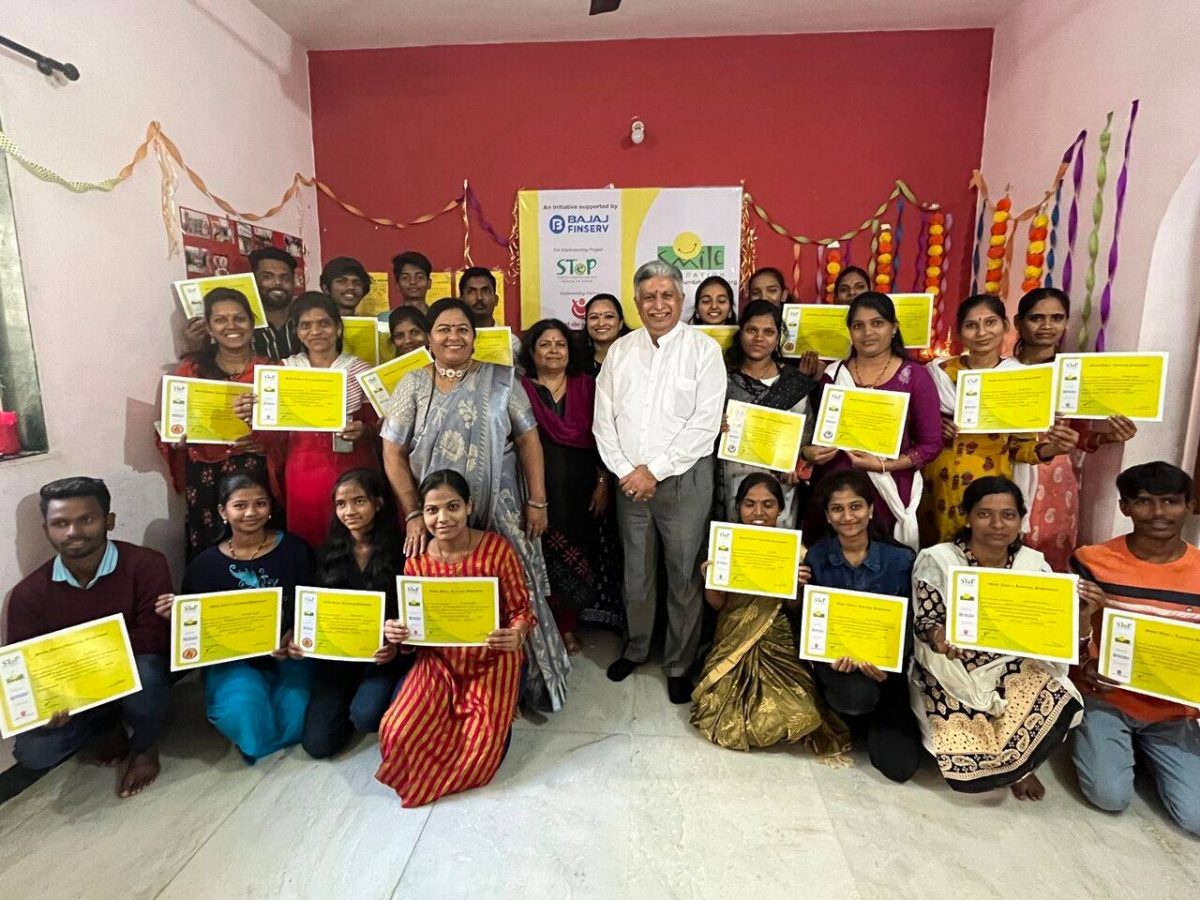
The programme aims to develop a pool of skilled workforce in addition to developing entrepreneurial skills in painters. The training, conducted through the Smile Twin e-learning Programme (STeP), will ensure that painters can improve their existing skills through upskilling modules. In addition to facilitating training, Smile Foundation will monitor and evaluate the program and its impact assessment.

Since 2021, the initiative has trained painters across the country through mobile iTrain vans in 24 states over 100+ remote sites.

Macro-Level Impacts: Strengthening Socio-Economic Structures

At the macro level, these partnerships are contributing to broader socio-economic development and strengthening institutional frameworks.

1. Economic Growth and Job Creation

Business-nonprofit partnerships stimulate economic growth by creating jobs and supporting small and medium enterprises (SMEs). The collaboration between Tata Trusts and the Government of India’s Skill India initiative aims to train and employ millions of young Indians. By leveraging Tata’s industrial expertise and the government’s infrastructure, this partnership has significantly contributed to reducing unemployment and fostering economic growth.

2. Policy Advocacy and Systemic Change

These collaborations also play a crucial role in policy advocacy and driving systemic change. Nonprofits often have deep insights into community needs and challenges, while businesses have the resources and influence to advocate for policy reforms. The partnership between the Confederation of Indian Industry (CII) and Save the Children India exemplifies this. Together, they have lobbied for child rights and influenced policies on child labor and education, resulting in more child-friendly legislation and programs.

3. Corporate Social Responsibility (CSR) Integration

The integration of Corporate Social Responsibility (CSR) into business strategies has gained momentum due to these partnerships. The Indian Companies Act 2013 mandates that companies with a certain turnover allocate 2% of their net profits to CSR activities. This legislation has led to increased collaboration between businesses and nonprofits to implement impactful CSR projects. Small, medium and big corporated have partnered with multiple nonprofits to execute projects in health, education and rural development, demonstrating how CSR can drive large-scale socio-economic change.

Environmental Impacts: Promoting Sustainability through CSR Partnerships in India

The environmental benefits of business-nonprofit partnerships are significant, addressing critical issues such as climate change, deforestation,and waste management.

1. Conservation and Biodiversity

Partnerships focused on environmental conservation are crucial for preserving India’s rich biodiversity. The collaboration between WWF India and a prominent bank aims to protect critical ecosystems and endangered species. The bank funds conservation projects, while WWF India executes field activities and community engagement programs. This partnership has led to the restoration of habitats, protection of wildlife and increased awareness about biodiversity conservation.

2. Sustainable Agriculture and Water Management

Businesses and nonprofits are also working together to promote sustainable agriculture and water management. The partnership between a multi-national food and beverage corporate and WaterAid focuses on improving water access and agricultural practices in water-scarce regions. By promoting drip irrigation, rainwater harvesting and sustainable farming techniques, this collaboration has enhanced water efficiency, boosted crop yields and improved the livelihoods of farmers.

3. Waste Management and Recycling

Effective waste management is another area where business-nonprofit partnerships are making strides. The collaboration between a final good company and Waste Warriors focuses on managing urban waste and promoting recycling. The company provides funding and logistical support, while Waste Warriors conducts on-ground waste collection and recycling activities. This partnership has significantly reduced urban waste, promoted recycling and created awareness about sustainable waste management practices.

Smile is hoping for more CSR Partnerships in India

The success of business-nonprofit partnerships in India highlights the power of collaboration in driving sustainable development and social well-being. At the micro level, these partnerships empower communities through education, healthcare and livelihood initiatives. At the macro level, they contribute to economic growth, policy advocacy and CSR integration. Environmentally, they promote conservation, sustainable agriculture and effective waste management.

As India continues to deal with complex socio-economic and environmental challenges, the synergy between businesses and nonprofits will play an increasingly vital role. These CSR partnerships in India not only address immediate community needs but also contribute to long-term sustainable development goals. By leveraging their unique strengths and resources, businesses and nonprofits can create a more equitable, prosperous and sustainable future for India.

Categories
Smile

Social Entrepreneurs Leading Last-Mile Delivery of Welfare Policies

In the world of global development, social entrepreneurs are emerging as important figures, merging entrepreneurial skills with a commitment to social change. These individuals play a crucial role in the last-mile delivery of welfare policies and schemes, especially in developing countries like India.

Last-mile delivery refers to the final step in the distribution process, ensuring that benefits reach the most remote and underserved populations. Social entrepreneurs are successfully bridging the gap in last-mile delivery, ensuring welfare schemes reach those who need them most.

The Challenges of Last-Mile Delivery

Delivering welfare schemes to the last mile is fraught with challenges. Geographic barriers, lack of infrastructure, bureaucratic hurdles and socio-economic factors often impede the effective distribution of benefits. In rural areas, poor road conditions and limited transportation options make it difficult for resources to reach the needy.

Additionally, a lack of awareness and education among beneficiaries about their entitlements can further hinder access. Traditional government mechanisms sometimes struggle to address these issues due to their rigidity and scale.

Role of Social Entrepreneurs

Social entrepreneurs are uniquely positioned to tackle these challenges due to their innovative approaches and deep understanding of local contexts. They leverage technology, community engagement and sustainable business models to ensure efficient delivery of welfare schemes.

Case Studies of Impact

1. Santanu Mishra

Santanu Mishra, co-founder of Smile Foundation, has been instrumental in creating and implementing educational, healthcare, women empowerment and livelihood initiatives that reach the last mile. His work emphasises empowering low-income communities through education and skill development.

By establishing community-based learning centers and mobile medical units and health camps etc., Mr. Mishra is supporting services accessible to those who are often overlooked by traditional welfare systems. Smile Foundation’s emphasis on community ownership and sustainable development models exemplifies the impact that dedicated social entrepreneurs can have on society.

2. Anshu Gupta

Anshu Gupta, the founder of Goonj, addresses urban and rural poverty through a unique model that recycles urban waste into valuable resources for rural communities. Goonj’s flagship initiative, “Cloth for Work,” involves rural communities in development activities like building infrastructure in exchange for urban discard material. This model not only addresses material needs but also empowers communities to lead their development projects. By transforming waste into a tool for rural upliftment, Anshu Gupta bypasses traditional delivery bottlenecks, ensuring resources reach those in need.

3. Aniket Doegar

Aniket Doegar, the founder of Haqdarshak, empowers citizens by making welfare schemes more accessible through a tech-driven platform. Haqdarshak provides a mobile application that helps people discover, apply for, and benefit from various government schemes and services. By training local women as Haqdarshaks or facilitators, Aniket ensures that information reaches even the most remote areas. This grassroots approach not only enhances the reach of welfare schemes but also creates local employment and builds a network of informed citizens.

4. Dr. Harish Hande

Dr. Harish Hande, the founder of SELCO India, is a pioneering social entrepreneur who has made significant strides in providing sustainable energy solutions to underserved communities. Recognising that energy access is crucial for improving livelihoods, Dr. Hande focuses on delivering solar energy solutions to rural areas.

By integrating financial mechanisms like microloans and working closely with local stakeholders, the organisation supports the poorest households so that they can afford and maintain solar power systems. This initiative not only brings light to homes but also powers education, health and economic activities, demonstrating how social entrepreneurship can drive holistic community development.

Innovative Approaches employed by Social Entrepreneurs

1. Leveraging Technology

Social entrepreneurs often employ technology to overcome logistical challenges. Mobile applications, SMS alerts and online platforms can disseminate information about welfare schemes, track applications and monitor deliveries. For instance, Digital Green uses video-based training to educate farmers on best practices, improving agricultural productivity and ensuring food security.

2. Community Engagement

Engaging local communities is essential for the success of last-mile delivery. Social entrepreneurs work closely with community leaders, local governments and beneficiaries to build trust and ensure that interventions are culturally sensitive and relevant. This participatory approach fosters a sense of ownership and sustainability.

3. Public-Private Partnerships

Social entrepreneurs frequently collaborate with government agencies and private sector partners to scale their impact. These partnerships can provide the necessary resources, expertise and networks to enhance the efficiency and reach of welfare schemes. For example, Nandan Nilekani’s EkStep Foundation collaborates with state governments to improve digital literacy through interactive learning platforms.

The Broader Impact

The work of social entrepreneurs extends beyond the immediate benefits of welfare schemes. By improving last-mile delivery, they contribute to broader developmental goals, such as poverty alleviation, gender equality and environmental sustainability. Their innovative models can inspire policy changes and encourage other stakeholders to adopt more effective approaches to welfare distribution.

1. Poverty Alleviation

By ensuring that welfare benefits reach the intended recipients, social entrepreneurs help lift communities out of poverty. Access to resources like clean energy, education and healthcare can significantly improve living standards and economic opportunities.

2. Gender Equality

Many social entrepreneurs prioritize women empowerment as part of their mission. By creating job opportunities, providing access to education, and involving women in decision-making processes, these individuals promote gender equality and enhance social cohesion.

3. Environmental Sustainability

Environmental sustainability is often a core component of social entrepreneurs’ models. Initiatives like Dr. Harish Hande’s SELCO India incorporate sustainable practices that not only address immediate needs but also contribute to long-term environmental conservation.

Conclusion

Through their work, they ensure that the benefits of welfare schemes reach those who need them most, driving social change and contributing to broader developmental goals. Supporting and scaling the impact of social entrepreneurs will be essential for creating inclusive and sustainable development pathways.

Categories
Education

Enhanced assessment methods can improve the Indian Education

The fast-evolving technology and changing human generations call for a shift in learning and assessment methods. The Indian education system has long been known for its rigorous examination process, which often prioritises rote learning and memorisation through end-of-term examinations. These high-stakes tests have been the main way of evaluating student performance, determining their academic future and shaping their career paths.

While this method has its benefits, it has also been criticised for promoting a narrow focus on test scores at the expense of overall learning and critical thinking skills. To promote creative thinking and problem-solving skills, we need to move from memory-based assessments to performance-based evaluations that gauge students’ understanding, analytical skills and ability to apply concepts.

History of the Indian Education System

The Indian Education System spans from the ancient era where primarily Vedic literature was imparted through Gurukuls to the colonial era where the British introduced the modern education system that established schools and colleges in India. Post-Independence when efforts were made to increase literacy, promote higher education and make education more accessible in all sections of society, significant reforms were witnessed in the education system.

The major reforms include the establishment of the Planning Commission in 1950 to prepare five-year plans that aimed to eradicate illiteracy, achieve universal elementary education, establish vocational and skill training programmes, upgrade standards, and modernise all stages of education. This led to the formulation of the National Education Policy in 1968 based on the recommendations of the Kothari Commission.

NEP 2020: A Paradigm Shift in Assessments

NEP 2020 was approved by the Union Cabinet of India aiming to transform the Indian education system by 2030. The implementation began during the 2023-2024 academic year, with various changes being introduced progressively. The NEP 2020 marks a significant shift in the educational landscape of India. It proposes a move away from conventional exam-based evaluations to a more comprehensive and continuous assessment method.

With the introduction of competency-based learning, new subjects and teaching methods under the revised curriculum, the new education system emphasises understanding concepts and applying knowledge over rote learning. It also promotes the usage of local languages as a medium for primary education.

The new education system aims to create a more dynamic, inclusive and effective educational environment. This system will prepare students for the challenges of the 21st century from a global perspective. Let’s discuss a few objectives of the NEP (2020) that can have a significant impact on overall learning and education:

  • New School Structure focuses on early childhood learning (12 years of schooling + 3 years of pre-schooling)
  • Provisions to ensure inclusive education ensure the social development of students
  • Encouraging holistic and multi-disciplinary education to ensure the development of a broader range of skills, including analytical, critical thinking and problem-solving abilities
  • Integration of vocational education
  • Emphasis on foundational literacy and numeracy
  • Extensive use of technology to remove barriers and increase accessibility
  • Comprehensive curriculum framework for teacher education and continuous professional development opportunities

Potential Alternative Assessment Methods

Shifting from memory-based assessments to performance-based evaluations in the education system involves a fundamental change in how we view and measure student learning. We need to redefine educational goals and develop new assessment methods to move towards a more meaningful evaluation of students’ learning that aligns with the skills needed in the 21st century and focuses on more than just the retention of information.

Here are a few alternative assessment methods that could enhance the Indian education system-

Self-Assessment: Encouraging students to evaluate their own work helps develop self-reflection and critical thinking skills.

Problem-Solving Assessment: Students are analysed in real-world challenges through case studies that help them develop analytical skills. This helps them understand the application of their knowledge and skills in real-life scenarios.

Peer Assessment: This method involves students assessing each other’s work, which can foster a collaborative learning environment.

Project Assessment: Collective outcomes is the criteria because they use their skills and in-depth research on the topic to apply their knowledge creatively. Working in groups can also help them learn teamwork and communication skills.

Digitalise assessment methods for a dynamic learning experience

In today’s digital age, technology plays a crucial role in the implementation of alternative assessments. Digital platforms can facilitate the administration of assessments, the collection of student work and the analysis of data to inform teaching and learning. Moreover, digital assessments can provide immediate feedback, making the learning process more dynamic and responsive.

We can leverage technology to improve assessment methods that can lead to more efficient, accurate and engaging evaluation processes. This can help educators create a more dynamic and responsive assessment ecosystem beyond the traditional pen and pencil tests. Here are a few ways in which technology can enhance traditional assessment methods-

  • Interactive Quizzes: Various online platforms allow you to create interactive quizzes and they also provide immediate feedback. This can help assess understanding in a fun and engaging way.
  • Recording tasks: Students can record their work digitally to showcase their work over time, providing a holistic view of their learning progress.
  • Online Assignment: Technology enables students to submit assignments online, making it easier to track and evaluate their work. 
  • Augmented and Virtual Reality: AR and VR can simulate real-world scenarios for students to interact with, providing a more immersive assessment experience.
  • Adaptive Testing: Computer-based adaptive testing adjusts the difficulty of questions based on the student’s performance, offering a personalised assessment.
  • Behavioural Monitoring: Technologies like eye-tracking and voice recognition can provide insights into students’ learning processes and help tailor assessments accordingly.
  • Data Analytics: Analysing data from various digital tools can help educators understand learning patterns and adjust teaching strategies.
  • Game-Based Learning: Educational games can serve as assessment tools by tracking progress and understanding through stimulation.

NEP 2020 holds a promise of a better future

The Indian education system stands at a crossroads, with the NEP 2020 offering a path towards more meaningful and effective assessments. The potential benefits for students’ learning experiences and outcomes are significant. By embracing these new approaches like the efforts of Smile Foundation, the Indian education system will foster a generation of learners both well-versed in their subjects and equipped with the skills necessary to thrive in the 21st century.

The Indian education system would indeed do better with alternative assessment methods. The shift towards a more holistic, continuous and competency-based evaluation system, as proposed by the NEP 2020, holds the promise of nurturing well-rounded individuals prepared for the complexities of the modern world.

The success of this transition will depend on the collective efforts of policymakers, educators, students and society at large. Everyone must embrace change and work towards a more inclusive and empowering educational framework

Categories
Education

The “Green” in Indian Education System

Sustainability is no longer the future, using it to gain social currency, is also passé. With the exhilarating growth rate of the nation, there lies a significant revolution of sustainability awareness. With clean food, and a clean environment, we also need the greening of our education system.

Kids already know about planting trees and 3Rs- recycle, reduce, reuse. We need to further teach them the true aspect of environmental consciousness. Our education system needs to incorporate E-STEM (Environmental, Science, Technology, Engineering, and Mathematics) into the curriculum. From curriculum reforms under NEP 2020 to sustainable campuses, India’s educational system needs to critically evaluate. The curriculum needs to make schools future ready nurturing the new generation of environmentally aware citizens. 

The concept of green education in India isn’t novel. It recalls the ancient Gurukul system, where learning was intertwined with nature. Today, this philosophy is being revived and reinterpreted to meet contemporary ecological challenges. Environmental Education (EE) has also been mandated by the Supreme Court of India, reflecting a national acknowledgment of its importance.

During school days, we rolled eyes, saying who is going to ask us geometry formulas or periodic tables after we complete our schooling and step into the real world. Yes, real-life challenges don’t test your abilities of mathematics, science etc., on an individual subject basis but it tests your abilities to handle the situation using your STEM knowledge with the practicality of life.

It helps you sail through life with ease. Just like STEM learning is important, we need to integrate the environment, making it E-STEM. This will involve a holistic approach that emphasises the interconnectedness of these disciplines. 

E-STEM learning is key to a sustainable future

E-STEM learning contributes to environmental sustainability by equipping students with the knowledge and skills necessary to understand and address environmental challenges. It raises awareness about sustainability issues, encouraging students to think critically about their impact on the environment.

Their knowledge will help them apply STEM principles to create innovative solutions for environmental problems. It fosters an interdisciplinary approach, integrating environmental science with technology, engineering and mathematics to solve complex ecological issues.

Through hands-on projects, students gain practical experience in environmental stewardship. They learn how to conduct experiments and analyse data related to sustainability. This makes them informed citizens who can advocate for and implement sustainable practices in their communities.

It further prepares students for careers in the growing field of environmental science and sustainable technology, which are important for the future of our planet. 

Integrating E-STEM WITH STEM Learning 

In essence, E-STEM learning is a powerful tool for promoting environmental sustainability. It helps students develop a sense of responsibility towards the planet and provides them with the capabilities to make a positive difference.

By integrating environmental education with STEM, we can foster a generation of learners who are not only technologically proficient but also environmentally conscious and committed to making the world a more sustainable place.

  • Teachers can encourage collaboration among students from different STEM backgrounds to foster a deeper understanding of how these disciplines interact in the environmental contexts. 
  • Design projects that could involve designing sustainable systems or analysing the impact of human activities on ecosystems and students can apply knowledge of the E-STEM area to solve the real-world environmental problems. 
  • Schools should invest in professional development for teachers to build their capacity to teach integrated E-STEM subjects. 
  • Conduct workshops and seminars with environmental organisations or professionals to provide students with insights into real E-STEM careers and practices. 
  • Teachers must utilise technology and digital resources for a flexible learning environment to enhance learning experience. They can also use current environmental issues as a context that can help students understand the relevance of their learning and its impact on the world around them. 
  • Schools should implement assessment strategies that reflect the integrated nature of E-STEM, such as portfolio assessments, project-based assessment and performance tasks that require students to demonstrate their understanding across multiple disciplines. 

E-STEM Projects for all age-group

E-STEM projects are designed to engage students in learning about the environment through the lens of science, technology, engineering and mathematics. These projects not only provide hands-on learning experiences but also help students develop critical thinking and problem-solving skills.

They can be adapted for different age groups and learning environments, making them versatile tools for educators looking to incorporate E-STEM into their curriculum. Projects that can inspire students and engage their learning about the environment through the lens of science, technology, engineering and mathematics.

A few important topics for the projects can be Renewable Energy Exploration, Water Conservation and Filtration Systems, Ecosystem Models, Weather Stations, Soil Erosion Studies, LEGO Engineering Challenges, Earthquake-Proof Structures, etc. 

Schools are integrating Green Education into their curriculum

The Central Board of Secondary Education (CBSE) and several state boards have integrated EE into their curriculum. Subjects like Environmental Science (EVS) are academic disciplines designed to instill a sense of environmental ethics from a young age.

Topics cover a broad spectrum, from biodiversity and conservation to sustainable development and climate change, aiming to create informed and proactive citizens. Beyond textbooks, green education thrives on hands-on experiences. School gardens, recycling projects, and wildlife conservation trips are becoming part of the educational journey.

These experiences are not just extracurricular activities- they are important components of learning. They teach students about the interconnectedness of life and the importance of preserving it.

Further, educational institutions across India are transforming into eco-friendly spaces. Solar panels adorn rooftops, rainwater harvesting is becoming commonplace and zero-waste initiatives are gaining momentum. The Indian Institute of Technology (IIT) campuses, for instance, are leading by example with their sustainability drives, showcasing how technology and tradition can coalesce to create green havens.

Green Education is not just a color – It’s a movement

The journey towards a sustainable and enlightened future through green education is a collective effort that requires the participation of all stakeholders—government, educators, students and the community. Though a few challenges such as budget constraints, lack of trained educators in EE, and the pressure of academic performance can sideline green initiatives.

The concerted efforts of all the stakeholders together can transform into future environmental stewards. Students will emerge as environmentally conscious individuals who understand the gravity of ecological issues. They will carry forward the principles of sustainability into higher education and their future workplaces, becoming ambassadors for change.

Further with a strong foundation in E-STEM, students are better prepared to compete in a global workforce. A workforce that prioritises environmental sustainability and technological literacy. Green education has the potential to transform society, making sustainability a lived reality rather than an abstract concept.

As India continues to nurture this green vision, it sets an example for the world, proving that when it comes to education, green is not just a color – it’s a movement.

Categories
Health

Healthcare of the Rapidly Ageing Population of India 

India is experiencing a demographic transition with a marked increase in the elderly population. According to projections, the number of individuals aged 60 and above is expected to rise significantly in the coming decades. This demographic shift is attributed to improved life expectancy and declining birth rates, leading to a higher proportion of elderly individuals within the population. 

The ageing population presents several challenges for the healthcare system, including increased demand for medical services, a higher prevalence of chronic diseases and the need for long-term care. Addressing the healthcare needs of the rapidly ageing population of India requires a comprehensive and strategic approach to ensure that the elderly receive adequate care and support. 

Challenges in Healthcare of Ageing Population

Chronic Diseases and Comorbidities 

The elderly population is more susceptible to chronic diseases such as diabetes, hypertension, heart disease and arthritis. Managing these conditions often requires ongoing medical care, regular monitoring and medication management. Additionally, many elderly individuals suffer from multiple chronic conditions simultaneously, known as comorbidities, which complicate their healthcare needs. 

Mental Health Issues 

Mental health is a significant concern among the elderly. Conditions such as depression, anxiety and dementia are prevalent in this age group. However, mental health services are often inadequate or inaccessible, leading to unmet needs and a lower quality of life for many elderly individuals. 

Access to Healthcare Services

Access to healthcare services is a major issue for the elderly in India, especially in rural areas. Limited availability of healthcare facilities, shortage of healthcare professionals and financial constraints hinder the ability of elderly individuals to receive timely and appropriate care. 

Long-Term Care and Support 

The need for long-term care and support is growing as the population ages. Elderly individuals often require assistance with daily activities, mobility support and continuous medical supervision. The lack of structured long-term care facilities and trained caregivers poses a significant challenge in providing comprehensive care for the elderly. 

Strategies to Improve Healthcare for the Elderly 

Strengthening Primary Health Care 

Strengthening primary health care is essential to address the healthcare needs of the elderly. Primary healthcare centres should be equipped to provide preventive, curative and rehabilitative services tailored to the elderly. Regular health check-ups, early diagnosis and management of chronic diseases can significantly improve health outcomes for the elderly. 

Expanding Geriatric Care Services 

Expanding geriatric care services is crucial to cater to the specific needs of the elderly population. This includes establishing specialised geriatric wards in hospitals, training healthcare professionals in geriatric care and developing comprehensive care plans for elderly patients. Geriatric care services should also focus on mental health support and palliative care. 

Promoting Preventive Health Measures 

Preventive health measures play a vital role in maintaining the health and well-being of the elderly. Health education programmes that promote healthy lifestyles, regular physical activity and a balanced diet can help prevent or delay the onset of chronic diseases. Vaccination programmes targeting the elderly, such as flu and pneumococcal vaccines, are also important preventive measures. 

Enhancing Accessibility to Healthcare Services 

Improving access to healthcare services for the elderly requires a multi-faceted approach. This includes increasing the number of healthcare facilities in rural and underserved areas, providing mobile health units, and implementing telemedicine services. Financial support mechanisms, such as insurance coverage and subsidised healthcare services, can also make healthcare more affordable for the elderly. 

Developing Long-Term Care Infrastructure 

Developing a robust long-term care infrastructure is essential to provide continuous care and support for the elderly. This includes establishing long-term care facilities, training caregivers and promoting home-based care models. Integrating long-term care services with primary and secondary healthcare can ensure a seamless continuum of care for elderly individuals. 

Case Studies: Successful Models of Elderly Care 

Japan’s Integrated Care Model 

Japan, with one of the world’s oldest populations, has developed an integrated care model that provides comprehensive services for the elderly. This model includes community-based care centres that offer medical services, social support and rehabilitation. The integration of healthcare and social services ensures that elderly individuals receive holistic care. 

Singapore’s Eldercare Services 

Singapore has implemented a range of eldercare services, including daycare centres, home-based care and residential care facilities. The government also offers financial assistance and subsidies to make eldercare services more affordable. Singapore’s approach emphasises the importance of community support and family involvement in elderly care. 

India’s National Program for Health Care of the Elderly (NPHCE) 

NPHCE aims to provide accessible, affordable and high-quality healthcare services to the elderly. The programme focuses on strengthening geriatric care at all levels of the healthcare system, promoting healthy ageing and providing long-term care services. NPHCE is a significant step towards addressing the healthcare needs of India’s ageing population. 

The Role of Technology in Elderly Healthcare 

Telemedicine and Remote Monitoring 

Telemedicine and remote monitoring technologies have the potential to revolutionise elderly healthcare. These services enable elderly individuals to consult with healthcare professionals from the comfort of their homes, reducing the need for travel and making healthcare more accessible. Remote monitoring devices can track vital signs, medication adherence and health conditions, allowing for timely interventions and continuous care. 

Assistive Technologies 

Assistive technologies, such as mobility aids, hearing aids and smart home devices, can significantly enhance the quality of life for the elderly. These technologies help elderly individuals maintain their independence and perform daily activities more easily. Innovations in assistive technologies are continually improving, offering new solutions for elderly care. 

Digital Health Platforms

Digital health platforms that provide health information, appointment scheduling and electronic health records can streamline healthcare services for the elderly. These platforms can facilitate better communication between healthcare providers and patients, ensuring that elderly individuals receive coordinated and efficient care. 

Policy Recommendations for Improving Healthcare for Ageing Population

Investing in Healthcare Infrastructure 

Investing in healthcare infrastructure is essential to meet the growing demand for elderly healthcare services. This includes building new healthcare facilities, upgrading existing ones and ensuring they are equipped with the necessary resources and technologies to provide high-quality care for the elderly. 

Training Healthcare Professionals 

Training healthcare professionals in geriatric care is important to address the specific needs of the elderly population. Medical and nursing curriculums should include comprehensive training in geriatric care and continuous professional development programs should be implemented to keep healthcare workers updated on the latest practices and technologies in elderly care. 

Promoting Research and Innovation 

Promoting research and innovation in elderly healthcare can lead to the development of new treatments, technologies and care models. Government and private sector investment in research initiatives can drive advancements in geriatric care and improve health outcomes for the elderly. 

Strengthening Social Support Systems for our Ageing Population

Strengthening social support systems is vital for the well-being of the elderly. This includes community-based programmes like Smile Foundation’s healthcare programme, support groups and initiatives that promote social engagement and reduce isolation. Family support systems should also be encouraged and supported to ensure that elderly individuals receive care and companionship. 

The healthcare of the rapidly ageing population of India presents both challenges and opportunities. By adopting a comprehensive approach that includes strengthening primary healthcare, expanding geriatric care services, promoting preventive health measures, enhancing accessibility and developing long-term care infrastructure, India can effectively address the healthcare needs of its elderly population.

Innovations in technology, successful models of elderly care, and robust policy recommendations can further enhance the quality of care for the elderly. As India navigates this demographic transition, prioritising the health and well-being of the elderly will build a healthier and more inclusive society.

Categories
In The Spotlight Insights

Data-Driven to Data-Informed: The Evolution of CSR Partnerships

In the world of big data, it is easy to drown in a sea of information. In the space of Corporate Social Responsibility (CSR), the influx of data has revolutionised how companies approach philanthropy and community engagement. The transition from being data-driven to data-informed marks a significant shift in strategy, one that acknowledges the complexity of social issues and the need for a more nuanced application of data.

Data-Driven vs Data-Informed

Traditionally, CSR initiatives were heavily data-driven, relying on quantitative metrics to guide decision-making. This approach prioritised measurable outcomes such as the number of people reached, the amount of money donated or the percentage reduction in carbon emissions. While these metrics are important, they often fail to capture the full impact of CSR efforts on communities and the environment.

A data-driven mindset can inadvertently lead to a narrow focus on what can be easily measured, rather than what should be measured. It can encourage short-term thinking and overlook the qualitative aspects of social change, such as community empowerment, skill development and long-term sustainability.

A data-informed approach, on the other hand, integrates both quantitative and qualitative data. It involves using data as a tool to inform decisions, rather than the sole determinant of what actions to take. This shift allows companies to consider the broader context of their CSR activities, including the voices and experiences of the communities they aim to serve.

Qualitative data, such as community feedback, case studies and narrative reports, provide depth and insight that numbers alone cannot offer. They help companies understand the nuances of social issues and the real-world implications of their CSR initiatives. By incorporating this type of data, companies can design more effective and responsive programmes.

In essence, while data-driven CSR relies heavily on hard numbers and metrics, data-informed CSR adopts a more nuanced approach that values both data and qualitative insights, ensuring decisions are well-rounded and consider the complexities of social impact. Therefore, the difference between data-driven and data-informed CSR partnerships lies in how data is utilized in decision-making processes. Here’s an overview-

Data-Driven CSR Partnerships

  • Decisions are made solely based on data.
  • Emphasis on quantitative metrics and measurable outcomes.
  • This can lead to tunnel vision, focusing only on what can be easily measured.
  • May result in data overload and analysis paralysis.
  • Often lacks the human context and may overlook qualitative insights.

Data-Informed CSR Partnerships

  • Data is used as one of several inputs in decision-making.
  • Qualitative insights and human judgment are integrated with quantitative data.
  • Encourages holistic decision-making that considers a broader range of factors.
  • Allows for flexibility and intuition in dynamic situations.
  • Aims to enhance understanding by combining data with human context.

Qualitative approach leads to long-run benefits

A qualitative approach in CSR partnerships enriches the understanding of the complex social dynamics at play and fosters a more holistic and empathetic engagement with CSR activities. A key advantage of being data-informed is the ability to adapt and evolve.

Companies can use data to test assumptions, learn from experiences, and refine their strategies. This iterative process ensures that CSR initiatives remain relevant and impactful in a changing world. Major benefits include:

  • Qualitative data provides insights into the social and emotional aspects of CSR initiatives, offering a deeper understanding of their impact on communities.
  • It encourages active engagement with stakeholders, leading to stronger relationships and more effective collaboration. It also helps in a higher level of commitment and participation from employees and community members.
  • It allows for more flexibility in adapting to local needs and conditions, making CSR efforts more responsive to real-world challenges.
  • It helps companies foster innovation and creativity in addressing social issues, leading to more impactful CSR strategies.
  • It ensures that CSR initiatives are more closely aligned with a company’s core values and mission, enhancing the authenticity of their efforts.

Balance is the key

In a data-informed model, the emphasis is on aligning CSR activities with the company’s core mission and values. It’s about striking a balance between achieving measurable targets and making a meaningful difference.

Companies can set goals that are both ambitious and attainable, without being constrained by what is easily quantifiable. Companies can strike a balance between quantitative and qualitative data in their CSR decisions by implementing the following practices-

  • Establishing clear objectives to define what success looks like under both qualitative and quantitative goals of CSR initiatives.
  • Using a mixed-method approach by employing both quantitative and qualitative research methods to gather comprehensive data.
  • Invest in technology that can analyse both data, providing a holistic view of CSR impacts and guiding informed decision-making.
  • Involve all the stakeholders, employees, customers and community members in the CSR process and get their feedback as valuable qualitative insights that complement quantitative data.
  • Encourage a culture of continuous learning where both types of data are used to inform decisions, adapt strategies and improve CSR practices over time.
  • Share the numbers and the stories behind CSR initiatives with stakeholders to build trust and demonstrate the company’s commitment to social responsibility.

Accountability and Transparency

Companies must be open about their CSR efforts and impact to ensure transparency and accountability. It is important to measure the impact of qualitative efforts in CSR to gain a richer understanding of their efforts. To measure the impact of their qualitative efforts we can use the following ways:

·   Develop in-depth case studies that document specific instances of impact.

·   Use storytelling to share the experiences of individuals and communities impacted by CSR efforts.

·   Gather feedback from those directly affected by CSR initiatives, such as community members, employees, and customers.

·   Conduct social impact assessments to evaluate the direct and indirect effects of CSR activities on communities and the environment.

·   Involve stakeholders in the evaluation process to ensure their perspectives are included and the impact is validated.

·   Develop qualitative indicators that reflect the goals of CSR initiatives, such as levels of community engagement or changes in stakeholder perceptions.

·   Engage with external experts or organisations to conduct independent evaluations of CSR programmes, this will also add credibility to the findings.

Embrace the Holistic View to Transition Smoothly

Companies can become more data-informed, making decisions that are not only based on data but also on a comprehensive understanding of their CSR impact. To transition from being purely data-driven to more informed approaches companies need to embrace a holistic view.

Companies need to move beyond metrics and incorporate a broader perspective that includes stakeholder feedback, social impact, and long-term sustainability goals. They should encourage innovation and experimentation in CSR practices, allowing for flexibility and adaptation based on real-world feedback and results.

Companies should utilise digital solutions to manage and analyze data effectively, providing actionable insights that align CSR efforts with business objectives. Be open about CSR efforts and outcomes, and hold the company accountable for its social and environmental impact. Companies must ensure that CSR initiatives are not just side projects but are integral to the company’s mission and business strategy.

The journey from data-driven to data-informed CSR is not just about changing how data is used- it’s about changing the mindset of corporate philanthropy. It’s a move towards a more holistic, empathetic and strategic use of data that prioritizes long-term impact over short-term gains. As companies embrace this evolution, they will be better equipped to create CSR partnerships that truly make a difference.

Categories
Smile

The Evolving Role of Civil Society Organisations in India

Civil society organisations (CSOs) are a broad array of non-governmental entities as a part of the “third sector” of society They are known for their work in advancing the interests and will of citizens, promoting civic values and enhancing democratic processes.

CSOs play diverse roles in addressing social, economic and environmental challenges in India. They are not only responding to immediate needs but are also focusing on sustainable impact and empowerment through their dedicated efforts.

CSOs have played a big role in enabling the transition of Electric Vehicles (EVs) in India by supporting implementation policy, spreading awareness and mobilising resources at the grassroots level to sensitise stakeholders including government, manufacturers and consumers. Indian CSOs have also extended their expertise internationally, particularly in Asia and Africa, contributing to development cooperation.

Projects undertaken by CSOs cover thematic areas such as education, healthcare, sustainable agriculture, rural development and governance, demonstrating the collaborative efforts of the corporate sector and civil society. Today, they include a vibrant range of organised and unorganised groups, such as-

  • Community Groups
  • Non-Governmental Organisations (NGOs)
  • Labour Unions
  • Indigenous Groups
  • Religious or Spiritual Organizations
  • Professional Associations

The Evolving Role of CSOs Trackback from the pre-independence Period

  • The genesis of CSOs in India can be traced back to the freedom struggle during the pre-independence period when various movements and organisations played an important role in the freedom struggle and social reform. These also included the Brahmo Samaj and the Arya Samaj, which worked towards social and religious reforms.
  • After gaining independence in 1947, the focus of CSOs shifted towards nation-building. They engaged in various development activities, including education, health and rural development. The evolution of CSOs in India reflects a shift from a focus on independence and social reform to a broader engagement with development and advocacy.
  • The 1970s and 1980s witnessed a surge in the number of CSOs, spurred by the Green Revolution and increased awareness of human rights. This period saw the rise of grassroots movements, advocating for land rights, environmental conservation and women’s empowerment.
  • The 1990s saw the rise of social enterprises and a shift from welfare to development, where CSOs began to play a larger role in public service delivery.
  • In the early 2000s, CSOs transformed into more diverse entities, including non-profit organisations and social enterprises. They began to engage more in advocacy, policy influence and service delivery, addressing contemporary issues like climate change, digital rights and urban governance.
  • Today, the landscape of CSOs in India is diverse, ranging from community-based groups to large non-governmental organisaations (NGOs) with international affiliations. They operate in various domains, including but not limited to, education, healthcare, environmental sustainability, and social justice. They are increasingly using technology and social media to mobilise support and advocate for change. They are also collaborating more with the government and private sector to achieve sustainable development goals. However, As India continues to face new challenges, the role of CSOs is likely to evolve further, adapting to the needs of a rapidly changing society.

Resilience can help fight the challenges

Despite their contributions, CSOs face numerous challenges, including regulatory hurdles, funding constraints and questions of accountability. These challenges require CSOs to be resilient, innovative, and adaptive in their approaches to ensure the successful implementation of their projects and the achievement of their mission. A few challenges are as follows:

  • The recent tightening of regulations on foreign funding has prompted CSOs to explore sustainable funding models and strengthen transparency mechanisms.
  • The advent of technology has necessitated a digital transformation among CSOs. Social media and online platforms have become vital tools for fundraising, advocacy and networking.
  • A lack of clear governance structures can hinder the effectiveness of CSOs due to the dominance of techno-managerial approaches over volunteerism.
  • Restrictions on administrative expenses and the ability to subgrant have also posed challenges, particularly for organisations working for the rights of the dispossessed.
  • The state’s withdrawal from partnerships with CSOs and a move towards market-based institutions have privatised welfare and redistribution functions, leading to distortions and gaps.

Roles of Civil Society Organisations are evolving

  • Advocacy and Policy Influence

One of the most significant roles of CSOs is their ability to influence public policy. By conducting research, engaging in advocacy and mobilising public opinion, CSOs have been instrumental in the enactment of landmark legislation such as the Right to Information Act, the Right to Education Act and the National Food Security Act.

  • Service Delivery and Development

CSOs have also been important in service delivery, especially in areas where government presence is minimal. They have filled gaps in education, health and disaster relief, often reaching the most marginalised communities. Their grassroots presence allows them to tailor interventions to local civil society needs, ensuring more effective outcomes.

  • Empowerment and Capacity Building

Empowerment remains a core objective of many CSOs. By equipping individuals and communities with the necessary skills and knowledge, CSOs enable them to assert their rights and participate actively in democratic processes. This empowerment is particularly evident in the rise of self-help groups and microfinance institutions that have transformed the lives of millions of women.

  • Research and Evidence-Based Interventions

There is a growing emphasis on research and data-driven approaches among CSOs as they collect and analyse data from the grassroots level to implement programmes and drive decisions rooted in evidence, which is effective policy-making.

  • Innovation and Social Entrepreneurship

CSOs are becoming key players in developing and scaling innovative models of change. They are not just addressing immediate needs but are also focusing on sustainable impact through social entrepreneurship and innovative solutions.

  • Collaboration and Networking

CSOs are increasingly collaborating with the government, private sector and international bodies to amplify their impact. Networking has become a significant aspect of their strategy to share resources, knowledge and best practices. With regulatory changes affecting funding, CSOs are exploring sustainable models and diversifying their funding sources. They are also working on strengthening transparency and accountability to build trust among donors and stakeholders.

Adaptivity and Innovation will keep it relevant

Civil society organisations in India have come a long way, evolving from the sidelines of social change to becoming its drivers. As they navigate the complexities of the 21st century, their role will undoubtedly continue to evolve. Those will reflect the aspirations and challenges of a nation in constant flux.

The future of CSOs in India hinges on their ability to remain relevant and responsive to the changing socio-economic context. Collaborations with the government, private sector and other stakeholders are crucial for amplifying their impact including ours, Smile Foundation‘s. Additionally, embracing innovation and technology will be key to addressing contemporary challenges.

The journey of CSOs in India is a testament to the power of collective action and the enduring spirit of democracy. As they adapt and innovate, their contributions will remain integral to India’s pursuit of equitable and sustainable development.

Categories
Livelihood

Upskilling Rural Youth: Way for Sustainable Development

A youthful nation like ours must leave an impact on the entire world, said our Head of the State. With over 68% of India’s population residing in rural areas, the need to harness this demographic dividend through upskilling is more pressing than ever.

For rural youth, this means acquiring skills that are relevant to the evolving job market and the specific needs of their communities. As agriculture undergoes a transformation, with many farmers transitioning to non-farming jobs, upskilling becomes important for those seeking alternative employment opportunities. We are also hoping that with better incentives, there will come a generation of modern farmers who lead our agricultural potential.

Upskilling rural youth is not just about enhancing employability- it’s about fostering a generation that can contribute to the economic, social and environmental sustainability of their communities.

The rural youth in India face a unique set of challenges. Limited access to quality education, lack of exposure to diverse career paths and the traditional reliance on agriculture for livelihoods have often kept them from realizing their full potential.

With the reports predicting about 50% of the population residing in urban areas by 2047, it becomes an alarming threat toward the agrarian crisis with the increase in migration and shift to non-farming jobs for better opportunities.

Shift to Non-Farming Jobs and Migration 

Rural youth are increasingly choosing non-agricultural jobs due to a variety of factors. These factors contribute to a shift in employment patterns, with rural youth seeking opportunities that promise better economic and social outcomes. Major reasons include-

  • Educational aspirations for better education that offers more stable and higher incomes.
  • The allure of urban life and white-collar jobs seems to be more prestigious and rewarding.
  • Non-agricultural jobs tend to provide regular and assured income compared to uncertainties of farming, especially true due to the effects of climate change.
  • Rising opportunities for more non-farm employment in urban areas due to improved infrastructure and industrialisation attract rural youth.

Most importantly myriad challenges farmers face that impact their productivity and livelihoods act as the biggest discouragement to the youth to move towards non-farming jobs and migrate to urban areas. A few major issues include-

  • Limited access to credit to adopt new technologies and crop diversification.
  • Lack of proper marketing channels price fluctuations in the market.
  • Inadequate insurance coverage to protect small farmers against crop failures.
  • Lack of capacity-building programmes for farmers to equip them with modern agricultural practices and equipment.
  • Small-size land holdings and Inadequate availability of irrigation water make them dependent on monsoon rains.

Specialized Training is required to make agriculture aspiring youth

  • Develop opportunities like Agri-tourism and showcase success stories of young farmers to serve as inspiration and role models.
  • Training in sustainable and organic farming methods and introducing youth to the latest agricultural technologies such as farm management software, precision farming, drones, etc. can make it more tech-oriented and appealing.
  • Courses on Agri-Entrepreneurship can teach farm management, agricultural marketing and finance, which can empower youth to see farming as a viable business venture.
  • Specialised training in horticulture and floriculture can open up opportunities in landscaping, nursery management, etc.
  • Vocational training in Dairy and Poultry Farming, Fisheries and Aquaculture can help diversify income sources.
  • Skills in food processing, packaging and preservation can lead to opportunities in the growing food industry.
  • Technical courses on the operation and maintenance of farm machinery can lead to employment in the agricultural equipment sector.
  • Skills in inefficient water use and irrigation systems are critical for sustainable agriculture and can offer specialised career paths.

Strategic ways to create better opportunities for upskilling rural youth

Identify in-demand non-agricultural skills in the local job market and map them against the current skill levels of the rural youth.

  • Establish vocational training centers to provide practical, hands-on training that aligns with industry standards.
  • Implement digital literacy programs to ensure that rural youth are comfortable with technology.
  • Foster public-private partnerships to create apprenticeship and internship opportunities and promote entrepreneurship.
  • Improve infrastructure in rural areas, such as transportation and internet connectivity, and organize networking events that connect rural youth with industry professionals.
  • Facilitate access to finance for rural youth, leverage government initiatives, and advocate policies to support rural youth.

Development Organisations upskilling the Indian youth

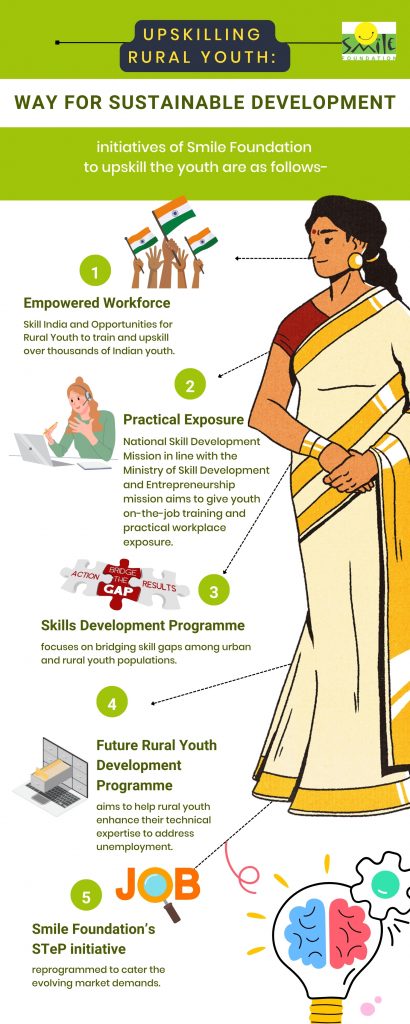
Development organisations like Smile Foundation play a significant role in upskilling youth. This is especially true for areas where government programmes need strengthening with active convergences. We tailor training programmes relevant to the local youth, depending on the job market. By providing learning resources and tools through partnerships, we bridge the gap between skills and resources. This helps them navigate career paths and connect them to potential employers.

A few programmes and initiatives of Smile Foundation to upskill rural youth are as follows-

Rural youth IG 2

Upskilling rural youth is an educational, social and economic imperative. It can lead to personal growth, economic empowerment and community development.

While the path to upskilling rural youth is laden with challenges, it also presents immense opportunities. The key lies in tailoring education to meet the technical and life skills required in rural areas. Collaboration between NGOs and the private sector is essential to create a sustainable ecosystem for skill development.

0%