Categories
Partnerships

Corporate India Leads in Investments for Social Causes 

The commitment of corporate India has transitioned from peripheral corporate philanthropy to a robust, strategic integration of social initiatives with core business operations. By redirecting resources for societal betterment, Indian corporations are setting a global benchmark for corporate social responsibility (CSR). 

Evolving from voluntary donations to a well-structured mandatory obligation integrated with strategic business goals, corporate social responsibility (CSR) in India has truly evolved. The Companies Act of 2013 was a landmark in Indian corporate history, introducing stringent CSR guidelines mandating companies meeting certain financial thresholds to spend at least 2% of their three-year annual net profit towards CSR activities. This legislative framework not only mandated compliance but also encouraged Indian corporations to adopt a more organised approach towards CSR, ensuring accountability and systematic action. 

Legislative Catalysts and Corporate Governance 

The introduction of CSR legislation acted as a catalyst for companies to institutionalise social responsibility. Transparency and accountability in became the keywords in corporate India’s approach to social welfare. Annual reporting requirements under the Act pushed companies to not only invest but also measure the impact of their CSR initiatives, thus embedding these efforts within their corporate governance frameworks. 

Major Domains of CSR Investments

Indian companies have diversified their CSR efforts across several critical areas, reflecting their commitment to addressing broad societal issues through targeted interventions. Here are the major domains where Indian corporations are actively making a difference: 

Transforming Healthcare Landscapes 

Companies have invested in creating and expanding healthcare facilities, pioneering affordable treatments and promoting preventive healthcare through widespread immunisation and health awareness campaigns. These efforts have enhanced the quality of life and reducing mortality rates across various segments of the population. 

Pioneering Educational Initiatives 

Corporate investments are significantly shaping India’s educational landscape. Initiatives range from building and supporting schools and universities to offering scholarships and developing digital education technologies. During the COVID-19 pandemic, these contributions ensured the continuity of education through online platforms, thus mitigating the impact of widespread school closures. 

Advocating for Environmental Sustainability 

Indian corporates are also leading significant efforts in environmental conservation. Investments in renewable energy, eco-friendly technologies and sustainability projects underscore a commitment to the planet. These initiatives not only aim to reduce environmental footprints but also foster a sustainable model of growth that other global corporations can emulate. 

Corporate India in Action 

Tata Consultancy Services: Shaping the Future Through Education 

Tata Consultancy Services (TCS) has revolutionised education through technology-driven initiatives. Their programmes, focusing on digital literacy and access, have bridged educational gaps across socio-economic divides. TCS’s commitment extends beyond basic education, encompassing higher education and vocational training, thus equipping young Indians with the necessary skills for a digital future. 

ITC Limited: Leading Environmental Stewardship 

ITC Limited’s environmental initiatives demonstrate a comprehensive approach to sustainability. From aggressive reforestation campaigns to substantial investments in water conservation and sustainable agricultural practices, ITC has been at the forefront of ecological CSR. Their efforts not only support environmental health but also enhance community livelihoods, proving that environmental responsibility and business excellence can go hand in hand.

Impact Analysis and Future Outlook of Corporate India doing Social Good

The collective impact of these initiatives contribute to broader economic and social development goals. The strategic CSR efforts by Corporate India facilitate deep-rooted changes, influencing global CSR practices. 

The future of CSR in India is poised for greater innovation with advancements in technology and an increased focus on sustainable development. The potential integration of AI and blockchain in tracking and managing CSR projects promises more transparency and effectiveness, paving the way for smarter, more accountable social investments. 

Corporate India’s leadership in CSR is a powerful narrative of transformation and commitment. Through their sustained efforts, Indian corporations are not only enhancing their global standing but also contributing to a more equitable and sustainable world.

As this leadership continues to evolve, it serves as a robust model for global businesses, proving that corporate success and societal well-being can be mutually reinforcing. The proactive stance of these corporations in CSR not only shapes a better future for India but also sets a precedent for businesses worldwide, demonstrating the role of corporate entities in spearheading social change.
Categories
Education

Technology transforming STEM education in India

Investment in humans leads to better quality of living through a boost in economy, hopefully making the country a better one to live in. A well-educated population is more likely to produce and embrace technological advancements maintaining a competitive edge globally.

Gone are the days of rote memorisation and passive learning. The digital era means interactive learning reigns supreme. Digital tools and platforms have become the new playgrounds for knowledge, offering hands-on experiences that bring STEM concepts to life. Virtual simulations and educational games are not just add-ons- they make learning more engaging and impactful.

Technology adding wings to STEM education

STEM education provides students with innovative tools and methods that make learning more interactive, engaging and personalised. Technology enriches STEM education by making it more accessible, engaging, and tailored to individual learning needs. It encourages students to become active participants in their education, preparing them for the challenges of the future workforce. Here are a few ways in which technology is transforming the STEM educational landscape-

·       Access to a Vast Repository of Knowledge:

The internet- the democratized space to access information. Students can now tap into a global repository of knowledge, ranging from scientific journals to educational videos. This unprecedented access ensures that learners from every corner of India can explore the depths of STEM without the constraints of geography or socio-economic status.

·       Real-time Collaboration and Connectivity:

Collaboration is the lifeblood of STEM, and technology has removed the roadblocks of distance and time. Real-time collaboration tools enable students to work together on projects, exchange ideas and solve problems collectively.

·       Personalised Learning Journeys:

The one-size-fits-all approach to education is becoming obsolete. Adaptive learning technologies are tailoring educational experiences to meet individual needs based on their strengths and weaknesses. By analysing data on students’ performance, these platforms can customise lessons, ensuring that every learner’s potential is maximised and no one is left behind.

·       Harnessing the Power of Visualisations:

Visualisations transform abstract STEM concepts into tangible experiences. Interactive graphs, 3D models and virtual experiments allow students to visualiSe theories, enhancing understanding and retention. With technology, students can also embark on virtual field trips to distant or inaccessible locations, such as space stations, deep-sea environments or historical sites relevant to STEM learning.

·       Interactive Simulations and Labs:

Technology enables the creation of virtual simulations and labs, allowing students to conduct experiments and explore scientific concepts in a safe and controlled environment. This hands-on approach helps in deepening their understanding of complex STEM subjects.

·       Gamification for Interactive Learning:

Gamification is turning education into an adventure. Complex STEM concepts become interactive challenges that stimulate critical thinking and problem-solving skills by incorporating game elements into learning. This approach not only makes learning fun but also prepares students for real-world applications of their knowledge.

·       Using Artificial Intelligence:

AI technologies in STEM education can support personalised learning, automate assessments and provide intelligent tutoring. AI can analyse large sets of educational data to identify trends and insights, helping educators tailor their teaching strategies.

Collective efforts are necessary

Implementing technology in STEM education comes with several challenges that need to be addressed to ensure effective integration and utilisation. Challenges such as

  • limited access to resources and budget constraints,
  • inadequate teacher training and their resistance to adaptability,
  • infrastructural development of classroom environment to facilitate technology-based learning, and
  • accessibility of technology to all students.

However, with concerted efforts of all the stakeholders, government, schools, educators and students we can successfully integrate technology into STEM education through strategic planning and investment.

The Indian government has also launched several successful projects to integrate technology into STEM education, aiming to create a tech-savvy and innovative nation. Projects like Atal Tinkering Labs (ATL), The DIKSHA platform as a national e-learning portal, reforms under NEP 2020 and the Digital India campaign that promotes digital literacy and supports the development of digital infrastructure and the creation of a digital ecosystem.

These projects reflect the government’s commitment to enhancing the quality of STEM education through technology, ensuring that students are well-prepared for the demands of the future workforce.

What are development organisations doing about STEM education?

Development organisations like Smile Foundation take their initiatives to the remotest locations through collaborative efforts of partners, government, schools, etc. We are actively involved in integrating technology into STEM education in schools across India.

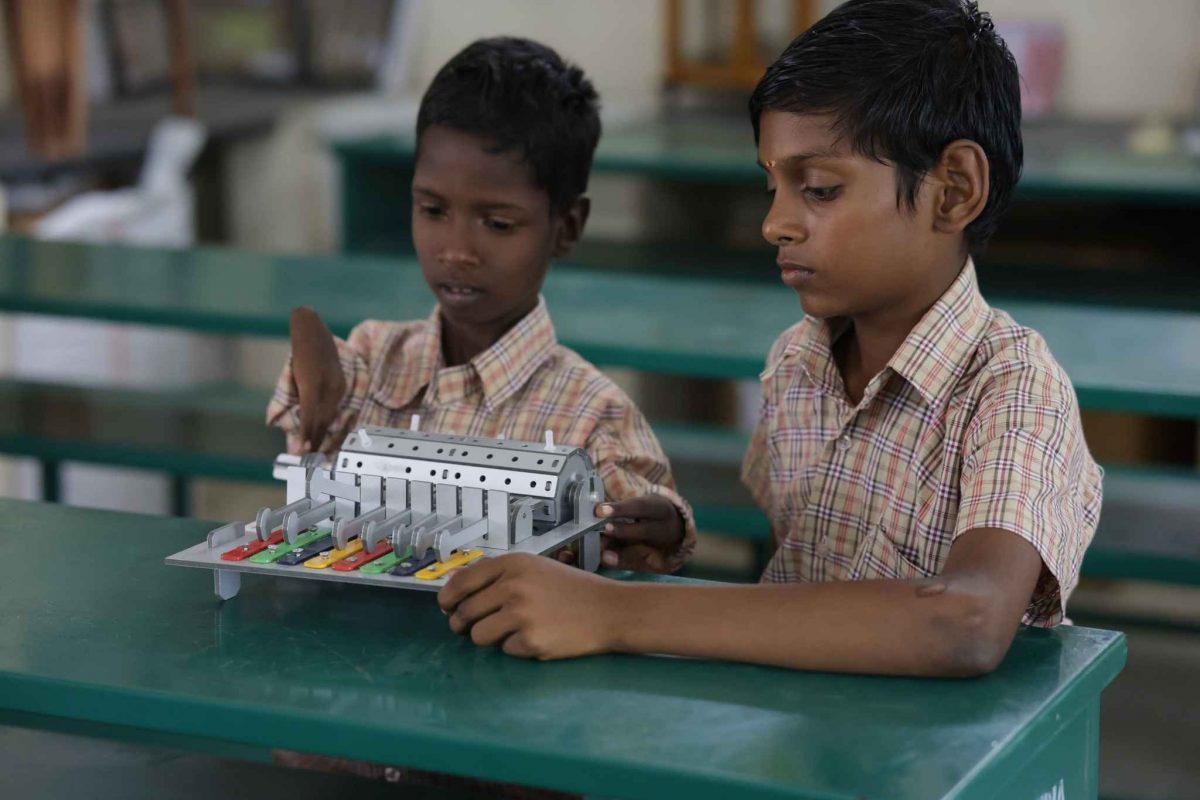
It focuses on STEM-focused and tech-driven teacher training programmes to empower educators with the skills required to incorporate technology into their teaching methods. It conducts hands-on workshops and interactive sessions to incorporate innovative learning methods. Further to integrate technology and enhance the STEM learning experiences it also encourages students towards project-based learning through collaborations with models such as 3-D printing, Aero-modelling, Energy (Solar Lamp making), robotics, astronomy, etc.

Smile conducts pilot projects that focus on integrating relevant technological applications in education, especially in remote and underserved locations. It has also collaborated with IIT Bombay to make learning fun and fostering scientific intelligence from early school days. Through these efforts, Smile Foundation is contributing significantly to the enhancement of STEM education in India. With the integration of technology, these initiatives equip students with the necessary skills for the future.

Technology- a catalyst for innovations in STEM Education in India

With the integration of technology into STEM education learning is aligned with the demands of the modern workforce that enhances employability and equips students for a wide array of sectors and careers. It also acts as a catalyst for innovations as it encourages students to think beyond textbooks, fostering a culture of creativity and exploration.

The journey has begun, and there’s no looking back.

Categories
Health

Converting Primary Health Centres to Family Healthcare Centres

The healthcare system in India faces numerous challenges, including inadequate infrastructure, lack of accessibility and disparities in the quality of care between urban and rural areas. To address these issues, transforming Primary Health Centres (PHCs) into Family Healthcare Centres (FHCs) presents a promising solution. This transition can significantly enhance healthcare delivery by providing comprehensive, continuous and family-centered care. This blog explores why converting PHCs to FHCs is crucial for improving health outcomes in India.

1. Addressing Comprehensive Health Needs

Holistic Approach to Healthcare

Primary Health Centres have traditionally focused on maternal and child health, immunisation and basic treatments. However, this limited scope often neglects the broader health needs of families and communities. Converting PHCs to FHCs allows for a holistic approach, addressing a wide range of health issues, including chronic diseases, mental health and preventive care. This comprehensive care model ensures that all family members, regardless of age or gender, receive appropriate medical attention.

Chronic Disease Management

India faces a growing burden of chronic diseases such as diabetes, hypertension and cardiovascular diseases. FHCs can play an important role in managing these conditions by providing continuous monitoring, education and support to patients and their families. This approach helps in early detection and better management of chronic illnesses, reducing complications and improving quality of life.

2. Enhancing Accessibility and Equity

Bridging Urban-Rural Disparities

One of the major challenges in the Indian healthcare system is the disparity between urban and rural areas. Rural populations often have limited access to quality healthcare services. By converting PHCs to FHCs, healthcare services can be made more accessible to rural communities. FHCs can offer a wider range of services closer to where people live, reducing the need for long and costly travel to urban centers.

Equitable Healthcare for All

FHCs can promote equity in healthcare by ensuring that all individuals, regardless of their socio-economic status, receive comprehensive and continuous care. This is particularly important in rural and underserved areas, where healthcare facilities are often scarce and inadequately equipped. FHCs can provide an inclusive healthcare environment, addressing the needs of marginalised populations and reducing health disparities.

3. Improving Maternal and Child Health

Continuity of Care

Continuity of care is essential for improving maternal and child health outcomes. FHCs can provide continuous care throughout pregnancy, childbirth, and postnatal periods, ensuring that mothers and children receive timely and appropriate medical attention. This integrated care model helps in early identification and management of health issues, reducing maternal and infant mortality rates.

Family-Centered Care

FHCs emphasise family-centered care, where the health needs of the entire family are considered in the context of the family unit. This approach is particularly beneficial for maternal and child health, as it involves family members in care processes, providing support and education to promote healthy practices and prevent diseases.

4. Promoting Preventive Healthcare

Focus on Prevention

Preventive healthcare is important for reducing the burden of diseases and improving overall health outcomes. FHCs can play a pivotal role in promoting preventive healthcare through regular health check-ups, screenings, vaccinations and health education programmes. By focusing on prevention, FHCs can help in early detection and management of diseases, reducing healthcare costs and improving quality of life.

Health Education and Awareness

FHCs can serve as centers for health education and awareness, providing communities with information on healthy lifestyles, nutrition, hygiene and disease prevention. These educational initiatives can empower individuals and families to take charge of their health, leading to healthier communities and a reduction in the incidence of preventable diseases.

5. Strengthening Primary Health Centres

Capacity Building and Training

Transforming PHCs to FHCs requires capacity building and training of healthcare providers. This process can strengthen the overall health system by enhancing the skills and knowledge of healthcare workers. Trained personnel can deliver higher quality care, manage complex health issues and provide better patient education and support.

Integration of Health Services

FHCs can integrate various health services, including primary care, specialty care, mental health and social services, creating a seamless and coordinated healthcare system. This integration ensures that patients receive comprehensive care without fragmentation, improving health outcomes and patient satisfaction.

6. Leveraging Technology for Better Care

Telemedicine and Digital Health

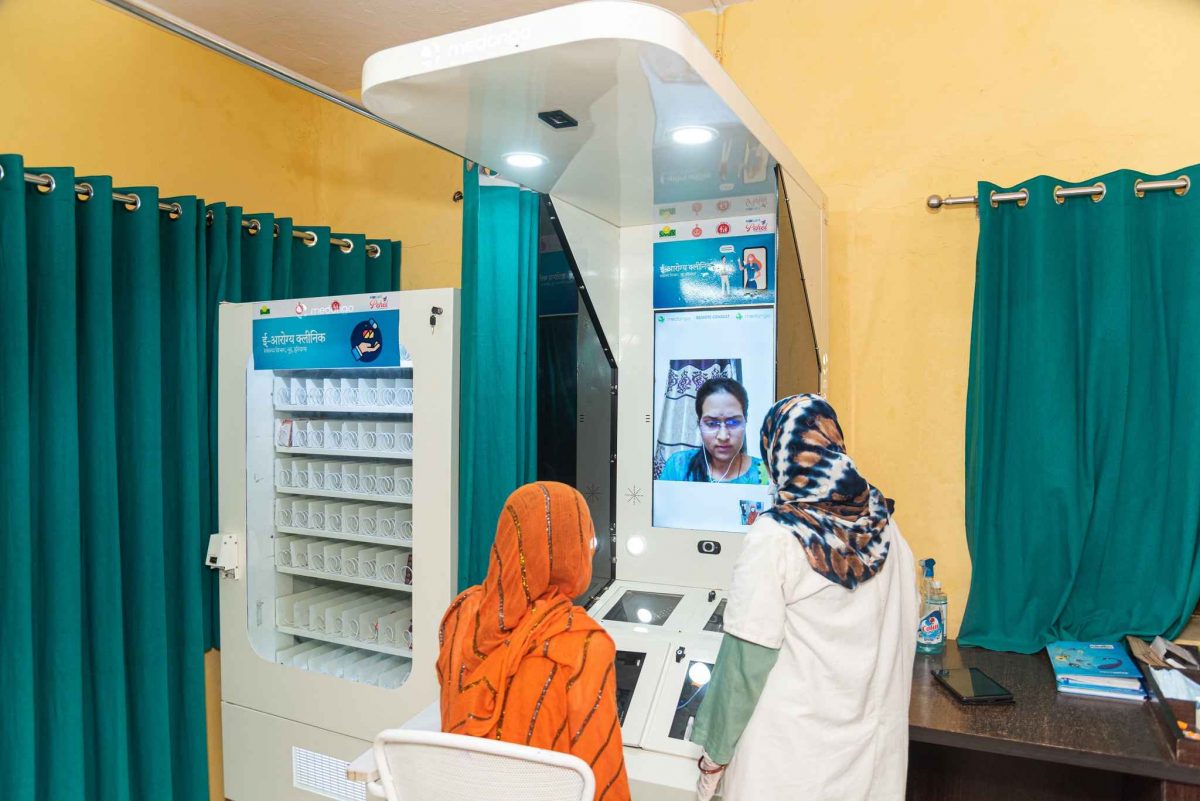
Incorporating telemedicine and digital health solutions into FHCs can enhance healthcare delivery, particularly in remote and underserved areas. Telemedicine can provide access to specialist consultations, follow-up care and health education, bridging the gap between urban and rural healthcare services. Digital health records can improve continuity of care, facilitate data sharing and support decision-making processes.

Data-Driven Healthcare

FHCs can leverage data analytics to monitor health trends, evaluate the effectiveness of interventions and identify areas for improvement. By collecting and analyzing health data, FHCs can implement evidence-based practices, optimise resource allocation and enhance the overall quality of care.

7. Case Study: The State Government’s Initiative Conversion from Primary Health Centres into Family Health Centres

The Transformation Journey

The Kerala government’s initiative to enhance the quality of health services is well on track. Out of a total of 886 PHCs in the state, 630 have already been converted into FHCs, with the remaining 256 slated for transformation in the coming months as reported in 2023. This ambitious project aims to revamp existing PHCs, making them more comprehensive and user-friendly to provide improved health services to the public.

Funding and Implementation

The project, supported by the National Health Mission (NHM) funds and the state’s plan funds, is part of the Aardram Mission carried out in three phases. The first phase received NHM funds, while the subsequent phases were funded by the state plan. Regular evaluations are conducted by a team led by the chief secretary to track progress and ensure coordination among departments such as health, education and local governments.

Enhanced Facilities and Services

The transformed FHCs offer a broader range of medical facilities and services compared to traditional PHCs. These include laboratory facilities, pre-check counseling, non-communicable disease clinics, mental health consultations and yoga and wellness centers. By providing comprehensive health care services at the local level, the initiative aims to reduce the burden on major hospitals and promote better healthcare accessibility.

Objective and Impact

The ultimate goal of the project is to ensure that people in the respective regions receive the best available primary health care services, promoting better health outcomes and overall well-being. The conversion began in 2017 and has shown promising results, highlighting the importance of this transformative approach.

The Goodness of Converting Primary Health Centres

Converting Primary Health Centres to Family Healthcare Centres is a vital step towards improving healthcare delivery in India. This transformation can address comprehensive health needs, enhance accessibility and equity, improve maternal and child health, promote preventive healthcare, strengthen health systems and leverage technology for better care.

The Kerala government’s successful initiative serves as a model for other regions, demonstrating the benefits of this approach. By adopting the FHC model, India can move closer to achieving universal health coverage, ensuring that all individuals and families receive the care they need to lead healthy and productive lives.

Categories
Smile

Empowering Women Through Economic Education 

Women’s empowerment through economic education can help achieve gender equality and foster societal growth. In today’s world, where financial independence is a cornerstone of personal freedom, it is essential to equip women with the knowledge and tools they need to manage their finances effectively. Let’s understand the significance of economic education for women, the current state of financial literacy among women, and the potential impact of empowering women through economic education. 

The Importance of Economic Education for Women 

Economic education is not just about teaching women how to manage their money. It encompasses a broad spectrum of skills, including budgeting, investing, understanding credit and planning for retirement. Financial literacy supports women in making informed decisions about their lives, from choosing a career to managing a household. 

Such an education empowers women by giving them the confidence to navigate financial challenges and seize opportunities. This empowerment leads to greater financial independence, which in turn enhances their ability to support themselves and their families. Moreover, economically empowered women can contribute more significantly to the economy, driving growth and innovation. 

Current State of Financial Literacy Among Women 

Despite the importance of financial literacy, many women still lack basic economic education. According to a survey highlighted in Livemint, 86% of working women are eager to improve their financial knowledge, indicating a significant gap in their current understanding. This gap can be attributed to various factors, including traditional gender roles, limited access to financial education and societal norms that discourage women from taking control of their finances. 

The lack of financial literacy among women has far-reaching consequences. It can lead to poor financial decisions, increased debt and a lack of preparedness for retirement. Additionally, financially illiterate women may be more vulnerable to financial abuse and exploitation.

Initiatives to Promote Economic Education for Women 

Various organisations and initiatives are working to bridge the financial literacy gap among women. Financial literacy programmes tailored specifically for women are being developed to address their unique needs and challenges. These programmes often include workshops, online courses and one-on-one coaching sessions. 

For instance, some initiatives focus on teaching women about investment and wealth management, which are areas where women have traditionally been underrepresented. By providing women with the knowledge and confidence to invest, these programmes help them build wealth and secure their financial futures. 

The Role of Technology in Economic Education 

Technology plays a pivotal role in making economic education accessible to women. Online platforms and mobile applications offer financial education resources that women can access at their convenience. These tools provide interactive lessons, simulations and quizzes to enhance learning and retention. 

Moreover, social media and online communities allow women to share experiences, ask questions and seek advice from peers and experts. This support network is invaluable for women who may feel isolated or intimidated by financial matters. 

Case Study

Real-life success stories demonstrate the transformative power of economic education. For example, consider the story of Laxmi who started with a small investment in cosmetics and is now doing well in her business inspiring other women of her community to become independent and own their own small/big businesses.

This growth of Laxmi expanded her business after gaining financial knowledge. Through our women empowerment programme- Swabhiman, Laxmi learned about business financing, managing cash flow and strategic planning. Armed with this knowledge, she secured a loan to expand her business, increased her revenue and even created jobs in her community. 

Barriers to Financial Literacy for Women 

Several factors hinder women’s access to financial literacy. These include cultural norms that prioritise men’s financial education, lack of time due to caregiving responsibilities and limited access to financial resources. Additionally, many women may lack confidence in their financial abilities, further discouraging them from seeking education.

Strategies to Overcome Barriers 

To overcome these barriers, inclusive and supportive learning environments for women are a must. Flexible learning options, such as online courses that women can complete at their own pace is one of those great learning options. Additionally, programmes should be designed to address the specific financial needs and challenges faced by women. 

Mentorship and peer support encourage women to pursue financial education. By connecting women with mentors who can guide and support them, we can help build their confidence and competence in managing their finances. 

The Impact of Financially Empowered Women on Society 

Financially independent women are better equipped to leave abusive relationships, reducing the prevalence of domestic violence. Economic education thus plays a vital role in promoting gender equality and social justice. 

Governments and policymakers have a critical role to play in promoting economic education for women. Policies should be implemented to ensure that financial education is included in school curricula from an early age. Additionally, public awareness campaigns can highlight the importance of financial literacy and encourage women to seek education. 

Subsidies and incentives for financial education programs can also increase accessibility for women, particularly those from low-income backgrounds. By investing in women’s economic education, governments can foster a more equitable and prosperous society. 

The Future of Economic Education for Women 

The future of economic education for women looks promising, with increasing recognition of its importance and more resources being dedicated to this cause. As more women become financially literate, we can expect to see effects across society.

Financial education will continue to evolve, leveraging technology to reach more women and provide personalised learning experiences. With continued support from governments, organisations, and communities, we can ensure that all women have the opportunity to achieve financial independence and empowerment. 

Empowering women through economic education is a powerful catalyst for change. By equipping women with the knowledge and skills they need to manage their finances, we can promote gender equality, drive economic growth and create a more just and equitable society.

The journey towards financial empowerment for women is ongoing, but with continued effort and dedication, we can achieve significant progress. Let us commit to supporting and advocating for economic education for women, ensuring that every woman has the opportunity to thrive financially.

Categories
Women Empowerment

Why 3% Funding for Women Entrepreneurs is Too Little ?

Women are stepping up, launching innovative ventures and contributing significantly to economic growth. Despite their remarkable strides, women entrepreneurs face a persistent issue- they receive too little of venture capital funding. The low numbers reflect deep-seated systemic biases and missed opportunities for economic and social advancement.

The potential of women entrepreneurs

Women entrepreneurs are not just business leaders- they are innovators, job creators and community builders. Studies have shown that women-led businesses often outperform their male counterparts in terms of return on investment and revenue generation. Companies with female founders are more likely to prioritise social responsibility, sustainability and inclusive practices, leading to broader societal benefits.

Despite these strengths, women entrepreneurs remain significantly underfunded. The low figures are a reflection of the broader challenges that women face in the entrepreneurial ecosystem. These challenges include limited access to networks, mentorship and opportunities that are readily available to their male counterparts.

Insights from the RBI Innovation Hub White Paper

The Reserve Bank of India’s Innovation Hub (RBIH) subsidiary recently conducted an event in collaboration with mysaltapp and the FICCI Ladies Organisation, where they released a white paper titled ‘At The Helm: Women Entrepreneurs Transforming Middle India’. This white paper sheds light on the funding discrimination faced by women entrepreneurs, particularly in Tier 2 and 3 cities.

Rajesh Bansal, CEO of the Innovation Hub, highlighted the lack of gender-disaggregated data. He noted that only 3% of women entrepreneurs in these cities have access to external funding. This low level of funding is a severe impediment to the growth of women-led businesses in less urbanised areas. Mr. Bansal also pointed out that when women design products, they cater to the needs and perspectives of other women, often overlooked by male counterparts in the industry. This underscores the importance of promoting women in entrepreneurship and fintech.

The white paper revealed other critical data about the state of women entrepreneurs in India. Only around 20% of India’s MSMEs are women-led and majority of them are sole proprietorships. Within these, 5.2% of small enterprises are women-led and just 2.6% of medium enterprises are women-led. Additionally, women often shoulder the majority of care responsibilities in the family, which significantly impacts their entrepreneurial ventures. This is especially true in Tier 2 and 3 cities, where scalable employment opportunities are limited.

Systemic bias and barriers leading to low finding of women entrepreneurs

The underfunding of women entrepreneurs can be attributed to several systemic biases and barriers-

  1. Gender Bias: Investors, predominantly male, often have subconscious biases that lead them to favor male entrepreneurs. This bias is reflected in the questions they ask, the assumptions they make and ultimately, the funding decisions they make.
  2. Network Gaps: Women often lack access to the same professional networks as men. These networks are crucial for securing funding, as investors tend to fund entrepreneurs within their circles.
  3. Risk Perception: There is a pervasive belief that investing in women-led businesses is riskier. This myth persists despite evidence to the contrary and hampers women’s access to capital.
  4. Limited Role Models: The scarcity of successful women entrepreneurs in the media and industry circles limits the visibility of female role models. This lack of representation can discourage potential women entrepreneurs from pursuing their ventures and makes it harder for them to gain investor confidence.

Economic and social implications

By not investing in women-led businesses, we are missing out on innovative solutions and perspectives that could drive economic growth and address societal challenges. Women are more likely to reinvest their earnings into their families and communities, amplifying the positive impact of their success.

Moreover, diverse leadership teams lead to better decision-making and problem-solving. Companies with gender-diverse leadership are in a better position to understand and serve diverse markets, leading to increased profitability and market share.

Steps Toward Change

Addressing the funding gap requires concerted efforts from multiple stakeholders-

  1. Awareness and Education: Investors need to be educated about the benefits of investing in women-led businesses and the biases that affect their decision-making processes. NGOs like Smile Foundation play a major role in this.
  2. Policy Interventions: Governments can bridge the gap by implementing policies that promote gender equity in funding, such as tax incentives for investments in women-led businesses or dedicated funding programmes.
  3. Support Networks: Building and supporting networks for women entrepreneurs can provide them with the mentorship, resources and opportunities needed to succeed.
  4. Showcasing Success Stories: Highlighting successful women entrepreneurs and their journeys can inspire others and change perceptions about women in business.
  5. Investor Diversity: Increasing the diversity of investors, including more women in decision-making positions within venture capital firms, can help mitigate bias and broaden the scope of investment opportunities.

The 3% funding statistic for women entrepreneurs is an indicator of systemic inequality in the entrepreneurial ecosystem. Addressing this imbalance is not just a matter of fairness- it is an economic imperative. By ensuring that women entrepreneurs receive equitable funding, we can unlock a wealth of innovation, drive economic growth and foster a more inclusive and equitable society. It is time to recognise the untapped potential of women entrepreneurs like in our women empowerment programme Swabhiman and invest in their success. ​​

Categories
Health

Anaemia contributing to the Status of Maternal Health

As per a recent National Family Health Survey (NFHS) more than one out of two women of reproductive age in India are anaemic. The report reveals that this burden of anaemia is even grave in the aspirational districts of the country. This is a staggering number of women who are facing a health challenge which can impact them and their babies.

Anaemia is a condition which involves the body’s lack of capacity to produce enough red blood cells or haemoglobin. It is a widespread issue in India, impacting both men and women. However, the health concern is bigger in the case of women of reproductive age because it can cause complications in childbirth and even affect the health of the baby who is born of an anaemic mother.

There are a number of factors that cause anaemia in women and nutritional deficiency is the biggest contributor to that. Inadequate intake of iron, vitamin B12, and folate is the biggest reason for anaemia among reproductive women. However, heavy menstrual bleeding in women can also lead to a depletion of iron levels in the body. Therefore, a healthy and balanced diet is the most important intervention to bring down cases of anaemia.

Anaemia and maternal health

There are many complications that may arise for both the mother and the baby in case the former is anaemic. Some of these complications are:

  1. Child health – A baby born of an anaemic woman can be premature, with low weight at the time of birth, or have nutritional deficiencies.
  2. Mother’s health – Excessive bleeding during childbirth can happen in case of anaemic women and it can also increase the risk of postpartum depression. Anaemic women are also more likely to struggle with managing daily activities after childbirth because of reduced stamina and excessive fatigue.

However, when it comes to this, India is not the only country that is fighting the burden of anaemia. World Health Organization data suggests that about one in every three women of reproductive age globally are anaemic. Regions like Sub-Saharan Africa and South Asia are struggling the most with this issue. The reason, primarily, is poverty and lack of nutritious food in the diets of people.

Developed countries have a very high burden of anaemia and the causes for the existing cases are also not the poor access to nutritious food, but things like dietary restrictions, poor food choices, or existing medical conditions.

India has been trying to fight this problem through various government and non-government initiatives, including schemes like National Iron Plus Folic Acid Supplementation Program (NIFAS) under which pregnant women are provided iron supplements in order to ensure they are not anaemic.

At the same time, there is a general growing awareness around the importance of a healthy diet. This is because of access to information in the remotest parts of the country using the latest technology. Therefore, people are also willing to make better dietary choices, provided they have access to nutritious food options.

Ways to solve the problem

As mentioned above, there is an ongoing effort to decrease the anaemia burden in India through many interventions. Here are some solutions to deal with the problem:

  1. Iron supplementation: One of the biggest contributors to anaemia in pregnant women is lack of iron and folic acid in their diet. Therefore, the first level of intervention has to be about providing them supplements that can fulfil this dietary requirement. 
  2. Changes in diet: The second intervention has to be about overall dietary changes because that will create a sustainable solution for the problem. Consumption of iron-rich foods can lead to reduction in anaemia cases over a long period of time.
  3. Awareness: Lastly, people should be aware of the reasons behind anaemia, its effects on pregnant mothers and their babies, and the ways in which they can deal with it. Once we achieve awareness and knowledge, it becomes a significantly easier task to deal with any problem.

Other initiatives in India

One of the biggest campaigns to solve this problem was launched in 2018 by the government of India and it was named the Anaemia Mukt Bharat Campaign. The mission behind the campaign, as the name suggests, was to reduce the anaemia burden in the country through a series of interventions. The campaign was designed to have a deep impact on the ground by targeting six beneficiary age groups, implementing six interventions, and utilising six institutional mechanisms.

Apart from this, other initiatives by non-government organisations, CSRs, and private sector have also been taken to contribute towards the reduction of anaemia burden. 

Anaemia is a preventable condition. By working together – government, healthcare providers, NGOs including Smile Foundation, and communities – significant progress can be made. Increased awareness, improved access to iron and folic acid supplementation, promoting healthy dietary habits, and addressing underlying health issues can significantly reduce the burden of anaemia in India.

Investing in maternal health is not just about healthy mothers and babies – it’s about building a healthier and stronger future for the nation. Improved maternal health can lead to better child development, increased economic productivity, and women empowerment.

Categories
Health

Children and dealing with trauma

Information is widely available and accessible in all forms today, not all of it affects us positively- taking care of the mental wellbeing of children has become more important than ever. Today children are growing up in an era of artificial intelligence where computers are going to be more intelligent than humans. In such a scenario, prematurity is the potential next pandemic.

Today children are more aware and updated with new trends before the previous generations. Along with all the benefits of technology advancements and changing eras, causing mental harm or falling victim to such incidents has also become much easier, leading to lifelong traumas for some.

Social and mental health are interconnected and not being healthy can either cause traumas or delay the healing of traumas. Dealing with trauma is a critical aspect of ensuring the social health and well-being of children. Trauma can stem from various sources, and the effects of trauma can be long-lasting, influencing a child’s emotional, social, and cognitive development.

It is a complex process that requires a multifaceted approach. It’s about providing immediate support and also investing in long-term strategies to ensure the social health of children. By recognising the signs of trauma, creating safe environments, seeking professional help, and fostering resilience, we can help children navigate their experiences and emerge stronger.

Understanding and dealing with trauma in children

Trauma disrupts a child’s sense of security, making them feel helpless and vulnerable in a world that no longer seems safe. Unlike adults, children may not have the language skills or emotional maturity to process traumatic events.

Trauma in children today is diverse and can include a range of experiences that threaten their physical or emotional well-being. Traumas can be caused by various reasons such as

  • physical, emotional or sexual abuse by someone whom the child trusted or otherwise,
  • physical or emotional absence of parents or guardian,
  • household dysfunction,
  • exposure to bullying,
  • violence or discrimination in home, school, or community,
  • family separations especially parent’s divorces, or
  • severe cases where the children who are refugees or exposed to wars, natural disasters, terrorism, etc. 

Recognizing the trauma

Due to a lack of awareness and open-ended talks about mental health, it is often ignored or not given much relevance. Age-old social conditioning doesn’t allow parents or caregivers to think differently about their children’s issues. Movies like Tare Zameen Par or Dear Zindagi teach us how it’s important mental health can control our social and physiological health.

Recognising the early signs of trauma in children is crucial for their well-being and recovery. Trauma can manifest differently in each child, but there are some common indicators to be aware of. Here are some signs that may suggest a child is experiencing trauma-

Emotional signs

  • Frequent crying or tearfulness
  • Being easily frightened or scared
  • Expressing concern about their safety
  • Feeling sadness, depressed or alone
  • Showing intense outbursts of anger and aggression

Behavioral signs

  • Bedwetting
  • Difficulty concentrating in daily tasks
  • Re-enacting trauma during play, especially in younger children
  • Sudden problems with sleeping, eating, anger, or attention
  • Regressive behavior, such as returning to an earlier stage of development

Physical signs

  • Unexplained aches and pains.
  • Changes in eating and sleeping habits.

Socially healthy children gain more success in life

Today children are more tech-savvy and less involved with people in social settings. Not only children but we all have become disconnected from personal touch due to digital gadgets all around us. We are more comfortable chatting with an AI tool on our phone than chatting in person with real humans.

The social health of a child encompasses various aspects that contribute to their ability to interact positively with others and function well in social settings. So, what are a few components that define good social health?

  • Children should have the ability to form secure, healthy, and genuine relationships with peers and adults in different social settings. 
  • Children should have effective communication skills, including listening and expressing thoughts and feelings along with managing emotions in different situations to navigate social complexities. 
  • They should have the understanding of social cues, and skills to negotiate and resolve disagreements to maintain healthy relationships. 
  • Social health begins with self-esteem, only when you have a positive self-image you can deal with confidence in a social setting. 
  • Empathy and cooperation are the pillars of good social health. Being able to understand others and working with them by sharing and taking turns in social responsibility is important for social development. 
  • Participating in community activities can enhance a child’s sense of belonging. It’s important to appreciate and respect differences in others to foster inclusive social environments. 

Internet: The cause

While technology has many benefits, it’s important for parents and caregivers to monitor and guide children’s use of internet and digital services to minimize potential harm. 

Incidents such as cyberbullying, negative self-comparison created by the unrealistic expectations of social media, and overexposure to disturbing and inappropriate content that includes violence, and adult themes can lead to various traumatic experiences such as sleep disturbances due to blue light, loneliness and depression.

Reduced face-to-face interactions and social isolation, parent-child conflict, reduced physical activity leading to obesity, and other lifestyle disorder diseases which can also affect their mental health such as stress and anxiety due to compulsive use of technologies leading which can interfere with daily life.

Reliance on digital communications can further hinder the development of emotion-regulation skills, leading to increased anxiety. It has become extremely important to establish healthy boundaries and educate children about safe and responsible use of technology that can help mitigate the negatives. 

Prevention is better than dealing with trauma

Even after the wound is healed, sometimes a scar is left behind. Preventing trauma is just as important as dealing with its aftermath. This includes educating children about personal safety, bullying prevention, and healthy relationships. Awareness campaigns and community programs can play a significant role in prevention efforts.

Leveraging community resources such as support groups, after-school programs, and mental health services can provide additional layers of support. Community involvement can also help in reducing the stigma associated with seeking help for mental health issues and dealing with trauma.

Creative outlets like art, music, and writing can be powerful tools for children to express their feelings and process their thoughts. These activities can be both therapeutic and empowering, giving children a voice when they might struggle to articulate their emotions verbally.

It’s important to create a safe, stable, and secure environment for children dealing with trauma. This includes consistent routines, clear expectations, and a supportive network of adults. Schools and homes should be safe havens where children feel valued and understood.

Categories
Education

The Influence of Education on Social Mobility

Education – a pillar of personal development is also a lever for social mobility. The link between a sound education and enhanced opportunities leads to better careers, higher incomes, and improved life quality. Education acts as both a catalyst and a vehicle for individuals to step up and over their low socio-economic conditions and enter into a life of possibilities – be it going for higher education abroad or getting into a well-paying job.

Understanding Social Mobility

Social mobility refers to the ability of individuals or families to move across social strata, either upwards or downwards, within or across generations. It is an index of equality, reflecting the state of society being open or rigid. Social mobility is important for maintaining social harmony and promoting a sense of fairness and justice within a community.

The Organisation for Economic Co-operation and Development (OECD) provides extensive data and insights into how various factors influence social mobility globally. It emphasises that higher levels of education can significantly improve the likelihood of climbing the social ladder. This correlation is underpinned by the fact that education, in most cases, hands over individuals with the skills and knowledge required to improve their socio-economic status.

The Role of Education in Enhancing Social Mobility

Education serves as a great equaliser, capable of diminishing the inherited disadvantages of one’s birth. It provides individuals from lower socio-economic backgrounds the chance to break free from the devious cycle of poverty through multi-faceted learning experiences that lead to better jobs and societal positions.

Breaking Barriers

Educational attainment is instrumental in breaking barriers that often confine individuals within the socio-economic strata into which they are born. For instance, access to higher education allows individuals to acquire skills and qualifications that are highly valued in the job market, thus offering them a tangible path to better employment opportunities and higher income brackets.

Bridging Inequalities

Education also bridges the inequalities that exist in society. Inclusive educational policies are enforced keeping in mind children from disadvantaged backgrounds. They are provided with quality educational opportunities, which can help reduce income gaps and employment opportunities in the long run. For example, scholarship programmes and educational grants targeted at low-income families can significantly reduce the financial burden of education, making it more accessible and ensuring that talent and effort determine success, not background.

Enhancing Skills and Employability

In the modern economy, the demand for skilled workers continues to rise. Education imparts essential skills such as – critical thinking, problem-solving, and technical aptitudes – indispensable in the contemporary job market. This opens up more chances of being employed and allows individuals to reach higher socio-economic tiers, promoting social mobility.

Challenges to Realising Education’s Full Potential

Despite the transformative power of education, several challenges persist that blocks its potential to increase social mobility. These include –

1. Quality of Education

The quality of education, especially in public institutions in less affluent areas, often falls short of imparting the necessary skills and knowledge that students require to succeed. This disparity in educational quality reinforces socio-economic divides instead of diminishing them.

2. Access and Equity

Access to quality education is not uniformly available to all. Children from poorer families or rural areas often face significant barriers in accessing education that matches their urban and wealthier counterparts. Furthermore, systemic issues such as discrimination based on race, caste, or gender continue to limit educational opportunities for many.

3. Economic Barriers

The high cost of advanced education forms a formidable barrier for many talented but economically disadvantaged students. Though scholarships and financial aids are available, they are often insufficient to cover all costs, leaving many potential learners behind.

Moving Forward: Policies for Change

To harness education’s complete potential in promoting social mobility, governments and policymakers must implement comprehensive reforms –

1. Invest in Early Childhood Education: Studies have shown that early childhood education sets a foundation for lifelong learning and success. More investment in this area can level the playing field from the start.

2. Improve the Quality of Public Education: Scrutiny towards the quality of education in public schools, especially in underserved areas is needed. Every child must get a fair chance at success, irrespective of their socio-economic background.

3. Create Inclusive Education Policies: Policies that clearly address the challenges faced by marginalised groups can create an inclusive environment encouraging the talents of all students.

4. Expand Access to Higher Education: Making higher education more accessible through scholarships, grants, and lower tuition fees can open new opportunities for those at the lower rung of the socioeconomic ladder.

5. Promote Lifelong Learning: In a world where change is the only constant, policies that encourage lifelong learning can help individuals adapt and thrive in a job market that has evolving needs.

Education is a powerful tool for social mobility but its effectiveness depends largely on the equality of access and the quality of the educational experience offered. As nations speak of ‘education for all’ at every important forum, more equitable education systems need to be in place with the help of individuals like you who want children to change their stars through learning. You can help here.

Categories
Health Education

Making Healthy Food Affordable for the Poor

What does your food intake in a day look like? Does it include a healthy mix of proteins, carbohydrates, fats, and other important nutrients? We seldom think about these aspects of what’s on our plate on a day-to-day basis.

For a fitness enthusiast or a person with needs of special dietary care because of certain underlying issues, it might be different. Ask someone who is lactose intolerant or suffers from an auto-immune disease that makes protein digestion a challenge, and they will tell you how minutely they have to monitor what they are eating. Then

Over the years, it has been observed that rich nations and people within India who come from an affluent section are making healthier food choices because of the increasing awareness of the link between diet and chronic illnesses. This trend has been on a rapid rise, especially since the COVID-19 pandemic as it alerted everyone to the need to maintain a healthy body and mind. But are we in a position where we can say, “There is healthy food affordable for the poor populations of India.”?

The Nutrition Gap in India

In May 2024, the National Institute of Nutrition (NIN) under the Indian Council of Medical Research (ICMR) also released a report which stated that 56 per cent of diseases in India were linked to diet. The report also provided a detailed recommendation for the ideal daily nutritional intake for different age groups and populations living in rural and urban areas.

However, this does not mean that the debate around nutritional intake among Indians is a recent one. The problem of poor nutrition, especially among disadvantaged populations has been a major challenge that India has been facing for decades. Research in the past has shown worrying signs of the impact of this nutrition deficiency among a large percentage of children under five years old suffering from stunting or wasting.

Research has also found a positive correlation between poverty and child malnutrition in the country, clearly underlining the need for critical intervention in this area. A UN report in 2023 also made a concerning revelation that 74 per cent of Indians are not able to afford a healthy diet for themselves. It also estimated that over 16 per cent of the Indian population during the period 2020-2022 was undernourished.

Initiatives for Providing Nutritious Food to Poor

However, the Indian government questioned the research approach and methodology and stated that the report is biased in its approach. Nevertheless, government policies for decades have tried to tackle this issue, which is also a testimony to the fact that ensuring a nutritional diet for all of India’s population is a concern for government officials and other relevant stakeholders.

Initiatives like the mid-day meal scheme, Anganwadi centres, Poshan Abhiyan, etc., have all been targeted towards solving this problem. Apart from this, several state governments in India provide cooked nutritional food to poor populations at a subsidised rate to ensure that they have access to a proper diet. Shree Annapurna Rasoi Yojana in Rajasthan which was previously known as Indira Rasoi Yojana is a prime example of this.

There are similar schemes in other states like Aahaar in Odisha, Amma Canteen in Tamil Nadu, and Shiv Bhojan Thali in Maharashtra, among others. All these schemes have a common goal to achieve. Starting in January 2024, the Union Government of India also announced an ambitious project of providing free foodgrains to more than 81 crore people of the country for a period of five years under the Pradhan Mantri Garib Kalyan Anna Yojana.

Need for Making Healthy Food Affordable for the poor sections of the society

As mentioned at the beginning, there has been a growing trend of affluent sections in society opting for healthier food options like organic produce, etc. However, the poorer population does not have access to these opportunities. They are bound by financial constraints and can only access the food that they can afford. While the government initiatives fill a certain gap, merely receiving free food grains is not enough to get a truly nutritious diet.

What is needed is a good mix of fruits, vegetables, meat, dairy, and food grains to ensure a healthier population. This is the reason why making healthy food affordable for the poor communities should be a priority for a country like India. It is also crucial to reduce India’s diabetes burden as the country is today on the path to becoming the diabetes capital of the world.

But, how can this be achieved?

A report published in 2022 by the Centre for Science and Environment (CSE) and Down To Earth magazine stated that 1.7 million people in India die every year because of diseases caused by dietary risks like obesity. There are ways to deal with this problem and the most important step is to increase awareness among people about what they are eating and how it affects their bodies.

Many food options available locally like millet, eggs, local vegetables, dairy, etc., can provide a healthy diet to a large population in the country. However, a lack of awareness around this can be challenging as people move towards consuming unhealthy foods lured by the aspiration created by the market and advertising.

Apart from this, deeper penetration of schemes like mid-day meals to provide healthy and nutritious food to all the children in an efficient manner, and regular monitoring is needed to ensure that the results achieved are satisfactory. Hyperlocal initiatives where women are engaged regarding these issues can also be helpful. Both the government and non-government organisations can play a crucial role in this by coming together and actively working towards change. If a young country like India wants to realise its true potential, it must work towards the basic need of providing its population with healthy affordable food for the poor families especially.

Smile’s Efforts

In its Mission Education programme, Smile Foundation integrates the crucial aspect of healthy eating to promote holistic child development. Through interactive workshops, engaging activities, and informative sessions, children are empowered with the knowledge and skills to make healthier food choices.

By instilling the importance of balanced nutrition and educating them about the benefits of fruits, vegetables, and whole grains, Smile Foundation not only nurtures their physical well-being but also fosters habits that will positively impact their long-term health. Through this initiative, children not only learn about healthy eating but also become ambassadors of wellness within their families and communities.

Categories
Livelihood Smile

Youth Empowerment- Going beyond Geographical & Gender Limits

A country’s fate depends on its youth. This young group of people holds the power of building a nation holistically. The most energetic and productive section of society, youth can determine the footing of a nation in the global space.

Developing nations with a large youth population will relatively grow more provided their youth gets equal opportunities to develop through

  • quality education,
  • good nutrition and
  • health along with relevant skill development.

Fortunately, India has taken solid steps for the progress of youth empowerment accommodating with changing times. In recent years, India’s youth have emerged as powerful contenders in different fields, be it as creators, innovators, leaders, or ambassadors the Indian youth have certainly created a niche for themselves with their marvels of development and inventions. 

However, the roads for all the youth in India are not the same. Rural youth in India are still lagging when it comes to garnering equal opportunities of getting holistic education, better health and livelihood opportunities. 

Youth of India- The future of India 

India has a population of 1,439,982,203 and counting, making it the most populated country in the world with a large section of its population being young people. The young crowd of India ranks fifth in the world’s youth demographic which significantly gives it leverage in becoming a US $5 trillion economy. 

Given the advantage of numbers, it gets even more pertinent for the stakeholders of our nation to invest in the development of India’s youth, while keeping in mind that this development should be done across India, going beyond the barriers of geographical and gender limitations. 

Investing in India’s Youth Empowerment- The Need of the Hour

According to a recent survey, 80% of the youth in rural India are yet to pursue vocational or skill training, emphasizing a significant skills gap. This becomes an alarming situation, as it highlights that despite several efforts taken by the Government of India to develop the youth of India, there are still some shortcomings that are becoming an obstacle to achieving comprehensive growth of Indian youth. 

What should be the next step? 

Building an ecosystem for the youth of India to have sustainable development. Aligning our policies with the United Nations Sustainable Development Goals (SDGs) and implementing them in full length should be a key point in India’s development goals for its youth. 

Founding on “leave no one behind”, rural youth development must concentrate in three dimensions- economically, socially and environmentally. 

The Plan of Action for Rural Youth of India- Current & Future 

According to a study, it has been found that out of 10, at least 4 youth in rural India are aware of the term “life skills”. The number may not be very high, but certainly is a silver lining and enough to steer the wave of youth empowerment with vocational training in the rural areas of the country. 

With a focus on SDGs, vocational training for rural youth is a core area for the Government of India and other stakeholders. Understanding the importance of bringing all skilled hands on the deck for achieving national welfare, many initiatives are upskilling the rural youth with relevant vocational skills to make them job-ready. 

Government’s Schemes for Skill Development in India

Initiatives such as the –

  • Pradhan Mantri Kaushal Vikas Yojana,
  • Jan Shikshan Sansthan Scheme,
  • National Apprenticeship Promotion Scheme,
  • and Craftsmen Training Scheme

have been specifically customized to equip the rural youth of India with relevant vocational skills.

The introduction of these schemes in rural areas of India is positive, especially concerning the enrollment of women. More than 81% of the enrollment in the Jan Shikshan Sansthan scheme have been women in the last three years. Furthermore, out of 27.8 lakhs in the Pradhan Mantri Kaushal Vikas Yojana, 46% of them were women.

Considering the availability of such structured schemes and the high participation of rural youth in such schemes, it is certain that there is no lack of awareness or willingness amongst rural youth to garner new-age vocational skills and make themselves ready for employability opportunities. 

Taking this as a positive sign, Smile Foundation is working towards empowering the rural youth of India with vocational skills. All this is done to stop the cycle of exclusion that the absence of decent livelihood brings into one’s life. 

Smile steering Youth Empowerment

Livelihood skill development is one of our core thematic areas with more than 90,000+ youth trained in 2023, in our 74 Skilling Centres spread across 7 states. Smile Foundation offers vocational development training in areas of-

  • Core Employability
  • Healthcare (General Duty Assistance)
  • Banking, Financial Services and Insurance (BFSI) 
  • Retail Management 
  • Digital Marketing 
  • Business Process Outsourcing (BPO) 

Aligning with the objective of SDG 8 of decent work and economic growth, our initiative actively mobilizes communities by spreading awareness to maximize enrolments of youth from underserved communities.

The objective is to provide the youth with platforms that help them develop skills in relevant vocational courses within a span of three to six months. They receive theoretical knowledge with empirical and industry exposure getting comprehensive understanding of the industry. There is placement and post placement support ensuring that beneficiaries kickstart their employability and continue the transition process seamlessly.

To narrow the urban-rural disparity, it should be a collective effort to increase vocational training amongst India’s rural youth. Smile Foundation is in a continuous process to support the government’s skill development schemes for the youth to gain practical expertise. This knowledge enables them to integrate into various industries fostering self-sufficiency. The efforts take us a step closer to achieving “national welfare”, in its truest essence.

0%