Categories
Education

Building SDGs into the School Syllabus

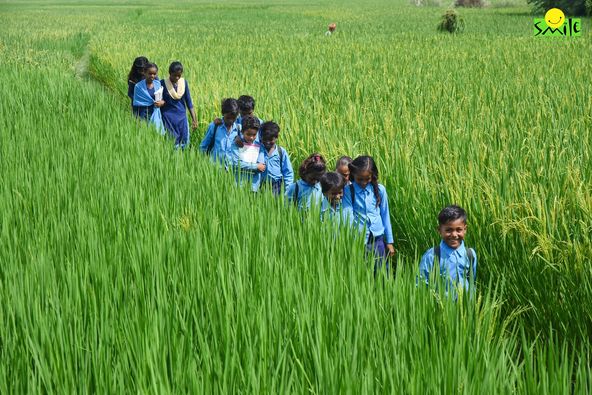
In a world with complex challenges such as climate change, poverty, inequality, wars and global health crises, the United Nations Sustainable Development Goals (SDGs) provide a roadmap for a more sustainable and equitable future. While governments, businesses and organisations worldwide are working towards achieving these goals, the role of education in promoting awareness, understanding and action on the SDGs cannot be overstated. This needs to be done by building SDGs into the school syllabus.

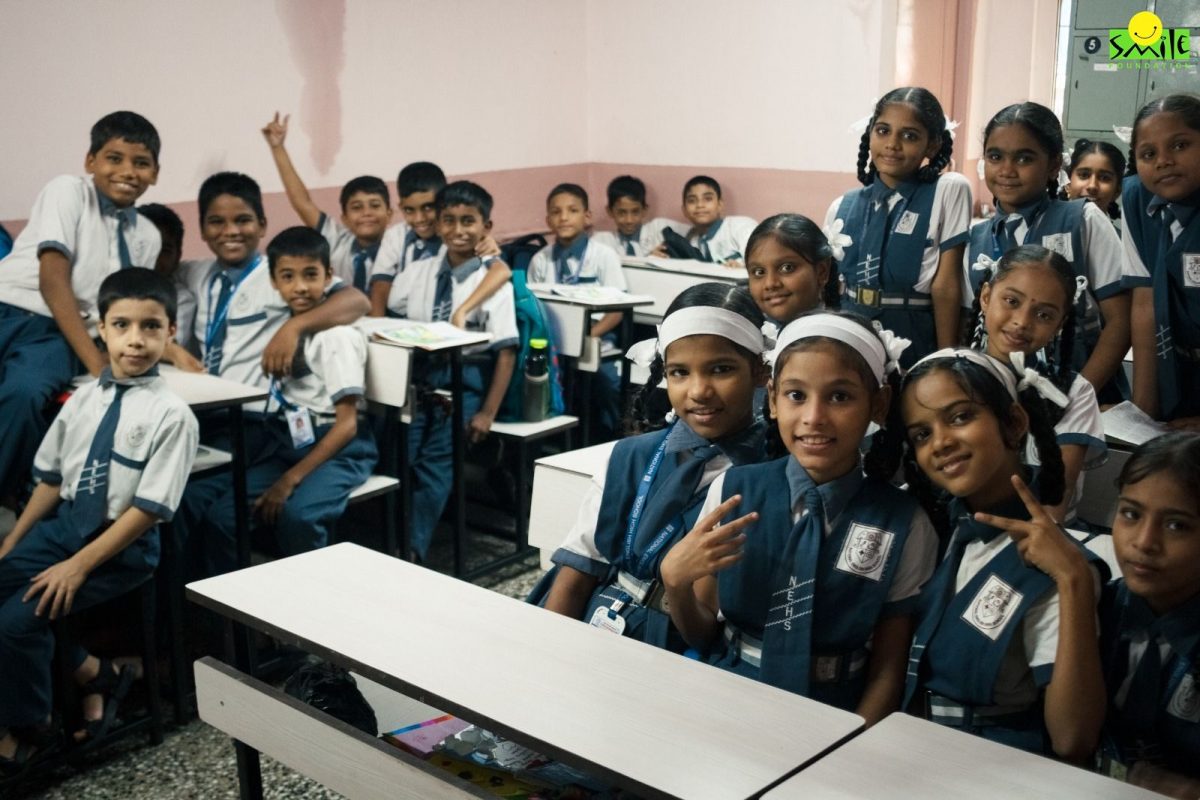
By integrating the SDGs into the school syllabus, we have the opportunity to nurture a generation of empowered and socially conscious individuals who are equipped to address the pressing issues of our time.

Why Integrate SDGs into the School Syllabus?

Integrating the SDGs into the school syllabus serves several important purposes. Firstly, it exposes students to the global challenges and opportunities outlined in the SDGs from a young age, fostering a sense of global citizenship and responsibility. By incorporating topics of social value into various subjects, students develop a holistic understanding of these issues and their interconnectedness. This multidisciplinary approach encourages critical thinking, problem-solving and empathy, essential skills for navigating the world with practical knowledge about things of great importance.

Furthermore, integrating the SDGs into the school syllabus helps bridge the gap between theory and practice. Instead of learning about abstract concepts in isolation, students engage in real-world projects and activities that address local and global challenges.

Whether it is conducting environmental audits, organising community service projects or advocating for policy change, students have the opportunity to apply their knowledge and skills in meaningful ways, making a tangible impact in their communities.

Case Studies and Best Practices for building SDGs into School Syllabus

Several countries and educational institutions around the world have already made significant strides in integrating the SDGs into their school syllabi. For example, in Finland, the national core curriculum emphasises sustainable development across all subjects, from mathematics to arts and crafts. Students learn about environmental conservation, social justice and responsible consumption through hands-on projects and experiential learning opportunities. Similarly, other countries incorporate the SDGs into the curriculum and promotes active citizenship and environmental stewardship.

In addition to national initiatives, many schools and educators are taking innovative approaches to integrate the SDGs into their teaching practices. For instance, some schools have adopted project-based learning models, where students work collaboratively on interdisciplinary projects related to the SDGs. Others have incorporated service-learning components, where students engage in community service projects aligned with specific SDGs, such as food drives, environmental clean-ups or health awareness campaigns.

Challenges and Opportunities

While integrating the SDGs into the school syllabus offers immense benefits, it also presents certain challenges. One of the main challenges is the need for teacher training and capacity building. Many educators may lack awareness or understanding of the SDGs and how to incorporate them into their teaching. Therefore, investing in professional development programs and resources is essential to support teachers in effectively integrating the SDGs into their curriculum.

Additionally, there may be logistical challenges, such as aligning curriculum standards, developing appropriate teaching materials and assessing student learning outcomes. However, these challenges also present opportunities for collaboration and innovation. By leveraging technology, partnerships with civil society organisations and peer-to-peer learning networks, educators can overcome these obstacles and create engaging and impactful learning experiences for students.

Conclusion

Experts emphasise the urgent need to popularise the Sustainable Development Goals (SDGs) among students and foster collaboration among diverse stakeholders. This is with the recognition of students as potential ambassadors of change.

The capacity of students to instigate transformation, both individually and within their communities. Through their actions, students can generate positive change, focusing on personal goals and aspirations to contribute meaningfully to sustainable development.

Recognising the paramount importance of SDGs, experts are advocating for a significant increase in the incorporation of SDG-related themes into academic curricula. The transition from a mere 5 percent to 50 percent representation of SDGs in course content is being proposed, reflecting the growing significance of sustainability education across disciplines.

As educators, policymakers and stakeholders, we share a collective responsibility to ensure that every child receives a quality education that prepares them to contribute to a more just, peaceful and sustainable world. By embedding the SDGs into the school curriculum, we lay the groundwork for a brighter, more resilient, and inclusive future for generations to come.
Categories
Education

Educated Girls as Community Mobilisers

When a person or an organisation starts their journey to ensure girl child education, they understand that the road ahead would not be easy – neither for them, nor for the girl they are trying to bring into the education fold. They knew that the process of educating girls would entail battling patriarchy absence of no money in their families and lack of holistic policies.

In 2004, when Beti Bachao Beti Padhao was unheard of, many development organizations including Smile Foundation started to address the issue of the education of girls, especially in the rural parts of India. Prioritising girl child education became a matter of national concern.

Resistance from families, lack of motivation and the reluctance of girls were major roadblocks encountered when trying to increase awareness about the importance of girl child education in the rural parts of India. Rajasthan, Madhya Pradesh, Uttar Pradesh and Bihar are some of the states where major interventions were needed as child marriages were on a rise and most families did not see it as wrongdoing.

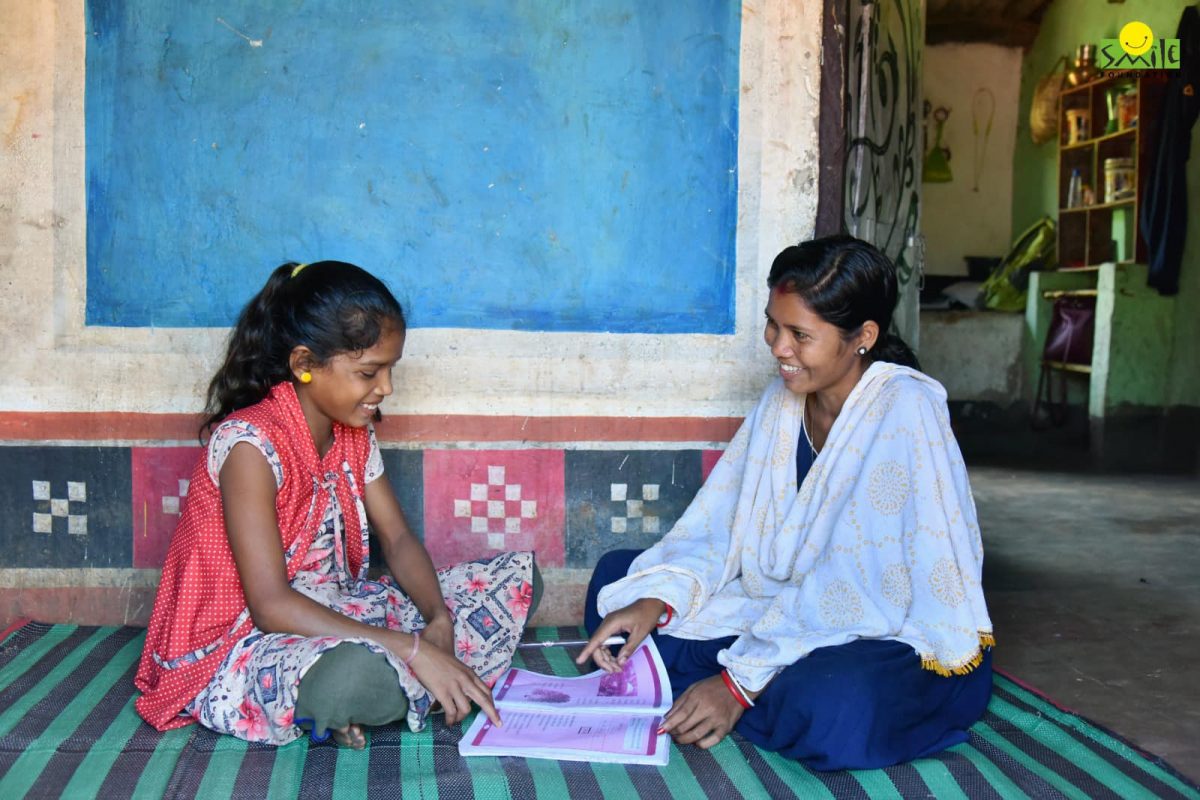
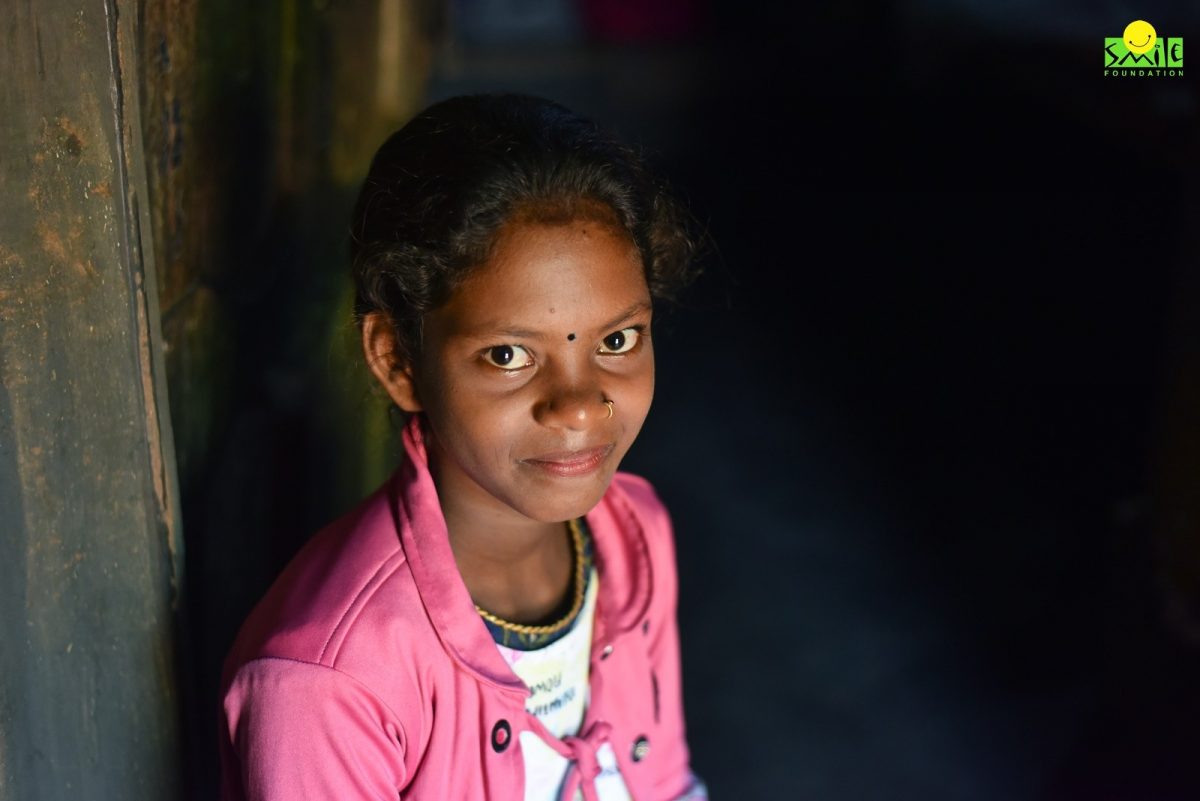
The mission became clear – to put millions of girls back in schools so that they have decision-making power in their families through financial independence. The process also results in girls as community mobilisers carrying the torch of change with them and lighting up the lives of many other girls.

Education plays an important role in curbing child marriage, addressing the lack of care towards girls and ensuring the availability of basic facilities like toilets in schools.

The Power of Community Mobilisation

At the heart of the effort to promote girl child education lies the concept of community mobilisation. Communities are not just passive recipients of aid – they are active agents of change. By engaging communities in the education process, we harness their collective wisdom, resources and support to create sustainable solutions.

Community mobilisation involves raising awareness about the importance of girl child education, dispelling myths and misconceptions, and fostering a supportive environment for girls to learn and thrive. It means working with parents, religious leaders, local authorities and other stakeholders to address cultural barriers and ensure that girls are encouraged to pursue their education.

Patriarchy has hollowed the girls from within and shaken their self-esteem. When the door-to-door campaign to identify girls begins, volunteers try to convince the entire family. Once girls start attending school, bridge courses are provided to support first-generation learners.

Across the globe, there are numerous examples of successful initiatives that have leveraged community mobilisation to promote girl child education. In India, community-based organizations have been instrumental in addressing the root causes of gender disparity in education. By working closely with communities, they have been able to increase enrollment, reduce dropout rates and improve learning outcomes for girls in some of the most marginalized areas.

Similarly, in countries like Rwanda and Bangladesh, community-based programmes have played a vital role in increasing access to education for girls. By engaging with local leaders and influencers, these initiatives have been able to challenge traditional gender roles and norms, paving the way for greater gender equality in education.

Educated Girls as Community Mobilisers

Educated girls mobilise communities towards positive change. Armed with knowledge and confidence, they become agents of empowerment, advocating for education and challenging entrenched social norms. One way in which educated girls mobilise their communities is through peer-to-peer support networks.

By sharing their own experiences and successes, they inspire other girls to pursue education and break free from traditional gender roles. These networks also provide a platform for girls to discuss issues affecting their lives and collectively find solutions.

Moreover, educated girls often take on leadership roles within their communities, serving as role models and mentors for younger girls. Whether through school clubs, community organisations or grassroots initiatives, they leverage their education to address local challenges and advocate for change. By amplifying their voices and leading by example, educated girls inspire others to follow suit, creating a change of mindset in other girls and the communities they come from.

Furthermore, educated girls are more likely to engage in community development projects and social activism. They understand the importance of giving back to their communities and are committed to making a difference. Whether it is volunteering at local schools, participating in health campaigns, or advocating for women’s rights, educated girls are at the forefront of efforts to build stronger, more resilient communities. Through their actions and leadership, they demonstrate the real power of education and inspire others to join them in shaping a better future for all.

Looking Ahead

As we look to the future, it is clear that the education of girl children and community mobilisjation must remain central to our efforts to build a more just, equitable and sustainable world. Girl child education and community mobilisation are not just noble ideals – they are essential pillars of human development. By working together, we can create a world where every girl has the opportunity to learn, grow, and thrive—a world where no girl is left behind.

While corporates have supported our girl child education work, the backing of state governments has been instrumental in penetrating remote areas. By addressing societal barriers and leveraging community support, we not only empower the journey of girls as community mobilisers but also catalyse broader social change. As we celebrate our achievements and contribute a little more towards girl child education, let us be inspired to continue the fight for equal educational opportunities for all children, irrespective of gender.

Categories
Health Education

Importance of Health Camps in Schools

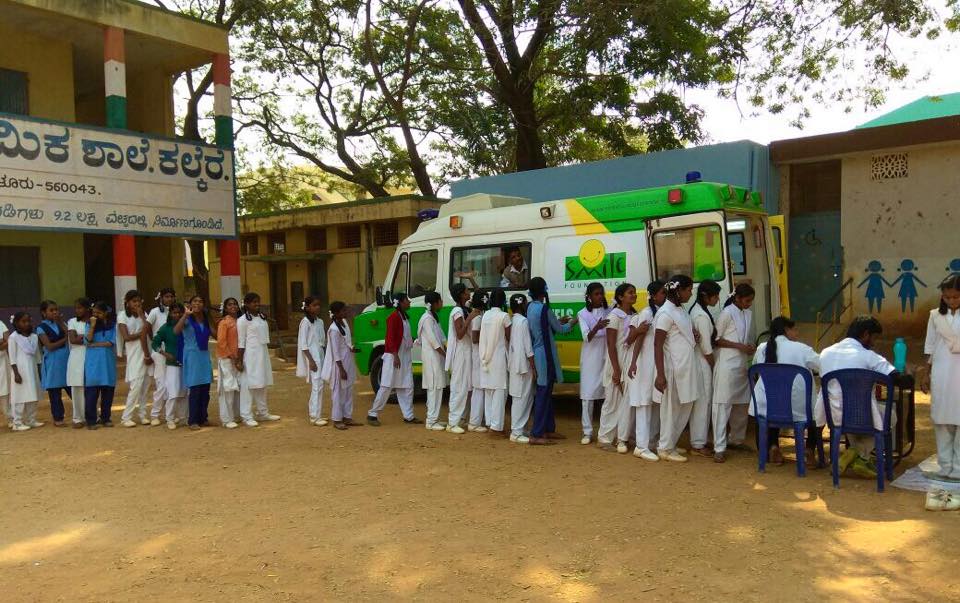
Health camps in schools of India sparks conversations about hygiene, nutrition, and preventive care. Offering more than routine check-ups- they empower students to become stewards of their own health.

But why are these health camps so important?

  1. Preventive Healthcare: In a country where preventable diseases loom large, early detection is key. Health camps provide students with essential screenings, ensuring potential health issues are identified and addressed promptly. By promoting preventive healthcare, these camps empower students to take proactive steps towards a healthier future.
  2. Hygiene Awareness: Hygiene is about both cleanliness and safeguarding against illness and promoting overall well-being. Health camps conduct interactive sessions on handwashing, dental care, and personal hygiene, instilling habits that serve as the first line of defense against infections and diseases.
  3. Nutritional Support: Good nutrition is essential for physical and cognitive development. Health camps bridge gaps in nutrition by providing access to nutritious meals, nutritional counseling, and awareness programs on balanced diets. By nourishing young bodies and minds, these initiatives pave the way for a healthier tomorrow.
  4. Mental Health: Mental health is a growing concern, especially among young learners. Health camps offer a safe space for students to express their emotions, seek support, and learn coping strategies for stress and anxiety. By nurturing emotional well-being, these camps promote resilience and overall happiness.
  5. Enhanced Learning: A healthy body is important for a sharp mind. By addressing health-related barriers to learning, such as poor vision or untreated illnesses, health camps create an environment conducive to academic success. When students feel physically and mentally well, they are better able to engage in learning and reach their full potential.

So, how do these health camps come to life?

A team of dedicated healthcare professionals, supported by passionate volunteers reach school campuses with banners flying high. From health stations offering check-ups to lively workshops on nutrition and hygiene, the students eagerly line up for check-ups, screenings, and interactive workshops.

In one corner, a group of students gathers around a nutritionist, learning about the importance of balanced diets and making healthy food choices. Nearby, a team of counselors offers a safe space for students to discuss mental health concerns and seek support. And this strengthens the spirit of community and collaboration, as teachers, parents, and volunteers come together to support the well-being of the next generation.

As the day draws to a close, the impact of the health camp reverberates throughout the school. Students depart with newfound knowledge and a renewed commitment to their health, while teachers and parents gain valuable insights into supporting the well-being of students. And for the development organizations behind the scenes, the satisfaction of knowing they have made a difference in the lives of countless children fuels their ongoing efforts to promote health and wellness in schools.

Smile Foundation organizes health camps in schools

Promoting holistic well-being among school children, Smile Foundation is organizing health camps in schools across India, touching the lives of thousands of students. These health camps encompass a range of services aimed at nurturing the physical, mental, and emotional health of students.

From providing primary healthcare services to conducting awareness sessions on hygiene, nutrition, and mental health, Smile Foundation’s health camps support students from diverse backgrounds with the knowledge and tools they need to lead healthier lives.

Categories
Women Empowerment

Celebrating Mother’s Day with Real Stories of Triumph

Every year the world dives in to celebrate Mother’s Day with zest. On May 12, we acknowledge the continuous efforts of a mother to nurture her children regardless of any circumstances of life. She withstands storms of difficulties while protecting her child’s future by giving her/him healthy nourishment, power of quality education and skills so that they can grow up to be strong individuals who can achieve and build a stable and successful life for themselves. 

If one looks at a mother’s journey, then one shall realize that when a woman becomes a mother, she somehow stops being the woman she used to be before motherhood. She changes her lifestyle options, her decisions about career and many more things about herself, just to ensure that her child gets the best of care and her thorough attention. These little adjustments and big compromises shape her journey of motherhood which is why there is no denial in stating that a woman can stop being a woman, but a mother can never stop being a mother. Some women choose otherwise and that’s okay too.

As a way of showing our wholehearted gratitude towards every mother’s journey of her unique motherhood, we are sharing a few ground stories of real mothers from different corners of India, who have become exemplary examples of powerful mothers. These stories reflect the undying spirit of mothers who bore all sorts of difficulties only to pave a brighter future for their children and families. 

Mother India- Tales of Women Economic Empowerment 

Nagratna-  A Helper Helped herself to become an Entrepreneur

Nagratna hails from Narayankare Village, a small rural district in Bengaluru, Karnataka. Once a humble helper who would go from house to house doing household chores, Nagratna and her family’s perpetual financial condition was a hand-to-mouth situation. But the real setback to her came when the pandemic started, which plunged her family into uncertainty. But fortunately, Nagratna got to know Smile Foundation and its work for women empowerment.

Introduction to the Swabhiman program felt like a lifeline to Nagratna. With guidance and financial support, she her own snacks business and began her entrepreneurship journey.

Through perseverance and comprehensive training, Nagratna’s small business turned into a sustainable source of income, providing stability for her family.

Driven by her dreams, Nagratna aspires to expand her business, nurturing her children’s dreams and hoping for a comfortable life for them. In doing so, she is inspiring other women to take charge of their own lives too .

Raj Kumari – “Stitching Dreams of Empowerment”

Once a dedicated homemaker, Raj Kumari’s life took a turn when she decided to start her own business. Her journey, driven by curiosity and fueled by sheer determination, led her towards learning financial literacy.

Initiating her journey with basic stitches and little knowledge, Raj found her true calling and potential through the Swabhiman program. Despite familial reservations, she worked hard to achieve her dream of financial independence.

Silencing the negative thoughts and discouragement of her family, she continued to garner new learning and ways to enhance her stitching skills. She received conclusive tailoring training through online classes which helped her in learning new techniques. As a result, she can now stitch a variety of garments flawlessly. 

With continuous efforts and constant support from the trainers of the Swabhiman program, she has now opened her small boutique with many regular clients who admire Raj’s new designs – uncommon in their town. Her popularity has spread across the area. Seeing her success, those people who were against her for pursuing her passion have finally come around to supporting her and want to learn a few things themselves from Raj.

Raj feels glad that she did not give up on her dreams and continued her training with our initiative. She says she is happy that now she can inspire many other girls, wives, and mothers and start their journey of empowerment and independence. 

Smile Foundation-Celebrating Women’s Empowerment on Mother’s Day

The stories of Nagratna and Raj Kumari are just a few examples of the powerful women we have come across through the Swabhiman program. Smile Foundation truly believes that women, especially mothers play a vital role in shaping society’s future.

Without a doubt, when a woman is empowered, she becomes the catalyst for progress and stability in her community.

Swabhiman offer mothers comprehensive healthcare, including reproductive and sexual health services, and make them understand and practice nutrition awareness for their physical well-being. Embracing a life-cycle approach, Swabhiman addresses every aspect of a mother’s development, including financial well-being, ensuring she emerges as a strong, independent individual.

Smile Foundation celebrates this Mother’s Day by envisioning a future where every Indian mother embodies good health and true empowerment, inspiring generations to come. It is time we unite to make a world where mothers are revered as the cornerstone of empowerment. 

Categories
Health

ASHA Workers- without whom Primary Healthcare is Impossible


The backbone of primary healthcare in India often goes unnoticed and unappreciated. While doctors and nurses receive accolades for their tireless efforts, it is the ASHA workers who toil silently in the background, ensuring that healthcare reaches the remotest corners of the country. ASHA stands for Accredited Social Health Activist, and these women are the unsung heroes of the Indian healthcare system.

The journey of Mitanins to the ASHA framework

The journey of ASHA workers traces back to the early 2000s, when the state of Chhattisgarh pioneered the concept of community health workers known as Mitanins. These women, known as friends in times of sorrow, became the pioneers of care work in resource-deficient communities. Inspired by their dedication, the ASHA framework was established, giving birth to a cadre of almost 10 lakh women across the country.

ASHA workers are not just healthcare providers- they are advocates, friends, and change agents rolled into one. They bridge the gap between communities and the formal healthcare system, bringing care to the doorsteps of those who need it the most. However, their journey is fraught with challenges.

Who cares for the ASHA workers?

Despite their important role especially in providing primary healthcare services, ASHA workers are overworked and underpaid. They often work long hours, juggling responsibilities between their homes, communities, and healthcare centers. Many struggle to make ends meet, facing risks of anemia, malnutrition, and non-communicable diseases due to poor working conditions and lack of resources.

Sometimes, an ASHA worker is the sole healthcare provider for a village of 1,000 people, navigating the challenges of vaccine hesitancy and supply shortages even amidst pandemics. Despite the workload, she prefers to work alone, fearing that sharing responsibilities would further diminish her meager earnings.

The COVID-19 pandemic only exacerbated the plight of ASHA workers. They were at the forefront of the battle against the virus in rural areas. They were conducting door-to-door surveys, contact tracing, and promoting vaccination. Yet, their contributions often go unnoticed, and they face verbal abuse and violence from community members.

They are fighting for what’s right

Over the years AHSA workers have demanded for fair wages and a decent life for themselves. Like in Maharashtra, ASHA workers went on a week-long strike to demand better wages and working conditions. Similar protests are reported from other parts of the country, highlighting the systemic neglect these frontline workers face. Despite promises of incentives and support from the government, many ASHA workers have yet to receive adequate compensation for their efforts.

The challenges the ASHA workers face are multi-faceted and require urgent attention. Structural reforms, including salary hikes, timely payments, and insurance coverage, are essential to improve their livelihoods and ensure their well-being. Moreover, there is a need to recognize them as formal employees rather than honorary workers. It is time we acknowledge their invaluable contribution to the healthcare system.

Despite the hardships, ASHA workers remain resilient and committed to their cause. They continue to serve their communities with dedication and compassion, often at great personal sacrifice. For many ASHA workers, the communities, they say, “They’re like my own family now.” It is time we recognize the invaluable role ASHA workers play in shaping the health outcomes of millions of Indians and provide them with the support and respect they deserve.

ASHA workers are integral to Smile Foundation’s community outreach efforts. They serve as trusted intermediaries between the organization and the communities they serve, facilitating communication, trust-building, and awareness-raising activities. They play a critical role in disseminating information about the healthcare and education initiatives of Smile Foundation, including vaccination drives, health camps, and awareness sessions on maternal and child health, hygiene, and nutrition.

Categories
Education

Training Teachers in STEM Education

In a groundbreaking initiative, teachers in Uttar Pradesh are undergoing specialized training in science, technology, engineering, and mathematics (STEM) education. Spearheaded by experts from the Indian Institute of Technology (IIT), this program aims to equip teachers with innovative teaching methodologies to enhance learning outcomes among students in classes 6 to 8.

The training sessions, conducted at the State Institute of Educational Management and Training (SIEMAT) in Prayagraj, mark a significant departure from traditional teaching methods. With a focus on experiment-based learning, the program seeks to inspire teachers to adopt hands-on approaches that foster curiosity and critical thinking among students.

What is the training trying to do?

The training aims to instill confidence in teachers to embrace experiential STEM education. By incorporating practical experiments into their lessons, teachers can ignite the interest of students in learning and facilitate deeper conceptual understanding.

The overarching goal of the initiative is twofold- first, to cultivate a passion for experiential learning among teachers, and second, to empower them to integrate hands-on teaching practices into their classrooms effectively. This approach not only enhances the engagement of students but also focuses on their problem-solving skills and critical thinking abilities.

By allowing students to explore concepts through experiments and practical activities, teachers can ignite their creativity and instill a sense of achievement and confidence. These master trainers will then cascade their knowledge and skills to teachers in their respective districts, creating a chain effect that extends the benefits of experiential STEM education across the state. By empowering teachers as agents of change, the program seeks to transform classrooms into vibrant learning environments where students are actively engaged in hands-on exploration and discovery.

Practice over pages always

The significance of hands-on learning in STEM subjects cannot be overstated. Research has consistently shown that practical experiments not only enhance the conceptual knowledge of students but also boost their creativity and problem-solving abilities. When students have the opportunity to construct models and conduct experiments, they develop a better understanding of scientific principles and gain a sense of ownership over their learning.

When students have the opportunity to construct models and conduct experiments, they develop a better understanding of scientific principles and gain a sense of ownership over their learning.

Is it a watershed moment?

In conclusion, the training of teachers in STEM education represents a watershed moment in the field of education in India. By equipping teachers with the knowledge, skills, and resources to deliver high-quality STEM education, the program lays the foundation for a more innovative and inclusive educational system with the potential to inspire a new generation of innovators, scientists, and engineers.

Through collaborative efforts between educational institutions like harnessing the expertise of IITs, government agencies, and development organizations like Smile Foundation, India can nurture a new generation of thinkers, innovators, and problem-solvers poised to tackle the challenges of the 21st century.

Categories
Women Empowerment

Don’t Subject Girls to Body-image Issues

Girls globally tend to spend more time on social media than boys, and recent findings suggest that this trend is adversely affecting their mental health, according to a new report from the United Nations Educational, Scientific and Cultural Organization (UNESCO). Released as part of the Global Education Monitoring (GEM) report, the study examines the intersection of education, technology, and gender, particularly focusing on the engagement of female students with digital platforms.

One of the key findings of the report highlights the negative impact of social media on the wellbeing of girls. It points out that social media algorithms often amplify negative gender norms and practices, leading to increased body-related image concerns among users, particularly girls.

Key findings underscore the potential negative effects including body-image issues

  1. Social media algorithms can reinforce harmful gender norms and behaviors, exacerbating the negative impact on the mental health of students.
  2. Girls, who typically spend more time on social media than boys, experience greater strain on their mental well-being.
  3. Social media users are more likely to report body image concerns compared to non-users.
  4. The addictive nature of certain platforms contributes to excessive screen time, leading to distractions from academic pursuits and extracurricular activities, as well as potential implications for attention spans and learning habits.

The report emphasized the disproportionate impact of social media on the mental health of girls. He highlighted the negative consequences, particularly in terms of learning outcomes, underscoring the need for interventions to mitigate these effects. He underscores the importance of creating inclusive and supportive classroom environments where students feel valued and respected, free from the pressures of social media-induced anxieties.

In the growing area of digital education, technology is generally viewed as a positive tool for enhancing learning experiences. However, the unchecked proliferation of social media poses unique challenges. While digital platforms offer access to a wealth of information and resources, they also present risks, especially when it comes to mental health and well-being.

The struggles of parents worldwide

The report shared the struggles of a parent about her daughter’s struggles with social media and its impact on her mental health. Despite being an accomplished student with a keen interest in biology and the environment, her daughter’s exposure to harmful content online led to a decline in her mental well-being, culminating in a battle with anorexia. You can hear many such parents in our country sharing the same sentiment. Parents feel troubled about the growing negative impact of social media on their children and want policy actions that can protect their kin.

In the report, a child and youth psychiatrist, highlighted the pervasive influence of social media on the body-image issues of young people. She underscored the challenges of navigating online content, particularly for individuals dealing with mental health issues, urging for greater awareness and regulation.

A wake-up call!

The UNESCO report serves as a wake-up call, shedding light on the urgent need to address the negative ramifications of social media on the mental health of girls. Digital literacy and resilience among young people equips them with the skills to navigate the online landscape safely and responsibly.

In conclusion, while technology offers tremendous opportunities for education and empowerment, it also presents significant risks, particularly concerning mental health. As educators, parents, and policymakers, we must work together to promote positive digital experiences and safeguard the well-being of young girls like in Smile Foundation‘s empowerment program Swabhiman in an increasingly connected world.

Categories
Education

Teachers as Thought Leaders

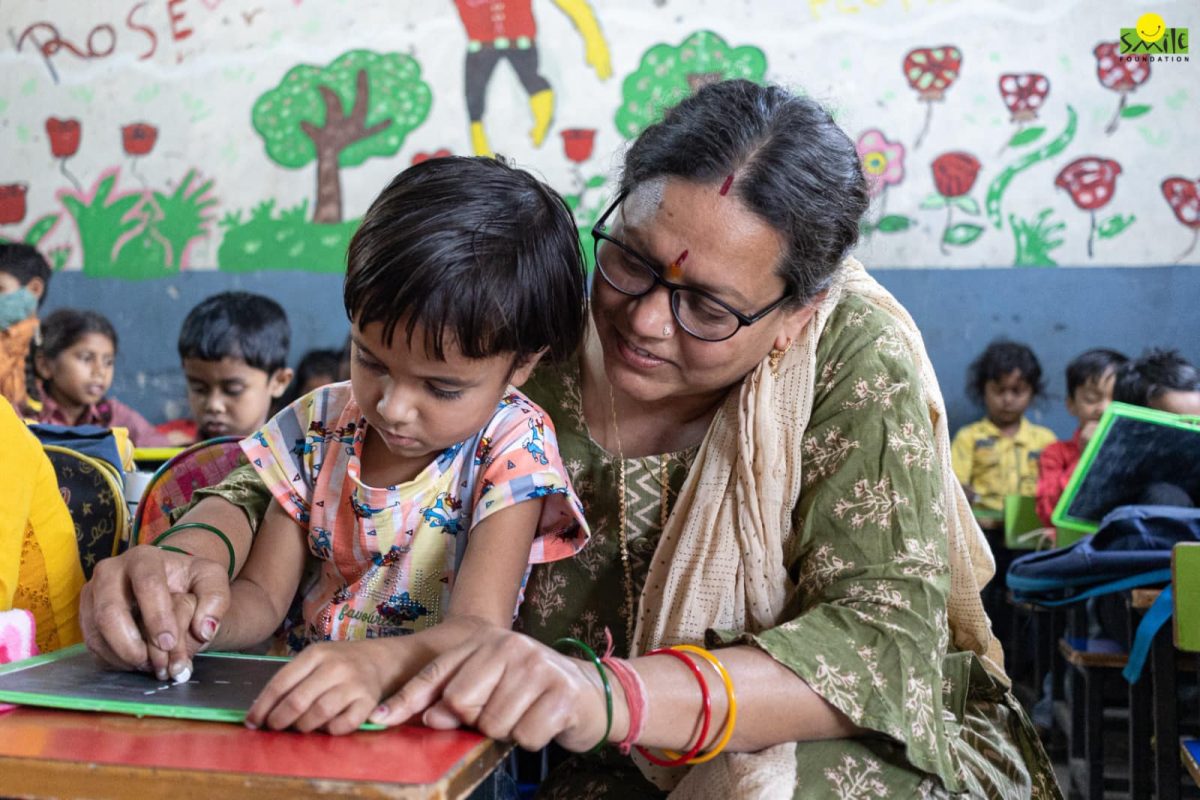
Who are teachers? Are they conduits of knowledge, tasked with imparting information to students? Are they instructors whose roles are restricted to the four walls of classrooms? Our understanding and close association with teachers at our Mission Education centers reveals a profound truth-teachers are thought leaders shaping the intellectual landscape of tomorrow. They are those who shape the minds of the future generation, instilling critical thinking skills and fostering intellectual curiosity.

Teachers as thought leaders

One of the distinguishing features of thought leaders in education is their ability to go beyond the prescribed syllabus and encourage students to question, analyze, and form their own opinions. Instead of spoon-feeding information, they create an environment where they empower students explore diverse perspectives, challenge conventional wisdom, and develop a deeper understanding of the subject matter.

In the Indian context, where rote learning has been a prevalent practice, the emergence of teachers as thought leaders is crucial for fostering a culture of innovation and creativity. By encouraging students to think independently and critically evaluate information, teachers can equip them with the skills necessary to thrive in an increasingly complex and interconnected world.

Furthermore, thought leaders in education possess a critical analytical mind, enabling them to deconstruct complex concepts and present them in a relatable manner. They leverage their expertise to engage students in meaningful discussions, drawing connections between theory and real-world applications.

An example

For example, a history teacher may not merely recite facts about India’s independence movement but delve into the socio-political dynamics, ideological differences, and the role of grassroots leaders. By contextualizing historical events and encouraging students to analyze primary sources, the teacher transforms the classroom into a vibrant space for intellectual exploration.

Moreover, thought leaders in education lead by example, demonstrating a lifelong commitment to learning and personal growth. They actively seek out new ideas, participate in professional development programs, and engage in collaborative research projects. By staying abreast of the latest trends and innovations in their field, they inspire students to adopt a growth mindset and pursue excellence in their academic pursuits.

Inspiring: The real role of teachers

In conclusion, teachers as thought leaders play an indispensable role in shaping the future of education in the Indian subcontinent. By transcending the traditional role of instructors and embracing their role as intellectual guides, they empower students to think critically, question assumptions, and navigate the complexities of the modern world. Through their dedication, passion, and intellectual curiosity, they inspire the next generation of leaders, innovators, and changemakers.

Categories
Education

Top 5 Blogs for Children in India

The internet can be a vast and overwhelming space, especially for young minds. But within this digital landscape lie hidden gems – blogs specifically designed to engage, educate, and entertain children. These blogs cater to a variety of interests, from science experiments to storytelling, and can be a fantastic way to spark curiosity and ignite a love for learning.

In India, there is a growing number of creative and informative children’s blogs. Find here the top 5 contenders that will keep your kids glued to the screen (in a good way).

Best Blogs for Children

1. Tinkle – A Treasure Trove of Stories and Activities

kvYiSbqs2D7IPFK0LkzEe7U4uS8Rtz9iggvHPFy5tjDtIYP1ctznp QRflfShkDNDa3qkJ1q18nRt4kjgViZqij8suQ50eqJhonoAI 1ZXTi6eAJ ncwEy

Established in 1980, Tinkle is not only a blog – it is a legendary children’s magazine that has transitioned beautifully into the digital world. Their blog, Tinkle Online – tinkle.in is a treasure trove of engaging content. Kids can delve into captivating comics featuring popular characters like Suppandi and Shikari Shambhu. Interactive puzzles, riddles, and brain teasers challenge young minds, while informative articles spark curiosity about the world around them. Tinkle also offers downloadable activity sheets, keeping the fun going offline.

SmNk0pGKYixLz9FIUnxT tS7EwKqSBFXXxfJ6ymJW7A06ncscKkoWa QzBIrADv3kJXtSNXkV9 AOqhqoFMORvmBkB2GuXDye7Wvf8YkHlik3dgyS2kPTt1coqMGIiGjTGNX2 ptvJRaUiZdbD2TSOw

2. National Geographic Kids India – Adventures Await!

Who doesn’t love National Geographic? This iconic brand brings the wonders of the natural world right into your child’s room with National Geographic Kids India.

Kids can learn about everything from majestic lions and playful dolphins to creepy crawlies and fascinating amphibians. The site features stunning photographs and informative articles that bring the animal kingdom to life.

lNxwm3zZeVO5RAEDuFGpYK7ve7lVaK f2s5AErgpGLNxKSYIgG2F6TAPind5Y7Dmog7eYh8JtpZZOE Q jQHNA5zABaGsWvcA93SxuhQQA3YMIV3qAVS1FdZxkHxJI

The site ignites a passion for science in young minds. Through interactive games, experiments, and articles, kids can explore the wonders of science, from the mysteries of the human body to the power of volcanoes. 

It takes kids on a thrilling adventure through the cosmos, exploring planets, stars, and galaxies. They can also learn about the history of space exploration and the brave astronauts who have ventured beyond our planet. The site also features interactive features that allow kids to step back in time and experience history firsthand.

M NwiwX szlRTWnhLJBBaHUoeGoNcVyuN8uAViANB6 gGLCMc0S N9mNwSr7ByIYdeoJVekKIy02nhWXEJ83YHn 3MRLXei60qp80Zq9SSvkKF3jp7H o1WalEZuXl17KSthcg5S67hHFv9tne0OMnQ
Ez16wOKa lVpikUzkbGpGsDyKgN3Av2MEs5jO1AK9s 0FXaP aLssP77gmpXwY8Ilttet16L3WRMI7VO q78ffcSOm8aHVzKuqJK6mTMFdGzgqOJpMYWCPjQVSKzRnJwbV0b9dRYfSpYbdsDOD76SY
TGW65 EmltpWde Xn9X oc47aKEOir

3. Chandamama 

Chandamama was a classic monthly kids magazine, which the great grandparents of current generation kids might also have read. This is a web version of it containing copies of old magazines. It has stories based on Indian folklore, mythology and historical events. 

It is a good site to show children how kids magazines used to be in older times with stories based on Indian mythology and folktales. 

4. The Kid Should See This

If you are looking for a way to replace mindless screen time with something truly enriching, check out “The Kid Should See This.” This website offers a treasure trove of educational videos that spark curiosity, inspire creativity, and make learning an exciting adventure for kids. With its diverse content, emphasis on wonder, and focus on age-appropriate material, TKSST fosters a love of knowledge while promoting critical thinking skills and encouraging offline exploration. It is a fantastic resource for parents and educators who want to make learning fun and engaging!

5. The Origami Club

The Origami Club website is a fantastic resource for anyone wanting to dive into the world of paper folding. With its extensive library of clear, illustrated instructions, video tutorials, and projects rated by difficulty, it caters to everyone from total beginners to seasoned origami enthusiasts.  Origami itself is not just a fun activity – it also promotes valuable skills like fine motor coordination, focus, spatial reasoning, and creative expression.

Whether you are a parent seeking a wholesome and engaging activity for your child or an adult looking for a relaxing yet stimulating hobby, the Origami Club’s website makes this beautiful art form accessible to all.

Beyond the Top 5 Blogs for Children: Exploring a World of Knowledge

These are just a few of the many fantastic children’s blogs in India. As you explore the digital world, keep your child’s interests in mind. Here are some additional tips for finding great content –

  • Age-appropriateness: Make sure the blog’s content aligns with your child’s age and developmental stage.
  • Safety: Look for blogs with a clear privacy policy and parental controls if needed.
  • Visual appeal: Eye-catching graphics and illustrations can keep children engaged.
  • Interactive elements: Games, quizzes, and activities can make learning more fun.

The internet can be a powerful tool for learning and entertainment. By choosing the right children’s blogs, you can open up a world of knowledge, spark curiosity, and nurture the creativity of your child. So, dive into the blogosphere and embark on a journey of discovery together!

Bonus Tip!

While these blogs offer fantastic content, remember that screen time should be balanced with other activities. Encourage outdoor play, social interaction, and physical activity for well-rounded development.

Categories
Insights

Climate Change affecting Human Health

Climate change is an undeniable reality that has been accelerated by human activities, leading to a myriad of environmental and health impacts. The rise in global temperatures, driven primarily by the burning of fossil fuels, has resulted in more intense heatwaves, rising sea levels, and disruptions to ecosystems worldwide. Effects pf climate change are not future projections – they are already manifesting in our present reality, with devastating consequences for both natural systems and human societies.

These events pose significant risks to human health, livelihoods, and infrastructure, particularly in vulnerable regions with limited resources to adapt. Moreover, climate change exacerbates existing inequalities, disproportionately impacting marginalised populations who lack access to essential services and resources.

What is Climate Change?

Climate change is a complex phenomenon resulting from various human activities, primarily the emission of greenhouse gases such as carbon dioxide (CO2) from burning fossil fuels. These emissions trap heat in the Earth’s atmosphere, leading to a gradual increase in global temperatures.

The effects of climate change are already being felt around the world, with devastating impacts on both natural and human systems. For instance, coastal communities are facing increased flooding and erosion due to rising sea levels, while agricultural productivity is declining in many regions due to changing weather patterns and water scarcity. Moreover, vulnerable populations, such as the poor, elderly, and marginalised groups, are disproportionately affected by climate-related disasters and health risks.

What do the Scientists think about this?

The urgency of addressing climate change cannot be overstated. Scientists warn that without immediate and concerted action, the worst effects of climate change will become increasingly severe and irreversible. The scientific community has warned that time is running out to limit global warming to manageable levels and avoid catastrophic consequences. This urgency is underscored by the recent findings that global warming has exceeded 1.5°C, a critical threshold identified by the Intergovernmental Panel on Climate Change (IPCC) as necessary to avoid catastrophic impacts.

Efforts to mitigate climate change involve reducing greenhouse gas emissions through transitioning to renewable energy sources, improving energy efficiency, and adopting sustainable practices in sectors such as transportation, agriculture, and industry.

In addition to extreme weather events, climate change is also contributing to longer-term shifts in weather patterns and environmental conditions. This includes the rapid melting of glaciers and ice sheets, which is leading to rising sea levels and threatening coastal communities with inundation and displacement. Furthermore, the warming of the oceans is disrupting marine ecosystems, leading to coral bleaching, ocean acidification, and the loss of biodiversity.

The impacts of climate change extend beyond the environment to encompass human health and well-being. Rising temperatures exacerbate heat-related illnesses and can lead to heatstroke, dehydration, and cardiovascular problems, particularly among vulnerable populations such as the elderly and outdoor workers. In addition, changes in precipitation patterns can influence the spread of vector-borne diseases like malaria and dengue fever, as well as waterborne illnesses such as cholera.

Rising Temperatures and Heat-Related Illnesses

One of the most visible manifestations of climate change is the rise in global temperatures. As heatwaves become more frequent and intense, the risk of heat-related illnesses such as heatstroke, heat exhaustion, and dehydration escalates. Vulnerable populations, including the elderly, children, and individuals with pre-existing health conditions, are particularly susceptible to these effects. Moreover, prolonged exposure to high temperatures can exacerbate cardiovascular and respiratory diseases, leading to increased hospitalisations and mortality rates.

Impact on Infectious Diseases

Climate change is also altering the distribution and transmission patterns of infectious diseases. Rising temperatures and changing precipitation patterns create favourable conditions for the proliferation of disease vectors such as mosquitoes, ticks, and rodents. This has led to the spread of vector-borne diseases like malaria, dengue fever, and Lyme disease into new geographic areas. Additionally, extreme weather events such as floods and hurricanes can disrupt sanitation infrastructure, leading to outbreaks of waterborne diseases like cholera and typhoid fever.

Air Pollution and Respiratory Health

Climate change exacerbates air pollution, further compromising respiratory health. Higher temperatures increase the formation of ground-level ozone, a harmful air pollutant that can trigger asthma attacks and exacerbate respiratory conditions. Wildfires, another consequence of climate change, release vast amounts of particulate matter and other pollutants into the air, posing significant risks to respiratory health. Long-term exposure to air pollution is associated with a range of respiratory illnesses, including asthma, chronic obstructive pulmonary disease (COPD), and lung cancer.

Impacts on Mental Health

Beyond physical health, climate change also takes a toll on mental well-being. The increasing frequency of extreme weather events, natural disasters, and displacement due to climate-related factors can cause psychological distress, anxiety, and trauma. Furthermore, the uncertainty and unpredictability associated with climate change can exacerbate feelings of helplessness and hopelessness, leading to depression and other mental health disorders. Vulnerable populations, including indigenous communities, low-income individuals, and those living in climate-vulnerable regions, are disproportionately affected by these mental health impacts.

Addressing the Health Impacts of Climate Change

Addressing the health impacts of climate change requires a multifaceted and collaborative approach. Mitigation efforts aimed at reducing greenhouse gas emissions are essential to prevent further warming and mitigate the severity of climate-related health risks. Additionally, adaptation measures such as improving public health infrastructure, enhancing disaster preparedness and response, and implementing early warning systems can help communities cope with the health impacts of climate change.

Moreover, prioritizing health equity and addressing underlying social determinants of health are crucial aspects of climate change adaptation and resilience-building efforts. By ensuring access to healthcare, social support services, and economic opportunities, we can mitigate the disproportionate impacts of climate change on vulnerable populations and promote health equity for all.

Addressing climate change requires concerted efforts at multiple levels, including government policies, business practices, and individual actions. Transitioning to renewable energy sources, reducing carbon emissions, and promoting sustainable land use practices are essential steps to mitigate the impacts of climate change and build resilience in communities. Moreover, investing in climate adaptation measures, such as early warning systems and infrastructure upgrades, can help protect vulnerable populations from the worst effects of climate change.

Collaboration and More Collaboration

At the international level, cooperation and collaboration are essential for addressing the global nature of climate change. Initiatives such as the Paris Agreement provide a framework for collective action and set targets for reducing greenhouse gas emissions. However, achieving these targets will require sustained political will and financial support from all countries, particularly those most affected by climate change.

Individuals also have a role to play in combating climate change through lifestyle choices and advocacy. Reducing energy consumption, conserving water, and supporting sustainable products and practices can all contribute to reducing carbon footprints and promoting environmental sustainability. Furthermore, raising awareness about the impacts of climate change and advocating for policy changes can help mobilise collective action and drive meaningful change.

Effects of Climate Change – The Biggest Concern of All

Climate change is a complex and urgent threat to human health, with far-reaching implications for individuals, communities, and societies. By understanding the interconnectedness of climate change and human health, we can develop comprehensive strategies to mitigate the health impacts of climate change and build resilient and sustainable communities. Through collective action and collaboration across sectors, we can safeguard public health and create a healthier and more sustainable future for generations to come.
The time to act is now, and the stakes could not be higher.

0%