Categories
Nutrition Health

Do You Eat Healthy?

You would know that a major part of our health is related to how well we digest the food we eat. Indigestion is the root of many diseases we face later on in our lives. With that in mind, how well we digest the food ultimately depends on what and how we eat. 

‘Jaisa ann waisa mann’, meaning what you eat decides your mental wellbeing as well, is an old Indian saying, said repeatedly by our forefathers. Food researchers have found that healthy food, food rich in vitamins, protein, minerals and antioxidants, make our brain stress free and happy. While food filled with refined sugar harms our mood and health

The Average Indian Diet

Indian cuisine finds remarkable depth in its simple, everyday ingredients. Staples like rice, wheat, millets, and pulses form the foundation, complemented by the goodness of dairy, vegetables, and fruits. This balance of flavors is beautifully showcased in regional variations, with the North’s affinity for wheat and the South’s love for rice.

However, the average Indian diet presents a paradox. Our diets can often lack sufficient protein and other essential nutrients, leading to malnutrition in significant portions of the population. This dietary imbalance is highlighted in a recent study from PGIMER, Chandigarh, and The George Institute for Global Health, India.

Findings show that many North Indians consume too much salt and phosphorus while not getting enough protein and potassium. In mostly vegetarian households, protein intake averages a concerning 39-57 grams daily, significantly less than the recommended intake based on body weight.

This underscores the importance of awareness about

Nutritional Needs and the Challenges of Healthy Diet Access in India

India currently has around 194.4 million undernourished or malnourished individuals. Child malnutrition rates are alarmingly high, and anemia affects the majority of children under five. States like Maharashtra, Bihar, and Gujarat showing the worst levels of child malnutrition. Poverty, socioeconomic status, and location all contribute significantly to the malnutrition crisis of India.

Addressing malnutrition requires a multifaceted approach, including:

  • Food security: Ensuring that all individuals have access to affordable, nutritious food.
  • Dietary education: Promoting knowledge about balanced meals and the consequences of nutrient deficiencies.
  • Targeted interventions: Providing support for vulnerable groups like children, pregnant women, and the elderly.

Healthy Diet

Eating healthy food is like investing in your body’s long-term well-being.  A diet rich in fruits, vegetables, whole grains, and lean protein provides the essential vitamins, minerals, and fiber that your body craves. 

These nutrients fuel your energy levels, boost your immune system, and protect against chronic diseases like heart disease, diabetes, and some forms of cancer. Think of it this way,  healthy eating lays the foundation for a strong and resilient body that can carry you through life with vitality.

WHO defines a healthy diet in four parts – 

  • Staples like cereals (wheat, barley, rye, maize or rice) or starchy tubers or roots (potato, yam, taro or cassava).
  • Legumes (lentils and beans).
  • Fruit and vegetables.
  • Foods from animal sources (meat, fish, eggs and milk).

Unhealthy Diet! 

To maximize the benefits of healthy eating, it is important to be mindful of foods that can sabotage your well-being.  Top culprits include heavily processed foods, which are often packed with unhealthy fats, added sugars, sodium, and artificial ingredients. These foods can contribute to weight gain, inflammation, and increased risk of chronic disease. It is best to limit your intake of items like sugary drinks, refined carbohydrates (white bread, pastries), processed meats, fried foods, and overly salty snacks.

While indulging in your favorite treats occasionally is okay, be aware of “hidden” sources of unhealthy ingredients. Many pre-packaged foods, sauces, and dressings can contain high amounts of added sugar, sodium, and unhealthy fats. Reading food labels carefully and opting for fresh, whole foods whenever possible is a great way to take control of your diet and limit your intake of harmful ingredients that can undermine your health goals.

Importance of Eating Healthy Food

Beyond physical health, a balanced diet has remarkable power over your mood and mental well-being. Studies show that nourishing foods can reduce symptoms of anxiety and depression, improve focus and concentration,  and promote a more positive outlook on life. When you nourish your brain with the right fuel, you give it the resources to function at its best. Healthy eating is not just about looking good – it is about feeling good, both inside and out. The benefits are numerous –

  • Weight management: Healthy eating helps you maintain a healthy weight or lose weight if needed.
  • Boosted energy levels: Whole foods provide sustained energy, avoiding the crashes from sugary snacks.
  • Disease prevention: Reduces your risk of chronic conditions like heart disease, stroke, type 2 diabetes, and some types of cancer.
  • Improved mental health: A balanced diet promotes positive mood and better cognitive function.
  • Stronger bones and muscles: Eating right supports a healthy body throughout your life.

How to Tell if You Eat Healthy?

Investing in healthy food can seem daunting, but the benefits far outweigh the initial effort. While it takes some adjustment, choosing whole foods over processed ones will benefit your energy levels, digestion, and overall well-being. Start with small changes, like adding an extra serving of vegetables to your meals or replacing sugary drinks with water. Your body will thank you for prioritizing its health, and those small choices will pave the way for a more vibrant and energized you.

Here are some signs you are on the right track –

  • Natural energy: You feel energized throughout the day without major slumps.
  • Stable moods: Your mood is generally positive with fewer episodes of irritability.
  • Digestive health: You have regular bowel movements and minimal bloating.
  • Clarity of mind: You experience focus and mental sharpness.
  • Overall well-being: You simply feel good in your own skin.

In the end, it is right to say that our relationship with food is deeply personal, yet it also shapes the health of our communities. Understanding the link between diet and well-being empowers us to make informed choices. 

We should collectively strive to make healthy diet options accessible for all in India, support education about the benefits of whole foods, and tackle malnutrition with determination. Remember, each time we prioritize nourishing meals, we invest in a better future for ourselves and for generations to come.

In the soace of women empowerment, Smile Foundation’s Swabhiman programme extends its focus beyond traditional boundaries by emphasizing the critical role of healthy diets in fostering holistic development. Recognizing that nutrition is fundamental to women’s well-being and empowerment, Swabhiman integrates education and access to nutritious food as core components of its initiative.

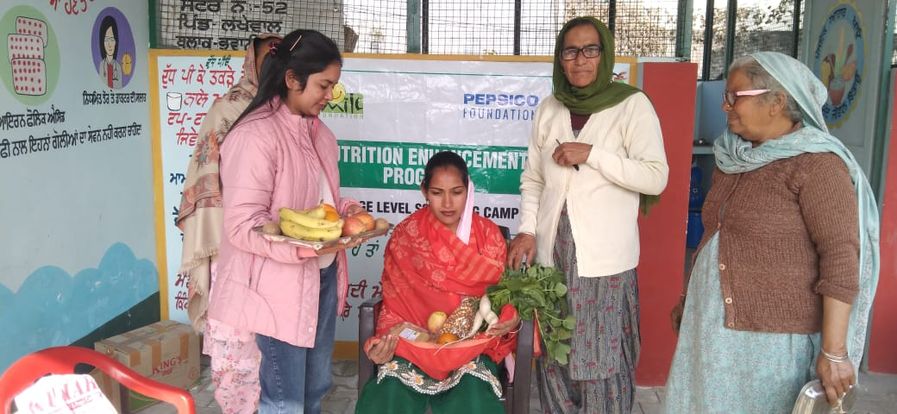
Through various interventions such as nutritional workshops, cooking demonstrations, and provision of balanced meals, the programme aims to empower women with the knowledge and resources to make informed choices about their dietary habits. By promoting healthy eating practices, Swabhiman not only enhances the physical health of women but also empowers them to lead fulfilling lives, contribute actively to their families and communities, and pursue their aspirations with vitality and confidence.
Categories
Education

Learning How to Learn- National Education Policy 2020

Education has been an integral part of Indian history since ancient times. Vedic, Rigveda, Nalanda and Takshila have been prominent pillars of the education system in India. For ages, the rich education system in India has always been a pioneer of inclusive and holistic education focusing on the development of mental, emotional, physical and social skills of the student.  Intrinsic to the core principle of a child’s overall development, the recent education initiative by the government of India- the National Education Policy 2020, (NEP) is a transitional development of India’s educational system welcomed enthusiastically by young learners, parents, educators and institutions. 

Older Policies vs National Education Policy 2020

Over the years, Indian education has undergone transformational and dynamic reformation which has resulted in significant advancement of learners, educators and institutions. Before the NEP 2020, the education system in India was centered on making “education accessible for all’ agenda. However, the NEP has been a wave of change as now it focuses on “learning how to learn”. 

The National Education Policy is a comprehensive integrated educational system that emphasizes developing creative skills, critical thinking and overall holistic development of students studying in primary classes till higher classes. 

The most distinctive feature of the NEP framework is that it is created to enhance a nation’s human capital by promoting an educational system, that integrates education with cultural and social impacts while ensuring that students get equipped with skill-based learning and achieve competency-based learning. 

Through this approach, the aim is to steer the education system of India towards driving sustainable enhancements across educational verticals that would result in cultivating a multi-knowledgeable and skilled India. 

Education and Child Development in India- NEP 2020 approach

There is no doubt that a child’s education plays a pivotal role in shaping their personality. What they read and learn becomes a source of inspiration and motivation. Through education, integral attributes are developed that make an individual as they are- 

Values and Ethics- Education instills moral values and ethical principles in children, teaching them to differentiate between right and wrong.

Social Skills- Through interactions with peers and teachers, education fosters the development of social skills such as communication, cooperation, and empathy, which are essential for healthy relationships.

Critical Thinking- Education encourages critical thinking and problem-solving skills, empowering children to analyze situations, make informed decisions, and think creatively.

Self-confidence- Successes and failures in educational pursuits help build self-confidence and resilience in children, teaching them to persevere in the face of challenges.

Cultural Awareness-  Education exposes children to diverse cultures, traditions, and perspectives, promoting cultural understanding and tolerance.

Personal Interests- Education provides opportunities for children to explore their interests and passions, helping them discover their strengths and talents.

Responsibility- Through assignments, projects, and classroom responsibilities, education teaches children accountability and the importance of fulfilling obligations.

Leadership Skills- Participation in extracurricular activities and group projects nurtures leadership qualities in children, preparing them for future roles as leaders and decision-makers.

Therefore keeping in mind that the development of behaviors and skills are all linked to education, it becomes even more important for us, as a community, to create an education system in India that promotes comprehensive and experiential learning. 

NEP Adoption for Young Learners

In this context, introducing and adopting the NEP 2020 becomes an important and necessary step for making young learners experience an education that liberates them rather than narrowing their vision. 

The NEP 2020 is as an integrated framework that highlights the importance of education in every aspect of our lives. Furthermore, education must be viewed through a multi-dimensional lens, i.e., how in today’s time learning must be interconnected with branches of knowledge and industries,  that shall help an individual to develop diversified skills and leverage a plethora of opportunities. 

How Smile Foundation view the NEP 2020? 

As one of the pioneers in working at the grassroots level of the country to make quality education accessible for children from marginalized sections, Smile Foundation views and believes that the National Education Policy is indeed a positive milestone in the educational history of India. 

As educators to young learners, our Mission Education program has aligned itself with NEP 2020, to ensure that our students across the nation leverage the best new interactive learning experience that NEP offers. 

The NEP has allowed students to showcase their competency by applying knowledge and has given them much-needed exposure to diverse and complex surroundings that help them develop their abilities in multiple domains making them ready for employability across sectors and industries.

As an evolving organization, Smile Foundation has realigned its programs such as Mission Education, STeP, and Project Manzil towards imparting “relevant education”, that empowers our students with sustainable learning that shall make them job-ready in the upcoming industries. 

We firmly believe that every child from low-income groups too deserves access to education along with opportunities to achieve equitable learning outcomes. To date, Smile Foundation has been able to positively impact over 1,20,000 children in 27 states. To enhance students overall well-being, we give them an inclusive education environment through- 

  • Focussing on FLN & Grade-specific learning outcomes
  • STEM Education 
  • Need-based teacher’s training
  • Parent & Community Engagement 

Inspired by the marvels of National Education Policy 2020, Smile Foundation is striving every day to push the boundaries and take quality education at every nook and corner of our country. We truly believe and encourage everyone to strongly support the core objective of making India’s education system a testament to the transition from an Education to an Employment system.

Categories
Smile

Growth for All with Sustainable Development Goals (SDGs)

In today’s interconnected world, addressing global challenges requires collaborative efforts and shared responsibilities. One such framework that embodies this ethos is the Sustainable Development Goals (SDGs). Envisioned by the United Nations (UN) in 2015, the SDGs represent a universal call to action to end poverty, protect the planet, and ensure prosperity for all by 2030. At the heart of the SDGs lies the principle of leaving no one behind, emphasising inclusivity and equality.

Understanding the Sustainable Development Goals (SDGs)

The SDGs consist of 17 interconnected goals, each addressing specific areas critical to human well-being and environmental sustainability. These goals encompass a wide range of issues, including poverty eradication, quality education, gender equality, climate action, and more. By addressing these interconnected challenges comprehensively, the SDGs aim to create a more equitable, resilient, and sustainable world for present and future generations.

Central to the success of the SDGs is the spirit of global collaboration and partnership. Achieving these ambitious goals requires collective action from governments, businesses, civil society organisations, and individuals worldwide. Through multi-stakeholder partnerships, countries can leverage their strengths, resources, and expertise to accelerate progress towards the SDGs. Collaboration across sectors and borders is essential for mobilising resources, sharing knowledge, and implementing innovative solutions to complex challenges.

Leaving No One Behind

A fundamental principle of these goals is the commitment to leaving no one behind. This entails ensuring that progress is inclusive and reaches the most marginalised and vulnerable populations, including women, children, persons with disabilities, indigenous communities, and those living in poverty. By prioritising the needs of these groups and addressing systemic inequalities, the goals aim to create a more equitable and just society where everyone can thrive.

The SDGs serve as a roadmap for addressing some of the world’s most pressing challenges, including poverty, hunger, inequality, and environmental degradation. By setting clear targets and indicators, the goals provide a framework for measuring progress and holding stakeholders accountable for their commitments. Through concerted efforts to achieve these goals, countries can build more resilient and sustainable societies that are better equipped to withstand future shocks and crises.

Impact on Developing Countries

For developing countries, the SDGs offer a pathway to sustainable development and economic growth. By aligning their national development priorities with the goals, these countries can access international support, investment, and technical assistance to address key challenges and unlock new opportunities. The SDGs also provide a framework for mobilising domestic resources, strengthening governance systems, and empowering local communities to drive change from the grassroots level.

The Role of Technology and Innovation

Technology and innovation play a crucial role in advancing the SDGs and overcoming barriers to progress. From renewable energy solutions to digital healthcare systems, innovative technologies have the potential to accelerate progress towards multiple goals simultaneously. By harnessing the power of innovation, countries can leapfrog traditional development pathways and find creative solutions to complex challenges.

The Importance of Data and Monitoring

Effective monitoring and data collection are essential for tracking progress towards the SDGs and identifying areas where action is needed. By collecting disaggregated data and monitoring key indicators, countries can ensure that no one is left behind and that resources are allocated efficiently. Data-driven decision-making also enables policymakers to identify trends, measure the impact of interventions, and adjust strategies accordingly.

India’s Commitment to the SDGs

As one of the world’s largest and most diverse countries, India plays a crucial role in advancing the SDGs regionally and globally. The Indian government has embraced the SDGs as a guiding framework for its development agenda, integrating them into national policies, programs, and initiatives. Through initiatives such as the National Health Mission, Swachh Bharat Abhiyan, and Digital India, India is making significant strides towards achieving the SDGs and improving the lives of its citizens.

The Sustainable Development Goals represent a shared vision for a better future, where prosperity, peace, and sustainability are within reach for all. By mobilising collective action like Smile Foundation does, fostering global collaboration, and prioritising inclusivity, the SDGs offer a roadmap for building a more equitable, resilient, and sustainable world. As we work towards achieving these ambitious goals, let us remember the importance of leaving no one behind and ensuring that everyone has the opportunity to thrive. Together, we can create a brighter future for generations to come.

Categories
Smile Health

Collaboration in Healthcare: The Cornerstone of Progress in India

“Health is Wealth” is a well-known proverb, but do we truly understand its literal meaning? A healthy population is important to a country’s development and progress. Presently, healthcare in India is at a point where technology, policy, and human effort can come together to create a more efficient and fair system.

The foundation of this transformation lies in collaboration. Collaboration in healthcare is not a single path, but a complex network of interdisciplinary partnerships. It includes public-private partnerships (PPPs), cross-sectoral alliances, and community engagement, each playing a pivotal role in improving healthcare delivery.

Public-Private Partnerships: Bridging Gaps

Public-private partnerships (PPPs) can play a significant role in bridging the gaps in healthcare and contributing to the progress of India’s healthcare system. PPPs have emerged as a solution to bridge the gap between resource constraints and healthcare demands. By leveraging the strengths of both sectors, PPPs have facilitated the establishment of sophisticated healthcare infrastructure, especially in rural and underserved areas. 

Telemedicine initiatives and mobile health clinics are success stories demonstrating such partnerships’ efficacy. PPPs can enhance accessibility, and affordability, and strengthen healthcare infrastructure, particularly in rural areas and marginalized communities. Collaboration between the public and private sectors can lead to innovative healthcare solutions, including new treatment methods and medical technologies.

To improve service quality, the qualities of both sectors can be combined to achieve better results. The focus of the private sector on customer satisfaction can help raise the quality of healthcare services. PPPs can introduce best practices and quality standards from the private sector into public healthcare services. 

PPPs can also expand health insurance coverage by integrating government schemes with private insurance products, thus increasing the population’s access to insured healthcare services. By leveraging technology and the private sector’s technological prowess, PPPs can modernize public healthcare systems, leading to more efficient patient care and data management.

Human resource challenges can be mitigated by attracting private sector talent to public health initiatives. The private sector can bring in additional funding and investment, ensuring financial stability, and reducing the burden on public finances. Joint efforts in research can lead to better healthcare outcomes.

PPPs can facilitate shared research facilities and collaborative programs that benefit public health. By leveraging the strengths of both the public and private sectors, PPPs can address the systemic challenges of India’s healthcare system, making quality healthcare more accessible and affordable for all citizens.

Cross-Sectoral Alliances: A Holistic Approach

Healthcare challenges often go beyond the boundaries of medicine, requiring partnerships with other sectors like education, nutrition, and sanitation. Collaboration in healthcare across sectors aim to address the social determinants of health, recognizing that a comprehensive approach is essential for sustainable health outcomes.

Programs that integrate health education in schools and nutritional interventions in mid-day meal schemes are examples of this approach. Healthcare is not a stand-alone sector but intersects with various other sectors such as education, nutrition, and sanitation. Therefore, strategies must include cross-sectoral policies that tackle these interconnected areas to improve overall health outcomes.

The true essence of collaboration lies in the active participation of the community. Empowering individuals with knowledge and tools to manage their health fosters a sense of ownership and responsibility. Community health workers (CHWs) serve as the linchpin in this model, bridging the gap between healthcare systems and the populace.

Challenges and Opportunities

Indian healthcare system has made significant progress in recent years, but there are still many challenges that need to be addressed. Despite the potential for collaboration, issues such as fragmented systems, lack of trust, and resource disparities persist. Overcoming these obstacles requires a focused effort to build transparent, accountable, and mutually beneficial partnerships.

India is facing a massive shortage of medical personnel and infrastructure, especially in remote and rural areas, which desperately need improvement. There is a significant disparity in the distribution of healthcare services between states and within states. The health budget has not increased significantly in real terms, and there is no policy in place to strengthen the public and private sectors in underprivileged areas.

Patients bear a significant portion of healthcare expenses out-of-pocket, leading to financial hardship and even impoverishment. There is a heavy reliance on private healthcare, with approximately 70% of the population relying on it. This means that if private healthcare were to crumble, India’s entire healthcare system could be at risk.

Insufficient research funding and a lack of emphasis on innovation are also major challenges. These are crucial for addressing existing life-threatening diseases and preparing for future health crises. Additionally, there are concerns regarding the legal and regulatory framework, particularly in terms of privacy, data protection, and ethical considerations in healthcare collaborations.

The Road Ahead for Collaboration in Healthcare

The future of healthcare in India is contingent upon the strength of its collaborative endeavors. As the nation strides towards achieving the Sustainable Development Goals (SDGs), the collaborative model presents not just an opportunity but a necessity. Collaboration is pivotal for the progress of India’s healthcare system. A strategic blueprint for such collaboration involves several key components.

The first step should begin with establishing a Unified Digital Infrastructure. The National Digital Health Blueprint (NDHB) and the National Digital Health Mission (NDHM) outline a comprehensive strategy for creating a unified digital health ecosystem. Public-private partnerships (PPPs) are essential for leveraging the strengths of both sectors to improve healthcare access and quality. 

Community engagement

is crucial for the success of healthcare initiatives. Strategies should focus on empowering communities through education and participation, using community health workers as agents of change. Collaborative R&D between academia, industry, and government can drive innovation in healthcare, including shared research facilities, joint funding initiatives, and collaborative research programs.

Strengthening policies and governance structures

are needed to guide and sustain collaborative efforts. The Ayushman Bharat scheme, for instance, is a result of comprehensive dialogue among various stakeholders, aiming to provide universal health coverage. Addressing legal and regulatory requirements is necessary to deal with issues related to privacy, data protection, and ethical considerations in healthcare collaborations.

Identifying and managing risks associated with collaborative healthcare initiatives

is essential for implementing risk management. To ensure sustainable financing, strategies must include financing models for healthcare collaboration that involve innovative funding mechanisms, insurance schemes, and budget allocations.

Telemedicine, mobile health applications, and AI-driven diagnostics

can be included to enhance healthcare delivery by leveraging technology and innovations. Investing in capacity building and training for healthcare professionals and administrators is vital for the effective implementation of collaborative strategies.

Continuous monitoring and evaluation

are necessary to assess the effectiveness of collaborative initiatives and make data-driven decisions for improvement. These strategies form the blueprint for collaboration in healthcare, which is essential for achieving the goal of universal health coverage and improving the health and well-being of all citizens in India.

Collaboration for Healthcare

Collaboration in healthcare is more than a strategic choice- it is the foundation upon which the edifice of India’s healthcare progress rests. All of Smile Foundation’s healthcare efforts through its Health Cannot Wait initiative depends on active collaboration among corporates, individuals, governments and other invested development organizations are partnerships beyond traditional silos. India can envisage a healthcare system that is not only advanced but also accessible to every citizen.

Categories
Education

The All-encompassing Role of Rural Education in India

“Learning gives creativity, creativity leads to thinking, thinking provides knowledge, and knowledge makes you great.” 

– APJ Abdul kalam 

Education is one of the basic rights of the human kind. The knowledge about the world the human is residing in, how to contribute and survive in that world and how to expand the horizons of the knowledge is something everyone has a right to know. And it is bizarre that still many of the children in the world and in India do not get to have this basic right in a proper manner! 

A recent survey reveals that most of the schools in India are rural schools, accounting for 84.71% of the 1.5 million schools. It ultimately means this- change India by transforming rural education

Rural Education revolution in India

Exposure Beyond Measure

A girl aged 7, in the small village of Uttarakhand takes a two-hour route everyday only to go to school. While the family of a girl living in a remote village of UP, got her out of school after 4th standard only. They think studying more will spoil her and she won’t get married into a good family. 

There are hundreds more such stories in the depths of rural india. While on the other side, there are different stories too. Educated female athletes coming out of rural India, to represent India in the international forum. Startups especially focusing on rural problems, invented by the rural youth only and much more. 

When a good education is given to the rural youth, they tend to outperform and do much better than regular urban kids. Education provides them the exposure which they deserve. They get a chance to get themselves and their families out of the poverty loop. 

Awareness Generation

In rural India, education acts as a powerful tool for social and personal growth. By equipping individuals with critical thinking skills and access to information, education fosters awareness about a multitude of issues. 

From healthcare practices and sanitation methods to legal rights and government schemes, educated individuals become empowered to make informed decisions for themselves and their communities.

Education in rural areas challenges traditional beliefs and exposes harmful social norms, paving the way for an equitable society. It equips people to combat misinformation and question outdated practices, ultimately leading to a more aware and empowered rural India.

Educated villagers are better equipped to identify community needs, advocate for essential services, and implement innovative solutions for challenges ranging from healthcare to agriculture. Education fosters participation in local governance, leading to more informed decision-making that benefits the entire community. 

Moreover, it encourages entrepreneurship and economic self-sufficiency, breaking the cycle of poverty and fueling economic growth within the community. Thus, education in rural areas not only empowers individuals but acts as a catalyst for broader community development, creating a more prosperous and equitable future for rural India.

Agricultural Innovation

Rural education plays a pivotal role in modernizing India’s agricultural landscape. By equipping farmers with scientific knowledge, technical skills, and critical thinking abilities, education unlocks innovation potential. 

Educated farmers are more receptive to new technologies, better equipped to understand complex agricultural practices, and more likely to experiment with techniques that improve crop yields and resource efficiency.  

Education also fosters awareness of market trends, value-added processing, and sustainable farming practices. It helps farmers make informed decisions that maximize their returns. In essence, rural education transforms farmers into agricultural innovators, propelling India towards a more efficient, productive, and profitable agricultural sector

A Silent Revolution

With the easier access of smartphones and the internet, students in rural India have found access to world class education for free or at a very nominal cost. Until very recently, the cost for coaching for the prestigious exams like JEE and UPSC was too high for the average rural student to afford but now with the access of youtube and other e-learning portals, students from rural India can also get the same access as the student living in a city. 

E-learning also makes the learning independent for the student. In the sense that even if their school is far or lacks basic infrastructure, the access to good education is not hindered. Students also get multiple options of how they want to learn a certain concept, which makes it extremely liberating for them. They can learn in their own way, at their own pace. 

Integration of Artificial intelligence (AI) in Rural Education

While digital E-learning is picking up at pace, in recent months AI is also posing as a game changer. 

In the future, AI will play a crucial role in reducing the educational gap between Indian rural and urban areas. Organizations like Infinity Learn by Sri Chaitanya have already taken steps in this direction. They are using AI to personalize learning experiences, increase accessibility, and make education more affordable for all.  

AI-powered platforms tailor content to local contexts and languages, provide on-demand support to learners, and track progress to create specific learning paths.

With the help of AI we can easily analyze student data to understand individual strengths and weaknesses. There should be offers of customized educational experience that is often missing in rural schools with limited resources. It can also help translate content into local languages and adapt examples to resonate with rural students. All efforts are to make learning more relatable and effective.

Moreover, AI can act as a virtual tutor, available 24/7 to provide support and answer questions. This is especially important in rural areas where teachers and resources may be scarce.

It is definitely the game changer in the next rural education in India. 

In the end, India, as we know it, is the youngest country in the world right now, with the average age of around 28 years. But it is not going to stay the same forever, and if we want to reap the fruits of this unique advantage we have right now, we will need to make sure that rural India, can be called ‘real’ India, gets the education it deserves.

Smile Foundation and Rural Education

Mission Education program of Smile Foundation is dedicated to transforming rural education by providing access to quality learning opportunities for underserved children in remote areas. Through innovative educational initiatives, Smile Foundation aims to bridge the gap in educational resources and opportunities between urban and rural communities.

By establishing learning centers, providing scholarships, and training local teachers, the program empowers children with important knowledge and skills. Through holistic education and community engagement, Smile Foundation is paving the way for inclusive and sustainable development in rural India.

Categories
Education

How Increased School Enrolment Enhances National Health

Education is widely regarded as the fundamental building block for personal growth and social progress. It equips individuals with the knowledge and expertise required to navigate the challenges of life and contribute positively to their communities. However, the benefits of education extend beyond the individual’s success to impact society in various ways, including its overall health.

Investing in education is widely considered an investment in human capital, which is a vital aspect of economic growth. Education leads to better employment opportunities and higher wages. This increase in income directly impacts the economy as it boosts consumer spending and stimulates economic activity.

How can increased school enrolment contribute to National Health?

A Foundation for Healthy Living

The classroom serves as the starting point for promoting good health and well-being in the country. It is where children learn about essential aspects of health, including nutrition, hygiene, and physical activity. These lessons lay the foundation for lifelong healthy habits that can benefit individuals throughout their lives. By enrolling more children in school, a greater number of people can access this crucial information and become part of a well-informed society that values good health.

Nutrition and Hygiene: School programs typically incorporate certain elements that educate students on the significance of balanced diets, clean water, and good hygiene practices. As more students enroll, these messages reach a broader audience, which can have a ripple effect in reducing the occurrence of preventable diseases, and ultimately, improving overall public health.

Physical Education: Regular physical activity is essential for maintaining a healthy body and mind. Schools with strong physical education programs encourage students to be active, which can help reduce the increasing trend of childhood obesity and associated health problems. Higher enrollment rates mean that more children can benefit from these programs, promoting a culture of fitness that can translate into a healthier adult population.

Economic Prosperity and Health Outcomes

Education is a powerful economic equalizer as it can open doors to better job opportunities, higher incomes, and improved living conditions, all of which are closely linked to better health outcomes. When the populace is more educated, they are better equipped to access healthcare services, understand medical advice, and make informed decisions about their health, ultimately leading to better health outcomes.

Access to Healthcare: Education is closely linked to employment and financial stability, which can improve the access to healthcare. When more children receive an education, it bodes well for the future workforce, leading to a healthier and more productive nation. A productive workforce is a key indicator of a national health.

Informed Health Choices: Educated individuals are more likely to engage effectively with healthcare systems. They can comprehend health-related information, advocate for their needs, and navigate the complexities of healthcare services. This empowerment is crucial for the early detection and treatment of illnesses, ultimately leading to better health outcomes.

Social Determinants of Health

The social determinants of health, which are the conditions in which people are born, grow, live, work, and age, are heavily influenced by education. School enrollment can affect these determinants in several ways, contributing to a healthier society.

Community Engagement: Education fosters a sense of civic responsibility and community engagement. Individuals who have spent more time in educational institutions are often more involved in their communities. They participate in health-promoting activities and support public health initiatives, contributing to the overall well-being of society.

Health Equity: Increased school enrollment can help bridge health disparities. By providing equal educational opportunities, societies can address the root causes of health inequities, which can lead to a more equitable distribution of health resources. This can help address the health disparities and ultimately lead to better health outcomes for everyone.

Challenges and Considerations for Increased School Enrolment

The correlation between increased school enrollment and national health is evident, but some challenges need to be addressed. Ensuring that the quality of education keeps pace with the quantity is essential. Overcrowded classrooms, underfunded schools, and a lack of qualified teachers can undermine the potential health benefits of education.

However, education alone cannot solve all health issues. It must be part of a broader strategy that includes access to healthcare, economic development, and social reforms. Policymakers must recognize the interconnectedness of these elements and strive for a holistic approach to improving national health.

Increasing competition from alternative learning options and online platforms makes it difficult to attract and retain students. Complex enrollment processes can deter potential parents from applying. Adequate infrastructure, such as classrooms, libraries, and laboratories, is essential but often lacking, especially in rural areas.

It is also important to ensure that increased school enrolment does not compromise the quality of education. Socio-economic barriers based on poverty, gender discrimination, and other factors are significant challenges that prevent children from attending school. Moreover, there is often a shortage of qualified teachers, and ongoing training is necessary to maintain teaching standards.

Nonprofit Contributions

Nonprofits collaborate closely with remote communities to promote education and boost school enrollment rates. They identify and support children who have left school, aiding in maintaining high enrollment levels. Development organizations offer assistance to first-generation learners to overcome educational obstacles, build new schools, enhance existing facilities, advocate for policy changes, and uphold children’s right to education.

Smile Foundation, through its Mission Education initiative, opens and restores educational facilities with modern equipment for STEAM learning, trains teachers to cater to underserved children, and ensures access to education in remote areas for community development.

School Contributions

Schools play a big role in shaping students’ futures and must implement inclusive policies to eliminate barriers for marginalized children. Offering scholarships, free uniforms, textbooks, and meals can reduce economic burdens and encourage attendance. Engaging with communities to identify out-of-school children, raising awareness about education, and fostering a sense of belonging are crucial steps.

Prioritizing special needs education, providing resources and trained staff, and offering alternative learning programs are essential. Transportation services and involving parents in decision-making can enhance school attendance. Regularly assessing enrollment strategies ensures equal access to education for marginalized children, fostering personal development and societal progress.

Government, parents and communities

The government should invest in school infrastructure and facilities to enhance accessibility and attractiveness. Policies like the Right to Education Act can promote enrollment, along with financial aid such as free textbooks, uniforms, and scholarships. Recruiting more teachers and providing training ensures quality education.

Public awareness campaigns can highlight the value of education. Parents and communities play vital roles in supporting children’s academic journey, fostering engagement, and promoting enrollment through active involvement and community programs.

By addressing these challenges and leveraging the strengths of the government, schools, communities, parents, and NGOs, it is possible to increase school enrollments and ensure that all children have access to quality education. This collaborative approach can help overcome barriers and create a more inclusive and educated society.

Increased School Enrolment and Knowledge

The saying “knowledge is power” is especially true when we think about the impact of education on a nation’s health. Having more people enrolled in schools is not only beneficial for national health, but it is also essential. Education empowers individuals, strengthens economies, and helps create a society that values and prioritizes health. As countries work towards achieving universal education, they are not only investing in the future of their youth but also laying the foundation for a healthier future.

Categories
Partnerships

Why Partnerships? Because We Cannot Do It Alone!

In a world that is more connected than ever, the power of partnership stands out as a symbol of progress and unity. The concept of partnership beyond collaboration is an acknowledgment that the complexities of modern challenges require combined efforts, diverse perspectives, and shared responsibilities. The partnership opens up opportunities that would not otherwise be available if we were trying to do it alone.

Like any other relationship, a partnership requires patience, experience, and skills that complement each other. When partnerships evolve with strategies and norms, they bring fruitful results. Strategic partnerships can be a significant factor in the professional development and success of a person and an organisation. They provide a platform for learning, resource sharing, and risk management, all of which are essential for growth and expansion in today’s competitive business environment. 

Why Partnerships?

The Synergy of Skills and Strengths

Partnerships are formed when individuals or organizations with different skills and strengths come together. Through this synergy, they bring their unique capabilities to the table, resulting in a more comprehensive approach to problem-solving. Each partner plays a crucial role that complements the others, leading to more effective solutions.

Innovation Through Diversity

Diversity is the foundation of innovation. Collaborations that include diverse perspectives, backgrounds, and experiences can lead to creative solutions. When individuals from different cultures, sectors, or disciplines work together, they challenge one another’s assumptions and expand their viewpoints. This exchange of ideas can result in breakthroughs that a group with a uniform perspective might never attain.

Shared Risk, Greater Resilience

Partnerships help to mitigate the inherent risks in any venture. By pooling resources and sharing responsibilities, partners can undertake projects that would be too risky or large for a single entity. This shared risk leads to greater resilience, as partners can support each other through challenges and setbacks. In the business world, strategic partnerships can open up new markets and provide companies with a buffer against economic fluctuations.

The Amplification of Impact

When we collaborate, our impact can be amplified. Partnerships can bring together more resources, reach broader audiences, and achieve scale that individual efforts cannot. In the area of social change, partnerships between development organizations, governments, and the private sector have played an important role in driving large-scale initiatives such as eradicating diseases and improving education systems.

Learning and Growth

Partnerships offer valuable learning experiences. They expose us to new ways of thinking and operating. In a partnership, we must navigate differences, communicate effectively, and align our goals. These processes can be challenging, but they also foster personal and organizational growth. Through partnerships, we learn to be better listeners, negotiators, and leaders.

Contributes to Individual Growth

Strategic partnerships can provide significant benefits for individual growth. Partnerships can bring not just capital investment but also valuable expertise and guidance, which can be crucial for navigating business challenges. Partnerships can also allow individuals to share intellectual property or infrastructure, which can lead to cost savings and increased operational efficiency. Over time, long-term strategic partnerships can evolve into deeper relationships, leading to more effective collaboration and mutual growth. This can become a catalyst for growth, innovation, and resilience.

Sustainability and Longevity

Sustainable solutions require long-term commitments. Partnerships, by their very nature, are about investing in the future. They allow for the pooling of resources for sustained efforts over time. This shared investment can lead to greater impact and more lasting change.

The Ethical Imperative

There is an ethical imperative to partnership. Many of the issues we face, from poverty to global health crises, are too significant for any one party to address alone. A partnership is a recognition of our shared humanity and the moral duty to work together for the common good. It requires putting aside ego and competition in favor of cooperation and collective well-being. By working together, we can achieve more and create a better world for everyone.

Strategies for Sustainable Partnerships

Partnership is a powerful tool that allows us to grow together. It is a journey that we undertake together and a chance to take a unified stand. Building an effective partnership requires interpersonal skills, strategic planning, and a shared commitment to mutual goals. To ensure that a strategic partnership is most beneficial, it is important to have clear and shared objectives.

Understanding the strengths and weaknesses of potential partners can help ensure a good fit and prevent issues down the line. Maintaining transparency and building trust requires open and honest communication between all partners. All partners should be genuinely interested and invested in the partnership’s success.

A clear joint project plan and timeline for the partnership’s activities help in tracking progress and maintaining focus. Partners must be flexible and adaptable, willing to adapt their approach and to find solutions that work for all parties involved. Defining expectations, roles, and responsibilities clearly is essential to ensure that everyone knows what they are accountable for. Partners should commit to continuous improvement and acknowledge milestones and successes.

Celebrating these small victories reinforces the value of the partnership and motivates continued collaboration. By implementing these strategies, individuals can create and maintain partnerships that are not only effective but also rewarding and sustainable.

Conclusion

Partnership is a philosophy based on the recognition that we are all interconnected. The problems of the 21st century are complex and interrelated, and they require a collaborative approach. Whether it is in business, science, or social development, partnerships allow us to combine our strengths and compensate for our weaknesses. They encourage innovation, resilience, and impact. Above all, they remind us that we are all in this together, and it is only by working together that we can hope to create a brighter, more sustainable future for everyone.

In essence, we embrace partnerships because we understand that the whole is greater than the sum of its parts. We cannot achieve great things alone because the “go it alone” approach leads to limited outcomes. Partnership is the wide-open road that invites everyone to journey together towards shared goals and dreams. It is the path of wisdom, progress, and hope. And it is the path we must choose if we want to navigate the complexities of our world with success and heart.

Categories
Education

Embracing the ‘Guide on the Side’ Teaching Style

Education and pedagogy have evolved, adapting to the changing perspectives of students and the rapid developments in technology. With each era, the methods of imparting knowledge have shifted to keep up with the changes in values and learning.

The ‘Guide on the Side’ teaching style has emerged as a transformative approach that shifts the traditional classroom dynamic. This method champions a learner-centered environment, where the teacher acts more as a facilitator than a lecturer. 

This novel approach is a teaching style that differs from the ‘Sage on the Stage’ approach. While the sage is an expert who imparts knowledge from the front of the classroom, the guide is a facilitator who supports students as they actively engage with the material and construct their understanding.

Guide on the Side: Why? 

This teaching method revolves around establishing a learner-centered environment that encourages active and collaborative learning. The approach motivates students to take control of their learning process, promoting independence and self-direction. While the teacher facilitates their education, students are urged to think critically, question assumptions and gain a deeper understanding of the topic.

The classroom becomes a collaborative space where students work together, share ideas, and learn from one another’s perspectives. It inspires students to construct their own knowledge through exploration and interaction with the materials. By thoughtfully integrating technology, both students and teachers engage in reflection, considering what works and what doesn’t, and how to improve the learning experience. This creates a stimulating and interactive learning environment where students become active participants in their education.

The approach fosters independence by encouraging students to take charge of their own learning. This enables students to seek out information, evaluate sources, and trust their ability to learn without being spoon-fed information.

Challenges and Considerations

The guide on the side teaching style is advantageous, but educators may face some challenges when adopting this approach. Those who are used to the ‘Sage on the Stage’ model may find it difficult to transition to a facilitator role, where they guide rather than direct learning. Although the style makes classroom learning more interactive, it can also make management and evaluation challenging as students engage in more group discussions and work at their own pace.

To ensure that all students have equal opportunities to participate and succeed, developing structured materials and activities that promote active learning can be more time-consuming and may require additional resources. Teachers may also need further training and support to develop the skills necessary for this teaching style, which can create external pressure from the administration or parents who have expectations based on traditional teaching methods.

Overcoming these challenges involves patience, flexibility, and a willingness to adapt. It also requires support from the school community and parents to make adaptability comfortable for both teachers and students.

Teacher: The Backbone of the ‘Guide on the Side’ Classroom

A class without a teacher is like a coffee without caffeine. A teacher plays a vital role in education, contributing to a holistic approach that extends beyond academics and shapes students’ lives and futures. As a guide, the teacher’s role is to create a learning environment that encourages exploration, critical thinking, and problem-solving.

To improve learning outcomes for their students, teachers are always willing to adapt their strategies to meet their diverse needs. In the guide on the side teaching style, the teacher’s role in the classroom is to facilitate student learning by acting as a coach. They guide their students through the learning process, helping them engage with the material in a meaningful way. They provide support, encouragement, advice, and feedback to foster growth and development.

Teachers design learning activities and provide resources and tools that students need to explore topics and construct their understanding. They assess student learning in a way that promotes reflection and self-improvement, ensuring lifelong learning and staying up-to-date with educational trends and practices to enhance their teaching skills. By embodying these roles, teachers can effectively guide students to become independent learners who are capable of critical thinking and problem-solving in a collaborative environment.

Implementation strategies

To effectively guide students using the guide on the side teaching style, teachers can employ several strategies. They can use a variety of teaching and learning approaches such as discussions, case studies, problem-based learning, and higher-level questioning. The goal is to engage and challenge students, encouraging them to develop meaning based on experience and inquiry. This fosters a classroom culture that values exploration, collaborative work, and group discussions. 

The teacher acts more as a facilitator, assisting students rather than dictating, allowing students to choose topics, methods, and projects that interest them. To enhance learning experiences, open-ended discussions and debates should be encouraged, raising thought-provoking questions that encourage deep thinking and justification. Teachers should help students become aware of their own thought processes using examples from real life. This will prompt them to apply their critical thinking skills. 

Moreover, teachers can utilize multimedia resources to present information in different formats, challenging students to analyze and interpret data. By incorporating these strategies, teachers can create a dynamic and engaging learning environment. This empowers students to take an active role in their education.

Conclusion

The guide on the side teaching approach marks a significant shift in educational philosophy better suited to meet the needs of today’s learners. It empowers students to take charge of their education, equipping them with skills that are highly valued in the 21st century such as critical thinking, collaboration, and lifelong learning.

As educators, embracing this approach can lead to a more dynamic, engaging, and effective teaching experience. In this approach, students are not passive recipients of information but active creators of knowledge. They can take an active role in their own learning process like in the Mission Education of Smile.

This requires them to engage with educational materials at a deeper level- ask insightful questions, seek out answers, and collaborate with their peers to explore different perspectives and solutions. Ultimately, students must take responsibility for their own learning outcomes.

Categories
Health

Quality Public Healthcare in Rural India for Better Implementation

Healthcare is a fundamental human right, and its equitable distribution is the cornerstone of a just society. In India, a country marked by stark contrasts between urban affluence and rural poverty, the healthcare system reflects these disparities. The rural healthcare infrastructure, despite significant strides in recent years, still lags behind its urban counterpart.

While there have been efforts to improve healthcare access in rural areas, there is still much work to be done. Rural India is home to over 65% of the country’s population, yet it is served by less than one-third of its total healthcare resources.

The primary healthcare centers (PHCs), which are the frontline of the rural healthcare system, often grapple with inadequate facilities, a shortage of medical personnel, and limited access to essential medicines. The doctor-to-patient ratio in rural areas is alarmingly low, far from the WHO recommendation of 1:1,000.

Challenges in delivering quality healthcare

Rural healthcare in India faces numerous challenges that hinder the delivery of quality healthcare services. One of the primary challenges is the lack of adequate infrastructure, which includes basic facilities such as clean water, electricity, and proper sanitation facilities. Another critical issue is the shortage of healthcare professionals, as many medical professionals are reluctant to work in rural areas due to lower financial incentives, professional isolation, and lack of educational opportunities for their families. Inadequate supply chain management, limited health awareness, and insufficient community participation are some other challenges that impede the effective implementation of rural healthcare.

To address these challenges, a multi-pronged approach is necessary. This approach includes investing in rural healthcare infrastructure, offering incentives to healthcare professionals to work in rural areas, implementing robust supply chain systems, conducting health education campaigns, encouraging community involvement in healthcare decision-making, and fostering public-private partnerships.

Leveraging technology can also play a crucial role in transforming rural healthcare. Mobile health initiatives, digital record-keeping, and telemedicine can make healthcare more accessible and efficient.

Strategies for supporting public healthcare

Providing quality healthcare in rural India is a significant challenge, but it is possible to overcome it with a collaborative approach from all stakeholders. The government, healthcare professionals, private sector, and rural communities must work together to identify the existing gaps and leverage technology to establish a more accessible, affordable, and effective healthcare system that caters to the needs of its rural population.

A comprehensive approach is necessary to address this issue, which requires significant investments in physical and technological infrastructure. Telemedicine can be a game-changer in bridging the gap between rural patients and urban specialists. Robust supply chain systems are also essential for ease of delivery in remote locations, and health education camps can help spread awareness of the available healthcare facilities.

Encouraging community involvement for holistic development is equally crucial in building a healthcare system that is responsive to the needs of rural India. Collaborating with the private sector can help pool resources and improve the quality of healthcare services. The National Rural Health Mission (NRHM) is a vital initiative that aims to provide accessible, affordable, and quality healthcare to the rural population, and its implementation must be improved to make a significant impact.

By monitoring and evaluating the measures taken to identify gaps, we can pave the way for a more effective healthcare system that serves the needs of its rural population. With a multi-pronged and comprehensive approach, India can establish a healthcare system that is accessible, affordable, and responsive to the needs of rural communities.

How can locals make it better? Public Healthcare

Involving local communities in improving healthcare is crucial for the success and sustainability of health initiatives, especially in rural areas. One effective way to achieve this is by establishing health committees that include local leaders, development organizations, schools, and religious institutions, as well as community members themselves. This approach fosters a sense of ownership, accountability, and trust among community members and can help leverage existing relationships.

Health committees can help identify local health priorities, manage local health facilities, and mobilize resources. By involving local communities in the planning, implementation, and evaluation of healthcare services, we can ensure that these services are relevant, accessible, and effective for the people they are intended to serve.

In addition to health committees, implementing health education programs that are tailored to the local context can empower community members with knowledge about health, hygiene, and disease prevention. Recruiting and training residents as community health workers can bridge the gap between the community and the healthcare system, and ensure that health services are culturally sensitive and appropriate.

To make the most of public healthcare establishments, using participatory methods such as community meetings, focus group discussions, and surveys can help gather insights from the community about their healthcare needs and preferences.

To keep community members motivated, introducing incentive programs for preventive healthcare behaviors, such as immunizations or prenatal check-ups, can encourage community participation. Community involvement is key to building a healthcare system that is responsive to the unique needs of rural populations and can help ensure that healthcare services are sustainable and effective in the long run.

Smile Foundation: Serving their part for public healthcare

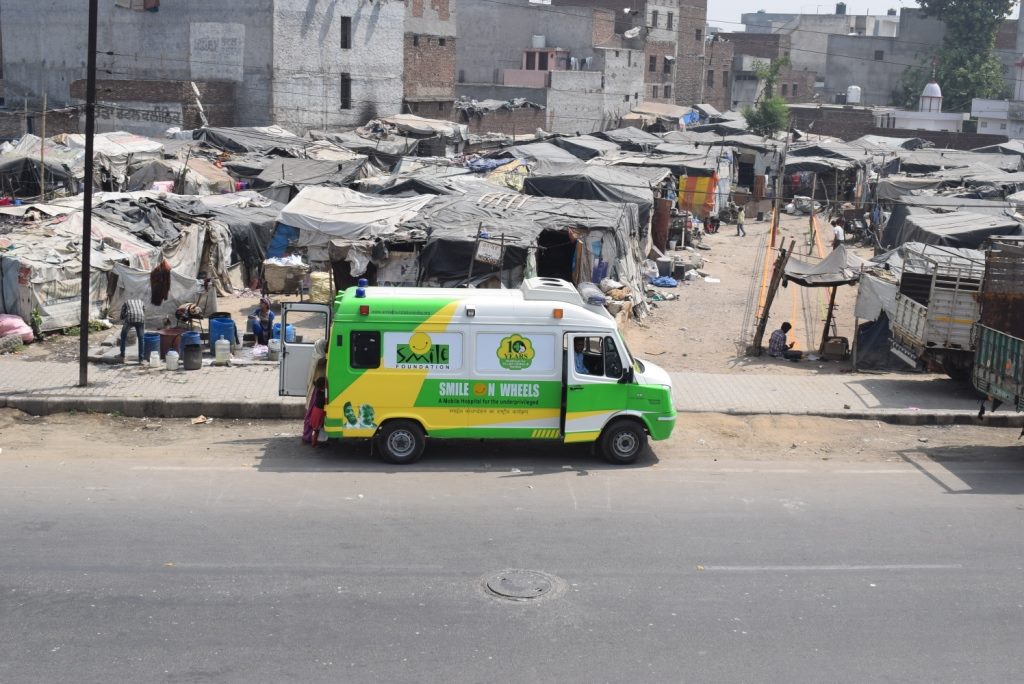
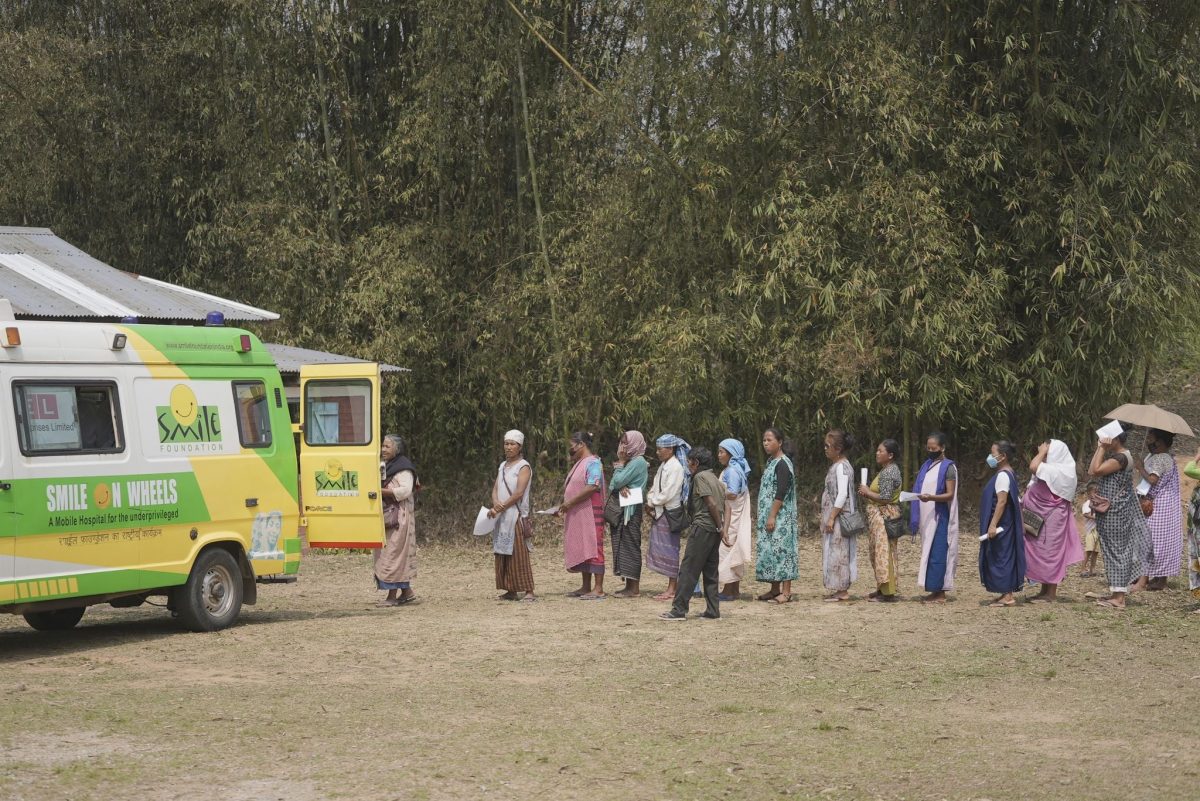
Smile Foundation, has been delivering quality healthcare to underserved communities in India through various initiatives. One of our most widespread healthcare programs is the ‘Smile on Wheels‘ initiative which visits remote parts of the country twice a month with mobile hospital van to provide free-of-cost advanced healthcare facilities to the poor and marginalized people of villages. The initiative also organizes regular health camps that provide various healthcare services, including regular checkups and awareness sessions, and set up static clinics in areas where permanent healthcare facilities are scarce. 

Smile Foundation collaborates with the government to extend the reach of public healthcare systems to remote areas. Over the years, Smile has extended its services to a vast reach of the population, spreading awareness about general health issues, basic health hygiene, sanitation, and cleanliness- crucial for preventive healthcare. They also run initiatives that include awareness sessions on oral health and hygiene followed by regular dental checkups, targeting school-going children. In collaboration with partners, Smile has also introduced mobile dental units that provide affordable and accessible dental care to communities. 

By addressing the gaps in the availability, accessibility, and affordability of healthcare, Smile Foundation supports the vision of Ayushman Bharat and contributes to the goals of Universal Health Coverage in India by making the most of the public healthcare system and establishments. Smile Foundation’s efforts in providing quality healthcare to underserved communities in India are playing a vital role in improving the healthcare scenario in rural India.

Conclusion

In conclusion, improving rural healthcare in India requires a concerted effort from all stakeholders. We must work together to identify the challenges and implement effective solutions and understand that this is not a quick-fix solution- it requires persistence, innovation, and a long-term commitment to social justice. We must remember that the health of rural India is crucial to the overall health of the nation.

Together, we can build a healthcare system that is not only compassionate and comprehensive but also sustainable and equitable. By strengthening healthcare infrastructure, incentivizing healthcare professionals, improving supply chain management, fostering health education, encouraging community participation, and monitoring and evaluating healthcare services, we can improve the quality of healthcare in rural India.

We must also integrate health education into school curricula, train teachers and healthcare workers, and implement school health programs. Leveraging technology, public-private partnerships, and supporting government initiatives can bring additional resources and expertise to improve both education and healthcare in rural areas.

Categories
Women Empowerment

Speeding Up Women Empowerment for a Stronger Society

Empowerment is a call for action for a stronger society. When we talk about empowerment, especially women empowerment, we are discussing the transformative power that reshapes societies and fosters growth.

Despite significant progress over the past few decades, women empowerment still has a long way to go. Women around the world face challenges ranging from gender-based violence and discrimination to unequal access to education and economic opportunities. These barriers not only hinder women’s personal and professional growth but also impede societal progress.

The ripple effect of empowering women

Empowering women goes beyond fairness and equality- it unlocks their potential. Women who are empowered bring diverse perspectives to the table, drive innovation, and stimulate economic growth. It also leads to higher economic productivity and better outcomes for future generations. 

Empowering women benefits everyone. Educated women are more likely to have healthier and better-educated children, leading to a more informed and capable future workforce. 

Empowered women contribute to the economy by participating in the workforce, starting businesses, and investing in their communities, which leads to increased economic productivity and growth. When women have access to income and resources, they are more likely to invest in their families’ health, education, and well-being, which can lift households out of poverty. They are better informed about healthcare and can make decisions that lead to healthier families. 

Women empowerment contributes to the richness of cultural expressions and traditions, ensuring that the voices and experiences of women are reflected in the cultural narrative. They are key drivers of sustainable development and are often at the forefront of initiatives related to environmental conservation and sustainable practices. 

Barriers to speeding up women empowerment

To accelerate the process of women empowerment, it is crucial to first identify and tackle the obstacles that are holding them back. These obstacles are complex and deeply ingrained in our societal structures. Women have to confront various stereotypes and societal norms that have gone unquestioned for decades, perpetuating discrimination.

Even today, women and girls face limited access to quality education and decision-making opportunities, which often discourages them from aspiring to leadership roles. The lack of education also reduces their chances of making the most of their abilities and achieving their full potential. Inadequate infrastructure and healthcare facilities can also impede their progress and empowerment.

Gender-based violence and harassment are significant barriers that limit their ability to contribute fully to society, further hindering their empowerment. The rigid cultural attitudes and stereotypes that have been entrenched for generations can create resistance to speeding up women empowerment initiatives.

A basic outline of the blueprint to empower women

  • Education and Training: Providing girls and women with education and vocational training can open doors to new opportunities.
  • Healthcare Access: Ensuring women have access to comprehensive healthcare services is vital for their empowerment.
  • Economic Opportunities: Creating pathways for women to participate in the economy on equal footing with men is essential.
  • Legal and Policy Reforms: Implementing laws and policies that protect women’s rights and promote gender equality is critical.
  • Leadership and Representation: Encouraging and supporting women to take on leadership roles can change perceptions and policy.

Can men become “The Pillar of Strength”?

Women require the support of the men in their lives because when men are in support, it can help women overcome half of their battles. Girls are often conditioned to depend on men emotionally, physically, and sometimes financially.

Women support men in achieving their dreams, but they also expect the same support in return. To promote gender equality, men should educate themselves on the social barriers that women face and challenge traditional gender roles and stereotypes by equally sharing household and caregiving responsibilities. Men should encourage and support women in leadership positions, both in the workplace and in the community, to normalize the authority and decision-making roles of women.

Men should take a stand against all forms of violence and harassment against women, both in public spaces and in private. By creating a space for women where they can feel heard and respected, we can create a safer society for future generations, with a transformative effect on society as a whole.

Workplace politics priorities

Today, workplace equality is a crucial step towards empowering women and creating a stronger society. Women want to have an equal say in the workplace based on their stake and position in the company. To achieve this, organizations must recognize the value of diversity and make inclusion a core part of their mission and values.

They should create training programs to assist employees and leadership in understanding and addressing unconscious bias. This creates a safe team environment where everyone feels valued and can contribute equally. To support the career development and advancement of women, companies should offer mentorship and sponsorship programs.

Organizations should also take steps that benefit women, such as providing flexible hours and remote work options to accommodate different working styles and life commitments. Regularly acknowledging and celebrating the contributions and successes of women in the workplace is also crucial. 

To ensure fair and equal pay and career progressions for women based on their work and achievements, regular audits should be conducted. By doing so, companies can create a more diverse, inclusive, and empowering workplace where everyone has the opportunity to thrive. It will help the workplace become more inclusive for women but also benefit from the increased diversity of thought, experience, and perspective that women bring to the table.

Role of NGOs for speeding up women empowerment

Many NGOs focus on educating women and girls, providing basic education, vocational, and self-employment training to make them financially independent and empower them to make informed decisions. Smile Foundation is one such organization that contributes to women empowerment through various projects like Project Manzil, STeP, Girls Engineering Scholarship, livelihood, skill development training, and scholarship programs.

Nonprofits also aim to spread awareness and improve access to healthcare services in the remotest areas for the welfare of communities. They also support and helps speeding up women empowerment by providing financial aid, encouraging them to become entrepreneurs, and providing access to the digital age for better growth. Development organizations mostly target marginalized groups so that they can make a significant impact and create a positive impact by empowering vulnerable populations and ensuring inclusivity. This encourages community engagement, collaboration, and networking between those with access and those in need.

Nonprofits also conduct leadership programs for rural women to help them gain confidence and encourage their participation in the decision-making process at all levels. This can have a profound impact on the broader social and economic fabric of communities.

0%