Categories
Skill Development

Channelizing the Youth Power for Good

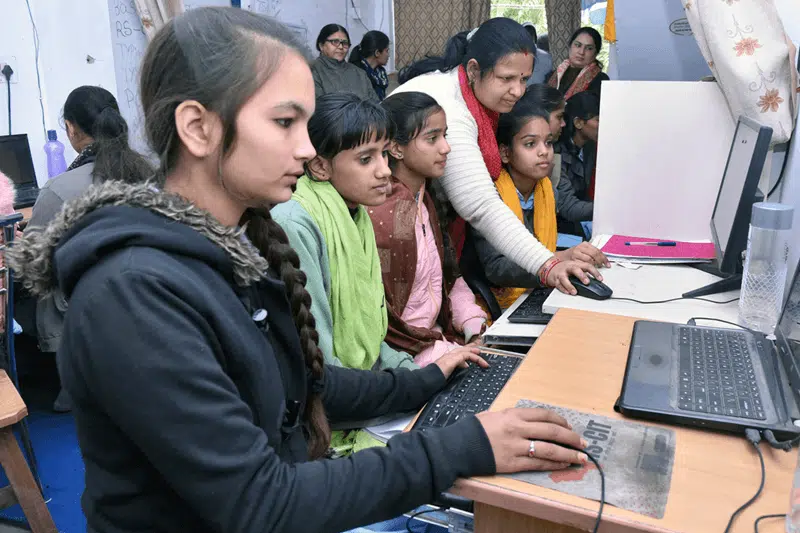
In a world brimming with huge potential, the youth stand as the vanguard of change, innovation, and progress. Their energy, creativity, and unique perspective are invaluable assets that, when channeled positively, can lead to transformative outcomes for society. How can India harness its youth power for good, mobilize the younger generation’s dynamism to foster a more just, sustainable, and prosperous world.

Youth power is the collective energy, ambition, and potential of young people. It is a force that can be harnessed for social activism, economic development, and cultural enrichment. To tap into this power, we must understand the challenges and aspirations that drive today’s youth.

Young people aspire to make a meaningful impact. They seek opportunities for education, meaningful employment, and a voice in the decisions that shape their lives and communities. Fulfilling these aspirations is key to unleashing their potential for good.

How does youth empowerment impact society? Channelizing youth power

Society is composed of individuals, and individuals are shaped by society. The youth, being a vital part of society, must be recognized as an empowered force for sustainable growth in the future. To fully understand the impact of youth empowerment on society, we need to combine quantitative data collection with qualitative analysis. Significant steps must be taken to empower the youth for the benefit of society and future generations.

Measuring changes in youth employment rates, income levels, and entrepreneurial activities can demonstrate the economic impact of empowering young people. Assessing the extent to which young people are involved in community service, political processes, and leadership roles can reflect their increased civic engagement. Educational outcomes, such as graduation rates, literacy levels, and enrollment in higher education, should be tracked to indicate the effectiveness of youth empowerment initiatives.

Health is an important element of growth, and monitoring health-related metrics, including mental health statistics, access to healthcare, and rates of substance abuse, can demonstrate the impact on youth well-being. The level of inclusion of marginalized youth groups in empowerment programs should also be evaluated. The number of youth-led initiatives, patents, and creative projects can indicate the level of innovation being fostered through empowerment.

Changes in behaviors and attitudes towards societal issues, such as gender equality and environmental conservation, can show shifts in social consciousness. Lastly, analyzing the participation rates in youth programs and initiatives can provide insights into the reach and engagement of empowerment efforts.

Challenges Faced by the Youth

Today’s youth navigate a complex landscape marked by rapid technological change, economic uncertainty, and pressing global issues like climate change and social inequality. Despite these challenges, they possess an unprecedented ability to influence the future.

They face numerous challenges in utilizing their potential for good, amidst increasing opportunities and competition. Many struggle to access quality education and employment opportunities that align with their skills and aspirations. Economic barriers such as poverty and lack of financial resources often impede their ability to pursue their goals and make meaningful contributions to society.

The digital divide can further exclude some young people from the benefits of technology, which is increasingly important for innovation and communication. Traditional societal expectations and norms limit the roles and contributions of young people, particularly in leadership and decision-making. Health issues, including mental health challenges arising from technology usage, can also hinder their ability to engage fully in societal development.

While young people are deeply concerned about environmental issues, they may lack the necessary support and platforms to effectively address these challenges. Additionally, marginalized youth, including those from minority groups or with disabilities, often face challenges in being heard and included in empowerment efforts.

Role of Government

Governments have the potential to channel the power of the youth for good by engaging them in decision-making processes, promoting inclusive governance, and providing opportunities for their growth and development. To do so, they can implement a variety of strategies, such as creating youth councils and forums to increase participation in political, social, and economic spheres.

To ramp up youth employment, governments can create job opportunities, internships, and apprenticeships that provide meaningful work experience and skill development. They can also engage young people in peacebuilding and gender equality programs to promote a culture of peace and inclusivity.

Moreover, governments should invest in education and training programs that equip young people with the skills required for the modern workforce, including digital literacy and entrepreneurship. It is essential to ensure access to health services, including mental health support, and promote sports and recreational activities that contribute to the physical and mental well-being of young people.

To encourage their active role in sustainable development initiatives, governments should incorporate youth in the integration, implementation, and monitoring of the SDGs. They should also recognize their capacity to innovate lead community projects and provide financial and institutional support for initiatives led by young people. 

Furthermore, establishing legal frameworks that protect the rights of young people and enable them to pursue opportunities without discrimination or barriers is crucial. Governments should collaborate with international organizations and other countries to share their best practices and resources for youth empowerment, creating opportunities for cross-cultural exchange and making a significant impact in channeling the power of youth towards positive change and development, ultimately benefiting society as a whole.

Role of NGOs for youth power

Nonprofits can play a vital role in channeling the energy of young people for positive social change. Nonprofits can act as intermediaries between individuals in need and those with surplus resources. They facilitate collaborations and networking that help to direct resources to the right places. Development organizations also offer educational programs and skill development workshops to empower young people with the knowledge and tools they need to succeed in today’s world.

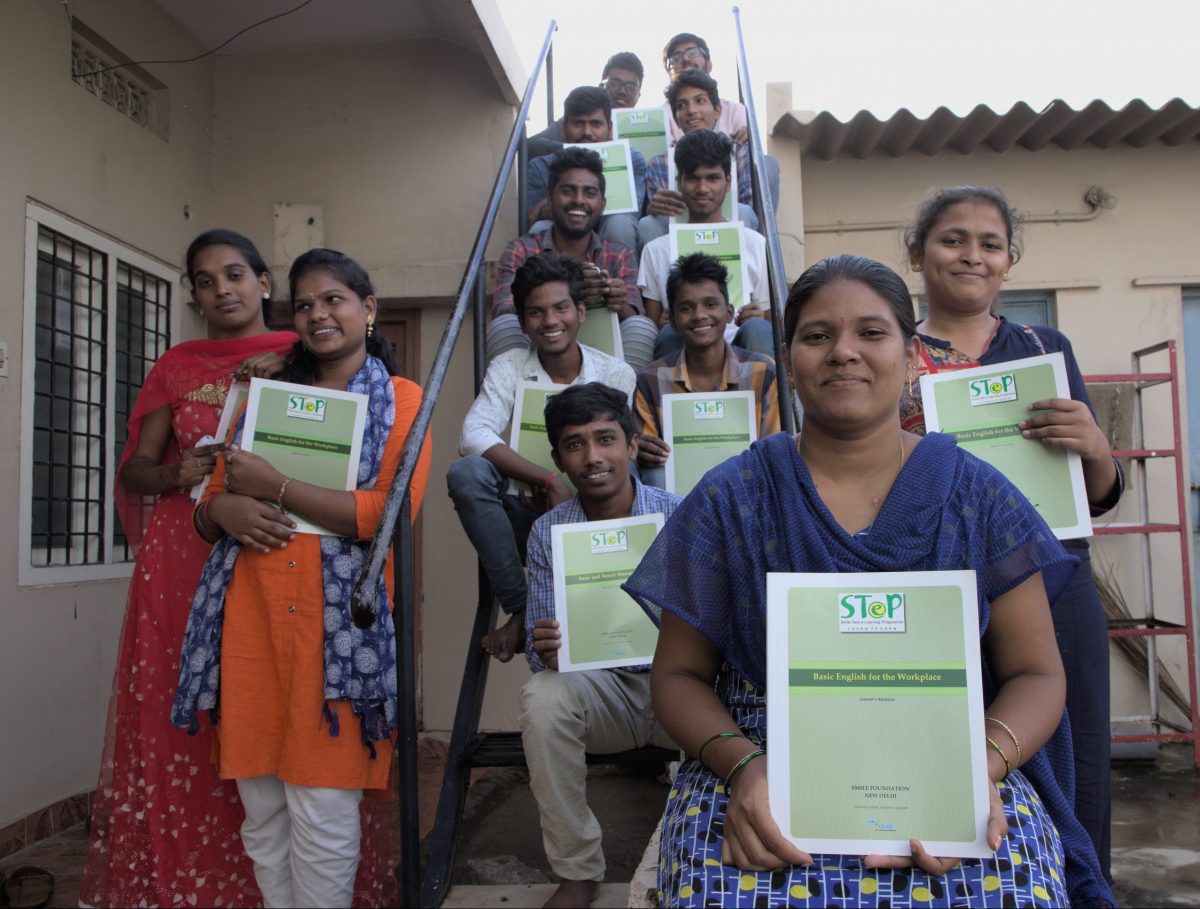
Smile Foundation is an example of a nonprofit that works towards empowering youth and future generations through various projects such as Project Manzil, merit-based scholarships, mission education, STeP, and other impactful programs. They also offer mentorship opportunities and leadership training that help young individuals develop the confidence and skills necessary to lead and positively influence their communities. 

Nonprofits provide a platform for young people to express their ideas and opinions and engage with a larger audience. They promote inclusivity by ensuring that all young people, regardless of their background, have equal access to opportunities and resources. Nonprofits also focus on implementing programs for the mental well-being of young people, further raising awareness and guiding them in the right direction. By focusing on these areas, nonprofits can harness the potential of young people to create positive change in society.

The time is now

The time to act is now. By harnessing youth power for good, we can address some of the most pressing challenges of our time and build a brighter future. It requires commitment, collaboration, and a belief in the potential of young people. Let’s rise to the challenge and empower the youth to lead the way.
Categories
Women Empowerment

The Status of Women Entrepreneurship in India

In India, women’s economic contribution stands at 17% of the GDP, falling significantly below the global average of 40%.

The typical structure of Indian society is as such where men are seen as the natural leaders and providers. The corporate world is dominated by men. Why? Because many women are not trusted with the higher posts and responsibilities   

The recent report of WISER is a breath of fresh air against all these notions. According to the report, from the initial 10%, women-led startups have risen to 18% in India during 2017 and 2021. The number of unicorn startups which are led by women are 17% in 2022, while the same number was 8% in the year 2017. Not only that, they have much higher value according to their investors.

Women-led startups are also getting funded much more than before. Out of the total funding of $21.9 billion to the entire startup ecosystem, women-led startups secured 20% by 2022. 

All the above numbers and stats paint a really good picture, but does the reality echo with the numbers? What is the real status of women entrepreneurship in India?

Let’s take a look into the ground reality: The Status of Women Entrepreneurship

On an everyday basis women have to fight against multiple cultural and social biases, issues of limited access to finance and many more. 

In the Indian corporate world, there are only 5% of women in leadership positions. India ranks 57th among 65 countries on the Mastercard Index of Women Entrepreneurs. In India, women’s economic contribution stands at 17% of the GDP, falling significantly below the global average of 40%.

A 2019 Reserve Bank of India (RBI) survey of 1,246 startups revealed a significant gender disparity among their founders. Only 5.9% of the participating startups were founded exclusively by females, while a whopping 55.5% had solely male founders. However, 38.6% of the startups had both male and female co-founders, indicating a relatively balanced gender representation.

As we move towards becoming the biggest economy of the world, there is no doubt that women’s significant participation is substantial- after all the percentage of women in India is almost 50%- a significant number.

Situations and Problems

Limited Resources: Most women-owned businesses are small, home-based, and informal in nature, this can make it hard for them to reach customers and learn marketing skills, and thus, lose out on big funding important for bigger business turnovers.

Women entrepreneurs also face unique challenges like limited freedom of movement, too little time due to family responsibilities, and safety concerns. Overcoming these obstacles would mark their baby steps towards real success.

Additionally, many women lack digital skills because they have less access to education, phones, and the internet. This puts them at a disadvantage in today’s business world which is largely digital in nature.

Gender Stereotypes: Societal expectations often portray women as caregivers, relegating business pursuits to men. This limits their access to resources, support networks, and funding.

In India, only 19% of the 432 million working-age women actively engage in formal and paid employment.

Work-Life Balance: Balancing family responsibilities with running a business is a constant struggle for an Indian woman. Family pressure to prioritize household duties restricts the time and energy women can dedicate to their ventures.

Access to Funding: In India and South Korea, ‘Global Entrepreneurship Monitor’ (GEM) study found that women entrepreneurs faced more challenges in securing funding for their businesses compared to men.

Due to limited property rights, women do not have ownership of property or assets registered under their name, making it difficult to secure loans or act as guarantors.

Lack of Power: Even when women own businesses, they may not have full control. Social expectations, family dynamics, limited freedom of movement, and safety concerns prevent them from making independent decisions about their business.

It is important to remember that a woman’s name on a business does not always mean she is in charge. Many “female-led” businesses depend on men for important decisions, resources, and market connections. Research shows that the number of businesses truly run by women may be smaller than we think. Studies like MSC’s Diaries24 project highlight how social barriers hold women back in business.

Limited Networks: Women have difficulty accessing professional networks dominated by men, hindering access to potential clients, investors, and collaborators.

Government efforts 

In recent years, government programs have made a real difference for women running small businesses. These programs offer cheaper loans, connections to customers, skill training, help understanding finances, and easier ways to get small loans.

For example, the ‘Mission Shakti’ scheme helps women become stronger by focusing on job skills, building confidence, and better managing money. The ‘SAMARTH’ scheme specifically targets women in rural areas, helping them start their own businesses, become independent and improve upon the overall status of women entrepreneurship in India.

While schemes like ‘Mudra Loan’ provide money for women starting salons, tutoring centers, or tailoring businesses. Similarly ‘Annapurna Yojana’ helps women in the food industry buy the equipment they need to get started. 

Meanings of women led entrepreneurship beyond the norms 

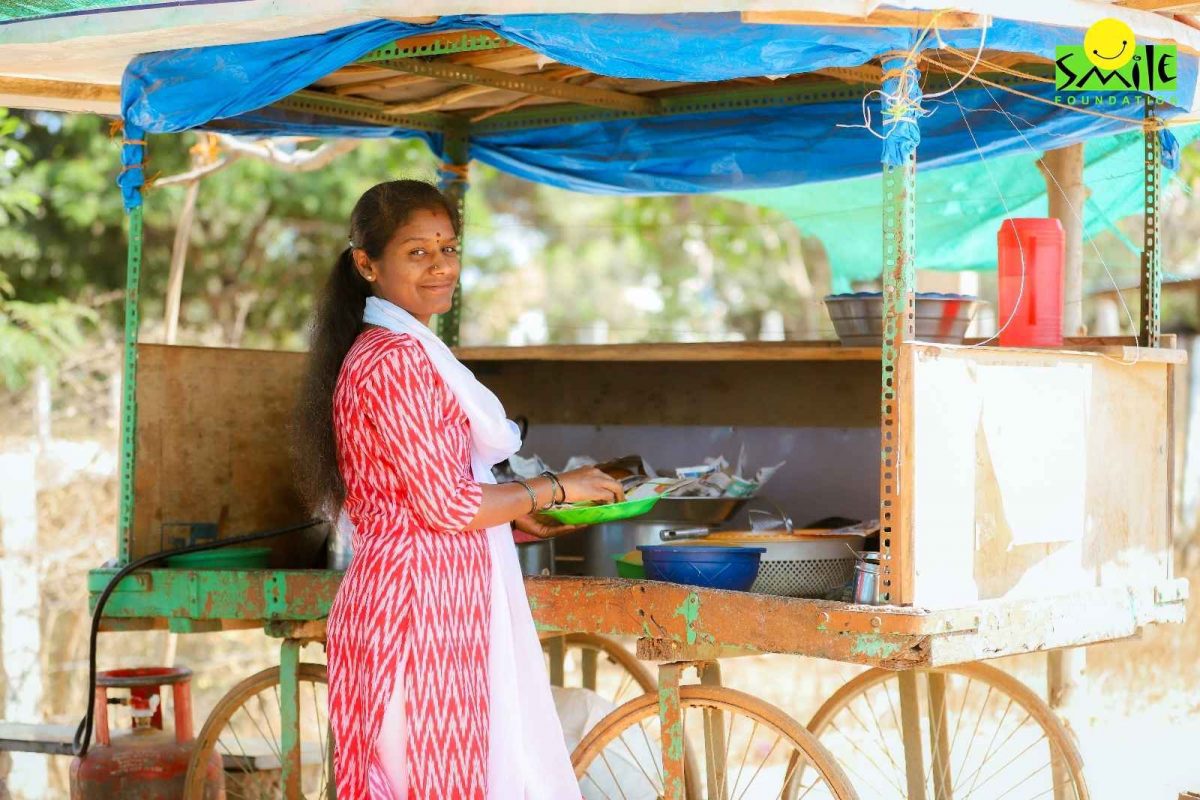
Swabhiman program by Smile Foundation extends support to women aspiring to become small-scale entrepreneurs by offering comprehensive training in financial literacy and providing initial funding to kickstart their businesses. Primarily focused on empowering women in the tailoring and food carts sector presently, the program equips participants with important skills in business management, marketing, and financial planning, thereby enabling them to establish and sustain their enterprises successfully.

By fostering a conducive environment for entrepreneurship, Swabhiman aims to support women and create avenues for economic independence. The initiative harbors ambitions to diversify into other sectors, thereby broadening the spectrum of opportunities available to women and fostering inclusive economic growth in the communities it serves.

Through its multifaceted approach, Swabhiman not only nurtures the status of women entrepreneurship but also catalyzes positive socio-economic change, empowering women to realize their full potential and contribute meaningfully to their families and communities.

Women-led businesses are more than just good for the economy. They break down barriers and show what equality in the workforce can achieve. India is on a path where women are leading the way, and government programs can help create more opportunities for them.  By giving women the right tools and training, we would push more strongly for the entire country’s success.

India could add up to 90 million non-farm jobs by 2030 and gain billions in economic growth by focusing on women’s success. That includes an additional 55 million women who could join the workforce with the right support. To reach this goal, we need to make sure women have better access to the resources that already exist. This means addressing challenges women face throughout their business journey. With the right approach, we can create a future where women-led businesses are a powerful force, driving India towards a $5 trillion economy.

Categories
Health

Nonprofits can play Key Role in curbing Rise of NCDs

Non-communicable diseases (NCDs) are on the rise in India, posing a significant public health challenge. The incidence of NCDs among children aged 5-17 has more than doubled over the past decade, even though this age group was historically less affected. According to leading hospitals in India, NCDs are projected to cause a staggering $4.8 billion economic loss by 2030. To address this concerning trend, a shift towards preventative interventions is essential.

NCDs, including cardiovascular diseases, cancers, chronic respiratory diseases and diabetes, affect various socio-economic groups and regions in India differently. Urban areas battle with the consequences of fast food, sedentary lifestyles and inadequate meal preparation time, leading to an uptick in conditions like hypertension and diabetes. Conversely, rural areas face challenges related to access to nutritious diets and cultural practices that may discourage dietary diversity and balance.

National Health Policy for Preventing the rise of NCDs in India

Recognising the urgency of the situation, the Indian government launched the National Health Policy in 2017, emphasising the prevention and control of NCDs. While the policy includes measures to promote healthy lifestyles and enhance access to quality healthcare services, prevention efforts have taken a back seat to screening and treatment initiatives. The focus of the primary health system remains on screening individuals for diabetes and hypertension, emphasising the need for a more holistic approach that prioritises prevention.

Preventative interventions must be taken directly to communities, including schools, homes and workplaces, to ensure early detection and intervention. Awareness campaigns targeting urban women, who are particularly vulnerable to diabetes, can promote healthy dietary choices and lifestyle habits. Collaborating with influencers and leveraging social media platforms can amplify the reach and impact of such initiatives, making healthy living aspirational and accessible.

Early intervention is crucial, as many NCDs have their roots in childhood and adolescence. School-based programmes aimed at adolescents can instill lifelong healthy habits, emphasising the importance of physical activity and balanced diets. By involving teachers and peer leaders, these programmes can effectively disseminate information and facilitate behavior change among students.

How do Nonprofits have the edge in curbing NCDs?

Launching a cooking class to promote nutrition in isolated areas, arranging housing for refugees or providing critical medical care to earthquake survivors — nonprofits working the healthcare domain, provide a myriad of invaluable services to communities around the globe. These organisations are essential to the fulfillment of core public health goals and play a key role in improving access to health services in underserved geographic locations. For instance, they may raise money to open a community health clinic when government funds are inadequate or conduct studies to identify preventable health disparities in certain neighbourhoods. Nonprofits also provide specialised services for communities coping with the effects of natural disasters, disease outbreaks or extreme poverty.

By providing these services — and many others — nonprofits have become an essential part of public health.

Nonprofits conduct a range of educational programmes on how to avoid or change unhealthy behaviours and teach healthy behaviours, such as eating nutritious foods and getting plenty of exercise.

Adopting healthier behaviours helps reduce instances of common chronic diseases such as diabetes, heart disease and obesity, which take a huge toll on the Indian population and contribute to skyrocketing health expenditures. Nonprofits form strong relationships with community members, including local authorities, schools and healthcare providers respecting and understanding the needs of the local citizens to help motivate them toward change.

Leveraging Networks and Partnerships

Collaboration among stakeholders is paramount to addressing the NCD crisis at scale. Nonprofits can leverage existing networks and partnerships to share resources and expertise, ensuring the effective implementation of prevention programmes. For example, adapting successful urban-focused initiatives for rural populations requires collaboration with organisations like ours, whose one of the specialisations lie in health equity.

Government convergences and collaborations are also essential in the fight against NCDs. Development organisations undertake various convergences with government initiatives to make the prevalence of NCDs less impactful. These collaborations often involve sharing resources, coordinating efforts and aligning strategies to maximise impact. By working together, government agencies and development organisations can create synergy and tackle the root causes of NCDs more effectively.

Technology-driven Interventions

Public health organisations engaged in biostatistics use data to evaluate and address health risks. This field is increasingly important in the healthcare arena as the amount of patient data continues to grow and health organisations need someone to analsze the data for actionable insights.

Biostatistic-focused nonprofits often provide statistical analyses that form the basis of public health intervention plans. For instance, biostatistics are often used in epidemiological studies looking to determine disease causes and distribution patterns, which then inform what interventions should take place. A biostatistical study might look at infection rates before and after a specific date to determine the effectiveness of an awareness programme in a certain region. Data analysis can also look at disease survival data to determine best practices in medical care. For instance, it can determine what cancer drugs give the greatest chance of post-remission survival.

Technology plays a pivotal role in scaling up prevention efforts and facilitating behaviour change. Text and voice-message-based programmes can deliver targeted health messages to millions of individuals, promoting healthy behaviours and encouraging lifestyle modifications. These tech-driven interventions are particularly effective in reaching isolated communities and underserved populations.

Nonprofits leading the way with NCDs

Nonprofits in India play a crucial role in addressing the challenge of the rise in NCDs. With their expertise and grassroots connections, nonprofits are well-positioned to implement preventative interventions and drive community-level change. By partnering with government agencies, healthcare providers and other stakeholders, nonprofits can leverage their collective strengths to combat the the crisis of NCDs effectively.

In conclusion, nonprofits, government agencies and other stakeholders must work together to curb the rise of NCDs in India. By implementing preventative interventions, raising awareness and leveraging technology like Smile Foundation does with its healthcare programme, we can create a healthier future for all. Together, we can make a meaningful difference in the lives of millions and ensure that NCDs no longer pose a significant threat to public health and well-being.

Categories
Smile

Social Stock Exchange: Mainstreaming Impact Investment

As responsible business practices become the norm, the convergence of Environmental, Social, and Governance goals with global development agenda has become essential for corporations. The emphasis now extends beyond minimising local impact to actively fostering measurable community development. With technological advances and growing civil society awareness, businesses have more opportunities to address key development priorities. This will help them create value not only for stakeholders but also for society at large.

The recent introduction of the Social Stock Exchange in India further underlines this shift towards more transparent and effective impact investment. This innovative concept combines financial investments with social impact and has the potential to reshape the investment landscape.

What is Social Stock Exchange?

Social Stock Exchange is a means to channelise capital towards non-profits and businesses that prioritise ESG goals, in response to the growing demand for sustainable and socially responsible investment options.

In India, the SSE was officially announced in the Union Budget of 2019-20, reflecting the government’s commitment to promoting impact investing and fostering social development. It is an electronic fundraising platform under the regulatory ambit of the Securities and Exchange Board of India. SSE will list social enterprises and voluntary organisations so that they can raise capital as equity, debt or as units like a mutual fund.

Since its inception, the Social Stock Exchange has witnessed a steady growth trajectory, with increasing interest from both investors and socially conscious businesses. As awareness about sustainable investing grows, the SSE is expected to play a pivotal role in connecting investors with businesses that share a commitment to social and environmental responsibility.

Benefits for Investors & Non-Profits

For businesses, being listed on the Social Stock Exchange opens doors to a unique pool of investors who prioritise social impact alongside financial returns. This avenue allows companies to attract funding for initiatives that contribute to societal well-being. Moreover, being part of the SSE can enhance a company’s reputation. It signifies a commitment to transparency, accountability, and sustainability – factors increasingly valued by consumers and investors alike.

For non-profits, Social Stock Exchange provides them with the tools and resources needed to advance their missions, increase their impact, and diversify funding.

Transparency

One of the key features of the Social Stock Exchange is its emphasis on transparency and impact measurement. Companies seeking listing are required to adhere to stringent disclosure norms regarding their social and environmental performance. This not only fosters transparency but also enables investors to make informed decisions aligned with their values. The focus on impact measurement ensures that investments lead to tangible social outcomes, reinforcing the SSE’s commitment to creating a meaningful societal impact.

Impact Measurement

Impact measurement is another critical aspect that sets the SSE apart. Companies listed on the SSE are not just evaluated based on financial metrics but also assessed for their social and environmental impact. SSE encourages businesses to adopt standardised impact measurement methods. It ensures that the investments made through the platform lead to tangible and positive social outcomes. This focus on impact measurement aligns with the broader global shift towards measuring success in terms of societal and environmental well-being.

Challenges & Potential

However, if global precedents are anything to go by, the success of the Social Stock Exchange depends on multiple factors. Since the early 2000s, nearly seven social stock exchanges have been established worldwide. Only three of these exchanges—Canada, Singapore, and Jamaica—remain operational. Insufficient awareness and education about the functioning of SSE are some of the reasons behind the closure of the others. Developing standardised metrics for measuring social impact and ensuring regulatory clarity are also foreseeable challenges.

However, these challenges present opportunities for innovation and collaboration. All key stakeholders including government, businesses and non-profits have a crucial role to play here.

Conclusion

The Social Stock Exchange in India represents a groundbreaking development in the realm of finance and social responsibility. As businesses increasingly recognise the importance of aligning profits with purpose, the SSE ushers in a new era. The journey of the Social Stock Exchange in India is not just a financial evolution but a societal revolution.

Categories
Education

Family Conflicts and the Shaping Up of Young Minds

Divergence in viewpoints is a common aspect of human relationships, extending to familial bonds. When these differences intensify, evolving into active opposition, the resulting scenario is identified as Family Conflict. Such conflicts can manifest in various forms, including verbal, physical, sexual, financial, or psychological, giving rise to detrimental outcomes such as unhealthy behaviors, compromised attachment styles, and challenges in interpersonal relationships. While it’s typical for families to engage in bickering, cold-shouldering, or eye-rolling, the potential repercussions on children’s mental health are profound, encompassing issues like depression, anxiety, disrupted sleep, and aggressive behavior.

The repercussions of frequent and intense parental conflict extend beyond the immediate dispute, influencing the sense of safety and security in children. This, in turn, impacts their relationships not only with their parents but also with peers and other significant individuals. Children exposed to prolonged parental conflict are prone to developing unhealthy peer connections, experiencing academic underachievement, grappling with low self-esteem, and encountering both physical and mental health issues, such as depression, anxiety, and violent behavior in interpersonal relationships.

Research findings shed light on the prevalence and impact of parental discord on the well-being of children. In households where children cohabit with both parents, over 10% of them have at least one parent reporting relationship distress. Additionally, families facing unemployment exhibit a higher likelihood of parental conflict compared to those with both parents employed. The strategies parents employ to navigate their differences play a pivotal role in determining the mental health outcomes for their children. Instances, where couples resort to insults, verbal anger, or non-verbal expressions rather than cooperative problem-solving, can lead to unresolved tensions, negatively affecting the mental health of children over time.

The chronic nature of unresolved conflicts compounds their detrimental effects, eroding relationships and leaving lasting scars on children’s mental well-being. Children become hypersensitive, vigilant, and attuned to signs of impending conflict, even behind closed doors. They are acutely aware of parental disputes, impacting their emotional security and the essential emotional ties crucial for their survival. The inability to halt their parents’ conflicts may lead to feelings of failure and subsequent depression in children.

The phenomenon of “compensatory” spillover occurs when a parent seeks consolation from a child, placing undue pressure on the youngster to compensate for the lack of fulfillment in the parental relationship. Constructive conflict resolution strategies employed by parents, on the other hand, contribute positively to children’s mental health. Calm discussions, collaborative problem-solving, gentle physical gestures, and even humor can have a buffering effect, creating a sense of safety and security within the family.

Surprisingly, the impact of parental relationships persists even after children have transitioned into adulthood and left the family home. Adult children may unconsciously mimic the interpersonal styles of their parents, potentially exacerbating the effects on their own mental health and well-being. Interventions aimed at fostering healthier parenting practices and addressing parents’ mental health concerns have shown promise in mitigating the adverse effects of interparental conflict on children.

Moreover, the significance of children’s relationships with peers, other adults, or siblings serves as a protective factor against the detrimental consequences of interparental conflict. These additional relationships can provide emotional support and a sense of security, mitigating the potential long-term effects of family discord.

In conclusion, family conflict, when left unaddressed, can have profound and lasting impacts on the mental health of children. Recognizing the signs, understanding the potential consequences, and adopting constructive conflict resolution strategies are crucial steps in safeguarding the well-being of the younger generation within the family unit. Parents play a pivotal role in shaping the emotional landscape of their children, and fostering healthy relationships can have far-reaching positive effects that extend well into adulthood.

Smile Foundation places the needs of children at the heart of all its programs by adopting a holistic and comprehensive approach. We ensure that every initiative, whether focused on education, healthcare, or socio-economic empowerment, revolves around the well-being and development of children. This child-centric philosophy not only reflects a deep understanding of the multifaceted challenges faced by young minds but also underscores the organization’s determination to create positive, lasting impacts on their lives.

Categories
Education

Rethinking Assessing Child Education through Report Cards

Report cards have long been the traditional benchmark for assessing the academic performance of a child. The system of grades, percentages, and comments attempts to encapsulate the learning journey of a student within the confines of a standardized format. However, as we navigate the complex landscape of education, it becomes imperative to question the sufficiency of report cards in providing a holistic understanding of the educational development of a child.

While report cards serve as a snapshot of the academic achievements of a child, they often fall short in capturing the nuances that define a comprehensive education. The emphasis on grades can create an environment where the pursuit of high scores overshadows the genuine love for learning. Moreover, a singular focus on grades may not adequately reflect the creativity, critical thinking skills, or emotional intelligence of a child.

Importance of Holistic Assessment

The education of a child extends beyond the realm of exams and grades. Holistic assessment, encompassing a range of factors such as extracurricular activities, social skills, and emotional well-being, offers a more comprehensive view of child development. It is crucial to recognize that success in life is not solely determined by academic prowess but also by the ability of a child to navigate real-world challenges with resilience and adaptability.

In the Indian educational landscape, the debate over the efficacy of report cards has gained prominence. The country, with its diverse education system, faces the challenge of balancing the need for standardized assessments with the recognition of individual potential. In a nation where the pressure to perform academically is often intense, the question arises: Are report cards truly reflective of child education in India?

Indian education system places a significant emphasis on rote learning and examination results. The intense competition for limited seats in reputed educational institutions adds to the stress on students. In such a scenario, the limitations of report cards become glaring. They may not adequately capture a child’s ability to think critically, collaborate with peers, or pursue interests beyond the curriculum.

Moving Beyond Report Cards

Co-curricular activities play a pivotal role in shaping the personality of a child and their skills. Report cards, with their primary focus on academic subjects, often sideline the importance of activities such as sports, arts, and community service. In India, where cultural diversity is celebrated, students benefit immensely from participating in activities that foster creativity, teamwork, and a sense of social responsibility.

Many successful individuals in India attribute their achievements not just to academic excellence but also to the skills honed through participation in co-curricular pursuits. The story goes beyond grades, emphasizing the significance of the ability of a child to balance diverse interests and passions.

Report cards seldom provide insights into the emotional intelligence of children or soft skills, which are integral for success in today’s dynamic world. The ability to communicate effectively, work collaboratively, and navigate challenges with emotional resilience are vital components of a well-rounded education.

India, with its rich cultural heritage, values interpersonal relationships and effective communication. However, the current assessment system often overlooks these essential aspects. A shift towards holistic assessment would acknowledge the importance of emotional intelligence in preparing students for the complexities of adulthood.

Challenges and the Need for Reform

While the idea of holistic assessment seems compelling, implementing it on a large scale poses challenges. The sheer volume of students, coupled with societal expectations, makes it difficult to transition away from the familiar grading system. Additionally, standardized testing remains a convenient method for evaluating large cohorts, despite its limitations.

However, the need for reform is evident. Educational policymakers in India must reconsider the emphasis on rote memorization and standardized exams. A more flexible and inclusive assessment framework could better accommodate the diverse talents and potential of students.

While report cards offer a glimpse into a child’s academic performance, they are not exhaustive in assessing their overall education. The limitations of grades become particularly evident in the context of India, where the educational landscape is diverse and dynamic. A move towards holistic assessment, encompassing co-curricular activities, emotional intelligence, and soft skills, would pave the way for a more balanced and inclusive education system.

It is imperative for educators, parents, and policymakers to collectively rethink the purpose of education. By recognizing the multifaceted nature of a child’s development, we can foster an environment that encourages not just academic success but also personal growth, creativity, and resilience – qualities that are indispensable in navigating the challenges of the 21st century.

The commitment of Smile Foundation to holistic education aligns with the broader discourse on moving beyond the confines of traditional grading systems.

Smile Foundation’s Mission Education programme exemplifies a paradigm shift towards a more comprehensive approach. Beyond academic excellence, the programme focuses on nurturing the creativity, critical thinking abilities, and emotional intelligence of a child. By integrating co-curricular activities, promoting a love for learning, and addressing the socio-economic factors that impact education, Smile Foundation strives to create an environment where every child can flourish.

Categories
Smile Health Women Empowerment

Addressing Nutritional Needs of Pregnant Women

Embarking on the journey towards Sustainable Development Goal 2 (SDG-2), the global commitment to combat malnutrition by 2030, demands a closer examination of the challenges hindering progress. With a specific focus on addressing the nutritional needs of adolescents, pregnant, and lactating women, SDG-2 seeks to break the shackles of undernourishment. However, half of the undernourished child population resides in low-middle-income countries, intensifying the complexity of achieving meaningful progress. Unraveling the layers contributing to malnutrition becomes a pivotal step in crafting effective solutions.

In alignment with the commitment of India to SDG-2, September witnesses nationwide celebrations of “POSHAN Maah,” an annual initiative dedicated to raising awareness about the importance of nutrition. The nutritional policies of India, spanning both preventive and curative aspects, have made significant strides. Yet, the challenges persist, evident in the 8% increase in anemic children aged 6-59 months between NFHS-4 and 5. The focal point for progress lies in addressing the key drivers of malnutrition, particularly child wasting.

Child growth monitoring and wasting management primarily unfold at Anganwadi Centers (AWCs) in India. These centers play a crucial role in the nutrition management system, covering early pregnancy registration, antenatal care (ANC), breastfeeding counseling, and child growth monitoring. Despite institutional efforts, reducing child wasting remains slow in specific regions, such as Telangana, Maharashtra, Gujarat, and Bihar, where more than 25% of children are wasted (NFHS-5). Addressing intermediate factors, like poor maternal health and inadequate dietary diversity, becomes paramount in this complex web.

Addressing The Intergeneration Cycle of Malnutrition

While focusing on nutritious diets during early childhood is pivotal, neglecting the nutritional status of pregnant and lactating women can perpetuate the intergenerational cycle of malnutrition. Poor nutrition during pregnancy increases the risk of adverse outcomes, including low birth weight and early childhood wasting. The World Health Organization recommends consuming food from at least four food groups within 24 hours to ensure minimum dietary diversity, a criterion often unmet in India. NFHS-5 reveals alarming statistics, with 40% of women not consuming any fruit and 24% skipping milk or curd. Additionally, 19% of women have a BMI less than 18, while 8% fall under the severely thin category (BMI less than 17). Poor maternal nutrition persists in various social and geographical pockets, significantly contributing to adverse pregnancy outcomes and early childhood wasting.

Child Wasting In India: The Way Forward

Breaking the intergenerational cycle of malnutrition in India demands a multifaceted approach, with a primary focus on promoting dietary diversity among women, especially during pregnancy and lactation. Encouraging the consumption of a variety of fruits, vegetables, and milk products can provide essential vitamins, protein, and calcium. However, addressing low dietary diversity requires concerted efforts to tackle the economic drivers of malnutrition.

Cash transfer schemes, exemplified by Pradhan Mantri Matru Vandana Yojana (PMMVY), play a pivotal role in addressing economic drivers by directly transferring money to women’s bank accounts and connecting them with formal healthcare services early in pregnancy. Economic support, coupled with community empowerment through knowledge dissemination about diverse and nutritious foods, emerges as a holistic strategy.

Reviving the importance of locally available nutrient-rich foods, such as millets in regions like Rajasthan and Madhya Pradesh, presents a cost-effective and sustainable solution. For effective community awareness, front-line workers equipped with actionable messaging can play a vital role. Training them on communicating the importance of diverse foods for healthy pregnancy empowers communities to make informed decisions about their dietary habits.

Household Nutritional Security

While knowledge about healthcare and a nutritious diet during pregnancy is crucial, its impact may be limited unless all family stakeholders actively participate. Ensuring household nutritional security necessitates targeted efforts to address intra-household gender norms perpetuating situations where “women are last to eat and least to eat.”

At the operational level, collaboration among government agencies, healthcare providers, community organizations, and families is imperative. Implementing effective strategies and interventions that prioritize the nutritional needs of pregnant women requires addressing underlying factors and fostering a supportive environment within and outside the household. India, by tackling these challenges head-on, can significantly enhance maternal nutrition, reduce the risk of adverse pregnancy outcomes, and ultimately break the cycle of child wasting. As we navigate this journey, acknowledging the interconnectedness of factors influencing malnutrition is pivotal, ensuring collective efforts for lasting change.

Smile Foundation’s women empowerment programme, Swabhiman, focuses on taking care of the nutritional needs of pregnant women and becomes a guiding principle. By imparting knowledge about diverse and nutritious foods, the program ensures that pregnant women have the information needed to make healthy dietary choices. Additionally, Swabhiman addresses economic drivers by providing opportunities for financial independence through skill development, directly impacting the ability of women in general to access nutritious foods.

Categories
Health

Nonprofits Help Make the Indian Healthcare Systems Robust

The healthcare challenges in India are diverse and deeply rooted. Accessibility remains a significant hurdle, especially in remote rural areas where healthcare facilities are sparse. Quality healthcare often eludes the economically disadvantaged, leading to a stark divide in health outcomes. Issues such as inadequate infrastructure, a shortage of skilled healthcare professionals, and the burden of communicable and non-communicable diseases further compound the challenges.

The Indian government has undertaken various initiatives to address healthcare challenges. Schemes like Ayushman Bharat, with its two major components – Health and Wellness Centers for primary healthcare and Pradhan Mantri Jan Arogya Yojana for secondary and tertiary care, aim to provide financial protection and healthcare access to millions. While these initiatives are commendable, the sheer scale of the healthcare needs in India necessitates collaborative efforts from various stakeholders.

The private sector has also played a significant role in India’s healthcare landscape. The growth of private hospitals, clinics, and diagnostic centers has expanded access to specialized medical services. However, the high costs associated with private healthcare make it unaffordable for a substantial section of the population. The challenge lies in striking a balance between quality and affordability.

Healthcare Initiatives by Nonprofits

Nonprofits, driven by a commitment to social welfare, have emerged as pivotal players in enhancing healthcare in India. These organizations operate on the ground, identifying specific needs, and tailoring interventions to address the gaps left by government and private initiatives. nonprofits often focus on marginalized communities, ensuring that the most vulnerable populations receive the care they desperately need.

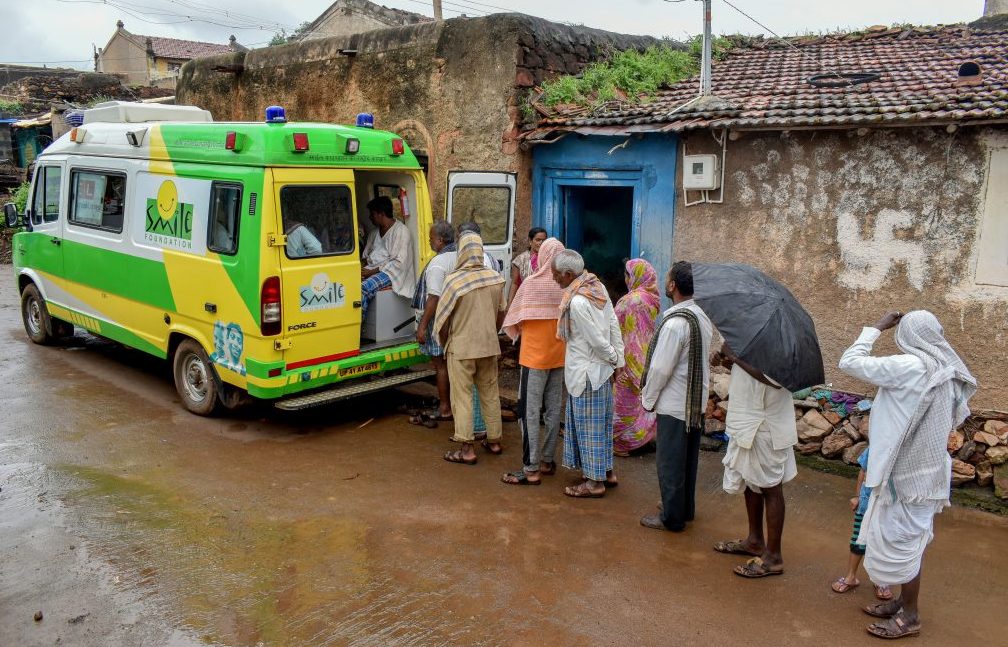
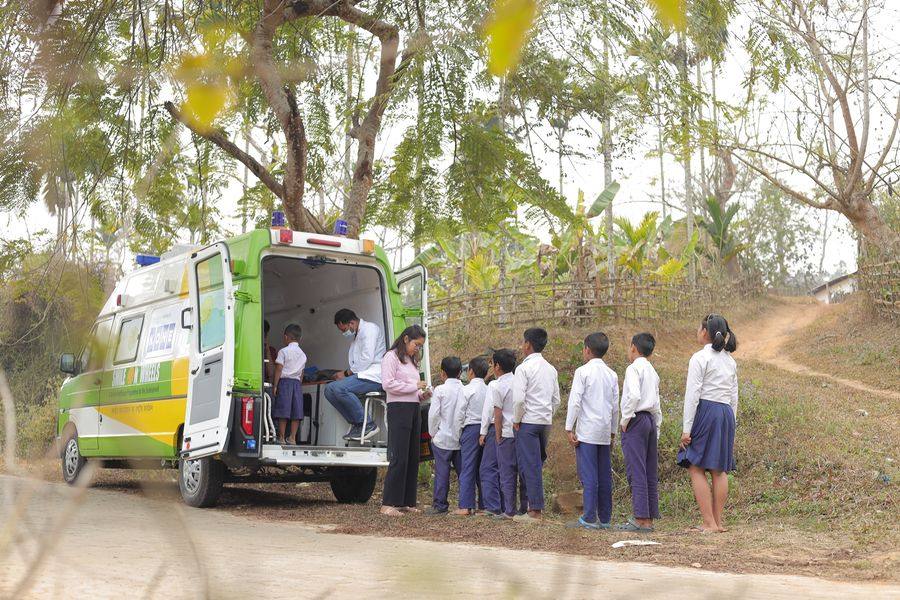
  1. Accessibility in Remote Areas: Nonprofits play a vital role in reaching remote areas where healthcare facilities are scarce. Mobile medical units, telemedicine, and community health workers employed by development organizations contribute significantly to bringing healthcare services to the doorstep of underserved communities.
  2. Primary Healthcare and Preventive Measures: By emphasizing primary healthcare and preventive measures, nonprofits contribute to reducing the burden of diseases. Initiatives that focus on maternal and child health, immunization drives, and awareness campaigns have a lasting impact on community well-being.
  3. Capacity Building: Nonprofits actively engage in capacity building by training local healthcare workers and creating awareness about health issues. This grassroots approach ensures that communities are equipped to handle health challenges independently.
  4. Specialized Care for Vulnerable Groups: Nonprofits often specialize in catering to specific vulnerable groups, such as children, women, and those affected by communicable diseases. Tailored healthcare programs address the unique needs of these groups, ensuring comprehensive care.
  5. Advocacy and Policy Influence: Many nonprofits engage in advocacy efforts to influence healthcare policies. By providing data-driven insights and highlighting gaps in the system, they contribute to shaping policies that prioritize the health needs of the population.

Health Cannot Wait initiative of Smile Foundation

Smile Foundation, through its health initiative, Health Cannot Wait has been instrumental in providing healthcare access to underserved communities. By operating mobile health vans, organizing health camps, and running community health programs, Smile Foundation has made significant strides in ensuring that healthcare reaches the grassroots.

By addressing accessibility, emphasizing preventive measures, and tailoring solutions to specific communities, Smile Foundation contributes significantly to elevating healthcare outcomes in India.

The collaborative efforts of government, private sector, and nonprofits are essential for building a resilient healthcare system that meets the diverse needs of the population. As we navigate the complexities of healthcare in India, it is clear that the role of nonprofits is not just supplemental but foundational in shaping a healthier and more equitable future for all.

Categories
Women Empowerment Health

The Health of Women Contributing to the National Growth

In a world where advancements in healthcare continue to reshape our lives, a recent report by the McKinsey Health Institute, in collaboration with the World Economic Forum (WEF), sheds light on a concerning reality – the persistent health gap experienced by women. The report underscores the critical need to address existing disparities that not only impact the well-being of women but also have significant implications for global economies.

Understanding the Health Gap

While women, on average, live longer than men, the report reveals a stark truth – women spend 25% more of their lives in poor health. Delving deeper into the data, the report suggests that the health gap can be closed, potentially resulting in an additional 7 days of healthy living per year for each woman globally. More notably, this closing of the health gap could contribute to a staggering boost of $1 trillion to the global GDP by the year 2040.

While 95% of the health burden affecting women stems from conditions that also impact men, it is essential to recognize that female-specific conditions, including sexual and reproductive health (SRH), maternal, newborn, and child health (MNCH), and endometriosis, constitute approximately 5% of this burden.

In India, a closer look at the data reveals that the top four conditions contributing to the highest health burden for women affect both genders similarly. These include neonatal disorders, ischemic heart disease, diarrheal diseases, and lower respiratory infections. However, conditions that disproportionately affect women, such as chronic obstructive pulmonary disease, stroke, dietary iron deficiency, and low back pain, also feature prominently.

Root Causes: Science, Care Delivery, Investment, and Data

The report identifies four primary global areas contributing to the health gap for women: science, care delivery, investment, and data.

Science: Historically, the study of human biology has defaulted to the male body, leading to a lack of understanding of sex-based biological differences. This has resulted in treatments being less effective for women than men. For instance, certain medical interventions, when sex-disaggregated, prove to be less effective for women, highlighting a systemic issue that needs urgent attention.

Care Delivery: Women face barriers, stigma, and bias in healthcare systems designed and run by men, leading to diagnostic delays and suboptimal treatment. Addressing this requires a shift in the healthcare paradigm towards more inclusive and patient-centric models.

Investment: There has been lower investment in women’s health conditions relative to their prevalence. This lack of investment perpetuates a cycle of limited scientific understanding and data to support new investments. In digital healthcare, FemTech companies, specifically designed to address women’s health needs, received only 3% of the total digital health funding, indicating a significant gap in financial support.

Data: Health burdens for women are systematically underestimated due to datasets that exclude or undervalue crucial conditions. Only about 50% of health interventions provide disaggregated data by sex, contributing to a significant undercounting of women’s health burden.

Closing the Gap: A Trillion-Dollar Opportunity

The report posits that addressing the gaps and shortcomings in women’s health could reduce the time women spend in poor health by almost two-thirds, offering 3.9 billion women the prospect of healthier lives. The potential impact includes adding 7 more days of healthy living for each woman annually, contributing at least $1 trillion to the global economy by 2040, and generating the equivalent impact of 137 million women accessing full-time positions by 2040.

To achieve health equity and foster economic growth, stakeholders must embrace a cooperative and comprehensive strategy:

  1. Invest in Women-Centric Research: Fill knowledge and data gaps related to women-specific conditions, ensuring a robust understanding of diseases affecting women differently.
  2. Systematic Data Collection: Collect and analyze sex-, ethnicity-, and gender-specific data to accurately represent women’s health burden and the impact of interventions.
  3. Enhance Access to Gender-Specific Care: Develop and implement strategies for improved access to gender-specific care, spanning prevention to diagnosis and treatment.
  4. Advocacy and Awareness: Raise awareness and support advocacy initiatives to bring attention to the women’s health gap, fostering a global conversation around this critical issue.

Conclusion

In conclusion, the report serves as a wake-up call, urging stakeholders to address the persistent health gap experienced by women. By investing in the health of women, we not only improve the quality of life for half of the global population but also unlock a trillion-dollar opportunity for economic growth. It is time to move beyond rhetoric and take concrete actions toward a future where women enjoy not just longer lives but healthier, more prosperous ones. The cost of inaction is not just a health deficit but an economic one that the world cannot afford.

Smile Foundation is dedicated to addressing this challenge through its relentless efforts. Under its women empowerment initiative, Swabhiman, Smile is actively raising awareness among women in both rural communities and urban slums about their health requirements and the essential medical care they should seek.

Conducting workshops and street plays, Smile Foundation is not only spreading awareness but also fostering behavioral changes regarding women’s health needs. The comprehensive initiative pays special attention to women, offering tailored assistance, particularly to pregnant women.

Recognizing that a healthy woman plays a pivotal role in ensuring a healthy family, we understand the broader impact of creating a healthier community through empowering women and fostering a culture of well-being.

Categories
Livelihood

Vocational Education Helps Decrease Unemployment in India

The issue of unemployment has been a persistent challenge in India and almost all developing economies. Despite a decline in the overall unemployment rate in India from 6.1% in 2017-18 to 3.2% in 2022-23, as per the Periodic Labour Force Survey (PLFS), it remains an area of concern. Particularly, the struggle for employment among young graduates has intensified over the years, prompting a closer examination of the factors contributing to this phenomenon.

The fluctuating numbers over the years paint a vivid picture of the employment scenario in our country. From a relatively high rate of 9% in the 1990s, the unemployment rate dipped to 7.66% in 2011-12, only to witness a significant surge to 17% in 2017-18, and subsequently recede to 13% in 2022-23 for those with graduate degrees with data taken from the National Sample Survey Office(NSSO) covering the period 1993-94 to the PLFS surveys of 2022-23. This erratic pattern calls for a deeper understanding of the challenges faced by the workforce and the need for innovative solutions.

Higher Education vs. Unemployment in India

Curiously, individuals with higher education have consistently grappled with higher unemployment rates than the rest of the population. The conventional belief that a higher degree automatically translates into better job prospects seems to be challenged by the reality of the job market. It raises pertinent questions about the efficacy of our current education system in equipping individuals with the skills demanded by a rapidly evolving job landscape.

One promising avenue that has gained traction in recent times is vocational education. Unlike traditional academic routes, vocational education focuses on practical skills and hands-on training tailored to meet the demands of specific industries. The aim is not just to impart knowledge but to equip individuals with the expertise required to excel in their chosen fields.

The current job market demands not only academic qualifications but also practical skills and adaptability. Vocational education addresses this gap by providing a direct pathway for individuals to acquire industry-relevant skills, making them more employable.

Meeting Industry Demands

One of the critical advantages of vocational education lies in its alignment with industry needs. Traditional education often struggles to keep pace with the rapid changes in technology and industry trends. Vocational education, on the other hand, can be more nimble, adjusting its curriculum to match the requirements of the current job market. This ensures that individuals are trained in areas where there is a genuine demand for skilled professionals.

Investing in vocational education not only enhances employability but also empowers the youth to explore unconventional yet high-demand sectors. By diversifying the skill set of the workforce, vocational education opens doors to a myriad of opportunities in fields such as technology, healthcare, and the service industry.

Shifting Perspectives on Vocational Education

Despite the evident benefits, there exists a lingering stigma around vocational education. It’s often perceived as a second-tier option, overshadowed by the allure of traditional degrees. Changing this perception is crucial for better employment rates in India in the upcoming years. Governments, educational institutions, and society at large need to recognize the value it brings in bridging the gap between education and employment.

In conclusion, the persistent challenge of unemployment, especially among young graduates, necessitates a reevaluation of our approach to education. Vocational education offers a pragmatic solution to the mismatch between academic qualifications and industry demands. By prioritizing skilling and upskilling through vocational education, we can not only decrease unemployment rates but also create a workforce that is agile, adaptable, and ready to thrive in the ever-evolving landscape of the global job market. It’s time to embrace vocational education as a powerful tool for shaping a more resilient and empowered workforce.

Smile Foundation trains the youth from disadvantaged communities with the necessary skills for strong-demand sectors and tries to get them placed in organisations of value. The STeP (Smile Twin e-Learning Programme) initiative is being scaled up as the opening up of new businesses and the expansion of the already established ones need more human power to fuel their soaring ambitions. 

0%