SIFFCY 2024: The 10th Edition of Biggest Celebration of Cinema for Children & Youth
“Good cinema isn’t just good to watch, but also necessary to be watched.”
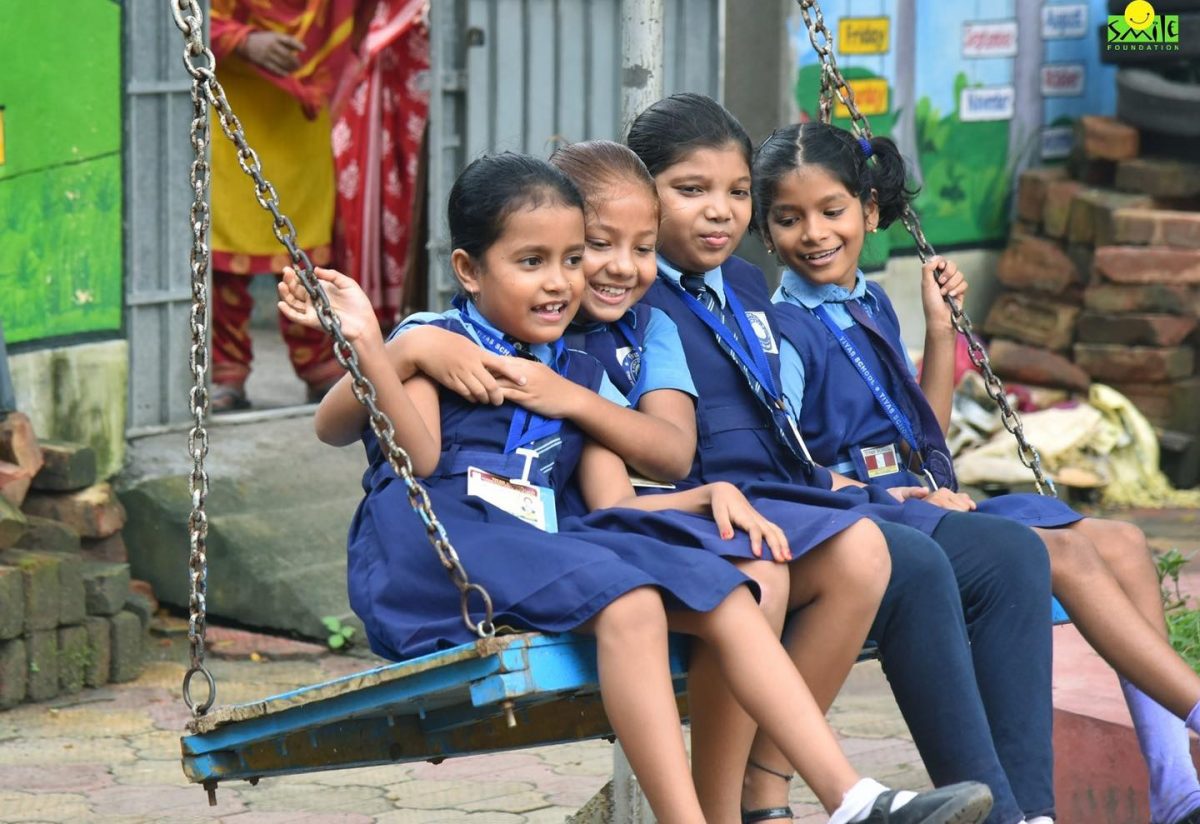
Today, the power to change the world lies with the young for the future is theirs. But this power can only be realized when it manifests and cultivates itself in a meaningful way. Every single positive action can offset a chain reaction of acts of goodness and kindness and that’s where Smile International Film Festival For Children and Youth (SIFFCY) comes into picture. Our effort is to inspire school children to become these very points of positive actions in the society, and offset multiple chain reactions.
Children today are riddled with different challenges every single day. Ranging from bullying, to depression, to body image issues and even low self-esteem concerns, with a different era where digital influences are growing day by day, a different set of struggles have cropped up. These issues have become alarming, and need to be addressed in a fashion that these students would be able to understand, and learn from. Innovative ways needs to be developed to mould and transform the young minds.
In order to then productively address the problems Gen Z face, we worked on a unique initiative using the medium of the visual arts. The result of this brainstorming was the ideation of a film festival meant for children and youth. Now moving towards the tenth edition, Smile International Film Festival For Children and Youth (SIFFCY) brings together good and meaningful world cinema. SIFFCY not only allows us to sensitise the young minds, but also keeps the medium of sensitisation fun, creative, and unique. As we celebrate SIFFCY for the tenth consecutive year, we anticipate thousands of students from schools across India joining us in our endeavour, ready to be inspired, and to inspire.
The power of cinema today is such that it can leave an everlasting impact on a mind, and given that students tend to get highly influenced by what they see, it becomes important to keep this visual content relevant and responsible. Even while there is a lot of good cinema out there, it often becomes tedious to have access to that content, which is why at SIFFCY, we are screening 100+ movies from around the globe, at no cost to the children, to motivate them-so that they have the ingredients to become our future leaders and more importantly, responsible citizens of our nation.
The 10th edition of SIFFCY (Smile International Film Festival for Children and Youth) is a week long festival, to be held at Siri Fort Auditorium, New Delhi from 09-15th April, 2024. The festival will attract school going children, budding filmmakers, industry professionals, and audience members from around the world. More than 100 movies from around the world will be screened here, including feature films, short films, and documentaries. Some of the key highlights would be events such as Film Making Workshop, Cinematography Workshop, Storytelling Workshop, Photography Workshop, and much more. For more details, please visit us on siffcy.org
World NGO Day 2024: Building a Sustainable Future through the Power of NGOs
World NGO Day, celebrated annually on February 27th, is a moment to recognize and appreciate the invaluable contributions of Non-Governmental Organizations (NGOs) worldwide.
In 2010, World NGO Day was introduced by the Baltic Sea NGO Forum, marking the inception of an annual global event that acknowledges the significant contributions of non-governmental organizations (NGOs) worldwide. This day serves as a platform for NGOs to advocate for policies conducive to their future initiatives. The proposal made by the Baltic Sea NGO Forum in 2010 gained approval in 2012, and initially, the observance of World NGO Day was confined to nations participating in the forum, including Denmark, Estonia, Finland, Germany, and others.
The turning point occurred in 2014 when representatives from esteemed organizations such as the United Nations and the European Union joined the event, expanding its reach beyond the forum participants. Subsequently, World NGO Day transitioned into a truly global celebration, resonating with nations worldwide.
In 2024, the theme revolves around Building a Sustainable Future: The Role of NGOs in Achieving the Sustainable Development Goals (SDGs). This theme underscores the pivotal role that NGOs play in addressing global challenges and steering humanity towards a more sustainable and equitable future.
Understanding NGOs and Their Significance
NGOs, or Non-Governmental Organizations, are entities independent of governmental influence, often driven by a passion for social change, development, and humanitarian causes. Ranging from grassroots organizations to international giants, NGOs operate in diverse fields such as health, education, human rights, and environmental conservation.
The Global Call for Sustainability: The theme for World NGO Day 2024 aligns with the global urgency to address environmental, social, and economic challenges. The United Nations’ Sustainable Development Goals (SDGs) provide a roadmap for creating a sustainable and inclusive world by 2030. NGOs play a pivotal role in translating these goals into action, bridging gaps, and fostering collaborations that drive positive change.
NGOs as Catalysts for Change: NGOs act as catalysts for change by leveraging their unique position between governments, businesses, and local communities. Their flexibility and ability to innovate make them instrumental in implementing projects that promote sustainability, eradicate poverty, ensure access to education and healthcare, and address climate change.
Local Impact, Global Reach: NGOs operate at the grassroots level, directly engaging with communities to understand their needs. Whether it’s a small organization working to provide clean water in a remote village or a large international NGO addressing global health crises, the impact of these organizations ripples across borders, demonstrating the interconnectedness of our world.
Building a Sustainable Future
Now, let’s delve into the ways NGOs contribute to building a sustainable future:
Environmental Conservation: NGOs play a crucial role in environmental sustainability by championing causes such as climate action, biodiversity conservation, and renewable energy adoption. Through awareness campaigns, policy advocacy, and on-the-ground initiatives, NGOs contribute significantly to mitigating the impact of climate change and preserving our planet for future generations.
Empowering Communities: Sustainable development is inherently linked to empowering communities. NGOs work tirelessly to uplift marginalized populations, ensuring access to education, healthcare, and economic opportunities. By empowering individuals, NGOs create a ripple effect, fostering self-sufficiency and breaking the cycle of poverty.
Advocacy and Policy Influence: NGOs act as advocates for change, pushing for policies that align with sustainable development principles. They engage with governments, international bodies, and businesses to influence decisions that have far-reaching consequences. The power of NGOs lies not only in their ability to implement change on the ground but also in their capacity to shape systemic transformations.
Innovation and Technology for Good: NGOs often lead the way in adopting innovative solutions and leveraging technology to address global challenges. From harnessing digital tools for education to deploying advanced technologies in healthcare, NGOs are at the forefront of finding sustainable and scalable solutions to complex problems.
Global Collaborations: Achieving the SDGs requires a collective effort. NGOs, with their collaborative nature, facilitate partnerships between governments, businesses, and communities. These partnerships amplify the impact of initiatives, ensuring a holistic and comprehensive approach to sustainable development.
Conclusion
World NGO Day 2024 serves as a reminder of the transformative power that NGOs hold in shaping a sustainable future. As we navigate the complexities of the 21st century, the dedication, innovation, and resilience of NGOs become beacons of hope. The theme underscores the collaborative journey toward a world where no one is left behind, and our planet thrives for generations to come. It is a call to action, urging individuals, governments, and businesses to recognize, support, and actively engage with NGOs in the pursuit of a more sustainable and equitable world.
Looking to add more years to your life? Surprisingly, research suggests that education might be the key. While we often associate longevity with habits like eating well, sufficient sleep, and stress reduction, a recent study in the Lancet Public Health emphasizes the profound impact of education on life expectancy.
Delving into data from numerous studies spanning 59 countries, researchers explored the correlation between education and mortality. The results were striking—each additional year of education was linked to a 2% reduction in mortality. To put it in perspective, completing high school and college, and accumulating about 18 years of schooling, translated to a remarkably 34% lower risk of premature death compared to those with less education.
The protective effect of education against early mortality was comparable to meeting the recommended daily intake of vegetables. Conversely, minimal schooling increased mortality rates akin to the impact of heavy alcohol consumption or a decade of smoking ten cigarettes a day, as highlighted by Dr. Emmanuela Gakidou, a professor at the Institute for Health Metrics and Evaluation at the University of Washington School of Medicine and co-author of the study.
Contrary to expectations, the study discovered that the positive impact of each year of education did not diminish. In contrast to previous theories suggesting a plateau effect after a certain point, the researchers found that “education keeps on giving,” with every additional year contributing to a continued reduction in mortality risk.
The study, a comprehensive meta-analysis amalgamating data from 600 different studies, considered factors such as age, gender, and a country’s economic status. Surprisingly, the link between higher education and reduced mortality proved to be universal across these variables.
While the degree of benefit varied slightly by age, with younger individuals experiencing a more pronounced reduction in mortality, the study’s lead author, Dr. Gakidou, emphasized that the impact of education persisted across all age groups. The findings underscore the need for increased social investments in global education to combat persistent inequalities that contribute to premature deaths.
As co-author Mirza Balaj explains, “More education leads to better employment and higher income, better access to healthcare, and helps us take care of our own health. Highly educated people also tend to develop a larger set of social and psychological resources that contribute to their health and the length of their lives.” In essence, the research advocates for a global commitment to improving access to quality education, not just as an intellectual pursuit but as a fundamental contributor to a healthier and longer life.
India and Education
In a country with one of the highest populations globally, and boasting one of the largest youth demographics, the significance of education takes center stage for transformative change. The findings from the study highlighting the profound impact of education on life expectancy echo far beyond individual well-being, resonating with broader societal and economic implications.
India, with its diverse and dynamic population, stands at a crucial juncture where investing in education is not just a choice but a necessity. Education catalyzes social and economic development, creating a ripple effect that positively influences employment rates, healthcare access, and overall societal well-being. The revelation of the study that the benefits of education persist throughout the life of a person emphasizes the enduring impact that a well-educated population can have on the trajectory of the nation.
Furthermore, with a large youth population, India possesses a demographic advantage that can be harnessed through strategic educational investments. Providing quality education equips the youth with the tools to innovate, contribute to economic growth, and participate meaningfully in civic life. The result is a more resilient and empowered society that can navigate the challenges of the present and future.
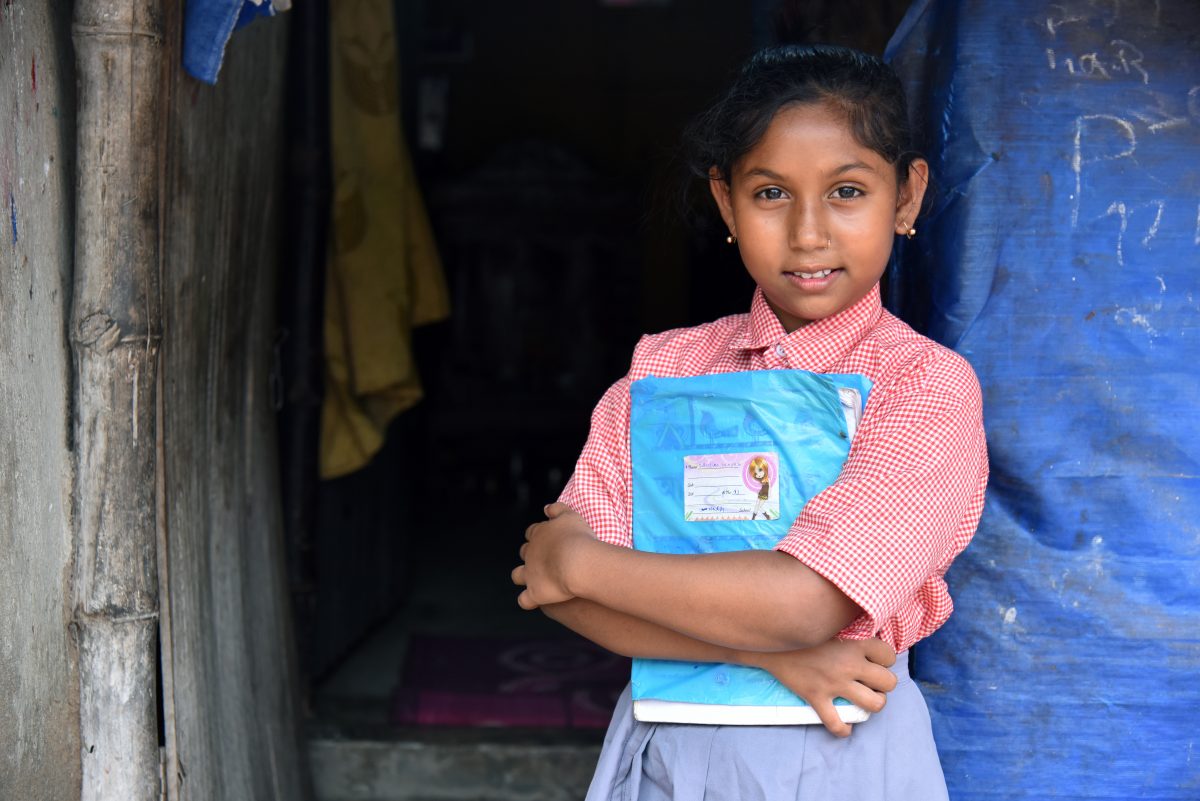
Smile Foundation through its education initiative, Mission Education is making sure that children of low-income households all across India get a quality education so that education can open up possible futures for them, futures in which they are free of poverty and can live lives without constant worry for making three meals or even better, afford at least some of the luxuries that they dreamed of.
You can ensure that their education doesn’t stop, you can become an important part of changing their lives by making a thoughtful contribution here!
NGOs in India— Transformation from Tech-Orientation to Tech-Savviness
NGOs in India, like every other growing sector, were at their most vulnerable during the peak years of the pandemic, but saw their most hearty and revamped comeback during 2021-22.
Amidst the overwhelming bounce back, many smart organizations, like ours are leveraging latest technologies to help better manage and optimize their organizations and automate several of their processes. These tech-oriented measures also improve their financial transparency, accountability and make them reach their audiences better.
Data Speaks
A recent Yale University study (Yale Insights) revealed that nonprofit leaders and staff want to adopt technology; that’s the good news. The bad news is, few integrate technology into their organizational strategy.
Identification and Implementation of Tech-deficient areas in the NGO
The first step is to identify which functional areas to spot and prioritize. The next would be to deploy suitable tech solutions in the focus areas which may include— making use of already stored data, project management efficiency, accountability, workforce synergy, decision making process, impact assessment or other areas that need an overhaul.
Cloud Technology cutting costs and making interactions seamless
Cloud computing solutions are able to save every organization valuable time and costs with their super efficient processes. A technology that can be used anywhere with an internet connection allows people to connect with stakeholders all over the world in real-time. This effectively makes an organization’s operations flexible and reduces the cash spent on papers and prints.
Besides simplifying internal operations like accounting and HR functions, they limit the requirement for a complex IT infrastructure so that the non-profits can utilize more time and energy towards fulfilling their actualised causes. Automation of software also means no purchase of new software— a great cost-saving measure.
Automation of Data Centralisation using CRMs
CRMs, or donor databases, are some of the most favorable tools for storing, interpreting and utilizing your donor data.
Saving a significant amount of the employees’ time by eliminating manual data entries, CRMs allow you to access all your data in one place. This data when analyzed closely can create a complete picture to gain usable insights on donors’ contributing patterns, which should inform your overall fundraising strategy. Additionally, many of the CRMs also provide customized communications and marketing features for nonprofits to reach donors directly.
What’s more— CRMs can also be used to manage your employees, volunteers and other internal stakeholders using data from various employee management tools.
Pandemic-induced Challenges solved by Technology
Technology helped all kinds of nonprofits in India transition their various programs to remote access and their in-person events to virtual live-streams. The quick onboarding of software allowed smooth functioning of WFH and hybrid work structures leading to higher employee satisfaction, increased talent acquisition and retention, and more flexible collaborations across departments and geographical locations.
Leveraging Social Media to its Full Potential
Social Media, like it should, is reaping benefits for NGOs in India in the last few years due to an increase in mobile and online donations. Social media platforms are increasingly helping nonprofits reach their target audiences who are more willing to give. The key to social media success is a mix of various strategies—
A consistent social media presence through regular posts, quick replies on comments, and an active engagement that demonstrates confidence and vigor of a nonprofit organization
Our donors— government organizations, individual and corporate partners get quick and transparent access to the data and stories behind the various interventions made by the NGOs
Social Media forces everyone to reimagine and realign their efforts towards creative inclusivity.
Tracking engagement metrics consistently helps identify the performing and non-performing areas to realign the social media strategy
Maximizing the efficiency of the various social media platforms would mean gathering information about the donors’ preferred engagement channels. Replacing general mass announcements with personalized, targeted content can result in a higher ROI.
Directly linking your donation links on social media platforms is essential for making channels available for current and potential donors who like to have access to everything through their smartphones.
All these efforts need a fast, secure and reliable technology integration in place to fully reap the benefits of the tech-world advancements.
The Focus of Technology On Human-Centered Design
Solving donor problems embodies what the individual or corporation values are based on. Why would they want to contribute towards your NGOs cause would mean identification and understanding of ethics, principles and beliefs. UX/UI (User Experience and User Interface) Integration is key to understanding the pain points of the donors and what makes them click on related links to become an active participant of the NGO.
Tech Nonprofit
“Tech nonprofit” is an emerging term that refers to a tech startup that is building software or web applications using a nonprofit model for social impact. Efforts are being made by start-ups to provide services completely dedicated to the unique needs of the NGOs.
This shows that the market is actively looking for opportunities that the NGOs need great help with and is willing to hugely invest many of its important resources towards them.
Technology Integration into NGOs shaping our today and tomorrow
Nonprofits in India constantly compete for funds and talented staff to achieve felt impact and establish a reputation that makes their social work recognisable. Integration of relevant technology markedly helps in NGO Governance by streamlining the vital processes and being accessible at all times.
Technology for change backs up NGOs in India sturdily by enabling their multi-pronged efforts and enhancing transparency in the non-profit sector. Partners expect nonprofits to communicate in a transparent manner and digitally demonstrate their effectiveness— so taking advantage of the digital tools at their disposal would be the most logical step in building trust and establishing relationships.
Becoming a tech-powered nonprofit is the only way to remain relevant in a landscape that increasingly wants data-driven results.
Healthcare is one of the aspects in India that is still underdeveloped even after 75+ years of freedom. Despite the fact that more than 65 percent of Indians live in rural regions, very few medical professionals are located there. Additionally, the execution of the Government-Financed Health Insurance Schemes (GFHIS) face recurring challenges. How does the concept of Universal Health Coverage fit into this context?
What is Universal Health Coverage?
Everyone will have access to medical care they require without facing monetary difficulties thanks to universal health coverage. A UN resolution was formulated in 2012 encouraging countries to work toward granting everyone access to inexpensive, high-quality healthcare services.
With the goal of providing all people with Universal Health Coverage (UHC), India has set an ambitious goal. The nation’s leaders believe that everyone deserves access to reasonably priced healthcare.
The Planning Commission of India established a high-level expert group on UHC in October 2010 with the goal of creating a framework for offering all Indians conveniently accessible and cheap healthcare.
There is a major rural-urban imbalance, with accessibility in rural regions being much lower than in cosmopolitan ones. Urban public and private hospitals have adopted technology at a rapid rate, yet these systems are dissimilar and employ various technological systems.
Due to a lack of interoperability, patients’ health data get stuck in silos and cannot be shared with other platforms and organisations.
Benefits
The urgent requirement is to introduce a secure, digital system to keep electronic health records (EHRs) in accordance with pre-established standards in order to guarantee high-quality data.
The availability of patients’ medical information when and when it is required would be guaranteed by this digitised, standardised platform. In the end, this would combine all of a patient’s health-related data to promote better medical choices and better-coordinated treatment.
In addition to ensuring service equality, universal health care prevents medical professionals from specifically targeting and serving wealthy patients. The result is a healthier workforce and greater life expectancy since everyone receives the same quality of treatment.
A person may live longer and in better health and there may be less social disparity if they are provided with universal health care from birth.
Challenges
In order to address the issue of health and wellbeing, the government has taken a multifaceted approach, focusing on primary, secondary, and tertiary healthcare as well as preventive and health promotion. It is encouraging to observe a change that has aided in the well-rounded formulation of policies pertaining to health. Planning and implementing a new policy is not without its problems.
For execution, policies and infrastructural facilities must work together. Making sure that the Indian countryside does not suffer from a shortage of physicians is the actual difficulty. Not only are doctors in low supply, but also beds, medical supplies, and nurses. In India, the doctor-population ratio is 1: 834 and we can do arrive at a better number in the coming years. It would be a good idea to encourage medical professionals to practise in rural regions, and using technology to support preventative measures can support ongoing reformative initiatives.
Smile Foundation’s Initiatives
Smile Foundation is working on a dual strategy in the present to actively promote and provide free healthcare services: first, delivering high-quality healthcare services to the doorsteps of the underserved in rural communities and urbans slums of India; and second, increasing health-related awareness seeking behaviour among them. Consider making a small, thoughtful donation here to make quality healthcare possible for those with very limited finances marked towards healthcare.
Financial literacy is the ability to understand and effectively use financial skills, such as personal financial management, budgeting, and investing. In the world of investments and creating wealth through multi-channels, merely possessing money is not enough to make it sustainable. Financial literacy for women is thus very important to keep track of finances.
Financial literacy is the foundation of your relationship with money, and it is a lifelong journey of learning. The earlier you start, the better off you will be because education and its application are the keys to success when it comes to money.
Both women and men should acquire financial knowledge to participate in money-related issues of their families effectively. But it has been observed that women in India have limited financial knowledge. This could be on account of women traditionally being ‘home-makers’ and not being concerned with where the finances are coming from and where they should go. However, with the changing economic scenario and the higher participation of women in the workforce, financial literacy for women should be given topmost priority.
Women and financial literacy
Financial literacy for women is an important aspect of their independence, financial and otherwise. Being financially illiterate can lead to a number of problems. You could be more likely to accumulate debt burdens, have poor spending habits, or lack long-term preparation. Financial literacy empowers people, especially women, to make independent decisions. During emergencies or unforeseen circumstances, an individual can take correct steps if she is financially literate.
A survey revealed that only a small percentage of women are able to build on and grow their existing wealth. Among those, only about 33 per cent, have the confidence to invest their money as they see fit. Given that women’s roles in the domestic and public sphere are on the rise, these low figures show that financial literacy for women is still not part of mainstream discourse.
Why do women need financial literacy?
This is due to the following reasons:
It prepares them for emergencies.
Women can help deal with rising costs of living and inflation if they are financially literate.
Children tend to be more influenced by their mothers than their fathers. Being financially literate sets a good example for your children as well.
In most households, women are responsible for the day-to-day expenses. Thus, it is helpful for them to know how best to use the money.
Women tend to live longer than men, and thus they should have the knowledge to carry on their day-to-day affairs and manage finances.
Women who are financially literate gain more confidence in their own decision-making.
Prioritise financial independence
Financial literacy and women’s empowerment go hand in hand. Increasing your financial literacy can help you achieve your life and career goals more effectively. Financial independence serves as a cushion during unforeseen circumstances. Some studies show that women are often unable to leave abusive family situations or marriages due to financial dependency. Even for women who have careers, often their income is seen as just extra income and they are expected to take up additional responsibilities at home as well.
All the genders should gain financial literacy so that they can share responsibilities as well as make best use of their financial independence. Experts believe that knowing about financial literacy and actually implementing it in your life are very different things.
How can women gain financial literacy?
In this day and age, there are ample resources for women who wish to become financially literate. Online resources are abundant for those who wish to educate themselves. At the same, it is a stark reality that women in India may not always have the access to or know-how of the Internet to learn these things by themselves.
Session on financial literacy for women in Bengaluru
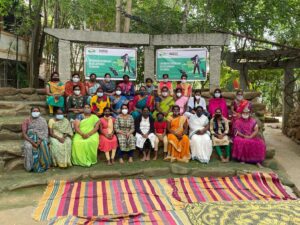
In such cases, self-help groups and organisations such as Smile Foundation can step in. For instance, the Swabhiman project, aimed at women’s empowerment, recently conducted a session on financial literacy. The session was held with 70 women in Guttahali, Bengaluru.
Sessions like the one mentioned above has the potential of bringing in people together with the same life-building aspirations. Financial literacy then becomes a process of learning through text books, experts and people with valuable experience of managing money in their own lives.
Financial literacy leads to financial independence and mindful expenditure– both essential for a higher quality of living.
Youth is a stage between childhood and maturity when young people progressively grow to be acknowledged as adults through profound physiological, psychological, social, and economic development. It is a period in life that is characterised by vitality, excitement, and inventiveness as well as a growing interest in adulthood and careers.
Youth is a period of feelings, fast mood swings, and an unfamiliarity with the world. When a young person awakens to a new world; character and individuality begin to emerge. Every quality and ability is susceptible to overestimation and overabundance, and self-feeling and ambition are intensified. Indian youth have immense potential provided they are well-equipped to enter the workforce with technical skills and knowledge-backed confidence.
It is necessary to help children cope with unique pressures that arise during the time. Today’s adolescents must deal with external pressures as they struggle with physical and emotional transformations. Millions of young people are forced to assume adult tasks and duties before they are ready due to cultural, gender, globalisation, and economic demands.
In the current digital age, technology is essential to our very survival. From the minute we wake up until the moment we go to bed, technology drives all facets of our life– personal and professional both. Additionally, the pandemic’s severe consequences have made digital the pivotal point for businesses. To solve issues and gain a competitive edge, we are undergoing digital transformations.
Accessing Quality Education
One of the key pillars of prosperity is education. Students learn a lot more when education is easily accessible. The current employment market calls for supplementary talents in addition to technical knowledge. The future of the workforce consisting Indian youth will depend on abilities like creative reasoning, communication, and problem-solving.
Encourage Entrepreneurship
The kids may harness their desire and ingenuity to help tackle problems when we encourage them. They have the potential to think about the nation’s problems and come up with answers. When given entrepreneurial chances, they come up with forward-thinking solutions to these issues, benefiting the country as a whole. Entrepreneurship is the power of youth in India.
The Necessity for Inclusion of Life Skills
Puberty, a shift in biochemical processes that result in a growing body marks the start of adolescence. For the huge youth population in India, it is a time of “Storm and Stress.” It is a period when children wander away from their parents. During this time, it’s typical for young people to spend more time with their peers and adapt to the opinions and judgements of them.
Because of how crucial this shift is, teenagers often struggle with issues like parent-child disputes, role dispersion, or negative identity. It leads to mismatched talents and goals, a lack of purpose, and an unpreparedness for the psychological challenges of adulthood.
The adolescent has times of insecurity, self-doubt, and disillusionment as a result of these internal tensions and societal expectations. The young person engages in risk-taking behaviours and takes chances under these circumstances. For these reasons, teaching young people life skills is essential to assisting them in overcoming obstacles they encounter on a daily basis.
According to the World Health Organisation (WHO), life skills are the aptitudes that enable people to successfully handle the demands and difficulties of daily life. The capacity for adaptable and constructive behaviour known as “life skills” enables people to successfully navigate their daily lives.
Life skills, in particular, are a collection of behavioural talents and soft skills that support healthy and successful coping, problem-solving, critical and creative thinking, effective communication, the development of good relationships, and life management.
It is crucial to situate in school life skills-based education within the larger framework of education system. In the end, life skills education must take place in settings that are inclusive, child-friendly, well-resourced, staffed with skilled and motivated instructors using participatory and experiential approaches. Starting in the junior grades and continuing through the upper grades, it should gradually apply life skills to more delicate and complicated topics.
Fostering an Atmosphere where Life Skills can be Practised
If the youth and adolescents feel in-charge of their lives and get respect and approval from others, including teachers and parents, they are more likely to make wise decisions. But poor future prospects, scant family support, low social standing, and few opportunities to influence community decisions all work against life skills training.
Programs must provide opportunity for students to practise life skills outside of the classroom, challenge common assumptions, and foster support for the right to self-determination if they are to succeed.
Simply said, life skills will only be taught in the classroom only if the society is willing to let kids and teenagers actively participate in decisions impacting them.
Cultivating Community and Academic Support for life skills instruction
Through mobilisation efforts, it is necessary to increase community, school, and family support for life skills-based education.
Launching Livelihood Programmes
Young individuals who work not only earn money but also improve their knowledge, self-worth, and confidence. They also gain a positive view on what the future may bring. Youth might gain a variety of skills, including literacy and numeracy, technical, entrepreneurial, practical, social, managerial, and strategic ones, with the support of livelihood programmes. The students must participate in a variety of academic and occupational decision-making processes that have significant implications for the future. This is the stage at which vocational maturity experiences the greatest development and advancement.
Smile Foundation and Indian Youth
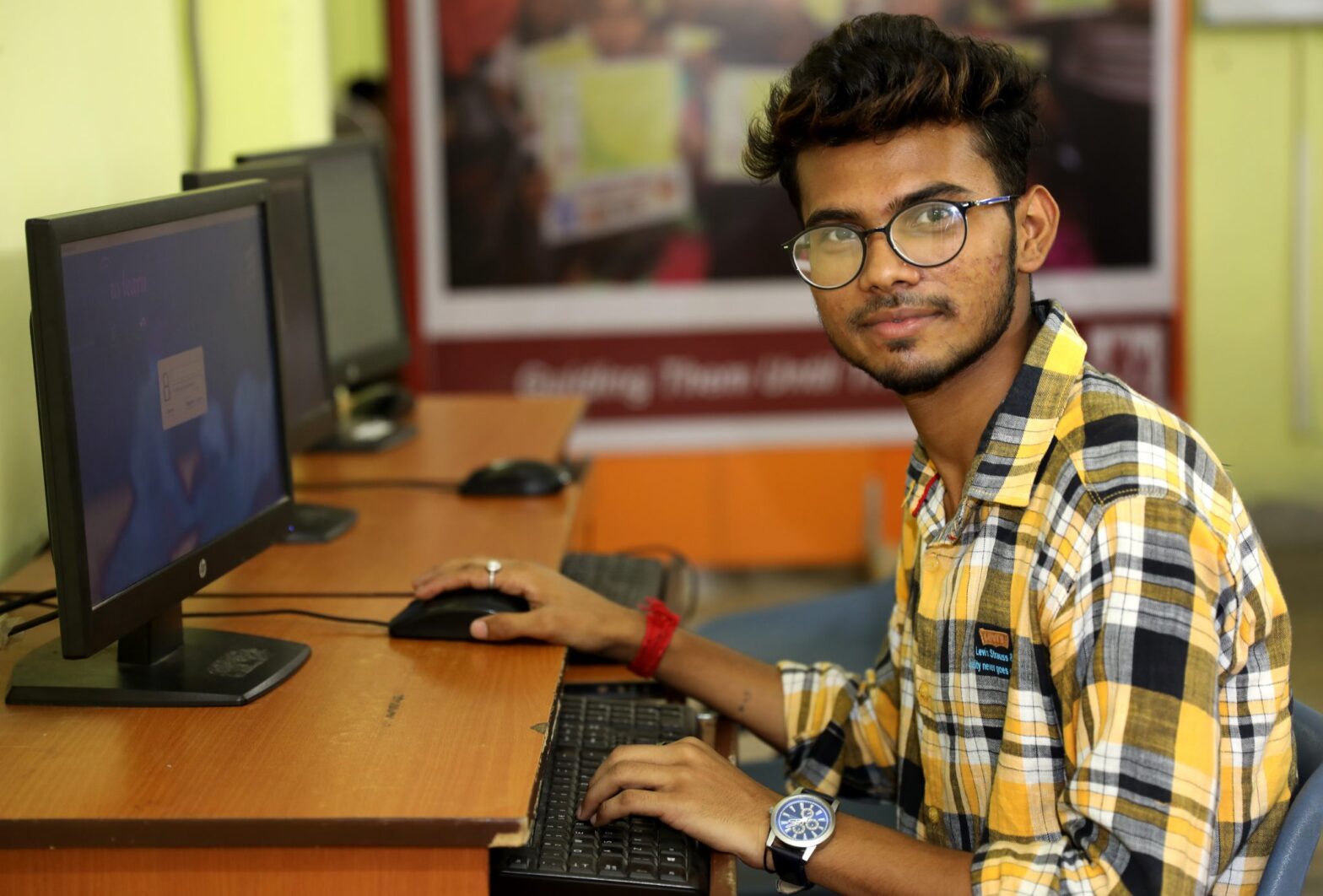
All of the promise is in youth. Smile Foundation with your support is supporting the skilling endeavours of the youth in need of encouragement to expand their knowledge with concerted efforts to place them in flourishing sectors. They will then have complete authority to guide India into its beautiful future.
Healthcare is important because it directly impacts the well-being and quality of life of individuals and communities. Access to proper healthcare services ensures timely diagnosis, treatment, and prevention of illnesses, which in turn leads to improved health outcomes, increased life expectancy, and overall socio-economic development. Rural healthcare is a challenge that needs a different approach and we are here to discuss it.
Significance of Healthcare in Rural India
Health Disparities and Access Challenges: Rural areas in India face significant health disparities compared to urban regions. Limited access to healthcare facilities, medical professionals, and diagnostic services exacerbates these disparities. Many remote villages lack even basic healthcare centers, forcing residents to travel long distances to seek medical help. This lack of accessibility can lead to delayed treatments, worsening health conditions, and even fatalities in critical cases.
Maternal and Child Health: Healthcare is particularly crucial for maternal and child health in rural India. Access to prenatal care, skilled birth attendants, immunizations, and postnatal care significantly impacts maternal and child mortality rates. Lack of proper healthcare during pregnancy and childbirth can lead to complications, endangering both the mother and the baby. Adequate healthcare interventions are essential to ensure safe pregnancies and healthy childhoods.
Preventable Diseases and Health Education: Rural communities often suffer from preventable diseases due to poor hygiene practices, lack of clean water, and inadequate sanitation facilities. Health education plays a vital role in raising awareness about proper sanitation, hygiene, and nutrition. Healthcare initiatives in rural areas can incorporate health education to empower residents with knowledge about disease prevention and the importance of adopting healthy habits.
Agricultural Health and Occupational Hazards: Agriculture is a primary livelihood source in rural India. However, it exposes individuals to various occupational hazards, such as injuries from farm machinery and exposure to pesticides. Healthcare services are essential to address these specific health risks faced by farmers and agricultural laborers. Immediate medical attention can help mitigate the consequences of accidents and provide guidance on safe farming practices.
Smile Foundation recognizes the importance of healthcare and has taken several initiatives to address healthcare challenges, particularly for underserved populations in India. Some of the key steps taken by the Smile Foundation through its healthcare programme include:
Mobile Healthcare Units
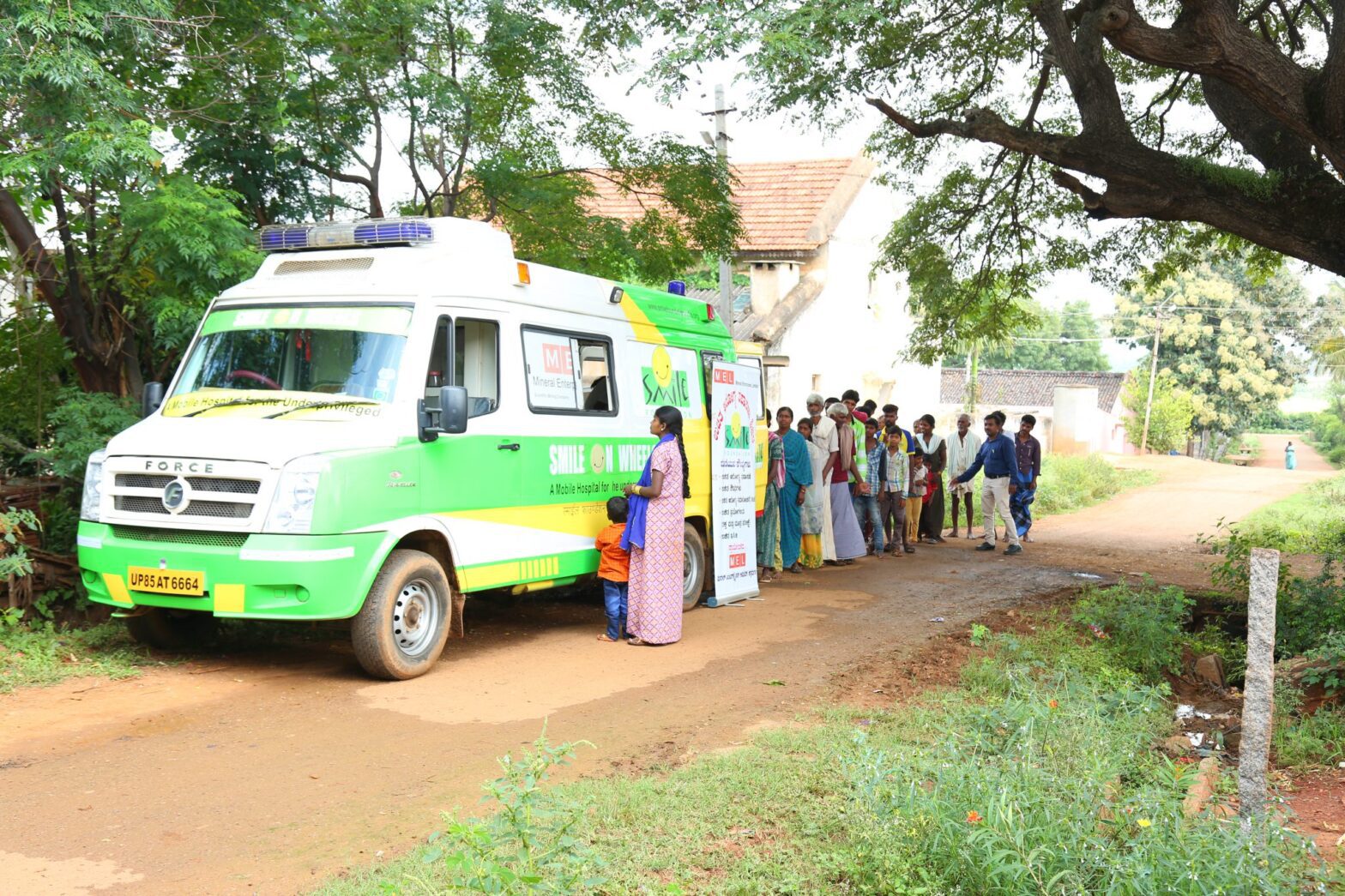
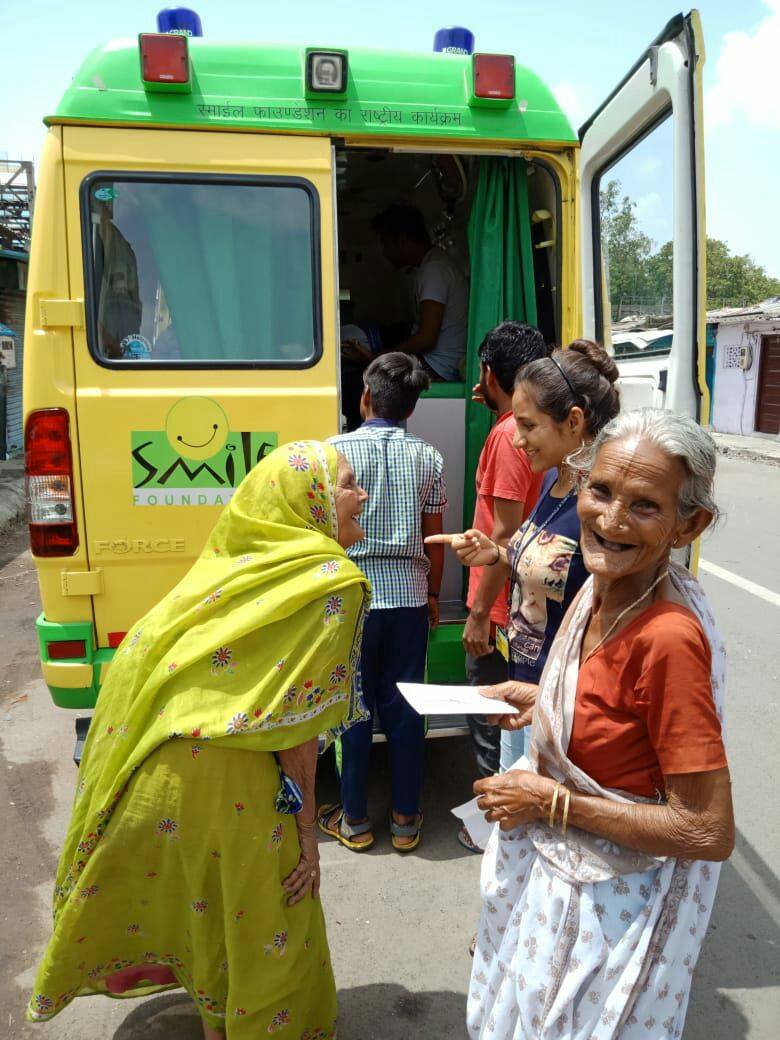
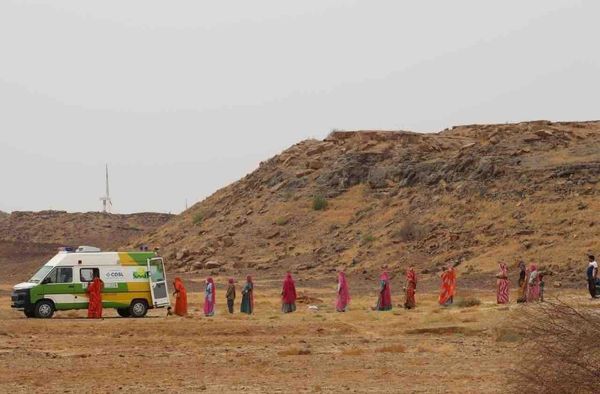
Smile Foundation operates Mobile Healthcare Units (MHUs) equipped with medical professionals and necessary equipment. These units are specially designed to reach remote and underserved areas where access to healthcare is limited. MHUs provide primary healthcare services, including medical check-ups, vaccinations, basic treatments, and health education. These units are vital in bringing healthcare directly to the doorsteps of communities that lack nearby medical facilities.
Nestled in remote neighborhoods, the remote population had to endure arduous journeys to access medical help. With the support of thoughtful corporate and individual donors, the Smile on Wheels (SoW) initiative is a lifeline that offers preventive, healing, and nurturing health services right at their doorstep.
Every day, the SoW mobile units embark on a journey of quality healthcare, visiting these communities with vital health services that encompass more than just medical aid. Conducting OPD sessions, diagnoses, distributing essential medicines, and ensuring seamless referrals. Together, we’re ensuring that no one is left behind when it comes to healthcare.
Telemedicine
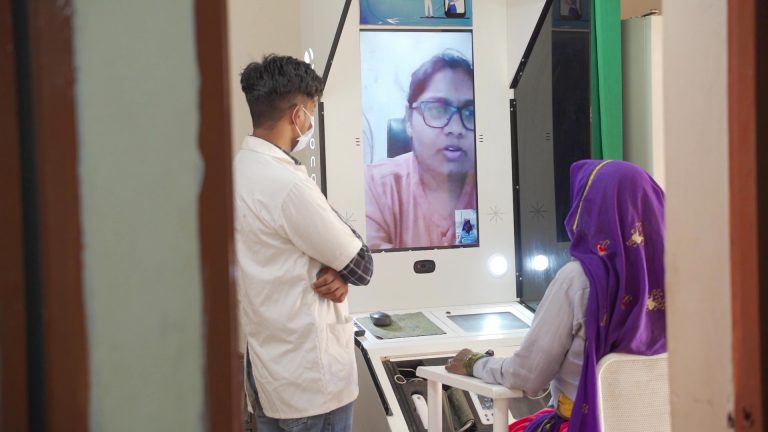
Smile Foundation’s telemedicine initiative utilizes technology to bridge the gap between remote populations and specialized medical expertise. Telemedicine involves connecting patients with doctors through digital platforms, allowing consultations, diagnoses, and treatment recommendations to be conducted remotely. This is especially crucial for areas with limited access to doctors, enabling timely medical advice and reducing the need for patients to travel long distances for healthcare.
Smile Foundation has successfully established ten e-Arogya Clinics, a collaborative effort with the health department of Nuh and our valued corporate partner. This initiative aims to serve a significant beneficiary group of a million people.
These clinics offer virtual consultations with both general physicians and specialist doctors, alongside the free distribution of essential medicines. The clinics also play a pivotal role in screening for non-communicable diseases (NCDs) and facilitating referrals to higher-tier healthcare services when required. Moreover, we’re committed to building the capacity of front-line workers and Community Health Officers (CHOs) through tailored training programs in collaboration with the Nuh district health administration.
The impact has been noteworthy, with over 35,000 individuals directly benefiting from these e-Arogya Clinics. An encouraging 52 percent of these beneficiaries are women, signifying that previously marginalized community members are now empowered to prioritize their health and well-being. This comprehensive approach has not only transformed healthcare access but also encouraged these communities to embrace their entitled health benefits and engage actively in affirmative health actions.
Static Clinics
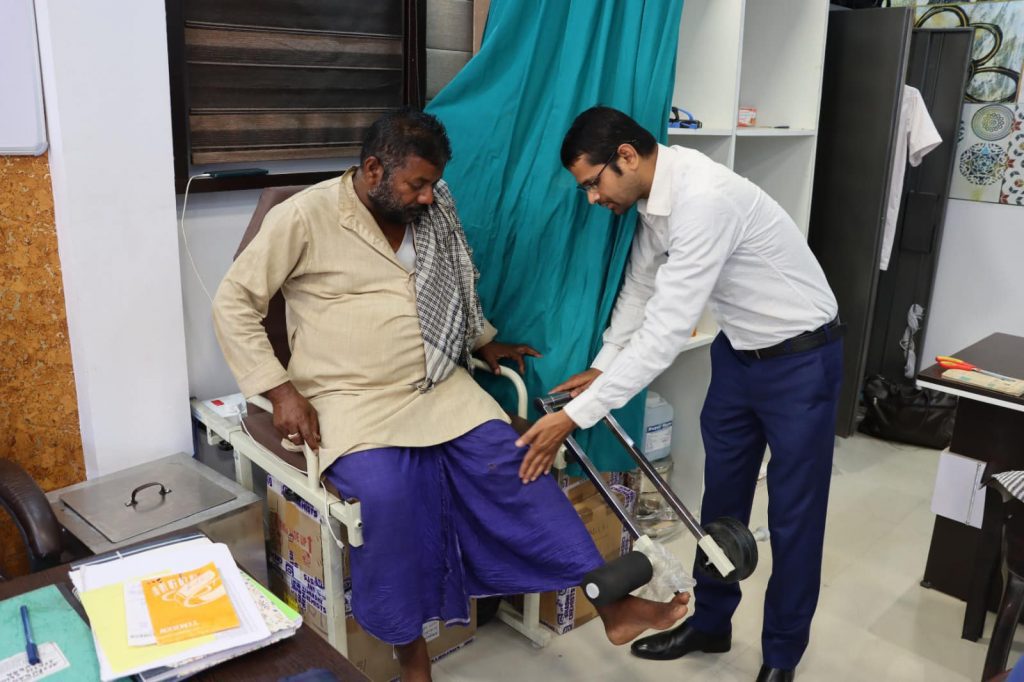
In areas with slightly better infrastructure, Smile Foundation sets up static clinics. These clinics provide a more consistent healthcare presence in semi-urban or rural locations. They offer a wider range of medical services compared to MHUs, including diagnostics, minor procedures, and regular health check-ups. Static clinics become reliable healthcare hubs for communities that lack access to fully-fledged hospitals.
Truck Drivers often drive long-haul routes in confined spaces and ignore their health. In order to focus on their health and overall well-being, a static Health Clinic in Ranchi has been set up. The clinic titled Transport Aarogyam Kendra provides OPD services and physiotherapy services to the trucking community of the area.
The physiotherapy services are meant to meet the specialized health care needs of the truck drivers as they suffer from several health issues such as bone ailments, back pain, neck pain etc. The clinic aims to cater to up to 50 beneficiaries per day (physiotherapy and general check-ups).
As part of generating awareness on health-related issues, IEC activities are also conducted, including the distribution of pamphlets, display of posters, wall writing and audio-visual aids, etc.
Health Camps
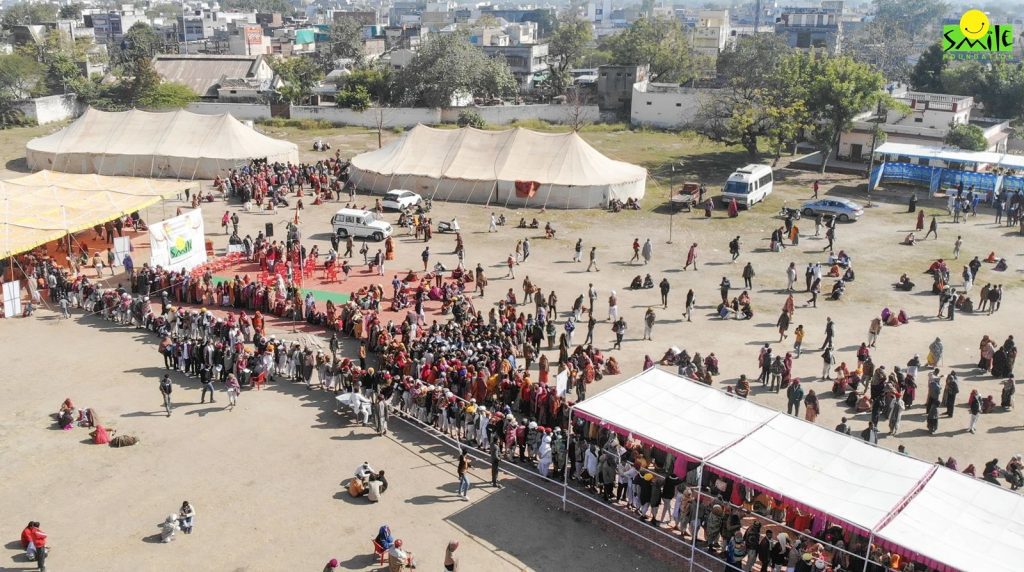
Smile Foundation organizes health camps in remote areas to provide comprehensive healthcare services over a short period. These camps focus on specific health concerns such as eye care, dental care, immunizations, or maternal health. Expert medical professionals and volunteers come together during these camps to offer consultations, treatments, and health education. Health camps play a vital role in addressing the immediate healthcare needs of remote populations.
Smile Foundation, in association with the Govt. of Rajasthan, Sadbhavana Seva Trust and Jain Conference, conducted the Annual Mega Health Camp in Shahpura Block, Bhilwara District, Rajasthan at the beginning of this year, covering a population of 30,000 children, women and senior citizens.
In the two-day camp, more than 250 doctors and paramedical staff from surgery, ophthalmology, gynaecology, dentistry, orthopaedics, medicine, ENT, anaesthesia, radiology, paediatrics and pathology joined us on the ground, making the camp function like one large multi-specialty hospital.Close to 600 surgeries were conducted in 48 hours.
Government Convergence
Smile Foundation collaborates with existing government health centers to enhance their reach and capacity. This involves providing additional medical staff, equipment, training, and support. By strengthening government health centers, we ensure that they can effectively serve remote populations with quality healthcare services. This approach also helps in creating sustainable healthcare infrastructure in these areas.
Each of these initiatives showcases Smile Foundation’s commitment to improving healthcare access for remote populations. By combining mobile healthcare units, telemedicine, static clinics, health camps, and enhancing government health centers, Smile Foundation is effectively addressing the healthcare challenges faced by underserved communities, ultimately contributing to better health outcomes and improved quality of life.
World Book Day 2024: Nurturing Mind & Enriching Souls
Child-centered education in today’s world is based on the thinking that students must be encouraged to learn at their own pace. Their study exercises should be tailored following their specific needs and with an inclination toward their interests.
The traditional methods of teaching more often do not produce desirable results. It is leading to students losing interest, piling up of home assignments and poor mental health for teachers, students and parents.
Children love to learn when they enjoy their lessons. Child-focused schooling makes learning relevant and fun, giving even the tired students an incentive to keep trying.
The history of children-specific education began in the twentieth century with ideas from John Dewey, Jean Piaget, Lev Vygotsky, and Maria Montessori. It is a reversal from the traditional teacher-centered understanding of the learning process and instead puts students at the center of the learning process.
Child-centered Classroom
Child-centered education begins with teachers involving students in a classroom to share in decision-making processes and believing in their capacity to lead. When a child learns about the relevance of the subject in a discussion it makes learning more interesting for them.
During creative learning when a child chooses the focus of the content he/she can use their imagination to come up with interesting takes on the same subject. Brainstorming and engaging in dialog together helps children to match their interests with the skills and concepts. It requires children to be active participants and responsible participants in their own learning.
Focus on All Areas of Development
The very core of learning centered around children is to help the child achieve holistic development. It includes the development of physical capabilities along with intellectual abilities, cognitive or mental abilities, emotional abilities, and social skills. Child-centered teachers engage in an “active learning” process to help the child develop the knowledge and skills needed in all areas.
The NEP 2020 has reconfigured the curriculum of school education to make students more responsive. The curriculum is more relevant to the developmental needs and interests of learners at different stages of their development. The policy states that classroom learning will regularly contain more creative, collaborative, exploratory and fun activities.
Importance of Play
According to many studies, play acts as a medium of learning for children from a very young age. It stimulates early brain development. It allows children to create and imagine, which is an important aspect of child-centered education. Play promotes healthy development and critical thinking skills and reinforces memory.
Playing also provides opportunities for children to learn social interaction. When children play together they learn to cooperate, follow rules, develop self-control, and generally get along with other people.n
New Education Policy (NEP) 2020
While there are many challenges in implementing child-centered learning, these challenges can be met and overcome. In India, it has now started with the introduction of the New Education Policy 2020.
This style of child-centered learning is important for nation-building as it gradually develops independent thinkers, endowed with the tools necessary for lifelong learning.
To know more about Smile Foundation’s campaign on education visit here!
When understanding women empowerment in India, one needs to be aware of their rights like the right to vote, equal opportunities, property rights, freedom of choosing their partner, their legal rights, and many more. Empowering women is about their realization of their self-worth and making equitable conditions exist in a society where women can enjoy their rights just like their male counterparts.
When it comes to the population of women in the world, it’s around 50 % but in India, there is a disproportionate sex ratio resulting in a lower female population.
To understand the present state of things, we need to labyrinth our way into women’s empowerment in India throughout the years, from the ancient to the modern times.
What is women’s empowerment?
For centuries, unjustified treatment towards women went with them not allowed to have property, no share in their parental property properties, no voting rights, and no one to guide them towards making a career and a life where real freedom was a stuff of the dreams.
Now many women have control over their material assets, intellectual resources, and ideologies.
Ancient Indian Period
Women were treated as equal to men, and there was no gender-based discrimination. The society of the time considered women as Janani which means mother, with Hindu scripts considering women as Devi.
All the basic rights were thoroughly enjoyed by women where they were free to receive education and other skills deemed necessary for survival and thriving. Many famous women of the time were competitive with men in many fields with no restrictions binding on them. They also possessed great wealth and property and had a very strong say in matters concerning the welfare of the children.
In Taittiriya Samhita, women and men were considered as the two wheels of a cart- the existence of one dependent upon the functioning of the other. All lessons in the Vedas were great examples of equality between men and women.
The Medieval Period
Medieval India is well remembered because of child marriage. During this era, the birth of a female child brought shame to parents, who perceived daughters as a burden on the family. Consequently, parents hastily arranged marriages for their daughters. Another contributing factor to child marriages was the unfounded belief that mature girls were prone to engage in scandals. As a result, parents sought to marry off their daughters at a young age, with the girls remaining in their parental homes until reaching puberty. In this societal context, women were unfortunately regarded merely as marriage material, treated akin to commodities. This mindset not only led to a surge in birth rates but also contributed to the poor health of women, contributing to higher mortality rates for both women and infants.
No access to widow re-marriage
In the medieval period, widows were stigmatized as cursed and believed to bring ill luck upon becoming widowed. These women had to renounce all comforts promised by their husbands at marriage, facing exclusion from holy rituals and sacred places. Remarriage was forbidden, leaving them with no choice but to lead a life of seclusion, clad in faded white attire and adhering to specific dietary restrictions.
The fight for women’s empowerment in India gained momentum as society evolved. In the early stages of modern empowerment, notable figures like Begum Hazrat Mahal, Uda Devi, and Rani Laxmi Bai emerged during the East India Company era. Social reforms saw the active involvement of men such as Raja Rammohan Roy, Iswar Chandra Vidyasagar, Swami Vivekananda, and Swami Dayananda Saraswat, contributing to the restoration of women’s status.
Western Influences
The concept of empowerment originated during the civil rights movements in the USA in the 1960s. Empowerment, defined as an individual process of taking control over one’s life and responsibilities, granting human rights and social justice, played a crucial role in reshaping the status of women in India. The 19th century marked a global shift toward women’s education, influencing trends in India, where the qualitative excellence of education was maintained within a limited aristocratic circle.
British rule and missionary activities from Europe brought changes to Indian society, with the establishment of schools for girls in Calcutta, Bombay, and Madras. Post-independence, women’s empowerment movements faced challenges as many women returned home after the departure of colonizers. Despite constitutional promises of equality and adult franchise, issues like oppression, discrimination, dowry deaths, unemployment, and a declining sex ratio persisted.
Present Times
The term “human rights” has become ubiquitous, reflecting a broader discourse in contemporary times. The global women’s rights movement extends beyond reformation, focusing on the reconstruction and recovery of women’s status and their inherent rights.
One of the noteworthy areas of progress lies in legislative changes designed to bolster women’s rights and safety. Laws addressing sexual harassment, domestic violence, and gender discrimination have been enacted, marking a significant shift towards a more protective legal framework.
Educationally, India has witnessed a positive trend with increased emphasis on improving female literacy rates. Government initiatives and schemes are actively promoting girls’ education, contributing to a more inclusive and educated female population.
Political participation has seen encouraging developments, with more women occupying key political positions. Reservations for women in local bodies have played a pivotal role in fostering greater female involvement at the grassroots level.
Economically, there is a rising tide of women entering the workforce across diverse sectors and Smile Foundation is making efforts towards putting more women into the workforce. Entrepreneurship among women is on the ascent, reflecting a changing landscape of economic participation.
In conclusion, the evolving status of women in India reflects a dynamic interplay of progress and challenges. While strides have been made in various spheres, the journey towards women empowerment requires a concerted and sustained effort from all segments of society. By addressing challenges head-on, India can move closer to realizing the vision of a society where every woman is empowered to achieve her fullest potential.