Categories
Women Empowerment

Women’s Equality Day 2024: Voting to decision-makers

Clad in an elegant blue tussar silk saree, the 64-year-old woman with grey hair held her chin up while entering a room with a red suitcase. The woman took her assigned seat in a room filled with men and presented her budget proposal amid much awe and expectation. The woman was Indian finance minister Nirmala Sitharaman. The scene unfolded when she presented the budget in Parliament in July. In the last 77 years since its independence, India has come a long way for this to happen. Sitharaman is the first woman to head the finance ministry– not just that– Sitharaman is the first finance minister to table seven consecutive budgets. She even surpassed Moraji Desai, who presented six budgets.

Despite holding the important position, Sitharaman is just one of the two women ministers in Prime Minister Narendra Modi’s 30-member cabinet. Women’s participation in the political arena is very important for the number of women in the cabinet to actually increase. From being mere voters, women should step out of their comfort zone and grab the opportunities to become true decision-makers. But there seems to be the continuous struggle for women’s participation and equality in all the spheres of life.

Without equality, women get no opportunities. Without equality, there is no end to the women’s struggle. There will be no women decision-makers and women will still be confined within four walls of their houses. It is to insist on the importance of treating women equally in all aspects and to bridge the gaps for the greater good, Women’s Equality Day has been commemorated annually. The day also serves as a reminder of the progress the women have made over the years.

Women’s Equality Day 2024

The first step towards creating a way for women leaders was taken in 1920, when the 19th Amendment was passed in the United States Constitution. The amendment granted women the right to vote. The right, which is believed to be the cornerstone of democracy, did not come easily. Until the early 19th century, women in the US couldn’t inherit property. Most of them were not allowed to work at all. Even those who worked made only half of men’s wages. That’s when women began to demand political representation. To gain political representation, they needed the right to vote.

The amendment was first introduced in the US constitution in 1878, but it was not ratified. Because it required approval from at least two-thirds of the states. It means 36 of the states had to ratify the amendment for it to pass. However, after a long struggle, the US Congress adopted the amendment—also known as the Susan B. Anthony Amendment—on August 26, 1920, and let the women vote.

The US Congress designated August 26 as Women’s Equality Day in 1971.

From voting to becoming true decision-makers

From voting to becoming true decision-makers, women have a long way to go. Though almost all the countries have allowed their women to vote and make political representations now, the country’s head post is still unattainable for women in many countries. In several other countries, women had managed to grab the post just once or twice.

For instance, Indira Gandhi is the first and only woman prime minister India has had till date. Though the country has seen a significant rise in the number of women chief ministers and women union cabinet ministers, the prime minister post remains unattainable after Gandhi. Likewise, the United States hasn’t had a single woman president till date, though women continue to be active and influential in its politics. Not just that, the only woman vice-president of the US is Kamala Harris, who took office in 2021 under President Joe Biden.

However, it is also true that the world has seen many women heads in the last few decades and women are holding important posts in many countries. For the number to increase significantly, Women’s Equality Day 2024 should not just be observed, but also fervent steps to ensure equality on the ground should be taken.

Smile Foundation’s role

How can a woman become a leader when she is struggling even to make her ends meet? How can she spare a thought about society if she has seen nothing but the walls of her house? That’s why empowering women has become essential now more than ever. Smile Foundation believes that gender equality to be vital for both the social and economic development of a nation. The country prospers only when its women are empowered. Because a healthy mother ensures her family is healthy; a skilled woman joins the workforce and contributes significantly towards economic development; an educated mother makes sure her children are educated.

Realising its importance, Smile Foundation launched its women empowerment programme – Swabhiman – in 2005. As a part of the initiative, the teams reach out to women in marginalised and socially excluded communities to offer nutritious, healthcare and livelihood benefits. Not just that, we also implement projects that make women aware, skilled and financially independent.

Our Gurugram initiative

In one of our initiatives that integrate both nutritional and entrepreneurship needs of women, we have   been supporting about 3,500 women in Sarhaul and Dundahera villages in Gurugram to make them self-reliant by educating them on reproductive health and providing entrepreneurial support. In these villages, we have made 104 safe institutional deliveries, immunisation of 460 infants and vaccination of 85 pregnant women.

Last year, we sensitised over 75,000 women on reproductive and child health, offered healthcare services to more than 80,000 women and supported about 54 women to start their own businesses and enterprises across the country.

One of the women whose livelihood was uplifted was Pramila from Haryana. Grabbing the opportunities bestowed upon her, she upskilled herself. Noticing her potential, the team supported her in setting up a boutique and financially assisted her to purchase required items, including sewing machines. Motivated by the immense change in their lives, Pramila’s husband Amul volunteers with the programme as a community change agent. Now he conducts door-to-door visits regularly and counsels men in creating a gender-equal society. 

Women’s Equality Day 2024

In the ongoing journey toward true equality, Women’s Equality Day serves as both a celebration and a call to action. The progress women have made—from gaining the right to vote to breaking barriers in leadership roles—reflects the strides taken over the decades. Yet, the path to full equality remains long, with many challenges still ahead. For every Nirmala Sitharaman in the finance ministry, there are countless women still fighting for basic rights and opportunities.

Women’s Equality Day 2024 is a reminder that true equality means every woman has the chance to step out of the shadows, claim her rights and become a decision-maker in her own life and community.
Categories
Education

How has Education changed over the years in India?

  • the establishment of the University Grants Commission (UGC) in 1953
  • and the implementation of the National Policy on Education (NPE) in 1968 and 1986.
  • National Education Policy (NEP) 2020: In recent times, with the introduction of the National Education Policy (NEP) 2020, a significant focus is ensuring that education is accessible and fair for all.
  • ICT Integration: The integration of Information and Communication Technology (ICT) has had a significant impact on learning in India. The use of computers, tablets and the internet has completely transformed the educational landscape. Schools often incorporate technology such as interactive whiteboards, projectors and audio-visual aids into their classrooms. These digital tools create an immersive and engaging learning environment.
  • E-learning Platforms: E-learning platforms have been making great strides in providing digital content for students and teachers. One such initiative is DIKSHA, which offers a wide range of resources including textbooks, video lessons and quizzes.
  • Online Education: The COVID-19 has greatly expedited the adoption of online platforms like Zoom, Google Classroom and Microsoft Teams for educational purposes.
  • Government Programs: The National Digital Literacy Mission (NDLM) is a government program that strives to promote digital literacy in every household. The BharatNet project is playing a crucial role in bridging the digital divide by connecting villages with high-speed internet. This initiative is proving to be a game-changer for rural education.
  • Quality of Education: The quality of education varies greatly across different regions, highlighting the disparities between urban and rural areas. Private schools emerged due to the absence of government schools in the village or locality, but unfortunately, many of them are primarily motivated by financial gain.
  • Infrastructure: Unfortunately, numerous schools face a shortage of essential amenities like clean drinking water, functional toilets and adequate classrooms. This lack of infrastructure hampers the learning environment and poses challenges for students and teachers alike.
  • Teacher Training: Insufficient professional development opportunities for teachers lead to outdated teaching methods.
  • Access and Enrollment: Despite improvements, significant portions of the population, especially girls, children with special needs and marginalized communities, still face hurdles in access to education. (Smile Foundation’s Shiksha Na Ruke initiative has been helping children from difficult circumstances continue their education.)
  • Curriculum Relevance: The alignment between the curriculum and the skills required for contemporary jobs is often lacking. There seems to be a dearth of emphasis on critical thinking and practical knowledge. 
  • Evaluation of Policies: When it comes to policies, we should thoroughly evaluate their impact before suggesting any future policy prescriptions.

Support She Can Fly today to educate a girl – She Can Fly Campaign.

Categories
Disaster Relief

Personal and Economic Impact of Floods

Climate change, driven primarily by human activities like burning fossil fuels and deforestation, is one of the most critical challenges we face today. It impacts nearly every aspect of life on Earth. From our health to our economy, the consequences of climate change are becoming increasingly apparent. Climate change affects individuals personally and economically, with a particular focus on recent floods and their wide-ranging impacts.

Understanding Floods and Their Triggers

Climate-Related Factors

Climate change significantly impacts the frequency and severity of floods. Warmer temperatures increase evaporation, leading to more intense and frequent rainfall. Additionally, melting glaciers and ice caps contribute to rising sea levels, which can exacerbate coastal flooding. These climate-related factors make extreme weather events, such as hurricanes and typhoons, more severe and frequent, often resulting in devastating floods.

Extreme Weather Events

Hurricanes, typhoons and heavy rainstorms are becoming more common due to climate change. These extreme weather events bring intense rainfall and storm surges, which can overwhelm drainage systems and lead to severe flooding. The increasing frequency and intensity of these events pose significant risks to communities worldwide.

Personal Impacts of Floods

1. Health Risks

Floods can lead to immediate and long-term health issues. Standing water can spread waterborne diseases such as cholera and typhoid. Additionally, exposure to contaminated water and debris can cause infections and exacerbate chronic conditions. The mental health impacts, including stress, anxiety and PTSD, are also significant, as individuals cope with the trauma of losing homes and belongings.

2. Mental Health Strain

The psychological toll of flooding can be profound. The stress and trauma associated with evacuation, loss of property and uncertainty about the future can lead to mental health issues. The long-term emotional impact of floods can affect personal well-being and community cohesion.

3. Displacement and Loss

Floods often result in the displacement of individuals and families. Those in flood-prone areas may face evacuation and temporary relocation, leading to a loss of home and community. This displacement can have lasting effects on personal identity and stability, creating feelings of insecurity and loss.

Economic Impact on Individuals

1. Property Damage and Infrastructure Costs

The financial impact of floods is substantial. Property damage from floods can be extensive and the cost of repairs and rebuilding can strain personal finances. Additionally, ongoing repairs and maintenance of infrastructure due to climate-induced damage can lead to higher household expenses.

2. Impact on Agriculture and Food Prices

Floods can disrupt agricultural production, affecting crop yields and food prices. Unpredictable weather patterns and heavy rainfall can damage crops, reduce harvests and drive up food costs. For individuals, particularly those in low-income households, this can lead to financial hardship and reduced access to essential goods.

3. Job Loss and Economic Instability

Floods can disrupt local economies and lead to job losses, particularly in sectors like agriculture, fisheries and tourism. The broader economic impact, including increased costs for disaster response and recovery, can strain local economies and reduce overall stability.

Community-Level Economic Impacts

1. Infrastructure Destruction

Communities face significant economic challenges due to the destruction of infrastructure. Roads, bridges and public buildings are vulnerable to flooding, and repairing or replacing them requires substantial investment. This can divert funds from other essential services and impact daily life and economic productivity.

2. Changes in Local Economies

Floods can alter the economic landscape of communities. For example, coastal towns that rely on tourism may see declines in visitors due to eroded shorelines and increased storm activity. Similarly, fishing communities may experience reduced fish stocks and changes in marine ecosystems, affecting their livelihoods.

3. Social Inequality

Floods often exacerbate existing social inequalities. Vulnerable populations, including low-income families and marginalised communities, are disproportionately affected by flood-related disasters and economic disruptions. These groups typically have fewer resources to adapt and recover, leading to greater social and economic disparities.

Recent Floods and the Urgent Need for Support

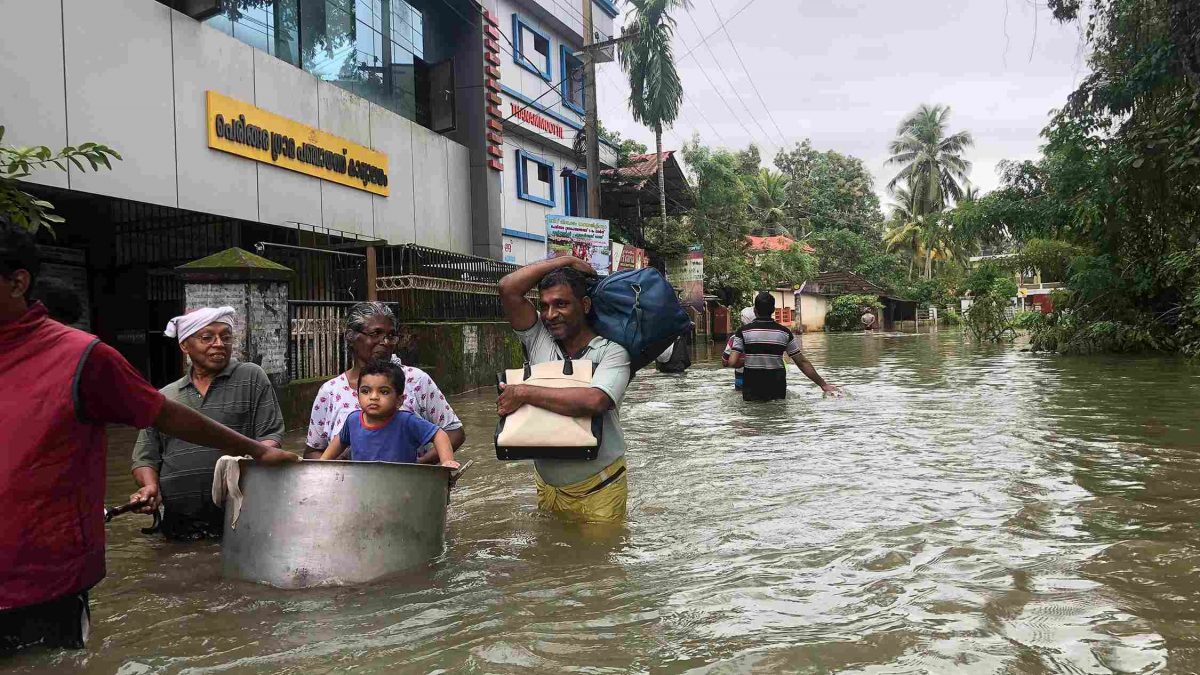
The recent floods in Kerala, Assam, Himachal Pradesh, Uttarakhand and Maharashtra have affected around 30 lakh people. These devastating floods have caused extensive life losses, property damage, displacement and severe disruptions to daily life. The affected regions are in urgent need of relief and support.

How You Can Help – Kerala Flood Donation

In light of these urgent needs, all of us need to support the affected communities. Your support can make a real difference by providing immediate relief and aiding in long-term recovery efforts.

Your help can provide essential supplies to the affected families, help rebuild homes and support those who have lost so much. Together, we can make a meaningful impact and help communities recover and rebuild stronger in the face of climate change.

Floods, exacerbated by climate change, present significant challenges on both personal and economic fronts. The health risks, mental strain and displacement individuals face are compounded by the economic impacts on infrastructure, agriculture and local economies.

Addressing these challenges requires collective action from individuals, communities, nonprofits and governments to mitigate climate change and adapt to its effects. By understanding the multifaceted impacts of floods and supporting those in need, we can work towards a more resilient and sustainable future for everyone.

Categories
Disaster Relief

Flood Donation: How You Can Support Affected Families

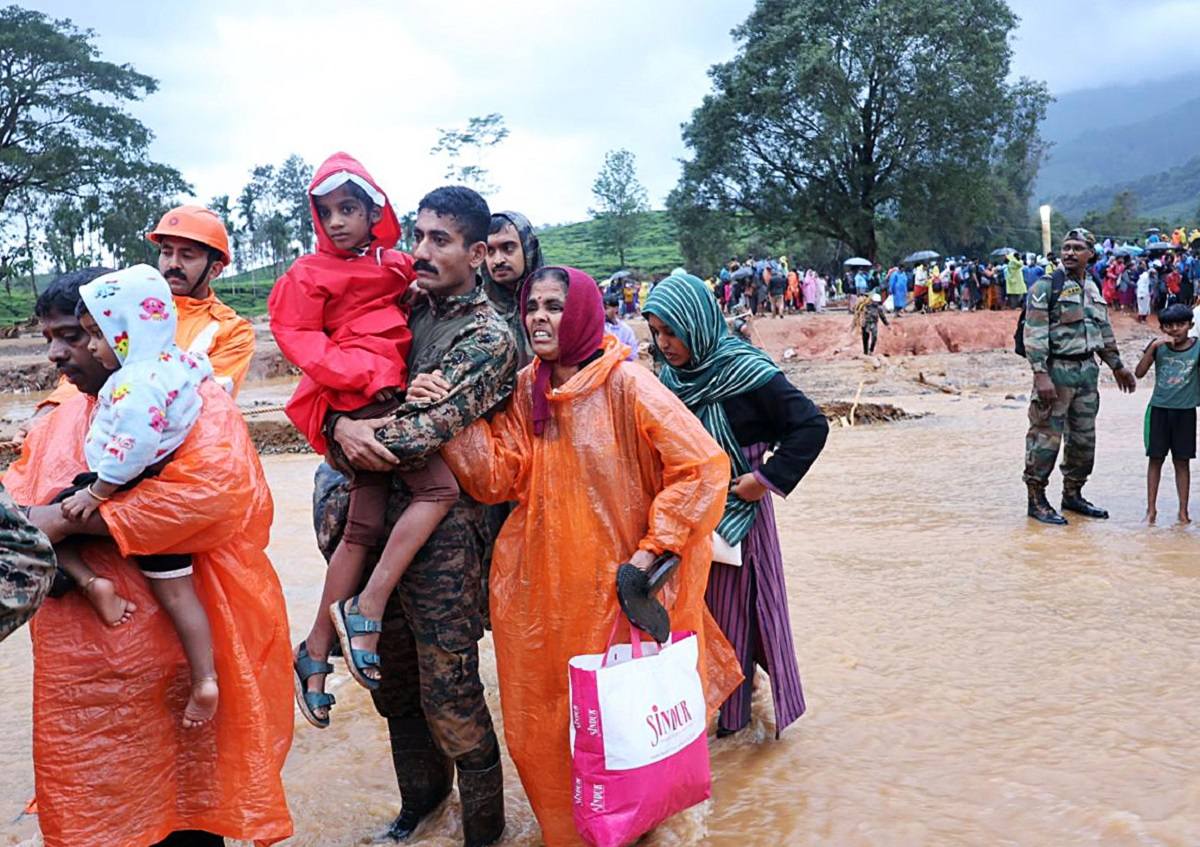
Devastating floods have struck several parts of India, impacting over 30 lakh people and leaving thousands of families in Kerala, Assam, Himachal Pradesh, Uttarakhand and Maharashtra in desperate need of help. In particular, the situation in Wayanad, Kerala has been dire. Landslides triggered by torrential rains have claimed nearly 200 lives, with many more still missing. Houses are reduced to rubble, entire neighborhoods have drowned in water and countless lives are disrupted, with many losing both their homes and means of earning a living.. Chief Minister Pinarayi Vijayan described it as

“one of the worst natural calamities Kerala state has ever witnessed.”

Rescue efforts have been challenging due to continuous rains. Rescuers, using machinery to sift through debris, have found casualties downstream and hopes of finding more survivors are fading. Over 5,500 people have been rescued and nearly 8,300 have been moved to relief camps. However, the need for immediate relief is most needed as more rains are expected.

On the ground: Smile Foundation’s Disaster Relief Response

Smile Foundation’s disaster response team is on the ground, reaching out to the worst affected children and families, assessing critical needs and procuring relief material. Your generous contribution to the Wayanad flood donation campaign can help us deliver essential food kits, hygiene kits and mobile health camps. These efforts will greatly help to sustain affected families, prevent disease outbreaks and provide immediate medical care.

Food kits:

We are providing essential food kits designed to sustain a family of five for a month. These kits include staples like rice, wheat flour, dal, salt, oil, sugar, chili powder, turmeric powder, biscuits, milk powder and oral rehydration solutions.

Hygiene kits:

To prevent the outbreak of diseases, we are distributing hygiene kits containing sanitary napkins, soaps, chlorine tablets, candles, soap boxes, mosquito repellent and bleaching powder. These basic items can make a huge difference in maintaining health and hygiene in flood-hit areas.

Health camps:

Mobile health camps are providing immediate medical care. These camps are crucial in addressing the urgent health needs of flood-affected populations and preventing the spread of diseases.

The torrential rains caught everyone by surprise

The ongoing disaster highlights the severe impact of extreme weather conditions in recent years, often attributed to climate change. The region hit by the landslides was forecasted to receive 204mm of rainfall but ended up with a deluge of 572mm over 48 hours. This unexpected and extreme weather has intensified the suffering of the affected communities.

Categories
Partnerships

Power of Cause-marketing for Brands

We are living in a socially-conscious world where customers are demanding more and more from the brands to disclose if their production processes follow ethical guidelines. Therefore, today the brands are not just about products and services. They are about values, beliefs, and making a difference. Owing to this need, cause-related marketing (CRM) has emerged as a powerful strategy that allows brands to align with social causes, creating a win-win situation for both businesses and society.

Let us look at how cause-related marketing works for brands:

Understanding Cause-Related Marketing

Cause-related marketing is a collaboration between a for-profit business and a non-profit organisation in a way that the business provides the finances and the NGO takes care of implementation. It involves marketing campaigns that promote a social cause while simultaneously driving business objectives. For example, a cab-service provider may tie up with an NGO like ours to run a campaign around women’s safety. This way, the business will be able to showcase itself as a safe travel service provider for women while also spreading awareness on the issue. This strategy not only enhances brand image but also fosters customer loyalty and trust.

CRM works well because customers are becoming increasingly aware of social issues and expect their favourite brands to invest in those causes. In fact, customers are also open to changing their brand loyalty based on which business invests its resources in such campaigns. According to a study by Cone Communications, 87% of consumers said they would purchase a product because a company advocated for an issue they cared about. This demonstrates the potential of CRM to influence purchasing decisions and build a loyal customer base.

Benefits of Cause-Related Marketing

The biggest benefit of CRM is that it builds trust and loyalty for the brand. At the same time, it also pushes the brands to invest in causes in which it otherwise may not have invested in. For example, brands like shoe-manufacturing companies have run campaigns where they would donate one pair of shoes to a child in need for every pair bought by the customers. Such campaigns create a positive image of the brand in the minds of the people and drive growth. Think of CRM as planting seeds of goodwill. As these seeds grow, they cultivate a garden of loyal customers who trust and support the brand.

Another benefit of CRM is that it differentiates the brand from others in a competitive market. For example, brands like Body Shop have presented themselves as ethical beauty products manufacturers by running campaigns against animal testing. This has positioned the brand as an ethical brand which customers can rely on. Today there are many other brands which use similar techniques to set them apart from their competitors. CRM acts like a spotlight, highlighting a brand’s commitment to social responsibility and setting it apart in a crowded market.

Lastly, it can also drive growth for the brands by increasing sales as customers prefer to buy products from a brand which seems to be investing its money in good causes. One such example is that of P&G’s Shiksha campaign under which a portion of sales from certain products is donated for the education of underprivileged children. Thus, buying these products gives customers the impression that they are contributing to a noble cause. This drives the sale of the products too. CRM is like a magnet, attracting socially conscious consumers and driving sales while making a positive impact.

Successful Campaigns

While we have already looked at some examples above, let us go through a few more case studies to understand how CRM works.

First example is the College Achievement Plan run by Starbucks in partnership with Arizona State University in the United States. Under the campaign, Starbucks offers tuition fees for education of its employees, improving access to college education for students coming from less-privileged backgrounds. Another example from the US is that of Nike’s equality campaign through which it promotes inclusion. The brand has created a positive image of Nike for its customers.

In India, similar campaigns have been run by multiple brands and there is no dearth of such examples. One of the unique campaigns was run by Vistara where it partnered with us to provide children from low-income families their first flight experience. This made for a positive campaign that brought smiles on many faces and created a good image of the brand. Similarly, Johnson Tiles also ran a campaign to make public places accessible for the differently-abled. These examples show us that CRM is used prominently by brands of different sizes operating in diverse industries.

Implementing Cause-Related Marketing

If you are a business that is looking to implement CRM in its approach, then there are a few things that you should keep in mind. First, you should choose causes that resonate with your brand values and target audience. Authenticity is key to building trust and credibility. For example, a beauty brand might align with environmental causes, while a tech company could support digital literacy initiatives.

Second, your focus should be on engaging and educating the audiences rather than just increasing business for your brand. Use storytelling to connect with your audience emotionally. Share stories of impact and progress to keep them engaged. For example, share testimonials from beneficiaries or behind-the-scenes content of your initiatives.

Third, you should always establish mechanisms to measure the impact of your campaigns and refine it according to the needs. Track the impact of your campaigns and communicate the results transparently. This builds trust and encourages continued support. Lastly, you should always ensure that you collaborate with reliable partners like reputable non-profits to ensure the effectiveness and credibility of your campaigns.

Cause-related marketing is a powerful tool for brands to make a meaningful impact on society while driving business success. By aligning with social causes, brands can build loyalty, enhance their image and drive growth. As we move towards a more socially conscious world, the power of cause-related marketing will only continue to grow.

Partner with us for your first or next cause marketing campaign here.

Categories
Smile

Income Inequality: Is that India’s biggest curse?

Earlier this year, major publications featured similar headlines highlighting the growing issue of income inequality in India. They referred to a report that indicates that India’s top 1 percent hold about 40 per cent wealth. Thus, despite being one of the fastest-growing economies globally, India also stands out as one of the most unequal countries globally. This is particularly staggering an issue for a country like India because economic inequality only exacerbates a society already divided along lines of caste, religion, region and gender. This issue of income inequality is thus complex and multifaceted, deeply embedded in historical and structural contexts. 

This presents a significant challenge to the country’s progress. By examining its historical roots, current effects and its repercussions across various workstreams, we can gain insight into how the same poses a structural problem that requires attention.

Dive into the past and present 

During much of the 1930s, under British rule, India saw the richest 1 percent of its population controlling about 20 percent of the national income. In ‘Economic Equality in India: The ‘Billionaire Raj’ is now more equal than the British Raj’, a 2024 paper authored by Nitin Kumar Bharti, Lucas Chancel, Thomas Piketty and Anmol Somanchi at World Inequality Lab, it is further revealed that since post-independence India initially pursued a path of planned economic development with a focus on social justice and equitable growth, income inequality significantly decreased. This reduction can be attributed to the broadly socialist policies adopted by the government.

However, the researchers note a marked increase in inequality after the 1980s. The reach combines national income accounts, wealth aggregates, tax tabulations, rich lists and surveys on income, consumption and wealth to showcase how the legacy of colonial exploitation had already left structural imbalances and the liberalisation era that began in the early 1990s marked a significant shift in India’s economic trajectory, causing numbers to skyrocket post-2000. The report reveals that between 2014-15 and 2022-23, wealth concentration at the top end surged notably. By 2022-23, the income and wealth shares of the top 1 percent had reached unprecedented levels, standing at 22.6 percent and 40.1 percent, respectively. 

Negligible growth

An opinion piece published in Deccan Herald argues that while the wealthy have experienced more substantial financial gains compared to the less affluent, overall living standards have risen for all. This improvement has left many to believe that, despite the unequal distribution of wealth, there have been positive developments for the broader population. However, the writers refute this claim using data from the World Inequality Database on the trend of absolute income of the two income classes. They show that post-1991, the absolute income of the top 1 percent increased drastically, while the absolute income of the bottom 50 percent saw negligible growth.

Income inequality in India today is stark and troubling. Between 2014 to 2022, the net wealth of Indian billionaires surged by over 280 percent. This growth rate is a staggering 10 times faster than the 27.8 percent increase in national income during the same period, as reported in the annual Forbes lists of the world’s richest individuals—the publication carried a record number of 200 Indians in total in the Forbes 2024 World’s Billionaires list.

A prevailing problem 

This extreme disparity is not merely a statistical anomaly but a manifestation of deep-seated structural issues within the economy and society. Furthermore, the consequences of this inequality extend far beyond financial statistics. In education, for instance, access to high-quality institutions and resources is predominantly available to the wealthy. In healthcare, affluent individuals can afford advanced medical treatments and private facilities while the less privileged struggle with underfunded public healthcare systems. The same divide is evident in sanitation, livelihoods and other arenas wherein  a major segment of the country’s population has to languish for day-to-day survival and basic necessities. Existent differences characterised by caste, gender and religion only make the situation worse. 

Here are more statistics from the World Inequality Lab: Just 1 percent of Indians are responsible for 45 percent of all flights taken in the country. Only 2.6 percent of the population invests in mutual funds, and 6.5 percent accounts for 45 percent of all digital payments. This economic divide even extends to everyday consumption: 5 percent of Zomato’s users, the largest food delivery app in India, are responsible for a third of all orders placed. On the other hand, as per the 2023 Global Hunger Index gives India a rank of 111 out of 125 countries. This indicates a level of severe hunger in the country. In fact, about 224 million people in the country live in chronic hunger. 

These figures underscore the deepening inequality in India, where a small elite controls a disproportionate share of wealth and consumption, reflecting broader trends of economic disparity. 

Comprehensive and sustainable strategies

When we are addressing the issue of income inequality, one also needs to understand that the same is a highly complex and layered issue intertwined with other issues such as inadequate infrastructure, political instability and environmental concerns. Income inequality is both a symptom and a driver of broader systemic issues. To address this issue of income inequality from its root cause, the government would need to adopt comprehensive and sustainable strategies that address the issues in its entirety. By focusing on inclusive growth, equitable distribution of resources, and systemic reforms, India can foster a more just and prosperous society. The pursuit of such goals will not only alleviate economic disparities but also enhance social harmony and national progress.

In the context of growing income inequality, nonprofits like ours are making contributions toward a fairer society. Our work focuses on addressing key issues such as poverty, education, gender equality, skilling, livelihood and healthcare. Through various initiatives, Smile Foundation supports low-income communities by providing educational opportunities for children, skilling courses for youth, promoting women’s empowerment and improving access to healthcare. While the challenge of economic disparity remains significant, we do our part in helping those who are most in need and striving for a more equitable world.

Categories
Partners In Change Partnerships Smile

Smile’s Best CSR Partnerships in India: What Makes Us Proud

At Smile Foundation, our mission is to bring sustainable changes in the lives of children and families across India. This is achieved through education, healthcare, women empowerment and livelihood programmes. With the generous support of our Corporate Social Responsibility (CSR) partners, we have been able to extend our reach and impact, transforming communities.

Here, we highlight some of our best CSR partnerships that have supported our programmes and exemplified the spirit of giving and social responsibility. These CSR partnerships are a proof about what can be achieved when corporate entities collaborate with grassroots organisations to create meaningful change.

1. GlaxoSmithKline Asia Pvt Ltd. 

Our partnership with GlaxoSmithKline Pvt. Ltd. has significantly boosted our healthcare initiative. Through this collaboration, GlaxoSmithKline, the maker of Sensodyne, and Smile Foundation have launched the “Smile On Wheels” mobile medical units as part of their CSR initiative. 

In India, 85-90% of adults and 60-80% of children suffer from dental issues. Acknowledging the urgent need for dental care, this initiative aims to improve oral health in India by providing free dental consultations to underserved communities and enhancing access to dental care at the grassroots level. Equipped with a GPS facility and staffed by a registered dentist, technician and program coordinator, these mobile units are operated by Smile Foundation to raise awareness about oral health and hygiene and to increase access to oral healthcare services. 

2. Berger Paints

Berger Paints’ partnership with Smile Foundation has made efforts towards enhancing entrepreneurial skills and employment opportunities for upskilling painters in India. Their support has been pivotal in our flagship program, “Smile Twin e-Learning Programme (STeP),” which provides training to the old and young painters of our country to improve their skills through upskilling modules. 

Berger Paints and Smile Foundation have jointly implemented the iTrain on Wheels Program, which trains painters in contemporary painting techniques. Besides facilitating the initiative, Smile Foundation will look after its monitoring and evaluation and impact assessment. This initiative has been crucial in creating numerous job and also entrepreneurial opportunities for painters across India. 

3. PepsiCo India

PepsiCo India has been a steadfast supporter of our nutrition enhancement initiatives. After the successful implementation of Project Sampoorna, a groundbreaking effort to combat anaemia and malnutrition among adolescent girls in Gujarat, PepsiCo and Smile Foundation joined hands to address the healthcare and nutrition needs of underserved communities in Punjab and Uttar Pradesh. This very recent partnership focused on upgrading and strengthening Primary Health Centers (PHCs) and introducing a Nutrition Enhancement Programme.

They project installed state-of-the-art machines at 27 identified PHCs. Additionally, the project includes collaborating with the government and conducting capacity-building sessions to ensure the effective use of these machines and the provision of quality healthcare to the rural populations with a focus on mother-child well-being, health and nutrition.

4. Ericsson India

Ericsson India’s collaboration with Smile Foundation has significantly strengthened our efforts to promote skill development and livelihood opportunities among youth of very low-income families. Since 2015, we have partnered with Ericsson India to operate 40 “Smile Twin e-Learning Programme” (STeP) centers across five cities: Delhi, Kolkata, Bangalore, Chennai, and Pune. 

This partnership aims to train individuals in short technical courses, preparing them for roles such as general duty/bedside assistants, patient care executives, front desk executives and telemarketers. By providing essential skills and training, we help these young individuals secure meaningful employment and build a brighter future.

5. Aditya Birla Capital Foundation

Since 2019, Smile Foundation’s partnership with Aditya Birla Capital Foundation has advanced education programs in the rural areas of Siddharthnagar and Shravasti of Uttar Pradesh. This collaboration aims to provide equitable access to quality education for children from poor socio-economic backgrounds. It is done through a four-pronged approach:

  • building a child-centred
  • teacher-centred learning environment
  • fostering community engagement
  • and creating a supportive atmosphere for learning.

Major interventions include setting up digital classes with solar panel power backups and training teachers in pedagogy and digital media use. Efforts were also made to re-enroll students who dropped out during the COVID-19 pandemic and focus on educational recovery for children who missed schooling during the lockdown. This comprehensive approach ensures that every child has the opportunity to receive a quality education.

6. Avery Dennison

Avery Dennison collaborated with Smile Foundation to empower women and adolescent girls in two villages of Gurugram, Haryana. Together, we launched a project titled “Empowering Women and Adolescent Girls Through Reproductive Health Education and Entrepreneurship Development” under our women empowerment program, “Swabhiman.”

This initiative takes a community-focused, sustainable approach, aiming to enhance reproductive well-being by merging health and economic development efforts. It supports the establishment of group model enterprises, encouraging women to achieve financial independence by starting their own businesses. By integrating reproductive health education with entrepreneurship training, the project ensures a holistic and lasting impact on the community.

7. Philips India

Philips India teamed up with Smile Foundation to improve access to quality primary healthcare services in Virudhunagar (Tamil Nadu), Gadag (Karnataka), Mewat (Haryana) and the Shirur Block of Pune. We deployed four mobile telemedicine units in these districts, which have been operational for the last five years. 

These units are dedicated to delivering essential primary healthcare services to urban slums and rural areas. This initiative has made significant strides in enhancing the healthcare landscape of these regions. Through this partnership, we have brought much-needed medical support to underserved communities, ensuring better health outcomes for countless individuals.

Celebrating CSR Partnerships and spreading smiles to the last mile

At Smile Foundation, we are incredibly proud of our CSR partnerships that have not only amplified our impact but have also set a benchmark for corporate social responsibility in India. Together, we are making a difference, one community at a time. We extend our heartfelt gratitude to our partners for their unwavering support and commitment to our cause. 

We also invite other companies to partner with us in our endeavours. You can fulfil your CSR goals by supporting our programs on education, healthcare, skilling and women empowerment. Together, we will continue to smile, inspire and create a better world for generations to come.

Categories
Health

In the pink of health: Mother and Child

All over India Accredited Social Health Activists (ASHAs) workers visit the houses of pregnant mothers once a few months to ensure that both mother and foetus are healthy. The visits don’t just end there. The workers continue to visit at least till the baby reaches one year. With the assistance of staff from the health department, ASHAs and Anganwadi workers, the government has been ensuring both mothers and children are in the pink of health. India has been making consistent progress in maternal and newborn health.

Statista’s report titled ‘India: Infant mortality rate from 2012 to 2022’ says that India has recorded about 25 deaths per 1,000 live births in 2022. The mortality rate has come down significantly in comparison with the infant mortality rate in 2012, which was 42 deaths per 1,000 live births. However, India has recorded the highest number of preterm births globally, and the number stands at 3.02 million in 2020. It contributes to more than 20% of preterm births occurring globally, according to a study published in The Lancet journal.

Similarly, India’s Maternal Mortality Rate (MMR) has stood at 103 in 2020, as per the United Nations Maternal Mortality Estimation Inter-Agency Group (UN MMEIG) 2020 report titled, ‘Trends in maternal mortality 2000 to 2020’. The report confirms that the MMR has come down by 6.36% during the period 2000-2020. India’s declination rate is higher than the global decline, which is 2.07%.

It is always important to understand the underlying factors impacting the health of mother and child in the journey towards finding a solution.

Factors impacting the health of mother and child

  1. Socio-economic factors: Considered as the fundamental determinants of health, socio-economic factors have a direct impact on the health outcomes of both mothers and children. These factors influence their access to quality healthcare, nutrition, and other resources, hygiene, and overall well-being. Economic constraints can limit a family’s ability to purchase nutritious food and limit their access to prenatal and postnatal care, vaccinations and treatments. It in turn might lead to a range of health problems. Poor sanitation will significantly increase the risk of diseases and infections.
  2. Environmental factors: These factors play a vital role in the well-being of both mother and child. Gone are the days when whole foods were blindly believed to be healthy. Contamination of food with pesticides, pathogens and heavy metals can adversely affect the health of people, especially pregnant women and children who are very sensitive to foodborne illness. These illnesses can in turn lead not just to nutritional deficiencies but also to other health complications. Similarly, limitations to access to clean and safe drinking water can lead to gastrointestinal infections. They are considered dangerous for children and pregnant women.

State efforts

The efforts taken by the government are in line with the UN’s sustainable development goals. The goals are to reduce maternal mortality, end epidemics, reduce neonatal and child mortality, end malnutrition, provide access to sexual and reproductive health services and provide universal access to safe water. Some of the schemes that are taken to tackle the issues are

  1. Pradhan Mantri Surakshit Matritva Abhiyan (PMSMA): The scheme aims at providing free, assured, comprehensive and quality antenatal care on the 9th day of every month to all pregnant women in their second and third trimesters.
  2. Surakshit Matritva Aashwasan (SUMAN): This scheme aims at providing free, assured, dignified, and quality healthcare for every woman and newborn visiting the public health facility. The scheme ensures there is zero tolerance for denial of healthcare service to them.
  3. Janani Shishu Suraksha Karyakaram (JSSK): Under the scheme, every pregnant woman is entitled to avail of free delivery, including caesarean sections, in public hospitals, along with free transportation, diagnostics, medicines and other consumables. Similar entitlements would be provided to sick infants accessing public hospitals.
  4. Mission Saksham Anganwadi and Poshan 2.0: The scheme ensures that pregnant women and lactating mothers get supplementary nutrition. It is to strengthen their nutritional content, thereby nurturing health, wellness and immunity to diseases and malnutrition.

This apart, required maternal and child care will be provided through outreach programmes by Anganwadi staff as a part of their monthly village health, sanitation, and nutrition day. Outreach camps will be organised in remote and tribal locations to increase awareness for maternal and child health services and to track high-risk pregnancies. Staff of health and wellness centres organise camps at localities of marginalised communities on a regular basis. 

Smile Foundation’s role in the health of mother and child

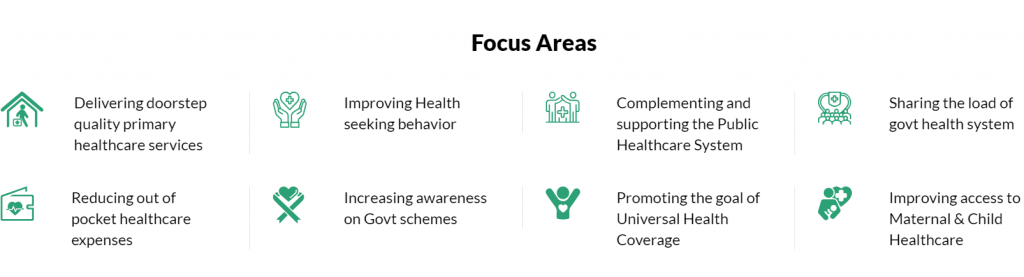
Due to the large population and unevenly distributed medical resources, delivering quality healthcare to everyone, especially those in remote locations, continues to remain a challenge in the country. Smile Foundation bridges that gap through their intervention programmes. For the programmes aimed at providing primary healthcare services at the doorsteps of vulnerable households in rural and urban slums. As a part of the programme, we provide both preventive and curative services by addressing the gaps in availability, accessibility and affordability of healthcare.

Also, we work on increasing awareness of government schemes, supporting the public healthcare system, improving health-seeking behaviour and reducing out-of-pocket expenses. We have upgraded six primary health centers in Bengaluru, Chennai and Hyderabad by providing equipment like ECG machines, OT lights, radiant baby warmers, weighing scales and biomedical waste trolleys, among others. 

Screenshot 86

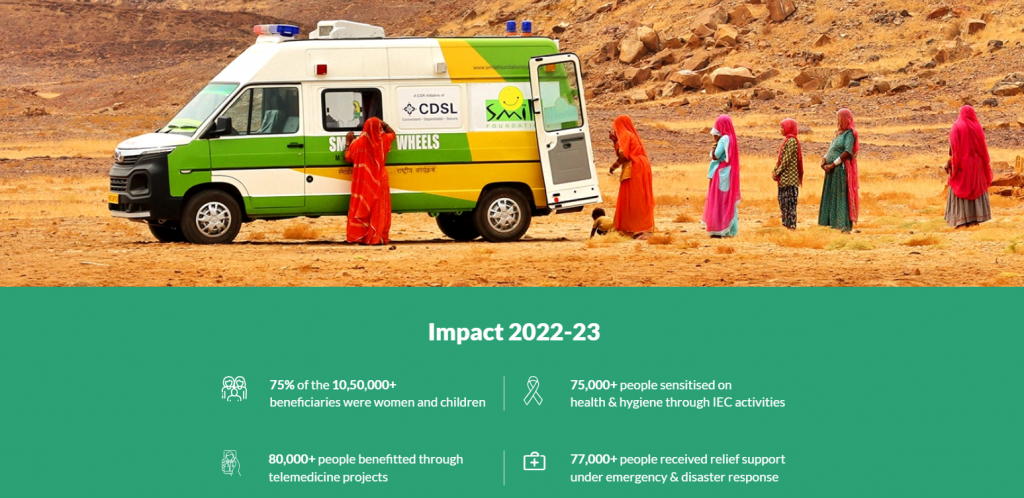
Providing specialised consultations through telemedicine services in these cities is also one of our major intervention areas. This year, over 10 lakh people from 16 states have benefitted through our concerted healthcare efforts, of which 75% are women and children. The healthcare initiative has sensitised over 75,000 on topics related to health and hygiene. Over 80,000 people benefited through our telemedicine programme.

Screenshot 87

Keep spreading smiles everywhere

What is more satisfying than seeing the tears of joy in the eyes of beneficiaries? One such beneficiary is five-year-old Rani, who lives at Sukhrali village in Gurugram. During the pandemic, she suffered from an injury on her right foot and couldn’t walk on her own. She couldn’t go to the hospital due to financial constraints. However, her family came to know about the foundation’s mobile clinic service, ‘Smiles on Wheels,’ and brought her to the clinic. Due to the right and timely medical intervention, Rani’s foot has recovered. She is not just walking without pain but also seen as one of the happiest children in the locality.

To learn more about our healthcare CSR projects and to partner, connect with us at cp@smilefoundationindia.org.

Categories
Education Smile

Taking care of the socio-emotional needs of children

In psychology, socio-emotional development is often viewed as an ongoing process where the human mind evolves through cycles of crisis and resolution. This development is essential for the overall growth of a child, with the foundational stages of socio-emotional needs beginning at birth. Children learn at an astonishing rate from their observations and experiences.

Numerous studies over the years have demonstrated that the socio-emotional needs met during preschool significantly influence an individual’s ability to adapt and succeed later in life. This development starts from day one, establishing the foundations for emotional regulation, kindness, acceptance and resilience in the face of life’s challenges. These crucial skills are nurtured during childhood.

As adults, including educators, parents and caregivers, it is vital to provide children with a safe environment where they can freely express their emotions and come to terms with their feelings.

How to address the socio-emotional needs of children

In a developing country like India, where 7.8 million children live in slums and poverty is pervasive, creating a safe space for children is a significant challenge. 

The stark divide between rich and poor disproportionately impacts communities and children in slum areas face barriers to their emotional development. Paying special attention to the socio-emotional needs of children from lower economic backgrounds is of utmost importance as they often grow up in hostile environments characterised by substance abuse, violence and gender-based violence—all of which can have lasting negative effects on their emotional growth.

To tackle these challenges and support the socio-emotional needs of these children, tailored frameworks are often necessary to address the specific difficulties faced by children with diverse experiences.

A key step in supporting the socio-emotional well-being of children is to start by identifying and addressing the concerns of their families. This involves asking open-ended questions about social-emotional milestones and intentionally observing interactions between parents and children, as well as how children engage with their environment and themselves. The key is to keep it simple and test the ground waters of a child’s emotional health before going in for the big, bad questions.

The good and the bad

A child’s social and emotional health significantly influences their overall well-being and comprehension of various situations. Research shows that mentally healthy children are generally happier, more motivated to learn and exhibit a positive attitude toward school. They are more likely to engage in classroom activities and achieve higher academic performance compared to their less mentally healthy peers. 

Conversely, children who face social and emotional challenges often struggle to follow directions and participate in learning activities. They are at a greater risk of social rejection, low self-esteem, poor academic performance and even suspension. Therefore, a child’s social and emotional health is equally important as their physical health, as it affects their development and potential to lead a fulfilling life.

What is Socio-emotional Learning?

Social and Emotional Learning (SEL) is a crucial aspect of human education and mental development. But what exactly is SEL?

Through SEL, children cultivate the knowledge, skills and attitudes necessary to build healthy identities. It enables young individuals to manage their emotions, set and achieve personal goals, develop empathy and form supportive, healthy relationships.

The various approaches within SEL promote educational equity by fostering genuine partnerships between schools, families, and communities. SEL can help tackle different types of inequity, empowering both young people and adults to collaborate in creating thriving educational environments and contributing to safe, healthy and just communities.

SEL encompasses five core competencies that are essential for the holistic growth of young minds in schools, homes and communities.

These five components focus on self-awareness, social awareness, relationship skills, self-management and responsible decision-making.

These elements of SEL are foundational to addressing a child’s socio-emotional needs. However, SEL is not a separate subject like history or maths; it should be integrated into the overall school curriculum. When educators make academic lessons more personal and relevant to students, it can encourage greater participation and reduce the likelihood of students disengaging mentally. By developing empathy, self-awareness and a sense of safety and inclusivity in the classroom, SEL can create a lasting positive impact.

Additionally, a study published in ResearchGate emphasises the importance of thorough assessments of social-emotional functioning throughout development, highlighting its significant implications for public health from infancy to adulthood. Such assessments can predict and correlate with mental health, academic success, delinquency, substance abuse and workplace performance.

For instance, when children do not successfully navigate developmental milestones related to social-emotional competence, they face increased risks of psychopathology, behavioural issues, poor academic performance, and substance abuse. Conversely, successfully developing these skills is linked to greater resilience in stressful situations.

How Smile Foundation helps in taking care of socio-emotional needs

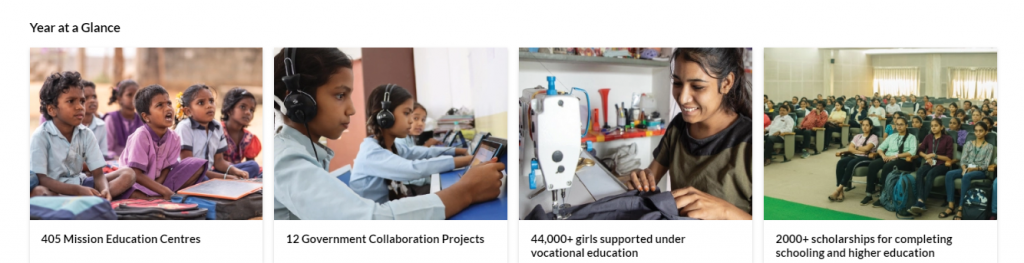
Meeting the socio-emotional needs of every child, particularly those from low-income backgrounds, is one of the building blocks of a more equitable society. Education is a vital component of this effort. Smile Foundation’s flagship programme, Mission Education, seeks to work along with disadvantaged children by providing them with education, nutrition and wellness support. The programme aligns with the New Education Policy (2020) and Sustainable Development Goal 4 (which aims to ensure inclusive and equitable quality education and promote lifelong learning opportunities for all).

Screenshot 91

Mission Education focuses on children aged 3 to 18 who face challenging circumstances, including those from impoverished families, differently abled children, children affected by disasters, abandoned and street children, as well as those living in tribal areas, remote villages and hard-to-reach locations.

To partner with us for your education-related CSR project, please drop us a mail: cp@smilefoundationindia.org.

Categories
Insights Smile

Importance of Institutional Grants for NGOs

Grants are the lifeblood of many nonprofits, providing essential funds that allow organisations like ours to fulfill our missions, expand reach and make a significant impact. These funds come from various entities, including foundations, government agencies and corporations, and they support specific projects, programs or general operations of development organisations. Unlike loans, grants do not need to be repaid, making them an attractive and critical source of funding.

Grants come in several types, each serving different purposes. Program grants are targeted for specific initiatives directly related to the nonprofit’s mission, while operating grants, also known as unrestricted grants, offer general support for overall operations, covering administrative costs, salaries and overhead. Capital grants are used for major expenses such as building renovations or purchasing equipment. Challenge grants and matching grants encourage additional fundraising by requiring nonprofits to match the grant amount through other donations. Each type of grant addresses different needs within an organisation, providing the flexibility and support necessary for sustained operations and growth.

How do grants help NGOs?

The importance of grants in the nonprofit sector cannot be overstated. Firstly, grants provide significant financial stability, allowing nonprofits to plan and execute projects without the constant pressure of fundraising. This stability enables them to focus on their core mission and long-term goals.

Additionally, receiving grants from reputable funders enhances a nonprofit’s credibility and reputation, signaling to other potential donors and stakeholders that the organisation is trustworthy and capable. This trust can lead to further support, creating a virtuous cycle of funding and impact.

Grants also drive innovation and growth by providing the resources needed to experiment with new approaches within the nonprofit’s field. This funding can catalyse growth, allowing the organisation to expand its services and reach more beneficiaries. Capacity building grants are particularly important as they strengthen the nonprofit’s infrastructure by investing in staff training, upgrading technology and improving operational processes. This ultimately leads to a more efficient and effective organisation, better equipped to meet its objectives.

The competition for grants is intense

Finding and securing grants requires strategy and effort. Nonprofits research potential grantmakers such as foundations, government agencies and corporations using resources like Foundation Directory Online, Grants.gov and local community foundation databases. Building relationships with grant officers and funders is crucial as networking can provide insights into funding priorities and improve the chances of a successful application. It is also important to carefully read and follow the application guidelines, providing all required documentation and crafting a compelling narrative that aligns with the funder’s goals.

While grants offer numerous benefits, there are challenges to keep in mind. The grant application process is highly competitive, with many nonprofits vying for the same funds. Some grants come with specific restrictions on how to use funds, limiting flexibility but increasing specificity for the intended use of grants.

Furthermore, grants often require detailed reporting and accountability measures, which can be time-consuming and require meticulous record-keeping. Relying heavily on grants can be risky if the funding is not renewed, making it important for nonprofits to diversify their income streams.

The flow of grants for NGOs from national to grassroots organisations

Comparatively larger nonprofits with a national presence like Smile Foundation receiving substantial grants can play an important role in supporting grassroots organisations by distributing sub-grants. This approach ensures that funds reach smaller organisations working directly with communities, maximising impact at the local level.

By partnering with grassroots organisations, larger nonprofits can leverage their resources and expertise to support localised initiatives, creating a more significant overall impact. This model not only extends the reach of grant funding but also builds a network of collaborative efforts aimed at addressing complex social issues.

Here are five famous grants for NGOs of India

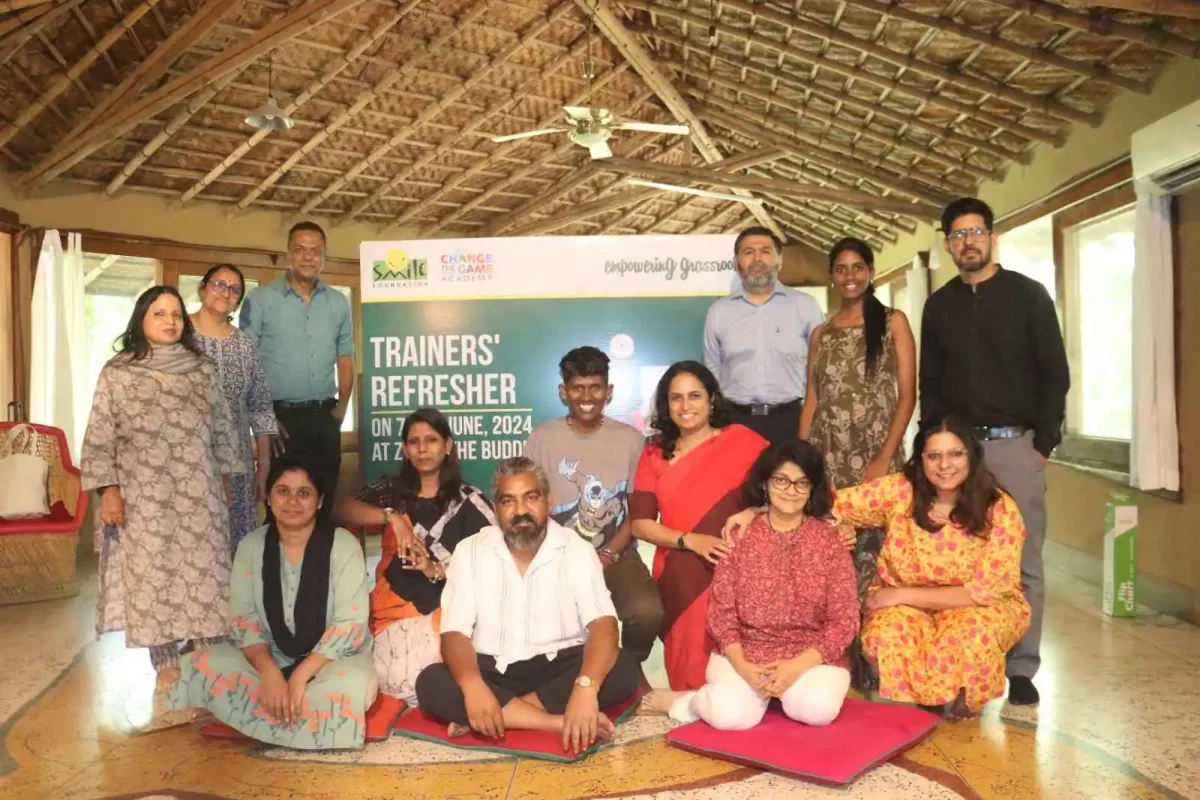
  1. Change the Game Academy (CtGA) – a global alliance to Smile Foundation (one of its co-creators): The CtGA for mentoring and strengthening grassroots initiatives and increase their fundraising and sustainability capacities grants funds to Smile Foundation. 75 per cent of these organisations have expanded their donor base after this much-needed intervention.
  2. Bill & Melinda Gates Foundation Grant to PATH: The Gates Foundation awarded a significant grant to PATH, an international nonprofit that has a strong presence in India. This grant focuses on advancing health innovations, particularly in areas such as malaria, pneumonia, and diarrheal disease. PATH uses these funds to implement solutions that improve healthcare delivery and outcomes in low-resource settings across India​.
  3. Google.org Grant to Pratham Education Foundation: Google.org, the charitable arm of Google, provided a substantial grant to Pratham, one of India’s largest NGOs dedicated to improving education quality. This grant supports Pratham’s “Hybrid Learning Program,” which combines digital and in-person learning to enhance educational outcomes for children in underdserved communities​.
  4. Tata Trusts Grant to The Akshaya Patra Foundation: Tata Trusts, one of India’s oldest philanthropic organizations, has granted funds to The Akshaya Patra Foundation, which runs the world’s largest mid-day meal program. This funding helps Akshaya Patra scale its operations to provide nutritious meals to more children across the country, addressing hunger and promoting education simultaneously​.
  5. Ford Foundation Grant to Breakthrough India: The Ford Foundation has awarded grants to Breakthrough India, an NGO working to prevent violence against women and girls. The funding is creates awareness, educate communities and develop programs that promote gender equality and women’s rights​.

Grants for a stronger impact

By understanding the different types of grants, developing strong proposals and building relationships with funders, nonprofits can effectively leverage grant funding to achieve their goals. Despite the challenges, the benefits of securing grants extend beyond financial support, offering opportunities for credibility, networking, innovation and long-term sustainability.

In a world where the demand for nonprofit services continues to grow, grants remain a cornerstone of organisational success and community development. ​​These grants are instrumental in enabling NGOs to scale their operations, innovate solutions and have a broader impact on the communities they serve.

For queries related to forging grant partnerships with Smile Foundation, interested funders can contact at eg@smilefoundationindia.org.

0%