Categories
Insights

How Street Plays Create Awareness in Communities?

An age-old art form in India, street plays have been a popular traditional medium of communication and spreading social awareness. Despite the dominance of the digital age, street plays continue to rule India’s hinterlands, reinforcing the fact that traditional folk media remains an effective tool for educating vast masses. Having a long history in Indian culture, street plays and street theatres go beyond being tools of entertainment and are key to disseminating information through art.

Street play is a style of theatrical presentation and performance that happens in public places without paying patrons. In addition to spreading political and social themes, it serves as a communication tool to increase public awareness on urgent social issues. Around the world, grassroots, amateur street theatre productions have become more and more popular in public health initiatives, education campaigns and community organising.

Often played and performed in a public setting such as a village, streets, temple premises,  courtyard or at a community celebration, street plays have been a popular culture for years and known under different names across India; in Andhra Pradesh, it is known as Veedi Natakam while in Maharashtra it is popularly called Path Natya. In Karnataka it goes by the name Bayalata and Nalakatha; in Tamil Nadu, it is called Terukuttu and Nukkad natak in North India.

In earlier times, it was a popular medium for spreading mythological stories and folklore; however, over time due to its potential of mass appeal, it has come to be increasingly used to highlight relevant social issues. 

A Popular Medium for Spreading Social Awareness

As a popular form of entertainment and social criticism in India, street dramas were often performed in public spaces such as college or university campuses, train stations, slums, street corners and marketplaces. Because the artists did not have to wait for patrons to enter the theatre and because, in contrast to traditional theatres, there is no ticket line for street play attendees, the message has always been widely disseminated. 

The first-ever street theatre was organised by the Indian People’s Theatre Association in 1943 solely to educate the people about the detrimental effects of imperialism and promote liberal views. The history of the street theatre movement in India began with the IPTA, which later spread throughout the country despite boundaries and cultural barriers. Women’s issues, children’s health and education, communism and economic liberation have all been important facets of street plays.

Being heavily influenced by European theatre culture and with the rise of the nationalist movement, street theatre played a significant role in social and political protest in India during the British colonial era in the late 19th and early 20th centuries.

It was IPTA which came up with one of the earlier, political messages through street plays when Bijon Bhattacharya, the founder of IPTA presented the drama “Nabanna” portraying the wretched state of Bengali peasants during the Bengal famine and how Bengali landowners were abusing their enslaved farmers is realistic.

Street plays recounted stories and addressed issues that were directly relevant to the people, such as hunger, famine, poetry, communal violence, and feudal and colonial exploitation, which continued to have an impact on a community that was deeply divided by class, caste and religion.

A Social Communication Tool

As a particular type of performance art, street theatre promotes social development via the use of visual form, emotive presentation and simple reenactment.

Given the nature of how street plays are performed locally, this allows the group of artists to engage directly with a large audience to both entertain and inspire activism. People’s native forms of expression are their traditional forms of communication. Compared to today’s mass media, traditional media are more personal, recognisable and reliable, and most literate people are familiar with their formats, genres and content.

Further, street plays reinforce how traditional media is a very powerful tool for public communication. Just as a nail is used to drive out a nail, traditional media are best suited to changing attitudes and encouraging new behaviours in a traditional culture. The use of regional languages in music, dance, and folk arts, the absence of a theatrical setup and the use of few costumes or props are the essential aesthetic elements of street plays.

In contrast to traditional forms of communication, which either put the communicator and the audience via a medium or exclude the opportunities for feedback exchange, street plays are mostly community-based, short and open up ways for post-performance discussion with the audience. 

Street plays have played a significant role in raising awareness, improving public opinion and achieving positive social change in India. Street theatre, which blends education and entertainment, offers a compelling forum for individuals of all ages to actively engage with social issues, otherwise ignored by mainstream media. 

Smile Foundation and Street Plays

Smile Foundation effectively utilises street plays as a dynamic tool to raise awareness on critical social issues within communities. These performances are strategically conducted in public spaces, ensuring accessibility and engagement with a broad audience.

For instance, in Greater Noida, a vibrant street play was organised to educate the community on maternal and child health, reaching hundreds of residents. Similarly, in Calcutta Nagar, a professional team performed a street play emphasising the importance of family planning, directly engaging with the local population. 

These initiatives not only disseminate vital information but also vitalise community engagement, encouraging individuals to adopt healthier practices and make informed decisions.

By leveraging the traditional art form of street theatre, Smile Foundation bridges cultural and educational gaps, making complex health and social messages relatable and actionable for underserved populations.
Categories
Smile

Progress Made in SDGs

The Sustainable Development Goals or SDGs represent an ambitious agenda established by the United Nations (UN) in 2015 focusing on the world’s biggest challenges. The goals encompass a wide range of issues, like inequality, climate change, poverty, peace and justice, etc. The SDGs are extremely important as a guide and framework for global efforts towards sustainable development and a better future. A key aspect of the SDGs is that they are not just vague targets, but are treated as actionable commitments by governments, individuals and organisations around the world.

The SDGs were framed after the conclusion of their predecessor, the Millenium Development Goals (MDGs). Those were established in the year 2000 and were aimed to be achieved by the year 2015. One aspect that sets apart SDGs from MDGs is that the latter primarily focused on poverty alleviation while the former addressed a broader spectrum of interconnected issues. There are a total of 17 SDGs and their 169 associated targets that were adopted by the United Nations in September 2015.

What the Current Targets We Want to Achieve

The SDGs, adopted in 2015, aim to achieve the targets by the year 2030. The goals are designed to be universal and inclusive, ensuring that all the countries are taken into account. Countries that need support to achieve these goals are provided financial assistance, international cooperation, capacity building and technical support. Organisations such as the United Nations Development Programme (UNDP) and the World Bank play crucial roles in providing the necessary resources and expertise to help countries implement the SDGs.

Since these goals are framed by the UN and unanimously accepted by all the nations, they influence policy decisions and act as guiding principles for various initiatives by governments, NGOs and private entities around the world. For example, governments keep in mind the SDGs while framing their national development plans, NGOs leverage the goals to create their strategies and private companies contribute to achieving the goals through CSR initiatives.

India and the SDGs

India has been committed to the SDGs since its inception and the Indian government has demonstrated this by launching various initiatives and programs aimed at addressing the key challenges. The NITI Ayog, Indian government’s policy think tank, is responsible for the implementation and monitoring of initiatives related to achieving SDGs. In addition, private companies are also focusing heavily on aligned areas as covered under SDGs while committing to CSR initiatives and the NGOs are also dedicating themselves to achieving these goals.

For example, Smile Foundation’s projects are aligned with the SDGs, focusing on areas like healthcare, education, gender equality, etc. The organisation’s initiatives have positively impacted the lives of over 15 lakh children and their families, demonstrating the significant role that nonprofits can play in achieving the SDGs.

SDGs and Education in India

The Sustainable Development Goal 4 aims to ensure inclusive and equitable quality education and promote lifelong learning opportunities for all. India, committed to this goal, has made significant progress in the field of education through various initiatives. One of the most recent of these initiatives is the launch of One Nation One Subscription scheme to ensure equal and easy access to academic journals to researchers across the country with the help of a centralised national database.

Additionally, the New Education Policy (NEP) introduced by the Indian government also aims to make education more accessible to every child in India. Initiatives like Right to Education (RTE) and Sarva Shiksha Abhiyan, which were launched by previous governments are also being implemented with the same commitment as the country focuses on enhancing education starting from the initial years to professional studies.

According to the Ministry of Education, the gross enrolment ratio in primary education has reached an impressive 99.2%. Furthermore, initiatives such as the Mid-Day Meal Scheme have contributed to increased school attendance and improved nutritional status among children.

SDGs and Healthcare in India

The Sustainable Development Goal 3 focuses on ensuring healthy lives and promoting well-being for all. Under this goal, it is essential for countries to ensure quality healthcare to every citizen. In India, the government has taken various initiatives to achieve this. For example, the Ayushman Bharat Scheme which was launched in 2018 aims to provide free health coverage to millions of people, particularly those who come from an economically disadvantaged background. This scheme was further extended and free health insurance up to Rs 5 lakh was announced for every citizen of India above the age of 70 years.

Apart from this, the Indian government has also been working hard to develop the medical infrastructure to support the healthcare needs of its growing population. The country has established various new AIIMS and state governments like the Delhi Government have also been working hard in this area through establishment of Mohalla Clinics that have received appreciation from around the world.

In addition to the government initiatives, organisations like Smile Foundation are also carrying out several initiatives like the ‘Health Cannot Wait’ initiative which provides accessible healthcare services to underserved communities through mobile medical vans, telemedicine centres and awareness programmes.

SDGs and Gender Equality in India

The Sustainable Development Goal 5 aims to achieve gender equality and empower all women and girls. India as a country has often faced criticism for the discrimination against women even when gender equality is enshrined in the Indian constitution as part of the freedom of equality. Over the years, India has seen various initiatives to bridge this gap. For example, most of the educational institutes in India have special reservations for women candidates. Initiatives like Beti Bachao Beti Padhao also aim to spread more awareness to support girl children and improve the child sex ratio.

At the same time, gender equality is being promoted by private organisations, brands, media, etc., through campaigns and initiatives. NGOs are also working on the grassroots to address the challenges that arise from there. Smile Foundations ‘She Can Fly’ initiative is one such example focusing on empowerment of girl children through healthcare, nutrition and education.

Future Steps for India

With the end of this year, we have another five years left for achievement of the SDGs. While India has made great progress, it can still accelerate the change by taking more proactive measures. Here are some of the things India can focus on:

  1. Quality of education: The country can continue to invest in technology and infrastructure to improve education delivery across institutions.
  2. Expanding healthcare access: There is still a need to ensure that healthcare facilities are available in remote regions of the country. India can leverage technology to achieve that.
  3. Addressing gender disparities: While India has a woman president, the political representation of women is still low. This is one of the many examples which shows that the country needs to do a lot more to remove barriers for women so that they can have equal opportunities as men.
  4. Strengthening partnerships: NGOs and private enterprises play a crucial role in achieving SDGs through their work on the grassroots. The Indian government should work along with these stakeholders and create partnerships that can reap benefits.

India has made an impressive progress in achieving the SDGs, especially in the areas of education, gender equality and healthcare. Through concerted efforts, the country is moving closer to a more sustainable and equitable future. However, continued investments, innovative solutions and collaborative partnerships are essential to address remaining challenges and achieve the SDGs by 2030. By focusing on improving the quality of education, expanding healthcare access, promoting gender equality and strengthening partnerships, India can become a leading player in global development and innovation, ensuring a better future for all its citizens.

Categories
Girl Child

New Menstrual Hygiene Policy will Retain Girls in Schools

Did you know that one in four girls in India, aged between 10 and 19 years, miss their schools and colleges due to menstruation? More than the number, what is heart-wrenching is the reason behind it. According to the recent meta-analysis of 138 studies done involving 97,070 girls from across the country, they miss schools due to lack of changing rooms and unavailability of water and cleaning facilities. It is true that the country talks about becoming a superpower and yet lacks basic amenities in schools. 

A 2019 report by Dasra, a development organisation, reveals that 23 million girls drop out of school every year due to lack of proper menstrual hygiene management facilities. Most of the schools do not even ensure the availability of sanitary pads for the students. A recent UNICEF study also pointed out that over 71% of adolescent girls remain unaware of their menstrual cycle until they get their first period. Many of them drop out of school after getting periods.

Apart from the lack of basic facilities like access to toilets, sanitary pads and clean water, one needs to understand that social stigmas, taboos and harassment also play a vital role in their dropping out.

Understanding Menstruation 

Menstruation, commonly referred to as a period, is a complex but natural process that a woman’s body goes through every month. Every month, a woman’s body prepares for pregnancy. Hormones thicken the lining of the uterus and cause the ovaries to release eggs. The egg moves to the fallopian tube and waits for sperm. When it does not receive any sperm or the sperm fails to fertilise the egg, the uterus sheds its lining. The lining in turn flows through your cervix and is pushed out of a woman’s body through the vagina. Vaginal bleeding, which is partly blood and tissues, usually lasts for about three to five days.

Besides bleeding, a woman also experiences symptoms like lower back pain, abdominal or pelvic cramping pain, food cravings, mood changes, irritability, bloating, sore breasts, headache and fatigue. Some women and girls also experience premenstrual symptoms (PMS) like headache, abdominal cramps, leg pain, fatigue, irritability and mood change.

The entire cycle from the first day of a woman’s period until the first day of her next period is called the menstrual cycle. The average length of a menstrual cycle is 28 days, though it varies slightly for every woman. The first period usually starts between 11 and 14 years. It will go on till a woman crosses 50 years and attains menopause.

Why do Girls Miss School during Menstruation?

Menstruation is a natural and healthy process and it is vital for both physical and emotional health. Yet, many women and adolescent girls dread it. Even today, when more than two billion women around the world menstruate, many of them prefer not to attend schools and restrict themselves within the walls of their houses due to numerous reasons. The important ones are discussed below.

  1. Taboo and stigma: Menstruation has always been a taboo subject in Indian society. It is not discussed openly in families, schools or communities. According to a study conducted by UNICEF and WHO, more than 60% of schools do not provide menstrual health education. It means that lakhs of girls are unaware and unprepared for their first period. Even today, people, especially men, hesitate to purchase sanitary napkins and even the purchased napkins are well covered with multiple layers of paper. They also refuse to open up regarding the pain or discomfort caused during periods and suffer silently. This in turn leads to diagnosing bigger problems in later stages. The lack of open discussion on menstruation creates an environment of shame and embarrassment. This makes girls feel uncomfortable and reluctant to attend school during their period.
  2. Cultural beliefs: Several Indian communities continue to see menstruation as a sign of impurity even today. As a result, they are prohibited from entering temples or puja rooms at their houses. In many communities, menstruating women are prohibited from entering their own house and are made to stay during the period at a temporary shelter in their locality. Many are secluded and even prevented from attending family gatherings. In many other communities, they are prohibited from entering kitchens or touching any household things. Many also believe that pickles and other preserved items will decay if they are touched by menstruating women. The concept of menstrual blood being dirty leads to an association of menstruation with shame.
  3. Lack of hygiene management facilities in schools: Several studies and surveys have repeatedly pointed out that numerous schools, including government and private schools, lack proper toilets on their premises. Not just that, if they have toilet buildings, then they lack toilet doors. If the building is proper, then they don’t have access to clean water or sanitary napkins. It is always either one or more things at schools. This, coupled with social stigma, has forced girl students to stop attending schools during their periods. According to a World Bank report, girls miss up to four consecutive days of school every month because of their periods. It means that they miss about 10 to 20% of their school time and it in turn will have a serious impact on their education.

Studies report that at least 23% of rural girls are dropping out of schools after they start getting their periods. Though the percentage of dropouts is not this high in urban areas, experts point out that dropout rates do exist in those areas, as well. This in turn encourages child labor and child marriages. Also, due to a lack of proper menstrual hygiene, a significant percentage of women develop infections and diseases, including reproductive tract infections (RTIs). Today, India is home to thousands of such silent sufferers.

Understanding Menstrual Hygiene Policy for School Girls policy

The Indian government has recently informed the apex court that it has framed a ‘Menstrual Hygiene Policy for School Girls.’ The policy has also received approval from the union health ministry. Subsequently, they have sought time to seek public opinion on this policy.

  1. The Menstrual Hygiene policy aims to change attitudes and behaviour related to menstruation among school-going girls by mainstreaming menstrual hygiene within the educational system.
  2. It aims to overcome the existing barriers that limit their mobility and prevent them from taking part in daily activities. It seeks to create awareness about menstruation and its hygiene among girls.
  3. The government has decided to provide uninterrupted access to menstrual hygiene products, including sanitary napkins, free of cost for girls in classes between VI and XII.
  4. It wants to dispel harmful social norms and encourage safe menstrual hygiene practices.
  5. It also focuses on disposing of used napkins in an environmentally friendly way. 
  6. It advocates for separate female toilet facilities in all government, government-aided and residential schools. 

Since the Menstrual Hygiene Policy aims to address the core issues related to menstruation, it is expected to reduce absenteeism among girls in schools. By retaining girls in school, the country as a whole could move forward towards empowering women and social and economic development.

Though it is the 21st century where talks about women’s empowerment and gender equality are at their peak, deep-drenched stigma and cultural norms attached with menstruation and menstruating women continue to exist even today. It is high time steps need to be taken to encourage open talk among young girls and ensure menstrual hygiene is followed properly. This is one of the ways forward for the society to have mentally and physically strong women.

Menstruation, a natural and vital process, continues to be surrounded by stigma, misinformation and lack of access to basic hygiene facilities in India. Millions of school-going girls miss classes or drop out due to inadequate sanitation, social taboos and limited awareness. Recognising this critical issue, one of the components of Smile Foundation‘s women empowerment initiative focuses on breaking the silence surrounding menstruation and empowering young girls through education and support.

The programme combines awareness sessions with practical interventions, teaching girls about menstrual health and hygiene while addressing cultural taboos and fostering open dialogue. We engage communities to shift deeply ingrained societal norms that marginalise menstruating girls, encouraging inclusivity.

It works to create an ecosystem where young girls are educated, empowered and encouraged to stay in school, paving the way for stronger, healthier and more informed women in society.

Categories
Education Smile

Are Dreams Reserved Only for the Young?

As India’s higher education landscape continues to expand, it brings with it a complex set of challenges. While education is viewed as the gateway to a brighter future, the financial strain it places on families is significant. Parents across the country, particularly in middle-class households, are facing a difficult reality: the cost of higher education is forcing them to put their own dreams on hold. 

With limited seats in government universities and high fees in private institutions, parents are draining their savings and going into debt to secure their children’s future. This raises a critical question: Are dreams reserved only for the young or do parents deserve an opportunity to pursue their own aspirations as well?

The Limited Scope of Affordable Higher Education

Government universities are often the first choice for students due to their affordability and reputation for quality education. However, the competition for these seats is immense. In 2024, Delhi University received over 3 lakh applications for approximately 70,000 seats. Such intense competition leaves many students with no alternative but to enroll in private universities. These institutions, while offering superior facilities and infrastructure, charge annual fees ranging from ₹2 lakh to ₹20 lakh, depending on the course and location.

This disparity highlights the systemic issue of limited access to affordable education. Over 40 million students enroll in higher education annually, yet the availability of government seats falls significantly short of this demand. This gap forces families to bear the financial brunt, often at the expense of their own financial stability and long-term goals.

Financial Burden on Families

The financial strain of private education is staggering. According to the Reserve Bank of India, education loans crossed ₹90,000 crore in 2023, a figure that continues to rise. Middle-class families often rely on loans or deplete life savings to fund their children’s education. Parents in their 40s and 50s find themselves postponing retirement, liquidating assets or forgoing personal aspirations to meet these demands. Anuj Kumar, a middle-class father from Patna, exemplifies the struggles of many parents striving for their children’s dreams. He is grappling with the burden of a hefty Rs 25 lakh loan, taken to fund his daughter’s business administration degree at a private university in Pune. Her undergraduate education, including living expenses, amounted to an overwhelming Rs 30 lakh—far exceeding the family’s annual income of Rs 20 lakh. 

In semi-urban and rural areas, the sacrifices are even more pronounced. Farmers sell land and daily wage earners take up additional jobs to afford private college fees. A 2016 study analysed two recent NSSO surveys to estimate expenditures and loans related to higher education. It found that households with at least one member pursuing higher education spent an average of 15.3% of their total expenditure in rural areas and 18.4% in urban areas on higher education.

More recent evidence suggests that Indian households spend nearly half of their annual income per child to afford professional higher education. The scenario abroad is not much different.  Nations like the United States, Canada and Australia are witnessing soaring tuition fees that often leave families in debt. In the U.S., for instance, student loan debt reached a staggering $1.6 trillion in 2023. This financial burden has long-term consequences, leaving families vulnerable to economic instability.

The Unseen Price Tags: The Emotional Impact

The ever-increasing cost of education also takes an immense emotional toll on parents. Many grapple with feelings of guilt and inadequacy when they cannot meet their children’s aspirations. Others experience a profound sense of loss as personal dreams of starting businesses, pursuing higher education or traveling remain unfulfilled. These sacrifices are often unacknowledged but deeply felt.

The cultural emphasis on education as the ultimate equaliser further compounds this issue. Parents believe that their sacrifices will ensure a better future for their children, breaking the cycle of poverty and enabling upward mobility. However, reality often falls short. According to a recent ILO report, the unemployment rate for graduates stood at a staggering 29.1%, nearly nine times higher than the 3.4% for those who are illiterate. Many graduates are either underemployed or working in fields unrelated to their degrees, leaving parents questioning whether their sacrifices were worthwhile.

The Far-Reaching Consequences and the Potential Solutions

The financial strain caused by rising education costs extends beyond individual families. Families burdened by education loans often struggle to invest in other critical areas, such as healthcare, housing or younger children’s education. This ripple effect impacts societal stability and economic growth. Education, meant to be a cornerstone of progress, inadvertently becomes a source of impoverishment for many families.

Addressing this issue requires systemic change. While initiatives like the National Education Policy (NEP) 2020 aim to make quality education more accessible, additional measures are needed. Increasing the number of seats in government institutions, offering subsidies for private education, and expanding scholarship programmes can be a way forward. Public-private partnerships could also bridge the gap between demand and supply, ensuring that quality education is accessible to all. In addition, policymakers must also prioritise the creation of pathways that balance quality, affordability and accessibility.

To Sum It Up

The cost of education in India has far-reaching implications, not just for students but for entire families. As parents sacrifice their dreams to secure their children’s futures, it becomes imperative to question whether this should be the norm. Everyone deserves the chance to pursue their dreams and it is important that the goals of one generation do not come at the expense of another. To achieve this, we need to build a more inclusive and equitable education system, one that allows for shared opportunities across generations. Education should be a tool for empowerment like Smile Foundation‘s education initiative, not financial hardship. Society must recognise the sacrifices made by parents and work towards ensuring that everyone has the opportunity to fulfill their dreams. 

Categories
Nutrition

Focusing on the First 1000 Days of Nutrition

Nutrition plays a pivotal role in shaping the health and future productivity of individuals, and its significance in the first 1000 days of life cannot be overstated. From gestation to a child’s second birthday, nutrition lays the foundation for lifelong well-being.

Early nutrition significantly influences the health and cognitive potential of an individual. Poor nutrition during this critical period can lead to increased health risks, disabilities and decreased neurocognitive development in children. Additionally, maternal and childhood obesity can negatively impact neurodevelopment. The effects of early nutrition can be long-lasting and may even transcend generations, perpetuating the cycle of nutrition-related health issues.

Progress Over the Decades

In recent decades, global efforts have made remarkable strides in improving child nutrition, education, health, and survival. The stark contrast between historical and contemporary child survival rates is a testament to these efforts. In the 1800s, up to 50% of children did not survive to age 5, a figure that had dropped to 4% by 2017. However, the battle is far from won, with 15,000 children under 5 years of age still dying each day, half of these deaths attributed to malnutrition.

The Hidden Hunger

Micronutrient deficiencies, often referred to as “hidden hunger,” are a major contributor to morbidity and mortality in undernourished infants and young children. While wasting and stunting are more visible forms of malnutrition, hidden hunger poses its own set of challenges and can have significant long-term consequences.

Despite progress, challenges persist, and new threats are emerging, particularly in low- and middle-income countries. Stunting rates remain high, overweight and obesity are on the rise, and the associated non-communicable diseases will have far-reaching consequences in the years to come.

The Challenge and Opportunity

Meeting the challenge of providing adequate nutrition, addressing both under and overnutrition, may seem daunting given current environmental and socioeconomic obstacles. However, the first 1000 days also represent a tremendous opportunity. Investing in early nutrition yields lifelong benefits and is perhaps the most valuable investment society can make.

Pregnancy and the first two years of life are often referred to as the “first 1000 days.” This unique window of opportunity allows us to intervene and halt persistent malnutrition and the rising epidemic of non-communicable diseases. Efforts are needed to make healthy foods accessible and affordable to families and to empower parents and caregivers to shape their children’s dietary habits and overall development.

The Role of Education in Nutrition

Education in nutrition, especially for parents, is essential. The early years are a time of remarkable plasticity in humans, allowing us to program metabolic, immunologic, cognitive, behavioural and dietary patterns. To achieve this, educating parents and caregivers is crucial, as they are most eager to learn and apply knowledge to benefit their offspring.

Prioritising nutrition in the first 1000 days not only enhances individual health and well-being but also reduces disparities in health, education, and earning potential, and contributes to the gross domestic product (GDP) of a country. Breaking the intergenerational cycle of poverty becomes achievable through early nutrition interventions.

Investing in Early Life Nutrition

Long-term survival has always been a reason to prioritise infant nutrition. However, moral, ethical and scientific imperatives have reinforced the argument for investing in early-life nutrition. Economic returns on such investments are substantial and long-lasting, making it a sound choice for societies worldwide.

The economic argument for investing in the health and education of children is supported by high benefit-cost ratios. Early life nutrition investments are durable, inalienable and portable, benefiting individuals throughout their lives.

On the flip side, the cost of inaction in the realm of nutrition can be staggering. Inadequate nutrition has been linked to significant losses in GDP, primarily due to its impact on cognitive development. Without improvements in nutrition, world GDP would have been significantly lower.

While there is still limited data on the economic cost-benefit of obesity prevention in early childhood, estimates of obesity-related healthcare costs underscore the urgency of intervention. The costs associated with obesity, particularly in healthcare, can be substantial and need to be addressed.

Infant Nutrition as a Marker of Progress

Infant and child nutrition serves as a marker of societal progress. Disparities in nutrition between countries and income groups reflect the state of development and the speed of progress. Focusing on early-life nutrition is not only a moral imperative but also a reflection of society’s commitment to well-being.

The first 1000 days of nutrition are a critical period that shapes an individual’s lifelong health and potential. Investing in early-life nutrition is an opportunity to break the cycle of poverty, reduce disparities and enhance the well-being of individuals and societies. It is a sound economic choice with long-lasting benefits and it requires a collective effort from all stakeholders to ensure access to affordable, nutritious food and the dissemination of vital knowledge to parents and caregivers.

By prioritising early nutrition in our women empowerment programme, Swabhiman for pregnant and lactating women, we are trying to create a healthier, more prosperous world.

Swabhiman is dedicated to empowering marginalised and socially excluded women across India by focusing on three key areas: nutrition, healthcare and livelihood. Recognising the critical importance of nutrition during the first 1,000 days—from pregnancy through a child’s second birthday—the programme offers health education and services to women and adolescent girls through awareness campaigns, health camps and partnerships with local healthcare providers.

Categories
Women Empowerment

The Lockers Are Getting Pinker

According to data compiled by the Income Tax Department, the number of women who file income tax returns in India has increased by a whopping 25.3% over the past four years, from 1.83 crore in the 2019-20 assessment year to over 2.29 crore in the 2023-24 assessment year. 

Women are increasingly asserting their financial independence by dismantling traditional roles and rewriting societal norms. This transition is aiding women in achieving financial stability and safety. Access to resources and opportunities enables women to make autonomous financial decisions. Employment possibilities, access to finance and property rights have facilitated women’s financial independence.

The data indicate that Maharashtra recorded the highest number of women ITRs, while Gujarat ranked second in terms of growth. Uttar Pradesh secured the third position demonstrating a significant growth during the same period. Jammu & Kashmir and Mizoram, experienced a significant increase in the number of women submitting income tax returns from 2019-20 to 2023-24. Mizoram experienced a 96% rise reaching a total of 2,090, while Jammu and Kashmir saw a 49.2 percent growth, totalling 117,514.

Breaking Barriers for Financial Independence

Despite numerous challenges, women are successfully breaking the barriers. The increasing number of working women indicates that they possess a capacity to improve their lives. They possess significant influence over their career, profession and lifestyle choices, demonstrating a decreasing reliance on male authority.

The rapid expansion of technology-enabled opportunities is a significant trend that provides new avenues for women’s empowerment. The emergence of the internet and mobile technology has facilitated women’s access to education, information and markets. E-commerce platforms, online marketplaces and digital content creation have enabled women to establish their own businesses and access a broader audience. The growth of social entrepreneurship is an emerging trend that utilises business models to tackle social and environmental issues. Women are increasingly leading in social entrepreneurship, employing creative approaches to establish sustainable enterprises that support their communities.

The Indian government has acknowledged the significance of skill development for women and launched a variety of programmes and policies to encourage it. Vocational training and certification programmes are offered in a diverse array of sectors through initiatives like the Pradhan Mantri Kaushal Vikas Yojana (PMKVY) and the National Skill Development Mission (NSDM). The National Skill Development and Policy is dedicated to the development of inclusive skills with the goal of enhancing economic productivity by increasing the participation of women. 

Factors Driving Change

Economic Expansion
India’s rapid economic expansion has generated a variety of employment opportunities in both urban and rural regions. Women are increasingly entering diverse professional fields, including IT, finance, healthcare and manufacturing, which were traditionally male-dominated.

Access to Digital Resources
The rise of online platforms and mobile applications has enhanced the accessibility and user-friendliness of tax filing. Women in remote areas are now able to independently manage their finances and file returns, promoting financial accountability.

Support Systems
The emergence of remote work models, access to childcare services and mentorship programs designed for women professionals have facilitated the pursuit of careers while managing family responsibilities. These systems promote women’s engagement in the labour market.

Transforming Social Norms
Societal attitudes regarding working women and entrepreneurs are changing, reflecting greater acceptance and support from families and communities. This transition enables women to pursue lucrative careers or confidently initiate their own enterprises. 

Looking Forward

To continue this trend, some efforts that can be taken and reinforced include financial literacy programmes, supporting government and private sector activities and removing structural hurdles. Financial literacy programmes are vital for providing women with the knowledge and skills they need to handle their finances properly. These seminars can address topics such as budgeting, saving, investing and tax filing, allowing women to take control of their finances and make informed career and business decisions.

Initiatives like women-focused skill development programmes, mentorship opportunities and leadership training can assist close the gender gap in the workplace. The government and business sector can also offer incentives, such as grants or subsidies, to help women entrepreneurs succeed. Addressing systemic impediments such as salary inequality, limited financing availability and workplace discrimination is critical for attaining gender equity and encouraging women to pursue careers. Policies that guarantee equal pay for equal labour, give maternity benefits and allow for flexible work arrangements can foster a climate in which women can advance their careers without undue constraints.

Women must understand that occupations transcend gender; the key determinants are a person’s talents, knowledge, and dedication. Challenges are inherent in any career, but by leveraging resources, education, upskilling and learning from failures, women may reach new heights. 

Smile Foundation’s Swabhiman programme is all about empowering women from low-income communities. It focuses on providing better nutrition, healthcare and opportunities for earning a livelihood. By offering services like reproductive health support, nutrition programs, and training in entrepreneurship and digital financial skills, Swabhiman helps women become more aware, skilled and financially independent. This approach not only boosts their self-respect but also encourages them to seek necessary healthcare and drive positive changes in their communities. 

Similarly, Tayyari Kal Ki is designed to help young people, aged 18 to 32, by providing training and skills development to improve their job prospects. Through vocational training and capacity-building activities, the programme aims to make youth more employable and economically independent. This initiative addresses unemployment and contributes to community development by creating a skilled workforce ready to meet job market demands. 

Both programmes play a crucial role in enabling women to secure their own livelihoods, fostering economic independence and contributing to the creation of a gender-responsive society. By focusing on skill development, healthcare access and financial literacy, Swabhiman and Tayyari Kal Ki empower women and youth to overcome socio-economic challenges and build better futures for themselves and their communities. 

Categories
Health

The Precious Lives of Healthcare Workers

On the night of August 9, 2024, the sexual assault and murder of a junior doctor at RG Kar Medical College, sent shockwaves across the nation and abroad. Her tragic death ignited massive protests, uniting the healthcare community and the public in a powerful outcry for justice and safer workplaces. For days, healthcare workers (HWCs) and citizens marched with placards, their voices rising against the violence that has become disturbingly common in healthcare settings. 

While the outcry brought temporary attention to the issue, the root problem remains very deep. This incident is a grim reminder of the alarming reality of workplace safety for healthcare professionals in India. How safe are those who dedicate their lives to saving others? Let’s explore the current scenario, drawing evidence from recent surveys and real-life incidents to shed light on the pressing need for a secure and respectful work environment for healthcare workers.

Violence against Health Workers

The tragic case of the junior doctor is not an isolated incident. Health workers are at high risk of violence all over the world. Between 8% and 38% of health workers suffer physical violence at some point in their careers. Many more are threatened or exposed to verbal aggression. Surprisingly, most violence is perpetrated by patients and visitors.

Across India too, violence against healthcare workers has become disturbingly common. In April 2020, a team of health workers in Indore was attacked by a mob while trying to conduct COVID-19 screenings in a containment zone. In May 2023, a junior doctor named Vandana Das was stabbed to death while on night duty, by a patient brought to casualty for medical examination by the Police in a Government hospital of Kerala. The incident sparked widespread outrage and protests by doctors resulting in the Kerala Government passing an ordinance to provide stricter punishment for violence against hospitals and healthcare workers.

The public’s high expectations and the belief that all services should be free exacerbate the issue. Additionally, unrestricted public access within government hospitals, combined with inadequate security measures, surveillance and mob-prevention protocols, significantly heighten the risk of violence.

The situation has left many medical professionals feeling disillusioned, with a growing sense of being unsupported and unprotected in an environment where their safety is perpetually at risk. This widespread insecurity is prompting some to rethink their careers, further worsening the already severe shortage of healthcare workers in the country.

What do Surveys Say?

A cross-sectional survey conducted by experts from Vardhman Mahavir Medical College (VMMC), Safdarjung Hospital and AIIMS, New Delhi, revealed a startling truth—more than half (58.2%) of healthcare workers feel unsafe at their workplaces. The survey, published in the journal “Epidemiology International”, paints a grim picture of the working conditions faced by India’s medical professionals. Over 78% of respondents reported being threatened while on duty, and 81.3% had witnessed violence firsthand.

The study, involving 1,566 healthcare workers from diverse medical institutions across India, highlighted significant gaps in the security infrastructure. The majority of participants worked in government-run medical colleges, where dissatisfaction with security measures was the highest. State government institutions fared the worst, with over 63% of respondents expressing unhappiness about the number of security personnel.

Harrowing Gaps in Security Infrastructure

The survey unveiled glaring inadequacies in basic security measures across healthcare institutions. Nearly 70% of respondents criticized the lack of effective emergency alarm systems, while over 90% of institutions failed to implement proper screening for weapons or dangerous objects. High-risk areas such as intensive care units (ICUs) and psychiatric wards were found to be particularly vulnerable, with 62% of respondents pointing out severe gaps in access control and surveillance.

Adding to the distress, nearly half of the healthcare workers reported that duty rooms, meant to provide respite during long hours or night shifts, were grossly inadequate. This subpar infrastructure not only compromises the safety of healthcare providers but also adds to their mental and physical stress.

The survey revealed stark contrasts between private and public healthcare institutions. Private institutions, with better funding and resources, have managed to implement more effective security measures, leaving public sector workers to bear the brunt of systemic shortcomings. This disparity highlights the need for targeted interventions in government-run facilities, which serve the majority of India’s population.

Addressing the Issue

Between 2007 and 2019, India reported 153 cases of violence against HCWs, a figure likely underreported but alarmingly high for a non-conflict zone. The violence rate against HCWs in India is far more than the UK and China, both of which have legal safeguard. The Epidemic Diseases (Amendment) Act criminalised such violence in 2020, with punishment up to five years of imprisonment and fines of INR 2,00,000. However, they were not very effective. A 2019 Bill had proposed stricter penalties but was turned down by the Ministry of Home Affairs.

The VMMC-AIIMS survey emphasies some critical strategies to enhance workplace safety in healthcare. These include a strengthening of security by increasing personnel and improved surveillance systems. Duty room conditions should also be improved. There needs to be clear violence-handling protocols, including confidential reporting and staff awareness. Regular security training to prepare healthcare workers for emergencies and drafting stricter legal frameworks are necessary to reduce incidences of violence in healthcare settings.

The Bottom Line 

Ensuring a safe work environment for healthcare workers requires collective effort from institutions, policymakers and the community. Investing in security infrastructure, allocating adequate funds and enforcing legal protections for healthcare workers must become national priorities. The healthcare workforce is the backbone of any society and their safety is non-negotiable. The brutal case of Kolkata and countless others serve as a stark reminder of the challenges faced by India’s healthcare workers and a wake up call. It is time for us to take concrete steps to protect them. After all, the safety of those who save lives should never be in question.

Categories
Education

Budgeting Education Over the Years

After winning the national elections earlier this year, the newly re-elected Indian government presented the national budget for 2024-25 in July. The education sector—spanning both school and higher education—secured one of its most significant allocations in recent years, with total funding reaching approximately £12 billion, an increase of £1 billion compared to last year. However, despite this boost, the education budget accounts for only 2.5 percent of the country’s total national spending for the year.

Education is often regarded as the cornerstone of societal progress, yet its advancement depends heavily on how much nations are willing to invest in it. Over decades, education budgets have reflected competing priorities, political will and economic challenges. Globally, disparities in education funding reveal a startling truth: while some nations invest over 6% of their GDP in education, others struggle to allocate even a fraction of this. In India, the story has been equally complex. Despite constitutional guarantees and policy reforms, budgetary allocation for education remains a contentious issue. While there has been progress, the gap between the demand for quality education and the actual investment remains significant.

Post-Independence India and Budgetary Trends

When India gained independence in 1947, the literacy rate was a mere 12%. Education was recognised as a critical tool for nation-building, leading to the formation of the first Education Commission in 1948 under the Chairmanship of Dr. S Radhakrishnan. Subsequently, the Kothari Commission (1964-66) emphasized allocating 6% of the GDP to education: a benchmark that India is yet to achieve consistently. From 2015 to 2024, India allocated around 4.1 to 4.6 percent of its GDP to education, aligning with the international benchmarks set by the ‘Education 2030 Framework for Action,’ which advises countries to invest 4 to 6 percent of their GDP in education. 

Though India’s investment in education has met international benchmarks, countries like the USA, with nearly 6% of GDP dedicated to education, offer a stark contrast. Their investment translates into smaller class sizes, well-trained teachers and advanced learning environments. While developed nations have surged ahead, countries in Africa and South Asia, including India, are still battling with systemic barriers such as poverty, gender disparity and inadequate infrastructure leading to underinvestment in education. This is evident in overburdened public schools, poorly paid teachers and a lack of resources for marginalised communities. 

The Need and the Roadblocks

India’s budget for education has historically been viewed through a lens of economic constraints, but this view is changing slowly. Over the years, various initiatives, such as the Right to Education Act (RTE) in 2009, have improved access to education for children from economically weaker sections. However, quality still remains a critical issue. The budgetary focus needs to shift towards improving the quality of education, enhancing teacher training and upgrading infrastructure. 

One of the major challenges India faces is the imbalance between urban and rural educational infrastructure. While cities boast modern schools, colleges and universities, rural areas often struggle with a lack of basic facilities such as classrooms, teachers and digital infrastructure. The Ministry of Education reported that urban schools are notably better equipped with digital infrastructure, with 68.7% having internet connectivity compared to just 44.9% of rural schools. The evident contrast in the quality of education between urban and rural India calls for more equitable distribution of resources and investments.

Another challenge has been the allocation within the education sector. Higher education often receives a disproportionate share, leaving primary and secondary education underfunded. Additionally, vocational training and skill development, critical for India’s large youth population, remain inadequately resourced.

The Role of Private Players and Public-Private Partnerships

The rise of private institutions has significantly altered the education landscape in India. Today, nearly 43% of students in urban areas attend private schools, compared to just 16% in rural regions. While private players have bridged gaps in access and quality, they have also exacerbated inequities. High fees make quality education inaccessible to many, pushing marginalised communities further behind.

Public-private partnerships (PPPs) have emerged as a potential solution to this dilemma. Globally, countries like the United States have successfully integrated PPPs to modernise school infrastructure and introduce innovative teaching methodologies. However, such models require robust regulation to ensure equity and accountability—areas where India still has room for improvement.

Lessons for India From Around the World 

Globally, nations that prioritise education in their budgets often reap substantial dividends. For instance, Norway, one of the leading countries in education, spends nearly 7% of its GDP on education, resulting in a highly efficient and equitable system. The Norwegian government’s budgetary commitment is reflected in their 100% literacy rate, a feat that India is still working towards.

For India, the contrast with China is particularly instructive. Over the years, China has consistently allocated over 4% of its GDP to education, emphasizing skill development and research. This focus has propelled China to the forefront of global innovation. India’s lower investment in education, coupled with a brain drain, limits its ability to compete on a global scale.

Nevertheless, India’s greatest strength lies in its young population brimming with potential, giving us reasons to stay hopeful. By increasing education budgets and addressing systemic inefficiencies, India can harness this potential to drive economic and social transformation.

The Road Ahead

The future of education funding in India depends on bold policy decisions and sustained political will. Increasing the GDP allocation to 6% remains a critical goal, but the distribution of resources also matters. Investments must prioritise primary and secondary education, digital infrastructure and teacher training. In the digital era, integrating technology into classrooms can enhance learning outcomes and bridge geographic divides.

Global experiences offer valuable lessons. Countries that prioritise education view it not merely as an expenditure but as an investment in human capital. For India, this perspective could catalyse transformative change. Programmes like the New Education Policy (NEP) 2020, which envisions a holistic and flexible education system do provide a roadmap. However, their success hinges on adequate funding and effective implementation.

Education holds the key to breaking the cycle of poverty, yet systemic inequities and underfunding hinder progress, particularly for marginalised communities in India. Smile Foundation’s education initiatives aim to complement government efforts by bridging these gaps, with a focus on providing quality learning experiences to underserved children and youth.  

By addressing challenges such as insufficient infrastructure, lack of trained teachers and rural-urban disparities, Smile Foundation works to ensure that no child is left behind. Through programmes designed to make learning accessible and equitable, the Foundation emphasises holistic development, building on models that integrate public-private partnerships, teacher training and digital resources. These initiatives reflect Smile’s vision to transform India’s vast young population into a skilled and educated force for national development.  

With an approach rooted in action and inclusivity, Smile Foundation continues to illuminate pathways to progress for the communities that need it most.

Categories
Livelihood

Ready for the Workforce

The World Bank has emphasised that, in addition to education and workforce preparation, it is critical to identify the important sectors where jobs are available, as well as the geographical locations where these essential sectors exist. Furthermore, it is critical to identify the roles with high employment potential. It provides a range of skills that could be taught in schools, as well as how they should be tailored to a specific location based on the local economy. 

India must coordinate an effort to reinvent itself and develop vocational skills, as well as align education and training with the employment market, in order to capitalise on its demographic advantage and achieve its $5-trillion economic objective.

Why prepare Students for the Workforce?

In India, there is a substantial discrepancy between the knowledge that individuals have and the expertise that is required by the industry. Regrettably, this discrepancy frequently prevents numerous individuals from making the appropriate choice of career, as the skills and expertise that are imparted in schools and colleges do not correspond with the requirements of the actual world. 

The evolving technical innovations and the evolving professional landscapes highlights a critical need to upskill students to make them ready for the workforce. Upskilling means soft and technical skills. Soft skills, including ability to adapt, emotional intelligence and critical thinking, are indispensable components of professional growth. These abilities allow individuals to effectively collaborate, navigate intricate work environments and adjust to ongoing changes and obstacles. It is increasingly being acknowledged that, although technical skills can be taught, interpersonal skills are more challenging to develop but are essential for long-term success.

Reducing wrong career decisions benefits both organisations and the economy. Job satisfaction is likely to be low when people are placed in jobs that do not match their abilities or interests, which can lead to increased employee turnover and decreased worker efficiency. Businesses may suffer unfavourable consequences as a result of this talent and resource depletion. A mismatched workforce can stifle economic growth and advancement.

How To Better Prepare Students For Tomorrow’s Job Market

Agriculture, manufacturing and the service sector in India provide opportunities that vary depending on the city and town. Horticulture, fisheries and farm productivity are all potential areas of agriculture. Customised curriculum improvements in entrepreneurship and agronomy can enable students to explore self-employment opportunities and increase their incomes. Small and medium-sized enterprises (SMEs) and large corporations prioritise certified personnel who possess a variety of skills. The curriculum of schools should be in accordance with the requirements of the industrial sector, with a focus on technical knowledge and hands-on training in sectors such as automotive and food processing. The necessity for multi-skill training is underscored by the demand for employability skills in retail, IT and finance, which guarantees that students are proficient in tech-driven and customer-facing positions.

Continuous Upskilling

The importance of continuous upskilling of students should be emphasised based on the current job market’s changing trends, changes in technology and other skills relevant to the sector they choose to work.

Real-world Problem-solving Initiatives

To better equip students for the future workplace, incorporate real-world problem-solving initiatives into the curriculum. By working with businesses to resolve their current issues, students acquire practical experience, cultivate critical thinking and adjust to industry requirements.

Establish a Connection between Students, NGOs and Local Businesses

This connection can facilitate experiential learning. The ability to adapt and interpersonal skills of students can be improved by involving them in internships, community service and other experiential learning opportunities. Directly incorporate real-world problem-solving initiatives into the curriculum. Not only would these initiatives offer practical experience, but they would also cultivate critical thinking, collaboration and adaptability—skills that are highly desired in the contemporary job market.

Mentorship Programmes

Mentorship programmes that involve the pairing of students with industry leaders should be done. This practical connection can assist students in comprehending the changing demands of the industry, cultivating essential soft skills and establishing professional connections. This form of mentorship prepares students for the transition into the future workforce.

Integrate Soft Skills into Existing Structures

Enhance the educational experience by integrating soft skills into existing structures. For instance, the implementation of project-based learning can cultivate leadership, collaboration, and problem-solving abilities. Working on real-world initiatives enables students to develop the ability to communicate their ideas, collaborate effectively and navigate challenges. Having open discussions and debates in the classroom is beneficial for the development of emotional intelligence and critical thinking.

Understand the District and Customise Programmes for Students

Customise skill training based on the opportunities in the particular district linked to the local economy. Undertake a thorough understanding of the place and the various sectors present there, the economic opportunities offered, employment potential and skill requirements, to implement an effective upskilling programme for students.

The World Economic Forum’s Future of Jobs Report predicts that by 2025, 50% of all employees will require reskilling due to the increasing adoption of technology. Creating a generation of skilled professionals who will drive India’s economic development and innovation is achievable by integrating vocational education with practical industry requirements. Smile Foundation, recognising the urgent need to address poverty and unemployment, has restructured its employability training initiative, ‘STeP.’ Our campaign, ‘Tayyari Kal Ki,’ focuses on training and upskilling youth aged 18 to 32 years to prepare them for employment opportunities and empower them with secure livelihoods.

This initiative bridges the gap between education and employment by offering practical training aligned with industry demands. From communication and digital skills to professional readiness and soft skills, Tayyari Kal Ki addresses the unique needs of the Indian job market. With a focus on marginalised communities, the programme emphasises gender equity and ensures that women, in particular, have equal access to opportunities.

By empowering youth with the tools to succeed, Smile Foundation is building resilient communities where individuals can thrive and contribute to the nation’s economic and social fabric.

Categories
Smile

Infusing Funds into Grassroots Organisations

Funding grassroots organisations is one of the most effective methods for bringing about substantial change and envisioning a more equal society for all. Initiatives that are community-based and designed to resolve localised issues are known as grassroots initiatives. Projects that are supported by local organisations can rapidly accumulate momentum at the local level due to the fact that they are typically staffed with local actors. Furthermore, local grassroots initiatives that are directly and closely connected  to the communities and their issues, which gives them an advantage of building trust. Infusing funds into grassroots organisations is advantageous because they can serve as the primary point of contact with the community and the issue at hand, thereby enabling effective interventions and a significant impact. They are adept at identifying the issues and potential solutions that could facilitate the implementation of a sustainable solution.

It is critical that grassroot organisations advance by with the help of adequate funding, various financial donors support them by fostering financial diversity during the fundraising process. This may encompass a variety of financial support, like government grants, corporate partnerships and individual donors. Furthermore, it is also imperative devise a stable funding strategy. 

The Challenges Faced by Grassroots Organisations

Limited access

Grassroots organisations often have limited access to funding resources and networks, and lack ways to reach large donors or international funding agencies. They are left with local sources that are often not adequate and irregular

Lack of visibility and resources

They are also unable to effectively attract donors or emphasise the impact of their work due to a dearth of knowledge and resources to invest in marketing or advocacy. Moreover, they often get overshadowed by established NGOs, making it harder for them  to secure crucial funds.

Bureaucratic and administrative roadblocks

The application process for grants or governmental support is frequently complicated, and grassroots organisations with limited administrative capacity and knowledge find it difficult to navigate.

Why Fund Grassroots Organisations?

Grassroots organisations operate at the heart of communities, understanding local challenges and designing solutions that align closely with the cultural, economic and social fabric of the area. In contrast to generalised initiatives, grassroots organisations develop interventions that are customised to the specific requirements of the community, thereby guaranteeing their long-term relevance and effectiveness. The root causes and fundamental forces at the core of the problem are frequently best understood and addressed by grassroots organisations. 

These organisations often serve vulnerable populations, amplifying the voices of those who are frequently excluded from mainstream development efforts. Funding grassroots initiatives nurtures local leadership and fosters community-driven development, reducing dependency on external aid over time.

Grassroots organisations have fewer costs of operation than established NGOs that have to figure out several expenses to operate and implement work in the community. They frequently incur the costs of lodging, travel, employing consultants and more expenses. This is due to their integration into their communities.

In the long term, the infusion of funds into grassroot organisations has the potential to transform the future of underserved communities. By employing appropriate project management, interventions and monitoring and implementation processes, we are establishing a community that will eventually become self-sufficient and aware, thereby empowering them to independently resolve issues.

How Can We Fund?

It is essential to concentrate on the development of long-term, dedicated support and relationships to ensure that groups possess the necessary resources and networks to remain resilient after the granting period. This can be done in the following ways:

Reducing the administrative burden

Reducing the administrative burden on groups that are already overextended by imposing minimal reporting and application requirements.

Partnership with bigger NGOs

Access to resources, technical expertise and broader donor networks can be provided to grassroots organisations through partnerships with established NGOs. This can cultivate an advantageous partnership that enhances their outreach efforts and capabilities.

Employing latest strategies of funding

Modern strategies, such as targeted social media campaigns, micro-donations and crowdfunding, enable grassroots organisations to directly engage with individuals worldwide, thereby ensuring that smaller contributions collectively have a substantial impact and increase visibility.

Seeking and encouraging CSR funds

Encouraging corporations to focus CSR funds on grassroots causes aligns their social impact goals with community development, offering reliable funding sources and fostering meaningful, long-term partnerships with local organisations.

Help in identifying relevant government schemes

Grassroot organisations should be assisted in the identification and utilisation of state and central funding programmes that can provide them with the necessary resources for community-focused projects. Additionally, it is imperative to assist them in navigating the procedures required to obtain those funds. 

Capacity building

For organisations with limited knowledge of these systems, it can be exceedingly challenging to understand and navigate the documentation necessary to obtain these funds. Equipping grassroots organisations with skills like grant writing, financial management and donor communication enhances their ability to secure funds, ensuring long-term sustainability and professional growth within their operations.

Grassroots organisations have a more prominent role in the social sector ecology. They add depth to projects. When we fund these organisations adequately, we may see results that are profound. 

How are we Empowering Grassroots?

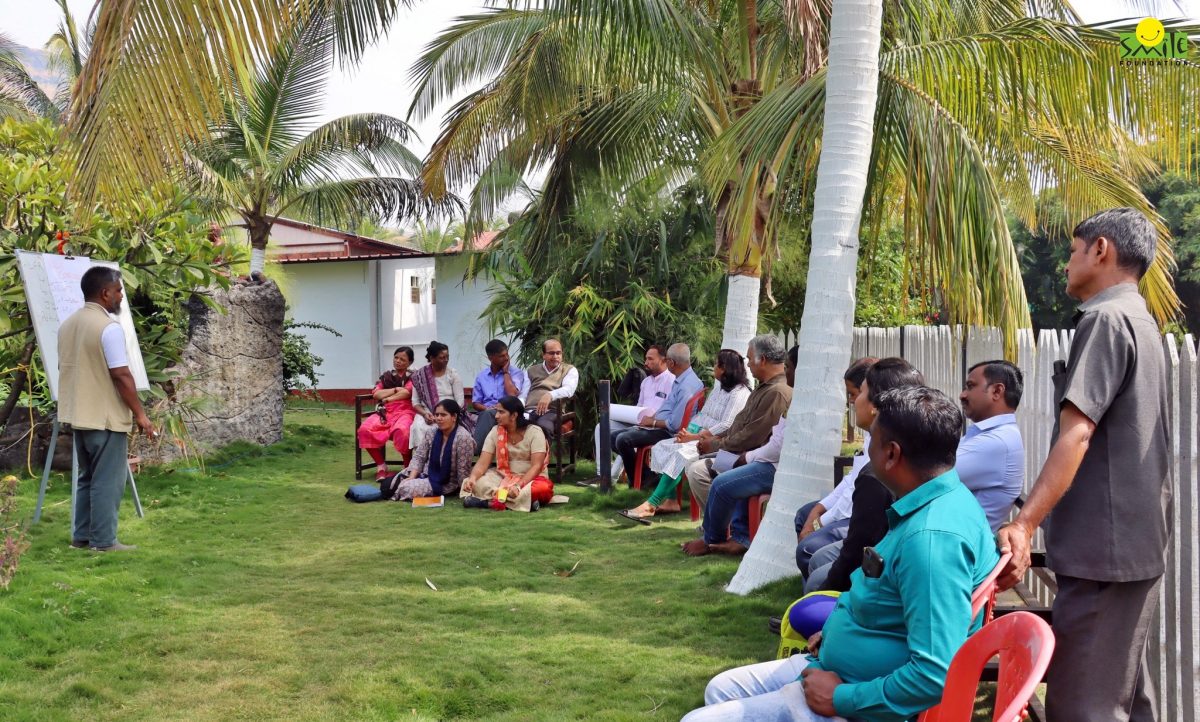
Smile Foundation’s Empowering Grassroots training programme, in partnership with CtGA, strengthens community-based organisations (CBOs) working in education, healthcare, women empowerment and skills development. The training focuses on essential skills such as programme management, leadership, local fundraising and mobilising support through a compassionate lens. Sessions explore key themes like ‘Top Down vs. Bottom Up’ approaches, fostering community participation and implementing sustainable initiatives to drive impactful change.

By equipping CBOs with knowledge and tools to lead, manage resources and mobilise support, Empowering Grassroots is enabling them to address local challenges more effectively. The programme reflects Smile Foundation’s commitment to building leadership at the community level, creating a positive impact that improves lives for generations to come.

0%