Categories
Education

Year-Ender 2024: Education

In 2024, Smile Foundation continued its mission to provide quality education and holistic development opportunities to underserved children across India. Here’s a look at some of the impactful initiatives and collaborations that marked this year:

1. Employee Engagement at Mission Education Centres

  • Gurugram Celebrations: Children at our Mission Education Centre in Gurugram experienced a day filled with games, activities, and Secret Santa gifts, thanks to the generous support of Holiday Inn Express Gurugram Sector 50. The event brought moments of pure joy and laughter, creating lasting memories for the young minds.
  • Adobe’s Creative Contribution: Over 200 Adobe employees from the Delhi and Bangalore offices participated in a heartwarming activity where they painted plain shoes with bright colors and creative designs. These personalized shoes were then gifted to the children at our Mission Education Centre, bringing immense excitement and smiles. Such thoughtful gestures foster a sense of belonging and encouragement among the children.
  • Google’s Notebook-Making Event: At the Google campus by GServe in Gurugram, employees came together with Smile Foundation’s children for a fun-filled notebook-making activity. The event was a beautiful blend of creativity, collaboration, and meaningful interactions, where every gesture of support and encouragement resonated deeply with the students. New friendships were formed, bridging gaps and nurturing a sense of community between the employees and our children. The day was further enriched by a tour of the Google office, offering the students a firsthand look at an inspiring work environment, sparking their aspirations and dreams for the future.

2. Empowering Girls in STEM

  • Engineering Scholarship Program with Deutsche Bank: In collaboration with Deutsche Bank, Smile Foundation launched the Engineering Scholarship Program aimed at supporting young women from low-income families to pursue careers in STEM fields. By providing financial assistance and domain skills training, the program enables aspiring engineers to focus on their education and achieve their ambitions, thereby contributing to a more inclusive and diverse technological workforce.

3. Educational Outreach in Tribal Regions

  • Kalahandi, Odisha: Hundreds of tribal children, like Rupali and Tulsa, are now experiencing the joy of learning at Smile Foundation’s Mission Education Centre in Kalahandi. Our dedicated teachers conducted door-to-door visits, gently convincing parents about the importance of education. Today, these families see hope and a brighter future through their children’s learning.
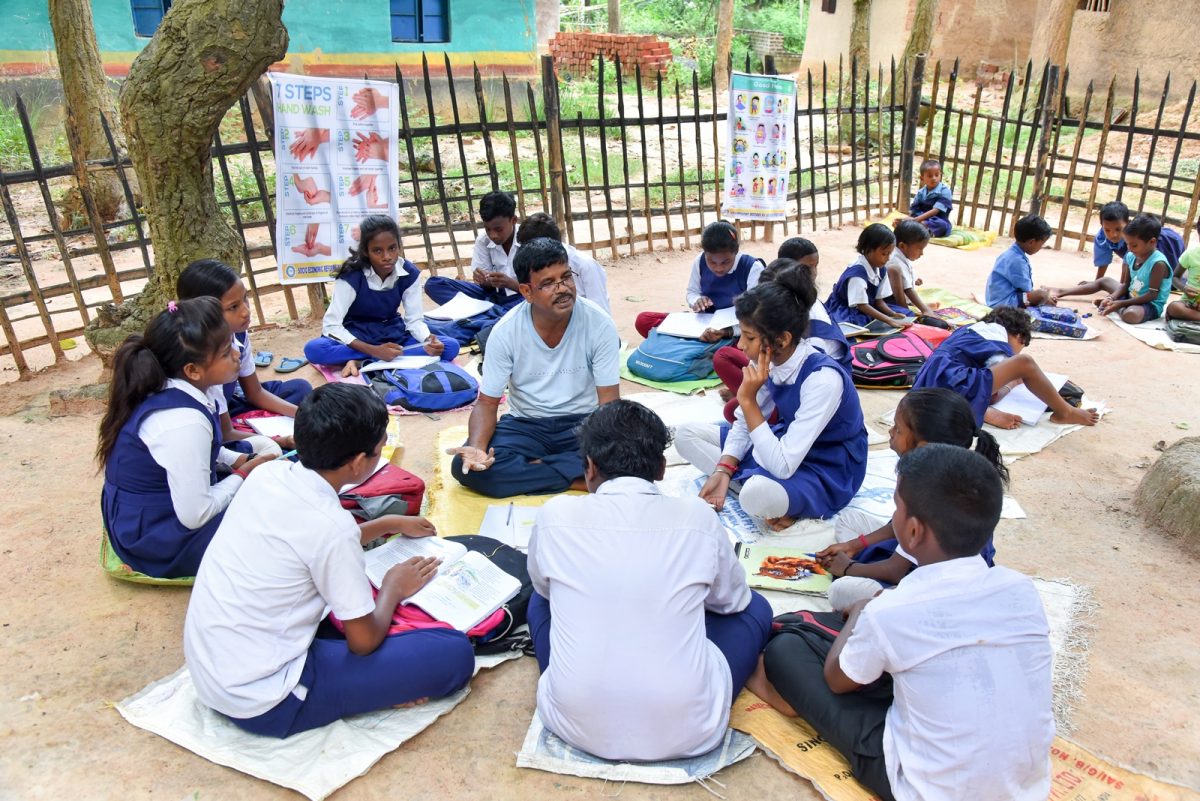
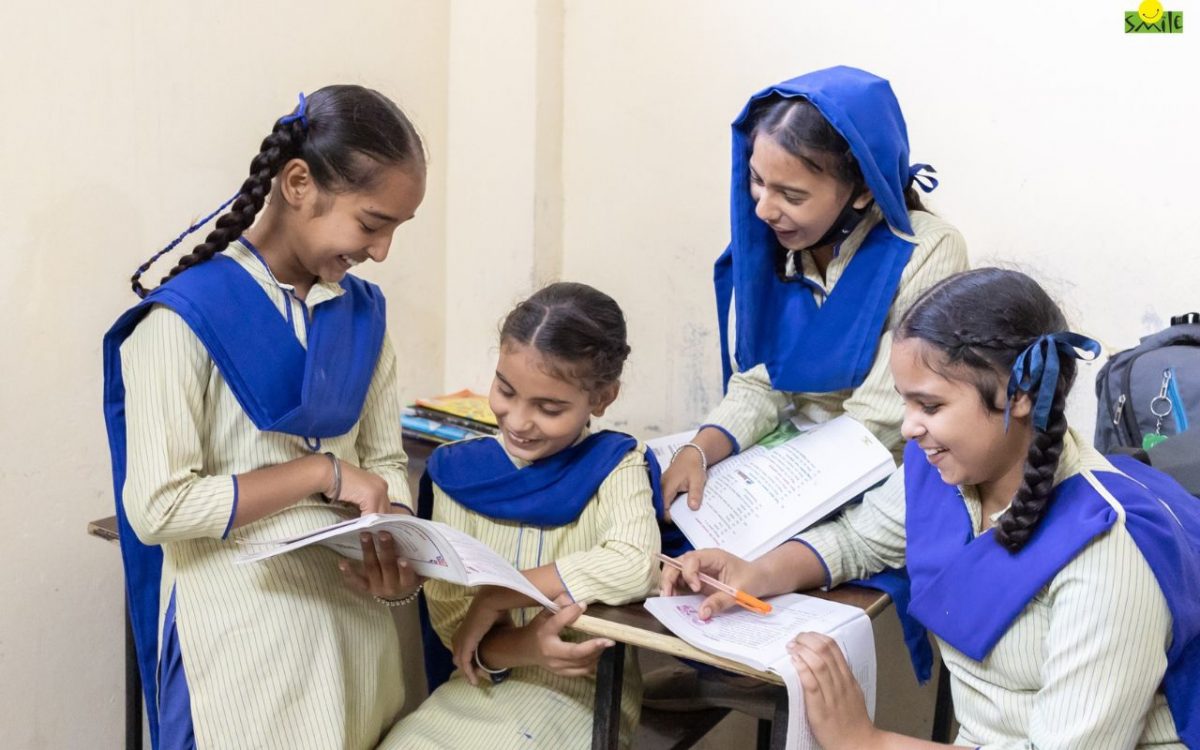
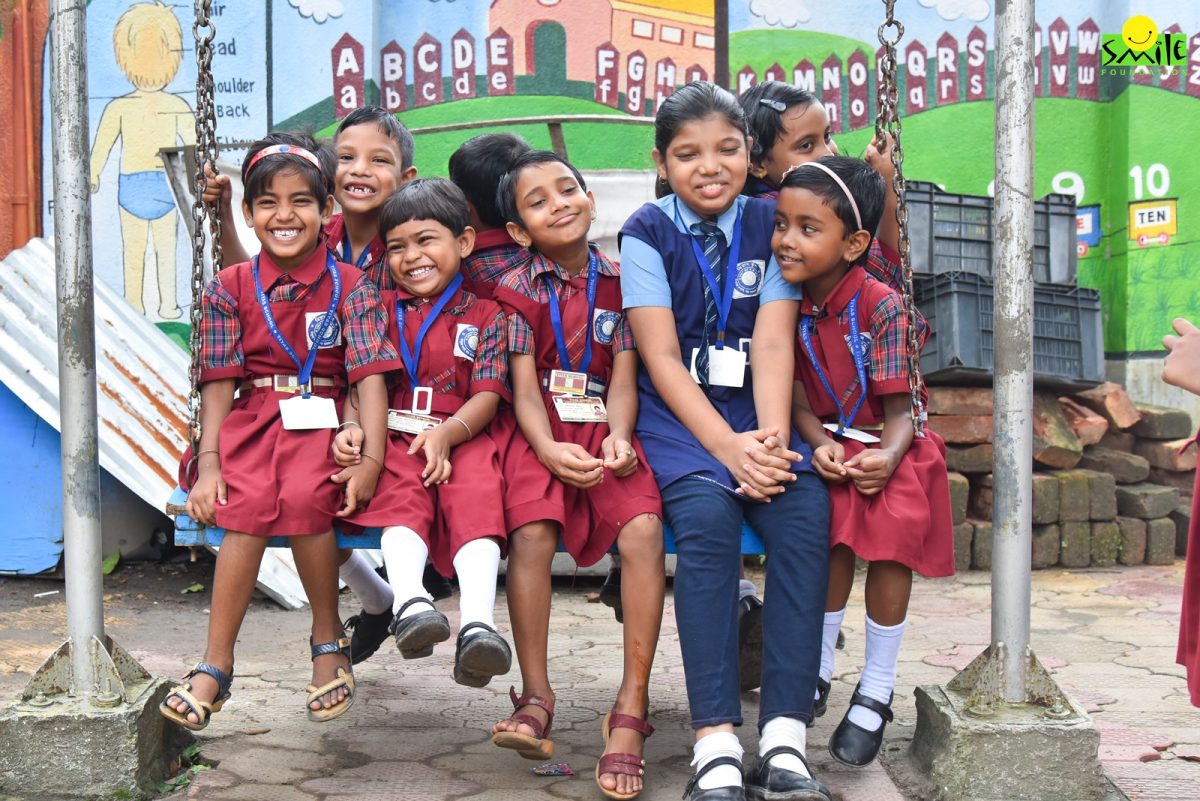
  • Purba Bardhaman, West Bengal: In the villages of Ranisayer, Garadah, Koucha, and Andharsuli, over 250 tribal students, many being first-generation learners, are receiving quality education at our Mission Education Centre – SERVE. Despite economic challenges, these children display remarkable enthusiasm for learning. The centre provides education, nutritional support, and regular health check-ups, ensuring a holistic development approach.

4. Promoting STEM Education

  • Collaborative Learning Initiatives: Smile Foundation’s STEM programme focuses on promoting collaboration and exploratory learning among students. By engaging in hands-on activities, students enhance their problem-solving abilities, teamwork, and decision-making skills, fostering a deeper interest in science and technology. Such initiatives are crucial in preparing the younger generation for future challenges and opportunities in the tech-driven world.
  • Collaboration with Honda India Foundation: Project Daksh is a scholarship program launched in collaboration with Honda India Foundation, dedicated to empowering young minds to succeed in engineering and medicine. The program offers comprehensive coaching to 10 outstanding students, preparing them for competitive exams like NEET, JEE, and paramedical courses. By eliminating financial barriers, Project Daksh ensures that talent and determination are the only prerequisites to success. Alongside academic preparation, students receive training in life skills and soft skills, focusing on self-management and leadership development, thereby contributing to a future of innovation, leadership, and progress in science, technology, and healthcare.
  • Preparing Rural Children for the Future: The NXplorers Junior Program, implemented by Smile Foundation, equips rural school children with essential skills in Science, Technology, Engineering, and Mathematics (STEM), along with a solid understanding of the Sustainable Development Goals (SDGs). This initiative aligns with the National Education Policy (NEP) 2020, focusing on preparing young minds to tackle global challenges through innovative and interdisciplinary methods. By fostering critical thinking and problem-solving skills, the program empowers students to become future-ready innovators.

5. Recognition and Awards

  • Most Impactful NGO of the Year: We are honored to share that Smile Foundation has been recognized as the Most Impactful NGO of the Year for our Mission Education programme. This accolade celebrates the tireless efforts of our team, supporters, and community in making quality education accessible to underprivileged children across India. Such recognition inspires us to continue empowering young minds with the tools they need to dream big and build a brighter future.

6. Supporting Children with Disabilities

  • Uttarakhand Initiatives: At Smile Foundation’s Mission Education centre in Uttarakhand, we support children with disabilities from an early age, helping them grow stronger and more independent. Through dedicated health, education, and livelihood programs, we walk alongside these children and their families, instilling hope and confidence to face any challenges. Our holistic approach ensures that every child is encouraged to rise above challenges and achieve their full potential.

7. Mental Health Awareness

  • Session at Sapphire International School: Under our Child for Child (CFC) program, Smile Foundation hosted a mental health awareness session at Sapphire International School. The session explored how social media affects mental well-being, balancing its positive and negative aspects. Students discussed the shift from real-world connections to screen time and learned about responsible social media usage and safety measures to safeguard their mental and emotional health. Emphasizing overall well-being, the session focused on physical, emotional, social, and spiritual health, equipping students with knowledge to navigate the digital age mindfully.

In conclusion, 2024 has been a year of impactful initiatives and significant achievements for Smile Foundation in education. Through various programs and collaborations, we have supported countless children, providing them with opportunities to learn, grow, and envision a brighter future.
Categories
Insights

Decentralizing Solutions: Localizing Social Interventions

Imagine a world where decisions about healthcare, education, and development are made not in far-off cities but right where they’re needed most—in the heart of local communities. This the promise of decentralization, a governance model that has transformed lives across India and beyond. By shifting power, resources, and responsibility from centralized authorities to local leaders and communities, decentralization has reshaped how social development happens, making it more participatory, context-sensitive, and effective.

In India, the idea of decentralization isn’t new—it’s rooted in the Gandhian vision of Gram Swaraj, or village self-rule. But how far have we come from the ideologies of the past? How has decentralization helped shape our society? And what challenges remain as we pursue more localized, people-first solutions?

Where It All Began: A Brief History of Decentralization in India

The roots of decentralization in India stretch back to 1952 with the launch of the Community Development Programme. The goal was to spur rural development, but the approach was largely top-down, sidelining local voices. It didn’t take long for cracks to appear—without community participation, initiatives failed to resonate with the very people they aimed to serve.

By 1957, the Balwant Rai Mehta Committee proposed a solution: a three-tier system of governance known as Panchayati Raj Institutions (PRIs). These institutions sought to bring governance closer to the people, empowering village councils (Gram Panchayats) with decision-making authority. Yet, even as the framework was set, decades of central control limited the true potential of PRIs.

Fast-forward to the 1990s, and we see a turning point with the 73rd and 74th Constitutional Amendments. These laws gave constitutional status to PRIs and Urban Local Bodies (ULBs), tasking them with handling critical issues like health, education, sanitation, and agriculture. The amendments also mandated that 33% of seats in PRIs be reserved for women, laying the groundwork for gender-inclusive governance.

Today, with over 3.1 million elected representatives across 250,000 Gram Panchayats, India has the world’s largest network of local governance. These numbers sound impressive, but how has decentralization translated into real impact?

The Case for Localization: Why It Works

At its core, decentralization thrives on a simple idea: those closest to a problem are best equipped to solve it. Here’s why that makes sense:

1. Addressing Local Needs with Local Knowledge

Think about this: no two regions in India are the same. What works in a Kerala village may completely miss the mark in a Rajasthani desert. Decentralization allows decision-makers at the local level to design programs suited to their community’s unique social, economic, and cultural context.

Take Kerala’s People’s Plan Campaign as an example. By engaging village-level assemblies to decide on development priorities, the state achieved enviable progress in areas like literacy and healthcare. The state now boasts a literacy rate of over 96%—the highest in the country—and life expectancy on par with high-income nations.

2. Boosting Participation and Ownership

When local communities are part of the decision-making process, they take ownership of initiatives. This participatory approach isn’t just empowering; it makes projects more sustainable. Take, for instance, Maharashtra’s water conservation programs led by local councils that have rejuvenated groundwater levels across arid regions, bringing farms back to life.

3. Equity and Inclusion

Decentralized interventions make it possible to address deep-seated inequalities. Marginalized communities gain representation in decision-making forums, while local programs ensure benefits reach the last mile. In Jharkhand, a decentralized education campaign boosted the enrollment of tribal children by designing classes in their native languages and cultural contexts.

4. Context-Driven Policies

Policies driven by top-down models often fail to account for local realities. For example, a sanitation program designed centrally might overlook the practical challenges of water scarcity in a rural village. Local councils, understanding these nuances, adapt initiatives to ensure usability and effectiveness.

Learning from the Ground: Civil Society Leading the Way

While decentralization has empowered governments, civil society organizations have taken it one step further by putting communities at the center of social interventions. Our work is an example of this.

Smile on Wheels: Healthcare to the Margins

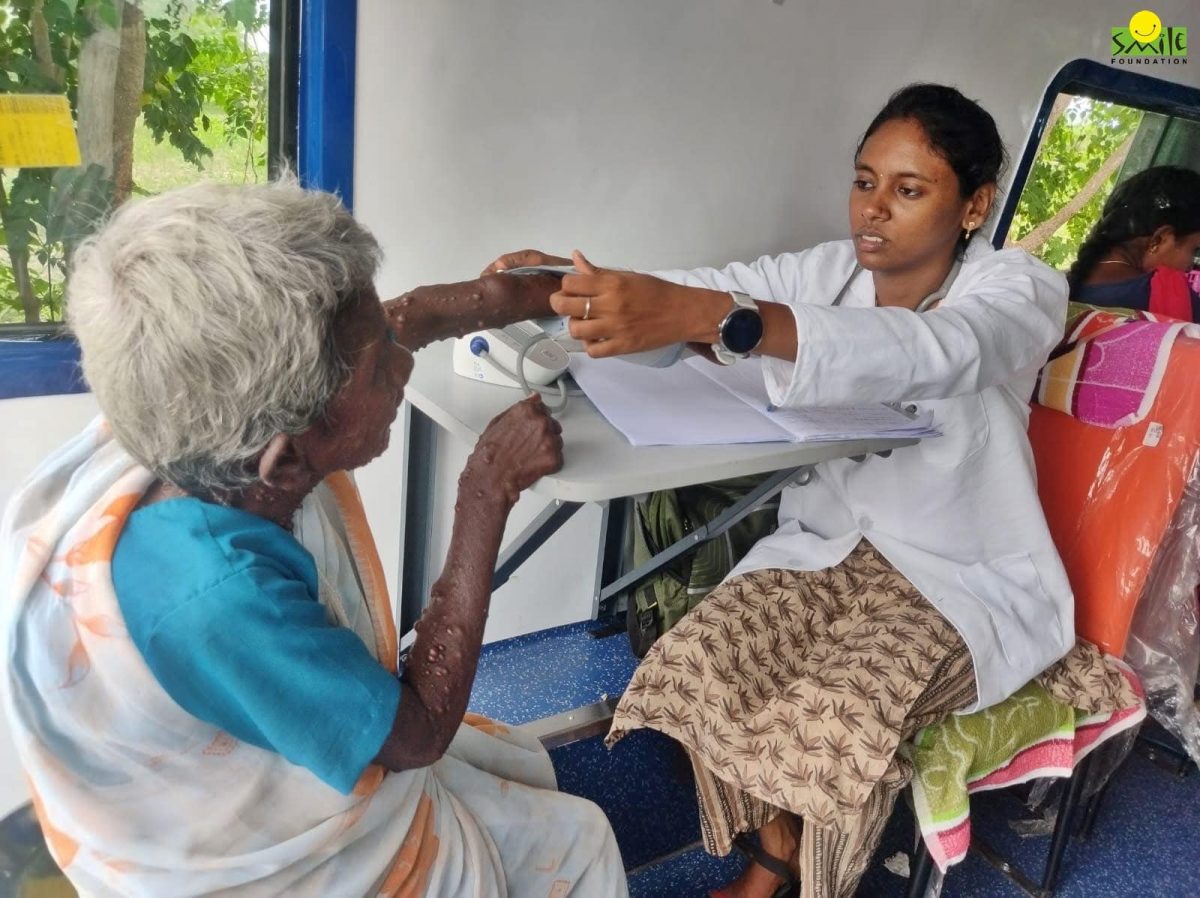
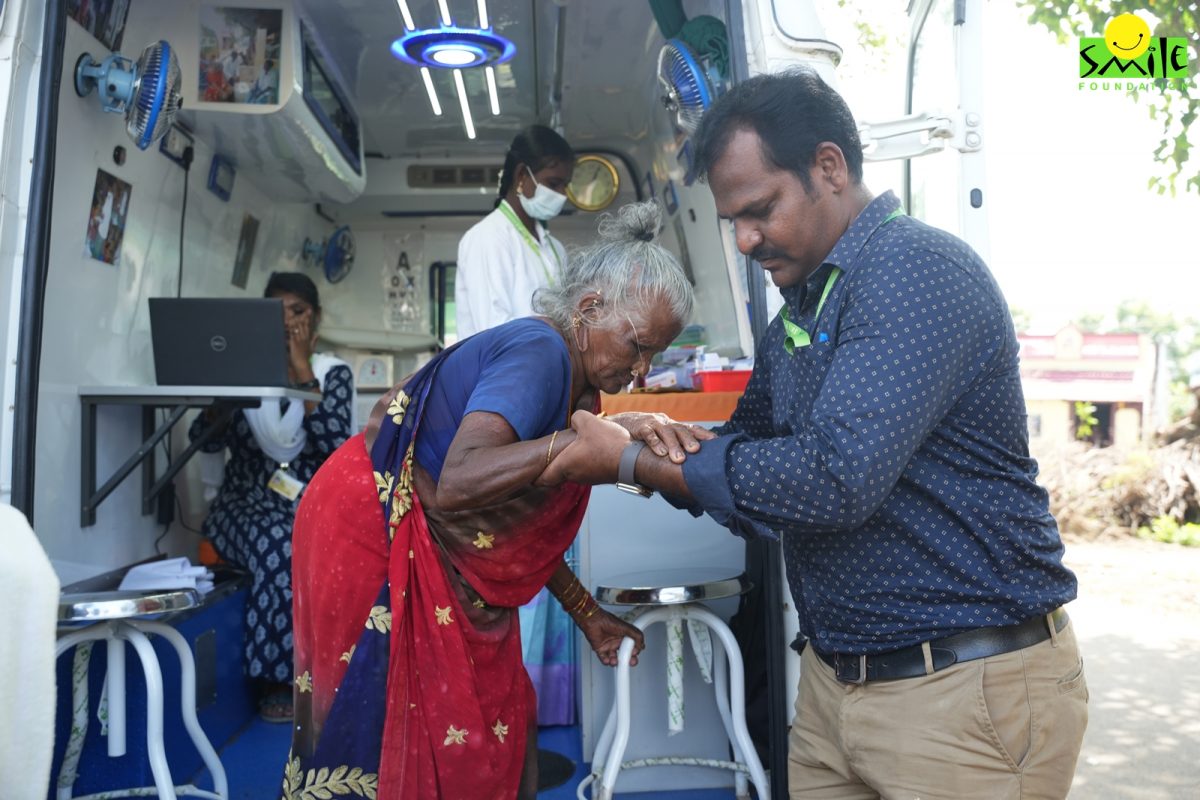
Smile Foundation’s mobile healthcare units, Smile on Wheels, serve rural and remote populations left out of conventional healthcare systems. Instead of relying on a one-size-fits-all solution, the program works closely with local communities to understand their specific health challenges, from malnutrition to maternal care, and designs interventions accordingly. This program has brought medical services to over 2 million people, reducing preventable deaths and improving public health outcomes.

Mission Education: Co-Creating Futures

Smile Foundation’s Mission Education initiative enrolls children in schools and transforms the ecosystem around education. By working with parents, teachers, and community leaders, Smile ensures that children from disadvantaged backgrounds have both the motivation and resources to continue schooling. This grassroots focus has enabled over 300,000 children to access education.

These examples showcase how involving communities in problem-solving can amplify results.

Global Lessons in Localization

It isn’t just India—global trends are reinforcing the importance of localization. When the Millennium Development Goals (MDGs) were introduced in 2000, they sought to tackle global challenges like poverty and diseases. Yet, many goals remained unmet due to the centralized nature of interventions that often failed to account for local realities.

In contrast, the Sustainable Development Goals (SDGs), launched in 2015, highlight the importance of “localizing” efforts. This reflects the growing acknowledgment that sustainable change happens when solutions are tailored to local dynamics.

The United Nations’ recent push for “vocal for local” underscores this trend. As nations and NGOs worldwide embrace decentralized frameworks, they’re seeing the power of integrating community knowledge with institutional resources.

Challenges on the Path to Localization

For all its benefits, decentralization isn’t without hurdles:

  • Capacity Gaps: Many local bodies lack trained personnel and technical expertise to implement projects effectively.
  • Inequitable Funding: Resource disparities between regions can lead to uneven development.
  • Elite Capture: In some cases, powerful local elites dominate decision-making, marginalizing disadvantaged groups.
  • Central Reluctance: Even as laws call for devolution, central authorities may hesitate to relinquish control.

These challenges, while significant, point to the need for capacity-building and equitable resource distribution.

What Lies Ahead

Decentralization and localization hold immense promise for shaping a a more developed India. The key lies in continuing to strengthen local governance and fostering partnerships among governments, communities, and organizations like Smile Foundation.

Looking ahead, initiatives should focus on:

  • Building technical capacity at the grassroots.
  • Strengthening equity in resource allocation.
  • Ensuring women, minorities, and vulnerable groups are at the table.

Decentralization is a commitment to putting people first. It’s a reminder that the most powerful solutions to our biggest challenges often lie within the communities we aim to serve. As Smile Foundation’s efforts show, when we listen to communities and empower them to lead, the results can be transformational.

Categories
Partnerships

How to Choose the Right NGO Partner for Your CSR Initiative

In today’s socially conscious marketplace, brands are no longer evaluated solely on their products or services. Consumers increasingly value companies that actively contribute to meaningful causes and align their business operations with societal well-being. Choosing the right NGO partner for Corporate Social Responsibility (CSR) initiatives is a strategic decision that enables brands to integrate their core mission with pressing social issues, imbibing authenticity, trust, and long-lasting impact.

A well-aligned CSR partnership creates change and helps businesses evolve into catalysts for good, effectively strengthening their identity in the eyes of customers, employees and communities. This article will discuss the key considerations for selecting an NGO partner and demonstrates how Smile Foundation embodies these principles, making it an ideal ally for CSR-focused brands striving to leave a positive legacy.

1. Alignment with Corporate Values and CSR Objectives

Your NGO partner should share your company’s core values and CSR goals. This alignment ensures a cohesive approach to social initiatives and enhances the authenticity of your CSR efforts.

Our mission to empower underserved children and communities through education, healthcare, and livelihood programmes resonates with companies aiming to create sustainable social impact. Our focus on holistic development aligns seamlessly with corporate objectives centered on community upliftment and social responsibility.

2. Credibility and Track Record

Assess the NGO’s credibility by examining its history, past projects, and impact assessments. A reputable NGO with a proven track record is more likely to deliver effective and transparent results.

Established in 2002, Smile Foundation has garnered recognition for its impactful programmes across India. With initiatives like ‘Mission Education‘ and ‘Health Cannot Wait,’ we have reached over 15,00,000 children and families. Our partnerships with corporates such as Haleon, Deutsche Bank, Ericsson, Novartis, Birlasoft, Avery Dennison, and more, further attest to our credibility and effectiveness.

3. Transparency and Accountability

Ensure the NGO maintains high standards of transparency and accountability, including clear reporting mechanisms and ethical governance practices.

Smile Foundation adheres to stringent governance norms, regularly publishing detailed annual reports and financial statements. Their commitment to transparency builds trust with corporate partners, ensuring that CSR funds are utilised effectively and ethically.

4. Programme Reach and Scalability

Consider the NGO’s operational reach and ability to scale programmes. An NGO with a broad geographic presence and scalable initiatives can amplify the impact of your CSR activities.

Operating in 25 states across India, Smile Foundation’s programmes have a widespread impact. Our scalable models, such as mobile healthcare units, STEM initiatives for children, skilling and employability of the youth, and financial literacy for women, allow for expansion in collaboration with corporate partners, effectively reaching underserved communities.

5. Expertise and Program Effectiveness

Evaluate the NGO’s expertise in specific domains relevant to your CSR goals. Their subject matter proficiency ensures the implementation of effective and impactful programs.

With specialised programmes in education, healthcare, livelihood, and women empowerment, Smile Foundation brings a wealth of expertise to CSR collaborations. Our evidence-based approaches and community-driven models have demonstrated success in creating sustainable change.

6. Employee Engagement Opportunities with the Right NGO Partner

An ideal NGO partner offers avenues for employee involvement, enhancing team morale and fostering a culture of social responsibility within your organisation.

We facilitate employee engagement through volunteering opportunities, fundraising events and participation in programme activities. Such involvement not only enriches the experiences of your team but also strengthens the impact of this meaningful partnership.

7. Monitoring and Evaluation Mechanisms

Effective NGOs implement robust monitoring and evaluation (M&E) systems to track progress and measure impact, ensuring continuous improvement and accountability.

Smile Foundation employs comprehensive M&E frameworks to assess programme outcomes. Regular audits and impact assessments provide corporate partners with data-driven insights, facilitating informed decision-making and demonstrating tangible results.

8. Flexibility and Collaborative Approach

A collaborative NGO partner is open to tailoring programmes to align with your CSR objectives and is adaptable to evolving project needs.

We adopt a partnership-based approach, working closely with corporates to design and implement programmes that reflect shared goals. This flexibility ensures that CSR initiatives are customised for maximum relevance and impact.

9. Legal Compliance and Ethical Standards

Ensure the NGO complies with legal regulations and upholds high ethical standards, safeguarding your company from potential reputational risks.

Smile Foundation complies with all legal requirements and adheres to ethical best practices in its operations. We have a four-tier audit and evaluation mechanism to ensure the impact of investment, and complete transparency and accountability in utilisation of funds. Our commitment to integrity ensures that corporate partners can engage in CSR activities with confidence and assurance.

10. Community Trust and Cultural Sensitivity

An effective NGO partner is trusted within the communities they serve and demonstrates cultural sensitivity, facilitating smoother programme implementation and acceptance.

With years of grassroots engagement, Smile Foundation has built strong relationships with diverse communities across India. Our culturally sensitive approaches ensure programmes are well-received and impactful, reflecting a deep understanding of local contexts.

11. Communicating Achievements

Effectively communicating the achievements of your CSR initiatives is essential for building trust and demonstrating impact to stakeholders. Transparent communication fosters credibility and encourages stakeholder engagement.

Smile Foundation provides comprehensive reports, success stories, social media posts that corporate partners can utilise to showcase the impact of their CSR initiatives. Our transparent communication channels ensure that achievements are effectively conveyed to all stakeholders, enhancing the overall credibility of the CSR efforts.

Wishing You Strategic Partnerships As 2024 Comes To A Close

Selecting the right NGO partner is a strategic decision that significantly influences the success of your CSR initiatives. By considering factors such as alignment with corporate values, credibility, transparency, programme effectiveness, and community trust, you can identify a partner that enhances your social impact. Smile Foundation exemplifies these qualities, making it a compelling choice for companies seeking to fulfill their CSR objectives through meaningful and effective collaborations.

As the year comes to a close, many brands take this opportunity to recalibrate their strategies and assess the outcomes of their initiatives, including their CSR programmes. It is a time to reflect on what worked, identify areas for improvement, and envision broader social goals for the future. Partnering with Smile Foundation during this critical juncture offers brands an avenue to elevate their impact through well-structured, transparent, and meaningful social programmes.

With our proven expertise, expansive reach, and a commitment to collaborative approaches, Smile Foundation partners with brands to not only fulfill but surpass their CSR objectives. By aligning with an organisation that truly understands grassroots challenges, brands can broaden their vision, redefine their contribution to society, and set a transformative precedent for the coming year. Smile might just be the right NGO partner for you and your brand’s social missions. We invite you to connect with us today and create sustainable change together.

Categories
Education

Holistic Development with STEAM & STEM Education


In the rat race to become successful and make money- the world continues to sacrifice the skills that make us humans and build society. It is not new how Indian students have always been torn between the two popular subjects of medicine or engineering, with humanities being always sidelined, thanks to the belief that subjects like literature, history or political science are only studied by persons with poor grades.

One must wonder if arts and humanities are being neglected as STEM (science, technology, engineering and math) becomes increasingly prominent in educational institutions in India. Is a generation lacking creativity, empathy and critical thinking as a result of their fixation with technical fields?

Why does the typical Indian middle-class parent hold this opinion? It’s easy: money. Over their lifetimes, STEM majors make far more money than others. 

In a 2023 study, the U.S. Bureau of Labor Statistics (BLS) predicted that STEM jobs will rise 10.4% between 2023 and 2033, which is faster than the average for all occupations. The European Union has also made STEM a priority, pointing out that technical innovation is essential to preserving competitiveness in the global economy. Governments throughout the world are thus investing heavily in STEM education because they anticipate that students will work in fields like biotechnology, data science and artificial intelligence in the future, where these jobs not only promise security but also come with a significant wage premium.

These professions are also being promoted by parents and educational institutions, who view them as a sure-cut route to succeed in a world that is becoming more and more computerised. But has this focus come at the expense of other vital disciplines?

Inclusion of Humanities for Overall Development

Under this STEM-focused education, the arts and humanities—once cornerstones of a well-rounded education—have suffered a great deal. STEM topics remain the most popular among students as technology becomes more and more integrated into our daily lives. Because they lead to well-paying positions, degrees in finance, law and medicine are likewise in high demand. But except for a few elite liberal arts schools across the nation, the humanities don’t draw top talent. In higher education, subjects like English, philosophy and history are neglected, creating a vicious cycle where departments are shrinking or closing down due to a lack of funding and students.

However, what we mustn’t forget is that the study of the humanities will continue to be important, for our personal and societal well-being even as we continue to be consumed by newer technology.

A fact to validate that is the 2023 ASER study by Pratham Education that highlights the prevalence of humanities courses among young people and provides insight into the educational environment in rural India. The study found that humanities is the most prioritised subject among students between the ages of 14 and 18 in rural India. The popularity is more among female students, with 28.1% of female students choosing STEM subjects as against 36.3% of male students. According to the survey, only a small percentage of students in classes XI and XIl are following scientific or commercial streams, while the majority are enrolled in arts and humanities courses.

Although the emphasis on STEM and job-generating education has indeed increased the wealth of the countries, has the world gotten any better or happier despite the massive economic accumulation? Even in the wealthiest nations, such as the US, there are still significant deficits, and debt, and India continues to be ruled by poverty today despite such advancements.  

The skills nurtured by humanities—empathy, ethical reasoning, cultural literacy and creativity—are more important than ever in the complicated and rapidly evolving world. According to a 2019 World Economic Forum research, one of the top three abilities needed in the workforce of the future will be creativity. Businesses like Apple have prospered due to its engineers’ knowledge of design, aesthetics and user experience—all of which are impacted by the creativity inculcated in the arts.

Even as STEAM areas propel technical progress, this guarantees that all the technology advancements are ethical, culturally sensitive and human-centred.

STEAM instead of STEM!

The future of education does not have to be a STEM vs humanities rather, it needs an integrated strategy that values both disciplines equally. The integration of the arts through STEAM (Science, Technology, Arts and Mathematics) would mark a significant advancement in education, even if STEM education has established a solid basis in science and technology.

In addition to preparing its students for successful career success in the capitalist-driven service industries, schools are also preparing them for success in a world that is becoming more complicated in terms of understanding human behavioural patterns. The introduction of arts in STEM will only help students develop the qualities of harmony, creativity, empathy and adaptability.

Students who learn to combine technical expertise with creative thinking have better problem-solving abilities. In addition to encouraging creativity, STEAM fosters critical thinking and emotional intelligence, two qualities that are crucial in today’s socio-political setup. 

Each Child is Unique 

Upholding and valuing each child’s unique individuality, Smile Foundation believes that science and arts are perhaps both sides of the same coin. While aspects of science may pique the curiosity of certain children, for others arts may be fascinating- and all these skills must be nurtured right to foster development of the mind and career.

Hence, through our Mission Education programme, we envision that every child is an independent thinker. Our every endeavour and activity thrives on the belief that every educated child becomes the empathetic leader of tomorrow as these children are our future. So help us in helping them realise their dreams and potential!

Categories
CSR

Impact Investment Transforming India’s Social Landscape

Impact investing is a bridge between ambition and action, pairing together financial returns and societal good. Imagine this: A young family office, operating out of a bustling urban center in India, decides to channel part of its wealth into supporting a health NGO offering affordable diagnostics to rural patients. Such a project will produce healthy returns and also empowers entire communities, creating change that spans generations. Such an investment is not a charity with strings or a routine business investment, it’s the sweet spot where doing good meets doing well: impact investing.

India, poised at the crossroads of immense wealth and urgent social challenges, finds itself uniquely positioned to lead the global narrative on impactful capital deployment. Yet, behind the innumerable stories of change lies a landscape full of complexities and more potential, waiting to be informed by a proactive cohort of investors and brands.

Impact Investing: An Ecosystem on the Rise

India’s impact investing ecosystem has come a long way, growing at an impressive 26% CAGR between 2010 and 2019. What was once an unfamiliar concept—marrying financial returns with social outcomes—is now becoming a compelling asset class, particularly for Family Offices (FOs) and High Net Worth Individuals (HNIs). These entities contributed $279.5 million between 2016 and 2020, representing a modest yet promising 3% of India’s total impact investment volume.

The numbers, however, tell only part of the story. Impact investment is as much about intention as it is about outcome, and many investors are only now discovering this balance. It’s the younger generation—often women within family-run offices—that are rewriting investment theses to focus on equity, sustainability, and measurable outcomes. They see opportunities not just in generating returns but in creating real, transformational change for underserved communities.

Yet, the challenge lies in translating intention into action. Despite increasing interest, a significant portion of first-time investors, nearly 80%, drop off after making an initial investment. Their withdrawal speaks less to a lack of opportunities and more to systemic barriers—ranging from a lack of understanding of impact measurement to an overabundance of nascent businesses with high-risk profiles.

Beyond the Usual Suspects: Rethinking Priorities

Traditionally, financial inclusion and healthcare dominate the impact investing space, capturing nearly half of all investments. And while these sectors remain essential, they represent a conventional understanding of impact. There’s a need for investors, especially those dabbling in CSR-related projects, to think beyond microloans and hospital beds.

Consider the rise of climate tech within impact investing, where investments in electric vehicles, renewable energy, and sustainable agriculture are beginning to steal the spotlight. These emerging sectors address India’s evolving needs while tapping into global movements toward sustainability. Investments in companies like Ola Electric and Ather Energy reflect this shifting focus—a strategic pivot towards environmental stewardship.

469781720 1048128850671590 8087852483381893147 n 1
Children at a Mission Education centre

For those managing corporate social responsibility partnerships, the lessons are clear: think expansively. Look at how technology for good, urbanisation-driven ed-tech solutions, and agritech for smallholder farmers can serve as fertile grounds for innovation. These sectors yield both dividends and also resonate deeply with stakeholders increasingly drawn to businesses with purposeful missions.

Peeling Back the Challenges: What’s Stalling the Ecosystem?

Amid all this enthusiasm, the Indian impact investment sector is far from its peak. Certain barriers weigh heavily, often hampering the very foundations needed for sustained participation.

  1. Impact Measurement Vacuum: The inability to quantify and compare social impact remains a persistent problem. Unlike traditional investments, where profit margins are clear-cut, measuring the ‘good’ in impact is deeply nuanced. Without standardised frameworks, investors often distrust claims of transformational change.
  2. Limited Product Diversity: Most opportunities gravitate towards equity-based investments, with debt or hybrid instruments rarely in play. Yet, ‘friendly debt’ could provide flexible funding without diluting ownership, bridging the gap between social enterprises’ urgent capital needs and investor expectations.
  3. Sector Maturity vs. Retention: Over 50% of FO investments occur at the seed stage, providing necessary lifelines for early-stage ideas. However, less than one in five investors continues beyond their inaugural investments, leaving a vacuum in mid-to-late-stage funding—a critical phase for scaling impact enterprises.
  4. Investor Mismatch: An overwhelming 65% of FOs report difficulties in finding ventures that align both financially and socially with their visions. Layer onto that an inadequate ecosystem of wealth managers prepared to guide impact-first investors, and the landscape grows more fraught.

Crafting a Roadmap for Brands and Investors

While these challenges seem daunting, they present a deciding opportunity for investors and CSR strategists alike to engage deeply and course-correct the narrative. Brands, especially those balancing financial results with community impact goals, can find immense value in aligning their strategies with impact ecosystems.

Breaking Down Myths Around Concessionary Returns

Indian impact investors are at a crossroads: nearly half of surveyed FOs are willing to trade off high returns for sustainable impact. What they seek, however, is not blind charity but measurable impact. Clear reporting tools and better storytelling from impact enterprises could close this confidence gap, building long-term, synergistic relationships.

Why is Doorstep Healthcare More Important for Women?
Doorstep Healthcare for the Elderly through our Smile on Wheels initiative

Mid-Stage Support Is Non-Negotiable

The failure of early-stage ventures to access scaling capital is a gaping hole in India’s impact pipeline. Corporates, through sustained CSR engagements, can step into this critical phase—not as passive donors but as active investors. Supporting scaling enterprises offers not only financial growth but also ensures broader outcomes that splashes across industries.

The Hidden Edge of Direct Deals

Approximately 60% of investments by FOs come through direct deals rather than funds, reflecting the preference for closer involvement in decision-making. By identifying nimble and innovative enterprises, brands can replicate this strategy, steering impactful ventures more meaningfully without intermediaries.

Reframing CSR Through an Impact Lens

For CSR-focused leaders, India’s impact investing narrative presents not just an opportunity but an imperative. Supporting enterprises that blend commercial viability with community-first missions sends a powerful message to both internal and external stakeholders. This form of investment isn’t an expense; it’s a strategic pivot into sustainable ecosystems that bring reputational, financial, and ethical rewards.

The status of impact investing in India reflects a sector still finding its footing. But its growth trajectory is unmistakable. What remains is for brands and investors alike to redefine their role—as architects of a future where profit and purpose aren’t mutually exclusive but inherently aligned.

One way to ensure a seamless and impactful entry into this space is by partnering with organisations that have deep grassroots engagement and the expertise to drive meaningful change—such as Smile Foundation. With over two decades of experience in delivering education, healthcare, livelihood, and gender equity solutions, Smile Foundation is one of the frontrunners in bridging the gap between ambitious CSR goals and measurable outcomes.

470172368 1048975273920281 5627349770974544833 n
Employee Engagement: Adobe Employees painting shoes for children of Smile Foundation

Whether it’s designing community-driven education programmes, supporting women entrepreneurs, or creating scalable healthcare initiatives, Smile Foundation offers tailored solutions that align with a brand’s unique objectives. For those venturing into impact investment or seeking to amplify their CSR partnerships, Smile Foundation’s invites you to become a strategic ally in turning intent into sustainable impact.

Categories
Smile Insights

How Project Management Skills Help Young Graduates 

In recent times, the world has galloped into an advanced era of Intelligent Age—an era driven by the advancement in robotics, quantum computing, digital infrastructure, biotechnology and artificial intelligence, among others. This transformation is likely to redefine how individuals live, work and communicate with others. Also, harnessing the transformation is the only way ahead to address pressing challenges and seize various opportunities that require collective effort and involvement from multiple stakeholders. 

Amid the revolution, India has been emerging as one of the major players on the global stage. Of the numerous factors, the country’s young manpower plays a vital role in going forward on the international platform. For, about 65% of its population are below 35 years. Just like everything else, this blessing can also turn into a curse if the young population fails to attract the job market. Though creating job opportunities is a vital solution, equipping the youth with requisite skills also plays a crucial role.

According to various surveys, only 50% of graduates and 20% of its engineers are employable. It shows that there is a great need for upskilling youths now amid the industrial restructuring and technological revolution. One of the ways to bridge the gaps in skill sets and upskill youths is by equipping them with project management skills. Before we discuss the importance of the skills, let’s understand what project management skills actually are. 

Understanding Project Management Skills

Project management is nothing but the process of planning, organising, managing and completing a specific project to achieve all the desired goals within the given constraints. It includes both hard and soft skills. These skills come in handy while delegating and prioritising tasks, reporting progress, managing resources, analysing issues and the performances of projects. Some of the project management skills are-

  • Risk management skills
  • Effective communication skills
  • Active listening skills
  • Time management skills
  • Problem-solving skills
  • Analytic skills
  • Prioritization
  • Cost management
  • Conflict management
  • Adaptability
  • Research skills
  • Quality management
  • Customer service
  • Leadership skills
  • Planning/coordinating

Since businesses, including transport and infrastructure, product manufacture, IT, finance and law, and building and construction, use projects to achieve their goals, it is vital for employees to equip themselves with project management skills.

Why are Project Management Skills Vital?

Project management has become inevitable to ensure the indispensable function of businesses. In the fast-paced era that has strict deadlines, businesses are starting new projects at an increasing rate. Around the same time, as projects become complex, missed deadlines, delays and failures have also become common. In this situation, it has become essential to include individuals with skill sets to manage time, cost, resources and human behaviour, in addition to providing technical expertise, in a project. Below are some of the ways in which project management skills will become vital for running a business successfully.

1. Efficient resource management: It is one of the crucial skills that is required to ensure the long-term success of a project. For it makes sure resources like time, money, materials and human talent are used sustainably and efficiently. Since it prevents overallocation or underutilisation of resources, it will reduce inefficiencies, wastages and delays.

Further, managing human resources through task distribution, workload balancing and adequate rest periods will help prevent employee burnout or disengagement. A well-rested and motivated team is more productive and innovative. It in turn will lead to more consistent progress and a higher chance of achieving project objectives.

2. Dealing with the unexpected: Change is the only constant in almost everything and projects are no different. Since no project can be completely free of unforeseen changes or events, how a team reacts and responds to it plays a vital role in determining the success and longevity of the project. Individuals should analyse potential uncertainties and develop risk management strategies. When unexpected things happen, these strategies will come in handy to adapt without derailing progress. This resilience makes the project robust in the longer run. Not just that, it will also have a significant impact on stakeholders’ confidence. 

3. Business risk management: No project can escape risks in its lifetime. So, it is always wiser to identify potential risks early and implement strategies to reduce or eliminate those risks. Effective risk management will help to identify potential cost-related risks like budget overruns and unexpected expenses, timeline conflicts and resource shortages like insufficient staffing, equipment and materials. Since a team analyses and understands the possible risks, they can make better decisions. This ability to make proactive, data-driven decisions reduces the likelihood of mistakes and miscalculations, ultimately ensuring smoother project execution over time.

4. Maximise resource output: Maximising resource output is a key strategy for ensuring the long-term success of a project. It involves optimizing the use of all available resources, such as time, human capital, money, equipment and materials, to their fullest potential. By maximising resource output, projects can operate more efficiently, remain within budget and achieve their objectives with higher quality and fewer delays. By maximising resources to their fullest, cost efficiency, enhanced quality of deliverables, risk reduction and mitigation, maximising long-term return on investment and enhanced stakeholder confidence and support are ensured.

5. Quality control: One of the significant factors that ensures the long-term success of a project is quality control. For it makes sure that the project’s output meets predefined standards and is up to the expectations of stakeholders. When quality is managed effectively throughout a project’s lifecycle, it leads to numerous long-term benefits that contribute to the project’s overall success, sustainability and growth. Not just that, maintaining high-quality standards throughout the project builds a positive reputation for the project team and organisation. Delivering quality results consistently boosts client and stakeholder confidence, positioning the organisation as reliable and professional. This reputation in turn can lead to multiple business opportunities, referrals and long-term partnerships.

When graduates are equipped with these vital project management skills in addition to acquiring technical skills, they can secure a lot of job opportunities and also grow up in their career ladder. For these skills will help them to organise and structure their work effectively, improve their time management, communicate their ideas effectively and take better and informed decisions. So, it is high time youngsters start learning these skills in addition to acquiring technical knowledge.

Categories
Health

Why is Doorstep Healthcare More Important for Women?

COVID-19 drew attention to the matter of women’s mental and physical health. Until then, hadn’t we all seen how women’s health was prioritised generally throughout pregnancy and the postpartum period only? Even if more women are educated and have jobs, their disposable income may not necessarily result in higher spending on medical care and may even cause a decrease. This could be linked to women’s tendencies for contributing to the welfare of their families and households. These tendencies are either natural or moulded by social, family or peer pressure.

But promoting gender equality, empowering women and eliminating discrimination are crucial for their health and well-being. Gender inclusion is necessary for effective health programmes and research planning. 

One of the most essential milestones towards women’s healthcare is the provision of doorstep healthcare services. Women are typically overlooked when it comes to healthcare due to the constraints of managing domestic chores, family responsibilities and, in many cases, careers. They are unable to set aside time to focus on their health. Furthermore, the traditional worldview causes women to value the health of others over their own.

Challenges Women Face in Accessing Healthcare

Gender Disparities in Indian Healthcare

Healthcare, like other sectors, suffers from inequities. There have constrained access to healthcare due to poverty, violence and discrimination; cultural prejudices in research funding for female healthcare services and programmes for women; and a gender wage gap with additional layoffs, particularly during their reproductive years, are all factors that make access to healthcare difficult.

Access to Specialised Care in Rural areas

In addition to a lack of trained healthcare providers and proper infrastructure with medical equipment and privacy, women in remote and rural areas may have limited access to specialised care. For example, women who need comprehensive diagnostic tests for specialised surgery may have to travel significant distances. Access to healthcare is limited due to factors such as travel costs, safety and privacy concerns and limited transportation options.

Insufficient Awareness and Lack of Prioritisation

This is an additional factor contributing to the inability of females to access healthcare. Women, particularly those uneducated, are often oblivious of any symptoms that require attention or that they can be treated and that such intervention can positively impact their prognosis. As previously said, women often prioritise household and family responsibilities over their personal health.

Kinds of Doorstep Healthcare Services

Doorstep healthcare services include mobile healthcare services in rural, remote and low-income areas that provide routine health check-ups, awareness, injection administration, pulse, blood pressure and temperature measurements, diagnostic services such as ECGs, laboratory sample collection and medication access. Even in cities, teleconsultations, online counselling and the services mentioned above are common and more specialised. Online pharmacy services include the provision of medical equipment and medication. Physiotherapy services are provided by professionally trained physiotherapists.

Home care services include ICU care, post-hospitalisation care, oncology care, medical equipment, elderly care, orthopaedic treatment and doctor consultations. The crucial aspect here is that such services are vetted and staffed by adequately qualified health professionals.

Key Areas Where Doorstep Healthcare Makes a Difference

Doorstep healthcare provides frequent prenatal checks, postnatal care and vaccinations to children, lowering mother and infant death rates by resolving issues and supporting safe delivery practices. Preventive care and health education enable early disease identification while also educating women on hygiene, diet and family planning, creating a proactive attitude to long-term health and well-being. Home-based care for lifestyle diseases and other chronic disorders provides women with constant monitoring and medication support, enabling successful treatment without the need for frequent clinic visits. Doorstep programmes also target mental health by providing counselling and treatment in the comfort of their own homes, decreasing stigma and encouraging people to prioritise mental health, which is frequently disregarded owing to societal expectations. Furthermore, such services lower the likelihood of re-hospitalisation for patients suffering from chronic medical conditions or receiving end-of-life care.

According to a UNFPA report, sexual and reproductive ill-health is responsible for one-third of the global burden of disease among women of reproductive age.  It is one of the greatest urgency in today’s time to increase investment in the health of women and girls so that they have access to high-quality healthcare services in order to maintain autonomy over their bodies and decision-making processes. This also entails providing services at their doorstep which is not a complex task in this technologically advanced era. Technology is essential for bridging the divide between home-based, virtual and mobile health services. Increased levels of care and more extensive services can be provided to a broader patient base by providing these agencies with digital health tools, financial support and training. 

The development and execution of innovative, customised strategies can be based on a more profound, nuanced comprehension of the unique healthcare requirements of women and their challenges in interacting with health systems, with the ultimate goal of promoting good health for all.

Read more about Smile Foundation’s doorstep healthcare initiatives in this article and our other healthcare interventions through Health Cannot Wait.

Categories
Women Empowerment

Top 10 Champions of Gender Equality in India

India, known for its rich cultures and traditions, has been wrestling with deep-rooted gender inequalities for a long time. Despite constitutional guarantees of equality, societal norms and structural barriers have perpetuated disparities in education, employment, healthcare and leadership roles. However, amidst these challenges, numerous individuals have emerged as champions, dedicating their lives to bridging the gender gap and promoting inclusivity. 

These champions have worked tirelessly to challenge stereotypes, making their contributions pivotal steps toward building a more equitable India. Let us explore the lives of ten such individuals who have made remarkable strides in advancing gender equality in India.

1. Savitribai Phule 

The mid-19th century witnessed a revolutionary force in Savitribai Phule, a pioneer of women’s education in India. Alongside her husband Jyotirao Phule, she founded the first school for girls in Pune, challenging deeply ingrained patriarchal and caste-based norms. Savitribai’s activism extended to combating practices like child marriage, widow ostracism and sati. Savitribai’s legacy continues to inspire activists striving for equitable access to education and the elimination of caste and gender biases.

2. Kamla Bhasin 

Kamla Bhasin was a feminist icon who redefined gender discourse in South Asia. Her work with Sangat, a South Asian feminist network, addressed crucial issues like domestic violence, reproductive rights and economic independence. She was known for her strong slogans like “Azaadi,” which stood for freedom from patriarchal oppression. Her activism remains vital in a country where 1 in 3 women face domestic violence. Kamla’s vision of equality continues to inspire grassroots movements, reminding us of the power of collective action.

3. Babytai Kamble 

Born into a Dalit family in Maharashtra, Babytai Kamble chronicled the struggles of Dalit women in her seminal work, The Prisons We Broke. Her writings laid bare the intersectionality of caste and gender oppression, amplifying marginalized voices in India’s social justice narrative. Babytai’s unwavering advocacy for Dalit women’s rights serves as a powerful reminder of the need to address systemic inequalities. Her work highlights the importance of acknowledging lived experiences to create meaningful change.

4. Flavia Agnes 

As a lawyer and founder of Majlis Law, Flavia Agnes has been a formidable advocate for women’s rights, especially for survivors of domestic violence and sexual assault. Her organisation has provided legal aid to over 80,000 women, bridging the gap between justice and marginalised communities. Flavia’s work underscores the critical role of legal frameworks in dismantling gender-based violence. Despite significant progress, India’s conviction rates for sexual crimes remain low, emphasising the continued need for activists like her.

5. Nandita Das 

An acclaimed actor and director, Nandita Das, has used her platform to challenge societal norms and advocate for gender equality. Her short film Listen to Her shed light on the surge in domestic violence during the COVID-19 pandemic, while her campaign “Dark Is Beautiful” tackled colorism in India. By merging art with activism, Nandita has created compelling narratives that resonate with diverse audiences. Her work underscores the potential of creative media in advancing social change.

6. Nangeli 

We would do injustice to our history if we don’t speak about Nangeli while talking about gender equality. Though considered only a folklore of 19th century Kerala, the story of Nangeli’s defiance against the oppressive “breast tax”  by chopping off her breasts remains a potent symbol of resistance against systemic oppression. Belonging to the Ezhava community, she sacrificed her life to protest caste and gender-based exploitation. Nangeli’s act of self-mutilation and her death sparked outrage, leading to the abolition of the tax in Travancore.

7. Dr. Trinetra Haldar Gummaraju 

Talking about gender equality shouldn’t just be limited to the strict binary idea of gender. A trailblazer in India’s LGBTQ+ advocacy, Dr. Trinetra Haldar works for inclusivity and acceptance. She is one of India’s first transgender people to digitally document her medico-socio-legal transition from male to female. She founded Advocacy Unlimited, a platform for queer individuals to share their stories and access resources. Named in Forbes India’s 30 Under 30 in 2022, Dr. Trinetra’s efforts emphasised the importance of expanding feminist discourse to include all marginalised voices.

8. Shreegauri Sawant 

A prominent transgender activist, Shreegauri Sawant has played a pivotal role in advocating for the rights of the transgender community. Her work focuses on addressing societal stigma and legal inequalities faced by transgender individuals. As a petitioner in the National Legal Services Authority (NALSA) case, she contributed to the Supreme Court’s landmark 2014 judgment recognising transgender people as a third gender. Her activism aligns with the ongoing fight for the implementation of the Transgender Persons (Protection of Rights) Act, 2019.

9. Tarabai Shinde 

A contemporary of Savitribai Phule, Tarabai Shinde authored Stri Purush Tulana in 1882, a scathing critique of patriarchy and the caste system. Her work is considered the first modern feminist text in India, challenging societal norms that oppressed women. Tarabai’s writings remain relevant in today’s struggles against gender-based discrimination, offering historical context to contemporary feminist movements.

10. Harish Sadani 

Harish Sadani started MAVA (Men Against Violence and Abuse) back in 1993, making it one of India’s first organisations focused on preventing violence against women. Through his work, he’s been empowering men to stand up against abuse and support women and girls. Sadani’s mission is to bring men together to challenge gender bias and support women’s rights. He encourages men to let go of outdated ideas of superiority and stop objectifying women, while also tackling the social conditioning that often creates a divide between men and women.

Smile’s Work for Gender Equity

Smile Foundation’s Swabhiman programme is a flagship initiative dedicated to empowering women and adolescent girls in India. The programme focuses on sensitising participants to gender issues, providing life skills education and promoting health-seeking behaviour. By addressing these critical areas, Swabhiman aims to create an environment where women can lead healthy, informed and self-reliant lives. 

In addition to Swabhiman, Smile Foundation conducts Entrepreneurship Development projects for women, equipping them with the necessary skills to start and manage small businesses. These workshops are designed to foster economic independence and self-sufficiency among women, enabling them to contribute meaningfully to their communities and the broader economy. 

Through these comprehensive initiatives, Smile Foundation addresses the multifaceted challenges faced by women in India, promoting gender equality and empowering women to build better futures for themselves and their families.

India’s journey toward gender equality owes much to the contributions of these individuals who challenged the status quo and shaped the nation’s fight for justice and inclusivity. While significant progress has been made, the Global Gender Gap Report where India ranked 127th out of 146 countries, reminds us of the work still required. Drawing inspiration from these pioneers, India must continue to dismantle systemic barriers with a vision of an equitable future where every individual, regardless of gender, can thrive.

Categories
Livelihood

Doing Things Right for the Small-town Girls and Boys

Technology and its related industries are growing rapidly in India. In recent times, employment opportunities in fields like software development, data science, machine learning and artificial intelligence have grown exponentially. But the only question that bothers at least half of the countrymen is whether everyone of us gets an equal opportunity to explore our interests, choose a career path of our own choice and grow. It is true that every one of us deserves at least an opportunity to become empowered and independent. But, in reality, not many of us, especially those from rural areas, where more than 65% of its population reside, do not get one.

About half of Indian graduates are unemployable as per the India Skills Report 2021. Open unemployment has gone up from 2.1% in 2012 to 6.1% in 2018. The unemployment rate for graduates has gone up from 19.2% to 35.8%, and for postgraduates, it has increased from 21.3% to 36.2% during the financial year 2022-23. According to experts, India is not lacking jobs but skilled workforces.

One of the main reasons behind that is they lack the right kind of training. As IBM’s India and South Asia head, Sandip Patel pointed out, the right kind of training will make the youth from the country’s small towns more employable by the tech industry. The right kind of training will be helpful to transform the pool of untapped talent into a highly employable workforce and this in turn will contribute significantly to the burgeoning tech sector. But the real challenge lies in providing access to quality education and training to these youngsters. Below are some of the ways to do things right for small-town girls and boys.

  1. Bridging the Skill Gap

An important reason why youngsters from small towns are underrepresented in the job market is the lack of access to skills that are in demand. One of the effective ways to unlock job opportunities for rural youths is by bridging the skill gap. Before attempting to bridge the gap, one needs to analyse and understand the existing gap in skill sets. The skill gap is nothing but the disparity between the skills possessed by individuals and the skills demanded by employers in a specific industry.

Unlike the metropolitan cities that have world-class institutions and training institutions, rural areas suffer from inadequate infrastructure and qualified instructors. Since rural youths have limited access to education and technology, they are unable to meet the ever-evolving demands of modern industries, mainly in non-agricultural sectors. With industries such as information technology, healthcare, manufacturing and services booming, the demand for skilled professionals is on the rise, but rural youth often lack the training to enter these fields. This limitation restricts their growth potential. As a result, they often find it difficult to secure quality jobs that offer competitive salaries and end up being vulnerable to low-paying, informal employment.

To address the issue, everyone, including the government, educational institutions and private companies, should come together. They should invest both their time and money in expanding opportunities to avail themselves of quality technical education in rural areas. This could be done by setting up training centers, offering vocational courses and promoting the establishment of online learning platforms. By offering upskilling courses in regional languages, the reach of such programmes could be expanded even to the most remote areas. This upskilling will definitely bridge the gap and ensure job opportunities for youths.

Both the government and private bodies have taken numerous initiatives to strive towards bridging the skill gap in rural areas. Some of them are rural skill India, Pradhan Mantri Kaushal Vikas Yojana (PMKVY), Rural skill India, digital literacy programmes and skill development centres among others.

  1. Creating Industry-academia Collaboration

To cater to the needs of the rapidly changing job market, youths need to have access to the education system that is both dynamic and relevant. But the reality is different. Though the industries are increasingly relying on emerging technologies like artificial intelligence, machine learning, blockchain and sustainable energy, the traditional education system is still followed in most parts of the country.

On the other hand, educational institutions produce a pool of talented individuals. But many of them lack the practical experience that is necessary to thrive in the workplace. This is mainly because of academia’s failure to recognise the importance of incorporating real-world challenges into their curriculum. As a result, graduates may find themselves underprepared for the demands of modern industries.

The only way forward is having structured partnership between industry and academia. Industry-academia collaboration ensures that students are not only equipped with theoretical knowledge but also acquire the practical, hands-on experience necessary to excel in their careers.

Smile Foundation’s Contribution

Through our livelihood programmes, Smile Foundation has been connecting the youth from marginalised communities with sectors that have large growth potential both in terms of employability and revenue generation. For they not only understand the huge gap between existing academic systems and job requirements but are also concerned about uplifting marginalised societies and nation building. One of the important reasons for the underutilisation of Indian rural youth in the job market is that they lack the requisite qualifications and training. Our livelihood programmes are aimed at upskilling, uplifting and mainstreaming these youth. Also, they are aligned with the United Nations’ Sustainable Development Goals. 

To bridge the gap in skill sets, the organisation mobilises youth to understand their willingness. We then enroll them in the training courses that last for about four to six months. Once the training is completed, they are provided with hands-on training to prepare them for workplace challenges and career guidance. Our role just doesn’t end there. We have also tied up with numerous companies and have been offering placement support. In most cases, we also provide post-placement support.

We have partnered with more than 400 giants from various industries, including the insurance, banking and hospital sectors. Some of their employment partners are ICICI Lombard, BLK Super Specialty Hospital, HDFC Financial Services, HDFC Life, Venkateshwar Hospital, Fortis Hospital and Apollo Pharmacy. Smile Foundation has over 74 skilling centers and has conducted over 800 career counselling and industry exposure sessions.

The organisation has also partnered with several industry experts, like the Wadhwani Foundation, the NIIT Foundation and Tata Strive. With the collaboration, we were able to provide effective upskilling and vocational training. We have acquired from our partners knowledge and resources like the constant upgrade in our curriculum in core employability skills, banking, financial services and insurance (BFSI), and digital marketing. 

The partnership is indeed valuable to the trainees. For, it helps them understand the industry requirements and equip themselves with the skills in demand. Through such collaborations, we have facilitated job placements for trained candidates in companies like Quess Corp., Better Place and TeamLease. We have trained over 90,000 youths to date, of whom over 56,500 have acquired job offers.

The future of India lies in tapping into the untapped talent of small towns. By providing the right kind of training, job opportunities for rural youth are ensured. Thereby, equipping them to thrive in the digital economy. When rural youth are given the right opportunities, they can help propel the entire nation into the future of technology.

Categories
Insights

India as a Global Knowledge Superpower

India has long been a land of knowledge and wisdom, with its intellectual roots tracing back thousands of years. From the Nalanda and Takshashila universities to modern-day technology hubs, India’s contributions to global knowledge are both vast and significant. In the 21st century, as nations compete to lead in the fields of education, technology and innovation, India is positioning itself as a global knowledge superpower. The National Education Policy (NEP) 2020 is a bold step in this direction, aiming to modernise and revolutionise India’s education system. 

The objective behind introducing the National Education Policy-2020 is to make India a Global Knowledge Superpower and I am happy to note that the Union Ministry of Education, in coordination with all the stakeholders, is continuously making efforts in line with the National Education Policy ” 

Hon’ble president Draupadi Murmu said. 

Coupled with other progressive initiatives, these reforms are not only improving access to quality education but also fostering innovation and critical thinking. India’s demographic dividend, coupled with a renewed focus on skill development, research and international collaboration, is paving the way for a knowledge-driven future.

The Legacy of Ancient Indian Education

India’s intellectual heritage dates back to the Vedic period when education was deeply rooted in the gurukul system. Knowledge transcended mere academics and encompassed holistic development. Nalanda and Takshashila, two of the world’s oldest universities, attracted scholars from as far as China, Greece and Persia. These institutions emphasised the study of diverse subjects like medicine, astronomy, philosophy and literature, laying the foundation for India’s reputation as a knowledge hub. While historical glory is significant, the challenge today lies in leveraging this rich tradition to address current educational and economic demands.

Modern India and the National Education Policy 2020

The NEP 2020 marks a groundbreaking change in India’s education system. It aims to make the education system more inclusive, equitable and aligned with global standards while retaining its Indian ethos. For the first time in decades, the policy emphasises holistic, multidisciplinary education, moving away from rote learning and rigid curricula.

The NEP 2020 focuses on foundational literacy and numeracy, aiming to ensure that every child attains basic education by 2025. It aims for 100% school enrolment by 2030 and a 50% enrolment rate in higher education by 2035. The policy promotes flexibility through a credit-based system and multiple entry and exit options, reducing dropout rates and increasing accessibility for students across diverse backgrounds. In addition, the policy highlights the importance of using the mother tongue as the medium of instruction in primary schools to improve understanding and learning. It also promotes using technology in education, crucial in today’s digital world. Initiatives like DIKSHA and SWAYAM are also being developed to aid the government deliver quality education to even the remotest areas.

The Pillars of Excellence

A large number of new institutions of higher learning, namely 7 IITs, 16 IIITs, 7 IIMs, 15 AIIMS, and 390 universities have been set up since 2014” 

said Union Finance Minister Nirmala Sitharaman

India’s top institutions like IITs, IIMs and AIIMS have elevated its global education standards. Indian Institutes of Technology (IITs) are known for producing world-class engineers and innovators, with alumni excelling in global tech and startups. Indian Institutes of Management (IIMs) have shaped top business leaders and entrepreneurs, while All India Institute of Medical Sciences (AIIMS) excels in medical education, research and training skilled healthcare professionals. These institutions strengthen India’s knowledge ecosystem and enhance its reputation as a hub for quality education. 

Our prosperity depends on adequately equipping and empowering the youth. The National Education Policy 2020 is ushering in transformational reforms.”

the finance minister further added.

In addition, the Ministry of Ayush has established the first-ever All India Institute of Ayurveda (AIIA), set up along the lines of AIIMS exemplifying India’s efforts to integrate traditional wisdom with modern healthcare. It aims to create a synergy between India’s rich traditional knowledge of Ayurveda and modern diagnostic tools and technology.

Global Collaboration and Knowledge Exchange

India’s increasing prominence as a global knowledge hub is further strengthened by international collaborations. Programs like Study in India aim to attract international students, showcasing India as an affordable and high-quality education destination. Between 2016 and 2022, the number of international students in India grew by over 20%, marking the success of such initiatives.

‘Study in India’ would focus on bringing foreign students to India in our higher educational systems”, 

said Finance Minister Nirmala Sitharaman.

India is also partnering with countries like the United States, the United Kingdom and Germany to promote knowledge exchange, research, and innovation. The rise in global rankings of Indian universities reflects these efforts to improve academic standards and research output.

Research and Innovation

For India to emerge as a global knowledge superpower, a robust research and innovation ecosystem is non-negotiable. The NEP 2020 prioritises research through the establishment of the National Research Foundation (NRF). This foundation aims to fund, mentor and promote research across disciplines, enabling India to compete with global leaders in innovation. 

Today, India ranks 39th in the Global Innovation Index 2024, a significant improvement from previous years, showcasing its rising potential. The success of India’s research-driven industries, such as pharmaceuticals, space exploration and information technology, reflects the country’s growing capabilities. 

The Bottom Line

India is on the cusp of becoming a global knowledge superpower, leveraging its rich legacy and modern reforms. But challenges like disparities in education access, gender gaps, the digital divide and poor infrastructure still hold us back, especially in rural areas. To move forward, we need inclusive policies like NEP 2020 and better funding for education and research. 

Nurturing innovation and critical thinking is essential to harness India’s demographic dividend.  Global partnerships and digital technologies are already pushing this vision ahead. With consistent efforts from policymakers, educators and industry leaders, India can overcome these challenges and take its place as a global powerhouse in education, research and innovation.

0%