Categories
Insights

Different Styles of Parenting

Parenting is a journey that shapes the personality, behaviour, and future of a child. It influences their emotional, cognitive, and social growth. How parents communicate with their children and the style of parenting they adopt plays an important role in shaping the child’s character as a grown individual. While it is essential to understand how different parenting styles work, there is still a huge gap in the information available and the need for awareness.

Over the last few years, there has been a visible surge in learning about how parenting influences a person’s life and parents are becoming more conscious of how they treat their children. This growing awareness can be attributed to increased access to information through books, online resources, and expert guidance. Parenting styles refer to the consistent strategies and attitudes that parents use while raising their children.

In this article, we will look at different styles of parenting which may help us in understanding what works best according to the unique needs of our children:

Authoritative Parenting

This is often considered to be the most balanced parenting style. Parents who adopt this style act as a responsible authority in the child’s life by setting clear expectations and rules while also being nurturing. The hallmark of a good authoritative parenting style is clear communication with the children, providing guidance, and respecting the independence of the child. As per some research findings, children who are raised in this way have better social skills, self-esteem, and academic performance.

Authoritarian Parenting

While authoritative parenting can be confused with a negative style of parenting, it is actually authoritarian parenting which possesses those qualities. It is characterized by strict rules and high expectations. Parents who follow this style are often less responsive to their children’s emotional needs and prioritize obedience and discipline. Authoritarian parenting can ensure that the children always remain disciplined, but it can severely impact their self-esteem, confidence, and social skills. Authoritarian parents are likely to use strict punishment which can diminish the independent thinking and problem-solving skills of the child.

Permissive Parenting

Permissive parenting, also known as indulgent parenting, is marked by a lenient and non-directive approach. Parents who practice this style of parenting are nurturing and supportive of the child. However, they fail to set clear expectations and rules. These parents tend to avoid any confrontation and let the children make their own decisions. While permissive parenting can lead to strong parent-child relationships, it may also result in children lacking self-discipline, facing challenges in following rules, and experiencing difficulties in academic performance.

Uninvolved Parenting

This type of parenting is arguably the most harmful for the psychological development of the child. In this type of parenting, the parents are usually absent or uninvolved in the life of their child. Parents who adopt this style provide necessities but offer little guidance, support, or attention. Children raised by uninvolved parents may struggle with self-esteem, academic achievement, and social interactions. These children are also at risk of developing behavioural and psychological disorders as grown-ups.

Lighthouse Parenting

This is a relatively new concept which focuses on guiding the children in a supportive and steady manner without imposing any strict rules. The name comes from the lighthouse which guides the ships to safety. According to an article in the Times of India, lighthouse parents provide a stable and secure environment while allowing their children to explore and make their own choices. Children who are raised in this way are likely to develop resilience, confidence and independence. We can also look at lighthouse parenting as an approach that mixes the authoritative and submissive parenting style providing a balanced approach.

Eggshell Parenting

In this style of parenting, adults can let their fears takeover how they behave with their kids. Parents become overly cautious about the child to avoid any discomfort. The biggest challenge with this style of parenting is that it can make the children completely dependent on their parents and not being able to develop problem-solving skills. While the intention behind eggshell parenting is to create a harmonious environment, it can hinder a child’s ability to develop resilience and cope with challenges.

Helicopter Parenting

This is perhaps completely opposite to uninvolved parenting but can have similar harmful effects for the child. In this style of parenting, the parents become over-involved in the child’s life, monitoring and influencing their every decision. These parents tend to hover over their children, making decisions for them and trying to shield them from any potential harm or failure. While the intention of the parents might be right, they forget that it is important for the children to make mistakes and learn from them. Helicopter parenting takes away this opportunity and the children are not able to make decisions when they are left without someone who can do it for them.

Impact of Parenting Style on Children

As discussed above, every parenting style can have some positive or negative effects on the children. It must also be understood that parents are not likely to follow a particular parenting style all the time. Similarly, both the parents may also have different parenting styles. Therefore, the readers must not treat this article as a diagnosis for their parenting style and approach a qualified practitioner in case they want to make changes to their parenting style.

Here are some ways in which children are impacted by parenting styles:

  1. Emotional development: As it can be understood from what we have discussed above, how a child is raised can have a direct impact on their emotional maturity. Whether children experience higher or lower anxiety and stress, and what kind of other emotional traits they will develop depends a lot on what their relationship with their parents is.
  2. Social skills: Imagine a child being raised by an overly critical parent who adopts the helicopter style. This child is likely to be criticized for most of the things that they do. This can have a severe impact on their confidence and how they perform in social situations where they have to act independently. This is just one example of how parenting styles can influence an individual’s social skills.
  3. Academic performance: A child who is raised in a healthy household with supportive parents is likely to perform better academically. While it is not necessary that every child will be an academic genius if they have the right parenting; one thing is sure that they will have the support of their parents to pursue what they are actually good at.

What can Parents Learn?

Understanding different parenting styles and their impact on children’s development can help parents make informed decisions about their approach to parenting. It is important to recognize that no single parenting style is universally applicable, and each child is unique. Parents should consider their child’s temperament, needs, and preferences when determining the most effective parenting style.

Parents should also put special focus on understanding their child’s unique requirements and adopt an integrated approach where they use different styles in different situations. For example, combining the structure and support of authoritative parenting with the nurturing and flexibility of permissive parenting can create a harmonious and effective parenting strategy.

Conclusion

Parenting can be extremely challenging and knowing that it can have lifelong impact on the child makes it even more difficult. Additionally, with the all-pervasive presence of technology, access to all kinds of information, new forms of digital addiction, and perils of growing up in a social media driven world makes it even more difficult for parents to understand how they can develop a healthy relationship with their children. This has also put a focus on parenting styles and how parents can balance the high expectations while also providing necessary support to the child.

As parents deal with these challenges, a strong awareness of parenting styles and strategies can help them in following an approach that works the best for their children. Ultimately, the goal of parenting is to raise confident, resilient, and well-adjusted individuals who can thrive in the world. As you reflect on your own parenting style, consider the insights gained from this article and how you can apply them to support your child’s growth and well-being. What kind of parenting style do you follow, and what can you learn from the different approaches discussed here?
Categories
Smile

Is the World Still Women-averse?

In recent times the world has been paying close attention to gender diversity. All the democratic countries in the world have granted women suffrage and allowed their girls and women to study and work. It has been putting all its possible efforts into ensuring women’s right to equality in the workplace. It is also true that women are running for elections, holding ministerial posts in governments, ruling the boardrooms of multinational companies, and leading think tanks. But, in reality, the number is meager, considering the huge female population the world has. According to the UN’s world population prospects 2024, the world has 4.06 billion females, i.e., 49.72% of the world population. Let’s discuss further to understand whether the world is still women-aversive. 

What does history tell us?

In the past, the world was largely women-aversive. Historically, societies across the world were patriarchal. Men’s authority was prioritised over women’s rights and freedom. Women were treated merely as properties of men. They were forced to be dependent on their male relatives, like father, husband, brother, and son. This meant that they could own no property or sign legal contracts. Women had no economic autonomy. They were denied access to formal education. Education was considered unnecessary for women. Even those societies that allowed their women to study also restricted them to studying only ‘feminine subjects’ like music, needlework, and sewing. Most of the societies had strict gender roles. It restricted women to the household duties of raising children, doing household chores, and serving as primary caregivers of families. They had no political, voting, or economic rights.

In many cultures, marriage was not a union based on mutual affection, but rather a social or economic contract. Women were often forced into marriage, mostly when they were children, and had no rights within it. Husbands generally had authority over their wives, including control over finances, sexuality, and even physical well-being. Women’s roles were heavily tied to motherhood. They were not even allowed to make decisions about their own bodies, and women’s bodies were often seen as instruments for reproduction. Childbirth was considered one of the primary purposes of marriage, and in some societies, women’s worth was closely tied to their ability to bear children.

This apart, women were often subjected to physical violence and abuse. Many societies did not even consider this as a crime. Since wives were considered the property of their husbands, domestic violence was normalized and even justified. Even religious teachings often reinforced women’s subordinate roles and their expected duties in marriage and motherhood.

After facing oppression for centuries together, women started to rebel. As a result, important social changes began to take place in the 19th and 20th centuries. The women’s suffrage movement gained momentum, and as a result, most of the countries granted women the right to vote by the mid-20th century. The 20th century’s feminist movements advocated for women’s rights across multiple fronts, including reproductive rights, workplace equality, and access to education. These movements helped reshape societal views about women’s roles. Women began to gain legal rights, including the right to own property, the right to work, and the right to access education. Laws were also passed to protect women from domestic violence and workplace discrimination.

Gender in a modern society

Modern society bestows women with a unique combination of opportunities and challenges that are shaped by traditional cultural, religious, and social values. While almost all the democratic countries have granted voting rights to women, the real question lies in how many women are actually allowed to step out of their house to vote. If you see the data, the number is very low. In several countries, women are prevented from voting by societal norms, harassment and violence at the polls, or pressure from their family members. For instance, election-related violence, harassment, or violence against female voters remains a concern.

In general, countries where women have the same legal rights as men are considered the countries with gender equality. But data continues to show vital discrepancies. For example, as per the UN’s gender inequality index, Denmark is considered the most gender-equal country in the world. But their employment data shows that women are paid much less than their male counterparts.

Not just that, many countries have strong religious and cultural norms that influence women’s behaviour and rights. For instance, religious norms dictate how a woman should interact with men, her roles and responsibilities in a family, and even the type of dress she should wear. The norms also restrict her from holding leadership positions in religious institutions and participating in religious ceremonies. Since these norms are deeply ingrained, they play a significant role in how women navigate public and private life. These norms also reinforce women’s responsibilities in fulfilling domestic duties and make her prioritise household chores over economic independence. As a result, women have fewer chances for personal and professional development compared to their male counterparts.

This apart, below are some of the areas that continue to remain a concern in ensuring women’s equality.

  1. Political participation: Though women have got suffrage rights and started involving themselves in political life, there are still multiple barriers that restrict women’s full political participation. For instance, India has just two women ministers in Prime Minister Narendra Modi’s 30-member cabinet. India had no women prime ministers except Indira Gandhi and has just one woman chief minister. Similarly, Nigeria’s 2019 presidential election featured 73 candidates, including six women. But all six of them withdrew their candidacy before the election. Despite being considered a world leader, the United States had its first woman vice president only a few years ago. The developed nation did not yet have its women president. To ensure full political participation of women, a lot more needs to be done. 
  2. Economic rights of women: As many as 178 countries have legal barriers that prevent women from having full economic participation, as per the World Bank’s Women, Business, and the Law 2022 report. The report also says that women face some form of job limitation in 86 countries, while about 95 countries do not guarantee equal pay for equal work. Over 2.4 billion women are not afforded equal economic opportunities as men across the world. Women only have three quarters of the legal rights afforded to men in the world, the report points out.

The International Labour Organization (ILO) reveals that women are paid about 20% less than men on average across the globe. The pay gap is as high as more than 45% in certain countries. The World Economic Forum suggests that it will take about 202 years to close the global gender pay gap. The prediction was made based on the past 12 years’ trends. Studies point out that the gap between men’s and women’s expected lifetime earnings globally is 172 trillion USD. The number is nearly double the world’s annual GDP.

However, countries have been reforming their laws to move towards advancing women’s economic inclusion. Many countries are promoting a gender-inclusive work culture, offering pay based only on their positions, providing equitable salaries to all genders, and conducting a gender pay review to access and close the existing gaps.

  1. Gender-based violence: At least one in three women across the globe have been subjected to physical or/and sexual violence at least once in their lifetime. The number roughly puts the estimation close to 736 million in the world, according to UN Women. In India, according to the National Crime Records Bureau, 4.45 lakh ‘crime against women’ cases were registered in 2022. It means about 1,220 cases are officially registered every single day. Nobody has counted how many go unaccounted in a country as diverse and geographically large as India. These women, who are subjected to violence, are prone to suffering from anxiety disorders, depression, and sexually transmitted diseases, among other things, for a really long time. Violence against women is one of the most frequent human rights violations across the world. At the same time, it is also true that countries have been striving to bring stringent laws to curb violence against women.

While societies have made strides in women’s rights and empowerment, many still impose traditional gender roles, limit women’s autonomy, and maintain patriarchal structures. Women face significant pressure to conform to traditional expectations but also experience the benefits of family, community, and cultural continuity. Social change, including the advancement of women’s rights, is slower in conservative societies, but shifts are happening as global dialogues about gender equality evolve. There is a long way forward to turn the world into a women-friendly place.

Smile Foundation’s Commitment to Women Empowerment

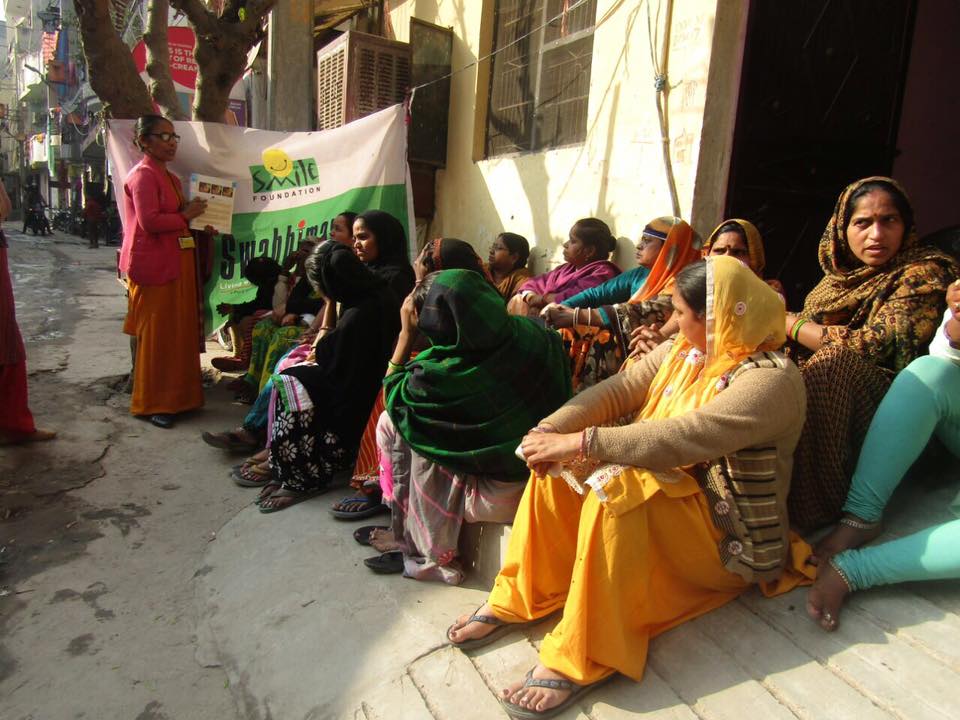
Women have long faced systemic barriers, whether in education, employment, or leadership, but Smile Foundation’s women empowerment programme is actively working to bridge these gaps. Through our flagship initiative, Swabhiman, we equip women, especially from underserved communities, with the resources and skills needed to achieve economic independence and self-reliance. By prioritising education, vocational training, and health awareness, Swabhiman addresses the interconnected challenges of gender inequality, creating a pathway to dignity and equality.

An important part of this programme is its grassroots engagement, where women are given not just the tools but also the confidence to assert their rights. Smile Foundation integrates life skills, entrepreneurship support, and leadership training into its curriculum, ensuring that participants are not only workforce-ready but also resilient leaders in their communities. For instance, the initiative focuses on sectors like tailoring and small-scale enterprises, offering comprehensive business training and funding to help women establish sustainable livelihoods.

In tackling complex gender norms and social stigmas, Smile Foundation recognises that empowerment extends beyond economic independence. The programme fosters a network of peer support among women, encouraging them to collectively challenge societal expectations and fight systemic inequalities. This community-first approach aligns with the global effort to combat gender-based violence, expand women’s rights in politics and economics, and nurture a future where opportunities are truly equitable.

Categories
Health

Year Ender 2024: Healthcare

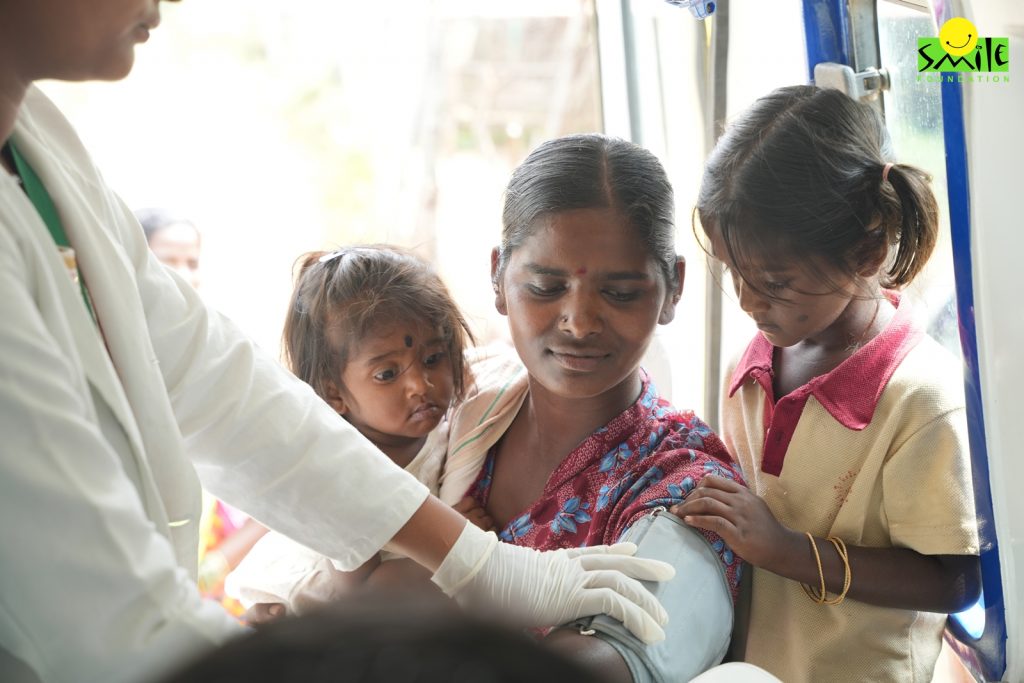
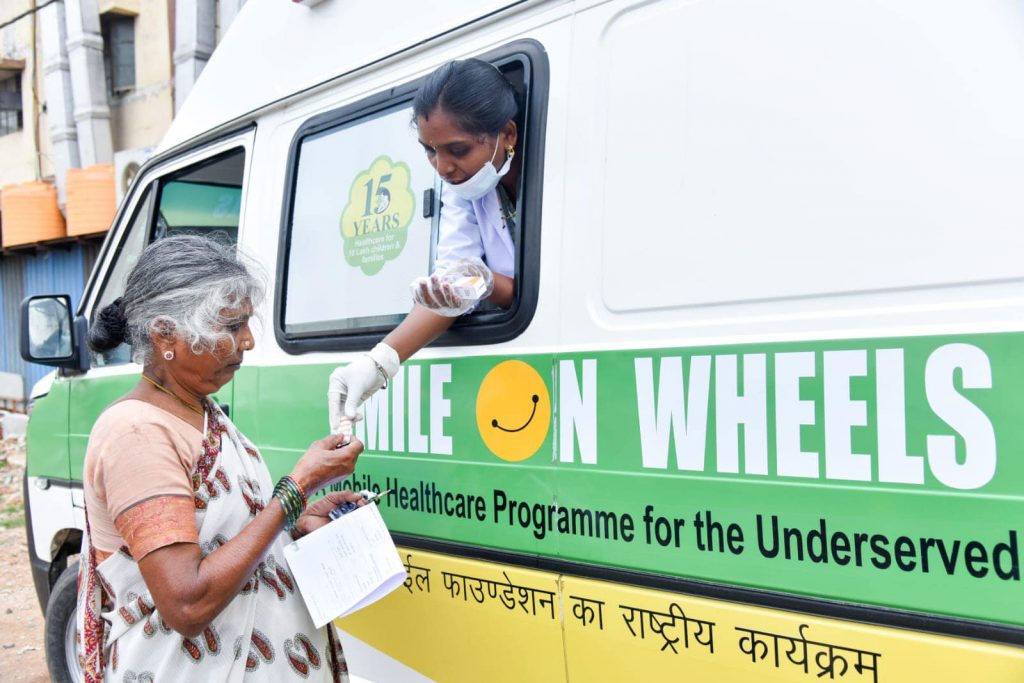
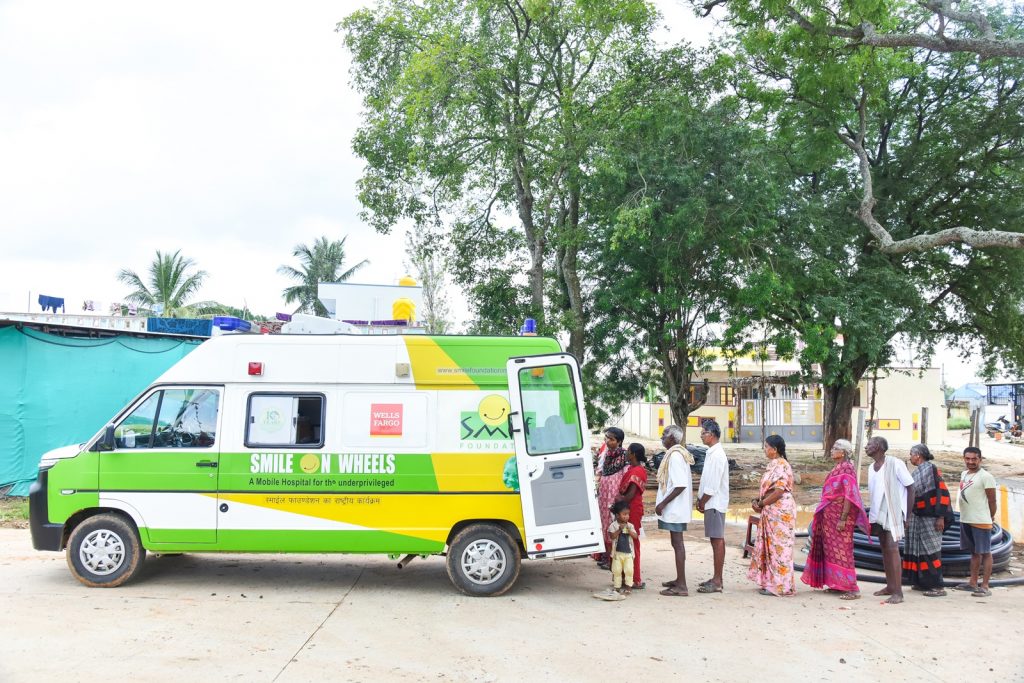
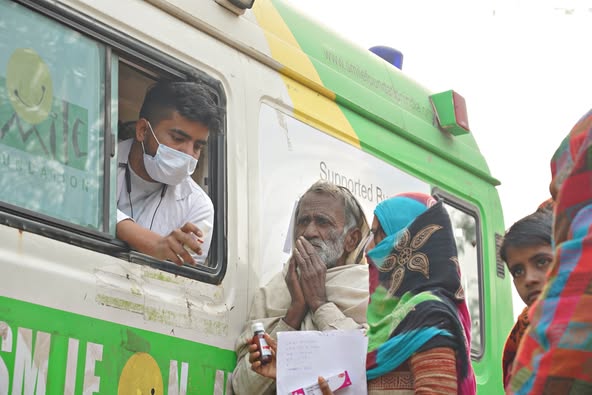
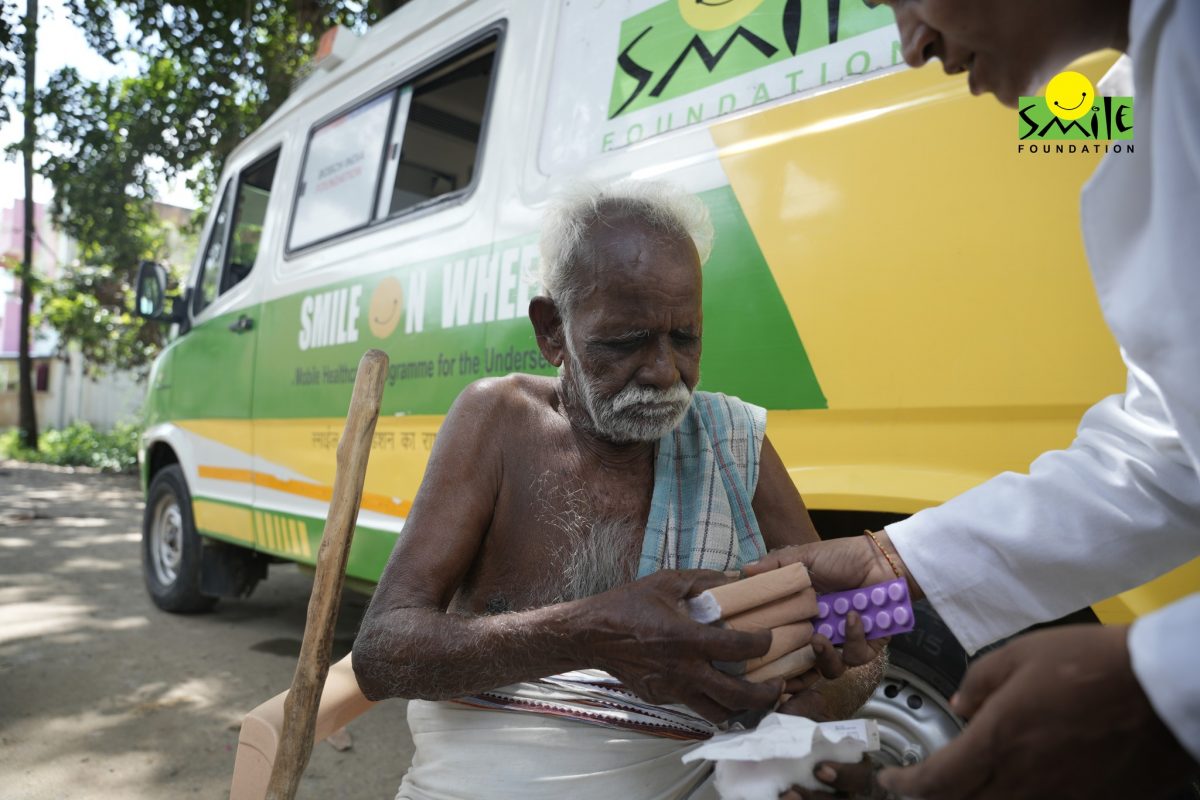
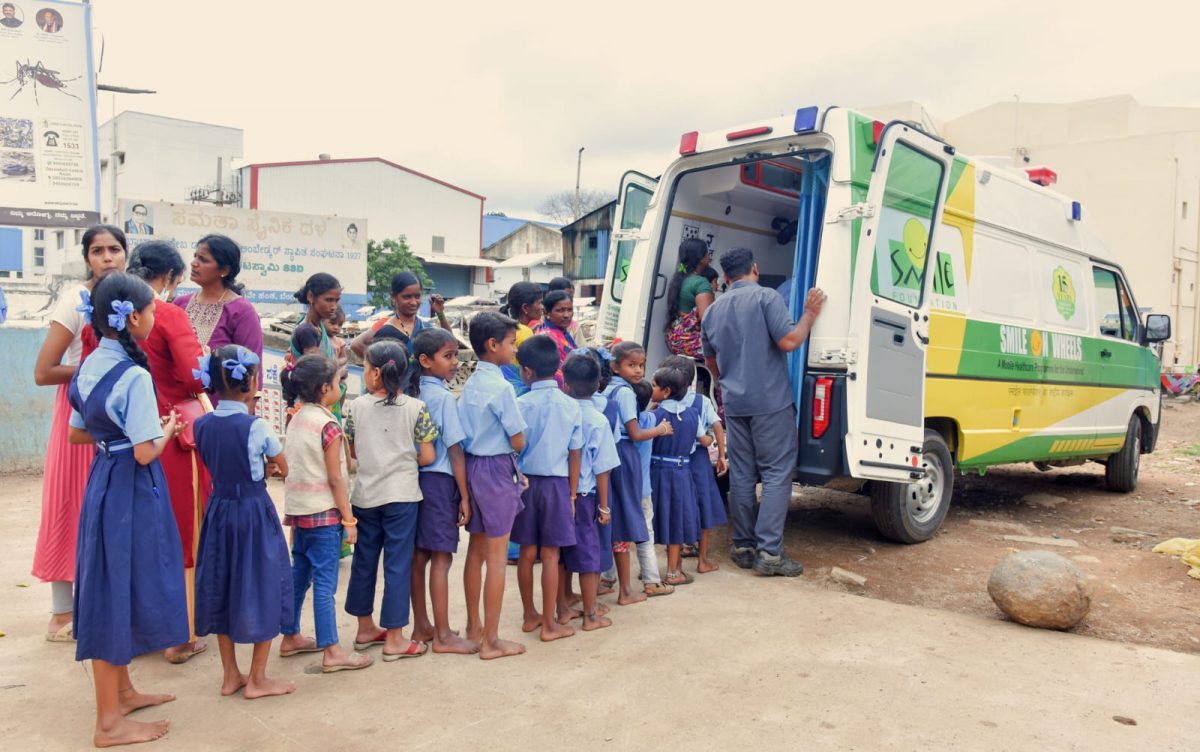
In 2024, Smile Foundation’s healthcare initiatives reached new heights, taking crucial medical services to India’s remotest communities and underserved populations. Through programs like Smile on Wheels, we emphasized accessible, affordable, and preventive care to address the healthcare gap in marginalised areas.

Reaching the Unreached

Bridging geographical and financial barriers, Smile Foundation’s mobile healthcare units served villages and towns far removed from primary health infrastructure. For instance, in Tamil Nadu’s Hosur, remote farmers and workers received doorstep treatments for chronic ailments like diabetes and common conditions like pneumonia. The program not only eased their travel burden but also provided free medicines and consultations, creating a healthier foundation for these communities.

471787545 1061928332624975 2166378463282066390 n

In Sahebganj, Jharkhand, similar efforts delivered primary healthcare to daily wage earners, farmers, and their families in 10+ distant villages. With collaboration from MSD Pharmaceuticals, residents benefited from diagnostic services, counseling, and consistent medical check-ups.

Meanwhile, in the vast desert landscapes of Jaisalmer, Rajasthan, supported by CDSL, Smile on Wheels ensured that even remote families received promotive, preventive, and curative care.

Stories of Transformation

Health initiatives touched lives in deeply personal ways. Kasturi, a flower vendor from Tamil Nadu, shared how Smile on Wheels became a lifesaver. Living with diabetes and hypertension, she struggled to balance her health and livelihood. Mobile healthcare services near her workplace gave her timely treatment without the financial strain of hospital visits, allowing her to support her family with hope and dignity.

471605243 1060764386074703 7829173459427448054 n

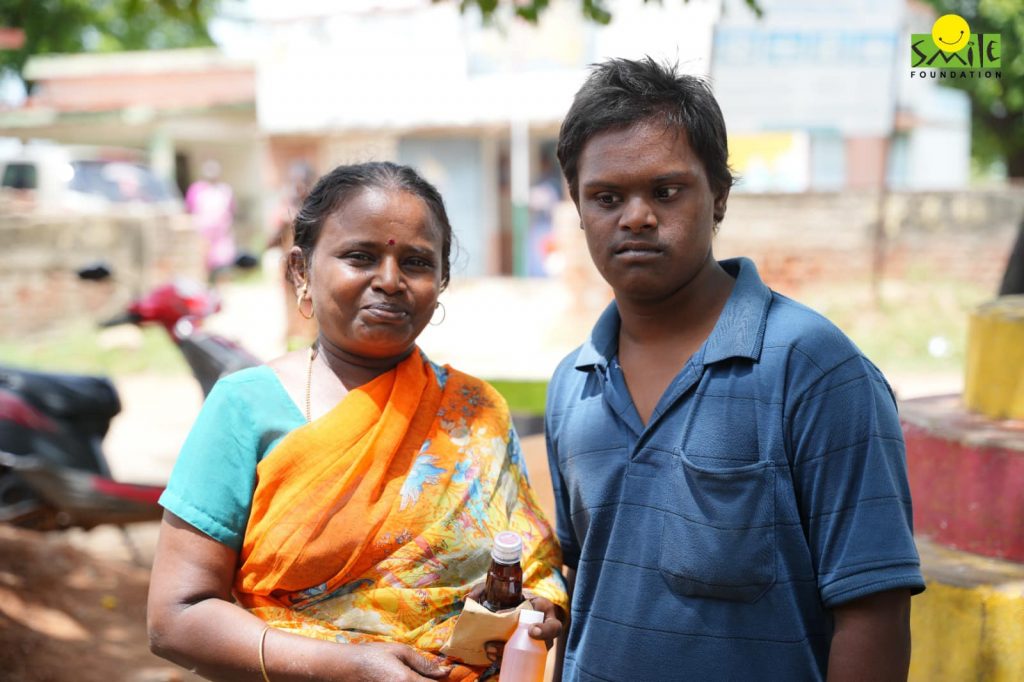
For Prema, a mother of an 18-year-old child with special needs in Bengaluru, the arrival of Smile Foundation’s healthcare van was life-changing. The compassionate care provided by a dedicated medical team alleviated her long-standing worries about her son’s health, proving that healthcare delivered with understanding can heal beyond medicine.

470057860 1046967370787738 1146899934204042794 n

Strategic Partnerships for Impact

Partnerships played a vital role in 2024. Wells Fargo helped extend healthcare services to over 15,000 individuals in Bengaluru’s underserved neighborhoods, offering treatment and fostering awareness about health and hygiene. Similarly, collaborations with Bosch India in Jaipur and Euronet in Thane-Kalwa enhanced the reach and depth of healthcare delivery, including antenatal and postnatal care, referrals, and disease prevention awareness.

470225400 1048885917262550 927446257717203454 n

With Deutsche Bank’s support, Smile on Wheels provided comprehensive mobile health units in multiple cities, conducting workshops on topics like breastfeeding for women in Bengaluru, and addressing maternal and child health through interactive sessions.

Community-Centric Healthcare

Empowerment through awareness was another significant theme of 2024. From preventive health camps addressing common rural health issues in Virudhunagar, Tamil Nadu, to sessions on brushing techniques for children through the Mobile Dental Clinics supported by Haleon, Smile Foundation fostered health-seeking behavior at the grassroots level. Health camps at Bengaluru’s Government Lower Primary School detected and treated conditions like malnutrition and anemia, creating healthier futures for underserved children.

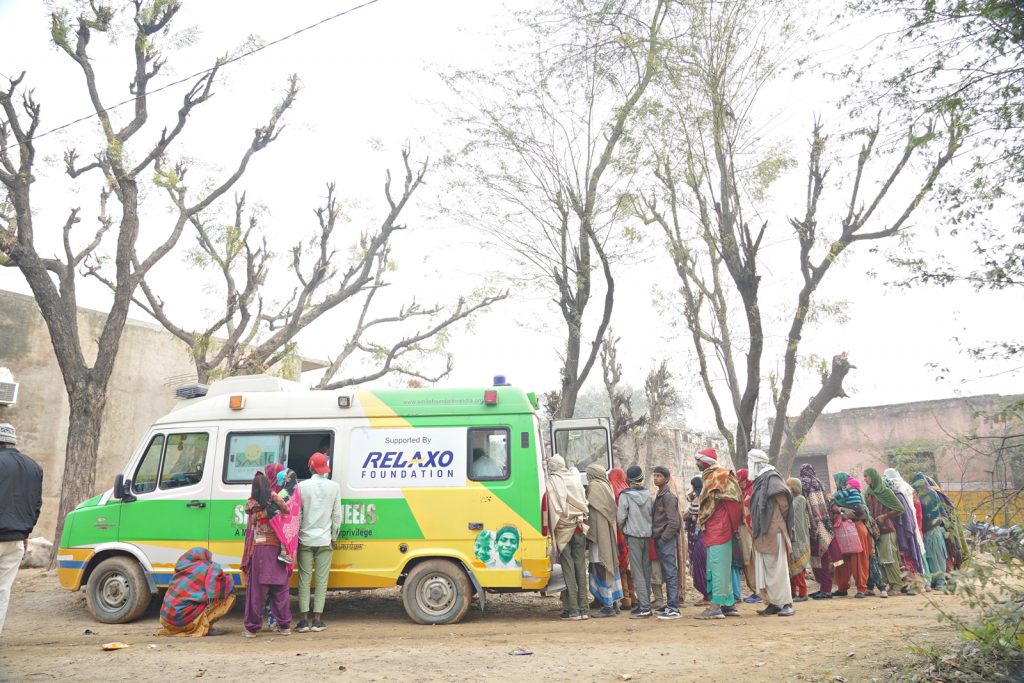
In Rajasthan’s Alwar district, Relaxo Foundation supported health awareness campaigns that touched the lives of 11 remote villages. By creating opportunities for health literacy alongside treatment, we laid the groundwork for long-term well-being.

468787203 1038697238281418 5318703697590998172 n

Milestones and Recognitions

2024 also marked recognition for Smile Foundation’s consistent efforts. The ASSOCHAM Best CSR Excellence in Healthcare Award celebrated our mobile healthcare units’ unrelenting service in reaching over 50,000 lives in the remotest geographies, affirming our commitment to India’s healthcare goals under the National Health Mission. Similarly, local accolades from the Bassi Block Health Department highlighted the impactful work in Jaipur’s underserved communities.

Looking Ahead

Smile Foundation’s healthcare story in 2024 showcased the power of perseverance, partnerships, and community engagement. As we step into another year, the journey to bring accessible, quality healthcare closer to every individual continues with renewed vigour. With mobile units reaching farther, health awareness touching more lives, and partnerships strengthening our efforts, the future promises healthier smiles for thousands more across India.

Healthcare is about treatment and also about dignity, empowerment, and opportunities for all to lead fulfilling lives. At Smile Foundation, we will keep moving forward, ensuring that no one is left behind.

Categories
Livelihood Skill Development

Understanding IT-ITeS Courses in India

Information Technology (IT) and IT-enabled Services (ITeS) have played a critical role in the development of India’s economic landscape. It provides a diverse array of courses that are tailored to the changing needs of the global digital economy. The Indian IT-ITES industry was virtually non-existent prior to the mid-1990s, but has since emerged as a significant global actor. In order to remain at the forefront of the digital landscape’s rapid evolution, professionals are striving to leverage the power of cutting-edge skills and expertise. The government of India promotes the active development of digital skills among stakeholders through a variety of programmes (NULM, PMKVY, etc.).

The Skill India Mission (SIM) is a well-organised and well-equipped initiative representing a new technical education direction. With a focus on the overall technological development of the country, it offers a variety of skill-related training programmes, starting with computer applications, tailored to the needs of various government and private institutions. It also equips the Indian workforce with the requisite skills to enable them to become self-sufficient and employable, as recognised by the Government of India. The initiative was aimed at establishing a pool of qualified workers who could help fuel the country’s economic expansion. 

The Indian Scenario

Sector Skill Council (SSC) NASSCOM is the national standard-setting entity for IT Skills, established under the auspices of the Ministry of Skills Development & Entrepreneurship and the National Skill Development Corporation. With its various alliances and initiatives it provides students with the advanced skills that are indispensable in the swiftly changing digital environment of the present day; assistance in securing employment with certification from an industry; upskill students for the future in terms of new-age skills and employment opportunities; keep track of the most recent government initiatives.

Universities and educational institutions collaborate with SSC NASSCOM to provide students with programmes that serve as either an elective course to an existing course or an add-on programme. Such alliances offer opportunities for all kinds of students from various backgrounds and capabilities. SSC NASSCOM develops pertinent academic programmes for students and organises training sessions for faculty members at universities or colleges that are involved in this initiative. Additionally, SSC NASSCOM offers guidelines and recommendations regarding programme specifics, including infrastructure for training and evaluation, faculty selection and student selection. To make the courses more inclusive and accessible, they are often free of charge and cater to a diverse range of interests, from basic computer skills to programming, website designing and cyber security, and more.

Multiple prestigious institutions in India are recognised for their IT and ITeS programmes, with tougher standards of seeking admission. Indian Institutes of Technology (IITs) provide exceptional engineering and technology education with an emphasis on research and innovation. Private universities such as BITS Pilani and VIT provide specialised programmes that are designed to align with the most recent industry trends. With comprehensive courses, these institutes produce professionals who stand out and succeed globally

Lack of Employability

Even with suitable government programmes in place to help learners flourish in a technologically interconnected world, the youth’s lack of employability remains a major concern.

Employability will continue to be a challenge in the absence of sufficient computer skills. In order to effectively promote employability, the Skill India movement would need to refocus its efforts on the new path. In India, there are numerous computer science graduates who are currently unemployed due to the fact that the skills they have acquired are insufficient or that they require reskilling with the emerging and significant skills in the current industry. 

Currently, there is a growing trend among young people to pursue skill sets in areas such as artificial intelligence (AI), cloud computing, cybersecurity, and data science and analytics. However, state-funded courses frequently emphasise conventional skills, including basic programming, data entry, and customer support (voice and non-voice). As a result, it is necessary to broaden one’s skill set to encompass Data Science, Analytics, and related fields.

The Need for Collaboration

It is imperative that the government and the industry collaborate efficiently. A critical measure in addressing the lack of employability is to improve industry collaboration in the design of course curricula to address the immediate requirements of the market. The curriculum can be rendered more pertinent to the industry’s requirements by enhancing industry-academia engagement, thereby allowing service providers to reduce their initial training expenses and cultivate a competent workforce. The endeavour must be more comprehensive and should involve partnerships with educational and training institutes in both major and smaller cities. This will involve assisting them in the development of the curriculum, providing faculty training in both relevant content and teaching methodologies, offering internships, and establishing their own training schools. Additionally, it is imperative that IT companies, particularly those of a larger scale, investigate the potential of utilising their substantial cash reserves to establish a sustainable educational system that is in accordance with industry requirements.

Furthermore, the industry should collaborate with academic institutions to ensure that the curriculum is periodically updated to ensure its relevance. In order to maintain its competitive advantage over other outsourcing destinations, India must establish a strong partnership between the government and the industry.

Smile Foundation and IT-ITeS Sector

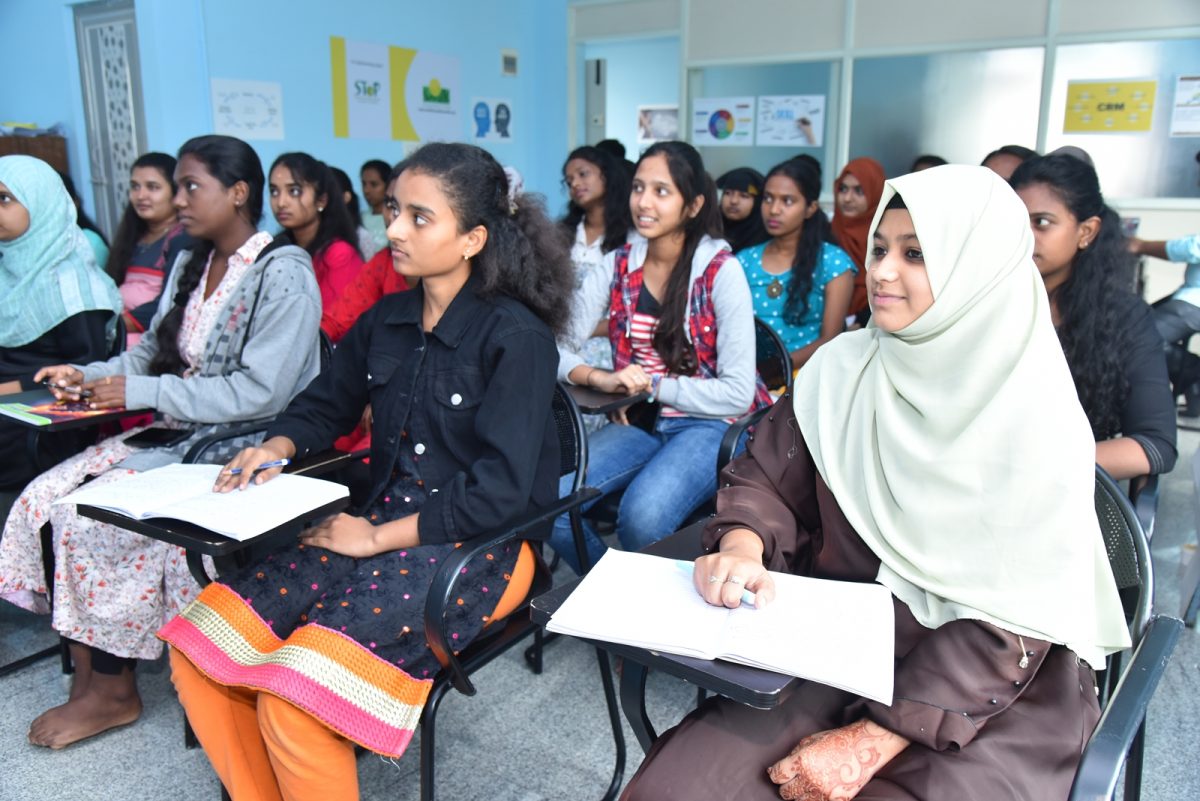
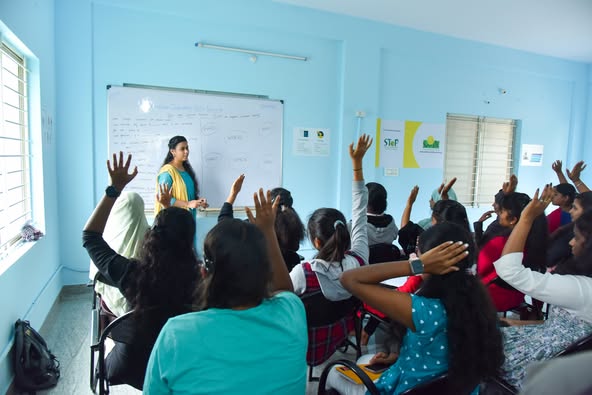
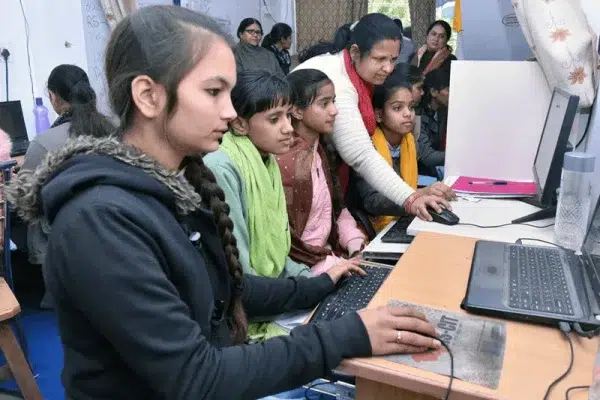
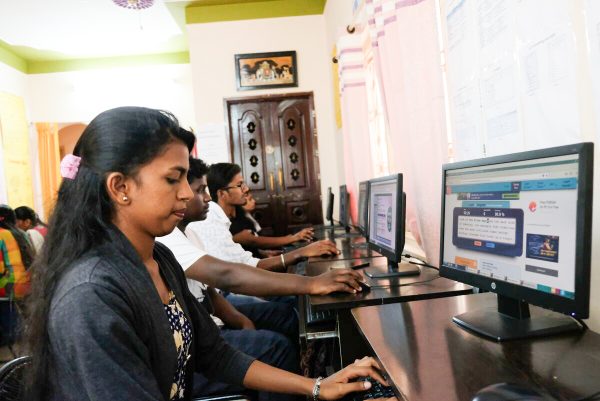
Smile Foundation’s Smile Twin e-Learning Programme (STeP) in Bangalore is empowering underserved youth by bridging the gap between skills and employment opportunities in the IT-ITeS sector. Started in June 2024, this initiative equips youth with hands-on IT-ITES skills critical for success in today’s job market. Supported by a curriculum developed in collaboration with NSDC and NASSCOM, it addresses industry-specific needs to prepare students for dynamic roles in the tech sector. The courses combine technical skill-building with professional development to boost employability and open doors to sustainable career pathways.

By nurturing young talents, Smile Foundation continues its mission of creating sustainable livelihoods for low-income communities and contributing to India’s growing IT-ITeS industry.

Categories
Livelihood

Year Ender 2024: Skilling and Livelihood

Smile Foundation’s skilling and livelihood programme have skilled thousands of young people and opened doors to opportunities that were once out of reach. Through the inspiring journeys of people from diverse backgrounds and diverse projects, we have a year where these very talented young people got skilled and placed in respectful workplaces. 

Empowering Youth Through Livelihood Training

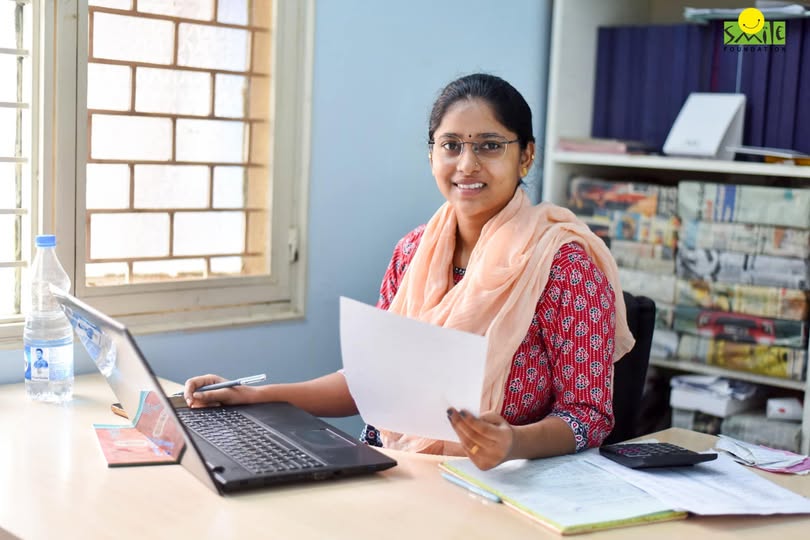
Stories like that of Vaitheeswari, a young woman from Bengaluru, highlight the impact of Smile Foundation’s STeP (Smile Twin e-Learning Programme). Having lost her father to blood cancer, she saw her mother work tirelessly as a maid to support her and her younger sister. Determined to lighten her family’s struggles, Vaitheeswari completed her M.Com and joined Smile Foundation’s skill development training in Banking, Financial Services, and Insurance (BFSI). Upon successful completion, she secured a position as an accountant in a reputed school, sharing:

“Now, I feel proud to share the responsibilities of my mother as well as my husband.”

AD 4nXddHT6fxPrSqcMgN vAkJpTVc8kswsG7c WOyNHK9WLdKCW8vMVrwMLvoGUh10dpLKEEYqQsl 5OtuXGOlYf4V3TpoAO9OdL5vsGKVmhMH XUElPz8Zr lUPsPAv93VPE1PPWddYA?key=pE1Jyc00bJGbMpYUVU11M6kB
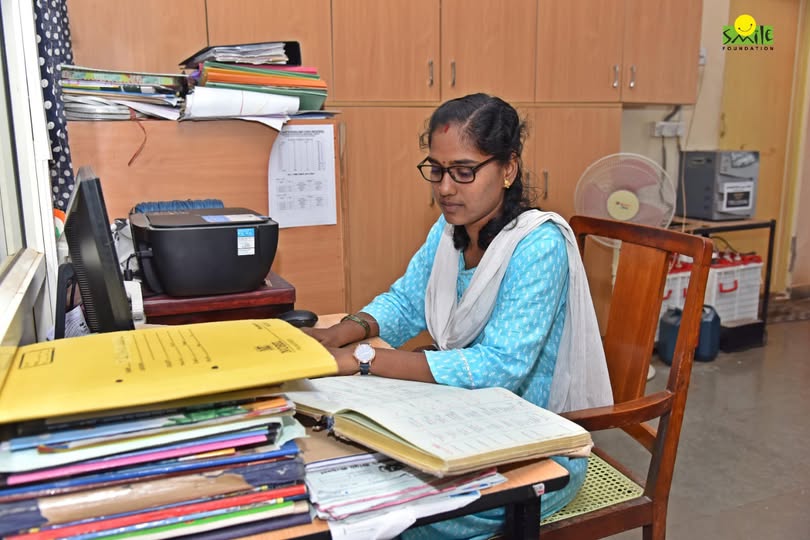
Vaitheeswari busy with work at her workplace

This initiative, which combines soft skills, technical training, and placement assistance, continues to transform the lives of underserved youth, equipping them for high-demand sectors like retail, healthcare, BPO, digital marketing, BFSI, and IT-ITES.

Project Manzil: Bridging Vocational Education and Employment

In Rajasthan, Project Manzil, supported by IPE Global and implemented by Smile Foundation, has empowered over 50,000 girls from grades 9 to 12. The programme delivers counseling sessions addressing career opportunities, higher education, and personal growth. These sessions, many of which mark the girls’ first exposure to structured vocational guidance, inspire them to envision ambitious futures.

Gulafsha’s story exemplifies this impact. Raised in a struggling family of daily labourers, she received vocational training in retail and moved to Jaipur for a retail supermart job. Despite initial challenges, Gulafsha now contributes to her family’s well-being and supports her siblings’ education. She says:

“Each day brought new lessons, reinforcing the values my parents taught me and helping me grow stronger.”

AD 4nXcYEVEJQmaWNBnXXiq1xl5jkK3CWrnXImxdLI9xZmEmHvAuQSYeU0G KfCb8y5uVKxVljk8nVhVPJiPl5WZd5JGuLQx iEFSTmIQBbCzGUiSvvjH4Qtu4z YASj7rYIwfAmX8whMA?key=pE1Jyc00bJGbMpYUVU11M6kB
Gulafsha looking proud at her workplace

Similarly, Yasmeen Khan from Ajmer defied financial constraints to pursue her dream of working with machines. With training in IT under Project Manzil, she now interns in her chosen field while contributing to her family. Yasmeen shares:

“The skills and confidence I gained opened new doors for me, proving that no dream is too big with the right support.”

AD 4nXe3oY3nGA5r6u55mrevvKPCGGjhA28JPzJv4fLtmGqwVtv
Yasmeen with her mother

Stories of resilience like that of Seethadevi remind us of the transformative power of education and support. After losing her father and sister, she joined Smile Foundation’s BFSI training program. Now employed as an accountant, she supports her family and ensures her mother can rest after years of hard work. Similarly, Bengaluru’s youth, guided through career counseling sessions under STeP, are finding paths toward brighter futures in the BFSI sector.

AD 4nXc53Kqsdwc9Jkq 2zhJicrx 1 8 aoWRu81dsspUDZbzbCKvJq9MLsnPQL6QmT DewUvskwr QchB6yfrz SWsrxyNNBW 5L5cVZM5Z Ncv706EGuzoiCNTuPfZPiJuf9q miZ MQ?key=pE1Jyc00bJGbMpYUVU11M6kB
Seethadevi at her workplace

Upskilling Painters: iTrain on Wheels

The iTrain on Wheels initiative, a collaboration between Smile Foundation and Berger Paints India Ltd., has revolutionised vocational training for painters across 24 states. Through mobile iTrain vans, the programme has reached over 100 locations, providing hands-on training that enhances both technical skills and communication abilities.

In 2024, a special training session brought together drivers, supervisors, trainers, and applicators to refine their ability to deliver effective training sessions nationwide. By addressing communication barriers and ensuring content accessibility, the initiative empowers painters, including women, to enhance their employability and entrepreneurial potential.

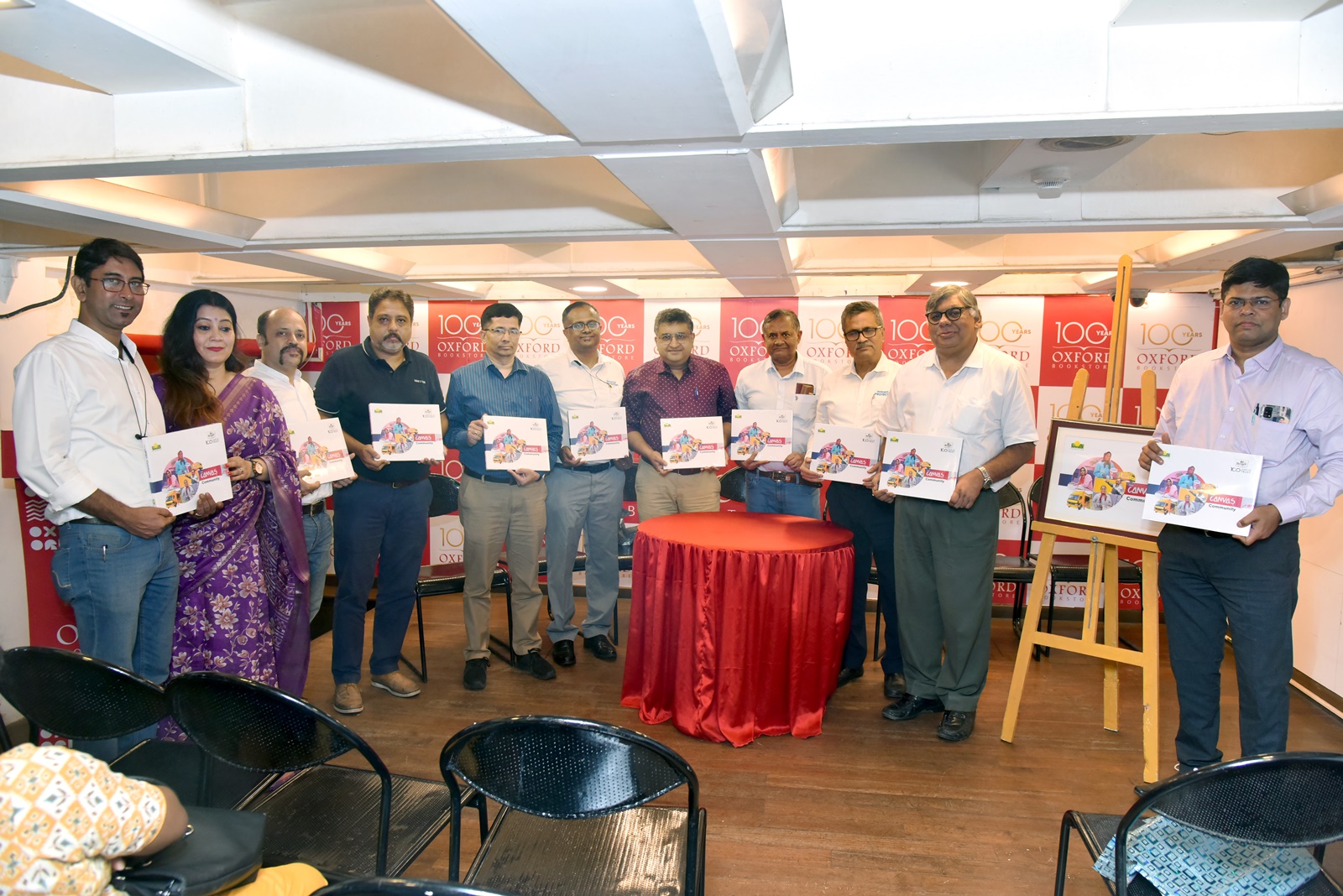
To celebrate these transformative journeys, Smile Foundation and Berger Paints launched a coffee table book, “From Canvas to Community”, featuring 12 inspiring stories of painters who turned their lives around through this programme.

AD 4nXddSB90Ccx6mSwh1FO7ZeA4r6FJHOy pkUbm7u4jSahNwbrGzgJbANU3yzAXXd7NHd7N327Tb7FTAsi6O8obpKxdJhk3a7HslCevg LhtVHKYppTSMygofWcOoZ4m sF0Zin2Rb2w?key=pE1Jyc00bJGbMpYUVU11M6kB
Recognition: Smile Foundation’s iTrain on Wheels initiative received the “Best Organisation of the Year in CSR Implementation” award at the Bharat CSR & Sustainability Conclave 2024, reflecting its success in uplifting thousands of painters and their families.

Creating New Pathways: IT-ITES Focused Training

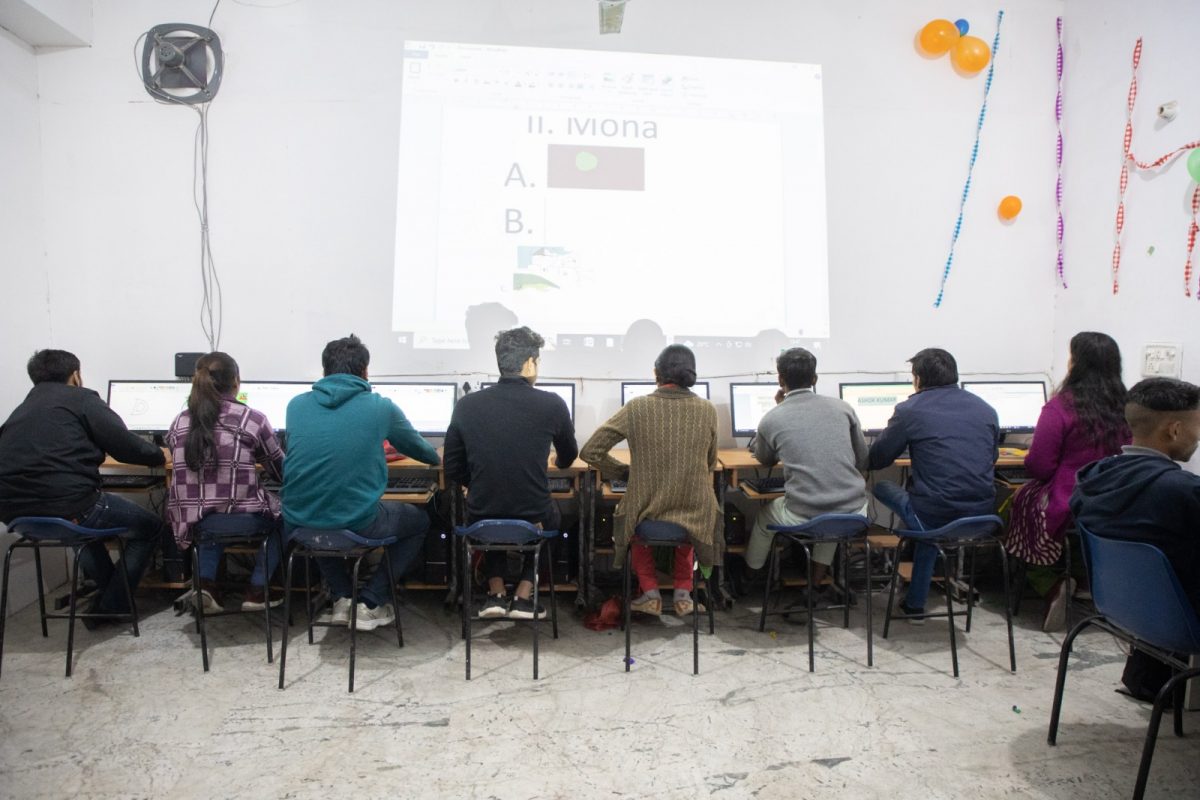
In June 2024, Smile Foundation’s STeP programme in Bengaluru introduced IT-ITES-focused courses in collaboration with NSDC and NASSCOM. This initiative aims to prepare youth for the evolving tech industry by providing comprehensive, industry-aligned training. Students gain hands-on experience, receive professional development support, and are guided toward sustainable employment opportunities.

AD 4nXck0L4zAtMM Y5AyC3A3aHQv75aud2YzgIAJ8608gK 4hCscmcHwMPPUNr376oBXKCTfLi5IrQNV19eX b0Hu2p2DNEMJVzm N4GLd98PaDoDtSQ5 z

The Role of Community and Partnership

Berger Paints’ iTrain on Wheels programme stands out as a model for how private-public partnerships can address community needs. Beyond technical training, it elevates painting into an art form, enabling participants to improve their livelihoods and support their families.

Likewise, vocational training programmes under Project Manzil in Rajasthan emphasize employability across sectors like IT, healthcare, retail, and tourism. Through counseling and scholarships, Smile Foundation ensures no dream is out of reach for girls from underserved backgrounds.

Looking Ahead: Building More Futures Together

As Bipasha Patnaik, Head of Smile Foundation’s Livelihood Programme, observes:

“STeP is about believing in the youth and their ability to overcome challenges. Every single time one of these young adults secures a job, we know that we did make some change, that they will now live a better life. We hope to keep this circle of change going and helping many more in the coming years.”

The numbers speak for themselves, but it’s the stories of perseverance—of mothers who dream of better futures for their children, of daughters who take over family responsibilities, and of youth who rise above challenges—that truly encapsulate the spirit of Smile Foundation’s initiatives.

From hands-on vocational training to cutting-edge technical courses, each of our skilling and livelihood initiatives helped our young ones take steps toward independence and self-worth. As we move into 2025, our commitment to creating stories of resilience and opportunity only grows stronger—ensuring that more individuals can turn their aspirations into lasting realities.

Categories
Women Empowerment

Year Ender 2024: Women Empowerment

As we close the curtains on 2024, we are reflecting on the achievements, challenges, and transformations brought by Smile Foundation’s Swabhiman initiative. Swabhiman, aptly named for “self-respect,” continues to equip women from low-income communities with the resources and confidence they need to chart their futures. Over the last year, our comprehensive women’s empowerment programme has touched countless lives, uplifting women, families, and communities.

Empowering Women Entrepreneurs

This year, Swabhiman’s Entrepreneurship Development workshops empowered hundreds of women, enabling them to transform dreams into sustainable livelihoods. From kitchen-based ventures to beekeeping, the entrepreneurial journeys of many women stand as an exemplification to determination.

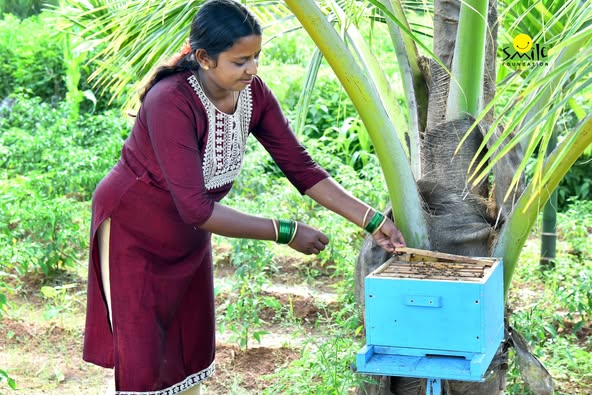
Take the story of Pavithra from a small village near Bangalore, for example. Married young and struggling financially, Pavithra’s life took a turn when she discovered beekeeping through Swabhiman. “Working with bees gave me a sense of purpose,” Pavithra shared. “It became a way for me to provide for my family and build something lasting.” Today, she successfully manages hives and sells honey, proving that even the smallest steps can lead to significant changes.

471255314 1056893636461778 7511999621569991754 n
Pavithra at her beehive

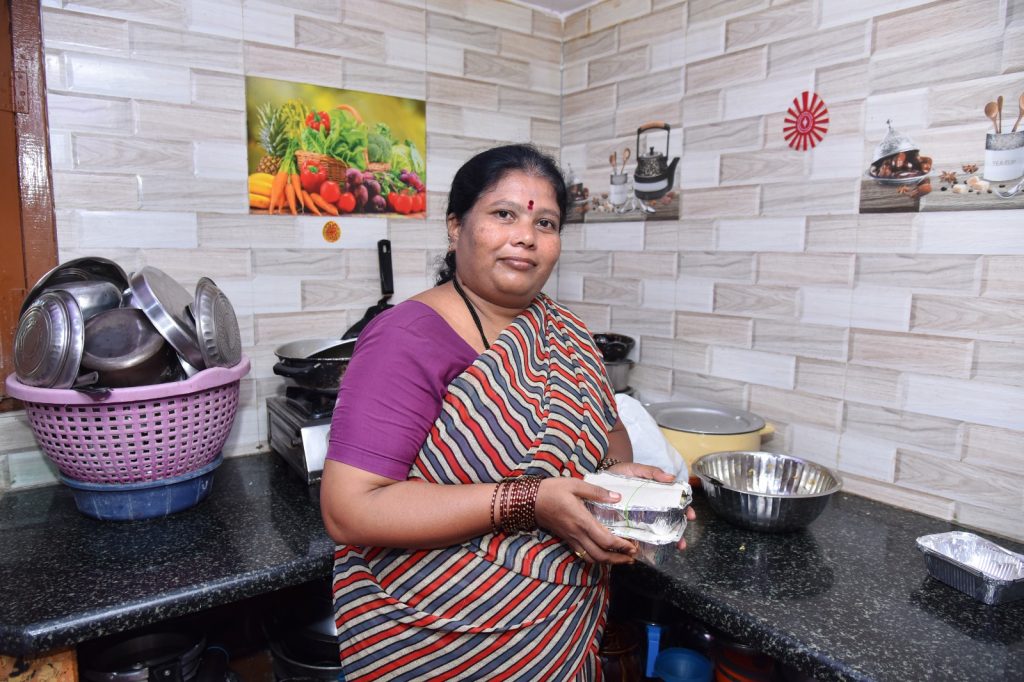
Similarly, Chaitanya from Devanagundi runs a bustling catering business, serving party orders and daily meals to warehouses. “Smile Foundation didn’t just teach me,” Chaitanya reflects, “they believed in me. With love, hard work, and support, one can create something meaningful and lasting.”

469338839 1042931081191367 1077133538325289158 n
Chaitanya packing food for her catering business

Then there is Nagaratna, who seven years ago lost her husband to a heart attack, leaving her alone to care for two children with minimal means. As a tailor shop helper, she struggled daily to make ends meet.

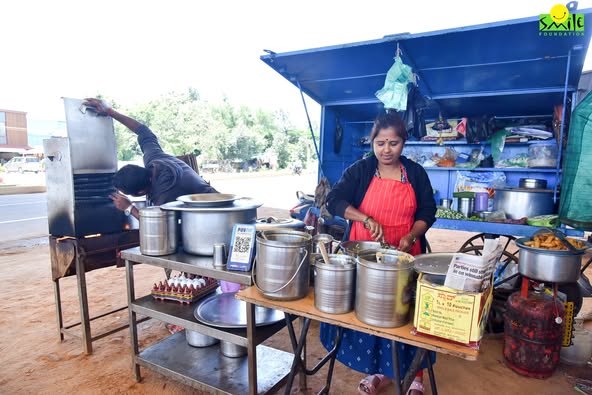
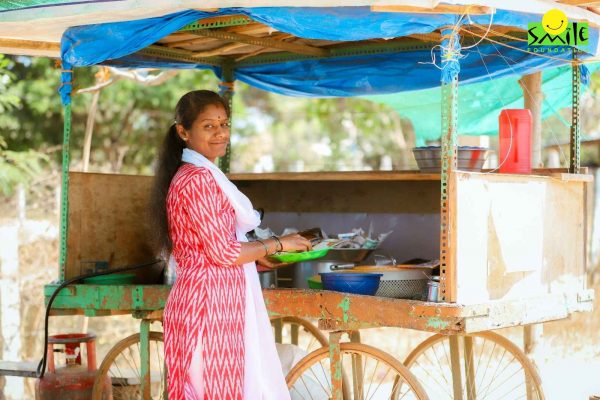
In April 2023, she joined the Swabhiman program. With the confidence and skills she gained, Nagaratna launched her own small food stall, cooking hearty local dishes. The venture flourished, and in just a year, she went from uncertainty to earning Rs. 1 lakh a month. Today, alongside her son, she has built a stable future—a life she once believed was out of reach.

459342325 974984671319342 6258571980294241002 n
Nagaratna at her food stall


“I went from being broken and lost to finding strength I didn’t know was inside me. And now, we’re finally living the life I dreamed of for my children.”

These stories are among hundreds fueled by Swabhiman’s goal to equip women with essential entrepreneurial skills, from financial literacy to business planning, creating waves of empowerment in local communities.

Fostering Healthier Futures

Swabhiman is also actively nurturing the health of women and families. This year, in collaboration with SBI Cards and Payment Services Ltd., the programme reached thousands through maternal health workshops, anemia screenings, and nutritional demonstrations.

In Punjab, the Swabhiman team organised maternal health awareness events in partnership with the Health Department of Punjab, offering vital information on antenatal and postnatal care. Pregnant and lactating mothers received resources for a healthier pregnancy and better child health, while frontline health workers were trained to address non-communicable diseases (NCDs) like diabetes, hypertension, and cancer.

Healthy eating campaigns were another cornerstone of Swabhiman’s health initiatives in 2024. In villages around Greater Noida and Bhiwadi, low-cost, high-nutrition recipe demonstrations for our Honda India Foundation project empowered women with tools to improve their families’ diets using locally sourced ingredients. Events like salad-making competitions sparked creativity while raising awareness about balanced nutrition.

A participant of these sessions shared: “Nutrition is the health and future of my family. Learning affordable, healthy recipes has changed how I cook for my children, and now, they’re happier and healthier.”

Through interactive group meetings, Swabhiman also addressed critical topics such as reproductive and sexual health, safe motherhood, child health, and family planning. These sessions empowered women not only to care for their health but also to challenge longstanding gender stereotypes.

Building Frontline Health Worker Capacity

A highlight of 2024 was a Capacity Building Workshop for Frontline Health Workers, organised collaboratively with Honda Cars India Limited (HCIL) in Greater Noida. The workshop brought together government health workers from Nat Ki Madhiya and Kasna to enhance their knowledge and skills in critical areas of public health.

Key sessions included:

  • Anemia and Nutrition during Pregnancy and Lactation by Dr. Deepak Bali from HCIL, which emphasised the role of nutrition in preventing anemia.
  • Family Planning by gynecology specialist Dr. Ekrabi, who provided practical guidance and the latest insights on family planning methods.

The interactive format encouraged participation and strengthened the health workers’ ability to serve their communities effectively. The feedback gathered reinforced the significance of such workshops in improving healthcare outcomes at the grassroots level.

Cultural and Social Advocacy

This year also saw the power of storytelling and drama emerge as vital tools in tackling societal issues. Under Swabhiman, we conducted impactful street plays educating children about the perils of child marriage and malnutrition. These plays used music, slogans, and engaging skits to discuss the causes, consequences, and prevention of these critical issues, leaving lasting impressions on young minds.

“I learned so much from the play,” remarked Ananya, an adolescent girl who attended the event. It opened my eyes to why education and health are so important for girls.

Through activities like these, Swabhiman engages communities to address cultural norms and biases that hinder progress. Whether through group discussions or information dissemination, the program continues to inspire collective action for gender equity and social reform.

Recognising and Uplifting Local Heroes

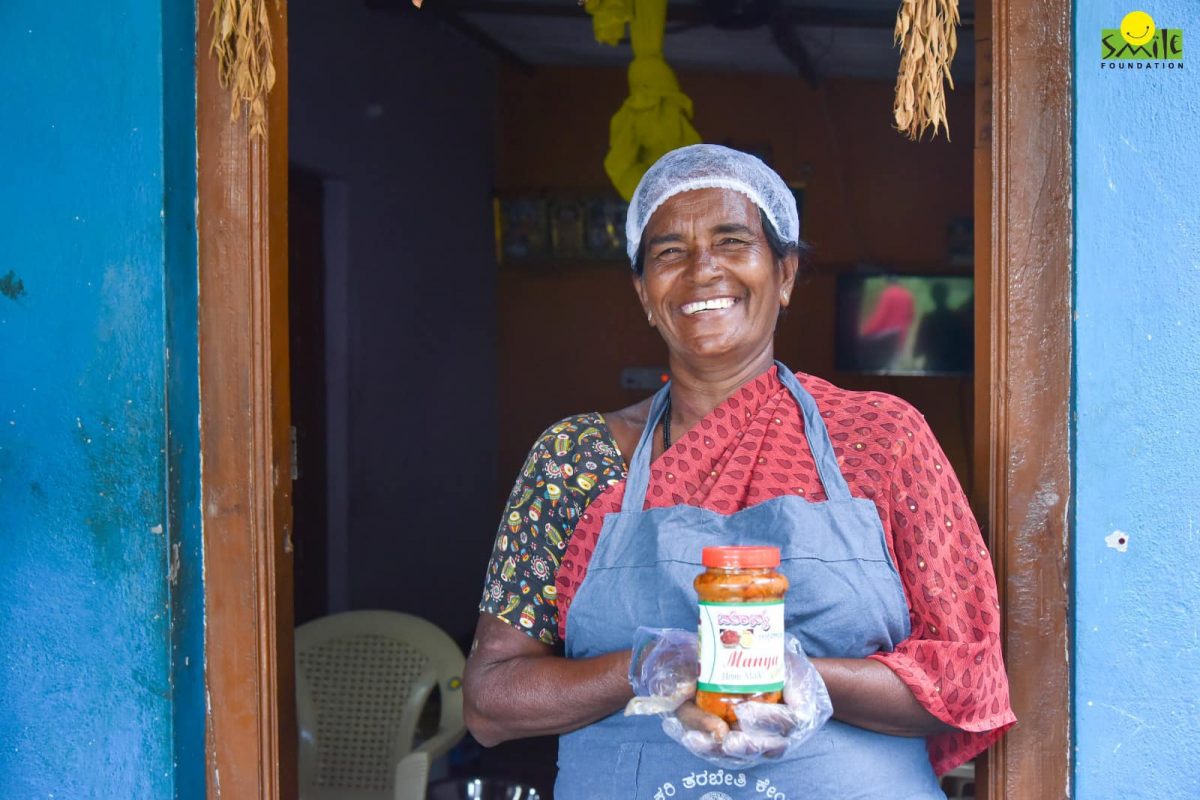
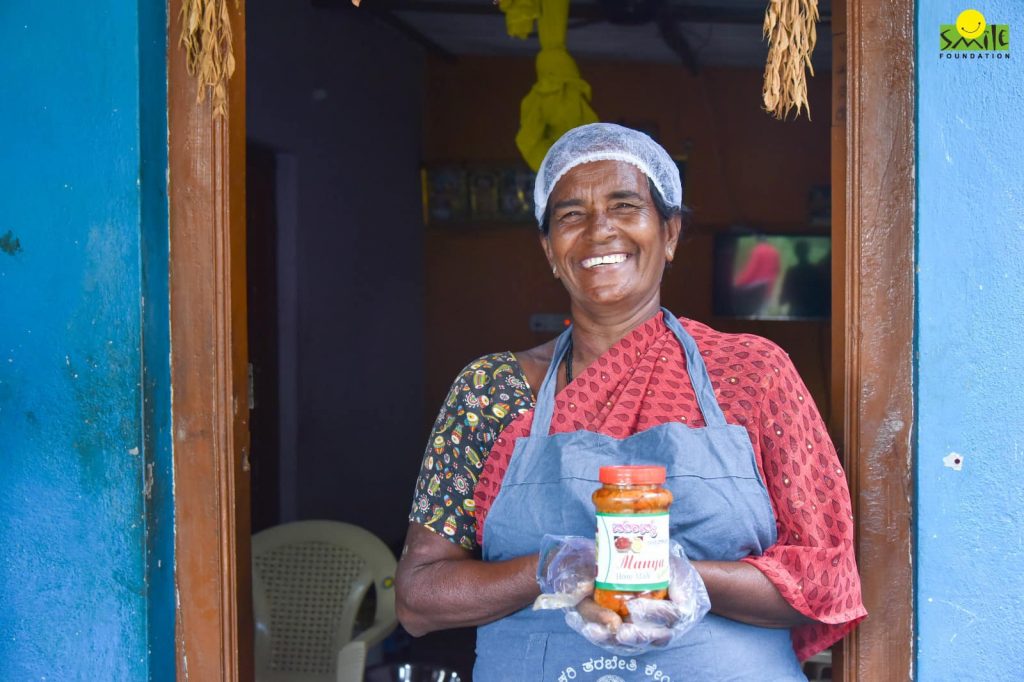
Swabhiman not only empowers women but also shines a light on their incredible journeys. Among the many celebrated this year was Laxmi (name changed on request), who turned her passion for pickles into a successful business. From her kitchen in Bangalore, Laxmi now creates flavors reminiscent of home while discovering her strength and purpose.

“There were days when managing a home left no room for ambition,” Laxmi reflected. “But this journey became about believing in myself.”

467619122 1030359665781842 2671533427586305758 n
Laxmi proudly showing pickle jar

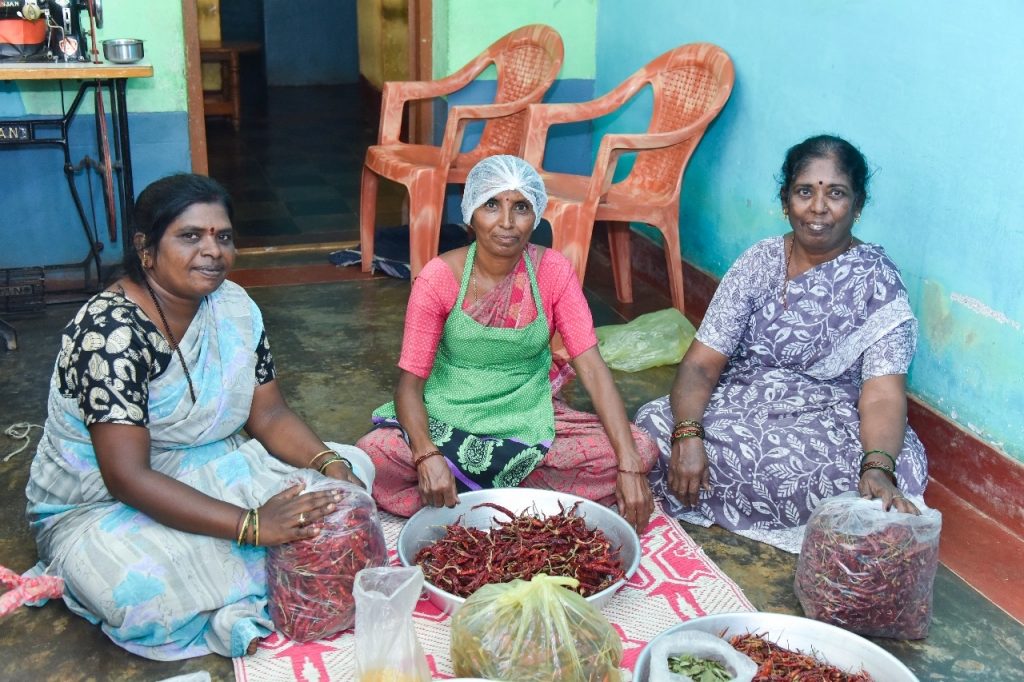
In another heartwarming story, Sujatha and her friends, Shardamma and Jaya Lakshmi, found solace and strength in each other after personal losses. Their shared grief transformed into a shared goal: building a sambar powder business together. “Life goes on, even when it feels like it can’t,” Sujatha said. “This business is more than just income; it’s about rebuilding our lives, step by step.”

460462276 979873220830487 3720310001395714311 n
Sujatha (in the middle) with her business partners

Looking Ahead

As we step into 2025, Swabhiman’s commitment to empowering women and communities remains steadfast. The initiative continues to expand its reach, fostering new partnerships and adapting to evolving challenges.

The programme envisions a community-driven approach where individual and collective self-esteem becomes the foundation for positive change. With education, health, and economic opportunities at its core, the programme contributed to the sustainable development of the women and their communities.

These stories inspire us to continue building a world where every woman can proudly hold on to her self-respect and live a life of dignity and purpose.

As we bid farewell to this transformative year, let us carry forward the lessons and inspiration from Swabhiman. Together, we can create brighter futures and stronger communities by empowering the women who are at the heart of it all.

Categories
Smile Insights

2024 Year in Review: Top 10 Blogs

2024 was a difficult year, more so because of the escalating conflicts and the consequences of climate-change. With tons of losses– both human and environment, nonprofits all across the world called for peace, stability and urgent action. Smile Foundation, focusing on scaling its interventions, renewed long-standing partnerships and curated special projects with our new partners. 

Our work, however, also extends to addressing critical global issues through advocacy and action. In line with this, the Smile Blog gained substantial traction in 2024, reaching almost half a million readers. This year, some blog posts stood out in their relevance and impact. Here, we take a closer look at the top 10 blogs that resonated the most with our readers.

  1. More Women Join STEM Courses, Few Make it to the Top

The underrepresentation of women in Science, Technology, Engineering, and Mathematics (STEM) fields is a pressing issue impeding progress and innovation. Despite women constituting 43% of STEM graduates in India, their participation in the STEM workforce remains disproportionately low, with only 14% securing related jobs. 

AD 4nXdJOqgu eZXnpwcSHFmcbDEnQh6ar209xZBYrt1IVcKmegSQXnWZ7H5GYUxF8I WAmbWqNarcHUV

By highlighting the challenges and advocating for increased female participation, Smile Foundation seeks to inspire systemic change, ensuring that women have equal opportunities to contribute to and benefit from STEM industries.  

  1. Strengthening Primary Healthcare in India

Access to quality primary healthcare is a cornerstone of a nation’s well-being, directly influencing educational outcomes, economic productivity, and overall quality of life. In India, challenges such as inadequate infrastructure, workforce shortages, and urban-rural disparities roadblock the effective delivery of primary healthcare services. 

AD 4nXdIKJfcQEO6TEZ89qkMjPDZgYMpS2aZhc0LyjwIHeHpYN8R6RP7bMnWBsqaXDHUNjaGka42kdlhaKUXSyXeILkCAGmL2Aq71P7WQQaEwy5yZHO7lvd0JsmjAe

Through this blog, we shed light on the critical importance of strengthening primary healthcare systems and advocate for increased investment and policy focus in this area to ensure equitable access for all.

  1. Vocational Education Helps Decrease Unemployment in India

We chose to address the persistent issue of unemployment among India’s educated youth because it remains a significant concern, despite recent declines in overall unemployment rates. Notably, the unemployment rate for graduates was 29.1%, almost nine times higher than the 3.4% for those who can’t read or write. 

This paradox, where higher education does not necessarily lead to better employment prospects, highlights a critical disconnect between academic curricula and industry requirements. By exploring this topic, we highlighted the potential of vocational education as a practical solution to bridge this gap. Vocational training has been shown to significantly enhance employability, with 70% of trained individuals securing employment compared to 50% of untrained individuals. 

admin

Our goal is to encourage a shift in perception towards vocational education, emphasizing its role in equipping youth with industry-relevant skills and improving their employment prospects.

  1. Building Sustainability into NGO Initiatives
admin

While the efforts of development organisations often lead to immediate, visible improvements, ensuring that these positive changes endure over time remains a significant challenge. Integrating sustainability into our initiatives is no longer optional but important for creating lasting impact.

By focusing on sustainability, nonprofits can develop programmes that not only meet present needs but also sustain into future generations. This approach aligns with the United Nations’ Sustainable Development Goals (SDGs), providing a clear framework for achieving equitable and resilient development. Through strategic planning, community engagement, and collaborative partnerships, we can increase the longevity of our initiatives for enduring positive change.

  1. The Status of Women Entrepreneurship in India

Did you know that women’s economic contribution in India is just 17% of the GDP, way below the global average of 40%? That’s a huge gap!

admin ajax 1

Traditionally, our society has viewed men as the primary leaders and providers, especially in the corporate world. This mindset has often sidelined women from top positions. But here’s some good news: recent reports show a positive shift. Women-led startups in India have grown from 10% to 18% between 2017 and 2021. Plus, in 2022, 17% of unicorn startups had women at the helm, up from 8% in 2017. And guess what? These startups are attracting more investor interest, securing 20% of the total funding in 2022.

Sounds promising, right? But let’s dig deeper. Despite these encouraging numbers, many women entrepreneurs still face daily challenges. In our blog, we discussed those challenges of women entrepreneurs in our country.

  1. STEAM Education- The New Educational Landscape for Rural India 

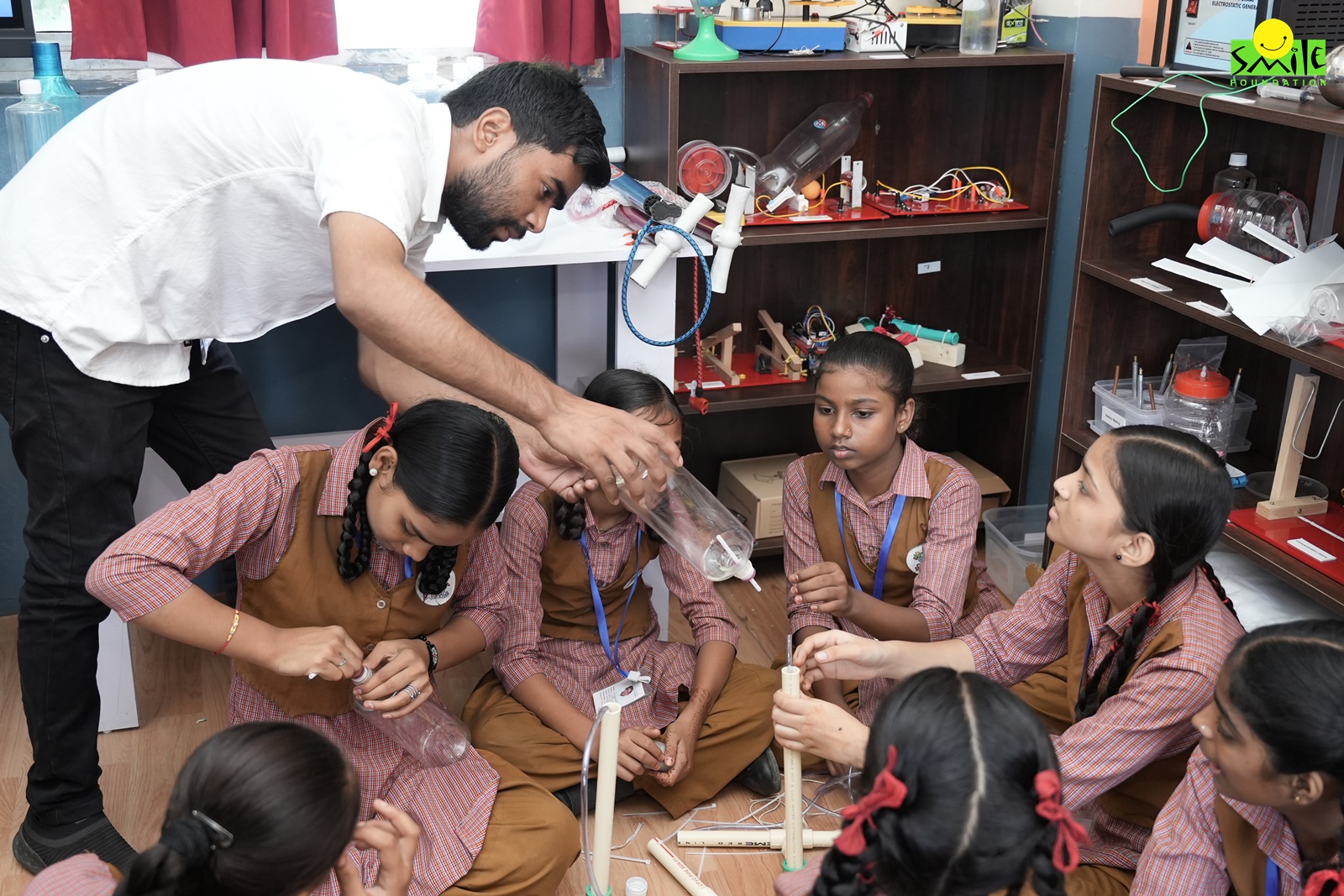
In rural India, where resources are often limited, introducing STEAM (Science, Technology, Engineering, Arts, and Mathematics) education can be a game-changer. Through our Mission Education initiative, we have witnessed firsthand the positive impact of integrating STEAM learning into the curriculum. By conducting interactive workshops and providing training materials, we promote collaboration and exploratory learning among students, enabling them to improve their problem-solving skills and creativity.  Sharing our experiences and insights on this topic allows us to advocate for the expansion of STEAM education across rural India.

admin ajax 2
  1. How does Menstrual Leave help Women Manage their Lives Better?
admin ajax 3

The blog was written to highlight the challenges faced by women, especially those from small towns, who venture out for work in urban settings. Seema’s story reflects the resilience and determination of first-generation women in professional spaces but also discusses the stress that comes with balancing multiple responsibilities and tight deadlines. The need for this topic arose from the increasing number of women like Seema, who are trying to navigate the pressures of career success while managing mental and emotional well-being, urging a discussion on work-life balance and support systems for women in the workforce.

  1. Extreme Heat Threatens Education and Health of Children in India

Extreme heat, fueled by climate change, is forcing children in many Asia-Pacific countries out of classrooms and impacting their education and health. Countries like India, Bangladesh, Pakistan, and the Philippines are experiencing increasingly dangerous heatwaves, putting their most vulnerable populations at risk. The need to address this issue is urgent, as children, especially in low-resourced areas, are facing higher temperatures without adequate infrastructure to safeguard their well-being. This conversation calls for collective action to ensure that children can continue learning in safe environments despite extreme heat.

admin ajax 4

We emphasise the intersection of climate change, health, and education, encouraging governments, school authorities, and communities to invest in climate-resilient infrastructure, adjust school schedules, and promote health education. As many countries face rapid demographic changes, this blog highlights the importance of protecting children’s futures by safeguarding their health and academic opportunities. 

  1. What Happens When Girls are Stopped from Going to Schools?

Reaffirming the critical importance of girl child education, particularly in regions where girls are denied access to schooling due to deep-rooted societal barriers and adversity, this piece positions education as undeniably a powerful tool for empowerment. The urgency of this issue is highlighted by the stark statistics that show the global disparities in access to education for girls, particularly in conflict zones, impoverished areas, and conservative societies.

admin ajax 5 1

The need to address this topic is ever-present, as data repeatedly demonstrates that investing in female education has wide-ranging positive effects. Educated women and girls contribute to healthier families, reduced poverty, and better economic opportunities. However, many continue to face systemic challenges like early marriage, gender violence, and unsafe learning environments. 

  1. Imbibing a Culture of Empathy through Employee Giving

By linking employees to meaningful causes, businesses can amplify their social responsibility while encouraging personal growth and positive societal change.

admin ajax 6

The need for this topic is especially important as companies are increasingly aware of their roles in driving social change and fulfilling Environmental, Social, and Governance (ESG) objectives. Employee Giving not only creates a sense of unity within the workplace but also serves as a bridge between financial goals and social impact. By leveraging opportunities such as tax exemptions and direct contributions to initiatives like child education, women empowerment, and healthcare access, companies can significantly enhance their CSR footprint, while employees feel a stronger connection to the causes they care about.

These top 10 blogs exemplify our ongoing commitment to raising awareness and driving action on social issues that need intention and action. The next year, Smile Foundation will continue to prioritise topics that reflect both current challenges and long-term solutions, with a focus on creating lasting change.

Categories
Smile

New Year, New Hope: Resolving to Make a Difference in 2026

As the year comes to an end, we inevitably begin reflecting on New Year resolutions. Most centre on self betterment such as better health, more financial discipline and gentle personal growth.  Yet, as often happens, these inward-focussed goals lose momentum by February, only to reappear at the next year’s close. 

Notably, the most common resolutions nearly all of them revolve around personal transformation, from fitness and appearance to perceived limitations. While self improvement is both valuable and necessary, this pattern suggests that something vital may be missing from the larger picture.

The Science of Selflessness

If the goal is to genuinely make the upcoming year better than the last, perhaps our New Year resolution should extend beyond ourselves to enhance the lives of others. Research suggests that altruism, the act of helping others, not only benefits the recipients but also yields dividends for our health, happiness, and overall well-being.

Numerous studies highlight the positive effects of altruism on temperament. A study published in Nature Communications revealed that participants who spent money on others reported a greater sense of happiness. Altruistic acts, from regular almsgiving to volunteering, have been associated with reduced depression, enhanced emotional regulation, and improved physical well-being. It is not just about the act itself, doing good for others appears to trigger a cascade of positive effects on our mental and physical health.

Despite the intriguing benefits, researchers acknowledge the complexity of establishing a direct link between altruism and these positive outcomes. While there’s a possibility that altruistic individuals engage in other life-affirming habits, studies suggest a physiological response to generosity. The brain’s mesolimbic system, known as the “reward pathway,” activates when individuals donate money, releasing feel-good hormones like oxytocin, fostering social bonding.

Making altruism a central theme for the upcoming year is a commendable resolution, but like any aspiration, it faces challenges. The key lies in framing the resolution effectively. Instead of a vague commitment, set specific, measurable, action-oriented, realistic, and time-defined (SMART) goals. Refrain from aiming for perfection and embrace the journey, recognizing that setbacks are part of the process.

Practical Steps Toward Doing Good in 2026

Find your passion, give your time, support organisations with transparent aims like the concerted efforts of Smile Foundation related to child education, integrate your interests and skills, and be proactive in seeking opportunities.

The timeless wisdom of Aristotle resonates: the essence of life is to serve others and do good. Making altruism the focal point of your New Year’s resolution is not just a good place to start, it’s a powerful way to shape a better year for yourself and those around you.

As you enter New Year 2026, remember that not many are able to understand the power of kindness, but those who are brave to see life’s challenges from another’s perspectives is someone who has embraced life in its true meaning. Furthermore, one must cherish the beauty of altruism and kindness- they are deeply intertwined, forming the foundation of compassionate human behaviour.

Altruism, the selfless concern for the well-being of others, manifests through acts of kindness that require no expectation of reward. Kindness, in turn, becomes the tangible expression of altruistic intent, fostering connection, empathy, and a sense of shared humanity. When we extend kindness to others, we inspire trust, build stronger communities, and create a ripple effect that encourages others to do the same. This symbiotic relationship between altruism and kindness not only uplifts individuals but also nurtures a culture of generosity and positive change which is why we encourage you to kickstart your new year by celebrating the power of altruism and spreading your kindness by supporting underserved children’s education.

Your generosity will not just let young minds learn better and develop holistically, but inspire them with your

Categories
Health

Climate Change and Primary Health Care

Are you aware that the Earth’s surface’ average temperature is about 1.2 degrees Celsius warmer than at any time in the last 100,000 years? Do you know that the last decade was the warmest on record? What you are thinking is right. It is because of climate change. But, as people assume, climate change is not just about warmer temperatures. It also means intense drought, severe fires, floods, melting polar ice, catastrophic storms, declining biodiversity, and water scarcity, among other things. Not just that, it can also be the reason for numerous infectious diseases, food-related diseases, water-related diseases, and even mental health issues.

According to the United Nations, changes in one area can influence change in all other things. For everything is interlinked on the planet earth. Time and again scientists have been warning that humans are responsible for climate change in the last two centuries. Without a doubt, climate change is a global health problem. Before we delve deep into the topic, let’s understand what climate change and primary health care actually mean. 

Understanding climate change

Climate change is nothing but the long-term shift in weather patterns and global temperature. Though the change in climate can be natural due to large volcanic eruptions or changes in activities in the sun. But, according to scientists, climate changes have been predominantly due to man-made activities like the burning of fossil fuels since the 1800s. When fossil fuels are burned, they emit greenhouse gases like carbon dioxide, methane, nitrous oxide, and fluorinated gases. The gases in turn trap the sun’s heat and increase temperature by acting as a blanket wrapping around the Earth.

According to the UN, clearing land and deforestation produces carbon dioxide, while agriculture, gas operations, and oil releases methane emissions. Some of the sectors producing greenhouse gases are agriculture, buildings, industries, transport, energy, and land use. 

Understanding Primary Health Care (PHC)

Primary Health Care (PHC) is a whole-of-society approach that aims at improving health and overall well-being of people. This model enables healthcare systems to support a person’s health needs right from creating health awareness, disease prevention, treatment, rehabilitation, palliative care, and more. It is a type of integrated health service that meets people’s health needs throughout their lives. PHCs are established to strengthen national health systems and bring health services closer to communities. The World Health Organization (WHO) believes it to be the best tool for achieving its goal of health for all. According to them, PHCs have three components:

  1. Integrated health services aimed at meeting people’s health needs throughout their lives.
  2. Empowering individuals, families, and societies to become in charge of their own health.
  3. Addressing the broader determinants of health through multisectoral policy and action.

PHC is one of the most inclusive, equitable, and cost-effective ways to achieve universal health coverage. It plays a vital role in strengthening the resilience of health systems.

Primary health care is essential in a country like India, where access to health is a fundamental right. Article 47 of the Indian Constitution reads, “The State shall regard the raising of the level of nutrition and the standard of living of its people and the improvement of public health as among its primary duties, and, in particular, the State shall endeavour to bring about prohibition of the consumption, except for medicinal purposes, of intoxicating drinks and of drugs that are injurious to health.”

Connection between climate change and primary health care

Though it is hard to believe, statistics show that over five million people die every year due to abnormal hot and cold temperatures across the globe. The data establishes a very close link between climate change and health. Unlike other factors, it affects physical health, mental health, and the healthcare system.

  1. Physical health: Rising temperatures due to climate change often result in wildfires. It in turn increases air pollution, which in turn is closely associated with respiratory and cardiovascular diseases. According to the Commonwealth Fund, more than 1.8 million people had died in 2019 due to fine particulate matter present in the atmosphere. Also, extreme hot weather events like heat waves and fires can lead to exhaustion and heat stroke in addition to worsening chronic health conditions. About 5,600 heat-related deaths have occurred between 1997 and 2006 in 297 countries due to temperature rise. Floods and storms have resulted in drownings, injuries, waterborne diseases, infrastructural destruction, and displacement of people. It can also cause infectious diseases, including mosquito-borne illnesses like dengue and gastroenteritis outbreaks. 
  2. Mental health: Climate change has forced people to displace and seek refuge. According to reports, more than 20 million people have been displaced since 2008 due to weather-related events. Experts claim that flooding and prolonged droughts are closely associated with anxiety, depression, and post-traumatic stress disorder. At the same time, extreme heat can cause mood and anxiety disorders and lead to suicide, aggression, and interpersonal violence. Grief, emotional pain, and disorientation are caused by alterations to the natural environment. They can also lead to poor work performance, harm interpersonal relationships, and lower self-esteem. Climate change also leads to job loss and harms social cohesion and community resources. Psychiatrists have developed a new vocabulary to name the impacts of climate change on people. According to the American Psychiatric Association, ecological grief and eco-anxiety are used to describe the sense of loss or the anxiety people feel related to climate change; solastalgia to refer to the nostalgia one feels for a childhood landscape destroyed by environmental changes; and eco-anxiety to the climate emergency.
  3. Healthcare system: Climate change has a negative impact on the healthcare system. For it hampers both the access and quality of healthcare services. Climate change and air pollution associated with it increase healthcare costs. It also broadens the existing inequalities in health and the healthcare system. Some of the most affected people are people from marginalized communities and economically backward communities, people with pre-existing health conditions, senior citizens, and children. Also, when a hospital is closed due to climate change-related events, others become overcrowded. This in turn will deteriorate the quality of the service provided. Not just that, it will also lead to the unavailability of critical medicines or medical devices. In addition, healthcare professionals also experience physical and mental exhaustion.

Smile Foundation’s contribution

To ensure people from marginalised communities have access to quality healthcare services, Smile Foundation has been taking primary healthcare services to the doorsteps of underserved communities in rural and urban India. Our comprehensive and community-centric health programmes provide both curative and preventive services by addressing gaps in availability, accessibility, and affordability of healthcare services. The organisation has fully equipped mobile healthcare units, e-health kiosks, telemedicine centres and static healthcare centres in remote rural areas, in addition to organising numerous health camps.

We have helped over 1,050,000 people through our healthcare projects, provided relief support under emergency and disaster response to more than 77,000 people, and sensitised over 75,000 people on health and hygiene through IEC activities. 

At a time when the globe has been witnessing a rise both in global warming and burden on the healthcare system due to climate change-related events, global leaders should come together to work on reducing the effects of climate change events. Since the emission of greenhouse gases is the result of our day-to-day activities, eco-friendly and sustainable alternatives should be adopted vigorously by every other individual. Only then could climate change be controlled, at least to an extent.

Categories
Education

Are there Challenges in STEM Education in India?

STEM education is a teaching and learning approach that combines Science, Technology, Engineering, and Mathematics. Its primary focus is hands-on and problem-based learning methodologies. This emphasises the cultivation of critical and logical reasoning abilities to facilitate the acquisition of knowledge and comprehension from a real-world perspective. There is a significant demand for STEM positions today, and it is projected that many will remain in demand for an extended period.

However, is India sufficiently investing in STEM education for its younger population? The education of its substantial youth population in science is one of the most significant obstacles that this emerging power must overcome. Even though India produces 5 to 10 million STEM graduates annually, it has yet not seen significant economic improvement and is facing a shortage of skilled software engineers. Many talented individuals are leaving for developed nations due to low salaries offered by local companies, which also demand high skill levels. However, many are deemed “unemployable” because they lack the essential skills that a comprehensive STEM education should provide.

Additionally, a majority of India’s population continues to live in economically challenging conditions. Educational institutions face a substantial hurdle in keeping pace with technological and scientific advancements in considering these circumstances.

Challenges in STEM Education

Socio-Economic Challenge

Low participation rates in STEM and poor adult outcomes are observed among students from low-income families. Students in less developed regions don’t have the same number of academic opportunities, which restricts their ability to engage in personal exploration. Furthermore, the gender inequality in STEM fields can be further exacerbated by cultural and social beliefs regarding gender roles and career options that can dissuade girls from pursuing these professions. Also a significant challenge is the lack of awareness among parents regarding the significance of STEM education alongside the standard curriculum.

Infrastructural Challenges

Another significant obstacle is the high cost of technology and the resources necessary to facilitate STEM education. Well-equipped laboratories, computers, internet access, and other technological resources are frequently necessary for STEM education. The provision of even basic facilities is a challenge for many schools, particularly those in rural areas, which makes it challenging to provide hands-on STEM learning experiences.

Stereotypes and Misconceptions

Tackling the misconceptions and stereotypes that are associated with these subjects is one of the obstacles to the implementation of STEM education. STEM disciplines are often considered challenging or that they are only suitable for specific types of students. This mindset can obstruct students from engaging in these activities and discourage them from pursuing their interests.

The gender disparity is a widely held stereotype, which assumes that STEM subjects—particularly those related to technology and engineering—are more suitable for boys than for girls. Ultimately, this perception can impede innovation and development by resulting in insufficient representation and diversity within these fields. 

Curriculum Integration

As educators endeavour to establish a seamless learning experience for their students, the integration of STEM courses into an existing curriculum plan frequently presents obstacles. In addition, educators must establish cross-curricular connections that ensure the learning is pertinent to their students. This is frequently a challenging task, particularly when educators are compelled to reconcile the demands of standardised testing requirements with their commitment to the academic performance of their students. 

Another aspect of the curriculum conundrum is the adaptation of STEM lessons to meet the requirements of a wide range of students. In order to guarantee that all students have the opportunity to succeed and flourish in their STEM education, educators must take into account a variety of factors, including how they learn, capacities and backgrounds, when developing activities and presenting information.

Keeping Up with Technology 

Keeping up with technology commences with educators and school administrators identifying methods to ensure that their STEM teachings are consistent with industry norms and the latest developments. This can be a challenge for numerous educators and institutions, as it necessitates the knowledge and investment necessary to integrate it into the curriculum. When students get ready for the STEM workforce and higher education, it is expected that they will be proficient in technology and able to apply it effectively in their roles. 

Teacher Training

STEM subjects can be intimidating for both students and educators. Many educators find it challenging to put in place a new STEM curriculum, particularly if it is not within their area of specialisation.

In view of these obstacles, the following are a few strategies for integrating STEM curriculum into the classroom.

  • Develop tools and strategies for parental engagement and awareness, with a particular emphasis on low-income families.
  • Guarantee that initiatives are customised to the local context and demonstrate respect for it. 
  • Cultivate a dialogue that revolves around a common purpose and sense of purpose. 
  • Encourage the development of sustainable and resilient collaborations with the broader education system and communities at large. 
  • Develop initiatives that address real-world issues and integrate a variety of STEM subjects. 
  • Foster collaboration among educators from various disciplines to develop STEM units that are cohesive. For guidance and support, pair new instructors with experienced STEM educators. 
  • Invest in ongoing professional development programmes that are specifically tailored to STEM education.

What are we doing about the Challenges in STEM Education?

Smile Foundation is actively promoting STEM education across India, focusing on making these subjects accessible and engaging for children in underserved communities. Our initiatives to address the challenges in STEM education include:

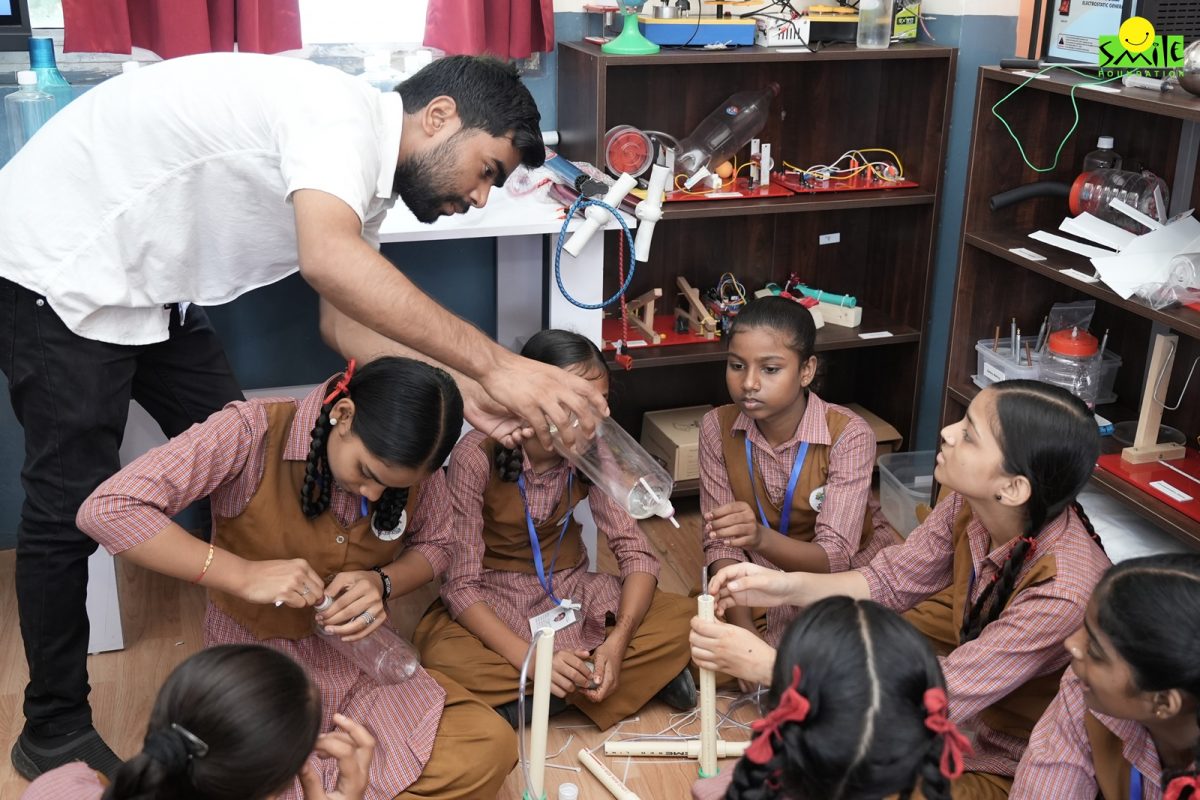
  • Hands-On Workshops and Interactive Sessions: Smile Foundation conducts practical workshops and interactive sessions to empower educators with innovative teaching methods. These activities aim to make STEM learning engaging and relevant for students.
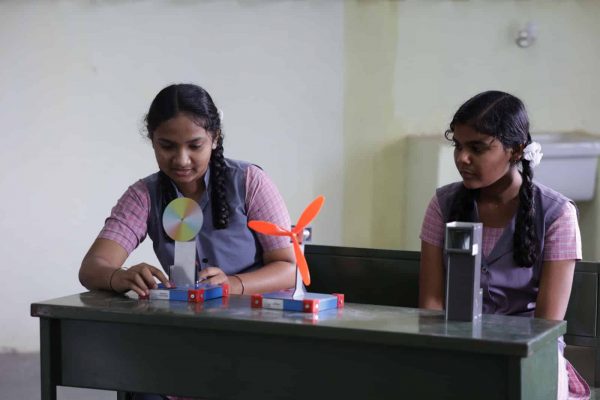
  • Project-Based Learning: We encourage project-based learning through activities like aeromodelling, 3D printing, robotics, and astronomy. This approach helps students apply theoretical knowledge to real-world scenarios, fostering critical thinking and problem-solving skills.
  • NXplorers Junior Programme: In partnership with Shell, Smile Foundation implements the NXplorers Junior programme in rural Andhra Pradesh. This global STEM educational initiative equips children with the tools to address complex challenges, integrating STEM learning with sustainable development goals.
  • STEM Learning in Mission Education Centres: At our Mission Education Centres, STEM learning includes curiosity-driven and collaborative problem-solving. This holistic approach aims to inspire young minds and power innovation in villages and urban slums.

Through these efforts, Smile Foundation is working to bridge the educational divide, ensuring that children from all backgrounds have the opportunity to engage with STEM subjects and pursue future opportunities in these fields.

0%