Categories
Education

Pros and Cons of No-detention Policy

In December 2024, the Union Government scrapped the no-detention policy in schools across the country. It will be effective in its close to 3,000 schools, including Kendriya Vidyalayas, Jawahar Navodaya Vidyalayas, and Sainik Schools, which function under the Ministry of Defence, and Eklavya Model Residential Schools, under the Ministry of Tribal Affairs.

The state governments retain their authority to decide on its implementation in the state-run schools. While certain states have announced their decision not to scrap the policy, 18 states and union territories, including New Delhi, Assam, Bihar, and Gujarat, have already done away with the policy. Before we get into the advantages and disadvantages of the policy, let’s understand what the policy actually means. 

What is a no-detention policy?

No-detention policy refers to the practice where students will not be held back until they completed their class VIII. Under this policy, they will be promoted to the next class automatically without having to face annual examinations.

The policy was introduced as a part of the Right to Education Act (RTE), 2009, that came into effect in 2010. Article 21-A recognizes children’s right to free and compulsory education. It emphasizes that formal education is the fundamental right for children aged between six and 14 years. In addition, the Act also aims to

  1. Ensure 25% reservation in private schools for children from disadvantaged communities.
  2. It fixes an upper limit for school fees.
  3. Prevents admission tests and interviews.
  4. Establishes a commission to supervise the implementation of the act.
  5. Sets up the student-teacher ratio in schools.

The Union Government scraps the policy

The union government, in late December, has issued a circular notifying that it has scrapped the no-detention policy in schools.

A circular, released by the ministry of education, read, “The department of school education and literacy remains committed to supporting students in achieving better learning outcomes, thereby ensuring an inclusive and effective education system.”

In line with this commitment, the union government has amended the rules under the Right of Children to Free and Compulsory Education (RTE) Act, 2009, as revised by the RTE (Amendment) Act, 2019. It introduces multiple changes to promote learning among students even while ensuring inclusion and equity. The amendment introduces revised detention policy. The detention policy is applicable to students in classes V and VIII in union government schools.

“Under this, if a student fails to meet the promotion criteria after the annual examination, he or she will be provided additional instruction and an opportunity to appear for a re-examination within two months of the declaration of results. In the event the student does not meet the promotion criteria even after the re-examination, he/she will be continued in the same grade. During this period, the class teacher will actively engage with the student and the parents, providing specialized guidance and addressing identified learning gaps through targeted interventions,” the circular read.

Pros and cons of the policy

After the union government has reversed the policy, it has come under a lot of criticism and applause at the same time. Below are some of the advantages and disadvantages of the policy. 

Advantages of the policy: 

  1. Holistic development

The very idea of introducing a no-detention policy was to reduce the examination pressure and stress on children, thereby creating a holistic and child-friendly educational environment. Instead of a traditional examination method that assesses students once a year, the policy advocates for continuous and comprehensive evaluation throughout the year. The policy believes that continuous assessments will allow teachers to identify gaps in learning and intervene early. This in turn will help the students to improve over a period of time by focusing more on understanding concepts and engaging with the study materials. The policy will also rescue those facing demoralization and the stigma of detention. Teachers are encouraged to focus on teaching quality, intervention, and remediation rather than preparing the students for examination. It promotes a more progressive, creative, and critical-thinking-based education system.

  1. Promotes equality in education

Students from disadvantaged communities often fail to clear annual examinations. It was not because of their inability but might be due to numerous other challenges like limited access to quality education, guidance, and resources; lack of parental support; poverty; and malnutrition. The no-detention policy was implemented to ensure that such children are not penalized for systemic inequalities and allow them to focus on their studies. By removing the stigma of detention, the government has aimed at addressing high dropout rates in school. It in turn worked to a larger extent, and the dropout rate indeed has come down. In the absence of fear of failure, they remained engaged in schools, leading to better school attendance and retention. This in turn helped to keep students in the educational system for longer periods, giving them more chances to succeed.

Disadvantages of the policy

  1. Decline in academic quality

With the implementation of the no detention policy, academic accountability and responsibility have taken back seats. Since students were not held back or required to repeat a grade even if they failed, students were lethargic in mastering fundamental concepts. When students move up the grades without having a strong grasp of basics, the gap in foundation becomes wider, making it difficult for them to catch up. Without the fear of examination, both students and teachers lost their incentive to strive for excellence. up. As a result, high school studies have become a huge burden for most of the students, and many have opted out of schools or gone into depression. Also, without the fear of examination, both students and teachers lost their incentive to strive for excellence. While teachers are less motivated to ensure that students truly understand the subject, students did not put much effort into performing well.

  1. Poor monitoring of learning outcomes

Under the no-detention policy, schools relied on a continuous and comprehensive evaluation system to assess students over a year. This method focuses on a range of assessments, including projects, presentations, group activities, and behavioral observations, rather than having to clear just exams. But inconsistent implementation of the method in schools had led to poor monitoring of learning outcomes. Teachers may not always have the time, training, or resources to carry out meaningful evaluations, leading to inaccurate assessments of students’ abilities. For it relies heavily on teachers’ subjective judgment. Since students are automatically promoted to the next grades and there is no need to meet minimum academic standards, early identification of struggling students becomes difficult. Without identification, there could be no intervention. Also, with an emphasis on overall development, there was a risk that academic progress of students might be neglected. If academic performance is not prioritized, learning outcomes in core subjects can be poorly monitored, and teachers may not notice significant gaps in students’ knowledge.

The government has been reinstating its stand that no student should be expelled from the school for poor performance until the completion of elementary education. Just like every education model, a no-detention policy also has its own merits and demerits. It is high time that the government, educators, educational institutions, and parents come together to ensure that students get high-quality education for the betterment of their lives.

Smile Foundation’s remedial education support 

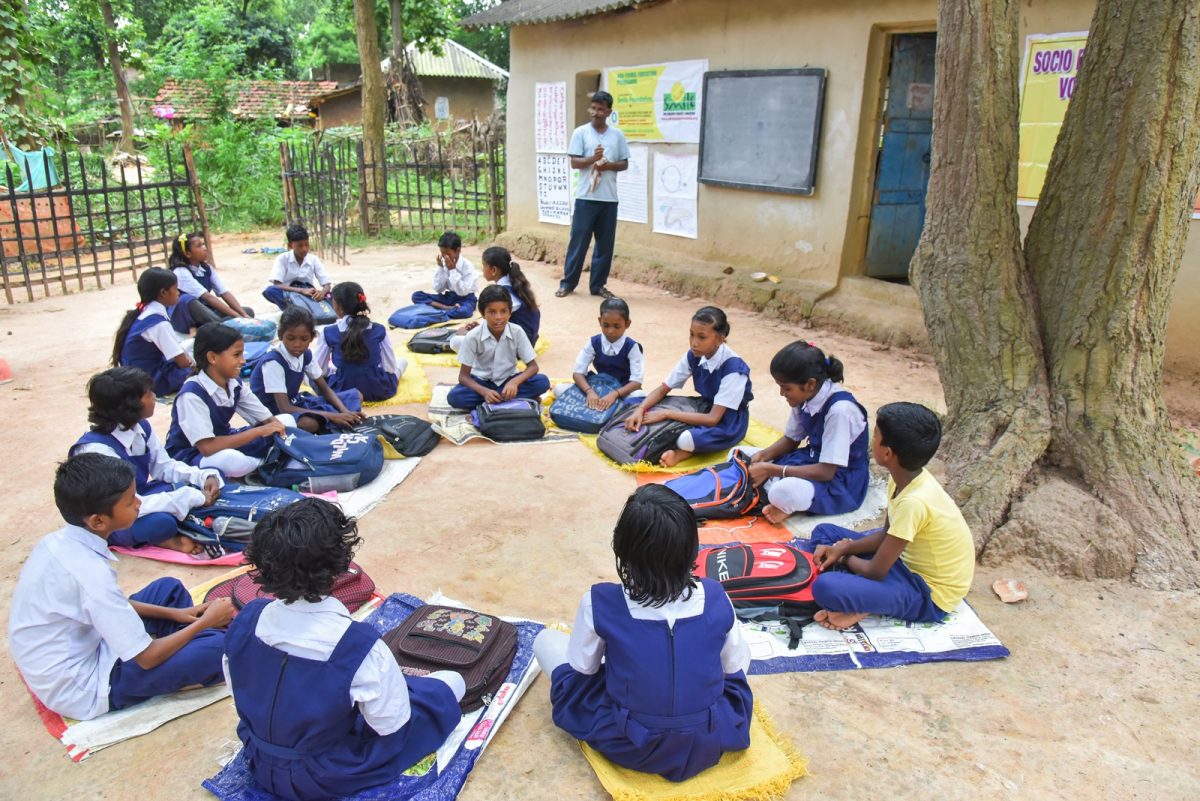
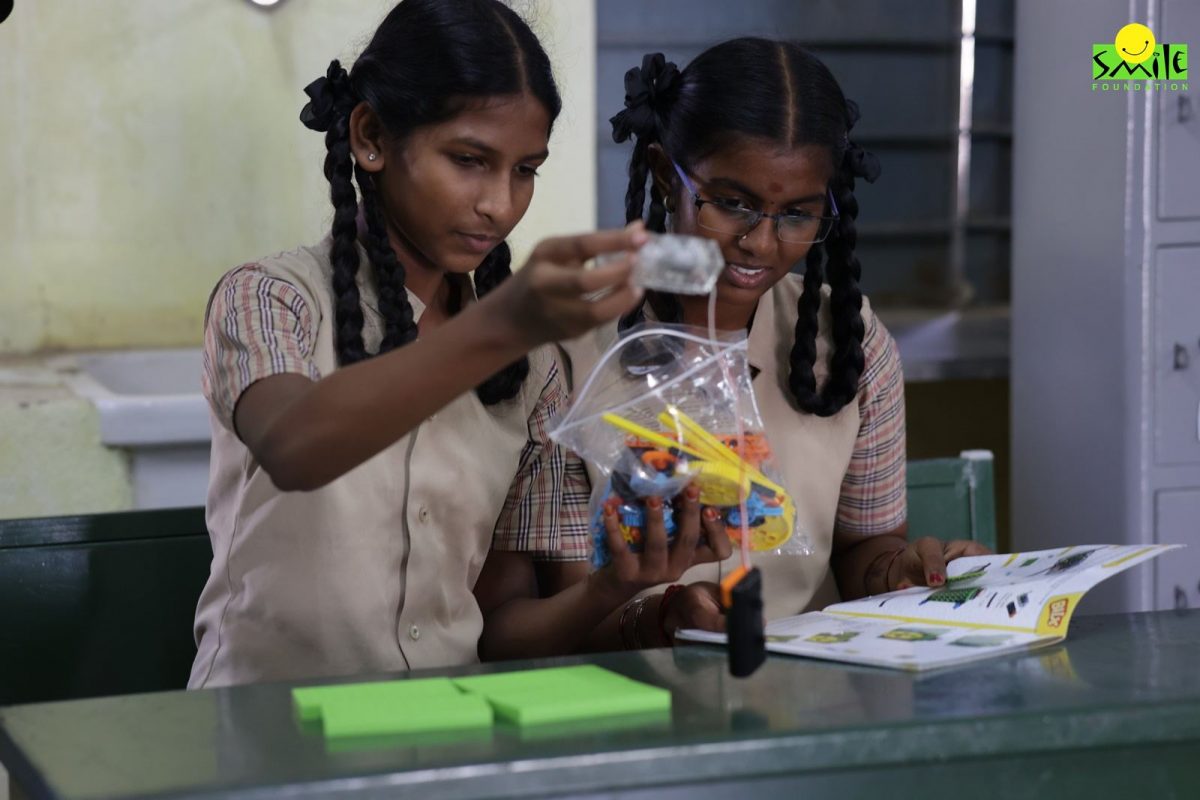
Smile Foundation’s remedial education support is a vital component of our Mission Education initiative, aiming to bridge learning gaps for underserved children aged 6 to 14 who are enrolled in schools. This program offers extra coaching in academic subjects, helping students keep pace with their studies and enhancing their understanding of core concepts. By providing personalized attention and tailored learning strategies, the remedial education centers strive to improve academic performance and reduce dropout rates among marginalized communities. 

Beyond academics, these centers serve as safe spaces for children to express themselves through creative activities like painting, singing, and dancing, which are crucial for their holistic development and emotional well-being. Additionally, the program organizes excursions to significant places, aiming to instill confidence and broaden the horizons of these young learners. By addressing both educational and emotional needs, Smile Foundation’s remedial education support plays a pivotal role in empowering children from disadvantaged backgrounds, enabling them to overcome challenges and aspire for a brighter future.  
Categories
Women Empowerment

Are South Asian Women Entrepreneurs Equipped for Local Markets?

Promoting women’s economic participation is crucial for development in countries. For it not only helps in economic growth but also empowers women. But, in reality, how many women are willing to take risks and set up their own ventures? If you think the number will be feeble, you are certainly wrong. A large number of women, especially in South Asian countries, are coming forward to set up their own businesses. Many have been running it successfully, though the number still remains low in the men-dominated world. Let’s read further to understand whether South Asian women entrepreneurs are well-equipped for local markets or not?

What is entrepreneurship?

Entrepreneurship is nothing but the process of setting up a business. It involves the process of starting, organizing, marketing, and managing a startup venture to achieve goals like innovation, problem solving, and profit generation. The person who takes up entrepreneurship is referred to as an entrepreneur. They will identify the right opportunities in the market by studying it, create new ideas, bring those ideas to the market, and sell them for profit.

Entrepreneurship has gained its momentum and taken its throne as a vital component of the health of economies across the world.

Rise in women entrepreneurs across the globe

The Global Entrepreneurship Monitor (GEM) 2023-24 women’s entrepreneurship report: reshaping economics and communities has noted a significant rise in women-led startups and established businesses in the last 25 years. It has risen from an average of 6.1% in 2001-05 to 10.4% in 2021-23 across its participating countries, including India. As per the report, one in 10 women started new businesses in 2023. The number is higher than the men entrepreneurs. Also, women’s startup rates have doubled over the last two decades in several countries, including Hungary and the Netherlands.

The report also points out that women’s established businesses have also gone up from 4.2 to 5.9%. Countries like Saudi Arabia, Lithuania, Puerto Rico, Thailand, and Korea have seen a significant rise in women-led established businesses. One in three high-growth entrepreneurs and about two in five export-oriented startups are headed by women. High rates of women bringing innovations to the market are noticed in countries like Iran, Colombia, China, and the Netherlands, the report said.

The GEM report explains how women are one-fifth less likely to exit a business than men. It also found an interesting fact that high-potential women entrepreneurs are younger than other women starting businesses in high-income countries.

South Asian women entrepreneurs and local markets

Following the global trend, there has been a significant rise in women entrepreneurs in local markets in South Asian countries. Many of them have been demonstrating resilience, the ability to grow, and creativity to scale up their businesses despite facing numerous challenges. One of the main reasons for such an increase is e-commerce. It indeed has enabled many South Asian women to access wider markets with minimum investment. Women have been using Flipkart (India), Daraz (Pakistan), and Chaldal (Bangladesh) to sell their products directly to customers. Not just that women have also been using the digital tool both to preserve their traditional crafts and modernize their business techniques. Women-led food, beauty like skincare and cosmetics, fashion, and wellness like fitness and holistic health services businesses have seen growing success in local markets. With increasing consumer demand for health-conscious and homegrown products, women are tapping into food production and delivery sectors. Some of the successful women entrepreneurs are listed below.

  1. Mira Kulkarni: founder of Forest Essentials, a renowned cosmetic company that specializes in Ayurvedic preparations for its products.
  2. Vinita Jain: founder and chairperson of Biotique, a beauty and wellness company. It has been producing Ayurvedic skin, hair, and body care products.
  3. Nida Azwer: a renowned fashion designer from Pakistan, successfully scaled her business by tapping into both local and international markets through e-commerce platforms and social media.
  4. Rina Dhaka: a renowned fashion designer from India. She has made a significant mark in the local market by promoting sustainable fashion and handcrafted textiles.
  5. Ayesha Nasir: a fashion entrepreneur based in Lahore, Pakistan. Her brand, Ayesha Nasir Couture, specializes in high-end traditional and contemporary clothing, offering a fusion of modern designs with Pakistani cultural heritage.
  6. Zahra Lari: an entrepreneur and athlete who launched her brand of sports apparel tailored to women in Pakistan, catering to an underserved market.

Support services for women entrepreneurs

One of the United Nations Sustainable Development Goals, 2015, is gender equality and empowerment. All the member countries have agreed to achieve the goal by 2030 in all sectors, including entrepreneurship. But the World Economic Forum’s report on the Global Gender Gap Index, 2024, points out that India ranks 142 among 146 countries. Bangladesh (146), Nepal (137), Sri Lanka (127), Bhutan (103), and Pakistan (143) and Afghanistan (156). Not just that, data shows that the percentage of South Asian women in local and global trade is estimated to be less than 5%.

This shows that we have a long mile to go before closing the gender gap in multiple sectors, including entrepreneurship in South Asian countries. To support and assist women entrepreneurs, governments and multiple organizations have come forward. Some of them are listed below.

  1. Centre for Entrepreneurship Development (CED): It provides training and support services—assistance in technology transfer, preparing detailed planning reports, selection of machinery, regulatory environment, government’s promotional schemes, marketing support, trade, marketing skills, company secretarial services, and product exhibitions, among others. Over 300 policy and business experts are roped in for consultations.
  2. Google’s ‘Women Will’ initiative (regional): It is a ‘Grow with Google’ programme implemented in 49 countries. It has been supporting women by offering them training to enhance their digital skills like e-marketing, e-commerce, and other digital tools and helps with community building. Thereby ensuring that they take their businesses online and enabling greater economic participation for women.
  3. Government support: Governments in South Asia have been increasingly recognizing the importance of women entrepreneurs and introducing policies to support them. For instance, the Indian government has launched several schemes like Stand Up India that offer financial support to women entrepreneurs. Similarly, the Pakistan government has launched the Women Entrepreneurs Development Program to assist the women-led businesses.

Challenges faced by South Asian women entrepreneurs:

Despite the successes and assistance, South Asian women entrepreneurs are still facing significant challenges that hinder their ability to perform at their full potential. Some of the key barriers are listed below.

  1. Limited Access to Capital: One of the biggest challenges for women entrepreneurs in South Asia is access to finance. Financial institutions often hesitate to lend to women due to gender biases, lack of collateral, or perceived risks. This is particularly true in rural areas, where women have limited ownership of land and property, which banks often require as collateral. As a result, many women entrepreneurs are forced to depend on small loans from family, friends, or informal lenders, limiting their ability to scale their businesses.
  2. Gender Bias and Social Norms: Societal expectations in many South Asian countries often dictate that women focus on family and household responsibilities. This means that women entrepreneurs must navigate cultural and societal barriers, including family resistance, which can limit their time and resources to focus on growing their businesses. In certain areas, women entrepreneurs are still reluctant to operate businesses that involve public interactions, travel, or mixing with men, thus limiting the types of businesses they can engage in.
  3. Limited Access to Mentorship and Networks: Many women entrepreneurs lack access to business networks and mentorship opportunities, which are crucial for scaling and innovating their businesses. Male-dominated business environments and limited opportunities to network with peers and investors mean that many women miss out on vital support systems. This in turn limits their ability to expand, diversify, and connect with investors, customers, and other entrepreneurs.
  4. Technological Barriers: While there has been significant progress in digital literacy in South Asia, many women, particularly in rural areas, still lack the skills or access to technology that would help them expand their businesses digitally. Women in rural areas are finding it hard to take full advantage of e-commerce platforms, digital marketing, or mobile commerce, which could limit their market reach.

South Asian women entrepreneurs are gradually becoming more equipped to navigate local markets. While there are challenges, such as access to capital, societal norms, and gender biases, women in this region are increasingly harnessing education, digital tools, social networks, and government support to grow and thrive in business. With ongoing empowerment initiatives and changes in social and cultural attitudes, South Asian women entrepreneurs are well-positioned to continue expanding their impact in local markets.

Smile and equipping women with the right skills and knowledge

Smile Foundation’s Swabhiman program extends its commitment to women’s empowerment through focused initiatives in financial literacy and women’s entrepreneurship. Recognizing that economic independence is a key driver of empowerment, the program provides women with the tools and knowledge needed to participate actively in financial and entrepreneurial activities.

Swabhiman conducts targeted workshops to educate women about the basics of managing finances, budgeting, and saving. Participants are introduced to topics such as the importance of bank accounts, digital banking, and government schemes designed to support women’s financial independence. The program also demystifies complex financial instruments and creates awareness about how savings and credit systems can contribute to long-term economic security. These initiatives are particularly impactful in helping women, especially in underserved rural areas, build confidence in handling their finances and becoming self-reliant.

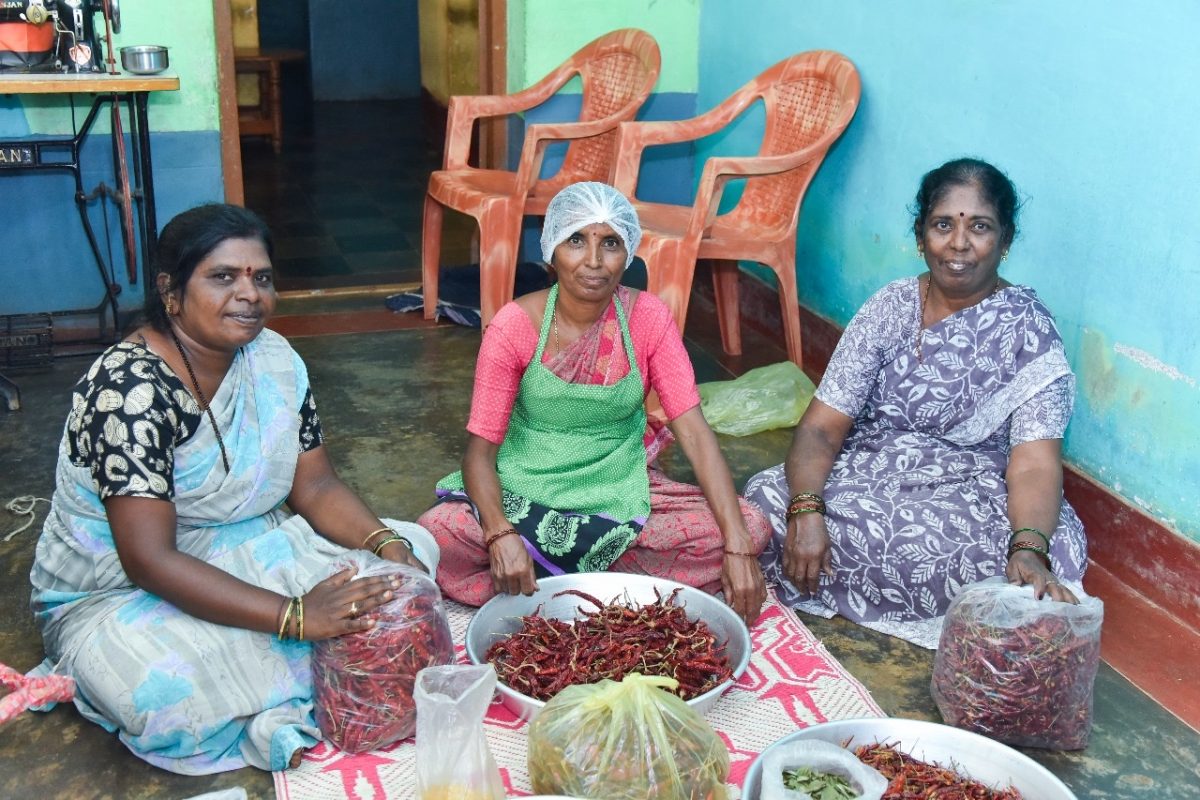
Swabhiman actively supports women in setting up their own small-scale businesses by providing mentorship, skills training, and market access. Additionally, Swabhiman fosters peer-learning networks and connects women entrepreneurs with microfinance institutions and local market opportunities, ensuring that their businesses have the resources to grow. 

By building economic resilience, these initiatives empower women to break free from cycles of dependency and poverty. Through Swabhiman, Smile Foundation not only helps women achieve financial stability but also positions them as change-makers within their communities, enabling them to inspire others and contribute to inclusive development.

Categories
Smile Education

360-degree Approach in Education

Education, a driver of socio-economic development, has been one of the most important tools for combating poverty, promoting gender equality, fostering peace and stability, and improving standards of life. It is a human right that ensures equity and inclusion in our society as a whole, promoting employment, earnings, and health.

According to a World of Labour report, each additional year of schooling globally results in a 9% increase in hourly earnings per household. Improved income levels and living standards not only benefit individual households but also have a positive ripple effect on society, communities, and educators. These dynamics of education also drive long-term economic growth, encourage innovation, strengthen educational institutions, and foster greater social cohesion.

With evolving times, global authorities must make strategic and impactful investments in creating a comprehensive, 360-degree educational framework. This approach should benefit not only students but also teachers and communities as a whole. At the heart of this strategy lies the need to address the learning crisis and empower all stakeholders in the education sector—including Anganwadi workers—with advanced cognitive, socio-emotional, technical, and digital skills essential for thriving in today’s world.

An education system that empowers teachers

Teachers are the cornerstone of every educational system. While they dedicate themselves to educating others, it is essential to empower them to adapt to the demands of an ever-changing world. Regular in-service training programs should be an integral part of the education system, equipping educators with advanced instructional techniques, soft skills, and strategies for addressing students’ mental health challenges and developmental needs.

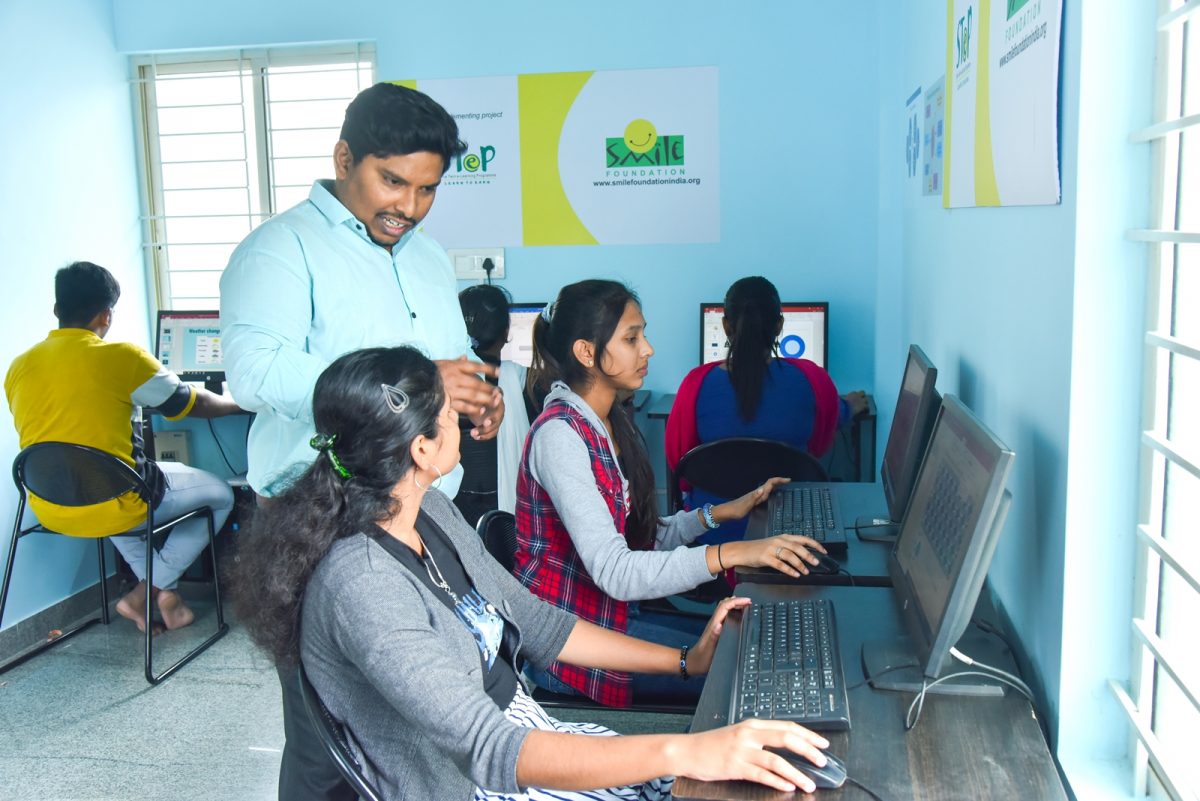
As classrooms increasingly embrace digitisation, professional development programs must include training on digital technologies, inclusive teaching methods, and strategies to cater to diverse learners, ensuring teachers are well-prepared to foster an inclusive and dynamic learning environment.

With this, the education system should provide flexibility against rigid curricula that can limit teachers’ creativity. Providing flexibility in content delivery allows teachers to adapt lessons to their student’s unique needs and incorporate innovative, interactive teaching methods. This autonomy enhances student engagement while fostering a sense of professional freedom and empowerment for educators.

A lack of instructional materials can often limit what teachers can achieve in classrooms. The education system should ensure that modern teaching tools, technology, and well-equipped classrooms should all be made available to instructors.

Additionally, the curriculum can also include mentoring programs and peer-learning forums that can help establish a nurturing atmosphere where educators can exchange best practices and learn from one another. Counselling services and stress-reduction tools are also necessary components of an education system to support teachers’ mental health.

Acknowledging teachers’ contributions is essential for boosting their motivation and self-esteem. Educational systems can introduce awards, public recognition initiatives, and platforms to highlight their achievements. Furthermore, establishing clear career advancement pathways is crucial, enabling teachers to take on leadership roles such as senior educators, mentors, or administrators. This approach fosters a sense of growth and dynamism, ensuring teaching is viewed as a rewarding and forward-looking profession.

Strengthening Anganwadi workers, strengthening ECE

Anganwadi workers play a role similar to teachers in shaping quality Early Childhood Care and Education (ECCE). In India, there is a common misconception that Anganwadis only serve as daycare centres and not as places for preschool education. It’s time that this narrative is altered!

Strengthening the education system to provide the necessary support to Anganwadi workers and helpers enhances the overall effectiveness and quality of children’s education, enabling them to fulfil their responsibilities more efficiently.

To begin with, it is essential to build an education system that prioritizes upskilling Anganwadi staff, enabling them to engage more effectively with parents and communities. For instance, regular training programs can enhance their understanding of ECCE techniques, empowering them to provide better childcare at the centres.

By equipping Anganwadi workers—whose responsibilities extend far beyond health services—with the necessary resources and training, fostering greater parental involvement, and improving rural classrooms, the quality of services provided by Anganwadis can be significantly enhanced, leaving a lasting positive impact on early education.

The National Education Policy (NEP 2020) states that Anganwadi centres will now provide pre-primary education as per playschool standards, to universalise the pre-primary education across the country. With all of the above, Anganwadi workers find themselves engaged with both the child and the community. Therefore, the upskilling curriculum must answer their specific needs.

Community engagement in education

Community involvement is widely recognised as a crucial element of an education system that removes barriers to accessing high-quality education. While generalised challenges, such as low school enrollment, can be identified externally, it is the community’s active engagement in analysing its circumstances that leads to locally driven, sustainable, and long-term solutions. Meaningful participation of the community in a child’s education empowers them to contribute to various aspects of education support, fostering ownership and lasting impact.

Further, an education system that promotes the community’s participation in curriculum creation guarantees the cultural relevance of the subject matter and teaching methods — ensuring broader participation and acceptance of the educational process. Moreover, community involvement encourages the voluntary contribution of local resources—human, material, and financial—to support education. Educational initiatives owned and driven by the community are more likely to succeed and remain sustainable in the long term.

Impacting lives of children

A holistic approach to education not only empowers children but also helps teachers, Anganwadi workers, and communities grow as responsible national and global citizens. Established in 2002, Smile Foundation has been impacting the lives of over 1.5 million children and their families each year through more than 400 projects focused on education, healthcare, livelihood, and women’s empowerment.

Through its flagship Mission Education program and Shiksha Na Ruke initiative, Smile Foundation strives to empower underserved children by providing education, nutrition, and wellness support. These programs are closely aligned with the New Education Policy (2020) and Sustainable Development Goal 4, which aims to ensure inclusive, equitable quality education and promote lifelong learning opportunities for all.

Categories
Education

How Happy are Our Young?

Society’s overall health can be predicted through various ways – one of them being the happiness and wellbeing of its young people. This is because the happiness of the young does not only reflect the current living conditions but also decides the path in which the youth will move, invariably impacting the future trajectory of a nation. As per the World Economic Forum, it is crucial to understand what makes young people happy and to address the factors that may be working against it.

Over the last few years, we have seen the world go through some of the toughest times we have seen in decades. First, the covid pandemic pushed the entire world into a lockdown, which was followed by economic downturn and violent conflicts in different parts of the world. Add to that the social inequalities and the exposure to a lot of negative content through social media, and it can have a serious impact on the mental wellbeing of the young.

So, what is the state of youth happiness in India and around the world? What are the factors that influence it? What potential solutions are there to improve the well-being of young people?

Global trends in youth happiness

Globally, the trends in youth happiness are mixed. According to the World Happiness Report, young people’s happiness varies significantly across different regions and countries. One of the significant differences is that young people in high-income countries tend to be happier than those in low-income countries. However, the trend shows that there has been a decline in happiness of young people in high-income countries as well. This could be attributed to a high stress environment, societal pressures, and mental health issues.

One of the key factors that is leading to this change is the new set of challenges that the young are facing today. These include economic uncertainty, inflation, unstable job market, and much more. Another factor that cannot be ignored is the rise of social media and easy access to information. This has influenced how young people perceive themselves, often leading to body image issues, low self-esteem, and harmful comparison.

Youth happiness in India

Now that we have looked at the global trends, let’s understand what is happening in India. First of all, the trend in India is not so different from the rest of the world because the challenges faced by Indian youth are almost the same. India is also the country with the world’s largest youth population, with more than 600 million people below the age of 25. Therefore, it becomes even more important for India to ensure the wellbeing of this population as they will be the people who decide the future of the country. There are many challenges that Indian youth are facing today. Here are some of these:

  1. Education and employment – There are many news reports which show that a large section of Indian youth is struggling to find jobs leading to thousands of students applying for low-paying clerical jobs in government departments. At the same time, irregularities in examinations and unequal access to good quality education exacerbates all these problems. At the same time, the job market in India is highly competitive which often leaves out those who come from lesser privileged regions or backgrounds.
  2. Mental health – This is an issue which is still not given as much importance in India because of the many other challenges that the country faces. However, with rising inflation, low-paying jobs, tough competition, changing weather conditions, social media polarization, and everything else, the mental health of Indian youth must be taking a big impact. According to a report by Lancet, India has the highest rates of youth suicides in the world. We have seen that before among those preparing for high competition examinations like IIT entrance. Therefore, India needs to focus on the mental wellbeing of its youth.
  3. Social inequalities – Another factor that makes the experience of Indian youth difficult is social inequities, gender disparities, caste discrimination, and much more. These factors create barriers to opportunities and contribute to feelings of marginalization and exclusion.

While many of the challenges faced by Indian youth are similar to those experienced by young people globally, there are unique cultural and societal factors that influence youth happiness in India. For example, the strong emphasis on academic achievement and societal expectations regarding career and family can create additional pressures for Indian youth. Furthermore, the prevalence of traditional gender roles and discrimination based on caste and religion adds layers of complexity to the issue of youth happiness in India.

Impact of social media

For Indian youth, digital inclusivity is extremely important to ensure they have access to resources and information which they might otherwise be deprived of. However, social media also has a negative side which is not unknown. On one hand, social media provides opportunities for connection, self-expression, and access to information. On the other hand, it can also contribute to negative outcomes such as cyberbullying, social comparison, and addiction.

For example, today many Indian youth have access to educational content through YouTube and many education technology platforms. This has certainly helped in bridging a gap. However, studies have also found increased use of social media with higher feelings of social isolation. There are many other challenges like fake news, polarization, outrageous content, digital frauds, etc, which can negatively influence the social media experience of the youth.

Responsibility towards our youth

From economic challenges to social inequalities, and from social media to education, everything has an impact on the happiness and wellbeing of the youth. There are major global trends which are impacting the youth worldwide. However, Indian youth face its own unique challenges too. While young people face a unique set of challenges, including economic pressures, social inequalities, and the impact of social media, there are strategies and solutions that can help improve their happiness and well-being.

India, as a country, has a responsibility towards its youth to ensure their mental wellbeing and this can be achieved through policy intervention, building infrastructure, providing opportunities, reducing inequalities, etc. At the same time, personal changes at households and positive engagement with social media can also have an impact that is much needed. Creating healthy communities, support systems, and allowing the youth to figure out their path in this difficult time is also crucial.

As we reflect on the state of youth happiness, it is essential to ask ourselves: What can we do to support the happiness and well-being of young people in our communities? How can we create a world where young people can thrive and achieve their full potential?

Smile Foundation and our young

Smile Foundation is dedicated to enhancing the well-being of underserved children, youth, and women across India through various initiatives. Recognizing the critical importance of mental health, especially in the post-COVID-19 era, the foundation has integrated mental health support into its programs.

Mental Health Initiatives

  • Mission Education: Through this initiative, Smile Foundation conducts regular sessions on emotional well-being for children across its learning centers. These sessions provide coping tools, encourage open discussions about feelings, and create a supportive environment, ensuring mental health is an integral part of holistic child development. 
  • Empowering Educators: Understanding that teachers play a pivotal role in children’s lives, Smile Foundation is empowering them to become compassionate first responders to mental health challenges. By training educators to recognize and address mental health issues, the foundation ensures that children receive timely and appropriate support. 
Categories
Insights Smile

AI and the Nonprofit Sector: The Way Forward

Eighteen years ago, when Dr Prahalathan KK went to teach children in an orphanage, no photos were taken of the event. Today, an image of a person that looks uncannily like him can be created in a similar setting, thanks to artificial intelligence (AI). “It protects the privacy of the children and the generated image can be used for any communication purposes,” says Dr Prahalathan, co-founder of Bhumi, a Chennai-based non-profit which aims to drive social change by fostering an environment where young adults and children learn, lead, and thrive.

Bhumi is using AI to help streamline their activities. “We are still using it at a very basic level, such as for image creation. We also use an AI note taker, which is able to organise information and highlight points, and volunteers and Bhumi fellows use AI to create lesson plans,” he says.

How can the non-profit sector use AI?

AI is being used across sectors and industries to make job processes more efficient. But are Indian non-profits open to using it? According to an article, even as (AI) surges in popularity, with 73% of internet users in India exposed to it in some capacity, the social sector is still at a nascent stage when it comes to using AI.

GivingTuesday recently conducted an AI readiness assessment to investigate the deployment and usage of AI in the non-profit landscape. It highlights how nonprofits in India are utilising it, their comfort levels with various AI tools, and the challenges they experience. 

Among the surveyed organisations, 55% had used generative AI to write text or create images. In contrast, 30% of organisations had never used any form of it.

Benefits of using AI

Nonprofits can use AI to streamline many of their processes, including fundraising and generating reports, says Irfan Bashir, co-founder, DaanVeda, an AI-powered fundraising intelligence automation and payment platform for nonprofits.

“There are two types of fundraising – individual giving where people, philanthropists or high net worth individuals donate money; and institutional giving, which includes grants given by foundations, corporate CSR, etc,” says Bashir. 

The entire fundraising journey involves several steps. “The first is discovery, where you have to look for opportunities, then comes prospecting where you try to understand if the opportunity is relevant to your NGO or not, then lead generation once you identify the relevant opportunity you want to know the details of the key decision makers in the organisation and their contact details,” says Bashir. After that, you have relationship building and cultivation where you reach out to the donor, and then proposal building where you write and submit proposals.

“Later, you get the donation, close it, look into compliance, and then comes reporting and renewals as you need to give personalised reports to donors about how their money has been utilised, and, if they are happy with it, there would be renewals,” says Bashir, adding that nonprofits face different problems at all of these steps. “They may not know how to identify funding opportunities, which are relevant to them or who the key decision makers in donor organisations are. Personalised reports are also very resource intensive and an added burden on the programme team.”

That’s where AI comes in. “Once you have more donor intelligence, it should be easy to find relevant donors. We have built a huge database of donors,” says Bashir. “We also use generative AI solutions to create proposals, donation appeals and personalised reports,” says Bashir, whose organisation has 35 paying clients.

“AI is a good tool for the nonprofit sector. Non-profits get stuck in operational loops. A Harvard study revealed that non-their profits spent 18% of revenue on fundraising operations. Our goal with AI is to bring the cost down from 18% to at least 10%,” he says.

Organisational capacity is not a strong predictor of readiness, says study

According to GivingTuesday, high-capacity organisations are better positioned to improve their AI readiness and would benefit more from such improvements. But overall, organisational capacity is not a strong predictor of readiness.

Early adopters of AI tended to be larger organisations with greater resources and infrastructure. These were predominantly located in urban areas, had more staff, and demonstrated higher levels of data collection and technical capacity, which helped them experiment with and implement AI in more advanced ways. These organisations were also more likely to have formal data-use policies, cloud-based data storage, and technical personnel such as IT staff or MERL experts—all of which contribute to their ability to adopt AI more effectively. 

In contrast, late adopters of AI were smaller organisations with fewer staff members and constrained budgets. Only 10% of late adopters expressed interest in using AI for applications beyond generative AI. The current data use of early adopters remains manual and tabular, which suggests that they have a long way to go when it comes to AI adoption, says the IDR article. 

Indian organisations more open to using AI

Compared to the global average, Indian organisations were more comfortable using AI at work—29% gave it a score of 10 on a scale of 0–10, says the survey. They also focused more on the benefits of AI and had fewer concerns about data protection/privacy issues. So, they are more likely to share data without having data-use or sharing agreements in place compared to the global average. The research suggests that this might be because in India, the culture and legislative landscape around data protection regulation is at a nascent stage.

“Our early testing users crossed 50 NGOs, including Bhumi. And we now have 35 paying customers,” says Bashir.

The study suggests that nonprofits should first explore AI’s relevance and potential use cases for their own organisation. It is important to provide targeted support to smaller, resource-constrained nonprofits that wish to adopt AI. However, it is also necessary to establish safeguards as the vast majority of those using AI are using technology products managed by others. Understanding the nuances in current AI adoption and knowledge is integral to achieving equitable and beneficial AI adoption for the social sector, says the IDR article.

Apprehensions about AI

Indian organisations also have some concerns regarding the use of AI. While non-profits were hopeful that AI can bring efficiency and productivity to their work, they also fear that it could lead to dependency, skill gaps, and job displacement.

Respondents were optimistic about the role of AI in facilitating data analysis and decision-making within the organisation. But they were concerned about the lack of knowledge and training with respect to AI, as well as issues around data privacy, security, and bias and fairness. A few non-profits were also worried that AI might impact human creativity and originality. And also apprehensive about the ethical implications of leveraging AI in everyday operations and its broader societal implications.

“The bigger NGOs are more concerned about the use of their data. We do source some data from the NGOs but it’s mostly that they have already put out in the public domain,” says Bashir. “The smaller nonprofits are not very concerned about these issues; they are more worried about raising funds as they don’t have exclusive fundraising teams.

Ground realities: How some nonprofits are using AI

Smile Foundation has been using AI in our educational initiatives. Mission Education, our flagship programme, has provided education to 200,000 children so far. 

To create an enabling learning environment, as part of the initiative the Foundation has improved the infrastructure in their centres by providing green infrastructure & digital classrooms including solar panels, smart class installation, learning software and educational tablets.

“Education technology and digitization of education has given us an opportunity to reimagine the teaching-learning process within the Mission Education initiative,” says Seema Kumar, Deputy Director of Education Programme at Smile Foundation. “Education technology and digitization of education have the potential to transform the way we approach education by enabling personalized learning, expanding access to education, and promoting collaboration and creativity. These will play a crucial role in the future of education, and it will likely continue to evolve and shape the way we teach and learn in the years to come.”

“Application of AI (artificial intelligence) in the areas of personalization of education and experiential learning in the near future will bring exciting outcomes,” says Santanu Mishra, Co-founder & Executive Trustee of Smile Foundation. “Government-corporate-civil society collaboration in the area of education is going to be more synchronized and need-based in the coming days as child education will continue to remain a common cause and one of the national priorities.”

Smile Foundation is also using AI in our healthcare intervention programmes. Two new technology platforms have been integrated in the healthcare programme. ReMeDi, an integrated telemedicine solution, enables teleconsultation where doctors are remotely connected to see patients, talk to them, and access past medical records. The device enables doctors to conduct over 30 point-of-care diagnostic tests in real-time. Results from these tests are transmitted automatically to the EMR. Doctors can prescribe medicines and also refer for follow-up visits and continuous care.

Health Cube, a state-of-art portable diagnostic system, provides results in three to 30 minutes for over 30 tests across various parameters. The system allows smart diagnostics and artificial intelligence to facilitate the rapid screening of patients.

Categories
Education

What are Personalized Scholarships?

The Indian government’s AISHE report says that enrolment in higher education has gone up from 3.42 crore in 2014-15 to 4.33 crore in 2021-22. It means the enrollment has gone up by 26.5% in the past years. But the real question lies in how many of them did get access to quality higher education or got admitted to their dream institution. 

The hard truth is that numerous Indian girls and boys had to give up pursuing their dream course because of their financial inability. It is to help these deserving students; scholarships are set up. The union and state governments, along with multiple organizations, have been distributing scholarships to students to support them in one way or another. But it will either cover just a portion of the total expense or the complete waiver will only reach a handful of students. 

If the students are availing themselves of loans, they will have to repay them within a stipulated time. But if you think you can help at least one student in their pursuit of a better life, but do not know how personalized scholarships are for you. No longer do you need to set aside and allow big agencies to step forward in giving scholarships. You can create a personalized scholarship either on your own or through trusts. If it sounds unbelievable, please be assured that it has become very much possible in recent times. Let’s discuss further to understand the concept of personalized scholarships.

What is a scholarship?

A scholarship is nothing but financial assistance provided to students to pursue their education. The assistance is provided without expecting any monetary returns. Scholarships are awarded by governments, educational institutions, non-profit organizations, and trusts. They are often awarded based on numerous criteria like academic achievement, financial need, ethnicity or group, area of study, athletic performance, and artistic talent. While a few scholarships cover their complete expenses, most of them help students cover some of their total expenses like tuition fees, books, and accommodation. 

Understanding the concept of personalized scholarships

In general, personalized scholarships are awarded by individuals. It allows individuals to honor loved ones with memorial scholarships and carry their legacy forward or bring friends and family together around a shared cause. These scholarships can be tailored to the specific qualifications, background, or needs. Below are some of the points that one needs to consider while setting up a scholarship.

  1. Define the purpose of the scholarship: One needs to be clear why they are setting up the scholarship. If they are awarding the scholarship to honor their loved ones, then they need to reflect on what makes their loved one special and how they would like to be remembered. Ideally, the scholarship should reflect their values, interests, or even their career path.
  2. Scholarship amount: Scholarship amount should also be finalized in addition to determining the ways to raise the fund. One can sponsor the amount from their own pockets, or they can organize fundraising events along with their friends and families. There are several companies that will help you host fundraising events. This could be a one-time award, a renewable scholarship for multiple years, or a series of smaller grants over time.
  3. Type of scholarship: Individuals usually choose two of the primary ways to fund a scholarship—endowed scholarship and annual scholarship. The former type is a permanent fund where the principal amount is invested, and the income generated from the investments is used to award scholarships each year. The latter is where one raises funds every year to award scholarships, and this can be done through personal contributions, fundraising events, or donations from friends, family, or the community.
  4. Criteria of the scholarship: Setting criteria is essential to decide who the scholarship will support. Some of the common criteria include academic achievements, financial need, personal background, community or demographic, and career-focused. These criteria, along with their weightage, will help you to identify the students in the most effective way.
  5. Promote the scholarship: For anything to be successful and impactful, it needs to be promoted. Similarly, once the scholarship is established, it needs to be promoted among the target audience—students at schools, colleges, and universities. This could be done by publicizing the scholarship’s availability by contacting local newspapers, community bulletin boards, or university websites. In the tech era, setting up a website and social media page to keep donors and recipients informed about the scholarship will be an added advantage. The more people who know about the scholarship, the better.

Benefits of setting up personalized scholarships

Setting up a scholarship comes with numerous benefits for both the presenters and awardees. Some of them are listed below.

  1. Preserving the legacy of loved ones: If a scholarship is created in the memory of loved ones, it becomes a living tribute to them. There is no better way to honor their life and values than by empowering students. This scholarship will also ensure that their memory continues to have a positive impact on future generations.
  2. Empowering students: Scholarships provide financial assistance to students who might otherwise be unable to afford higher education. This assistance allows students to pursue their academic goals without the burden of excessive debt. This in turn will allow students to focus on their studies, research, and personal development without having to worry about their finances. Scholarships are a boon to students, especially those from marginalized communities.
  3. Addresses skill gaps: Scholarships that are targeted towards specific fields like Science, Technology, Engineering, and Mathematics (STEM) or health-related careers. These targeted scholarships help communities fill critical skills gaps, ensuring that there are trained professionals to meet market needs. A more educated and skilled workforce benefits local businesses, institutions, and industries, creating a more prosperous and resilient economy.
  4. Breaking the cycle of poverty: By providing financial support to students from marginalized communities through scholarships, one can help them to have access to higher education. This will improve their earning potential. As a result, it will lead to greater economic mobility for individuals and families, helping to break the generational cycle of poverty.
  5. Strengthening the community: By supporting students from marginalized communities, one can contribute significantly to strengthening the community and fostering economic and social mobility. Financial aid provided to students in a specific city or region can help develop local talent and improve the area’s workforce in the long term. It will also help to bridge the rich-poor divide and other inequalities in the society.

Creating a scholarship in memory of a loved one through Smile Foundation is an incredibly meaningful way to honor their legacy and make a lasting impact on others. By following these steps and carefully considering how the scholarship reflects their life, interests, and values, you can create a memorial that continues to give back to students for years to come. Whether it’s a one-time award or a permanent endowment, the gift of education will carry on their memory and inspire future generations. 

Categories
Insights

Protecting Children from False Information, Misinformation 

The greatest parenting or educator’s goal is to safeguard and wish the best for one’s children. At the same time, it is impossible to monitor them continuously, which is also not healthy. Monitoring younger children may be simple; however, as they grow up, they require privacy. Excessive monitoring can damage trust between parents/adults and children.

In today’s time, there is no getting away from online content whether it is for work, studies or socialising. In fact, children with access to technology have seemingly limitless prospects for social interactions, civic engagement, learning, and recreation. This is due to the digital world that is readily available to them. 

Therefore, it makes sense that we help children and young people to be able to differentiate fact from fake at an early age. Ensuring that children use the digital platforms with awareness and have access to credible information can assist in developing a well-rounded perspective on the world. It also safeguards them from hoaxes and frauds.

What is misinformation?

The American Psychological Association defines it as follows: “Misinformation is false or inaccurate information—getting the facts wrong. Disinformation is false information which is deliberately intended to mislead—intentionally misstating the facts.”

Both are widespread on the internet, making it challenging for children to differentiate between real and fake. Kids encounter misinformation in numerous formats, including altered videos, images, articles, links, ads, and pop-ups that encourage clicks. They hear it from influencers and celebrities too. Unfortunately, not all of this content is accurate. For instance, incorrect accounts of history or science can impact their learning. Children are inherently inquisitive but often lack the critical thinking abilities to validate information or even understand the reasons behind misinformation. Social media algorithms function in a manner that often enhances sensational or misleading posts over accurate ones. The influence of peers further complicates the situation, as children might share and trust the information shared within their social circles. 

Digital safety against false information, misinformation

As adults your conversations with children must prioritize digital safety. Let’s take a look at some ways we help children build confidence to figure out what’s fact and what’s fake.

Control the impulse to share immediately

First and foremost, when we see a post online and we experience intense emotions, we should fight against the temptation to share the message right away. Stop, breathe in, and consider if the headline or picture is accurate? Tell the children that headlines can be misleading and they should read the entire article or post before sharing. Sometimes, shocking headlines or pictures can be classic indicators that the post might be phoney.

Check the source

A trustworthy news report will include references for several angles of a problem. Help a child to pinpoint the sources in the story, like the external links in an article. Visit the webpage from where the story originates. Tell them that if they are unsure, then they should see the ‘About’ page and read the organizational description. Search for names of the cited individuals as well as the companies supplying the data and numbers. If sources are not shared then it is a big red flag indicating the news report is not credible. Moreover, identify and teach them about the credible sources for news and for their study assignments in your country/region.

Teach children to fact-check stories

Give kids a few simple strategies for determining whether a story might be a prank, a bizarre conspiracy theory, or false facts.  Search the title of the post or the article online to see whether the story is already declared as untrue. If it is true news or information, other trustworthy sources most certainly would have covered it. Also, check other news sites you know and rely on. If the news features a picture, look for indications that the image may be a fake. Check for incorrectly positioned shadows? Does it look as though separate images have been glued together? Children can also search the internet for images to see whether the picture has been found to be false. Use a reverse image search that can tell you where it has appeared before, like Google Image Search, RevEye, TinEye, etc.

If an article includes a video, check the creator’s legitimacy. For stories from organizations or famous people on social media, verify that the account is real, especially if it has a blue tick. Lastly, if something seems too unbelievable or feels wrong, don’t share it.

Admit it if you posted something fake

Encourage your child to take responsibility for their mistakes and reassure them that they needn’t feel embarrassed. Remind them that even adults, including you, have made similar mistakes. If they share information that they later discover is false, they need to communicate this to others. They should do this by posting an update that clarifies the original post was incorrect.

Start today for a better tomorrow

Teaching children how to evaluate information, and create evidence-based judgements will equip them with lifetime critical thinking and digital literacy abilities that can be applied to their social life, education and relationships. When children can analyze a piece of information—considering its source, intention, and context—they are more equipped to navigate online content effectively.

Categories
Education

The Changing Classrooms in India

Indian classrooms have already started looking different, not resembling anything we knew once! Imagine a classroom where virtual reality makes subjects come to life, teachers can use technology to assist students in customizing lessons to each student’s needs, and digital whiteboards replace blackboards. This is the educational future, and it is now taking over the world. 

In the past decade, India’s classrooms have seen substantial transformation. How students engage with educational content has also undergone a complete rehaul with the introduction of blended learning, technology, and online learning—all of which have given birth to experiential learning.

With this, India’s education system has dramatically changed at almost every level, constantly being impacted by evolving technology and teaching methods, and online and hybrid classrooms have become the new norm. The New Education Policy 2020 has further made specific policy contributions to India’s classroom teaching to guarantee that online education is a component of the nation’s overall educational endeavours. 

India’s classrooms have evolved to equip students and youth with the skills and information they need to adjust to a constantly changing reality. Following the pandemic and the NEP,  today’s educators use more social media, learning management systems, and ICT applications to be at par with creativity, innovation, and engagement. Students have become the main focus of classrooms. Instead of rote learning, students and teachers come together in these classrooms to participate actively and master subject areas, with the shifting focus on perceiving students as active learners rather than passive recipients of information.

Changing classrooms, changing technology

Classrooms are no longer just about teachers, whiteboards, chalk, and students flipping through black-white textbooks. In India, the adoption of technology is revolutionizing the way students learn. With the pandemic, technology has found new wings, going beyond anything we could have imagined in our classrooms. There has been a visible improvement in educational standards, inventions, and advancements following the use of projectors, virtual whiteboards, and other audio/visual tools. With this, schools and other educational institutions have embraced contemporary teaching techniques quickly, all of which, components of a smart classroom, allow teachers to teach more effectively while making learning enjoyable and engaging for the kids.

Supporting this reality, a 2022 report estimated that between 2021 and 2022, enrollment for online education grew 170%, while open and distance learning rose by 41.7%. During the same period, 20.3 lakh students from India opted for online and distance learning, up from 14.6 lakh in the previous years.

This data shows that a significant portion of India’s youth population is tech-savvy and highly receptive to online education and technology-driven learning processes that help them enhance their skills and knowledge. The Indian government has also been aggressively supporting online education and digital literacy programs, which has contributed to the market’s expansion.

Psychologists claim that visual learning with innovative technology—such as pictures, graphs, flow charts, films, etc.— has been quite successful in speeding up students’ understanding of the material. Additionally, smart classrooms help kids focus better and remember more material by lowering distractions, as different students have different levels of adaptability. Not everyone finds it easy to grasp new ideas in a traditional classroom setting. Digital classroom learning exposes students to new ideas and methods more quickly and easily. Numerous studies have shown that it improves kids’ academic performance.

Moving away from traditional in-person learning

The pandemic saw the most significant shift in the way classes are conducted. The distant and hybrid learning models have facilitated flexibility and accessibility, while the in-person learning model best encourages human connection. They provide a degree of flexibility that is impossible for entirely in-person programs. With completely remote applications, students are not restricted by geographic boundaries to access education.

Regarding accessibility, safety, and health, these learning models provide a way for students who cannot attend classes entirely in person due to physical, mental, or financial constraints to complete their degree. Further, they facilitate learning for students from disadvantaged communities who cannot attend physical classes due to the cost of tuition, program fees, and living expenses, as well as the financial strain of frequently travelling to and from schools. For these students, remote and hybrid learning methods/classrooms offer a convenient and secure way to fulfil their academic and career objectives. 

The changing classrooms in India are also pushing for methods to rethink examinations. With the advent of technology and AI, educators are adapting ways to evaluate students more meaningfully than traditional tests, which frequently prioritise memorisation over comprehension. With the help of technology, educators are developing adaptive examinations that focus more on change in students’ performance, giving a more accurate assessment of their aptitudes. Ongoing evaluation through projects, presentations, and other activities is becoming more widespread, providing a more comprehensive view of a student’s development. This could aid in the transition away from the one-size-fits-all, high-stakes exam system currently controlling Indian education. 

Ensuring that education is for all

Over the years, Smile Foundation has consistently worked to make digital education accessible to all, particularly children from underserved backgrounds. Even during the pandemic, the foundation continued to educate students and parents who were cut off from classrooms through its Shiksha Na Ruke program. Additionally, with our Mission Education initiative, Smile has focused on children’s education and building an education system through changing classrooms that encourages holistic development.

Categories
Health Smile

Finding the Silver Lining in the Silver Surge

By 2050, one-fifth of the Indian population will be over the age of 60, says The Women and Men in India Report 2023 published by the Ministry of Statistics and Programme Implementation (MoSPI). The findings of the report says that the Indian population is ageing rapidly due to a declining fertility rate and expanding life expectancy. This silver surge, naturally, will have a huge impact on the fabric of Indian society as well as the economy of the country. Are we, as a nation, equipped to handle it? Or, more importantly, can we seize the impending challenges into opportunities?

India’s greying population

Another report by real estate firm CBRE South Asia Pvt Ltd, ‘Gold Opportunities from the Silver Economy – Analysing the Future of Senior Care in India’ reveals that by 2050, India will accommodate up to 17% of the global elderly population. 

The spike in growth of the grey population is also corroborated by Andrea Wojnar, Representative, UNFPA India and Country Director Bhutan, who wrote in a leading publication that the current elderly population of 153 million (aged 60 and above) is expected to reach a staggering 347 million by 2050. This demographic shift is more than a statistic is a societal transformation of unparalleled magnitude with far-reaching implications, adding that the United Nations Decade of Healthy Ageing (2021-2030) recognises the far-reaching impact of ageing to encompass not just health systems but labour and financial markets, social protection, and education among other facets.

Challenges that come with the silver surge

India will have to deal with a range of social, economic, and healthcare challenges as the silver population increases. As people age, they often develop chronic conditions such as arthritis, heart disease, diabetes, hypertension, and cognitive disorders like dementia and Alzheimer’s disease. This means that there will be an increased demand for specialized healthcare services, medical facilities, and healthcare professionals.

At present, the healthcare system is not equipped to address the unique needs of the elderly, including preventive care, rehabilitation, and palliative care, especially as there is a shortage of healthcare professionals who specialise in geriatrics.

“After 60, many people suffer from diseases, which I categorise as A (arthritis, acidity, Alzheimers), B (blood pressure), C (cancer, cerebrovascular accidents, cardiovascular instances, coronary artery disease), D (diabetes, depressive, dementia) and E (elevated cholesterol and epilepsy),” says Dr A V Srinivasan, Emeritus Professor, Tamil Nadu Dr. M.G.R. Medical University and former head and professor of neurology, Madras Medical College.

“We have to look at the elderly from three angles – food, general health and availability of hospitals, and their source of income,” he says. “In states such as Tamil Nadu, the hospital service is very good, but the problem is how to get them to the hospitals.”

People living in rural areas often do not have access to medical facilities and healthcare professionals. This impacts senior citizens more when you take into account the distance they need to navigate to reach a healthcare facility, the cost of treatment and lack of specialized services. 

There is also a lack of long-term care services for the elderly, such as nursing homes, rehabilitation centres, and home care options. Many elderly individuals rely on informal caregiving, often by family members, which can place a significant burden on caregivers, which in turn impacts the country’s economy. “Many middle-aged people are juggling their own families, work and caregiving, which is physically tiring and financially challenging,” says Sumitha Rao, who is sole caregiver to her 89-year-old mother. “This impacts the economy of the country as it’s difficult for caregivers to work full-time.”

The way forward

“The concentration needs to be on geriatric care. Hospitals need to have dedicated geriatric wards that are fully equipped. There should also be geriatric hospitals at the district level. If there are no geriatric hospitals, the elderly will need to go and wait for proper care in government general hospitals that are already overburdened,” says Dr Srinivasan, adding that the central and state governments need to also ensure that investigations for the elderly are done free of cost. “This will help identify diseases such as high blood pressure and diabetes at an early stage. Medicine should also be made available at a cheaper rate,” he says.

The Government of India has launched several initiatives such The National Programme for the Health Care for the Elderly (NPHCE), which aims to provide dedicated healthcare facilities to senior citizens, and the Indira Gandhi National Old Age Pension Scheme, which provides a monthly pension to senior citizens living below poverty line. Recently, the government also announced its plans to expand Ayushman Bharat-Pradhan Mantri Jan Arogya Yojana to cover treatments for diseases commonly seen among senior citizens, such as Alzheimer’s, dementia, heart failure and cancer. According to a report in The Times of India, a committee of medical experts is developing new health packages to address these key issues. 

Cashing in on the silver economy

However, as the ageing population grows, there is a corresponding growth in the ‘silver economy’, ie, the economic activities, products, and services that are designed to meet the needs of seniors. The elderly are not just recipients of care; there is also an economic potential. According to a report, India’s silver economy is valued at approximately $7 billion. The silver economy is expected to grow, with the Confederation of Indian Industry and BCG projecting that it will control assets worth $1.5 trillion by 2030.

That’s why we need to view ageing through another lens and view the elderly as people who can drive economic growth. This can be done by creating new markets around senior care, assistive technologies, and age-friendly services. 

And it is already happening in India, with new initiatives and businesses coming up that cater to the needs of the elderly, whether it is launching senior living facilities or coming up with devices and/or aids that help make the elderly more comfortable.

In Chennai, for instance, Jayashree KP and her husband Prithviraj run Old is Gold, a store for senior citizens that has two branches in the city. “It was started to help make the elderly more comfortable. Our personal experience with my mother-in-law highlighted the need for such an initiative. She was a very active elderly woman who lost her eyesight due to glaucoma and she became inactive and bedridden for the last 10 years of her life,” says Jayashree, adding that keeping her comfortable was a challenge. “It made us think of the number of people who must be facing similar challenges.”

The stores sell everything that inactive and active seniors would need – patient cots, walking sticks, commode and shower chairs, varieties of wheelchairs and rollators etc.

“In the 10 years since we launched, we have seen a rise in awareness about the needs of the elderly and the products available. It makes caregivers’ lives also more comfortable,” she says, adding that the silver economy will boom in the future. “The lifespans have increased but to improve the quality of life of seniors, you will need products that will help them lead independent, comfortable lives. It’s a big market and more players will come in.”

Helping hands

However, the government alone cannot fully resolve the issue. Philanthropic organisations and CSR initiatives can also play a huge role in helping to deal with the silver surge and bridging gaps when necessary.

For instance, Smile Foundation’s healthcare intervention provides primary healthcare facilities at the doorsteps of the underserved communities in rural areas and urban slums. The aim is to reach the vulnerable population who cannot afford basic healthcare facilities. 

To make dental treatment affordable and accessible and to address the gaps existing in dental healthcare at the community level, Smile Foundation joined hands with GlaxoSmithKline Asia Private Limited (now Haleon). The dental health units have been providing diagnostic as well as curative services through roster based OPDs. They organize regular Information, Education and Communication (IEC) activities to enhance health seeking behaviour. 

The Foundation has also been working in Indalawadi village in Anekal block on the border of Tamil Nadu and Karnataka, which has faced numerous challenges in accessing healthcare services. The village has 1,230 residents, the majority of whom are farmers and daily wage workers with limited financial resources. The high transportation costs required to travel to Anekal Government Hospital posed a substantial obstacle for the community in accessing crucial healthcare services. Consequently, many villagers were unable to seek timely medical attention, exacerbating their health issues.

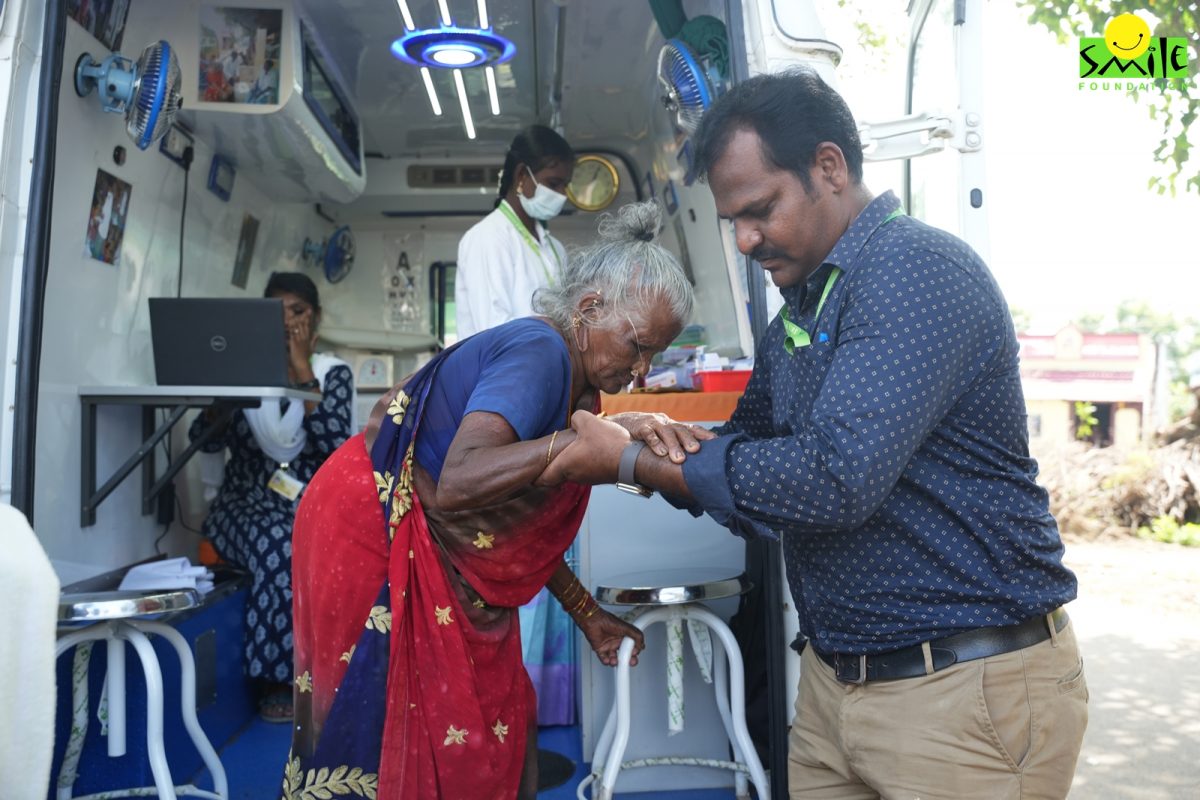
Smile on Wheels (SoW), a mobile healthcare service, brings medical facilities directly to underserved communities, addressing the healthcare gap. It has provided thousands of consultations, catering to the diverse healthcare needs of the villagers. During these consultations, many patients were diagnosed with hypertension and diabetes mellitus II, requiring regular check-ups and medication. SoW has played a crucial role in monitoring their blood pressure and sugar levels, ensuring that these patients receive the necessary care and support. It has improved the lives of many people, such as Munni Debi, a resident of a remote village in Gaya, Bihar. The 75-year-old, who lives alone, suffers from arthritis. SoW, who visits her village twice a month brings her relief not just from her physical pain but from her loneliness as the staff listens to her stories, smiles with her, and makes her feel she matters.

Categories
Smile

National Youth Day 2025: What are the Young Looking Forward to This Year?

January 12th marks National Youth Day 2025, a tribute to the visionary Swami Vivekananda whose teachings continue to inspire young people worldwide. His efforts to integrate Indian spirituality with Western advancement emphasized peace, humanity, and individual growth—a timeless foundation for today’s youth.

Swami Vivekananda’s birthday, January 12th, is observed as National Youth Day in India every year. The Indian government named the day National Youth Day in 1984. Swami Vivekananda. He was a Hindu spiritual leader and reformer in India who strove to integrate Indian spirituality with Western worldly advancement. He imprinted his personality on both the East and the West, inspiring millions of young people worldwide with his teachings. His thorough comprehension of science and Vedanta, and concern for human and animal life made him a symbol of peace and humanity. 

But as we honor his legacy, it’s worth asking: what do the young aspire to today? In India, home to the world’s largest youth population, the answers point to critical areas that demand immediate attention.

What is Youth Looking Forward To?

India, recognized as the fastest-growing economy globally and boasting the youngest population, is often praised for its demographic advantages and rising influence in the international arena. However, underneath these encouraging figures, lurks the pressing issue of unemployment and more so the lack of employability skills among youth. Repeatedly, various reports imply that formally schooled youth stay unemployed because they lack the abilities that companies seek. 

Need of the Hour

Youth need jobs

The government should encourage MSMEs, which have continued to be a driving force in employment growth in the country. Another focus should be on labour-intensive businesses with the potential to generate significant employment, such as footwear, furniture, tourism, real estate, and construction. Experts also want the government to allocate more funds to speed the construction of infrastructure projects across the country, which would aid in the creation of a large pool of jobs for semi-skilled and low-skilled people. High-growth industries such as manufacturing, logistics, healthcare, hospitality, and life sciences will have job openings in the near future, thus it makes sense to prepare job searchers with the necessary skills. 

Youth need an upgraded education system

Indian youth who have grown up with rote learning pedagogy in schools are frequently poor at self-assessment. Several research revealed that young people believe their education system is obsolete and does not adequately equip them for jobs. The students identified a lack of job experience, insufficient support services to improve employability, and bribery demands/discriminatory and unjust hiring practices as major impediments to getting work even after graduation.

A recent program conducted in numerous states by the Centre for Research in Schemes and Policies (CRISP), in partnership with the state governments and Sector Skill Councils (SSC), enrolls industry stakeholders to produce qualification packages in certain sectors for skilling. Instead of traditional disciplines, they are cast in unique and job-friendly fields, such as BBA (retail), BBA (logistics, ecommerce), BBA (healthcare), BSc (tourism & hospitality), and BSc (gaming design & development). These regular classes concentrate general knowledge while also instilling soft skills such as leadership, collaborative work, communication skills, and problem-solving abilities. A programme like this opens the way to professional courses that provide excellent skill development.

Why not have regular bachelor’s degree programs in UGC-recognised formats in non-traditional subjects, such as retail, logistics or gaming? Initiating PhDs in non-traditional fields like EV manufacture or tourism development is another way to upgrade the education system. 

Youth need the right attitude and skills

A significant concern is the skill gap between graduates and industry demands. According to the India Skills Report 2024, only 50% of Indian young people with formal education have the skills required for work.

Youth also lack the motivation and skill to become aware of their own talents and weaknesses. This again stems from the fact that the education system is so rigid and obsolete. In truth, Indian youth frequently lack the right mindset as well as the necessary abilities. Though much has been written about talent disparities among Indian youths, little emphasis has been given to attitude disparities.

Commitment, adaptability, dependability, trustworthiness, and honesty are key characteristics required for future job roles. Other qualities to look for are communication, collaboration, and sociability. Many surveys and expert opinions agree that ‘conscientiousness’ is the most significant factor in selecting and retaining employees. Conscientious people have a strong work ethic, are dependable, and show dedication. Soft skills such as critical thinking, problem-solving, and communication emerge as bedrocks of success in the AI era.


Youth need lifelong learning

With AI taking hold of the future and its integration in workplaces, it is worth necessitating clear communication and robust training programmes for knowing this field and its usage in various disciplines. It is important to train each tier of the AI ecosystem, from end-users with basic literacy to experts driving innovation. The synergy between government, industry, and educational institutions is crucial for effective upskilling programs. Furthermore, investing in lifelong learning and adaptability becomes key for individuals seeking to navigate the evolving landscape of the job market. 

The Smile Twin e-Learning Programme (STeP) works for the marginalized youth, helping them attain a decent employment by providing vocational education and training. The programme strives to empower them through market-oriented skill training, along with placement support in the end. 

Swami Vivekananda’s Message for Today

Swami Vivekananda believed in the boundless potential of young people to transform societies. On National Youth Day 2025, his teachings hold deep relevance as we address modern challenges like employability, education, and lifelong learning.

Investing in the youth means building a better tomorrow—not just for individuals but for communities and the nation at large. By addressing critical gaps in opportunities, investing in skills, and nurturing attitudes, we pave the way for a thriving, equitable, and empowered India.

Let us remember his words, “Arise, awake, and stop not until the goal is achieved,” as a rallying call to support and uplift the aspirations of youth everywhere.

0%