Categories
Girl Child Smile

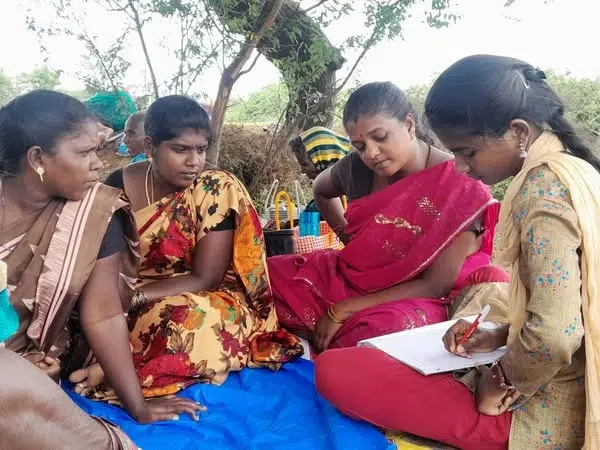
More Girls in Science: Always Good News

Do you know that the Nobel Prize, one of the prestigious awards bestowed to those who conferred the greatest benefits to humankind, was bestowed 627 times to 1,012 people and organizations between 1901 and 2024? The number stands as high as 976 individuals and 28 organizations after deducting redundancy. But are you aware that the number of women who bagged the award remains critically low? The number is just 65. The number shrinks to 25 if we calculate the number of women who bagged awards in science—physics, chemistry, and physiology or medicine.

Despite the gender gap in the field, we also need to acknowledge that there has been a study raise in the number of girls in science. And, it always calls for celebration. Only by celebrating women who reach the pinnacle of their scientific careers can we encourage girls in school to take up science. Else, they go back to their cages without defying gender stereotypes.

Why are girls in STEM always good news?

People, quite often, question when the world celebrates a woman who reaches the top of her scientific career more than a man. It is simply because men are freely allowed to concentrate on their careers and personal growth. But for women, a career is just one of the numerous things that she needs to focus on. Often, women were forced to put a full stop to their careers and personal growth to excel in other things. That’s why the recognition of women in science is celebrated as good news. Below are some of the reasons why our hearts ache to see much more good news.

1. Challenging stereotypes: Historically, women have been discouraged from pursuing a career, especially in STEM. It has always been seen as a career option for men. Even those who fight odds are allowed to take up only caregiving jobs like nursing, teaching, sewing, and mending. As a result, the field has always been underrepresented by women. When a woman excels in the field, it means that she has challenged outdated stereotypes and gender biases. Her achievements demonstrate that talent and innovation are not bound by gender.

2. Inspiring future generations: When young girls witness women succeeding in science, they change their perspective. It will help them to break down the mental barriers that had discouraged them from pursuing such careers or defying gender stereotypes. Role models will significantly influence a person’s choices, and seeing women in prominent science roles encourages more diverse participation in fields traditionally dominated by men.

3. Diverse perspectives lead to better innovation: Studies have proved that diversity—people from different backgrounds, genders, cultures, and experiences—will lead to creative problem-solving and innovation. When multiple angles are given to a problem, a wider range of potential solutions can be arrived at earlier. This in turn can result in more creative and well-rounded innovations. In a similar way, women would have a unique perspective and approach to research. It in turn will lead to breakthroughs that may have been overlooked otherwise.

4. Equality and empowerment: When a woman succeeds in science, she inspires a lot of girls to pursue science. This in turn paves the path not only for women’s empowerment but also for ensuring equality in the field. Since women will help shift the culture in academia, research institutions, and industries, these spaces will also become more inclusive and open to future generations of scientists, regardless of gender.

Facts and figures about women in science

Below are some of the facts and figures about women in science as listed by the United Nations and United Nations Educational, Scientific and Cultural Organization (UNESCO).

1. Only one in three scientists across the globe are women.

2. Less than two out of five STEM graduates are women. Women account for just 28% of engineering graduates and 40% in computer science and informatics.

3. Women hold just 22% of STEM jobs in G20 countries.

4. Only 12% of national academies of science members are women.

5. The percentage of women scientists has gone up to 31.7% in 2021 from 30% in 2017 worldwide. The percentage still remains in South and West Asia in the last decade.

6. There is not much improvement in analyzing and gathering data regarding the share of female researchers in the last decade. Not all countries have reliable data on gender and science.

7. One in two women scientists has reported experiencing sexual harassment at the workplace, as per a 2022 study.

8. Only one in five professionals, i.e., just 22%, are women in cutting-edge fields, including artificial intelligence.

9. The gender gap continues to widen as women advance in their scientific careers.

10. Women are given smaller research grants than their counterparts.

11. Only 25 women scientists have bagged the Nobel Prize to date. Of which, Marie Curie remains the only woman who bagged the award twice—physics in 1903 and chemistry in 1911.

Ways to close the gender gap in science

Despite the evident progress women have made in science, the gender gap continues to exist, and men dominate the field without much difficulty. Closing the historical gender gap requires a multi-faceted approach to help women tackle numerous barriers throughout their academic and professional careers. Below are some of the ways to help reduce the gender gap.

1. Encourage early STEM education for girls: Materials that often portray male examples of scientists and engineers and women depicted as teachers and nurses should be removed from school books. Since people’s aspirations are framed from an early age, including gender-neutral language in textbooks, lectures, and scientific papers becomes vital. Family members and teachers should encourage girls to explore their interest in science, even as they assist them to challenge societal stereotypes. To spark interest and confidence in young girls, they should be encouraged to engage with STEM activities from an early age. Girls should be allowed to participate in programmes like coding clubs, science fairs, and robotic competitions without any gender-based restrictions.

2. Mentorship and networking: Most of the time, girls opt out of pursuing careers because they don’t get the right support at the right time. The field does not have many mentorship programmes that are tailored to support girls. Since many are not allowed to travel out of their city to attend mentorship programmes or broaden their networking connections, they lack mentorship opportunities. This often puts women with less or no mentorship. Also networking space has historically been dominated by men and it has always been aligned with the interests and priorities of men. When a woman enters the male-dominated domain, she is often looked down upon. Without proper guidance and a lack of networks, women often stall before collapsing completely. By offering mentorship and networking opportunities, a greater number of girls can be brought into the field.  

3. Retaining women in the workforce: Even as we work towards bringing in more girls into science, we should also put equal effort into retaining women in the workforce by addressing their challenges. Women in the workforce are often paid less, and have few chances of getting promotion. The World Bank suggests, “policies that encourage retention such as flexible work, paid family leave, and childcare support will benefit both women, men, and employers and are particularly crucial.” By retaining women, we are not just moving towards gender equality at the workplace but also encouraging numerous other girls to pursue careers in the field.

Smile’s Work

Smile Foundation has been actively promoting STEM education among girls, recognizing the importance of bridging the gender gap in these fields. In collaboration with various partners, the foundation has launched several initiatives to empower young women in STEM.

Engineering Scholarship Programs: Smile Foundation, in partnership with organizations like Deutsche Bank, Quantiphi, Quest Global, and Siemens, offers scholarship programs targeting female engineering students. These programs provide financial assistance, essential learning tools such as laptops, employability and communication training, internships, and industry exposure. Currently, over 2,000 students benefit from these initiatives, aiming to increase female representation in high-growth sectors. 

STEM Labs and Mobile Learning: In collaboration with BMW India Foundation, Smile Foundation has established state-of-the-art STEM laboratories in government-aided schools across Delhi NCR. Additionally, a ‘STEM on Wheels’ mobile lab has been introduced to reach students in smaller community schools. These labs are equipped with modern tools and technologies, providing hands-on learning experiences to foster creativity and problem-solving skills among students. This initiative engages around 2,500 students annually, promoting inclusivity in STEM fields, particularly for underprivileged children. 

Through these initiatives, Smile Foundation is actively working to empower girls in STEM, providing them with the necessary resources, support, and opportunities to excel in these fields.

Despite the progress made in the field, science is still dominated by men. To include more women in the field and walk towards gender equality, the workspace needs to become more inclusive, girls should be exposed to STEM at an early age, and societal stereotypes should be challenged without apologies. For this to happen, the world needs to celebrate the women in science, and it should always remain good news.

Categories
CSR Education Smile

National Science Day:  The Indispensable Role of STEM education in Our Lives

Observed annually on February 28th, National Science Day marks the discovery of the Raman Effect by the legendary Sir C.V. Raman in 1928. This day is not only a celebration of India’s rich scientific heritage but also a call to action—to ignite curiosity, nurture talent, and expand access to scientific education. However, inspiration alone is insufficient; what India needs is a concerted effort to institutionalize STEM education as a vehicle for social transformation.

STEM Education in India: A Critical Imperative

The concept of STEM education was pioneered by the National Science Foundation (NSF) in the U.S. in 1986 to cultivate a highly skilled workforce capable of driving national economic prosperity. In today’s rapidly evolving global economy, STEM professionals are in high demand across industries, particularly in emerging sectors like electric vehicle production, artificial intelligence, and renewable energy.

Globally, countries like Malaysia, Tunisia, the UAE, and South Korea have strategically invested in STEM education, recognising its role in driving economic growth. In India, ongoing efforts have led to the graduation of 1.5 million engineers annually from over 4,000 institutions. However, rural children continue to face significant challenges. Infrastructural limitations, a shortage of trained educators, and deep-rooted socio-economic disparities hinder STEM education’s reach, leaving millions trapped in a cycle of poverty, inadequate healthcare, and unstable living conditions.

Challenges in Rural Education

India’s rural educational landscape is still going through a significant transformation and there’s no doubt that all social stakeholders are and must be involved in restructuring the Indian educational structure to be more inclusive and accessible for all. However, despite India’s growing emphasis on STEM disciplines, rural communities continue to grapple with obstacles such as:

  • Deficiency of Skilled Educators: Many teachers lack the requisite training and pedagogical tools to effectively impart STEM knowledge.
  • Linguistic and Conceptual Barriers: Teaching methodologies often fail to align with students’ linguistic and cultural contexts, diluting engagement and comprehension.
  • Scarcity of Resources and Infrastructure: Schools in remote areas are frequently devoid of laboratories, scientific equipment, and interactive learning tools.
  • Limited Parental and Community Awareness: Societal perceptions and lack of awareness regarding STEM careers discourage students from pursuing these fields.

So what should be the action plan for making India’s STEM education an inclusive educational intervention?

Initiatives Fostering STEM Education in India

Over the last few years, the Indian Government has scaled up its efforts through various educational interventions. One such intervention is the NEP 2020-India’s first education policy of the 21st century, that aims to revolutionise the education system, with a strong emphasis on STEM education. This policy seeks to cultivate critical thinking, innovation, and problem-solving skills, making learning more engaging and application-based.

Key Transformations Under NEP 2020

InitiativeImpact
Holistic and Inquiry-Driven PedagogyEncourages integration, flexibility, and experiential learning, moving away from rote memorisation.
Conceptual Understanding Over MemorisationFocuses on key concepts, real-world applications, and problem-solving.
Early Introduction of Coding (Class 6 Onwards)Prepares students for the digital economy, fostering computational thinking.
Integration of Emerging TechnologiesIntroduces AI, Machine Learning, Blockchain, and Data Science in school curricula.
Early Exposure to STEMChildren as young as six are introduced to foundational concepts in maths and computational thinking.
Multidisciplinary ApproachBridges the gap between humanities and STEM, fostering well-rounded education.

Expanding STEM Accessibility with Smile

Smile Foundation’s Mission Education initiative is committed to bridging the systemic gaps in STEM education, ensuring that rural children receive opportunities to explore, innovate, and dream beyond their immediate realities. By aligning its efforts with NEP 2020, the G20 Education Working Group, and Foundational Literacy and Numeracy (FLN) skills, Smile Foundation has provided a scalable and sustainable model for grassroots STEM education across 27 states, benefiting over 1,60,000 children last year.

Our model of working integrates within the community to understand their unique challenges by working collectively towards-

Key Focus AreaInterventionImpact
STEM for AllDeploying STEM education programmes in both formal schools and informal community settingsEnsures children, regardless of infrastructure constraints, gain exposure to scientific learning, fostering problem-solving skills and analytical thinking.
Developing curriculum-aligned models to integrate STEM into existing educational frameworksBridges the gap between theoretical knowledge and practical application, enhancing cognitive development.
Fostering hands-on experiential learning through DIY kits and interactive demonstrationsConverts abstract concepts into tangible experiences, boosting critical thinking, perseverance, and confidence.
Building Educator CapacityConducting advanced teacher training programmes to enhance instructional efficacyEmpowers educators with effective teaching techniques, ensuring structured and engaging STEM learning.
Integrating cutting-edge pedagogical techniques to improve student engagement and comprehensionEncourages an inquiry-driven learning approach, replacing rote memorisation with discussions, experiments, and projects that enhance creativity and logical reasoning.
Community and Parental IntegrationEstablishing after-school STEM engagement programmesEnsures continued exploration of STEM in a fun, collaborative environment, reinforcing knowledge retention.
Mobilising parental and community involvementCreates a supportive learning ecosystem at home, fostering curiosity and encouraging children to pursue scientific aspirations.
Deploying Mobile STEM Labs for OutreachEstablishing mobile science laboratories equipped with 20+ demonstration modelsBrings hands-on STEM learning to rural children, sparking interest and enhancing cognitive skills.
Setting up a centralised hub for logistical support and material distributionEnsures remote schools and community centres receive quality STEM resources, promoting equitable education.
Hosting interactive workshops and innovation fairsProvides platforms for children to showcase ideas, enhancing public speaking, teamwork, and independent thinking.
Fostering a Culture of InnovationEstablishing science clubs for continued engagementEncourages experimentation, resilience, and collaboration beyond the classroom.
Organising annual innovation fairs for student-led advancementsInstill a sense of achievement and ambition, reinforcing the value of their skills and ideas.

STEM Education as a Strategic CSR investment

STEM education is creating future scientists and building a generation equipped with the skills to solve real-world challenges, uplift their communities, and drive national progress. Investing in rural STEM education as CSR is an investment in a more equitable, innovative, and self-reliant India.

On this National Science Day, let us reaffirm our commitment to fostering an education system that is inclusive, future-ready, and innovation-driven. India’s next generation of scientists, engineers, and technologists cannot emerge in isolation; they need access, mentorship, and opportunity. As corporate stakeholders, policymakers, and changemakers, we have the power to drive this transformation.

The future of India’s scientific and technological progress hinges on collective action and if your organisation’s CSR for education supports child education in India, then partner with us, as the time to act is now.

Categories
CSR Partners In Change Partnerships Smile

Strategic Shared Value: CSR Tax Benefits for Business & Society

India has a long-standing tradition of philanthropy, deeply rooted in its cultural and religious values. Corporate Social Responsibility builds upon this legacy by formalising and expanding structured initiatives that address critical social issues, including education, healthcare, livelihoods, women’s empowerment, and environmental sustainability.

Beyond legal compliance, CSR in India allows businesses to forge stronger connections with communities proportionally inducing brand loyalty and trust into its consumers. Employees experience a greater sense of purpose when working for socially responsible organisations, leading to higher job satisfaction and retention. Additionally, modern consumers increasingly support brands that demonstrate a commitment to social good, making CSR a significant competitive advantage in the marketplace.

Given the key role CSR initiatives play in building a sustainable society, it is crucial for organisations to strategically manage their CSR expenses, maximise the CSR interventions impact while ensuring eligibility for CSR tax benefits, resulting in corporate growth with meaningful social progress.

CSR Tax Benefits for Businesses

There is no denying that corporate attitudes towards Corporate Social Responsibility (CSR) have undergone a significant and positive transformation. Today, businesses no longer view CSR only as a medium for charity; instead, they recognise its direct impact on their overall operations, including manufacturing and business sustainability.

One of the key motivations for companies to invest in CSR is the financial advantage it provides. While CSR expense is not directly tax-deductible under Section 135 of the Companies Act, several components qualify for tax deductions under various provisions of the Income Tax Act, 1961:

  • Section 80G: Donations to specified charitable organisations qualify for tax deductions of up to 50% or 100%, depending on the organisation’s status.
  • Section 35AC & 35(1)(ii)/(iii): Contributions to approved research institutions or projects for scientific, social, and statistical research are eligible for tax deductions.
  • Section 37(1): CSR-related expenses that align with a company’s business promotion strategy may be deducted as business expenses.

For corporations, these tax benefits provide a dual advantage. They not only enable businesses to reduce their taxable income but also ensure that their CSR initiatives drive tangible social change. This financial incentive encourages long-term investments in sustainable development, helping bridge gaps in education, healthcare, and economic empowerment for vulnerable populations.

Leveraging CSR for Impactful Social Development

The government of India envisions CSR as a vital pillar of the nation’s development framework. Through strategic CSR projects, businesses can address pressing socio-economic challenges while fostering long-term sustainability. Key focus areas for impactful CSR investments include:

  • Education & Skill Development: Providing quality education, vocational training, and digital literacy to empower underprivileged children and youth.
  • Healthcare & Nutrition: Enhancing access to healthcare, maternal and child nutrition programmes, and mobile health initiatives in underserved communities.
  • Environmental Sustainability: Investing in renewable energy, afforestation, waste management, and water conservation to combat climate change.
  • Women Empowerment & Livelihood: Promoting self-employment, microfinance initiatives, and gender equality programmes.

CSR strategies that prioritise Environmental, Social, and Governance (ESG) goals, when implemented in collaboration with key social stakeholders such as NGOs in India, can play a transformative role in the country’s socio-economic development. By extending their reach to the most underserved regions, CSR partnerships ensure that development efforts are holistic, collaborative, and impactful, addressing critical needs where they are most required.

Key Parameters for CSR Partnerships

To maximise impact, businesses must consider key parameters when selecting CSR partnerships:

  • Alignment with CSR Mandates: Projects must comply with Schedule VII of the Companies Act, 2013, covering areas such as education, healthcare, poverty alleviation, and environmental sustainability.
  • Impact-Driven & Scalable Initiatives: Corporates must seek measurable, sustainable impact, ensuring that initiatives can be scaled or replicated for long-term benefits.
  • Transparency & Compliance: NGOs or implementing partners must provide financial accountability, periodic reports, and documentation to ensure compliance with CSR laws.
  • Reputation & Brand Alignment: CSR initiatives should align with a company’s corporate values, brand identity, and stakeholder expectations to maximise goodwill and public recognition.

A Unified CSR Vision for a United Society

In today’s corporate world, Corporate Social Responsibility (CSR) has evolved into an integral business practice that defines a company’s values and long-term vision. By embracing CSR as a core principle, businesses can position themselves as ethical and socially responsible entities, ensuring that their investments in time, resources, and expertise translate into meaningful solutions that uplift communities and drive sustainable progress.

A well-structured CSR strategy is most effective when it is aligned with a company’s broader vision and is rooted in a deep understanding of the pressing challenges faced by vulnerable communities. By strategically planning CSR expenses, businesses can not only maximise their social impact but also leverage CSR tax benefits, ensuring that their efforts are both financially optimised and socially transformative.

Moreover, the successful execution of CSR initiatives can be significantly strengthened through strategic collaborations with transparent NGOs in India. Smile Foundation, accredited as a Guidestar India Platinum Validated Charity and recognised with Special Consultative Status with the United Nations Economic and Social Council, has been working with grassroots communities across India for over two decades. Through over 400 global corporate partnerships, we have extended access to quality education, healthcare, women’s empowerment, and livelihood opportunities to less privileged communities across the country. 

Our commitment is to foster transparent and purpose-driven collaborations where businesses can directly engage with communities, understand their unique challenges, and develop tailored solutions that create lasting change. We truly believe that shared vision and efforts can foster inclusive and sustainable development. Join us in shaping a better future—where business success goes hand in hand with social progress. 

Partner with us to make a difference where its needed the most !.

Categories
Health

Bringing Down Maternal Mortality Rate

We have read innumerable newspaper reports of pregnant women in rural India struggling to get healthcare on time, even when they go into labour, endangering the life of both mother and baby. While initiatives are being undertaken by both the government and NGOs to improve healthcare in rural and remote areas, and some progress has been made, access to maternal and reproductive healthcare in underserved regions of India is still a significant challenge.

“The maternal mortality rate (MMR) varies across India. In states like Assam and Meghalaya it is very high but it’s much better in other states such as Kerala. In Tamil Nadu also we have brought down the MMR with the help of the Dr Muthulakshmi Reddy Maternity Benefit Scheme, which provides facilities for women to deliver free of charge. Under it, the government also provides them with money for maternal and child healthcare,” says Dr Prabha Swaminathan, professor of obstetrics and gynaecology, Chettinad Medical College, who works with an NGO in Meghalaya to reduce maternal mortality.  

Shortage of trained medical personnel, lack of awareness pose challenges

Many underserved regions in India are located in remote, rural, and hilly areas, making it difficult for people to access healthcare facilities. Poor roads and limited transportation facilities make it difficult for women to reach healthcare centres, especially during pregnancy or childbirth.

Healthcare facilities in such areas are also insufficient or poorly equipped – there is a shortage of basic medical supplies, lack of trained healthcare professionals, and access to safe birthing facilities. Primary health centres (PHCs) and sub-centres in remote areas often lack the capacity to handle complex maternal and reproductive health needs. 

“No buses ply to our settlement, which consists of about 80 families. Though a doctor visits twice a month, there is no clinic or healthcare facility nearby. So it’s difficult for our women to get regular check ups or deliver in a hospital,” says Duraisamy, a resident of a tribal settlement in the Bolampatty range. “Most of them deliver at home, with the help of the local midwife.”

Even when healthcare services are available, financial constraints often prevent women from seeking care. Though there are government schemes to provide affordable healthcare (like the Janani Suraksha Yojana and Ayushman Bharat), families are worried about being unable to foot other costs such as travel, and lost wages. 

Cultural beliefs and traditional practices also prevent women from accessing medical help. In some regions, families prefer that women give birth at home with traditional birth attendants rather than in healthcare facilities. 

There is a significant shortage of skilled healthcare professionals, such as doctors, nurses, and midwives, in rural areas. This is worsened by medical professionals migrating to urban centres, leaving remote regions underserved. Low availability of women physicians in rural areas can deter women from seeking healthcare during pregnancy and childbirth.

“In Meghalaya, we found that it is difficult for people to come to the hospital as it’s often too far from where they live. There is also a lack of trained medical personnel – doctors and nurses,” says Dr Prabha, adding that many healthcare professionals do not want to be posted in remote areas. “When women can’t reach healthcare facilities, there are more home deliveries and the MMR goes up.”

Even if MMR is low, there is a lot of morbidity among pregnant women, says Dr Prabha. The injuries, trouble and harm to the mother is very high. Even when there is no death, women take a very long time to recover from the complications of pregnancy and childbirth.

What do studies reveal?

Various studies that have been done over the years show the difficulties faced by women in accessing healthcare during pregnancy and childbirth. According to the National Family Health Survey-5 (NFHS), institutional deliveries are lower in rural areas compared to urban areas, though the gap is narrowing. The percentage of women receiving adequate antenatal care is lower in rural regions. There are also significant variations in the availability of skilled birth attendants in rural areas.

A study assessed maternal health care in rural Rajasthan, focusing on the barriers women face in accessing healthcare during pregnancy and childbirth. It showed that although many rural areas have seen improvements in maternal health outcomes due to government programmes, issues such as transportation, financial constraints, and cultural preferences for home births still affect timely and adequate healthcare.

There was a high incidence of home births despite the government’s push for institutional deliveries. Women often face delays in reaching healthcare facilities due to the lack of timely transport. And healthcare providers are often not trained to handle complications that may arise during childbirth.

Government efforts to make healthcare accessible

The government’s National Health Mission (NHM) focuses on improving the availability of healthcare services, particularly maternal and child health, in rural and underserved areas. 

Janani Suraksha Yojana (JSY) aims to reduce maternal mortality among pregnant women by encouraging them to deliver in government health facilities. Under the scheme, cash assistance is provided to eligible pregnant women for giving birth in a government health facility. Since the inception of NRHM, 8.55 crore women have benefited under this scheme.

The Janani Shishu Suraksha Karyakram (JSSK), launched on June 1, 2011, entitles all pregnant women delivering in public health institutions to absolutely free and no expense delivery, including caesarean section. The free entitlements include free drugs and consumables, free diagnostics, free diet during stay in the health institutions, free provision of blood, free transport from home to health institution, between health institutions in case of referrals and drop back home and exemption from all kinds of user charges. Similar entitlements are available for all sick infants (up to 1 year of age) accessing public health institutions. All states and union territories are implementing this scheme.

In some areas, mobile health units are deployed to reach remote villages, offering basic healthcare services, including maternal and reproductive health consultations, diagnostics, and education. There are also Accredited Social Health Activists (ASHAs) — community health workers trained to support women in rural areas. They play a vital role in promoting maternal health, educating women about reproductive health, and encouraging institutional deliveries.

Counselling helps couples opt for contraception

The government has also made efforts to promote family planning services, including awareness campaigns and distribution of contraceptives.

However, where reproductive health is concerned, while family planning programmes do exist, access to the full range of contraceptive options may be limited, especially in conservative or rural regions. This results in higher rates of unplanned pregnancies, leading to increased maternal and child mortality.

“Around 30 years ago, when I was part of a team discussing why India’s family planning programme had failed, we figured that one of the reasons was that counselling did not include how the individual would benefit, it was always focussed on how the country would benefit,” says Dr Prabha, adding that couples should be counselled and informed about the different contraceptive methods available. “They can then select the one that’s most suitable to them.”

And that approach has changed things, she feels. “Earlier, couples would opt for contraception or the family planning operation after their fifth child but now they come after their second child,” she says.

NGOs supplement government efforts

Several nonprofits and international organizations also play a critical role in improving maternal and reproductive healthcare in underserved regions. 

For instance, Smile Foundation’s healthcare intervention is providing primary healthcare facilities at the doorsteps of the underserved communities in the identified rural areas and urban slums. The aim is to reach the vulnerable population who cannot afford basic healthcare facilities. 

To fill the gap created by a shortage of specialist doctors in hard-to-reach areas with special focus on mother and child care and non-communicable diseases, Smile Foundation’s healthcare programme provided specialized consultation through telemedicine services in Bengaluru, Chennai and Hyderabad. The specialized teleconsultation service has made it possible for people to get specialized consultations without travelling for long distances through online, screen based, and real-time consultations with doctors, reducing out-of-pocket expenditure.

To address the need of upgrading the PHC/ health facilities, the Foundation has upgraded 6 PHCs in Bengaluru (Karnataka), Chennai (Tamil Nadu) and Hyderabad (Telangana). The PHCs have been provided with equipment to upgrade their services including ECG machine, OT lights, dressing trolleys, weight machines for adults and children, radiant baby warmer, fumigation machine, biomedical waste trolleys, etc.

Concerted efforts bear fruit

And these efforts are bearing fruit. According to a report, nine in 10 pregnant women in India are availing institutional deliveries, while eight in 10 women have the ability to make decisions about their health. The 2024 State of World Population report, released by UNFPA — the UN sexual and reproductive health agency — has said that India has made remarkable strides in reducing maternal mortality, with its share of global maternal deaths dropping to 8% in 2020, a significant decrease from the 26% it recorded in 1990.

According to a paper, the number of maternal deaths fell from 110 800 (95% CI 105 200–116 100) in 1997 to an estimated 23 800 (95% CI 21 700–26 000) in 2020. The proportion of maternal deaths among deaths in women aged 15–49 years fell from about 12% to below 4% during this time period.

The Special Bulletin on Maternal Mortality in India 2018-20, a report from the Office of the Registrar General of India, indicates a decline in the maternal mortality rate (MMR) from 130 per 100,000 live births in 2014-2016 to 97 in 2018-2020.

The path ahead

In underserved regions where there is a lack of healthcare professionals, it is better to train local people rather than expecting someone from outside to come and work.  Additionally, women should be encouraged to deliver in healthcare facilities and that steps should be taken to facilitate it. 

Significant progress has been made in reducing maternal mortality in India, with government initiatives and NGO efforts improving access to institutional deliveries and healthcare services. 

To ensure lasting change, sustained investments in rural healthcare facilities, community-based training for local health workers, and increased awareness about maternal and reproductive health are crucial. By bridging these gaps, India can accelerate progress toward safer pregnancies, healthier mothers, and stronger communities.

Categories
Smile CSR Partners In Change Partnerships

Scaling Impact with Purpose and Passion 

When you begin something, you do not plan its success or failure—you simply hope it takes the shape of your vision. In 2002, Smile Foundation began as an idea—to support underserved communities in India by providing them with the resources and opportunities needed for a stable life. Since its inception, Smile Foundation has worked relentlessly to create an ecosystem that enables marginalised children and youth to break free from poverty. What started as a small initiative has evolved into a national movement, impacting millions of lives.

2003: A Chapter of Education For Every Child

In its early years, Smile Foundation recognised that education is the cornerstone of development. In 2003, the organisation launched Mission Education, an initiative aimed at ensuring that less-privileged children receive quality education. By establishing Mission Education centres across India, Smile Foundation has provided thousands of children with access to learning resources, trained educators, and a nurturing environment. This initiative works in alignment with government educational interventions such as National Education Policy (NEP) 2020, Science, Technology, Engineering, and Mathematics (STEM) education, and Foundational Literacy and Numeracy (FLN), enabling children to continue their educational journey by being trained with the changing educational trends with a stronger foundation for the future.

Beyond Education with Life-Cycle Approach

Children born into underserved communities face daunting challenges from the very start. Inadequate neonatal and maternal care weakens their cognitive development, while a lack of quality education, financial hardship, and societal norms often prevent them from reaching their potential.

Recognising these interlinked struggles, Smile Foundation adopted a Life-Cycle Approach to social development—ensuring that education, healthcare, and livelihood opportunities reach the most vulnerable at every stage of their lives.

2005: Empowering Women through Swabhiman

A child’s first connection is with their mother, making her health and well-being essential to their future. In 2005, Smile Foundation launched Swabhiman, a women’s empowerment initiative aimed at providing maternal and child healthcare, menstrual health awareness, and financial independence for women in vulnerable communities. By working alongside government initiatives for women and Aanganwadi workers, Swabhiman has helped thousands of women to lead healthier, more independent lives.

2006: Taking Healthcare to the Last Mile

From ensuring safer spaces for children, Smile Foundation expanded its mission to creating healthier communities. In 2006, the Smile on Wheels mobile healthcare programme was launched, bringing essential medical services to some of the remotest areas in India.

Today, with over 100 Smile on Wheels (SoW) mobile units, Smile Foundation is dedicated to ensuring equitable access to healthcare for those who would otherwise be left without essential medical services. The COVID-19 pandemic reinforced the need for robust healthcare interventions, and in 2021, Smile Foundation expanded its telemedicine services, and developed an advanced telemedicine ecosystem that now facilitates diagnostic tests, foetal heartbeat monitoring, and dermoscopy.

Through strategic partnerships, Smile Foundation continues to strengthen healthcare accessibility and build healthier futures for communities in need.

2007: Skill Development for Youth through STeP

Education alone is not enough—youth also need employable skills. In 2007, Smile Foundation launched STeP, a livelihood initiative designed to provide skill training in Core Employability, Healthcare, BFSI, Retail Management, Business Process Outsourcing, and Digital Marketing.

With 74 skilling centres and over 400 industry partnerships, including collaborations with ICICI Lombard, HDFC Life, and Fortis Hospital, STeP has been instrumental in bridging the gap between education and employment. Training programmes with Berger Paints and Amazon’s 21st Century Learning Labs have further expanded upskilling opportunities, impacting thousands of young professionals and securing their future.

2008: Strengthening Grassroots with Change the Game Academy

Recognising the crucial role of grassroots initiatives, Smile Foundation launched Empowering Grassroots in 2008. Partnering with Wilde Ganzen Foundation, Smile Foundation introduced Change the Game Academy, supporting other local/grassroots social development organisations through capacity-building programmes and training. By 2021, these programmes were digitised to reach an even wider audience, enabling grassroots leaders to drive sustainable impact in their communities.

2010: SIFFCY – Using Cinema to Inspire Young Minds

Films have the power to educate and inspire. In 2010, Smile Foundation introduced SIFFCY (Smile International Film Festival for Children and Youth), a platform that showcases meaningful global films to nurture young minds with values and a healthy perspective on life. The initiative celebrates cinema as a powerful tool for learning and social change.

2011: I Am Kalam – A Story of Dreams and Determination

In line with its commitment to education, Smile Foundation produced the critically acclaimed film I Am Kalam, telling the story of Chhotu, a bright, ambitious boy working at a roadside tea stall who dreams of an education, inspired by Dr. A.P.J. Abdul Kalam. The film highlights the struggles faced by marginalised children and the importance of quality education.

2012: Special Consultative Status with UN ECOSOC

In 2012, Smile Foundation was granted Special Consultative Status with the United Nations Economic and Social Council (UN ECOSOC)—a prestigious recognition of its efforts in advancing sustainable development. This milestone reinforced Smile Foundation’s commitment to global best practices and inspired even greater dedication to empowering marginalised communities.

2018: Platinum Transparency Certification by GuideStar India

In 2018, Smile Foundation, as a dedicated social development organisation, was awarded the Platinum Transparency Certification by GuideStar India. This recognition reaffirms its commitment to ethical governance and accountability while steadfastly working towards the collective goal of societal welfare.

2021: A Great Place to Work – Strengthening the Team

An organisation is only as strong as its people. In 2021, Smile Foundation was recognised as a Great Place to Work, a distinction it has continued to uphold. What began as a small team in a single room has now grown into a dynamic workforce of 600 individuals across India.

United by a shared vision, this diverse and passionate team works tirelessly to spread smiles and empower those who aspire to a better life. Because everyone—regardless of where they come from—deserves dignity, opportunity, and a chance to lead a healthy, stable life.

Going Forward

Our journey so far has been a harmonious blend of vision, innovation, and unwavering dedication, driven by a committed team and constant support of our corporate partners, individual supporters and volunteers who have shaped our journey in unimaginable ways by uniting in the pursuit of a better, more inclusive society.

With a steadfast resolve to leave no one behind, we have geared up for new challenges and visions and therefore we, invite you to Partner with us to continue each day to write new chapters of transformation by bringing opportunities to those who lack them.

Categories
Smile Women Empowerment

Financial Literacy among Rural Women

With no economic freedom, there is no real empowerment for women. That’s why it has been included as the fifth Sustainable Development Goal by the United Nations. But when we say Indian women are far away from attaining empowerment or enjoying independence, we are not exaggerating it. Data shows that one in every five women do not have access to a bank account. This is the reality despite numerous efforts taken by both government and private bodies, encouraging women to handle their own money. A Findex survey reveals that seven countries account for more than 50% of the world’s unbanked population. Of these countries, India’s unbanked population is close to 130 million.

Before financial inclusion comes financial literacy. According to the Organization for Economic Co-operation and Development (OECD) Report 2023, only 35% of men and 30% of women are financially literate across the globe. In India, a study by the Securities and Exchange Board of India (SEBI) reveals that only 27% of men and 20% of women are financially literate. Before we delve deep into the topic, let’s understand what financial literacy actually means and how it will help us.

Understanding financial inclusion and financial literacy

Financial inclusion refers to the availability and accessibility of financial services to individuals and businesses, especially to those who are underserved or excluded from the traditional financial system. It is to ensure that everyone—irrespective of their financial status, geographical location, or social status—has access to essential financial services like savings accounts, insurance, credit, and other payment systems. In recent times, it has been recognized as a key driver of economic growth and alleviation of poverty across the globe. An individual needs to be financially literate to make full use of financial services.

In simple terms, financial literacy is the ability to understand and effectively manage personal finances. It means one needs to have knowledge and skills to make confident and informed decisions regarding budgeting, saving, investing, borrowing, and planning for the future. It helps people in making solid financial choices by ensuring long-term financial security and well-being.

Importance of financial literacy for rural women

In recent times, financial literacy has been gaining attention. Thanks to the global recognition that one cannot make informed financial decisions without being financially literate. According to SEBI, “a customer must have the necessary awareness about the available products, the ability to choose the right product, and the available mechanism for grievance redressal” to make an informed and proper decision. The government has been emphasizing raising awareness among women, especially those from rural areas, to increase their financial inclusion. For rural women, the role of financial literacy’s role does not end there. It travels way beyond imagination. Below are some of its crucial impacts on women.

1. Better money management: Financial awareness helps women in better management of money since it bestows them with knowledge and skills about budgeting, saving, investing, and debt management. An effective and realistic budget can be derived by tracking income and expenditure. By understanding the importance of allocating money for necessities, savings, and discretionary spending, a woman can ensure that they are living within their means. This not only prevents overspending but also saves them from debt and gives her better control over her finances. Financial literacy also helps a woman in understanding the importance of saving for short-term and long-term goals. In addition to saving for emergency funds to protect against unforeseen events, they also start to save for their future. Learning about interest rates and different types of savings accounts will help women maximize their savings. By understanding the risks and rewards associated with various investment options like stocks, bonds, mutual funds, and real estate, she can create a diversified portfolio that aligns well with her financial goals.

2. Economic empowerment: By equipping women with skills that are required for effective money management, financial literacy helps a woman in making independent and informed financial decisions. By learning about financial services, she can access financial services, including banks and insurance, without much difficulty. Furthermore, it enables women to navigate and take advantage of government schemes and subsidies implemented for their welfare. Since it also teaches her entrepreneurial concepts like capital investment, cash flow management, marketing, and pricing strategies, she can even start her own business. This in turn will help her not just in generating income for herself but also in creating job opportunities for others. This in turn will help her to thrive even in the absence of traditional financial support from male members of her family. This confidence will empower her.

3. Promoting gender equality: When a woman starts to manage finances without depending on others, she becomes independent. This independence in turn will allow them to take control of their financial well-being, be it managing household expenses, saving up for their future, or investing in business. By making informed decisions, she can assert more influence over their personal and family lives, leading to more equitable relationships. Once she gains independence, she starts to challenge the traditional norms that expect a woman to play only a support role. Financial literacy helps her to break away from gender norms and promotes gender equality in the household, workplace, and beyond. When a woman is financially literate and becomes involved, she can actively participate in the economy. This in turn will lead to higher household incomes, improved living standards, and a stronger sense of financial security. It further reduces the gender gap and allows women to take leadership in the households, businesses, and communities.

Current trends on financial inclusion in India

1. The Economic Survey 2024 indicates a strategic shift from focusing on ‘every household’ to ‘every adult’ in financial inclusion efforts. This approach aims to ensure that each adult has access to financial services, reflecting a more personalized and inclusive strategy. About 54.84 crore people, including 30.52 women, have opened bank accounts under Pradhan Mantri Jan Dhan Yojana (PMJDY)—aimed at expanding affordable financial services—as of February 2025, according to the scheme portal.

2. The recent NABARD report titled All India Rural Financial Inclusion Survey (NAFIS) 2021-22 finds that about 44% of agricultural households use the Kisan Credit Card. The card plays a vital role in promoting financial inclusion among rural Indians.

3. The percentage of people having good financial literacy has gone up from 33.9% in 2016-17 to 51.3% in 2021-22 in rural India.

4. There has been a sharp increase in the percentage of women using a bank or savings account by themselves from 53% in 2015-16 to 79% in 2019-21, according to the National Family Health Survey (NFHS).

5. Though the Covid-19 pandemic has reduced the digital divide, it continues to be pervasive in rural India. Though almost everyone owns a mobile phone, only 54% of them use the phone for themselves. Of which, only 22.5% of women use mobile phones for financial transactions, as per NFHS-5.

6. According to NFHS-5, only 11% of women have availed microcredit loans. The percentage is higher in rural areas than in urban areas by 3%.

7. The report also reveals that only 18% of married women have complete control over their earned money. While a whooping 67% of them are forced to discuss with their husbands in handling their money, 14% of them have absolutely no control over their money. 

8. The recent All-India Debt and Investment Survey (AIDIS) reveals that 80.7% of rural women have deposit accounts.

9. The government has launched Pradhan Mantri Suraksha Bima Yojana (PMSBY) to offer accidental death cum disability cover up to Rs 2 lakhs and Pradhan Mantri Jeevan Jyoti Bima Yojana (PMJJBY) to offer life cover. The Ministry of Finance reveals that the number of women beneficiaries under all these schemes has increased significantly.

Challenges

Despite numerous efforts taken both by the government and private bodies in strengthening financial literacy and inclusion among rural Indian women, critical gaps continue to exist in the system. Some of them are discussed below.

1. Financial dependency on men: In many rural households, women are not directly involved in making financial decisions. Traditionally, it is believed to be the duty of male members. The situation continues to persist even if the women financially contribute to the family. This lack of involvement leads to a lack of interest in understanding financial matters.

2. Limited access to financial services: Rural parts of the country still lack adequate banking infrastructure. Though financial inclusion initiatives have increased access to basic banking, the presence of physical branches or customer service points remains sparse, making it difficult for women to gain hands-on financial experience. Also, digital platforms, which are crucial for modern financial literacy, often fail to reach women due to a lack of digital literacy and access to technology.

3. Poor connectivity: Since technology has become a vital role in enabling financial services through its digital mode, rural areas have poor internet connection. This failure in ensuring uninterrupted access to financial services creates a wider digital divide. Without strengthening the connectivity issue, women in remote areas cannot access the financial services. As a result, those women who have started taking financial decisions also fall off the track.

4. Low literacy level: The 2024 ASER report shows that only 65% of rural women are literate. The low level of education makes it difficult for them to understand complex financial concepts, including saving and investing. Lack of skill development programmes on financial management that are tailor-made for rural women pushes them further away. This educational gap increases their financial exclusion.

Smile’s Work

Smile Foundation addresses financial literacy and awareness among rural women through its Swabhiman program, initiated in 2005. This initiative aims to empower marginalized and socially excluded women by providing interventions in nutrition, healthcare, and livelihood. A key component of Swabhiman is digital financial literacy training, which equips women with the knowledge and skills to manage their finances effectively, utilize digital banking services, and leverage financial technologies. This education enables women to participate fully in the economy and make informed financial decisions. 

The program also emphasizes entrepreneurship development, offering financial literacy workshops as a core element to prepare women to become self-sustaining entrepreneurs. These workshops focus on essential aspects of financial management, such as budgeting, saving, investing, and debt management. By understanding these concepts, women are better equipped to manage household expenses, plan for future needs, and achieve long-term financial security. 

Through these comprehensive efforts, Smile Foundation’s Swabhiman program strives to bridge the gender gap in financial literacy, promote economic empowerment, and contribute to the overall well-being of rural women and their communities.

Considering the current trend, it is essential to strengthen financial literacy among rural Indian women. For it is not mandatory for women’s empowerment but also for the overall economic growth of the country. To overcome the barriers, it is essential to implement gender-sensitive, context-specific, and easily accessible programs that cater to their unique needs. Additionally, improving digital literacy, fostering inclusive financial policies, and providing female role models and mentors will help empower women economically and bridge the financial literacy gap.

Categories
CSR Partners In Change Partnerships Smile

Collective Efforts and Prevalence of Anaemia

According to the National Family Health Survey—5, in India, the prevalence of anaemia among women is 57 percent and 52.2 percent among pregnant women, compared to 27 percent among boys. Similarly, among adolescent girls, the prevalence of anaemia is higher at 52.2 percent compared to 31.1 percent among boys.

As per the World Health Organisation, anaemia is a disorder in which the number of red blood cells or haemoglobin concentration within the red blood cells is below normal, resulting in the blood’s decreased oxygen-carrying capacity. It is estimated that globally, about 50.3 million years of healthy life are lost due to disability (YLDs) due to anaemia (data from 2019), and most of these cases are from South Asia, Western Sub-Saharan Africa, and Eastern Sub-Saharan Africa. Amid this, women are disproportionately affected by anaemia. They are more prone to blood loss due to heavy menstruation bleeding, pregnancy, poor ante-natal care, and deficiency of nutrition, creating a low haemoglobin concentration. 

For women in developing countries with low and moderate income, anaemia is a leading cause of illness in women, especially those who are of reproductive age. 

Anaemia : Impact on women 

Anaemia can have a significant and more considerable impact on a woman’s physical, mental, and even learning outcomes. Fatigue, weakness, and shortness of breath are anaemia’s most prevalent physical symptoms. These can cause sadness, worry, and a lower quality of life, making it difficult for women to do daily tasks and jobs. Additionally, headaches, pale complexion, irritability, and a fast heartbeat are other symptoms of a woman being anaemic.

Among pregnant women, anaemia can cause low birth weight, premature delivery, developmental delays in the foetus, and maternal mortality. Over the years, anaemia has also been linked in studies to memory issues and poor cognitive performance. These mental and physical impairments greatly influence a nation’s economic growth.

  • Challenges in pregnancy

Women who have iron deficiency anaemia during pregnancy may experience fatigue and weakness. Haemoglobin, a protein found in red blood cells that transports oxygen to tissues, is made by our body using iron (Fe). Because of the increased blood volume during pregnancy, a pregnant woman’s need for iron also rises. Iron is needed by the body to make more blood, which is necessary to give the infant oxygen. A woman may develop iron deficiency anaemia if she does not get enough iron during pregnancy or if her iron stores are inadequate.

Premature birth (before 37 full weeks of pregnancy), low birth weight, severe postpartum depression, and an increased chance of child death (based on research) before or right after birth are all risks associated with severe iron deficiency anaemia during pregnancy. 

  • Challenges to cognitive functionality

It’s critical first to establish cognitive functions in order to understand how anaemia impacts them. Our cognitive functions include memory, attention span, learning skills, reasoning ability, and problem-solving skills, all of which dictate the functioning of our daily lives. When anaemia becomes severe, it can significantly impact these cognitive abilities.

Anaemia raises the risk of dementia and moderate cognitive impairment (MCI), among other cognitive disorders. Studies have shown that individuals with anaemia are almost 40% more likely to experience cognitive decline compared to those without the condition. This is mainly due to chronic brain hypoxia, which occurs when low haemoglobin levels reduce oxygen delivery to the brain. Over time, this oxygen deficiency can lead to structural changes in the brain, further affecting cognitive function. 

For women, who are more vulnerable to anaemia, these cognitive dysfunctions can also disproportionately impact their economic growth. According to earlier research, iron deficiency anaemia causes cognitive and physical impairments, costing developing nations up to 4.05% of their GDP annually. In absolute dollar terms, the losses in South Asia are significant, with close to $4.2 billion lost annually in Bangladesh, India, and Pakistan. The losses associated with iron deficiency anaemia amount to about 1.2% of GDP in India. 

Addressing nutrition needs in a woman’s life

Malnourishment as a newborn can cause anaemia in adolescence, which can worsen during pregnancy. As a result, when attempting to treat anaemia in women and adolescents, programs should also include solutions for reduced breastfeeding and dietary supplements for girl children. 

Further, gender bias against girl-children often limits access to nutritious food in a family. Strong preferences for male children over female often leave them in need of proper care through food and hygiene. Hence, smart behaviour change communication is required to nudge parents towards ga ender-equal mindset.

Interventions must also consider several patriarchal social norms that dictate women’s lifestyles on a day-to-day basis. One must understand that to date, in traditional Indian families, women eat last and least, husbands or families determine the necessity for prenatal care, and women continue to obtain permission before attending a healthcare facility due to a lack of economic freedom. All of these factors limit women’s agency and contribute to malnutrition. While behaviour changes, communication for medicine adherence and awareness of anaemia as a severe condition are required, such approaches must also address harmful societal norms. 

Efforts to reduce the prevalence of anaemia 

Anaemia is a preventable and treatable condition, and early detection plays a crucial role in improving health outcomes. Over the years, Smile Foundation has been dedicated to enhancing maternal and child health through various impactful interventions.

In a recent collaboration with PepsiCo India, Smile Foundation’s Swabhiman Programme introduced a Mobile Medical Unit (MMU) to provide essential healthcare services to women and girls from underserved communities. This initiative ensures accessible medical care while addressing critical health challenges.

The MMUs serve as a lifeline, offering nutritious food to women and children, facilitating early anaemia detection, enabling immediate medical interventions, and raising awareness about nutrition. Additionally, the programme educates communities on affordable, healthy diets, empowering them to make informed dietary choices.

Alok Srivastava, Plant Head – Kosi, PepsiCo India, expressed the company’s commitment to community well-being, stating:

“The ‘Pink Smile’ project embodies PepsiCo India’s ‘Partnership of Progress,’ where we collaborate with organisations like Smile Foundation and local bodies to create a meaningful and lasting impact. This initiative is not just about combating anemia and malnutrition; it is a step towards increasing health literacy, enabling women to make informed decisions about their health and overall well-being.”

Through strategic partnerships and a deep commitment for social good, Smile Foundation continues to create sustainable change, ensuring that healthcare reaches those who need it most. Partner with us to make a difference that actually benefits the lives of those in need.

Categories
Education

Caring about Learning Outcomes in Our Children

Education is not about preparing students for examinations or equipping them with specific skills. It is about igniting curiosity about the world, nurturing critical thinking, and fostering creativity. These objectives can be achieved by focusing on meaningful learning outcomes that enable students to apply their knowledge to real-world situations.

In times of today, innovation in classrooms has become essential to ensure that education remains relevant and effective. Therefore, creating an education system that prioritises learning outcomes can equip students with the tools needed to do their vey best in the 21st century.

Understanding Learning Outcomes

If you are unfamiliar with the term, you may wonder what learning outcomes are and how they differ from scores or grades. While learning outcomes relate to students’ performance and the extent of their learning, scores and grades are just one component. Learning outcomes encompass the specific knowledge, skills, attitudes, and behaviours that students are expected to demonstrate as a result of their educational experiences.

Traditionally, learning outcomes were associated with memorising concepts or rote learning. However, this approach is evolving to include a broader range of competencies. For example, digital literacy and emotional intelligence, which were previously overlooked, are now recognised as crucial. Assessing digital literacy should not be limited to students’ exam scores but should also consider their awareness and application of digital tools in real-world contexts.

By emphasising learning outcomes, education becomes goal-oriented and student-centred. The focus shifts from merely covering the curriculum to achieving specific, meaningful objectives that contribute to students’ overall development. By clearly defining and measuring learning outcomes, educators can tailor their teaching strategies to meet students’ diverse needs, ensuring that every child reaches their full potential.

Improving Learning Outcomes in Schools

Education is a continuous process and should not be confined to the classroom. However, schools play a crucial role in achieving learning outcomes by providing structured learning opportunities. Several strategies can enhance the quality of education and ensure students achieve meaningful outcomes:

  • Student-centred learning – Schools must design their curriculum and pedagogy to be student-focused rather than relying on a standardised approach. Since students’ needs vary due to multiple factors, personalised learning plans should be developed. Inquiry-based learning can also be adopted to stimulate curiosity among students.
  • Active learning – Rote learning or passive reading may help students retain some concepts and perform well in exams, but it does not equip them to apply their knowledge in real-life situations. A hands-on learning approach can promote critical thinking, creativity, and collaboration.
  • Formative assessment – Implementing formative assessment practices enables educators to monitor students’ progress and provide timely feedback. Regular assessments, such as quizzes, peer reviews, and self-assessments, help identify areas for improvement and guide teaching strategies.
  • Technology integration – Technological advancements have created dynamic learning environments and allow for individualised learning experiences. Technology should be integrated into classrooms, and teachers must be trained in modern teaching methods.
  • Parental involvement – While structured learning happens in schools, children spend most of their time at home with their families. Parents play a significant role in enhancing their children’s learning by creating opportunities through meaningful games, discussions, and interactions.

Learning Outcomes in India

When analysing the status of learning outcomes in India, a significant disparity emerges between students from affluent backgrounds and those from underprivileged communities. While the former benefit from modern teaching practices and well-equipped schools, the latter must make do with whatever is available in the public education system.

The latest ASER report highlights both progress and challenges in India’s learning outcomes. While enrolment rates and access to education have improved, learning levels remain a concern. For instance, a substantial proportion of primary school children struggle with basic reading and arithmetic. According to the ASER 2021 report, only 20.3% of children in Grade 3 could read a Grade 2-level text, and only 28.2% could perform basic arithmetic operations.

This situation underscores the urgent need for the public education system to focus on improving learning outcomes, particularly given the fast-changing global landscape and the necessity for innovative classroom interventions.

Learning Outcomes and India’s Future

Enhancing learning outcomes, particularly for the majority studying in public schools, can help India cultivate a skilled workforce and an empowered population. This can drive productivity and contribute to social and political transformation. Here’s how improved learning outcomes can shape India’s future:

  • Employability – In today’s knowledge-based economy, employers seek individuals with strong critical thinking, problem-solving abilities, and digital literacy. Students who achieve meaningful learning outcomes are better prepared to meet job market demands and secure fulfilling employment.
  • Quality of life – Education significantly impacts overall well-being. A strong focus on learning outcomes equips students to make informed decisions, overcome challenges, and contribute positively to society.
  • Social mobility – Improved learning outcomes can provide children with better opportunities as they grow, enabling them to break free from poverty and uplift their families.
  • Civic engagement – Well-educated individuals become responsible citizens who actively participate in democratic processes. Students who achieve meaningful learning outcomes are more likely to engage in community activities, volunteer work, and governance.

Conclusion

By prioritising meaningful learning outcomes, we can develop an education system that empowers students with the skills, knowledge, and attitudes required to succeed in the 21st century. Schools, educators, parents, and policymakers must collaborate to implement effective strategies that enhance learning outcomes and address students’ diverse needs.

Smile Foundation is committed to improving learning outcomes for children, particularly those from underserved communities, by enhancing access to quality education. Through our Mission Education programme, we provide holistic learning experiences that include digital education, teacher training, and life skills development. By establishing well-equipped learning centres, improving school infrastructure, and integrating technology into classrooms, Mission Education program’s goal is to ensure continuous learning through Shiksha Na Ruke fostering holistic, engaging and effective learning environment.

Our initiatives emphasise experiential learning, personalised teaching methods, and regular assessments to track student progress. Programmes such as Project Manzil in Rajasthan incorporate digital tools to enhance vocational training and academic performance. Additionally, we collaborate with educators to improve teaching methodologies, ensuring that children not only remain in school but also achieve meaningful learning outcomes that prepare them for future opportunities.

Categories
Women Empowerment Girl Child Nutrition

Impact of Nutritional Deficiency on Women’s Health in Rural Areas

Good health is a fundamental human right and an essential need for all. It holds particular significance for women, especially those in rural areas. In rural India, women not only bear the responsibility of caring for their children and families while managing household chores, but they also play a crucial role in the labour force and agriculture. Their active participation contributes to family income, national development, and the agricultural sector.

The impact of nutrition on their health is not only vital for their well-being but also has a ripple effect on their families and broader economic activities. Poor health resulting from inadequate nutrition diminishes their ability to care for their families and significantly reduces their earning potential. An inadequate intake of nutrients could lead to malnutrition and deficiency diseases, and make women prone to certain ailments. Lower health status manifests itself in:

a) lower life expectancy,

b) higher rates of morbidity and mortality,

c) lower levels of productivity, and

d) a decreased ability to earn and support

Nutrition deficiency impact’s on rural women

While maternal morbidity and several women-related health challenges arising due to nutrition deficiency remain a global challenge, for rural women, the effects are disproportionate. Patriarchal social structure, illiteracy, unskilled labour, financial dependence, gender discrimination, early marriage and multiple pregnancies, hard physical labour, lack of awareness and access to safe healthcare, and poverty are only a few factors that largely rule the lives of rural women.

All of these factors hinder their access to proper intake of nutrition which are again exacerbated by pregnancy-related issues and other reproductive health issues and while this continues, it also restricts them to the four walls of their house, restricting their financial mobility- creating a vicious cycle of poor nutrition, health, and economic dependence.

The impact of nutritional deficiency among rural women is far-reaching.

Here are a few:

  1. Low weight and height:

The majority of young women from lower socioeconomic groups suffer from undernutrition, primarily as a result of these communities’ females not fulfilling their nutritional needs as they enter puberty. This subsequently, leads to low body weight and stunted height, unable to grow to their full potential. Malnutrition impairs the healthy development of the pelvis and causes stunted growth. By the time a girl reaches adolescence, she still has around 4% of her height to gain and 12–18% of her pelvis to expand.

Further, teenage pregnancy and early marriage impede her growth. Therefore, these women are classified as “high risk” because they are more likely to experience obstetric problems and give birth to low birth weight (LBW) babies, which raises the possibility of higher infant mortality and morbidity.

2. Maternal mortality:

Approximately 25% of maternal deaths worldwide are caused by pregnancy and stillbirth-related factors, which claim the lives of over 100,000 women in the nation, each year. According to the UN MMEIG 2020 report, Trends in Maternal Mortality 2000 to 2020, India’s MMR has significantly reduced from 384 deaths per 100,000 live births in 2000 to 103 in 2020. In comparison, the global MMR has decreased from 339 to 223 over the same period.

Haemorrhage (prenatal and postnatal), toxaemia (pregnancy-related hypertension), anaemia, obstructed labour, puerperal sepsis (postpartum infections), and botched abortion are the main causes of these deaths, which are doubled due to lack of proper nutrition intake.

For rural women, the burden of uncontrolled fertility, insufficient prenatal care, and a shortage of qualified delivery attendants act as a double whammy and become the primary causes of increased maternal mortality. The poor nutrition status of rural women doubled with the sociocultural attitudes and gender discrimination are indirectly linked to increasing mortality rate.

3. Anemia:

Women have a higher need of iron than men and, are impacted disproportionately by a lack of proper nutrients. Anaemia is the most common nutritional deficiency seen among Indian women, especially those from the lower socio-economic groups,  and the most common cause for it is the deficiency of iron and, to a lesser extent, folic acid. Iron is required essentially for the formulation of haemoglobin, which is the carrier of oxygen in our blood. This often causes shortness of breath, pale colour of eyes and nails and reduction in capacity to work.

The majority of women see a decline in haemoglobin levels as their pregnancy progresses, and pregnancy is a time of nutritional stress. Repeated pregnancies, blood loss during menstruation, poor diet, and a lack of iron supplements in rural women also affect the haemoglobin levels. Anaemia (RGI) bleeding during pregnancy and puerperium are thought to be responsible for 40% of all maternal fatalities in rural settings. The latter indirectly leads to death, but it also reflects the severe repercussions of nutritional deficiency in rural Indian health conditions.

Therefore, it is not too difficult to understand the rising numbers of malnutrition across the globe, both among women and children. Iron deficiency anaemia adversely affects maternal and foetal well-being and is linked to increased morbidity and foetal death. Infants and children with iron deficiency anaemia are at risk of developmental difficulties involving cognitive, social-emotional, and adaptive functions.

Nutritional Development with Swabhiman

With the belief that women are the cornerstone of a community, Smile Foundation’s women empowerment initiative- Swabhiman works closely on the enhancement of maternal and reproductive healthcare of women their children and young girls.

One of the key elements of our program is to give the underserved women of India, the knowledge and adaptability of habits that enhance their nutritional development. Through regular awareness camps, practical activities and working hand-in-hand with Aanganwadi workers in India, Swabhiman supports the values and visions of the government towards women’s health in India.

For example, Smile Foundation organised an awareness camp in Greater Noida to mark the “Rashtriya Poshan Maah celebration” in partnership with our esteemed partners, where women of the community were provided with information and habits that improve the Antenatal Care (ANC) and the importance of maternal health and its connection to nutrition.

Swabhiman aims to be an accessible and affordable platform for rural women in India, empowering them with the knowledge and practices needed to overcome challenges such as nutritional deficiency. By fostering healthier lifestyles, Swabhiman not only enables women to lead better lives but also equips them to nurture their children and uplift their communities, promoting holistic growth and well-being.

Categories
Health Livelihood Partners In Change Skill Development Women Empowerment

Is India’s Development a Key to Progress For All?

India has embarked on an incredible journey of growth and development ever since its independence in 1947. The country transformed from predominantly being an agrarian economy to building manufacturing capabilities and a robust services industry. In this growth story, one thing that has played a crucial role is infrastructural development. From building roads and dams to establishing schools, hospitals, and railways, infrastructure has been the backbone of India’s progress, driving economic growth, and improving quality of life.

Owing to the vision of our founding fathers, India invested heavily in infrastructural development in the decades following independence. This included the expansion of national highways and railway networks, the building of major dams like Bhakra Nangal, and the establishment of premium institutions like the IITs and AIIMS. In recent decades, we have also seen a focus on urban infrastructure development with projects like Metro Rail, tunnels, and much more. Thus, as India enters a new era, it needs to continue focusing on building stronger infrastructural capabilities.

Infrastructural Needs for India

There are many areas in which India can focus. But, here are a few key areas that require consistent attention for the holistic development of Indian urban as well as rural communities:

  1. Road Network: For any economy to grow, mobility of movement is most important. This is why expanding a robust road network in the form of national and state highways, expressways, etc., needs to be a priority. India’s ambitious Bharatmala Pariyojana aims to develop 83,677 kilometres of highways, improving connectivity in remote and underserved regions.
  2. Dams: As the requirements of the country’s growing population increase, there will be a bigger need for water management, electricity generation, irrigation facilities, and much more. This is where building new dams can be a game-changer. Apart from that, India is also focusing on river-linking projects aimed at diverting water from areas that experience flooding to those areas that are affected by drought.
  3. Educational Institutions: The Indian government has been working sincerely towards expanding the number of AIIMS and IITs in the country. In addition, new universities, schools, and colleges need to be built. Existing institutions also need an infrastructural boost in the form of smart upgrades to make them relevant.
  4. Hospitals: A large part of the Indian population is deprived, even today, of good quality healthcare facilities, as most of the big hospitals are concentrated in urban areas forcing rural and tribal populations to flock to cities like Chandigarh, Delhi, Hyderabad, etc., for receiving adequate health support. However, this is not sustainable, and the country needs to work on expanding its healthcare network. This can also be done through the development of digital infrastructure like telemedicine facilities, mobile hospitals, etc.
  5. Railways: This is arguably the lifeline of India; even today because of the reach and affordability, lakhs of Indians travel through railways. This is the reason why the government must keep pushing for the expansion of railways in regions where it hasn’t yet reached. The recent expansion of the railway network to Srinagar in Kashmir and the building of the world’s highest railway bridge is a good example of it. Apart from this, another way of improving the mobility of Indians is by building more airports across the country and making air travel affordable for the masses.
  6. Other infrastructure: In addition to roads, dams, schools, hospitals, and railways, other critical infrastructure includes airports, ports, and digital connectivity. Developing world-class airports and ports can boost trade and tourism, while expanding digital infrastructure ensures access to information and services, bridging the digital divide.

Needs and Aspirations

As India continues to grow and evolve, it is essential to focus on the future needs and aspirations of the population. Here are some key areas where India should continue investing in infrastructure:

Sustainable Development: While developing infrastructure is essential, what is also needed is a focus on sustainability. As India moves forward, it also needs to play an important role in establishing itself as a climate-conscious nation. Therefore, the country should focus on investing in environment-friendly practices and investing in renewable energy. India is already on the path of building these capabilities. It needs to continue building on these efforts.

Healthcare expansion: As discussed above, India still faces a major challenge when it comes to providing equitable access to good quality healthcare facilities to its population. The COVID-19 pandemic also revealed many loopholes in India’s healthcare infrastructure. There, it is essential that all the stakeholders work together in building facilities for all Indians. Digital solutions are going to play a crucial role in this. Policies like universal health insurance are also going to ease the burden on the poorer masses.

Digital connectivity: Expanding digital infrastructure is critical for bridging the digital divide and ensuring access to information and services. Initiatives like Digital India aim to provide high-speed internet connectivity to rural and remote areas, enabling digital literacy, e-governance, and digital financial inclusion.

Educational Infrastructure: Investing in educational infrastructure at all levels, from primary schools to higher education institutions, is essential for fostering innovation and human capital development. Enhancing vocational training centers and skill development programs can equip the workforce in India with the necessary skills for a rapidly changing job market.

Transportation and logistics: Developing efficient transportation and logistics infrastructure can boost trade and economic growth. Expanding the railway network, modernizing ports and airports, and improving last-mile connectivity are critical for enhancing India’s competitiveness in the global market.

Conclusion

For major economies like the United States, Europe, China, etc., infrastructural development has played a central role in their development and growth. These countries continue to invest heavily in further enhancing their capabilities. For example, China’s Belt and Road Initiative is aimed at establishing its dominance in trade around the world. Similarly, Japan’s focus on technology has made it a leader in this area.

As India continues its journey towards becoming a global economic powerhouse, investing in infrastructure remains a critical priority. By focusing on sustainable development, healthcare, digital connectivity, education, and transportation, India can build a stronger and more resilient nation that meets the needs and aspirations of its people. Infrastructural development is not just about building physical structures; it is about creating opportunities, improving quality of life, and fostering social and economic progress.

Smile’s Contribution

Smile Foundation helps develop infrastructure primarily by improving education and healthcare facilities in underserved areas. We support the construction and renovation of schools, learning centers, and healthcare units, ensuring access to quality education and medical services. Additionally, we provide necessary resources like furniture, clean drinking water, sanitation facilities, and technology to create a more conducive learning and healthcare environment. 

1. Mobile Healthcare Units: In response to the COVID-19 pandemic, Smile Foundation expanded its healthcare infrastructure by launching additional Smile on Wheels mobile healthcare units across India. These units deliver primary healthcare services to underserved populations, covering urban slums and rural areas. Each unit operates within a 25-kilometre radius, visiting multiple villages daily to provide medical care and promote preventive health practices. 

2. E-Arogya Clinics in Haryana: Collaborating with the Government of Haryana and SBI Card, Smile Foundation established 10 E-Arogya Clinics equipped with telemedicine kiosks and medicine vending machines. These clinics serve approximately one million people across four blocks in the Nuh district, enhancing access to quality healthcare through technology-driven solutions. 

3. Project Manzil in Rajasthan: Under Project Manzil, Smile Foundation installed Smart TVs in vocational labs across schools of Rajasthan. This initiative benefits thousands of students from grades 9 to 12 by providing access to audio-visual learning resources, thereby enhancing vocational training and digital literacy.

4. Refurbished Teachers’ Training Center in Pune: In partnership with Atlas Copco India, Smile Foundation inaugurated a refurbished Teachers’ Training Center at the Pimpri Chinchwad Municipal Corporation School in Akurdi, Pune. This center is designed to train approximately hundreds of teachers annually, aiming to elevate the quality of education in municipal schools. 

Through our Life Cycle Approach, Smile Foundation works on ensuring that grassroots communities can access resources and skills that shall open the doors to the ongoing winds of sustainable development, so that through their resilience they too can leverage the benefits of the government being provided for the welfare of the citizens, but also make themselves capable enough that they along with their communities can keep standing on their feet with equal education, good health and sustainable livelihood.

0%