Categories
Health Smile

Affordable Healthcare in India: Where Are We Now?

India’s healthcare system stands at a critical crossroads. While it boasts of several remarkable strides in tech-based medical innovation and digital health, it continues to grapple with stark inequalities and underfunding in the delivery of health services.

Despite being home to one of the world’s largest populations, India spends not more than 2% of its GDP on public healthcare, far below the global average. Despite debates and a push for better healthcare facilities, this limited investment for years has created a fragmented system where top-tier private hospitals coexist with overburdened public facilities, leaving millions without consistent access to quality and affordable health services. 

Limited to a meagre increase in health expenditure over the past five years, from 1.28 per cent of GDP in 2019-19 to 1.9 per cent in 2023-24 (Economic Survey 2023-24), most Indians struggle to access even basic healthcare leading to the burden of treatment falling heavily on them, increasing catastrophic out-of-pocket expenses.

During this same time, although there has been a steady decline in the out-of-pocket expenditure, from 48.8% in 2017-18 to 39.4% in 2021-22, the dominance of the private sector, the rising fragmented regulation, and geographic disparity between urban and rural services continue to make healthcare not just expensive, but deeply inequitable. As a result, healthcare in India remains more of a consumer good than a guaranteed right.

However, as India moves forward to achieve the Universal Health Coverage (UHC), the question is no longer whether reform is needed, but how urgently we can reimagine healthcare as an affordable, quality public service rather than a privilege.

Making healthcare accessible to all

Health dictates all other factors, leading to a country’s long-term growth and development. Promoting health and well-being is one of the 17 UN Sustainable Development Goals (SDGs) in the 2030 Agenda for Sustainable Development. While private healthcare services continue to promise world-class healthcare services, India must prioritise affordable healthcare services to the last mile. In this regard, our Smile on Wheels’ programme sets an example of transforming healthcare services, such as delivering health services to India’s undeserved communities and rural areas, which house more than 65% of the population.

‘Smile on Wheels’ are custom-tailored mobile medical unit vans armed with modern equipment, with doctors and qualified nursing attendants on board, available to cater to the primary health needs of people in inaccessible areas. The programme provides free of cost doorstep consultation, medical tests like blood sugar and blood pressure, measuring weight and height and free medicines to the underserved. To date, 105 vans have been operational as fully equipped mobile healthcare units with doctors and paramedics, providing OPD services, point-of-care test facilities, medicines, etc.

These services and initiatives are key to addressing the crucial gaps in India’s healthcare services and supporting UHC and the government’s vision of Ayushman Bharat. 

Ayushman Bharat: Reimagining India’s healthcare services

India’s healthcare industry is steadily gaining prominence through several recent health initiatives and programmes. The launch of the flagship Ayushman Bharat Program in 2018 has been a significant step in this direction. The primary focus has been its two main components—Health and Wellness Centres, which aim to improve primary healthcare services, and Pradhan Mantri Jan Arogya Yojna (PMJAY), which provides insurance for secondary and tertiary hospitalisation for the poorest 40% of the population.

As of September 9, 2024, the Ayushman Bharat Pradhan Mantri Jan Arogya Yojana (AB PM-JAY) has significantly improved healthcare accessibility across India, with over 35.4 crore Ayushman cards empowering millions of families with health coverage.

Further, through the initiative, there has been a push towards developing an integrated and interoperable digital health infrastructure, with the launch of Ayushman Bharat Digital Mission, which is instrumental in reshaping the healthcare industry. Through this, Cowin, e-Sanjeevani, Arogya Setu, e-Hospital, and other digital healthcare projects have sped up development and improved healthcare delivery and accessibility.

These programmes seek to guarantee that affordable healthcare reaches every home and establish a strong healthcare environment with partnerships with the commercial sector, non-profits, healthcare entrepreneurs, and foreign partners. These partnerships have played a key role in advancing health equity nationwide, encouraging innovation in healthcare delivery, and increasing access to cutting-edge medical treatments.

However, challenges continue to remain large towards India’s affordable health services.

Dearth of primary healthcare services

Lack of a strong primary healthcare infrastructure remains one of the most significant challenges in India’s healthcare system. Data suggests that India has an average of fewer than 1.4 beds per 1000 people, much lower than the WHO-recommended threshold of 3.5 beds per 1000.

The government’s investment in healthcare is less than 2% of GDP, while the private sector’s expenditure is slightly less than 3% of GDP, both falling well short of the global average of 9.5% of GDP invested. The shortage of beds and lack of adequate funding pose a fundamental challenge in providing health and wellness access to the masses.

Poor accessibility to healthcare services

A greater difficulty is found in the glaringly unequal accessibility, particularly concerning the urban-rural divide. Bihar, for instance, has just 0.29 beds per 1000 people, while Karnataka has 4.2 beds per 1000 people. Only a few districts have tertiary or quaternary care facilities; significant disparities remain between districts even within states. People are deprived of timely care due to travelling great distances within and beyond the state.

Not enough trained frontline workers

In addition, the lack of qualified frontline health personnel worsens the persistent healthcare challenges. Although there are over 1.3 million registered allopathic physicians and 5,00,000+ registered AYUSH physicians nationwide, there remain gaps in primary healthcare services.

For example, the Community Health Centres (CHCs) lack between 74.2% and 81.6% of trained frontline health workers, with ASHA workers often protesting unfair treatment and gaps in payment. Similarly, an average of 3.3 million registered nurses nationwide still totals less than the required one-third doctor-to-nurse ratio.

The 3s: Availability, Accessibility, Affordability

Services designed in the Smile Foundation may help the above-mentioned situations, ensuring mobility to make primary healthcare accessible for people living in hard-to-reach areas, rugged terrains, remote rural areas, and tribal belts.

Along with curative, our focus has been on increasing awareness and promoting health-seeking behaviour in these communities. For instance, with the Smile on Boat mobile health project in South Salamara, Assam, we have modified our flagship Smile on Wheels project, with the same core objective.

Further, we believe that healthcare growth in India depends on taking care of its frontline workers, who form the backbone of a resilient health system. This was evidenced during the COVID-19 pandemic, where they were at the forefront of managing the pandemic despite the severe risk it posed to their health.

Our experience working with frontline workers reveals that investing in health workers is imperative, as they are central to last-mile service delivery and ensure comprehensive healthcare. To create resilience among primary healthcare providers, 23 training programmes were organised across India on First Aid, Nutrition, Health, Immunisation, Family Planning and Non-Communicable Diseases.

At a time when there has been a growing emphasis on public-private partnerships to fill in the gaps, there must be more syncronisation between the government and private sectors, with the support of NGOs, to strengthen India’s healthcare.

Smile Foundation continues to support government services by implementing a threefold strategy—availability, accessibility, and affordability—by creating service infrastructure support and health awareness. Its many programmes and telemedicine services bring essential health services to underserved regions. We also enhance public health facilities and builds sustainability into communities via training and awareness drives. These integrated efforts address both immediate and long-term healthcare challenges, especially for women and children in rural and marginalised communities.

Affordable Healthcare Requires Collective Will

The journey toward affordable and equitable healthcare in India cannot rest solely on policy blueprints or technological breakthroughs—it must be rooted in people, partnerships, and purpose.

Smile Foundation’s community-driven models like Smile on Wheels and Smile on Boat demonstrate that when innovation meets empathy, even the most marginalised can be reached. The path forward lies in scaling such integrated, inclusive approaches, strengthening frontline capacity, and forging deeper collaborations between the public, private, and civil society sectors. Healthcare should no longer be a luxury determined by geography or income. It must be a right, upheld for every Indian, every day.

Categories
Smile

Collaborative Effort with Raigad’s Bamboo Resource Center

In the remote village communities of Raigad, Maharashtra, a centuries-old craft is making a modern comeback. Bamboo, once an overlooked resource, is now at the center of a transformative movement—thanks to the determination of local artisans and the quiet power of partnerships. Leading this revival is the Bamboo Resource Center (BRC), a grassroots NGO working to preserve traditional craftsmanship and uplift rural livelihoods. But what sets this story apart is not just the mission—it’s the method.

The Bamboo Resource Center’s journey toward self-reliance and sustainability has been significantly strengthened through its involvement in Smile Foundation’s Empowering Grassroots initiative, supported by Change the Game Academy. This collaboration has done more than improve financial inflows or polish communication—it has sparked a shift in mindset. It has helped small NGOs like BRC understand their power, their role, and most importantly, their potential to thrive independently.

Reviving a traditional craft

Bamboo, often termed “green gold,” holds immense potential in India’s rural economy. The country’s bamboo market was valued at approximately USD 5.84 billion in 2022 and is projected to reach USD 8.35 billion by 2030, growing at a CAGR of 4.6% . Despite this, many artisans remain marginalised, lacking access to markets and modern techniques.

Haridas Nair, founder of Bamboo Resource Center, reflects on the beginnings: “The objective was to promote bamboo artisans and provide them with a platform to sell their handcrafted articles. Funding then became a crucial need to run the organization.” His words reveal a common struggle for community-based organisations (CBOs): immense local potential constrained by limited access to institutional knowledge and sustainable financing.

From capacity building to collective strength

Recognising this gap, the Empowering Grassroots training intervened not just as a support system but as a catalyst for systemic change. Manjusha Khedkar, a trainer with the initiative, explains: “I observed that there are small grassroots-level NGOs who really need to develop their capacities—not only to raise funds, but how to communicate in the community, how to involve the community in their program.”

This insight became the foundation of a training model tailored to the actual needs of local NGOs. It was not a prescriptive, top-down solution. Instead, it encouraged the identification of real, local problems and supported NGOs in designing their own responses. Manjusha describes the process as a “lifelong lesson”—for both trainers and trainees. “As a trainer, I feel the best part of CtGA and Empowering Grassroots is that the training does not end at training, but post-training mentorship is very crucial. It’s a learning process for us as well as for them.”

Indeed, the results are evident. The Bamboo Resource Center, once primarily focused on artisan support, has now evolved into a learning hub for market readiness and community-led development. Its members are not only selling products but also building systems—supply chains, communication plans, and fundraising strategies.

Narratives of change

Advisors like Anil Harpude highlight how the initiative has redefined the very structure of opportunity for artisans. “There are many skilled artisans, but they lacked proper training and knowledge of urban market demands,” he notes. Training modules helped bridge this gap—equipping artisans not only with better tools and techniques but also with an understanding of how to position their craft in contemporary markets.

Equally important was the introduction of the concept of local fundraising. As Umesh Sonune, Programme Manager at BRC, shares, “Local fundraising was a new concept for us. But through the training, we learned new aspects… it’s about engaging people, building relationships, and integrating them into our initiatives.”

The nuance here is critical: fundraising might start with looking for money but is really about trust, engagement, and long-term partnerships with the very community an NGO serves. As Smile Foundation and CtGA emphasised throughout the training, ownership lies at the local level. By decentralising dependency and promoting autonomy, the model strengthens community-led systems from within.

From learning to leadership

India is home to approximately 1.49 lakh bamboo artisans, predominantly in rural and tribal areas . However, many lack exposure to urban markets and contemporary design trends. BRC addresses this gap by integrating traditional skills with modern market demands, thereby enhancing the artisans’ competitiveness.

Perhaps the most profound outcome of this initiative is not organisational growth, but the emergence of a networked ecosystem. As Manjusha notes, “They have now established good communication amongst themselves. It is kind of a small network of the small NGOs where they regularly come together, and they are growing that way.”

This is development done differently. It’s not an injection of aid or a temporary intervention; it’s the weaving of capacity, connection, and confidence into the fabric of community institutions. In doing so, the training has unlocked something more enduring than funding—a sustainable cycle of mutual learning and local leadership.

Why this matters

The implications of this model go far beyond one village or one NGO. India is home to more than three million registered NGOs, many of which operate with limited visibility and funding. While their local knowledge and community roots are invaluable, their impact often remains restricted without the infrastructure to grow sustainably.

Empowering Grassroots offers a replicable blueprint: empower local organisations not by doing the work for them, but by enabling them to build the muscle for long-term action. Train them in skills like strategic communication, donor engagement, and needs-based planning. Provide mentorship that continues beyond the last workshop. Most importantly, foster a culture of collaboration—where NGOs learn from each other and rise together.

A bamboo blueprint for development

The transformation of the Bamboo Resource Centre is not just about craft, funding, or strategy. It is about reclaiming agency. In turning inward to find strength, and outward to build partnerships, the BRC is crafting a new development narrative.

As India continues to address complex rural challenges—from employment to sustainability to education—the lesson from Raigad is clear. Solutions do not always come from above. Sometimes, they come from within—from the grassroots, with the right support, at the right time.

Sources: Grand View Research and Mongabay

Categories
Education

In Conversation with Dr. Sibaji Panda, Advocate and Educator for India’s Deaf Students

In rural Odisha, Dr. Sibaji Panda, a deaf educator and Indian Sign Language (ISL) advocate, has created Happy Hands School for the Deaf. In this interview, he shares his journey and the importance of sign language in building identity and community for deaf children.

Q1. Dr. Panda, can you take us back to the beginning — what personal experience first made you realise that deaf children need a different kind of education system?

Dr. Panda: I lost my hearing when I was just 10 years old. I was always a curious child, eager to learn and engage with the world around me. But after my hearing loss, I faced a huge challenge in trying to continue my education. The mainstream schools I attended weren’t equipped to accommodate a deaf child. No one spoke sign language, and I struggled to understand what the teachers were saying, but it was better than the special children school that I tried attending. Still, the whole experience was quite isolating.

Thankfully, my elder brother was also deaf, so he helped me navigate this new world. I started learning sign language at home, but it wasn’t until I entered the Delhi Foundation for Deaf Women that I truly found my voice. That’s when I began to realise just how limited the opportunities were for deaf students — not just in terms of education but in society as a whole. I saw firsthand how my peers, despite their intelligence and potential, were constantly underestimated because they couldn’t hear.

It was that realization that pushed me to do something about it. I wanted to create an educational space where deaf children could thrive, feel understood and supported. My journey led me to meet Professor Ulrike Zeeshan, a German linguist, who helped me document Indian Sign Language (ISL). I became the first person in India to do so, and with her help, we created the first ISL course, which is still used by institutions today.

Looking back, I see my work as a way to give other deaf children the opportunities I never had. I’ve spent my life working towards a future where no child has to struggle the way I did. The journey continues, but it’s been a rewarding one.

Q2. What makes Happy Hands unique compared to traditional schools for the deaf?

Dr. Panda: We’re a deaf-led, deaf-focused community. Every teacher here knows Indian Sign Language (ISL). Most are deaf themselves. Our curriculum is bilingual and bicultural, meaning students learn both ISL and written language. We don’t rely on one-size-fits-all methods. We use deaf multi-literacies, peer-to-peer teaching, activity-based learning, and a lot of visual storytelling. Our aim isn’t just to teach—it’s to empower children to think critically and build their identities with pride.

Q3. How does Happy Hands integrate ecology with education? Why is it important?

Dr. Panda: At Happy Hands, we believe that education should not just focus on academic subjects, but also on nurturing the whole child — their connection to the environment, their understanding of sustainability, and their role in the world around them. That’s why we’ve intentionally woven ecology into our curriculum, making it an integral part of our students’ learning experience.

We start by introducing the concept of ecology early. For example, our students engage in hands-on projects where they directly interact with nature. We have a garden at the school, where students plant vegetables and herbs. They learn not just how to grow food, but also about the delicate balance of ecosystems. They see firsthand how plants, insects, water, and soil all play important roles in maintaining life. These lessons are enriched with sign language, ensuring that every concept is accessible, visual, and deeply understood by the children.

Ecology is a theme that runs through various subjects. In science, we explore topics like biodiversity, climate change, and renewable energy. Our students take field trips to local ecosystems — whether it’s a wetland, a forest, or an urban park — where they experience the real-world application of what they’ve learned. By connecting theory with practice, we’re teaching them to respect and protect the environment from an early age.

We also focus on the ethical side of ecology. Through discussions and activities, we teach our students about the importance of reducing waste, conserving resources, and advocating for a cleaner, more sustainable planet. They’re involved in projects like recycling drives and learning to reduce plastic use at school. The students understand that their actions can have a positive impact on the world around them, and that ecological conservation is something they can actively contribute to.

Q4. Can you elaborate on the activity-based learning approach at Happy Hands?

Dr. Panda: Deaf children are highly visual learners. Also, we believe that learning should be interactive and engaging. Our activity-based approach involves using games, practical exercises, and real-life scenarios to teach various subjects. For instance, students might learn mathematics through measuring ingredients for a recipe or understand science concepts by observing plant growth in our gardens. This method caters to the visual learning strengths of deaf students and makes education a more enjoyable and meaningful experience.

Q5: What role do deaf teachers play at Happy Hands, and why is that representation important?

Dr. Panda: When I was growing up, I never had a deaf teacher. I didn’t see anyone like me at the front of a classroom. It was always someone who didn’t sign, didn’t understand what it was like to be deaf in a hearing world. That kind of isolation does something to a child — it makes you question your own potential. That’s why, when I started Happy Hands, I made a conscious decision: our classrooms would have deaf teachers. Not just as a token gesture, but as the core of our pedagogy.

When a child sees someone like them teaching science, leading a farm activity, or coding on a computer, it sends a very different message than when they’re simply trying to keep up in a classroom designed for hearing kids. Representation like that builds confidence. It creates belonging. It helps our students internalise that being deaf doesn’t mean being limited.

Deaf teachers teach with cultural fluency. They know how to communicate without needing to ‘translate.’ They teach in sign language directly, without interpreters. That fluency means learning happens faster, more naturally. They also bring their lived experience, which is something no textbook can teach. But here’s the problem: we don’t have enough deaf teachers in India because we haven’t created enough opportunities for deaf people to become teachers. That’s a systemic failure.

So we’re trying to change that — by mentoring our students, by advocating for teacher training programmes in sign language, by building pathways that never existed for us. Because the next generation deserves more than what we had. We need more deaf educators who can not only teach but advocate for the deaf community in every classroom, every institution, and every sector.

Q6: How has Indian Sign Language evolved over the years, and what still needs to be done?

Dr. Panda: Indian Sign Language (ISL) has come a long way, but it’s still not where it should be. I’ve seen the progress myself, especially in the last two decades. When I first started documenting ISL, it was practically invisible. There was no formal structure, no accepted curriculum, and no real understanding of the language as a complete, rich system of communication. It wasn’t even recognized as a language in its own right.

Over the years, however, more people began to see the importance of ISL. With the establishment of the ISL Research and Training Centre (ISLRTC) and growing awareness from private and public institutions, there’s been a shift in how people view the language. It’s slowly gaining recognition. More schools are teaching ISL, and more individuals are learning it as a second language.

But there’s still so much work to be done. For example, ISL is still not recognised as an official language of India, and that’s something the government needs to address. The deaf community continues to fight for this recognition, yet we are often met with resistance. Language recognition is about giving a community access to the same rights and opportunities as everyone else.

Additionally, the gap in education for deaf children is still stark. Many schools don’t have teachers proficient in ISL, and interpreters are still too few and far between. The challenges of inclusive education in India are huge, and they stem from a lack of understanding about what inclusive education truly means for deaf students. We need to prepare deaf students with the same academic skills as hearing students from an early age, and that’s a long-term process. But we’re not there yet. The pace of change is slow, and that’s why we must keep pushing for systemic reform — in policy, education, and awareness.

We are, however, seeing positive changes on the social front. People are beginning to appreciate the rich culture that ISL represents. I believe in the next few years, we will see even more momentum — we have no choice but to keep moving forward. But there’s still a long way to go.

Q7: How important is the involvement of the deaf community in shaping policies for Deaf education?

Dr. Panda: The involvement of the deaf community in shaping policies for deaf education is absolutely critical. Too often, education policies are made by people who are not deaf, who don’t understand the lived experience, and who have never navigated the world from a deaf perspective. This leads to policies that are well-meaning but ultimately ineffective. That’s why the deaf community must be involved at every step of the process — from curriculum design to teacher training to advocacy for government funding.

I’ve personally seen how vital it is to have deaf voices at the table. When I was involved in the early efforts to promote ISL, one of the challenges we faced was that many policy discussions about deaf education were happening without any input from deaf individuals themselves. The policies being discussed weren’t addressing the core issues we faced.

That’s why I pushed to make sure that deaf people were involved in the development of the curriculum and the training of teachers. I can’t tell you how many times I’ve been part of discussions where non-deaf people suggested “solutions” for the deaf community that were completely disconnected from our needs. We need deaf-led advocacy to ensure that we are fighting for the right things. We need deaf individuals in leadership positions, shaping the conversations around policy, not just being the subjects of those policies.

I can say from experience that when the deaf community is included in decision-making, the results are far more effective. Policies that come from the community are not only more inclusive, but they also reflect the true needs of deaf individuals. It’s not just about creating the right laws; it’s about creating a culture that values deaf people and understands the challenges they face.

For example, the Digital Sign Language Library project, which I worked on with other deaf leaders, was a perfect example of what can happen when deaf people lead the charge. We created a resource that was designed specifically for the needs of deaf students and teachers. The information has to be meaningful and accessible to the people it’s meant to serve.

Q8: What role does technology play in bridging the gap for deaf students in education, and what advancements would you like to see in the future?

Dr. Panda: When I started my career in deaf education, the resources available to deaf children were limited. There were no accessible learning platforms, no specialised apps for sign language, and certainly no online resources that catered to the unique needs of deaf students. But as technology has advanced, it has opened up new possibilities for bridging the gap in education.

But we’re still in the early stages of what’s possible. The next frontier is the integration of artificial intelligence (AI) and virtual reality (VR) in deaf education. Imagine a VR classroom where deaf students can interact with 3D models and simulations in sign language, or AI-based tools that can translate speech to sign language in real-time, enabling deaf students to participate in mainstream classes seamlessly. These are the kinds of advancements I’m excited about because they have the potential to eliminate many of the barriers that deaf students currently face.

However, there are challenges. Many schools, particularly in rural areas, lack the infrastructure and resources to implement these technologies. Additionally, there’s still a need for more research and development in the field of assistive technologies for the deaf. While we’ve made progress, there’s a lot more that can be done to make learning truly accessible and inclusive for deaf children.

In the future, I hope we can see a world where technology levels the playing field for all students — deaf or hearing. But for that to happen, we need continued investment in both the development of technology and the training of educators to use it effectively.

Q9: How has the partnership with Smile Foundation supported Happy Hands, and why do you think such collaborations matter?

Dr. Panda: The partnership with Smile Foundation has been a real turning point for us. The support is financial, strategic and empathetic. They understand that deaf education needs more than classrooms. That it needs awareness, training, and community engagement. With their help, we’ve been able to build better infrastructure, develop teaching materials in Indian Sign Language, and provide more consistent support for our deaf teachers.

What I appreciate most is that Smile Foundation doesn’t try to ‘fix’ things from the outside. They listen. They ask how they can strengthen what already exists. That’s rare. Many organisations come in with their own models and expect you to adapt. But Smile has partnered with us in a way that respects our philosophy and amplifies our impact.

Partnerships like this are essential because no one institution can transform deaf education alone. We need allies who believe in the long-term change we’re working towards. Smile Foundation is one of those rare allies.

Q10: What do you think needs to change in society to create a more inclusive environment for deaf people?

Dr. Panda: The most important thing that needs to change in society is the mindset around deafness. We’ve been taught to see Deafness as a “disability” or a “limitation,” when in reality, it’s just a different way of experiencing the world. For too long, society has treated deaf people as if they’re lesser or in need of fixing, when in fact, deaf individuals have the same intellectual capacity, creativity, and potential as anyone else.

I often think about how we create spaces that truly value deaf people. The first step is understanding that accessibility is a right, not a privilege. There needs to be a cultural shift where deafness is not just accepted, but celebrated. We need to normalise sign language in daily life, ensure that public spaces have the right accessibility features (like sign language interpreters at public events, captioning on TV shows, and accessible government services), and integrate deaf individuals into all aspects of society.

But more than anything, we need to change the narrative. We need to stop framing deafness as something that needs to be “fixed” and start seeing it as part of the beautiful diversity of human experience. Once we make that shift, we’ll see a true, lasting change in how deaf people are treated, included, and empowered.

Q11: How can parents support their deaf child’s development at home?

Dr. Panda: Supporting a deaf child at home begins with creating an environment where the child feels seen, heard, and valued. For many parents of deaf children, there’s an initial fear or uncertainty about how to communicate. They may feel like they’re missing out on some fundamental connection with their child, but in reality, the key to support is simple: communication and interaction.

The first thing I always tell parents is to learn sign language. When parents sign with their children, they are opening up an entire world of communication that would otherwise be closed off. This doesn’t just mean teaching them basic signs, but engaging in everyday conversation — talking about feelings, asking about their day, discussing the world around them. It’s about building a language-rich environment, even at home.

Beyond language, parents can also create a supportive home environment by fostering independence and self-expression. Encouraging their child to try new things — whether it’s drawing, reading, playing a musical instrument, or exploring the outdoors — is crucial. It’s also important to celebrate achievements, no matter how small, to boost the child’s confidence and self-esteem.

The key takeaway is that the home should be a place where a deaf child feels fully embraced. When parents take the time to understand their child’s needs and adapt their own communication methods, they’re setting the stage for a lifelong, positive relationship. The development of a deaf child happens most powerfully in the context of a supportive family, and it’s beautiful to see how far they can go when that foundation is laid.

Q12: What advice would you give to parents of deaf children, especially those who are unsure about which path to take for their child’s education?

Dr. Panda: My advice to parents of deaf children is simple: trust in the potential of your child. From the moment a child is born, they have the ability to learn, grow and thrive. Give them the tools they need to do exactly that. For a deaf child, the most important tool is language, and that language should be Indian Sign Language. If they don’t have language, they can’t fully engage with the world around them. That’s why it’s so critical for parents to choose early intervention programmes that focus on providing deaf children with access to ISL right from the start.

In terms of education, I would encourage parents to explore options beyond the mainstream school system. There’s a lot of resistance in traditional schools when it comes to deaf children, but there are also specialised schools and programmes that cater specifically to deaf children, like Happy Hands, that create a supportive, inclusive environment. Look for schools that offer a bilingual education — where deaf children can learn in ISL and also be exposed to written language — because this will give them the best chance for success.

But above all, don’t let anyone tell you that your child’s dreams are limited by their deafness. Deaf children can be anything they want to be — doctors, engineers, artists — as long as we, as a society, provide them with the right education, support, and opportunities. The only limitation is the lack of belief in their potential.

And finally, always remember: your child’s journey is unique, and it’s okay to take your time finding what works best for them. Surround them with people who believe in them and advocate for their rights, because no one else will do it as passionately as you will.

Categories
Education

National Technology Day 2025: Digital tools for children

In the heart of a rural classroom in India, a group of children gathers around a laptop, exploring renewable energy and robotics through an interactive simulation. Just a few years ago, this would have seemed unimaginable. But today, on National Technology Day 2025, such moments are becoming commonplace across underserved communities. Digital tools are transforming how children in India learn, connect, and dream.

While technology alone cannot bridge the education divide, it is proving to be a powerful enabler when anchored in equity, supported by policy, and guided by the lived realities of the communities it seeks to serve. At Smile Foundation, we believe technology must not be a privilege of the few—it must be a public good, a tool for inclusion, and a bridge to opportunity.

On National Technology Day 2025, we celebrate not only India’s technological advancements but also the transformative impact of digital innovation on education. This year’s theme, “YANTRA – Yugantar for Advancing New Technology, Research & Acceleration,” underscores a shift towards leveraging technology for inclusive and accelerated development.

From textbooks to tech: A paradigm shift

India’s education system has long struggled with systemic inequities: outdated curricula, overburdened teachers, and an absence of infrastructure. For children in low-income and remote regions, these challenges are compounded by daily survival. In this context, digital tools offer a chance to leapfrog barriers providing access, engagement, and quality at scale.

Smile Foundation’s flagship education initiative, Mission Education, embraces a blended learning model that brings together smart classrooms, e-learning platforms, school-on-wheels, and AI-powered tools. The emphasis on STEM (Science, Technology, Engineering, Mathematics), activity-based learning, and life skills allows children to interact with complex ideas through practical, playful, and contextual experiences.

In our classrooms, students now experiment with 3D printing, explore space through virtual astronomy labs, and even build basic robots. Importantly, they do so in their mother tongues, on locally available devices, and with teachers who are supported—not replaced—by technology.

Aligning with NEP 2020 and SDG 4

The integration of digital tools is aligned with India’s National Education Policy (NEP) 2020, which calls for a shift from rote learning to holistic, student-centric approaches. It is also central to achieving Sustainable Development Goal 4—quality education for all by 2030.

Government initiatives such as DIKSHA, PM e-Vidya, and Digital India are laying critical infrastructure. But policy must translate to implementation at the grassroots. That is where developmental organizations like Smile Foundation play a vital role—bridging last-mile gaps, training educators, contextualizing content, and ensuring that no child is left behind in the digital revolution.

In a country where nearly 60% of children lack access to the internet at home, our Mobile School on Wheels brings digital learning to the doorsteps of children who would otherwise be excluded. By integrating health check-ups, nutrition, and counselling, we ensure that learning does not happen in isolation but as part of a holistic model of child well-being.

Why digital tools help children learn better

Technology enhances learning in several ways, especially for children from underserved communities:

  • Tailored Learning: AI-driven platforms can adapt to each child’s pace, level, and interests. This personalisation is critical for first-generation learners who may need to revisit foundational concepts.
  • Multisensory Engagement: Audio-visual content, simulations, and gamification bring abstract concepts to life. For children who struggle with text-heavy content, these formats unlock comprehension and retention.
  • Anytime, Anywhere Learning: Digital platforms offer flexibility, allowing students to learn beyond school hours and even during disruptions such as climate events or family emergencies.
  • Collaboration and Feedback: Online tools enable peer learning, mentor interactions, and real-time feedback, creating a participatory ecosystem rather than a top-down classroom.

Importantly, digital education builds skills essential for the 21st century like a mindset of inquiry, self-direction, and digital citizenship.

Skilling for the future: The STeP initiative

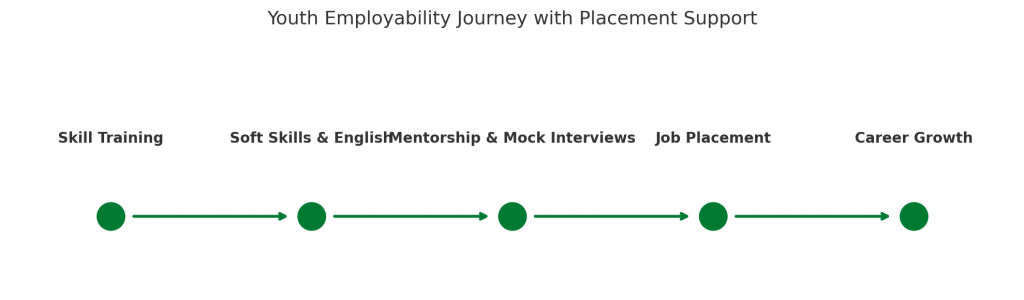
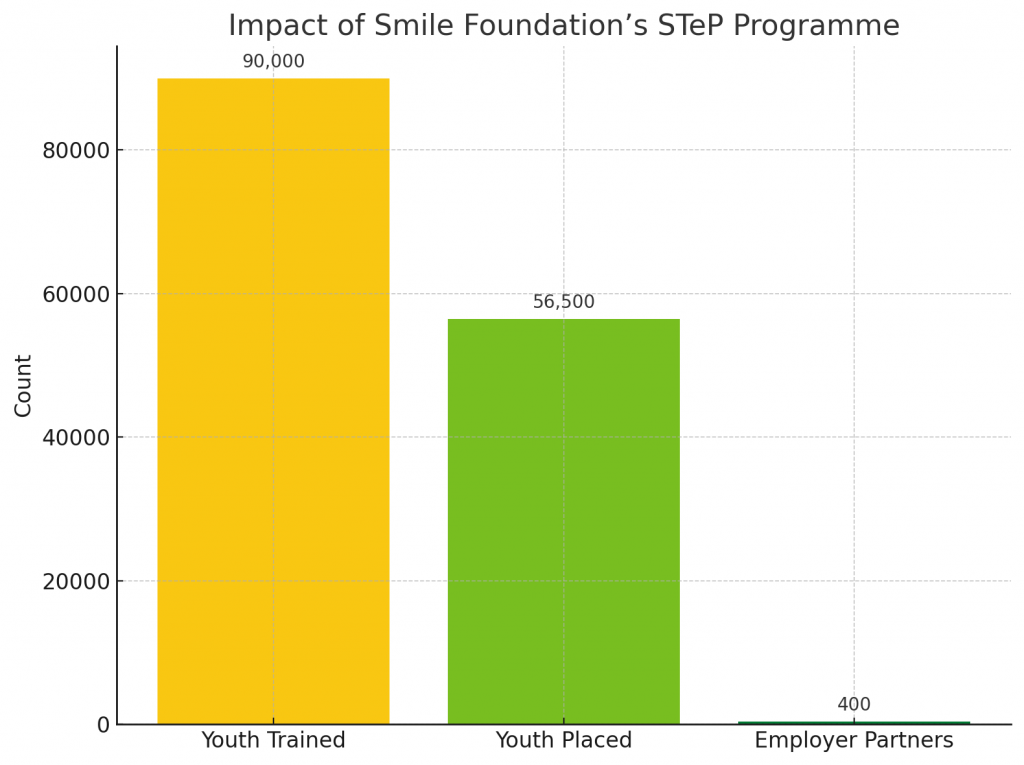
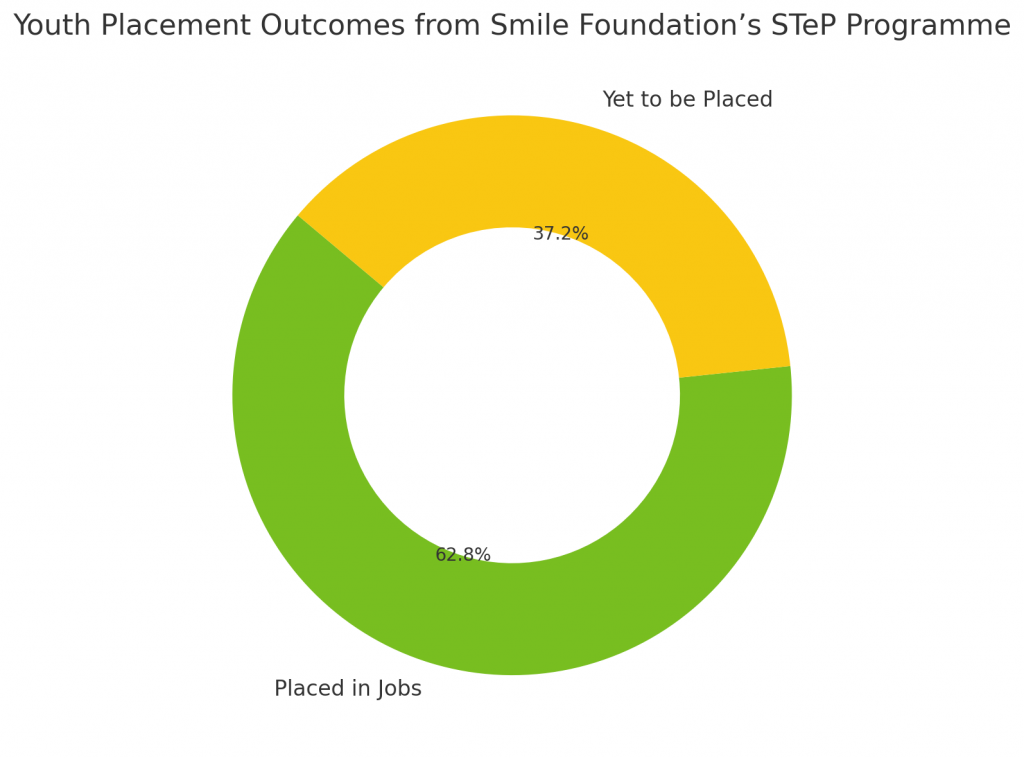
Education in the digital age must also prepare youth for a rapidly evolving workforce. Smile Foundation’s Smile Twin e-Learning Programme (STeP) focuses on technology-driven vocational training for underserved youth. Through 40 centres across India, more than 5,600 young people are currently receiving training in healthcare and core employability skills—including digital literacy, communication, and patient care.

Our trainees are acquiring skills and gaining confidence, aspirations, and access to dignified work. Many of them are now supporting families, pursuing further education, or leading change in their communities.

The shift from rote learning to skill-building is particularly urgent given that India’s working-age population is growing while formal employment remains elusive. Technology can be a great leveller but only if youth are equipped to use it creatively, critically, and ethically.

STEM: Reimagining rural classrooms

Smile Foundation’s STEM education model is rooted in experiential learning. In partnership with corporations like BMW, GlaxoSmithKline, Grant Thornton, and more, we have brought advanced learning modules such as aeromodelling, robotics, and environmental science to government and low-income private schools.

Our recent collaboration with IIT Bombay enabled 960 children from under-resourced backgrounds to engage in hands-on STEM workshops. These are not one-off events but part of a sustained approach to democratizing access to high-quality science education.

We are training teachers to adopt new pedagogies, designing contextualised STEM kits, and creating learning spaces that inspire curiosity. When a child in rural Maharashtra builds a solar-powered car from scratch, or a girl in Bihar codes her first app, it sends a powerful message: talent exists everywhere. Opportunity does not.

Technology is not a panacea

We must, however, acknowledge that digital tools are not a silver bullet. Technology cannot fix what is broken in our systems—it can only amplify what works.

Without electricity, connectivity, and trained educators, devices can become dead weight. Without attention to gender equity, girls may be excluded from digital access. And, without local language content and cultural sensitivity, learning remains alienating.

That is why Smile Foundation takes a systemic approach. We work with communities, schools, governments, and donors to build resilient ecosystems where technology enhances—not replaces—human connection. Our digital initiatives are designed to complement, not compete with, the social fabric of education.

A national moment of reflection on National Technology Day 2025

On National Technology Day 2025, as India celebrates its scientific achievements, we must also ask: Who gets to benefit from technology? Who is left out? What kind of future are we building for our children?

Digital transformation must not deepen divides—it must close them. Education is not only about employment. It is about dignity, agency, and the ability to imagine a better world. In that vision, technology has a role, but so does compassion, equity, and sustained public investment.

At Smile Foundation, we remain committed to ensuring that every child—regardless of their postcode—can access the tools they need to learn, thrive, and lead.

Sources:

  1. National Technology Day 2025 Theme
    • Department of Science & Technology, Government of India (2025).
      “YANTRA – Yugantar for Advancing New Technology, Research & Acceleration.”
      https://dst.gov.in
  2. National Education Policy (NEP) 2020
  3. Sustainable Development Goal 4 (Quality Education)
  4. Government Digital Education Initiatives
Categories
Education

Children of Crisis: How Poverty Shapes Young Minds

A day without a decent meal, safe shelter, or clean drinking water is unimaginable for many of us. Yet, for millions of children around the world, and particularly in India, this is daily life. The global community has made strides in reducing poverty over the past decades, but the progress is uneven and fragile. According to the World Bank, nearly 700 million people still live in extreme poverty. Behind these numbers are young lives profoundly affected—shaped—by the scarcity that surrounds them.

When poverty becomes a child’s first language, the consequences are not only immediate but lifelong. The effects are stark: stunted brain development, impaired emotional resilience, and diminished opportunities. This is more than a moral crisis; it is a policy failure of global proportions. A generation raised in deprivation cannot be expected to thrive in a world demanding resilience, creativity, and cognitive agility.

The price of growing up poor

Poverty is not just a lack of income—it is a structural condition that affects how children think, feel, grow, and engage with the world. It shapes how they learn and limits what they imagine is possible. When children are forced to live in environments without stable food supplies, adequate healthcare, or access to learning, their potential is truncated before it even has a chance to emerge.

Smile Foundation has long understood this. By addressing poverty through a lifecycle approach—targeting health, education, livelihoods, and women’s empowerment—it works to break the vicious cycle. Our programmes are designed not only to meet urgent needs, but also to equip communities with the tools to achieve long-term resilience. Through public-private partnerships, community-based interventions, and grassroots mobilisation, Smile Foundation exemplifies what integrated, systemic response looks like in practice.

Stress, the silent sculptor

Science has repeatedly shown that chronic stress alters the architecture of the developing brain. For children in poverty, the triggers are constant: hunger, unsafe environments, illness, and uncertainty. The stress hormone cortisol can impair neural circuits responsible for memory, attention, and emotion regulation. Without intervention, children affected by toxic stress are less likely to perform in school, form healthy relationships, or regulate behavior.

One of Smile Foundation’s flagship programmes, Mission Education, integrates nutrition, mental health check-ins, and remedial teaching alongside formal schooling. This holistic model doesn’t just provide access—it builds a nurturing environment that counters the neurological and emotional toll of early poverty.

Malnutrition and missed milestones

Food insecurity is one of the most visible symptoms of poverty. Beyond hunger lies an even graver threat: malnutrition. A lack of essential nutrients impairs physical growth and undermines the development of executive brain functions. Children in India’s poorest communities are often not just underfed—they are undernourished. The effects can be irreversible, limiting a child’s ability to concentrate, remember information, or maintain emotional balance.

At Smile Foundation learning centers, children receive regular meals, supplements, and health screenings. These interventions may seem basic, but they are essential foundations for cognitive and academic growth. When properly nourished, a child begins to learn, dream, and participate fully in life.

Inequity in education: Poverty and children

Access to quality education remains deeply unequal in India and in many parts of the developing world. Poor children are more likely to attend overcrowded, under-resourced schools. Many are taught by a single teacher handling multiple grades in one room. Essential infrastructure—such as toilets, electricity, or internet—is often missing.

These gaps deepen existing inequalities and drive dropout rates. Girls are particularly vulnerable, pulled from classrooms to fulfill domestic responsibilities or dropped from school due to lack of sanitation.

Mission Education steps into this breach, supporting grassroots schools with trained teachers, age-appropriate materials, safe facilities, and digital learning tools. The goal is not simply to keep children in school but to ensure that their education is transformative, not tokenistic.

A health crisis at the margins

Poverty is a public health emergency—especially for children. In India’s poorest neighborhoods, clean water is a luxury, sanitation is patchy, and health services are either absent or unaffordable. Children are frequently exposed to preventable diseases that weaken their immune systems and rob them of critical developmental years.

Smile Foundation’s Smile on Wheels (SoW) initiative brings healthcare directly to these communities. These mobile medical units offer preventive care, vaccinations, maternal health services, and emergency treatment. When a child doesn’t have to travel miles to see a doctor—or miss school due to untreated illness—both health and education outcomes improve dramatically.

The urgency of now

With 2030 around the corner, the world is rapidly running out of time to meet the Sustainable Development Goal of eradicating extreme poverty. While economic growth will remain a crucial driver, targeted investment in early childhood development will yield the most equitable returns. This includes funding pre-primary education, strengthening child nutrition programs, expanding mental health services, and improving frontline delivery of social protection schemes.

In India, this means fully resourcing programmes like the Integrated Child Development Services (ICDS) and mid-day meal schemes. But it also means creating accountability mechanisms to ensure that public funds reach the children they’re intended for.

Smile Foundation advocates for not just policy improvements but also a transformation in how we view development. Education must no longer be treated as a standalone goal—it is the foundation upon which all other rights and opportunities rest. Equitable education can narrow health disparities, lower crime rates, and break intergenerational poverty. But only if it is accessible, inclusive, and attuned to the needs of the most marginalised.

A call to action

Every malnourished child who receives a warm meal, every schoolgirl who gets to stay in class, every boy who learns to read instead of dropping out—each one is a victory for humanity.

It is time we stop viewing poverty as inevitable. It is not. It is a condition created and sustained by choices—of policy, investment, and political will. And it can be reversed by the same.

Genuine progress requires a new compact—between governments, civil society, and the private sector—to invest in children not as a cost but as a catalyst. Programmes like those led by Smile Foundation demonstrate what is possible when that commitment is real, sustained, and focused on impact.

Because the true measure of a society is not the height of its skyscrapers or the strength of its economy—but how it treats its most vulnerable children.

Sources:

  1. World Bank (2023)
  2. Sustainable Development Goals – Goal 1: No Poverty
  3. Integrated Child Development Services (ICDS) – Government of India
  4. Mid-Day Meal Scheme – Ministry of Education, India
Categories
Education

What ‘Digital India’ Misses: Lessons from the Last-Mile Learner

In 2015, with the launch of Digital India, India set out to transform the country into a digitally empowered society and knowledge economy. With goals of

  • improving online infrastructure,
  • increasing internet connectivity, and
  • making government services accessible electronically,

the programme held promise for economic and social advancement. Over the decade, several major initiatives have been launched under the initiative—eNAM, MyGov, Aarogya Setu, among many others. These have undoubtedly enabled the country to step into a more progressive and connected future. Yet, beneath its glowing projections lies a critical oversight: the struggles and stories of the last-mile learner— the student in a rural village, the first-generation learner, the child attending schools through a mobile phone screen shared by five siblings. There are several obstacles for this initiative to be a nationwide success, and many gaps still need to be bridged.

Following years of sustained engagement with grassroots communities, Smile Foundation recognizes that the benefits of digital initiatives are not always equitably distributed, particularly for women and rural populations. We are actively working to bridge the digital divide by ensuring that disadvantaged children and communities have access to digital technologies, including online education and other educational resources.

The ever persistent digital divide 

According to the latest data from the National Sample Survey Office (NSSO), internet access in rural India remains significantly limited. Only 24 per cent of rural households have internet connectivity, compared to 66 per cent in urban areas. Furthermore, only 14 percent of rural citizens actively use the internet, while 59 per cent of urban residents engage with it regularly. This stark disparity can be attributed to various factors like—

  • inconsistent network coverage,
  • affordability issues,
  • the absence of vernacular content online—among others.

As a result, the Digital India Mission has struggled to reach the most underserved and marginalised regions of the country, posing a major challenge to the goal of nationwide digital inclusion.

Against this backdrop, the discourse on education—and its alignment with the broader goals of the Digital India mission—becomes increasingly complex. India continues to grapple with a serious educational crisis, evidenced by a 12.6 percent dropout rate at the secondary level, as reported in the UDISE+ 2021–22 data. While government schools are present in most rural areas, a substantial of them lack even the most fundamental digital infrastructure.

Basic internet connectivity for administrative functions is far from universal, and digital learning facilities remain largely absent. A significant proportion of schools do not have dedicated computer or IT laboratories, and in many cases, trained computer instructors are unavailable. 

Smile Foundation’s survey findings

The COVID-19 pandemic and subsequent nationwide lockdowns significantly amplified the pre-existing gaps in India’s education system, particularly in terms of digital access and equity. These challenges were brought into sharper focus by a survey conducted in July–August 2020 among beneficiaries of Smile Foundation’s Mission Education programme.

The findings revealed that 46 per cent of respondents reported insufficient access to teaching and learning resources. 69 per cent stated that better guidance and support for navigating online classes and platforms would ease the learning process. Despite these barriers, 48 percent of participants identified online learning—facilitated through platforms such as Zoom, Google Meet, and WhatsApp—as the most effective mode of instruction. 

Yet, the survey findings suggest that when appropriate support systems are in place, even the most disadvantaged students can thrive in a digital learning environment. The experience of our initiative demonstrates that the digital revolution in education must be inclusive by design. 

The gender question 

The gendered dimensions of the digital divide present yet another critical challenge that the Digital India initiative must address. In many parts of the country, deeply entrenched patriarchal norms restrict girls’ access to digital devices and the internet. These conditions limit their engagement with online educational resources and exacerbate existing gender-based educational disparities.

This imbalance becomes even more pronounced in households where multiple children share a single device; as highlighted in a report published by Economic and Political Weekly. Male children are often prioritized for device usage, effectively sidelining girls from participating in digital learning. Such practices not only curtail girls’ right to education but also hinder broader efforts toward achieving gender equity in the digital age.

How did we support Rupali?

A case in point is Rupali Praja, a young girl from Seperipanga village in Odisha, who belongs to an indigenous bamboo-crafting community. Following the COVID-19 pandemic, Rupali and her friends were forced to drop out of school due to the lack of access to a smartphone or digital learning tools.

In 2021, we intervened by establishing a Mission Education Centre in the region, creating a supportive learning environment that enabled Rupali and other girls like her to resume their education. Her story reflects the broader reality faced by many last-mile learners and highlights how targeted, community-based interventions can effectively bridge educational and digital divides. 

Rupali’s story is emblematic of the challenges faced by countless last-mile learners across India—students who are excluded not due to a lack of ability or aspiration, but because of structural barriers to access. Thus, it becomes pertinent that the foundational gaps are bridged to ensure that the benefits of digital transformation reach every corner of the country.

Sources:

1. Digital India Programme – Ministry of Electronics and Information Technology (MeitY)

2. National Sample Survey Office (NSSO), 75th Round Survey on Household Social Consumption: Education (2017–18) – Ministry of Statistics and Programme Implementation (MoSPI)

3. Unified District Information System for Education Plus (UDISE+)

4. “Digital Divide and Gender Inequality: The Case of IndiaEconomic and Political Weekly, Vol. 56, Issue No. 50 (2021)

Categories
Women Empowerment

Rural Mothers Building Healthier Homes

Through small, consistent changes in daily habits, rural women are addressing malnutrition, improving family health, fostering a culture of well-being, and building healthier homes. This transformation is not the result of sweeping reforms but of grassroots initiatives that empower women with knowledge, resources, and a supportive community.

The nutritional landscape

According to the World Health Organization (WHO), children should regularly consume at least four out of seven recommended food groups to ensure proper nutrition. These groups include grains, legumes, dairy, flesh foods, eggs, vitamin A-rich fruits and vegetables, and other fruits and vegetables. However, recent statistics reveal that about 77% of children aged between six and twenty-three months do not meet this dietary recommendation.

Globally, undernutrition is associated with 45% of child deaths, and in 2022, 149 million children under five were estimated to be stunted, 45 million wasted, and 37 million overweight or obese .(World Health Organization)

Empowering women through community support

In rural areas, women often face isolation due to limited access to resources, transportation, and educational opportunities. Traditional roles have confined them to domestic responsibilities, restricting their exposure to health education and personal growth. However, shared experiences and challenges have become a foundation for unity. Through community support, women are finding strength, confidence, and knowledge.

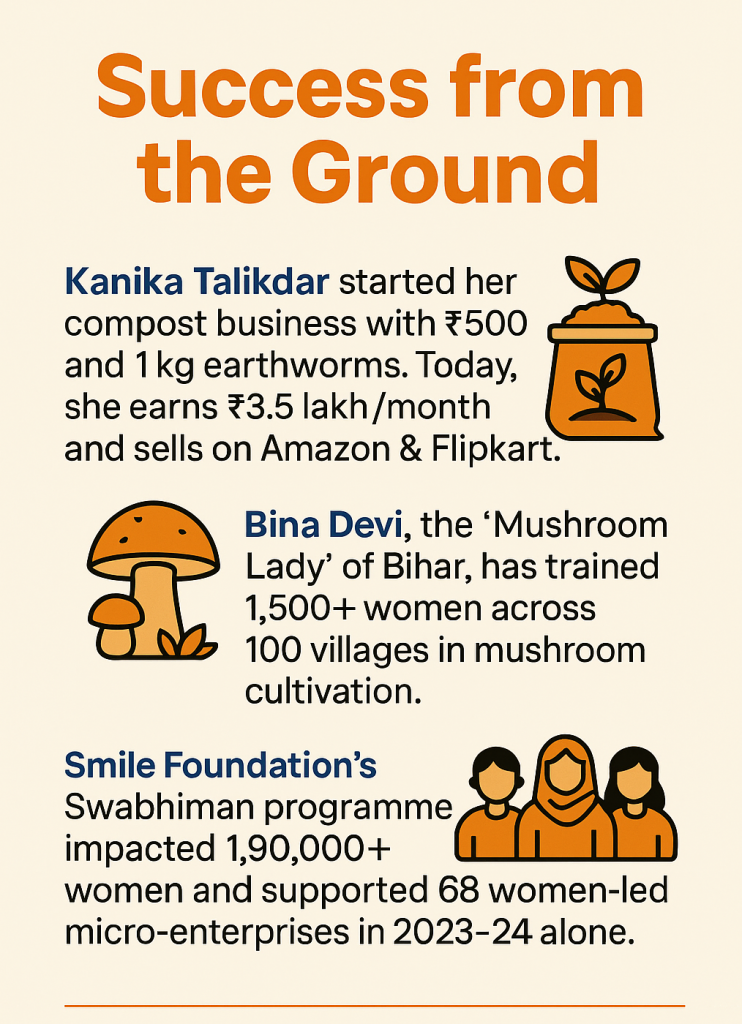
Smile Foundation’s Swabhiman programme exemplifies this approach. Launched in 2005, Swabhiman reaches out to marginalised and socially excluded women, educating them through two models:

  1. Nutrition, healthcare, and reproductive health
  2. Digital literacy and entrepreneurship.

In its first model, through community practices, over 190,000 women have been impacted, and more than 76,000 women sensitised on reproductive and child health.

Promoting nutrition and well-being: Building healthier homes

Nutrition is not solely about food. It’s about awareness, access, and informed choices. While traditional knowledge passed down through generations holds value, evolving health challenges necessitate updated practices. Grassroots initiatives are educating rural women on balanced diets, hygiene, child feeding practices, and maternal health.

In 2024, Smile Foundation provided nutrition enhancement support to over 32,000 women and children through more than 1,000 peer educators, community health volunteers, and change agents. The programme focuses on creating awareness, sharing knowledge, and strengthening physical infrastructure and government initiatives to ensure vulnerable populations have access to adequate and nutritious food.

Leading change through everyday practices

Change often begins in the kitchen. Incorporating locally available vegetables and fruits, iron-rich foods, and maintaining hygiene are small yet impactful steps. When one woman adopts a new habit and shares it with others, it sparks a cycle of learning and leadership. Communities evolve through the lived experiences of their members, with each healthy habit becoming a building block for a better future.

Smile Foundation supports this by helping women establish community and individual kitchen gardens, ensuring access to high-quality seasonal vegetables. Inter-village recipe contests showcase how healthy meals can be prepared using affordable local ingredients, promoting practical nutrition among villagers .

Educating the next generation for healthier homes

Building healthier homes extends to educating the next generation. When children observe their mothers making informed decisions, participating in community programmes, or growing their own food, they learn the value of independence and knowledge. This creates a cycle of empowerment, where each generation builds on the strength of the one before.

By investing in the health and education of their children, rural women are also investing in the future of their communities. A healthy child grows into a productive adult, and a well-informed youth becomes a change-maker.

Challenges in building healthier homes

Despite progress, rural women still face significant challenges:

  • Cultural and gender norms: Deep-rooted gender norms often limit women’s roles to caregiving, restricting their decision-making power.
  • Workload and time poverty: Balancing multiple roles leaves women with little time or energy to focus on their well-being or learn new practices.
  • Financial constraints: Limited financial resources make it difficult to afford healthy foods, hygienic products, and healthcare services.
  • Limited access to health education: Many women have had limited schooling, and public health messages often fail to reach them effectively.
  • Poor health infrastructure: Underdeveloped healthcare systems and long distances to clinics prevent timely access to care.

Steps taken to overcome the challenges

Collaborative efforts between the government and development organisations are addressing these challenges. Our initiatives include refurbishing Anganwadi centres, conducting competency strengthening workshops for workers, establishing kitchen gardens, and conducting knowledge-building sessions for women.

In the year 2023-24, Smile Foundation sensitised over 75,000 people on health hygiene through Information, Education, and Communication (IEC) activities, and more than 80,000 people benefited from telemedicine projects. Overall, more than 1.05 million individuals—75% of them women and children—have benefited from our health programmes.

Leading healthier lives by building healthier homes is a challenging endeavor for rural women. However, through small, everyday actions and the support of community initiatives, they are driving significant change. Empowering women with the right tools, knowledge, and resources has the potential to uplift not only their families but entire communities.

As we reflect on these efforts, it’s clear that the path to healthier homes and communities lies in empowering the women at their heart.

Sources:

  1. World Health Organization (WHO)
  2. UNICEF – State of the World’s Children Report 2021UNICEF – Nutrition
Categories
Girl Child

Investing in Girls Changes Entire Economies

When girls stay in school, whole societies flourish. UNESCO notes that nations’ commitments to girls’ education have “generated huge dividends” in recent decades. Better‐educated girls become healthier mothers and more productive workers. In fact, analyses suggest that barriers to girls’ schooling cost countries trillions – one World Bank study estimates $15–30 trillion in lost lifetime productivity due to curtailed schooling for women. By contrast, the payoff from investing in girls’ education is enormous.

A recent report found that every $1 invested in girls’ education returns about $2.80 in extra GDP, enough to raise developing-country GDP by roughly 10% over the next decade if all girls finished secondary school. Rwanda’s experience illustrates the potential: by enshrining gender equity after the 1994 genocide, Rwanda today has women filling 52% of its secondary school seats and 54% of the workforce – and its per capita income more than doubled between 2000 and 2015. In short, educators and economists alike agree that investing in girls is one of the highest-return strategies in development.

Social and health benefits of investing in girls

The ripple effects of a girl in school extend to families and communities. Better-educated women tend to 

  • marry later,
  • have fewer children, and
  • adopt healthier practices.

UNICEF emphasises that educated girls are “far less likely to marry young and more likely to lead healthy, productive lives.” For example, children of literate mothers survive at much higher rates: a child born to a mother who can read is about 50% more likely to reach age five than a child whose mother is illiterate.

Education also boosts preventive care: in Indonesia, just 19% of children whose mothers had no schooling were fully immunised, versus 68% of children whose mothers had secondary education. Small gains add up – one estimate is that one extra year of schooling for every 1,000 women prevents two maternal deaths. Educated mothers understand nutrition, immunisation and hygiene, so their children are less likely to be malnourished or get common diseases. In short, every year a girl spends learning tends to translate into a year of better health and opportunity for her whole family.

The impacts go beyond health. When girls learn, they also earn more and help economies grow. Educated women are more likely to enter the formal labour force and secure higher-paying jobs. UNICEF notes that as girls’ education rises, “girls…earn higher incomes” and are better able to support their families. At the macro level, countries with greater gender equality in education enjoy higher incomes.

In fact, an IMF analysis found that in every region of the world, the country with the least gender inequality has a higher per-capita income than the country with the greatest inequality. In practical terms, this means closing the gender gap in schooling is correlated with more tax revenues, stronger domestic markets and faster poverty reduction. The Brookings Institution puts it plainly: girls’ education “improves women’s wages and families’ nutrition, reduces the incidence of child marriage…empowers women and contributes to economic growth”. These are not separate issues – they all stem from giving girls the same chances to learn.

Success stories in the Global South

Many low- and middle-income countries (LMICs) offer powerful examples. Bangladesh is often cited as a girls’ education success story. In 1970, girls made up only about 17% of secondary students; by 2000, they were more than half of the class. Concerted policies – from recruiting more female teachers to creating stipend programmes – helped achieve near-parity in primary and secondary enrolment. Those gains translated into societal changes: rising female education in Bangladesh contributed to sharp declines in child marriage and fertility, and laid the groundwork for faster economic growth.

Likewise, Rwanda’s post-conflict government explicitly invested in girls and women. Today Rwanda leads the world in female parliamentarians and almost closed its gender school gap; its economy has been one of sub-Saharan Africa’s fastest-growing. These countries illustrate how investing in girls’ schooling fuels a virtuous cycle of development.

Yet pockets of exclusion remain and remind us of the work ahead. UNESCO warns of “stubborn pockets of exclusion”: in some African nations (and in Afghanistan), well over half of school-aged girls still have no schooling. In rural, poor communities, entrenched norms and lack of facilities keep girls at home. Even in countries with overall gender parity, boys often dominate higher levels and STEM fields.

UNESCO notes that in 87% of education systems, eighth-grade boys are more likely than girls to consider science or mathematics careers. These gaps mean millions of girls’ potential remain untapped. Closing them would unleash more of the development dividend – more skilled workers, more innovators, and healthier families.

Investing in girls: Smile Foundation’s work

What does this evidence mean for India? India has made progress (gender parity in primary schooling is within reach), but stark inequalities persist. As Smile Foundation’s leaders note, “the burden of poverty weighs down heavier on girls”. While girls from well-off families average nine years of schooling, girls from the poorest 20% often get no schooling at all. Civil society has stepped in to bridge these gaps. Smile Foundation, for example, serves 1.5 million children annually through over 450 projects in 27 states. Many of our flagship programmes specifically target girls in education, recognising that investing in girls yields wide benefits for Indian communities.

She Can Fly: Keeping girls in schools

Smile’s She Can Fly campaign exemplifies this approach. Described as “a flagship initiative…to enable, equip and empower girl children with quality education, proper nutrition, good health, adequate skills, and above all…self-confidence”, She Can Fly tackles the reasons girls drop out. It provides scholarships and stipends to cover school fees and supplies, offers mentoring and laptop grants, and organizes life-skills workshops to build confidence.

By meeting girls’ needs holistically, the programme helps talented students from remote or poor families “live their lives to their fullest potential”. To date, hundreds of girls have benefited each year – an investment that promises returns in the form of future teachers, engineers, and entrepreneurs who might otherwise have been lost to child marriage or labour.

Scholarships and STEM for the next generation

For girls who make it through school, Smile ensures the support continues. Our Scholarship Programme provides financial aid to girls from disadvantaged communities so they can pursue higher education. These scholarships “ensure uninterrupted education” and are paired with life-skills training in critical thinking, communication and leadership. Recipients like Sanjana (an engineering aspirant) often remark that without this backing they could not afford college. In this way, Smile helps turn school leavers into college graduates and future role models in their villages.

Beyond funding, Smile also invests in making education relevant and exciting. Recognising the global skills gap, Smile has launched STEM projects for rural girls. In one such partnership with CooperSurgical, we opened a new science lab at a government girls’ school (KGBV) in Uttar Pradesh, serving some 400 students. In this lab, girls do hands-on experiments, build models and participate in science fairs. The initiative is “improving their understanding of science and math” and developing “problem-solving and critical thinking skills”. These experiences spark curiosity and show girls they can excel in fields traditionally seen as out-of-reach.

Breaking taboos: Menstrual health through Swabhiman

No discussion of girls’ education is complete without menstrual hygiene. Periods are a leading reason adolescent girls skip or drop out of school. Smile’s Swabhiman women’s empowerment programme directly tackles this taboo. Operating since 2012, Swabhiman trains local women as peer educators and “change agents” on menstrual health. They run community meetings and distribute sanitary napkins, so girls can attend school without fear or shame. This effort addresses a harsh reality: a UN survey found that about one-third of schoolgirls drop out when they hit puberty due to lack of sanitation and stigma. By demystifying menstruation and providing supplies, Swabhiman keeps girls in class – and shows families that educating daughters matters at every stage of life.

Unleashing the development dividend

The evidence is overwhelming: educating girls is not just a moral imperative, it is smart economics. In practical terms, every girl in school means a healthier workforce, higher productivity and stronger communities. In India and around the world, the returns on this investment are literally in the billions. Supporting programmes like She Can Fly, STEM labs, scholarships and health campaigns gives us a development multiplier. When a girl flies, she lifts an entire economy – and that is the true development dividend.

Sources: Authoritative studies and reports by UNESCO, the World Bank, IMF, UNICEF, and leading think tanks. Case examples and data are drawn from these and Smile Foundation programme descriptions, reflecting the real-world impact of educating girls.

Categories
Education

Reinventing Foundational Learning: FLN in India

The world is grappling with a foundational learning crisis: by age 10, nearly 7 in 10 children in low- and middle-income countries cannot understand a simple text. The Covid-19 pandemic has only deepened this emergency – recent estimates suggest about 70% of children in developing countries still fail to meet basic reading benchmarks. This learning gap is not inevitable.

In India, the government’s NIPUN Bharat drive underscores the urgency: every child should master basic literacy and numeracy by grade 3. But policy alone is not enough. Innovative on-the-ground programmes are urgently needed to complement national efforts. Smile Foundation’s Foundational Literacy & Numeracy (FLN) initiative in Gurugram illustrates how a multidimensional, student-centered approach can yield real gains even amid huge challenges.

A classroom where education feels like play: children sway to catchy math songs, act out letters in a short film, or draw stories to learn words. This is daily life in Smile’s Shiksha Education Center in Haryana. Beyond teaching ABCs and 123s, Smile’s programme weaves in arts, games, and counselling support to meet each child’s needs. Music and art sessions build fine-motor skills and reinforce concepts (for example, counting beats in a song), while cinema-based learning and storytelling make new words memorable. Equally important are socio-emotional learning (SEL) activities – life-skills workshops where children learn self-confidence, empathy and resilience.

Smile’s “Shiksha Na Ruke” initiative explicitly includes music, sports and life-skills education to promote socio-emotional well-being, recognising that anxiety or trauma can otherwise block learning.

International research shows that integrated SEL boosts learning outcomes: a global review of 424 studies found SEL programmes significantly raise academic achievement and engagement. We train teachers in trauma-responsive pedagogy and provide counselling for students who struggle socially or emotionally. In practice, a child frustrated by reading failure might be encouraged through art therapy or mindfulness games rather than scolded – helping to rebuild confidence. By pairing SEL with creative teaching, we aim to break the vicious cycle of fear and failure that many vulnerable children face.

Crucially, Smile’s pedagogy is student-centered and community-driven. Teachers conduct classes in small groups, use local languages and contexts, and regularly involve parents. A weekly “learning mela” invites families to see their children’s progress through fun exhibitions. This community engagement gives parents tools to reinforce learning at home and keeps students motivated. By focusing on the child’s whole life – home, school, emotions – Smile’s model transcends rote methods. This echoes evidence from across the Global South: successful FLN programmes in Kenya, Liberia and South Africa combined structured pedagogies with strong community ties and mentoring for teachers.

For example, Kenya’s nationally scaled Tusome programme trained 8 million children’s teachers, used simple data dashboards, and doubled reading fluency in one year. Likewise, Smile collects and shares regular assessment data with local schools to adapt teaching methods – a best practice that donors and governments can emulate.

Data-driven impact: From baseline to endline

Our approach is grounded in evidence. In 2023-24, Smile conducted baseline and endline FLN assessments for students in Grades 2–5 at its Gurugram center. The findings show clear gains in foundational skills, especially in younger grades, alongside persisting challenges that point to where support is still needed.

In English literacy, for instance, Grade 3 students dramatically closed early gaps. At baseline only about 38% of Grade 3 pupils could read simple sentences, and just 36% could write a short sentence. By endline, after a year of Smile’s FLN sessions, 72% of these same students could read simple sentences and an impressive 93% could write one. (Their reading comprehension remained hard: only 20% could answer “why/how” questions in context, highlighting the need for more focus on understanding beyond decoding.) Grade 2 students made similar strides: nearly 9 in 10 could read words by year-end, up from about 60% at baseline. This kind of jump in basic literacy – doubling or tripling the share of students who can independently read or write simple text – is rarely achieved in a single year without an intervention of this kind.

Hindi literacy followed a related pattern. Young children mastered the Hindi script rapidly: endline tests showed over 75% of Grade 2 students reading Hindi fluently and 93% writing simple words, compared to 94% and 75% respectively at baseline. Older students showed weaker gains, but still improved. For example, Grade 4 students went from roughly 30% fluent reading at baseline to 68% at endline, though writing remained low (17% to 29%). Notably, both Grade 4 and 5 children exhibited exceptionally high listening comprehension by endline (78–93%), even when their own reading was weak. This suggests Smile’s interactive listening and storytelling sessions were effective: children could understand spoken stories far better than they could read texts. (It also highlights a gap – strengthening reading fluency – that Smile is now targeting with more practice in long-form reading.)

Numeracy results were more mixed but still encouraging. Grade 2 students retained strong basic number sense: about 75% could identify numbers by year-end (slightly down from 97% at baseline). Word-problem solving and arithmetic skills improved: Grade 3 pupils raised their problem-solving scores from 28% to 52% and modestly improved arithmetic fluency. By Grade 4, a notable 67% could tackle multi-step math problems by endline – despite only 25% recognizing numbers quickly. In Grade 5, over half of children (57%) solved problems correctly and 57% recognized numbers by year-end, up from almost zero recognition in Grade 4. These data suggest Smile’s games and hands-on activities gave students real gains in reasoning and number sense, though basic calculation practice (arithmetic operations, fractions) remains a focus area.

In summary, Smile’s FLN programme led to substantial improvements in early literacy and math, especially for younger learners. English and Hindi reading scores roughly doubled for Grade 2–3, and foundational skills like writing and story comprehension saw transformative leaps. At the same time, the assessments revealed that without continued support, many older children still lag in fluency. This data-driven feedback loop is crucial: it tells programme leaders where to intensify interventions (e.g. more reading circles or phonics drills for upper grades) and where innovations (like comic books or educational games) might help.

It also offers donors hard evidence of impact. Rather than guess, we can point to the actual test scores: for example, “[Grade 3] students achieved a high writing score of 93.33%, demonstrating that structured writing practice in FLN sessions significantly strengthened this skill”. Such concrete outcomes – rooted in baseline/endline data – make the case that investment in FLN yields measurable results.

Smile’s foundational learning model in global perspective

Smile’s strategy reflects a broader consensus on what works in FLN, while adding distinctive creative elements. Like many successful programmes worldwide, we emphasise quality teaching and levelled instruction. For example, classes are arranged by proficiency levels rather than age alone, echoing the “teaching at the right level” approach shown to double learning in Africa. We also train our own educators with regular mentoring and use simple progress trackers – much like Kenya’s Tusome dashboard – to keep pedagogy aligned with children’s needs.

We integrate cultural and emotional dimensions. Global research confirms that arts-rich pedagogy and SEL boost learning: the U.S. National Endowment for the Arts found early arts exposure correlates with better school performance and social skills. Similarly, SEL meta-analyses show gains in academic achievement and classroom climate when social skills are taught alongside academics. Smile puts this into action.

In many Western FLN programmes, a classroom might have flashcards or manipulatives; in Smile’s class, the same concept might come through a puppet show or a folk dance. Cinema-based lessons (short educational films) are a unique touch that both capture attention and improve vocabulary in context. These methods acknowledge that children learn best when engaged, confident, and culturally grounded – an insight also underlying initiatives like Rwanda’s use of local storytelling for literacy, or India’s use of mother-tongue scripts in lower grades.

Furthermore, our work is explicitly inclusive. The programme runs in slum neighbourhoods and rural outposts where resources are scarce. Children with disabilities or trauma are supported with counselling and one-on-one help. This equity focus resonates with global FLN debates: educational innovations must not only be effective, but also relevant to disadvantaged communities. By involving parents and leveraging community volunteers in teaching games and events, Smile ensures that the FLN push is locally owned, a factor linked to sustainability in other Global South contexts.

Recommendations on foundational learning programmes for donors and policymakers

Smile Foundation’s experience yields concrete insights for the wider education community:

  • Invest in holistic FLN pedagogy. Beyond textbooks, programmes should weave arts, music and SEL into basic learning. Smile’s gains – and the research linking arts/SEL to literacy – show that well-being and creativity drive better outcomes. Donors can fund teacher training in socio-emotional pedagogy and curricular materials like educational films or storybooks in local languages.
  • Use data to drive instruction. Regular assessments (as Smile did with baseline and endline tests) are critical. Policymakers should support simple, frequent testing and feedback loops at the classroom level. When teachers see exactly which concepts kids miss, they can tailor instruction or remedial groups. This approach, championed by global experts, makes large investments accountable and effective.
  • Engage communities. Foundations and governments should foster school-community partnerships. Smile’s success is built on parent workshops, volunteer mentors, and local cultural activities that keep children motivated. Policy frameworks (like India’s Samagra Shiksha) should encourage similar models, perhaps by funding community resource persons or by integrating NGO-led FLN classes into public-school hours.
  • Scale what works, with flexibility. Smile’s model has shown impact at one center; scaling it requires adapting to different contexts. National me (for example, India’s FLN cells under NIPUN Bharat) could partner with NGOs like Smile to pilot creative pedagogy packages in diverse regions. Importantly, governments should allow flexible budgets for community-driven solutions, rather than one-size-fits-all textbooks. As the Global Partnership blog notes, structured pedagogy plus context-sensitive teaching has delivered rapid gains in places like Liberia and Senegal – and Smile’s cinematic, arts-based spin is a promising addition to the global toolkit.
  • Prioritise early grades. Smile’s data reinforce the logic of early intervention: children who mastered basics by grade 3 never need to catch up. This implies policymakers should focus resources on K-3, and consider incentives (or mandates) that ensure every child can read grade-1 level text by grade 2. Allocating summer programmes or remedial camps in early grades might prevent the larger learning lags seen in Grade 4–5.

In conclusion, our initiative demonstrates that innovative, compassionate teaching can move the needle on basic learning, even in tough settings. Its blend of child-centric pedagogy, emotional support, and hard-nosed data tracking offers a replicable model for other regions. As donors and education leaders seek to tackle the global learning crisis, they would do well reaching children holistically – creating young learners who feel confident and eager to learn.

Sources: Smile Foundation internal FLN baseline and endline reports; Smile Foundation public materials; Global Partnership for Education; Gates Foundation Global Education program factsheet; Yale Child Study Center SEL meta-analysis; NEA arts education research.

Categories
CSR Health Nutrition Partners In Change Partnerships Women Empowerment

Takes a Village to Raise a Child : Community Solutions for Maternal Care

India’s remarkable strides in maternal care and infant health paint a hopeful picture. The Maternal Mortality Ratio (MMR) has fallen from 130 to 97 per 100,000 live births. Neonatal and infant mortality rates have also dropped significantly—by 65% and 69% respectively—surpassing global averages. Yet behind these promising statistics lies a sobering reality of India’s rural maternal care system.

Each number represents a mother—often rural, frequently impoverished, and too often unheard. Her journey through pregnancy and childbirth is far more than a biological event. Such scenarios reflect that we are going through a test of strength of our maternal care system in rural India, the equity of our social structures, and the depth of our collective compassion, and we have a long way to go.

Rituals of care – More than cultural symbols

In rural India, baby showers, known by various names like Godh Bharai, Seemantham, Shaad, or Dohale Jevan, are threads in a communal safety net. These traditions embody emotional, spiritual, and nutritional support for the expectant mother.

In North India’s Godh Bharai, blessings, music, and festive meals offer joy and reassurance. South India’s Seemantham celebrates the mother with bangles believed to emit vibrations that calm the unborn child. In Eastern and Western regions, food, music, and community love are central to ceremonies like Shaad and Dohale Jevan.

Beyond their spiritual richness, these events reduce maternal stress, reinforce support networks, and provide emotional grounding—essentials for a safe pregnancy. The shared wisdom from older women, nourishing foods, and joyful celebrations help prepare her mentally and physically for childbirth and motherhood. Such ceremonies also mark a shift in the mother’s role, affirming her importance and care within the family.

This emotional reassurance, combined with social and nutritional support, contributes to better maternal health and can positively impact the baby’s development. In essence, these age-old customs are deeply rooted systems of community care that foster resilience, wellbeing, and healthy beginnings.

The gaps in rural maternal healthcare

India’s efforts to improve maternal health have yielded significant progress. Since 1990, the country has witnessed an 83% decline in its Maternal Mortality Ratio (MMR), a testament to national policy interventions and improved service delivery under frameworks like the National Health Mission. However, behind these promising statistics lies a more complex and uneven reality—particularly in rural India.

Critical complications such as excessive bleeding (postpartum haemorrhage), sepsis, pregnancy-induced hypertension, obstructed labour, and unsafe abortions continue to claim the lives of countless women, especially those in underserved regions. The persistence of these largely preventable causes underscores that while healthcare systems have expanded, their reach, reliability, and equity remain insufficient.

Awareness: What she doesn’t know can hurt her

Lack of awareness remains a major barrier to accessing maternal healthcare in India. Many women are unaware of the importance of antenatal check-ups (ANC), resulting in missed opportunities for early detection of complications. Among currently pregnant women, only 30% had three or more ANC visits, while 27% had none. Even among lactating women, 18% reported zero ANC visits. In Punjab, NFHS-4 data shows just 67.8% of women received four ANC visits. These figures underline the urgent need for targeted awareness campaigns to promote consistent, informed engagement with maternal and child health services.

Affordability: Confronting the cost of survival

For many rural families, maternal health is a financial compromise. The inability to afford nutritious food, travel for medical check-ups, or private consultations leads to delayed care and preventable complications. 

Furthermore, women delay antenatal check-ups or give birth at home, not by choice—but because they simply cannot afford the journey to a clinic, the tests, or even a nutritious meal. With no financial cushion, families often choose between food and healthcare. 

The absence of affordable iron supplements, fresh vegetables, or hygiene essentials leaves mothers dangerously malnourished and anemic. The result is a cycle of poor maternal outcomes passed down across generations because health becomes a luxury only few can buy.

Accessibility: When care is far, risks grow near

In rural India, many expectant mothers face the harsh reality of travelling several kilometres—often on unpaved roads or via scarce public transport—to access even basic healthcare. These delays can prove fatal, especially during labour or pregnancy-related emergencies. The absence of reliable transport systems and referral mechanisms further compounds the risk. Sub-centres and primary health centres, intended as frontline providers of maternal care, are frequently understaffed, under-equipped, or entirely non-existent. Without skilled birth attendants and timely access to essential medicines and diagnostic tools, treatable complications like haemorrhage, eclampsia, and infections become deadly. The distance to care becomes a life-threatening gap.

Availability: Geography and broken systems block the path to care

A mother in a remote village may walk miles for a blood pressure check, or worse, never go at all. Healthcare is often distant and sporadic, with clinics understaffed or unreachable. Mobile medical vans are rare, and even when available, they may not return soon enough. Anganwadi workers, often the only hope for health education, are stretched thin.

The lack of timely screenings or follow-ups can turn a manageable condition into a fatal one. For these women, distance and delay can be the difference between life and death.

Intersecting Inequities

These three barriers do not operate in isolation. Rather, their intersection deepens existing socio-economic divides. Data consistently shows that utilisation of maternal healthcare services—both antenatal and postnatal—varies sharply based on income, caste, education, and geography. Women from lower-income or marginalised communities are significantly less likely to receive skilled care during childbirth, contributing to disproportionate maternal health outcomes.

Moreover, the absence of skilled healthcare workers at the time of delivery remains a persistent challenge. Without trained personnel to guide safe births and manage complications, the goal of ensuring every mother a safe pregnancy remains unmet in large parts of the country. In sum, the journey towards maternal health equity in rural India requires more than infrastructure—it demands a transformation of systems, mindsets, and investments that address the availability, accessibility, and affordability of care for every woman.

Community care in action with Swabhiman

Our initiatives directly involve pregnant women, lactating mothers, caregivers, and children through awareness, counselling, and interactive sessions. We aim at driving behavioral change around nutrition and health practices for women within her community. In the financial year of 2024, Swabhiman

  • Reached 190,000+ women across 6 states
  • Sensitised 76,000+ women on reproductive and child health
  • Provided healthcare to 72,000+ women and children

Stakeholder & community engagements

Sustainable change in maternal and child health initiatives begins with effective collaboration among key stakeholders. Regular interface meetings are held with Panchayati Raj Institutions (PRI) members, government officials, and representatives from various sectors such as education, health, and local governance.

Key Initiatives and Community Involvement

  1. Community Kitchen Gardens:
    To improve nutritional intake, 22 community kitchen gardens were established, providing beneficiaries with locally grown vegetables such as bottle gourd, tomatoes, and pumpkins.
  2. Observing Special Days:
    Key health and nutrition-related days such as Women’s Day, Breastfeeding Week ,and POSHAN MAH  were observed with awareness campaigns, screening camps, recipe competitions, and educational sessions. These events aimed to educate women and caregivers on proper nutrition and maternal care practices.
  3. Breastfeeding Awareness Week:
    In partnership with ICDS and the PepsiCo Foundation, Smile Foundation organised breastfeeding demonstrations, emphasising the benefits of proper attachment and positioning. Awareness sessions educated caregivers on the importance of breastfeeding for both mother and child.
  4. Godh bharai and Annaprashan Diwas:
    Monthly events focused on maternal and child nutrition included Godh bharai for pregnant women, offering nutritional support and education, and Annaprashan for children starting complementary feeding. These celebrations provide vital community support and promote behaviour change in nutrition practices.
  5. POSHAN MAH Celebrations:
    Smile Foundation, along with ICDS and Education departments, organised nutrition recipe competitions, school-level activities, and kitchen garden initiatives during POSHAN MAH, enhancing community involvement and nutrition awareness.

Through these initiatives, stakeholder collaboration and community participation continue to drive positive outcomes in maternal and child health.

Nutrition is grown, served, and shared

Nutrition and maternal care are not just delivered — they are cultivated, practised, and celebrated within the community. Nutrition is grown in kitchen gardens, served through local recipes, and shared via counselling, health camps, and regular screenings — ensuring year-round wellbeing for mothers and children.

Growing nutrition inside homes

132 kitchen gardens were set up at Anganwadi centres and homes, including 3 community gardens, using distributed winter vegetable seeds. This ensured access to fresh produce for daily use and nutrition events. The Education Department expanded the model to 21 schools through district and NRLM support.

Learning through recipes
Inter-village recipe contests engaged 151 women and caregivers, showcasing healthy, affordable dishes using local ingredients. Judged by officials, the contests promoted practical nutrition and honoured winners at the district level.

Counselling and Follow-Up
Regular follow-ups were conducted for anaemic and malnourished women, with ASHAs, Anganwadi workers, and community staff offering focused counselling and timely referrals to strengthen maternal health outcomes.

PARTNER FOR COMMUNITY-LED TRANSFORMATION

Maternal care in India is at a pivotal moment. While national data reflects progress, the ground reality in rural areas demands deeper, more inclusive interventions. It is not merely about improving statistics but transforming lives.

The Swabhiman programme offers a blueprint for community-led, sustainable maternal health solutions. Its success is rooted in collective action—from mothers and caregivers to local officials and frontline workers.

CSR partnerships have the potential to amplify this impact manifold. By aligning business resources with community health goals, companies can co-create meaningful change—ensuring a robust maternal care in across India, including the remotest corners because every mother receives the care, dignity, and support she deserves.

This Mother’s Day, partner to scale community reach. Let’s make care meet for rural mothers of India.

0%