Categories
CSR Health Nutrition Partners In Change Partnerships Women Empowerment

Takes a Village to Raise a Child : Community Solutions for Maternal Care

India’s remarkable strides in maternal care and infant health paint a hopeful picture. The Maternal Mortality Ratio (MMR) has fallen from 130 to 97 per 100,000 live births. Neonatal and infant mortality rates have also dropped significantly—by 65% and 69% respectively—surpassing global averages. Yet behind these promising statistics lies a sobering reality of India’s rural maternal care system.

Each number represents a mother—often rural, frequently impoverished, and too often unheard. Her journey through pregnancy and childbirth is far more than a biological event. Such scenarios reflect that we are going through a test of strength of our maternal care system in rural India, the equity of our social structures, and the depth of our collective compassion, and we have a long way to go.

Rituals of care – More than cultural symbols

In rural India, baby showers, known by various names like Godh Bharai, Seemantham, Shaad, or Dohale Jevan, are threads in a communal safety net. These traditions embody emotional, spiritual, and nutritional support for the expectant mother.

In North India’s Godh Bharai, blessings, music, and festive meals offer joy and reassurance. South India’s Seemantham celebrates the mother with bangles believed to emit vibrations that calm the unborn child. In Eastern and Western regions, food, music, and community love are central to ceremonies like Shaad and Dohale Jevan.

Beyond their spiritual richness, these events reduce maternal stress, reinforce support networks, and provide emotional grounding—essentials for a safe pregnancy. The shared wisdom from older women, nourishing foods, and joyful celebrations help prepare her mentally and physically for childbirth and motherhood. Such ceremonies also mark a shift in the mother’s role, affirming her importance and care within the family.

This emotional reassurance, combined with social and nutritional support, contributes to better maternal health and can positively impact the baby’s development. In essence, these age-old customs are deeply rooted systems of community care that foster resilience, wellbeing, and healthy beginnings.

The gaps in rural maternal healthcare

India’s efforts to improve maternal health have yielded significant progress. Since 1990, the country has witnessed an 83% decline in its Maternal Mortality Ratio (MMR), a testament to national policy interventions and improved service delivery under frameworks like the National Health Mission. However, behind these promising statistics lies a more complex and uneven reality—particularly in rural India.

Critical complications such as excessive bleeding (postpartum haemorrhage), sepsis, pregnancy-induced hypertension, obstructed labour, and unsafe abortions continue to claim the lives of countless women, especially those in underserved regions. The persistence of these largely preventable causes underscores that while healthcare systems have expanded, their reach, reliability, and equity remain insufficient.

Awareness: What she doesn’t know can hurt her

Lack of awareness remains a major barrier to accessing maternal healthcare in India. Many women are unaware of the importance of antenatal check-ups (ANC), resulting in missed opportunities for early detection of complications. Among currently pregnant women, only 30% had three or more ANC visits, while 27% had none. Even among lactating women, 18% reported zero ANC visits. In Punjab, NFHS-4 data shows just 67.8% of women received four ANC visits. These figures underline the urgent need for targeted awareness campaigns to promote consistent, informed engagement with maternal and child health services.

Affordability: Confronting the cost of survival

For many rural families, maternal health is a financial compromise. The inability to afford nutritious food, travel for medical check-ups, or private consultations leads to delayed care and preventable complications. 

Furthermore, women delay antenatal check-ups or give birth at home, not by choice—but because they simply cannot afford the journey to a clinic, the tests, or even a nutritious meal. With no financial cushion, families often choose between food and healthcare. 

The absence of affordable iron supplements, fresh vegetables, or hygiene essentials leaves mothers dangerously malnourished and anemic. The result is a cycle of poor maternal outcomes passed down across generations because health becomes a luxury only few can buy.

Accessibility: When care is far, risks grow near

In rural India, many expectant mothers face the harsh reality of travelling several kilometres—often on unpaved roads or via scarce public transport—to access even basic healthcare. These delays can prove fatal, especially during labour or pregnancy-related emergencies. The absence of reliable transport systems and referral mechanisms further compounds the risk. Sub-centres and primary health centres, intended as frontline providers of maternal care, are frequently understaffed, under-equipped, or entirely non-existent. Without skilled birth attendants and timely access to essential medicines and diagnostic tools, treatable complications like haemorrhage, eclampsia, and infections become deadly. The distance to care becomes a life-threatening gap.

Availability: Geography and broken systems block the path to care

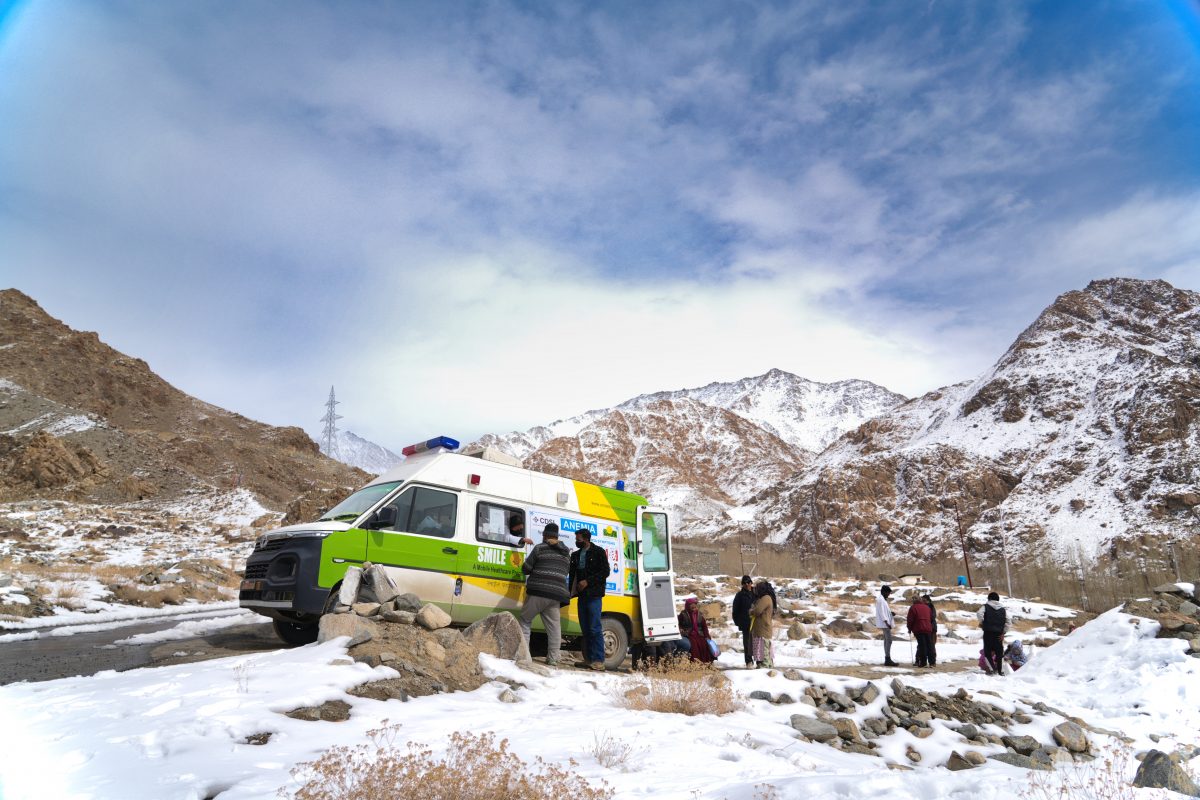
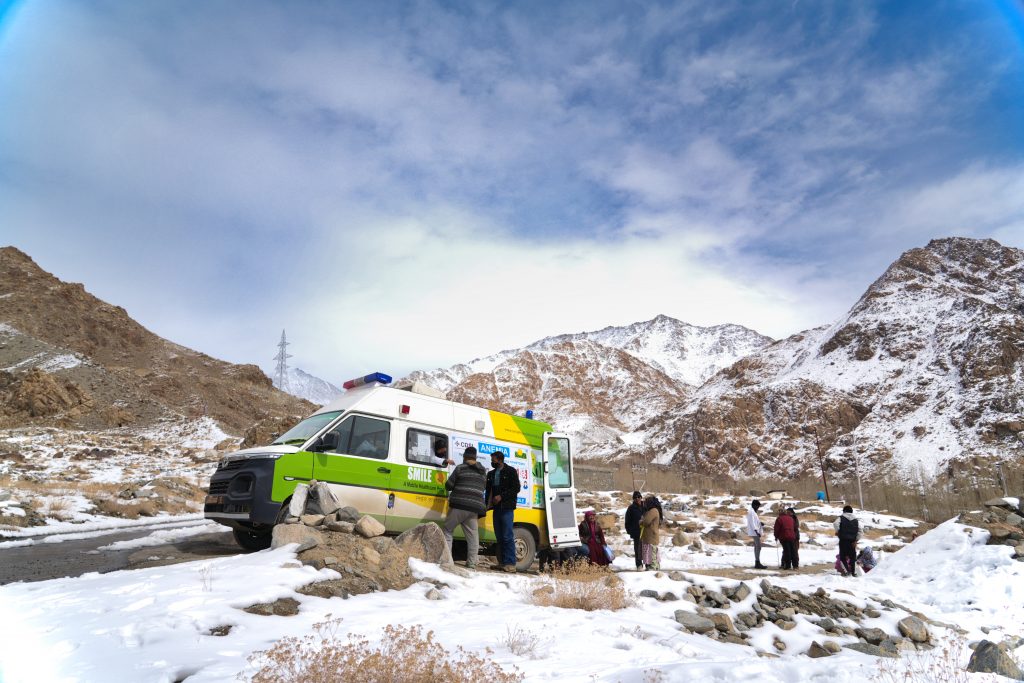
A mother in a remote village may walk miles for a blood pressure check, or worse, never go at all. Healthcare is often distant and sporadic, with clinics understaffed or unreachable. Mobile medical vans are rare, and even when available, they may not return soon enough. Anganwadi workers, often the only hope for health education, are stretched thin.

The lack of timely screenings or follow-ups can turn a manageable condition into a fatal one. For these women, distance and delay can be the difference between life and death.

Intersecting Inequities

These three barriers do not operate in isolation. Rather, their intersection deepens existing socio-economic divides. Data consistently shows that utilisation of maternal healthcare services—both antenatal and postnatal—varies sharply based on income, caste, education, and geography. Women from lower-income or marginalised communities are significantly less likely to receive skilled care during childbirth, contributing to disproportionate maternal health outcomes.

Moreover, the absence of skilled healthcare workers at the time of delivery remains a persistent challenge. Without trained personnel to guide safe births and manage complications, the goal of ensuring every mother a safe pregnancy remains unmet in large parts of the country. In sum, the journey towards maternal health equity in rural India requires more than infrastructure—it demands a transformation of systems, mindsets, and investments that address the availability, accessibility, and affordability of care for every woman.

Community care in action with Swabhiman

Our initiatives directly involve pregnant women, lactating mothers, caregivers, and children through awareness, counselling, and interactive sessions. We aim at driving behavioral change around nutrition and health practices for women within her community. In the financial year of 2024, Swabhiman

  • Reached 190,000+ women across 6 states
  • Sensitised 76,000+ women on reproductive and child health
  • Provided healthcare to 72,000+ women and children

Stakeholder & community engagements

Sustainable change in maternal and child health initiatives begins with effective collaboration among key stakeholders. Regular interface meetings are held with Panchayati Raj Institutions (PRI) members, government officials, and representatives from various sectors such as education, health, and local governance.

Key Initiatives and Community Involvement

  1. Community Kitchen Gardens:
    To improve nutritional intake, 22 community kitchen gardens were established, providing beneficiaries with locally grown vegetables such as bottle gourd, tomatoes, and pumpkins.
  2. Observing Special Days:
    Key health and nutrition-related days such as Women’s Day, Breastfeeding Week ,and POSHAN MAH  were observed with awareness campaigns, screening camps, recipe competitions, and educational sessions. These events aimed to educate women and caregivers on proper nutrition and maternal care practices.
  3. Breastfeeding Awareness Week:
    In partnership with ICDS and the PepsiCo Foundation, Smile Foundation organised breastfeeding demonstrations, emphasising the benefits of proper attachment and positioning. Awareness sessions educated caregivers on the importance of breastfeeding for both mother and child.
  4. Godh bharai and Annaprashan Diwas:
    Monthly events focused on maternal and child nutrition included Godh bharai for pregnant women, offering nutritional support and education, and Annaprashan for children starting complementary feeding. These celebrations provide vital community support and promote behaviour change in nutrition practices.
  5. POSHAN MAH Celebrations:
    Smile Foundation, along with ICDS and Education departments, organised nutrition recipe competitions, school-level activities, and kitchen garden initiatives during POSHAN MAH, enhancing community involvement and nutrition awareness.

Through these initiatives, stakeholder collaboration and community participation continue to drive positive outcomes in maternal and child health.

Nutrition is grown, served, and shared

Nutrition and maternal care are not just delivered — they are cultivated, practised, and celebrated within the community. Nutrition is grown in kitchen gardens, served through local recipes, and shared via counselling, health camps, and regular screenings — ensuring year-round wellbeing for mothers and children.

Growing nutrition inside homes

132 kitchen gardens were set up at Anganwadi centres and homes, including 3 community gardens, using distributed winter vegetable seeds. This ensured access to fresh produce for daily use and nutrition events. The Education Department expanded the model to 21 schools through district and NRLM support.

Learning through recipes
Inter-village recipe contests engaged 151 women and caregivers, showcasing healthy, affordable dishes using local ingredients. Judged by officials, the contests promoted practical nutrition and honoured winners at the district level.

Counselling and Follow-Up
Regular follow-ups were conducted for anaemic and malnourished women, with ASHAs, Anganwadi workers, and community staff offering focused counselling and timely referrals to strengthen maternal health outcomes.

PARTNER FOR COMMUNITY-LED TRANSFORMATION

Maternal care in India is at a pivotal moment. While national data reflects progress, the ground reality in rural areas demands deeper, more inclusive interventions. It is not merely about improving statistics but transforming lives.

The Swabhiman programme offers a blueprint for community-led, sustainable maternal health solutions. Its success is rooted in collective action—from mothers and caregivers to local officials and frontline workers.

CSR partnerships have the potential to amplify this impact manifold. By aligning business resources with community health goals, companies can co-create meaningful change—ensuring a robust maternal care in across India, including the remotest corners because every mother receives the care, dignity, and support she deserves.

This Mother’s Day, partner to scale community reach. Let’s make care meet for rural mothers of India.

Categories
Education

Emotionally Safe Classrooms for First-Generation Learners

In the 1940s, who would have even imagined that a boy, born in Rameswaram to a boatman’s family, would rise to become one of India’s most admired scientists, and the 11th President of the nation? But Dr. APJ Abdul Kalam, the first-generation learner, not only made it possible but also inspired hundreds of thousands of people to break their shackles and fly as high as possible.

Before the Missile Man

Growing up as a Muslim boy in a Hindu-majority town during a time of deep social divisions, Kalam experienced the quiet emotional strain of being excluded for his identity, doubted for his background, and carried the weight of his family’s hopes. With no academic lineage to rely on, he charted his path through grit, mentorship, and relentless curiosity. But beneath his achievements lay the invisible emotional tax that many first-generation learners carry—like the fear of not belonging, the need to constantly prove oneself, and the quiet pain of isolation in unfamiliar spaces.

Kalam’s story is not only one of personal brilliance—it’s a mirror to the layered struggles of many first-generation learners who navigate intersecting challenges of caste, class, religion, and geographical differences. Their success is not just about access to education but surviving systems not built for them. Having emotionally safe classrooms means recognising these burdens and building environments of trust, empathy, and inclusion. Only then can they fully thrive with strength and confidence drawn from them.

Emotional and psychological challenges faced by first-generation learners

Multiple studies have consistently shown that first-generation learners lack confidence, feel inadequate, and have a sense of not belonging during the initial phase of their lives. Poorer mental health has been a growing concern among first-generation learners. The NCERT report, titled Mental Health and Well-being of School Students, published in 2022, emphasises that emotional safety is fundamental to effective learning in Indian schools. It highlights that students who feel emotionally secure—experiencing respect, support, and a sense of belonging—are more likely to engage actively in learning and perform better academically.

In contrast, a lack of emotional safety can lead to disengagement, behavioural issues, and mental health challenges. Some of the most common challenges faced by first-generation learners include:

  1. Imposter syndrome: The National Centre for Biotechnology Information (NCBI) defines imposter syndrome as a behavioral health phenomenon that involves self-doubt of intellect, skills, and accomplishments among high-achieving individuals. Due to this syndrome, first-generation learners cannot completely internalise their success. As a result, they end up having constant feelings of self-doubt, anxiety, depression, and apprehension of being exposed as a fraud in their work, despite verifiable evidence of their success. This is one of the common challenges faced by first-generation learners.
  2. Survivor’s guilt: Another common issue faced by first-generation learners is survivor’s guilt, often experienced in the form of ‘achievement guilt.’ The guilt of leaving their family behind to struggle and advancing towards success. For people with survivor’s guilt, success can feel emotionally conflicted rather than a pure celebration, and it often goes unspoken. For first-generation learners, survivor’s guilt manifests as feeling unworthy of their success when their family members haven’t had similar opportunities, avoiding success to stay loyal to their background, and experiencing discomfort while enjoying privileges that their family members sacrificed for.
  3. Fear of failure: This anxiety stems from navigating unfamiliar academic terrains without familial guidance, balancing financial responsibilities, and confronting societal expectations. The prevailing emphasis on academic excellence further exacerbates their anxiety and diminishes their academic self-efficacy. A study highlighted that suicides due to exam failure accounted for 12.9% of all student suicides, underscoring the critical need for mental health support and interventions that address the fear of failure among students. For first-generation learners, the fear of failure can be particularly debilitating.
  4. Cultural dissonance: Most first-generation learners encounter cultural dissonance as they transition into formal educational settings, particularly in higher education. This dissonance arises from a mismatch between their home cultural norms and the expectations of academic institutions. Numerous studies on first-generation learners highlight challenges such as difficulties in English communication, unfamiliarity with urban social norms, and hesitation in interacting with faculty—all contributing to low self-esteem and academic underperformance. These students also face social barriers, including discomfort in mixed-gender interactions and unfamiliarity with common urban student activities, further exacerbating their sense of alienation.
  5. Financial anxiety: It is a common challenge faced due to limited family income, lack of generational wealth, and the high cost of educational materials and living expenses. A study by the Indian Council of Social Science Research (ICSSR) in 2022 found that over 55% of first-generation college students rely heavily on scholarships or part-time work, which often interferes with academic performance and mental well-being. A 2023 study published in Springer also noted that financial instability contributes significantly to dropout rates and academic underachievement among first-gen learners, particularly those from Scheduled Castes and Tribes.

The Science of safety and belonging

Emotional safety is not just a feel-good concept. It is a neurological and psychological necessity for learning. Time and again, neuroscience and behavioural science have demonstrated how stress, social belonging, and mindset directly influence a student’s ability to focus, retain information, and thrive academically.

For instance, when students feel emotionally unsafe due to fear of judgment, exclusion, or academic failure, their bodies release the stress hormone called cortisol. Elevated cortisol levels impair the function of the brain’s center for memory formation and retrieval, called the hippocampus. Chronic stress significantly affects students’ attentional capacity, reduces working memory, and hinders long-term retention. In school environments where students experience ridicule, discrimination, or high-pressure evaluation, their brains shift into survival mode, diverting resources away from critical thinking and learning.

In contrast, belonging cues are often taken as signals that one is valued, accepted, and seen. This in turn activates dopaminergic pathways in the brain, enhancing motivation, attention, and openness to learning. Even short belonging interventions can significantly improve academic persistence and performance—especially for first-generation learners, research by Geoffrey Cohen and Gregory Walton at Stanford shows. This is because such cues reduce social vigilance and allow students to invest more fully in their learning.

As per the NCERT 2022 mental health survey, Indian students—especially those from marginalised communities—fear failure and see poor performance as a personal flaw, and not as a learning opportunity. The growth mindset interventions, a term coined by Carol Dweck, have come in handy in numerous cases since they reframe struggles as strengths. A study conducted by the Azim Premji Foundation showed that when teachers praise effort and persistence rather than correctness, student confidence and engagement significantly increase, especially in rural schools.

Inside emotionally safe classrooms: Trust, belonging and growth 

Every one of us deserves a safe space where our voices are heard, opinions are valued, risks are taken, and mistakes are made. In most of our lives, that space should be our classrooms, where we spend most of our childhood and adulthood time. Emotionally safe classrooms are responsive to students’ perspectives and needs, have consistent and predictable routines, respect and value students, and affirm students’ identities. Students are encouraged to engage in open discussion and come to a mutually beneficial solution whenever challenges arise.

Of late, the Indian education system has been recognising Social-Emotional Learning (SEL) as a vital component, and often age-appropriate training is provided to help teachers integrate SEL into their curriculum. This aims to develop competencies like self-awareness, empathy, and decision-making skills among students. Initiatives like Delhi’s Happiness Curriculum, introduced in 2018, focus on mindfulness, critical thinking, and relationship building to enhance students’ emotional well-being. This programme has been adopted in various states and has shown positive outcomes in improving students’ mental health and classroom engagement.

Smile creating emotionally safe classrooms

One such initiative was taken by the Smile Foundation as a part of our Mission Education. We have been setting the stage for emotional growth through our comprehensive teachers’ training programmes that cater to the needs of students from diverse backgrounds. We focus on modern teaching methodologies, classroom management, and supporting students’ emotional and social development. Additionally, we have been conducting numerous seminars and workshops that align with the National Educational Policy (NEP) 2020 and cover various topics like classroom management, subject-specific knowledge, child pedagogy and well-being, teaching-learning tools, and use of digital tools.

As a part of the programme, teachers and mentors are trained on developing positive and meaningful connections with children in order to create a profound impact on the socio-emotional development of a child. Empathy and compassion are taught as essential components for fostering acceptance and understanding.

At our Mission Education centres, teachers identify and nurture each and every child’s uniqueness. They work to enhance the self-esteem and self-assurance of children who are facing external biases and stereotypes. Students are also exposed to diverse cultures, experiences, and perspectives, promoting empathy and compassion for others.

We all want to be seen

In emotionally safe classrooms first-generation learners no longer sit in silence, weighed down by fear or self-doubt, but instead raise their hand with confidence, knowing they belong, their voices matter, and their journeys are valued. When we treat emotional safety as essential to learning and equity, we don’t just change outcomes, we ensure every child feels supported and seen.

Categories
Nutrition

Adolescent Nutrition is at the Heart of India’s Development Agenda

In a country where 253 million adolescents—the largest adolescent population in the world—are navigating the most formative phase of their lives, nutrition is a development imperative moving beyond the margins of a health issue. When we talk about transforming India’s future, we must start by nourishing it—especially the girls.

Yet, the numbers tell a different story. According to Smile Foundation’s baseline study in Banaskantha, Gujarat, 78% of adolescent girls were anaemic, with 50% suffering from moderate anaemia and 13% facing severe deficiency. This isn’t an isolated case—it reflects the national trend, where 56% of Indian adolescent girls are anaemic, as per UNICEF. These girls are not just individuals grappling with fatigue, irregular periods, or developmental delays. They are India’s potential scientists, teachers, farmers, entrepreneurs—building blocks of a nation trying to find its demographic dividend.

Why adolescent nutrition matters more than ever

Adolescence is the second most critical window in human development after early childhood. Nutritional interventions during this phase can permanently alter cognitive ability, reproductive health, academic performance, and economic productivity. Unfortunately, adolescent girls—especially those from rural or marginalized communities—are often invisible in health and policy frameworks. They eat last. They eat least.

The Nutrition Enhancement Programme led by Smile Foundation in Amirgarh block of Banaskantha district is a powerful model of what works when adolescent health is taken seriously. Targeting over 1,000 girls (aged 14–19), the project tackled not just anaemia, but also food diversity, hygiene, menstrual health, and self-esteem—components that are too often treated in silos.

The programme’s multi-pronged approach involved:

  • Distribution of 64,896 iron and folic acid (IFA) tablets
  • Weekly distribution of over 130,000 laddoos fortified with essential nutrients
  • Establishment of 617 community and 397 individual kitchen gardens
  • Distribution of 18,912 sanitary napkin packets
  • Over 4,700 home visits and 1,000+ meetings with frontline health workers
  • Skills training in sewing, baking, and food processing for 300+ girls

These are investments in human dignity, delayed motherhood, greater school attendance, and a community that starts seeing its girls as assets, not burdens.

The local lens: What Banaskantha taught us

Banaskantha is the second-largest district in Gujarat, with 7.7% of girls aged 15–19 already mothers or pregnant. In one of the most integrated community-led campaigns in the region, 1110 education sessions were held on nutrition, hygiene, reproductive health, and self-care. The topics were adapted with cultural sensitivity and delivered by trained peer educators and local NGOs.

A key insight from the programme was that only 17.6% of girls were attending school, and most dropped out after Class 6 or 8. Many had never heard of anaemia, let alone been tested for it. By distributing IFA tablets and educating girls about their purpose, Smile Foundation turned pill consumption from a “suspicious” act into an empowering daily habit. A mother, during a focus group discussion, said: “We were told the tablets would make them infertile. Now we know they’re making them stronger.”

Menstrual hygiene—long cloaked in silence—also emerged as a public health success. Even girls who had not attended sessions began using sanitary napkins after mothers were sensitized. School absenteeism during menstruation dropped. So did the hours girls spent collecting water and performing household chores—liberating them, quite literally, to learn and grow.

The global context: What the world can learn from Banaskantha

Globally, nutrition is having a renaissance moment. The Lancet Series on Adolescent Health calls this group the “pivot generation”—simultaneously inheriting and shaping future health trends. Interventions at this age have been proven to yield a 10x return on investment in terms of life outcomes.

In Kenya, the “Nourishing Minds” programme combines school meals with reproductive health education, seeing a 20% increase in school retention. In Peru, a conditional cash transfer model linked to iron-rich food baskets and mother-daughter check-ins helped halve anaemia rates in rural regions. And, in Bangladesh, BRAC’s adolescent clubs serve as nutrition hubs and safe spaces—building agency and awareness through peer learning.

What makes Banaskantha’s case unique is that it combines IFA supplementation with food-based approaches like laddoo distribution and kitchen gardens respecting local dietary practices and leveraging them for systemic change.

Development as dignity, not charity

If there’s one thing Smile Foundation’s work underscores, it’s this: development must be about restoring choice and voice, not just delivering services. It’s why community engagement was baked into every layer of the programme—from training 36 peer educator groups, to conducting 180 cooking competitions, to creating 367 healthy recipes with locally sourced ingredients.

In development circles, we often discuss “scalability” as if communities are homogenous. Banaskantha reminds us that scaling isn’t about replication—it’s about adaptation. What works in Gujarat might need different tools in Assam or Uttar Pradesh. But the core principle holds true: when adolescent girls are nourished—in body, mind, and spirit—they break generational cycles of poverty, malnutrition, and gender inequality.

The way forward: Systems, not slogans

India has made impressive strides through programmes like Poshan Abhiyaan and Anaemia Mukt Bharat. But without adolescent-specific frameworks, the cycle of undernutrition will continue. According to NFHS-5, 45% of girls aged 15–18 still have a BMI below 18.5, and many don’t know why their energy, periods, or growth feel “off.”

Smile Foundation’s Banaskantha model has the potential to inform national policy on three fronts:

  1. Integration: Embed adolescent nutrition within school curriculums and community health efforts.
  2. Gender sensitivity: Treat girls not as passive recipients but co-creators—training them as educators, entrepreneurs, and health ambassadors.
  3. Measurement: Use behaviour indicators (school attendance, self-efficacy, menstrual hygiene) alongside biometric outcomes to track change.

If we want to reap our demographic dividend, we must first nourish it. And that nourishment must begin long before a girl becomes a woman or a mother. It must begin when she begins to imagine who she could be.

Sources:

  • Smile Foundation, Nutrition Enhancement Program for Adolescent Girls – Banaskantha, Gujarat (2022)
  • UNICEF, Forging an Anemia-Free Future (2024)
  • The Lancet, Nourishing our future (2022)
  • NFHS-5 (National Family Health Survey – India)
Categories
Partners In Change Smile

Child for Child: Building Empathy through Early Engagement

A world increasingly characterized by socio-economic disparities have reasons for the seeds of empathy and social responsibility must be sown early. The Smile Foundation’s Child for Child (CFC) programme in India exemplifies how engaging children from privileged backgrounds can foster a more equitable society. By sensitizing young minds to the challenges faced by their less fortunate peers, CFC not only nurtures empathy but also lays the groundwork for a more inclusive future.

The science of empathy in children: A developmental perspective

Empathy, the ability to understand and share the feelings of others, is a critical component of social and emotional development. Research published in the ScienceDirect journal indicates that empathic concern begins to emerge in the second year of life, suggesting that early interventions can have a profound impact on a child’s capacity for empathy. 

Children learn empathy through meaningful relationships and observing empathetic behavior in adults. By modeling kindness and providing opportunities for cooperative play, caregivers and educators can nurture empathy from a young age

Bridging socio-economic divides through early engagement and empathy in children

Launched in 2006, the CFC programme’s core objective is to instill a sense of social responsibility among privileged children by exposing them to the realities of low-income communities. Through interactive sessions, workshops, and storytelling, CFC encourages children to reflect on their own privileges and understand the importance of contributing to societal well-being.

This approach aligns with findings which emphasize the role of early experiences in developing empathy. Children who engage in cooperative activities and observe empathetic behavior are more likely to exhibit caring behaviors themselves. By providing opportunities for privileged children to interact with and understand the lives of their underprivileged peers, CFC fosters a generation that values compassion and inclusivity.

The “Child for Child” Initiative: A Three-Pronged Approach

The CFC programme operates on a comprehensive model targeting three key stakeholders:​

  1. Children: Through interactive sessions and workshops, children are introduced to concepts of empathy, social justice, and community engagement. These sessions often include storytelling, role-playing, and discussions on real-life scenarios to foster emotional intelligence.​
  2. Educators: Teachers are provided with training and resources to facilitate conversations around empathy and inclusivity in the classroom. Workshops focus on integrating value-based education into existing curricula, aligning with the National Education Policy (NEP) 2020’s emphasis on holistic development.
  3. Parents and Caregivers: Recognizing the pivotal role of families in shaping children’s values, the programme engages parents through webinars and communication tools, encouraging them to reinforce empathetic behaviors at home.​

Impact and Reach: Quantitative and Qualitative Outcomes

Since its inception, the CFC programme has made significant strides:​

  • Engagement: Over 3,00,000 children have participated in the programme across 1,500+ schools nationwide.​
  • Value Education Sessions: More than 2,500 sessions have been conducted, focusing on ethical values and social awareness.​
  • SIFFCY: The Smile International Film Festival for Children and Youth (SIFFCY), an extension of the CFC initiative, has showcased over 100 critically acclaimed films to more than 5,000 students, promoting discussions on global issues and moral dilemmas.​

Qualitative assessments of the children indicate a positive shift in students’ attitudes, with increased participation in community service and a heightened sense of social responsibility.​

Policy implications and the role of social-emotional learning

The success of programmes like CFC underscores the importance of integrating social-emotional learning (SEL) into educational curricula. SEL not only enhances academic performance but also equips students with the skills necessary to navigate complex social environments. According to a meta-analysis published in Child Development, SEL interventions are associated with an 11-percentile-point gain in academic achievement. 

Moreover, SEL programmes have been linked to reductions in aggression and improvements in social behavior, making them a valuable tool in promoting a more harmonious society. By incorporating SEL into national education policies, governments can foster a generation of empathetic, socially responsible citizens.

Cross-sector collaboration: A blueprint for sustainable change

The CFC programme’s success is not solely attributable to its curriculum but also to its collaborative approach. By partnering with schools, educators, and parents, Smile Foundation ensures that the message of empathy permeates every aspect of a child’s environment. This holistic strategy aligns with the role of caregivers and educators in modeling empathetic behavior. 

Furthermore, the programme’s engagement with partners for funding and resource support exemplifies the potential of cross-sector collaboration in driving social change. By leveraging the strengths of various stakeholders, CFC creates a sustainable model for fostering empathy and social responsibility among children.

Cultivating a compassionate future

The current times marked by increasing polarization and inequality needs programmes like the Child for Child programme that instills empathy and social consciousness in children from a young age. This way we can cultivate a more compassionate and equitable society. The integration of SEL into educational policies, coupled with collaborative efforts across sectors, can amplify the impact of such programmes.

As we look to the future, it is imperative that we invest in the emotional and social development of our children. By doing so, we not only enrich their lives but also lay the foundation for a more just and empathetic world.

Categories
Livelihood

Skilling India: A Race we cannot Afford to Lose

The future of India will not be decided in boardrooms or election rallies. It will be decided in skilling centres, job training workshops, and classrooms tucked away in India’s towns and villages.

Because by 2047 — when India celebrates a century of independence — we will have 1.1 billion people in the working-age group. One billion dreams and just two short decades to prepare.

Yet, as it stands, the majority of Indian youth are woefully unprepared for the economy that awaits them. Without urgent, sweeping action, India risks turning its greatest asset — its demographic dividend — into a demographic disaster.

Smile Foundation’s livelihood programme, STeP (Smile Twin e-Learning Programme), is not just a training intervention. It is a rescue operation for a generation.

India’s demographic ticking clock

India’s demographic dividend window opened in 2005-06 and will last till the mid-2050s. The clock is ticking. We have the numbers: a young, energetic, ambitious workforce. But numbers mean nothing without skills.

Today, only 4.7% of India’s workforce has received formal vocational training, compared to 75% in Germany and 68%in the United Kingdom (India Skills Report 2024). This is not a gap. It is a chasm.

For the millions of unemployed and underemployed youth in India’s villages and cities, the lack of relevant skills is a silent epidemic that is stealing futures, eroding dignity, and threatening the very idea of economic mobility.

Skilling India must meet reality, not just policy

While government initiatives like Skill India, Digital India, and Make in India are important, they are not enough unless they translate into real, market-relevant skills at the grassroots.

Smile Foundation’s livelihood programme does exactly that.
It meets the youth where they are, not where policy documents assume them to be.

So far, the programme has:

  • Trained over 9,000 youth across 8 states
  • Placed over 5,500 youth in sustainable jobs
  • Established 74 skilling centres specializing in sectors with high growth potential

And it does this not through theory, but through practice — connecting youth with over 400 employment partners like Sodexo, Concentrix,Tata Trent, and more.

Skilling for the economy of today and tomorrow

The Smile Foundation skilling model is built around real industry needs:

  • Core Employability (21st Century Skills): Communication, teamwork, problem-solving — the basic currencies of any workplace.
  • Healthcare (General Duty Assistance): Preparing youth for India’s growing healthcare sector.
  • BFSI (Banking, Financial Services, and Insurance): Tapping into the formal finance sector.
  • Digital Marketing: Training youth for jobs that didn’t even exist a decade ago.

This is not skilling for skilling’s sake but for survival and leadership.

Why livelihood is the new literacy

In a country where digital payments grew by 50% year-on-year in 2023, not teaching digital literacy is equivalent to not teaching literacy at all.

Smile Foundation has embedded dynamic e-learning platforms — videos, quizzes, interactive simulations — into its courses.
Training has gone paperless — not just for sustainability, but for efficiency and scale.

Because future jobs won’t ask for a paper certificate. They will ask for skills that are adaptable, digital, and durable.

Partnerships that build pathways, not dead-ends

One reason many skilling programmes fail is because they stop at the classroom door. Smile Foundation does not.

Through partnerships with:

  • NIIT Foundation
  • Tata Strive
  • Wadhwani Foundation
  • IT-ITeS Sector Skills Council
  • NSDC certification

Smile Foundation ensures that training translates into recognized, respected credentials. Trainees are prepared not just to find jobs, but to build careers.

Through 800+ career counselling sessions, young people are equipped to make informed choices — a critical factor in long-term employment success.

Reaching the invisible workforce: Painters on wheels

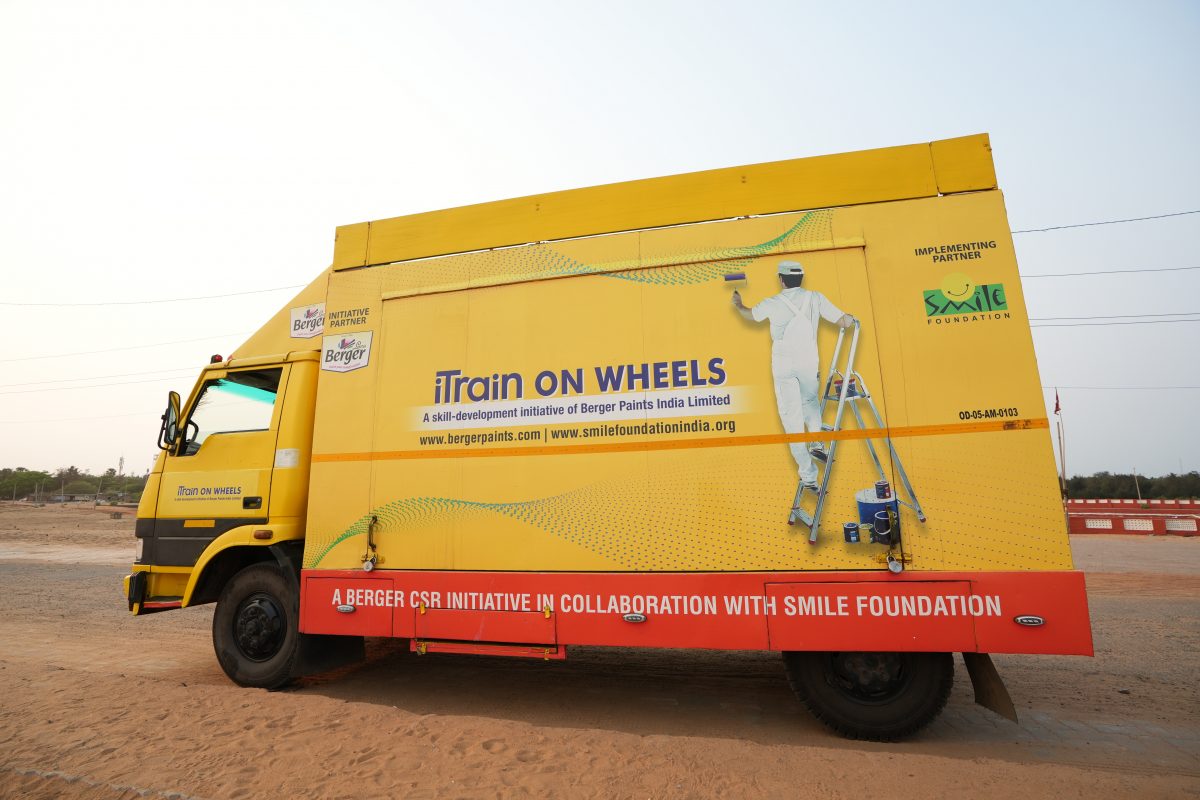
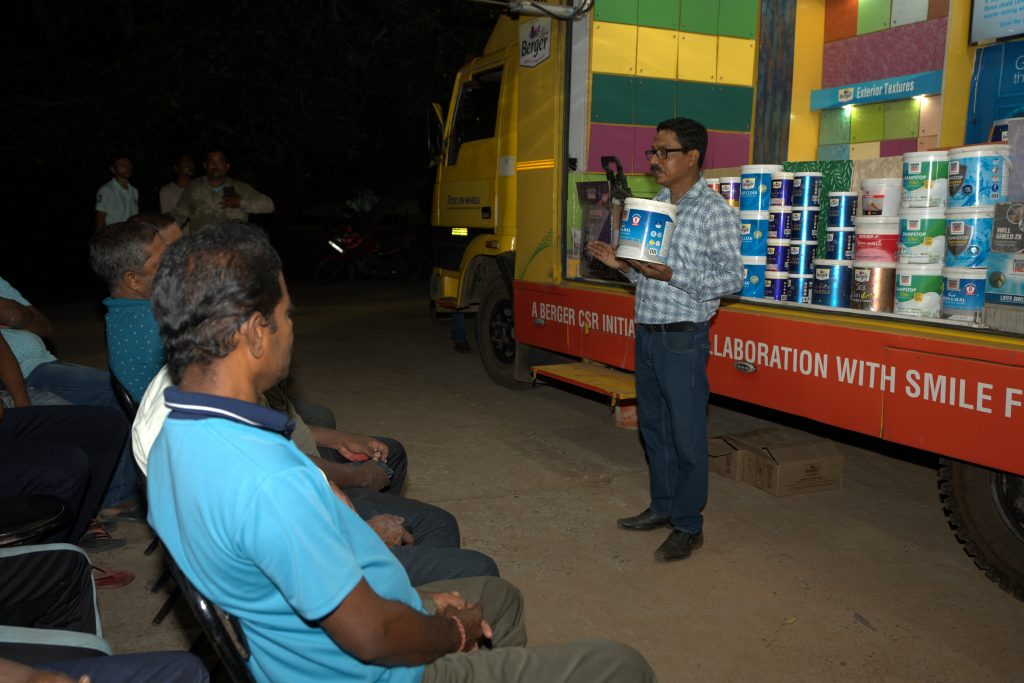
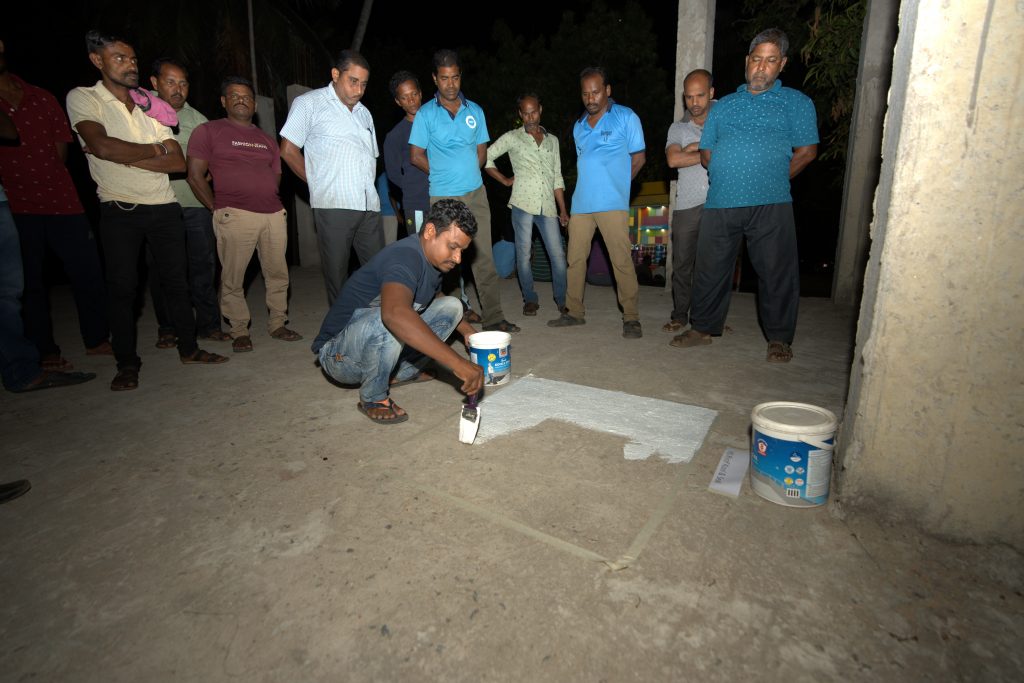
One of the most inspired initiatives has been the iTrain on Wheels programme, a collaboration with Berger Paints India Ltd.

Over 1,18,000 painters across 25 states have been upskilled — trained not just in modern techniques, but in entrepreneurship.
Because painters are not just workers. They are potential business owners, franchise creators, community employers.

In an informal economy that often traps workers in cycles of low-skill, low-wage labor, this programme offers real economic mobility.

Why industry exposure is non-negotiable for skilling India

Trainees aren’t kept in a bubble. They visit corporate houses, retail outlets, and private companies during their training period.
They learn conflict management, customer handling, workplace ethics, all the unscripted, real-world skills that make the difference between just having a job and thriving in it.

This industry exposure isn’t an afterthought. It is a philosophy: prepare them for the world as it is, not as we wish it were.

Scaling the future: From thousands to millions

Smile Foundation’s success is not a lucky accident. It is proof that skilling works when done holistically, pragmatically, and passionately.

But the scale of the challenge ahead demands even more:

  • Massive expansion of skilling infrastructure into rural India
  • Greater private sector involvement through CSR funding and employment partnerships
  • New skilling models for emerging sectors — green energy, AI, biotechnology
  • Policy support that incentivizes hiring of first-generation skilled youth

Without this, the demographic dividend risks becoming a demographic liability — millions of angry, alienated youth with nowhere to go.

Skilling India is the new freedom

Seventy-seven years ago, India fought for its independance. Today, its youth fight for economic indepedance — the freedom to dream, to choose, to build.

If we fail to skill our youth now, no amount of GDP growth or stock market highs will save us from the social, political, and economic collapse that will follow.

India’s demographic dividend is a race against time.
It is a race we simply cannot afford to lose.

Categories
Smile

Women’s Empowerment beyond Survival

One vital segment continues to be overlooked in India’s concrete steps towards becoming developed by 20247: women who are still battling for basic health, dignity, and opportunity. In the relentless pursuit of GDP growth and digital innovation, it is easy to lose sight of the fact that only 37% of women receive healthcare in India, according to a study conducted by the All India Institute of Medical Sciences (AIIMS) and Harvard University.

This is not only a healthcare problem but a societal crisis. When a woman’s health is neglected, it ripples across her life, eroding her ability to work, to lead, and to dream. If India is to achieve its vision of an inclusive, empowered future, closing this gap must be central, not peripheral.

Today, public health strategies globally recognize that health is not an isolated sector but intricately linked to education, gender equity, nutrition, and women’s economic empowerment. India’s aspirations under initiatives like Anaemia Mukt BharatSkill IndiaPoshan Abhiyan, and Digital Health India align with this integrated vision. Yet on the ground, translation into meaningful change remains patchy.

Smile Foundation’s Swabhiman programme steps into this gap — not as a stopgap solution, but as a systemic intervention focused on transforming both the conditions and the consciousness that limit women’s futures.

Health is more than the absence of illness

At the heart of Swabhiman lies a simple but radical idea: that good health for women is foundational to prosperity — personal and national. Bridging health inequities among women aligns with multiple Sustainable Development Goals (SDGs): SDG 3 (Good Health and Wellbeing), SDG 5 (Gender Equality), and SDG 8 (Decent Work and Economic Growth).

In the past year alone, over 76,000 women were sensitized on reproductive and child health through door-to-door visits, community mobilization sessions, street plays, couple counseling, and more. These conversations went far beyond simple health messages; they challenged entrenched myths, sparked discussions on family planning, and encouraged early antenatal care — critical interventions considering that maternal mortality rates still hover at alarming levels in many Indian states.

Moreover, 72,000 women accessed real, tangible healthcare services via health camps and telemedicine centres, receiving not only medical consultations but also medicines, contraceptives, and sanitary napkins — basic necessities that remain out of reach for too many.

Critically, Smile Foundation complements these direct services with Information, Education & Communication (IEC) tools that support broader government initiatives, creating scalable models for public-private partnership in health promotion.

Nutrition as a lever of power

Malnutrition is often treated as a statistic. But behind the numbers are women whose bodies are bearing the hidden costs of economic marginalization. Anaemia, low birth weights, stunted growth — these are not just health issues; they are systemic failings.

Recognizing this, Swabhiman focuses on Sustainable Nutrition-Based Systems, enhancing community knowledge through practical demonstrations, health camps, and behavior change campaigns. Whether it is teaching the importance of Diet Diversity or emphasizing Iron and Calcium Supplementation, the programme is preparing women not just to survive pregnancy and childbirth, but to thrive as healthy mothers, workers, and citizens.

By building local leadership in nutrition, Swabhiman ensures that knowledge stays embedded in communities long after external interventions end.

Empowerment must include economic agency

Health is necessary, but not sufficient. True empowerment requires the ability to generate income, make decisions, and assert autonomy.

In response, Smile Foundation has strategically integrated economic empowerment into Swabhiman’s framework. In the last year, 68 women-led micro-enterprises were initiated. Women received business skills training, financial literacy workshops, and seed capital support to scale their ventures.

In a context where women’s labor force participation has dropped to among the world’s lowest rates — declining from 32% in 2005 to 19% in 2021 (World Bank data) — such interventions are about restoring women’s rightful place as economic actors.

Microenterprises started under Swabhiman span a range of sectors: tailoring units, food processing, beauty parlors, handicrafts, and more — each enterprise a living proof of resilience, ambition, and potential unleashed.

Strengthening the system, not replacing it

Another key strength of Swabhiman is its commitment to system strengthening rather than parallel service delivery. Rather than operating in isolation, the programme builds capacities of frontline workersupgrades wellness centres, and supports Anganwadi centres — integrating itself into the existing public health and social support ecosystem.

For example, in partnership with government agencies, Smile Foundation developed and shared new IEC materials on Nutrition and Anaemia, directly aiding frontline workers like ASHAs and Anganwadi workers in their vital outreach roles.

This approach is crucial. No NGO, no matter how committed, can substitute for state capacity. By working to enhance it, Swabhiman creates multiplier effects, ensuring sustainability beyond individual programme cycles.

Women’s empowerment is the economy’s empowerment

It is now well-established that empowering women economically could add trillions to global GDP. McKinsey Global Institute estimates that $12 trillion could be added to the world economy if gender gaps were closed.

For India, the stakes are even higher. With an aging population on the horizon and a labor market hungry for skills, women are not just a “moral cause” — they are an economic imperative.

Smile Foundation’s integrated model reaching over 190,000 women across six states  is a microcosm of what needs to happen at scale. It offers proof that when health, nutrition, education, and economic opportunity are tackled together, transformation is possible.

But this work cannot be confined to pilot projects and NGO initiatives alone. We need political will, corporate responsibility, and societal shifts to mainstream women’s empowerment.

A story still unfinished

Even as we celebrate these milestones, we must confront the enormous road still ahead.

  • 59.1% of adolescent girls in India are anaemic (NFHS-5).
  • Rural women access to skilled birth attendance still needs to be increased.
  • ̉̌On the current trajectory, by 2050, women globally will still be spending almost 2.5 more hours per day on unpaid care work than men, affecting their ability to participate fully in the economy.

Swabhiman’s work shows what is possible through CSR investments in education, health, infrastructure, and culture change.

If India is serious about becoming a global leader — economically, diplomatically, morally — it must put its women at the center, not at the sidelines, of that journey.

Health is not charity. Empowerment is not optional. They are the engines of real, sustainable, inclusive development.

Categories
Education

STEM Education : Rural India doesn’t Lack Talent–It Lacks Access 

In a village outside Warangal, Telangana, a group of students frustrated by rising fuel prices and long school commutes designed a simple hydro-bicycle, partly powered by water. It wasn’t a government project. It wasn’t driven by international aid. It was pure ingenuity born from need, crafted through science, and powered by nothing but curiosity and courage.

Yet for every student who builds a hydro-bike, there are millions more across rural India whose potential remains trapped because they lack the opportunities, tools, and encouragement to imagine solutions, let alone build them.

If India is serious about becoming a global leader in innovation, sustainability, and inclusive growth, it must urgently rethink where and how it invests in STEM education. And it must start with rural India.

Importance of rural STEM education

In an increasingly unpredictable world, where climate disasters, water crises, and health emergencies strike hardest at the margins, STEM skills are no longer a luxury—they are survival tools. They enable local solutions to local problems, from low-cost water filtration systems to renewable energy innovations.

Consider the Drinkable Book, an invention by WaterIsLife and the University of Virginia, which teaches clean water practices while filtering contaminated water.

Simple. Life-saving. Community-driven.

Exactly the kind of thinking that rural classrooms should cultivate—not just in labs in cities, but on the ground where the need is most acute. But for millions of rural children in India, STEM education is still a distant dream.

The rural STEM divide is real and growing

Despite commendable efforts to expand education access, quality remains deeply uneven:

  • Only 32.4 per cent of India’s 14.7 lakh schools have access to functional computers. Furthermore, only 24.4 per cent of schools have smart classrooms, and 24.2 per cent rely on mobile phones for teaching purposes (UDISE+ 2022).
  • Rural internet penetration is still under 40%, limiting exposure to digital STEM learning (Internet and Mobile Association of India, 2023).
  • Girls in rural India are 40% less likely than boys to pursue STEM subjects after primary school (UNICEF India, 2022).
  • Rural schools suffer from a chronic shortage of teachers with the highest percentage of vacancies (69%) observed in rural areas. (UNESCO State of the Education Report for India, 2021).

Without immediate and sustained intervention, this rural-urban innovation gap will harden into a structural barrier—limiting not only individual futures but India’s global competitiveness.

Talent Is Universal. Access Is Not.

Smile Foundation’s work across hundreds of villages reveals a consistent truth: Rural children are not short on talent. They are short on exposure, infrastructure, and role models.

When given the opportunity, rural students create solar lamps for off-grid homes, low-cost air purifiers for dusty villages, pedal-powered irrigation pumps for small farms. They don’t innovate for prizes. They innovate for survival and for hope.

But for every successful STEM project in a rural school, there are dozens of communities where curiosity is crushed under crumbling infrastructure, outdated pedagogy, and social norms that tell girls science isn’t for them.

Rethinking STEM education: From access to ecosystem

It is not enough to install a few labs or distribute science kits.
India needs to build rural innovation ecosystems that nurture inquiry, experimentation, and problem-solving.

Smile Foundation’s experience points to what works:

  • Mobile STEM Labs: Bringing science experiments and DIY kits directly to remote schools.
  • Teacher Empowerment: Training rural teachers to lead hands-on, inquiry-based STEM learning.
  • Girls in STEM: Creating safe, encouraging spaces for girls to lead science clubs and innovation fairs.
  • Community Buy-In: Engaging parents and village leaders to dismantle gender bias and support scientific curiosity.

Across Smile Foundation’s program areas, STEM interventions have led to a increase in student attendance, a drastic increase in girls’ participation in science activities, and hundreds of trained teachers now independently organizing project-based learning sessions.

These are not isolated wins but a roadmap for systemic change.

What global experience tells us

India is not alone in facing this rural innovation challenge.
Countries that have made real progress—like Vietnam, Kenya, and Brazil—share common strategies:

  • Localize STEM learning: Link science education to everyday community challenges.
  • Invest in teacher mentorship: Not just one-time training, but continuous professional development.
  • Support girls early: Gender gaps in STEM don’t appear suddenly at university—they start in primary school.

These lessons were reinforced at the G20 Education Working Group (2023) and the UNESCO STEM and Gender Advancement (SAGA) Conference (2022). Without inclusive STEM ecosystems, sustainable development goals will remain out of reach.

CSR’s role toward systemic impact for rural STEM

The private sector has a pivotal role to play.

Today’s CSR strategies have moved beyond isolated grants toward building lasting educational infrastructure like labs, innovation hubs, mentorship networks, and teacher pipelines in rural areas.

Investing in rural STEM aligns with:

  • SDG 4 (Quality Education)
  • SDG 5 (Gender Equality)
  • SDG 9 (Industry, Innovation, Infrastructure)

It also directly supports India’s goals under the National Education Policy (NEP) 2020, which emphasizes experiential learning, critical thinking, and digital literacy.

Smile Foundation is ready to scale proven models with ambitions to:

  • Expand STEM on Wheels vans to additional villages.
  • Equip thousands of rural schools with affordable science labs.
  • Train thousands of rural teachers in inquiry-based science education.
  • Mentor thousands of girls into STEM leadership roles.

A future built from inclusion

Innovation is not the exclusive preserve of metros or elite schools.
It is already growing in the hands of children like those in Warangal, if only we invest in it.

Imagine if every child in rural India had access to a science lab.
If solar engineers, green chemists, and digital architects emerged not just from Bengaluru but from Bikaner, Bastar, and Barpeta.

An India where the next breakthrough in clean water, renewable energy, or affordable healthcare is born not in a conference room but in a rural classroom.

That future is possible. But only if we act—boldly and now.

It’s time to bridge the gap between talent and opportunity. Let’s ignite the innovation potential of every child, in every village. Partner with us.

Categories
Education

Rethinking Equity in Indian Education

In 2010, India enshrined the Right to Education into law. Yet, more than a decade later, for millions of children, especially those in marginalised communities, education remains a promise deferred. The law guarantees a seat in the classroom, but it does not ensure what happens inside it — nor does it address the ecosystem that surrounds the child.

Smile Foundation working across 27 states in India has taken a systems-level view to bridge this gap. Through our Mission Education initiative, it reaches over 160,000 children annually — not just enrolling them in school, but investing in the constellation of factors that enable true learning: infrastructure, pedagogy, nutrition, community, and digital equity. The result is one of India’s most scaled, holistic, and evidence-informed education programmes in the development space.

At its core, the initiative is driven by a belief that access alone is not equity. Without a shift in how India delivers and supports education, vulnerable children risk being left behind — in learning outcomes, in life opportunities, and in the promise of economic mobility.

A systems problem, not just a school problem

India’s National Education Policy (NEP) of 2020 made bold moves by calling for universal foundational literacy and numeracy, reformed curriculum design, and emphasised experiential learning. But implementation, especially in government schools, has been uneven. Foundational gaps in literacy and numeracy persist. According to ASER 2023, only 50% of Class 5 students can read a Class 2-level text. This is a signal of systemic failure.

What holds children back is not just the quality of teaching but the world around them: a school without toilets, a home without electricity, a mother too burdened to attend a PTA meeting, or a teacher untrained in how to help a first-generation learner cope with trauma. Smile Foundation’s work is rooted in recognising this complexity.

A four-pronged model

Rather than pursue scale in the Indian education space through replication alone, Smile Foundation has adopted a four-pronged strategy that adapts to local contexts while keeping children at the centre:

  1. Child-Centric Support: From early childhood education through senior secondary school, the Foundation supports children aged 3 to 18. The emphasis is on socio-emotional well-being alongside academic success — a crucial element in high-poverty settings. Students receive counseling, nutritious meals, hygiene sessions, and health interventions to foster readiness for learning.
  2. Teacher Empowerment: In 2023–24, 86 training sessions were conducted for 482 teachers and 116 principals. These sessions covered activity-based learning, classroom management, lesson planning, and use of digital tools. It’s both professional development and a pipeline for pedagogical resilience.
  3. Learning Environments: The programme invests in green infrastructure (solar panels, drinking water facilities), visual learning through BaLA (Building as Learning Aid) artwork, and safe campuses with CCTV and repaired plumbing. STEM and language labs have been established across centres, complemented by the distribution of math toolkits, DIY kits, and educational tablets.
  4. Community Engagement: Through mothers’ groups, school management committees, and local leadership, Smile Foundation anchors its centres in community ownership. When parents feel part of their child’s education journey, dropout rates decline and aspirations rise.

Rewiring equity through innovation in Indian education system

The Foundation’s partnerships reflect a commitment to pushing boundaries. In collaboration with Symbiosis Institute of Management, children have been exposed to coding, mechanics, and bot-making. IIT Mumbai facilitated workshops in robotics and energy. Entecres and Elements brought DIY kits and digital video libraries into classrooms. And with iDream Education and BYJU’S, students gained access to customised digital learning resources that extend beyond textbooks.

These are not one-off CSR interventions. They are structured knowledge partnerships that speak to a new model of social innovation — one that bridges the nonprofit, academic, and private sectors to serve public good.

Girls in focus: From vocational learning to leadership in the story of Indian education

Gender remains one of the most persistent axes of inequality in the Indian education landscape. Smile Foundation has gone beyond parity in enrollment by supporting over 44,000 girls through in-school vocational education programmes in 15 states. These programmes cover trades like organic farming, recycling, basic electronics, and repair — skills often overlooked in formal curricula but crucial for local employment.

Such training not only builds confidence but enables girls to envision futures outside the limitations of early marriage or unpaid domestic labour. Vocational exposure is a bridge to dignity.

From scholarship to social mobility

The Foundation also manages a merit-based scholarship programme to support higher education, especially in technical and engineering streams. In 2023 alone, over 2,000 students were provided with multi-year scholarships, laptops, employability skills, and industry exposure.

These are not just financial awards. The programme ensures that scholars receive domain-specific skills, placement readiness training, and mentoring — creating a scaffold for transformation. Scholars like Sneha from Karnataka and Sakshi from Mumbai speak of a deep personal shift: from survival to ambition, from subsistence to contribution.

“My father is an electrician, and my mother manages the household with impossible grace,” says Sneha, now a second-year engineering student. “The scholarship makes me feel that I’m not alone in this journey.”

Outcomes, not optics

The scale of operations — 735 education centres660+ government schools supportedover 44,000 girls in vocational programmes — is significant. But the Foundation resists the temptation of impact-washing. Instead, we place faith in longitudinal tracking, school assessments, and third-party evaluations.

In collaboration with Erewhon Innovation Consulting, a study was conducted to identify gaps in Atal Tinkering Labs, and how best to train teachers to leverage them. This kind of reflective loop, from program delivery to systems diagnosis, is what separates Smile Foundation from transactional service providers.

Rethinking what it means to “Scale”

One of the most critical insights from Smile Foundation’s work is that scale does not mean homogeneity. Instead, it means deep localisation with systemic intelligence. A classroom in Kalahandi, Odisha, has different realities than one in Mumbai’s Dharavi. Yet, what connects them is a framework of dignity, inclusion, and possibility.

This is where traditional education interventions often falter. They push for scalability at the cost of relevance. By contrast, Smile Foundation’s model has found a way to scale without flattening diversity by anchoring deeply in local needs while embedding global best practices.

The way forward

The Indian education landscape is at a pivotal moment. On one hand, digital inclusion is accelerating. On the other, foundational learning remains precarious. AI-based English reading software might coexist with first-generation learners still struggling to grasp basic numeracy. The bridge between these two Indias will not be built by technology or policy alone but by practice, perseverance, and proximity.

Smile Foundation’s model is not perfect. It is not simple. But it is intentional, and that is what systemic change demands.

As the world looks at India — home to the largest youth population on the planet — the question is no longer whether we can get every child into school. The question is: What happens after the child gets there?

Categories
Smile

India’s Grassroots Organizations leading the Next Development Wave

Social change is becoming increasingly local but funding often remains global. This contradiction is unsustainable. India is home to one of the most complex and vibrant civil societies in the world—thousands of community-based organizations (CBOs) operating in every corner of the country, from the Sundarbans to the salt flats of Gujarat. These organizations are the first responders of social progress. They translate distant policies into household realities. And yet, for decades, they’ve operated in a paradox: being closest to the problem but farthest from the purse.

That’s changing. 

A development ecosystem recalibrated

India’s social sector has long been shaped by two forces: international development aid and large-scale corporate social responsibility (CSR). Both have helped build institutions, expand health and education programmes, and respond to crises. But they’ve also created structural dependencies and hierarchies that stifle grassroots innovation. Community-based organizations often find themselves doing the work while watching others get the credit or the funding.

Now, a new force is recalibrating the equation: India’s own internal capacity. The rise of a philanthropic middle class, government reforms like the Companies Act mandating CSR contributions, and increasing digital connectivity are enabling more direct, decentralized, and democratic development.

The Government of India’s Atmanirbhar Bharat vision—literally “self-reliant India”—isn’t just an economic philosophy. It’s a social imperative. And Smile Foundation’s Empowering Grassroots initiative is offering one roadmap for how to achieve it.

Building local power, not just local projects

Over the past year alone, Empowering Grassroots has trained over 100 community-based organizations and provided critical support to more than 200 social initiatives. The programme enables these groups to become not just service providers, but self-sustaining institutions, and is shifting the center of gravity in development work.

At the core of Smile’s working model with grassroots organizations are three levers: capacity-building, matching grants, and community-driven fundraising. These might sound conventional, but when woven together with a theory of change that prioritizes ownership over output, they become transformative.

Take matching grants, for instance. On paper, they double the impact of every rupee donated. But their deeper value lies in what they signal—to donors, to communities, and to the CBOs themselves. A matching grant says: You’re not just a beneficiary; you’re a partner. Show us what your community can do, and we’ll meet you halfway.

This shared investment model fosters accountability, dignity, and long-term commitment. It’s the difference between funding a programme and enabling a movement.

The numbers that tell a bigger story

The program’s scale is almost impressive. Since its inception:

  • 2000+ local action fundraising events have been held
  • 1000+ community-based organizations have been empowered
  • 400+ social initiatives have transitioned into sustainable operations

But numbers alone don’t tell the whole story. What’s more revealing is the programme’s cascading effect.

Training modules cover everything from good governance to resource mobilization, but their impact compounds when organizations apply them contextually. For example, 12 “Training of Trainers” (ToT) sessions in 2023-24 ensured that the learning doesn’t stop at the first cohort. Instead, it ripples outward.

This is a social return on investment (SROI) multiplier few funding models can match.

From the classroom to the coastline: Local leadership in action

Consider the case of Amchagar School in coastal Gujarat, where 80% of the students belong to fishing communities. Launched in 2002 in a village with no English-medium school, it now serves 750 children and employs 42 staff members. Smile Foundation’s nine-year partnership didn’t just inject funds—it nurtured vision. Today, the school is thriving, run by a local team that understands both the sea and the syllabus.

Or take the local action events: in 2023-24, 50+ fundraising drives organized by grassroots groups themselves. These are not glossy gala dinners. They are street performances, community potlucks, awareness marches—deeply rooted in the culture and context of each locality. They raise money, yes. But more importantly, they raise belief and induce behavioural change in the community that we are serving for more than two decades.

Why this moment matters

With over 3 million registered NGOs and an estimated $2 billion flowing through CSR channels annually, the infrastructure exists for a citizen-led development revolution. What’s missing is the operating system—the glue that connects funding to fieldwork, data to decision-making, and strategy to stories.

Global crises—from pandemics to climate change—have taught us that top-down solutions are insufficient. Resilience is local. Whether it’s a flood in Assam or a factory shutdown in Tamil Nadu, it’s the neighborhood-level organizations that mobilize first and stay longest. Empowering them is a policy suggestion turned into a development imperative.

And yet, challenges persist. Many CBOs lack access to formal banking. Others struggle with digital tools or donor reporting standards. Still others face leadership gaps, particularly in succession planning and strategic visioning. That’s why programmes like Empowering Grassroots matter—they identify these challenges and stay long enough to solve them collaboratively.

A theory of change worth scaling

What distinguishes Empowering Grassroots from traditional grant-making is its underlying theory of change:

  • Beyond project goals: The focus is on institution building, not just programme execution.
  • Beyond one-time training: Knowledge transfer is paired with real-time implementation support.
  • Beyond donor-driven metrics: Community-defined outcomes take precedence over imported KPIs.

It’s philanthropy with an exit plan that is designed to leave behind stronger, smarter, and more self-reliant institutions.

Cross-sector lessons for business and government leaders

For corporate CSR heads, this model offers a refreshing alternative to compliance-led giving. It presents a blueprint for building brand equity through authentic, community-rooted impact. For policymakers, it aligns with decentralization goals in education, health, and livelihoods. And for international donors, it answers the long-standing call for “localization” with a roadmap that’s already in motion.

But perhaps the most important audience is the public itself. In a time when cynicism around institutional effectiveness is growing, programmes like these renew faith—not just in what development can do, but in who can do it.

What comes next?

If India’s next chapter of growth is to be inclusive, it must be locally led. That means rethinking how we define success in the development sector. It’s not just about how many children go to school, but who ensures they stay there. It’s not just about how many hospital beds are built, but who keeps the power running when the generator fails.

Smile Foundation’s Empowering Grassroots initiative is a reminder, more to ourselves than others, that the real solution-makers are not always the ones with MBAs and donor decks. Sometimes, they are school principals in salt towns, or youth groups organizing donation drives in slums.

Development is a delivery sustained by a continuous dialogue. And those closest to the ground deserve the loudest voice.

Categories
Education

Inside Smile Foundation’s School Transformation Programme

India’s public education system is immense, serving over 250 million children through 1.5 million schools. Yet challenges persist. According to the UNESCO No teacher, no class: state of the education report for India, 2021, only 19% of schools across India had access to the internet, which is crucial for online training and educational resources. Learning gaps, particularly in foundational literacy and numeracy, have widened since the pandemic. Infrastructure gaps remain stark—rural schools lack functional labs, and many operate with multigrade classrooms.

But these are not just issues of logistics. Teachers often feel unsupported, students disengaged, and communities disconnected. Education has become a system many participate in but few truly benefit from.

The Smile Foundation approach: Reimagining government schools

Smile Foundation’s School Transformation Programme (STP) doesn’t begin with infrastructure—it begins with people. Teachers, students, school leaders, and local communities are at the heart of its model. Drawing on principles of constructivist pedagogy, teacher empowerment, and school-based governance, the programme focuses on transforming teaching practices, building professional learning communities, and integrating 21st-century skills into everyday learning.

The initiative was first rolled out in collaboration with district education departments, DIETs (District Institutes of Education and Training), and other partners. A co-creation model ensured that district officials and school leadership participated in shaping every stage—from curriculum alignment and needs assessments to classroom mentoring and school monitoring frameworks.

Sushanta Kumar Bhuyan, Director of Programmes at Smile Foundation. “Our job isn’t to replace the system, but to catalyze what’s already there—build confidence, build continuity, and build champions from within.”

The architecture of change in School Transformation Programme

The programme follows a three-phase implementation strategy over three years:

  • Year 1: Foundation & Assessment – A deep-dive needs assessment, convergence workshops with stakeholders, and baseline evaluations are carried out. Master Trainers (MTs) are selected and trained to lead from within the ecosystem.
  • Year 2: Implementation & Monitoring – MTs cascade training to teachers using a peer-coaching model. Classroom visits, feedback loops, and student assessments anchor continuous improvement.
  • Year 3: Refinement & Scale – Successful innovations are scaled to other schools. Governance structures like DIET and SECRET embed the programme into state-level education planning.

At the classroom level, STP introduces activity-based learning, project work, digital literacy modules, and structured life skills sessions. The emphasis is on learning by doing—from building solar fans and water filters to simulating local budget decisions.

Teacher leadership

One of the most striking features of Smile’s STP is its reimagining of the teacher’s role, not as a deliverer of content, but as a facilitator, innovator, and mentor. Master Trainers are not external experts but teachers from within the system who receive sustained mentoring themselves.

In India, Smile Foundation’s implementation has already resulted in:

  • Hundreds of teachers trained in constructivist pedagogy
  • Increase in the adoption of group-based learning strategies
  • Teacher-led innovations being documented and shared across schools

“Teachers told us they felt seen for the first time, someone invested in their growth, not just student results,” Sushanta notes.

A focus on holistic learning

Beyond academics, STP prioritizes emotional safety, gender inclusion, and student well-being. In many pilot schools, Smile Foundation has introduced gender-sensitization workshops, student voice councils, and school climate indicators into monitoring frameworks.

Some studies suggest that schools with student leadership mechanisms and psychosocial support had better retention and significantly lower absenteeism. Smile Foundation’s schools have echoed this: during focus group discussions, girls reported feeling “more confident to ask questions and lead activities” post-intervention.

Data that drives dialogue

Unlike many interventions that focus only on inputs, STP is rigorously tracked. Smile Foundation has developed school-level monitoring tools that capture not only infrastructure and attendance, but also teaching quality, student engagement, and community involvement.

These insights feed into quarterly reflection cycles, where teachers and school heads meet to discuss trends, troubleshoot, and share practices. This evidence-to-action loop has helped ensure that the programme evolves with local needs, not against them.

Outcomes and early impact

The early results have been encouraging. Across STP-implemented clusters:

  • Student attendance has increased, particularly in schools with active innovation clubs
  • Adoption of experiential and group-based learning practices has tripled
  • Girls’ participation in STEM-related activities has seen a a significant rise
  • Community engagement in school development plans has grown, with schools reporting active parent participation in planning meetings

These statistics reflect a shift in belief. A belief that government schools can become aspirational spaces when given the right scaffolding.

Lessons for the education community from our School Transformation Programme

Smile Foundation’s STP offers valuable lessons for various stakeholders working in the field of education:

  • Systems reform doesn’t need to start big but it must start with those who live it daily: teachers and students.
  • Capacity-building must be local, sustained, and recognition-driven, not one-off.
  • Data must empower schools, not just track them.
  • Holistic outcomes like gender inclusion, psychosocial well-being, and more must be integrated into learning goals.

This programme stands in sharp contrast to one-size-fits-all interventions. It is responsive, inclusive, and deliberately paced—focusing on quality before scale.

Scaling up

As Smile Foundation prepares to expand the programme to new districts in partnership with state governments, the emphasis remains on local ownership and institutional embedding. By integrating with DIET-led teacher education plans and ensuring alignment with Samagra Shiksha Abhiyan, the programme is poised for sustainable scaling.

As Sushanta summed up, “This is a sustained effort for dignity, relevance, and belief in public education.”

0%