Categories
Girl Child

Support Girl Education India: A Complete Guide for Donors and Volunteers (2026)

Support girl education India is one of the most effective ways to create long-term social change. When a girl stays in school, her life trajectory shifts. She is more likely to delay marriage, earn an income and invest in her family’s future.

If you are wondering how to make a real difference, this guide will help you understand where the gaps are and how you can act.

Why Girl Education in India Still Needs Your Support

India has made progress in improving access to education. Yet, the journey is far from complete.

While enrolment at the primary level is high, many girls drop out before completing secondary school. The gap widens in rural and underserved communities.

The issue is not just access. It is continuity.

Girl Education Statistics India Cannot Ignore

Data from UDISE and government sources highlight key challenges:

  • Female literacy rate India 2026 is improving but still lags behind male literacy
  • Dropout rates increase sharply after Class 8
  • Girls in rural and tribal areas face higher barriers

According to UNICEF, millions of girls globally remain out of school, with India contributing a significant share.

how many girls reach secondary school

Why Girls Drop Out of School in India

The reasons are layered and interconnected.

Common girl dropout reasons India include:

  • Poverty and need for household income
  • Lack of access to secondary schools
  • Safety concerns during travel
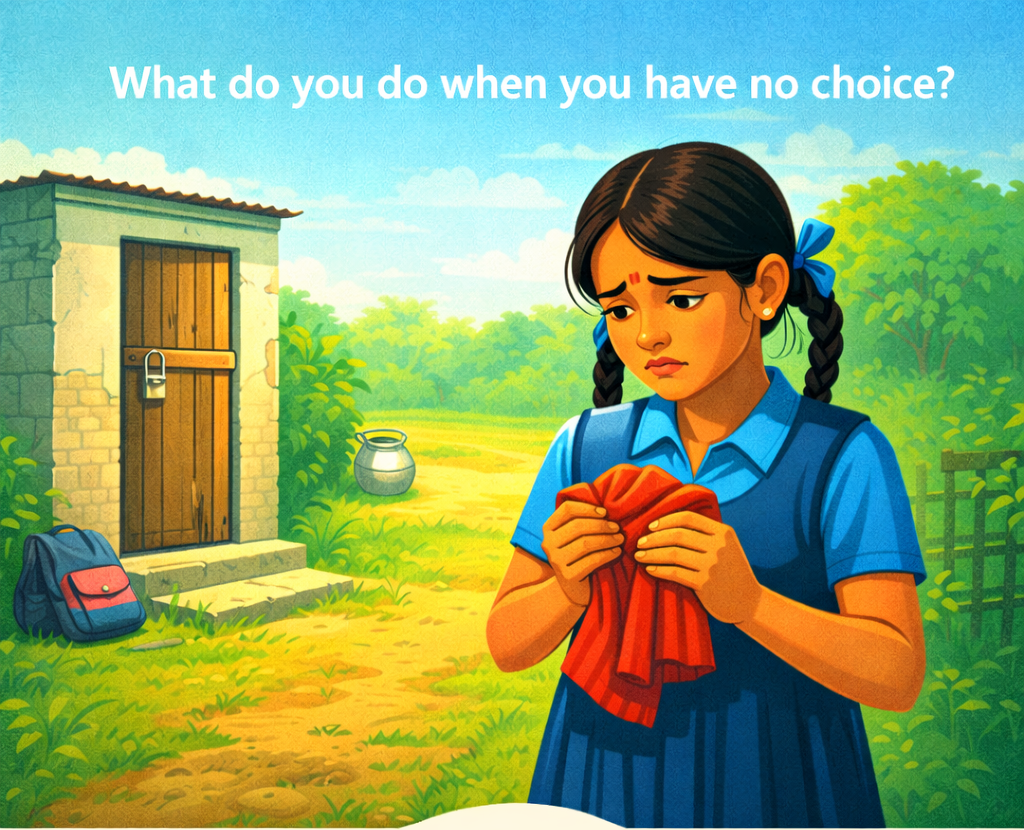
  • Menstrual hygiene challenges
  • Early marriage pressures

These factors create a fragile learning journey, where even one disruption can end a girl’s education.

Why she leaves school in India

How Girl Education Changes Everything — For Families and Society

Educating girls is not just a social good. It is an economic and developmental priority.

Studies by the World Bank show that each additional year of schooling increases a woman’s earning potential.

When girls stay in school:

  • Child marriage rates decline
  • Health outcomes improve
  • Family incomes rise
  • Future generations are more likely to be educated

The impact multiplies across communities.

Government Schemes Supporting Girl Education in India

India has introduced several initiatives to improve girl education India outcomes.

Beti Bachao Beti Padhao

The Beti Bachao Beti Padhao programme focuses on:

  • Improving child sex ratio
  • Promoting education for girls
  • Raising awareness at community level

It has played a key role in shifting social attitudes.

Kasturba Gandhi Balika Vidyalaya

This scheme provides residential schooling for girls from disadvantaged communities.

Key features:

  • Focus on rural and tribal areas
  • Free education and boarding
  • Support for girls at risk of dropping out

Other initiatives include:

  • Samagra Shiksha India
  • Mid-day meal scheme India
  • Girl child scholarship India programmes

These efforts aim to reduce barriers and improve retention.

How You Can Support Girl Education in India

There are multiple ways to contribute, depending on your capacity and interest.

Donate to a Trusted NGO

One of the most direct ways to support is through donations.

When you donate for girl education:

  • You fund school access
  • You support learning resources
  • You help sustain long-term programmes

Look for:

  • Transparent reporting
  • Clear impact stories
  • Verified credentials

Volunteer and Mentor Girls

If you want to go beyond financial support, volunteering is powerful.

You can:

  • Teach basic skills
  • Mentor young girls
  • Support digital learning

Volunteer for girl education India initiatives often need consistent engagement.

Support Girl Education India: Small Actions That Create Big Change

To support girl education India, you do not need large resources.

You can start with:

  • A small monthly contribution
  • Sponsoring a child’s education
  • Sharing awareness within your network

Consistency matters more than scale.

How Smile Foundation Empowers Girls Through Education

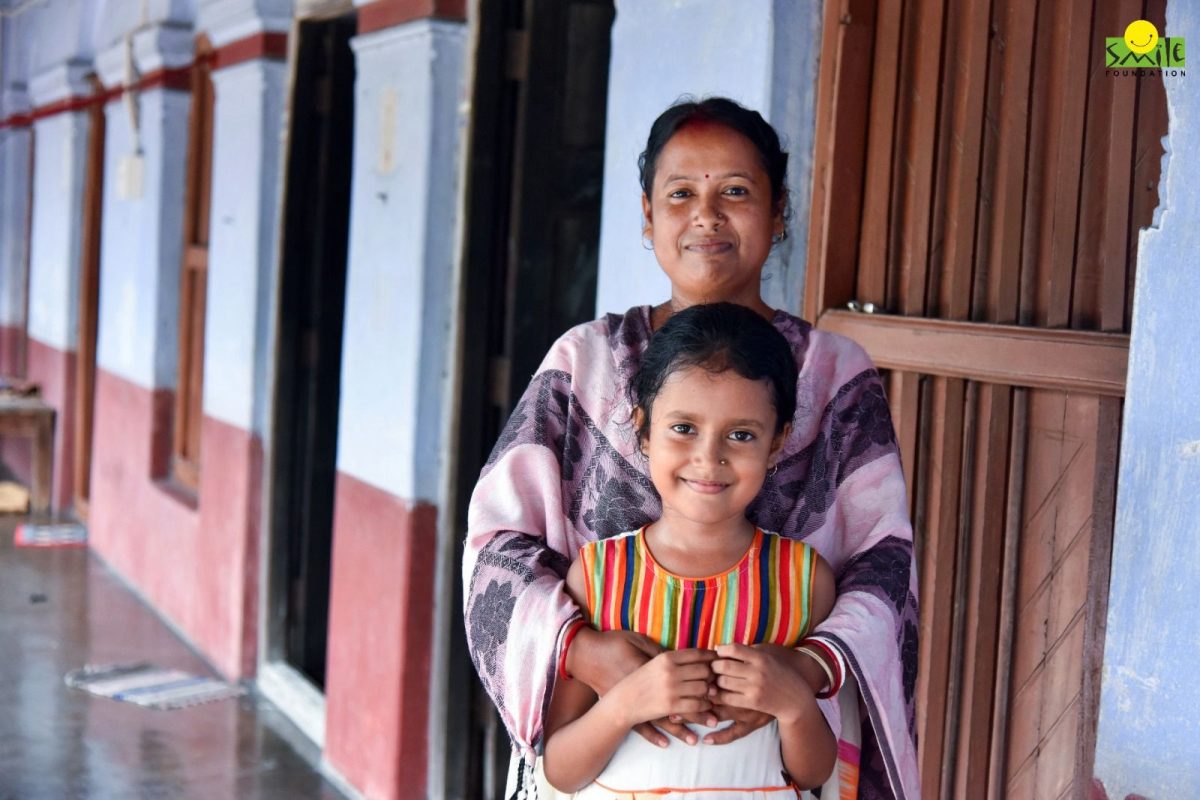
Image

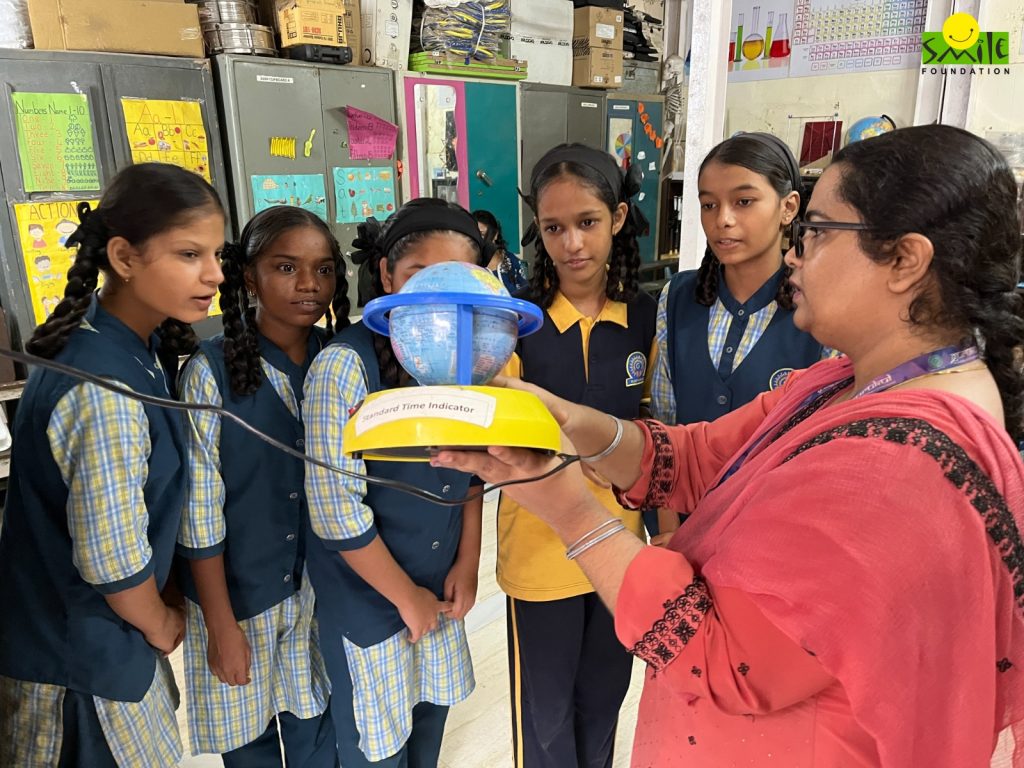
Smile Foundation works across underserved communities to ensure girls not only enrol in school but continue their education.

Their approach includes:

  • Access to quality education
  • Health and nutrition support
  • Community awareness to reduce dropout

By addressing both academic and social barriers, the focus remains on long-term retention.

If you are looking to contribute meaningfully, supporting Smile Foundation’s education programmes can be a practical step.

what education makes possible

What Happens When You Support a Girl’s Education

The impact is not immediate, but it is lasting.

A girl who stays in school is more likely to:

  • Complete secondary education
  • Enter the workforce
  • Delay early marriage
  • Improve her family’s quality of life

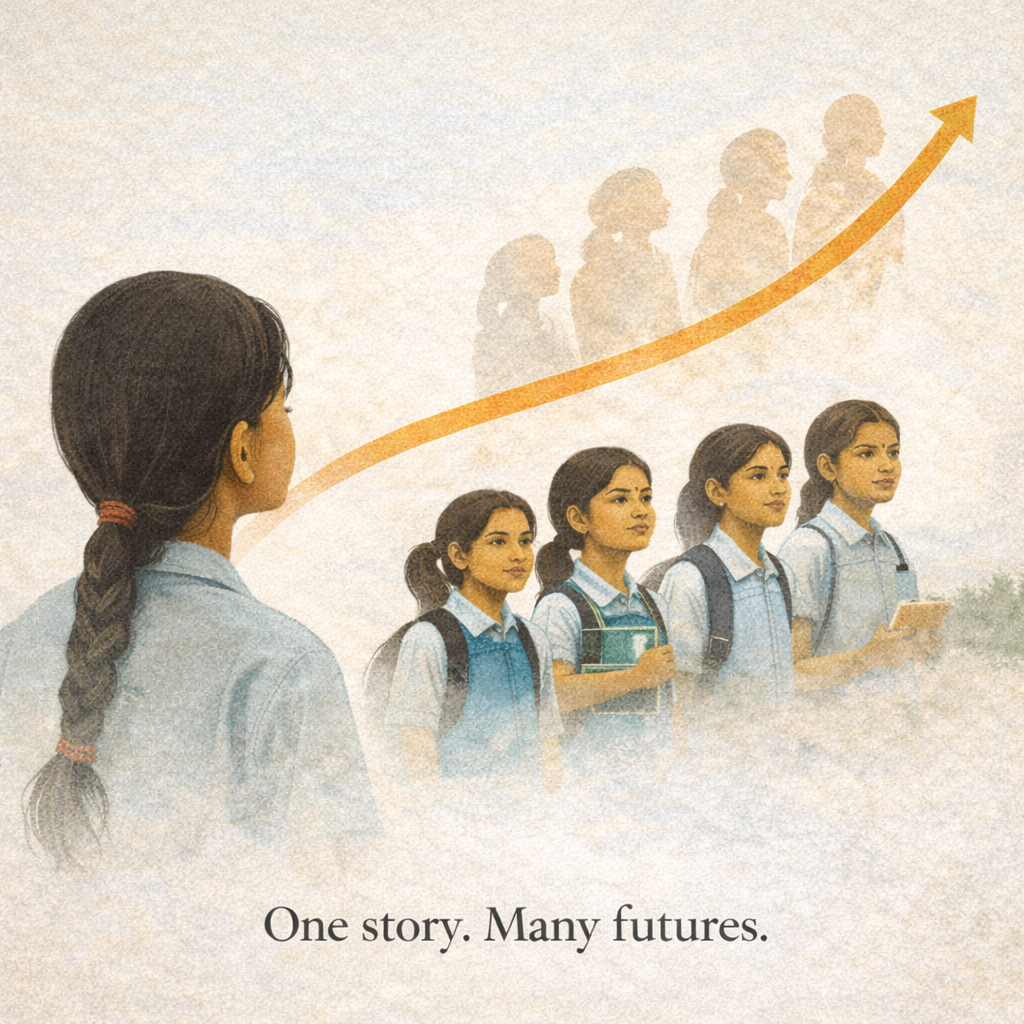
This is how cycles change. Quietly, steadily.

Conclusion

To support girl education India is to invest in the future of the country.

The barriers are real, but so are the solutions. Government programmes, NGOs and individuals all play a role.

The question is not whether change is possible. It is whether we choose to be part of it.

Even one action, done consistently, can help a girl stay in school.

FAQs — Supporting Girl Education in India

Why is girl education important for India’s development?

It improves economic growth, health outcomes and social equality across generations.

What are the main barriers to girl education in India?

Poverty, safety concerns, early marriage and lack of infrastructure are key barriers.

What government schemes support girl education in India?

Schemes include Beti Bachao Beti Padhao, Kasturba Gandhi Balika Vidyalaya and Samagra Shiksha.

How can I donate to support girl education in India?

You can donate through verified NGOs working in education.

What is the female literacy rate in India in 2026?

It is improving but still trails male literacy rates, especially in rural areas.

How does educating girls reduce poverty and child marriage?

Education increases income potential and delays early marriage.

Can I volunteer to teach girls in rural India?

Yes, many NGOs offer volunteering and mentorship opportunities.

What is the Beti Bachao Beti Padhao scheme?

It is a government initiative to promote girl child welfare and education.

How does Smile Foundation support girl education in India?

Through education programmes, health support and community engagement.

How does my donation to girl education get used?

It supports school access, materials and programme sustainability.

Categories
Education Insights

Child Labour in India 2026: Causes, Reality, and How Education Can Break the Cycle

Child labour in India continues to affect millions of children, limiting their access to education, safety and opportunity. Despite legal frameworks and policy efforts, the issue persists across sectors and regions. The most effective way to break this cycle is through consistent access to education and community-level intervention.

For many children, work begins where childhood should. Not because they choose it, but because circumstances leave little room for alternatives.

child labour in india two futures

Child labour refers to work that deprives children of their childhood, potential and dignity. It interferes with schooling and is harmful to their development.

In India, the definition is guided by the Child Labour Prohibition Act India, which regulates where and how children can work.

What Indian Law Says About Child Labour

Under the Child Labour Prohibition and Regulation Amendment Act, 2016:

  • Children below 14 years are prohibited from working in any occupation
  • Adolescents (14–18 years) are restricted from hazardous occupations
  • Family-based work is allowed under certain conditions, which remains debated

India also aligns with international standards through the International Labour Organization and UNICEF frameworks.

Child Labour in India — Numbers That Cannot Be Ignored

According to Census 2011 data, India had over 10 million working children between the ages of 5 and 14. More recent estimates from international agencies suggest that while numbers have declined, the problem remains significant, especially in informal sectors.

Globally, the International Labour Organization estimates around 160 million children are engaged in child labour.

Which States Have the Highest Child Labour Rates?

Certain regions continue to report higher prevalence due to socio-economic factors.

These include:

  • Uttar Pradesh
  • Bihar
  • Rajasthan
  • Madhya Pradesh

In many cases, child labour Bihar UP patterns are linked to migration, poverty and lack of schooling infrastructure.

Sectors Where Child Labour Is Most Common

Child labour in agriculture India remains one of the largest segments.

Other sectors include:

  • Domestic work
  • Small manufacturing units
  • Street vending
  • Construction

Bonded child labour India cases also exist, often tied to debt cycles.

Root Causes of Child Labour in India

Poverty and Lack of Access to Education

The strongest link is economic.

Families facing financial hardship often rely on children to supplement income. When schools are far, under-resourced or perceived as low value, children drop out.

This creates a direct child labour poverty link.

Social and Cultural Factors

In some communities, child work is normalised.

Factors include:

  • Intergenerational labour patterns
  • Gender roles
  • Early responsibility expectations

Without intervention, these patterns continue across generations.

How Child Labour Affects a Child’s Future

child labour in India the sad reality

Child labour effects are long-term and often irreversible.

Children who work early:

  • Miss formal education
  • Face physical and mental health risks
  • Earn lower wages as adults

This reinforces cycles of poverty.

The absence of education limits opportunity, making it harder to break free from the same conditions that caused child labour.

What Is Being Done to End Child Labour in India?

India has taken multiple steps through policy and programmes.

Government Schemes and the PENCIL Portal

The Government of India launched the PENCIL portal (Platform for Effective Enforcement for No Child Labour) to:

  • Track child labour complaints
  • Ensure enforcement of laws
  • Facilitate rehabilitation of child labourers

Other initiatives include:

  • National Child Labour Project (NCLP)
  • Right to Education Act India, ensuring free education for children 6–14

These systems aim to combine prevention with rehabilitation.

How Education Breaks the Cycle of Child Labour

Education is the most sustainable solution.

When children are in school:

  • They are less likely to enter labour
  • Families begin to see long-term value
  • Communities shift expectations

Access to quality education reduces vulnerability.

Studies from the World Bank show that each additional year of schooling increases future earning potential significantly.

Child education India programmes that combine schooling with nutrition and support systems are especially effective.

How Smile Foundation Works to Eliminate Child Labour

Smile Foundation works at the grassroots level to address the root causes of child labour.

Its approach focuses on:

  • Ensuring access to quality education
  • Supporting families through awareness and livelihood initiatives
  • Bridging gaps between communities and schools

By working with children before they enter labour, the focus shifts from rescue to prevention.

If you want to support efforts that keep children in classrooms and out of labour, you can explore Smile Foundation’s education programmes.

Why This Issue Still Needs Attention in 2026

Child labour exists in small workshops, homes, farms and streets. Often hidden in plain sight.

Ending it requires:

  • Stronger enforcement
  • Better education systems
  • Community awareness

Most importantly, it requires consistent attention.

Stopping the cycle

Understanding child labour in India means looking beyond numbers.

It means recognising the conditions that push children into work and the systems that can pull them back into education.

The solution is not immediate, but it is clear.

Keep children in school. Support families. Strengthen systems.

And where possible, contribute to organisations working on the ground.

Girl going to school

FAQs — Child Labour in India

It refers to work that harms children’s development and interferes with education, prohibited under Indian law for children below 14.

How many children are involved in child labour in India?

Over 10 million children were recorded in Census 2011, with ongoing efforts to reduce this number.

What are the main causes of child labour in India?

Poverty, lack of education access and social norms are key drivers.

Which states in India have the highest child labour rates?

Uttar Pradesh, Bihar, Rajasthan and Madhya Pradesh report higher prevalence.

What is the Child Labour Prohibition Act in India?

It restricts employment of children and regulates adolescent work in hazardous sectors.

What is the PENCIL portal and how does it help?

It is a government platform to report and track child labour cases.

How does poverty contribute to child labour?

Families rely on children’s income when financial resources are limited.

What is the role of education in ending child labour?

Education provides long-term alternatives and reduces vulnerability.

How can I report child labour in India?

Through the PENCIL portal or local authorities.

How does Smile Foundation help children escape child labour?

By providing education, community support and preventive interventions.

Categories
Save Tax

Donate First Salary: Why Giving Back From Your First Job Matters in India (2026)

Donate first salary is a decision that stays with you long after your first payslip is forgotten. In India, many young professionals are choosing to give back from their first earnings, not out of obligation, but because it feels like the right way to begin.

Your first salary marks independence. It is proof of effort, late nights, and small wins adding up. Setting aside even a small part of it for someone else does something powerful. It shifts how you think about money from the very beginning.

Your First Salary Is a Big Deal — Here’s How to Make It Even Bigger

The first salary is rarely large. But it carries weight.

It is the first time you earn for yourself. You decide how to spend it, save it, or share it. Many celebrate it with gifts, dinners or something they have waited to buy for years.

But there is another way to mark this moment.

You can choose to give.

Not a large amount. Just a part of it. Enough to say that your journey forward includes others too.

Why Giving Back From Your First Salary Matters

Giving early builds a habit.

Not just of donating, but of thinking beyond yourself. It shapes how you approach success, not as something individual, but something connected to a larger world.

The Emotional Power of Your First Earned Rupee

The first money you earn feels different.

It carries effort, pride and a sense of arrival. When you choose to donate first salary India, even in a small way, it becomes more meaningful.

You remember it differently.

It is no longer just about what you bought. It is also about what you changed.

How Small Donations Add Up to Big Change

Many people hesitate because they feel their contribution is too small.

But impact does not work like that.

Across India, NGOs run programmes where even modest monthly contributions help sustain:

  • A child’s education
  • Access to healthcare
  • Nutrition support

According to development sector estimates, consistent small donations often create more reliable impact than occasional large ones.

This is where young professional donation India trends are shifting.

How Much Should You Donate From Your First Salary?

There is no fixed rule.

Some people choose:

  • 1% of their salary
  • A day’s income
  • A symbolic amount

The idea is not to give more than you can afford. It is to start.

If you are just beginning your career, keep it simple. Even a small amount builds the habit of giving.

Over time, you can increase it or move toward a recurring contribution.

Where Should You Donate — Causes That Need You

Choosing the right cause makes giving more meaningful.

Child Education

Education remains one of the most impactful areas.

When you donate for child education India, you support:

  • School access
  • Learning resources
  • Long-term opportunities

Healthcare

Healthcare access is still uneven across India.

Donations help fund:

  • Mobile health units
  • Preventive care
  • Treatment for underserved communities

Women Empowerment

Supporting women’s education and livelihoods creates ripple effects across families and communities.

This includes:

  • Skill training
  • Financial independence programmes
  • Health awareness

How to Claim Tax Benefits on Your Donation Under 80G

Giving also comes with a practical benefit.

Under the Section 80G Income Tax Act, donations to eligible NGOs qualify for tax deductions.

Here is what you need:

  • Donation receipt with 80G details
  • PAN of the NGO
  • Proof of payment

Depending on the organisation, you can claim:

  • 50% or 100% deduction

This makes salary donation 80G India both meaningful and financially efficient.

Why Young Professionals in India Are Choosing to Give Back

There is a noticeable shift among young earners.

Giving is no longer seen as something you do later in life. It is becoming part of how people define success early on.

Gen Z giving trends India show:

  • Preference for purpose-driven work India
  • Interest in transparent NGOs
  • Willingness to donate regularly India

For many, the question is no longer “Should I give?” but “Where can I give meaningfully?”

Donate First Salary India: A Small Step That Shapes Your Future

When you donate first salary, you set a tone.

You begin your financial journey with intention, make space for giving before expenses take over and create a pattern that can continue through your career.

It is not about the amount.

It is about the habit.

Donate your first salary

How to Donate to Smile Foundation With Your First Salary

If you are looking for a trusted place to begin, Smile Foundation offers a simple and transparent way to give.

You can:

  • Support education programmes
  • Contribute to healthcare initiatives
  • Enable livelihood support

The process is straightforward:

If you have just started working, this can be a meaningful way to begin your giving journey.

A Simple Way to Start

If you are unsure, start small.

  • Pick a cause you relate to
  • Set aside a small amount
  • Make your first contribution

You do not need to plan everything.

You just need to begin.

Conclusion

Your first salary is not just about what you earn.

It is about what you choose to do with it.

When you donate first salary, you are not losing money. You are giving it purpose. You are building a habit that stays with you, quietly shaping your decisions over time.

And in a country like India, where even small contributions can create real change, that choice matters.

FAQs — Donating From Your First Salary

Why should I donate from my first salary?

It helps build a habit of giving early and creates a sense of purpose alongside financial independence.

How much of my first salary should I donate?

There is no fixed amount. Even a small percentage or symbolic contribution is enough to begin.

Can I claim tax benefits on donations from my salary?

Yes, donations to eligible NGOs qualify for deductions under Section 80G.

Which cause should I donate to with my first salary?

Choose areas like education, healthcare or women empowerment based on what you connect with.

Is there a tradition of donating first salary in India?

While not formal, many people follow this as a personal or cultural practice of giving back.

How does a small monthly donation create big change?

Consistency allows NGOs to plan and sustain programmes over time.

What is the most impactful way for a young professional to give?

Start small, donate regularly and support transparent organisations.

Can I donate anonymously with my first salary?

Yes, many NGOs allow anonymous donations.

How do I set up a monthly donation as a young professional?

Most NGOs offer recurring donation options through their websites.

How can I donate to Smile Foundation from my first salary?

Visit their official website, select a cause, donate securely and receive an 80G receipt.

Categories
Save Tax

How to Donate to NGO in India: Step-by-Step Guide with 80G Tax Benefits

How to donate to NGO in India is a question more people are asking today, not just out of generosity, but also out of a desire to contribute meaningfully and responsibly. With digital platforms, UPI payments and structured giving systems, donating has become easier than ever. What often holds people back is not intent, but uncertainty.

Where should you donate?
Is the NGO trustworthy?
Will you get a tax benefit?

This guide walks you through the process in a clear, practical way so you can give with confidence.

Why Donating to an NGO in India Matters

India has one of the largest non-profit ecosystems in the world, working across education, healthcare, livelihoods and disaster relief. Yet, many organisations operate with limited resources.

When you donate to NGO India initiatives, you are not just contributing money. You are supporting:

  • Access to education for children
  • Healthcare in underserved communities
  • Skill development and livelihoods
  • Emergency relief in crisis situations

Even small contributions, when consistent, create long-term impact.

What Is Section 80G and How Does It Work?

One of the biggest advantages of donating in India is the tax benefit available under the Section 80G Income Tax Act.

This provision allows individuals to claim deductions on eligible donations made to registered NGOs.

Who Can Claim 80G Tax Deduction?

The 80G tax exemption donation benefit is available to:

  • Individual taxpayers
  • Salaried professionals
  • Businesses and firms

To claim this, donations must be made to organisations that are registered under Section 80G.

How Much Tax Benefit Can You Get?

The deduction varies depending on the NGO and the type of donation.

Typically:

  • 50% or 100% of the donation amount is eligible for deduction
  • Some donations have qualifying limits based on income

To claim the benefit, you need:

  • A valid donation receipt India
  • PAN details of the NGO
  • 80G certificate details

This makes NGO donation tax benefit both practical and transparent.

How to Choose a Trustworthy NGO in India

Before you donate, it is important to ensure that the organisation is credible.

What to Check Before You Donate

Here are some simple checks:

  • Verify if the NGO is registered under Section 80G
  • Look for transparency in financial reporting
  • Check past work and impact stories
  • Use platforms like GuideStar India NGO rating
  • Confirm if it is a trusted NGO India with a clear mission

Red Flags to Watch Out For

Be cautious if:

  • The NGO lacks proper documentation
  • There is no clarity on fund utilisation
  • Communication is vague or inconsistent
  • Payment channels are not secure

Choosing the right organisation ensures your contribution creates real impact.

Step-by-Step Guide to Donating Online to an NGO

Today, online donation India platforms make giving simple and quick.

Here is how to donate online India safely:

Step 1: Choose a Verified NGO

Select an NGO that aligns with your interest, such as education or healthcare.

Step 2: Visit the Official Website

Always donate through official or trusted online giving platforms India.

Step 3: Select Donation Type

  • One-time donation
  • Recurring donation NGO

Step 4: Enter Details

Fill in:

  • Name
  • Contact details
  • PAN number (for tax benefits)

Step 5: Make Payment

Use secure options such as:

  • UPI donation NGO India
  • Debit or credit card
  • Net banking

Step 6: Save Your Receipt

Download the donation receipt India for tax filing.

How to Donate to Smile Foundation — A Simple Guide

If you are looking for a trusted NGO India, Smile Foundation offers a simple and transparent donation process.

You can:

  • Donate for child education India programmes
  • Support healthcare initiatives
  • Contribute to livelihood projects

The process is straightforward:

  • Visit the webpage
  • Make a secure digital donation India
  • Receive your 80G receipt

If you are exploring meaningful giving, this can be a good place to begin.

How to Donate to NGO in India: What Most People Miss

Beyond the Transaction: Thinking About Impact

Donating is not just about completing a payment.

It is about understanding impact.

Ask:

  • Where is your money going?
  • Who is benefiting?
  • What change does it create?

Recurring donations often create more sustained impact than one-time contributions.

Even a small monthly amount can support:

  • A child’s education
  • Regular healthcare access
  • Community programmes

Common Mistakes to Avoid When Donating

  • Donating without verifying NGO credentials
  • Ignoring tax documentation
  • Choosing convenience over credibility
  • Not tracking impact

Giving works best when it is both emotional and informed.

Conclusion

Understanding how to donate to NGO in India is not complicated once you break it down.

The systems exist. The platforms are secure. The impact is visible.

What matters is taking the first step.

Whether it is a one-time contribution or a recurring donation, every act of giving supports something larger than itself.

And with benefits like Section 80G, giving becomes not just meaningful, but also financially smart.

FAQs — How to Donate to NGO in India

What is Section 80G and how does it help donors in India?

It allows donors to claim tax deductions on eligible donations made to registered NGOs.

How do I get a tax receipt after donating to an NGO?

You receive a donation receipt India from the NGO, which includes 80G details.

Is it safe to donate online to an NGO in India?

Yes, if you use verified websites and secure payment methods.

How do I verify if an NGO is genuine before donating?

Check registration details, impact reports and platforms like GuideStar.

Can I donate monthly to an NGO in India?

Yes, many NGOs offer recurring donation NGO options.

What is FCRA and why does it matter for NGO donations?

FCRA registered NGO India status allows NGOs to receive foreign contributions.

Can companies claim tax deduction on CSR donations?

CSR donation India is governed by different provisions, not Section 80G.

What is the difference between 80G and 35AC tax exemption?

80G applies to donations, while 35AC (now discontinued) applied to specific projects.

How much of my donation actually reaches the beneficiary?

This depends on the NGO’s efficiency and transparency. Most NGO programmes are designed to minimize operational costs for maximum benefits to reach the beneficiaries.

How can I donate to Smile Foundation and get 80G benefits?

Donate through our official website and receive a valid 80G receipt.

Categories
Employee Engagement

Employee Giving Programme India: How Companies Can Enable Staff to Donate and Save Tax

Employee giving programme India is becoming a core part of how companies think about culture, responsibility and engagement. In 2026, organisations are not just asking how much they give, but how they enable their employees to participate in giving.

For many professionals, the intent to contribute exists. What is often missing is a simple, structured way to do it. This is where workplace-led giving becomes powerful. It bridges intent with action, and in the process, creates a stronger connection between employees, organisations and social impact.

What Is an Employee Giving Programme?

An employee giving programme is a structured initiative that allows employees to donate to social causes directly through their workplace.

This can include:

  • Monthly payroll deductions
  • One-time contributions
  • Company-matched donations
  • Volunteering opportunities

In India, workplace giving India models are evolving to make giving easier, more transparent and more meaningful.

Make a difference through employee giving

Why Companies Are Investing in Employee Giving

Companies are beginning to recognise that CSR is not only external.

It also lives inside the organisation.

Employee philanthropy India is gaining traction because it:

  • Aligns company values with employee actions
  • Creates a shared sense of purpose
  • Strengthens internal culture

More importantly, it shifts CSR from being a department to being a collective effort.

Benefits of Employee Giving Programmes for Companies and Staff

Employee giving programmes create value at multiple levels.
For Employees

  • Easy and structured way to donate
  • Opportunity to contribute regularly
  • Access to tax benefits
  • Greater sense of purpose

For Companies

  • Stronger employee CSR engagement
  • Improved retention and morale
  • Enhanced brand credibility
  • Alignment with CSR goals

Tax Savings Under Section 80G for Employees

One of the strongest incentives for participation is tax benefit.

Under Section 80G employee donation, individuals can claim deductions on donations made to eligible NGOs.

This means:

  • A portion of the donation is tax deductible
  • Employees can contribute while reducing taxable income

When integrated into payroll giving India systems, this process becomes seamless and documented.

Boost in Employee Engagement and Satisfaction

Employees today are looking beyond salary and designation.

They are asking:

  • Does my work matter?
  • Does my company stand for something?

CSR employee satisfaction India improves when employees feel involved in real impact.

Workplace charity India initiatives create:

  • Emotional connection
  • Team bonding
  • Increased motivation

Types of Employee Giving Programmes

Different companies adopt different models based on scale and structure.

Payroll Giving

Payroll giving India is one of the most effective methods.

Employees can choose to donate a fixed amount from their monthly salary.

Key benefits:

  • Consistency in giving
  • Minimal effort for employees
  • Scalable for organisations

Matching Gift Programmes

In a matching gift programme India, companies match employee donations.

For example:

  • Employee donates ₹1,000
  • Company contributes ₹1,000

This doubles the impact and encourages participation.

double impact through employee giving

Volunteer Days and Skill-Based Volunteering

Employee volunteering India is another critical component.

Companies offer:

  • Corporate volunteer day India initiatives
  • Skill-based volunteering opportunities

Examples include:

  • Teaching sessions
  • Mentorship programmes
  • Pro bono consulting

This moves engagement beyond financial contribution.

Employee Giving Programme India: Building a Culture of Participation

A successful employee giving program India is not about pushing donations.

It is about making participation easy and meaningful.

Companies that succeed in this space focus on:

  • Simplicity
  • Transparency
  • Regular communication

Giving should feel natural, not forced.

How to Set Up an Employee Giving Programme in India

Setting up a staff donation scheme India requires both structure and intent.

Here is a simple approach:

1. Define the Purpose

  • Align with company CSR goals
  • Identify focus areas such as education, health, or environment

2. Choose the Right Model

  • Payroll deduction donation India
  • One-time campaigns
  • Matching gift options

3. Partner with Trusted NGOs

  • Ensure credibility and transparency
  • Provide clear reporting

4. Enable Easy Participation

  • Integrate with HR systems
  • Keep the process simple

5. Communicate Impact

  • Share stories and results
  • Show how contributions are used

How Smile Foundation Partners with Companies for Employee Giving

Organisations looking to build meaningful employee giving programmes often partner with experienced NGOs.

Smile Foundation works with companies to design and implement structured initiatives that align with both business goals and social impact.

These include:

  • Payroll giving campaigns
  • Employee volunteering India programmes
  • Awareness sessions and engagement drives
  • Transparent reporting and impact tracking

If your organisation is exploring ways to strengthen employee CSR engagement, partnering with Smile Foundation can be a practical starting point.

Why Employee Giving Is Becoming a Business Priority

There is a shift happening.

CSR is no longer just about compliance.

It is about culture.

B2B CSR India conversations are increasingly focused on:

  • Employee experience
  • Purpose-driven work
  • Long-term engagement

Companies that enable giving are not just contributing externally. They are building stronger internal ecosystems.

Conclusion

As organisations evolve, so does their understanding of impact.

An employee giving programme India is not just a tool for donations. It is a way to connect employees with purpose, simplify giving, and create shared value.

The opportunity now is to move from intention to structure.

Because when giving becomes part of everyday work life, it stops being an activity and becomes a habit.

FAQs — Employee Giving Programmes in India

What is an employee giving programme and how does it work?

It allows employees to donate to causes through structured workplace systems like payroll deductions.

How can companies set up a payroll giving scheme in India?

By integrating donation options into payroll systems and partnering with NGOs.

What tax benefits do employees get when donating through work?

They can claim deductions under Section 80G on eligible donations.

What is a matching gift programme and how does it benefit NGOs?

Companies match employee donations, increasing total contributions.

How does employee giving improve workplace culture?

It creates purpose, improves engagement and strengthens team connection.

What is skill-based volunteering and how can companies offer it?

Employees contribute professional skills such as teaching or consulting through structured programmes.

How do companies measure the impact of employee giving?

Through reports, beneficiary data and programme outcomes.

What platforms support employee giving programmes in India?

Various CSR platforms and NGO partnerships support implementation.

Can employee giving count as part of CSR?

It complements CSR but must align with compliance frameworks.

How can a company partner with Smile Foundation for employee giving?

By reaching out for customised programmes aligned with business and CSR goals.
Categories
Health

International Wellness Day 2026: Theme, Importance and Simple Wellness Tips for India

International Wellness Day is observed every year to remind people that wellbeing is not something to think about only when things go wrong. In 2026, the idea feels more relevant than ever, as more people begin to recognise that health is not just about illness, but about how we live every day.

Across India, conversations around mental and physical wellness are slowly becoming more open. But awareness is still uneven. Many people continue to prioritise work, responsibilities and routine over their own wellbeing, often without realising the long-term impact.

What Is International Wellness Day?

International Wellness Day is a global initiative that encourages individuals to pause and reflect on their overall wellbeing.

It focuses on creating awareness around lifestyle choices and how small, consistent habits can lead to better health outcomes.
When Is International Wellness Day Observed?

It is observed every year in June, as part of a global wellness awareness day that gently brings attention back to everyday wellbeing.
How International Wellness Day Started

The day was introduced to encourage people to take responsibility for their own health and wellbeing. Over time, it has evolved into a global movement, supported by organisations, communities and workplaces.

It reflects a growing understanding that prevention is as important as treatment.

International Wellness Day 2026 — Theme and Focus

International Wellness Day in 2026: Returning to What Sustains Us

The focus of International Wellness Day 2026 is on making wellness a part of daily life, rather than something occasional or reactive.

While themes may vary globally, the direction is clear. There is increasing emphasis on:

  • Preventive health India
  • Building sustainable routines
  • Strengthening mental health awareness
  • Encouraging community-based wellness

The idea is simple. Wellness should not feel like an extra task. It should be built into everyday life.

What Does Wellness Really Mean?

Wellness is often misunderstood as simply being free from illness. In reality, it is broader and more interconnected.

Physical Wellness

PPhysical health and wellness involve taking care of the body through:

  • Regular movement
  • Balanced nutrition
  • Adequate sleep

In India, lifestyle-related conditions such as diabetes and hypertension are rising, making physical wellness more important than ever.

Mental and Emotional Wellness

Conversations are expanding, but challenges remain.

Mental and emotional wellbeing includes:

  • Managing stress
  • Maintaining emotional balance
  • Seeking support when needed

Practices such as mindfulness India and stress management tips India are becoming more relevant in daily life.

Social and Community Wellness

Wellness is not only individual. It is also shaped by relationships and community.

Social wellbeing includes:

  • Support systems
  • Safe environments
  • Community wellness programmes

This is particularly important in India, where collective living plays a strong role in daily life.

Why Wellness Matters for India in 2026

International Wellness Day

Growing Stress and Mental Health Concerns

Urbanisation, work pressure and digital lifestyles are contributing to rising stress levels.

Common concerns include:

  • Anxiety
  • Burnout
  • Sleep disturbances

Mental health wellness tips are becoming essential, not optional.

Lifestyle Diseases on the Rise

India is seeing an increase in lifestyle-related conditions.

These include:

  • Diabetes
  • Heart disease
  • Obesity

These conditions are often linked to:

Lack of preventive care

Sedentary habits

Poor diet

Simple Wellness Tips You Can Start Today

Wellness does not require drastic changes. Small steps can make a difference.

Here are some practical wellness tips for Indians:

  • Start your day with light physical activity such as walking or yoga and wellness India practices
  • Maintain a balanced diet with local, seasonal foods
  • Take short breaks during work to reduce stress
  • Practice mindfulness or deep breathing
  • Prioritise sleep health importance by maintaining a consistent routine
  • Stay connected with family and community

These habits support long-term wellbeing.

How Smile Foundation Promotes Holistic Wellness

Image

Wellness is not equally accessible to everyone.

Smile Foundation works to promote holistic wellness India through:

  • Community health programmes
  • Awareness initiatives on nutrition and wellness
  • Mental health support at grassroots levels
  • Preventive health India campaigns

If you are looking to contribute to meaningful change, supporting such initiatives can help extend wellness beyond individuals to communities.

Why This Day Still Matters

In many ways, wellness is still seen as a luxury.

But in reality, it is foundational.

A healthier population leads to:

  • Better productivity
  • Lower healthcare burden
  • Stronger communities

This is why International Wellness Day continues to hold importance.

It’s everyday

Wellness is not something that can be achieved overnight. It is built through everyday choices.

As India continues to grow and change, the need for balanced, sustainable lifestyles becomes more urgent.

International Wellness Day serves as a reminder that wellbeing is not separate from daily life. It is part of it.

FAQs — International Wellness Day

What is International Wellness Day and when is it celebrated?

It is a global awareness day observed in June to promote healthy living and overall wellbeing.

What is the theme of International Wellness Day 2026?

The 2026 focus emphasises integrating wellness into everyday routines.

What is the difference between health and wellness?

Health refers to physical condition, while wellness includes mental, emotional and social wellbeing.

Why is wellness important for mental health in India?

It helps manage stress, improve resilience and support emotional wellbeing.

What are simple wellness habits anyone can follow daily?

Regular exercise, balanced diet, good sleep and mindfulness practices.

How does workplace wellness affect productivity?

It improves focus, reduces stress and enhances overall performance.

What is holistic wellness and how can I practise it?

It involves balancing physical, mental and social health through consistent habits.

How does yoga support overall wellness?

Yoga improves flexibility, reduces stress and supports mental clarity.

What wellness programmes are available for communities in India?

NGOs and local initiatives offer health camps, awareness programmes and support services.

How does Smile Foundation promote wellness among underserved communities?

Through health programmes, awareness campaigns and community engagement initiatives.

Categories
Health

World Malaria Day 2026: Theme, History and How India Is Fighting Malaria

World Malaria Day is observed every year on April 25, reminding the world that malaria, though preventable and treatable, continues to affect millions. In 2026, the day carries renewed urgency as countries like India push toward ambitious elimination goals.

Despite progress, malaria still persists in vulnerable communities, where access to prevention, diagnosis and treatment remains uneven. Understanding the disease, and the systems around it, is key to addressing it effectively.

What Is World Malaria Day?

World Malaria Day is a global health observance that focuses on raising awareness about malaria prevention, control and elimination.

When Is World Malaria Day Observed?

It is observed every year on April 25, marking a global commitment to reduce malaria cases and deaths.

History and Origin of World Malaria Day

World Malaria Day was established by the World Health Organization in 2007, evolving from Africa Malaria Day. It reflects a broader global effort to address malaria beyond regional boundaries.

Over the years, the day has become a platform for governments, organisations and communities to share progress and strengthen action.

World Malaria Day 2026 — Theme and Global Focus

The 2026 focus continues to emphasise equity, access and innovation in malaria prevention and treatment, especially in regions where the disease remains endemic.

According to the World Health Organization World Malaria Report, progress has been significant but uneven. The challenge now lies in reaching the last mile, where cases are concentrated.

Global efforts are increasingly centred on:

  • Strengthening surveillance systems
  • Expanding access to treatment
  • Addressing climate-linked transmission risks
  • Improving community awareness

What Is Malaria — A Simple Explanation

Malaria is a life-threatening disease caused by parasites transmitted through mosquito bites.

Causes of Malaria

Malaria is caused by parasites such as Plasmodium falciparum malaria, the most severe form. These parasites enter the human bloodstream through the bite of an infected Anopheles mosquito India.

Common Symptoms of Malaria

Symptoms usually appear within 10 to 15 days of infection and may include:

  • High fever and chills
  • Sweating
  • Headache
  • Fatigue
  • Nausea and vomiting

Early diagnosis is critical, especially in children.

Symptoms of malaria

How Malaria Spreads

Malaria spreads through the bite of infected female Anopheles mosquitoes.

Transmission is influenced by:

  • Climate and rainfall
  • Water stagnation
  • Poor sanitation
  • Lack of preventive measures
Malaria transmission cycle

Malaria in India — Current Situation

India has made steady progress in reducing malaria cases, but challenges remain.

The disease is now more concentrated in specific regions and populations, making elimination more complex.

States Most Affected by Malaria

Malaria is largely concentrated in:

  • Odisha malaria cases
  • Chhattisgarh
  • Jharkhand
  • Northeastern states

These areas often have:

  • Forested terrain
  • Limited healthcare access
  • Higher vulnerability

Impact on Children and Pregnant Women

Certain groups are more at risk:

  • Children under five
  • Pregnant women (malaria in pregnancy increases complications)

In these cases, malaria can lead to severe illness or even death if untreated.

How to Prevent Malaria — Practical Tips

Preventing malaria requires consistent effort at both individual and community levels.

  • Use insecticide treated bed nets while sleeping
  • Ensure proper drainage to avoid water stagnation
  • Use mosquito repellents
  • Install screens on windows and doors
  • Participate in community cleanliness drives

Public health measures such as indoor residual spraying malaria also play a key role.

How to prevent malaria

Government Initiatives to Eliminate Malaria in India

India has set a target for malaria elimination India 2027, supported by national programmes.

Key initiatives include:

  • NVBDCP programme (National Vector Borne Disease Control Programme)
  • Distribution of bed nets in high-risk areas
  • Use of malaria rapid diagnostic test kits
  • Treatment with artemisinin combination therapy
  • Strengthening surveillance systems

These efforts focus on both prevention and timely treatment.

How Smile Foundation Works Towards Healthier Communities

Image
Image

For many communities, access to healthcare remains a challenge.

Smile Foundation works at the grassroots to address this gap through:

  • Mobile healthcare units
  • Awareness programmes on vector borne disease prevention India
  • Early detection and referral support
  • Community engagement initiatives

If you are looking to support meaningful health interventions, exploring Smile Foundation’s programmes can be a starting point.

Why This Day Still Matters

Even as cases decline, malaria continues to affect those who are hardest to reach.

The challenge today is not just reducing numbers, but ensuring that:

  • Prevention reaches vulnerable populations
  • Treatment is timely and accessible
  • Awareness translates into action

This is what makes World Malaria Day relevant year after year.

FAQs — World Malaria Day

What is World Malaria Day and why is it celebrated on April 25?

It is a global awareness day observed on April 25 to highlight efforts to control and eliminate malaria.

What is the theme of World Malaria Day 2026?

The 2026 focus continues to emphasise equitable access to prevention, diagnosis and treatment.

What causes malaria and how does it spread?

Malaria is caused by parasites transmitted through infected mosquito bites.

What are the early symptoms of malaria in children?

Fever, chills, vomiting and fatigue are common early signs.

Which states in India have the highest malaria cases?

Odisha, Chhattisgarh, Jharkhand and north-eastern states report higher cases.

How can malaria be prevented at home and in communities?

Using bed nets, avoiding stagnant water and maintaining hygiene are key steps.

Is malaria curable? What is the treatment?

Yes, malaria is curable with timely treatment using medicines like artemisinin-based therapies.

What is India’s goal for malaria elimination and by when?

India aims to eliminate malaria by 2027.

How does WHO track and report malaria globally?

Through reports like the World Malaria Report by the World Health Organization.

How can NGOs and communities help in malaria prevention?

By spreading awareness, supporting prevention efforts and improving access to healthcare.

Categories
Skill Development

Upskilling: Meaning, Importance and Careers in 2026

A few years ago, finishing education felt like reaching a destination.

Today, it feels more like the beginning.

In 2026, upskilling has become one of the most important forces shaping how people build careers in India. A young graduate learning Excel on a borrowed phone, a tailor figuring out how to sell through WhatsApp or a healthcare worker adapting to digital records for the first time.

What is changing is not just the job market. It is the idea of what it means to be “ready” for work.

upskilling India

Upskilling Meaning — Explained Simply

At its core, upskilling is about learning something new without leaving what you already know behind.

It is not about starting over. It is about moving forward.

In a country where millions enter the workforce each year, this distinction matters. Most people are not looking to reinvent themselves completely. They are trying to build on what they have, often with limited time, limited resources and immediate financial pressure.

Upskilling in Your Own Words — An Everyday Example

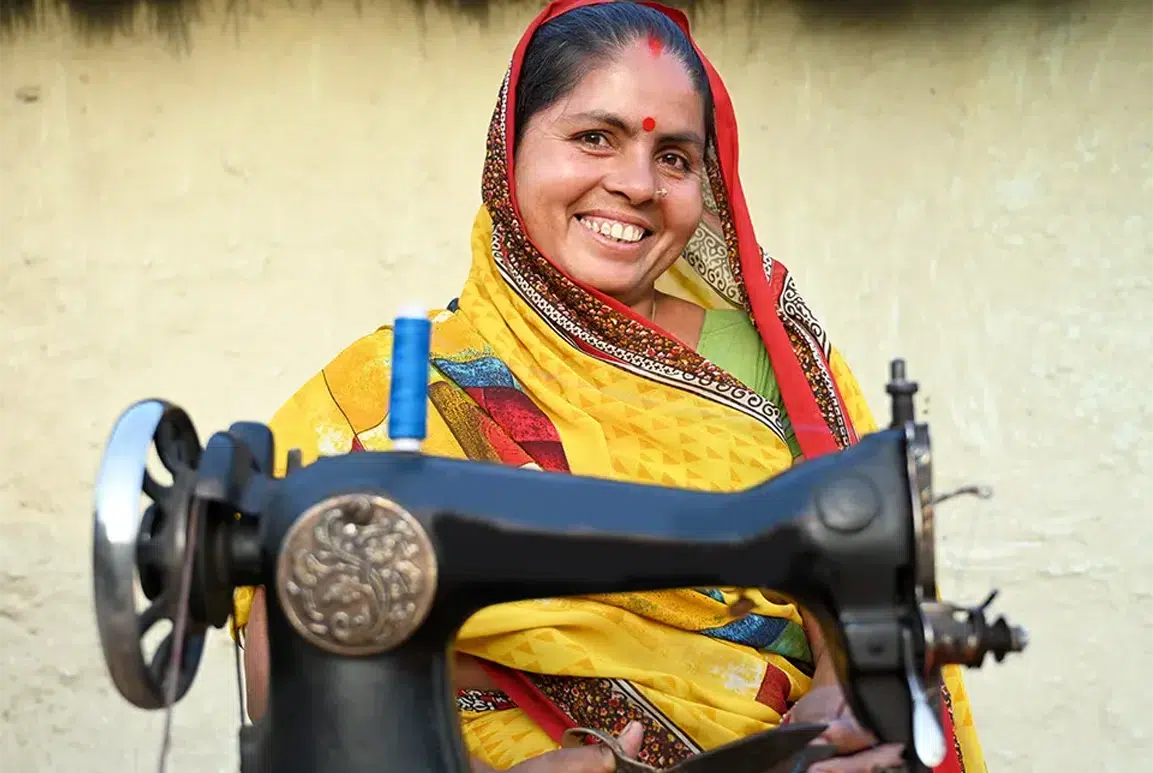
Consider a young woman in a small town who has learned basic tailoring.

For years, her work depends on local demand. Then someone shows her how to:

  • Take orders through social media
  • Accept digital payments
  • Track customers on her phone

Nothing about her core skill changes. But her income, reach and confidence do.

That shift, quiet but powerful, is what upskilling looks like in real life.

Upskilling India The need to refine your skills

The conversation around upskilling often overlaps with other ideas:

  • Skill development India continues to focus on scale
  • Vocational training India connects people to trades and services
  • Digital skills India are becoming foundational across sectors
  • Employability skills youth India emphasise communication and adaptability

Together, these shape how individuals navigate the future of work India.

Upskilling vs Reskilling — Know the Difference

There is a tendency to treat all learning as the same. But the difference matters.

Upskilling helps a person grow within their current path.
Reskilling helps them change direction entirely.

A delivery worker learning route optimisation tools is upskilling.
That same worker learning coding to move into IT is reskilling.

Both are important. But for many in India’s informal and semi-formal economy, upskilling is often the more immediate and accessible pathway.

Upskilling in India: Why It Matters in 2026

India’s workforce is young, ambitious and increasingly aware of opportunity. But it is also unevenly prepared.

For individuals, learning new skills is no longer about standing out. It is about staying relevant.

For organisations, it is no longer efficient to hire ready-made talent. It is necessary to build it.

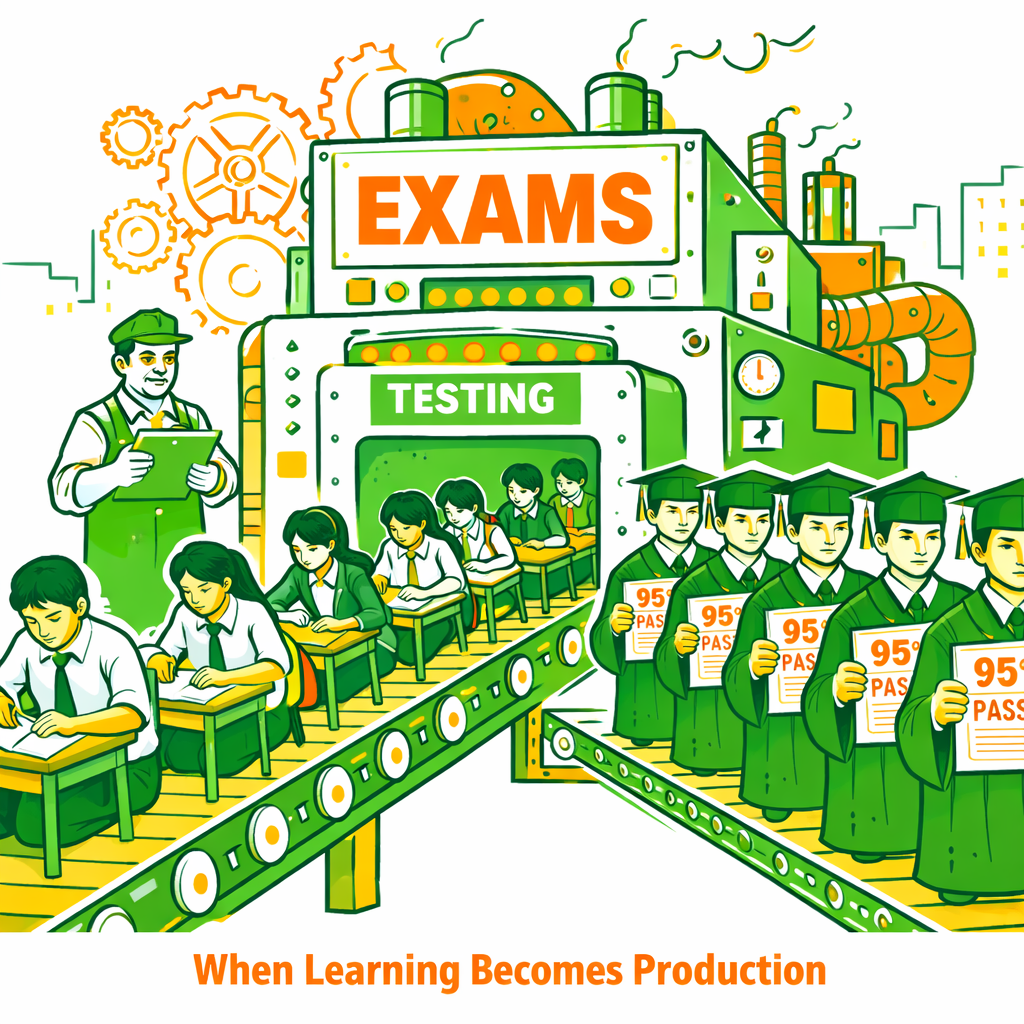
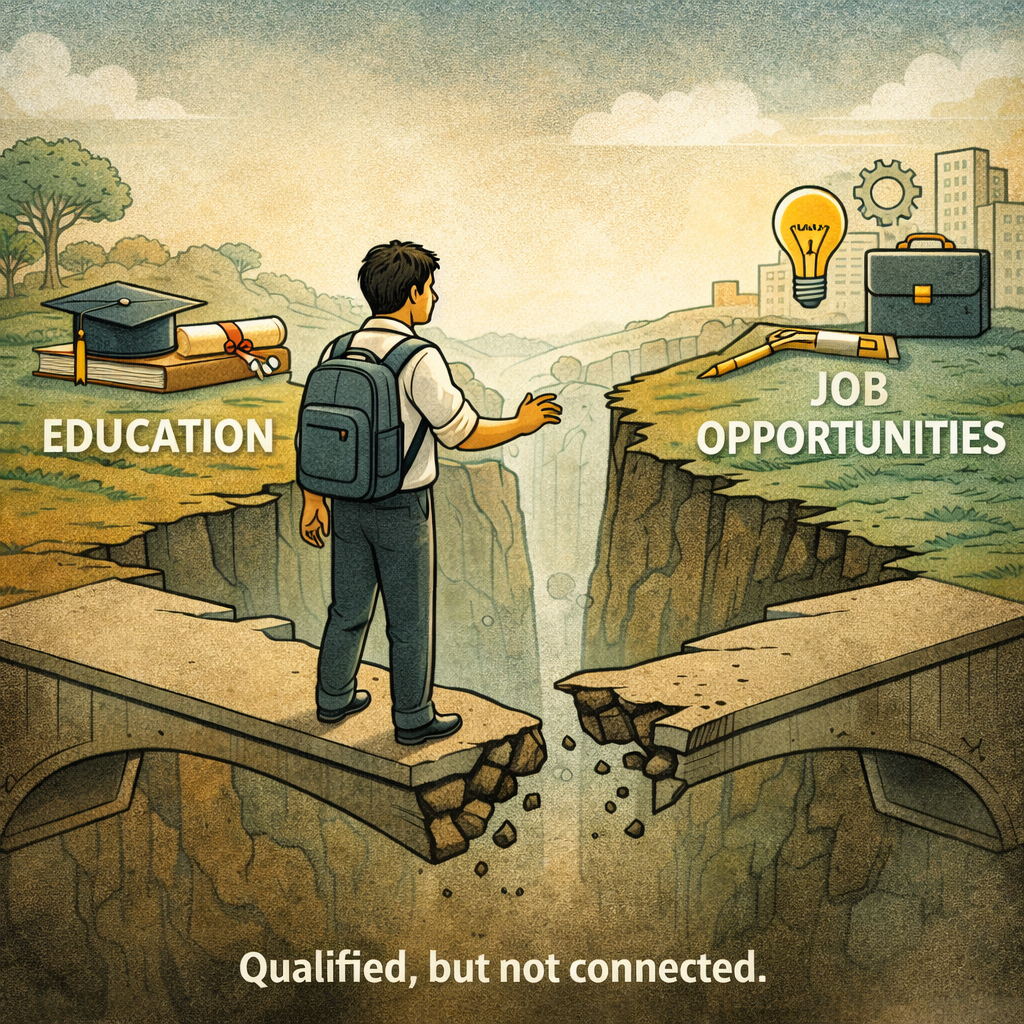
And for the economy, the gap between education and employability is becoming harder to ignore.

This is why conversations around job skills 2026 are expanding beyond degrees and certifications to include adaptability, digital familiarity and continuous learning.

Upskilling India The ease

Where the real shift is happening

The most important change is not happening in large institutions. It is happening in small, incremental ways.

A young man in a village learns how to repair smartphones because demand is growing.
A nurse learns to use digital health systems introduced in clinics.
A student takes free online courses late at night, hoping to improve their chances in interviews.

These are not dramatic transformations. They are layered ones.

And together, they are reshaping what career development looks like.

Upskilling India The Pathway Forward

Real examples of upskilling in India

Across the country, different pathways are emerging:

  • Government-supported programmes like Pradhan Mantri Kaushal Vikas Yojana are helping youth access structured training
  • The National Skill Development Corporation is working to standardise and expand skilling ecosystems
  • Informal workers are learning platform-based skills to increase earnings
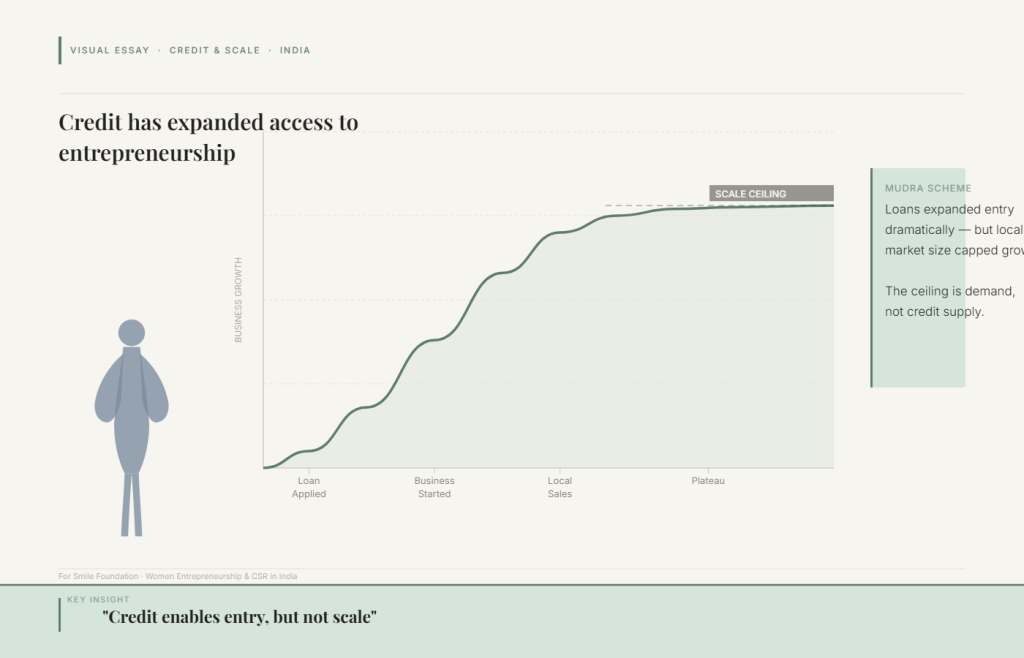
  • Women are entering micro-enterprises through digital tools

These examples show that learning is no longer confined to classrooms. It is embedded in work itself.

A quiet constraint: not everyone can afford to learn

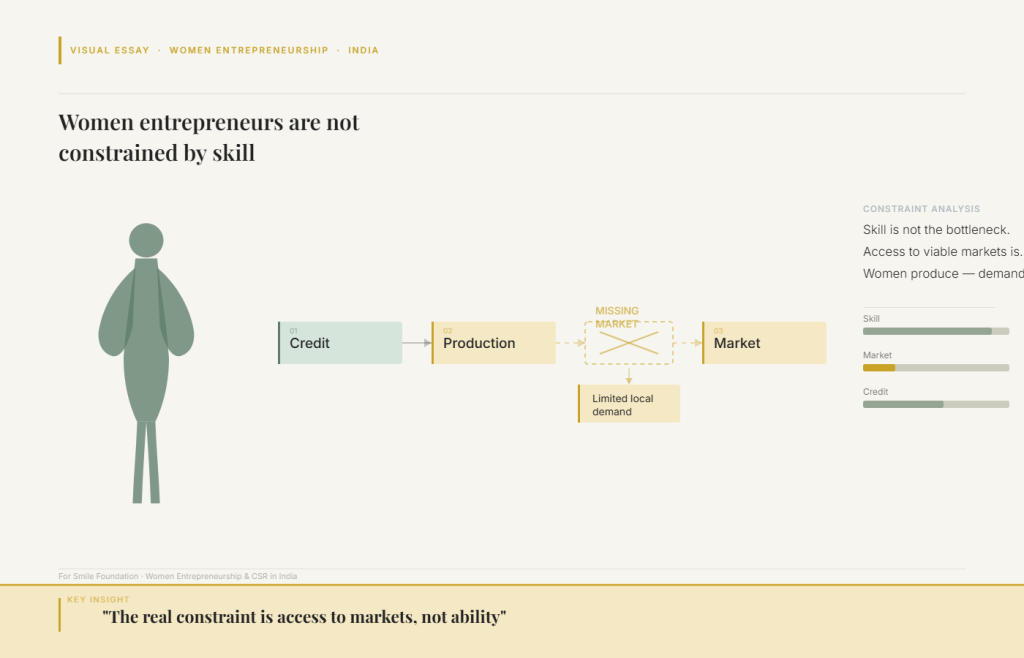
For many, the barrier is not willingness. It is capacity.

Learning takes time.
Time often means lost income.
For women, it may also mean negotiating household responsibilities.

This is where many skilling efforts fall short. They assume that access equals participation.

In reality, the question is often more basic. Can someone afford to spend time learning today for a benefit that may come later?

How to start upskilling — a realistic first step

Upskilling does not always begin with a formal programme.

It often begins with a small decision:

  • Learning one tool
  • Improving one skill
  • Trying one new method

In a world shaped by online learning India platforms, even limited access can open new possibilities.

What matters is consistency, not scale.

How Smile Foundation builds pathways, not just skills

For many young people, especially in underserved communities, the challenge is not just learning. It is navigating everything around it.

Smile Foundation approaches this differently.

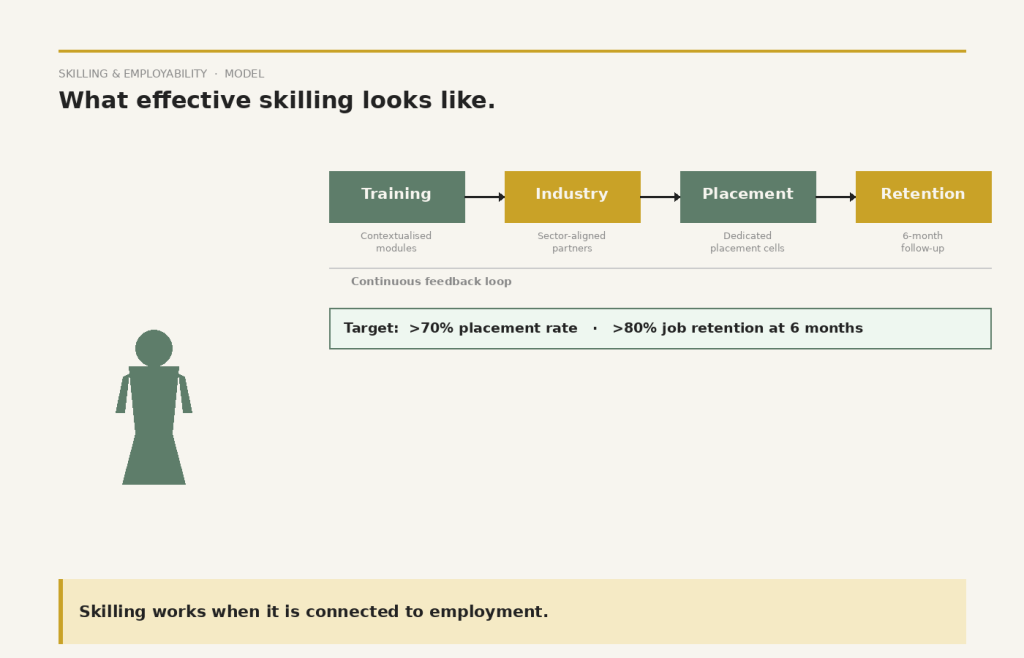
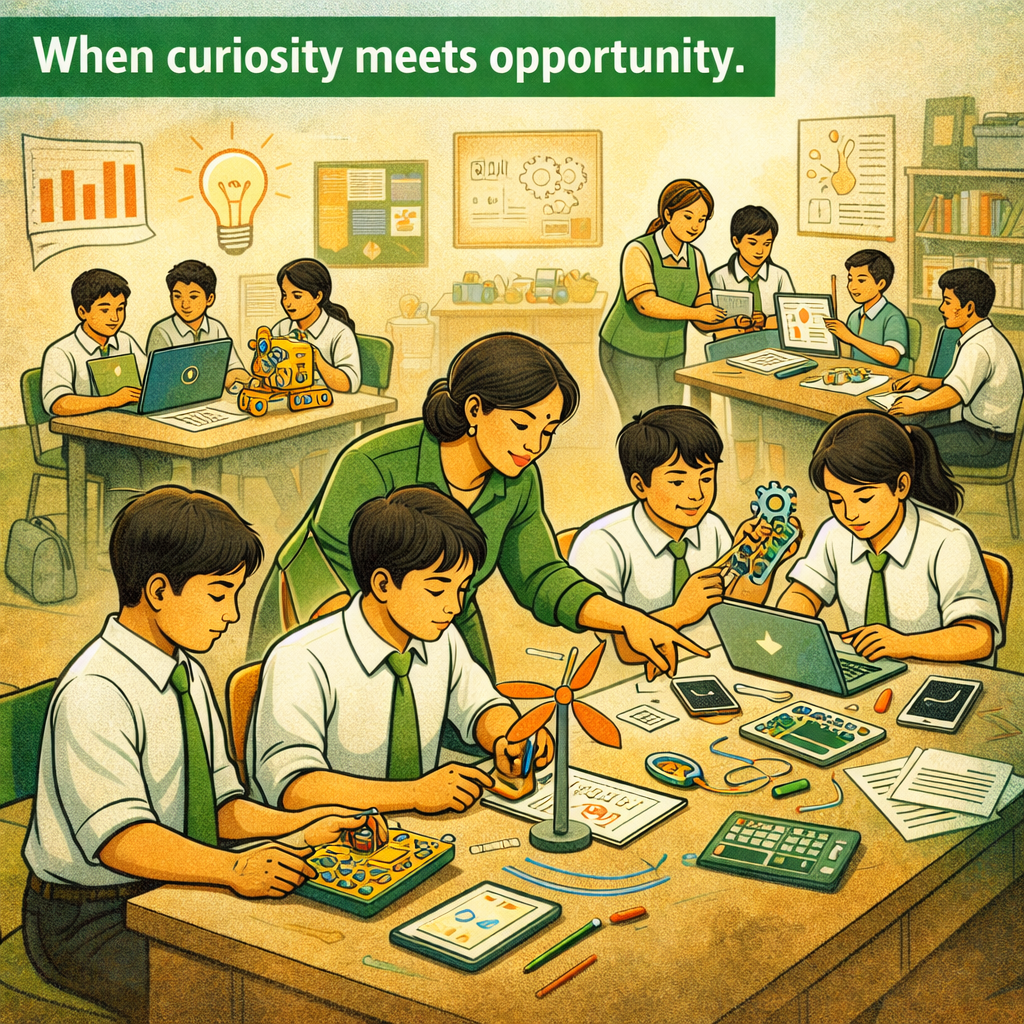
Its programmes do not treat skilling as a standalone intervention. Instead, they:

  • Combine vocational training with life skills
  • Support confidence-building and communication
  • Work closely with communities to improve participation
  • Link training to real livelihood opportunities

This recognises a simple truth. Skills alone do not change lives. Pathways do.

If you are looking to support meaningful change, exploring Smile Foundation’s work in workforce training can be a starting point.

The future will belong to those who keep learning

There was a time when careers followed a predictable path.

That certainty is fading.

Today, growth depends less on what you know once and more on how willing you are to keep learning. This is where upskilling becomes central, not just to employment, but to dignity, stability and mobility.

In India, where aspirations are rising faster than systems can adapt, this shift matters deeply.

Because the future of work is not just about jobs.

It is about whether people are prepared for them.

Upskilling India Keep learning 1

FAQ — Upskilling Meaning

What is the exact meaning of upskilling?

Upskilling means improving existing skills or learning new ones to stay relevant in a job or industry.

What is the difference between upskilling and reskilling with examples?

Upskilling builds on current skills, like learning digital tools in the same job. Reskilling involves learning a completely new field.

Why is upskilling important for students and professionals in India?

It improves employability, helps adapt to change and increases career opportunities in a competitive economy.

What are some simple examples of upskilling in everyday life?

Learning Excel, improving communication, using digital platforms for work or taking short online courses.

How is upskilling different from general education or training?

Upskilling is continuous, practical and focused on improving current abilities, while education is broader and foundational.

What are the most in-demand skills to learn in India in 2026?

Digital skills, communication, data handling, healthcare support skills and technical trades.

How can someone start upskilling with limited resources?

By using free online platforms, community programmes and self-learning methods with consistent practice.

What government schemes support skill development in India?

Schemes like Pradhan Mantri Kaushal Vikas Yojana and initiatives by the National Skill Development Corporation.

How does Smile Foundation help youth with upskilling?

It provides training, life skills and employment-linked opportunities for underserved youth across India.

Categories
Women Empowerment Health

Safe Motherhood Is a System, Not a Single Day

On April 11, India observes National Safe Motherhood Day, a moment to reflect on a simple truth: no woman should lose her life while giving life.

Over the past two decades, India has made measurable progress in reducing maternal mortality. More women are delivering in institutions, antenatal care coverage has improved and national programmes have expanded the reach of services. However, for many women, especially in underserved and aspirational districts, safe motherhood is still shaped by distance, delay and decisions made far beyond the clinic.

Safe motherhood is not a single intervention or a single moment. It is a system, one that begins long before pregnancy and continues well after childbirth.

The Continuum of Care: Where Gaps Still Exist

National Safe Motherhood Day the need

Policy frameworks often describe maternal health as a continuum: antenatal care, safe delivery and postnatal support. In practice, however, this continuum is fragile.

A woman may attend one antenatal check-up but miss follow-ups due to distance or cost. She may deliver at a facility but return home without postnatal monitoring. The first 48 hours after childbirth, often the most critical window for both mother and newborn, remain one of the least supported phases.

The challenge is not just access to services, but continuity between them.

antenatal care

The Backbone of Last-Mile Care

In many parts of India, the face of maternal healthcare is not a hospital. It is a person.

ASHA workers, ANMs and Anganwadi workers form the backbone of last-mile delivery. They identify pregnancies, counsel families, track high-risk cases and often accompany women to health facilities. Their work bridges the gap between public health systems and communities that may otherwise remain excluded.

And yet, their role is frequently under-recognised and under-resourced.

Strengthening safe motherhood outcomes means investing in these workers not just as implementers, but as decision-makers and leaders within community health systems.

National Safe Motherhood Day THE INVISIBLE NETWORK

When Distance Becomes Risk

One of the most preventable causes of maternal deaths is delay.

Delay in recognising complications, deciding to seek care and reaching a facility.

National Safe Motherhood Day THE THREE DELAYS

For women in remote geographies, transport is not a logistical detail, it is a matter of survival. The availability of ambulances, all-weather roads and functional referral systems can determine outcomes in moments of crisis.

Safe motherhood, therefore, is as much about infrastructure as it is about healthcare.

National Safe Motherhood Day the last mile delivery

The Decisions That Happen at Home

Maternal health outcomes are shaped long before a woman reaches a health facility.

In many households, women do not make independent decisions about their own care. Early marriage and early pregnancy increase health risks. Financial constraints and social norms often delay or prevent timely care-seeking.

This is why safe motherhood cannot be addressed through clinical interventions alone. It requires engaging families, especially men, and shifting community norms around women’s health and agency.

National Safe Motherhood Day support makes difference

It Starts Before Pregnancy

By the time a woman becomes pregnant, many determinants of her health are already in place.

High rates of anaemia among adolescent girls, poor nutrition and limited awareness about reproductive health contribute to increased risks during pregnancy. Delaying the age of first pregnancy and improving adolescent health are among the most effective ways to improve maternal outcomes in the long term.

Safe motherhood, in this sense, begins in adolescence.

National Safe Motherhood Day the journey

Making the Invisible Visible

Data has quietly become one of the most powerful tools in maternal health.

Digital tracking of pregnancies, identification of high-risk cases and real-time monitoring at the district level are enabling more targeted interventions. In aspirational districts, where resources are often stretched, such tools can help prioritise care where it is needed most.

But data only works when it is coupled with action at the last mile.

National Safe Motherhood Day the numbers

Beyond Survival: The Case for Dignity

Safe motherhood is often discussed in terms of survival rates. But survival alone is not enough.

Women deserve respectful, consent-based care during pregnancy and childbirth. Experiences of neglect, lack of privacy or poor communication can discourage future care-seeking and erode trust in the system.

Ensuring dignity in care is not an add-on. It is central to improving outcomes.

The Role of Partnerships

No single institution can address maternal health in isolation.

Government programmes provide the framework, but their effectiveness often depends on partnerships. Civil society organisations, CSR initiatives and community platforms play a critical role in extending reach, building trust and innovating at the grassroots.

Where Smile Foundation Fits In

National Safe Motherhood Day the collaboration space

For organisations like Smile Foundation, safe motherhood is not a standalone issue. It intersects with nutrition, primary healthcare, adolescent health and community awareness.

Through initiatives like mobile healthcare delivery, community engagement and last-mile service provision, Smile Foundation works within this broader ecosystem, addressing not just the medical aspects of pregnancy, but the conditions that shape it.

Whether it is reaching underserved communities through mobile health units, supporting frontline workers or enabling awareness at the household level, the approach recognises a fundamental truth: maternal health cannot improve in isolation.

A Day That Must Lead to Action

National Safe Motherhood Day is an important reminder. But its real value lies in what it prompts us to do beyond April 11.

It asks policymakers to strengthen systems,
organisations to deepen engagement,
and communities to shift norms.

Because safe motherhood is not achieved in hospitals alone. It is built in homes, in communities, and across systems that work, or fail, together.

And until every woman, regardless of where she lives, has access to safe, respectful, and timely care, this day will remain not just relevant, but necessary.

National Safe Motherhood Day Act Now

Here are clear, human-centred FAQs tailored for your Smile Foundation blog. The tone is informative, grounded, and aligned with development-sector writing:

Frequently Asked Questions (FAQs)

1. When is National Safe Motherhood Day observed?

National Safe Motherhood Day is observed every year on April 11 in India. The day marks the birth anniversary of Kasturba Gandhi and is dedicated to raising awareness about maternal health and access to safe pregnancy and childbirth services.

2. Who started National Safe Motherhood Day in India?

National Safe Motherhood Day was initiated by the White Ribbon Alliance India in 2003. It was later officially recognised by the Government of India as a national observance focused on maternal health awareness.

3. What are the 5 pillars of safe motherhood?

Safe motherhood is often understood through five key pillars:

  • Antenatal care – regular check-ups during pregnancy
  • Skilled care at birth – trained professionals during delivery
  • Emergency obstetric care – timely intervention in complications
  • Postnatal care – support for mother and newborn after birth
  • Family planning – spacing and informed reproductive choices

4. What is the theme of National Safe Motherhood Day 2026?

As of now, there is no widely announced official national theme for 2026. However, campaigns typically focus on improving maternal health outcomes through access, awareness and quality of care, especially for underserved communities.

5. What is the difference between Safe Motherhood Day and Mother’s Day?

While both centre around mothers, their purpose is very different:

  • National Safe Motherhood Day focuses on health, rights and access to care during pregnancy and childbirth
  • Mother’s Day is a celebratory occasion to honour mothers and motherhood

One is about systems and survival, the other about appreciation and celebration.

6. What is the role of White Ribbon Alliance in India?

The White Ribbon Alliance India works to ensure that every woman has access to safe and respectful maternal healthcare.

Its role includes:

  • Advocacy for maternal health rights
  • Community mobilisation and awareness
  • Promoting respectful maternity care
  • Influencing policy and accountability

7. How does the government support safe motherhood in India?

The Government of India runs several programmes to improve maternal health outcomes, including:

  • Janani Suraksha Yojana – financial incentives for institutional deliveries
  • Pradhan Mantri Surakshit Matritva Abhiyan – free antenatal check-ups on designated days
  • LaQshya Programme – improving quality of care in labour rooms

These efforts aim to strengthen both access and quality of maternal healthcare services.

8. What is the maternal mortality rate in India in 2026?

As of the most recent available estimates, India’s maternal mortality ratio (MMR) stands at approximately 97 deaths per 100,000 live births (Sample Registration System data, 2018–20).

While newer consolidated national data for 2026 is not yet available, the trend shows a steady decline, reflecting improvements in healthcare access and interventions.

9. How can communities support safe motherhood?

Communities play a critical role in improving maternal health outcomes. They can:

  • Encourage timely antenatal check-ups
  • Support institutional deliveries
  • Recognise danger signs during pregnancy
  • Promote nutrition and anaemia prevention
  • Involve men and families in decision-making

Safe motherhood is not only a health system issue, it is a community responsibility.

10. How does Smile Foundation support maternal health?

Smile Foundation supports maternal health through an integrated, last-mile approach:

  • Delivering healthcare through mobile medical units
  • Supporting antenatal and postnatal care in underserved areas
  • Strengthening community awareness and engagement
  • Working with frontline health workers
  • Addressing nutrition, primary healthcare and access gaps

By embedding maternal health within a broader development framework, the organisation works to ensure that safe motherhood is accessible, continuous and dignified.

Categories
Health

Protecting the First Food: Maternal Health Begins with Safe Water

When a baby is born, the first food offered is more than nourishment. It is connection. Protection. Regulation. It is the body’s promise: I will keep you safe.

Breast milk has long been recognised as the biological norm for infant feeding. It adapts to a baby’s needs. It contains antibodies that respond to local pathogens and supports gut development and immune resilience. For most families, it is also the most accessible and affordable source of infant nutrition.

And yet, the safety of this first food does not rest on the mother alone.

It rests on the safety of her environment.

Breastfeeding is not the problem

Let us begin here: breastfeeding remains one of the most powerful ways to protect infant health.

When concerns arise about environmental contaminants—heavy metals in groundwater, pesticide residues, industrial pollutants—it can be easy to misdirect the worry toward breast milk itself. But decades of research consistently show that, even in environments with contamination concerns, the benefits of breastfeeding overwhelmingly outweigh the risks.

The real question is not whether breast milk is safe.

The real question is whether we are doing enough to protect the mother.

The invisible pathways

Water is often described as life. In many communities, it is also a daily uncertainty.

Groundwater contamination has been detected in various regions due to naturally occurring minerals, agricultural runoff and industrial activity. These exposures are rarely visible. Families may rely on borewells or local sources without knowing what lies beneath.

A lactating mother drinks this water. She cooks with it and uses it to prepare food for her family.

The body is remarkably protective. Breast milk is not simply a reflection of maternal blood levels. It is a regulated biological fluid, produced with mechanisms that limit the transfer of many harmful substances.

But maternal exposure still matters.

Not because it makes breast milk unsafe in most cases but because mothers deserve environments that support their health as fully as their milk supports their babies.

Maternal health begins before birth

We often speak about the first 1,000 days of life as critical for development. That timeline begins in pregnancy, but it is shaped long before.

Safe water influences:

  • Maternal nutrition
  • Kidney function
  • Immune health
  • Overall well-being during pregnancy and lactation

When water sources are compromised, women may experience repeated infections, anaemia or chronic exposure to low levels of contaminants. These conditions can affect energy, recovery, and long-term health.

Supporting breastfeeding means supporting maternal health. Supporting maternal health means ensuring safe water.

Protecting the First Food: Maternal Health Begins with Safe Water

The environment is part of the maternal health care team

We tend to think of maternal care as clinic-based: antenatal check-ups, iron supplements, skilled birth attendants, postnatal counselling.

But the environment is part of the care team too.

A safe water source.
Sanitation facilities.
Knowledge about hygiene and storage.
Community awareness.

These factors quietly shape outcomes.

Community health workers often build trusted relationships with mothers. With simple additions, such as education about water storage, boiling practices where needed, or information about testing, they can strengthen this invisible layer of protection.

Water safety conversations do not undermine breastfeeding. They reinforce it.

Protecting confidence while strengthening systems

One of the most important principles in infant feeding support is preserving maternal confidence.

Fear-based messaging can do harm. If mothers are told their milk might be unsafe, even without context, anxiety rises. Some may prematurely stop breastfeeding, turning to alternatives that may be less safe or less accessible.

So we must be careful.

The solution is not to question mothers’ milk.

The solution is to improve the systems around them.

Routine groundwater monitoring.
Public transparency about contamination levels.
Accessible purification technologies.
Infrastructure investment.

When these systems function well, mothers can focus on what they do best—responding to their babies.

Why this is a justice issue

Environmental contamination does not affect all communities equally.

Rural households, low-income families and marginalised communities are more likely to rely on untreated groundwater sources. Women in these settings often carry the responsibility for water collection and household management.

The burden, therefore, is gendered.

When we speak of protecting the first food, we are also speaking of equity. Every mother, regardless of geography, deserves the assurance that the water she drinks supports—not compromises—her health.

This is not about individual behaviour change alone. It is about structural commitment.

A Holistic View of Maternal and Child Health

Maternal and child health programmes that integrate water, sanitation and hygiene create stronger foundations.

Imagine:

  • Antenatal visits that include brief conversations about water sources.
  • Anganwadi centres that model safe storage practices.
  • Mobile health units that partner with local authorities to flag contamination hotspots.
  • CSR initiatives that combine maternal nutrition with water purification support.

When maternal health and environmental health are treated as separate silos, families fall through the cracks. When they are treated as interconnected, protection becomes layered and durable.

Breast Milk Remains a Powerful Safeguard

It is important to return to this reassurance: breast milk is remarkably protective.

It contains immune factors that help buffer infants against pathogens. It adapts to infections circulating in the community and is biologically designed to support early development.

Even in challenging environments, breastfeeding often remains the safest and most protective feeding option available.

The responsibility, then, is ours—not the mother’s—to improve environmental conditions.

The power of prevention

Protecting safe water may not carry the emotional resonance of a newborn’s first feed. It may not appear as dramatic as a hospital intervention.

But it is prevention at its most fundamental.

Every borewell tested and every filtration system installed.
Every informed conversation between a health worker and a mother.

These actions do not replace breastfeeding support. They strengthen it.

Beginning at the source

Maternal health begins at the water source, in the kitchen, in the fields, in the daily routines of women who carry both life and responsibility.

Protecting the first food is not about raising doubt. It is about raising standards.

It is about ensuring that when a mother brings her baby to her breast, she can do so with confidence—knowing that the systems around her honour and support that act of care.

Safe water is not separate from maternal health.

It is the foundation beneath it.

0%