
Summary
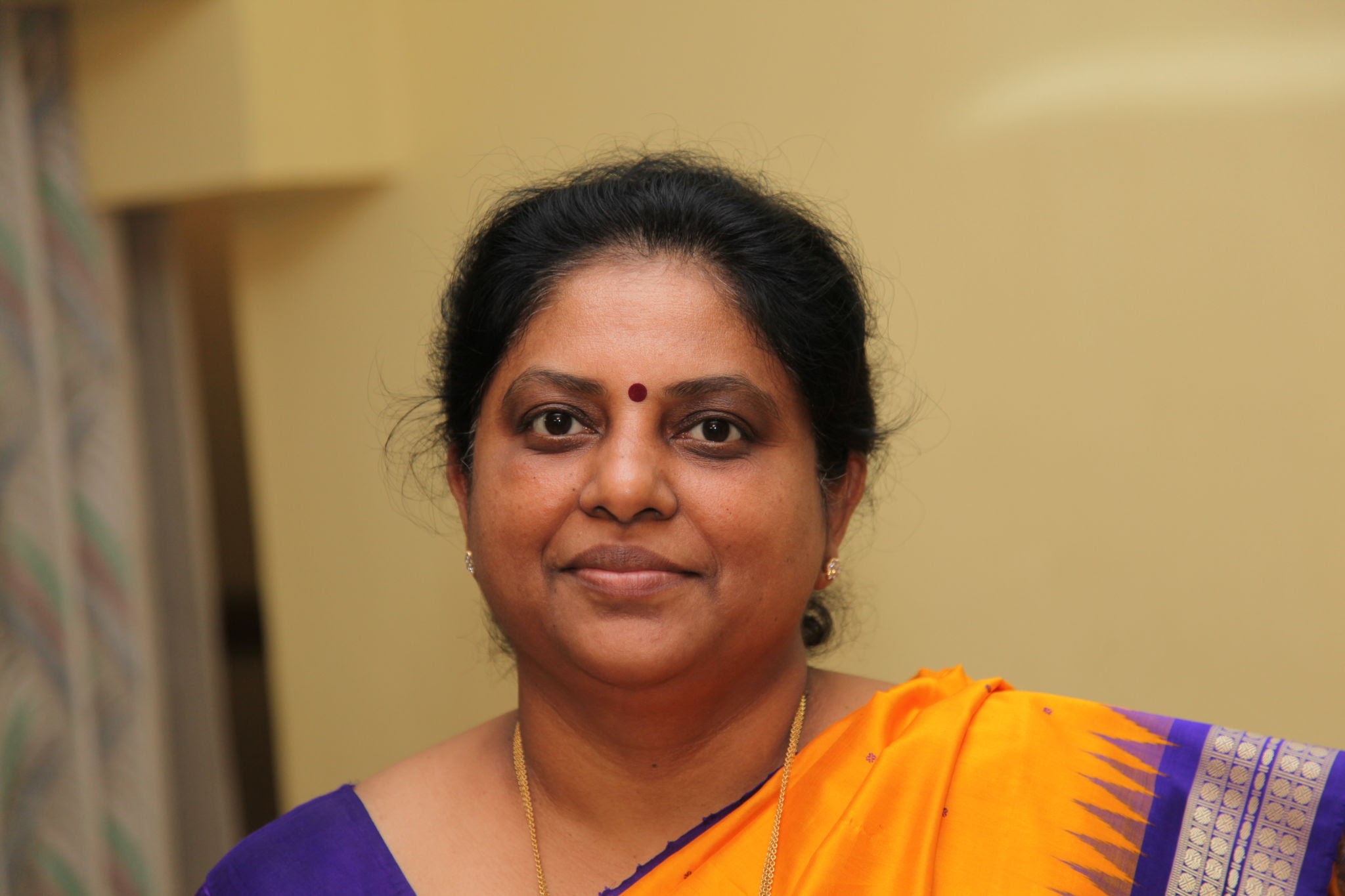
Known as the Missile Woman of India, Tessy Thomas has redefined what leadership in science and defence looks like in modern India. From a modest upbringing in Kerala to leading some of India’s most advanced missile programmes, her journey is one of resilience, intellect and determination. Best known for her work on the Agni missile series, including contributions to long-range systems like Agni-IV and beyond, she has played a critical role in strengthening India’s strategic capabilities. Her story is about breaking barriers, inspiring generations and proving that science, when pursued with conviction, can transform both a nation and its narrative.

Determination of Steel
There is a photograph that captures something essential about Tessy Thomas, admiringly called the Missile Woman of India. She is standing in a control room, composed and focused, surrounded by the kind of instrumentation that most people will never see in their lifetimes. There is no drama in her expression — only the quiet authority of someone who has spent decades earning her place in one of the most demanding fields in the world.
That composure, it turns out, has been there from the beginning.
A Childhood Shaped by the Coast and Circumstance
Tessy Thomas was born in April 1963 in Alappuzha, a town of backwaters and fishing boats on the Kerala coast. It was not, by any obvious measure, a place that pointed toward missile science. But the distance between where someone begins and where they end up is rarely about geography.
When her father suffered a stroke during her childhood, the family’s stability shifted overnight. Financial pressure arrived early, and so did the understanding that resilience was not optional. Her mother held the household together and kept education at the centre of it — a decision that would shape everything that followed.
What Alappuzha did offer, almost by accident, was proximity to the Thumba Equatorial Rocket Launching Station. Growing up within sight of rocket launches, Tessy Thomas absorbed something that no curriculum could fully deliver: the visceral sense that science was not abstract. It was loud and bright, and real. She thought that she could reach the moon.
The Decision That Wasn’t Obvious
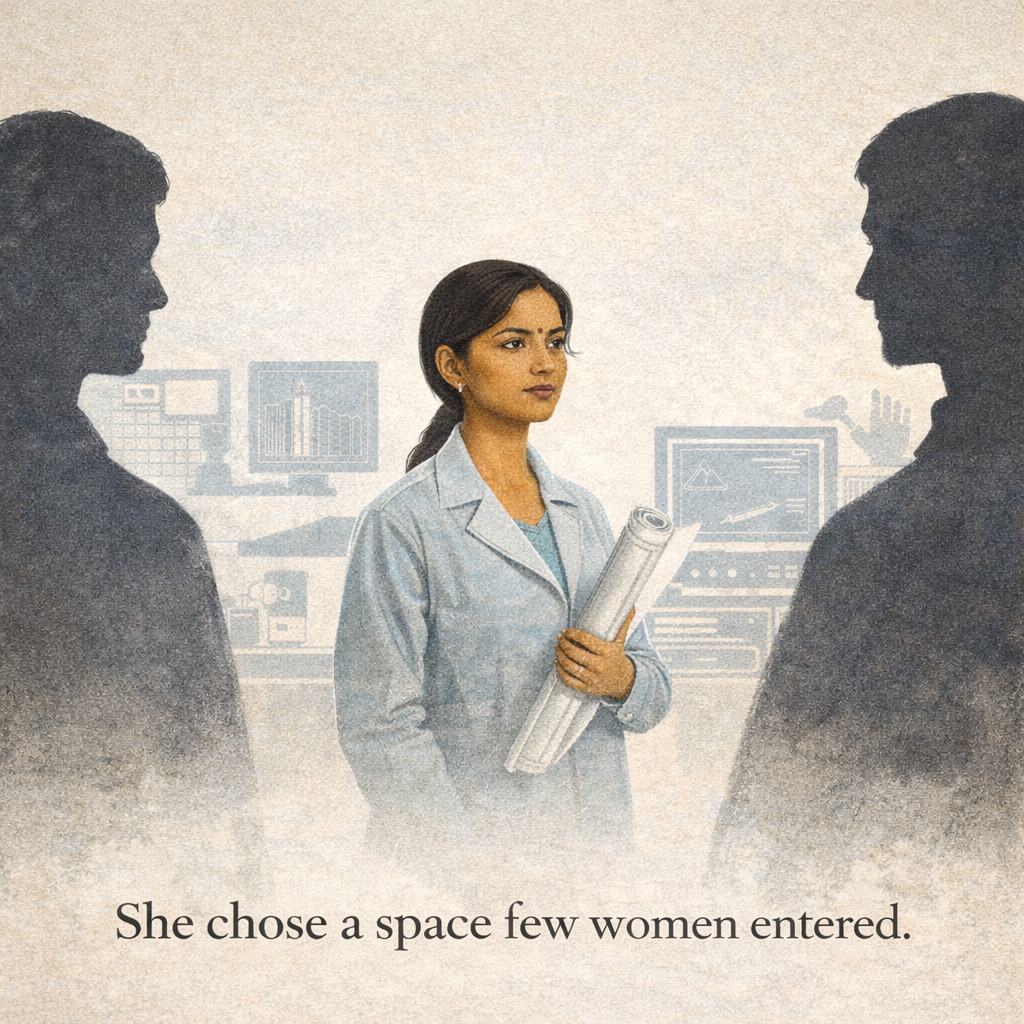
Choosing aerospace engineering in the India of the early 1980s required a particular kind of conviction, especially for a woman. Defence research was not a field that actively recruited women, and there were few visible role models to suggest it was even possible.
What drew her in was the national mood around science itself. India was building something — in space, in defence, in its own sense of technological self-sufficiency. A. P. J. Abdul Kalam and others were turning missile development into a kind of national aspiration, and for a young woman who found mathematics and physics more instinct than effort, the pull was difficult to resist.
She completed her engineering in electronics and communication, then specialised in guided missile technology. The decision was unconventional. In retrospect, it looks inevitable.
Building a Career in the Shadows of Classified Work
Tessy Thomas joined the Defence Research and Development Organisation (DRDO) in the 1980s, at a time when India was investing heavily in indigenous defence capability. The work was unglamorous in the way that most serious scientific work is — iterative, precise and largely invisible to the public.
She was not fast-tracked. She climbed. Each role brought greater complexity: guidance systems, trajectory optimisation, mission planning, systems integration. Her focus was the Agni series of ballistic missiles, and within that programme, her contributions to long-range systems — including becoming the Project Director of the Agni-IV ballistic missile and the development pathways toward future variants, would eventually earn her a title that no one had held before. The media called her India’s Missile Woman and Agniputri.
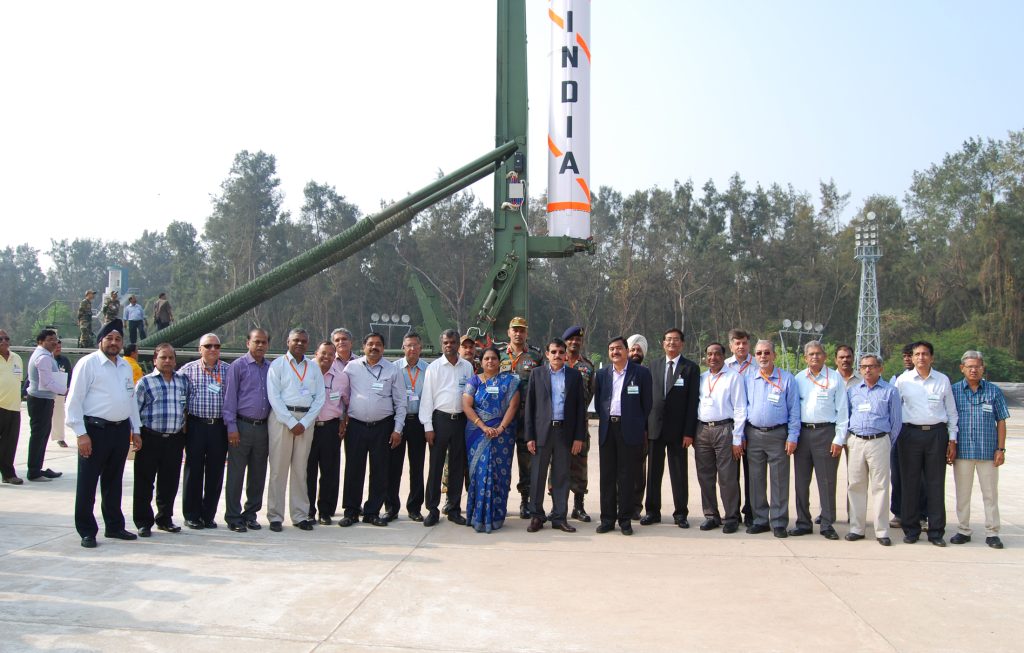
Over time, she rose to Director General of Aeronautical Systems at DRDO, one of the most senior positions in India’s defence research structure. Those who worked with her describe a leadership style that was calm under pressure, technically unimpeachable and unusually collaborative for a domain that often rewards hierarchy over openness.
As of April 2026, Dr. Tessy Thomas serves as the Vice-Chancellor of Noorul Islam Centre for Higher Education (NICHE) in Kanyakumar
What the Title “Missile Woman of India” Actually Means
The label Missile Woman of India entered public consciousness as a media shorthand, but it points to something more specific than celebrity. It reflects the fact that for a sustained period, across some of India’s most strategically sensitive defence projects, one person’s technical judgment was indispensable.
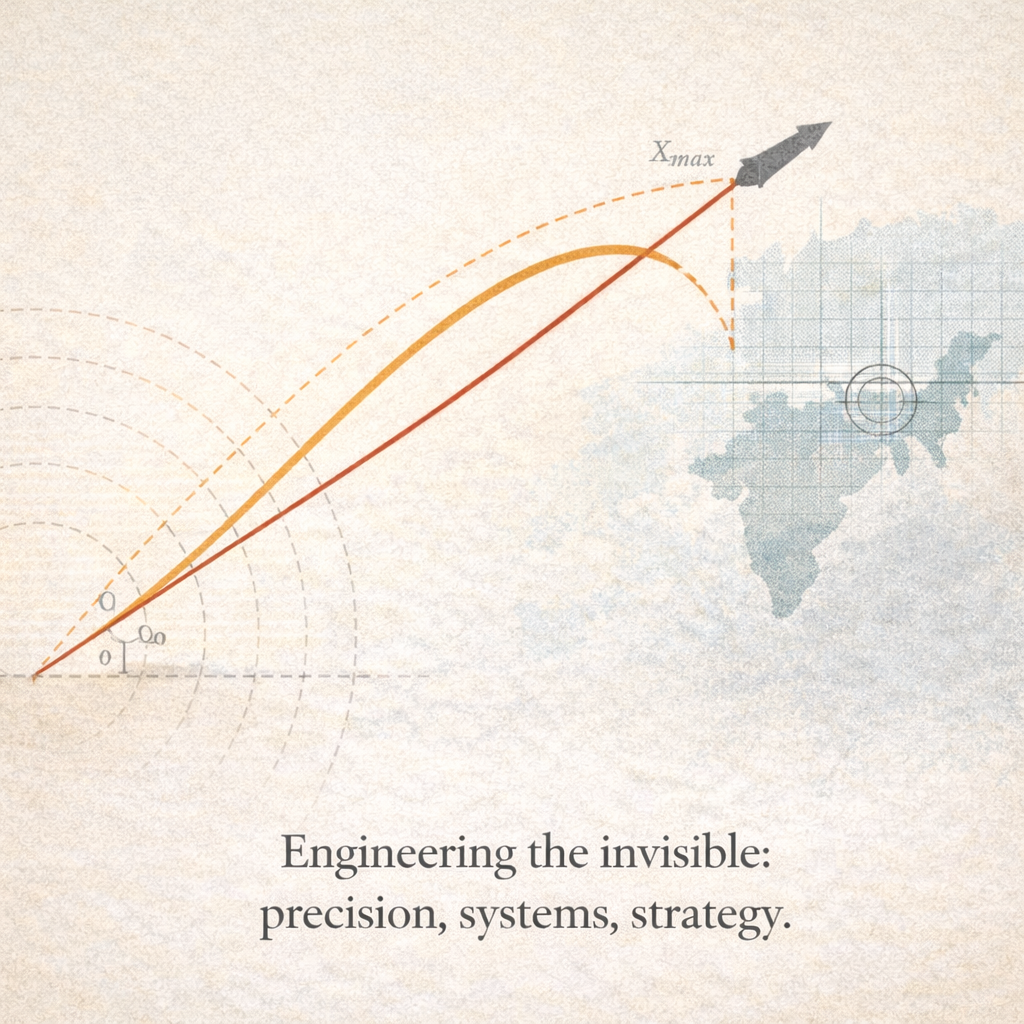
Her work on guidance and control systems determined whether a missile could reach its target with precision. Her contributions to systems integration meant that complex, multi-component technologies could function as a coherent whole. These are not supporting roles but the work itself.
India’s ability to develop and deploy long-range ballistic missiles without dependence on foreign technology owes something significant to her. That is what the title is actually marking.
Kalam, Mentorship and the Philosophy Behind the Science
Working alongside A. P. J. Abdul Kalam left a particular kind of impression on Tessy Thomas — not just technical, but philosophical. Kalam believed that science was inseparable from the people who practised it, and that the culture of a laboratory was as important as the quality of its instruments. That thinking shaped how she approached her own leadership.
She has spoken consistently about the importance of teamwork in environments where individual brilliance is often over-celebrated. She has championed young scientists and women in STEM particularly, not through grand gestures but through the more durable work of being present, accessible and honest about the path.
The human side of her career including the mentorship, the institutional culture-building and the insistence that science is a collective endeavour, may ultimately prove as significant as any single technical achievement.
Recognition and What Comes After
In 2025, Tessy Thomas received the Eighth Paulos Mar Gregorios Award, presented at the Thyagaraj Sports Complex. The award, established in memory of Paulos Mar Gregorios — theologian, scholar and former President of the World Council of Churches — recognises contributions that carry meaning beyond professional accomplishment. It was a fitting recognition for a career that has always been about more than the work itself.
Her tenure as Vice-Chancellor of Noorul Islam Centre for Higher Education extended her influence into the next generation of engineers and scientists, translating decades of experience into institutional knowledge that could outlast any single project.
Why STEM Access Matters Today
The journey of the Missile Woman of India is not an isolated story of individual brilliance. It is also a reminder of what becomes possible when girls are given access to education, mentorship and opportunity in science and technology.
Across India, however, millions of girls are still excluded from STEM pathways — not due to lack of ability, but due to lack of access.
This is where organisations like Smile Foundation are working to bridge the gap.
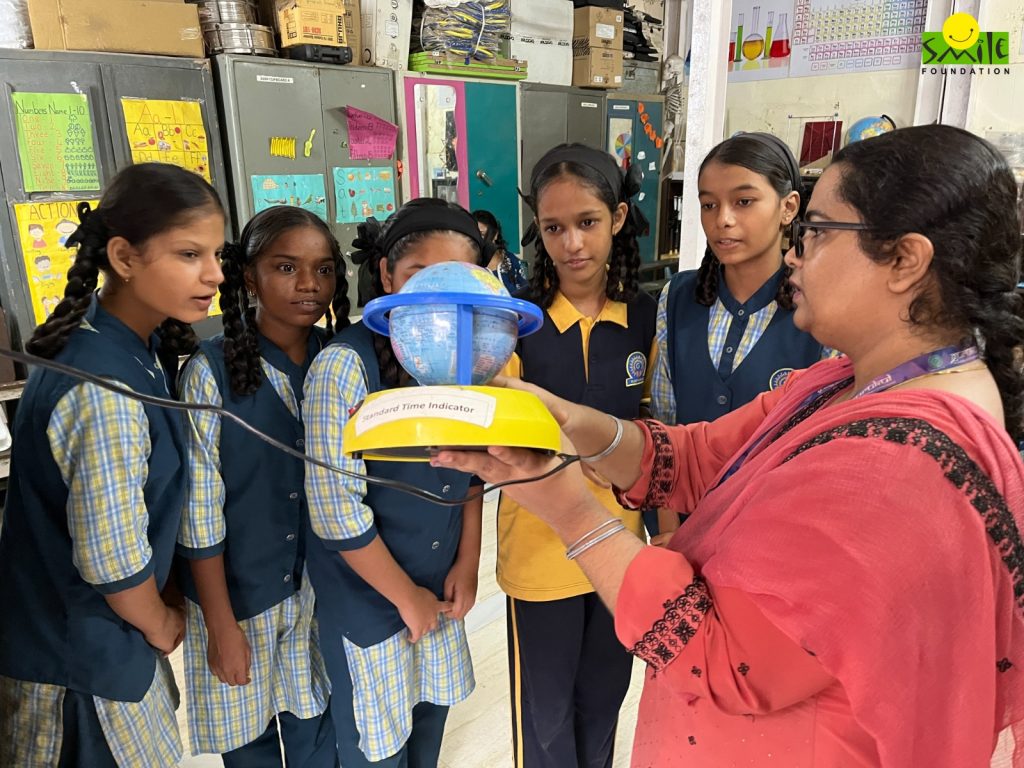
Through our focused interventions in education, Smile Foundation is enabling children, especially girls from underserved communities, to access STEM learning through digital classrooms, experiential education and mentorship. By introducing young learners to science, technology, engineering and mathematics early on, these programmes aim to build academic competence, curiosity and confidence.
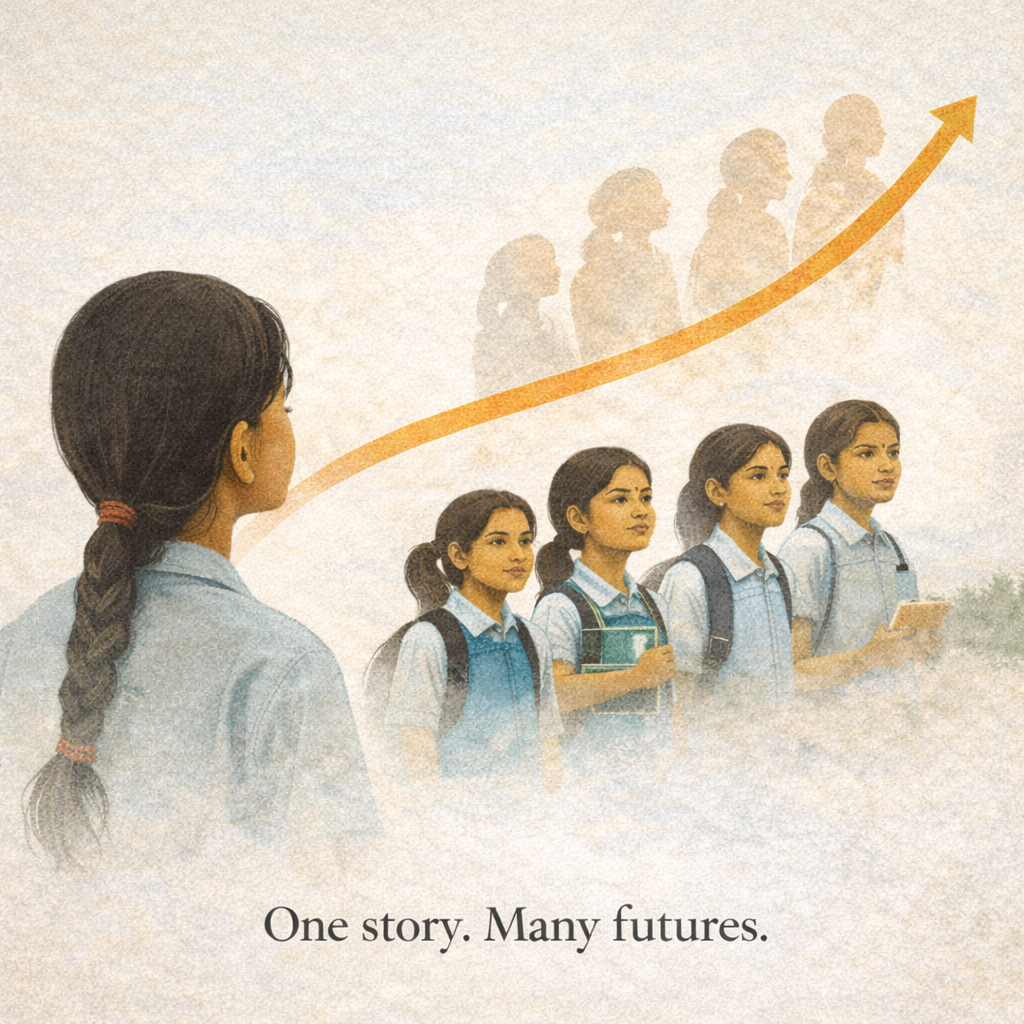
Because the next Tessy Thomas may not be missing talent but opportunity.
The next breakthrough in science might not come from privilege.
It might come from potential, if we choose to invest in it.
A Legacy Still Being Written
Behind the precision and discipline of missile development lies a life carefully balanced between professional intensity and personal responsibility. Tessy Thomas built her career alongside a family life anchored in a shared understanding of service — her husband, Saroj Kumar, being associated with the Indian Navy and their son growing up in an environment shaped by both science and duty. She has often spoken about long nights at testing sites, the pressure of mission timelines and the constant negotiation between motherhood and leadership. Her journey reflects not just individual achievement, but the everyday balancing act that many women in demanding careers continue to navigate.
The story of Tessy Thomas resists the tidiness of a conventional achievement narrative. It is a career built on technical excellence, navigated against the grain of convention, sustained by genuine purpose.
In a country still working to close the gap between aspiration and access for women in science and leadership, her journey functions as both proof and provocation. Proof that the barriers are not insurmountable. Provocation to ask why they exist at all.
The Missile Woman of India grew up watching rockets launch from a coastal town in Kerala. She spent her life making sure they would land exactly where they were meant to.
FAQs
Why is Tessy Thomas called the Missile Woman of India?
The title reflects her decades of contribution to India’s ballistic missile programmes, particularly the Agni series and her leadership role in developing indigenous missile technology at DRDO.
Where was Tessy Thomas born?
She was born in April 1963 in Alappuzha, Kerala.
What inspired her to pursue aerospace engineering?
A combination of early exposure to rocket launches near Thumba, a natural aptitude for mathematics and physics, and the scientific ambition of the era embodied by figures like A. P. J. Abdul Kalam drew her toward the field.
What are her most significant contributions to India’s defence sector?
Her work on guidance and control systems, mission planning, trajectory optimisation and systems integration for long-range ballistic missiles has been central to India’s indigenous defence capability.
What awards has she received recently?
She received the Lal Bahadur Shastri National Award (2012), DRDO Scientist of the Year (2008), Agni Award for Excellence in Self-Reliance (2001), ETPrime Women Leadership Awards (2023): Woman Pioneer of the Year, Dr. Thomas Cangan Leadership Award (2018), Sir Mokshagundam Visvesvaraya Award (2016), CNN-IBN Indian of the Year (2012), Smt. Chandaben Mohanbhai Patel Industrial Research Award (2009), India Today Women of the Year (2009), DRDO Performance Excellence Award (2011, 2012) for her contributions to Agni-IV and Agni-V, Outstanding Woman Achiever Award by WISE and Dr. Paulos Mar Gregorios Award (2025).
What leadership roles has she held?
She has served as Director General of Aeronautical Systems at DRDO and is currently the Vice-Chancellor of Noorul Islam Centre for Higher Education.