

In this essay:
- World Environment Day 2026 highlights the growing urgency of climate action as rising temperatures, biodiversity loss and water stress continue to impact communities worldwide.
- The intensifying El Niño conditions are expected to worsen heatwaves, environmental degradation and climate vulnerabilities across regions in 2026.
- Businesses and CSR leaders have a critical role in supporting sustainability through renewable energy adoption, environmental conservation and climate-resilient community programmes.
- Employee engagement initiatives linked to environmental action can strengthen workplace participation while creating measurable social and ecological impact.
- Collective action involving governments, corporates, employees and communities is essential to address the escalating climate crisis effectively.
Global warming, deforestation, declining water levels and biodiversity loss are urgent realities affecting communities across the world. There is little doubt that 2026 has become a wake-up call for many, as El Niño-driven temperature rises have already triggered unusually early summers and extreme heat conditions in several regions. With El Niño expected to intensify further in the coming months with 90% certainty, the global climate crisis is likely to deepen significantly.
This World Environment Day, it is critical to recognise the urgent call made by António Guterres for immediate climate action. Reducing dependence on fossil fuels, accelerating renewable energy adoption, protecting vulnerable communities and strengthening early warning systems are not optional priorities but urgent global necessities. Meaningful progress, however, will only be possible through strong collective action across governments, businesses and communities.
El Niño Is Turning Up the Global Heat
According to the UNDP Adaptation Platform, India is highly vulnerable to climate change because a large share of its population depends on climate-sensitive sectors such as agriculture, forestry and fisheries for livelihoods. More than 800 million Indians live in rural areas, many of whom face increasing risks from declining crop yields, land degradation, water scarcity and climate-related health impacts.
1. Extreme Heat and Rising Temperatures
- India is witnessing more frequent and intense heatwaves.
- Several Indian cities recorded temperatures close to 50°C during recent heatwave events.
- Extreme heat is affecting public health, labour productivity, agriculture and urban infrastructure.
2. Water Scarcity and Declining Water Resources
- Climate change is disrupting rainfall patterns and increasing water stress.
- Water resources have been identified as one of India’s most vulnerable sectors under climate change.
- Rising temperatures and erratic precipitation are expected to intensify water shortages across both rural and urban regions.
3. Threat to Agriculture and Food Security
- Agriculture remains one of India’s most climate-sensitive sectors.
- Climate change is expected to reduce crop productivity through heat stress, changing rainfall patterns and land degradation.
- Millions of rural households dependent on farming face growing livelihood risks.
4. Biodiversity Loss, Deforestation and Ecosystem Degradation
- Forests, ecosystems and biodiversity are under increasing pressure from climate change and unsustainable land use.
- Degraded ecosystems reduce India’s natural ability to absorb carbon and protect communities from floods, droughts and other disasters.
- Biodiversity loss is increasingly linked to food security and economic stability.

Together, these challenges highlight a critical reality: climate change is no longer only an environmental issue. It is now a social, economic, and developmental challenge that demands coordinated action across sectors.
Role of CSR on World Environment Day
As climate risks continue to grow, businesses are increasingly recognising the importance of integrating sustainability into their long-term strategies.
Across India and globally, corporates are investing more actively in environmental sustainability initiatives through Corporate Social Responsibility (CSR) programmes. According to CSRBox estimates for 2022–23, nearly 23% of corporate CSR funding in India was directed towards environment-related projects.
This shift reflects a broader understanding that environmental responsibility is not only beneficial for communities and ecosystems, but also essential for building resilient businesses and future-ready organisations.
Employee Engagement Can Power Climate Action
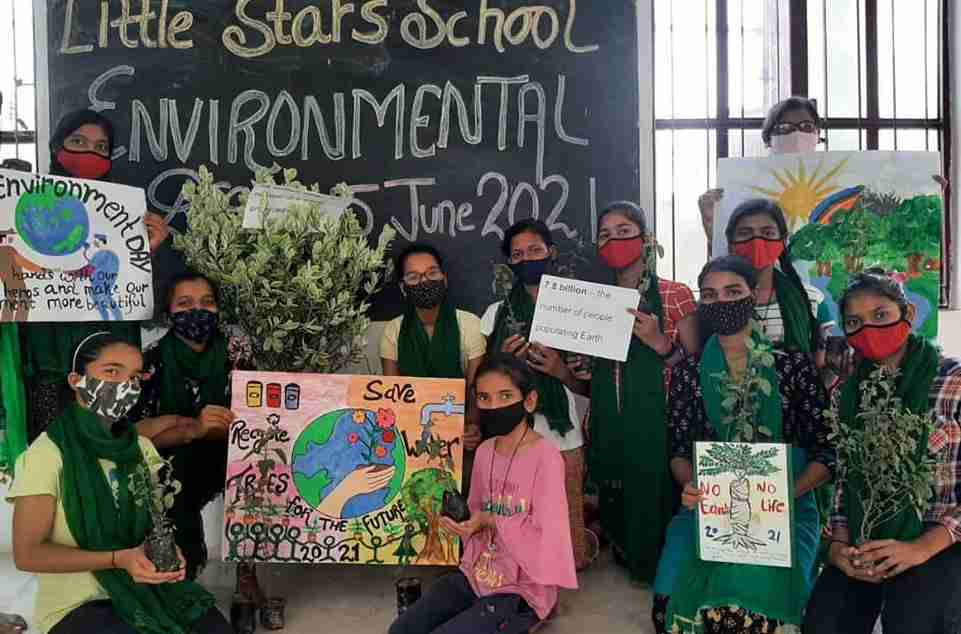
Alongside CSR investments, employee engagement initiatives on world environment day are emerging as a powerful way for organisations to promote sustainability internally while creating meaningful social impact externally.
Activities such as:
- Tree plantation drives
- Community cleanliness campaigns
- Best-out-of-waste workshops
- Mud pottery sessions
- Recycled paper poster-making initiatives
help organisations foster environmental awareness and encourage employees to actively participate in sustainability efforts.
These initiatives strengthen employee morale, promote collaboration, reduce workplace stress and build a culture of shared responsibility towards environmental protection.
At the same time, they reinforce an organisation’s commitment to sustainability — an increasingly important factor for reputation, stakeholder trust and long-term business value.
Environmental Impact Through Collaboration
Addressing climate change requires participation from every sector of society. Governments, businesses, NGOs and communities must work together to create scalable and sustainable environmental solutions.
World Environment Day presents an opportunity for organisations to contribute towards long-term environmental restoration and climate resilience.
Collaborative sustainability initiatives can help:
- Promote environmental stewardship
- Encourage responsible consumption practices
- Strengthen biodiversity conservation efforts
- Build climate-conscious workplaces
- Inspire collective community action
Ultimately, sustainable environmental action is about ensuring future generations continue to experience clean air, healthy ecosystems, green landscapes and access to natural resources.
World Environment Day 2026 Is a Call to Act
World Environment Day 2026 should not remain limited to annual campaigns or awareness messages. The growing climate crisis demands sustained action, stronger accountability and long-term commitment from all stakeholders.
From individual lifestyle changes to large-scale CSR investments and employee engagement programmes, every effort contributes towards building a more sustainable future.
The need of the hour is clear: move from conversation to implementation, from intention to action and from short-term initiatives to long-term environmental responsibility.
Sources:
5 Things to Watch in Climate and Environment in 2026
World Environment Day 2026: FAQs
1. What is the theme of World Environment Day 2026?
World Environment Day 2026 focuses on accelerating climate action, environmental restoration and sustainable practices to combat rising global environmental challenges.
2. Why is World Environment Day 2026 important for businesses?
World Environment Day 2026 encourages businesses to strengthen CSR initiatives, adopt sustainable operations and contribute towards climate resilience and environmental protection.
3. How can CSR programmes support environmental sustainability?
CSR programmes can support afforestation, renewable energy adoption, water conservation, waste management, biodiversity protection and climate awareness campaigns within communities.
4. What role does employee engagement play in environmental initiatives?
Employee engagement helps organisations build a culture of sustainability by encouraging participation in volunteering drives, tree plantation activities, recycling campaigns and green workplace practices.
5. How is El Niño linked to climate change concerns in 2026?
El Niño is expected to intensify global temperatures and extreme weather events in 2026, increasing risks related to heatwaves, droughts, floods and food insecurity.
6. What are some effective employee engagement activities for World Environment Day 2026?
Organisations can conduct sustainability workshops, eco-volunteering drives, clean-up campaigns, green office challenges, climate awareness sessions and community plantation initiatives.
7. Why should companies align CSR strategies with climate action?
Aligning CSR with climate action helps businesses address environmental risks, strengthen ESG commitments, improve stakeholder trust and contribute towards long-term sustainable development goals.
8. How can organisations create long-term environmental impact beyond World Environment Day?
Companies can build sustained impact through year-round sustainability policies, employee-led green initiatives, responsible supply chains, renewable energy investments and partnerships with environmental organisations.








2 replies on “World Environment Day 2026: Turning CSR into Climate Action”
Hi,
We would like to engage our employees in sustainable activities on world Environment Day 2024. Please connect so we could discuss this. Would like to know more about tree plantation activities.
Hello,
Hope you are doing well. Thank you for reaching out. You can connect with us by reaching out on – salony.pandya@smilefoundation.email or call us on 999918084.