Categories
Partnerships

FMCG’s Corporate Social Responsibility In India for Rural Growth

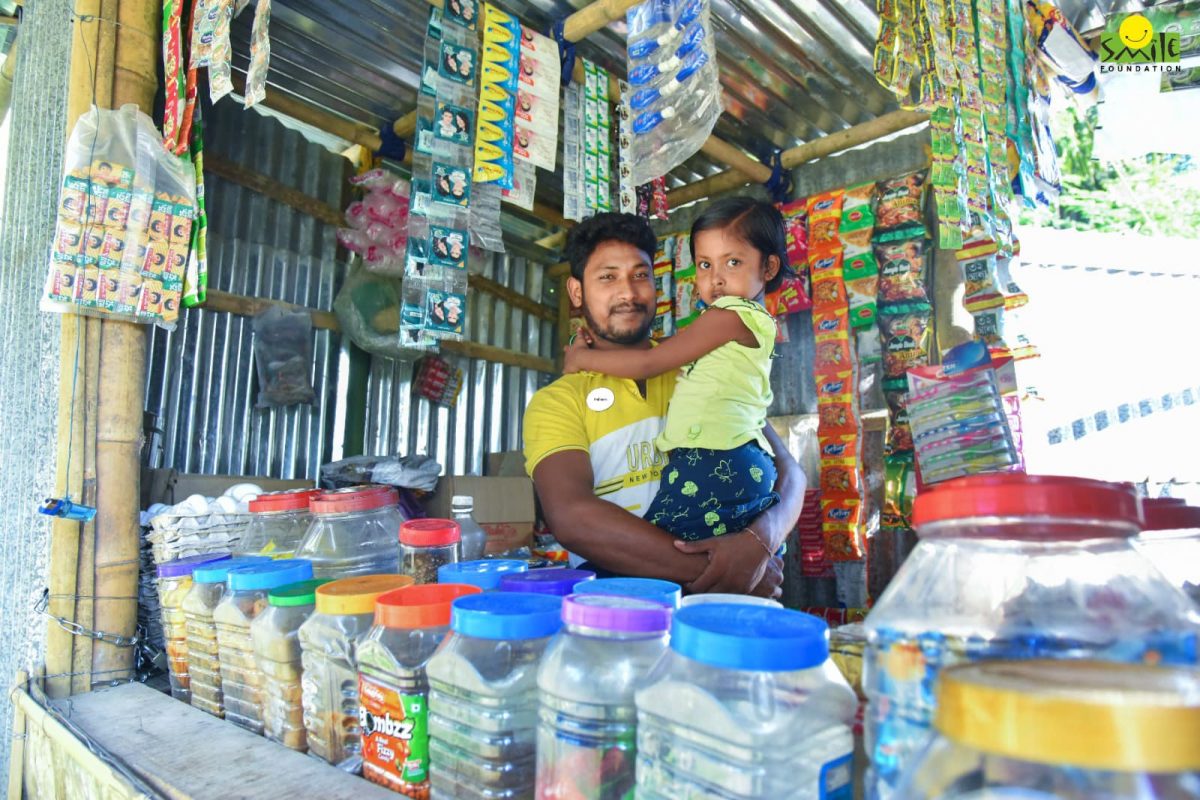
As the monsoons arrive in India, rural India sees a wave of change with a sigh of relief for a better harvest. Along with them, the FMCG companies in India also see the scaling up of their sales in rural India, as the opportunity of increased continuous rural wages are on the horizon.

But the question is, should rural India’s development only depend on how the monsoons treat them? Should FMCG companies in India prioritise solely on sales, or can they leverage their Corporate Social Responsibility (CSR) programmes to effect substantial improvements in the lives of over 9 million individuals residing in rural areas?

India’s FMCG Industry – A pillar of support 

India houses some of the most renowned FMCG brands of the globe. It is the fourth-largest industry in India and one of the highest contributors to the nation’s GDP. Through this industry, over 3 million individuals and their families are getting their bread and butter. And with steady growth each year, the FMCG industry is expected to become an industry worth 615 billion dollars by 2027

Thus, looking at the promising future of the FMCG industry and the opportunities it holds for the development of rural India, let’s understand how the FMCG industry can channel its Corporate Social Responsibility programmes, to boost the underserved communities living in the rural and remote corners of India.

Before delving into how FMCG companies can utilise CSR initiatives to empower and drive rural development in India, it is important to grasp the landscape and the specific challenges confronting underserved communities especially the needs of underserved children, aspiring women entrepreneurs and youth in rural India.

Loop of wage stagnation in rural India

Many rural areas face stagnant wages, where the growth in wages has not kept pace with inflation or the rising cost of living. This situation often leads to economic hardship for rural households, impacting their ability to improve their standard of living, access essential services and invest in education and healthcare. 

It has been observed that rural inflation has been higher than urban inflation for the past 11 months until May 2024, according to the Ministry of Statistics and Programme Implementation (MoSPI).

In May, it reached 5.3%, which was 110 basis points more than urban inflation. Since rural households spend more on food, food and beverages make up more than half (54.18%) of their expenses, whereas in urban areas, it is 36.29%. Experts believe that if the wage disparities continue then invariably it shall affect FMCG sales, however, the dependent variable this year is the monsoon and its positive result in the rural areas of India.

Challenges faced by underserved children

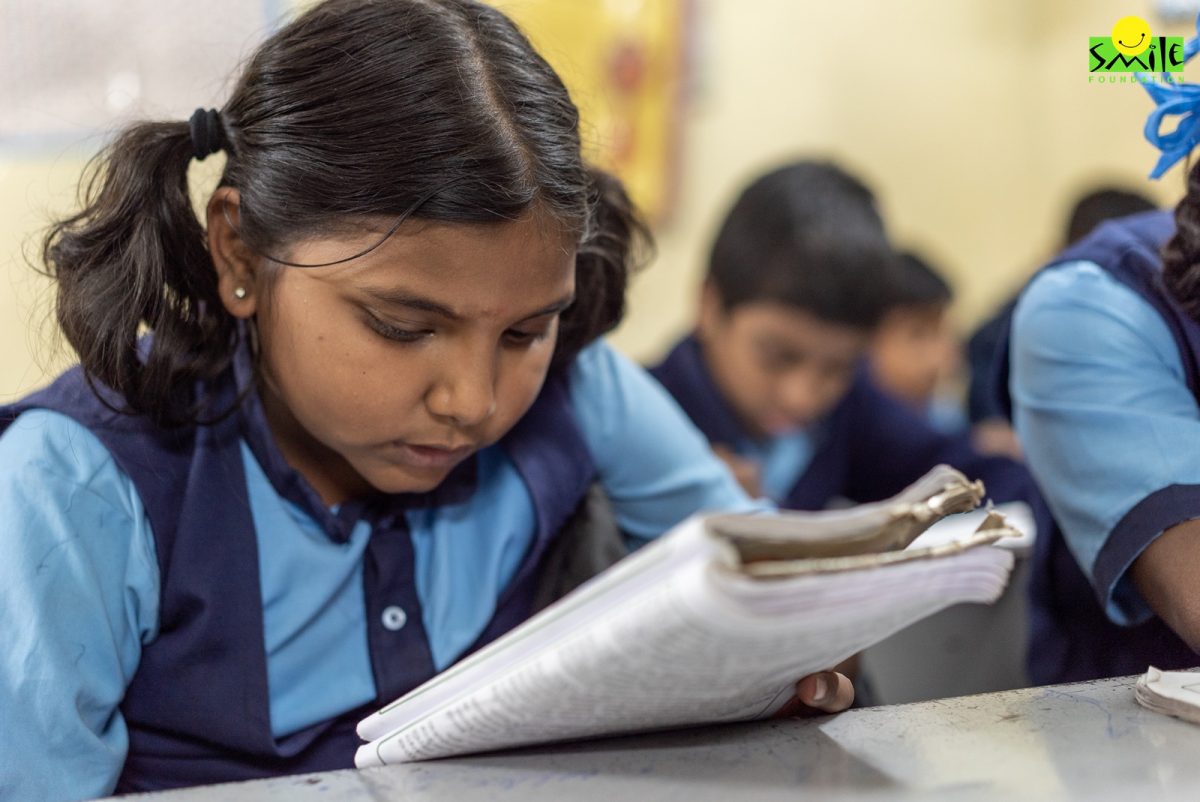
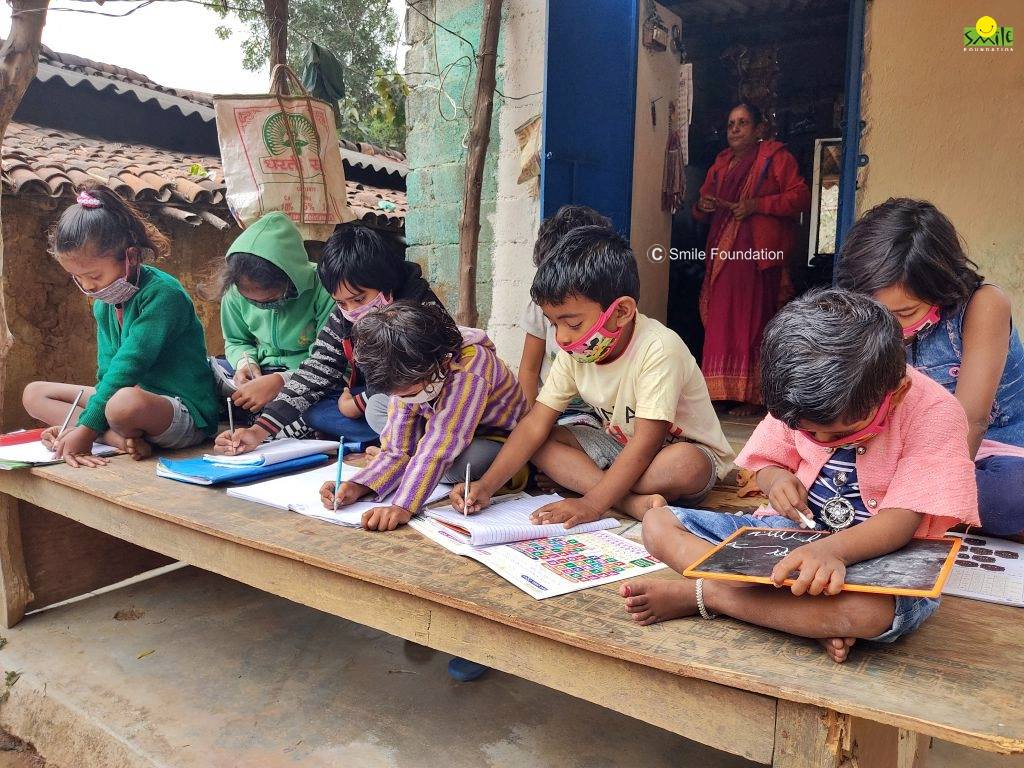
With the advancement of technology, the education sector has evolved and advanced itself to newer heights. However, the benefits of such advancement in the education sector have still not reached many underserved children. 

The most recent Annual Status of Education Report (ASER) reveals a concerning statistic: a significant majority of 14- to 18-year-old children in rural India face challenges with fundamental academic skills.

Specifically, more than half of these adolescents still struggle to perform basic tasks such as solving three-digit division problems, determining time, and executing elementary calculations—skills that are typically acquired by students in Classes 3-4.

Challenges faced by underserved youth in India

Did you know that India has the 5th largest population of youth in the world? This magnanimous ocean of young people is a reservoir of talent, that is still untapped to the fullest extent in our country. 

Issues like dropping out of school due to their family’s financial constraints or being pushed into labour work to provide for their families are often the pre-decided fates of the rural youth in India. Furthermore, poor educational infrastructure also hampers their interest towards garnering education or learning vocational skills, which invariably results in their holistic development and future opportunities to carve a stable financial life. 

Challenges faced by women entrepreneurs

As “Vocal for Local” echoes in the air, the number of entrepreneurs in India has grown significantly. With over 1 lac startups in India, the country has certainly become a global powerhouse as it stands being the third largest startup ecosystem after the US and China.

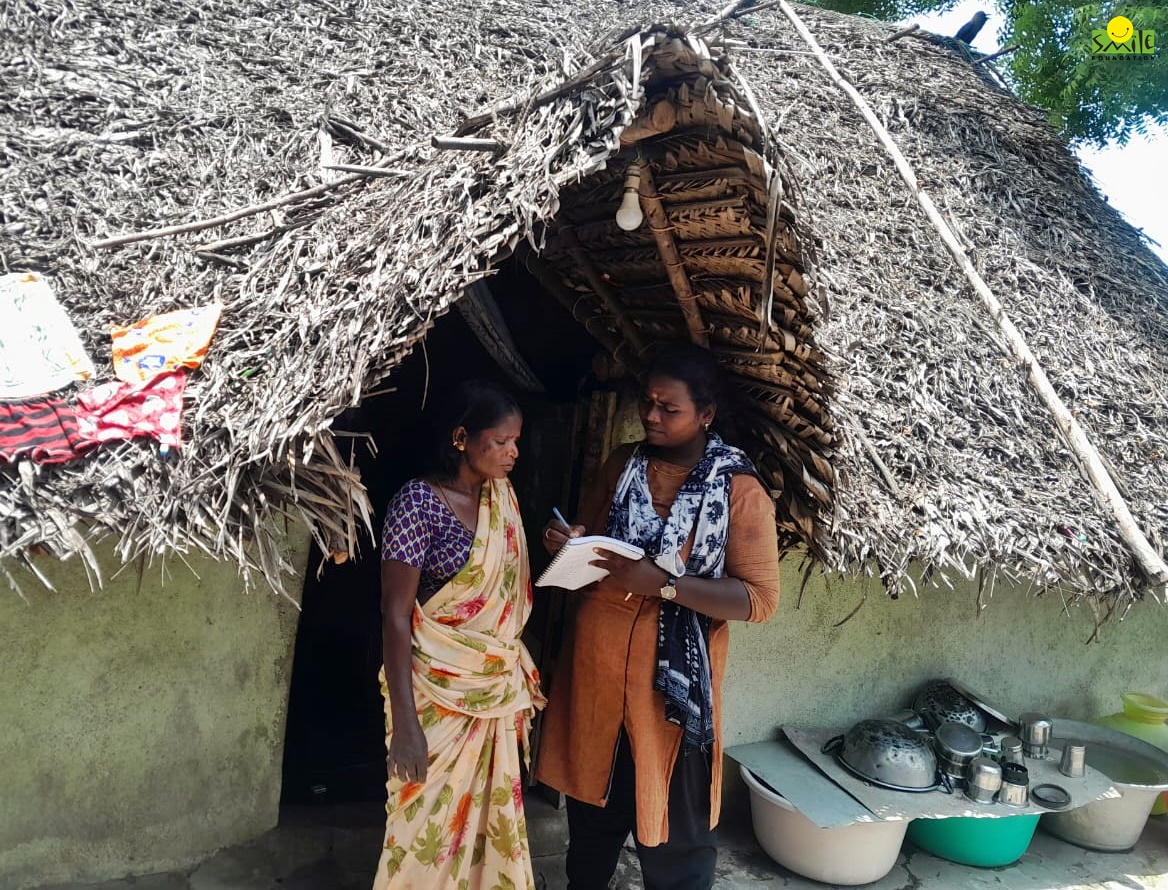
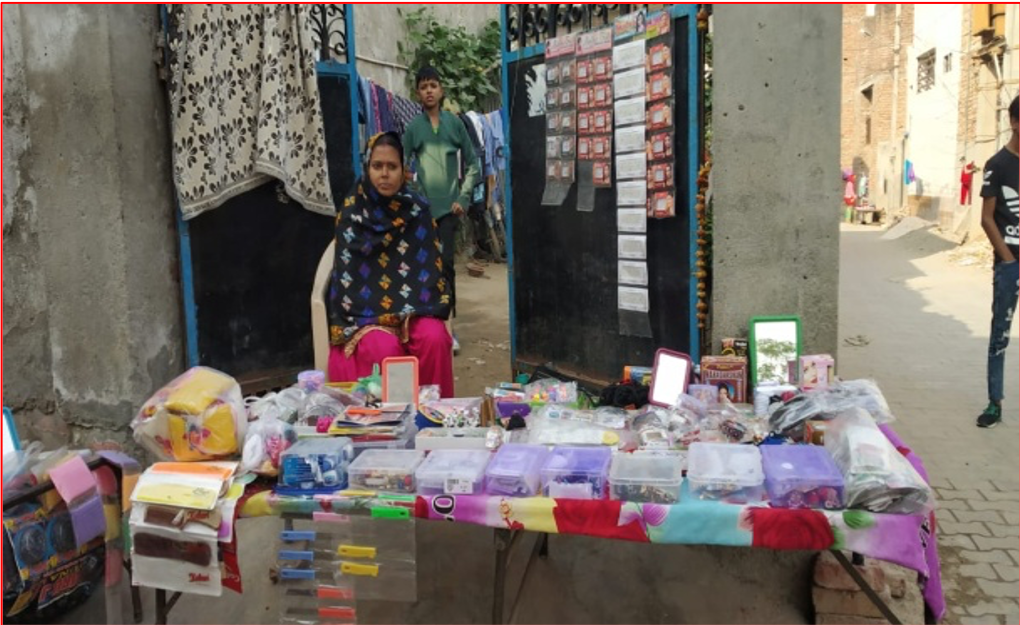
However, as much as the urban entrepreneurs have grown in a short period, the rural businesses- Grampreneurs, especially women entrepreneurs are still finding it difficult to sustain themselves.

With less capital, resources and training coupled with the complex problems of managing and filing business taxes, lack of knowledge regarding associated costs and knowledge of GST, these willed rural women entrepreneurs are facing the biggest test of their time- to become part of India’s mainstream entrepreneurial ecosystem.

Even with the increased usage of digital platforms and transactions across India, many rural entrepreneurs are yet to leverage the benefits of it. Only 60% of Gramprenerus use digital payment methods and 26% use e-Commerce sites for their sales. Furthermore, women entrepreneurs in rural India face significant challenges in setting up their businesses as compared to men. It has been observed that only 52% of women can access financial credit. 

Personal obstructions like their family’s disapproval and banks refusing them loans to kickstart their businesses are often the first hurdle that deviates many rural women entrepreneurs from kickstarting their entrepreneurial journey. 

FMCG Corporate Social Responsibility in India- A new way?

The Ben & Jerry’s Foundation, the charitable branch of the ice cream company, provides financial support to grassroots organisations focusing on social justice, environmental conservation, and community development. Established in 1985, the foundation has contributed more than $30 million to date.

Taking inspiration from such key players of the global FMCG industry, the Indian FMCG industry can also mould their CSR partnerships towards the rural development of India, while aligning them to the UN SDGs and the government schemes for rural development in India.

With the commitment towards holistic development, the FMCG industry can steer their CSR partnerships towards developing the rural education sector, employability, health infrastructure and empowerment of local businesses so that many underprivileged communities can get the opportunity to develop holistically.

FMCG Corporate Social Responsibility in India for underserved students

As the Indian education sector heads towards a bigger and brighter future with STEM education, we need to ensure that children of underserved communities in India also get the opportunity to learn and thrive with the benefits of STEM education. 

For this, the FMCG industry can invest their CSR fund for school buildings in rural and remote corners of the country, and support the school infrastructure with solar power, while also investing in developing equipped STEM labs for the underprivileged children. 

It should be understood that underserved children of India require a little more hand-holding than the children of the urban and developed communities when it comes to learning, therefore, support by providing technical books, digitised classrooms and computers can help these children learn and understand quality education, that enhances their cognitive development, as well as helps them to build a mindset that pushes them to come out of the cycles of economic stagnation. 

By partnering with Smile Foundation’s Mission Education programme , the FMCG industry can reach over 1 Lac children in 27 states every year. With a key focus on-

  • FLN & Grade-Specific Learning Outcomes
  • STEM Education
  • Digital Learning Environment 
  • Holistic Development of Students
  • Need-based Teacher’s training 
  • Parent & Community Engagement
  • Scholarships for Girl Child Education 

The Mission Education programme aligned with the NEP 2020 policy and UN SDG 4, aims at ensuring quality education is accessible to every underserved child in India. The aim is to ensure that no child stays away from school and can build a life for themselves and their families that is sustainable for years to come.

FMCG CSR activities in India for skill development in rural areas

Focused on imparting vocational training to underserved youth in sectors like retail, hospitality, and healthcare, STeP equips young girls and boys with market-relevant skills and enhances their employability. The holistic approach of the initiative integrates soft skills training, personality development, and financial literacy, ensuring comprehensive growth.

By partnering with Smile Foundation, FMCG companies can strategically align their Corporate Social Responsibility efforts with STeP’s curriculum, directly impacting communities, this collaboration not only shall address immediate skill gaps but also fosters long-term sustainability by creating pathways to economic independence for youth.

Through structured partnerships, FMCG firms can leverage our expertise and network to measure and amplify the social impact of their investments, contributing significantly to underserved youth development in India’s rural and urban areas.

Rural Women Empowerment needs FMCG industry support

Steering women empowerment in India, the FMCG industry’s CSR partnerships can be a powerful force towards making rural women of India financially independent by supporting them with vocational training, financial literacy and entrepreneurship support. 

Understanding the challenges faced by the local rural women of India, Smile Foundation’s Swabhiman programme has been working closely on encouraging and empowering rural women by introducing them to the world of entrepreneurship.

Each year over 1.5 lac women are given health and nutrition benefits, including skill development and entrepreneurial management training so that they can holistically develop themselves, their families and their communities. Swabhiman closely works on-

  • Capacity building to start Micro Enterprises
  • Workshops on E-commerce and digital marketing
  • Technical capacity building 
  • Enrolment in government schemes for livelihood opportunities
  • Setting up of model Micro Enterprises 

FMCG companies can play a pivotal role in empowering women in rural India by partnering their strategic CSR initiatives with programmes like Swabhiman.

With a focus on financial inclusion and empowerment of rural women,

the FMCG CSR initiatives can partner with Smile Foundation to empower rural women through- 

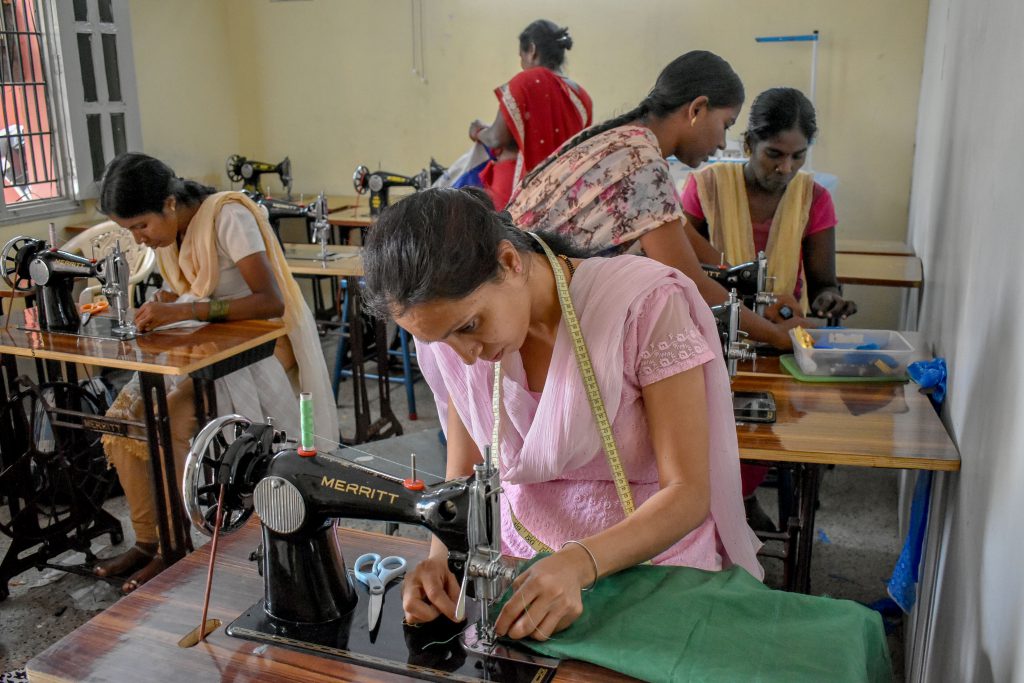
  • Skill Development Initiatives- By setting up vocational training centres focused on skills relevant to their industry, such as packaging, quality control, or distribution. These centres can impart training to women in rural areas, equipping them with marketable skills that enhance their employability and income.
  • Entrepreneurship Development-  Supporting women entrepreneurs by providing micro-financing, mentorship and access to markets can be a transformative CSR activity.
  • Health and Hygiene Initiatives-  Many FMCG products cater to health and hygiene needs. Companies can promote awareness and provide access to affordable products such as sanitary pads, soaps, and healthcare supplements. Additionally, organising health camps and workshops on nutrition and maternal health can significantly benefit rural women.
  • Financial Inclusion- Facilitating financial literacy programs and promoting savings and banking among women can empower them economically. FMCG companies can collaborate with banks to establish financial literacy camps and facilitate easy access to banking services in rural areas.
  • Digital Literacy- In today’s digital age, imparting digital literacy skills is crucial. FMCG companies can establish digital literacy centres or mobile training units to teach basic computer skills, internet usage, and e-commerce, enabling women to access broader markets and information.

As a significant industry both in India and globally, FMCG industry holds a unique position closely tied to its consumers. Leveraging its substantial influence, the FMCG sector’s Corporate Social Responsibility in India can catalyse transformative development in rural India.

The good days!

By focusing on initiatives such as

  • enhancing quality education for underserved children,
  • skill development for rural youth
  • and empowering rural women

FMCG companies and NGOs in India like Smile Foundation can create a dynamic ecosystem. This approach can nurture holistic development among underserved children, prepare youth for the workforce and also empower women, their core customer base, fostering financial independence and societal equality.

Considering the profound potential impact of FMCG’s CSR programmes on rural India’s development, it is imperative to invest in the inclusivity of the nation because , acche din (good days) must reach every individual of India. Partner Now

Categories
Girl Child

Why is Empowerment of Girls Important? Perspectives and Arguments

For 15-year-old Priya, the dream of becoming a doctor germinated when she read a story in her schoolbook in which the protagonist – a doctor – helped the needy and poor by providing them medical support for free. Priya had watched her ailing grandmother suffer for a long before passing
away. She thought that she could have helped her grandmother and many other women like her if she could become a doctor. Empowerment of girls is important for Priya’s dream.

However, to realise this dream, Priya needs to dedicate herself to studies and pass the NEET examination. Only then she can secure a seat in one of the public institutions. But her parents do not have the financial wherewithal to support her dream. Coming from a remote rural village, Priya knows that she will be married off as soon as she turns 18. Her only chance of attempting to become a doctor is if she gets scholarship support and her parents are convinced that she should be allowed
to go out and study.

But, in a conservative society, it is difficult for girls like Priya to find the support that they need. They are not empowered to stand up for themselves and are often treated as secondary to men. While
the boys are given the opportunity to learn and find jobs, because they are seen as the breadwinners, the girls are not encouraged to study. This is why empowerment of girls is an extremely crucial issue that nations around the world need to work on.

In this article, we will discuss the various arguments and perspectives in support of the importance of empowering the girls in India and around the world.

Right to Thrive: A Human Rights Perspective

It is not a noble cause to empower women and girls; instead, it is their fundamental right to be given equality as enshrined in our constitution. At the same time, it is also a human right of the girls to have access to essential resources and opportunities regardless of their background. Let’s look at how empowering the girls impacts their lives:

  1. UNESCO estimates that for every additional year of schooling, a girl’s future wages increase
    by 10-20%
    . Denying education to girls perpetuates inequality and stifles their potential.
  2. Girls have the right to live free from violence, harassment and discrimination. Yet, globally, 1 in 3 women experiences physical or sexual violence in her lifetime. Empowerment includes ensuring safe spaces and protection from harm.
  3. When girls receive proper nutrition, reproductive health services and hygiene education, they thrive physically and mentally.
  4. Girls should actively participate in decision-making processes within their families, communities and societies. Their voices matter, and their perspectives enrich our collective progress.

Empowerment of girls is also a human rights issue because the discrimination that they face comes in various forms that violate their fundamental human rights. For example, sex-selective abortions, child marriage, denial of inheritance, and gender pay gap are all issues that deny the girls their rightful place in the society.

Girls face stereotypes that limit their aspirations. Empowerment involves dismantling these barriers—whether it’s encouraging girls to pursue STEM fields or challenging traditional gender roles. Even the Sustainable Development Goals (SDGs) by the United Nations recognise the need for empowerment of girls. Various SDGs like SDG 5: Gender Equality and SDG 10: Reducing Inequalities have been framed to address the discrimination against girls and work towards ensuring quality education, gender equality, well-being and justice for them.

Ripple Effect on Families

Empowerment of girls not just uplifts them and provides them a better life, but also creates a ripple effect which benefits entire families. When girls receive education, they become informed decision-makers within their families. Educated girls are more likely to delay marriage, plan pregnancies and seek healthcare. Their empowerment translates into healthier family dynamics, improved communication and better resource allocation.

UNESCO reports that improvements in girls’ education have saved millions of children under age 5. Educated mothers understand nutrition, hygiene and disease prevention. They recognise danger signs early, leading to timely medical interventions. Closing the gap in unmet family planning needs is crucial. Empowered girls can access contraception, plan pregnancies and space births. This directly impacts maternal health, reduces high-risk pregnancies and prevents newborn deaths.

Breaking the Cycle of Poverty

As discussed in the previous section, educated girls make better decisions that empower their families too. Similarly, empowering the girls ensures they achieve financial freedom for themselves and, in that process, break the intergenerational cycle of poverty. A Brookings Institution study underscores that each additional year of schooling for girls increases their eventual wages by an impressive 12%. These enhanced earnings are not merely personal gains; they often flow back into the family. Empowered girls contribute to household income, invest in education, and improve overall well-being.

When girls receive quality education, the benefits extend beyond their own lives. Empowered, educated girls become informed mothers. They understand nutrition, hygiene and preventive healthcare. Their children—both sons and daughters—grow up healthier, better-educated, and better equipped to escape poverty. McKinsey’s research highlights that achieving gender parity in the labour market could add trillions to global GDP. When girls participate fully in the workforce, economies thrive. Their contributions fuel innovation, productivity and sustainable growth.

The Moral Imperative

Now that we have discussed all the practical reasons for empowering the girls, let us talk about a more ethical or philosophical perspective. Even if empowering a girl doesn’t translate into her breaking the cycle of poverty or uplifting her family, it is still our moral and ethical obligation to give them the same opportunities and resources as we do to the boys.

Every girl has the right to shape her destiny. Denying her this right perpetuates injustice. As a society, we bear a collective responsibility to dismantle barriers—whether cultural, legal or economic—that hinder girls’ progress. When we protect their rights, we create a fairer, more compassionate world. The United Nations (UN) also recognises the transformative impact of empowering adolescent girls. It’s not just about education; it’s about ensuring their safety, agency and voice. The UN’s Sustainable Development Goals (SDGs), as discussed previously, underscore this commitment.

Priya’s Journey of Realising Her Dreams

Now this brings us back to the story of Priya. Imagine that she was living in a world where she had equal opportunities as her brother(s) irrespective of the social and economic background that she came from. How would it impact her? It would, first, give her the confidence that her dream can become a reality. This is the first step towards realisation of any dream. Hope creates necessary space for action. If there is no hope, then any individual can surrender to despair and be forced to accept his or her fate.

By ensuring Priya and millions of other girls like her are empowered like in the initiatives of Smile Foundation, we can allow them to dream and dream big. We can enable them to break the cycle of social oppression that has existed for centuries. They can become pioneers of change and role models for other girls in their communities. It can create a transformative effect which leads to a bigger positive change. By achieving this, we can achieve the dream of creating a vibrant India and a just world.

Categories
Health Women Empowerment

Why Period Poverty In India Needs A Proper Discussion?

We have all heard of the taboos associated with menstruation or periods in India. A natural process like the menstrual cycle is still discussed in hushed voices. Even today, reports of women subjected to isolation during their periods, appear in the media. It has been a long-discussed topic. 

However, another big challenge associated with this is the lack of access to menstrual hygiene products. Women start experiencing a regular period cycle once they reach 11 or 12 years of age. They live with it as a part of their daily lives for decades.

This makes it an extremely important area to improve. Poor access to menstrual hygiene services and products impacts every woman, and that too as frequently as once a month. Even then, period poverty is still a major issue in India. 

But, period poverty is not just about poor access to resources. It is also about a lack of awareness and knowledge. So, before we talk about why we need a discussion around period poverty, let us first understand what it means.

What is Period Poverty?

Simply put, period poverty is the set of challenges a menstruating woman faces in accessing or affording menstrual products. It also refers to the lack of information about the issue. This further perpetuates archaic traditions, customs, and dogmatic thinking around periods. 

According to data, one in five girls has to quit school every year because of poor access to menstrual hygiene products. For those who continue, 40% have to skip classes during their period days which has a serious negative impact on their education and classroom performance.

The misinformation about women’s menstrual cycle is so prevalent event today that 70% of mothers still consider it dirty. All these problems are further exacerbated due to the financial constraints that women coming from poor households face. 

More Data On Women Menstruation and Period Poverty

Data shows that around 50% of women in India still use menstrual clothes during their periods. Only around 1.7% of women use products like tampons. Also, the use of sanitary napkins is directly proportional to the income level of families. In the poorest families, only around 53% of women use hygienic menstrual products.

Another study shows that 71% of girls in India are not aware of women period cycle or menstruation before their first periods. Many people in rural India don’t practice proper menstruation hygiene. 

Things are challenging since there is a lack of proper restrooms, menstrual products, and water. 15000 of the 10.83 lakh government schools in the nation do not have restrooms, according to official statistics. The problem for so many teenage menstruators is worsened by the conspicuous lack of sanitary facilities.

All of these factors can be influenced and improved if we work towards them with sincerity. This is why period poverty in India needs a proper discussion today. Data has shown that women who have more than 12 years of schooling are most likely to use hygienic methods during menstruation. 

At the same time, those who have no exposure to schooling are least likely to do the same. All of these facts highlight how critical the problem of period poverty in India is. It is directly related to the affordability of people, public infrastructure, education, and awareness of the issue in society.

Women Menstruation and Period Poverty: Solutions?

Now that we understand the challenges related to women’s menstruation and the concept of period poverty, the question to ask is – how can we overcome these challenges? Are there no solutions to these problems? Certainly, the answer to this is – yes, there are. 

All the problems that we highlighted above are solvable, provided we have the determination to take the necessary steps in the right direction. But to do that, we must first agree upon the fact that addressing period poverty is one of the biggest priorities for any country today. 

In today’s modern world, where technology like Artificial Intelligence is paving the way for transformative changes, we cannot deprive our women of a basic right like access to quality menstrual hygiene.

So, to fight all these challenges, we must look at these steps:

Challenge The Taboo

The cultural barrier is still one of the biggest in India and other societies as well. Because there is an associated element of shame with periods, it stops any productive conversation around it from happening openly. Therefore, the first step should be to annihilate these cultural barriers that make it difficult for women to even access necessary knowledge around periods.

Encourage Conversations Around Women Menstruation

Once the taboos are removed, the next step should be to start an open and honest conversation. Everyone, including boys, needs education about periods. This will not only help them empathise but will also create a more equitable society for women where they can talk about menstruation openly with their male family members and friends.

Bring Policy-level Changes

While social and cultural changes are important, what we also need desperately is strong policies from the government. If we do not have policies that favor women in this area, like providing subsidies on menstrual hygiene products or distributing free products to women living in poverty, then we will not be able to eliminate period poverty. 

Policies like making period products available in schools, public spaces, etc., at affordable prices will significantly improve access.

Promote Sustainable Alternatives

Sanitary pads are among the most preferred menstrual hygiene products. However, they are also environmentally damaging. At the same time, women have to use multiple pads during one period cycle depending upon their flow. This means, one woman may end up using around 10 sanitary napkins in a month. This can be very expensive for anyone who cannot afford to spend so much money. 

Therefore, sustainable products like menstrual cups, which are made of silicone and may last up to 12 years, should be promoted and sold at subsidized prices. Since they can be used many times, they are cheaper in the long run and also cause less damage to the environment.

Support from NGOs

Many non-government organisations, including Smile Foundation, are already working in this area to reduce period poverty in rural as well as urban spaces. What we need is to expand the reach and take these initiatives to more and more people. This way, we will be able to eliminate period poverty faster. 

However, this can be achieved only with the help and support of generous donors. Therefore, a proper discussion around period poverty only can create opportunities for everyone to come together and work towards its eradication.

Categories
Nutrition

How Gender Gap Impacts Nutrition?

When we hear about inequality among people, the gender gap immediately comes to our minds. It is one of the biggest challenges faced by our modern society apart from economic inequality. There are many ways in which the gender gap or gender inequality impacts women. Whether it is access to education or career opportunities, women face hurdles in many ways. Gender bias in health and nutrition also needs some attention.

This is primarily attributed to the social ills that exist in our society. However, one aspect of gender inequality which is often overlooked is the impact that it has on nutrition. Gender bias in health and nutrition is a challenge that is faced by the majority of the population in the world.

Gender bias is when a particular gender is given preference over the other. As per a 2020 report by the United Nations, close to 90% of people had some kind of bias against women. This bias is reflected in the nutritional intake of women.

In traditional societies around the world, including in India, women often have to compromise on their food intake. Young boys of the household are given healthier food in anticipation that they need to grow up and support the family.

Not just that, taboos associated with pregnancy and menstruation also lead to several restrictions on women’s food intake. This leads to overall nutritional deficiency among women which is much more as compared to men.

Gender Bias and Food Insecurity

As per a 2016 research paper published in the National Library of Medicine, it was found that more tribal women in India suffered from undernutrition than men. 13.6% of women suffered from severe undernutrition. Among men, the number stood at 9.6%. The same trends were observed in overall nutrition levels.

Not just that, it has also been found that globally 150 million more women face food insecurity as compared to men. Women in more than two-thirds of the countries in the world are more food insecure than men. This is strong evidence of gender bias in health.

Gender bias in health and nutrition is also observed in India just like the rest of the world. Research has found that gender bias in health exists in many states of India. This has been measured using BMI index, malnourishment, adult food consumption, and much more.

Female Malnutrition in India

A similar trend of female malnutrition in India and gender bias in health is observed through other metrics as well. Child mortality in India is higher among girls than boys. This contrasts with the rest of the world.

The effects of malnutrition on girls are more severe in India as compared to boys. The girl child malnutrition in India is also a result of the food intake of adult women in households. India has the highest number of undernourished adult women among developing countries.

These undernourished women give birth to undernourished children and if it is a girl child, it leads to further undernourishment among them. Study has also found that gender bias in health and nutrition starts appearing among Indian households as the boys reach the age of 15.

Gender Bias in Health and Nutrition: The Way Forward

Women make up half of the population of the world. They have faced gender bias and have been deprived of many opportunities over centuries. As we are moving forward, we can now see positive changes happening in the society.

Today, more and more women are getting better access to education, and career opportunities, and are living a life of liberty. However, there is still a lot that is left to do to bridge the gaps that have occurred among men and women.

As we have already seen, gender bias in health and nutrition does not only impact women’s growth and development. It also has severe implications like increased mortality and generational undernourishment.

Therefore, the way forward to deal with the problem of gender bias in nutrition is to work aggressively towards solving the policy-level problems as well as eliminating social ills.

This can be achieved by a two-pronged approach. First, we need to continue spreading awareness about the severe impact of gender bias on women. At the same time, taboos related to pregnancy or menstruation need to be dealt with.

The biases that exist within the households need to be identified, acknowledged, and done away with. It needs to be understood that women need as much nutrition as men, and they need more nutrition when they are pregnant.

Having said that, we also need policy-level intervention from individual countries and the group of nations as well. When everyone comes together to ensure equal access to nutrition for both men and women, it can help in the overall growth of our society.

There are many ways to achieve this; ensuring education for women, encouraging entrepreneurship among them, working towards overall empowerment, investing in further research on the nutrition gap, and much more.

The creation of inclusive workplaces and livelihood opportunities, particularly for women and transgender persons, as well as measures to ensure financial inclusion, economic empowerment, and protection from violence, should be the main objectives of policies and programmes.

Smile Foundation and Women Empowerment

The more the number of women get empowered either through employment or entrepreneurship, the gender bias in health and nutrition will keep decreasing. Be a part of a gender-equal society today!

Categories
Smile

Women Empowerment: Break Barriers and Create Opportunities

There are extraordinary women who defied conventions, shattered barriers, and illuminated the path for generations to come. From the valor of Rani Lakshmibai valor on the battlefield to the journey of Kalpana Chawla to the stars, these remarkable women have proven time and again that gender is not a limitation but a source of boundless strength. Their stories resonate with the essence of women’s empowerment, a force that continues to shape our society.

In a world that is continually evolving, women’s empowerment has emerged as an essential catalyst for societal progress. It transcends boundaries, cultures, and backgrounds, paving the way for equality and inclusivity.

It’s sad to learn about challenges like the one reported here that make gender equality a far-off dream for the coming generation of women. For the time being, let’s understand what exactly are the tenements of women empowerment and what Smile Foundation is doing about it.

The Power of Health Awareness ts

Health is the cornerstone of empowerment. We recognise that informed women are empowered women. Through a myriad of health awareness workshops in our Women Empowerment programme, Swabhiman women are educated about crucial aspects of healthcare, including maternal and child health, hygiene, and nutrition. By equipping women with knowledge, they are empowered to make informed decisions about their health and the well-being of their families. This not only ensures healthier lives but also fosters self-confidence and a sense of control over one’s destiny.

Entrepreneurship Skilling

One of the most profound ways to empower women is by imparting entrepreneurship skills. We understand that economic independence is a formidable force for change. Through skill development activities, women are equipped with the tools to start their own businesses or secure meaningful employment. From tailoring to financial literacy, these women-focused projects open doors to financial stability and self-sufficiency. Women who were once dependent are now becoming providers, altering the dynamics of their families and communities.

Breaking Social Norms

Women empowerment challenges deep-rooted societal norms. Women-centred initiatives encourage women to break free from limiting beliefs and embrace their full potential. Through workshops, counseling, and community support, women learn that their dreams and aspirations are valid. By providing a platform for women to voice their thoughts and aspirations, we try to foster a culture of respect, equality, and empowerment.

The Ripple Effect of Women Empowerment

Empowerment isn’t just about benefiting individuals; it’s about transforming societies. Empowered women become changemakers in their communities. They advocate for better healthcare, education, and economic opportunities not only for themselves but for everyone. The ripple effect of women empowerment touches every aspect of society, contributing to its growth and prosperity.

Through health awareness and entrepreneurship skilling, Smile Foundation is not only empowering women but also fostering a world where gender equality is not a distant dream but a living reality. Together, we can continue to break barriers and create boundless opportunities for women, driving progress and prosperity for all. You can make a small contribution to making a gender-equal world here.

Categories
Education Girl Child Health Livelihood

Improving Education of Slum Children

Education is an opportunity through which society and its people are empowered. It is a tool for economic advancements. Education aids in the social, emotional, and psychological growth of individuals and hence, the community as a whole. However, not all have been able to reap the benefits of the existing education system.

Slum children’s education in India in this context remains a burning issue. A lot of factors combine together, in keeping more than half of India’s school-going children out of school.

Slum Children in India

According to the Census 2011, there are 13.7 million slum households across 63% of India’s towns. The residents of these households include migrants, half of them being among the poorest of the poor. More than eight million children under 6 years live in approximately 49,000 slums. There are 22.72 million children (age group 5-18) living in urban slums who are out of school.*

The migrant population in India is mostly illiterate and constantly on the move, in search of new livelihood opportunities.  Migrant children move with their parents and often lose out on age-appropriate educational opportunities. Often they engage in labor to escape poverty and support their parents.

Access to early childhood care, balanced nutrition, education, health, and recreational facilities are keys to the positive development of children.  However, in places where clean drinking water and two square meals are a struggle, slum children’s education, health and other contributing factors for development will always take a backseat.

Problems in Education of Slum Children

The Right to Education Act 2009 was expected to bring a huge surge of enrolment in urban and rural schools. However, after more than a decade there are millions of children who are out of school in India, most live in urban slums and remote rural areas. A higher proportion of girl children (3.23%)  are out of school than boys (2.77%).

Girls in slums and rural areas are out of school as they are engaged in domestic work or do not go to school to take care of the younger siblings. Boys drop out of school to supplement household incomes. Lack of healthcare facilities, absence of toilets in schools, and lack of proper nutrition also lead to an increase in drop-out rates.

Focusing on Girl Child and Women Education

The cycle of illiteracy will continue if proper steps are not taken in time to reduce drop-out rates, increase enrollment and encourage girl child education and slum children’s education. Mother is a child’s first teacher. When mothers remain uneducated they cannot fully comprehend the value of education for their children. Children of educated mothers have better access to education, proper nutrition, and timely healthcare needs like timely immunization against various diseases.

Health, Education, and Empowerment

Smile Foundation’s vision is to work as a catalyst in bringing sustainable change in the lives of non-privileged children, youth, and women, with a life-cycle approach to development.

The life-cycle approach of development starts with opening the doors of education for slum children, the underprivileged. Smile Foundation’s Mission Education focuses on bringing out-of-school children under the folds of education. So far, more than 3,00,000 children have directly benefitted from the programme.

Health Cannot Wait

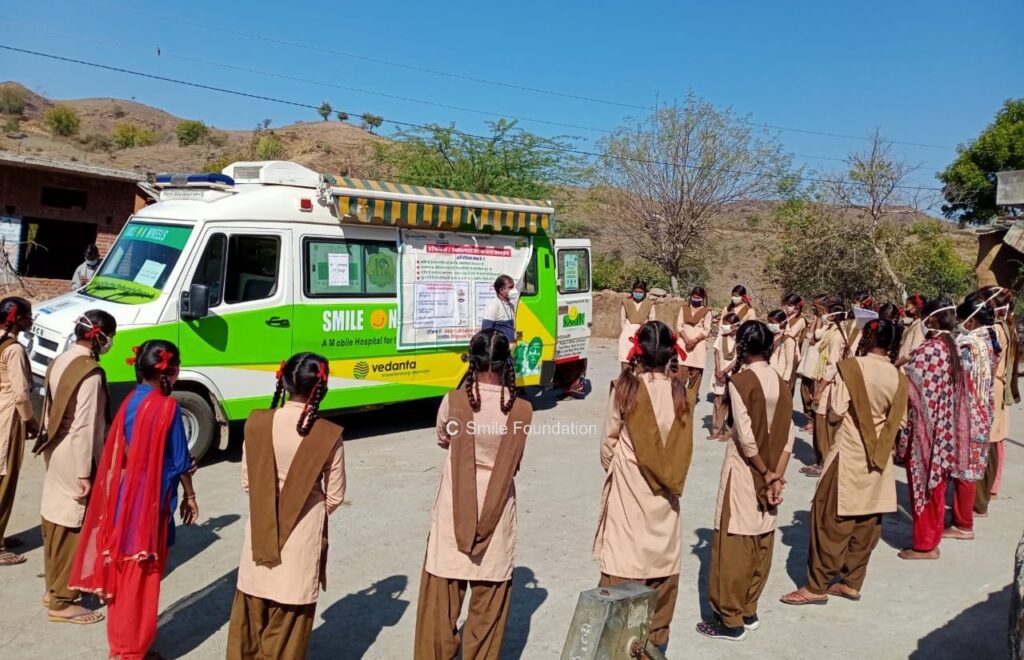
Under its healthcare campaign, Health Cannot Wait, Smile Foundation’s mobile medical unit, Smile on Wheels addresses the problems of availability and accessibility of proper healthcare services for children and women, especially in urban slums and rural areas. Health camps are conducted for school-going children. The programme has so far provided free healthcare services to more than 1.5 Million children and families.

Training for Empowerment and Employment

Smile Foundation’s Swabhiman programme works extensively with adolescent girls, young and expecting mothers. Scholarships are also provided to bright young girls who perform exceptionally well in school. Healthcare services; ante-natal and post-natal care are provided to women. Adolescent girls are provided with sanitary napkins to break the stigma around periods and also to encourage attendance at school.

The STeP programme ensures young students from slums and rural areas who drop out of school receive skill training. This is done to bridge the gap between the demand and supply of skilled manpower in the fast emerging services and retail sectors of modern India. More than 75,000 youth have been trained through the e-learning programme and 47,000 have also been placed in over 400 brands. 71 percent of total beneficiaries were girls.

Categories
Women Empowerment

Making Women Empowerment a Men’s Issue

When we hear the words ‘women empowerment’, what is the first thing that comes to our mind? It is when we help women in accessing equal opportunities as men. Whether it is education, health, employment, etc., women should have the same facilities available to them. There are many women empowerment ngo working to alleviate the problems of millions of women across the world.

The Unequal Struggle

Women, who make half the population of the world, struggle with inequality in different areas even today. According to a report, women constitute 24% less of the world’s parliamentarians. Only 5% of the mayors are women. This is the state of political representation of women in the world.

Not just that, women are also paid 24% less than men for similar work. There are still 18 countries in the world where men can decide if women should work. Another disturbing fact is that one in three women are likely to face violence during their lifetime.

These facts explain why women empowerment is an important issue to be discussed. Having said that, if we make this only an issue about women then that defeats the purpose. An important factor here is that men need to take equal responsibility for this culture of inequality. Since men, as seen from the facts above, are socially, politically, and economically in a stronger position, their contribution is extremely crucial for empowering women.

Why Women Empowerment Matter

Women empowerment has been recognized as an important tool of sustainable global development. The United Nations Population Fund, time and again, has emphasized the need for equality. In its Millennium Declaration, 2000, it focused on equality for women through various assertions. It stated:

“No individual and no nation must be denied the opportunity to benefit from development. The equal rights and opportunities of women and men must be assured.”

“To ensure that, by the same date, children everywhere, boys and girls alike, will be able to complete a full course of primary schooling and that girls and boys will have equal access to all levels of education.”

“To promote gender equality and the empowerment of women as effective ways to combat poverty, hunger and disease and to stimulate development that is truly sustainable.”

Programs aimed towards empowering women have a long-lasting impact for themselves, their families, and also for the nation at large. According to a statistic, as of 2011, every additional year of basic education increased girls’ future earnings by 10–20%, while every additional year of secondary education raised earnings by 15–25%. 

Also, there would be two-thirds fewer adolescent pregnancies and women would have fewer children overall if all females completed secondary education. Women with more education are much more likely to seek out prenatal care and trained delivery attendants, which lowers mother and newborn mortality. 

Mothers who have received education are better equipped to protect their young children from common illnesses like pneumonia and malaria, which could potentially save three million lives. For every $1 invested in programmes that help women engage in income-generating activities, $7 is returned. In a nutshell, empowerment of women creates a much larger impact than we can anticipate.

Women in India

Just like the rest of the world, India too has a problem of gender inequality. Women suffer because of discrimination on various fronts. Globally, females have greater survival rates at birth, are more likely to have healthy development, and are just as likely to attend preschool as boys, yet in India more girls die at birth rate than boys. Additionally, girls are more prone to drop out of school early.

Women also have to face discrimination because of social stigma related to menstruation. Therefore, women empowerment is a crucial area to work upon in a country like India. Indian society has seen reformation over the centuries and decades. In fact, some of the early reformers who fought for women were men.

One of the shining examples is Raja Ramnohun Roy who worked tirelessly for the abolition of Sati practice and succeeded. Thus, the importance of women empowerment in India has been a subject of discussion for centuries now. When India became independent, equality for all, irrespective of their gender or sex, became a fundamental right of all citizens.

Today, the country has various schemes that work in this direction. From the ‘Beti Bachao, Beti Padao’ campaign to Ujjawala Yojana, the Indian government has been continuously working towards betterment of women in the society. Many of these schemes also focus on the need for men to come forward and participate in this change. This is again important because making women empowerment a men’s issue can expedite the entire process of change.

NGOs and Women Empowerment

Then, there are non-government organisations too which are working in the same direction. The NGO for women empowerment in India has been doing exceptional work for women economic empowerment, social equality, and much more. One of the examples is the ‘Swabhiman’ program by Smile Foundation. The programmme works for women empowerment and was launched in the year 2005.

Since then, the goal has been to empower women through creative community initiatives, support them in their education and livelihoods, help them develop life skills, give them the confidence to seek medical attention and bring about lasting changes in the neighbourhood, and involve both men and boys in the effort to create a society where gender roles are equal.

In conclusion, we can understand why women empowerment is so important for the world. If half of the population is kept away from opportunities, it limits the growth that we can achieve. Imagine the overall positive impact if women were given equal opportunities as men.

Everyone would benefit from it and today we need a more sustainable development. Therefore, making women empowerment a men’s issue is important. This is because society needs to come together and find the social evils. This can only be achieved together and it is the need of the hour.

Categories
Women Empowerment

Women’s Entrepreneurship Training by Smile Foundation

Swabhiman means self-respect in English. This women’s empowerment programme was initiated by Smile Foundation in 2005. The programme named Swabhiman by Smile Foundation is specifically aimed at marginalised and socially excluded women and adolescent girls through innovative community practices. The realization of both individual and collective self-esteem, by including men and the community, is a key objective of the programme. Thus, women’s entrepreneurship training is a key aspect of the programme as well. So far, the Swabhiman programme has successfully made a difference in the lives of over 560,000 women and girl children.

One programme, many projects: Surat Nagar, Gurgaon

Under the Swabhiman programme, various targeted projects on the ground are carried out regularly. One such project is the “Empowering Women and Adolescent Girls through Reproductive Health Education and Services” in Surat Nagar Phase 2 in Gurugram. The aim of the project is to empower women and girls by generating awareness and providing them access to quality reproductive and sexual health care. In addition, involvement of men and sensitizing them is an integral part of the project. The focus beneficiary groups included adolescent girls (10-19 years), women in the reproductive age (20-49 years), and men (20-49 years).

Women’s entrepreneurship training through Swabhiman

Another aspect of Swabhiman is women’s entrepreneurship training. As women producers take ownership of their businesses and manage their own profits, they improve their social connectivity and build confidence in business negotiations. An improvement in social status is another significant outcome of the business. As a result of generating significant income to meet household needs, these women also start receiving better treatment in their households and the larger community.

Ruby is a 25-year-old resident of Surat Nagar, Gurgaon. She was born in a remote village in West Bengal and shifted to Gurgaon after her marriage. wShe has studied only up to the 8th grade. For almost four years after she got married, Ruby was a full-time homemaker. She took care of all the household chores. However, a certain uncertainty hangs around her husband’s job at a local factory. In the current economic climate, one can never be sure when they might lose their job. All this made Ruby think about starting her own work and bringing in some income for the family.

Ruby’s Enterprise

Ruby always had an interest in fashion. This and a working knowledge of computers helped Ruby take the first steps towards setting up her business. She received skill training under the women’s entrepreneurship programme of Swabhiman. Along with learning how to stitch, Ruby also got enterprise development training.

After her training, Ruby opened a small boutique in her locality. She took a loan of Rs 1,00,000 from the bank. Initially, she had just one machine and she did all the stitching herself. Now, Ruby not only makes an income for her own family, but she also has 10 employees working at her enterprise! Throughout all this, her husband remained a pillar of support for her.

Use of Online Marketing

Entrepreneurship plays a major role in harnessing knowledge and converting it into a viable product or business through industrial innovation. This is an enviable achievement of Ruby’s boutique. With growing availability of technology and smart devices, Ruby has managed to take her business online. This has enabled her to expand her customer base and business.

Challenges for Women Entrepreneurs

Ruby believes that life and business do not have ‘problems’; she likes to call them challenges instead. Calling anything a challenge can inspire one to fight back harder and come up with innovative means to mitigate the challenge. Ruby likes to face challenges head on and dealing with them.

For her, the biggest challenge was not having a background in fashion. However, her sustained interest in the field, support from family, and the helpful interventions of entrepreneurship training allowed her to learn and adapt very fast. Like any entrepreneur, she went through a period of self-doubt initially. At one point, she even felt like giving up. Yet, she persevered, and ultimately succeeded.

Empowering through Women’s Entrepreneurship Training

Through her business venture, Ruby is contributing significantly to increased production quality, marketing effectiveness, and job creation. She has proactively encouraged women to take up employment in her enterprise. She ensures that they feel safe and there is a family-like atmosphere. In the male-dominated business of clothing and tailoring boutiques, the women who work with Ruby feel they are in good hands as she is a fair and helpful employer.

Ruby’s Achievements

Ruby has raked up quite a list of achievements for herself. Her net income per month is approximately Rs. 15000, after all the payments and loan deductions. With her meticulous and organized business skills, it is only going to grow further.

Taking a cue from Ruby’s initiative, other women in her community have also been inspired to start working, either by taking up a job or starting their own venture.

0%