Categories
CSR Partners In Change Partnerships Smile

The 7 Core Dimensions of CSR in India

“Business has a responsibility beyond its basic responsibility to its shareholders; a responsibility to a broader constituency that includes its key stakeholders: customers, employees, NGOs, government – the people of the communities in which it operates.”

Courtney Pratt, Former CEO Toronto Hydro.

Corporate Social Responsibility in India has shifted from being viewed as an obligation to becoming a strategic enabler of sustainable growth. With Section 135 of the Companies Act making CSR mandatory, corporates now leverage purpose-driven NGO partnerships to achieve measurable outcomes. These collaborations embed ethics, innovation and accountability, fostering resilient communities and driving long-term societal transformation. In crux, one can understand the world of CSR through the Caroll’s pyramid of CSR which defines responsibility across four layers- economic, legal, ethical and philanthropic.

CSR and Indian businesses

India’s business landscape experienced a transformation since 1990s. Industries expanded globally, driving impressive growth in sales and market share. Yet, alongside this progress came the realisation that unchecked expansion risked resource overuse and environmental strain. At the same time, as the bond between businesses and consumers deepened, it became clear that this relationship must also extend to supporting the communities that sustain them, thereby contributing to the holistic development of the nation.

  1. Importance of CSR in India
  • Globalisation
    Global trade and integrated supply chains have heightened expectations around fair labour practices, environmental stewardship and community welfare. Forward-looking companies now embrace CSR partnerships not only to comply with emerging regulations but also to build resilience, enhance market access and secure long-term growth.
  • International guidelines
    Global frameworks such as the UN Global Compact and SA8000 encourage corporates to align with universally accepted principles on human rights, the environment and anti-corruption. While advisory, these standards have significantly influenced CSR in India, motivating corporates to collaborate through CSR NGO partnerships that deliver practical, scalable solutions to social challenges.
  • Corporates as brands
    Corporates are no longer isolated economic actors but vital pillars of society. By embedding strategic CSR partnerships into their core, businesses in India are moving beyond traditional philanthropy to drive purposeful, lasting change. This alignment of profitability with social impact not only strengthens corporate reputation but also builds enduring trust with stakeholders.
  1. Strategic alignment with business goals 

As per Section 135 of the Companies Act, 2013 companies are supposed to allocate 2% of average net profits towards social development. But, if one looks closely, the responsibility is not just monetarily, but in aligning CSR activities with broader business strategies. 

Corporates through CSR partnerships establish a long term investment in sustainability. When companies integrate CSR laws into their core business models, they achieve a dual purpose of contributing to national development while also enforcing their own competitiveness. 

For example, when a healthcare company invests in rural healthcare initiatives under CSR, they not only fulfils compliance but also builds trust within the communities, expands market reach and promotes a healthier customer base. 

CSR is perceived as shared value creation, where profitability and social well being move hand in hand. It strengthens 

  • Brand reputation 
  • Improves stakeholder trust
  • Enhances risk management 

Thereby, proving that structured CSR partnerships with NGOs enable effective last mile delivery and measurable impact.

Handbook on Corporate Social Responsibility in India (Source: PwC)

  1. Community-centric approach 

One of the most critical shifts in Corporate Social Responsibility practice in India has been the movement from top-down philanthropy to co-created community led models of development.  According to the Journal of Business Perspective, 2022 research has shown that CSR initiatives designed with active community participation achieve greater relevance, sustainability and long term acceptance. 

By involving local stakeholders in identifying challenges and shaping solutions, companies design interventions rooted in real needs and cultural contexts, making them more effective and sustainable. This participatory approach then fosters trust, ownership and stewardship, enabling communities to continue initiatives beyond the funding cycles.

On the other hand, NGOs in India play a vital role in bridging the gaps between the grassroot communities and corporates; by translating corporate intent into grassroots action through network and credibility. Thus showcasing that corporates, NGOs and communities can create purpose-driven partnerships that deliver inclusive scalability and ensure social change across India.

  1. Sustainability & environmental responsibility – Focus areas

ESG driven CSR demonstrates that companies integrating environmental, social and governance priorities enhance long term value creation rather than compromise it. Governance strengthens accountability, environmental projects deliver sustainability and the social dimension delivers the most immediate impact on the marginalised communities of India. By investing in the following focus areas, corporates can optimise their CSR goals with long term sustainability. 

  • Education and skill development
    Education unlocks human potential and transforms communities. Initiatives that combine quality learning with vocational training equip children and youth to rise above poverty, secure dignified employment and contribute to society’s progress.
  • Healthcare and sanitation
    Accessible healthcare and sanitation protect both dignity and life. Mobile health units, preventive care and hygiene awareness bring critical services closer to underserved communities, ensuring healthier families and resilient futures.
  • Livelihood enhancement
    Sustainable livelihoods empower individuals with independence and dignity. Skill-building programmes and entrepreneurship opportunities create pathways out of poverty, enabling families to thrive and communities to achieve long-term social and economic stability.
  • Environmental sustainability
    Safeguarding the environment is central to future prosperity. Community-led conservation, water stewardship and sustainable practices inspire people to live in balance with nature, protecting resources for generations to come.
  • Women’s health and empowerment
    When women thrive, communities prosper. Focused interventions in nutrition, healthcare, education and skills give women the tools to lead healthier lives, access opportunities and uplift families and entire communities.
  1. Scalability and innovation

Smart CSR enabled by data and technology drives transparency and measurable outcomes. This systemic approach enables corporates to scale solutions, replicate success and address root causes of social challenges. By aligning innovation with impact, CSR in India is now evolving towards a future ready ecosystem delivering sustainable and verifiable results. 

For example, tech-enabled CSR solutions are transforming impact delivery with AI enhancing education and healthcare while digital financial inclusion fosters equitable and sustainable growth

  1. Impact measurement and transparency

Impact measurement in CSR is evolving through technology with AI enabling precise data collection, real time monitoring and transparent reporting. For business and communities, this integration ensures accountability, drives efficiency and scales sustainable solutions making technology-driven impact assessment integral to purpose led growth in India’s CSR landscape

  1. Emerging trends in CSR and CSR partnerships

Corporate Social Responsibility in India has matured from philanthropy into a strategic tool for community transformation. To remain effective, corporates must align with emerging CSR trends that shape long-term impact:

  • Shift to strategic CSR partnerships – Moving beyond transactional funding towards long-term, systemic collaborations, strengthened by ESG–CSR convergence and transparent sustainability disclosures.
  • Digital CSR – Leveraging e-learning, telehealth and digital skilling to expand reach and inclusion.
  • Geographic expansion – Extending CSR initiatives into Tier 2/3 cities and rural communities for deeper social development.
  • Thematic priorities – Health, women’s empowerment, STEM education, scholarships for girls and skill development as focus areas.
  • Employee volunteering – Embedding purpose and ownership within corporate culture, amplifying community impact.

Enabling strategic CSR impact with Smile

Anchored in its Lifecycle Model, Smile Foundation drives holistic development through 400+ CSR partnerships in education, healthcare, women’s empowerment and livelihoods. With over 2 million beneficiaries nationwide, initiatives like Mission Education, Swabhiman, STeP and Health Cannot Wait deliver measurable impact, fostering sustainable growth, empowerment and systemic community transformation across India.

Few of our Key partnerships 

  • Education (STEM & Learning Enhancement)
    Partner:
    Abbott India Limited
    Under the Mission Education programme, Abbott supports STEM education in eight additional schools, benefiting approximately 2,200 students through improved learning environments and digital classrooms. 
  • Education and Digital Inclusion
    Partner:
    WSP
    Collaborated to educate 400 children across Bangalore and Noida via blended learning formats under Mission Education, expanding access to quality education.
  • Scholarships for Girls in Engineering
    Partner: Quantiphi
    Launched an Engineering Scholarship Project for Girls, empowering 22 meritorious, underserved students in computer science and engineering through tuition support and employability training.
  • Skill Development and Livelihoods
    Partner:
    Macleods Pharmaceuticals
    Supported the establishment of two STeP vocational training centres in Mumbai, boosting employability for 280 underprivileged youth, especially in retail and soft skills. 
  • Healthcare and Sanitation
    Partner:
    GlaxoSmithKline (GSK) Asia Pvt Ltd
    Through the Smile on Wheels mobile medical units, this CSR collaboration delivers free dental check-ups and oral-health awareness to underserved communities nationwide.

In conclusion, the seven core dimensions of CSR in India must be central when defining future CSR goals. By engaging in credible CSR–NGO partnerships, businesses can demonstrate how responsibility evolves into systemic, long-term community transformation. Strategic collaboration ensures scalability, transparency and measurable results.

Equally important is embracing emerging CSR trends to remain future-ready. By partnering with purpose-driven NGOs such as Smile Foundation, corporates can transcend compliance, creating meaningful impact that drives sustainable growth, strengthens communities and enhances corporate reputation.

Partner to achieve purpose-led progress. Click here: https://www.smilefoundationindia.org/corporate-partnership/
Categories
CSR Health Nutrition Partners In Change Partnerships Women Empowerment

Takes a Village to Raise a Child : Community Solutions for Maternal Care

India’s remarkable strides in maternal care and infant health paint a hopeful picture. The Maternal Mortality Ratio (MMR) has fallen from 130 to 97 per 100,000 live births. Neonatal and infant mortality rates have also dropped significantly—by 65% and 69% respectively—surpassing global averages. Yet behind these promising statistics lies a sobering reality of India’s rural maternal care system.

Each number represents a mother—often rural, frequently impoverished, and too often unheard. Her journey through pregnancy and childbirth is far more than a biological event. Such scenarios reflect that we are going through a test of strength of our maternal care system in rural India, the equity of our social structures, and the depth of our collective compassion, and we have a long way to go.

Rituals of care – More than cultural symbols

In rural India, baby showers, known by various names like Godh Bharai, Seemantham, Shaad, or Dohale Jevan, are threads in a communal safety net. These traditions embody emotional, spiritual, and nutritional support for the expectant mother.

In North India’s Godh Bharai, blessings, music, and festive meals offer joy and reassurance. South India’s Seemantham celebrates the mother with bangles believed to emit vibrations that calm the unborn child. In Eastern and Western regions, food, music, and community love are central to ceremonies like Shaad and Dohale Jevan.

Beyond their spiritual richness, these events reduce maternal stress, reinforce support networks, and provide emotional grounding—essentials for a safe pregnancy. The shared wisdom from older women, nourishing foods, and joyful celebrations help prepare her mentally and physically for childbirth and motherhood. Such ceremonies also mark a shift in the mother’s role, affirming her importance and care within the family.

This emotional reassurance, combined with social and nutritional support, contributes to better maternal health and can positively impact the baby’s development. In essence, these age-old customs are deeply rooted systems of community care that foster resilience, wellbeing, and healthy beginnings.

The gaps in rural maternal healthcare

India’s efforts to improve maternal health have yielded significant progress. Since 1990, the country has witnessed an 83% decline in its Maternal Mortality Ratio (MMR), a testament to national policy interventions and improved service delivery under frameworks like the National Health Mission. However, behind these promising statistics lies a more complex and uneven reality—particularly in rural India.

Critical complications such as excessive bleeding (postpartum haemorrhage), sepsis, pregnancy-induced hypertension, obstructed labour, and unsafe abortions continue to claim the lives of countless women, especially those in underserved regions. The persistence of these largely preventable causes underscores that while healthcare systems have expanded, their reach, reliability, and equity remain insufficient.

Awareness: What she doesn’t know can hurt her

Lack of awareness remains a major barrier to accessing maternal healthcare in India. Many women are unaware of the importance of antenatal check-ups (ANC), resulting in missed opportunities for early detection of complications. Among currently pregnant women, only 30% had three or more ANC visits, while 27% had none. Even among lactating women, 18% reported zero ANC visits. In Punjab, NFHS-4 data shows just 67.8% of women received four ANC visits. These figures underline the urgent need for targeted awareness campaigns to promote consistent, informed engagement with maternal and child health services.

Affordability: Confronting the cost of survival

For many rural families, maternal health is a financial compromise. The inability to afford nutritious food, travel for medical check-ups, or private consultations leads to delayed care and preventable complications. 

Furthermore, women delay antenatal check-ups or give birth at home, not by choice—but because they simply cannot afford the journey to a clinic, the tests, or even a nutritious meal. With no financial cushion, families often choose between food and healthcare. 

The absence of affordable iron supplements, fresh vegetables, or hygiene essentials leaves mothers dangerously malnourished and anemic. The result is a cycle of poor maternal outcomes passed down across generations because health becomes a luxury only few can buy.

Accessibility: When care is far, risks grow near

In rural India, many expectant mothers face the harsh reality of travelling several kilometres—often on unpaved roads or via scarce public transport—to access even basic healthcare. These delays can prove fatal, especially during labour or pregnancy-related emergencies. The absence of reliable transport systems and referral mechanisms further compounds the risk. Sub-centres and primary health centres, intended as frontline providers of maternal care, are frequently understaffed, under-equipped, or entirely non-existent. Without skilled birth attendants and timely access to essential medicines and diagnostic tools, treatable complications like haemorrhage, eclampsia, and infections become deadly. The distance to care becomes a life-threatening gap.

Availability: Geography and broken systems block the path to care

A mother in a remote village may walk miles for a blood pressure check, or worse, never go at all. Healthcare is often distant and sporadic, with clinics understaffed or unreachable. Mobile medical vans are rare, and even when available, they may not return soon enough. Anganwadi workers, often the only hope for health education, are stretched thin.

The lack of timely screenings or follow-ups can turn a manageable condition into a fatal one. For these women, distance and delay can be the difference between life and death.

Intersecting Inequities

These three barriers do not operate in isolation. Rather, their intersection deepens existing socio-economic divides. Data consistently shows that utilisation of maternal healthcare services—both antenatal and postnatal—varies sharply based on income, caste, education, and geography. Women from lower-income or marginalised communities are significantly less likely to receive skilled care during childbirth, contributing to disproportionate maternal health outcomes.

Moreover, the absence of skilled healthcare workers at the time of delivery remains a persistent challenge. Without trained personnel to guide safe births and manage complications, the goal of ensuring every mother a safe pregnancy remains unmet in large parts of the country. In sum, the journey towards maternal health equity in rural India requires more than infrastructure—it demands a transformation of systems, mindsets, and investments that address the availability, accessibility, and affordability of care for every woman.

Community care in action with Swabhiman

Our initiatives directly involve pregnant women, lactating mothers, caregivers, and children through awareness, counselling, and interactive sessions. We aim at driving behavioral change around nutrition and health practices for women within her community. In the financial year of 2024, Swabhiman

  • Reached 190,000+ women across 6 states
  • Sensitised 76,000+ women on reproductive and child health
  • Provided healthcare to 72,000+ women and children

Stakeholder & community engagements

Sustainable change in maternal and child health initiatives begins with effective collaboration among key stakeholders. Regular interface meetings are held with Panchayati Raj Institutions (PRI) members, government officials, and representatives from various sectors such as education, health, and local governance.

Key Initiatives and Community Involvement

  1. Community Kitchen Gardens:
    To improve nutritional intake, 22 community kitchen gardens were established, providing beneficiaries with locally grown vegetables such as bottle gourd, tomatoes, and pumpkins.
  2. Observing Special Days:
    Key health and nutrition-related days such as Women’s Day, Breastfeeding Week ,and POSHAN MAH  were observed with awareness campaigns, screening camps, recipe competitions, and educational sessions. These events aimed to educate women and caregivers on proper nutrition and maternal care practices.
  3. Breastfeeding Awareness Week:
    In partnership with ICDS and the PepsiCo Foundation, Smile Foundation organised breastfeeding demonstrations, emphasising the benefits of proper attachment and positioning. Awareness sessions educated caregivers on the importance of breastfeeding for both mother and child.
  4. Godh bharai and Annaprashan Diwas:
    Monthly events focused on maternal and child nutrition included Godh bharai for pregnant women, offering nutritional support and education, and Annaprashan for children starting complementary feeding. These celebrations provide vital community support and promote behaviour change in nutrition practices.
  5. POSHAN MAH Celebrations:
    Smile Foundation, along with ICDS and Education departments, organised nutrition recipe competitions, school-level activities, and kitchen garden initiatives during POSHAN MAH, enhancing community involvement and nutrition awareness.

Through these initiatives, stakeholder collaboration and community participation continue to drive positive outcomes in maternal and child health.

Nutrition is grown, served, and shared

Nutrition and maternal care are not just delivered — they are cultivated, practised, and celebrated within the community. Nutrition is grown in kitchen gardens, served through local recipes, and shared via counselling, health camps, and regular screenings — ensuring year-round wellbeing for mothers and children.

Growing nutrition inside homes

132 kitchen gardens were set up at Anganwadi centres and homes, including 3 community gardens, using distributed winter vegetable seeds. This ensured access to fresh produce for daily use and nutrition events. The Education Department expanded the model to 21 schools through district and NRLM support.

Learning through recipes
Inter-village recipe contests engaged 151 women and caregivers, showcasing healthy, affordable dishes using local ingredients. Judged by officials, the contests promoted practical nutrition and honoured winners at the district level.

Counselling and Follow-Up
Regular follow-ups were conducted for anaemic and malnourished women, with ASHAs, Anganwadi workers, and community staff offering focused counselling and timely referrals to strengthen maternal health outcomes.

PARTNER FOR COMMUNITY-LED TRANSFORMATION

Maternal care in India is at a pivotal moment. While national data reflects progress, the ground reality in rural areas demands deeper, more inclusive interventions. It is not merely about improving statistics but transforming lives.

The Swabhiman programme offers a blueprint for community-led, sustainable maternal health solutions. Its success is rooted in collective action—from mothers and caregivers to local officials and frontline workers.

CSR partnerships have the potential to amplify this impact manifold. By aligning business resources with community health goals, companies can co-create meaningful change—ensuring a robust maternal care in across India, including the remotest corners because every mother receives the care, dignity, and support she deserves.

This Mother’s Day, partner to scale community reach. Let’s make care meet for rural mothers of India.

Categories
CSR Health

Strengthening Rural Healthcare with CSR: Reaching the Unreached

India’s healthcare advancements are evident, yet inclusivity remains a challenge. Vast populations, geographical barriers, and inadequate infrastructure hinder progress, underscoring the urgent need for a more inclusive healthcare system. The growing Inequality in health care delivery and changing patterns of disease in India are adding to the basic deficiencies in healthcare delivery. This has pushed India facing the characteristic parallel dual burden of communicable and non communicable diseases. Surge of coronary heart disease(CAD), diabetes and stress along with old age infections and malnutrition have become conspicuous by this change. Therefore, in such a scenario NGO-CSR partnerships can play a pivotal role in supporting the country’s healthcare system, while solidifying its roots in the remotest corners of the country, so that an advanced healthcare ecosystem can be created. 

India needs CSR in Healthcare Interventions ? 

Access to quality healthcare is a fundamental right, deeply rooted in the social fabric of this nation. Built on the pillars of unity and equality, ensuring healthcare reaches every individual through the principles of Affordability, Accessibility, and Adaptability is imperative. In this pursuit, CSR partnerships with NGOs can serve as powerful catalysts, fostering robust public-private collaborations to promote resilience and healthier lives across rural India.

Carroll’s Pyramid of Corporate Social Responsibility (CSR) provides a structured framework for driving impactful healthcare initiatives. By harmonising economic, legal, ethical, and philanthropic responsibilities, it encourages healthcare providers to offer accessible and affordable care. Compliance with legal standards safeguards patient well-being, while ethical practices build trust within communities. Philanthropic efforts, including free medical camps, health education, and preventive care initiatives, uplift underserved populations. This holistic approach inspires organisations to move beyond mere profit-making, nurturing a compassionate commitment to reducing healthcare disparities.

Thus, drawing inspiration from Carroll’s Pyramid, India’s CSR healthcare goals can focus on establishing-

  1. Establish healthcare centres, 
  2. Train medical professionals, 
  3. Provide essential medical supplies and
  4. Establish mobile clinics and telemedicine 
  5. Fosters health awareness and preventive care

further ensure remote areas receive timely care.  Every life saved and every illness prevented is a testament to the impact of responsible corporate engagement. 

HEALTHCARE CSR- Actionable Steps

  • Enhance Healthcare Access

Establish mobile medical units, static clinics, and telemedicine services to reach underserved areas. Facilitate timely diagnosis, treatment, and follow-up care, ensuring continuous healthcare support in remote regions.

  • Support Infrastructure Development

Upgrade existing healthcare facilities with modern medical equipment and technology. Build well-equipped primary health centres and community clinics to provide quality treatment and improve the overall healthcare ecosystem.

  • Strengthen Preventive Care

Conduct regular health camps, promote vaccination drives, and offer maternal and child healthcare services. Provide health education to encourage early detection, prevention, and healthier lifestyles within rural communities.

  • Facilitate Capacity Building

Train local healthcare workers, volunteers, and paramedics through certified programmes. Provide continuous learning opportunities and practical experience to enhance healthcare delivery and ensure sustainable, community-driven healthcare solutions.

Inclusive Healthcare with Smile

With a strong focus on promoting holistic development and wellbeing, Smile Foundation’s healthcare interventions are aligned with SDG 3 to ensure quality healthcare for all. Achieving Sustainable Development Goal 3 (Good Health and Well-being) requires equitable healthcare access, strengthened health systems, and disease prevention. Adapting strategies to address regional disparities ensures inclusive, resilient healthcare, promoting healthier lives and reducing mortality, especially in underserved communities.

  • Specialised Teleconsultation

To address the shortage of specialist doctors in remote areas, particularly for maternal and child care and non-communicable diseases, Smile Foundation provided specialised teleconsultation services in Bengaluru, Chennai, and Hyderabad. Through real-time, screen-based consultations, communities gained access to expert medical advice without the need for long-distance travel. This initiative has significantly reduced out-of-pocket healthcare expenses, ensuring timely medical support for underserved populations.

  • Strengthening Government Health Infrastructure

Primary Healthcare Centres (PHCs) are essential for delivering preventive and curative care to underserved communities. Recognising the need for infrastructure upgrades, Smile Foundation enhanced the UPHC in Anchety, Tamil Nadu, and the District Hospital in Kullu, Himachal Pradesh. Equipment provided included ECG machines, OT lights, radiant baby warmers, and biomedical waste trolleys. These improvements have increased healthcare accessibility and ensured higher-quality medical services for the most vulnerable.

  • Capacity Building of Frontline Workers

Frontline health workers are vital for delivering last-mile healthcare. During the COVID-19 pandemic, their resilience and dedication were evident. To strengthen their capacity, Smile Foundation organised 23 training programmes across India, covering essential topics such as First Aid, Nutrition, Health, Immunisation, Family Planning, and Non-Communicable Diseases. By equipping health workers with practical knowledge, the initiative ensured effective healthcare delivery and strengthened community-level health resilience.

  • Mobile Dental Care Units

In collaboration with Haleon, Smile Foundation deployed four Smile on Wheels Mobile Dental Units to provide free oral healthcare services in Delhi, Agra, Gurgaon, and Noida. Offering medical consultations, medicines, lab testing, oral check-ups, and treatment, the initiative has served over 48,000 people. Alongside treatment, awareness campaigns on oral hygiene and dental care were conducted, promoting healthier smiles and enhancing long-term oral health outcomes.

  • Physiotherapy Centres for the Transport Community

Smile Foundation, in partnership with HDB Financial Services, established Transport Aarogyam Kendra physiotherapy and therapeutic centres in Thiruvallur, Karnataka, Unnao, Uttar Pradesh, Delhi, Ranchi, Jharkhand, and Ludhiana, Punjab. Catering to truckers and the broader transport community, the centres provided physiotherapy, general health check-ups, eye care, and referrals for advanced treatments. With over 71,000 beneficiaries, these clinics improved mobility, alleviated pain, and enhanced overall well-being.

  • Promoting Health-Seeking Behaviour

Complementing curative care, Smile Foundation conducted regular Information, Education & Communication (IEC) sessions with support from healthcare professionals. Awareness initiatives addressed maternal and child health, immunisation, nutrition, hygiene, disease prevention, and geriatric care. Specific topics included antenatal check-ups, Iron and Folic Acid supplementation, breastfeeding support, management of infectious diseases, and substance abuse prevention. By empowering communities with knowledge, the programme fostered proactive healthcare-seeking behaviour and improved public health outcomes.

Partner with us

“Business need to go beyond the interest of their companies, to the communities they serve”- Ratan Tata 

CSR partnerships act as a vital lifeline for remote communities, providing essential resources and support to strengthen grassroots healthcare. In regions where access to medical facilities remains limited, these partnerships play a crucial role in bridging gaps and ensuring equitable healthcare for all. Good health serves as the foundation for individual and community development, unlocking opportunities for education, employment, and sustainable livelihoods.

The significance of CSR in healthcare becomes even more evident in a country as diverse and vast as India, where geographical and socio-economic barriers persist. Collaborative interventions enable access to timely diagnosis, treatment, and preventive care, reducing the burden of disease and enhancing quality of life. Through initiatives like Smile on Wheels and the broader Health Cannot Wait programme, Smile Foundation and its 400+ global partners have extended critical healthcare support to those in need. In FY 24 alone, these efforts positively impacted 12,89,269 people across 16 states through 105 Smile on Wheels, 100+ Health Camps, and Specialised Teleconsultation services.

Each diagnosis, treatment, and consultation symbolises renewed hope and resilience within communities. By joining hands, corporates and NGOs can continue to drive transformative change, fostering healthier, more resilient societies. To explore how your organisation can contribute to equitable healthcare access, partner with us and be part of the journey towards a healthier India.

Categories
Health Livelihood Partners In Change Skill Development Women Empowerment

Is India’s Development a Key to Progress For All?

India has embarked on an incredible journey of growth and development ever since its independence in 1947. The country transformed from predominantly being an agrarian economy to building manufacturing capabilities and a robust services industry. In this growth story, one thing that has played a crucial role is infrastructural development. From building roads and dams to establishing schools, hospitals, and railways, infrastructure has been the backbone of India’s progress, driving economic growth, and improving quality of life.

Owing to the vision of our founding fathers, India invested heavily in infrastructural development in the decades following independence. This included the expansion of national highways and railway networks, the building of major dams like Bhakra Nangal, and the establishment of premium institutions like the IITs and AIIMS. In recent decades, we have also seen a focus on urban infrastructure development with projects like Metro Rail, tunnels, and much more. Thus, as India enters a new era, it needs to continue focusing on building stronger infrastructural capabilities.

Infrastructural Needs for India

There are many areas in which India can focus. But, here are a few key areas that require consistent attention for the holistic development of Indian urban as well as rural communities:

  1. Road Network: For any economy to grow, mobility of movement is most important. This is why expanding a robust road network in the form of national and state highways, expressways, etc., needs to be a priority. India’s ambitious Bharatmala Pariyojana aims to develop 83,677 kilometres of highways, improving connectivity in remote and underserved regions.
  2. Dams: As the requirements of the country’s growing population increase, there will be a bigger need for water management, electricity generation, irrigation facilities, and much more. This is where building new dams can be a game-changer. Apart from that, India is also focusing on river-linking projects aimed at diverting water from areas that experience flooding to those areas that are affected by drought.
  3. Educational Institutions: The Indian government has been working sincerely towards expanding the number of AIIMS and IITs in the country. In addition, new universities, schools, and colleges need to be built. Existing institutions also need an infrastructural boost in the form of smart upgrades to make them relevant.
  4. Hospitals: A large part of the Indian population is deprived, even today, of good quality healthcare facilities, as most of the big hospitals are concentrated in urban areas forcing rural and tribal populations to flock to cities like Chandigarh, Delhi, Hyderabad, etc., for receiving adequate health support. However, this is not sustainable, and the country needs to work on expanding its healthcare network. This can also be done through the development of digital infrastructure like telemedicine facilities, mobile hospitals, etc.
  5. Railways: This is arguably the lifeline of India; even today because of the reach and affordability, lakhs of Indians travel through railways. This is the reason why the government must keep pushing for the expansion of railways in regions where it hasn’t yet reached. The recent expansion of the railway network to Srinagar in Kashmir and the building of the world’s highest railway bridge is a good example of it. Apart from this, another way of improving the mobility of Indians is by building more airports across the country and making air travel affordable for the masses.
  6. Other infrastructure: In addition to roads, dams, schools, hospitals, and railways, other critical infrastructure includes airports, ports, and digital connectivity. Developing world-class airports and ports can boost trade and tourism, while expanding digital infrastructure ensures access to information and services, bridging the digital divide.

Needs and Aspirations

As India continues to grow and evolve, it is essential to focus on the future needs and aspirations of the population. Here are some key areas where India should continue investing in infrastructure:

Sustainable Development: While developing infrastructure is essential, what is also needed is a focus on sustainability. As India moves forward, it also needs to play an important role in establishing itself as a climate-conscious nation. Therefore, the country should focus on investing in environment-friendly practices and investing in renewable energy. India is already on the path of building these capabilities. It needs to continue building on these efforts.

Healthcare expansion: As discussed above, India still faces a major challenge when it comes to providing equitable access to good quality healthcare facilities to its population. The COVID-19 pandemic also revealed many loopholes in India’s healthcare infrastructure. There, it is essential that all the stakeholders work together in building facilities for all Indians. Digital solutions are going to play a crucial role in this. Policies like universal health insurance are also going to ease the burden on the poorer masses.

Digital connectivity: Expanding digital infrastructure is critical for bridging the digital divide and ensuring access to information and services. Initiatives like Digital India aim to provide high-speed internet connectivity to rural and remote areas, enabling digital literacy, e-governance, and digital financial inclusion.

Educational Infrastructure: Investing in educational infrastructure at all levels, from primary schools to higher education institutions, is essential for fostering innovation and human capital development. Enhancing vocational training centers and skill development programs can equip the workforce in India with the necessary skills for a rapidly changing job market.

Transportation and logistics: Developing efficient transportation and logistics infrastructure can boost trade and economic growth. Expanding the railway network, modernizing ports and airports, and improving last-mile connectivity are critical for enhancing India’s competitiveness in the global market.

Conclusion

For major economies like the United States, Europe, China, etc., infrastructural development has played a central role in their development and growth. These countries continue to invest heavily in further enhancing their capabilities. For example, China’s Belt and Road Initiative is aimed at establishing its dominance in trade around the world. Similarly, Japan’s focus on technology has made it a leader in this area.

As India continues its journey towards becoming a global economic powerhouse, investing in infrastructure remains a critical priority. By focusing on sustainable development, healthcare, digital connectivity, education, and transportation, India can build a stronger and more resilient nation that meets the needs and aspirations of its people. Infrastructural development is not just about building physical structures; it is about creating opportunities, improving quality of life, and fostering social and economic progress.

Smile’s Contribution

Smile Foundation helps develop infrastructure primarily by improving education and healthcare facilities in underserved areas. We support the construction and renovation of schools, learning centers, and healthcare units, ensuring access to quality education and medical services. Additionally, we provide necessary resources like furniture, clean drinking water, sanitation facilities, and technology to create a more conducive learning and healthcare environment. 

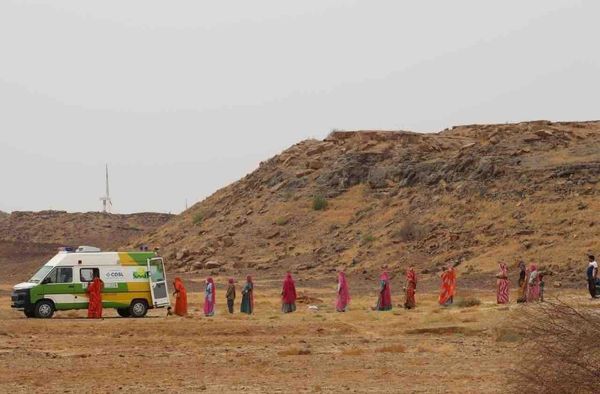
1. Mobile Healthcare Units: In response to the COVID-19 pandemic, Smile Foundation expanded its healthcare infrastructure by launching additional Smile on Wheels mobile healthcare units across India. These units deliver primary healthcare services to underserved populations, covering urban slums and rural areas. Each unit operates within a 25-kilometre radius, visiting multiple villages daily to provide medical care and promote preventive health practices. 

2. E-Arogya Clinics in Haryana: Collaborating with the Government of Haryana and SBI Card, Smile Foundation established 10 E-Arogya Clinics equipped with telemedicine kiosks and medicine vending machines. These clinics serve approximately one million people across four blocks in the Nuh district, enhancing access to quality healthcare through technology-driven solutions. 

3. Project Manzil in Rajasthan: Under Project Manzil, Smile Foundation installed Smart TVs in vocational labs across schools of Rajasthan. This initiative benefits thousands of students from grades 9 to 12 by providing access to audio-visual learning resources, thereby enhancing vocational training and digital literacy.

4. Refurbished Teachers’ Training Center in Pune: In partnership with Atlas Copco India, Smile Foundation inaugurated a refurbished Teachers’ Training Center at the Pimpri Chinchwad Municipal Corporation School in Akurdi, Pune. This center is designed to train approximately hundreds of teachers annually, aiming to elevate the quality of education in municipal schools. 

Through our Life Cycle Approach, Smile Foundation works on ensuring that grassroots communities can access resources and skills that shall open the doors to the ongoing winds of sustainable development, so that through their resilience they too can leverage the benefits of the government being provided for the welfare of the citizens, but also make themselves capable enough that they along with their communities can keep standing on their feet with equal education, good health and sustainable livelihood.

Categories
CSR Partners In Change Partnerships Smile

Social Impact & CSR-driven NGO Initiatives: What Drives Change?

In a podcast by Seeding Labs, industry leaders explored the evolving landscape of social development goals, highlighting how corporate engagement has become a powerful force for social change. Today, corporate commitment to social development is a responsibility and a practice that most companies have embraced.  While some may choose to contribute to social causes through internal initiatives, others contribute through CSR driven NGO initiatives and solutions that can help in achieving social development goals.

Corporate Social Partnerships for Positive Action

The Nudge Institute, Mr. Arun Maira, former Planning Commission member, advocated for a holistic approach to village development. He stressed the importance of adopting the Sustainable Development Goals (SDGs) in their entirety, rather than focusing on individual themes, to realise the vision of Viksit Gaon, Viksit Bharat. This initiative aims to uplift underserved communities through collective efforts in education, healthcare, livelihoods, women’s empowerment and community building, ensuring that no one is left behind.

Mr. Maira’s opinion highlights that in today’s interconnected world, social development is a shared goal that requires collective action for lasting change. The debate between classifying companies as “social impact” organisations or those engaged in corporate social partnerships misses the larger picture of social progress. 

While contributions towards social causes and CSR-driven NGO initiatives are valuable, they are most impactful when companies work alongside diverse community stakeholders. True social impact emerges from long-term collaboration, where all sectors align their efforts toward sustainable growth. By focusing on holistic social development, businesses, NGOs and governments can achieve more than isolated successes.

The Role of the Social Stock Exchange

In an article published in The Times of India, Dr. Agyeya Tripathi highlighted the potential of the Social Stock Exchange (SSE) in India to drive impact investing. By providing a platform for businesses focused on social and environmental outcomes, the SSE offers access to ethical investors and promotes transparency in social impact reporting. This initiative encourages companies to integrate social responsibility into their core business strategies, ultimately transforming how CSR is perceived and practiced. As more businesses align their goals with sustainable development, the SSE could become a pivotal driver of long-term social change.

CSR Strategies Driving SDG Achievement

One clear truth has emerged: the sustainable development of a nation cannot be achieved through isolated efforts. Social stakeholders must collaborate to go beyond philanthropic actions and engage collectively in the process of positive change. Through CSR driven initiatives, companies can implement tailored CSR strategies that focus on:

  • Collaborative Investment for Sustainable Development

To accelerate the achievement of the SDGs, corporates must partner with NGOs to invest in mechanisms that ensure underserved communities benefit from these goals. By leveraging innovative technologies, such as Artificial Intelligence, businesses and social stakeholders can adopt more efficient strategies for sustainable growth, ensuring that SDGs are met for all.

  • Enhancing Transparency through Technology

Corporates, in partnership with NGOs, can significantly amplify the impact of CSR initiatives by advancing the use of technology and ensuring access to reliable data. Effective deployment of information technology in sectors like clean energy, healthcare and education will support sustainable development, improve transparency and foster long-term societal progress.

Life-Cycle Approach for Social Impact

The Life-Cycle Approach adopted by Smile Foundation is dedicated to empowering underserved children and communities across India, ensuring access to quality education, healthcare, livelihood training and comprehensive women’s empowerment.

Key initiatives such as Mission Education focus on enhancing foundational language, numeracy and STEAM skills, aligning with the National Education Policy to equip children for future success. Smile On Wheels (SOWs) provides mobile medical services, including outpatient consultations, diagnostic tests and free medications, improving healthcare access in remote areas.

The Swabhiman program addresses maternal, menstrual and neonatal health, ensuring better reproductive care. Additionally, initiatives like STeP and Swabhiman offer vocational training, equipping youth and women with skills to boost employability, foster entrepreneurship and encourage economic independence.

Corporate Partnerships for Social Impact with Smile Foundation

Our Life-Cycle Approach has proven effective in addressing systemic challenges such as poverty, inequality and lack of access to essential services. This year alone, over 1.5 million children and their communities have benefited from our grassroots initiatives, as we continue to work alongside like-minded partners to create lasting, positive social impact.

We invite corporates to join us in this journey, aligning CSR efforts with a shared vision to uplift communities and contribute to sustainable social change. Together, we can make a real difference and create lasting impact for all.

Categories
CSR Education Health Livelihood Skill Development Smile

Achieving 17 Sustainable Development Goals by 2030- How?

Sustainable Development Goals are no longer an unknown term, and the world is aiming to achieve these 17 Sustainable Development Goals by 2030 for the welfare of every individual regardless of their socio-economic status. Adopted by the United Nations in 2015, the SDGs have become a well-recognised framework for global development. These goals, encompassing 17 objectives and 169 targets, are designed to ensure everyone can live with dignity. 

They address a broad range of issues including poverty alleviation, quality education, gender equality, clean water and climate action, while also focusing on health, economic growth, sustainable cities, responsible consumption and justice. 

Therefore, as we approach 2030, it is important to evaluate our progress toward achieving the SDGs and identify strategies to accelerate our efforts. The aim must be to fully realise these goals across India, ensuring that every individual benefits from each SDGs.

Separate or Combined Goals?

Each Sustainable Development Goal (SDG) is crafted to support and enhance the others, emphasising the strength of their interconnectedness. The first goal, “No Poverty,” sets the foundation for the remaining 16 goals, aiming to eradicate hunger, ensure access to quality education, healthcare, clean water and sanitation, and promote a healthier environment both on land and in water.

Additionally, the SDGs focus on providing underserved communities with equal financial opportunities and encourage nations to foster decent work and economic growth through industry development and technological innovation. The ultimate aim is to eliminate inequalities across all areas of life, ensuring that no one is left behind. This approach drives us toward an egalitarian world with sustainable communities that practise responsible resource management and support each other’s holistic development.

Collective Efforts for Sustainable Development Goals by 2030

Recently, during Charcha, India’s Largest Collaborative Convening held by The Nudge Institute, Mr Arun Maira, a former member of the Planning Commission of India, highlighted that to develop holistically, India needs to revisit its village development model by adopting the Sustainable Development Goals collectively and not just by focussing on particular themes, if we truly wish to achieve “Viksit Gaon, Viksit Bharat” in its truest essence.

To ensure that no one is left behind, Viksit Gaon and Viksit Bharat must support underserved communities in India through simultaneous and collective efforts in accessing and embracing quality education, healthcare, livelihood training, women’s empowerment and community building.. 

But how? These parameters can be a guiding light for all those involved in the realm of sustainable development- 

  • United Strategic Partnerships 

Over the years, strategic partnerships between government initiatives and social stakeholders, including corporates and social development organisations, have consistently driven greater positive transformations than single entities acting alone. SDG 17 emphasises the crucial role of these collaborations, highlighting that achieving the SDGs and their interconnectedness requires collective efforts towards shared objectives.

  • Financing (SDGs) Sustainable Development Goals 

To keep the momentum of implementing the sustainable development goals, it is imperative that the state continues investing in mechanisms that help in equipping underserved communities with the benefits of the SDGs. By implementing new techniques and technologies such as Artificial Intelligence, the state and social stakeholders can collectively adopt newer ways of speeding up and achieving the sustainable development goals for all.

  • Transparency with Technology

Advancing and spreading new technologies, alongside gathering high-quality, timely and reliable data, are crucial for implementing the SDGs. Enhancing access to technology and boosting capabilities for technological development are essential. It is also vital to utilise the most effective information technology tools and resources across sectors such as clean energy, health and information.

Smile & 17 Sustainable Development Goals by 2030

Before the globe committed towards Sustainable Development Goals, the approach was focussing only on Millenium Development Goals, with a focus only on developing countries. However, this approach had to be changed as collective development became more of the need of the hour rather than selective empowerment.

In this context, Smile Foundation is dedicated to supporting underserved communities in India through our LifeCycle Approach. This strategy ensures that disadvantaged children and their communities benefit from quality education, accessible and free healthcare, livelihood training for improved employment prospects and comprehensive women’s empowerment, including reproductive healthcare and financial independence. Additionally, we strengthen grassroots organisations to foster community development and break the cycle of generational economic stagnation.

Our LifeCycle approach has enabled us to empower underserved children and families across India, impacting over 1.5 million individuals in 2,000 villages across 25 states annually.

Our flagship programs, including Mission Education, align with the National Education Policy to enhance foundational language, numerical skills (FLN) and STEAM education, providing a strong base for children’s future success. In healthcare, Smile On Wheels (SOWs) offers comprehensive mobile medical services, including OPD facilities, diagnostic tests and free medications, while the Swabhiman programme focuses on maternal, menstrual and neonatal health.

Furthermore, initiatives like STeP and Swabhiman empower youth and women through vocational training, boosting employability and entrepreneurship. This holistic support approach drives economic independence and societal upliftment.

Dedicated to supporting government initiatives for underserved communities in India, Smile Foundation actively incorporates the 17 Sustainable Development Goals into our programmes through our comprehensive LifeCycle approach. We work strategically to address every SDG theme in collaboration with government and corporate partners. We focus on creating significant impacts, building resilience and advancing sustainable development and community strengthening nationwide, working towards the idea that no one is left behind.

Categories
Smile

Building Sustainability into NGO Initiatives

It is said that innovation and invention are the children of necessity. But how often have we noticed that inventions always give birth to new challenges in the ever-evolving landscape? Non-Governmental Organisations (NGOs) work hand-in-hand with the government in tackling the issues, be they economic, environmental, or social. Their role becomes vital since, most of the time, they come up with a solution or another in resolving the issues.

One can certainly not question their effectiveness, and many times they end up making visible short-term impacts. The actual struggle for NGOs is ensuring long-term impact and resilience. No longer building sustainability into NGO initiatives is a choice. In recent times, it has become an essential and fundamental necessity to create enduring positive changes in society.

Understanding sustainability

According to the Cambridge dictionary, sustainability is the quality of being able to continue over a period of time. In detail, it is the ability to meet present needs without compromising the ability of future generations to meet their own needs independently. In simple terms, it is nothing but the ability to maintain a process continuously in the long run without compromising on natural or physical resources.

To build sustainability, one needs to encompass a wide set of concepts and practices. These practices should aim at both maintaining and improving the health and stability of the environment, economy, and society in the long run. It is usually explained with the concept of Triple Bottom Line (TBL), which encompasses three core dimensions – environmental (planet), social (people), and economic (revenue) sustainability. 

To build environmental sustainability, one needs to ensure that natural resources are used in such a way that they can be replenished and support both the ecosystem and human needs. Individuals need to ensure that people have access to basic needs and opportunities to attain social sustainability. The third and important thing to remember is building economic sustainability by developing economic systems that provide prosperity even while ensuring endurable stability and resilience. One needs to be cautious enough not to deplete resources or create disparities in communities while trying to attain economic growth.

The goal is to achieve a balance where each of these three dimensions is addressed harmoniously, leading to overall sustainable development. Only then can one ensure long-term visibility in the projects that they take up and also protect the environment, ensure economic stability, and promote equality in society. Only by ensuring sustainability can one keep the project alive in the long run.

Sustainable Development Goals (SDGs)

In 2015, the United Nations set a set of 17 global objectives as the sustainable development goals as a part of its 2040 agenda for sustainable development. Following the visible success of the Millennium Development Goals (MDGs), including improving global health and reducing extreme poverty, the UN developed the SDGs both to address MDG shortcomings and to include broader integrated goals. These goals were aimed at addressing a broad spectrum of complex global issues. It is designed in such a way to guide international efforts to create an equitable, sustainable, and resilient world for all.

The SDGs provide a clear and actionable framework for governments, individuals, and organisations to follow while trying to tackle one of the global issues. The SDGs offer targets and indicators to measure progress, ensuring accountability apart from providing a roadmap for implementation. Some of the SDGs are no poverty, zero hunger, quality education, gender equality, affordable and clean energy, reducing inequality, and good health and well-being.

Strategies for building sustainability

Now that we know what sustainability is and how important it is to integrate sustainability into projects, we should also figure out how to integrate sustainability. There are a few key strategies for integrating sustainability in all the projects that NGOs take up so as to ensure that they remain alive for a long time.

Goal setting

NGOs should do a detailed field study that covers multiple aspects before attempting to find a solution for one of the existing issues. It is always wiser to use the local language of the community not just to get acquittal with the people but also to understand their requirements clearly. Setting measurable and achievable goals is important. But understanding the pressing demand of the community before setting goals is even more important. Only then will the goal remain sustainable. It is always better if the goals are set in collaboration with the people from the community. Making use of the local resources and local language has become a must while taking up initiatives.

Strategic planning

To achieve those goals, strategic and detailed planning is a must. NGOs should also consider cultural, social, religious, and gender aspects of the community while making plans. Without a proper plan and attainable goal, the project might either have no kick-off or become fragile. Organisations can use various frameworks, including the Sustainable Development Goals (SDGs) of the United Nations, to guide their moves and broaden their knowledge on issues.

Community engagement

For an initiative to be effective, relevant, and long-lasting, it should need at least minimum support and involvement from the community. Only by engaging with people, a volunteer organisation can gain insight into the specific needs, priorities, and cultural contexts of that particular community. It will come in handy in the long run to tailor the initiatives based on their requirements. Thereby, it reduces the risk of being irrelevant or ineffective. When people are actively involved in the planning and implementation of initiatives, they tend to feel a sense of ownership and responsibility. It in turn helps in integrating sustainability into projects. Not just that, community engagement will also strengthen the trust between the organisation and the community, facilitate adaptation and resilience, provide accountability and transparency, and promote inclusivity and equity.

Partnerships and collaborations

Collaborating with government, businesses, or other organisations is equally important, mainly because of their ability to enhance effectiveness, amplify the reach and impact, and leverage resources. At times, it will also help us gain additional funding sources in terms of grants, donations, or even investments. Roping in different partners into an initiative means bringing in diversified experts and skills. For instance, by collaborating with a tech company, an NGO can get access to innovative and modernised equipment. Collaborative environments will not just let you share resources, including manpower and infrastructure, but also help you to generate creative solutions to complex problems.

Monitoring and evaluation

Continuous monitoring and evaluating the implementation of the projects are basic to integrating sustainability. Not just that, they also need to assess the outcomes and impact on the community. For which, NGOs should develop robust systems to track progress, measure outcomes, and even identify areas for improvement. With the help of the obtained data, the NGOs can tune their strategies to address emerging challenges even as they ensure that initiatives are relevant and effective.

Integrating sustainability into NGOs initiatives is one of the best ways to create long-lasting impact in the community. So, no longer it is an option for the organisations to dwell upon the idea of building sustainability. It has become the basic necessity to achieve meaningful impact. The notion to address immediate needs and to contribute to long-term positive change should begin from the beginning. For which, strategies to build sustainability should be incorporated right from the planning stage. As NGOs continue to tackle the world’s most pressing challenges, a commitment to sustainability will be essential in driving effective, thriving and transformative solutions.

What about Smile Foundation integrating SDGs into its work areas?

The areas that Smile Foundation works on align closely with several Sustainable Development Goals (SDGs) set by the United Nations. Here’s how each area contributes to specific SDGs:

Education

SDG 4: Quality Education

Smile Foundation’s focus on providing quality education to children from low-income families directly supports this goal. By ensuring inclusive and equitable education, the foundation is helping to promote lifelong learning opportunities for all through its Mission Education programme.

Health

SDG 3: Good Health and Well-Being

The healthcare services provided by Smile Foundation align with this goal, which aims to ensure healthy lives and promote well-being for people of all ages. Our health initiatives like Smile on Wheels, telemedicine, dental care, health camps etc. contribute to reducing mortality rates, improving maternal and child health, and combating diseases.

Women Empowerment

SDG 5: Gender Equality

Our women empowerment programme Swabhiman are in line with SDG 5, which seeks to achieve gender equality and empower all women and girls. By promoting equal opportunities and financial independence for women, Smile Foundation supports this goal.

Skilling (STeP: Smile Twin e-Learning Programme)

SDG 8: Decent Work and Economic Growth

The skilling and livelihood programe STeP contributes to this goal by promoting sustained, inclusive, and sustainable economic growth, full and productive employment, and decent work for all. By equipping youth with vocational skills, Smile Foundation is helping to reduce youth unemployment and foster economic opportunities.

These areas collectively support a broader agenda of sustainable development, ensuring that low-income communities have the resources, opportunities, and support they need to thrive.

0%