Categories
In The Spotlight

School-based Learning in the Post-Pandemic World

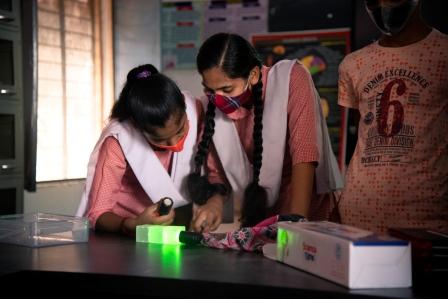
The last couple of months have been overwhelming with schools reopening for all classes, including primary sections, across India. Life is not the same for a child who is going back to school-based learning after an unexpectedly long period of almost two years. For the youngest ones, school-based learning in the times of COVID will be a first-time experience.


Shutdown of Schools


School is an integral and core element in a child’s life. The sudden closure of schools–followed by the initiation of remote classes through digital modes, tele-conferencing, cluster-level classes in the community and educational programmes run on television and radio–all impacted children’s. The absence of social interactions, the precautions taken to protect children from the virus, and the learning gaps might affect the life of a child in the long run.


The UN report The Impact of COVID-19 on Children, dated April 2020, gives some insights on this. Although children remain comparatively less impacted from the direct health effects of COVID-19, the crisis could leave a profound effect on their well-being. All children, of all ages, got affected either by the socio-economic impacts or by mitigation measures that may inadvertently do more harm than good.


However, through the Shiksha Na Ruke initiative of Smile Foundation, as part of its Mission Education programme, aimed to mitigate some of these ill effects. All efforts were redirected towards ensuring that quality and timely learning resources and facilities continued to be available to the schools and education centres. Along with focus on value education, celebration of events and important days, hygiene, health, nutrition, and extra-curricular sessions on spoken English, personality development, career guidance, yoga, etc., this encouraged and motivated children to remain positive and healthy.


The Learning Graph


There is a stark difference in learning approaches between remote and in-school learning. This has quite evidently been indicated through its impact on the learning levels in children, majorly in the foundational classes. The major outcome observed is the lower levels of understanding in some students on concepts and basics, which is a matter of concern as confirmed by the teachers. Although the children received access to many free online learning platforms and videos, there are students who would not have been able to follow a routine or be comfortable following the content and flow of the materials. Eventually this would lead to loss of interest or the required momentum to continue following online resources. Furthermore, with parents restarting work, intermittent Internet connectivity, inadequate data pack and over-dependence on digital resources added on to the irregular schedule of learning process and environment for the students.


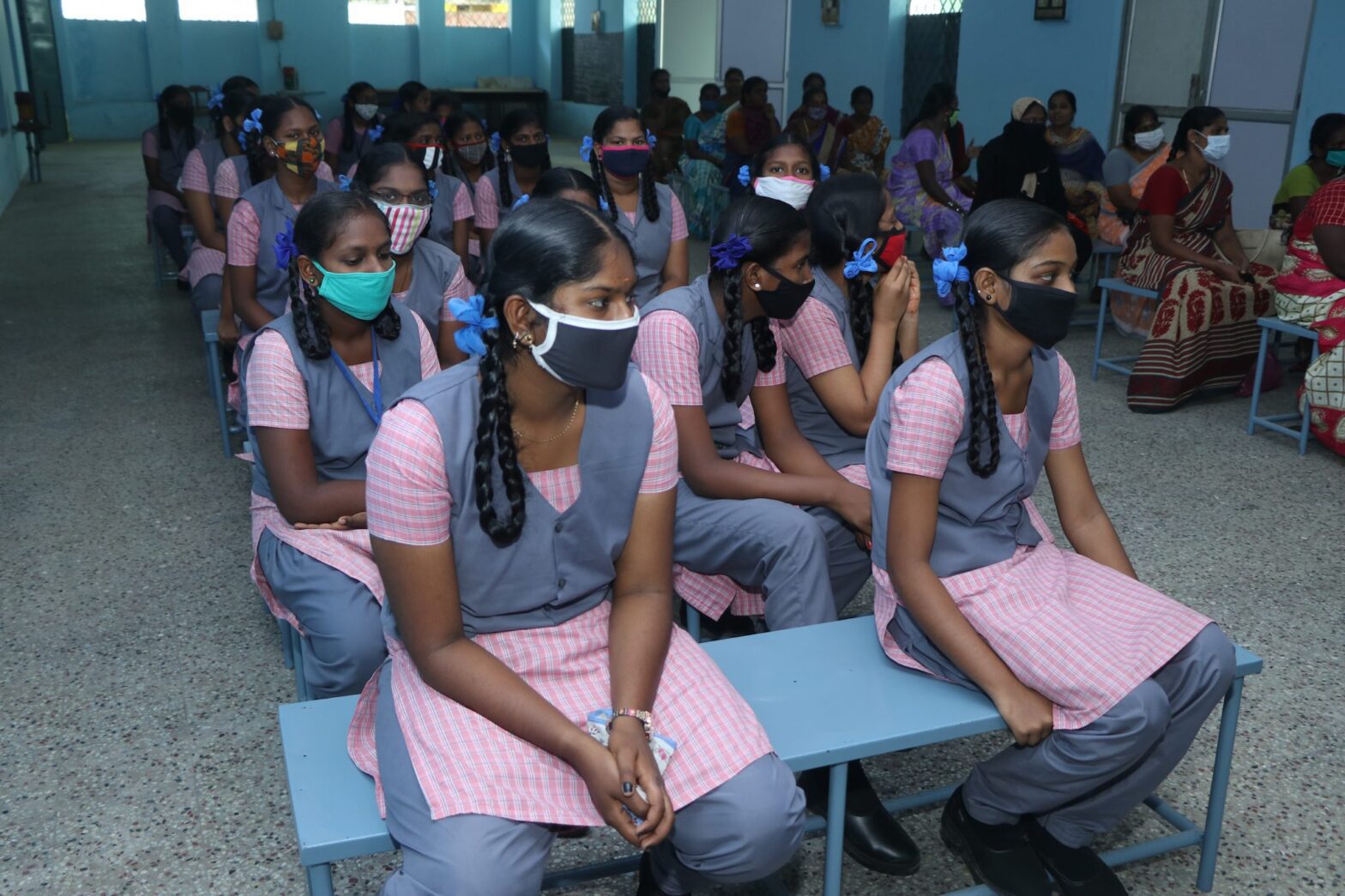
Therefore, the immediate task at hand for schools and teachers is to make the children comfortable coming to school. Further, they can create an exciting and fun learning environment, assess their mental well-being, and take precautions to ensure the child enters and stays in a hygienic and safe learning place. All the Mission Education centres have created a vibrant ambience, ensured children maintain social distancing, wear masks, keep their hands sanitised and, above all, look forward to coming to school every day.


It’s School Time…Again!


Re-opening of schools has evoked a sense of hope for the distraught learning status for children across the country. Parents, teachers, and students have welcomed the decision of letting children attend school with a sense of caution and preparedness, believing it’s best for the child. For a nation with a population of 1.4 billion and growing, the pandemic has definitely caused setbacks and unintended delay in helping to achieve the Sustainable Development Goals. However, with the continued efforts of Mission Education along with its associated partners, we are trying to reach out to the thousands of children who were bereft and left out of the learning process and bring them back into a better, progressive, and enhanced education fold.
Categories
Insights

STEM vs STEAM education: A battle of mind vs matter?

STEM is a well-known concept in education these days. Experts and educators swear by the four pillar of Science, Technology, Engineering, and Mathematics. However, for the holistic development of a pupil, a greater sense of creativity and personalization is required. Thus enters STE(A)M. This is the addition of Arts along with STEM learning. STEAM education can ensure a better rounded approach to a child’s education. However, STEM vs STEAM has been a long battle that continues.


Individually, STEM and STEAM are not new concepts. One could describe them as ways of understanding and integrating form of learning that resembles real life. Instead of teaching math as separate from science, they can be taught together in a way that shows how the knowledge from those two fields compliment and support each other.


STEM vs STEAM: How are they different?


The main difference between STEM and STEAM is the way of approaching scientific concepts. While the focus of STEM is on hard scientific skills, STEAM makes used of both hard and soft skills to solve problems.


STEAM encourages collaboration to understand a STEM concept. An example of this is as follows. One can deepen their understanding of science or math by using STEAM tools such as data visualization. Applying this out-of-the-box thinking leads to emergence of new ideas and products. It also makes it easier to understand complicated data sets by using understandable formats.


Similarities between STEM and STEAM


Integration is the key in both STEM and STEAM. In both STEM as well as STEAM, the disciplines are not taught individually by themselves—rather the focus is on holistic, well-rounded teaching and learning. In some ways, both these ways of understanding are relevant to our daily lives and work. To come up with the solution to any problem, we factor in various parameters and think of the problem as a whole. The same goes for STEM and STEAM.


In the practical world, we need a range of skill sets for work as well as personal life. All these skills when woven together create a skilled individual.


Why STEAM is becoming popular?


STEAM curriculum includes a study of the humanities, languages, art, new media, and so on. If one can master any of these subjects, along with their knowledge of STEM, they can go a long way in their professional lives. As per a LinkedIn report from 2018, 57% of senior leaders value soft skills over hard skills.


Incorporating the ‘A’ with STEM education also makes learning more fun and helps in keeping children engaged. They are able to bring a personal expression to their academics.


STEAM only works towards enhancing STEM, not taking anything away from it. It inculcates a greater sense of creativity in the student, preparing them for a vast number of job opportunities in the future.


Goal of STEAM learning


It is important for children to learn that they do not have to be either creative or analytical—they can be both! STEAM learning does precisely this. It teaches young people to use both sides of their brain to solve any problem they come across.


A STEAM-based learning model can ensure better preparedness for students who will enter the workforce tomorrow, regardless of role or industry.

Categories
In The Spotlight

Field Visit to Maharashtra: Experiencing the Ground Work of Smile Foundation

Irecently got the opportunity to represent the Communications Department of Smile Foundation on a field visit. There I witnessed the ground work of Smile Foundation. This particular visit was for our Swabhiman programme. Swabhiman is the women’s empowerment programme by Smile Foundation. It aims to provide quality education, healthcare, nutrition, and livelihood to women from under-privileged sections.


Interacting with and documenting the case stories of Swabhiman beneficiaries from Maharashtra was immensely enriching and eye opening for me. It exposed me to the realities of life and the inequalities that exist around us. Most importantly, it has made me more self-aware of my privilege. The entire experience also taught me about how non-profits work with the community at the ground level.


I was accompanying a senior manager from Swabhiman. She looks after the implementation and review of their projects in different parts of the country.


We flew from Delhi on an early morning and reached Mumbai around 11am the same day. After quickly dropping off our bags at the hotel, we started off to the field.


During my time in the field, I witnessed the unique holistic approach of the Swabhiman team. It empowers the lesser privileged girls beyond focusing on just academics.


We also went on several home visits. I was overwhelmed with all the love and warmth that we received from the Swabhiman scholars. At the same time, it was disheartening to see the living conditions that they are growing up in. Lack of sanitation, light and space in the slum and their stories of the pandemic made me quite emotional.


On the second day of our field visit, we went to Modgaon and several other villages in the Palgarh district of Maharashtra. There we attended a session in the morning with the Swabhiman scholars and then went on multiple home visits throughout the day. We covered almost 10kms that day walking through fields to meet our talented scholars. That experience will remain with me throughout my life.


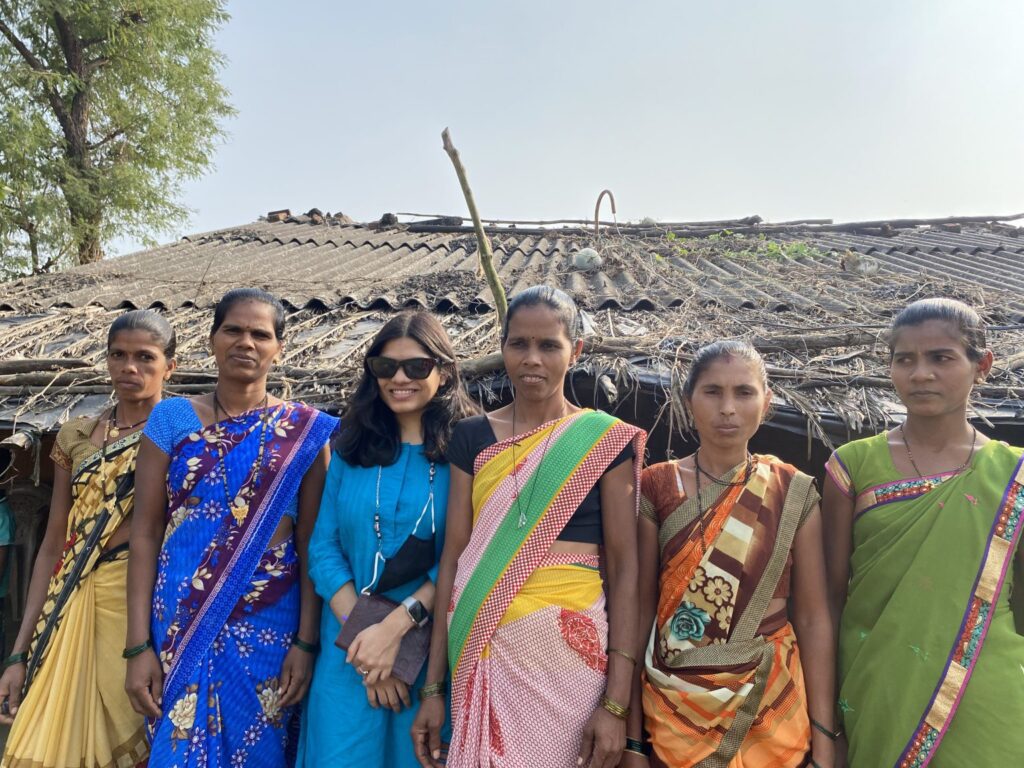
We interacted with several girls, as well as their parents, who were shortlisted for the scholarship during the home visits. Further, we also talked to women entrepreneurs, farmers, and a self-help group (SHG) formed by a few women in Modgaon.

With the self-help group in Modgaon.

Over the course of the day, we came across a Swabhiman scholar who had dropped out of school due to financial crisis at home. She looked sad and hopeless when we asked her about the situation. However, the intervention of the Swabhiman team enabled her to go to school from the very next day.


It is immensely inspiring to see how so many women and girls are overcoming the obstacles of life with so much courage and enthusiasm.


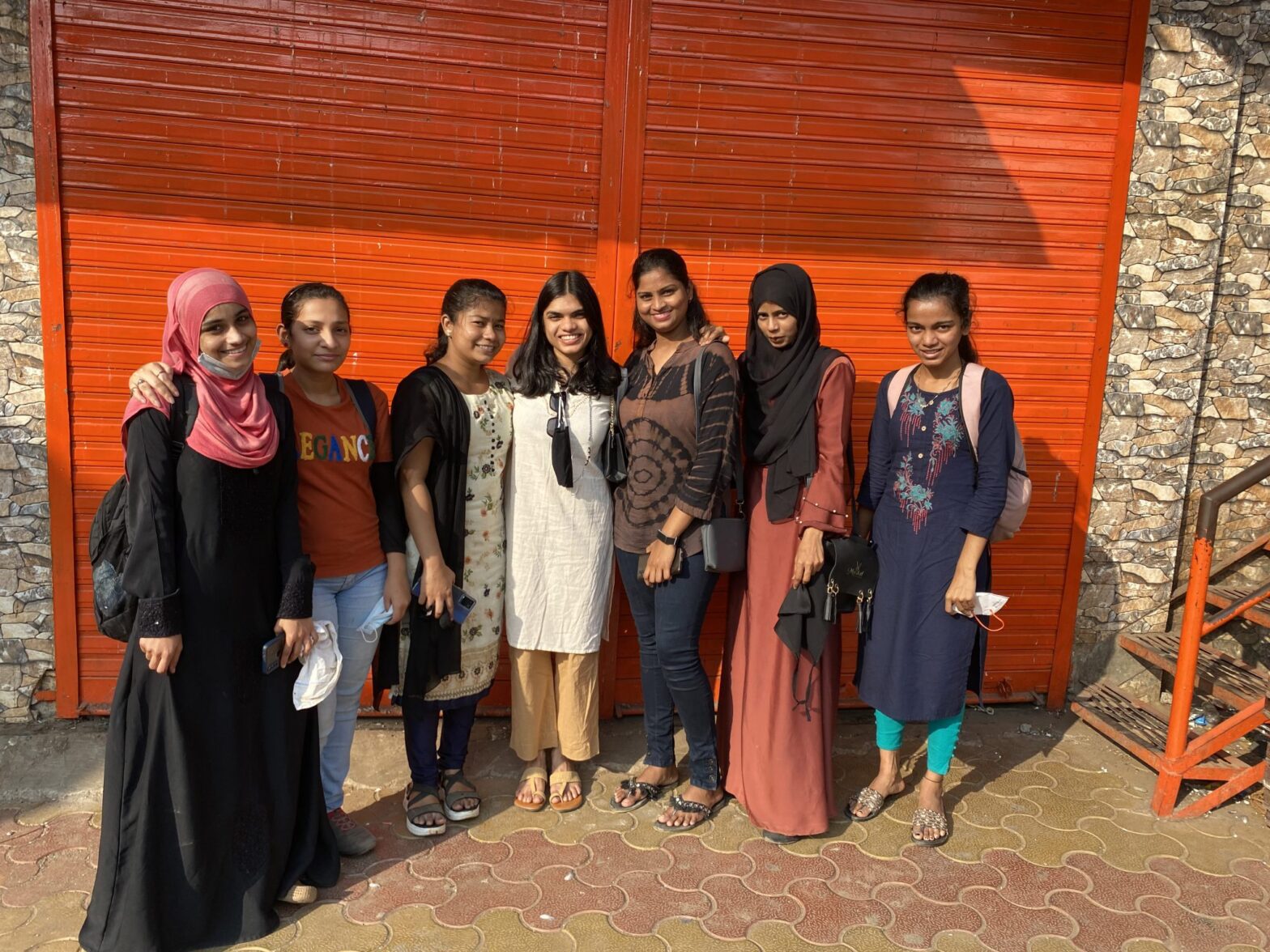
On the third day of the field visit, we went to an urban slum in Kalyan in the Thane district of Maharashtra. We met several Swabhiman scholars and interacted with their families. The spirit of young girls and their willingness to work hard to achieve their dreams was motivating.


My first ever field visit was much more than just a professional experience. It taught me lessons of life and gave me memories for a lifetime.


To know more about the ground work of Smile Foundation, click here.

Categories
Insights

Has the informal sector recovered from the pandemic?

The COVID-19 pandemic has seen a substantial impact on employment around the world. This is particularly for those working in the informal sector. Over 60% of all workers globally are classified as ‘informal’. However, has the informal sector recovered from the pandemic?


Informal sector and the pandemic


The pandemic interrupted the livelihoods of many workers in the informal sector. The lockdowns that followed dealt more blows to this sector than ever before. The informal sector is yet to recoup their losses, and their income is yet to be restored to pre-COVID-19 levels. According to a survey conducted by Azim Premji University, 15% of informal sector workers remain unemployed after quitting their jobs. Furthermore, 23% of those polled had lost their jobs due COVID-19. Nearly half of those surveyed (46%) are still working in the same job but for less money.


Many people were able to return to work after the lockdown restrictions were relaxed. However, unemployment and underemployment remain prevalent. A survey by Action Aid reveals some telling figures. It says that 16,961 informal workers from 28 states and UTs constituted 48% of informal sector employees. They remained jobless, while 42% worked substantially fewer hours per week than before the lockdown.


Rural unemployment was 53% and urban joblessness was 36%, respectively. However, underemployment rates in rural and urban areas were over 39% and 50%, respectively. The Action Aid research also indicated that recovery differed greatly by industry and kind of job. It stated construction operations recovering the slowest and agricultural activities recovering the fastest.


Changes in working conditions


For workers in the informal sector, having benefits such as flexibility in work hours may not be as appealing. This is because the formal sector poses other insecurities related to income, physical and mental health, and other uncertainties. COVID-19 has aggravated this.


Due to the ambiguity of the complete ramifications of the pandemic on the economy and anticipated shifting risks of future pandemics, these shifts in the balance of an individual’s costs and benefits are likely to persist for some time.


There has been a rapid rise in working from home, along with the likelihood that remote-based operations will continue in the next few years. This will shift the balance between formal and informal employment, as well as persons who combine formal and informal labour. As a result of more work from home, social and childcare obligations (typically delivered informally) may increase.


Is there a rise or reduction in the number of people who work informally?


The ratio of informal to formal labour is shifting.


Past and future economic shocks–such as financial crises, health, demographic, and environmental challenges–could add to pressure on workers for better and more secure jobs. Some firms, on the other hand, may respond by increasing the employment of informal and casual labour.


Major health, economic, and other developments will certainly have far-reaching consequences for individuals and communities in terms of informal employment.


As the balance between formal and informal work shifts, the two may become more polarised. However, the future balance between formal and informal labour is uncertain. It will be critical to protect the working conditions and benefits of those who work informally and to integrate them into the formal labour market.


The future balance of informal and formal employment is unknown. However, several bodies have made strong recommendations for well-thought-out initiatives to establish more robust, long-term recoveries that address workers’ holistic needs, rights, and ambitions.


In the next few months, surveys performed by the government and non-governmental organisations will reveal the entire effects of the second wave on the lives of informal workers. What is clear is that India’s 500 million working people require a good rescue package. This ensures consumption security, which can be attained through expanded public employment guarantee programmes such as MG-NREGS, and continued direct cash transfers to poorer households. Also the rapid implementation of the “One Nation, One Ration Card” policy is important. A fundamental right to work would be a necessary step in the right direction.

Categories
In The Spotlight

National Science Day 2022: Integrating Science and Technology in a Sustainable Future

National Science Day is celebrated every year on February 28 since 1987. The day celebrates Sir C. V. Raman’s exceptional achievements in science. His most notable contribution was the discovery of the Raman Effect, which won him the Nobel Prize in 1930. Honoring a scientist like him instills hope in future generation to pursue their dreams and make a mark in the world of science and technology.


The theme of National Science Day 2022 is ‘Integrated Approach in Science and Technology for a Sustainable Future’.


Relevance of National Science Day today


In wake of the government’s New Education Policy 2020, STEM (Science, Technology, Engineering, Mathematics) has taken centrestage. STEM education aims to nurture a new generation of youth who have an analytical yet creative bent of mind. These youth are also more equipped to deal with a world where science and technology are everywhere.


This National Science Day, we can take note of a few salient points related to STEM learning. Each of these is crucial for the development of science and technology in India.


Resource building


Getting an early start on STEM education can contribute immensely to resource-building for the future. Being in touch with STEM concepts can help youth chart a career path for themselves which they might otherwise not have thought of.


Curiosity building


Curiosity building is a big part of STEM education. If a child is not curious about, say, how a machine works, how they can make something better, how things unfurl in the physical world, they will never seek the answers. It is the human spirit of seeking answers to difficult questions that has resulted in the scientific advancement we have witnessed so far.


Range of formal education options


Pursuing a career in science does not necessarily mean that one has to enrol in a four-year BTech programme. There are a wide range of options available for those who want to follow this career path. There are various diploma and certificate courses that equip you with the necessary technical skills. Examples of this include ITI (which stands for Industrial Training Institute) and polytechnic institutes. Even a course with Smile Foundation’s STeP initiative could lead to a sustainable career in medical sciences.  


Job options in future


Studying a course that is related to STEM can open a whole world of options for any potential candidate. Gaining specialization in afield can prove to be beneficial for a wide range of job options. For instance, someone whose expertise lies in chemicals can opt for a well-paying job selling or marketing chemicals. They can even pursue a career in research or teaching. Similarly, a qualified nurse can not only act as a nurse but also train others and prepare learning materials and practical sessions for them.


With the current wave of start-ups in India, an entrepreneurial dream could also become a reality for many. However, one needs the right set of skills to succeed in a business.


Teacher capacity training


All of the above will be possible only by training teachers properly. The current capacity of teachers in the STEM field should be boosted with proper training programmes for them. An able teacher today can nurture an able workforce for the future.

Categories
Insights

How nutrition and demographic dividend are linked

Food security and long-term nutrition are critical for human capital development and generating demographic dividends. Better practises are essential for long-term success. Food is proving to be crucial as leaders plan for demographic transition, from youth to senior citizens. Food security and nutrition foster excellent health for all generations and improve well-being and productivity. Thus, nutrition and demographic dividend are linked. Food security and nutrition are necessary for optimum health, human development, and eventually, economic progress.


The problem of nutrition in India


India has seen significant economic improvement in the past few decades. Despite this, many children under the age of five are overlooked, with 38% stunted and 35% underweight. Furthermore, approximately half of all women are anaemic. We’re also behind on important nutrition-specific and sensitive interventions like exclusive breastfeeding and micronutrient supplementation. Undoubtedly, malnutrition is a serious development issue.


Ways to fight malnutrition


The Integrated Child Development Services (ICDS) Scheme was launched in 1975 as the first pan-India organisational reaction. It was meant to strengthen the nutrition and health status of children under the age of six. Health and education convergence through Anganwadi centres (AWC) in villages and urban slums was part of the initiative. The initiative has already been extended to about 14 lakh AWCs and mini AWCs. This covers more than half of all children under the age of six. There is widespread agreement that malnutrition is a major cause of death in roughly 40% of under-five children. In 1993, the National Nutrition Policy was developed for eliminating malnutrition and attaining adequate nutrition status for all. This policy was formulated by the Women and Child Development (WCD) Ministry.


Efforts were underway to combat malnutrition in adolescent girls. Inter-generational variables that contribute to low birth weight and a young marriage age for girls contributes to this. Unfortunately, the scheme was not able to meet the set targets. This is because expected integration or convergence was weak, leakages were common, and the community was primarily seen as oatmeal distribution (daliya banto) centres.


The link between nutrition and demographic dividend


India’s population is youthful, and the country is well positioned to take advantage of this window of opportunity. According to a World Bank policy research report, over two-thirds of the employed population in India earn 13 percent less than other working class people due to childhood stunting—being extremely short for their age—one of the world’s greatest such losses in per capita income.


Children with stunted growth face negative consequences later in life: decreased brain development leads to weaker cognitive skills and reduced educational attainment. To tackle these issues, the National Nutrition Mission (NNM) provides an integrated policy and programme framework. The mission lays out specific goals for reducing underweight, stunting, low birth weight, and anaemia in women. It also has specific targets, such as a 2% reduction in stunting, underweight and a 3% reduction in anaemia in women. Initial findings are encouraging: according to certain media reports citing official sources, stunting rates have dropped to 34.7 percent.


Direct cash transfers have been shown to be helpful in increasing healthy behaviours both globally and domestically. They have been shown to boost nutritional results in Bihar. Sadly, policy commitment in this area is a bit hazy. Moreover, the mission makes no mention of how extremely malnourished children would be cared for. This, despite the fact that the numbers are enormous. In terms of the number of empty beds, the current capacity for treatment through Nutritional Rehabilitation Centres in public systems is severely limited. A programmatic focus on community-based management of severe malnutrition is necessary. Private sector engagement can be considered in this context by utilizing innovative demand-side financing instruments such as vouchers.


Can better nutrition improve demographic dividend?


There is a real possibility to harness the benefits of demographic shift in countries like India. This is because here the working-age population is significantly bigger than the number of elderly and young dependents. When this beneficial age structure is combined with significant investments in the health and employment of young and working-age individuals, demographic dividends accrue. Overall this enhances overall productivity and economic growth. A second demographic dividend can also boost economic growth when older people have the health and income to invest in youth of today. Demographic dividends aren’t always automatic; they rely on smart investments and policies to ensure that people reach their full potential.

Categories
Insights Partners In Change

How Can We Improve the Working Conditions for ASHA and Anganwadi Workers?

ASHA and Anganwadi workers have been working at the grassroots level for basic health care and education. Since the pandemic, the working hours for community mobilizers have increased a lot. Their contribution in dealing with pandemic at the ground level has been tremendous. However, there has been little to no improvement in the working conditions for ASHA and Anganwadi workers.


These stellar women are the pillars of India’s healthcare system. Before the pandemic, these women were in the field for 4-5 hours every day. Ever since the onset of the pandemic, these workers have been at the frontline of performing COVID duties. When the pandemic hit, working hours increased.  These community workers had to adapt very quickly, without much of training. Apart from additional work like contact tracing, they also had to conduct online surveys.


Many Asha workers have also lost their lives due to Covid. The all-women army is very critical to the government’s door-to-door vaccination drive, so are their contributions crucial when it comes to door-to-door delivery of medicines for Covid patients, but the workers complain that they are faced with more work and no pay.


There are many ways in which their lives can be improved.


Proper protective gear


Protective gear to prevent infection during the pandemic is essential. Even in other situations, it is important to keep these women safe while they continue doing the good work in society.


ASHA and Anganwadi workers have spent hours in accompanying patients to hospitals. They get patients tested and also accompany them on follow-up visits. Moreover, pre-natal and neo-natal care is often the responsibility of ASHA workers. This means they have to be extra careful, making sure that they don’t infect expectant mothers or newborns. Thus, protective gear is crucial to minimize any risk of infection, for workers as well as the beneficiaries.


Better working conditions for ASHA and Anganwadi workers


A range of interventions are needed to make this community healthcare sector organized.


First, these remarkable women are working for long hours on the ground. One possible reason for this is that there are not enough community health workers who have been recruited by the government. This can make the workers overworked and exhausted, thus reducing productivity. The health of a community is tied to that of these workers. Therefore, it is essential that they are well-rested and healthy. Their working hours must be limited.


Second, their economic conditions continue to remain poor. The government basically considers them as volunteers and not as healthcare workers. However, over the course of the pandemic, the work done by them on the ground has been unmatched. The salary is quite low and sometimes even that is quite delayed. ASHA and Anganwadis need to be paid more for the excellent work they are doing with the community. This will not only help achieve the healthcare goals but also keep these workers motivated.


Third, these women are the first line of contact between marginalized communities and primary healthcare. Not only this, they have also been instrumental in mass vaccination drives for diseases such as polio and COVID-19. They deserve full social security and healthcare benefits, as other government employees enjoy. Incentivizing them in this manner can lead to conducive working conditions for everyone involved.


How can healthcare sector be improved?


Healthcare costs are increasing day by day. In many cases, insurance companies also don’t cover the expenses if it is below a certain amount. There is an increased need of government health facilities—not just primary but secondary level facilities too!


The government and civil society organizations should aim towards universal health coverage. They first step should be strengthening the public health system. Proximity is an issue for most people in rural or semi-urban areas. These people have to travel very far for decent and specialized treatment. Further, if testing facilities are available at more and more locations, it would ease the lives of these communities as well as the community workers.

Categories
Insights

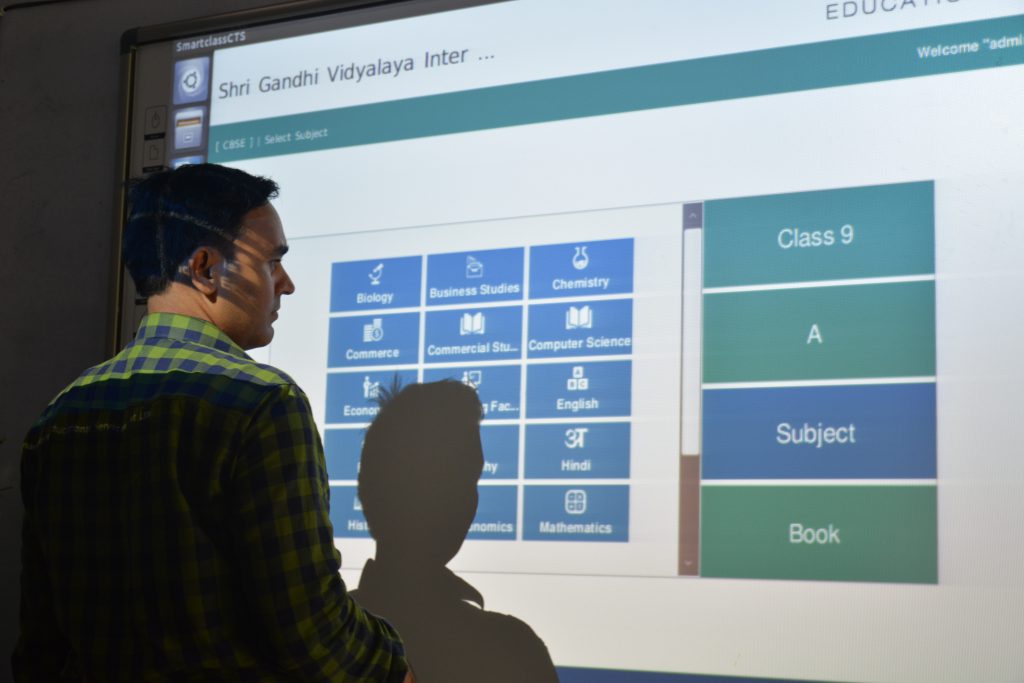
Technology and Education: Can the Two Complement Each Other?

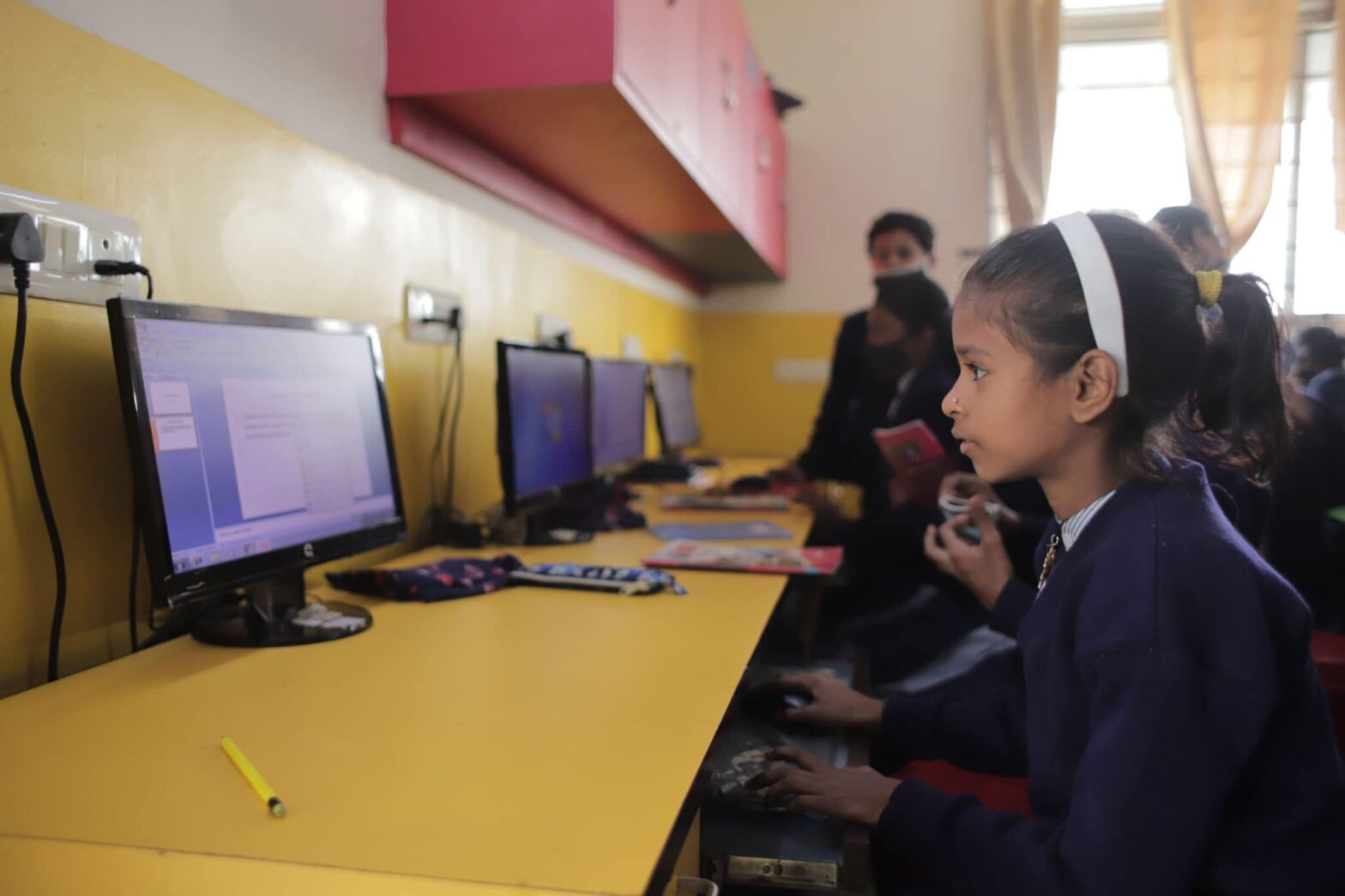
Research has shown that children are more receptive to information from books rather than from screens. A large section of the academia also believes that human interaction is of paramount importance in keeping children engaged while learning. However, the coronavirus pandemic changed all this. The digital age has well and truly arrived in the education sector too. Since the advent of the pandemic, students and teachers across the globe have become more or less dependent on technology to continue learning and teaching. Technology and education are now hand-in-hand.


It is important to face the question: How important is technology in education? COVID-19 has demonstrated that online education should be a vital part of teaching and learning. Everyone is spending a lot of time in the digital world. As a result, technology can be more than just a crisis management tool. Teachers can harness online learning as a powerful educational tool to complement existing curricula.


Advantages of digital learning


Digital learning can prove to be an effective tool for student engagement, improving teaching methods, and imparting personalized learning. Tools such as virtual classrooms, videos, augmented reality (AR), and so on can make classes lively. They can also enable better and more inclusive learning environments where teachers can collect data on student performance.


It is also important to acknowledge that one of the most important 21st-century skills is digital literacy. Exposure to digital technology from formative years can help students acquire the necessary skills to succeed in the careers of the future. 


Challenges to technology in education


However, technology is only a tool for education. It cannot be considered an end in itself. What educators and learners do with technology can determine whether, or not, technology can live up to its promise.


Digital technology is disrupting the status quo of traditional learning. It is important to question whether the increasing amount of time children spend in front of screens can be detrimental.


There are other challenges too, but none that cannot be overcome. 


Implementation and use are among the primary challenges. Even now, not a very large percentage of schools are using AR, artificial intelligence, and other emerging technology. 


The content available on online platforms also needs to be carefully considered while using such platforms. Ideally, if educators were to weigh in, it would ensure that appropriate and relevant content is available. This is something that has been largely missing till now. 


Technology equity is and will continue to be a matter of concern; this is mostly linked to socio-economic equity. Access is an added concern — for example, not every school district has resources to provide students with a laptop, and internet connectivity can be unreliable in homes.


Further, it is also important to take into account the individual capacities of each student. A student who was already struggling in the face-to-face environment might find their learning difficulties magnified now. 


How can technology and education be integrated


Despite the challenges and concerns, we need to acknowledge that there are many benefits of adapting technology in education. Increased collaboration and communication, improved quality of education, and more engaging lessons spark the imagination of and a search for knowledge in students.


Teachers need the assistance of administrators to gain the competencies needed to enhance teaching and learning through technology. Using technology in the classroom should make the job of teachers easier and help them manage their time more effectively.

Categories
In The Spotlight

For All Women: Swabhiman Initiatives on the Ground

Working for and with women has been our topmost priority for a while now. Whether it is education, health care, livelihood, or nutrition, Smile Foundation always gives preference to women. Our Swabhiman initiatives ensure this. Here are some glimpses into our work on various aspects of a woman’s life.

Swabhiman Scholars: A Swabhiman initiative

Swabhiman scholar Pinky 573x430 1

Pinky (name changed) lives in Modgaon, Maharashtra. She stays in a kutcha house in the middle of fields with her father, a manual laborer, and her mother who works on someone else’s land. 

Pinky had been missing from the session organized for the Smile Swabhiman Scholars. Our team enquired a little and got to know that she has not been attending school for some time now.

The Swabhiman team visited her home to see if everything was quite alright. They found a very shy and scared young girl who was hesitant to reveal why she was not going to school. 

The Swabhiman scholarship fund could easily cover her school fees, about INR 100 per month, and other educational expenses. When Pinky finally felt comfortable with the visitors at her home, she revealed that she had developed appendicitis and her family had used the Swabhiman scholarship fund to pay for her surgery. She stopped going to school as she had exhausted the fund.

When our team checked, they discovered that there was some money still left in the account, and the next round of funds was also due to come any day. This proved to be a huge relief for Pinky. 

She could once again dream of going to school. Since that day, she has been going to school regularly. Pinky is trying to make up for the lost time by working as hard as she can.

An Entrepreneur, a Source of Inspiration for Other Women

Smile Foundation started working with Ishwati in 2020. She reached out to us through the Swabhiman project coordinator in her area, Juna Sawarpada village in Palgarh district of Maharashtra. Ishwati always had a leaning towards farming. 

Recognising this, we provided her with the initial raw materials and equipment she needed to set up a farming unit. These include seeds, water pump and pipeline.

Swabhiman Ishwati 573x430 1

Ishwati is now a self-sufficient farmer. With the help of Smile, she was able to grow the crop and earned around INR 10,000 by selling the produce in the market. 

Before this, she used to work as a tailor in the village. Since she got into farming, it has helped her get an additional means of income. 

All six members of Ishwati’s family work in the field, their work divided throughout the year. Her mother, Laxmi, in particular loves working the field. Ishwati is happy that she has been able to expand her means of income even during the pandemic and support her family at such a difficult time. Ishwati’s story is one of inspiration for millions of others. 

While most people are turning towards cities to find employment, Ishwati found something productive and fulfilling in her own village.

Swabhiman has nurtured many such women entrepreneurs.

Celebrating Motherhood, Enhancing Nutrition

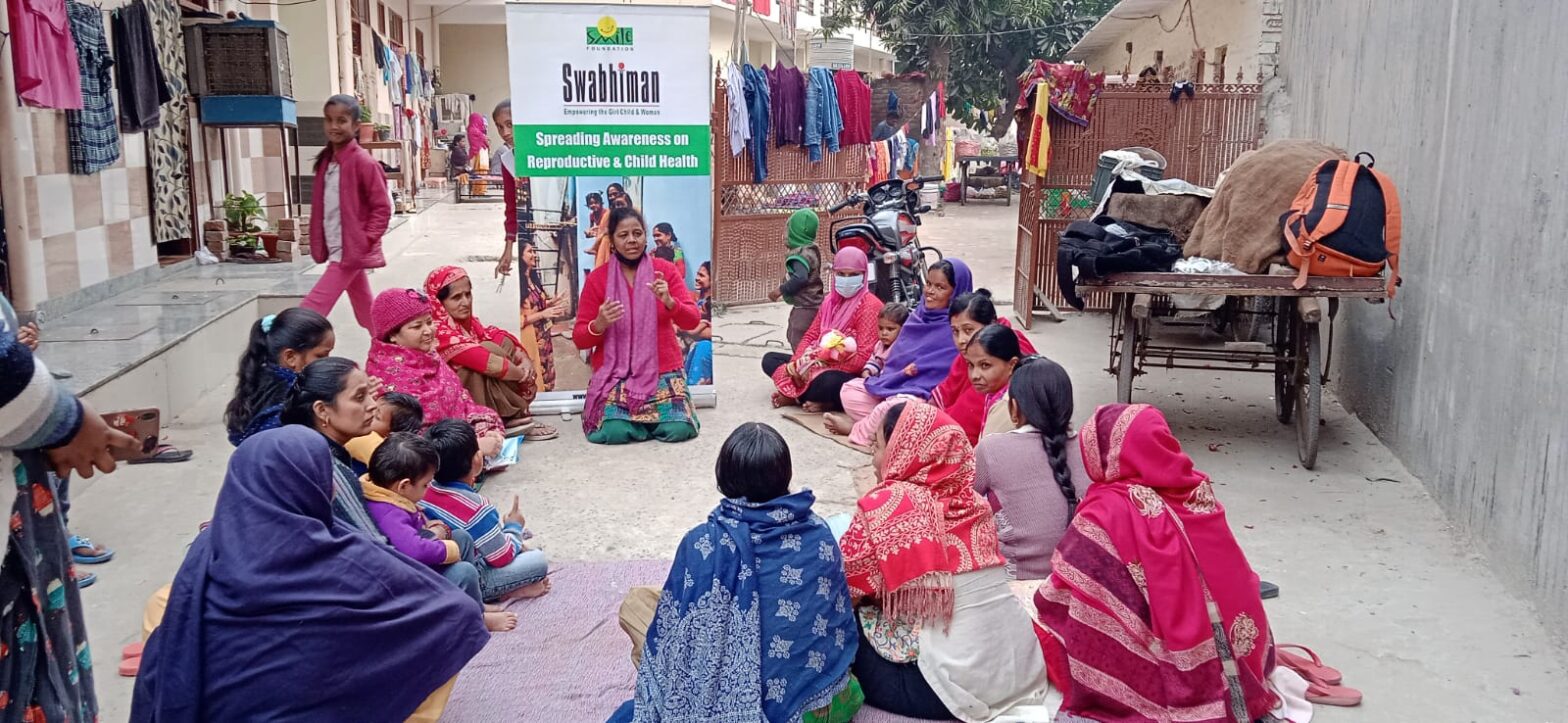
Smile Foundation’s Swabhiman team held a celebration of forthcoming motherhood in Sangrur.

A community-based event called godh-bharai, marking the seventh month of pregnancy, is celebrated at Anganwadi centres on the 14th of every month. Under our “Nutrition Enhancement Programme” in Sangrur, we have this Swabhiman initiative with the Anganwadi workers and with the beneficiaries (pregnant women) at their respective centres.

In December 2021, the celebration was conducted at 5 centres of the project intervention area. There were a total of 9 pregnant women in their 3rd trimester of pregnancy. The villages covered were Kalajhar, Lakhewal, Bharro-2, Shahpur, and Balad-3. 

The women were provided with necessary information on birth preparedness, early initiation of breast feeding, importance of colostrums, and importance of IFA and calcium supplementation intake. It also included discussion on inclusion of diverse foods in diet, adequate rest, family’s support during and after pregnancy, sensitization of family members and care-givers. 

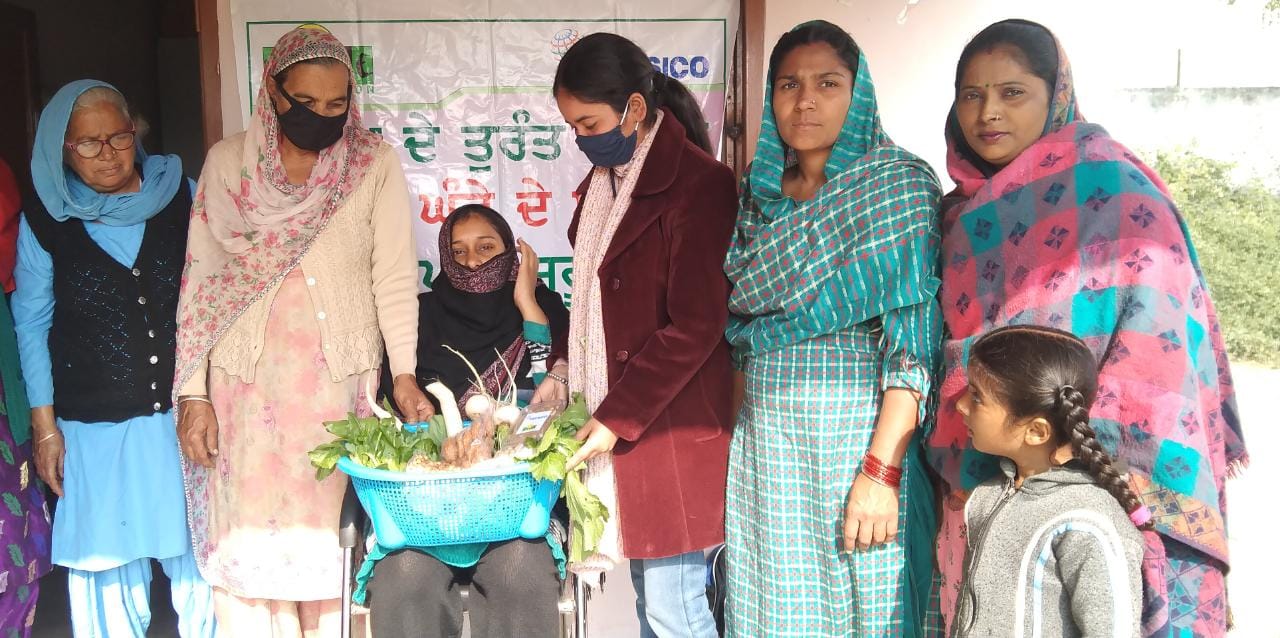
The women were provided with a basket of fruits and vegetables. Food items such as jaggery, roasted black-gram, and groundnuts that are rich in iron and protein are also being provided. The products from the community kitchen gardens (another activity under our Nutrition Enhancement Programme) such as spinach, fenugreek, turnip, that are seasonal and locally available, were also given to the pregnant women to mark the importance of inclusion of diverse food groups in their regular diet. 

The sessions help to address the concerns of pregnant women and also prepare them emotionally and mentally for the delivery.

Know more

Categories
Insights

What is the future of AI in India’s education sector?

Artificial intelligence has huge potential in India. India’s AI technology has the potential to make it a world leader in this sector. In India, AI technology is used effectively in practically every industry, such as health care. Thus, AI in India’s education sector has also come to be quite significant.


AI has the potential to add USD 1 trillion to the Indian economy by 2035, according to a 2018 discussion paper by NITI Aayog. In India, it has the potential to “overcome the physical restrictions of capital and labor, and open up new sources of value and growth”, according to the report.


How? In India, AI technology has the capability to automate both complicated and routine operations. This will lead to better utilization of human resources by allowing them to focus their efforts where they provide the most value, enhancing overall efficiency.


Leverage AI for development in areas such as agriculture, health care, and education can lead to innovation at a whole other level.


Scope of AI in Indias education


As previously stated, youth are the most essential segment of any country’s population. And good education is essential for it to be capable of directing the country toward a brighter future. With the impact of artificial intelligence on education in India growing by the day, the education sector must adapt its strategy to help today’s young minds become tomorrow’s capable leaders and innovators.


Artificial intelligence and machine learning in education in India will also play a key part in reaching the country’s 2030 ambitions. These are aligned with the UN Sustainable Development Goals. One of these goals is to raise the number of skilled teachers significantly. As stated earlier, AI in education can assist our teachers in increasing their efficiency by using AI applications such as real-time text to speech and text translation systems, automating repetitive tasks such as taking attendance and personalizing the learning journey based on experience, skill, understanding, and so on.


Advantages of AI in Education


A better grading system


For a very long time, grading and results have been criticized, and the grading process has been prone to human error.


This is an issue that AI solves!


The latest AI technology aids in the examinations and the effective assessment of a candidate’s knowledge by analysing their performance in exams. This contributes to a brighter future for the present generation of pupils.


Personalized learning


AI will assist in determining what a student enjoys and dislikes. This allows for the creation of a customised study programme for each student. Students have more choice over the path of their education with AI.


AI collects data to identify a student’s ability level and then generates a learning route for them.


A machine learns the behaviour patterns and preferences. This benefits students in their early years of schooling as AI offers personalised learning on a very personal level. They can take specialised classes, take tests, and track their progress–all on their cellphones, tablets, and computers.


Automated tasks


Administrative duties are repetitive processes, and no one likes to do the same thing over and over. This is where AI comes in!


This issue can be fixed by using artificial intelligence to automate data entry and operational chores such as grading and responding to students.


Challenges of AI in education


The lack of access to new technology is a serious issue, and its deployment is a lengthy process. It’s also worth noting that many educators have devised innovative ways to promote interactive learning. These also assist students in making the most of their time at home. AI makes extensive use of high-end tools, making operations more efficient. Educators are less aligned when it comes to technology, curriculum, and instruction. It necessitates potential planning, design-thinking, and educator training.


Industry insiders say AI necessitates the processing of a large volume of data. Security risk is a concern. The protection of children’s, instructors’, and parents’ personal information is currently an issue. Cyber-attacks are a serious problem in online learning, limiting AI implementation on a mass scale.


Conclusion


To make India atmanirbhar, we must tap into her creative potential. We must develop an innovation-led growth model that will aid in the transformation of our country into a new India. Artificial intelligence will play a critical role in achieving this goal. AI’s impact in India is more than one can see or think. And it will only grow with time. The youth need to be prepared to work with AI. The role of AI in India’s education sector is critical to making Indians AI-ready and ensuring India’s position as a global AI leader.

0%