Categories
Smile

Rise in India’s Learning Poverty

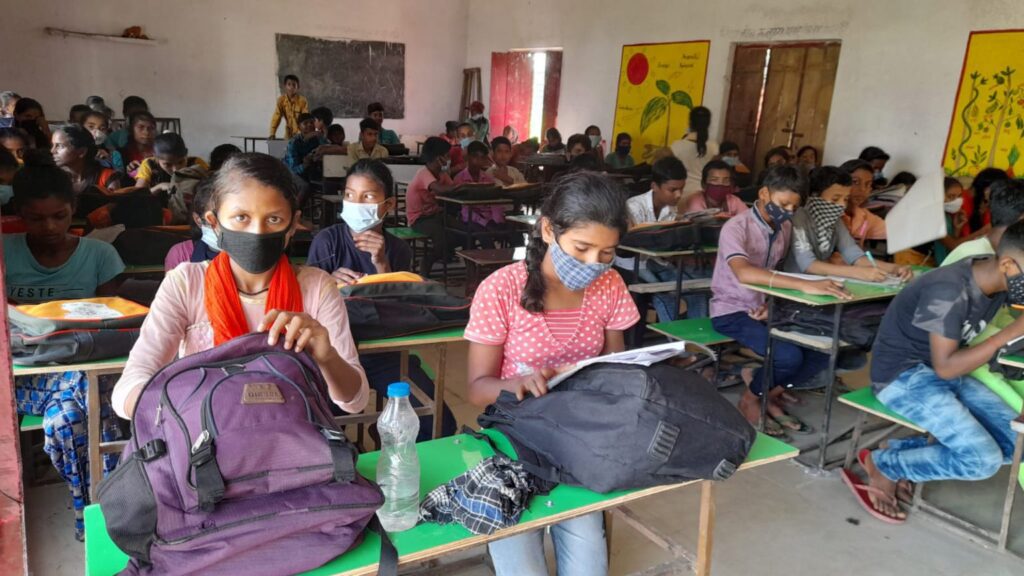
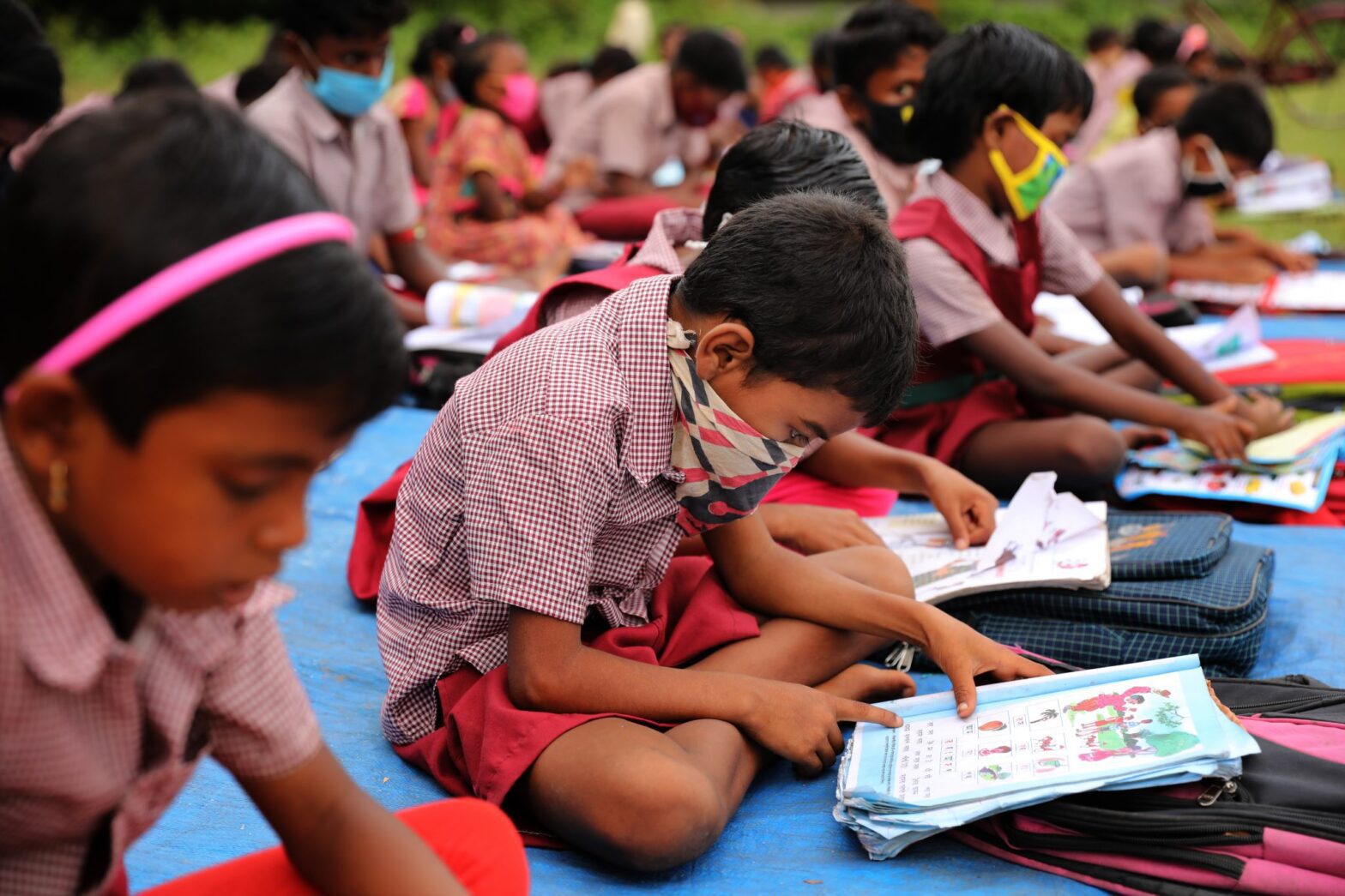
When it comes to COVID-19, one of the worst impacted areas was the educational sector. Online lessons were promoted throughout the world, including India. As a result of the COVID-19 outbreak, the director of the World Bank’s Global Education Program expressed concern about its impact on children’s education and India’s rising learning poverty.


Due to a decrease in household incomes, many kids have been compelled to drop out of private schools and enroll in public schools. However, the quality discrepancies between private and public schools are significant. The pandemic further highlighted class inequalities. Smile Foundation’s Mission Education programme has been working for over a decade to reduce this gap. When you donate for education through our ‘Shiksha Na Ruke’ initiative, you ensure equity in education for all children irrespective of their socio-economic background or geographic limitations.


Learning Poverty: Definition & Post Pandemic Situation


Learning Poverty is defined as being unable to read and comprehend a short, age-appropriate text by the age of 10. According to a 2019 World Bank research, 55% of children in India were unable to read properly by the time they reach the end of primary school. The post-pandemic effects on India’s educational infrastructure have worsened as the country’s ‘learning poverty’ has increased to 70%.


Though an estimation, these figures do represent the first impressions and preliminary assessments of where the country stands in this area. The reopening of schools around the nation is one of the most pressing issues of our day. Students must be persuaded to return to school. Prioritizing catch-up learning and strengthening the fundamentals will help the students refresh their knowledge.


Other challenges adding to the Learning Poverty


Limited budget allocations and lesser emphasis on primary school education remain to be roadblocks in facilitating the necessary infrastructure, processes and capacity building of teachers to enhance the quality of education in govt. schools across the country. The poor giving culture further reduces education donation in India, making it challenging for non-profits who are dedicated to championing the cause in vulnerable and disadvantaged communities.  

Smile Foundation, a non-profit organization working for education and health care, runs a national level programme called Mission Education. These include Pre-school (3-6 years), Non-Formal Education (6-14 years non-school going), Remedial Education (6-14 years school attending), and Bridge Course (14-18 years drop-outs) programmes. Drop-out children are brought back to school, smart phones and tablets are provided to underprivileged children to ensure uninterrupted learning, stationary, uniforms and necessary support are provided to underprivileged children. More than 250,000 underprivileged children have benefited directly from the Mission Education initiative since its inception in 2002. To support the programme and donate for education, please visit https://donate.smilefoundationindia.org/shiksha-na-ruke
Categories
Smile

Stepping up post-pandemic skilling & employment

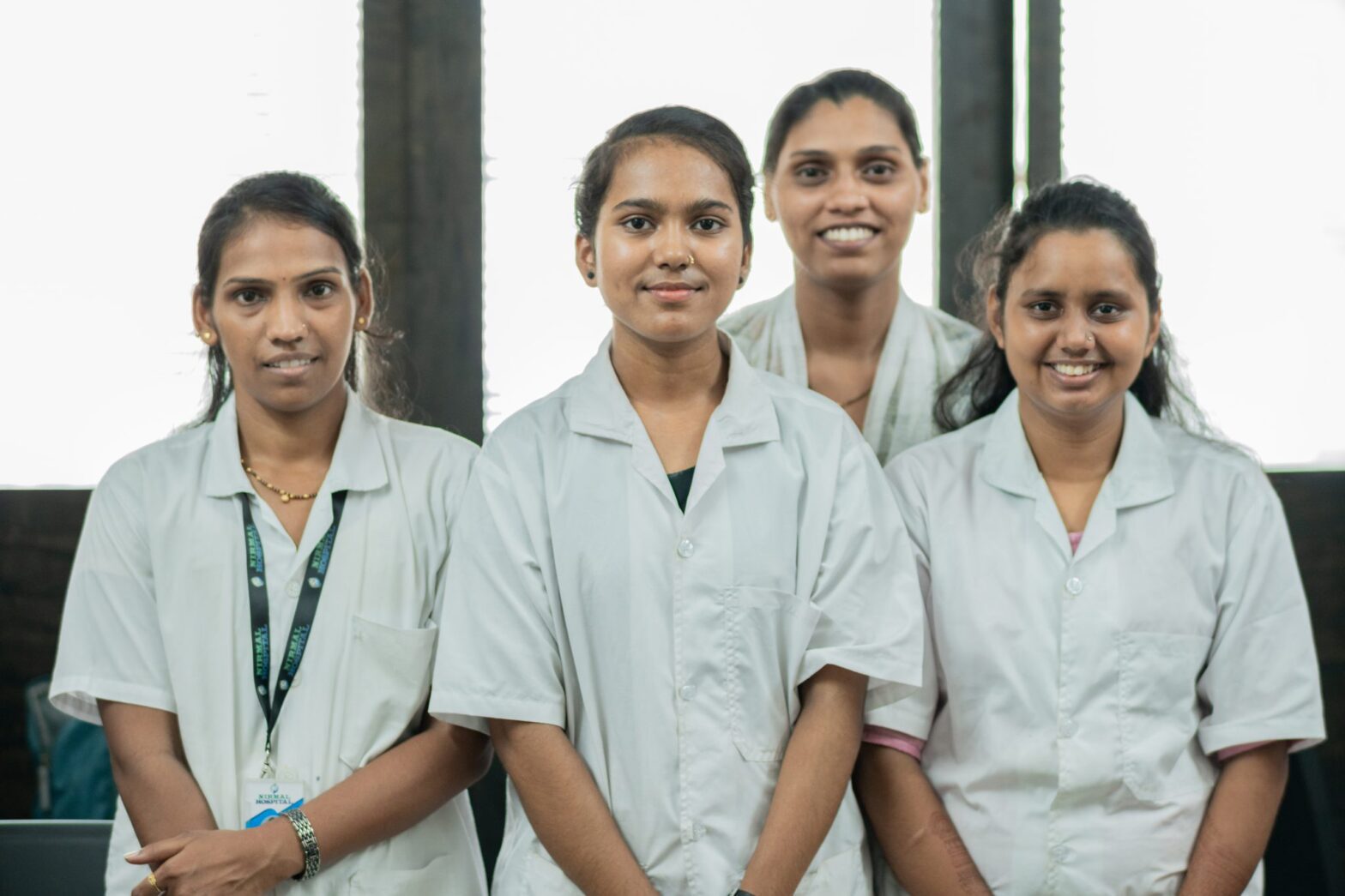
Prior to Covid, Smile Foundation’s Smile Twin e-learning Programme or STeP focused on providing soft skill training to underprivileged youth for jobs in retail and hospitality. STeP aims to not only develop and train the youth with necessary soft skills, but also provide them with job placements. The aforementioned industries were severely impacted as a consequence of the Covid-19 lockdown and the placement opportunities for these students went down drastically. As a result, Smile had to restructure the STeP curriculum to fit the current employment market. STeP has now shifted its focus to facilitate skilling and employment in sectors such as healthcare, digital marketing, BFSI (business, financial services and insurance), BPO (business process outsourcing) and e-logistics where the demand for workforce is rising rapidly.


Along with the support of multiple donors, Smile decided to explore the healthcare side of livelihood with a specific focus on GDA or General Duty Assistance. Around 40 GDA centers were established in October 2020 wherein students were educated on how to become a patient care executive. The three month long GDA training also entailed career counseling and engagement programs. Following this, the students were placed into various profiles. Some got placement in hospitals and clinics, some in home health aide services or HHA and some were placed in diagnostic labs. With the urgent need for more healthcare workers to help with the pandemic, this program thrived. Smile has now established 61 healthcare centers pan-India ensuring skilling and employment of over 7100 students. 


Apart from this, BFSI and digital marketing sectors also gained huge popularity during the pandemic. Three digital marketing centers were set up in Bangalore, Noida and Talegaon respectively. Countless opportunities opened in business, financial services and insurance sectors; 313 students recieved training for the same and 60% of them have were placed. Some work in banks while some are insurance agents. Nine BFSI centres were opened between November’20 and April’21 which trained 945 students and placed more than 560. Additionally, the BPO sector opened three centers while the e-logistics sector opened two centers.


In courses like GDA, students are taught to understand things from the patients’ perspective. But additional training on the basic requirement of any job was urgently needed. Hence, students were provided with training in Core Employability skills regardless of what they chose to specialize in. This training provided students with knowledge on how to communicate with customers/stakeholders, how to correctly write emails, how to engage in team work, how to access web portals, etc. The skills covered in this course are a necessity for anyone looking for employment in today’s job market and have helped STeP students tremendously in procuring placements. 


Overall, STeP has provided training to over 66,625 youth, 40,294 of which secured jobs that they enjoy and provide support for themselves and their families with. Others chose to pursue higher learning and explore more opportunities with their new found skills and confidence. To know more about STeP, visit https://www.smilefoundationindia.org/e_learning.html

Categories
Smile

Doorstep multi-specialty healthcare at the grassroots

Healthcare in India is highly underfunded. The government spend on healthcare is a little over 1% of the gross domestic product – among the lowest in the world. In fact, a study found that 60 million Indians are pushed into poverty every year due to high expenditure on healthcare. This problem of lack of access to healthcare disproportionately affects certain communities. People living in rural areas and urban slums also continue to face deplorable healthcare conditions. The lack of education and awareness and lack of mobility to healthcare facilities are two of the biggest contributors to this. 


To improve this scenario, numerous government-funded health insurance schemes have been implemented such as Rashtriya Swasthya Bima Yojana, or RSBY. Launched in 2008, this initiative is aimed at reducing financial catastrophe and vulnerability of lower-income persons. As of 2016, some 41 million families were enrolled in RSBY. However, evidence indicates that the programme has not led to any reduction in out-of-pocket expenditure–personal spending–by the beneficiaries. India’s health-related out-of-pocket expenditure, which pushes families into indebtedness and deeper poverty, is among the world’s highest. In a low-middle income group of 50 nations, Indians ranked sixth among the biggest out-of-pocket health spenders in 2014. Further systemic barriers to access include long wait times in hospitals, the perceived low quality of public health services, and substantial workforce and infrastructure shortfalls.


Travelling to and from healthcare facilities is hard to afford for people from lower economic backgrounds. If they do get to the facility and meet the doctor, purchasing medication and sometimes running scans/tests are out of the question, even in government hospitals. The covid-19 pandemic has further highlighted the daily struggles of the rural population, urban slum dwellers and low-income people. It brought to our attention the medication, doctors and healthcare facility shortages we face.

Overcoming the challenges in mobility & accessibility of healthcare: Smile on Wheels in a remote village of Siddharthnagar, UP


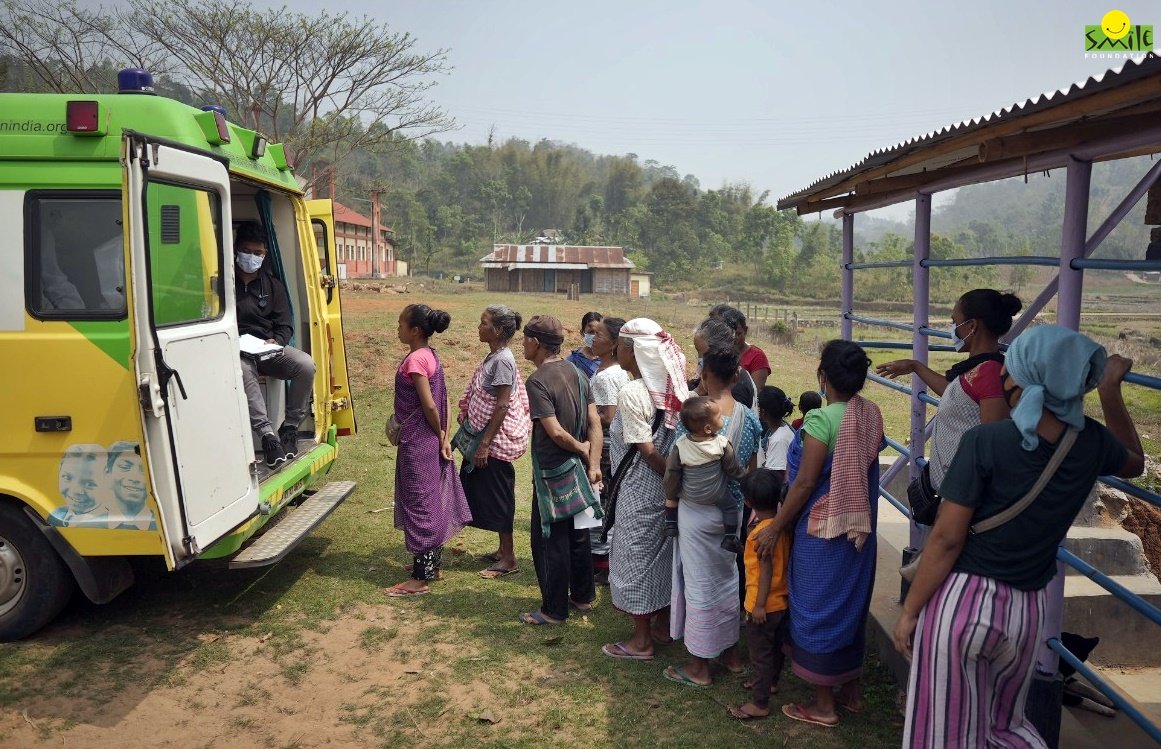
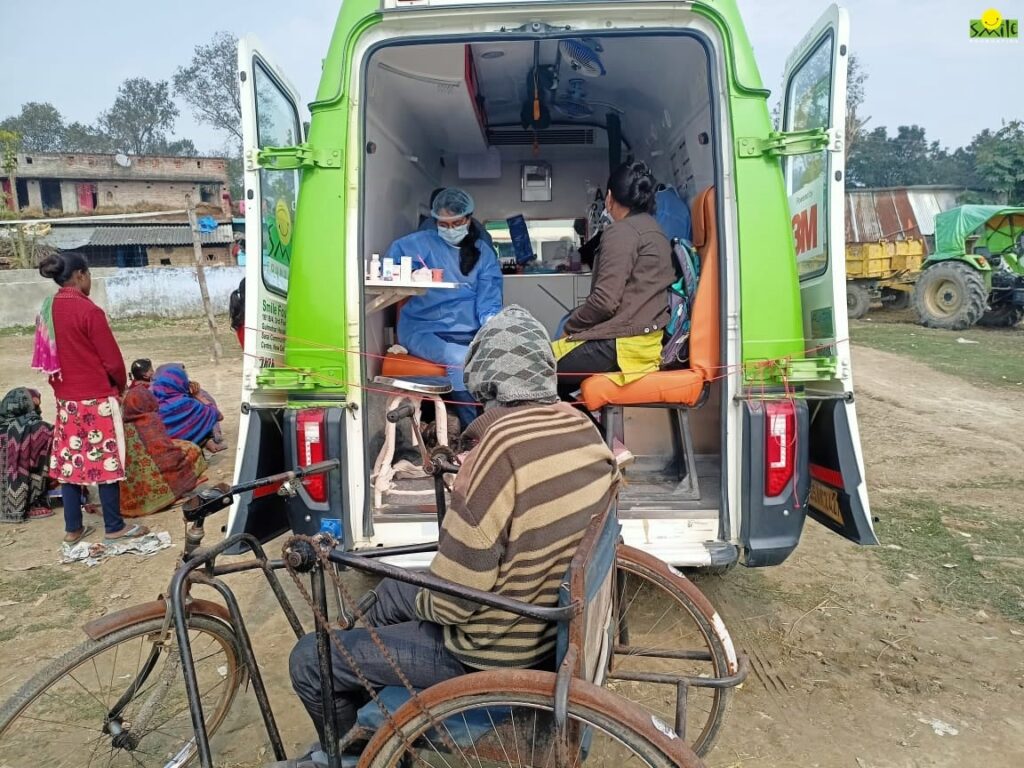
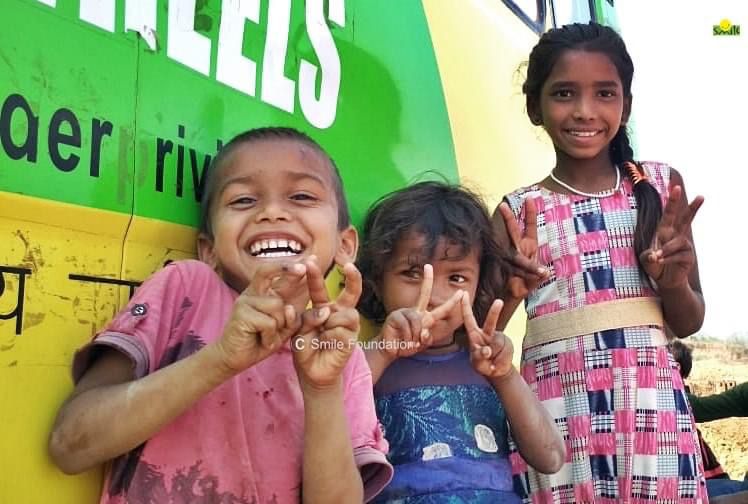
To help these families and improve the healthcare crisis in India, Smile Foundation has introduced the Smile on Wheels initiative. Smile on Wheels is a mobile healthcare service that provides underprivileged families with free healthcare at their doorstep along with healthcare awareness and education, with special focus on women and children. It seeks to treat patients at the primary level of intervention, diagnose the illness, educate the patient, and begin treatment before the condition or disease worsens or progresses to the point of becoming dangerous or terminal. Mobile hospital units equipped with medical knowledge, services, and medications travel over deserts, forests, mountainous terrain, and cities to deliver inexpensive and efficient healthcare to areas where it was previously unavailable.

Smile on Wheels encourages equipping the local people with skills and awareness to successfully address health challenges at the village and block levels. It works on activating the VHSC (Village Health and Sanitation Committee) and involving the major stakeholders in various community healthcare concerns. The programme focuses on women and leverages their power to be change agents in areas such as sanitation, personal hygiene, and waste management, among others, so that the community as a whole may grow and thrive. It also regularly offers stakeholder capacity building for government and frontline health care workers such as ASHA and Anganwadi. To know more about the programme, visit https://www.smilefoundationindia.org/smile_on_wheels.html

Reference Links:

https://economictimes.indiatimes.com/news/politics-and-nation/indian-health-care-underfunded-delivery-poor-world-bank-report/articleshow/76862205.cms?from=mdr

https://www.commonwealthfund.org/international-health-policy-center/countries/india

http://data.worldbank.org/indicator/SH.XPD.OOPC.ZS

https://thewire.in/government/india-national-health-insurance-failed-poor

Categories
Education

Educating children from Musahar tribe

Belonging to the bottom of India’s caste hierarchy, the term ‘Musahar’ (‘Musa’ in Hindi means ‘Rat’) loosely translates to ‘rat-eaters/rat-killers‘. 


The Musahar tribe, numbering two million are mostly found in the states of BiharJharkhand and Uttar Pradesh. For generations, they live in the same household and practice the concept of ‘joint family’. Their villages are mostly crowded with children, and they communicate largely in Hindi. In closed circles, they communicate via speaking their local language- i.e Angika or Awadhi.


While India is making social and economic progress, Musahars are still living in hamlets, eking out a spare living by working as casual or agricultural laborers. Even in today’s time, these people are referred to as ‘untouchables’.


The literacy rate amongst them has always been nonexistent. According to several reports, only 6% of Musahar men and 2% of Musahar women can read and write. They also lack the knowledge about basic hygiene and sanitation practices.


“Shiksha Na Ruke” – an initiative started by the Smile Foundation (https://donate.smilefoundationindia.org/shiksha-na-ruke) is educating hundreds of children from Musahar tribe. The programme mainly focuses on providing education to the underprivileged.


Due to the Coronavirus pandemic, the situation had even become worse. As it is, these children had no access to education and because of the lockdown, everything came to a pause.


Education is one of the most constructive factors of society. The opportunity for every child to learn and to make the most of their talents is at the heart of a fairer society. However, the children of the Musahar community had this privilege taken away. These children are still struggling to bring their life back to normalcy.


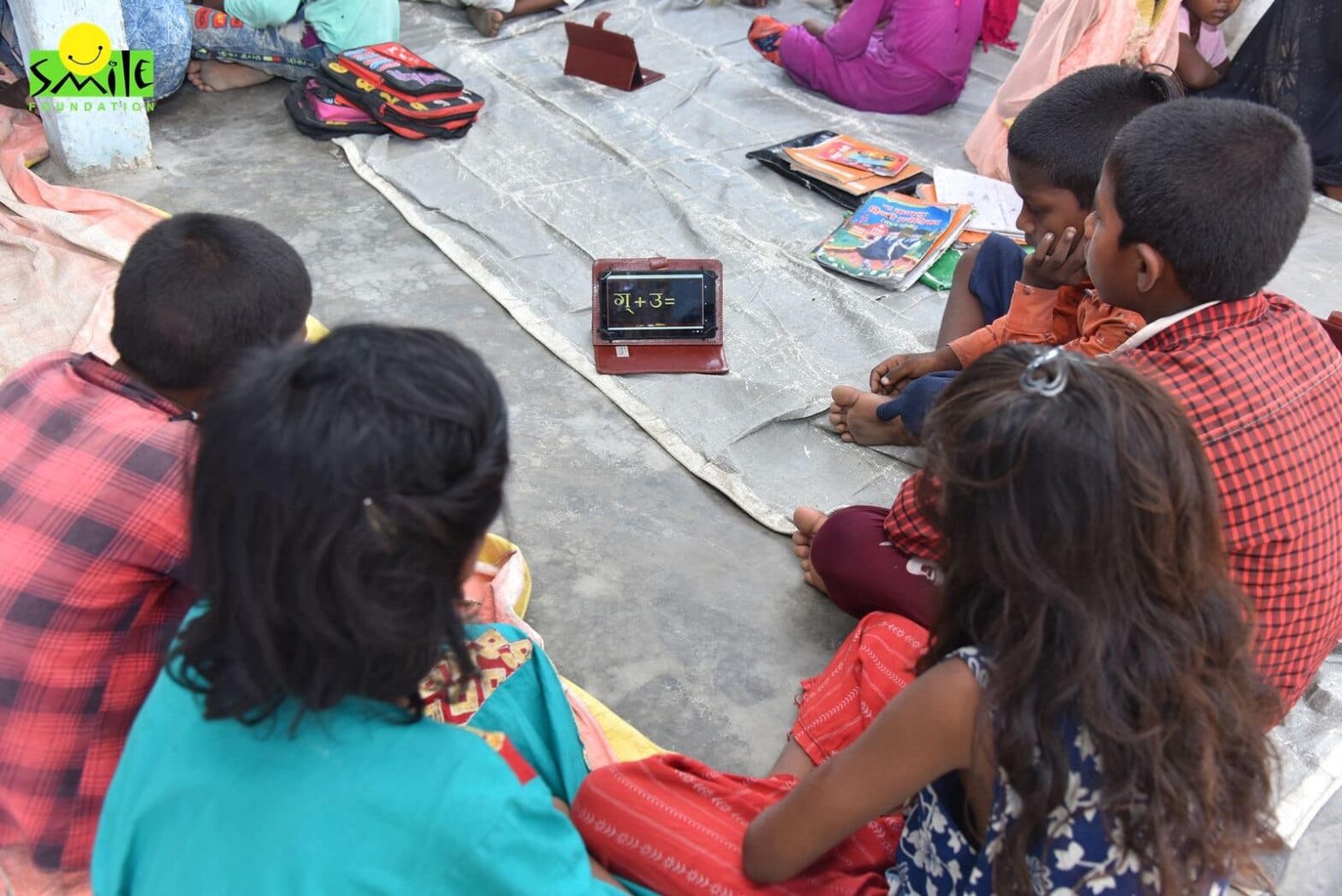
This initiative is educating children from Musahar tribe by bringing drop-out children back to school and providing them with digital learning devices to ensure successive learning. It also provides children with necessary stationary, uniform and support. It ensures the mental well-being of children through helpline services and counseling sessions for children to keep them engaged. Moreover, it also offers regular counseling to parents to ensure the child’s regular participation in school, and also the training of teachers to prepare them for the dynamic digital learning environment.


Smile Foundation is actively involved in providing education for all. With programs like this, they slowly aim to bridge the gap between ‘privileged’ & ‘underprivileged’, ensuring that all children get equal opportunities to learn, grow and excel.

Categories
Smile

Raising a Child in Post-Pandemic World

Last year during a short visit to our ancestral home, my five-and-a-half-year-old went missing. She was eventually found engrossed in a deep conversation with the children of the village. It was a pleasure to see her so happy—giggling, smiling and laughing together with her peers. We knew she could speak only in Hindi. But there she was trying to speak to the children of the village in her mother tongue, something which we had always wanted her to but she hardly paid heed.


I realised that the old adage “It takes a village to raise a child” holds so true even today and would perhaps remain relevant for times to come. The village today means the community, comprising the neighbourhood, school, extended family, peers, the government and the civil society. COVID-19 induced prolonged home isolation disconnected children from their community and badly impacted their physical and mental growth. Instead of socializing, playing and interacting with their peers, they spent their time watching television and internet videos.


The pandemic impacted the health and economy of many families and that affected the mental wellbeing of children in post pandemic world too. They saw their parents struggle for livelihood; they saw severe illnesses and deaths in the family and during all this, they had no one to talk to. Children from lower-middle-class families and the underprivileged suffered equally. Good Samaritans and NGOs in India came ahead in good numbers to help the marginalised. The charities in India raised money through online donation programmes, gave food to the poor, reached out to the sick, took them to the hospitals, and even conducted the last rites of the COVID-19 dead.

Children are coping up with reopening of schools

However, despite the efforts made by the government and the charities in India, the education and growth of children suffered. Classes were conducted online, and so having a smartphone, a tablet or a laptop became a necessity for every family with children. But not all families could afford it. School-going children from marginalised families were the worst sufferers. Many could not afford to purchase a digital device and pay for the internet connection to continue their learning while others gained little from the live streaming classroom.


Recently, when schools reopened offline full-fledged after a gap of two years, children and parents were overjoyed, but the thrill started disappearing soon as multiple problems cropped up. Schools realised that the percentage of children who were not able to read and write properly was higher than what they had apprehended. But before they could plan how to resolve the problem, several children started falling ill. While a few were diagnosed with COVID-19, others caught a cold or had a stomach problem caused mostly due to fatigue, exhaustion and sudden exposure to air pollution.


Some schools had to shut down for a few days, some went back to the online mode, and others sent strict instructions to parents not to send their child to school if s/he was unwell. Children who fell ill again missed classroom education and found it difficult to cope when they went back to school after one or two weeks of illness.


Two years of homeschooling and lack of physical interaction with people outside their homes have made some children shy and some hyperactive. There are children who are not able to pay proper attention in the classroom and are finding it difficult to read from the blackboard or smartboard while there are also some who are so used to being taught by their parents that they are not receptive to their teachers. Apart from these, the most common problem faced by children in post pandemic world is overexposure to digital devices.


Talk to parents and most of them you will find are struggling to keep their children away from websites and online channels which in the long run may harm the child psychologically and cause irreparable behavioural disorders. Besides the negative impact on their eyesight, increased screen time and overexposure to digital devices are already affecting the emotional wellbeing of children and adolescents, evoking negative emotions like fear, anger, disappointment, sadness and anxiety. 


As a parent, I too face a similar ordeal which knocks us down every few weeks. Random surfing on the smartphone often takes my child to scary audio-visuals which cause sleeping disorders in her. She wakes up several times at night and starts throwing up. This goes on for a week or more till she comes across something beautiful and impressive which soothes her eyes and calms down her anxious mind.


Schools have opened up but we are not yet prepared to address the elephant in the room. Wearing a mask is still not normal for all and so schools are now burdened with the extra responsibility of ensuring that the children are safe while their education and physical activities go on simultaneously. There is a mushrooming growth of online platforms claiming that they can help children read but their high cost makes them inaccessible to poor children. In many cases, parents who cannot afford to spend money on these platforms, also have the inability and time to make their children learn how to read and write.


Problems galore and much more needs to be done to bridge the gap created due to two years of digital mode of learning or “no learning” at all in some cases. Peer learning and the personal attention of the teachers in school are vital for the development of children in post pandemic world, but to address the problem, the entire village (community) has to rise to the occasion. And in this, the role of civil society groups and NGOs in India continues to remain imperative.


(Please Note: The author is parent of a young, school-going child. Views and opinion expressed by the author is solely hers and they do not reflect the same of the organization)

Categories
Smile

Education for better health, long life

Eating healthy, receiving regular medical check-ups, exercising regularly and sleeping adequately are among the factors that aid to improve general health. However, research implies that education may be an unanticipated factor in predicting how healthy and long people will live. Education for better health thus seems to be figuring in the development agenda of nations across the world.


People get the skills they need to live satisfying lives, prosper personally, and contribute to their communities via education. Furthermore, education increases the likelihood that a person will have access to decent healthcare, find work that pays a livable salary, and live in a relatively safe, non-hazardous environment – all of which are determinant for one’s well-being.   


According to ‘Healthy People 2020’, people dwelling in poorer socio-economic circumstances are at higher risk for a variety of health difficulties, including higher rates of disease, mental illness, and early mortality.


Early childhood education, high school completion, and college education can all aid people improve their socioeconomic level, lessening the chance of these poor health effects. As a result, public health professionals working to eliminate health inequities must fathom how education affects community health.


Living properly requires good health. People are not healthy simply because they are free of sickness and disability. Physical, mental, and social well-being are three components of health that all impact one another in healthy persons.


Physical health is concerned with the body’s ability to operate properly, fight disease, and recuperate from illness and injury, whereas mental health is concerned with one’s ability to enjoy life, react appropriately to setbacks, and control despair and anxiety.


People who receive a good and quality education are healthier than those who do not. Education not only allows people to advance in their occupations and careers, putting them in a better financial position to obtain good health care, but it also keeps them knowledgeable about how to maintain their health.


A person with a college diploma, for example, may be better able to analyze contradictory or sophisticated information found on the internet about how to manage their prediabetes. Furthermore, someone with less formal education may be less equipped to distinguish between trustworthy and untrustworthy information.


The Relationship between Health and Education


Few can reject education as a social predictor of health when so many elements impact to a person’s well-being. Numerous studies suggest that people with greater degrees of education live healthier and longer lives than those with lower levels of education.


Access to education and improved health have been linked from childhood, various findings say. Studies cited by Healthy People 2020 indicate how early childhood interventions may promote physical and mental development.


Children at schools with limited health resources and teacher assistance, on the other hand, have lower physical and mental health. Early educational possibilities have a long-term impact on health throughout adulthood. 


The Carolina Abecedarian Project discovered that people who attended high-quality early childhood education programmes were less likely to engage in dangerous behaviours such as binge drinking and cigarette smoking by the age of 21.


The advantages of early comprehensive education programmes continue to grow. 


Education Can Help Improve Healthcare Equity


Many aspects of education are connected to health: literacy, high school graduation, and college enrollment are all chances to increase education and hence promote health equity. Public health experts may help individuals live healthier lives by finding solutions and launching initiatives that address educational inequities.


According to multiple research referenced in Healthy People 2020, low health literacy and low general literacy can inhibit people from knowing about health, appropriately utilizing medications, and taking advantage of preventative interventions. Someone with low health literacy regarding their epilepsy, for example, may take anti-seizure drugs sporadically, causing seizures as a result. Furthermore, someone with low literacy may find it challenging to evaluate and implement information from their doctor on how to treat their disease.


Finding Health Equity-Promoting Solutions

Educating slum women on health


Public health experts play a crucial role in safeguarding people’s health and preventing health problems from arising. Assessing and managing the health concerns of a town with lead in its water or designing a pediatric dental hygiene education program for children with cavities are examples of their work. Public health professionals contribute to health equality through teaching communities about healthy lifestyle choices, developing programs to make health care and social assistance more accessible, and lobbying for regulations that guarantee everyone has access to clean food and water.


Smile Foundation’s Healthcare Mission


Smile Foundation brings excellent healthcare services to the poor, and provides healthcare knowledge and awareness among the disadvantaged. Click here to know more.

Categories
In The Spotlight

Winning the final frontiers in tackling malnutrition

According to the National Family Health Survey (NFHS) – 5, the number of stunted children under the age of five in India has decreased from 38.4 percent to 35.5 percent, and the number of children who are underweight has decreased from 35.8 percent to 32.1 percent.


As per proven research, newborns should be fed mother’s milk exclusively for six months. Breastfed children are more likely to have stronger immunity against ear infections, diarrhea, and respiratory infections, besides allergies, asthma, diabetes, and obesity. Breastfeeding helps the uterus contract and reduces the mother’s risk of breast, uterine, and ovarian cancer too.


To combat the rising problems of undernourishment and manage it in a mission-like way, the Prime Minister’s National Nutrition Mission, or POSHAN Abhiyaan, was launched in 2018.


Help a mother feed her child2 2


While lactating, a woman’s energy needs will rise in order for her to maintain her vigour. Specific food categories provide energy, which is measured in kilocalories or calories. During the first six months of breastfeeding, they will need to ingest at least 2400 to 2700 kcal each day. Because women will be solely breast-feeding their infant, their body’s energy requirements are higher during this time. However, as they begin weaning by providing diversity to their baby’s food in the last six months, they will breastfeed less frequently, lowering their daily energy demand to 2250 to 2550 kcal.


Lactating women should always include these in their diet 


  • Milk products that are rich in calcium
  • Fruits for better fiber
  • Dals and pulses rich in protein
  • Cereals like Jowar, bajra, wheat


Initiatives taken by various State Governments to Fight Malnutrition


The Odisha government launched CMAM in the tribal-dominated Kandhamal district in 2015, which had the state’s highest proportion of under 5-year child mortality in 2012–13. Setting up medical facilities closer to people, weekly surveillance of unfussy SAM children, an in-patient facility to admit children with SAM and associated medical complications, and provision of Modified Energy Dense Nutritional Food (EDNRF), Modified Hot Cook Meal (HCM), and Modified Take Home Ration were all part of a standard CMAM approach (THR).


After treatment, the focused programme resulted in children gaining the necessary weight, considerably increasing the district’s nutritional status. Odisha’s success in community-led and community-managed trials in a variety of disciplines has set an example. 


States like Kerala has consistently been a forerunner of such practices. Encouragingly, Odisha has been able to achieve this level with consistent endeavour for the last 20 years, thanks to the Mission Shakti Programme, a plan that initially organized women into self-help organizations as a livelihood project. Rajasthan, Gujarat, and Uttar Pradesh are the other states that have demonstrated the efficiency of this strategy too.


Conclusion


Because CMAM has the ability to combat severe acute malnutrition by building strong health systems, a community-wide collaborative effort will ensure the efficient delivery of long-term healthcare. Furthermore, while prioritizing SAM, drawing from lessons learned in other states will be crucial in combating the rising malnutrition problem.


Multiple forms of malnutrition (MOM) lower roughly 8 per cent of a country’s economic growth, according to a Lancet 2019 research. Because a country’s wealth is determined not only by its citizens’ talents and education, but also by their health and nutrition, it is past time for India to address the needs of its eight million SAM children if it is to achieve a USD 5 trillion economy by 2024-25.


Smile Foundation’s role


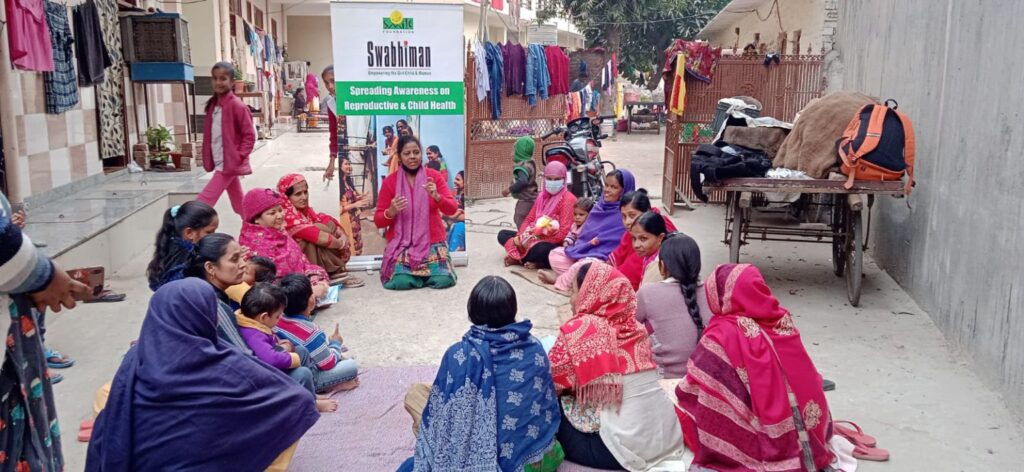
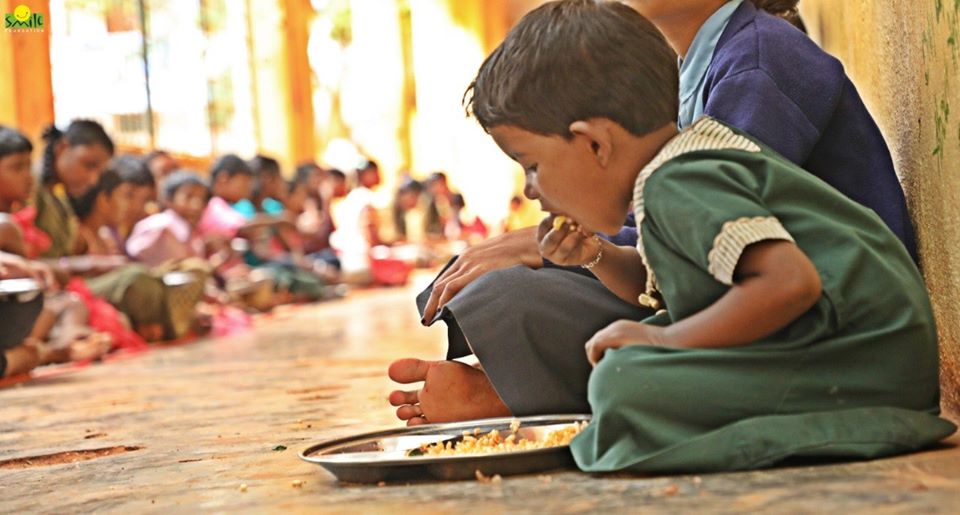
We have been actively striving to reduce malnutrition as part of our work with mothers and children. We guarantee that students receive healthy and nutritious meals at our Mission Education centers. We are also sensitizing their parents about it. We are continually enabling and supporting community women as well as new-born through our Swabhiman programme. Above all, tailor-made nutrition projects are also operational at various pockets across India.


You can also take up an active role in ensuring nourishment, find out more here.

Categories
Insights

Schools Reopening after Two Years: Challenges and Remedies

The world intensely needs young people to reclaim and appreciate their liberty to interact with their peers and teachers, and learn in a physical classroom without fear of repercussions. With the threat of COVID-19 fading away slowly, schools have learned to be adaptable, resourceful, and far more resilient in order to manage the unique circumstances caused by the infection. Much has been said regarding the procedures that institutions should follow as schools reopen after two years. To gain fresh ideas, one must first examine the current procedures. This article aims to address the issues that educational institutions confront, as well as the special concerns that should be taken into account when establishing a reopening plan.


Health and well-being of children


One of the most pressing issues that institutions must address is guaranteeing the health and well-being of students and employees. It is the only way to build a good opening strategy. Many specialists feel that the physical reopening of schools will increase the risk of the coronavirus transmitting unless precautions are taken. This could also result in the suspension of physical education sessions. Parents, students, and instructors may be concerned about the schools’ ability to handle the crisis as a result of this “one stride forward, two steps backward” dilemma.


Aside from the obvious threats that the public faces, there are certain key problems that are specific to schools and school-going children. The most serious of these is that young children can be sluggish and naïve when it comes to following COVID prevention protocols to the letter. Students may, for example, fail to properly utilize masks, sanitize themselves, or comply with social distancing rules. Rather than following the general reopening rules adopted by most corporations and other adult-centric institutions, schools will need to give proper consideration to such aforementioned concerns.


Action plan for schools


The following are some of the considerations that should be addressed by school officials while designing a reopening action plan. These include being aware of the local reality and the latest information like the number of active cases, infection rate, and so on. If schools don’t follow suit, it could jeopardize not just public health but also the prestige of schools. Furthermore, good communication is a factor that schools must embrace to be successful in their reopening and planning processes. Before reopening, the plan and recommended Covid-19 rules must be discussed with students and parents persuasively. The reopening plans of the schools must ensure that the previously communicated practices are reinforced consistently and continuously.


A tool for monitoring real-time compliance to the criteria and obtaining data to take prompt and effective action would also be advantageous to the reopening approach for schools. Apart from watching, it is also critical to raise awareness among all stakeholders about the need of adhering to the established preventive guidelines. It can be accomplished through workshops, virtual seminars, or elaborate information campaigns, which include the placement of large, prominent banners as visual reminders throughout the structure. All parties must adhere to the established guidelines, or the reopening process would be difficult.


Problems faced by students


Some students are afraid to return to physical classes. After more than two years of pandemic-related turmoil, they have become accustomed to the virtual learning environment. They appear to be at ease with this new method of acquiring education. As a result, returning to physical school settings is becoming increasingly challenging for them. 


Another pain point students will face is the lack of continuity in their routine. Their school routine can be further disrupted if there begins another outbreak. These uncertainties will affect their education, both in the short term and long term. It will also destabilize extra-curricular activities. Children will become reluctant to participate in co-curricular activities. 


After this long gap, students may also find it difficult to get their socializing skills and rhythm back. However, it is anticipated that with the passage of time, these difficulties and awkwardness will fade away.


Psychological effects of the pandemic on children


Students’ support for school reopening has been swayed by an emotional setback caused by the protracted lockdown and closure of schools. There have been multiple cases of youngsters becoming self-conscious of their bodies and having a poor body image as a result of prolonged periods of inactivity indoors, which has a severe effect on health. 


Furthermore, several kids who were talented and successful athletes sensed a separation from their interests. The lockdown left a void in their lives, affecting their mental and physical well-being. Along with implementing a solid reopening plan, schools must address these concerns about students’ mental well-being to encourage their attendance in physical learning spaces through frequent sessions on a positive attitude.

***

In conclusion, a successful reopening strategy relies on an honest evaluation of the situation of ground reality, student-centered policies, and good communication. As long as schools remain pragmatic and design a well-prepared reopening framework, a considerable return to normal life may be expected in the coming months – something that lakhs of students, teachers, and parents have been looking forward to for the past two years.

Categories
Insights

Welcoming Children Back to School – Tips for Schools and Teachers

Students and educators must acclimatize and start planning for a return to school when COVID-19 restrictions are lifted. School staff will need to encourage pupils as they make their way back to school while also managing their own anxieties and change.


This article offers advice for school staff on how to help pupils cope with the move, with a focus on worried students. While the emphasis is on planning for school reopening, these suggestions can also assist instructors in preparing for the return to a virtual classroom.


Promote a methodical approach rather than avoidance.


Students will be anxious regardless of how well you plan. As a result, rather than avoiding dread and anxiety, it will be necessary to encourage tolerance.


Fear induces a natural desire to flee, yet this avoidance perpetuates anxiety in the long run. Facing frightening events, on the other hand, fosters endurance and reduces anxiety in the long run by teaching kids that they are capable of coping.


Empower, support, and communicate with students


The recent events are likely to have had a significant influence on the mental health of pupils. They might be feeling a range of emotions in response to the news of the recent changes, such as anxiousness, discontent, and frustration.


It is critical for educators to listen to students’ concerns and demonstrate compassion, especially if the emotions are strong. Allowing families to know that you understand and value their viewpoint will aid in the opening of a problem-solving discourse.


Motivate pupils to interact by encouraging them to play and participate in sports.


Many states have imposed stringent physical distance restrictions on children, preventing them from playing and interacting with their classmates in playgrounds and other public places. In line with the school safety standards, ensure that when children return to school, they have plenty of opportunities to mingle, play, and connect with the classmates they’ve been missing for so long.


Be honest and realistic


Anxious adolescents will almost certainly require some assurance from trustworthy individuals and teachers before returning to school.


Blanket soothing remarks (e.g., everything will be alright; there is nothing to be concerned about) can be misleading and can cause doubt and misunderstandings, leading to the need for additional assurance. Excessive reassurance seeking is a side effect of this cycle (child constantly asks if things are okay).


Rather, it is preferable to communicate with pupils in an open, genuine, and supportive manner. This could involve admitting dangers while highlighting how precautions can lower those hazards and how children can feel positive about returning to school after all of the thinking and planning to keep them safe.


Staff should foster acceptance of uncertainties and educate students to apply realistic reasoning skills and come up with solutions to problems. Students should be taught; “problems are there, can you come up with any idea to solve this problem?” This will make students more creative.


Students should be praised and rewarded for their efforts


When kids return to school, congratulate them on their bravery in the face of adversity, and tell them that being strong and bold will enable them (and you and your colleagues) get through this together.


When you witness a student or coworker accomplish something you know is difficult for them or creates stress, let them know you noticed and appreciate them for tackling their concerns head on.


Intersessions should be planned and structured throughout the school year


Intersessions are pre-scheduled chunks of time that can be used as needed throughout the year. In the incident of pandemic-related disruptions, they allow for additional days or weeks of recovery time.


By interweaving short breaks, or intersessions, throughout the school year, this alternative primarily focuses on establishing adaptability for future school closures, should they be unavoidable.


Promote re-enrollment of students


Many educational institutions may find it difficult to assure that all pupils return to school following extensive school closures. Re-enrolling vulnerable people, such as girls and immigrants, will very certainly entail significantly more work. Offering scholarships to needy and bright students will encourage them.


Mission Education programme by Smile Foundation


Smile Foundation’s Mission Education is a national-level education initiative dedicated to delivering basic education and healthcare to poor children. The Foundation, a non-profit organization dedicated to improving the education of disadvantaged children, believes that there is no better place to begin than in the halls of schools, whether the issue is healthcare, poverty, population control, unemployment, or human rights. Visit here to know more.

Categories
Insights

Health Impact of Air Pollution on Children

On the occasion of International Childhood Cancer Day on 15th February 2022, I participated in a webinar organized by a leading organization in India. The subject of the webinar was air pollution and children’s health. During the webinar, many shocking and negative health impact of air pollution on children were discussed. That compelled me to write and share this to with you all.


How air pollution impacts children


Air pollution is everywhere and affects people of all ages. Children are most at risk from the negative effects of air pollution. These include increased odds of birth defects, infant mortality, neurodevelopment issues, obesity, lung growth issues, pneumonia, asthma, and cancers. Unfortunately, the list goes on and nearly every child in the world faces air pollution levels that can be destructive to their health. Children are in many ways the most at risk when it comes to air pollution’s negative health effects.


Why are children more affected by air pollution?


  • Their organs (heart, lungs, etc) are still developing.
  • Children breathe faster than adults, resulting in breathing in more pollutants.
  • They may spend more time outside playing, exposing them to poor outdoor air quality levels.
  • They spend time near their mothers while the latter cook with polluting fuels and devices.
  • Children have a longer life expectancy than adults, so latent disease mechanisms have more time to emerge and affect their health


In recent years, more research has been done on how air pollution affects children’s health and the results are scary. It is very alarming for all of us. The World Health Organisation has said that air pollution has a “vast and terrible impact” on child health and survival and is an overlooked health emergency for children around the world. They breathe is so much polluted air that it puts their health and development at serious risk.


Some research and reports


Here are some recent researches and reports which have revealed that air pollution has a devastating impact on children’s health.


  • 9 out of 10 children around the world are breathing in toxins that exceed safe levels–WHO
  • Air pollution will become the leading cause of child mortality by 2050–UNICEF
  • 60% of children in Kolkata have lung function impairments compared to 24% in the cleaner areas–CNCRI
  • In Jharkhand over 20% children suffer from acute respiratory disorders–CINI
  • Air pollution is a leading cause of concern in the mining state of Jharkhand where more than 17.8% children die as a consequence of being exposed to toxic particulate matter–Newswing
  • As per a study, 90% children are more vulnerable due to air pollution–SwitchONFOundation


Life expectancy has been drastically reduced in the presence of air pollution. But overall awareness on this menace is scarce. Hence, there is a need to raise awareness in public and private sector and enact a strong law against its violation. Through awareness only, air pollution can be portrayed as a major killer among the public and that can save our children and future generation.

0%