Categories
Smile

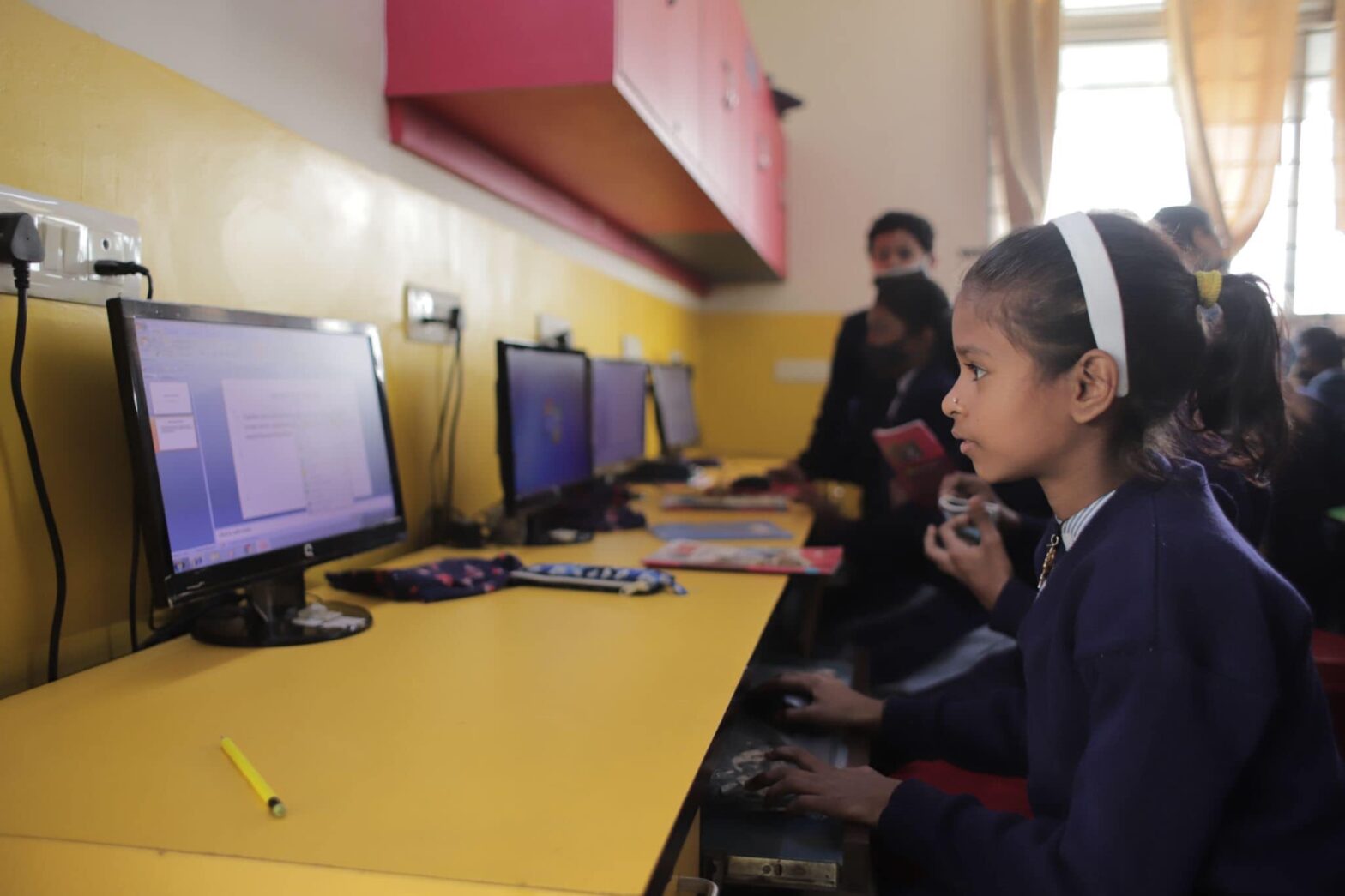
School children from pan-India say yes to STEM

STEM education for school children & youth


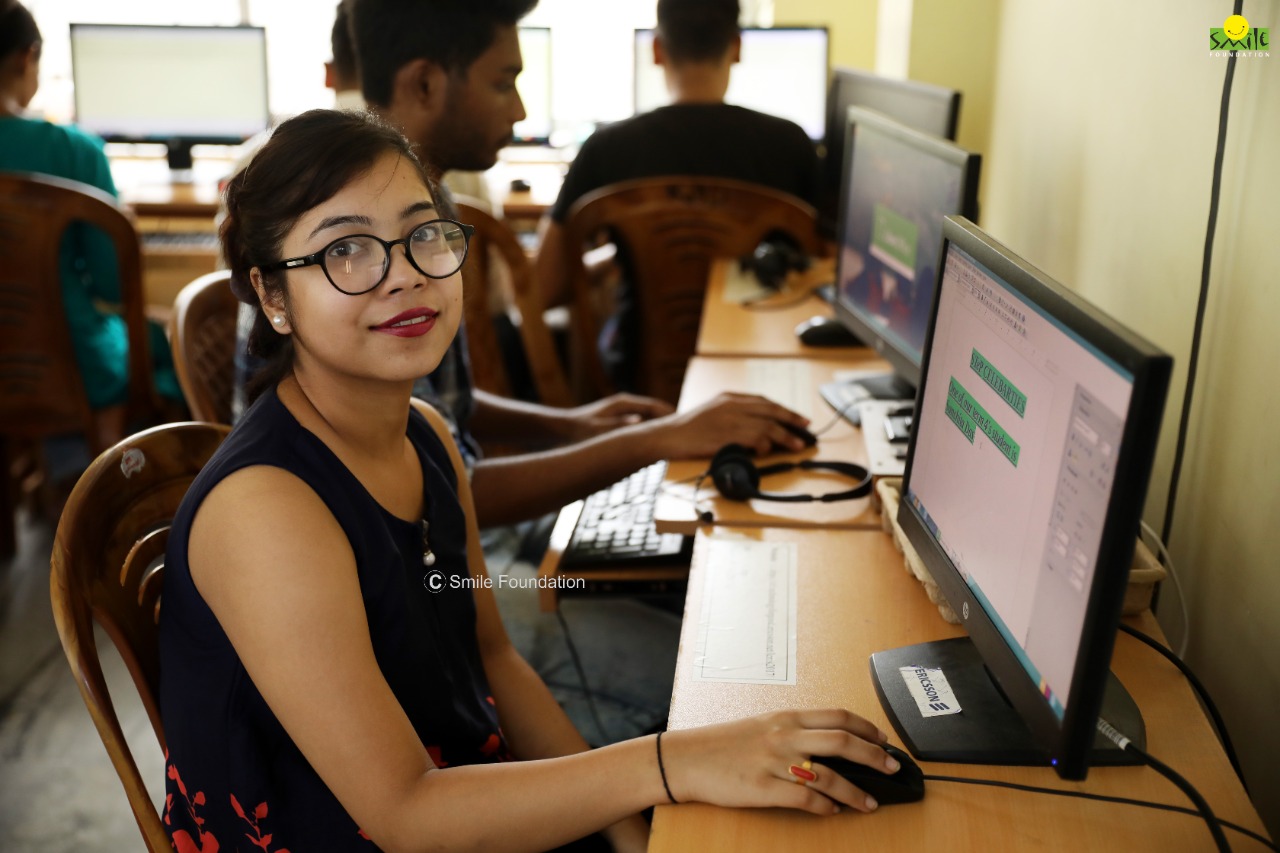
STEM education creates critical thinkers, problem solvers and next – generation innovators.The National Science Foundation predicts that 80% of jobs created in the next decade will require some form of STEM skills. The National Education Policy 2020 also talks about STEM and the interesting ways in which it makes education come alive, such as science experiments, technology integration, puzzles, quizzes, etc. STEM learning helps students develop critical thinking skills at a young age. This allows them to appreciate the idea of innovation and application of scientific principles. School going children and youth, being habituated to the use of technology in their everyday lives, surely stands to benefit from an early introduction to STEM.


Child for Child in association with QuizforCause


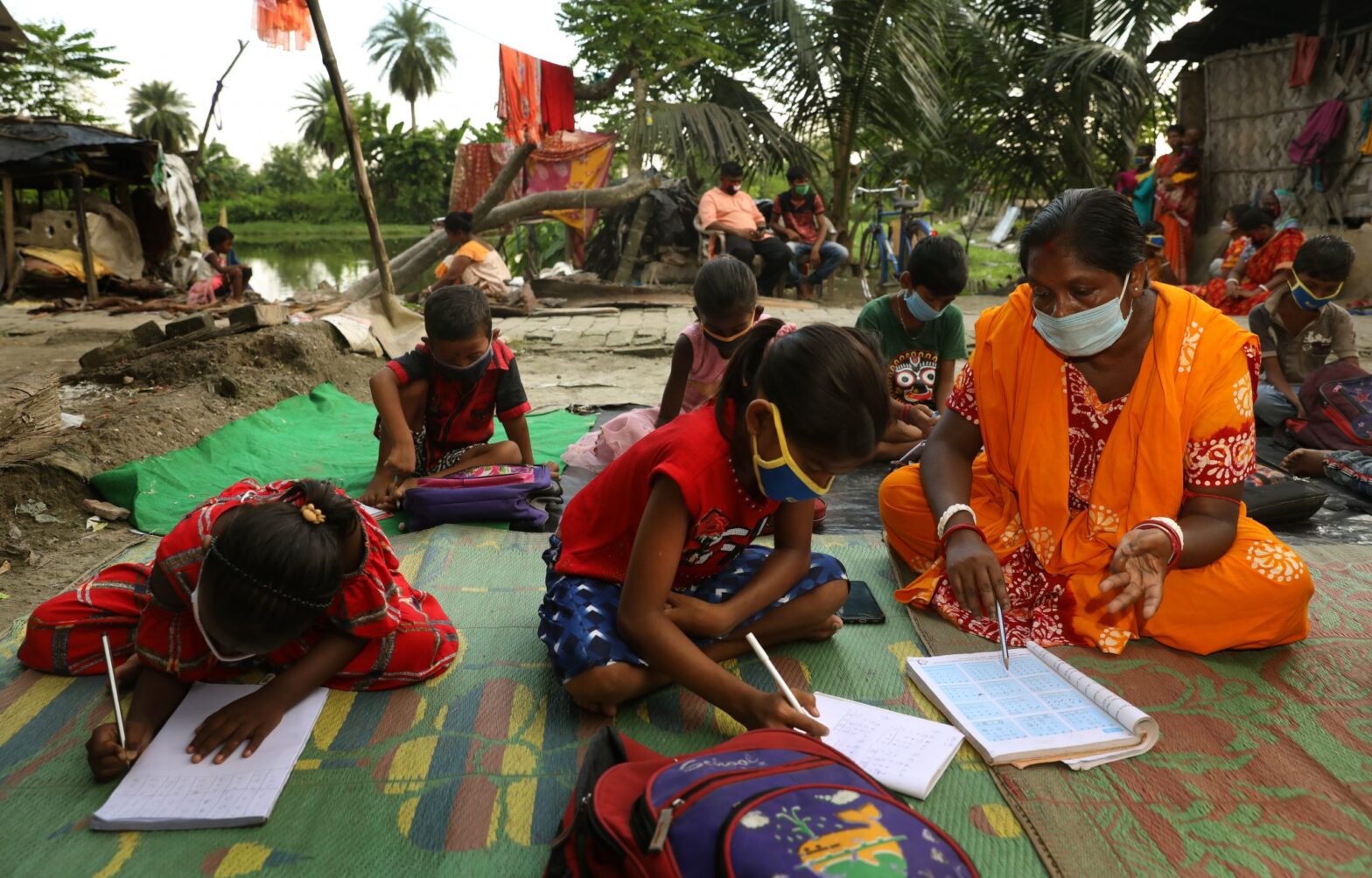
With an aim of aligning privileged and underprivileged school children and youth with STEM education through quizzes and hands-on workshops, Smile Foundation conducts several programs across its network of schools in India, and under its Mission Education programme.


One of these initiatives is the National STEM Quiz, being held under Smile Foundation’s Child for Child programme. Interestingly, it is being led by the student community itself. Shivansh Gupta from Class XI, Delhi Public School R.K. Puram, and Anushka Singhal pursuing BSc. Computer Science from DDU College, have been successfully conducting the STEM Quiz and related workshops.


RoboClub, a premier STEM and Robotics Institute in New Delhi started by Ms. Sunaina Sood, sponsored the STEM Quiz 2022.


STEM Quiz 2022


The second edition of STEM Quiz (2022) successfully reached out to 10000+ students with 200+ participants from all over the country. The virtual quiz was conducted on August, 14th 2022, with middle and high school students as participants. The quiz had questions in the areas of Science, Technology, Engineering, Math, Computer Science, Logic and Reasoning, etc. The quizzes and workshops encourage youth to participate and test their skills, inspiring them towards hands-on learning and creating awareness on STEM careers.


Our heartiest congratulations to all participants and special wishes to all who have occupied the podium positions!


We are delighted to present the results for the competition:


Category: Class 6th to 8th


1st Position: Krishna Sharma, Class 8th, Kalka Public School, Kalkaji, New Delhi
2nd Position: Gagan, Class 7th, Ompee Global School, Manesar, Gurugram, Haryana
3rd Position: Tanveer Kaur, Class 7th, Punjab National Public School, Behrampur Zimidari, Rupnagar, Punjab


Category: Class 9th to 11th


1st Position: Aarush Salgania, Class 11, Stepping Stones Senior Secondary School, Chandigarh
2nd Position: Gursimran Kaur, Class 11, Punjab National Public School, Behrampur Zimidari, Rupnagar, Punjab
3rd Position: Deepansh Aggarwal, Class 10, Kalka Public School, Kalkaji, New Delhi
Categories
Smile

Digital learning can be a game changer in reducing learning disparity

Disruption in Digital Learning


Students have embraced technology like birds to air. There have been paradigm shifts in the basic and secondary levels of school education systems throughout the world as a result of the compatibility between kids’ open minds and the seemingly infinite potential of digital technology. Children embraced the quick technological developments that were sweeping the world, whereas adults once found them perplexing.


As schools progressively implement interactive classroom teaching and virtual learning systems employing information and communication technology, the truth about this transition is slowly coming into focus. Of course, there were some bumps along the way as the conventional teaching methods gave way to the current modules. Ironically, it was parents and instructors who expressed their concerns, not children.


As more schools adopted technology, though, the sceptics came to appreciate what they had been missing. The boundaries and borders of countries, as well as the stone walls of classrooms, are no longer relevant in modern education. Students of all ages learn about fascinating opportunities in their studies as education transforms into a dynamic journey of exploration on beautiful computer displays. Through the combination of software, hardware, digital teaching modules provide holistic solutions that help instructors in the classroom. Interactive learning has evolved from being viewed by teachers and students as simply a “work” to a rewarding experience.


Tailored Education


Digital learning tools enable students to learn more quickly and also with better understanding. There are interactive practice sessions after learning theoretical information from books. In contrast to traditional education, when boring lectures result in the lowest student-retention ability, as a result, students’ understanding and retention capacities skyrocket. The teachers can then assign each student individualised lessons based on their respective levels. Teachers are in a good position to evaluate each student’s performance once the lessons are turned in.


Since it examines learning results, offers corrective inputs, and provides a potent set of solutions for constant student progress, assessment is a crucial component of the e-learning education process. Putting evaluation programmes into place helps teachers identify students’ strong and weak points so that they can design next sessions at the rate at which the students are learning.


User-friendly teaching modules reduce teachers’ workload while also making things easier for pupils to comprehend. Additionally, interaction promotes sustained focused attention. All of this guarantees that previously labelled laggards in class can suddenly produce above-average performances.


However, the digital edtech start-ups currently operating in the country are made to assist students in getting ready for competitive exams like the JEE, NEET, and Civil Service. The majority of the content for online math and science tutoring and sessions, particularly for high school pupils, is in English.


In spite of reductions being provided during the pandemic, access for lower-income people is quite limited because yearly memberships can cost a ton of money. Most apps concentrate on coaching and idea clarification. They cannot be held accountable for not reaching everyone since their objectives and business models are diverse.


Some Alternatives


Some options are less widely recognised and advertised than others. Swayam, a project of the Ministry of Education, provides video courses for Grades 9 through 12, as well as for undergraduate degrees in business, humanities, and science. A student must enrol, carry out the required assignments, and receive a passing grade on the final test in order to receive certification in this programme, developed by the National Programme on Technology Enhanced Learning (NPTEL) alongside professors from the IITs, IGNOU, AICTE, and the NCERT. On DTH, the lectures on video are offered without charge. Before they are made available to the general public, the video courses are being translated into local languages and are currently undergoing expert assessment.


The CBSE curriculum is the main emphasis of the NCERT Diksha Learning App. It provides lesson plans to teachers, interesting content for parents and children, worksheets and exercises to aid with conceptual comprehension, and has more than three lakh users. Exercises for practise and review can assist dispel uncertainties.


Smile Foundation’s Involvement


Smile Foundation has been actively involved in making digital learning accessible to the underprivileged children. Visit here to know how you can contribute and donate for e-learning programme.

Categories
Smile

Pandemic inverts movement against child labour

In the previous 20 years, the struggle against child labour has made great progress. But there is a very serious possibility of going backwards because of the COVID-19 pandemic.


Child labour may deteriorate and positive trends may stall, especially in countries where it has resisted reform. We need to take urgent action to avoid and lessen the harm the pandemic has done to children and their families.


The full effects of the pandemic are still unknown. However, some of the consequences are quite evident.


The pandemic has severely disrupted supply networks, putting industry on hold. Economic uncertainty has grown. Financial markets in many nations are being constrained by tightening credit. Government spending is unable to catch up.


There is no denying how serious the current situation is. The pandemic’s progress and effects can now be determined by decisions that countries make. These decisions must involve deliberate steps to end child labour.


Opportunities may present themselves to stop children from returning to work in situations when child labour has temporarily decreased, for instance owing to mobility limitations. Deliberate decisions should be made to reduce these dangers, such as extending social protection for low-income families. Potentially drastic decrease in public funding might worsen children’s exposure to dangerous and exploitative types of labour.


According to a research by the International Labour Organization (ILO) and UNICEF, the pandemic would put an extra 9 million children at danger of being forced into child labour worldwide by the end of 2022. The pandemic-related economic crises and school closures in India are likely factors contributing to child labour and dangerous migration. This would also push children deeper into poverty.


India is struggling with the deterioration of the child labour problem despite its legal restrictions and measures against it. Many more children have fallen into the trap of forced labour. The conditions for the existing child labourers have gotten worse. As a result, children’s access to school, basic nourishment, and other necessities for their growth and wellness have suffered a significant setback.


Smile Foundation has been actively raising voice against child labour in its campaigns. Through our online donation programme, you can support children in breaking free from the grip of poverty. Your donation will make sure underprivileged children have access to dietary assistance, healthcare, and education throughout every stage of their life.

Click here to learn more.

Categories
Education

Educating the Girl Child: How we can ensure it

India still has a long way to go before attaining gender equality, as seen by the country’s lopsided sex ratio of 940 girls to every 1000 males. Unfortunately, a girl child is frequently considered as a “burden” to be passed on. Given the dominating impact of patriarchal ideals, many girls experience gender inequity, stereotypes, and poorer treatment as compared to males.


The girl kid frequently ends up on the short end of the stick, regardless of how brilliant and motivated she is. Many girls are kept at home and not sent to school out of fear of exploitation and sexual abuse, only to be married off at an early age of their life.


First and foremost, there is survival


Despite regulations that forbid selective abortion and sex-determining of a foetus, this practise persists in secret. This has an adverse effect on both the mother’s health and safety as well as the number of females delivered. The physical and emotional health of a woman suffers when she has many pregnancies in the hopes of having a boy since she is held responsible for the baby’s sex. Improved knowledge, stricter enforcement, and oversight of the legislation are necessary to ensure the survival of the female child.


Obstacles to obtaining an excellent education


Statistics from U-DISE 2015-16 show that 4.10% of girls leave primary school and 16.88% school in secondary school. Numerous teenage girls have a tendency to become irregular in their attendance at school or drop out before finishing their education because of outdated attitudes toward girls’ education, safety concerns, the distance between home and school, the cost of sanitary products, the lack of separate, functional restrooms, and the poor school infrastructure.


Then comes the horror of child marriage. Girls who marry young lose their childhood because they must assume adult responsibilities for which they are unprepared, such as running families, having children, making decisions, etc. In addition to impeding her academic progress, it also encourages young girls to become pregnant at an early age, which is bad for both the mother, a teen, and her unborn child’s nutrition and health.


Safety worries, and inadequate school facilities


Young females are a primary target and frequently suffer from abuse and bullying, which frequently goes undetected. Rural parents are reluctant to send their girls to school, worried about their security.


Numerous young girls of menstrual age fall behind in their academics due to severe taboos, a lack of accessible, inexpensive sanitary products, a lack of quality, working restrooms, and poor school facilities.


Why are girls not given the proper education?


Girls in our culture are not receiving the proper education because of a number of circumstances.


  • Neglecting girls’ health and wellbeing
  • Parents and guardians who lack literacy are particularly ignorant of the value of education for females
  • Financial limitations come in many forms and affect schooling
  • A teenage girl performs a number of household chores and work to provide for their family


How can we guarantee that young girls get an education?


  • To guarantee that their children, especially their daughters, attend school, parents and the community must both recognise the value of girl child’s education and be encouraged to do so. For instance, Scholarship programs for girl children should be encouraged.
  • By removing representations of girls and women in media and advertising that are demeaning, obscene and vulgar for the society.
  • Mothers must receive training on how to impart academic knowledge to their daughters as well as how to develop hygienic health practices.


How is Smile Foundation making an impact


Through its different programmes, the Smile Foundation is dedicated to empowering young girls and spreading awareness about education in India.


Smile Foundation organises counselling sessions for parents to make them recognise the advantages of educating their daughters. Girls and women are often instructed on the necessity and value of maintaining good personal hygiene. To lessen sex-selective prejudice, moms participate in special sessions. Male family members are educated to support their female family members in continuing their education. Young girls receive training in being self-assured, confident, and future leaders of their country.


To support and know the details for girl child education in India, please visit here.

Categories
Disaster Relief

Why Donate for Assam Flood Relief?

Assam, along with Meghalya, is one of the North Eastern states that receive the highest rainfalls during the monsoon season across the country. Over the last decade, floods and landslides caused by the excessive rainfall have been continuously ravaging the state. This has taken a heavy toll on lives, livelihoods, infrastructure, wildlife and drained a lot of the state’s major resources. In 2022 however, the havoc started earlier when flash floods were brought on by pre-monsoon showers. It has been close to two months now, and people in Assam are still struggling to survive the onslaught. If you have not already donated for Assam Flood Relief, here is why you should do it right away.


The Current Situation in Assam


The floods and landslides have affected over 47 lakh people across 4,462 villages in 30 districts of Assam. Nearly 23 lakh people have been forced to leave their homes, and 179 have been reported dead. Railways, roads, and bridges are damaged due to landslides. Entire villages are submerged. Some villages are completely cut-off from the mainland, making Assam flood relief operations extremely difficult.


Like in every disaster, vulnerable groups including women, children and elders are the worst affected. Battling the situation since May, most families have witnessed their homes and belongings being washed away. They have run out of ration and their savings, and are now on the brink of desperation. While relief is being provided by government and non-governmental organizations, the scale of devastation is huge. Hundreds of families are still waiting for help.

IMG 6718 1536x1024 1
Flood affected families in Assam line up to receive dry ration kits at Smile Foundation’s relief camp

What Are We Doing?


Smile Foundation’s disaster response team has been on the ground since May, assessing the need and distributing relief material in the worst affected parts of Assam. The team is working round the clock with a dedicated group of local volunteers, taking timely help to people who need it the most. We are distributing food in the form of dry ration, hygiene and sanitation kits, medicines and other essential items.


  • Dry Ration Kits: Rice, Dal, Salt, Oil, Sugar, Chilli Powder, Turmeric Powder, Dalia Flour, Biscuits
  • Hygiene Kits: Sanitary Napkins, Soaps, Hand Sanitizers, Masks & other essentials


How Can You Help?


The people of Assam need the entire country to come together and stand with them in this time of crisis. Assam Flood Relief operations cannot be a success without your support. Children and families in Assam need us to act and act now! If you donate for Assam Flood Relief through Smile Foundation, we will ensure that every penny is utilized in meeting the most urgent needs of the flood affected children and families. To donate for Assam Flood Relief and join our efforts, please visit https://donate.smilefoundationindia.org/assam-flood-relief

Categories
Smile

Vocational training for new age careers

Ensuring graduates have the abilities required for a job plays a crucial part in helping them find employment and inspiring emerging professionals to succeed in their new career path. It is here that the importance of vocational skills comes in. Students who don’t have the requisite abilities will struggle in their new role right away. They can begin to feel insecure and unsure of what to do. Businesses who hire them will also experience frustration as a result of their time and money losses. They are forced to teach new hires lacking the understanding and skills necessary to perform the duties for which they were employed. There is a dire need to support and donate for education and vocational skill training initiatives to fill this gap.


Idea of Vocational Training


Vocational education is the kind of instruction or training that gives you the information and abilities that direct you toward a career. Simply put, vocational training gets you ready for a career. To develop one’s talents, one might turn to formal or informal study. With career training, usually referred to as vocational education, you may transfer valuable talents from classrooms to the workplace.


Why is vocational training necessary?


Imagine earning your degree and getting the job of your dreams. You enter the field having stuffed years’ worth of information about your career. What if you lacked any prior experience?


You require vocational training for this; to get you ready for the field. Here are all the ways that showcase the importance of vocational skills.


  •  Fast Jobs


Who would you choose for a position requiring skill? One who exclusively depends on scholarly knowledge or one who has been prepared for such in particular?


We are all aware that the latter offers better employment prospects. The goal of vocational training is to prepare for a certain career. One will be in a good position to acquire rapid jobs because of this.


  • Economic Sustainability


Nowadays, finding a job is challenging. Finding skilled staff, however, is also difficult. Vocational education fills the labour market deficit for skilled people. Thus, it is reciprocal. This aims to guarantee economic stability and sustainable development. 


  • Getting Used to the Workplace


Jobseekers will be able to swiftly adjust to their workplace if they have undergone vocational training. They could possibly be able to effectively resolve the problems. As a result, one’s chances of promotion directly rise.


Development of skills and career opportunities


Possibilities for vocational learning are essential for developing skills and increasing employability. The gap between theoretical knowledge and practical capabilities can best describe the importance of vocational skills. In non-vocational studies, students may invest several hours in researching a wide range of topics. They spend a lot of time in the library and on computers performing research and producing papers that help them continue to expand their theoretical concepts in a number of subjects, thus their class time often only lasts a few hours each week.


They frequently devote a lot of time to researching theory, concepts, and methods employed by other industry experts even within their own field of study. Compared to students who are enrolled in a vocational education programme, they have much less possibilities to put these theories into practice. These students’ career options and paths to the workforce are severely constrained since their theoretical knowledge lacks the practical job experience that would enable them to move from a course of study into a real-world profession. When the students graduate and enter the workforce, this might occasionally provide problems.


But this problem is fixed for students who are enrolled in vocational programmes of instruction. Each week, students spend hours acquiring practical skills linked to their chosen industry in the hands-on workshops. Due to the fact that students in these institutions spend more time investigating real-world employment options that will help them qualify for their future careers, class time tends to be longer than their outside research time. They give more importance to practical skills.


Additionally, students have access to classes that will guide them through opportunities to utilise the highly specialised tools and settings that they need to do their professions effectively. They may really test out their own talents while still in school, rather than just studying about this kind of technology or how it can be beneficial in the workplace. They already have the necessary experience to start working when time comes for them to transfer to a real job. They will be able to become a valued employee and advance in their career more quickly since they won’t have to spend time learning how to use the machinery in the field.


Conclusion


Therefore, the need for vocational skills and training for today’s generation is more important than ever. Understanding the importance of this, Smile Foundation has been preparing underprivileged youth from slums across India to capably fit into positions in the current job market. We also have a vocational education programme designed specifically to train and empower girls from remote rural areas across India. To make a contribution and donate for education and vocational skill training for employment, visit https://donate.smilefoundationindia.org/tayyari-kal-ki

Categories
Smile

Joy of Giving: This road leads to happiness

There are so many people out there in this world who don’t have what we have in our life. The Joy of Giving is not something that can be put into words; it is very difficult to explain it. Only the person who gives can feel what it brings to them. There is an old saying –


“There are those who give with joy, and that joy is their reward”.


Have you ever felt low in your life? Did someone help you come out of it? Have you ever crossed path with someone who is needy of what you have in your daily life? Have you ever helped any person and felt a rush of joy?


In giving, there are no expectations. Nor is there such a thing as scale in giving – you can give someone a toffee or you can give 500 or even 5000 bucks. It is not about what value it had for you. What matters is the immense value it holds for the person who has received it. Not just the object or the money, but the gesture itself. 


The most unique thing about giving is the sense of peace that it brings.


We cannot help all the people at once but even if we can spare some from what we have, it is worth the joy that we get after giving it to someone who needs it more than we do. In the end, it helps us become a better person.


All we are doing is going through time and we all have to do it. But as we go about our routine lives, we can also choose to take out some time for doing small things for others that will give them and us happiness and hope. There are ups and downs in all our lives but these small things make us feel so happy, so fulfilled that we always find positivity, courage and joy in our hearts to overcome the worst.


There are so many documentaries, research available on the joy of giving. It’s scientifically proven that you get joy when you give, how it can help us evolve in the long run. It can us lead healthier and better lives – this simple act of giving and the joy and happiness we feel in turn.


You have done good in this world if you know the value of giving. We should help everyone realise the worth of giving and the joy of giving, and help our younger generations understand what giving is and how it can help us in our lives.

Categories
Smile

Battling Malnutrition in Women & Girls

Although the impact of malnutrition in women and girls has been known for a long time, little meaningful progress has been made in addressing the unique nutritional issues that they face. Lack of awareness of the signs of malnutrition, such as the fatigue and melancholy brought on by an iron shortage, may be brushed off as “normal” or irrelevant, aggravating the situation. Even when people talk about malnutrition or donate for food in India, there is no specific focus on the case of women and girls.


Many women and teenage girls throughout the world suffer from malnutrition, which is characterised as illness brought on by deficits in calories, protein, vitamins, calories, protein and minerals interacting with infections and other poor health and social environments. 


Women are at risk from malnutrition in a number of ways. It impairs women’s capacity to endure delivery, increases their vulnerability to disease, and depletes their reserves, making it harder for them to recover from illness.

 Malnourished mothers of HIV-positive children may be more prone to pass the infection on to their offspring and to progress from HIV to AIDS more quickly. Women’s productivity, ability to earn money, and capability to take care of their family are all compromised by malnutrition.


Reducing malnutrition in women and girls has a variety of good impacts because fit women are better able to carry out their many responsibilities like guaranteeing the nutrition of their families, and producing healthy children. 

The health and nutritional condition of the whole family can be impacted by the awareness of women because they are responsible for preparing food. It is vital to promote greater gender equality by giving more power over resources and decision-making authority.


Nutrition fosters Gender Equality


  • Better Health Results

Long before they’re even born, females can be protected by a healthy diet. Babies who receive adequate nutrition experience fewer episodes of illnesses like diarrhea, malaria, pneumonia etc. As they grow, they become less susceptible to non-communicable illnesses like diabetes and obesity. 

Healthy pregnancy and reproductive health depend on a good diet. Pregnant women who receive adequate nutrition are much less likely to become one of the 810 women who perish each day due to pregnancy and delivery. They are more likely to give birth to healthy infants.


  • Increased Involvement in the Economy

A woman’s chances of finding employment are significantly harmed by malnutrition. For instance, children who receive enough nutrition have a 33% higher chance of escaping poverty as adults than children who do not. Anemia, a disorder that disproportionately affects women, lowers women’s physical and mental abilities to accomplish their jobs.

Malnourished females also frequently drop out of school, which hinders their capacity to find well-paying employment. Prenatal vitamins are a simple remedy that can have a big impact on the financial and economic stability of pregnant mothers.


  • More Educational Achievement

Good nutrition for the girl child promotes brain development and improves their academic performance. The effects of nutrition are staggering; starving youngsters have IQs that are up to 18 points lower than their well-nourished classmates. 

A healthy diet helps girls concentrate better in class and stay in school longer. This causes them to get married later, have fewer kids, and have higher earning capacity.


Summary


In addition to enabling women to contribute positively to the community, proper nutrition is crucial. This directly affects the future growth and wellbeing of the next generation. Finally, governments’ efforts to achieve important development goals are hampered by the effects of malnutrition on women and girls. 

To know about Smile Foundation’s initiatives to provide adequate nutrition to children and women and donate for food in India, visit https://donate.smilefoundationindia.org/plate-half-full

Categories
Smile

COVID-19: the unseen impact on underprivileged children

“Education is a battle against poverty that everyone should fight.”


COVID-19 has impacted every human being in unexpected and unfortunate ways. The pandemic has had a significant impact on the education system affecting lakhs of schools across India. The adverse effects of the pandemic on our children are invisible and insidious, with well being and education of poor children being the worst affected.


Apart from the immediate economic impact, COVID-19 has had a long term impact in jeopardising future of our children as the pandemic and resulting lockdowns have kept them away from schools and other educational institutions for nearly two years. While there have been efforts of minimising the disruption in education through online distance learning.


Practically there have been several challenges due to lack of access to smartphones, disparities in education of poor children, urban and rural and even gender bias within families and communities. This has taught us to start investing in digital learning on accessibility and affordability with more urgency.


When we talk about the impact of the pandemic, we mostly consider things like loss of jobs, shrinking of economy, restrictions in travel and other such issues. What we often end up forgetting is how the pandemic has impacted children, whose education, well-being, healthcare and safety stand grossly compromised. Millions of children in both urban and rural pockets are at risk of not reaching their full potential because of inadequate nutrition, a lack of early stimulation, learning, and nurturing care, and exposure to stress.


Learning Crisis


Various governmental, as well as non-governmental surveys, indicate that we are currently in a learning crisis: a large proportion of students currently in elementary school – estimated to be over 5 crore in number – have not attained foundational literacy and numeracy, i.e., the ability to read and comprehend basic text and the ability to carry out basic addition and subtraction with Indian numerals.


Reverse migration & higher enrolment in govt schools


Out of the 240 million children in India aged between 0-8 years, 74%, i.e; 178 million live in rural areas. It is also found that during the pandemic, children in rural areas have moved out of private to government schools in all age groups. This was because of the shutdown of low-cost private schools, financial distress of parents, free facilities in government schools, and families migrating back to the village. Disproportionately high fees in private schools could also be stimulating this shift. If the trend holds, public schools need to be equipped with additional support, in terms of teacher-pupil ratio, classroom space and teaching-learning materials to absorb students migrating from private schools and from urban to rural areas.


Digital Divide


Children from marginalised sections faced issues such as non-availability of smartphones, non-availability of a phone for children to use and network or connectivity issues. Access to education for poor children, school dropouts and learning gaps, have always remained major challenges. Moreover, with schools and educational institutions shifting towards online learning during the pandemic, the existing digital divide in the country “exacerbated” the equity in access to education. Students in lower grade found it difficult to do online activities compared to higher-grade students. We cannot risk more disruption to education.


Way Ahead


To prevent the COVID-19 pandemic from having a life-long impact on an entire generation of children and young people, especially the most vulnerable, schools must reopen for safe in-person learning as soon as possible – and stay open. Now more than ever, we need people to step up and do what they can. Your time and input are valuable. Our children who have lost so much need all of us to come together to rebuild. So do what you can. And do it now. At this point of time, we need to try to reach out and donate for education of poor children who are suffering and bring their life in a better position in the society. Together we can save them from the illiteracy and make them educated.


We should prioritise the overall development of each child under its fold. Be it through community counsellors, online sessions or cluster classes, students are being encouraged to keep growing and learning through the lockdown. If you are an educator or someone who works in and around school systems, we urge you to familiarise yourself with evidence that will help you understand what these years have been like for our children. That is the only way to effectively create programs that will benefit students and repair some if not all of the damage caused. Visit https://donate.smilefoundationindia.org/shiksha-na-ruke to know what Smile Foundation is doing in this area.

Categories
Disaster Relief

Assam Floods: Regaining Hope & Faith

My experience with Smile Foundation has always been very intimate and enlightening. Working with the team has not only given me a new perspective on life, but also encouraged me to appreciate small moments and every effort that is made by individuals. My recent project with Smile was for their Assam flood relief initiative.


We covered Mori Gaon, which is one of the worst affected regions due to the floods in Assam. Today, this village is facing one of its most unfortunate times because people there are struggling every moment. The experience was quite intimidating because the situation there is horrific. But looking at the faces of the survivors, I learned to keep hope and faith. While the entire region was affected by the flood, the rural people there are very keenly waiting for the situation to settle. There was a yearning and a trust that we might have lost in such a situation.


IMG 6208 1536x928 1

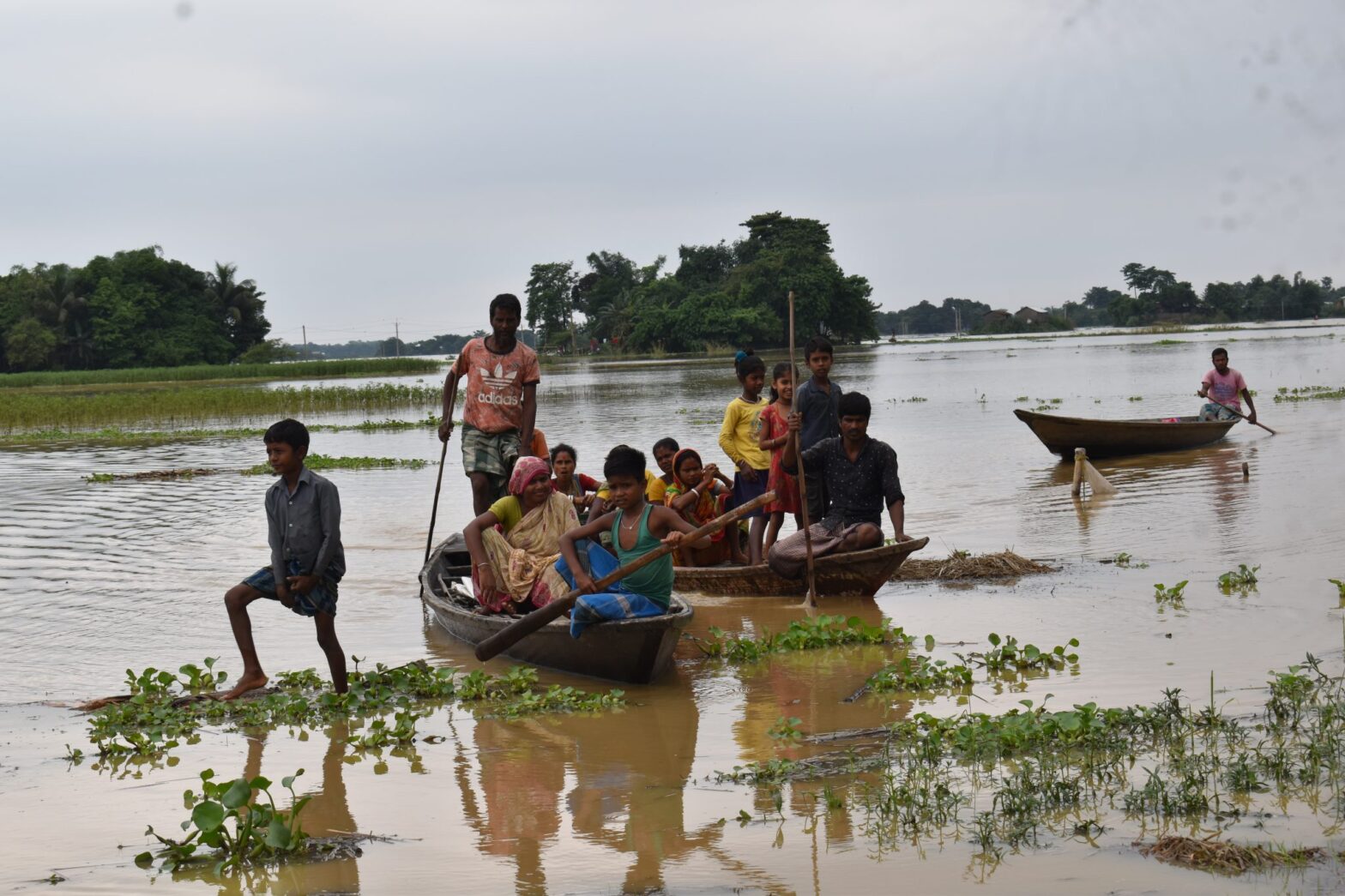
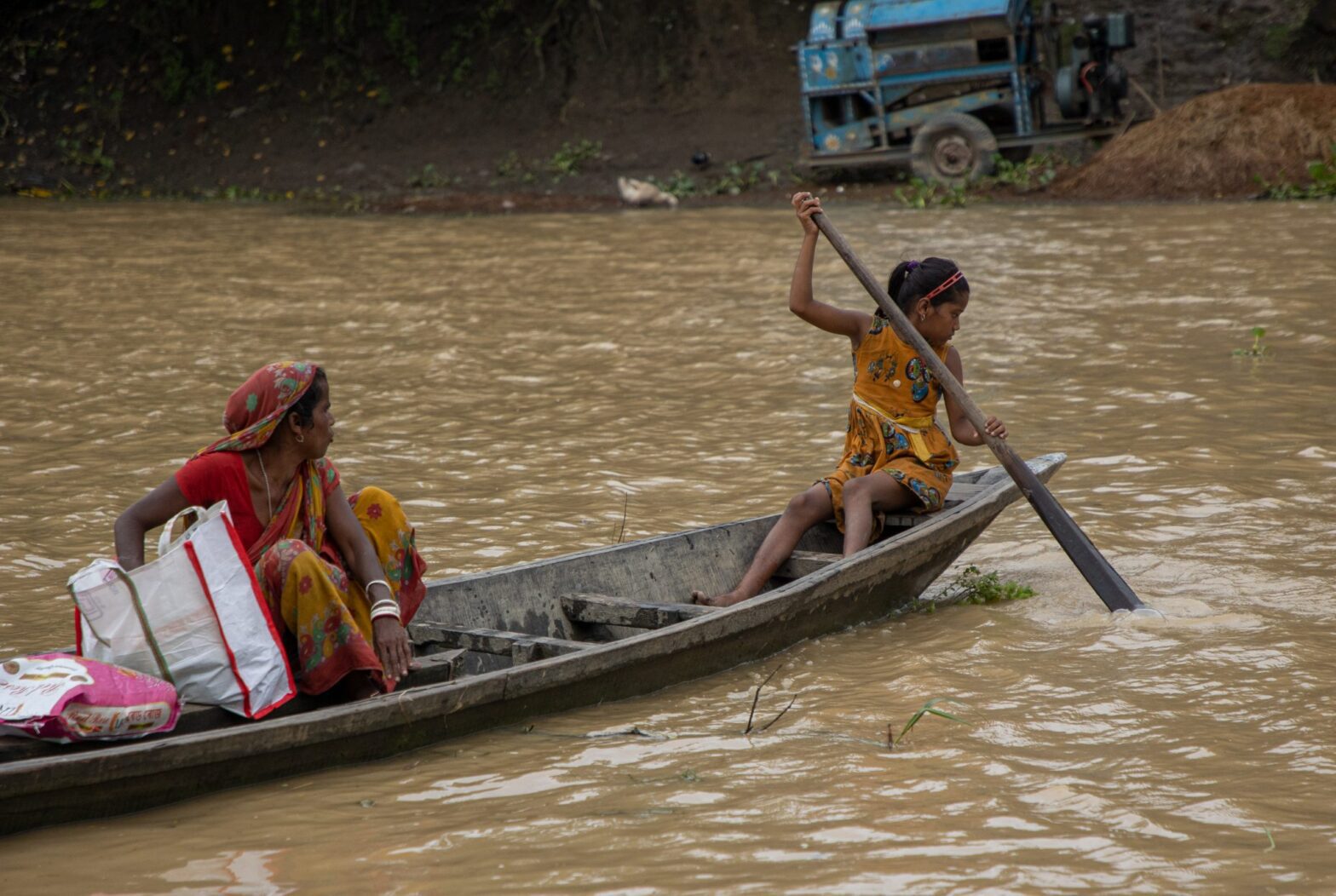
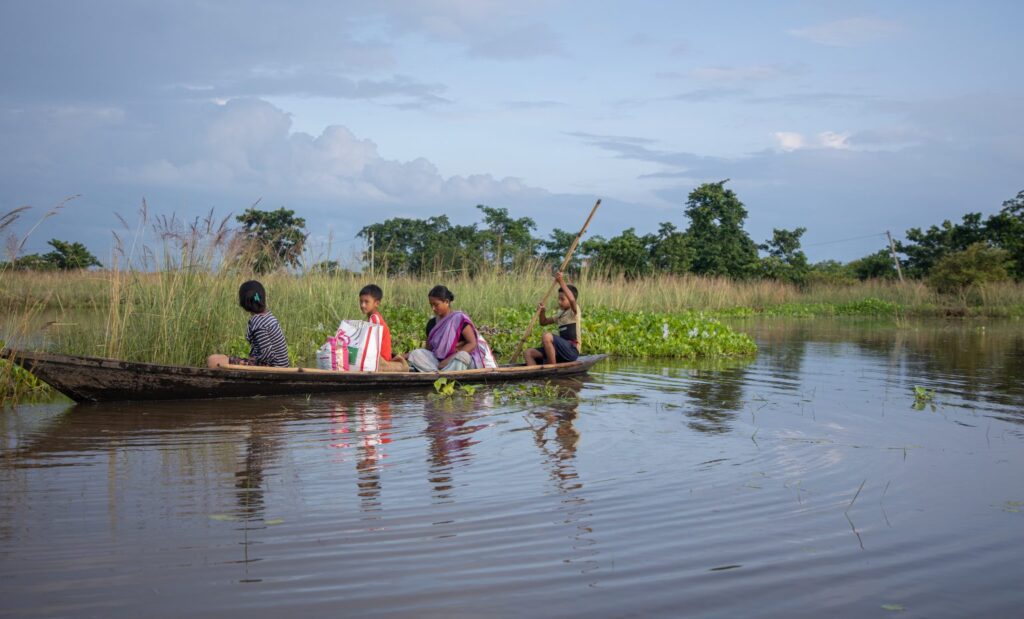
A family travels away from their damaged home to safety in Morigaon


One thing I noticed and admired is how people living in the villages are more prepared and advanced as compared to us, who have always led a comfortable life in cities. Floods in rural Assam have become quite frequent and people are mentally and physically prepared for the situation. In Mori Gaon, every household had a boat and other items of necessity, and people affected by the urban flood were not at all prepared because they had never faced such a catastrophe. Their acceptance of the situation is self-motivating. I salute their bravery, their patience and motivation that have helped them to keep on going.


Despite all of that, we cannot deny the fact that this flood has drastically changed lives there. Families are separated; they don’t have food, hygiene or any moral support. Their homes, crops and cattle are all destroyed, and now only a ray of hope is there for survival. This made the Assam flood relief operations very difficult for us because the entire region is drowned in water. No mode to communicate and commute. The flood was so massive that no one could say that there was a lush green village residing there because all that remained was the water.

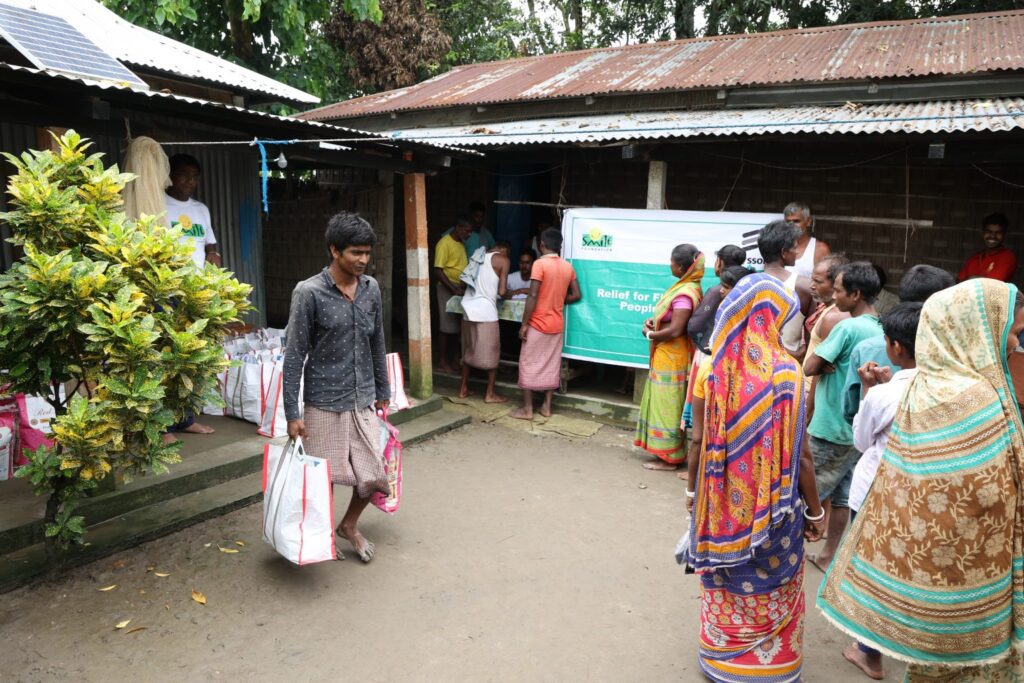
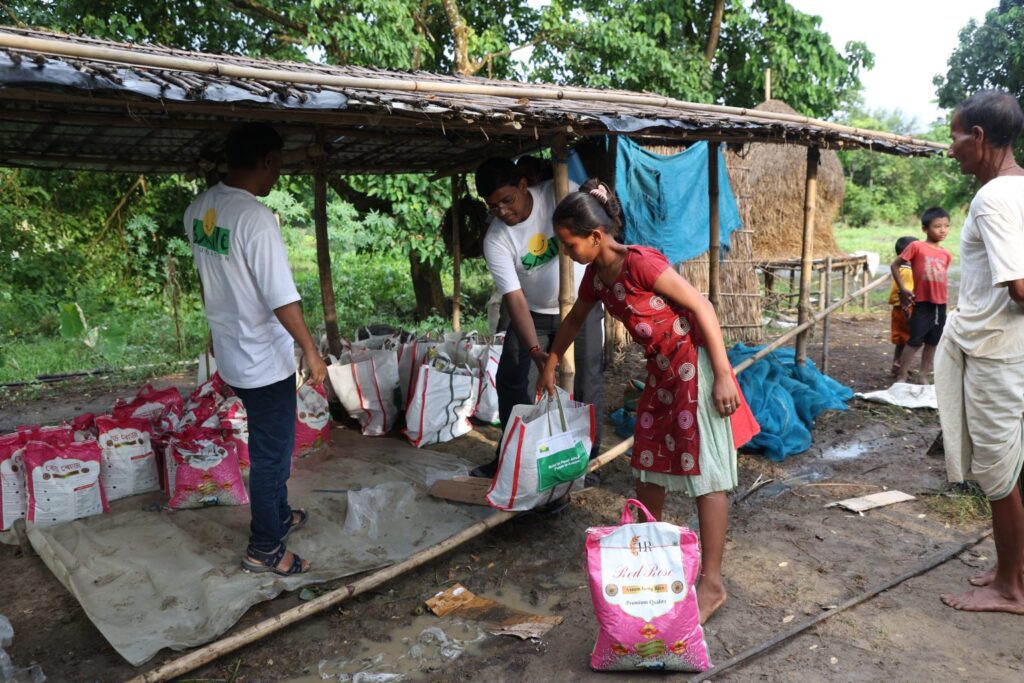
Smile’s disaster response team distributing relief material to affected families in Assam

I wholeheartedly pray that Assam soon recovers from this heart-wrenching situation. I urge everyone who can to donate for Assam flood relief, and support the beautiful, resilient people of Assam. You can contribute here: https://donate.smilefoundationindia.org/assam-flood-relief

I will always look forward to working with Smile Foundation. One thing I want to say is I might have worked as a photographer, but I emerged as a person who is more appreciative of life.

0%