Categories
Smile

Does India have enough Human Resources for Health?

Human resources are like natural resources; they’re often buried deep. You have to go looking for them; they’re not just lying around on the surface. You have to create the circumstances where they show themselves.  – Ken Robinson


The group of individuals who work for a certain company, business sector, industry, or economy is referred to as its human resources. Human capital, or the knowledge and abilities that people possess, is a more specific idea. Manpower, labour, personnel, colleagues, or simply “people” are comparable concepts. Therefore, the people who manage the human resources have a very important task.


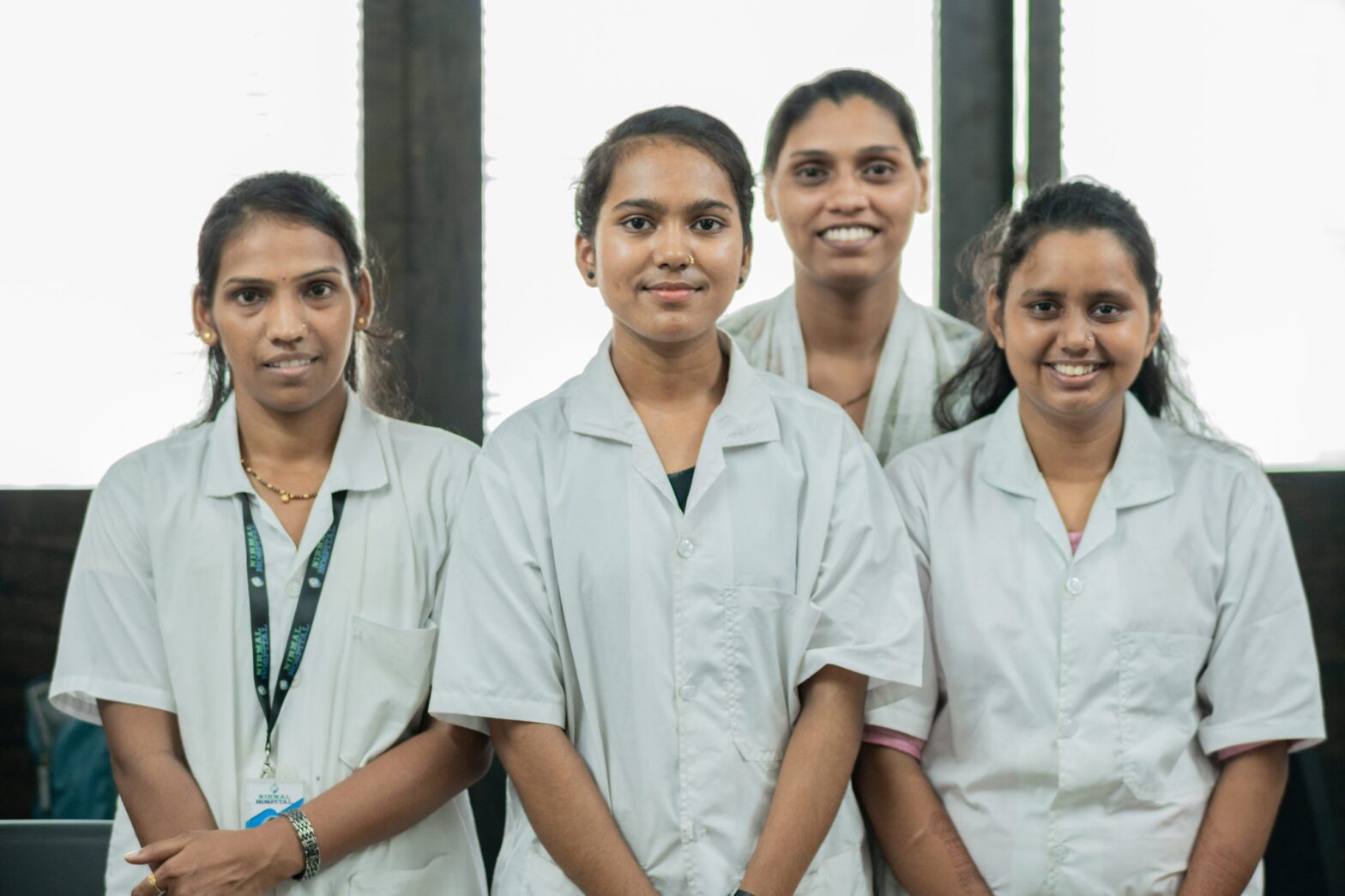
Covid-19 started a number of discussions on the problems with the health systems throughout the world, including their inability to handle the high amount of admissions and the lack of access to basic medical services, diagnostic tools, and treatment alternatives. The lack and unequal distribution of healthcare personnel have been a fundamental issue for the medical community for decades. The World Health Organization (WHO) defines human resources for health (HRH) as “people engaged in activities that primarily promote health”  in order to broaden the idea’s application.


One of the most significant structural issues for policymakers and planners has been the global lack of HRH and discrepancies in their distribution between areas and nations. Worldwide, achieving a certain minimum level of HRH has been a top aim. Recognizing its significance, WHO and the UN have prioritised appropriate HRH on the health and development agenda and pushed other nations to follow suit. Increased HRH density—that is, the number of HRH professionals per 10,000 people—has been linked to lower rates of infant and maternal mortality, lower disease loads, and better vaccination, according to cross-country assessments. 


Such statistics have been utilised over the past few years to estimate the minimal amount of HRH needed for a population of 10,000 (threshold of HRH requirement). Below this line, it is thought that the areas won’t be able to provide the people with the desired degree of health coverage.


Why is Primary Health Care Important?


Daily medical requirements are handled by primary care professionals (PCPs) . You’ll stay healthier and pay less for healthcare if you have a long-term connection with a PCP. A PCP can help you seek more advanced care if you need it, treat you when you are ill, and educate you how to stay healthy. It takes time to choose the best PCP for you, but in the long term, it will enhance your health.


A PCP can assist you in maintaining good health and also provide first care for any emerging medical issues. Find a PCP who will work with you on your long-term care, and schedule frequent exams. Your PCP can assist you in identifying and treating a variety of health problems. A PCP may provide you advice on how to live a better lifestyle, offer necessary prescriptions, do illness screenings, and suggest specialists as required. 


Look for a PCP who matches your requirements and personality.


Human resources for Health in India


Over the past 75 years, the state, market and people of India have actively changed the country’s health human resource situation. In the 1940s, there were few qualified healthcare professionals and few schools offering health sciences courses. Since then, a vast army of health workers and specialists has emerged from several disciplines.


The basic, secondary, and tertiary care provided at primary, secondary, and tertiary levels in both the public and commercial sectors is largely dependent on India’s commitment to the UHC. Through the national health Mission NHM, which was started in 2005–2006 and lasted beyond 2003, the public health system in India was made community-centric as opposed to structural changes, serving as a social vaccination throughout the pandemic with frontline health workers as crucial employees.


Inadequacies in the health workforce must be filled since it serves as a pillar of support for the entire population in both good and bad times.


Challenges


Accessibility to healthcare in rural parts— it can be exceedingly difficult to send trained medical personnel to rural, underserved, and remote areas. Healthcare accessibility in rural areas: Only around 26% of India’s doctors practise there, despite the fact that roughly 69% of its citizens reside in villages.


Doctor shortage— There is only one doctor for every 1,000 Indians, and the number of specialists is sometimes only one-tenth of what is needed.


The total nurse to doctor ratio is 1.7:1, while the ratio of allied health professionals to doctors is 1:1, according to research from the World Health Organization and Public Health Foundation of India. According to the NSSO (2017–18), labour force estimates, the doctor-to-nurse ratio is under 1:1.3. There are about 3-4 nurses for every doctor in OECD nations.


The dynamics of public health, health policy, and demography have changed throughout time, but the country’s health curriculum has not kept up. Instead of emphasising primary and preventative healthcare for the community, education for health professionals is more clinically and technologically geared toward a treatment-centric curative paradigm.


WAY AHEAD


Instead, the government has to simplify the processes for establishing medical schools, invest more in infrastructure, and offer incentives for the growth of a rural health-care ecosystem.


The following suggestions are made by Oxfam India in order to improve the overall situation for human resources for health and advance toward uniform health coverage— 


In the healthcare industry, a thorough human resource policy needs to be created. The number of qualified physicians and other health professionals should be increased, and appropriate policy measures should be implemented to fill all open posts.


In order to entice skilled health professionals to work in rural and distant locations, the public sector will need to develop suitable packages of financial and non-financial incentives. To stop the waste of our limited resources and solve the issue of a scarcity of health personnel, policy should be put in place to limit foreign migration.


Human Resource Management in Healthcare


In the healthcare sector, human resource management (HRM) is crucial for luring qualified candidates and keeping dependable employees.


In the healthcare industry, HRM does a lot more than just send out open enrollment benefit packets. Although many of us may only think of them in that type of constrained capacity, the field is considerably more expansive. Human Resource Management in hospital administration is involved in the hiring, firing, and resolution of labour, management, and employee issues. It also handles legal issues pertaining to the facility and any foreign-hired workers, as well as the training and development of the staff.


The orientation of new employees is coordinated by the HR department. Training and development provide a healthcare institution the assistance it needs for staff growth and hiring procedures. Additionally, it assists in training potential leaders for future administrative and supervisory positions. Clearly, there is a huge importance of human resource management in hospitals.


Smile Foundation’s Role 


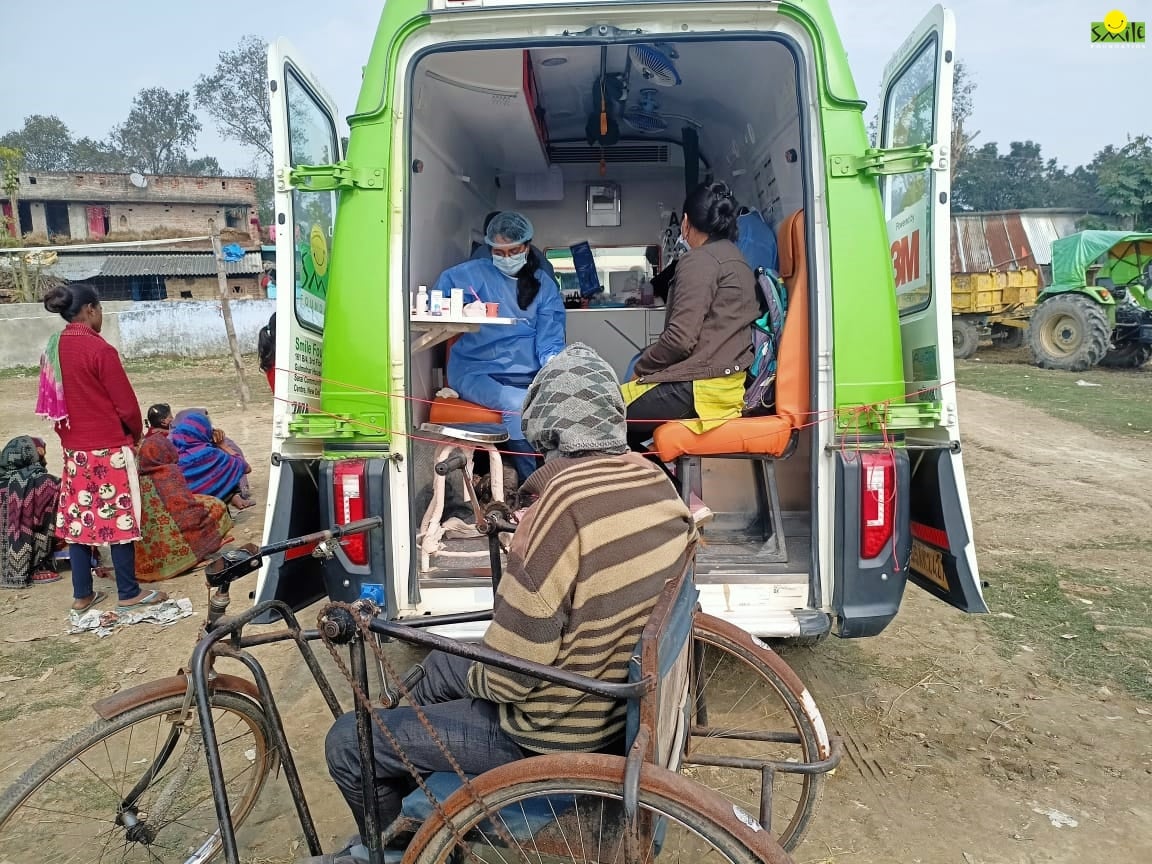
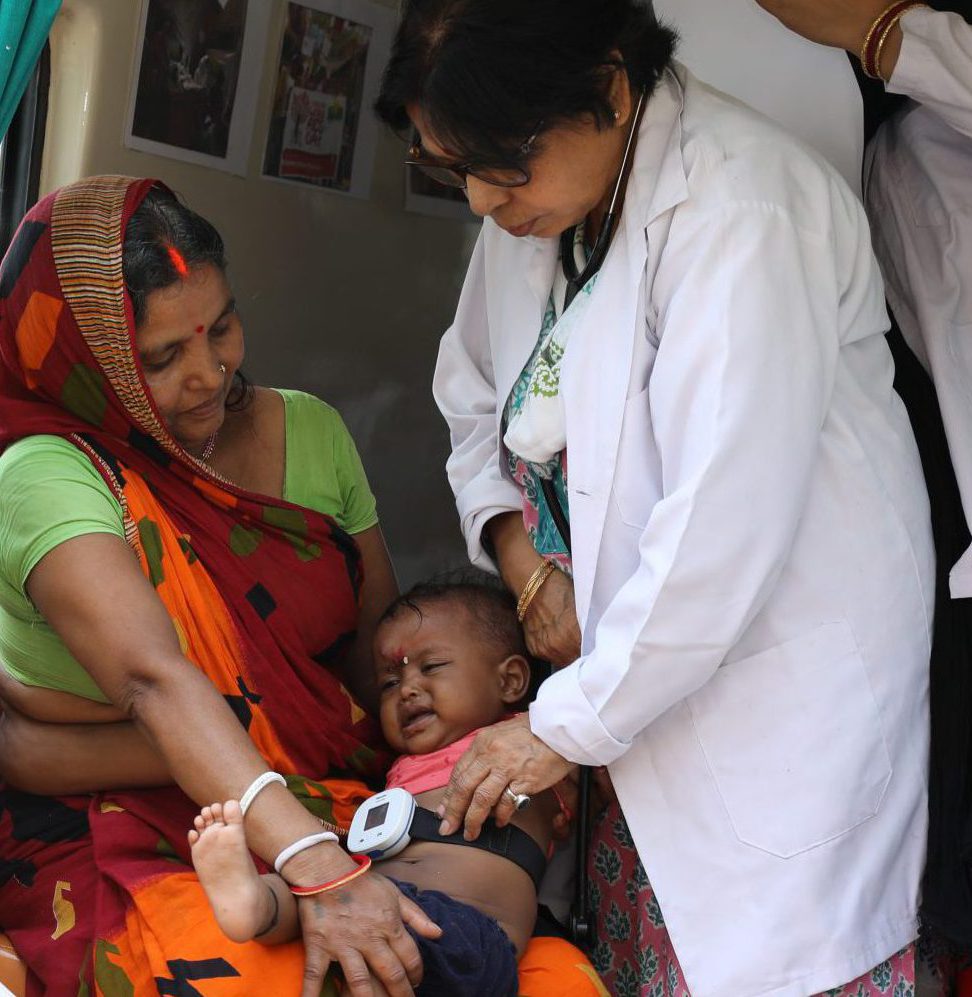
Smile Foundation has been actively involved in giving medical services to the vulnerable families and educating them. The Smile on Wheels programme has given free healthcare services to 1.5 million people. Do Contribute for healthier families and lives!
Categories
Livelihood

How to Learn New Skills in Life?

The only skill that will be important in the 21st century is the skill of learning new skills. Everything else will become obsolete over time. – Peter Drucker

As a seasoned high achiever, Samiksha* felt at ease setting lofty objectives and accepting difficult tasks. She was well-liked in her line of work and frequently consulted her coworkers for guidance. She had been employed by the same business for a considerable amount of time and had successfully shifted between a number of different tasks throughout that period. Samiksha was intelligent, diligent, and skilled at serving as a mentor to others as they built their capacities and careers. She was then abruptly moved into a different position.

She was concerned about how she was doing and worried that she wasn’t picking up the new abilities quickly enough. She was specifically contrasting herself with other coworkers who, in Samiksha’s opinion, were quicker and more adept at executing the essential duties of the position than she was. Samiksha was concerned that she was failing her team to the extent that she thought her job would be in danger.

Any of us who have moved employment, whether it was voluntarily or as a result of a reorganisation, will be able to relate to Samiksha’s story. Most of us like the security of the familiar and the sensation of competence while performing jobs in which we have through time developed skill.

While some individuals appreciate the novelty of a fresh start or the excitement of the unknown, many of us find juggling new obligations to be particularly anxiety-inducing. Just consider the world’s wealthiest individuals. The people who are most adept at picking up new talents are the ones that constantly succeed.

The Stories of Successful Individuals

Successful people commit to investing their free time in the pursuit of knowledge (instead of vegging out in front of the television.) And they fulfil their commitment to study. In light of this, there are a plethora of interesting skills to learn like learning a new language, music, cooking etc.

This feeling of beginning anything new, according to author Tom Vanderbilt, necessitates having a “beginner’s mentality,” a term borrowed from Zen Buddhism. He contemplated the “beginner’s mentality” after trying out new activities for a year with less-than-successful outcomes in contrast to his daughter, who was learning a variety of new abilities at the same time. Because of our brain’s neuroplasticity—its capacity to remodel itself in response to new challenges—adults are still more than capable of learning new abilities, although we do so much more slowly and clumsily than children.

You may do this by imitating professionals until you find your own style and approach. According to Benjamin Franklin‘s autobiography, he taught himself how to write in this style:

I took some of the papers (from The Spectator magazine), and, making short hints of the sentiment in each sentence, laid them by a few days, and then, without looking at the book, try’d to complete the papers again, by expressing each hinted sentiment at length, and as fully as it had been expressed before, in any suitable words that should come to hand. – Benjamin Franklin

He started transforming the stories into poetry and back again after comparing his work to the originals and realising where he was falling short. This is how he improved his ability to communicate.

This kind of education may be used to master any ability, including writing, foreign language communication, and even athletics. You will identify areas that require development if you compare your work to that of specialists in your sector.

Importance of Learning New Skills

Since the world is always evolving and changing, new developments in business and society are made virtually daily. Employees or professionals may fall behind without conversion.

Consider the effect social media and virtual life have recently had on communication. It is not popular to send letters from one location to another. This kind of fundamental transformation may have a significant effect on how a company’s clients and employees see it.

The following are reasons why acquiring new skills is important.

  1. A feeling of accomplishment: You can adjust to any scenario while you are acquiring new abilities. You feel accomplished after accomplishing this. Know your value and the things you are capable of doing. The creation of new chances inspires you and gives you a sense of importance.
  1. Development: Developing new talents can help you advance not only in your career but also as a person. You have the power to better yourself. You also have access to fresh and diverse opportunities. Self-development is a form of progress.
  1. Financial gain: Developing new talents allows you to take on additional jobs or make larger investments. As a result, you gain by earning more than you otherwise would. This increases your earnings at work.

How does learning new skills and knowledge benefit you?

For many of us, our work provides us with a fantastic opportunity for growth and development. You are inspired and motivated by your learning process. You will become aware of how much you have learnt as you reflect back on your earlier experiences.

However, the lack of development might make us feel depressed and demoralised if we feel as though our efforts aren’t helping us in any way.

The advantages of picking up new talents at work are as follows:

One significant advantage of gaining new abilities at work is the growth in knowledge. It bestows to you a fresh sensibility with which to assess. This is the process or action of learning new abilities through experience, instruction, practice, and study.

Developing new abilities will undoubtedly make you more yourself. Additionally, it will boost your self-assurance. You’ll start to feel valuable, and as a result, you’ll attempt a lot of other things that could work.

Smile Foundation

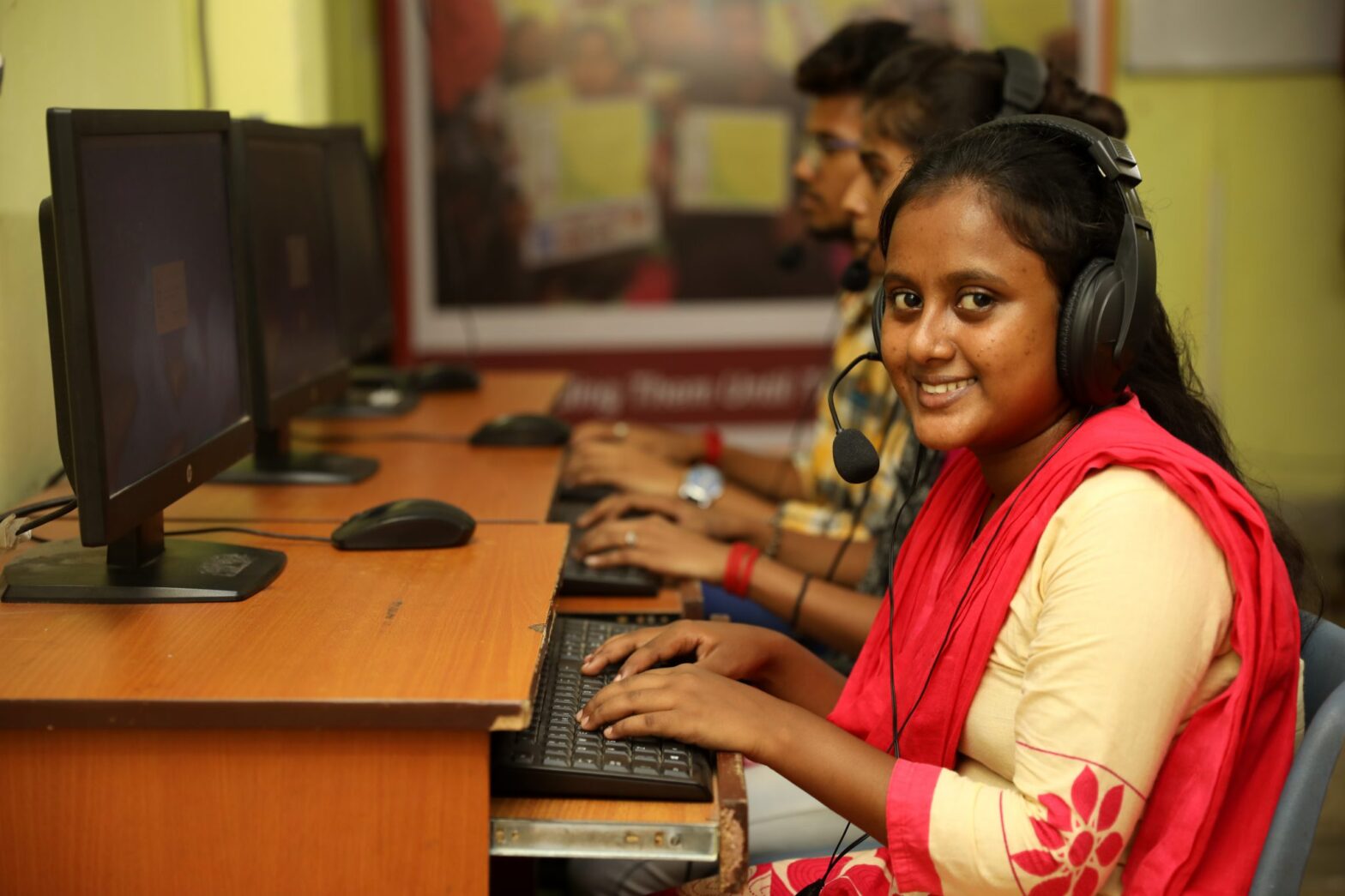
Smile Foundation has been actively involved through its e-learning education programme, STeP to train the poor and underprivileged youth in English Proficiency, Basic Computer Education and Soft Skills for enhancing their prospects of employment in the fast expanding retail, hospitality and BPO sectors.

So far, 65,000+ youth have been trained through the programme and 40,000+ have been placed in over 400+ reputed brands across India.

Categories
Smile

Why are New Entrepreneurs choosing Health?

As the Covid-19 pandemic and the subsequent lockdowns caused widespread chaos, people realised the importance of a healthy lifestyle. In India, and around the world, this was reflected in the growing demand for health supplements. According to reports, there was an increase in the demand for health and wellness products in the country post-covid. Between April 2021 and May 2021, demand for foods like oats increased by 31%, while soup demand increased by 4%.


This was primarily because of the awareness about health. People wanted to try new ways of improving their overall physical and mental health. This also provided an opportunity for humane entrepreneurship to thrive. The new-age health entrepreneurs were now ready leverage this opportunity and bring innovation that could help people.


Healthcare entrepreneurship in India

The healthcare sector in India is big. However, there is still a lot of scope for the sector to improve and adapt to the changing conditions. This is giving a push to healthcare entrepreneurs in India who are willing to take the lead and bring change. Some of these initiatives include tech-based platforms that are helping healthcare facilities to reach the last mile.


As per reports, India today has more than 3000 start-ups focused on creating reliable healthcare ecosystem in the country. Healthcare companies like Pristyn Care and Innovaccer, both are using technology to solve the problems in the healthcare sector in India.


The humane entrepreneurship program has also given rise to companies manufacturing nutraceutical products. According to a report by EY, the market for dietary supplements in India expanded at a CAGR of almost 15% to reach Rs 331 billion in FY21. 


According to the EY analysis, the increased demand for natural and ayurvedic products has prompted companies who are currently involved in this market to make a stronger case for their expertise while also catching the eye of participants in the pharmaceutical industry.


India has a long tradition of using dietary supplements and spices for health benefits. Ayurveda, an alternative medicine practice, has been prominent in the country for centuries and is also being accepted across the globe. The health entrepreneurs in India are not overlooking this ancient practice. They are integrating it in their technology-driven start-ups in a way that is transforming the way Ayurveda is used.


Future of Humane Entrepreneurship Program in India

India is becoming a lucrative space for entrepreneurs who are looking to innovate. Over the last one decade, hundreds of new start-ups have emerged in the country. These start-ups range from education to finance, and electric mobility to artificial intelligence.

While the idea behind every start-up, in one way or the other, is to solve a problem by filling the gap between demand and supply, the brand of humane entrepreneurs are taking it one step ahead.


The Covid-19 pandemic also taught us a very important lesson. It was the need for community partnership and the importance of helping each other. This spirit of helping the others is now beginning to reflect in the humane entrepreneurship program in India.


The health entrepreneurs, along with those working in other important spaces, can be called the flagbearers for this program. As per reports, 21% of Indians are obese, 20% have high blood pressure, and 9% have diabetes. Apart from this, many parts of the country are facing the problem of air pollution and water pollution. By 2020, 1.73 million new cases of cancer are anticipated in India, according to data from the National Cancer Registry Program.


This shows us that there is an urgent need to focus on health and wellness. While the public institutions are playing their role, the private sector can also make a huge difference. As we move forward, we can expect some of these problems to exacerbate. This way, humane entrepreneurship in India is not just a need but also a great opportunity.


Healthcare entrepreneurship: For a Better Tomorrow

As we have talked about it in the past, India has an abysmally low doctor-to-patient ratio. India ranks a pitiful 154th out of 195 nations in the Global Burden of Disease Study’s healthcare index. 


The healthcare facilities in semi-urban areas and rural areas are not appropriate. In the remote parts of the country, people have to travel hours before they can find a good healthcare facility.


This is where technology and health entrepreneurs can make a significant impact. The health entrepreneurs are domain experts. They possess the knowledge of the healthcare sector and the science as well. When they form a partnership with tech-experts, they can bring premium quality health facilities at everyone’s doorstep.


Not just that, by bringing humane entrepreneurship and healthcare sector together, a large sum of money can also be pumped. This can also help in skilling of more people who can provide health assistance to others. It will not only create jobs but can also fill the huge gap in demand and supply in the industry.


Healthcare entrepreneurship in India is extremely crucial. For a country of 1.4 billion people, with a landscape so vast and varying, it is only through private partnership and technology that the lacuna can be filled. For a better tomorrow, the humane entrepreneurs must continue to march on.


Smile Foundation and Human Entrepreneurship Program related to Healthcare


Smile Foundation  through its innovative healthcare initiative, Smile on Wheels has so far provided free healthcare services to more than 15,41,000 children and families. Let’s make a healthier and happier India together!

Categories
Smile

Moving towards Inclusive Education: NEP 2020

The New Education Policy, 2020 (NEP) was launched with a vision of transforming the education system in India. The initiative has been hailed as a positive step in the direction of bringing necessary changes in the education system. Before the introduction of the National Education Policy, the Indian education system was governed by the 1986 NEP and Right to Education (RTI) act of 2009. This meant that there was a huge gap between what was needed and what was being delivered.

For this very reason itself, the National Education Policy becomes extremely crucial. As per the official document of Government of India, the NEP 2020 addresses many concerns related to primary, secondary, higher, and technical education in the country.

From removing the hard separation between Arts and Science, Vocational and Educational streams, it also focuses on reforming assessments. While there are a range of important points, what we are discussing today is the effort to make education more inclusive.


The New Education Policy document states that there is a special emphasis on socially and economically disadvantaged groups to make education equitable and inclusive. For the benefit of disadvantaged groups, Special Education Zones will be established. Additionally, the NEP education system will also have a separate Gender Inclusion fund.


Inclusive Education in India

The need for a change in education system in India has been felt for a long time. However, this feeling became stronger during the Covid-19 pandemic when we saw how students from disadvantaged groups suffered as we moved to an online model of learning.


Integration of special needs children with other groups was emphasised in both the Programme of Action (1992) and the National Policy on Education (1986). “To integrate the physically and mentally challenged with the general population as equal partners, to prepare them for normal growth, and to enable them to confront life with courage and confidence,” was the stated goal.


The same has also been discussed in National Curriculum Framework of 2005, Sarva Shiksha Abhiyan (SSA), and other initiatives. However, new ways of imagining this integration were needed. This is where New Education Policy comes in.

Having said that, what we can see that various policy documents have outlined the need for inclusive education. But the questions remains if we have achieved anything significant in this direction? As mentioned above, Covid-19 exposed many limitations in our education system.


There were reports of disabled students not being able to access education as the online learning mode wasn’t equipped for their needs. Students from economically disadvantaged groups also suffered the most during this period. While, female students also were left behind their male counterparts.


Therefore, we can safely say that there is an immediate need for change in education system in India and make it more inclusive. The NEP education system may or may not be able to address this. Its success depends on various other factors.


New Education Policy: Advantages & Disadvantages

While New Education Policy advantages are many, how it recognizes and defines the need of inclusion in education is commendable. Females make up at least half of each of the four Socio-Economically Disadvantaged Groups (SEDGs) designated within NEP 2020, which appears to have taken into account the fact that female students face additional disadvantages.


The other advantages of NEP are that it looks at education from a 21st century lens. It aims to integrate technology and entrepreneurship in education and make the best of all the resources that we have at our disposal.


The adoption of local or regional language as the medium of instruction under NEP 2020 assures that language is no longer a barrier for kids. Additionally, special educators must be hired by schools to meet the academic demands of students with special needs.


So, there are a range of advantages of the New Education Policy. But are there any disadvantages? It would be wrong to use the phrase ‘New Education Policy disadvantages’ because the policy aims to achieve positive change.


However, we can certainly say that what’s needed is to go beyond the framework and work on actual implementation on the ground. As we have seen, the issue of inequity has been Taddressed in various other policies in the past but what can make New Education Policy different is how its guidelines are implemented.


There has also been criticism of the policy on various fronts. One such criticism being the policy does not focus on Dalit and Adivasi communities specifically. The critique is also on related to language and the need for reforming the curriculum to make it more inclusive.


Children in private schools will start learning English much earlier than pupils in government institutions, according to the national education policy 2020. Government school students will be instructed in the academic curriculum in their original regional tongues. This might further polarise the student body.


New Education Policy: The Way Ahead

There is definitely a long way to go after this. What we need is a focused approach to achieve what is aspired through NEP 2020. Among other things, the policy aims to raise public investment in education from 4.4% of India’s GDP to 6%. If this can be achieved, it will be a much-needed first step in the right direction.


So, as we laud the efforts of the government, we must also discuss the next step. What we need is a skilled workforce of educators who can make inclusivity a reality in education. We also need the political will and the support of bureaucracy.


All this combined with the efforts of the society can help in achieving what we have set to achieve. NEP could be a start, but it’s a long way to go.


Smile Foundation and Education

Smile Foundation, through its ‘Shiksha Na Ruke’ initiative, has been helping children from difficult circumstances get back to school and restart their lives with hope. At present, we are directly providing education to over 100,000 children in 23 states of India.

Categories
Smile

Is AI in Healthcare a trillion-dollar economy in India?

Artificial Intelligence – it is a buzzword today. AI is often touted as the next-gen technology that has the potential to change the world for the better. But what exactly is Artificial Intelligence or AI? And why are we talking about AI in healthcare today? Let’s try to understand it this way; the human brain is a complex organ. 


It can process information at an unbelievable speed and help create wonders. Now, when computers develop this capacity to learn from information, identify patterns, and perform certain tasks on their own, we call it Artificial Intelligence.

Now, coming to AI in healthcare and its benefits. As mentioned above, AI is being used today to enhance or improve a myriad of healthcare activities. For example, manufacturing or supply-chain management is becoming more and more efficient because of AI. Artificial Intelligence is also being used to improve security.

In the same way, AI is also being integrated into healthcare services to enhance their delivery.


Artificial Intelligence and Healthcare in India


In a country where healthcare workers make up only close to one-fourth of the recommended limit by the World Health Organisation, AI in healthcare becomes a necessity. Today, AI is being used to diagnose patients, detect risks, read, and analyse reports, and much more. 


As we move forward, we can expect Artificial Intelligence to also transform the medicine or pharmaceutical industry in India. Private players are using AI in medicine to test and develop new drugs, and also reducing the administrative costs of manufacturing and supplying them.


Not just that, Artificial Intelligence is also being used in India to now set up remote ICUs. These smart ICUs allow 24X7 monitoring of patients in remote areas by doctors sitting in urban centers. Imagine how revolutionary this can be for a country where numerous people lose their lives because they have to travel hours to access good quality emergency care.


Having said that, is AI in healthcare and medicine on the path to becoming a trillion-dollar industry in India?


Future of AI in Healthcare for India


As per reports, by 2025, it is anticipated that India will spend $11.78 billion on AI. By 2035, it is projected to have increased India’s economy by $1 trillion. Further, spending on AI grew by more than 109% in 2018, growing to a $665 million industry. This shows that AI in healthcare industry is on a positive trajectory of growth in the country.


There are a number of reasons for this. As discussed above, one of the biggest reasons is the lack of good quality healthcare infrastructure in rural, as well as semi-urban, areas. With India’s growing population, the healthcare sector is expected to be burdened more in the coming years.


Amidst all this, the benefits of AI in healthcare are immense for a country like India. Early disease diagnosis, the development of new drugs, drug testing, diabetic retinopathy, cancer treatment, cardiovascular disease, and eye care are all areas where artificial intelligence is already being used.


AI Experiments in India Related To Healthcare


NITI Aayog has been experimenting with the use of AI to detect early-stage diabetes. It is also testing the use of AI in eye screening. 


At the same time, the National Center for Disease Control (NCDC) and a private company are working together to develop a programme that can simultaneously analyse all health-related media reports and compile a database of 33 disease outbreaks.


Initiatives are also being taken by premiere institutions like Tata Medical Center and the Indian Institute of Technology. The institutions jointly launched the country’s first de-identified cancer image bank. High-quality de-identified photos can be used by AI-based tools to help machine-learning models find biomarkers and enhance the results of cancer research.


Apollo Hospitals is also leveraging Artificial Intelligence to develop a model for predicting heart attack risks. This is a testament to the fact that the benefits of AI in healthcare are numerous and India is ready to cash upon these benefits to improve its healthcare sector.


Opportunities and Challenges for AI in healthcare


While we talked about the future of AI in healthcare, we must also address the challenges that exist. While there are many opportunities, the road ahead is not absolutely smooth. One of the biggest challenges will be investing in the research and development of technologies.


Even if we have the right technology in place, India will still require a skilled workforce that can help in the implementation of these services on the ground. Therefore, AI education, especially AI in healthcare will have to be taught in schools and colleges.


Tools and technologies based on AI need a large amount of patient data. An increase in the likelihood of incorrect decisions, such as erroneous drug prescriptions or disease detection, can be brought on by incomplete or faulty data.


It also poses a threat to privacy. So, it will have to be ensured that patient data is collected in a reliable and efficient manner, which will be a major challenge in a country like India with 140 billion people.


Additionally, AI challenges in healthcare also require ethical and responsible integration in the process. Doctors should be able to use AI as a tool and not automate entire processes. 


AI in healthcare: The road ahead


Predictive models based on artificial intelligence have become one of the nation’s most effective weapons in the war against COVID-19. Computer simulations have been utilised by decision-makers to predict how the COVID-19 scenario may change over time. 


Machine-learning models were created by numerous researchers and businesses, including TCS (Tata Consultancy Services) and KPMG India, in order to forecast the disease’s severity and identify at-risk groups across the nation.


This shows that the future of AI in healthcare is full of hope. What we need is to increase the benefits of AI and overcome the challenges. As India moves on the path of a trillion-dollar opportunity, the country must make the best of it to serve the people.


Smile Foundation in Healthcare


Smile Foundation finding that a mobile healthcare services delivery system is the most practical mechanism to reach the  underprivileged initiated the Smile on Wheels programme. A unique mobile hospital programme that seeks to address problems of mobility, accessibility and availability of primary healthcare with a special focus on children and women, in urban slums and remote rural areas.


The initiative has so far provided free healthcare services to more than 15,41,000 children and families.

Categories
Smile

Are Women Empowerment and Girl Child Education interlinked?

The basis for your growth is education. It’s the first step in constructing a brighter future for you, your loved ones, and your neighborhood. Even after thousands of years, education remains one of the most significant indicators of future success. 

Your chances of making a solid living and being able to support yourself financially increase with your level of education. Gender inequality is a major roadblock in this process of gender equal well-being and self-sufficiency.

The most effective tool you have to alter the world is education. Spreading information and knowledge among them might be a good place to start. They will get a better understanding of their obligations to themselves and to society as a result.

Education is crucial because it helps individuals become more responsible citizens who are willing to put in a lot of effort to boost their nation’s economy. It also helps people make better judgments in their daily lives.

Empowerment is the capacity to decide what to do and how to do it while having faith in your own abilities. It’s about having the power to accomplish the things you want to do and being in charge of your life. Empowerment and sentiments of empowerment might be connected, but they are not the same. 

For instance, you could feel empowered if you have a strong sense of self-worth and confidence.

Gender Inequality in Education

Two-thirds of the 774 million illiterate individuals on the planet are women, which is disturbing. It shows that the majority of females are not in school in various places of the world. 

Globally, 132 million girls—including 34.3 of primary school age, 30 of lower secondary age, and 67.4 of upper secondary age—are not in school, according to UNICEF. Girls are more than twice as likely to drop out of school in nations with ongoing conflicts as they are in non-conflict areas.

Girls’ gender is one of the fundamental causes of their marginalisation and absence from school. When it comes to educational investments, impoverished families frequently favor males. 

As a result, the poorest girls have the lowest chances of finishing elementary school. Ironically, data shows that girls from the same circumstances are more likely to drop out of school than boys.

Social, religious, and cultural norms support gender inequality and prevent girls from having an equal opportunity to pursue an education. For instance, women and girls have a disproportionate part of the responsibility for caring for family members and doing home duties. Girls sometimes forsake the possibility of pursuing an education because they are unfairly burdened with so many duties from a young age.

Due to inadequate sanitary facilities, many girls who do manage to attend school quit when they begin to menstruate. For instance, it was said in a report titled “Dignity for Her” that girls tend to leave school six days a month on average owing to the difficulty to manage their periods at school. As a result, over 23% of girls drop out of school once they enter puberty, which seriously limits their potential as people and future employees.

Gender Equality and Women’s Empowerment

Gender inequality is still a looming threat in our country and across the world. Although it is a human right, women and men still have unequal access to opportunities and the ability to make decisions in our environment. 

In comparison to males, women throughout the world have fewer possibilities to participate in the economy. Also poorer access to primary and secondary education, more dangers for health and safety, and less political representation.

Women’s rights must be protected, and they must be given the chance to realise their full potential if gender equality is to be achieved as well as a number of other international development objectives. 

Everybody gains when women and girls are given the tools they need to improve the well-being and productivity of their families, communities, and nations. If a man is educated only he is educated, while if a woman is educated she educates the entire family is a popular saying.

Donate for Women Empowerment

Smile Foundation has been actively involved in empowering women among the underprivileged and rural pockets in India through its Swabhiman programme. The initiative seeks out young women and girls from the neighborhood and nurtures them into Change Agents who then actively participate in the community mobilisation process. 

To know more and donate for girl child education, click here.  

Categories
Smile

Climate Change and Food Security: Impact and Our Future

Food Security and Climate Change are two issues that are extremely crucial to deal with for any country and for the entire world. While a number of policies and initiatives have been undertaken on an international and local level to address the issues of food security and climate change, with the rapidly changing climatic conditions, it is an imperative to understand the link between the two.


Before we talk about this, let us first understand what food security means. Simply put, food security is when people always have economic and physical access to food that fulfils their dietary needs. At the same time, it should also enable the people to live a healthy life. Even without the problem of climate change, food security has been a goal which the human race has never been able to achieve for its entire population.


According to the Food and Nutrition Organization (FAO) of the United Nations, more than 2 billion people around the world do not have access to essential nutrients which they need for leading a healthy life. The FAO further states that food production will have to increase by 60 per cent, as compared to where it stood in the year 2015, if the world wants to satiate


the nutritional demand of its growing population. However, this goal faces a severe threat because of climate change.


Therefore, it becomes important to discuss the impact of climate change on food security.


Climate Change and the Effect on Agriculture and Livestock


When the climate changes rapidly, as we have observed especially in the last two decades, it has a strong impact on agriculture. The FAO reports that unpredictable harvest of cereal crops in regions like Africa can be majorly attributed to factors related to climate change.


With the change in climate, the carbon dioxide concentration in the atmosphere increases, further leading to scarcity of water and increasing temperatures. This also causes extreme weather events at higher frequency.


Climate change also creates a lot of uncertainty about where and how much water will be available in the future. It has an impact on groundwater recharge as well as hydrological systems, water quality, and water temperature. Increased water scarcity brought on by climate change can be a significant obstacle to climate adaptation in many parts of the world.


One of the biggest impacts of climate change is on the people. As it disturbs the natural processes, it poses a greater threat to vulnerable communities living near coastal areas. Thus, climate change affects the people severely, making availability of nutritious food more difficult for them.


The Drastic Effects on Vulnerable Communities


As we already mentioned above, it is the vulnerable communities that suffer the most because of the ill-effects of climate change. In places like Vietnam and Bangladesh, a rise in the sea-level poses a threat to production of rice which is a staple crop in both the regions. This makes food security a matter of great concern in these regions. Further, because of non-availability of sufficient nutrition, adverse effects of climate change on health can also be felt.


The lack of nutrition affects the children most as it leads to stunting and wasting among them. Studies have found a relation between infectious diseases and the rise in temperature and humidity, which is a direct result of climate change. Temperature levels are also found to be related with use of healthcare services and mortality rates. Though less commonly researched, some health consequences have been linked to temperature, including diabetes, poor sleep, cataracts, heat stress, heat exhaustion, and kidney illnesses.


The research on the effects of climate change on health is an ongoing one, but it can be safely said indirect and direct link between the two has already been established. Increased exposure to heat, UV radiation, extreme weather events, etc., are all linked with adverse health conditions. With this happening, the people who are most affected are the ones who already suffer because of poor healthcare facilities in their region, putting the vulnerable communities at a higher risk.


Climate Change and Food Security in India


Now that we have an understanding of the adverse effects of climate change on people, let us look at how India is dealing with this problem. At the time of writing this article, scientists


had recently warned that global warming and climate changing are threatening the food security in India. According to a Hindustan Times report, three million ton of wheat output was lost in the year 2022 because of heat waves caused by climate change. This is likely to worsen in the coming years as not just India, but the entire South Asian region, struggles


with frequent and more extreme heat waves during the summers.


Indian agriculture is highly dependent on monsoons for maintaining its yield and productivity. However, changing climate conditions are disturbing the monsoon cycle which is again a threat to long-term food security in India. 


The World Bank has predicted that a global mean warming of 4 degrees Celsius can lead to a 15-percent increase in year-to-year variability. This is bad news for a country like India where many regions already face high risk of drought. The Global Food Policy Report, 2022 which is published by the International Food Policy Research Institute has warned that 17 million people in India are at the risk of facing hunger induced by climate change by the year 2030. This estimate is the highest among all the countries globally.


Mitigating the Negative Effects of Climate Change


While the effects of climate change may be consistent, the solutions vary for every country according to a variety of factors like their geography, economic situation, political participation, and much more. There is an urgent need to invest in research related to adaptation of agriculture, aquaculture, and other types of food production techniques according to the changing climate conditions. Policy changes at the national and international level can provide support to communities who may be worst affected by climate change.


Food security and tackling climate change are both a global challenge and part of Sustainable Development Goals by the United Nations. The need is to come together and shift towards greener sources of energy production and achieve net-zero carbon emission targets. A global consensus and strong political will is required to act immediately so that both the short-term and long-term responses can be put into action immediately.


Smile Foundation and Food Security


Smile Foundation through its initiative, Plate Half Full provides mid-day meals in schools in rural areas and urban slums in India and sensitises the teachers and families on the need of proper nutrition. As our children grow up in times of the reality of climate change and its adverse impact on food security, efforts must be made to ensure that our children are well- fed and their nutrition demands are taken care of adequately.


Food security for our children should never be a far-off dream but a reality that they can pass off to their future generations with confidence and empathy. Let’s make it possible, today! 

Categories
Women Empowerment

7 Self-Made Women Entrepreneurs of India

Life is either a daring adventure or nothing at all.”– Helen Keller

Until a few decades ago, the mention of an average Indian woman would elicit a picture in our minds of a woman inside a house, cooking and serving her family members, looking after the kids or caring for the elderly and sick members at home. 

Of course there were working women who stepped out of their homes but mostly engaged in conventional professions like teaching, banking, hospitality industry etc. Now, with an increasing count of women entrepreneurs in India, women are taking up all professional spaces and leading them with empathy and confidence.

But the idea of women entrepreneurs was still dealt with resistance and hostility in India almost until the 1990s. Deep rooted patriarchy, social prejudices, traditional and cultural norms were few of the obstacles blocking the way of any Indian woman taking the entrepreneurial path.

However, despite all odds, there are women who withstood every hindrance and dared to chase their dreams. With their sheer perseverance, courage and talent these women have proved their mettle as successful entrepreneurs.

We have curated a list of 7 such self-made successful women entrepreneurs in India who have shattered the glass ceiling and made their distinct mark in different industries, some of which were until now considered male bastion:

7 such self-made successful women entrepreneurs in India

Kiran Mazumdar Shaw

She is the Founder and chairperson of Biocon India, the first Indian company to produce and export enzymes to the U.S and Europe. Despite studying fermentation science and earning a degree as a brew-master from Melbourne University, Shaw faced a lot of criticism in India for aspiring to launch her career in brewing, which was the stronghold of men.

But an undeterred Shaw identified the right opportunity, took a leap of faith and started Biocon India from the garage of her house, with a seed capital of just INR 10,000/-. From manufacturing industrial enzymes, she eventually led Biocon to evolve into a completely integrated biopharmaceutical company. 

At 69 years, Kiran Mazumdar Shaw is a visionary working to ensure equity in healthcare through affordable innovations and has been adorned with numerous national and international honors for her commendable contributions in this sector.

Falguni Nayar

Founder and CEO of Nykaa, a beauty and wellness e-commerce platform and currently the most popular businesswoman in India, Falguni Nayar is India’s richest self-made woman entrepreneur. She quit her job in investment banking to tread on the path of her entrepreneurial journey with Nykaa in 2012, just months before turning 50 years.

In her own words, the journey of Nykaa has many firsts and is empowering for many, be it women or young entrepreneurs without a backing, or those from non-tech background trying to use technology. 

With a net worth of $3.4 B and recipient of many prestigious awards like EY Entrepreneur of the Year 2021, Falguni Nayar is an inspiration for many. Her message to women is “Never shy away from being the primary actor (Nykaa) of your life.”

Aditi Gupta

An alumnus of National Institute of Design, Ahmedabad, Aditi Gupta was concerned and intrigued about the stigma around menstruation from her personal experience in adolescence. She found a severe lack of awareness about menstrual health and hygiene in India, even among educated people. This motivated Aditi to work towards breaking the myths about menstruation and de-stigmatizing it.

Aditi along with her husband started a website called Menstrupedia in 2012 which provides user-friendly information about menstruation, hygiene and puberty through comic books and relatable media. Menstrupedia’s resources have benefitted around 13 million girls and women across the world. 

Aditi was listed in Forbes India Under 30 list in 2014, was named as one of BBC’s 100 most influential women in 2015 and received Business Today Most Powerful Women Impact awards for bringing a change in society through her innovative work in menstrual education.

Shaikh Razia

Chattisgarh based microbiologist Shaikh Razia, has transformed the way people look at Mahua flowers. Mahua (Madhuca Longifolia) usually associated with the making of alcohol, consumed by tribal people also has great nutritious value. 

After discovering the health benefits of mahua flower, Razia started Bastar foods, a business venture which engaged local tribal women to produce ladoos and other healthy snacks from Mahua flowers. She also established proper market linkages to sell the products. Currently Bastar Foods has 8 manufacturing units and provides gainful employment to around 350 tribal women.  

Chayaa Nanjappa

Chayaa Nanjappa is one of those successful women entrepreneurs in India whose story is both inspiring and heartwarming. She is the founder and managing partner of Nectar Fresh, a social enterprise engaged in sourcing and processing natural honey. Nanjappa is a first-generation woman entrepreneur, under whose aegis, Nectar Fresh has been recognized as the first ‘Women Owned’ enterprise in India by We Connect International- a global network for women entrepreneurs.

Today Nectar Fresh has made its way to the shelves of huge retail chains like Walmart and Spar Hyper Market and is demanded by the best in hospitality industry like Hyatt, Radison, ITC, Marriot, etc. Chayya Nanjappa’s business model not only makes her brand a corporate success but also empowers rural farmers and local tribes by providing them with a sustainable livelihood.

Sairee Chahal

Sairee Chahal is nothing short of a youth icon. She is a dynamic entrepreneur dedicated to the purpose of bringing gender parity in the workplace and believes in the power of technology to achieve this goal.

Chahal is the founder and CEO of SHEROES-an online ecosystem exclusively for all women from college fresher to stay-at-home moms to find support with regard to employment and entrepreneurial opportunities or content and community support and interactive platforms. 

Being a woman herself who has dabbled through multiple roles of being a corporate professional and serial entrepreneur, she understands the nuances of business and the challenges faced by women in balancing various roles in life. Hence each of her ventures revolves around the idea of providing solution-oriented change for women at work.

Pabiben Rabari 

Belonging to the Rabari or Rewari community, an indigenous nomadic tribe of cattle herders, Pabiben is the founder of one of India’s first Women Artisan Enterprises, Pabiben.com. Through hard work and perseverance, she has transitioned from a daily wage worker to an artisan and now a successful businesswoman who has put the traditional Rabari art of intricate embroidery work on the world stage.

With her passion and creativity, she invented a new art form called ‘Hari jari’ which has earned her a global clientele. Working towards empowering rural artisans by mentoring and supporting them to use their traditional crafts in creating sustainable livelihoods, Pabiben is not just an entrepreneur but an agent of positive social change.

Donate for Women Empowerment

“Each time a woman stands up for herself, without knowing it possibly, without claiming it, she stands up for all women.” This quote by Maya Angelou aptly sums up the fact that one empowered woman creates many more empowered women. 

Inspired by the successful businesswomen in India, there are many other women with dreams and aspirations but held back by lack of resources. Your contribution can propel their growth. Donate for women empowerment and help create many more success stories that India can be proud of. 

Categories
Smile

Women Empowerment- Making India a Country for Women

As women are now actively working as leaders and outperforming others in many areas of life, women’s empowerment in India is no more just a dream. The woman governors and the governments led by these extraordinary people are taking up the burden and pressing on in the struggle alone wherever necessary.

In India, a number of factors, including the geographical context (urban/rural), social position (caste and class), educational level, and age factor, all play a significant role in determining how empowered women are. There are initiatives to empower women at the state, local (panchayat), and federal levels. 

However, women face discrimination in the majority of industries, including politics, economic involvement, health and medical care, and education. This shows that there are significant gaps between strategic developments and actual implementation on the ground. 

The creation and execution of a clear policy framework, the promotion of civic consciousness, and education about women’s empowerment can help to achieve the goals of ending the struggle of women in Indian society. It’s also important to guarantee that they are accepted as legitimate equal co-workers. 

Women Empowerment in India: A Background

The phrase “women empowerment” refers to leadership, or the power invested in women who share equivalent rights. The phrase describes the release of women from socioeconomic dependence. 

Most of the women in the nation—roughly 50% of the total population—remain economically reliant on others. Most financially independent women exercise their free will, and live the lives they want. 

But there is a sizable segment of women in our country that need upbeat encouragement. Many women are still not allowed to receive a basic education in the majority of Indian rural and semi-urban areas, despite having acquired the necessary knowledge.

The wonderful thing about women is that they excel in every area. However, in various parts of the world, they have been ignored. In turn, women endure inequality, financial dependency, oppression, and many societal ills.

The rights that males have are not similarly accorded to women in many places. Women are still expected to cook, clean, and receive lower pay. Women are held to high cultural and familial standards. Some Indian women let their husbands or parents make decisions for them. 

Gender Inequality and the Reasons behind it

The belief that women are weaker is a strong reason to forbid women from working or studying far from their homes. In addition, some Indian women were compelled by their parents to be married at an early age. In today’s civilizations, women’s empowerment is absolutely necessary. It is crucial for both societies and the self-esteem of women.

Giving women the right is empowering them. Women can engage equally in politics, the economy, society, and education. As with males, women can pursue higher education. They can pursue a high degree of education, complete their coursework, pick any subject to study, and any skill to master. 

By assuring them they can accomplish anything they set their minds to, women are encouraged to feel strong. Women have the option to make decisions and can work outside the house. Women don’t rely on males for anything. By working to the best of their skills, they can provide for their families. 

Today, women can hold high-level positions just like males. Some women are elevated to high-level roles such as presidents, leaders, community heads, and others. Additionally, a large number of women are now active in politics, academia, and the economy.

Smile Foundation & Women Empowerment

The Smile Foundation launched a dynamic and transformative initiative, Swabhiman, translating into “self-respect” in hindi, in 2005 to address women-specific issues using a straightforward yet efficient strategy. Through creative communal activities, the programme especially aims to realise both individual and collective self-esteem and inner strength for marginalised and socially excluded women and adolescent girls.

Under Swabhiman, the initiative for women’s empowerment, a customised approach known as the “4 S Model” was devised. The abbreviation “4 S Model” stands for four cutting-edge strategies: Supporting Education, Sustaining the Change in Communities, and Seeking Healthcare as a Behaviour.

You can also contribute to the education of girls for women empowerment.

Categories
Livelihood

Role of Youth in Nation Building

No nation can imagine themselves without the vitality of its youth population.
Young kids are crucial because they are the foundation of our future. They are our partners today, but they’ll become our leaders tomorrow. Young people are excited and energised. They are able to pick up new skills and adjust to dynamic surroundings. There is a central role of youth in nation building. Without a nation’s youth, it cannot survive. No matter what industry we wish to advance in—be it technology or sports—youth is required. We must decide how to assist them in carrying out this job effectively. All of the kids need to be made aware of their potential and their part in the development of the country.

Skill Development Programme

The major goal of the Skill India initiative is to give young people appropriate training in skills. Additionally, it aspires to increase the total scope and space for neglected sectors as well as possibilities for talent development in the nation.

The Role of Youth in National Development

The future of politics, the economy, technology, and medical science lies in the hands of the youth. The issues the globe is currently experiencing include famine, joblessness, climate change, and other forms of pollution. The future generation has the solution to all of these issues. In any nation, the youth represent the most vital and energetic element of the population. Statistics indicate that developing nations with sizable youth populations might see significant development in all areas of their economies if they invest in young people’s rights, education, and health. The youthful brains of today will become the leaders, inventors, builders, and innovators of tomorrow. Numerous job possibilities are possible due to globalisation and India’s booming economy, particularly in the retail and service industries. Previously thought to be less significant, interpersonal behaviour, communication, presentation, client management, company growth, computer competence, and negotiating abilities are now required for candidacy. Today’s entry-level employment requirements have grown to include handling clients skillfully on the phone or via email, working well in teams, giving presentations, and dealing with customers gracefully in person.

Indian Youth and Unlocking its True Potential

In the entire world, India’s youth have the largest population. This gives India an edge over other countries. The developed wealthy countries of the world have an increasing senior citizen population. Additionally, after 75 years of independence Indians are getting more and more educated, this is giving lots of employment opportunities to India youngsters. India is also advancing in many areas of science and business. Indian youth hold the key for the advancement of India and also for the entire world to an extent. Youth must be encouraged and given access to excellent health, training, and education if they are to be effective leaders, inventors, and innovators who can change the world. When the Youth are employed and generating money rather than being dependent on anyone, the economy of the nation will grow. Youth has the ability to fix the majority of the issues that our country is now experiencing. The only thing today’s youth require is the opportunity to succeed. Through several demonstrations against violence against women and corruption, we have seen how the youth can bring people from all ethnic groups together. Youth decides which path a nation undertakes at the turn of every decade.

Smile Foundation

Smile Foundation strives to give underprivileged youth of India access to career counselling and skill training programmes to help them choose the best career path for themselves and make a great India in the future. You can donate to the Tayyari Kal Ki, an employability training initiative of Smile Foundation and strengthen the role of youth in nation building.
0%