Categories
Girl Child

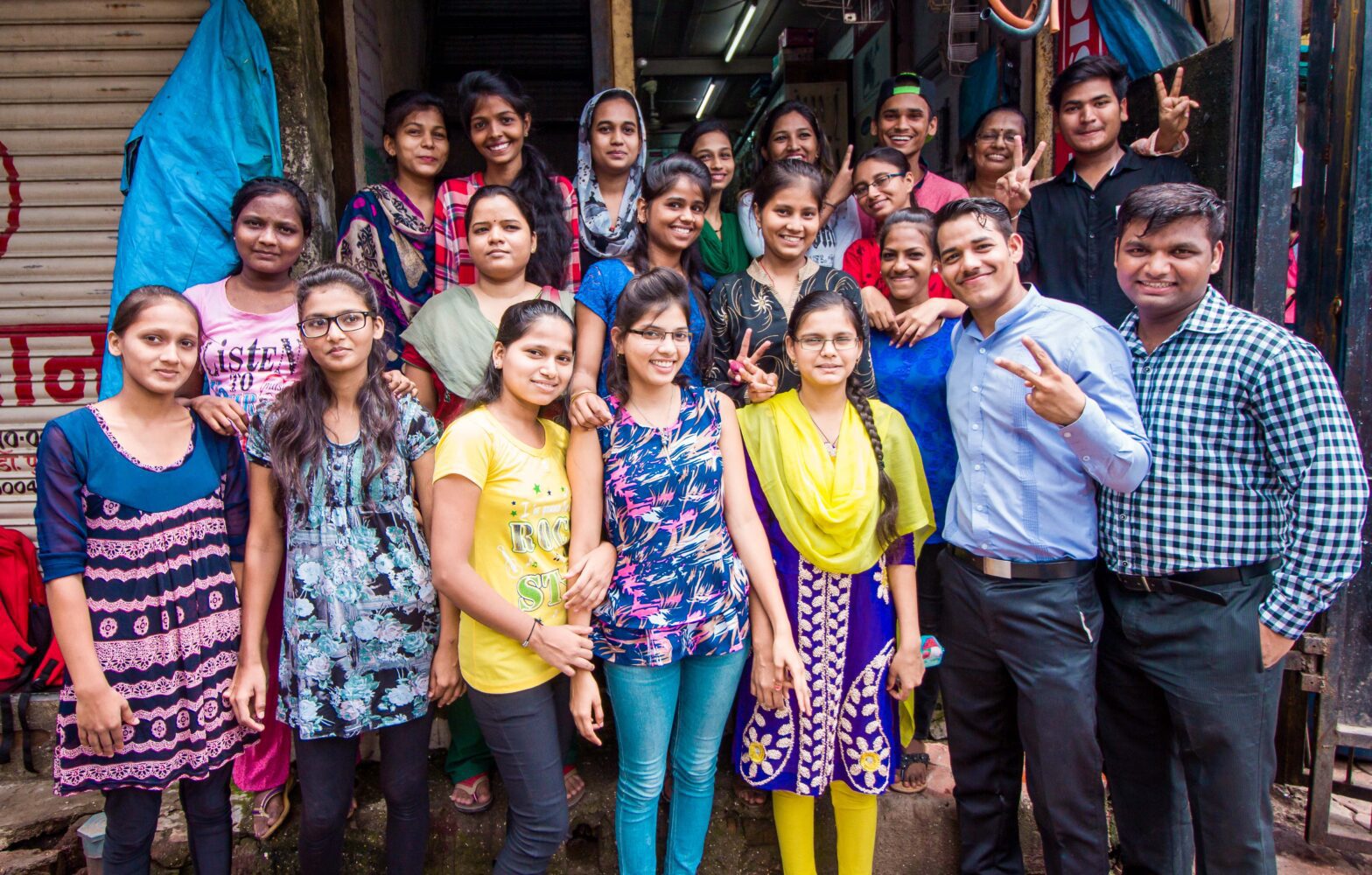
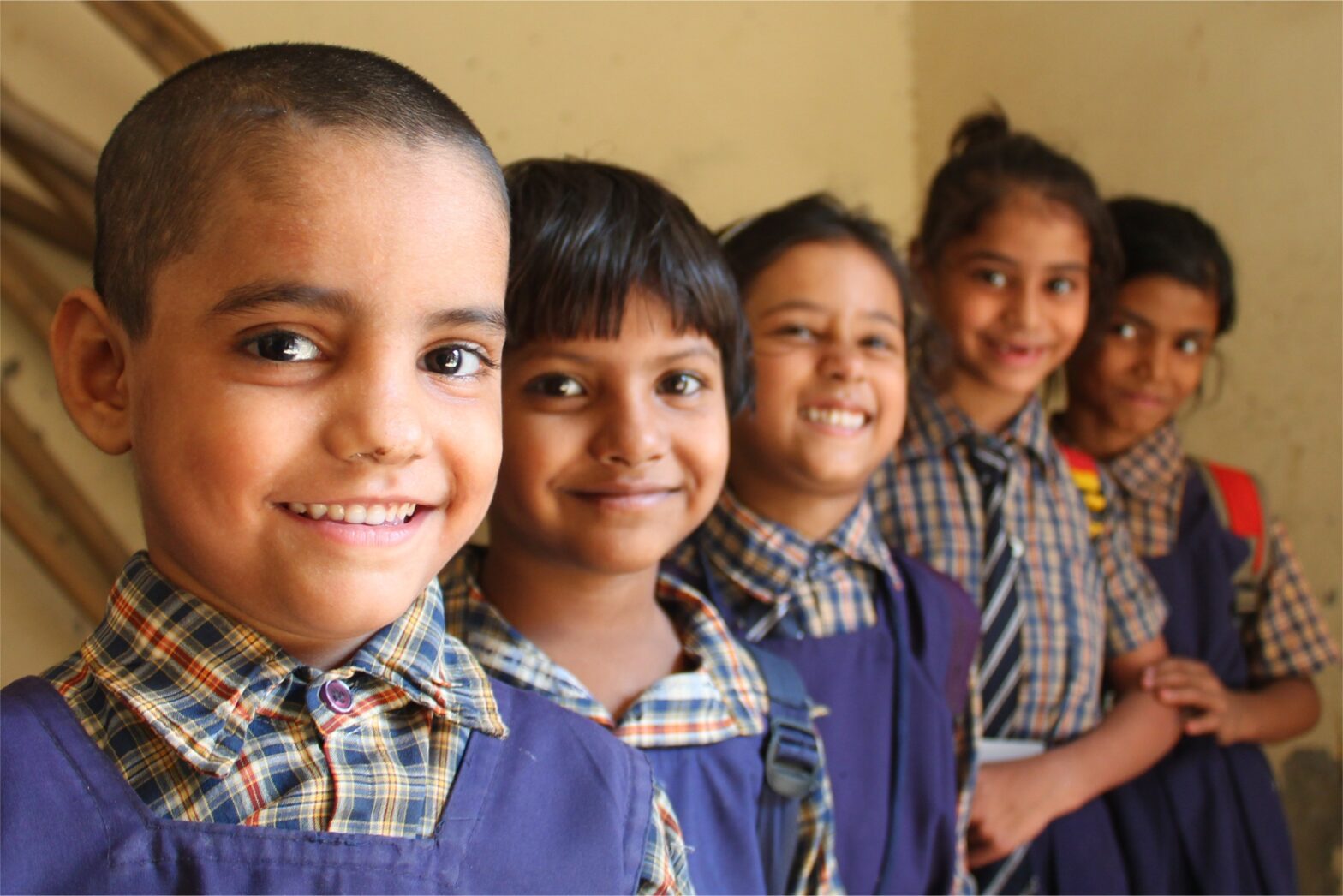
Educate a Girl, Educate a Nation!

“When you educate a man, you educate an individual and when you educate a woman, you educate an entire family.

This declaration is multi-faceted— an educated woman has the self-confidence, skills as well as intelligence to understand the need to be a better human, professional, family member, and mother to make a progressive nation. Education is the only tool with which a girl or a woman can empower herself and eventually her family and community.

India holds a strong focus and dedication to educating all children, especially the girl child. By declaring education as a fundamental right, India ensures constitutional provisions for providing free and compulsory education to all children between 6 to 14 years of age. This programme by the Government of India introduced as the 86th Amendment to the Constitution of India is widely known as the Sarva Shiksha Abhiyan aimed at the universalisation of Elementary education “in a time-bound manner”.

When Families Turn Against The Girl Child

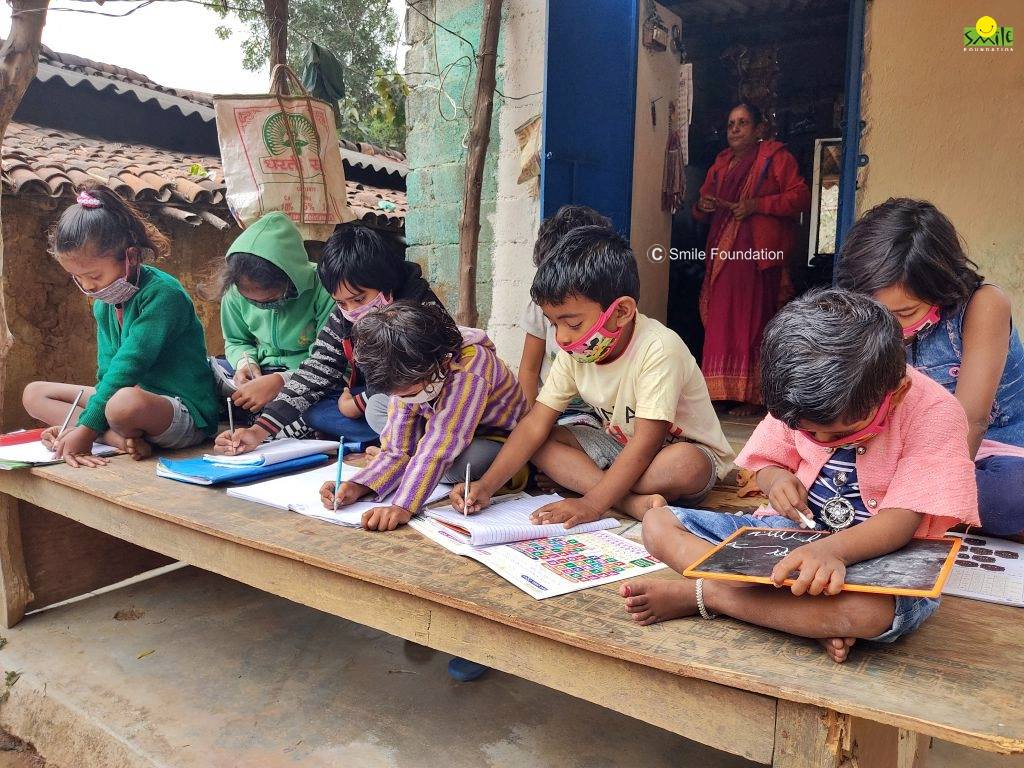
Even after declaring education as a fundamental right, there are numerous hurdles that prohibit a girl child from actually getting an education. The biggest hurdle is the prejudices that families have about girls— like girls are slow learners, they are not rational; they are to be confined inside the domestic household, so why bother educating them?

Only a handful of people have actually realized the importance of educating a girl. Though not a direct cause, the infamous and still prevailing dowry system is also another barrier to girl child education. Families often think of a girl as a burden and often want to save the money for their dowry rather than spend it on her education.

Girls Are No Less

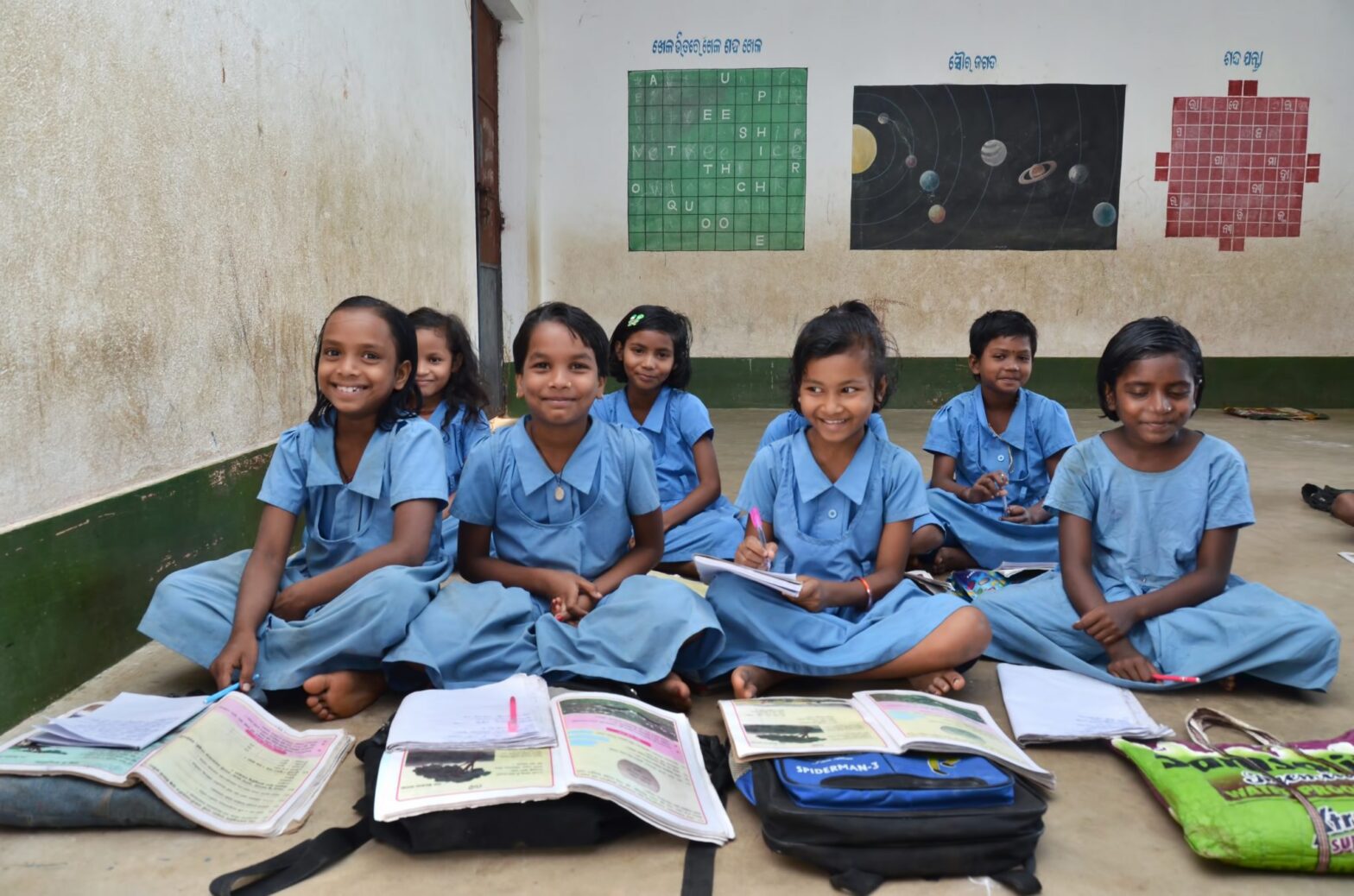
A girl is no less than a boy; if anything, they are all the more diligent, hardworking, and consistent in their effort towards anything. A girl should be educated in order to ensure a better life for herself. If she is empowered she would be in a condition to add on the income of the family and raise the living condition of her family.

As goes the saying from the Rig Veda, “The home has, verily, its foundation in the wife.” An educated mother can give better care to her children. Since she is the first teacher of the child, her education will make her well-versed to inculcate a good value system in her child. An uneducated mother might not understand the idea of proper hygiene and sanitation leading to a lack of proper care for herself and the child. Malnourishment is a living example of this problem.

Important Interventions for Girl Child Education

The government of India has initiated various programmes and policies to ensure that a girl does not miss out on any opportunity of getting an education. After independence, the government set up a National Committee on Women’s Education in 1958, and it recommended that female education should be at par with male education. In the year 1964, the Education Commission was set up, which largely talked about focusing on educating the girl child. The government came up with the ‘New Education Policy’ in the year 1968, which focused on overall education in both rural and urban areas. The policy has undergone important revisions in its 2020 version.

Mahila Samakhya Programme’ is a programme that comes under the New Education Policy and was formed in the year 1988. This particular programme focuses on the empowerment of women who belong to the marginalised group.

The National Programme for Education of Girls at Elementary Level (NPEGEL) was started in 2003 to ensure access to education for girls who could not benefit from the Sarva Shiksha Abhiyan. Under this scheme model schools have been set up and it covers 24 states.

Kasturba Gandhi Balika Vidyalaya Scheme was launched in 2004 in order to provide primary-level education to girls. The scheme was specially designed for underprivileged girls in the rural areas.

It’s About A Mindset Change

Even after so many programmes and policies of the government, we are still lagging behind in providing education to the girl child. The problem here is not in implementation but in the level of commitment of people in general.

Until we create awareness amongst people about the benefits of women education, all these programmes would not bring about the desired result. We fail to understand that men and women are two sides of the same coin— a girl is as much a part of society as a boy. They are both the futures of tomorrow. They both need to be given equal opportunities for the wholesome growth of the nation. 

This fight against the two sexes is inconsequential. When God did not make us unequal then who are humans to make that difference? Rather than looking at it as an opportunity to subjugate our girls and women, let’s look at this through the lens of two parts of a puzzle that complete each other peacefully. Men too do better when women are empowered. A world without the gentleness of women would be a bleak place to live in. Let us give our girl children a chance to show their capabilities and live their dreams by being thoughtful and making small but meaningful donations for them.
Categories
Women Empowerment

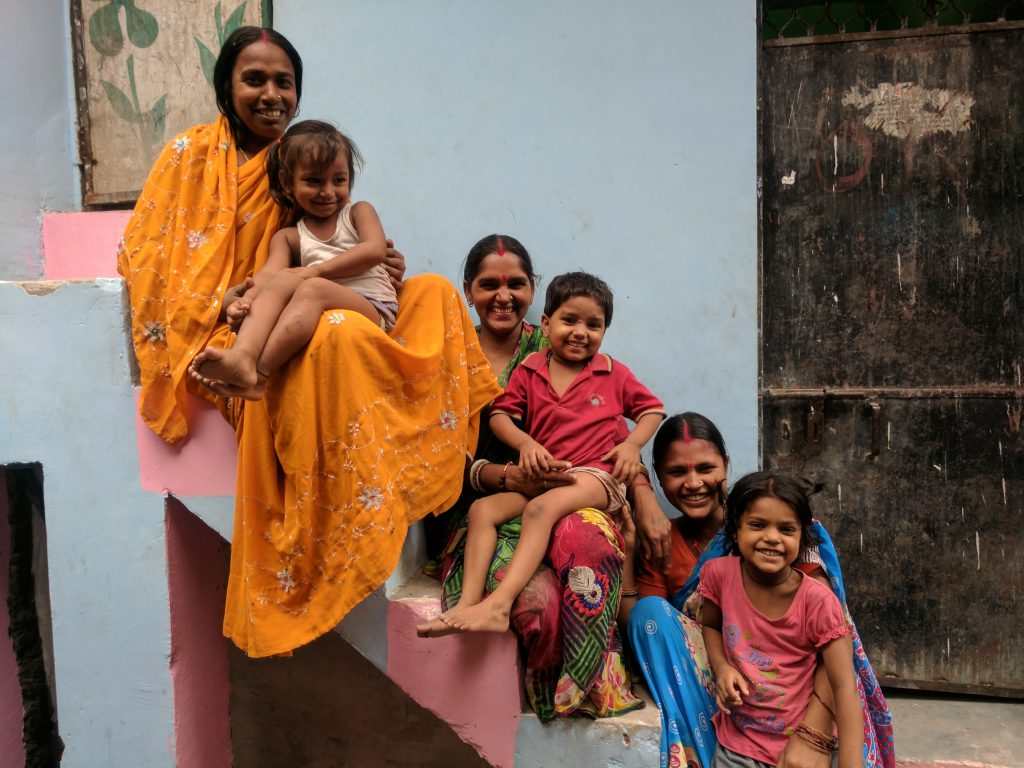
Women Empowerment and Gender Justice in India

Women empowerment and gender equality are two terms that have become pronounced in boardrooms, global summits, and even the panchayats of villages in India. But what do they stand for? What exactly do they mean?

It is commonly misunderstood that women empowerment is limited to giving women the freedom to vote, study, work, and become self-sufficient while gender equality is about considering women equal to men and providing them with the same rights as men.

These two terms are short yet they cover a wider and deeper set of challenges that women deal with on a daily basis. This not only affects women at a personal level but the entire world at all– physical, social, psychological, and economic levels. 

Telling Reports About Women’s Position

The world is progressing towards achieving gender equality but the pace is deeply concerning. At the current rate of progress, it may take another 286 years to remove discriminatory laws and close prevailing gaps in legal protections
for women and girls, says a recent UN report.

As per a report by World Economic Forum, the world economy loses $12 trillion every year due to gender inequality and the violence that women face. The resources and energy spent on preventing violence against could be utilized in making a more sustainable civilization, if violence against women did not exist.

This, sadly, isn’t the case. Even though more women-focused and friendly laws and cultural spaces are being constructed every day, the present world is far from being a women-friendly space. In India itself, while the GDP rate was between 6-7% in the last decade, the participation of women in labour force reduced from 30% (in 2001) to 24% (in 2022), as per World Bank.

Women empowerment, gender equality, and gender justice are definite ways to tackle known challenges like child marriage, domestic violence, rape, murder, dowry, etc. The current world order also needs to address the pay gap, workplace mental violence, social and cultural injustice, and legal rights to work and hold property.

As per World Economic Forum, globally, 33,000 girls are married before they turn 18; women are 47% more likely to get severely injured in a car injury because the car safety features are designed for men. Women spend 40 billion hours on unpaid labour in doing domestic chores.

Fewer than a third of UN member states have ever had a woman leader, says a report. If women are not in prime decision-making roles, the gender lens is never going to shift towards women and the policies are still going to be male-centered. For solid interventions to happen on the ground, robust policies envisioned by strong women leaders need to be in place first.

Self-employed: Reorienting Happiness

India and Facts Related to Our Women:

  • Women are paid 1/3rd of the men for the same or more work.
  • More than 23 million girls drop out of school every year due to the absence of toilets and a lack of awareness about menstruation.
  • Girls belonging to families of the top 20% receive an average of 9 years of education, most girls in the lower strata never even step inside a classroom.
  • Over 8 million girls were aborted in just a decade (Census 2011)
  • Women in India hold only 20% of the total bank deposits
  • When a woman is raped or becomes a victim of acid attack or dowry-related violence or honour killing, the culprit gets life imprisonment or a death sentence in the rarest of rare cases. Even this takes decades to serve justice to the victim who may never recover from the pain of the atrocities she is subjected to. In the case of life imprisonment, the culprit is free after serving 14 years in prison, sometimes even less.

Planning To Reach Mars! Why not Gender Equality?

Gender justice is still a big question mark for a world that aims to settle the first human colony on Mars by 2024.

From fighting for the right to vote during suffrage to fighting for the right to their very body in the 21st century, women across all ages, geographies, and eras have faced and overcome the unthinkable. From developing the theory of radioactivity to being a crucial part of discovering the DNA, women have engrained their achievements in every field when given the chance.

It All Begins At Home

In order to truly empower women, our country and the world need to work harder in order to achieve the Sustainable Development Goal of gender equality by 2030. Gender equality, gender justice, women empowerment, women’s safety – all of these begin at home and in the community.

Inculcating behavioural change towards girls and women in their communities, sensitising boys as they grow up towards girls, and promoting equality between a girl and a boy child is the starting line of the journey to make the world a liveable place for women.

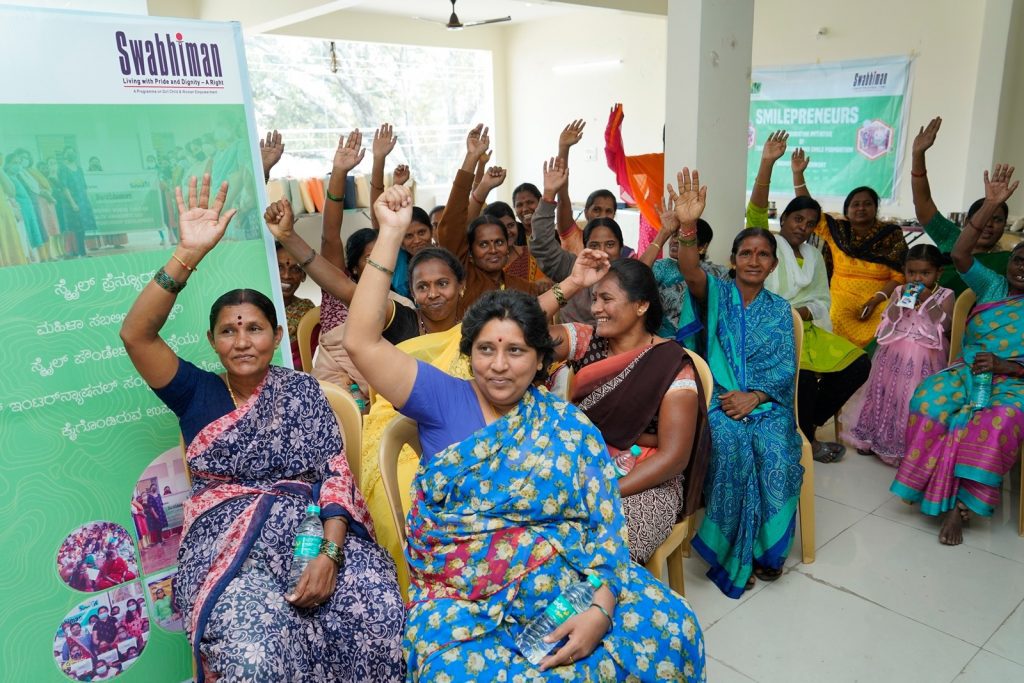
You can make a difference in the life of lakhs of marginalised women in India by making a donation to Smile Foundation’s women empowerment programme, Swabhiman. 

Categories
In The Spotlight

Remembering the Masterclass in Storytelling by Ruskin Bond and Khyrunnisa A.

Each student dreams of learning from the best. Where writing is concerned, who can be better teachers than the legendary Ruskin Bond and the extremely talented Khyrunnisa A ? Both masters of their art form have been writing stories for children for a long time. Back in 2021, Smile Foundation partnered with ParentOf to bring to children a masterclass on storytelling by Ruskin Bond and Khyrunnisa A.

The online masterclass was held on the evening of 27th November 2021. It saw the participation of more than 2,000 children. Among them, 700 are associated with Smile Foundation. The event truly had a phenomenal response. 

The total outreach for the event crossed almost 1,00,000! The session was scheduled for about an hour. But it was so interesting and engaging that it went on for almost two hours!

Everyone’s Favourite: Ruskin Bond

A lot of us have grown up reading the stories of Ruskin Bond. His descriptions of beautiful hills and valleys have awakened the fancy of many children reading his stories. Thus, an opportunity to learn from the master himself was something that many children looked forward to.

It was a pleasure for all the participants to interact with their beloved author. And the children were bursting with questions for Mr. Bond to answer. One child asked an interesting question: ‘What is your favourite genre for story writing?’ To this, he promptly answered that although he writes a mix of many genres, he would love to write a simple, endearing love story.

Khyrunnisa: A Source of Many Childhood Memories

For most of us growing up in India, Tinkle might have been among the first few things we ever read for pleasure. Author Khyrunnisa A. is one of the prominent children’s authors who have contributed to Tinkle. In fact, she has written many other anthologies and stories for children, mainly featuring the character named Butterfingers.

Khyrunnisa was the other mentor for the masterclass. And what a wonderful job she did! Children asked her a ton of questions, all pertaining to how to go about creating and writing a story. Someone asked, ‘What comes first: the plot or the character?’ The expert acclaimed author answered all the questions with enthusiasm.

She also conducted a 45-min workshop on how to write a humorous story. After explaining the various facets of conceptualizing such a story, she even asked the children to start working on one. Over the course of the workshop, all the children managed to draft the outline of a humorous story. Any questions they had were put in the Q&A box and promptly answered by Khyrunnisa.’

What the Children Took Back from the Masterclass

Learning from the greats turned out to be a huge learning experience for the children. They got to interact with the writers whose books they read religiously. Moreover, they even got a chance to implement their learnings as well. The masterclass on storytelling by Ruskin Bond and Khyrunnisa A. was a huge success. All the participating students are now looking forward to the next storytelling session.

Categories
Smile

Education: The Strong Foundation Our Future Needs

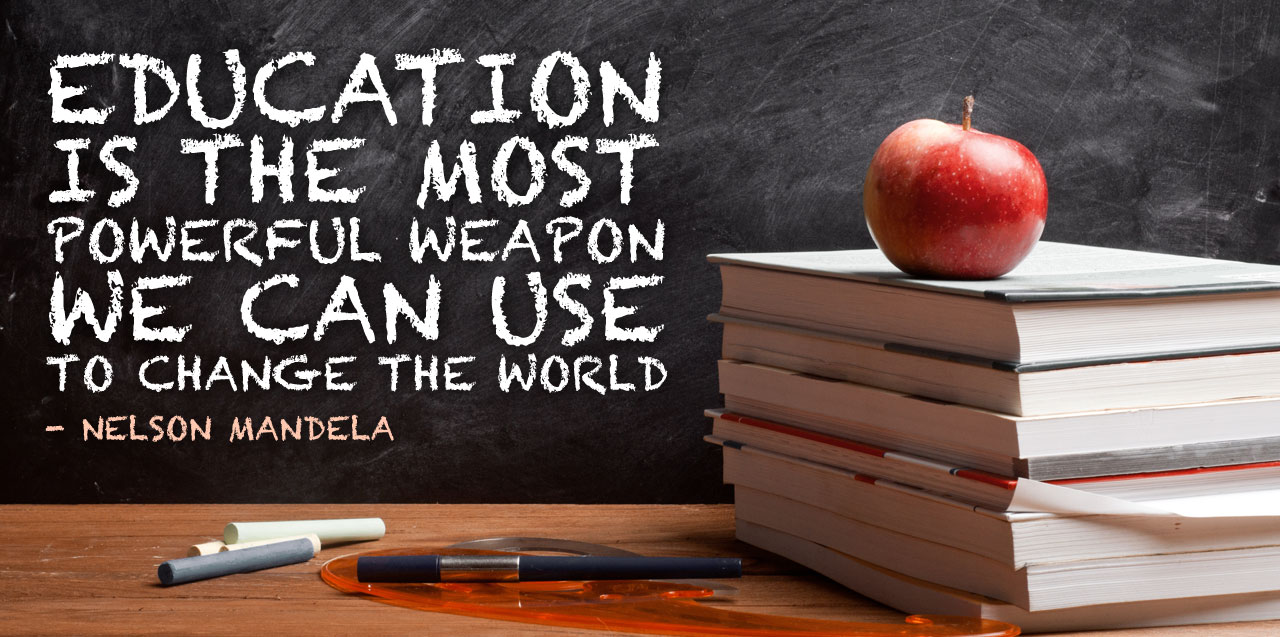
Education is the most powerful weapon which you can use to change the world.”
-Nelson Mandela

Education and knowledge building are the most important tools we humans have at our disposal, that has helped us to remain at the forefront of technology, and innovations since the beginning of time – Education! 

Transferring the wealth of knowledge, gained over the centuries by humanity, as a whole has led to constant inventions, and plays an important role, in shaping the individual, and the world as we know it today.


At the core level, it helps an individual in forming opinions and a point of view. It is essential for an individual to possess a skill, that helps them earn a living in today’s world, and the right to acquire this skill is a basic right, that shouldn’t be denied. In this way, a person can live independently and truly enjoy freedom. It also helps an individual, to make decisions based on a correct, and calculated evaluation of the things, thereby fostering a more civil society. 

Children are the future and should be taught to protect the earth, from the harms that mankind has brought upon it. Education is also a way to bring people from different cultures together, and help people understand each other better thereby promoting social harmony and peace. 

An educated person earning an honest living is welcomed and respected in society, and this is something we should all strive to achieve. Education builds character and boosts creativity, and good people, make a good world in the long run.


Individuals make up a society, and a society made up of educated individuals is bound to have access to better lifestyles. Countries with higher rates of literacy and access to high-quality education have higher employment rates, better technologies, and prosperous economies. 

A good education system is the backbone of society. Without it, countries may cripple, and economic growth stagnates. Educated individuals are better equipped to make political decisions, that will shape the nation for a better, and prosperous future.


An educated society also overcomes social evil discriminations like gender inequality. Women are half of the available workforce in the world, and bringing them to the forefront would double the progress and ease the burden on the current workforce.


The leaders of tomorrow are shaped and inspired today, and it is our responsibility to help them learn and grow. It is our duty to educate grassroots communities about the importance of educating their children. 

At the end of the day, education truly is the investment that pays the best interest. In 2019, we should all make it a point to help in this endeavor of spreading knowledge for the betterment of mankind. Every little drop counts in this ocean. It starts with a single child. It starts with you and me.

Categories
Insights

Empowering Grassroots: Strengthening the base of the socio-economic pyramid in India

The growth of the non-profit sector in India in the last two decades has been phenomenal. India has possibly the largest number of active non-government, not-for-profit organizations in the world. Official estimates put the number at 3.3 million. 

From relief services to educational initiatives, healthcare projects to housing organizations, grassroots NGOs work in numerous spheres which touch the daily lives of marginalized communities across the country. Engaging directly with the people, these NGOs are able to participate in the thought-making process of the communities they work with, and thus have the capacity to bring about long-term change. The sector has had a substantial contribution in the nation building process.

But accelerated development soon reaches a stagnant point if it is not sustainable. Ensuring sustainability of initiatives requires a reorientation of NGOs focusing on their capacity building to attain competitiveness. This is not an easy transition, requiring NGOs to rethink and reform their programme designs, planning, fund mobilization, fund management, and effective programme delivery. 

There is also a need to guide these NGOs to be able to identify and adapt with the changing national and global socio-political and economic developments which affect them. To equip and facilitate grassroots NGOs in the country to address these issues and eventually aim at achieving sustainable development at the grassroots and community level, Smile Foundation initiated Empowering Grassroots in 2002.

A national capacity building programme, Empowering Grassroots is aimed at handholding, training and enabling social initiatives to maximize their impact on the ground. Under ‘Empowering Grassroots’ initiative, social initiatives are trained on vital issues relevant to the development sector in the country like scalability, sustainability, communication, resource mobilization and governance by industry experts from reputed Indian and international organizations. 

Handholding meetings and face to face learning sessions are held round the year to help the social initiatives effectively resolve their day to day operational challenges, helping achieve the highest social return on investment (SROI).

Empowering Grassroots is not only an effort to strengthen the bottom of the socio-economic pyramid in India, but also an attempt to bring transparency and accountability in the workings of the development sector at the grassroots level. So far, Smile Foundation has built the capacities of 437 national and international social initiatives under the Empowering Grassroots initiative.

Categories
Insights

Child for Child: Bringing an unequal world together

The gap between rich and poor, those who have and those who do not, is growing each day. There are a number of independent studies that highlight that rich are becoming richer and poor, even poorer. Smile Foundation’s Child For Child (CFC) initiative seeks to change the same and is committed to creating value-based learning opportunities for children from the privileged section of the society.

One does not have to look at the data or numbers to understand this. All that we need to do is look around ourselves. On the one hand, there is a family of four members living in a big mansion with a fleet of cars, smart televisions in all rooms, and refrigerators stocked with food and on the other there is a big family living in one room without any amenities and struggling to feed itself, bereft of amenities and hope .

These extremes have created a big chasm in our society and this gap is only growing with time. Smile Foundation, through its multiple initiatives, is committed to working for betterment of this underserved section. At the core of its theory of change is the concept of civic driven change, where people and communities develop empathy and a sense of responsibility to support those in need to make the world a better place.

Children are our future and it is important for them to be aware and responsible towards this reality. Child for Child reaches the children from privileged section and through various interactions with them, tends to create a value based outlook amongst children. Addressing the morning assembly followed by value-based discussions with children has been an important tool to develop and nurture value based behaviour amongst children, the citizens of tomorrow.    

Apart from regular workshops in their respective schools, children are also taken to the Mission Education centres of Smile Foundation. There, they meet their underprivileged counterparts, play with them, teach them, learn something from them among other activities. These personalised visits enable them to see the world around them thoughtfully. The experiences they gain help build empathy and emotional intelligence, which will reflect in their behaviour in times to come.

48172377 2310744062576170 7732130477963739136 n
Children from Mission Education centre for the screening of a film

In addition to the workshops and ME centre visits we have another beautifully designed programme within CFC called, SIFFCY (Smile International Film Festival for Children & Youth). This has been received very well by schools across India.

 The event boasts of showcasing some of the best value based cinema for children, chosen from a range of movies from all across the world. Internationally acclaimed movies with a deep message on values for children have brought in accolades for this initiative and many Principals have acknowledged the fact that emotive engagement of children is the best tool to develop value based thinking.

The core purpose of CFC is to create empathy in the minds of the children of the privileged section so that they could get sensitised to the pains and sufferings of the underprivileged section and develop a mature and responsible outlook towards them.

Categories
Livelihood

STeP Helping the Youth Gain Employment in Emerging Sectors

Soon after the pandemic began in early 2020, a global economic crisis followed. Unemployment emerged as one of the major outcomes of the pandemic. Many industries suffered tremendously, followed by mass layoffs. The unorganised sector has undergone a huge setback as well. In this difficult situation, Smile Foundation’s STeP initiative stepped up and adapted itself to the changing economic and unemployment scenario. The goal is to skill the youth to equip them for jobs in emerging sectors.

Our Livelihood Programme: STeP

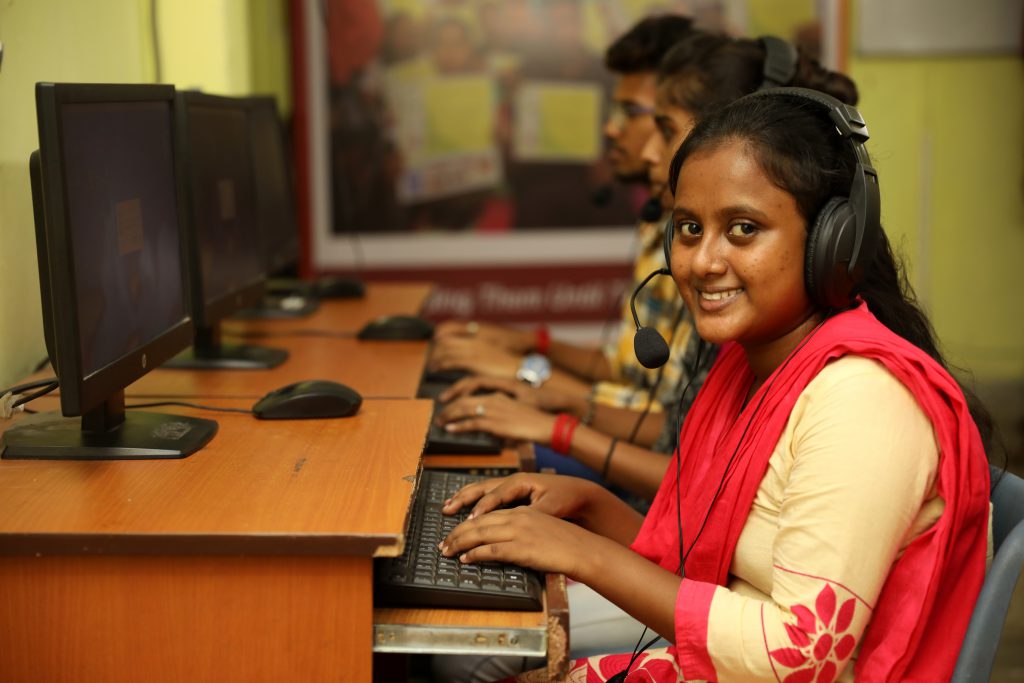
Smile Foundation’s Smile Twin E-learning Programme is a livelihood programme for the youth. It aims not just to educate deserving youth with limited opportunities but also to nurture their mental health and personality development. The programme equips them with the skills they need to make their own place in the world and earn their own livelihood.

This livelihood programme has succeeded in addressing the requirement of soft skills needed at the workplace. It also makes candidates confident through comprehensive training on personality development.

STeP initiative 3

The centralised placement cell of STeP creates and sources opportunities for the students, both through on and off-campus placements. STeP ties up with brands such as Paytm, OYO Townhouse, and Café Coffee Day which require a semi-skilled workforce. Often, the course content is worked out as per the requirement of specific brands and their recruitment needs.

The programme seeks to empower underprivileged youth and also offers career counselling to help students choose the right employment in tune with their skills, abilities, and job expectations.

How We Support The Youth?

It is a known fact that a large percentage of college graduates are deemed unemployable by potential employers. It is not their lack of theoretical knowledge that causes this. Instead, it is the lack of the right skills, attitude, and proper guidance.

Smile Foundation’s STeP, through our e-learning education programme, aims at creating a pool of young and independent people from a section of underprivileged youth through skill enhancement in tandem with market requirements. It is an effort towards bridging the gap between the demand and supply of skilled manpower in the fast-emerging services and retail sectors of modern India.

With help from corporates and donors, we are able to equip our 82 centres spread across India to impart the necessary skills.

STeP before COVID

The national-level programme trains poor and underprivileged youth in English proficiency, basic computer education, and soft skills. This is aimed at enhancing their prospects of employment in the retail, hospitality, and BPO sectors.

The hospitality and retail sectors are among the worst hit due to the coronavirus pandemic. These were two of the primary focus sectors for SteP, apart from BPO. Due to the changes caused by the pandemic and the lack of opportunities in these sectors as a result of huge financial losses, we had to innovate and adapt to the situation so that we could still benefit youth and make them employable in other sectors.

Innovations in the STeP initiative since COVID

As the pandemic spread, while some industries collapsed, others came up in a big way. Smile Foundation identified three core sectors that should be the focus of STeP:

  • Healthcare
  • Digital Marketing
  • BFSI (banking, financial services, and insurance).

Apart from these, the BPO sector and e-logistics are also emergent sectors that can be aligned with STeP.

How We Adapted

STeP initiave 768x363 1

Sector-wise Developments of Smile Foundation’s STeP Initiative

Healthcare

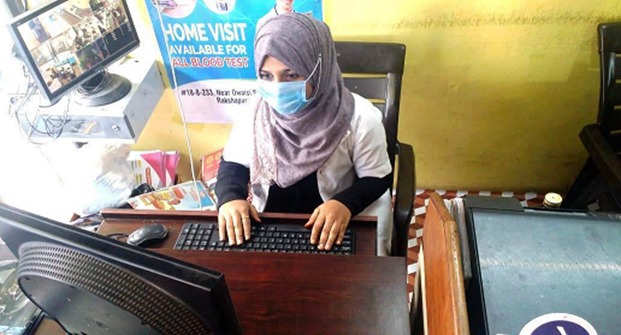
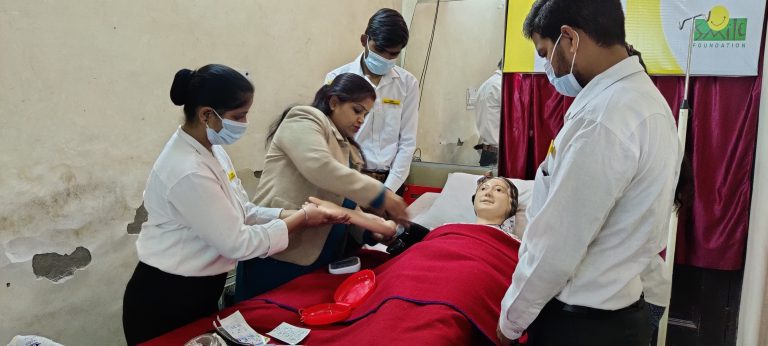
To train young people in the healthcare sector, Smile Foundation started 45 centres in October 2020, 9 in June 2021, and 12 in July 2021. The jobs in the healthcare sector include those of home caregivers, nurses, ambulance staff, hospital staff, and so on.

STeP initiative 2 768x346 1

Digital Marketing

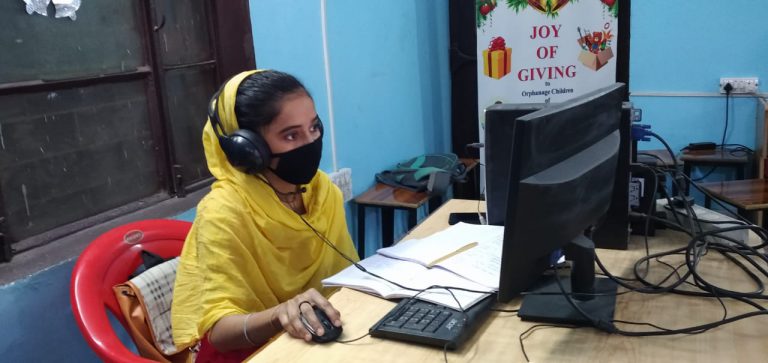
Three centres have been started in Bangalore, Delhi, and Talegaon (near Pune) since November 2020 to train students in digital marketing. 

BFSI

Employment opportunities have opened up in the banking, finance, and insurance sectors since the beginning of the pandemic.  

Moving Forward

Smile Foundation will keep training the youth with the necessary skills for these sectors and try to get them placed as far as possible. The initiative is being scaled up as the opening up of new businesses and the expansion of the already established ones need more human power to fuel their soaring ambitions. 

Categories
Education Girl Child Health Livelihood

Improving Education of Slum Children

Education is an opportunity through which society and its people are empowered. It is a tool for economic advancements. Education aids in the social, emotional, and psychological growth of individuals and hence, the community as a whole. However, not all have been able to reap the benefits of the existing education system.

Slum children’s education in India in this context remains a burning issue. A lot of factors combine together, in keeping more than half of India’s school-going children out of school.

Slum Children in India

According to the Census 2011, there are 13.7 million slum households across 63% of India’s towns. The residents of these households include migrants, half of them being among the poorest of the poor. More than eight million children under 6 years live in approximately 49,000 slums. There are 22.72 million children (age group 5-18) living in urban slums who are out of school.*

The migrant population in India is mostly illiterate and constantly on the move, in search of new livelihood opportunities.  Migrant children move with their parents and often lose out on age-appropriate educational opportunities. Often they engage in labor to escape poverty and support their parents.

Access to early childhood care, balanced nutrition, education, health, and recreational facilities are keys to the positive development of children.  However, in places where clean drinking water and two square meals are a struggle, slum children’s education, health and other contributing factors for development will always take a backseat.

Problems in Education of Slum Children

The Right to Education Act 2009 was expected to bring a huge surge of enrolment in urban and rural schools. However, after more than a decade there are millions of children who are out of school in India, most live in urban slums and remote rural areas. A higher proportion of girl children (3.23%)  are out of school than boys (2.77%).

Girls in slums and rural areas are out of school as they are engaged in domestic work or do not go to school to take care of the younger siblings. Boys drop out of school to supplement household incomes. Lack of healthcare facilities, absence of toilets in schools, and lack of proper nutrition also lead to an increase in drop-out rates.

Focusing on Girl Child and Women Education

The cycle of illiteracy will continue if proper steps are not taken in time to reduce drop-out rates, increase enrollment and encourage girl child education and slum children’s education. Mother is a child’s first teacher. When mothers remain uneducated they cannot fully comprehend the value of education for their children. Children of educated mothers have better access to education, proper nutrition, and timely healthcare needs like timely immunization against various diseases.

Health, Education, and Empowerment

162844462 4369548536402414 5117589529943341389 n 1024x768 1

Smile Foundation’s vision is to work as a catalyst in bringing sustainable change in the lives of non-privileged children, youth, and women, with a life-cycle approach to development.

The life-cycle approach of development starts with opening the doors of education for slum children, the underprivileged. Smile Foundation’s Mission Education focuses on bringing out-of-school children under the folds of education. So far, more than 3,00,000 children have directly benefitted from the programme.

Health Cannot Wait

147930384 4253432978013971 7992471877383998252 n

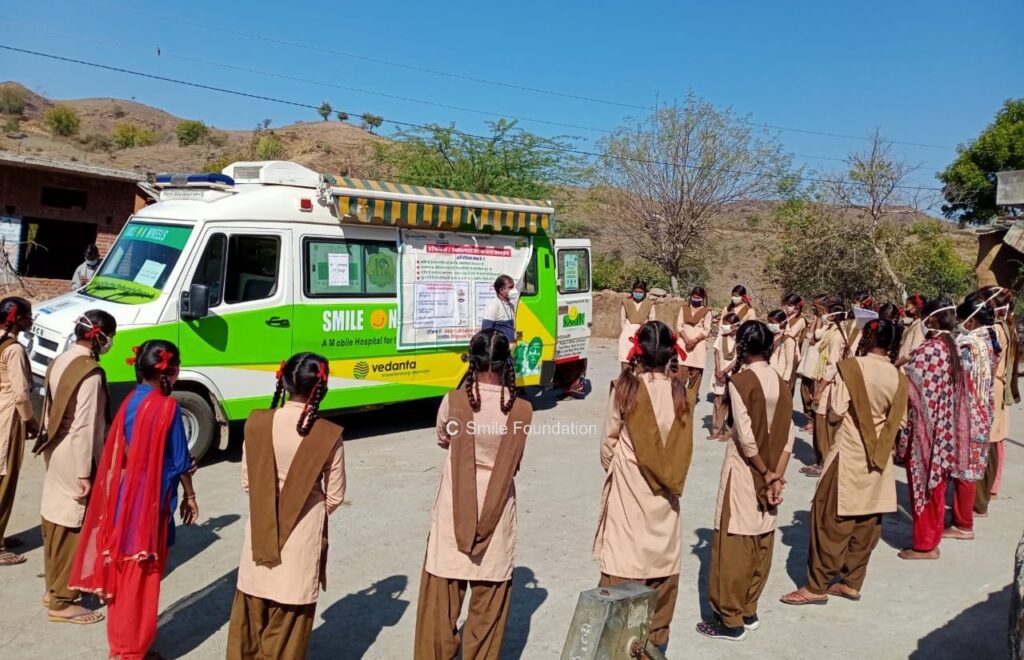
Under its healthcare campaign, Health Cannot Wait, Smile Foundation’s mobile medical unit, Smile on Wheels addresses the problems of availability and accessibility of proper healthcare services for children and women, especially in urban slums and rural areas. Health camps are conducted for school-going children. The programme has so far provided free healthcare services to more than 1.5 Million children and families.

Training for Empowerment and Employment

Smile Foundation’s Swabhiman programme works extensively with adolescent girls, young and expecting mothers. Scholarships are also provided to bright young girls who perform exceptionally well in school. Healthcare services; ante-natal and post-natal care are provided to women. Adolescent girls are provided with sanitary napkins to break the stigma around periods and also to encourage attendance at school.

The STeP programme ensures young students from slums and rural areas who drop out of school receive skill training. This is done to bridge the gap between the demand and supply of skilled manpower in the fast emerging services and retail sectors of modern India. More than 75,000 youth have been trained through the e-learning programme and 47,000 have also been placed in over 400 brands. 71 percent of total beneficiaries were girls.

Categories
Livelihood

Emergence of Solopreneurs: Creating Ideas and Livelihoods

India has a rich history of business and a diverse entrepreneurial culture. We are one of the leading Asian countries for creative entrepreneurship. The concept of owning and operating a business is profoundly ingrained in our social, economic, and political cultures.

With a predominantly young population, entrepreneurship is a natural fit. It creates employment, enabling the economy to move forward by maintaining the better part of a billion people working. Among these, the emergence of solopreneurs plays a key role in contributing to employment and creating livelihoods.

We are currently at a crossroads at which urbanisation is being promoted as a key component of our growth strategy. However, concerns about the informal sector have been merged with concerns about the black economy, congestion charges, and a threat to law and order and social cohesion.

The “undermining of social cohesiveness and law and order” sounds a lot like colonial regulators’ concerns about operations on the “other side” of the dual economy split. These concerns contradict our belief that India’s informal sector is an important aspect of the country’s structural development and young demography.

Small/Medium Enterprises and Employment

Small and medium-sized firms account for 40 percent of India’s overall exports. This sector accounts for 45 percent of total industrial output. Small- and medium-sized firms have played a key role in lowering unemployment, eradicating poverty, and reducing economic disparities. SMEs can be launched with a small amount of money. Small businesses can readily obtain SME credit and SME business financing.

In India, job concerns are prevalent. The pandemic made this concern bigger than ever. Small-scale enterprises and small businesses have long been a source of employment in India. Small-scale industries, after agriculture, are the second greatest source of employment in India. An estimate suggested that by 2020, nearly 110 million people will be employed by micro, small, and medium-sized businesses (MSME). 

The Emergence of Solopreneurs through Government Schemes

The Government of India has made admirable efforts to assist SMEs in overcoming these obstacles. The National Manufacturing Competitiveness Programme encourages small businesses to use ICT tools and apps to improve their business processes. Then there’s the Assistance to Training Institutions Scheme, which gives financial support to national-level training institutions under the Ministry of MSME in order to improve SME infrastructure and establish entrepreneurial skill development programmes.

The Path to Digitization for Solo Enterprises

Micro, Small, and Medium Enterprises (MSMEs) struggled with marketing, competition, and funding before the Internet. They have limited reach and capital due to a limited network. In comparison to the current situation, starting a small firm used to be challenging. Consider spending lakhs on a storefront and then incurring additional costs for furnishings, supplies, and other necessities. Furthermore, because you are unable to relocate frequently, you can only target a restricted number of people. However, thanks to the Internet, the situation has changed dramatically.

MSMEs were aided by social media and digitization in overcoming difficulties. They are now able to compete in a sea of peers with equal strength.

MSMEs can use digitization to cross borders and service customers in other nations. Those MSMEs which accept purchases via e-commerce or through their online store have a 20% bigger consumer base than those that only sell in person.

MSMEs and nano businesses now have a plethora of options thanks to online commerce and social media. Revenue and profit have increased in tandem with the expansion of reach and employment opportunities. 

How Small and Nano Enterprises contribute to the Growth of the Indian Economy

There was a period when the public sector provided a significant portion of job growth. In fact, when opposition political parties accuse the government of failing to create enough jobs, they frequently cite data from public-sector firms.

The most significant benefit of fostering small-scale industries and small enterprises is that they create jobs without requiring considerable government intervention. Both urban and rural growth is aided by SMEs and nanopreneurs. In general, SMEs contribute to the Indian economy in the following ways:

  • Create jobs to help people get out of poverty.
  • Reduce the income disparity between urban and rural areas.
  • Lessen migration, promote regional development, and increase exports.
  • Reduce pollution while increasing output.
  • People’s purchasing power should be increased.
  • Improve the general quality of life.

Conclusion

Big firms and industries frequently find it logistically impossible to establish themselves in rural areas, and even when they can, they limit themselves to specific industrial and commercial zones.

These restrictions do not apply to SMEs. Small enterprises can operate in villages and small towns. This is because the investment is lower, there is better access to small business loans, and often even lower skill, raising people’s living standards in the process.

Smile Foundation’s Efforts Towards Employing The Youth

Understanding that the growing number of MSMEs would mean the need for more human resources, Smile Foundation is doing its bit about it. Realising the need of the hour, Smile Foundation has revamped its livelihood training initiative ‘STeP‘ to fight the challenges posed by unemployment. Our campaign ‘Tayyari Kal Ki’ aims at Training & Upskilling the youth between the age of 18-32 years for employment and empowering them with a secure livelihood.

This livelihood mission is in strong alignment with the Government of India’s ‘Skill India’ initiative. Currently, the programme is operational through 82 centres across 18 cities in 16 states. In the last 15 years, Smile Foundation has trained over 65,000 youth and placed more than 45,000 of them in over 400 brands across India.

Categories
Livelihood

Youth Unemployment in India and How STeP is Taking Measure

India has one of the highest youth populations in the world with an estimate high of 365 million youth. More than 500 million Indian citizens are under the age of 25. If it’s 500 million youth, around 65% of our population is of the working-age group and the country’s socio-economic development will witness an unprecedented rise. Economists believe such favorable demographic dividend could add a significant 2% to the GDP of the nation

India happens to be one of the fastest-growing economies in the world, and yet this financial growth has not completely trickled down to benefit the sheer volume of people who are out of jobs. What is even more unfortunate is that it is not so much the dearth of jobs, but the lack of skilled manpower that is the reason behind such large numbers of unemployed youth. It is not unemployment, but un-employability that leaves the Indian youth frustrated, dejected and disillusioned.

Unequal access to opportunity remains a persistent problem while lack of formal vocational education, high school dropout rates, inadequate skill training capacity, negative perception towards skilling, and lack of industry-ready skills even in professional courses are the major causes of poor skill levels of India’s workforce.

Cognizant of the fact, over the years, successive Indian governments have launched schemes to both increase the number of new jobs being created and young people’s ability to do them. The most recent of these is the Skill India Mission, which aimed to provide training to 400 million people by 2022 through various government initiatives. The Centre recently revealed that it will soon launch a revamped version of its Skill India initiative with an aim to train young people in the country with “future-ready skills”.

With this very vision and in a concerted effort to equip, enable and empower the youth, Smile Foundation had revamped its national livelihood programme, the Smile Twin e-Learning Programme, or as we call it, STeP. Urban underprivileged youth, including high school drop-outs and under-trained graduates, are identified and enrolled under the programme and trained in sectors that have large growth potential in terms of revenue generation and employability like Core Employability, Healthcare, BFSI, Retail Management, Business Process Outsourcing (BPO) and Digital Marketing.

In addition to knowledge and skill enhancement, STeP also focuses on providing practical exposure to its young trainees to help them get job-ready, by creating an ecosystem wherein the students can meet their potential employers. This is facilitated through regular employer engagement sessions and industry exposure visits which help the youth get hands-on training and develop an understanding of concepts such as workplace culture, customer satisfaction, and work ethics and also familiarize them with everyday challenges. Career counseling sessions and volunteer knowledge exchange programmes are conducted where well-trained, employed youth share their experience with the STeP trainees.

Over the last many years, STeP has successfully trained more than 75,000 youth and placed 47,000 in 400+ reputed brands across the country. 

This, however, is just a small step towards addressing the much larger need of enabling and empowering the huge youth population of the country, and tapping the demographic dividend.

0%