Categories
Education

How valuable is Early Childhood Care and Education (ECCE)?


Research has shown that fetuses can perceive sounds, including voices, music, and external noises, during the later stages of pregnancy. This exposure to auditory stimuli might lead to some level of familiarity with certain sounds or rhythms after birth. For example, newborns have been observed to show a preference for their mother’s voice over other voices, suggesting that they might recognize it from their time in the womb.

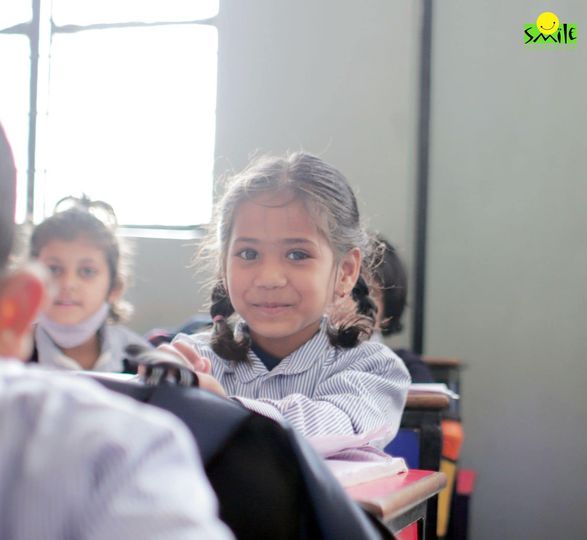
One fundamental truth remains unchanged: the early years of a child’s life are irreplaceable and profoundly influential. Early Childhood Care and Education (ECCE) is a vital component that shapes the trajectory of a child’s development, laying the foundation for a lifetime of learning, well-being, and social interaction.

Scope of Early Childhood Education

In this dynamic landscape, the significance of ECCE has never been more apparent, as it holds the power to empower individuals, uplift communities, and pave the way for a brighter future. By understanding the critical importance of early childhood care and education, we can unlock the potential of each child and contribute to a society that thrives on the principles of equity, inclusivity, and holistic growth.

Investing in early childhood care and education is highly worthwhile for individuals, communities, and societies. The benefits of such investments have been well-documented and offer a substantial return on investment. Here’s why investing in early childhood care and education is worth it:

1. Lifelong Impact: Early childhood is a critical period for brain development. Quality care and education during these formative years lead to better cognitive, social, emotional, and physical outcomes throughout a person’s life.

2. School Readiness: Children who receive early childhood education are better prepared for formal schooling. They develop foundational skills such as language, numeracy, problem-solving, and social interaction, setting the stage for academic success.

3. Social and Emotional Development: Early childhood care and education promote social skills, emotional regulation, and empathy. These skills contribute to positive relationships, effective communication, and emotional well-being.

4. Economic Returns: Investments in early childhood yield significant economic returns. Improved educational attainment leads to higher earning potential, increased productivity, and reduced social welfare costs, resulting in a stronger economy.

5. Reduction in Inequalities: Quality early childhood care and education can help mitigate the achievement gap between children from different socio-economic backgrounds, fostering social equity and reducing inequalities.

6. Crime Prevention: Providing children with a nurturing and educational environment early in life reduces the risk of engaging in criminal behavior later on, contributing to safer communities.

7. Health and Well-being: Early childhood programs often include health and nutrition components that contribute to better physical health and overall well-being, leading to healthier populations.

8. Parental Empowerment: Quality early childhood care and education empower parents with knowledge, parenting skills, and support networks, enhancing their ability to provide a nurturing environment at home.

9. Intergenerational Impact: Positive early childhood experiences can break cycles of disadvantage and provide future generations with better opportunities, creating a positive ripple effect.

10. National Competitiveness: A well-educated and skilled workforce is essential for a nation’s global competitiveness. Investing in early childhood care and education boosts human capital and innovation potential.

11. Societal Well-being: Ensuring a strong start for all children fosters a more inclusive and cohesive society, where individuals have equal opportunities to thrive and contribute.

12. Sustainable Development: Investing in early childhood aligns with the United Nations Sustainable Development Goals, particularly Goal 4 (Quality Education) and Goal 10 (Reduced Inequalities).

What are the Challenges in implementing ECCE?

  1. Quality of Services: While enrollment rates are high, the quality of services provided at many Anganwadi centers remains a concern. Issues such as inadequate infrastructure, lack of trained staff, and limited learning materials impact the effectiveness of early childhood care and education.
  2. Malnutrition: Despite efforts to address malnutrition, India still faces significant challenges in reducing stunting, wasting, and undernutrition among young children. Malnutrition during the early years can have long-term impacts on a child’s cognitive and physical development.
  3. Inequities: Access to quality early childhood care and education is not equitable across different states, urban and rural areas, and socio-economic backgrounds. Children from marginalized and disadvantaged communities often face barriers to accessing essential services.
  4. Parental Awareness and Engagement: Awareness among parents and caregivers about the importance of early childhood care and education varies. Many parents, especially in rural areas, may not have access to information about best practices for child development.
  5. Lack of Data: Accurate and comprehensive data on early childhood care, including enrollment rates, access to quality services, and child outcomes, can be challenging to collect. This makes it difficult to assess the impact of interventions and formulate targeted policies.
  6. Funding and Resources: Adequate funding and allocation of resources for early childhood care and development programs remain crucial for their effective implementation. Budget constraints can limit the scale and quality of services.

Solutions for the success of Early Childhood Education

Universal Access

Expand access to early childhood education by establishing more Anganwadi centers and preschools, particularly in underserved areas. Also, we need to promote the inclusion of children from marginalized communities, children with disabilities, and those from remote areas.

Quality Improvement

Enhance training and professional development for early childhood educators. Develop and distribute culturally sensitive and age-appropriate teaching materials. Finally, establish and maintain safe, stimulating, and child-friendly learning environments.

Community Engagement and Awareness

Conduct awareness campaigns to educate parents and caregivers about the importance of early childhood education. Encourage parental involvement through workshops, interactive sessions, and home-based activities.

Integrated Health and Nutrition Programs

Integrate health, nutrition, and hygiene education into early childhood education programs. Collaborate with healthcare professionals to ensure the overall well-being of children.

Policy Alignment and Coordination

Develop comprehensive national policies that encompass all aspects of early childhood development. Improve coordination among government ministries and departments to create a holistic approach.

Increased Investment

Allocate sufficient budgetary resources for early childhood education programs. Encourage private sector participation and partnerships for funding and support.

Data Collection and Research

Invest in research to assess the impact of early childhood education interventions. Collect and analyze data on enrollment rates, learning outcomes, and other key indicators.

The Need of the Hour

Addressing the challenges in ECCE requires a multi-pronged approach that involves government agencies, civil society organizations, communities, parents, educators, and stakeholders. A concerted effort to provide quality early childhood education can have a positive impact on the cognitive, emotional, and social development of India’s youngest citizens.

In conclusion, the evidence underscores that investing in early childhood care and education (ECCE) like Smile Foundation is doing in its Mission Education (ME) programme, brings extensive benefits that extend to individuals, communities, and societies. By prioritizing the well-being and development of young children, we lay the groundwork for a brighter future characterized by enhanced human capital, reduced inequalities, and sustainable growth.
Categories
Women Empowerment

Don’t Hold Back Women

Picture this– the career path of a man is a steady climb, a clear upward diagonal line that rises as he ages. It’s like a path lit by a predictable timeline. Now, when we turn our gaze to the careers of women, the picture shifts. Their paths are more like zigzag lines, full of twists and turns that don’t always sync with their age but reflect the phases they navigate through life.

Let’s delve into this journey: Imagine a world where women graduate with shining grades and dreams as vast as the sky. In India, a remarkable 45% of graduates are women, poised to conquer the world. But harsh reality often sneaks in—many discover that their families, headed mostly by men, had different plans. Instead of aiming for successful careers, their education was a path toward finding suitable husbands. It’s a heartrending realization, one that leads to early marriages soon after graduation.

This is where a fork in the road emerges. Some women decide or are told not to work; they embrace the role of homemakers. Others step into the professional realm, encountering hurdles along the way. Astonishingly, only around 17% of women graduates in India actually begin their careers. Those who tread the professional path move with caution, crafting their way amidst challenges. Just as they near a point where they can truly excel, they collide with a crucial juncture—where their career clock meets their biological clock.

Suddenly, a tough decision looms: prioritize their careers or fulfill their desire for a family. Unfortunately, in India, caregiving largely falls on women, with a mere 6-month maternity leave policy and no mandated paternity leave. The message is clear: women shoulder family care while men are expected to be breadwinners. Around 70-80% of caregiving duties in India are shouldered by women, and it won’t be surprising if the percentage is even higher. even as the male workforce participation stands at an astounding 80%.

Life, however, presents additional challenges—the other “M” factors. Besides marriage and motherhood, there’s mobility. Women often become trailing spouses as their husbands’ jobs require them to move cities or even countries. Alongside, there’s the weight of medical care. Women may leave their jobs to care for parents, in-laws, or other family members, marking a delicate balancing act.

In the end, despite qualifications and ambitions, many women end up leaving their jobs within three years. A mere 10% of educated women in India pursue long-term careers. These numbers unveil a harsh truth: while India ranks as the world’s third-largest economy, its women’s labor force participation rate remains disappointingly low. Only about 20% of women participate in the labor force overall, and even fewer, about 15%, in urban India, breaking the myth that urban women are better placed financially than rural women.

This situation underscores the untapped potential of educated, talented women. As the Indian workplace mainly supports men’s careers, it’s clear that change is essential. We need more champions for women’s careers—employers, experts, and most importantly, each other.

Employers must understand the importance of workplace equity, going beyond mere equality. Currently, workplaces are designed to cater to men, who dominate the scene. If we envision a balanced space where everyone thrives, we must re-evaluate the game’s rules—how we hire, retain, and promote individuals.

Experts should grasp the varied needs women face throughout their careers. Enhancing hard skills alone won’t suffice to propel them forward. They need training in life skills, mentorship, and guidance to navigate the complex balancing act of work and personal life.

Supporting each other is paramount. We must reshape the narrative for the women around us. After education, we should encourage them to prioritize careers and empower them to negotiate for higher positions. Post-marriage, we must expect them to continue working, contributing dual incomes. As mothers, we need to help them find support for childcare, reinforcing that career breaks are temporary, not permanent halts.

As employers, experts, and allies, supporting the careers of women isn’t enough—we must champion them. By celebrating their achievements, we become the driving force behind their success. As they soar, families, society, and the economy all stand to gain the rewards.

Smile Foudation’s women empowerment programme, Swabhiman was conceived with the idea of making the lives of women dignified through financial literacy, nutrition-enhancement initiatives and various awareness activities that position them as the runners of their own lives. We believe that the world will do better when it becomes truly gender equal with the entrenched biases and injustices against women rooted out completely in the next few years.

Categories
Smile

Cancelling Corporal Punishment in Schools

While corporal punishment has been banned in schools in India, teachers resorting to physical punishment have been reported even in the recent past. Such actions violate the rights of children and also have significant negative consequences on their well-being and development.

In India, the law on corporal punishment in schools is primarily governed by the “Right of Children to Free and Compulsory Education Act, 2009” (commonly known as the RTE Act) and various state-level regulations. The RTE Act prohibits physical punishment and mental harassment of children in schools and emphasizes creating a safe and inclusive learning environment. Here are some key points related to the law on corporal punishment in India:

  1. Right of Children to Free and Compulsory Education Act, 2009: The RTE Act explicitly prohibits physical punishment and mental harassment of children in schools. Section 17 of the Act states that no child shall be subjected to physical punishment or mental harassment, and any person found guilty of doing so could face disciplinary action.
  2. State-Level Regulations: While the RTE Act provides a broad framework, many states in India have formulated their own regulations and guidelines to reinforce the ban on corporal punishment. These regulations define what constitutes corporal punishment, outline disciplinary measures for violations, and emphasize the importance of creating a child-friendly and safe learning environment.
  3. Guidelines for Teachers and Schools: The National Commission for Protection of Child Rights (NCPCR) has also issued guidelines to schools and teachers to prevent corporal punishment. These guidelines emphasize the need to adopt positive discipline methods, encourage open communication with students, and create awareness about the harmful effects of physical punishment.
  4. Awareness and Sensitization: The government and various organizations are actively working to raise awareness about the harmful effects of corporal punishment and to sensitize teachers, parents, and students about the importance of creating a nurturing and non-violent learning environment.
  5. Consequences of Violation: Violating the ban on corporal punishment can lead to disciplinary action against responsible individuals, including teachers, staff, or school administrators. This may include warnings, suspension, termination, or legal action based on the severity of the offense.

What are the long-term consequences of Corporal Punishment?

Physical and Emotional Impact

When children are subjected to physical punishment, they can suffer immediate physical harm, including bruises, marks, and even injuries. Beyond the physical pain, the emotional impact can be severe, leading to fear, anxiety, and a loss of trust in teachers and the school environment.

Psychological Effects

Physical punishment can have lasting psychological effects on children. It can lead to low self-esteem, feelings of humiliation, and a distorted understanding of discipline. Some children may develop behavioral problems, aggressive tendencies, or social withdrawal as a result of experiencing violence in schools.

Impact on Learning

Children who are subjected to corporal punishment may associate school with fear and negativity. This can hinder their ability to focus on learning, resulting in poor academic performance. The emotional stress caused by such incidents can also affect their cognitive development and overall learning experience.

Cycle of Violence

Witnessing or experiencing violence at an early age can perpetuate a cycle of violence. Children who learn that aggression is a way to solve problems might grow up to replicate similar behavior in their own lives. This can have implications for their relationships in the school environment and beyond.

Well-being and Mental Health

The trauma of physical punishment can contribute to mental health issues in the long term. It can lead to conditions like anxiety disorders, depression, and even post-traumatic stress disorder (PTSD). These effects can persist into adulthood and impact various aspects of a person’s life.

Loss of Trust

Corporal punishment erodes the trust that children should have in their educators and schools. It creates an unhealthy dynamic where children fear teachers rather than view them as mentors and guides. This loss of trust can hinder the child’s overall educational experience and personal growth.

To address this issue, schools must create safe and nurturing environments where children are protected from any form of violence. Teachers and educators should be trained in positive discipline methods that focus on communication, understanding, and empathy. Schools should also actively promote awareness among parents, students, and the community about the negative impact of corporal punishment and the importance of fostering a supportive learning environment.

Instead of resorting to corporal punishment, which is harmful and ineffective, Indian schools should adopt positive and constructive disciplinary methods that foster a safe and supportive learning environment.

Alternatives to corporal punishment that schools can implement

  1. Positive Reinforcement: Acknowledge and reward students for displaying positive behavior, effort, and achievements. This can include verbal praise, certificates, tokens, or small prizes. For example, a teacher might praise a student who consistently completes their homework on time or exhibits good manners in the classroom.
  2. Clear Rules and Expectations: Establish and communicate clear rules and expectations for behavior. Explain the consequences of not following the rules. For instance, a teacher can explain that talking out of turn will result in a brief time-out to reflect on their behavior.
  3. Open Communication: Encourage students to express their thoughts and feelings in a respectful manner. Hold regular class meetings where students can discuss their concerns, share their perspectives, and work together to solve problems.
  4. Conflict Resolution Skills: Teach students how to manage conflicts by active listening, understanding different viewpoints, and finding compromises. Provide scenarios where students can practice these skills, fostering a more peaceful classroom environment.
  5. Restorative Practices: In cases of conflict, bring all parties involved together for a restorative circle or conference. Each participant can share their feelings, take responsibility for their actions, and collectively decide on a solution to repair the harm done.
  6. Time-Outs: Instead of isolation, use time-outs as a chance for students to take a brief break and regain self-control. This can involve a quiet space in the classroom where students can practice calming techniques, such as deep breathing or counting.
  7. Counseling and Guidance: Identify students who exhibit challenging behavior patterns and offer counseling sessions to address underlying issues. For instance, if a student’s disruptive behavior is linked to family problems, counseling can provide support.
  8. Problem-Solving Skills: Teach students strategies for identifying problems, brainstorming solutions, and evaluating the potential outcomes. This empowers them to navigate challenges in a productive way.
  9. Peer Mediation: Train selected students as peer mediators who can facilitate discussions between their peers to resolve conflicts. This empowers students to take ownership of maintaining a positive classroom atmosphere.
  10. Encourage Self-Reflection: Ask students to reflect on their behavior and its impact on themselves and others. Provide prompts for journaling or group discussions that encourage them to consider their actions and the feelings they evoke in others.
  11. Collaboration with Parents: Involve parents in addressing behavioral issues. Regular parent-teacher conferences can provide opportunities to discuss students’ progress, behavior, and collaborative strategies for improvement.
  12. Character Education: Incorporate character education lessons that focus on empathy, kindness, respect, and responsible behavior. Role-playing scenarios can help students understand the importance of treating others well.
  13. Alternative Consequences: Instead of punitive measures, assign meaningful tasks or community service. For example, a student who disrupted the class might spend time cleaning up the classroom as a way to make amends.
  14. Conflict Resolution Workshops: Organize workshops that teach students effective conflict resolution strategies. Role-playing and interactive activities can help students practice these skills in a safe and supportive environment.

Implementing these alternatives to corporal punishment promotes a positive school culture where students learn essential life skills, build healthy relationships, and develop self-discipline. By fostering an environment of respect, empathy, and effective communication, schools can create a foundation for students’ social and emotional growth.

Categories
Livelihood

Course Modules of Smile Foundation’s Livelihood Programme


With over one-third of the Indian population comprising youth, they form a significant portion of the nation’s workforce. In a country like India, where a vast young populace exists, the realization of a demographic dividend becomes even more critical. For this dividend to truly benefit the nation, equipping and enabling the youth with essential skills and their livelihood becomes imperative. Properly channeled, the energy of underprivileged youth can be a driving force for economic growth and nation-building.

At Smile Foundation, our Livelihood programme, STeP bridges the gap between unemployed or underemployed youth from disadvantaged backgrounds and sectors with immense potential for growth and employment generation. Often, the untapped potential of youth remains dormant due to a lack of proper training and qualifications. Our programme empowers them, uplifting their prospects and integrating them into the nation’s growth narrative. This initiative is a step towards synergizing with the government’s Skill India mission and aligning with the Sustainable Development Goals 4 and 8.

There are carefully structured six course modules- Core Employability, Healthcare, BFSI, BPO, Retail Management, and Digital Marketing.

Core Employability

The Core Employability module serves as the foundation for individuals seeking to enter the workforce. It covers essential skills such as communication, teamwork, problem-solving, time management, and professionalism. By honing these skills, participants develop a well-rounded skill set that not only makes them job-ready but also enhances their personal growth and confidence.

Muniba was trained on Core Employability under Smile Foundation’s livelihood initiative- Smile Twin e-Learning Programme (STeP). She now works at a multi-national retail clothing chain in Delhi.

335693820 1339280910249815 7048654367575378434 n
Muniba

Muniba shares, “In the community where I live, many parents are worried about their children’s education. Circumstances have forced us to always live from hand to mouth. Many girls could not study beyond class 8. I could not continue my education after my 12th.

My father is a tailor, and for the last two years, he did not have a stable income owing to the pandemic. He has always struggled to pay rent, school fees, and other expenses for my siblings and me. Now that I’ve received my first paycheck, I believe there is a silver lining that we’ve all been waiting for. My parents have provided us with unwavering stability throughout life’s hardships, and now that I am economically independent, I would like to offer them a feeling of financial security.”

Healthcare

With the growing demand for healthcare professionals, Smile Foundation’s Healthcare module prepares individuals for various roles in the medical field. From patient care to administrative tasks, this module imparts practical skills and theoretical knowledge to ensure that participants are well-prepared to contribute effectively in healthcare settings.

After getting trained in the General Duty Assistant (GDA) course of our livelihood programme, Divya is working as a Nursing Assistant at Dr. J. A. E. Trust Dispensary in Puzhal Camp, Chennai district of Tamil Nadu state

368724288 703003478517464 5563539867784634803 n
Divya

“A few months back, my father was the only breadwinner of the family. He makes minimum wages as a mason worker. To make things more difficult, the middlemen take a good part of that money as their commission. With such little money, our basic needs seemed like a luxury.

I was looking for a miracle. When someone from Smile Foundation approached us, I was initially hesitant about enrolling in it. What if I get defrauded? What if I don’t get a decent job after the training period? But I took a leap of faith and joined the GDA course.

The first few days were a bit scary but as the trainers shared their knowledge, my curiosity to learn more knew no bounds. Soon I was asking many questions and surprisingly made good friends at the centre. I was so confident by the end of the training that appearing in interviews didn’t make me feel cornered. Now I am working as a nursing assistant and shouldering my home’s responsibility along with my father.

It takes one step to change your life and I think I have changed my life completely. If you ask me what my benchmark for a good life is— I will say it’s eating good food. I eat well every day now. Now that’s a big achievement, right?”

Banking, Financial Services and Insurance (BFSI)

The BFSI sector offers diverse opportunities in banking, insurance, and financial services. Smile Foundation’s BFSI module imparts financial literacy and equips participants with banking and insurance operations, customer service skills, and financial planning knowledge. This module empowers individuals to take up roles that directly impact financial well-being.

Ruby was trained in Banking, Financial Services and Insurance (BFSI) and placed in an Insurance company in New Delhi.

336773151 138040948988185 3133900043274932347 n
Ruby

“Somehow, I was never bound by my circumstances. But I love my family, and it pained me to see how my father struggled to look after seven members on his meager salesman’s salary. So as soon as I completed my schooling, I decided to help my father and look for a job. I am so grateful that the Smile Twin e-learning Programme (STeP) made this possible. It not only helped me acquire skills. It provided me with the much-needed path to empowerment.

When you are young, you have the energy and the zeal to reach new heights. There will always be people around you to discourage you. The only thing to remember is that if you have faith in yourself, you can achieve whatever you wish for.”

BPO

The BPO sector has witnessed rapid growth, providing ample employment opportunities. Smile Foundation’s BPO module focuses on communication, customer service, data management, and problem-solving skills. These skills are essential for excelling in the outsourcing industry and securing roles in customer support, data entry, and more.

Retail Management

As the retail industry continues to expand, the Retail Management module prepares participants for a variety of roles. From customer service to inventory management and visual merchandising, this module covers all aspects of the retail sector, enhancing participants’ chances of success in this dynamic field.

Puja Durgappa Kunchikorve was trained in employability skills and is now placed in a Multinational Corporation in Mumbai.

355462677 664872035663942 2735736070967826410 n
Puja

“Overcoming our family’s financial struggles has always been a challenge I wholeheartedly embraced. My parents, Aai and Baba, showed so much diligence and commitment, which deeply influenced my own motivation and drive.

Baba, a hardworking contract worker, tirelessly provided for our family of four siblings. Despite the daily roller coaster of emotions, we faced, their dedication to our well-being never faded. Their determination to secure the best possible future for us inspired each one of us profoundly.

The day I handed over my first salary to Baba remains etched in my memory. It was a mix of emotions: happiness, excitement, and heartfelt gratitude. Seeing the hope shining in my father’s eyes filled me with immense pride and moved me to tears. It fueled my determination to achieve even more in my own journey.”

Digital Marketing

In today’s digital age, digital marketing skills are in high demand across industries. Smile Foundation’s Digital Marketing module equips participants with the knowledge of social media management, content creation, SEO, and online advertising. This module empowers individuals to tap into the vast opportunities presented by the online landscape.

Priti was trained in Digital Marketing under our livelihood programme and is now placed in an NGO in Delhi.

363424454 692017979616014 8821989272984708227 n
Priti

“Growing up in a modest household with four siblings, financial struggles were a constant companion. My father, a construction worker, and my mother, the backbone of our household, did their best to provide for us despite the challenges we faced.

Irrespective of our circumstances, my father instilled in us the belief that we could dream big and achieve greatness. It was during this time that Smile Foundation’s community mobilizer introduced us to the skill training center, where they offered a program on digital marketing. My brother seized the opportunity and succeeded, becoming an inspiration for me.

Motivated by my brother’s achievements, I decided to enroll in the digital marketing program at the same center. I worked hard to acquire the necessary skills and knowledge. My efforts paid off, and I am now proudly employed in an NGO as a digital marketer, and in my own way, giving back to society.”

Transforming Lives through Skill Development and Livelihood

By addressing the unique needs of each sector, these modules open doors to a world of livelihood opportunities, ensuring that every participant can write their success story and inspire others to follow suit. Through skill development, Smile Foundation is trying to build a more inclusive future for all.

Categories
Smile In The Spotlight

Aligning ESG Goals with Nonprofit Support for Sustainable Impact

In the pursuit of responsible business practices, the convergence of Environmental, Social, and Governance (ESG) goals has become paramount for corporations globally. As corporates increasingly recognize the importance of social impact, collaborating with nonprofits offers a strategic avenue to achieve their ESG objectives while creating positive change in society.

The ESG Imperative

ESG encapsulates the trifecta of environmental stewardship, social responsibility, and robust governance. Corporations now understand that their sustainable growth and reputation hinge on their ability to balance financial success with positive societal and environmental contributions.

The Role of Nonprofits

Nonprofits, driven by their social missions, provide an indispensable partnership opportunity for corporations aiming to fulfill their ESG commitments. Collaborating with nonprofits facilitates corporations in effectively addressing the ‘S’ and ‘E’ dimensions of ESG.

Social Impact

Nonprofits are experts in designing and implementing initiatives that target social challenges. By supporting nonprofits, corporations can extend their reach to marginalized communities, promoting education, healthcare, gender equality, and poverty alleviation – all of which align with social ESG objectives.

Environmental Stewardship

Collaborating with nonprofits engaged in environmental conservation, reforestation, and sustainable practices can empower corporations to significantly contribute to their ‘E’ ESG goals. This partnership paves the way for shared environmental initiatives that resonate with corporate values.

ESG and Nonprofit Engagement

By engaging with nonprofits that align with their ESG goals, corporations can create a ripple effect of positive change.

  1. Impactful Funding: Corporate support provides nonprofits with the resources needed to scale their initiatives, resulting in tangible and sustainable outcomes that align with both parties’ ESG ambitions.
  2. Shared Expertise: Corporations possess valuable resources, skills, and networks that can be leveraged to bolster nonprofit initiatives, enhancing their overall impact.
  3. Employee Engagement: Collaborating with nonprofits fosters employee engagement by offering opportunities for corporate teams to actively participate in community-driven projects, reinforcing a culture of responsible citizenship.

Measuring Impact Through ESG

Just as corporations rely on quantifiable metrics to assess their ESG progress, nonprofit collaborations can be measured for their tangible outcomes.

  1. Aligned Metrics: Corporations can work with nonprofits to define key performance indicators (KPIs) that align with both parties’ ESG goals. These KPIs demonstrate the collective progress towards creating positive social and environmental change.
  2. Transparent Reporting: Reporting mechanisms allow corporations to showcase their impact on ESG goals through nonprofit partnerships. This transparency reinforces the commitment to responsible business practices.

Conclusion

The synergy between corporate ESG goals and nonprofit support is a powerful catalyst for sustainable change. As corporates embrace the significance of ESG and the wider positive impact it can have on society and the environment, partnering with nonprofits becomes an astute strategy.

By leveraging their resources, influence, and expertise, corporations can support nonprofits in creating lasting change while advancing their own ESG goals. This collaboration transcends business transactions to become a harmonious journey towards holistic progress and a brighter future for all.

Categories
Girl Child

Fighting Gender Stereotypes in Rural Indian Classrooms

‘Khoob Ladi Mardani Woh To Jhansi Wali Rani Thi’

(The queen of Jhansi, Rani Lakshmibai fought like a male)

This line is presumably meant to underscore how brave the queen of Jhansi was but ends up equating true bravery with masculine traits. For the uninitiated, Queen Laxmibai was one of the leading warriors in India’s First War of Independence against British occupancy which was fought in 1857.

To put it more accurately, Laxmibai fought like a woman, a strong one who did everything in her power to defend the nation against the British rulers. Using words that don’t take away her feminine energy would have done more justice to her cause and the cause of women in general.

Gender stereotypes persist as a significant challenge across the globe, affecting the aspirations and potential of countless individuals. In rural India, these stereotypes are deeply embedded in the cultural fabric, often limiting the opportunities available to girls and perpetuating inequality. Breaking down these barriers in rural classrooms requires a thoughtful and concerted effort to create an environment that empowers all students, regardless of their gender.

Understanding Gender Stereotypes in Rural India

Gender roles in rural India tend to be more traditional, with expectations that reinforce traditional notions of masculinity and femininity. Girls are often expected to excel in domestic chores, while boys are encouraged to pursue education and careers. However, these stereotypes are not only limiting but also detrimental to society as a whole. Overcoming them is essential for the holistic development of rural communities.

Culturally Sensitive Curriculum

Start by revisiting the curriculum and learning materials to ensure they are culturally sensitive and free from gender biases. Incorporate stories, examples, and case studies that celebrate the achievements of both genders, showcasing that talents and aspirations know no bounds.

Community Involvement

Engage with the local community to challenge gender stereotypes. Host workshops, discussions, and awareness campaigns that involve parents, elders, and community leaders. This collaborative effort can create a powerful platform for change and encourage community members to reevaluate their beliefs.

Empower Female Role Models

Identify and celebrate local women who have broken gender norms and achieved success in various fields. Invite them to share their stories with students, demonstrating that with determination, they can pursue their dreams beyond traditional roles.

Early Education and Awareness

Educate young students about gender equality from an early age. Incorporate age-appropriate activities and discussions that challenge stereotypes and promote respect for all genders. Encourage students to question and explore their own perceptions.

Promote Female Leadership

Provide opportunities for girls to take on leadership roles within the classroom and school. This fosters confidence, self-esteem, and the belief that their voices matter. Empowered girls can become role models for their peers and younger generations.

Interactive Learning

Encourage interactive learning experiences that challenge gender norms. For example, incorporate hands-on activities that defy stereotypes, such as having boys participate in cooking and girls engage in science experiments.

Inclusive Sports and Activities

Promote gender-inclusive sports and extracurricular activities. Encourage both boys and girls to participate in activities that interest them, breaking down barriers that have traditionally limited certain activities to a specific gender.

Parental Engagement

Work closely with parents to change their perceptions about the roles and abilities of their children. Organize workshops where parents can discuss the importance of equal opportunities and the benefits of holistic education for all.

Teacher Sensitivity Training

Provide teachers with training to address their unconscious biases and promote gender equality. Encourage them to foster an environment where all students feel safe to express themselves and pursue their interests.

Celebrate Diversity

Rural India is diverse in terms of culture, language, and traditions. Celebrate this diversity in the classroom, emphasizing that there is no one “right” way to be a girl or a boy. This can foster a sense of acceptance and openness among students.

Conclusion

Challenging gender stereotypes in rural Indian classrooms is a transformative journey that requires dedication, collaboration, and perseverance. By fostering an environment that celebrates equality and respects individual choices, educators can empower students to rise above societal limitations and realize their full potential.

As rural India continues to evolve, breaking down these barriers will not only create a more inclusive educational system but also contribute to the overall development of communities and the nation as a whole. Remember, the seeds of change sown in rural classrooms today will shape a brighter, more equal tomorrow.

Smile Foundation‘s She Can Fly campaign is specially tailored to serve the needs of girl children and has been successful in bringing sustainable changes in their lives by means of quality education, scholarships and livelihood opportunities. You too can change the lives of our underserved girl children by making a small donation here.

Categories
Health

How do Mobile Dental Units Save Trouble for the Urban Poor?

In a recent breakthrough, a team of Japanese researchers has revealed a striking link between inadequate dental health and a significant reduction in brain volume. This revelation underscores the interplay between oral well-being and brain health. It highlights the pivotal role of maintaining optimal oral health plays to nurture a thriving brain.

According to the research at Tohoku University, Japan published in Nature Aging, gum disease and tooth loss are linked to brain shrinkage in the hippocampus, which is involved in memory and Alzheimer’s disease.

The Status of Dental Health in India

According to WHO, Oral health is essential to General health and quality of life. Good oral health is important for your overall well-being. Oral Health problems like toothache associated with decay, gum diseases, irregular alignment of teeth, and mouth cancer are prevalent in India, some to the extent of nearly half of the population.

Routine dental check-ups and early intervention can prevent most common dental problems. Oral health has been neglected over the years due to a lack of awareness in the general population and even among healthcare providers, especially in underserved sections of society. Intervention on a primary level is required for the prevention of oral health problems. 

Even among India’s most privileged, regular dental check-ups are often overlooked, not to mention those whose primary concern is securing their next meal.

Importance of Mobile Dental Units in Brining About a Change

Mobile Dental Units play a crucial role in providing dental services and addressing the challenges faced by the urban poor in accessing dental services in the following ways:

Increased Accessibility

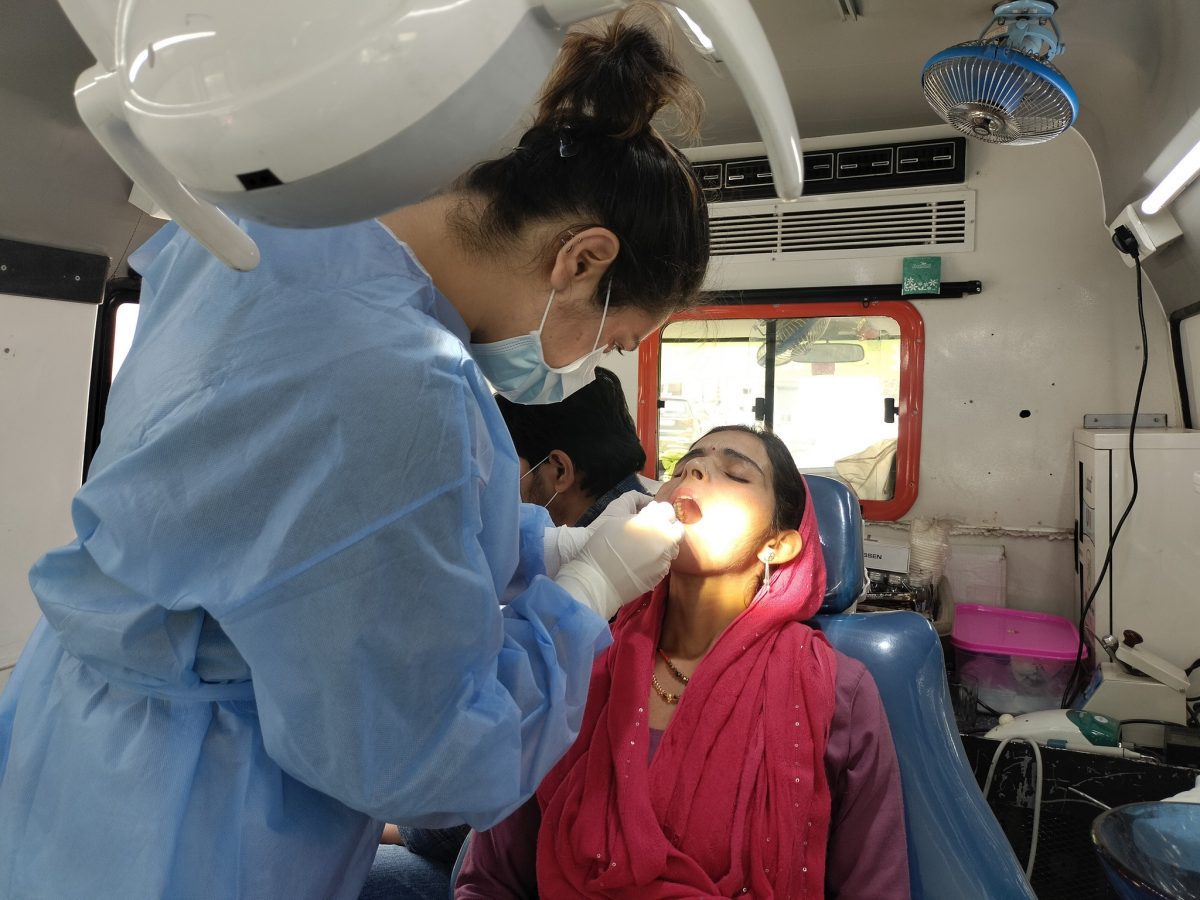
Mobile dental units bring dental care directly to underserved urban areas, including low-income neighborhoods, homeless shelters, and community centers. This eliminates the need for individuals to travel long distances or arrange transportation to visit a dental clinic, which can be expensive and time-consuming for the urban poor.

Convenience and Flexibility

Mobile dental units operate on a flexible schedule and can be set up in different locations within urban areas. This allows individuals to receive dental care at a time and place that is convenient for them, such as during their lunch break or after work. By offering services in familiar and accessible locations, mobile units reduce barriers to dental care for the urban poor.

No Cost Services

Mobile dental units provide free of cost dental services to individuals who cannot afford regular dental care. These units are equipped to offer preventive and primary dental treatments such as cleanings, fillings, extractions, and screenings. By delivering free-of-cost care directly to the urban poor, mobile units help reduce financial barriers. They ensure that individuals can access essential dental services without incurring any cost.

Oral Health Education

In addition to providing dental treatments, mobile dental units focus on oral health education and preventive care. They offer verbal hygiene instructions, and demonstrations, and distribute educational materials to raise awareness about the importance of dental health and proper oral hygiene practices. By empowering the urban poor with knowledge and preventive strategies, mobile dental units contribute to long-term oral health improvements in underserved communities.

Early Intervention and Preventive Care

Mobile dental units often target populations that have limited access to regular dental check-ups. By reaching out to the urban poor directly, these units can identify and address oral health issues at an early stage, preventing them from becoming more severe and requiring costly treatments later on. Early intervention and preventive care are essential for maintaining oral health and reducing the burden of dental problems among the urban poor.

Overall, mobile dental units help save trouble for the urban poor by bringing dental care to their doorstep, offering free services, providing oral health education, and focusing on early intervention and preventive care. These initiatives improve access to dental services, promote oral health, and contribute to the overall well-being of the urban poor.

Smile Foundation and Dental Health Services for the Underserved

Smile Foundation with its health programme, Health Cannot Wait has been working in the field of primary healthcare for the last 2 decades. To make dental treatment affordable, and accessible and to address the gaps existing in dental health care at the community level, many of our corporate partners joined hands with us to run Mobile dental units across India.

These vans have been providing diagnostic as well as curative services
along with dispensing medications through the OPDs. These OPDs through a roster-based approach reach villages across the country and have benefitted approx. thousands of beneficiaries to date.

Categories
Education

Together, We Can Make it Better

Sometimes, there’s a lot on my mind, but it stays bottled up inside. I want to open up and talk about what’s in my heart with all of you. Think about when we ride the local train or walk down the street – we see things happening around us. Sometimes people get angry or say mean things to each other. Some people don’t have clean clothes to wear, and it might make us wonder why. Have you ever thought about that? I do.

I see this happening in many places, especially where people don’t have much. They live in really small houses, just 100 to 150 square feet big. Can you imagine that? These houses don’t have separate bedrooms, kitchens, or bathrooms like we do. They have one room that’s everything – where they live, cook, and even use the toilet. It’s tough for them.

These folks have a lot to deal with every day. Things like fights at home, parents drinking too much, and sometimes even hurtful things happening to them. They don’t have some things we take for granted, like clean water, a proper place to go to the toilet, or a quiet street. They start their day with struggles, and it’s not easy.

Imagine being a kid in such a place. They see and hear things that are really hard to understand. They might even see things on TV or the internet that are confusing. But you know what? Even with all this, they keep going. They don’t give up. They keep fighting and standing up for themselves.

I’m trying my best to stand with them, to be there like a friend. When I see them on the train or in the metro, I feel like we’re all in this together.

Next time, if you see someone from a place like that, remember – their life might not be as easy as ours. Maybe they didn’t get the same chances we did. But they’re strong and they’re trying.

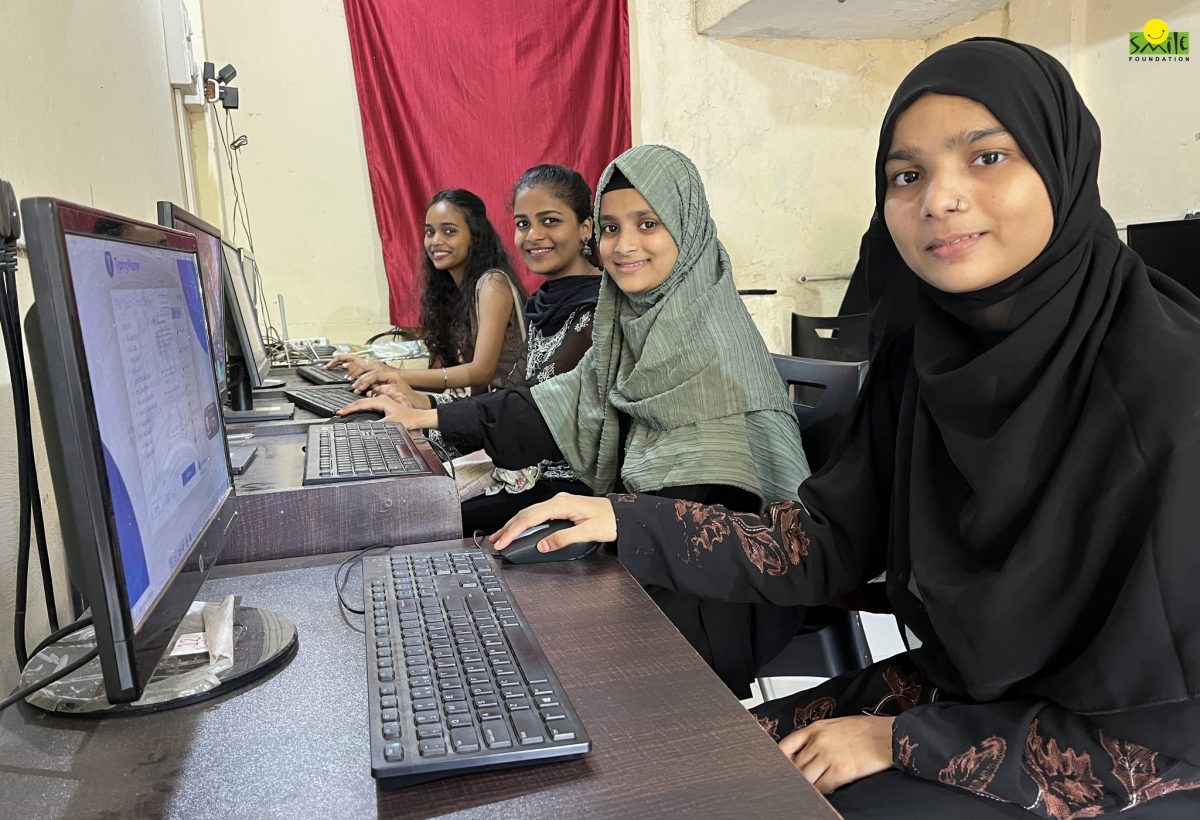
Smile Foundation with its Mission Education (ME) programme integrates true value into education, nurturing STEM talents, and offering adolescent underserved children, especially girls the knowledge they deserve. It fills the gaps that linger at home, keeping the flames of learning alive. From teaching little ones the art of handwashing to raising awareness about adolescent reproductive health, Smile Foundation teaches them about important things like being aware, getting a good education, and staying clean and healthy.

So, as we move ahead, let’s try to understand more about each other. Let’s be kind and help out if we can. Just remember, we’re all part of this big world, and together we can make it better.

Written by Vijay Basak, Mission Education (ME)

Categories
In The Spotlight Smile

How Can AI Eventually Benefit Developing Nations?

The term artificial intelligence goes back to 1956 when John McCarthy coined it in a proposal for the Dartmouth Conference, and since then, artificial intelligence, or AI, has significantly transformed the world. Acting as a catalyst for the digital revolution, artificial intelligence has spread like a raging phenomenon across the world.

Artificial Intelligence in Today’s World

Artificial intelligence is the most budding field providing plenty of profitable job opportunities and the youth today are interested to shape their careers in it. There is an ever-growing demand for skilled AI workers due to it rapidly changing the way industries work. 

AI utilizes two broad aspects – machine learning and deep learning, to perform tasks and provide results. It employs the data that is provided to it and generates outputs accordingly. The outputs provided by AI are up to the level that people have started fearing job security. Hollywood writers are currently protesting against the complete adoption of AI tools threatening their jobs. 

We must understand that artificial intelligence should be utilized in a way that empowers humans rather than threatens them. It is a powerful tool and countries across the world have become aware of the leveraging capabilities AI has on the economy, and how important it is to invest in them. 

To Invest or Not To Invest?

With first-world countries like the USA making considerable progress in the field of artificial intelligence, is it becoming difficult for Low and Middle-Income Countries (LMICs) to keep up? 

Artificial intelligence, although an extremely important and helpful tool that can help these countries grow, is extremely costly. With major concerns of LMICs revolving around education, Primary Healthcare (PHC), poverty, and curbing hunger, the developed nations are better positioned to invest in artificial intelligence and machine learning generally leaving the developing nations unable to afford the huge amount the AI infrastructure costs. 

Although, this also remains true that investment in AI will prove to be highly beneficial for the LMICs. They can help boost employment rates in the field, ease agriculture for hard-working farmers, and make healthcare accessible among other objectives. 

How can AI Empower LMICs

The progress artificial intelligence has made and the potential it still has makes it an effective tool to alleviate poverty and hunger, better healthcare facilities, provide quality education, and leverage the economic development of a country. 

A California-based company, Zipline, has started delivery of medication and blood to countries like Rwanda, Ghana, Japan, and the United States. The healthcare sector in India too has been impacted by AI. Microsoft’s Healthcare AI network and Apollo Hospitals are focusing on using machine models to predict heart attacks. It helps doctors reduce the cognitive burden while operating, and by providing critical and concise information it helps in early detection and consequently, prediction of diseases. 

In addition to healthcare, education too will be made accessible and affordable by using AI, especially after the pandemic when digitization has been more normalized than it ever was. AI has the power to address the biggest challenges education presently faces.

The one challenge AI is currently facing is the lack of human touch and that needs to be corrected so that technology doesn’t reflect personal biases, because that in turn will prove to be a hindrance to education. A human-centric approach to AI is imperative so that the world doesn’t have to see another software mistaking humans for gorillas.

Another use of AI is being seen in curbing climate change. Mitigation of forest fires, floods, and other natural disasters is being looked into with the use of AI. 

India too has started taking steps to adopt AI for objectives other than military and defense. The country implemented a National Strategy for AI discussion in 2018 that mainly focuses on sectors like healthcare, education, and livelihood to empower the citizens and develop smart cities.  

AI and Nonprofits

Artificial Intelligence (AI) holds transformative potential for nonprofits, reshaping our strategies and amplifying our impact. By leveraging AI tools and techniques, nonprofits can operate more efficiently, make data-driven decisions, and engage with beneficiaries, donors, and volunteers, in innovative ways.

Nonprofits deal with limited resources, and AI can help determine where funds, manpower, and efforts are most needed. By analyzing data and identifying trends, AI ensures that resources are allocated strategically to achieve maximum impact and advance the nonprofit’s mission.

The power of data analysis is another domain where AI shines. AI can process vast amounts of data quickly, extracting valuable insights that guide decision-making. Nonprofits can use AI to uncover trends, evaluate program effectiveness, and fine-tune their strategies for better outcomes. This data-driven approach enhances the overall efficiency and efficacy of nonprofit operations.

Program delivery and efficiency can be enhanced through AI automation. Routine tasks can be automated, freeing up staff to focus on high-value activities. Chatbots, for instance, can handle common queries, manage scheduling, and provide information, improving operational efficiency and ensuring smoother interactions.

Measuring impact is a crucial aspect of nonprofit work, and AI can help in this realm as well. AI tools can analyze various data sources to provide a more accurate assessment of a nonprofit’s outcomes and effectiveness. This data-driven approach to impact measurement is instrumental in demonstrating accountability to stakeholders, donors, and the community.

Volunteer engagement can also benefit from AI technology. AI algorithms can match volunteers’ skills, interests, and availability with specific tasks or projects, streamlining the volunteer management process and maximizing their contributions.

The Road Ahead

Incorporating AI into nonprofits comes with ethical considerations and data privacy concerns. Nonprofits must collaborate with tech experts, ensure transparency, and align AI deployment with their values and mission. As nonprofits embrace AI’s potential, they stand to unlock new avenues for positive change and create lasting impact in the communities we serve.

Categories
Health

Telemedicine Healthcare: An Important Tool for Preventive Care

Telemedicine has leveraged technology and transformed how we approach early detection, preventive healthcare, the right to knowledge of the patient, and treatment. It has emerged as a revolutionary tool in the healthcare sector.

Telemedicine in India has seen sizeable growth. It has increased access to healthcare and is a beneficial tool to achieve the goal of universal healthcare. In addition to these facilities being easily accessible to the urban demographic, it was noted that even the tier 2 and tier 3 cities had access to proper healthcare evaluations via online appointment during the Covid-19 pandemic. 

Preventive Care

Post Covid-19, preventive care has been deemed highly noteworthy since the pandemic. The pandemic exhibited significant gaps in the healthcare system that need to be addressed. After the pandemic, the healthcare sector has also been observed to incorporate technology in the medical profession to aid preventive care, and it has seen a positive change. 

Preventive care is critical to mitigate the impact of widespread diseases and increase the population’s overall well-being. In order to achieve this, factors like proper medical facilities for early detection, an increase in awareness among the rural and less educated population of the country, and incorporating technology in healthcare in the form of health apps and devices should be taken into account. 

Is Prevention Really Better Than Cure

As previously established, preventive care is a crucial aspect of healthcare in India. With the increase in urbanisation and changes in lifestyles, the country has seen an overall deterioration in health. Poverty, malnutrition, and improper or no preventive measures against diseases have a significant role to play as well. 

India has seen an increase in chronic and non-communicable diseases in the past few years, and tackling them is of utmost importance. 

Focusing on preventive healthcare will help reduce costs. Regular checkups for the prevention of diseases are cost-efficient in the long run. It reduces the risk and the cost of treating a more severe stage of the disease.

Preventive healthcare also improves health outcomes and prolongs lifespan. A regular health checkup and a visit to the doctor will help in the early detection of a health problem and reduce the chances of death. This is because several diseases are easily treatable in the initial stages as compared to later, more adverse stages. Early detection and treatment of the disease will also help the patient not experience complications, and the problem will be tackled easily. 

Telemedicine– The Expected Saviour 

An app called Breath of Life is a healthcare app in China that helps in the detection of Chronic Obstructive Pulmonary Disease (COPD). All you have to do is blow in your phone’s microphones, and the app tells you whether there is a need for you to get a doctor’s checkup or not. 

Apps like these are highly useful for preventive care since they help in early diagnosis and, consequentially, treatment of a disease. High pollution level areas like Delhi, Mumbai can use apps like these to detect respiratory diseases. 

Personal Health Record (PHR) apps like Health-e and Eka Care already exist in India that help make the management of medical records easy for both the patient as well as the doctor. It helps you to accumulate all your medical records, diagnoses, records of previous illnesses, current health status, etc. in one place and offers convenience. 

Currently being a part of the digital revolution, investment in technology in order to improve healthcare will certainly reap benefits. In this fast-moving world where most people do not keep their health a priority, telemedicine has proven to be a promising solution. It allows patients to keep track of their health and seek help as soon as they notice a possible deterioration.

Many diseases also go unnoticed. Half of the respiratory diseases see a common symptom of cough, and cough is bypassed by many as maybe a common cold or some other minor disease.

Many diseases are not brought to light unless they have worsened the patient’s condition to an extent. This is more common among the less educated demographic. Telemedicine helps curb these issues and has a prime focus on preventive care. 

Telemedicine also breaks socioeconomic and geographical barriers. Via telemedicine, the areas that lack trained medical experts can access good medical consultancy. In addition to this, telemedicine empowers rural health empowerment by providing access to these facilities to all. Apps like PharmEasy are working on expanding their network of CSCs in order to provide medicines in rural areas as well. 

Furthermore, telemedicine is cost-friendly. This is especially useful for the rural demographic. It reduces travel expenses, and even otherwise, virtual consultancy is more cost-effective than in-person, offline hospital visits. It is more affordable and consequently makes healthcare more accessible as well. 

Conclusion

Telemedicine is prepared to become one of the most crucial parts of the Indian healthcare system. It has considerable potential to transform the healthcare system for the better. The world is looking towards a future where healthcare is affordable and accessible to all, and telemedicine has a huge role to play in the same. It is a revolutionary approach to healthcare in India.

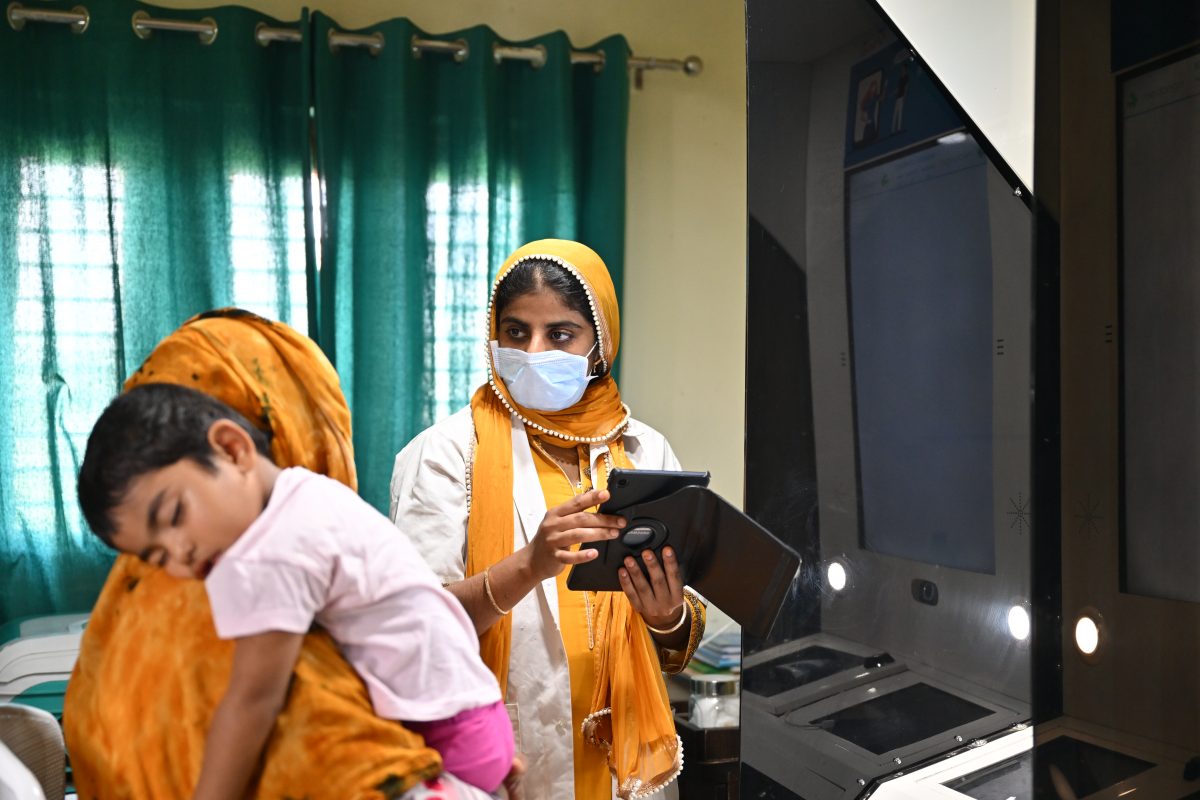
Ten e-Arogya Clinics comprising of Tele-Medicine kiosks were established by Smile Foundation in partnership with the health department of Nuh and our corporate partner covering a target beneficiary of 10 lakh population.

Consultations with general physicians and specialist doctors, free distribution of medicines, screening of NCD (non-communicable disease) and referral to secondary and tertiary healthcare services are being made available to people at these e-Arogya Clinics. In addition, capacity building of the front-line workers and CHOs (Community Health officers) is facilitated by organizing need-based training programmes in consultation with the Nuh district health administration.

Until now, these 10 e-Arogya clinics have benefited over 35,000 individuals directly, of which 52 percent of beneficiaries are women. Community women, who could not think of going outside the village, have got the opportunity to take care of their health and well-being.  This has also created an enabling eco-system, encouraging the communities towards availing relevant health entitlements and affirmative action as mandated by the government.

0%