Categories
Education

The Power of Outcome-based Learning 

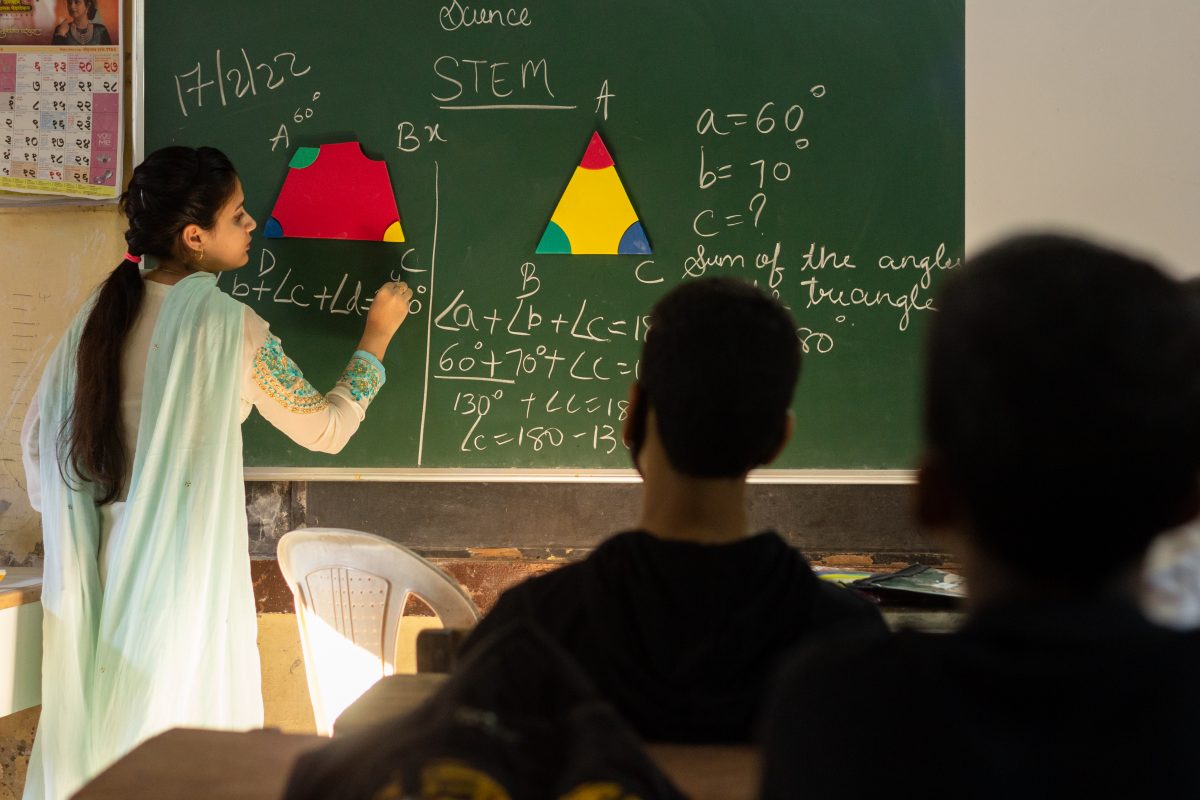
Engage in a conversation with a recent graduate, and they’ll likely confess to the sense of unreadiness they face upon stepping into the job market, despite their impressive academic achievements. Employers, too, echo this sentiment, bemoaning the dearth of critical thinking, the deficiency in communication skills, and the frailty of interpersonal abilities among graduates. The advent of Outcome-Based Education (OBE) is poised to reshape the educational landscape. 

OBE is an educational approach that focuses on defining specific learning outcomes or competencies that learners are expected to achieve by the end of a course or programme. Instead of solely emphasising course content or instructional methods, OBE places a strong emphasis on the actual skills, knowledge, and abilities that learners should possess upon completion of their education.

The Essence of Outcome-Based Education

Imagine a classroom where the end goal isn’t just to pass an exam but to emerge with tangible skills that make you a capable, confident individual. This is the heart of Outcome-Based Education. Instead of fixating solely on course content, OBE revolves around clearly defining what learners should be able to do, understand, or demonstrate by the time they complete a course. It’s all about the “how” rather than just the “what.”

OBE is like a compass guiding learners toward skills that truly matter in the real world. It ensures that every lesson, every assignment, and every project contributes directly to practical skills applicable in the job market. This approach nurtures critical thinking, problem-solving, effective communication, teamwork, and adaptability – qualities that employers highly value and seek.

Key Features of Outcome-based Education (OBE) 

Clearly Defined Learning Outcomes: OBE begins with defining clear and measurable learning outcomes for each course or program. These outcomes are often described in terms of what students should be able to do, understand, or demonstrate after completing the educational experience.

Alignment with Objectives: Learning outcomes are aligned with the broader educational objectives of the institution or program. This ensures that all courses contribute to the overall goals of the education.

Assessment-Driven: OBE involves ongoing assessment and evaluation to determine whether students have achieved the specified outcomes. Assessment methods may include tests, projects, portfolios, presentations, and other means of measuring student performance.

Student-Centered Approach: OBE shifts the focus from teaching to learning. It prioritizes the needs and progress of individual students, aiming to ensure that each student attains the desired outcomes.

Flexibility in Learning Paths: OBE recognizes that each learner is unique. It caters to different learning paces and styles, fostering an environment where education adapts to the individual rather than the other way around. This personalized approach enhances engagement, encourages curiosity, and equips learners with the ability to keep learning throughout their lives

Continuous Improvement: OBE involves a cycle of continuous improvement. Feedback from assessments is used to refine teaching methods, course content, and learning outcomes to enhance the overall educational experience. This continuous feedback loop between educators and learners ensures that learning experiences are constantly improving.

Employability and Real-World Skills: OBE often emphasizes the development of practical skills and knowledge that are directly relevant to real-world situations and the demands of the job market.

Shaping the Employable Future

One of the most exciting aspects of OBE is its potential to reshape the future employment landscape. Learners graduate armed not only with degrees but with skills that seamlessly fit into workplace demands. Imagine a business graduate who’s not just familiar with theories but has hands-on experience in analyzing market trends, crafting business strategies, and communicating persuasively.

In a world characterized by uncertainty and rapid change, OBE transforms learners into proactive problem solvers and leaders. They’re not just recipients of knowledge; they’re active participants in their own growth. This breeds a sense of ownership over their education, instilling confidence to navigate whatever challenges come their way.

Embracing the Future with OBE

Outcome-Based Education is more than just an educational approach; it’s a blueprint for creating empowered individuals poised for success. By shifting the focus from textbooks to competencies, it bridges the gap between classroom learning and real-world application, enhancing employability and laying the foundation for a prosperous future.

“His understanding of his own growth is a step in his growing, and he is, increasingly, a doubled being—a tree and a vine. As the tree grows, the vine twines, finding new holds on the shape that supports it. It’s a process that will continue throughout his life. We change, and change our view of that change, for as long as we live.”

These are the closing lines of a New Yorker article. Understanding them in the context of education, skilling and employability will lead us toward a deeper understanding of a good foundation and its significance in our lives. As learners immerse themselves in outcome-based learning early on in their lives, their appetite and appreciation for innovation and practical skills will grow manyfold.

If India wants to become the third-largest economy in the world before 2030, OBE should be at the forefront of our education and skilling courses everywhere in the country. 

Categories
Smile

Soul & Substance: Nirma Jatt

On a day much like any other, my friend and I shared dreams of college, graduation, and a promising career. The world seemed full of possibilities, and our aspirations danced in the air around us. Little did I know, within the span of a day, the direction of my life would change dramatically.

In the blink of an eye, I found myself standing before the mirror, adorned in bridal attire. The reflection that stared back at me was that of a bride, a future I had not anticipated so soon. Words eluded me in that surreal moment, and while silence enveloped me, it’s a silence I’ve come to regret. If only I could turn back time and find my voice.

At barely 18, I stood at the crossroads of a life-altering decision. My grandmother’s words hung in the air like a fateful decree, “You are to be married to this young man.” It wasn’t that I opposed marriage; rather, it was the abruptness, the lack of agency, that left me disoriented. Dreams of exploration, of a college campus bustling with life, were swiftly replaced by the hasty preparations for a life I hadn’t chosen.

The life I had imagined, where I’d walk the corridors of a college, exchange notes with friends, and savor the joys of learning, now seemed like a mirage. Each time I passed by any college gate, I felt a longing bringing me to tears. 

As if in the blink of an eye, I found myself standing at a threshold, a point where yesterday’s dreams faced today’s reality. The rapidity of it all left me breathless, robbed of the chance to fully embrace the present. One moment, I was 18, with the world at my feet; the next, responsibilities overshadowed everything.

Those were days painted in muted hues, where the colors of my many dreams dimmed against the backdrop of my circumstance. Inwardly, my spirit waned as the enormity of my new role settled upon me. Yet, a flicker of hope persisted within, a whisper reminding me that perhaps, amidst the upheaval, a thread of my dreams remained intact.

God is there, present in the chances that life brings to us. A glimmer of change presented itself in the form of Manzil’s team. Their arrival felt like fate intervening, offering a lifeline just when all seemed lost. Their words, infused with encouragement, breathed life back into me. It was then that I took a step, fueled by the belief that there was more to my story than met the eye.

To my surprise, my in-laws were supportive of my dreams and ignited a spark within me. With newfound courage, I chose the path of a beautician. It was an art that resonated with my soul, an endeavor to create beauty in a world that often felt uncertain. Little did I know, this choice would lead to a moment of astonishing revelation.

In the soft morning light, an envelope was placed in my hands– an offer letter for a beautician course. The gesture, as simple as it was, held profound meaning. 

It’s often said that dreams are fragile, easily shattered by the blows of reality. However, what is reality if not taken a few steps towards achieving the impossible? Today, I stand not only as a beautician in a parlour, but as the author of my story. Freedom flows through my veins, each step forward a testament to resilience and ambition.

Between the strokes of life’s demands, I carve out moments to read, to escape into the world of words and possibilities. As I turn the pages of knowledge, I sense the college campus that once eluded me. With each page turned, a part of me steps through those gates, relishing the learning I once yearned for.

Manzil’s influence continues to shape my journey, a reminder that being a girl does not define my limits. Through determination, I’ve defied expectations, reimagining the path that lay before me. Today, as I save diligently, I envision a future where college doors swing open, and my presence within those halls becomes a reality.

My story is one of evolution, of overcoming, and of the indomitable spirit that fuels every dream. As my journey unfolds, I realise that dreams are not mere aspirations; they are the threads that weave the joys of life, coloring them with purpose and creating a story solely of one’s own. 

(Nirma has been trained in beauty & wellness under Project Manzil in Bhilwara, Rajasthan. The project aims to provide counselling and employability skills training in IT, healthcare, beauty & wellness, security, retail, automobile, apparel, home furnishing, agriculture, tourism & hospitality, and electrical & electronics to young girls in Rajasthan.)

Categories
Livelihood

Skilling Ecosystem Matching The Demands of the Employers

India has a population of more than 142 crores with 68% of them considered the working class and more than 50% as its youth. The country’s most significant resource remains its people. In a few years, India will witness a large workforce driven majorly by youth. A skilled workforce can boost India’s economic growth by a significant margin. The country is witnessing youth skill development since the National Policy of Skill Development and Entrepreneurship was launched in 2015, but the desirable output is still to be achieved. 

Importance of Skill Development 

The disparity between the skills needed by employers and the skills attained by employees remains an existing concern. Degrees and certificates, while still holding a good deal of value, do not solely guarantee employability. Take for example the field of audio-visual and filmmaking, one is required to be well-versed in direction, editing software and performing other post-production work.

Degrees and certifications are often less important in scenarios like these hence, students may prefer opting for job roles right after their undergraduate degrees and not go ahead with higher education.  When in a world where skills succeed degrees and certifications in several instances, the focus on skill development should be more in order to match the demands of employers and consequently, increase employment rates.

Skilling Ecosystem of India

With the low level of job opportunities and lack of adequate skills of people entering the job market, there is a difference between the supplement of employment and the demand of employers. 

Schooling and skilling should go hand in hand for the prosperity of India’s future. The Indian government has recognized the importance of skill development in an individual’s life and has taken suitable initiatives to improve the skilling ecosystem of the country. But with a lack of proper skills comprising 60% of problems companies are facing today in India, the country has a long way to go. 

The current approach to skill development lacks the accessibility of education to all. When we say education, it should mean the provision of all-encompassing knowledge and a holistic approach. Skill development should comprise a good part of education in order to bridge the demand-supply gap in employability.  Some government initiatives for skill development are Pradhan Mantri Kaushal Vikas Yojna (PMKVY), SANKALP Program (for district-level skilling), STRIVE Project (for improving ITIs), CSR expenditure for skill development and Skill India Programme. 

Recent changes in education that have come along with the New Education Policy have also focused on skill development and vocational education. The Junior Skills Championship, a collaboration of the National Skills Development Corporation and CBSE strives to enhance the Skill India Mission. 

Improving the Existing Skilling Ecosystem

The ambitious goal of the National Policy of Skill Development and Entrepreneurship of skilling 40 crore Indians by 2022 is a long road ahead. Only 4 crore people have been reported trained as of yet. Due to a lot of job-seeking demographic lacking the required skills, the unemployment rates are increasing.

With the growing demand for skills in the workplace, the skilling ecosystem of India has to orient itself in a way that supports and matches the demands of employers.

Technology should be harnessed for the achievement of this goal. Technology is a more cost-friendly alternative leveraging which will witness increased levels of accessibility of education and skill development initiatives. 

The most important factor that cannot be overlooked under any circumstances is the implementation of skilling in schooling. YUVA and UNNATI are good examples of such initiatives. 

Skillset Important for Personal Growth

A single word that broadly describes what the workplace requires the most is a skillset. Employers seek professionals that are skilled enough to work effectively. It is no secret that workplaces deem soft skills equally if not more important than hard skills.

Honing personal development skills leads to better chances at employment. Some of these skills are communication skills, self-confidence, teamwork, problem-solving skills, leadership skills and work ethic 

It is imperative for skill development initiatives and corporations like the NSDC to train individuals in these areas in addition to industry skill development in order for them to prosper in their careers. These skills prove beneficial in all jobs and are in a way basic requirements for most. 

Conclusion

India with its rapid-growing economy needs to make skill development a priority. The current initiatives taken by the country have allowed India to form a rigid framework in terms of skill development. It has mapped a journey for various individuals in terms of skill development and is making considerable transformations.

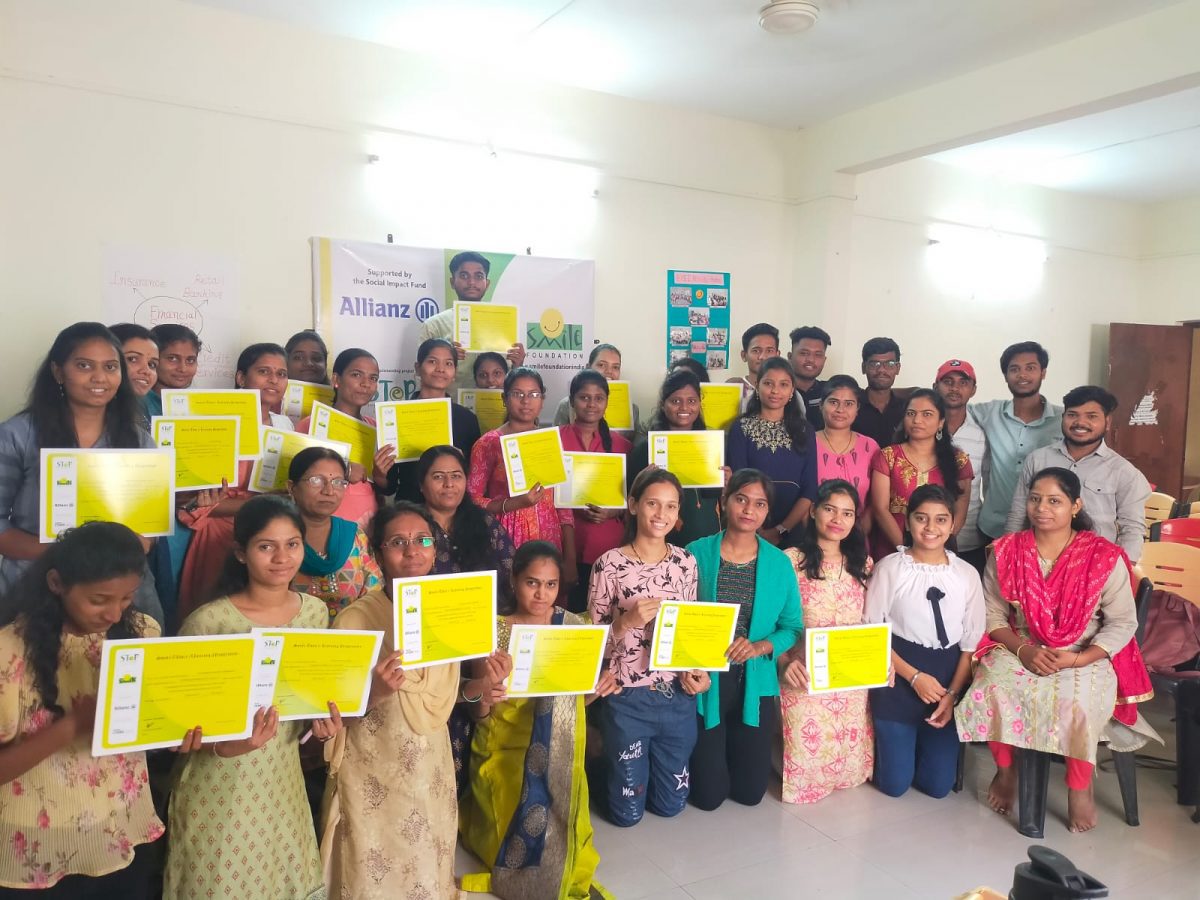
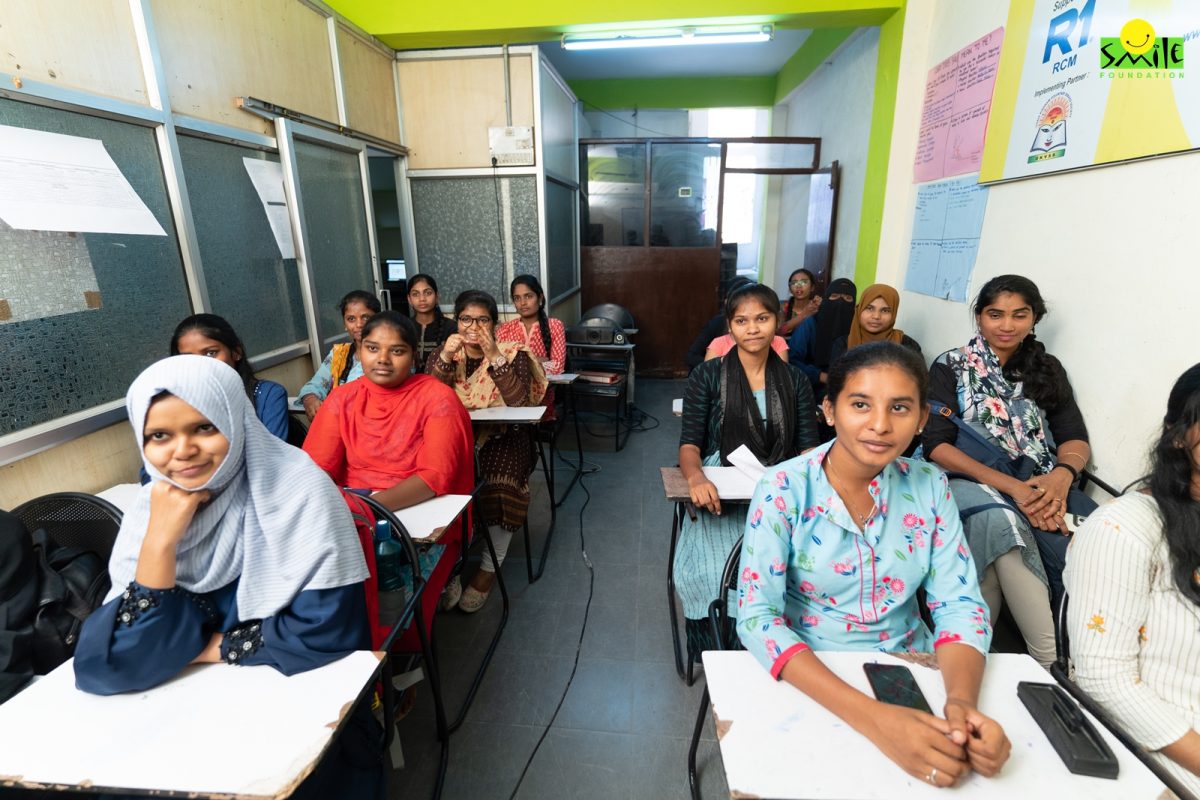
Smile Foundation’s livelihood initiative, STeP (Smile Twin e-Learning Programme) is skilling the underserved youth of India in areas related to healthcare, BFSI, BPO, retail management, core employability and digital marketing. With a pool of sincere trainers, dedicated placement cells and supportive brands, the programme has reached thousands of youth who needed skilling. The majority of skilled individuals have gotten placed in respectable brands post the successful completion of their skilling courses.

India has a promising youth and given that the country will be led by them in the near future, they need these initiatives to make significant progress.  

Categories
Livelihood

Cloud-based Learning in Livelihood Programmes

In the digital age, technology is transforming every facet of our lives, and education is no exception. Cloud-based learning, a cutting-edge approach, is especially significant in the context of livelihood programmes in India. This innovative method not only bridges the gap between traditional education and modern job requirements but also empowers individuals with skills that enhance their employability.

The Landscape of Livelihood Programmes in India

In India, millions of people enter the job market every year, seeking opportunities to uplift their socio-economic status. However, the disparity between skills demanded by employers and skills possessed by job-seekers has often led to underemployment and unemployment. This discrepancy is primarily due to the inadequacies in traditional education systems that fail to address the rapidly evolving job market. This is where cloud-based learning steps in, offering a dynamic and flexible approach to skill development.

The Power of Cloud-Based Learning

Cloud-based learning leverages the internet and digital platforms to provide access to a wide array of courses, training modules, and skill-building resources. This approach transcends the barriers of time and place, allowing learners to upskill or reskill at their convenience. This is particularly significant for individuals who are looking to upskill themselves to get a job or are already a part of the workforce but aspire to enhance their skill set for career progression.

The Benefits:

  1. Flexibility: Cloud-based learning enables individuals to learn at their own pace, eliminating geographical constraints and time limitations.
  2. Diverse Learning Formats: From video lectures and interactive quizzes to live webinars, cloud-based learning offers a variety of formats that cater to different learning styles.
  3. Real-world Relevance: Courses are designed to align with industry requirements, ensuring that learners acquire skills that are in demand.
  4. Cost-Effective: Traditional education can be expensive, but cloud-based learning often comes at a fraction of the cost, making quality education accessible to all.

Smile Foundation and Cloud-Based Learning

Smile Foundation has integrated cloud-based learning into its livelihood programme. Through its skill development initiative, STeP (Smile Twin e-Learning Programme), Smile Foundation has been working to empower underserved youth and women, equipping them with skills that enhance their employability. By incorporating cloud-based learning, we are trying to magnify our impact and reach.

With the use of cloud-based learning platforms, Smile Foundation’s livelihood programs offer:

  1. Personalized Learning Paths: Individuals can choose courses that align with their interests and goals, ensuring a customized learning journey.
  2. Remote Learning Opportunities: This is especially crucial in a country as vast as India, where physical accessibility to quality education can be a challenge.
  3. Interactive and Engaging Content: Cloud-based platforms engage learners with multimedia content, making the learning process more dynamic and enjoyable.
  4. Certification: Upon completion of courses, participants receive certifications that validate their skills and improve their employability.

Conclusion

In a rapidly evolving world, cloud-based learning is not just an option but a necessity. It’s a tool that can reshape destinies and empower individuals to realize their full potential. As we move forward, embracing such innovative approaches can pave the way for a more skilled, employable, and prosperous India.

Cloud-based learning addresses the critical need for relevant skills and bridges the gap between education and employment.

Categories
Women Empowerment

Women Empowerment through a Holistic Approach

Gender equality is not only a fundamental human right but also a necessary foundation for a peaceful, prosperous, and sustainable world. There has been progress over the last decades, but the world is not on track to achieve gender equality by 2030.”

United Nations 2022

At the UN Sustainable Development Summit in September, the 17-goal 2030 Agenda for Sustainable Development was endorsed. The Sustainable Development Goals include provisions for women’s empowerment and gender equality. The UN has ranked “Gender Equality” as the fifth most feasible SDG out of all 17 SDGs, highlighting the crucial role that women’s empowerment plays in sustainable development.

Today, it is widely acknowledged that accomplishing the other 16 SDGs requires empowering women. The Global Gender Gap, which measures the inequality between men and women across the four main development pillars of health, education, economics, and politics, is consistent with the fifth aim of the SDGs.

India is a diverse country with more than 100 languages and over 700 tribes, and it contains the core of practically all major and minor global religions, despite the fact that it is still lurching towards gender equality. Indian civilization has always been a thriving centre of gender discrimination, and Indians have long been affected by patriarchal societies’ discriminatory viewpoints towards both men and women.

Achieving the goals of equality requires a holistic approach that takes into account the social, political, economic, and cultural factors that shape women’s experiences. The interdisciplinary field of women and society offers valuable insights and strategies for promoting women’s empowerment and advancing gender equality.

Gender Inequality in Numbers

  • 16% of women worldwide live in countries where domestic violence is not criminalized.
  • 13% of girls worldwide are married before the age of 18.
  • Women make up only 27% of members of parliaments worldwide.
  • To date, none of the 144 countries in the SDG Gender Index has achieved gender equality.
  • In 2022, the World Economic Forum estimated that it will take 132 years to close the global gender gap

Understanding Women and Society

Women and society encompass the intersection of gender, social structures, and cultural norms that influence women’s lives. It is a field of study that recognizes that gender is a social construct that impacts various aspects of life, including education, work, health, and relationships. It acknowledges the diverse experiences of women and their intersectionality with other identities such as race, ethnicity, sexuality, and ability.

The field of women and society draws on a range of academic disciplines to provide a comprehensive understanding of gender inequality and women’s empowerment. Disciplines such as sociology, anthropology, psychology, history, political science, and economics contribute to this interdisciplinary approach. By examining the ways in which gender intersects with other forms of inequality, this field advocates for policies and practices that promote gender equality and women’s empowerment.

What is the Biggest Issue?

Despite progress in increasing access to education, gender discrimination continues to persist in India, highlighting the need for further efforts to improve women’s education. It can result in limited social mobility, uneven access to opportunities and resources, and detrimental effects on one’s physical, mental, and emotional well-being.

Individuals and their groups may experience emotions of exclusion, marginalisation, and isolation as a result of discrimination. Discrimination can deepen disparities, maintain current power relations, and impede social development.

The following are some of the main issues with prejudice against women:

  • Gender-based violence: Because of their gender, women are more likely to encounter violence, harassment, and abuse. These include assaults that are physical, sexual, and psychological.
  • Unequal Access to Education: Women may have difficulties obtaining an education, which reduces their chances of finding a job, achieving financial independence, and moving up the social ladder.
  • Unequal Pay: Women frequently make less money than men for the same job, which can increase economic inequality and reduce their ability to support themselves. Women may have obstacles while trying to participate in political processes, such as running for office or having their opinions heard during deliberations.
  • Limited Access to Healthcare: Women may have obstacles in getting the treatment they need, especially reproductive healthcare, which can have a significant impact on their health and well-being.
  • Intersectional discrimination: Opportunities and experiences are limited for women who have many marginalised identities, such as those based on race, religion, ethnicity, sexual orientation, or physical ability.

What Needs To Be Done?

A holistic approach entails providing access to education, healthcare, economic opportunities, and legal support. It recognizes the importance of gender equality, breaking stereotypes, and challenging discriminatory practices and norms. It also emphasizes the need for inclusive policies and programmes that cater to the diverse needs of women and girls.

Women’s discrimination must be overcome with a long-term, multifaceted strategy. The following are a few strategies for combating prejudice against women:

  • Education as a Foundation for Empowerment: Empowering young girls and women through education has proven to be a catalyst for change both globally and in India. Data shows that educated women are more likely to earn higher incomes, contribute to the economy, and make informed decisions for themselves and their families.
  • Health and Well-being: A holistic approach to women empowerment considers the importance of healthcare services. By addressing maternal health, and reproductive rights, and combating gender-based violence, women can lead healthier lives and participate actively in society.
  • Economic Empowerment: Economic empowerment plays a pivotal role in women’s overall empowerment. Numerous nonprofits and organizations focus on empowering women economically, thereby enabling them to be self-reliant and contributing members of society. Smile Foundation through its women empowerment programme, Swabhiman provides training, financial support, and resources to women, enabling them to start their own businesses or gain employment. Studies reveal that empowered women are more likely to invest in their families education and well-being, creating a positive cycle of change. 
  • Mental and Emotional Well-being: Empowerment isn’t just about external achievements; it’s also about inner strength. Addressing mental health challenges, promoting self-esteem, and offering a supportive environment are essential for holistic empowerment. Mental and emotional well-being fosters resilience, enabling women to overcome obstacles and reach their potential.
  • Social Empowerment: A society that respects women’s rights and values their contributions is crucial for holistic empowerment. This involves challenging harmful gender norms, promoting gender equality, and creating safe spaces where women can express themselves freely. Initiatives that address violence against women and promote women’s participation in decision-making processes contribute to social empowerment.

Women’s empowerment is a multi-dimensional journey that requires a holistic approach. By addressing women’s physical health, education, economic opportunities, mental well-being, social status, and advocating for their rights, we can unlock their true potential.

When women are empowered, they become agents of positive change, contributing not only to their personal growth but also to the betterment of their families, communities, and society at large. A holistic approach to women empowerment paves the way for a brighter, more equitable future for all.

Categories
Livelihood

Quality Jobs and Rise in Wages: Employment in India

India has made great progress in recent years as one of the world’s fastest-growing economies. However, economic development cannot be used as the sole indicator of a country’s wealth. A vibrant employment ecosystem that provides quality jobs and rising pay is required for genuine socio-economic growth.

Quality of Jobs

The quest for high-quality jobs is at the center of every job seeker’s ambitions. But what precisely is a quality job? It includes aspects like job stability, work-life balance, skill development opportunities, and access to basic benefits such as healthcare and retirement plans, in addition to income.

A spike in high-quality job prospects benefits the workforce’s emotional well-being by establishing a sense of pride and purpose in their professional activities. It fosters loyalty and dedication to their employers which leads to creating a healthy relationship between the employees and employers. Increased productivity is a result of the same.

Quality jobs also foster learning and most individuals, especially the youth nowadays, have room for personal and professional growth as a major determinant for applying for a job. 

High Employment Rates and Economic Prosperity

The link between economic growth and labor-force participation is evident. A strong economy fosters a climate conducive to corporate growth, resulting in an increase in job possibilities across industries. As firms grow, there is a greater demand for skilled and unskilled workers, lowering unemployment rates.

India is one of the fastest-growing economies with a large amount of job-seeking demographic needs to take employment rates into consideration. The country’s employment rate is currently at 36.9%. This virtuous cycle of economic growth and employment allows the public to actively participate in the country’s prosperity. Furthermore, as consumers gain purchasing power, they consume more, promoting further economic expansion.

To make the population employable, one must take into consideration the skill development of the population. The need for a trained workforce has grown critical in an ever-changing global landscape. Skill development efforts are critical in properly equipping individuals to meet the needs of the employment market. Potential employees are equipped with the skills and information needed to flourish in their chosen industries when training programs are aligned with industry needs.

The positive impact of skill development is twofold– it improves employability, resulting in lower unemployment rates, and it assists employers in finding the proper talent, increasing the quality of jobs available in the market.

Increased Wages

Rising salaries operate as a spark for a cascade of beneficial results. The standard of living of individuals improves when their wages rise, pulling them out of poverty and allowing them to meet basic needs such as education, healthcare, and housing. As a result, the workforce becomes healthier and more productive.  The average wage earned by a male casual laborer in rural areas in India was about 392 INR per day. Female laborers receive lesser wages amounting to 265 INR per day.

Higher earnings boost consumer spending, driving demand for products and services from a macroeconomic standpoint. Businesses flourish as a result of this increased demand, creating new job opportunities and maintaining a circle of prosperity. Increased wages partake in the virtuous cycle of economic growth and employment. 

Another way we can make the economic landscape a thriving platform is by fostering more inclusive approaches. The undertones of discrimination in India for caste, religion, gender, and sexual orientation still remain and it is imperative to make these differences irrelevant in order for us to move forward. It creates social cohesion and is a way to utilize everyone’s talents which is undoubtedly beneficial to the country from an economic perspective. It is another step that India requires to take in order to climb up in the ladder leading towards becoming a global leader. 

Conclusion

As India soars to new heights, the pursuit of quality jobs and rising incomes emerges as the nation’s elixir of employment rates. A focus on skill development, economic growth, and inclusion will create a virtuous cycle, empowering the workforce and moving India forward.

India can establish a robust and thriving economy by cultivating a climate that stimulates job creation, invests in skill development like Smile Foundation’s livelihood initiative, STeP (Smile Twin e-Learning Programme), and rewards hard/smart work with fair compensation.

As we work together to achieve this objective, let’s keep in mind that the true meaning of success is not simply economic numbers, but tangible improvements in the lives of the people who call India home. 

Categories
Smile

Journey to the Moon: Inspiring Young Minds through STEM

On the 14th of July 2023 in a charming village called Chavakkad, located in Thrissur district, Kerala, a group of eager students came together for an exciting STEM workshop conducted by Smile Foundation.  They had no idea that this day would lead them on an incredible adventure. Among these enthusiastic learners was a boy named Abhay* studying in the sixth grade, who was super excited about the upcoming launch of Chandrayaan-3, India’s space mission to the moon.

During the workshop, Abhay and his friends couldn’t contain their enthusiasm as they discussed space, science, and the fascinating world of exploration. Little did they know that they are attending this STEM workshop on a historic date that is the day of the launch of Chandayaan -3.

The STEM workshop aimed to ignite the student’s curiosity, encouraging them to explore the world through science, technology, engineering, and mathematics. With hands-on experiments, interactive sessions, and engaging discussions, the students embarked on a journey of discovery. The workshop’s primary objective was to foster critical thinking, problem-solving skills, and a passion for learning among young minds.

From the very beginning, Abhay’s young mind was eager to absorb every bit of knowledge.  During the workshop, he reminded us about the launch as he was eagerly waiting to see it. 

The STEM workshop provided the perfect platform to connect Abhay’s fascination with Chandrayaan-3 to the broader realms of science, technology, engineering, and mathematics and connect with the immediate environment. 

As the workshop progressed, Abhay’s infectious enthusiasm began to influence his friends. The discussions grew livelier, filled with ideas, questions, and dreams of reaching for the stars. The students discovered that STEM was not merely a collection of subjects but a gateway to unlocking the mysteries of the universe.

At 2:35 pm, while the STEM workshop was still going on, something incredible happened – Chandrayaan-3 was launched! The students gathered around a big screen, filled with excitement, and watched in awe as the rocket carrying the spacecraft soared high into the sky. It was a moment that showcased the amazing achievements of science and human brilliance.

The STEM workshop at Chavakkad served as a catalyst for Abhay and his friend’s dreams and aspirations. They realized that STEM education was the key to unlocking the vast potential within them. Inspired by Chandrayaan-3’s mission, these young minds started imagining their own future roles in scientific research, space exploration, and technological innovation.

The day with the STEM workshop and the historic launch all came together, turning a regular day in school into a special memory that would stay with the students forever. STEM education holds the incredible opportunities the universe holds and sparked their love for learning. Now, equipped with the knowledge from the workshop, they carry the dream of reaching for the moon & stars just like Chandrayaan-3 did on that unforgettable day.

We have the potential to inspire a generation of young minds to aim higher, dream bigger, and contribute to the advancement of science and technology through the power of STEM education.

*name changed to protect the identity

Categories
Livelihood

Importance of International Youth Day

A big family often translates into fulfilling the needs of many with limited resources. When it comes to girl children, getting into schools/colleges becomes a tougher task because of their gender and associated inequalities. Keerti, a 23-year-old youth, saw her father struggling to manage her family of 5 with a single income and wanted to help her father with household expenses.

A General Duty Assistance (GDA) course with Smile Foundation’s livelihood program, STeP (Smile Twin e-Learning Programme) was her way out and she grabbed it with all her enthusiasm, hard work and trust in the self. Today, decisions at her home are not made without her opinions- a change that she never expected but found herself to be enjoying because of her financial independence. This is the power and reward of being a young earning youth in our country which will have the largest working-age population in the world by 2100.

The vibrant energy and boundless potential of youth have always been a driving force behind societal progress and change. Every year on August 12th, International Youth Day is observed worldwide. The United Nations designated this day to draw attention to the unique challenges faced by young people and to celebrate their contributions to global development.

This year’s theme, “Green Skills for Youth: Towards a Sustainable World” is to highlight the role of young people in coming together to amplify engagement and leadership in all areas of decision-making and action, especially in creating an environmentally sustainable and climate-friendly world.

Smile Foundation’s Livelihood Programme

Amid the backdrop of International Youth Day, Smile Foundation’s STeP programme aims to serve the youth in underserved communities. This programme isn’t just about jobs; it’s about transforming lives by equipping young individuals with the skills, knowledge, and opportunities they need to break free from the cycle of inaccessibility and realize their dreams.

One of the cornerstones of the STeP is skill development. Recognizing that traditional educational pathways don’t always provide the necessary skills for gainful employment, we take a practical and holistic approach.

Through vocational training and hands-on workshops, young individuals are trained in a range of industries, from hospitality and healthcare to technology and digital marketing. These skills not only provide them with employable opportunities but also enable them to contribute effectively to the changing dynamics of the workforce.

Breaking Barriers to Equal Opportunities

Underserved communities often face an array of barriers that limit their access to quality education and sustainable livelihoods. The Smile Foundation is on a mission to break down these barriers. By providing free vocational training, mentorship, and placement support, the program ensures that young people, regardless of their backgrounds, have equal access to opportunities that can uplift their lives. This commitment to inclusivity aligns perfectly with the spirit of International Youth Day, which emphasizes leaving no one behind.

Success Stories of Transformation

Behind every statistic is a real story of transformation. The STeP programme has sparked numerous success stories like Keerti’s, showcasing how empowered youth can create a ripple effect of positive change. From young women breaking gender stereotypes in male-dominated industries to individuals starting their own businesses and uplifting their families, the impact of the programme extends far beyond the participants themselves.

As we celebrate International Youth Day, let’s remember that the future of our planet rests in the hands of our youth. International Youth Day serves as a reminder that youth are not just the leaders of tomorrow but also the torchbearers of change today. Through programmes that prioritize skill development, education, and equal opportunities, we can empower youth to be the change-makers our world desperately needs.

As we celebrate this day, let’s reaffirm our commitment to fostering innovation, inclusivity, and sustainable progress, ultimately creating a planet that thrives on the passion and potential of its youth.

Categories
Smile

Volunteer Speaks: Swayam Sethi


On a bright morning in July 2023, I started on a meaningful adventure to the ‘Nai Disha’ education centre, where dreams are nurtured and futures are shaped. Supported by the Smile Foundation, this school is a haven for underserved children, and I was privileged to be a volunteer, eager to make a difference.

As I stepped into the school, the air was filled with warmth and excitement. The teachers and staff welcomed me with open arms, and the children’s eyes sparkled with curiosity. Their enthusiasm was contagious, and I couldn’t wait to connect with them on a personal level.

As we gathered in the classroom, the children shared their stories with me. Their courage and determination to overcome challenges moved me deeply. Despite the hardships they faced, they radiated hope and resilience.

During their computer class, I seized the opportunity to offer my knowledge and expertise. Together, we explored new ways of accomplishing tasks and delved into the world of coding. Their eyes lit up with wonder as they grasped the concepts, realizing the endless possibilities ahead.

365171916 694419779375834 5486028583203263667 n
Swayam teaching coding to the students at Nai Disha centre

In that moment, I knew that I could do more to support their dreams. Inspired by their passion for learning, I resolved to introduce a specialized coding course, a pathway to a brighter future. We aim to equip these children with skills that would set them apart and empower them to break free from everything that is holding them back.

Throughout the day, I witnessed their thirst for knowledge and determination to succeed. Their dreams knew no bounds – they aspired to be doctors, engineers, teachers, and artists. Their ambitions were fueled by the power of education, guiding them toward a better life.

Despite limited resources, the centre nurtures an environment where these young souls can flourish. The dedication of the teachers and the support of Smile Foundation create a safe haven for growth and learning.

As the day drew to a close, I bid farewell to the children, their smiles etched in my heart forever. Their indomitable spirits had left an indelible mark on my soul. I felt a deep sense of fulfillment, knowing that even in a small way, I had contributed to their journey of hope.

As I walked away from the centre, I carried with me a profound sense of gratitude and purpose. The ‘Nai Disha’ centre and its children had ignited a fire within me- a determination to continue supporting the mission of Smile Foundation and to be a catalyst for positive change.

Their stories and dreams will forever inspire me to advocate for education- the most powerful tool in transforming lives. In their pursuit of a better tomorrow, I found my own purpose- to be a guiding light in the lives of these incredible children and to ignite the flame of hope wherever I go.

Categories
Health

What Rural India Needs The Most: Quality Accessible Healthcare

Rural India faces numerous challenges when it comes to healthcare access and quality. The availability of adequate health care in rural India is a crucial aspect that requires immediate attention.

The rural healthcare landscape in India is plagued by several challenges, including a lack of infrastructure, a shortage of healthcare professionals, and limited accessibility. In India, while significant strides have been made in improving healthcare infrastructure and services, rural areas continue to face numerous challenges in obtaining quality healthcare. 

Rural areas in India grapple with several healthcare challenges, including inadequate infrastructure, a shortage of medical professionals, and limited availability of essential medicines and treatments. According to a study, rural areas account for 70% of the country’s population but have only 37% of its healthcare infrastructure. This severely hampers the accessibility of healthcare services for rural communities, forcing them to travel long distances to seek medical attention.

The COVID-19 pandemic further exacerbated the healthcare challenges faced by rural India. The pandemic revealed the vulnerabilities of the existing health care in rural India, with limited resources and inadequate preparedness to handle a widespread health crisis.

The rural population, already disadvantaged in terms of healthcare access, faced additional hurdles in seeking medical care and testing during the pandemic. The strain on healthcare facilities, the shortage of medical professionals, and the need for specialized equipment and infrastructure further widened the gap in healthcare services between rural and urban areas.

Research data highlights the impact of the pandemic on rural healthcare in India. According to a study conducted by the Public Health Foundation of India, rural areas experienced a significant reduction in healthcare utilization during the pandemic, leading to delayed or neglected treatments for various health conditions.

The study also found that rural areas had a higher COVID-19 case fatality rate compared to urban areas, reflecting the disparities in healthcare access and quality. Additionally, the research emphasized the importance of strengthening rural healthcare infrastructure and implementing technology-driven solutions to enhance healthcare accessibility in the face of future pandemics or health emergencies.

The quality of healthcare services in rural India is not at par due to a variety of factors. Limited resources, inadequate medical equipment, and outdated technology contribute to the low quality of care. Furthermore, the shortage of trained healthcare professionals exacerbates the situation, leading to long waiting times and reduced patient satisfaction.

Healthtech Startups: Revolutionizing Rural Healthcare

One potential solution to address the healthcare challenges in rural India lies in the emergence of health tech startups that leverage social entrepreneurship. These startups utilize innovative technologies to overcome geographical barriers and provide accessible healthcare solutions to rural communities. By leveraging telemedicine, mobile apps, and artificial intelligence, these startups connect rural patients with qualified healthcare professionals, ensuring timely access to medical advice and consultations.

For instance, Gram Vaani, a social technology company, has developed a mobile-based platform that allows rural communities to access healthcare information and resources. This initiative has significantly improved healthcare awareness and empowered rural residents to make informed decisions about their well-being.

To achieve sustainable improvement in rural healthcare, it is crucial to adopt an ecosystem approach. This approach involves the collaboration of various stakeholders, including government agencies, NGOs, healthcare providers, and technology innovators. By working together, these entities can develop comprehensive solutions that address the unique challenges faced by rural communities. 

The Role of Government

The government plays a pivotal role in ensuring quality accessible healthcare in rural India. Policies are increasingly focused on increasing the allocation of healthcare funds to rural areas, incentivizing healthcare professionals to serve in rural communities, and upgrading infrastructure and medical facilities. Additionally, the government should promote public-private partnerships to leverage the expertise of private healthcare organizations.

Technology as a Catalyst for Change

One of the most promising solutions to enhance healthcare accessibility in rural India is the integration of technology. Technology has the potential to revolutionize rural healthcare by enabling telemedicine, electronic health records, and remote diagnostics. Through telemedicine, individuals in remote areas can consult healthcare professionals using digital platforms, eliminating the need for extensive travel.

Additionally, electronic health records can streamline healthcare delivery by ensuring accurate and accessible patient information, regardless of geographical location. Such innovations have the potential to bridge the healthcare divide and empower rural communities.

Innovative Solutions for Health care in Rural India

To drive wellness in India’s hinterlands, innovative healthcare solutions are required. Start-ups and organizations have been leveraging technology to develop novel healthcare innovations tailored to rural India’s specific needs.

For instance, mobile applications and SMS-based platforms have been created to disseminate health information and raise awareness about preventive measures. These initiatives, as reported by Forbes India, have made a positive impact on the health-seeking behavior of rural populations.

One such example is the Project ECHO initiative in India, which connects specialist doctors with primary healthcare providers in rural areas through teleconferencing. This program has significantly improved access to specialty care and enhanced the knowledge and skills of primary healthcare providers, ultimately benefitting rural patients.

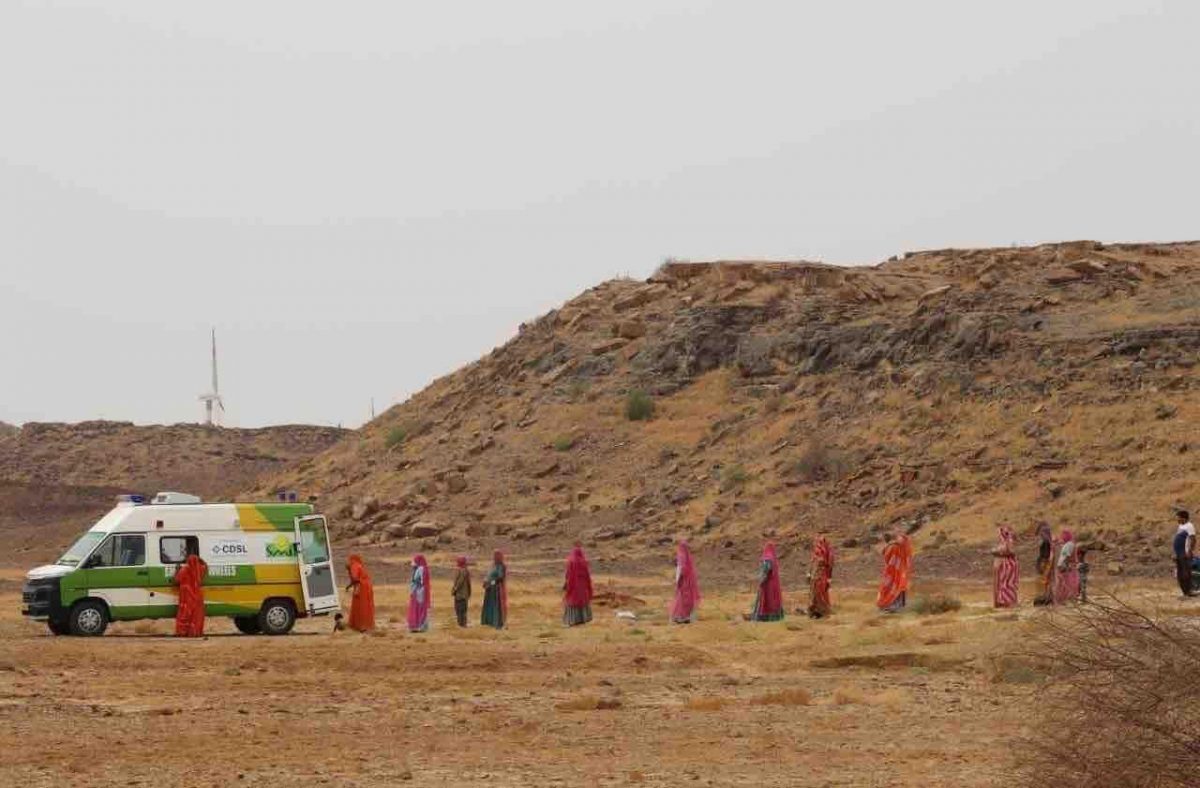
Furthermore, initiatives like ‘Health ATMs’ and ‘Health on Wheels’ bring healthcare services to the doorsteps of rural communities, providing basic diagnostics and consultations.

Moving Forward

The dire need for quality accessible healthcare in rural India cannot be understated. The challenges faced by rural communities necessitate concerted efforts from various stakeholders, including health tech startups, government agencies, and NGOs.

By leveraging innovative technologies, fostering collaborations, and implementing supportive policies, we can strive towards a healthier rural India. It is imperative to prioritize the provision of quality healthcare facilities and bridge the gap between rural and urban healthcare access to ensure the well-being of millions of people in rural India.

0%