Categories
Smile

Young Donors on the rise in Online Donation in India

Donation called as ‘dāna’ (read as Da-Nuh) in Sanskrit refers to the act of giving as charity. It is a practice that is existent in Indian society since ancient times and has been considered important in living a virtuous life. Not just limited to kings or wealthy people, donation as per one’s own capacity is emphasized in India as a righteous act. The primary lesson behind this practice being ‘giving back to the society and sharing your abundance with those in need’. Online Donation in India is spearheaded by its young lot.

Today India is in its most dynamic phase with the largest share of the youth population in the world. Youth population of a country is its biggest asset as they collectively determine the future course of a nation. The young population undoubtedly contributes and leads the economic development of the nation. But when this young population takes interest and actively participates in social welfare, the society is truly reformed. Given the current trend of involvement of India’s young population in philanthropic activities, our nation is surely marching on the path of glory.

Online Donation in India

India is among the countries that has embraced digitalization with open arms and it has hugely transformed the way we do things today as compared to earlier. Philanthropy, charity or engaging in a social cause is no exception to this change. With today’s youth hooked on to their digital devices and social media platform, engagement in social causes, be it through donation or volunteering is significantly affected by the online media.

According to a research paper on ‘Understanding Online Donor Behaviour’, using online platforms to generate donations from local, national and international public is becoming a popular yet inexpensive way for many human service NGOs to raise necessary funds. The impact can be outlined by the following points:

  • Online platform increases the outreach of the non-profit or charitable organizations thereby providing them a larger donor base.
  • Online donation is quick, direct and easy, thereby wasting less time of donors and NGOs in the process of donating and receiving money.
  • Donors find it convenient to choose the social cause they want to support by using vetted information on online platforms.

While online platform has a great potential to mobilize donations for various social causes and charity with regard to its outreach, the number of conversions or people who actually donate online are determined by numerous other factors like donors trust and perception of reputation and credibility of the platform, socio-psychological factors, influence from social networks etc.

Social sector funding: Need and Status

Amidst an environment of economic and political instability on a global front, India is one of the countries which has not only stood strong but is riding aggressively on the back of economic growth. Today India is the fifth largest economy in the world. However, our country is a land of paradoxes and while on one hand the GDP has grown considerably, on the other hand the gap between the rich and poor also has widened.

Poverty, unemployment, illiteracy, social and economic inequality and gender disparity still remain major issues staring us in the face. Many non-profit and charitable organizations, commonly referred to as NGOs, are tirelessly working towards their chosen cause and supporting the government in its attempts to bring about inclusiveness in society. But in order for these NGOs to sustain and continue their operations in serving the social causes, donations play a crucial role.

The India Philanthropy Report 2022 reveals that the social sector expenditure in India has shown a significant growth in the past five years. It has grown from approximately INR 10Lakh crore to INR 17.5 lakh Crore in the above period registering an increase of 12% annually, a lion’s share of this expenditure coming from government spending. However, as per estimates by NITI Aayog, India still needs to step up its social sector funding to 13%of GDP from the current average of 7%of GDP to be able to meet its United Nations Sustainable Development Goals by year 2030. 

But considering the increasing fiscal deficit and debt burdens, the government has its limitations in social sector funding. Hence the onus of pooling in funds to plug the deficit shifts to private sector. The donors in this sector include corporates (CSR spending), family philanthropists (Ultra High Net-worth individuals and High net-worth Individuals) and retail (community) giving. The India Philanthropy Report 2022 estimates total private spending to grow at approx.12% annually and predicts this growth to rise if the true potential of relevant groups in each segment is suitably harnessed.

Young Donors on the Rise

As per a report published in the Times of India, youngsters in India spend more time online in searching worthy causes than the older generation. Though the actual donations made by younger population in terms of value still lag behind that by their older generation; the fact that the youngsters are more inclined towards social causes and take an active interest in it presents a hopeful situation for the society.

This report also reveals that the age group of the population bracket, who donate maximum money to charity, has come down compared to what it was a decade ago and this trend is expected to continue. According to the Charities Aid Foundation (CAF), the youth in India are not only desirous of contributing towards social causes but are also result oriented which is reflected by a rising trend of “planned-giving” in young India. The youngsters today are pledging their support for causes beyond religion like donation for poor children or supporting education and skill development through funds and voluntary services.

How to Motivate People to Donate

Unlike the older generation who are more of cause givers and committed givers, already aware of which cause they want to support; the younger generation is still looking for the social causes which appeal to them. They also believe in doing a thorough research to find the best way to donate money in India, so that their money is put to proper use.

Donating to NGOs who work for the cause which appeals to you is a smart way to partner in the process of social change. However, it is pertinent to ensure the credibility and authenticity of the NGO you choose to donate to. Hence, it also becomes the shared responsibility of the NGOs to reach out to their potential donors by putting out transparent information about their activities in public space. This would help the donors make an informed choice and might also translate to long-term commitment to the cause and association between the donor and the NGO.

Further, as to how to encourage people to donate, credible NGOs employ methods like:

  • Presenting impact through beneficiary testimonials
  • Connecting to donors with an emotional appeal
  • Emphasizing on the impact which individual generosity can create
  • Establishing the fact that a small act of kindness can contribute to a big transformation
  • Earning the trust of the donors by updating them about utilization of funds

Finally, it is with the healthy association of government and civil society that positive social change can be possible and impactful in India. Know more about Smile Foundation and its relentless efforts towards changing the lived experience of many under-privileged children, women and the youth.
Categories
Girl Child

Is Rural India becoming serious about Girl Child Education?

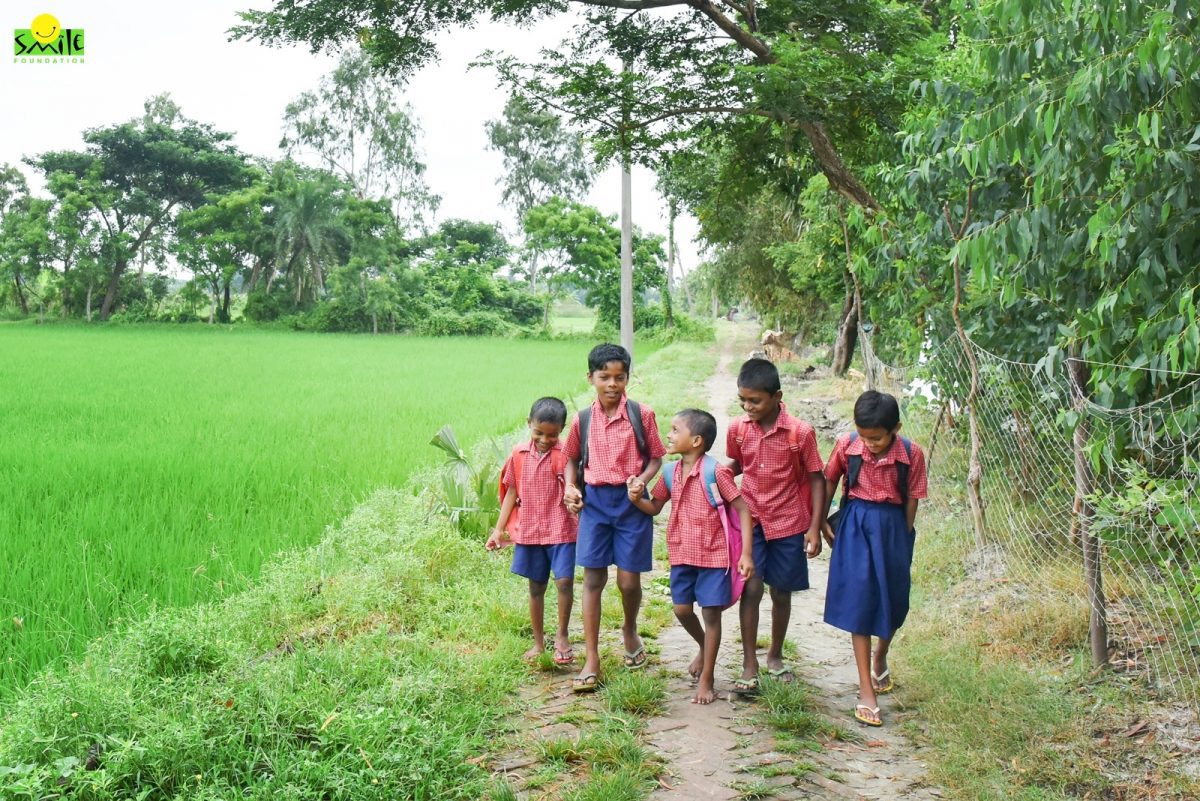
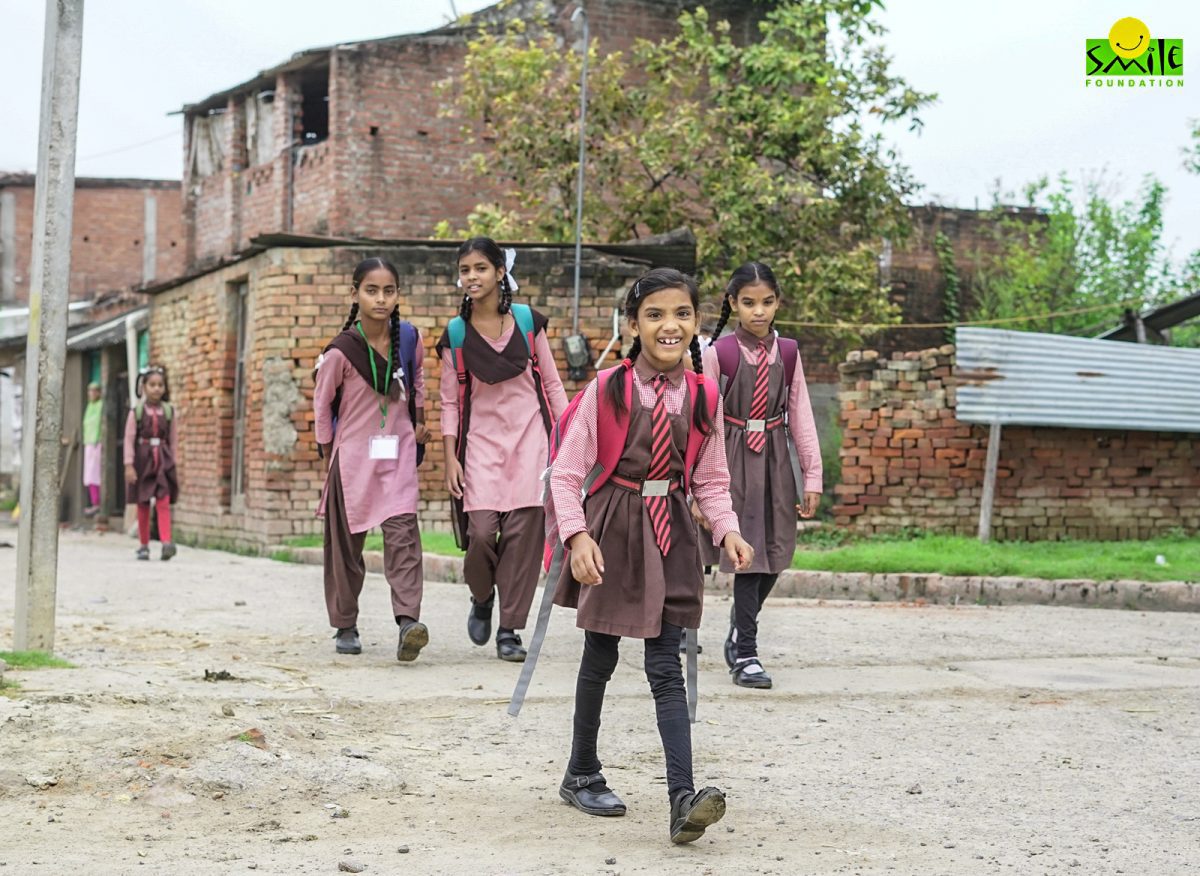
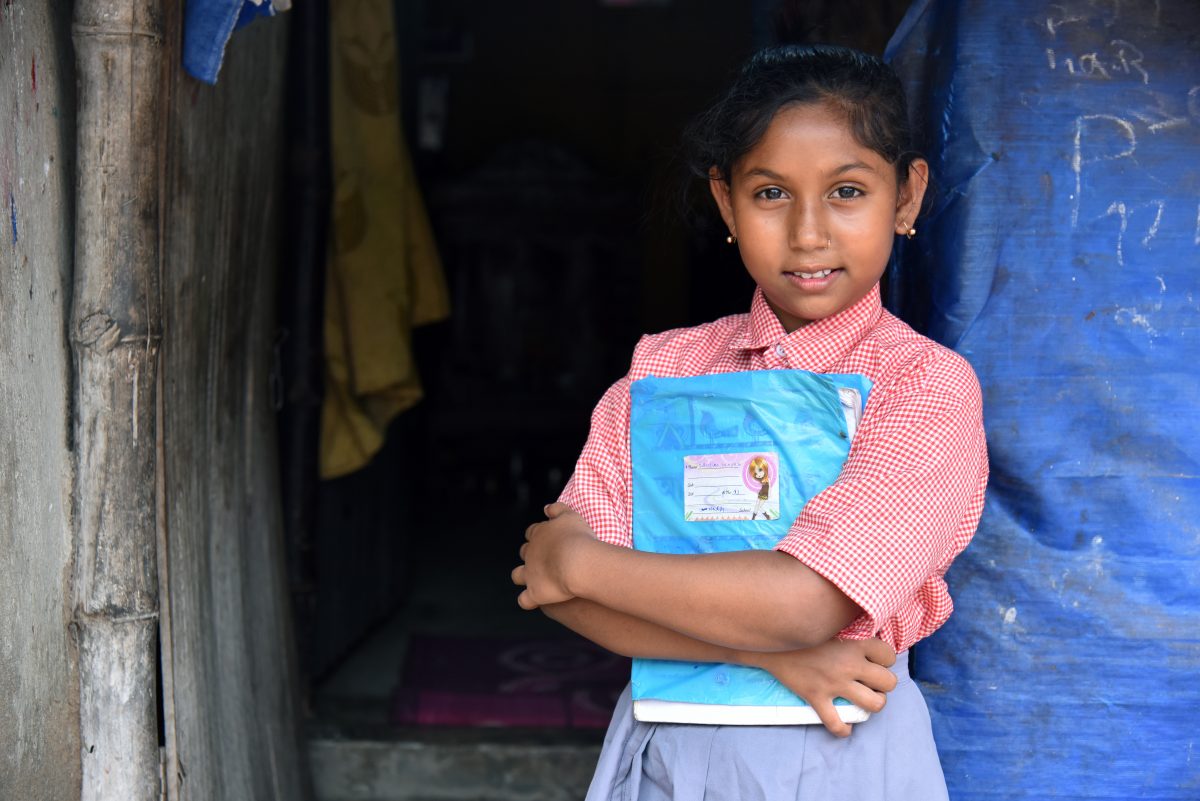
In rural India, where age-old customs and patriarchal norms have often limited access to education for girls, there is a noticeable shift in mindset. Parents are increasingly realizing the importance of educating their daughters.

A recent survey conducted by the Development Intelligence Unit (DIU), in collaboration with Transform Rural India (TRI) and Sambodhi Research and Communications, underscores the belief of parents in rural Indian communities that the gender of their child should never be a hindrance to their educational aspirations.

In this study, encompassing 6 to 16-year-old children in rural areas across 20 states in India, a remarkable 78% of parents with daughters and 82% of parents with sons expressed a desire to see their children graduate and attain higher education. This revelation signifies a strong consensus among parents regarding the importance of education for both genders.

The report, titled State of Elementary Education in Rural India– 2023, discloses that among children who dropped out of school, approximately one-fourth of boys discontinued their education during primary schooling. In contrast, the dropout rate at the primary stage was higher for girls, reaching 35%. This is why it is important to address gender disparities in education and ensure that every child has an equal opportunity to pursue their dreams.

Government Initiatives

Government initiatives related to the education of girls in rural areas of India have played a significant role in bridging the gender gap and improving access to quality education. These initiatives aim to empower girls, break down societal barriers, and ensure equal educational opportunities. Here are some key government programs and initiatives focused on the education of girls in rural India:

Beti Bachao, Beti Padhao (BBBP)

Launched in 2015, this flagship program addresses the issues of female foeticide and the promotion of education for girls. It focuses on changing societal mindsets and increasing the value of the girl child. The program includes initiatives such as conditional cash transfers, awareness campaigns, and the establishment of girls’ hostels.

Sarva Shiksha Abhiyan (SSA)

SSA is a comprehensive program that aims to provide quality elementary education to all children, with a special focus on girls and marginalized communities. It has helped in the construction of new schools, the recruitment of female teachers, and the provision of free textbooks and uniforms.

What has helped the cause of Girl Child Education in Rural Areas?

Rural India has witnessed the emergence of educated and empowered women who have broken through traditional barriers to access education. These trailblazers are serving as inspirational figures, motivating others to follow in their footsteps. They exemplify the transformative potential of education, awareness, and the will to change things for the better. You can read some of the most motivational stories of rural Indian women here.

At the grassroots level, local leaders, self-help groups, and community-based organisations are playing pivotal roles. They are establishing schools, implementing initiatives to bridge gender-based educational gaps, and providing mentorship to young girls, thus fostering a culture of education.

Challenges on the Horizon

Infrastructure and Accessibility

While progress is evident, rural areas still face infrastructural challenges. Many villages lack proper schools and transportation facilities. Ensuring that girls can easily access educational institutions remains a challenge.

Socioeconomic Factors

Economic constraints often force families to prioritize the education of their sons over their daughters. Poverty remains a significant impediment to ensuring equal educational opportunities for girls.

Cultural Norms

Deep-rooted cultural norms and stereotypes continue to hinder the education of girls in some regions. Early marriage, domestic responsibilities, and societal expectations can curtail the academic journey of a girl.

Quality of Education

Access to education alone is not enough. Ensuring the quality of education is equally vital. Many rural schools face a shortage of qualified teachers and lack essential resources.

Conclusion

The changing perspective on girl child education in rural India is a promising sign of progress. While significant strides have been made, the journey is far from over. To create a truly inclusive educational landscape, we must address the remaining challenges, including improving infrastructure, tackling socioeconomic barriers, challenging cultural norms, and enhancing the quality of education.

The movement for girl child education in rural India is not just about providing knowledge, it’s about empowering future generations, breaking the cycle of poverty, and fostering a more equitable and just society. As rural India becomes increasingly serious about girl child education, the possibilities are endless, and the impact immeasurable. You can become a part of the girl child education journey by considering making a partnership/donation for the She Can Fly campaign of Smile Foundation.

Categories
Health

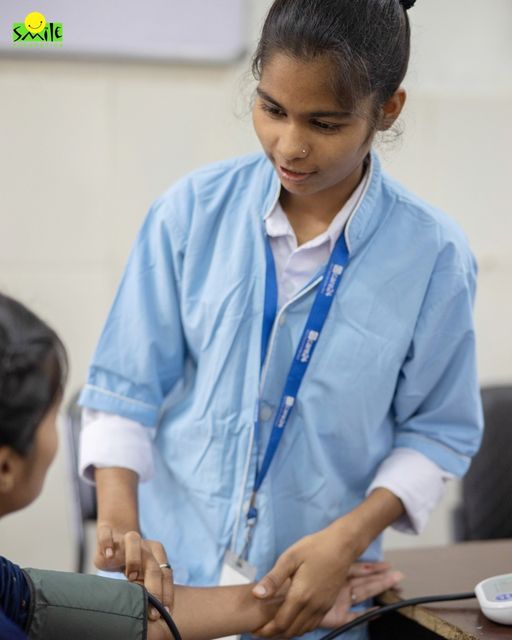
Accessibility, Affordability and Availability (AAA) in Healthcare

Healthcare is a fundamental human right, and its accessibility, affordability, and availability are paramount to ensuring the well-being of individuals and communities. The concept of AAA, which stands for Accessibility, Affordability, and Availability, represents the cornerstone of a robust and equitable healthcare system.

The Three Pillars of AAA in Healthcare

1. Accessibility

Healthcare for All

Accessibility means that healthcare services should be within reach for every individual, regardless of their geographical location, socioeconomic status, or physical abilities. It encompasses the idea that nobody should be left behind when it comes to receiving medical attention. Achieving healthcare accessibility involves:

a. Geographical Access: In India, ensuring geographical access remains a significant challenge due to the vast and diverse landscape. According to data from Data Commons, there is a significant variance in healthcare facility density across states. States like Kerala have a higher density of healthcare facilities, while others like Bihar face disparities.

b. Financial Accessibility: The economic status of individuals should not be a barrier to healthcare access. According to many studies, healthcare costs remain a significant burden for many Indian households. Achieving financial accessibility involves reducing or eliminating out-of-pocket expenses and providing health insurance options.

c. Physical Accessibility: Ensuring that healthcare facilities are physically accessible to people with disabilities is a critical aspect of AAA. The Rights of Persons with Disabilities Act, of 2016, mandates accessible healthcare infrastructure.

2. Affordability

No One Left Bankrupt

Affordability implies that healthcare should not lead to financial hardship for individuals or families. Medical expenses can be a significant burden, and achieving affordability involves:

a. Universal Health Coverage: India has made strides in universal health coverage through initiatives like Ayushman Bharat. Ayushman Bharat, officially known as the Pradhan Mantri Jan Arogya Yojana (PM-JAY), is a flagship healthcare insurance program launched by the Government of India on September 23, 2018. The program aims to provide financial protection and quality healthcare services to vulnerable and economically disadvantaged families across the country.

Ayushman Bharat is considered one of the largest government-funded healthcare programs globally. Under this scheme, eligible beneficiaries receive health insurance coverage for various medical treatments and hospitalization expenses. The insurance coverage extends to pre-existing diseases as well.

Beneficiaries can receive financial coverage of up to INR 5 lakh (5,00,000) per family per year for secondary and tertiary healthcare services. This coverage includes hospitalization expenses, surgeries, diagnostic tests, and other medical treatments.

Ayushman Bharat ensures cashless transactions for medical treatments. Beneficiaries can receive medical care at empaneled hospitals without the need for upfront payments. Ayushman Bharat aims to alleviate the financial burden of healthcare expenses on vulnerable families, reduce out-of-pocket spending, and improve access to quality healthcare services.

b. Price Regulation: Controlling the cost of healthcare services, medications, and medical equipment is essential to prevent price gouging. The government has taken measures to cap prices on essential drugs and medical devices.

c. Preventive Care: Focusing on preventive measures and early intervention, such as immunization and maternal care programs, helps reduce the overall cost of healthcare.

3. Availability

Right Care, Right Time

Availability means that healthcare services should be available when needed, without delays or shortages. This involves:

a. Sufficient Healthcare Workforce: India faces a shortage of healthcare professionals, especially in rural areas. There is a significant urban-rural divide in healthcare workforce distribution.

b. Well-Equipped Facilities: Equipping healthcare facilities with the necessary medical equipment, technologies, and medications to provide quality care is crucial.

c. Emergency Response: Establishing efficient emergency medical services and disaster response systems is vital.

The Benefits of AAA in Healthcare

  1. Improved Health Outcomes: When healthcare is accessible, affordable, and available, people are more likely to seek medical attention when needed. This leads to early diagnosis and treatment, ultimately improving health outcomes and reducing the severity of illnesses.
  2. Reduced Health Disparities: AAA narrows the gap in healthcare access and outcomes among different populations, including low-income individuals and marginalized communities.
  3. Economic Prosperity: Affordable healthcare prevents families from falling into poverty due to medical expenses, and a healthier population contributes to overall economic growth.
  4. Public Health Preparedness: The availability of healthcare resources and facilities ensures that communities are prepared to respond to health crises and pandemics effectively.

Steps Towards Achieving AAA in Healthcare

  1. Policy Reforms: Governments should implement more policies that prioritize healthcare accessibility, affordability, and availability. This may include healthcare subsidies, price controls, and incentives for healthcare professionals to work in underserved areas.
  2. Investment in Healthcare Infrastructure: Building and upgrading healthcare facilities, especially in rural and remote areas, is crucial. This includes the establishment of telemedicine services to reach underserved populations.
  3. Health Education: Promoting health literacy and awareness within communities empowers individuals to take proactive measures for their well-being.
  4. Private Sector Collaboration: Engaging with the private sector to expand healthcare services and reduce costs through public-private partnerships.
  5. International Cooperation: Collaborating with international organisations and sharing best practices to improve healthcare systems.

Conclusion

The AAA framework, encompassing Accessibility, Affordability, and Availability, represents the ultimate goal of healthcare systems worldwide. It ensures that healthcare is not a privilege but a right for all individuals, regardless of their circumstances. Achieving AAA requires concerted efforts from governments, healthcare providers, and communities. By prioritising these principles, we can create a healthier, more equitable, and prosperous world for everyone.

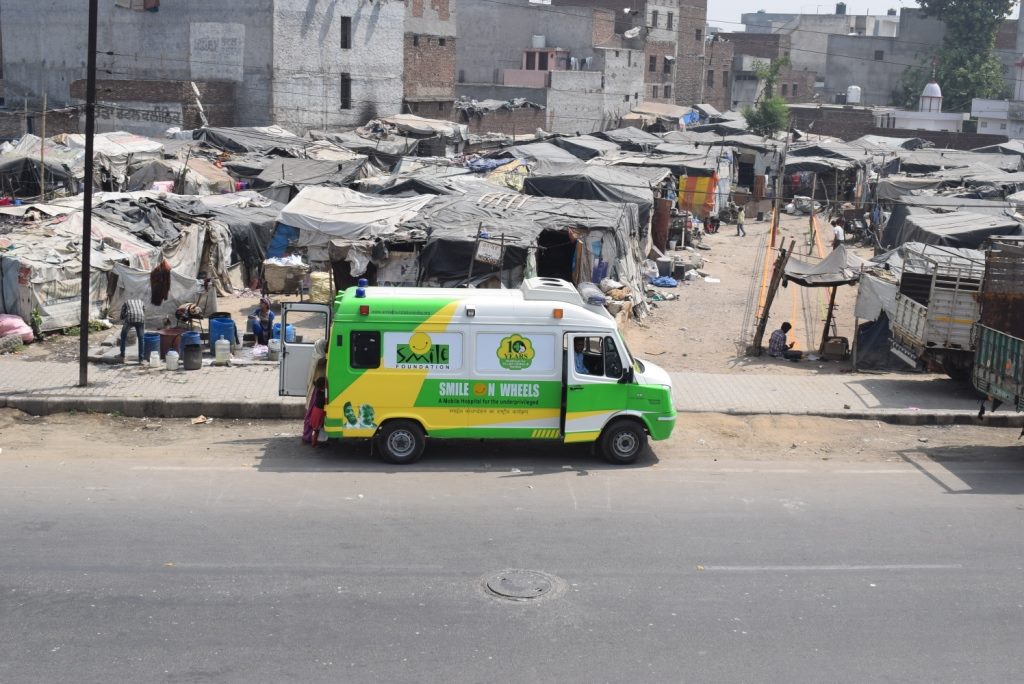
Support the healthcare of the unreached rural Indian populations by reading what Smile Foundation does in its health program and possibly making a thoughtful donation/partnership to make healthcare reach those who need it the most.

Categories
Livelihood

The Indian Youth is demanding more, can we deliver?

According to a worldwide survey titled ‘What Young People Want’, a notable 40.5 percent of individuals aged 10-24 express keen interest in educational opportunities aimed at improving their employability. This keen interest reflects a strong desire for job security, financial stability, material well-being, and personal independence.

This inclination was consistent across all age groups but was most pronounced among those aged 15-19, with 47.2 percent expressing interest, particularly among adolescent girls at 49.2 percent. These respondents often emphasized the importance of learning opportunities and quality education.

Conducted by PMNCH, a global alliance for the health and well-being of women, children, and adolescents, in collaboration with WHO, the survey gathered insights from 713,273 respondents aged 10-24, who were asked to articulate their most significant well-being aspirations in their own words. Notably, India constituted the largest share of respondents, comprising 17.2 percent of the total sample.

What can we do more for the Indian youth?

The youth of a nation is often regarded as its future. In the case of India, with a youthful population where a significant proportion falls under the age of 30, the potential for growth, innovation, and change is immense. However, this potential also comes with unique challenges and responsibilities. To harness the energy and aspirations of India’s youth, it is imperative to ask, ‘What can we do more for the Indian youth?’

Quality Education for All

The foundation of a promising future lies in education. While India has made strides in improving literacy rates, ensuring quality education for all remains a challenge. We can do more by investing in better educational infrastructure, training teachers, and providing access to digital resources, especially in rural areas. Scholarships and financial aid programs can also make education more accessible.

Skill Development

In a rapidly changing job landscape, skills are the currency of the future. Initiatives that focus on skill development and vocational training can empower youth to be job-ready. Collaborations between the government, private sector, and educational institutions can create skill-oriented programs that cater to the demands of the job market.

Entrepreneurship and Innovation

Encouraging entrepreneurship among the youth can drive economic growth and job creation. Providing mentorship, access to capital, and a conducive regulatory environment for startups can foster innovation and entrepreneurship. Government schemes like ‘Startup India’ have already taken steps in this direction.

Mental Health Support

The pressures of modern life can take a toll on the mental health of young people. It is crucial to remove the stigma around mental health issues and establish accessible support systems. Schools and colleges can integrate mental health education, and there should be more mental health professionals available to provide counseling and therapy.

Employment Opportunities

The youth need access to decent employment opportunities. Government policies should focus on creating jobs in sectors that are relevant to the skills of the youth. Additionally, promoting inclusive hiring practices and equal pay for equal work can ensure a fair job market.

Political Participation

Youth participation in politics is vital for a thriving democracy. Initiatives that encourage political awareness, voter registration, and youth representation in governance can lead to a more inclusive and responsive political system.

Environmental Awareness

Young people are often at the forefront of environmental movements. Encouraging sustainable practices and education on environmental issues can empower the youth to take an active role in preserving the planet for future generations.

Gender Equality

Empowering young women and breaking down gender barriers is essential. Initiatives that promote gender equality in education, employment, and all aspects of life can create a more equitable society.

Digital Inclusion

Bridging the digital divide is critical in the digital age. Providing affordable access to the internet and digital devices can open up a world of opportunities for the youth, from online education to remote work.

Community Engagement

Building a sense of community and social responsibility can instill values that last a lifetime. Youth-led community service projects and volunteering can foster a sense of purpose and empathy.

Conclusion

The demands of the Indian youth are a reflection of their aspirations for a brighter and more equitable future. While India has made significant strides in various domains, challenges remain. Fulfilling the demands of the youth requires a collective effort from government, civil society, and the private sector.

It necessitates policies that empower youth, create opportunities, foster innovation, and ensure sustainability. As India continues to evolve, it must recognize that investing in its youth is an investment in the nation’s future. The question, “Can we deliver?” can only be answered with concerted actions that transform demands into opportunities and aspirations into realities.

The livelihood program, STeP of Smile Foundation trains Indian youth from marginalised communities to become a part of the workforce through courses that are well-tailored and constructed keeping in mind the market trends. The program has trained more than 75,000 trained till now with 47,000 of those trained placed in respectable jobs across India.

Categories
Nutrition Health Women Empowerment

The Importance of Eating Healthy during Pregnancy

Alongside the anticipation and joy, pregnancy carries the great responsibility of safeguarding the health and well-being of both the mother and the developing baby. One of the most fundamental aspects of this journey is maintaining a healthy diet.

Eating right during pregnancy is not merely about nourishing the body of the mother, it is about providing the best possible start in life for the little one growing within. Let us discuss the significance of eating healthily during pregnancy and why it matters more than ever.

Nurturing Two Lives

Pregnancy is a transformative time when the body of a mother undergoes remarkable changes. It is a period of heightened nutritional needs, as the developing fetus relies entirely on the mother for sustenance. The significance of a healthy diet cannot be overstated, as it directly impacts-

Fetal Development

Proper nutrition during pregnancy is the cornerstone of the baby’s growth. Fetal development is a complex and highly orchestrated process that spans nine months. Here is a closer look at the crucial stages-

  1. First Trimester (Weeks 1-12): This is a foundational period when the major organs and systems of a baby begin to form. Key nutrients such as folic acid play a pivotal role in preventing neural tube defects. Adequate intake of vitamins, minerals, and protein is vital for the early development of a baby.
  2. Second Trimester (Weeks 13-27): During this phase, the baby’s organs continue to mature, and rapid growth occurs. Calcium becomes essential for bone development, while iron supports the increased blood volume needed for the growing fetus. Omega-3 fatty acids contribute to brain development.
  3. Third Trimester (Weeks 28-40): The final trimester focuses on further growth and the development of the immune system of a baby. Calcium continues to be vital for strong bones and teeth. Adequate protein supports the development of muscles and tissues.

Maternal Health

Pregnancy places increased demands on the body of a mother. A balanced diet ensures that the mother maintains her own health, as well as the energy required for pregnancy, labor, and breastfeeding. Here’s how a healthy diet benefits maternal health-

Energy Levels: Pregnancy often leads to fatigue. A well-balanced diet provides the energy needed to combat this fatigue and carry out daily activities comfortably.

Reduced Risk of Anemia: Pregnancy can lead to anemia due to an increased demand for red blood cells. Iron-rich foods in the diet help prevent anemia and maintain healthy oxygen levels in the blood.

Weight Management: Eating a balanced diet ensures appropriate weight gain during pregnancy, which is essential for both maternal and fetal health.

Digestive Health: Pregnancy hormones can affect digestion. A diet rich in fiber helps prevent constipation and other digestive issues.

Emotional Well-being: Proper nutrition can positively impact mood and emotional well-being during pregnancy, helping to reduce stress and anxiety.

Key Nutrients for a Healthy Pregnancy

  1. Folate (Folic Acid): Also known as folic acid, this nutrient is crucial for preventing neural tube defects. It fosters the healthy development of the baby’s spinal cord and brain. Sources of folate include leafy greens, citrus fruits, fortified cereals, and legumes.
  2. Iron: Iron is essential for preventing anemia in both the mother and the baby. It aids in the production of red blood cells, which transport oxygen to both bodies. Iron-rich foods encompass red meat, poultry, beans, lentils, fortified cereals, and spinach.
  3. Calcium: Required for the baby’s development of bones, teeth, and muscle function. Adequate calcium intake can be obtained from dairy products, fortified plant-based milk, leafy greens like broccoli and kale, and almonds.
  4. Protein: Protein is crucial for the baby’s organ and tissue development. A pregnant woman needs additional protein to support this growth. Excellent sources of protein include lean meats, poultry, fish, eggs, dairy products, and plant-based options like beans, tofu, and quinoa.
  5. Omega-3 Fatty Acids: Omega-3s contribute to the baby’s brain and eye development. These healthy fats are found in fatty fish (like salmon and mackerel), flaxseeds, and walnuts.

Benefits of a Healthy Diet During Pregnancy

Preventing Birth Defects

Folate significantly reduces the risk of neural tube defects, ensuring that the baby’s spine and brain develop correctly.

Reducing Anemia

Iron helps prevent anemia, which can cause fatigue, weakness, and complications during pregnancy.

Supporting Strong Bones

Adequate calcium intake ensures that the baby’s bones and teeth develop properly.

Optimal Brain Development

Omega-3 fatty acids contribute to the baby’s cognitive development, supporting a healthy brain and nervous system.

Hydration and Avoiding Harmful Substances

Staying well-hydrated is crucial during pregnancy as it helps maintain amniotic fluid levels and aids digestion. Moreover, it is vital to avoid harmful substances such as alcohol, excessive caffeine, and high mercury fish, as these can negatively affect the baby’s health.

Lactating Mother’s Diet

After childbirth, maintaining a healthy diet remains important for the mother. It supports postpartum recovery and provides essential nutrients for breastfeeding. Adequate caloric intake, hydration, and a balanced diet are key to ensuring both mother and baby thrive during this phase.

Smile Foundation and Pregnant Women

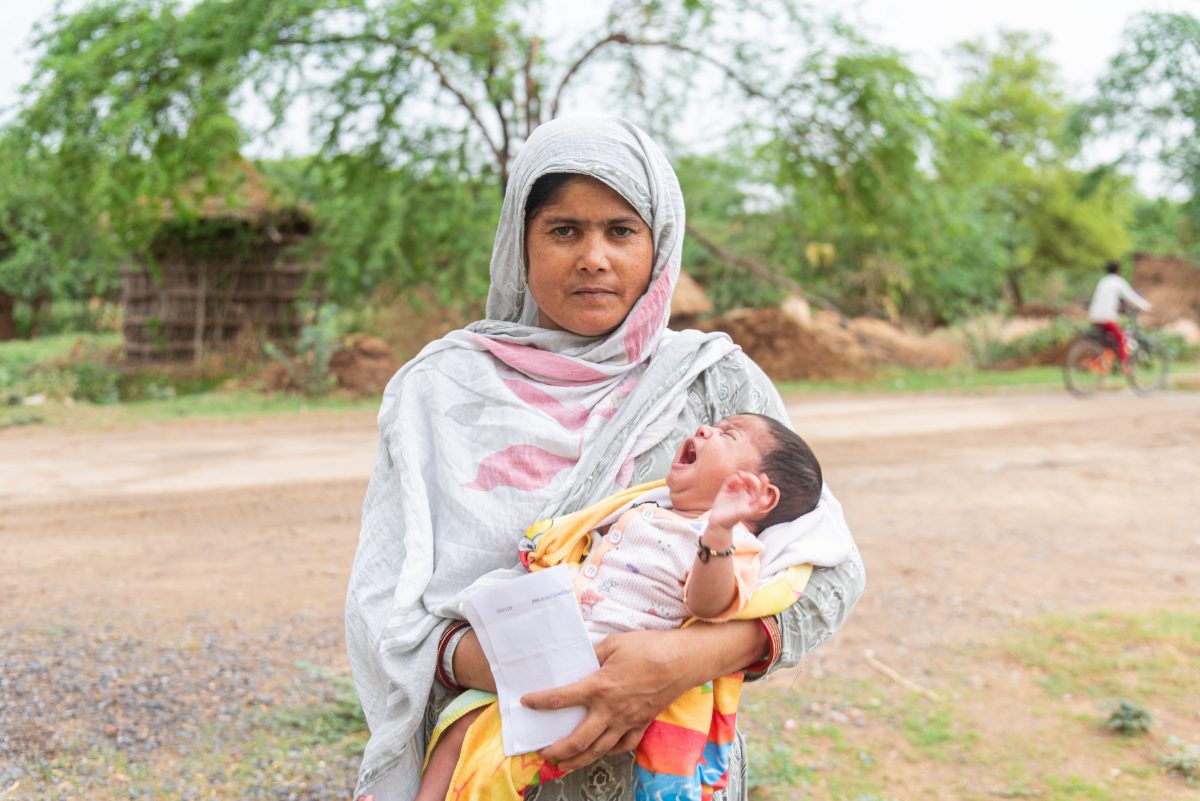
Eating healthy during pregnancy isn’t merely a recommendation, it’s an essential requirement. It is an investment in the health and well-being of both the mother and the unborn child. Our women empowerment program, Swabhiman focuses on the nutritional health of mothers and newborns, especially in areas where quality healthcare is not easily accessible and available.

A nutritious diet during pregnancy lays the foundation for a strong and healthy future, ensuring that the journey into motherhood is as vibrant and joyous as possible. So, let’s celebrate this incredible time by nurturing both lives with the gift of good nutrition, setting the stage for a lifetime of health and happiness.

Categories
Education

Importance of Education: To Be Seen

Education has the power to transform lives, not just by imparting facts and figures, but by fostering empathy, understanding, and connection. It is a journey that begins in the innocence of childhood, continues through the formative years of adolescence, and often extends well into adulthood, shaping our perspectives, aspirations, and even our worldviews.

It weaves a narrative that goes beyond the mere acquisition of knowledge— it is an emotional journey that allows individuals not only to be seen but also to be felt and heard in a society that is constantly evolving. It is a journey filled with hope, dreams, challenges, and triumphs, where the pursuit of knowledge becomes a necessary revelation.

Education Empowers You

  1. Cultivating Knowledge: Education is the key to unlocking a treasure trove of knowledge. It equips individuals with the tools to understand the world, past, present, and future. It allows you to be conversant in a wide range of subjects, from history and literature to science and technology.
  2. Critical Thinking: Education teaches you how to think, not what to think. It nurtures critical thinking skills, encouraging you to analyze information, question assumptions, and form your own opinions. In a world inundated with information, critical thinking is the compass that guides your decisions.
  3. Communication Skills: It enhances your ability to express yourself clearly and effectively. It enables you to articulate your thoughts, ideas, and perspectives, making your voice resonate with authenticity and authority.
  4. Empowerment: Education is the gateway to empowerment. It instills confidence, self-esteem, and a sense of agency. With education, you’re no longer a passive spectator but an active participant in shaping your destiny.

It Breaks Barriers

  1. Socioeconomic Mobility: Education is the most potent weapon against socioeconomic disparities. It opens doors to opportunities that might otherwise remain closed. It enables individuals to transcend their circumstances and achieve upward mobility.
  2. Gender Equality: Education is a formidable force in the fight for gender equality. It empowers girls and women, challenging traditional gender roles and paving the way for a more inclusive and equitable society.
  3. Global Perspective: Education broadens horizons and fosters a global perspective. It encourages empathy and understanding across cultures, nurturing the next generation of global citizens.

Progress of Every King

Innovation and Progress

Education is the driving force behind innovation and progress. It’s the wellspring from which new ideas, technologies, and solutions emerge. It fuels economic growth and societal advancement.

Social Responsibility

Education nurtures a sense of social responsibility. It encourages individuals to engage with their communities and the world at large, fostering a spirit of volunteerism and activism.

Environmental Stewardship

In an age of environmental challenges, education is instrumental in creating a generation of environmentally conscious citizens. It equips individuals with the knowledge and skills to address pressing ecological issues.

Smile Foundation

In essence, the real purpose of education is to empower individuals to lead meaningful lives, contribute positively to society, and continuously seek knowledge and personal growth. It is a dynamic and multifaceted journey that transcends the boundaries of classrooms, opening doors to a world of possibilities and understanding.

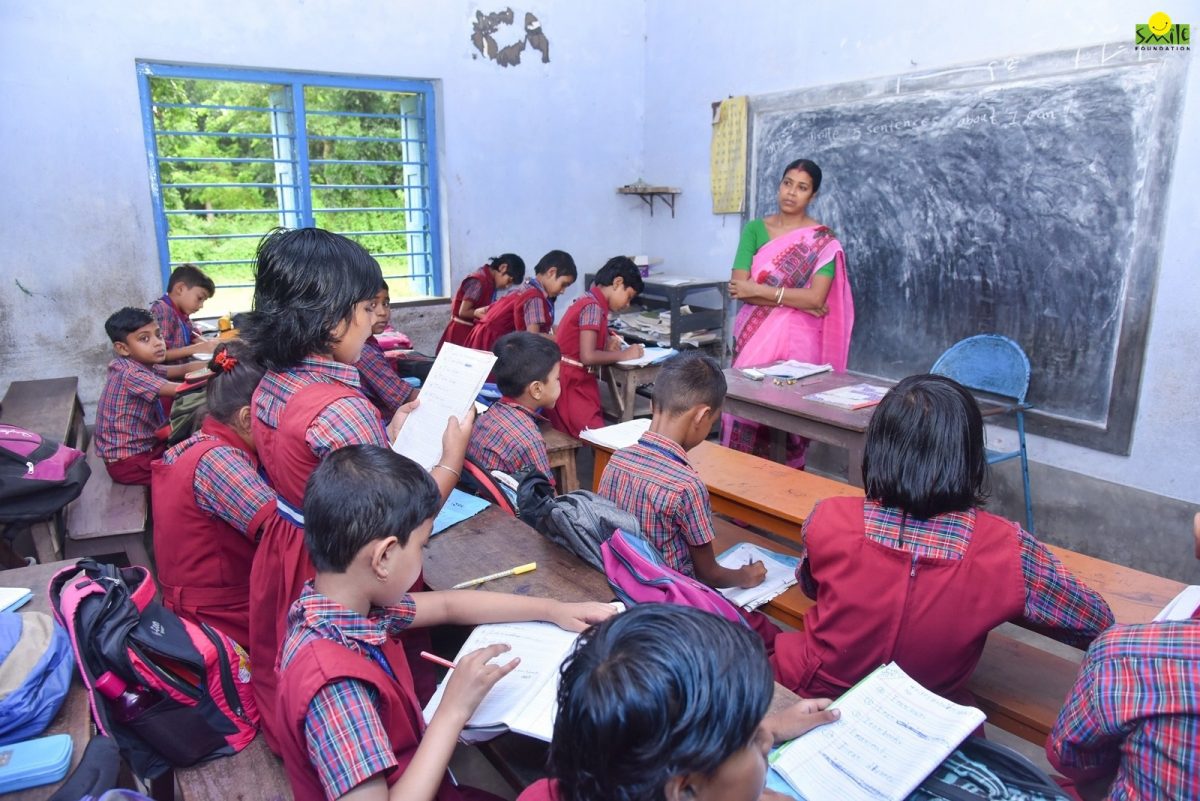
Our flagship program, Mission Education is all about making quality education available to all those who have been out of the education system because of inequalities that can only be done with the help of civil society at large and their decision to change lives other than their own selves.

Categories
Partnerships Partners In Change Smile

Cause-related Marketing: Purposeful Partnerships

Cause-related marketing is a strategic alliance between a business and a nonprofit, aimed at advancing a specific social or environmental cause. It is a commitment to create a better world. The essence of CRM lies in its ability to align the core values of an organisation with a cause that resonates with its audience.

Why CRM Matters

  1. Building a Purpose-Driven Brand: CRM allows businesses to develop a purpose-driven identity. It showcases a commitment to something beyond profit, making the brand more relatable and attractive to conscious consumers.
  2. Connecting with Customers: Today’s consumers want to be part of something bigger than themselves. CRM provides a way for brands to connect with their customers on a deeper level by sharing common values and aspirations.
  3. Social Impact: Perhaps the most significant benefit of CRM is the impact it can have on society. By partnering with nonprofits, businesses can drive real change, whether it’s supporting education, healthcare, environmental conservation, or social empowerment.

Why Partner with Smile Foundation for CRM?

  1. A Track Record of Impact: Smile Foundation has a proven track record of making a difference in the lives of marginalised communities across India. By partnering with us, your business can tap into our experience and expertise.
  2. Diverse Cause Areas: Smile Foundation’s work spans various cause areas, including education, healthcare, livelihood, and women empowerment. This diversity allows businesses to choose a cause that aligns perfectly with their brand values.
  3. Transparency and Accountability: Smile Foundation maintains the highest standards of transparency and accountability in its operations. This ensures that your contributions are directed toward creating a genuine impact.
  4. Customized CRM Solutions: Smile Foundation collaborates closely with businesses to develop CRM purposeful partnerships that reflect their brand identity and resonate with their audience. Whether it’s through product promotions, charity events, or awareness campaigns, the possibilities are endless.

Success Stories: Smile Foundation and CRM

The Smile Foundation’s CRM purposeful partnerships have resulted in several heartwarming success stories

  1. Education for All: Through CRM initiatives, thousands of underserved children have gained access to quality education, breaking the cycle of poverty.
  2. Healthcare Reach: Partnerships have facilitated healthcare camps, medical treatments, and awareness drives, improving the health and well-being of countless individuals.
  3. Empowering Women: CRM campaigns have empowered women with vocational training, entrepreneurship opportunities, and support to lead independent lives.

How Your Business Can Get Involved

  1. Define Your Purpose: Start by identifying a cause that resonates with your brand and audience. Whether it is education, healthcare, or environmental conservation, choose a cause that aligns with your values.
  2. Choose the Right Partner: Look for a nonprofit like Smile Foundation that shares your vision and has a track record of creating meaningful impact in your chosen cause area.
  3. Design Engaging Campaigns: Work closely with your partner to develop CRM campaigns that engage your audience authentically. Whether it is a percentage of sales, product partnerships, or donation drives, make sure the campaign reflects your commitment.
  4. Measure and Share Impact: Transparency is key in CRM. Share the results of your campaigns with your audience. Highlight the lives you have touched and the difference you’ve made.

The Power of Purposeful Partnerships

Cause-related marketing is a powerful vehicle for change, allowing businesses to leverage their reach and resources for the greater good. By partnering with Smile Foundation, companies can not only build purpose-driven brands but also drive substantial social impact. It’s a win-win scenario where businesses thrive, consumers connect, and society flourishes.

So, are you ready to embark on a journey of purpose-driven marketing? Partner with Smile Foundation and discover the transformative power of CRM. Together, we can make a real difference and create a brighter future for all.

Categories
In The Spotlight Girl Child Smile

Scholarships opening up doors for Girls

In the quiet corners of a small town in India, a young girl named Priya dreamed of becoming a doctor. Her parents, despite their meager income, encouraged her dreams, but the road to higher education seemed impassable due to financial constraints. Little did they know that scholarships would soon become the bridge to her aspirations.

Now Priya and her story can be fictitious (for now) but it is not unique. Across the world, countless girls harbor dreams of a better future. They aspire to become doctors, engineers, teachers, scientists, and leaders in their respective fields. However, many of them face formidable barriers, with financial constraints often topping the list.

Scholarships have the power to pierce through these barriers, unlocking doors of opportunity for girls and enabling them to pursue their dreams. Here’s how-

1. Financial Accessibility

Scholarships provide the financial support necessary to access quality education. They cover tuition fees, books, and sometimes even living expenses, relieving the financial burden on students and their families. For girls, this financial aid means the difference between pursuing higher education and leaving their dreams behind.

2. Empowerment

Scholarships empower girls by giving them the means to make choices about their future. They offer a pathway to independence and self-sufficiency, allowing girls to break free from traditional gender roles and societal expectations.

3. Breaking Stereotypes

By supporting the education of girls, scholarships challenge deep-rooted gender stereotypes. They send a powerful message that girls are equally capable of excelling in any field they choose. This not only benefits individual girls but contributes to a more equitable and diverse society.

4. Enhancing Confidence

When girls receive scholarships, they gain a boost in confidence. The belief that someone values their potential can be transformative. This newfound self-assuredness propels them to overcome challenges and excel academically.

5. Fostering Leadership

Scholarships nurture leadership qualities in girls. They encourage them to aim high, set ambitious goals, and work diligently to achieve them. As these girls grow into leaders, they inspire others to follow in their footsteps.

She Can Fly campaign by Smile Foundation embodies the spirit of scholarships transforming lives. It provides scholarships and mentorship to underserved girls across India. It empowers them to pursue their dreams, break free from the shackles of poverty, and reach for the stars.

Smile Foundation recognises that every girl has the potential to soar to great heights, given the right opportunities. Through She Can Fly, they aim to create a brighter future, one where girls are not limited by their circumstances but are equipped with the wings to achieve their aspirations.

In conclusion, scholarships have the incredible power to change the trajectory of the lives of girls. They open doors that were once closed and illuminate the path to a future filled with opportunities and achievements. As we celebrate the transformative impact of scholarships, you can think of supporting Smile Foundation’s She Can Fly campaign, ensuring that every girl has the chance to spread her wings and reach for the sky. You can empower girls to dream, aspire, and achieve greatness.

Categories
Education Smile

The Role of Unconventional Teachers and Teaching Methods

The days of one-size-fits-all teaching methods and conventional educators are giving way to a more dynamic and flexible approach. As the world becomes increasingly complex, students are seeking innovative ways to learn and understand the vast knowledge that awaits them.

Unconventional teachers are the driving force behind this educational transformation. They defy the norms, challenge the status quo, and inspire students to think outside the box. Here are some key traits that set them apart:

  1. Passion for Learning: Unconventional teachers are lifelong learners themselves. They have an insatiable curiosity and a deep love for acquiring knowledge, which they pass on to their students.
  2. Adaptability: These educators embrace change and adapt quickly to new technologies and teaching techniques. They are not bound by tradition but driven by innovation.
  3. Empathy and Understanding: Unconventional teachers understand that every student is unique. They take the time to connect with their students on a personal level, offering guidance tailored to individual needs.
  4. Creative Problem Solvers: They encourage students to explore and solve problems creatively. Unconventional teachers understand that the ability to think critically and solve real-world issues is a vital skill for the future.
  5. Tech-Savvy: In today’s digital age, unconventional teachers harness the power of technology to enhance the learning experience. They leverage online resources, interactive tools, and multimedia to make lessons engaging and relevant.

The Evolving Classroom: Unconventional Teaching Methods

Unconventional teaching methods go hand in hand with unconventional teachers. These methods focus on fostering independent thinking, collaboration, and real-world application. Here are some unconventional teaching techniques making waves:

  1. Project-Based Learning: Instead of rote memorization, students work on real projects that require research, critical thinking, and problem-solving. This approach encourages a deeper understanding of the subject matter.
  2. Flipped Classroom: In a flipped classroom, students review course materials at home through videos or online resources and then use class time for discussions, problem-solving, and hands-on activities.
  3. Gamification: Gamifying lessons turns learning into an immersive experience. Educational games and simulations make complex concepts more accessible and enjoyable for students.
  4. Outdoor and Experiential Learning: Unconventional teachers take learning beyond the classroom. They organize field trips, nature walks, and hands-on experiences to connect academic knowledge with the real world.
  5. Peer Teaching: Students become teachers themselves in peer teaching environments. This collaborative approach not only reinforces their understanding but also promotes teamwork and leadership skills.

The Impact of Unconventional Learning

Unconventional learning methods and teachers have a profound impact on students and education as a whole:

  1. Fostering Creativity: Unconventional learning encourages students to think creatively, explore their passions, and develop a love for learning beyond textbooks.
  2. Boosting Engagement: Students are more engaged when learning is fun, interactive, and relevant to their lives. Unconventional methods achieve this by design.
  3. Preparing for the Future: In an ever-changing world, unconventional learning equips students with skills such as adaptability, critical thinking, and problem-solving that are essential for success in any field.
  4. Inclusivity: Unconventional teaching methods often accommodate diverse learning styles, making education more inclusive and accessible to a broader range of students.
  5. Global Perspective: Through unconventional methods, students gain a global perspective, fostering empathy and understanding of different cultures and worldviews.

As the educational landscape continues to evolve, it’s clear that unconventional learning and teachers are at the forefront of this transformation. They are challenging the norms, breaking down barriers, and opening doors to a world of possibilities for students.

Challenges and Future Trends

While unconventional education offers myriad benefits, it’s not without challenges. Standardized testing and institutional resistance can pose hurdles. However, as more educators and institutions embrace these methods, a future of blended learning, flipped classrooms, and experiential education is emerging.

Embracing the Unconventional Teaching

The role of unconventional teachers and teaching methods in education is pivotal. They are catalysts for change, champions of creativity, and advocates for personalized learning. As the world evolves, so must education, and these unconventional approaches are lighting the way forward.

The classroom of tomorrow is dynamic, innovative, and, above all, focused on nurturing the next generation of thinkers, creators, and leaders. It’s an education that celebrates individuality, embraces curiosity, and prepares students not just for exams but for life itself.

Whether you’re an educator, a student, or a parent, embracing unconventional learning can lead to a more dynamic and enriching educational experience. The future of education is here, and it’s unconventionally bright.

Categories
Partnerships Smile

Power of Cause-related Marketing: Purpose-Driven Initiatives

In modern commerce, a seismic shift is reshaping the way businesses engage with their audiences. No longer is it enough to offer products or services, consumers now demand more. They seek meaningful connections with brands that transcend mere transactions. They yearn for a shared purpose, a commitment to social good that resonates deeply with their own values.

This transformational phenomenon is embodied in the world of cause-related marketing (CRM). Far from being a marketing strategy, CRM represents a profound philosophy, an approach where profit meets purpose. It’s the art of harnessing the immense potential of business not only to succeed financially but to ignite positive change in society.

Cause-related marketing (CRM) is a philosophy that lies at the intersection of commerce and compassion. At its core, CRM represents a brand’s commitment to aligning its values with the greater good. It’s about using the power of business to address societal issues, thereby creating a positive ripple effect.

But how does it work?

The Dynamics of Cause-related Marketing

Identifying a Cause: The journey begins with selecting a cause that aligns with the mission and values of your brand. It could be anything from education and healthcare to environmental conservation and poverty alleviation.

Building Authentic Partnerships: Collaborate with organisations or nonprofits that are actively working towards the chosen cause. Authenticity is key. Your partnership should reflect a genuine commitment to making a difference.

Crafting Purpose-Driven Campaigns: Develop marketing campaigns that integrate the products or services of your brand with the cause you’re supporting. These campaigns should be thoughtfully designed to resonate with your target audience.

Educating and Engaging: Use your platform to educate consumers about the cause and the impact their support can have. Create engagement opportunities, such as events, webinars, or social media campaigns, to involve your audience actively.

Measuring Impact: Be transparent about the outcomes of your CRM initiatives. Share stories, statistics, and real-world results to demonstrate the positive change that your brand is driving.

Cause-related Marketing with Smile Foundation

Through innovative CRM campaigns, Smile Foundation has not only raised awareness about pressing social issues but has also mobilized tangible support. Whether it’s their “She Can Fly” campaign, which empowers underserved girls through education and skill-building, or initiatives focused on healthcare and livelihood, Smile Foundation’s work exemplifies the transformative potential of CRM.

The Impact of CRM: Beyond Profit

Cause-related marketing isn’t just about boosting sales. It’s about fostering a deeper connection between brands and consumers. When done right, CRM can lead to a range of benefits:

  1. Enhanced Brand Loyalty: Consumers are more likely to remain loyal to brands that share their values and actively contribute to social causes.
  2. Positive Public Perception: Purpose-driven initiatives generate positive PR and enhance a brand’s reputation in the eyes of the public.
  3. Increased Sales: While the primary focus isn’t profit, well-executed CRM campaigns often result in increased sales as consumers choose to support a brand with a higher purpose.
  4. Employee Engagement: Employees of purpose-driven companies tend to be more engaged and passionate about their work, knowing that their efforts contribute to meaningful change.
  5. Driving Real Impact: Most importantly, CRM has the potential to create genuine, positive change in the world. It addresses critical issues, supports nonprofits, and uplifts marginalized communities.

Conclusion: Weaving Purpose into Brand DNA

Cause-related marketing is about recognising that success isn’t solely defined by profit margins but by the positive influence a brand can wield. By weaving purpose into brand DNA, companies can forge authentic connections with consumers, drive social change, and make the world a better place— one campaign at a time. Learn more here!

0%