Categories
Girl Child Women Empowerment

Women Financial Inclusion- An Important Marker of Empowerment

Remember our homemaker mothers and their savings system? When we would ask them for money, they would pivot us towards our fathers, only sharing their money when we need something urgently and our fathers have sternly said ‘no’ to that. That was and still is one of the superpowers of women who know when to open up their wallets and when to keep the zippers on them closed. Women financial inclusion is simply the need of the hour.

Women Financial Inclusion- Why the Urgent Need?

Women’s financial independence is a key component of the genuine “emancipation” of women. Faster gender parity will result from financial empowerment. However, it is believed that 35% of women worldwide are financially excluded.

One of the main barriers preventing women from accessing institutional finance is a lack of knowledge. It is quite challenging for both men and women to comprehend and value the importance of formal money in their lives without proper literacy. This frequently causes individuals to be reluctant to use the savings and loan products offered by financial institutions. Having some basic education is necessary to improve financial literacy. The situation for female literacy, however, is not positive.

In comparison to 8% of all boys, around 10% of all girls between the ages of 6 and 11 are denied the right to education internationally, according to UNESCO’s eAtlas of Gender Inequality in Education. In comparison to around 8 million males, over 16 million girls between the ages of 6 and 11 may never get the chance to attend a primary school if the current pattern persists.

Reasons for Women’s Current Position In The Economical Structure

The habit of forcing female youngsters into marriage before they are financially independent, sometimes against their will, is the second barrier. They become totally reliant on the spouse or the husband’s family as a result of this and their early motherhood. Consequently, her life is challenged monetarily if the husband quits his work or experiences a crop failure.

Third, many nations do not provide women with the ID documentation they need to access financial institutions.

Fourth, many developing and low-income nations forbid women from entering banks, which are often staffed mostly by males. Additionally, women frequently do not have control over their possessions since their male relatives hold that authority.

Another roadblock is the inheritance and marriage regulations– the sons receive the better share of the inherited property in a patriarchal culture. However, laws have changed or are being altered in many nations today to empower women.

Lastly, as women do not have financial independence, it is challenging for credit reporting agencies to compile the financial histories of women, which prevents financial institutions from lending to them. Women financial inclusion would ensure an easy credit flow to women in starting a business or taking loans during personal crises.

Women’s Economic Empowerment in Developing Countries

Giving women more economic power involves giving them more access to financial resources and more authority to make important decisions that will benefit themselves, their families, and their communities. These include the freedom to manage their own schedules, and finances, and the ability to participate equally in the marketplaces already in place. Their economic situation and well-being are improved with more empowerment.

The Sub-Saharan African region continues to struggle with gender inequality; it is one of the most unequal regions in the world, and development there is considerably slower than in other areas. The predominance of cultural practises that exacerbate favouritism towards men is a major contributor to gender disparity in emerging nations.

Financial Loss of Keeping Women Out of the Workforce

Gender inequality has a huge financial cost since it reduces productivity and economic growth internationally. As a result of the disparities in lifetime incomes between men and women, nations are losing $160 trillion in wealth. Additionally, a staff note paper from the IMF revealed that the costs of preventing women from joining the workforce are higher than previously imagined and that removing the barrier of gender disparity would likely result in benefits that are higher than originally anticipated. Therefore, reducing gender disparity is essential for economic growth.

Third-world economies expand more rapidly when more women are given the opportunity to work. This is because the economic empowerment of women promotes economic diversity, productivity, and income equality, all of which have a favourable impact on other aspects of development.

According to IMF research, measures that promote women’s access to financial and educational opportunities can lower inequality and boost economic growth in developing nations. Reduction in fertility rates and increase in labour force participation, therefore providing greater quality of human capital to the future economy and generations are made possible by giving women and girls more educational possibilities.

‘Women Everywhere’ is Good for the Overall Economy

Women do better when they have more visibility. Financial inclusion into various institutions through an increased affordability power ensures that women’s needs are made central and of high value. When a man and a woman have comparable purchasing power for a car then the banks would be bound to treat them as equals when their loan applications go in.

Small but steady steps ensure that more and more women are empowered with their needs discussed in marketing/boardroom meetings more fervently. Once the women have equitable seats at the big table, there’s no stopping them from living dignified lives- both personally and professionally.

Donate for Women Empowerment

Smile Foundation launched Swabhiman in 2005 to tackle these issues in a straightforward and efficient manner. Through creative communal activities, the programme especially aims to realise both individual and collective self-esteem and inner strength for marginalised and socially excluded women and teenage girls.

Under Swabhiman, the initiative for women’s empowerment, a customised approach known as the “4S Model” was devised. The abbreviation “4S Model” stands for four cutting-edge strategies: Supporting Education, Sustaining Change in Communities, Support from men through male involvement and Seeking Healthcare as a Behaviour.

The initiative seeks out young women and girls from the neighbourhood and nurtures them into Change Agents who then actively participate in the community mobilisation process. To date, Swabhiman has effectively improved the lives of nearly 1,00,000 women and girl children via its health and women’s empowerment programmes. 
Categories
Education

India’s Brain Drain: Are We Doing Enough for Our Super Talented?

When you think of Indians abroad, you probably think of names like Satya Nadella, Sundar Pichai, Gita Gopinath, and many others. All of these are Indian-origin people who managed to reach the top of international organisations.

Before Elon Musk took over X (formally known as Twitter), Parag Agarwal was the CEO of Twitter too. But, this begs a question- why are super talented Indians finding such opportunities abroad? Is this a sign of India’s brain drain?

According to reports, close to nine lakh Indians have given up their citizenship since 2015. In addition, 23000 millionaires have left India since 2014.

Not just working professionals, India is also seeing a migration of talented students abroad. The British High Commission states that 1,17,965 Indians got a UK Visa for studies in a year till June 2022.

Another report suggests that 1.8 million Indians will be spending close to $85 billion on studying abroad by the year 2024. This is a number of mammoth proportions and it shows how money from India is also draining out with its talent. Therefore, the statistics of brain drain in India show us the economic repercussions of this cannot be ignored.

Brain Drain and Education in India

As war broke out between Russia and Ukraine, it was worrying news for Indians too. Thousands of Indian students study medicine in Ukraine because reportedly it costs less and provides more opportunities.

This is not a solitary example of Indians choosing to study abroad. So, what are the reasons behind this? Does India have tough education or there is a shortage of resources for students at home?

One of the reasons for Indian students moving abroad can be the tough competition to get into premiere Indian universities. Let’s look at the NEET examination first. In 2022, there were more than 18.5 lakh applications.

For admission to the Bachelor of Medicine and Bachelor of Surgery (MBBS), Bachelor of Dental Surgery (BDS), Bachelor of Ayurveda, Medicine and Surgery (BAMS), Bachelor of Siddha, Medicine and Surgery (BSMS), Bachelor of Unani, Medicine and Surgery (BUMS), Bachelor of Homeopathic, Medicine and Surgery (BHMS), and Bachelor of Science in Nursing (BSc(H) programmes, candidates must pass the NEET-UG entrance exam.

What Do The Numbers Say?

Only 91,927 MBBS seats, 27,698 BDS seats, 50,720 AYUSH seats, and 525 B.VSc & AH seats were up for grabs with all of these students. This demonstrates the stark disparity between the number of open seats and applicants in India.

This is not just the case in medical examinations. Similar trends are observed in other elite examinations in the country. Whether it is the much-coveted UPSC or the admission to IITs, lakhs of Indians compete against each other with a success rate too small.

In 2022, more than 11.5 lakh aspirants gave the UPSC civil services exam and only 13,090 qualified. The UPSC exam usually has an extremely low success rate of less than 0.5%. This is when thousands of students spend years preparing for the exams paying lakhs of rupees as fees.

In such conditions and the pressure under which the students have to operate, it shouldn’t be a surprise that lakhs of Indian students are choosing to study abroad. This is not the question of whether India is good at anything but about the greener pastures and easier opportunities.

India has the world’s highest population of young adults (ages 18 to 23), according to UN Population Prospects. The country’s finest colleges are few in number, thus applicants from within the country can anticipate stiff competition. Unlike other nations with smaller populations and a variety of educational options, these students can pursue their desired education abroad..

The key factor for the increase in Indian students studying abroad is the success of the work visa programmes provided to international students and graduates. Between January and September 2021, almost 115,000 Indian students received approval to study in Canada, and during the previous five years, Indian PGWP applicants had an approval rate of more than 95%.

Employment Opportunities and Higher-Pay: Reason for India’s Brain Drain

Now that we have looked at the state of education, we should also understand India’s brain drain of professionals. Why are Indian professionals moving abroad? There are again various reasons for that. The job market in India is highly competitive.

Every year, lakhs of new job seekers enter the market and jostle to find opportunities in the best companies. With so many people fighting for jobs, the salaries come down significantly as more and more people are willing to work at lower wages.

Salaries in India for the same role stand in stark contrast with salaries in Europe, the US, or other international destinations. This is also one of the biggest reasons why Indians try to find jobs abroad. This helps them in upward mobility and getting access to a better quality of life and infrastructure.

If a top Indian executive can earn 3X or 4X the salary he or she gets in India, then it becomes a good decision to move abroad. However, we can expect this trend to reverse and many Indians are choosing to stay in the country and start-up.

The new breed of entrepreneurs is not looking to go out for better opportunities but they are trying to create opportunities for themselves within the country. This brings us to the solution of brain drain in India.

Solution to India’s Brain Drain

Merriam-Webster defines brain drain as “the departure of educated or professional people from one country, economic sector, or field for another usually for better pay or living conditions.”

We have already understood how India’s brain drain is leading to the exit of super-talented people from the country. While this has short-term consequences for the country, it also can lead to long-term economic loss.

Thousands of talented and smart people leaving India means a lost opportunity for the country to grow faster. This is why it is important to look for solutions to stop this brain drain. One of the ways is to create the necessary infrastructure as per the needs of the students and professionals in India.

Another way is to promote new businesses and give Indians opportunities to start new ventures. This way, more jobs can be created in the private sector taking off the burden from the government sector.

India’s Advantage With Its Young Demographic

India can also take advantage of its young population and work towards upskilling them. The country should also focus on building more colleges and universities and provide the best options for the students within the country itself.

Good quality of education, infrastructure, competitive pay, and professional opportunities; all combined can stop or slow down the brain drain from India. As we move ahead, India has the potential to achieve this. India’s brain drain can be stopped if the best efforts are employed for it.

Smile Foundation and Talented Youth

Smile Foundation is preparing the youth from underprivileged backgrounds for a better tomorrow. By Skilling them with practical, modern training in technical and non-technical areas, the organization is trying to strengthen the Indian workforce by integrating talented individuals into the country’s economy through great employment opportunities.

Read more about our livelihood initiative, STeP here and become a part of it through a fruitful CSR Partnership!

Categories
Insights

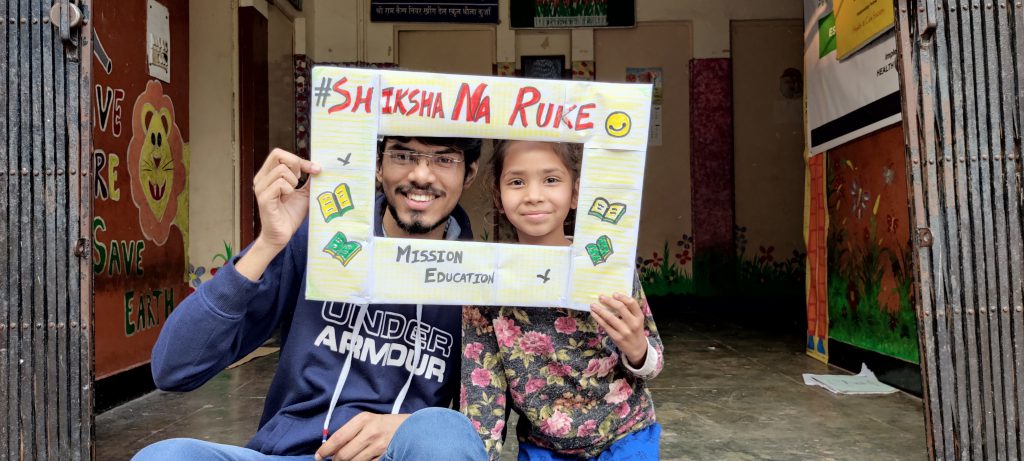
Shiksha Na Ruke: The Way Forward for Children’s Education

The pandemic devastated many lives when it hit us and children are the ones who got harmed the most. Through our Shiksha Na Ruke campaign, Smile Foundation is doing its best to ensure that underserved children have continued access to education and resources. However, there is a range of obstacles that children as well as teachers are facing. We need to continuously work to ensure that these can be overcome.

While a lot of children have the means for online classes, underserved children got deprived of learning amid the COVID-induced lockdown. They had no access to computers or smartphones. These children already have had difficult journeys, having fought the shackles of poverty, child labour, and much more to finally reach school. The pandemic reversed their years of struggle.

No access to Smartphones/Tablets

Smile Foundation conducted a survey among beneficiaries of their Mission Education (ME) programme to assess the severity of the pandemic situation. About 46% of respondents accepted that they had insufficient teaching-learning resources. At least 69% expressed that they want better guidance and support to access online classes and platforms would help ease the process.

Only 51% of the respondents were satisfied with the then learning methods, while 80% were waiting for schools to reopen. Almost 68% felt that the online classes suited parents’ schedule. Moreover, 95% of the respondents had two or more children at home. This meant that sharing a mobile phone between two children posed a new challenge.

Adverse Conditions at Home

Further, the survey data reveals that more than 50% of households did not have access to proper nutritious food. More than 51% acknowledged that their children felt hunger pangs quite often. Almost 20% of the households were not able to have three full meals a day.

The pandemic put millions of people out of work. As a result, the domestic environment suffered and children felt deeply affected by the sudden changes in their daily lives.

Change in Patterns and Behaviour of Children

Up to 77% of the respondents felt that their children’s lifestyle had changed either completely or partially. Eating, sleeping and other regular routines had been impacted. The reason could be that they were out of school and not active enough during the day with less play, physical and mental activity.

How Shiksha Na Ruke is Helping?

353658396 667462075404938 1555080039816511881 n

Through the Shiksha Na Ruke campaign, we are following a blended mode of learning. Customized solutions are being created for individual children based on their requirements. Besides smartphone-based app-learning modules, cable-based television learning programmes, one-on-one mentoring, home visits, cluster learning sessions, projector-based learning, and many other methods are being used by teachers to continue the education of children.

Teachers are also being trained for the new digital environment. At the same time, parents are being counselled regularly on how they can support their children’s education. Along with this, value education lessons are also being conducted for the overall development of the children.

Our Key Interventions

  • Provision of smartphones and tablets for deprived children
  • Alternate learning mediums – curating educational content for radio, TV, door-to-door visits
  • Teacher training – To train them for the dynamic digital learning environment
  • Regular counselling of parents to ensure children’s participation
  • Ensuring mental well-being – Helpline services and one-on-one monitoring sessions for children to keep them engaged

Way Forward

Cause-related Marketing: Purposeful Partnerships

For lakhs of children, education came to a halt. They couldn’t afford smartphones and Internet connections. They couldn’t even count on the support of their parents for home learning. Shiksha Na Ruke by Smile Foundation is providing these underserved children access to continuous learning. We are working to ensure that these children continue to dream. Join hands with us to help these little dreamers continue their education.

Categories
Smile

Social responsibility as a key function of businesses

Man is a social animal by nature. Human beings cannot exist in isolation. They tend to live in a social set-up and depend on each other for their basic needs. Emphasizing the social nature of human beings, the legendary Greek philosopher Aristotle had said, “He who is unable to live in society, or who has no need because he is sufficient for himself, must be either a beast or a god’.

Society provides the structural framework within which we all coexist and carry on with our lives and livelihoods. Thus individuals, families, government, enterprises, businesses, corporate houses, public and private institutions all are a part of the social set-up; and it is only fair that progress and preservation of society be a shared responsibility.


Corporate Social Responsibility


Corporate Social Responsibility, meaning the social responsibility of companies is a management concept. It is adopted by companies to express their commitment towards the society at large by integrating social and environmental concerns in their business operations. Corporate Social Responsibility (CSR) works towards the idea of sustainability by balancing economic, social and environmental impact while simultaneously addressing the interests of the stakeholders of the company.


Evolution of CSR in India


The Father of our Nation Mahatma Gandhi had advocated and introduced the concept of Trusteeship in fuelling socio-economic growth way back in early 1900s. Encouraged by this Gandhian philosophy and prompted by their family traditions many wealthy families from the pre-independence era actively took part in philanthropic activities to give back generously to the society.


This was the earliest form of CSR in India where the wealthy not just donated money to the poor and needy but also set up many educational and health institutions for the benefit of the society. Some of these most famous institutions are Sir JJ School of Art, Elphinstone College and Birla Institute of Technology and Science.


However, over the years with changing socio-political environment and national & global policies pertaining to corporations the social responsibility of businesses has also evolved and taken various forms with the core objectives of serving people and planet remaining the same.


Types of Corporate Social Responsibility


The CSR activities can be divided into the following four major types:


      1.  Environmental Responsibility: With growing industrialization, urbanization, population and modernization, the pace of environmental degradation has also increased. Thus, environmental protection and preservation is one of the foremost areas of Corporate Social Responsibility. Under this responsibility, companies try to ensure that their business operations and decisions are as environmental friendly as possible. Regulating pollution, water consumption, treatment of harmful waste before disposal, more reliance on renewable energy, offsetting negative impacts of business on environment by steps like increasing green cover, funding related researches etc are measures taken in this direction.

      1.  Ethical Responsibility: This relates to fair practice on the part of the companies in treatment of its employees, investors, suppliers, customers and all stakeholders. In this direction companies ensure labour welfare by following ethical practices at work place like no discrimination based on gender, race or religion, equal pay for equal work, ensuring safety protocols in workplace, compensating with livable or competitive wages or ensuring that they do not source their materials from suppliers who adhere to wrong and illegal practices like child labour.

      1.  Philanthropic Responsibility: This mainly entails the commitment to make the world a better place by actively participating in the upliftment of underprivileged or marginalized populations. In order to fulfill this responsibility, corporate houses usually donate money, time or other resources to charitable organizations or NGOs. Over the years many big corporate houses have taken it a notch higher by setting up their own charitable foundations to work towards various social causes. Examples of such foundations in India are Wipro Cares, Infosys Foundation, Tech Mahindra Foundation, Biocon Foundation, Asian Paints Charitable Trust etc.

      1.  Economic Responsibility: This is an interrelated field whereby an organization takes care that its business operations and financial decisions positively impact people, environment and society at large. The objective of economic responsibility is to strike a balance between business and sustainable practices.


    Benefits of Corporate Social Responsibility


    Corporate social responsibility is a constant reminder to all business organizations that they function within the realm of the social framework and derive their resources and market from here. In India, though CSR existed in the form of philanthropic activities from the pre-independence era, the Companies Act 2013 introduced far reaching changes including incorporating an additional section, Section 135 on CSR obligations. India is the first country to mandate a minimum spending of 2% of average net profit of past 3 years by companies with certain turnover, towards CSR initiatives.


    While companies engaged in CSR activities definitely do a lot of good to the society, there are some inherent benefits in it for the companies as well. Some of these are listed below:


    Builds Public Trust: Trust is the biggest factor affecting the relationship of any business with its stakeholders. Businesses actively engaged in CSR earn positive reputation and thus have a better brand identity. Consumers are more inclined to give business to companies that engage in social welfare activities.


    Gives Competitive Advantage in Talent Acquisition and Retention: Companies with good CSR track record have a better potential to attract qualified and competent people to join their workforce. Also they are more likely to provide a good work environment which helps in employee retention.


    As per the 2022 Edelman Trust Barometer trust and credibility survey, 60% of employees while considering a job want the CEO to speak out on controversial issues they care about and 80% of general population expects CEOs to shape discussion and policies on issues like jobs, wage inequality, global warming and climate change etc.


    Sustainable Growth: While aligning their business operations with environmental sustainability, the companies benefit as well, by cutting down operational costs like saving on energy bills.


    Increase Profits: Greater philanthropic visibility results in a stronger brand image. Thus, consumers, suppliers, investors and all stakeholders pride themselves in associating with such brands which results in multiple benefits for the company, leading to greater business and better profits.


    NGO Corporate Social Responsibility


    NGOs are non-profit organizations whose core objective is to build a better world based on justice and inclusivity. With businesses acknowledging their role towards social responsibility and increasingly getting involved in CSR activities; NGOs can be their perfect partner to further these activities. CSR funds and other resources from corporate firms paired with community outreach, subject expertise and logistical support by NGOs leads to effective implementation of social outreach programmes.


    Smile Foundation, having partnered with 350 global brands so far, is one of the best NGOs for Corporate Social Responsibility having transformed lives of over 950 under-served communities across 25 states of India.


    Concluding Thoughts


    As William Clay Ford Jr. puts it, “Creating a strong business and building a better world are not conflicting goals – they are both essential ingredients for long-term success.” With an increasing number of corporate houses advancing CSR activities more willingly than out of compliance, the future of societal leadership of businesses looks optimistic; thus giving the hopes of a better tomorrow.

    Categories
    Education Livelihood

    Upskilling: The next logical step for better livelihood opportunities

    For decades, India has explored innovative avenues for education, dating back to radio, television, and now the internet era. Today, as blended learning and AI-driven approaches gain prominence, a transformative revolution in the education sector is on the horizon. This evolution serves a dual objective- firstly, to ensure universal access to fundamental education, and secondly, to build a substantial knowledge repository, leveraging our traditional strengths in Science, Technology, Engineering, and Mathematics (STEM).

    India’s Path to Prosperity

    As the conversations around the ascend of India to higher global economic ranks become more commonplace, the role of a skilled workforce is pivotal to its big realizations. Various projections indicate that investments in upskilling could potentially bolster the global economy by a big number and elevate its economic prowess by $570 billion by the year 2030. This places skill development at the core of the Sustainable Development Goals (SDGs) laid out by the United Nations, a comprehensive set of global initiatives launched in 2016 with the aim to eradicate poverty, safeguard the planet, and ensure universal peace and prosperity.

    India has a young demographic advantage of over 54 percent of its population under the age of 25, but only 62 percent falls within the working-age bracket. An additional influx of 183 million individuals is anticipated into this working-age population by 2050. Consequently, an urgent imperative lies in the skilling and re-skilling of this growing workforce.

    If India is to realize its vision of elevating the manufacturing sector’s contribution to the GDP to a good percentage and generating a staggering 100 million jobs, as envisioned by the National Manufacturing Policy, it has no choice but to lay the foundation for a robust pipeline of skilled workers. To make things more concerning, the Global Skills Gap Report highlights the Indian workforce currently grapples with the highest skills gap globally, second only to Brazil. A disconcerting revelation from the National Skills Development Corporation report exposes that a mere 2.3 percent of the Indian workforce possesses formal vocational skills. All these numbers might mean that the youth of India will find themselves devoid of the essential skills needed for gainful employment.

    Indian Skill Ecosystem: A Blueprint for the Future

    The landscape of skills has been reshaped by Artificial Intelligence, Machine Learning, and more bringing in a new era of work. The contemporary approach of businesses has shifted from a ‘degree-based’ model to a ‘skill-based’ one. Critical skills such as critical thinking, problem-solving, teamwork, collaboration, and time management have ascended in importance, often overshadowing traditional academic degrees.

    To confront the pressing skills shortage, India must enhance the quality of education and training, aligning them with the changing demands of the evolving economy. There is a substantial difference between the skills sought by employers and those possessed by job seekers. To bridge this gap, the government needs to foster increased partnerships and collaborations between industry players, educational institutions, and government agencies to drive skill development in emerging technologies.

    Notably, there was an almost 50 percent surge in demand for skill-up courses in Tier II and III cities last year. The government has already embarked on several initiatives, including Skill India Pradhan Mantri Kaushal Vikas Yojana National Policy on Skill Development and Entrepreneurship, National Digital Literacy Mission among many others. Moreover, the Companies Act of 2013, now mandates skill development as part of Corporate Social Responsibility (CSR) activities, prompting private organizations to contribute significantly.

    It is imperative to blend creative skills seamlessly with technological proficiency to equip the workforce for the challenges of the future. The demand for a workforce that not only masters technology but also harnesses creativity underscores the evolving nature of the Indian skill ecosystem.

    Enhancing Employability and Fueling Economic Growth

    Over the past two decades, the integration of technology into education has sparked a transformative revolution, rendering learning more accessible and interactive than ever before. Technological advancements, including Artificial Intelligence (AI), Machine Learning (ML), etc. have made the focus apparent on personalized learning experiences.

    This shift is a game-changer for several reasons:

    1. Democratization of Education: Internet penetration, mobile data availability, smartphones, etc. have begun to democratize access to education. The concept of ‘blended learning,’ which combines classroom and online learning, has broken traditional barriers and opened up dynamic avenues for knowledge acquisition.
    2. Enhanced Learning Outcomes: Studies have shown that students with access to technology in their classrooms tend to perform better academically. Technology, particularly when used effectively by teachers, has the potential to significantly improve learning outcomes.

    As India increasingly competes on the global stage, the bar for skill sets is continually rising. To thrive in an interconnected world, Indian professionals must equip themselves with contemporary skills that not only meet but exceed international standards. Upskilling is a strategic move to stay ahead in the global race.

    In an evolving job market, employers seek candidates with versatile skill sets that span multiple domains. Upskilled individuals are not only more adaptable but also better equipped to take on diverse roles and responsibilities.

    Economically, upskilling is a potent driver of growth. A skilled workforce enhances productivity, fuels innovation, and contributes to the overall development of the nation. In an era where knowledge is power, upskilling empowers individuals to contribute actively to economic progress.

    Embracing Emerging Industries and Bridging the Skills Gap

    India’s aspirations to excel in emerging industries like information technology, biotechnology, renewable energy, and artificial intelligence hinge on upskilling. These sectors hold tremendous growth potential, and individuals with the right skills are poised to lead the charge.

    Upskilling plays a pivotal role in reducing unemployment, and ensuring that individuals are not underemployed in positions that do not harness their full potential.

    Empowering Entrepreneurship and Fostering Social Mobility

    Upskilling is a catalyst for entrepreneurship. Armed with newfound knowledge and skills, individuals can venture into the realm of entrepreneurship, driving innovation, and creating job opportunities for others.

    Moreover, upskilling is a vehicle for social mobility. It breaks down barriers and opens doors to better opportunities for individuals from diverse backgrounds. Access to quality education and upskilling initiatives enables individuals to transcend socioeconomic constraints and realize their aspirations.

    Smile Foundation and Upskilling

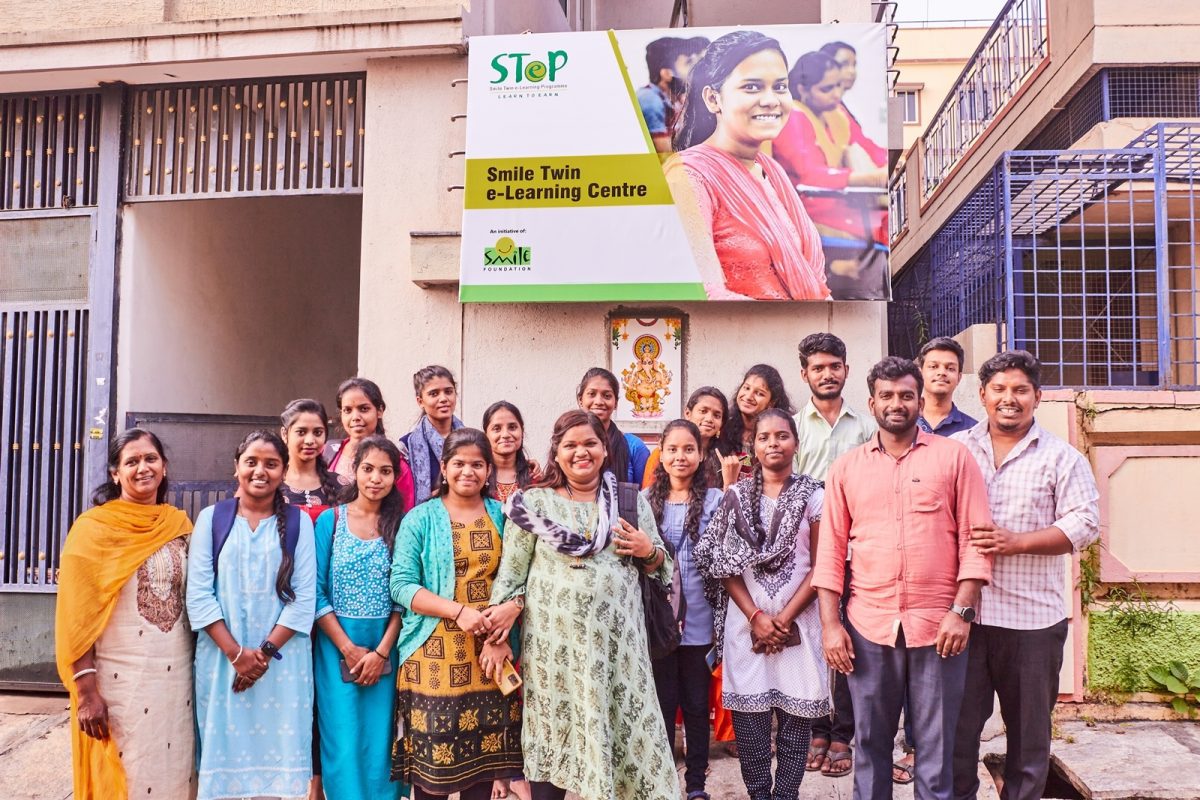
    Smile Foundation believes that the future of the nation lies in a highly skilled workforce leaving no one behind. Our livelihood and skilling program, STeP (Smile Twin e-Learning Programme) is focused on training youth from communities that need special attention due to limited options available to them. The training courses include digital marketing, General Duty Assistance (GDA), BFSI, BPO, and core employability. The program has trained more than 75,000 youth to date with 65% of the trained individuals placed in respectable jobs all across India.

    Upskilling is the compass that guides individuals through the ever-shifting landscape of work, enabling them to navigate the future with confidence. As the Indian workforce continues to grow and diversify, upskilling stands as the marker of progress, empowering individuals, driving economic growth, and positioning India as a formidable force in the global arena.

    Categories
    Women Empowerment

    What do Women in Developing Countries Need the Most?

    There exists an undeniable aspiration— an aspiration that transcends borders and cultures. It is the aspiration for women in developing countries to not merely survive but to thrive, to not merely exist but to excel, and to not merely follow but to lead. To realize this aspiration, it is imperative to discern, with precision and empathy, the needs that resonate most profoundly with these women.

    For a truly equal world, it is imperative to address the unique challenges faced by women in developing countries. These challenges, often shaped by economic, social, and cultural factors, significantly impact their well-being and hinder their full participation in society. To create effective policies and initiatives, it is essential to understand what women in developing countries need the most. Below are the three most important needs of the women which in turn have the capacity to break other gender disparities.

    Access to Quality Healthcare

    Access to healthcare services remains a critical need for women in developing countries. In many regions, women face higher maternal mortality rates and limited access to reproductive healthcare. According to the World Health Organization (WHO), 2020 had Maternal mortality (per 100,000 live births) of 103 in India with most of these deaths occurring in low-resource settings.

    Maternal mortality represents a devastating human tragedy. Every maternal death not only signifies the loss of a mother but also has a profound impact on families and communities, leaving children without maternal care and guidance. High maternal mortality is an indicator of the overall health and effectiveness of a healthcare system. It often suggests weaknesses in healthcare infrastructure, emergency obstetric care, and health workforce capacity.

    Ensuring universal access to quality maternal healthcare services is paramount. This includes prenatal care, skilled birth attendance, and access to emergency obstetric care. Investment in healthcare infrastructure and facilities is crucial.

    Empowering women with the knowledge and access to family planning methods can help reduce unintended pregnancies and the associated risks. Family planning allows women to time and space pregnancies, reducing maternal mortality.

    Education Opportunities

    Education is a fundamental right and a powerful tool for women empowerment. In many developing countries, girls still face barriers to accessing quality education. The latest data from the UNESCO Institute for Statistics reveals that approximately 250 million children and youth remain deprived of educational opportunities. Among them, 122 million are girls. Furthermore, women continue to comprise a staggering two-thirds of the 763 million adults who lack fundamental literacy skills.

    Education plays a crucial role in improving the health and well-being of girls and women. Educated women are more likely to make informed health choices, have healthier families, and access quality healthcare services.

    Girls who receive an education tend to marry later and have fewer children. Delayed marriage and childbirth contribute to better maternal and child health outcomes and break the cycle of intergenerational poverty.

    Increasing education opportunities for girls and women in India is not only a matter of social justice but also an investment in the development of the nation. It has the potential to bring about positive transformations in multiple areas, from economic growth to health and social equity, ultimately leading to a more inclusive and prosperous society.

    Economic Empowerment

    Economic independence is crucial for women empowerment. In developing countries, women often face limited opportunities for formal employment and income generation. According to the International Labour Organization (ILO), the global gender pay gap stands at 20%, with women disproportionately represented in vulnerable employment.

    According to the Global Wage Report 2022-23, 2018/19 report estimations showcased a global average gender pay gap of approximately 20 percent, drawing from data sourced from 80 countries. In the subsequent edition, which focuses on a more select group of nations, the evolution of gender pay gaps was examined, revealing minimal change between 2019 and 2021–22.

    Considering that the gender pay gap remains persistently high across various countries and regions, it is evident that intensified efforts are imperative to combat gender inequalities within the labor market.

    Economic empowerment enables women to access better healthcare, education, and nutrition for themselves and their families. It contributes to an improved quality of life for women and their dependents. Empowered women serve as role models for future generations, inspiring girls and young women to strive for their own economic empowerment and leadership.

    Conclusion

    Addressing the needs of women in developing countries requires a comprehensive and multi-dimensional approach. Data from reputable sources highlight the challenges women face in accessing healthcare, education, economic opportunities, and their right to live free from violence and discrimination. Empowering women in these regions not only enhances their well-being but also contributes to sustainable development and global gender equality efforts.

    It is imperative for governments, NGOs, and international organizations to collaborate in crafting policies and initiatives like Smile Foundation’s Swabhiman that address these critical needs and uplift women in developing countries like India.

    Categories
    Smile

    Children, Running and Good Health 

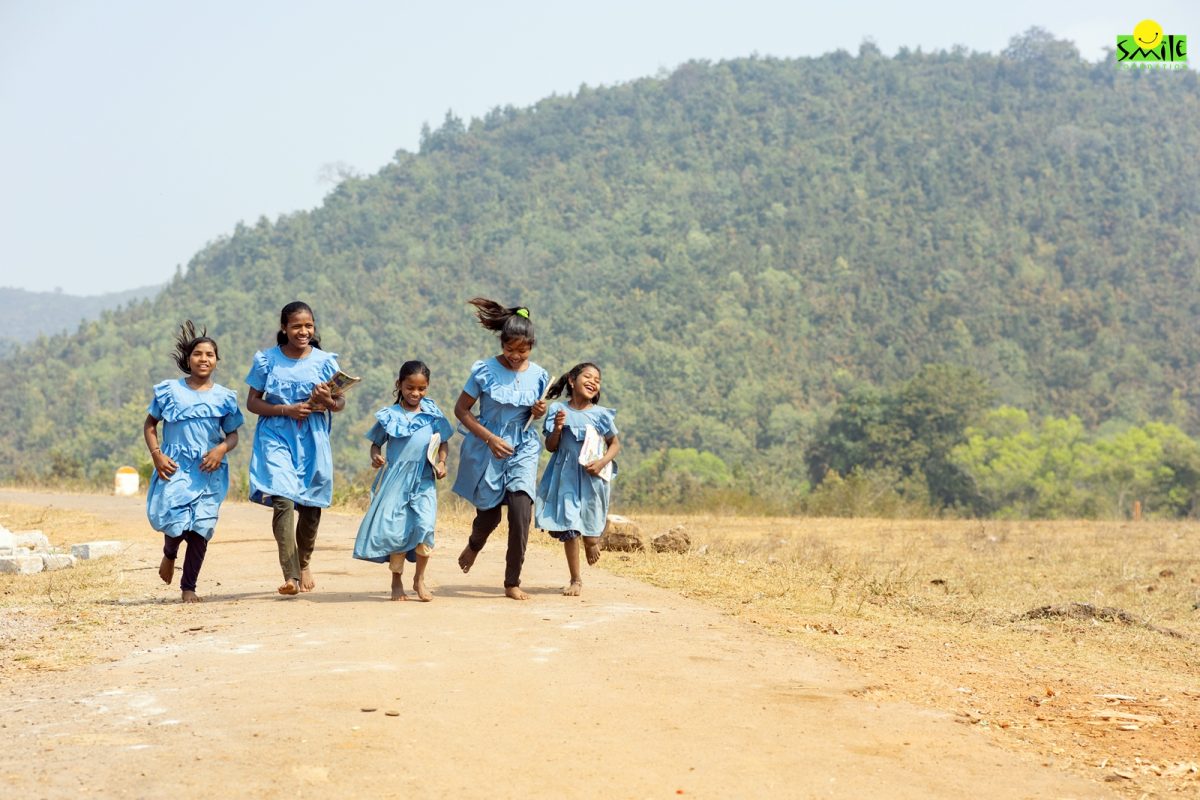
    In the world of children, boundless energy is a cherished asset. It’s the enthusiasm that fuels play, exploration, and learning. And what better way to harness this energy than through the age-old practice of running? From ancient civilizations to modern-day schools, running has been a foundational activity that enriches children’s lives in numerous ways.

    A Universal Pursuit

    The tradition of running is as old as humanity itself. In ancient Greece, the birthplace of the Olympics, running was not just a sport but a way of life. Young Athenian boys, known as “ephebes,” embarked on long runs to foster physical fitness and mental endurance. These runs, called “dromos,” were essential in molding the citizens of tomorrow. Fast forward to the indigenous cultures of North America, where running played a central role in hunting and survival, imparting vital skills and camaraderie among young members.

    The Many Benefits of Running

    Running isn’t only a physical endeavor, it’s a potent catalyst for cognitive and emotional development. As children engage in the rhythmic motion of running, their brains receive a surge of oxygen-rich blood, nurturing cognitive functions such as memory, concentration, and problem-solving. This influx of oxygen also has profound effects on emotional well-being. Running serves as a natural mood enhancer, releasing endorphins that combat stress and anxiety. It provides children with an emotional outlet, a moment of solitude, and an opportunity to process their feelings. This holistic approach to mental health fosters resilience, emotional intelligence, and a positive mindset.

    Running stands as the ultimate comprehensive workout for children, engaging muscles, fostering endurance, and bolstering cardiovascular health. Through regular running, children sculpt robust immune systems, fortifying their defenses against illnesses. Furthermore, it promotes healthy body weight, a critical factor in mitigating the risk of childhood obesity— an issue of mounting concern globally. Thus, running becomes not just a sprint toward physical fitness but a marathon toward a healthier, happier life.

    Building Self-esteem and Reaching Their Destinations

    Running is also a crucible in which vital life skills are forged. It imparts lessons in perseverance, goal-setting, and the art of pushing one’s boundaries. In the pursuit of running, children learn about the art of both winning gracefully and losing with dignity, nurturing qualities like self-confidence and resilience that will serve them throughout their lifetimes.

    Moreover, running often occurs in social contexts— whether on the school track, during team sports, or in community fun runs. These group activities provide fertile ground for children to cultivate friendships, hone their social skills, and develop attributes such as teamwork, communication, and empathy. It is on the running track that lifelong bonds are formed.

    Incorporating running into a child’s daily life enriches every facet of their development. It’s a practice that transcends the boundaries of time, culture, and generations. By lacing up their running shoes, children embark on a journey of self-discovery, enhanced physical health, and enriched learning experiences. As they sprint toward their dreams, they lay the foundation for a brighter future.

    In this future, they are physically fit, mentally agile, emotionally resilient, and socially adept— qualities that empower them to lead lives of fulfillment and achievement. Therefore, let the joy of running continue to mold the lives of our youngest generation, propelling them toward the limitless horizons of success, well-being, and emotional balance.

    Categories
    Education

    What is the Need for Good Teachers in Rural India?

    Picture the serene landscapes of rural India— vast fields, quiet villages, and warm-hearted people. In these peaceful corners of our country, education is like a treasure, but often, reaching it is a challenging journey. That’s where great teachers play a vital role.

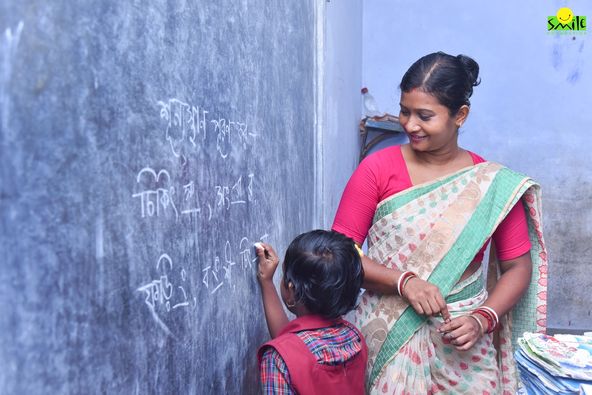
    Teaching in rural India is not just about classrooms, it’s about being a guide, a helper, and a friend to students who often have limited access to resources. These areas are unique because they are culturally rich and economically diverse, which makes teaching here both an opportunity and a challenge.

    A good teacher in rural India is like a beacon of light in the darkness, showing the way to knowledge. They connect young minds to a world of possibilities, nurturing dreams and ambitions.

    In the heart of rural India, where the seeds of knowledge are sown, great teachers help those seeds grow into bright futures.

    The Essence of Good Teachers in Rural Schools

    Teaching in rural schools often means serving as a pillar of education in the community. The presence of good teachers and dedication can profoundly impact students who may have limited access to educational resources.

    Rural schools typically serve a diverse student population, often including students from various socio-economic backgrounds. Teachers heading classrooms in rural areas must prepare to address a wide range of learning needs and styles within their classrooms.

    Unlike its urban counterparts, rural schools often boast smaller class sizes, offering a more intimate teaching environment. This allows for deeper connections with students, personalized instruction, and a better understanding of individual strengths and challenges.

    Schools are more than educational institutions, they are the beating hearts of the community. The teachers are expected to participate in community events, collaborate with local organizations, and engage in activities beyond traditional teaching.

    These schools may face resource limitations, such as outdated textbooks, limited technology, and fewer extracurricular opportunities. The ability of teachers to adapt and make the most of available resources becomes crucial for effective teaching.

    How to Prepare for Teaching in Rural Schools

    1. Cultural Sensitivity: Rural communities often have their own unique cultures, traditions, and values. The new teachers must take the time to learn about the local culture, respect community traditions, and integrate cultural sensitivity into their teaching approach.

    2. Understand Local Challenges: Thoroughly research and understand the specific challenges faced by rural schools in the target area. This may include transportation issues, lack of access to healthcare, or significant socio-economic disparities. By recognizing these challenges, teachers can tailor their teaching strategies to address them effectively.

    3. Adaptability and Flexibility: Rural teaching requires a high degree of adaptability. The teachers must be prepared to modify their teaching methods to suit the needs of their students and the available resources. Flexibility is an invaluable asset in rural education.

    4. Engage the Community: Building strong relationships with the community, parents, and local leaders is vital. One should involve the community in the education process, seek their input, and collaborate on initiatives that benefit both students and the community as a whole.

    5. Professional Development: Seek out professional development opportunities that cater to the unique needs of rural educators. Training in areas like classroom management, special education, and community engagement can equip teachers with essential skills for success.

    6. Resourcefulness: Teachers should try to develop resourceful teaching strategies that don’t rely heavily on expensive materials or technology. They should learn to make the most of limited resources, and encourage creativity in their teaching methods.

    7. Patience and Resilience: Teaching in rural schools can be emotionally challenging due to various factors, such as limited resources and socio-economic disparities. Patience and resilience are essential qualities to navigate through difficult situations and setbacks.

    Rural India Education and Smile Foundation

    Good teachers inspire students to dream big and set goals for themselves. They instill a sense of hope and ambition that can drive students to strive for a better future.

    They are the catalysts for positive change and bring education, empowerment, and hope to communities that deserve the same opportunities as their urban counterparts. The need for dedicated and skilled educators in rural India is essential for both individual and societal progress.

    Smile Foundation with its many Mission Education centres concentrated in rural parts of India ensures that quality education reaches the rural populations. Learn more about our education programme here.

    Categories
    Education

    Chandrayaan-3 and STEM Education in India

    India’s pursuit of scientific excellence in space exploration continued to soar with the third lunar mission, Chandrayaan-3 in the prestigious Chandrayaan series. As the Indian Space Research Organisation (ISRO) embarked on this ambitious lunar journey, it not only reiterates India’s commitment to space exploration but also underscores the pivotal role of STEM (Science, Technology, Engineering, and Mathematics) education in the nation’s scientific progress.

    Chandrayaan-3: A Visionary Leap

    Chandrayaan-3 symbolizes India’s bold strides in space exploration. While Chandrayaan-1 and Chandrayaan-2 were milestones in lunar science and technology, Chandrayaan-3 seeks to capitalize on this progress by focusing on a soft lunar landing. This endeavor signifies the aspiration of India to carve a distinctive niche for itself in the global space exploration arena.

    The STEM Education Imperative

    The Chandrayaan-3 mission serves as a poignant reminder of the critical significance of STEM education in India. Here’s why:

    1. Nurturing a Skilled Workforce: Successful space exploration demands an exceptionally skilled workforce in fields such as aerospace engineering, robotics, and astrophysics. STEM education is the bedrock upon which this talent pool is built.
    2. Cultivating Innovation: STEM subjects inherently promote critical thinking, problem-solving, and innovation— qualities indispensable for conceptualizing, constructing, and operating spacecraft and scientific instruments.
    3. Global Competitiveness: In an increasingly interconnected world, nations vie for supremacy not just in commerce but also in scientific achievements. A robust STEM education system equips India to stand toe-to-toe with the world in space exploration and technology innovation.
    4. Enabling Space Diplomacy: Space missions like Chandrayaan-3 foster international collaboration and diplomacy. STEM-educated professionals are better equipped to engage in collaborative projects, further enhancing India’s global standing.

    Strengthening STEM Education in India

    To fully harness the potential of STEM education, India must embark on a multifaceted approach:

    1. Early Exposure: Introduce STEM concepts at an early age to ignite the spark of curiosity and passion in students. Hands-on experiments, science clubs, and interactive learning can make STEM subjects engaging and relatable.
    2. Quality Education: Invest in teacher training and curriculum development to ensure high-quality STEM education. Exceptional educators have the power to inspire students and provide them with a robust foundation in STEM disciplines.
    3. Infrastructure and Resources: Outfit schools and colleges with modern laboratories, state-of-the-art equipment, and ample resources for hands-on learning. Access to updated technology is indispensable for students to grasp complex STEM concepts effectively.
    4. Scholarships and Incentives: Motivate students to pursue STEM disciplines by offering scholarships, grants, and incentives. Financial support can eliminate barriers and make higher education in STEM fields more accessible.
    5. Industry-Academia Collaboration: Foster collaboration between educational institutions and industry players. Real-world projects and internships can bridge the gap between theoretical knowledge and practical application, preparing students for STEM careers.
    6. Diversity and Inclusion: Promote diversity in STEM fields by creating an inclusive environment that welcomes individuals from all backgrounds. Diverse perspectives lead to more innovative solutions and broaden the horizons of scientific discovery.

    Conclusion

    Chandrayaan-3 serves as a potent symbol of the unwavering commitment of India to space exploration and scientific excellence. It also functions as a powerful reminder of the pivotal role of STEM education in nurturing the talent and expertise needed for such audacious endeavors.

    Smile Foundation‘s STEM program is all about igniting curiosity and innovation amongst children in India. Promoting hands-on exploration and collaborative learning, the program is instilling critical problem-solving and teamwork skills enabling children to draw out their own life journeys.

    By investing profoundly in STEM education, India can prepare its future generations to excel not only in space exploration but also in addressing multifaceted challenges across various sectors. The voyage to the moon may belong to Chandrayaan, but the journey to a brighter, more technologically advanced India is a collective endeavor, shared by educators, policymakers, and society at large.

    Categories
    Health Women Empowerment

    The Road to Health Ministry’s National Menstrual Hygiene Policy

    In a landmark move towards menstrual equity and the well-being of women, India is poised to introduce its National Menstrual Hygiene Policy. This pivotal initiative promises to reshape the discourse around menstruation, shattering stereotypes and ensuring that every woman and girl receives the necessary support, care, and resources for a healthy and dignified menstrual cycle.

    Challenging Menstrual Stigma

    For generations, menstruation has been cloaked in secrecy and stigma, not only in India but in many parts of the world. Cultural taboos and social norms have silenced conversations about this natural biological process, leading to a lack of awareness, myths, and widespread discomfort.

    The National Menstrual Hygiene Policy represents a significant leap towards changing this narrative. It acknowledges that menstruation is not something to be ashamed of but rather a fundamental aspect of women’s health. By confronting these taboos head-on, the policy strives to foster open dialogues, promote menstrual hygiene, and pave the way for a more enlightened and empathetic society.

    One of the central objectives of the policy is to position menstrual health as a crucial public health concern. Menstrual hygiene is not a luxury but a necessity. Inadequate menstrual hygiene practices can lead to various health issues, including infections and reproductive complications. The policy recognizes that every woman and girl has the right to safe and hygienic menstrual management, irrespective of their socio-economic background.

    Access to Menstrual Products: Upholding Dignity

    Ensuring access to menstrual products for all is a pivotal focus of this policy. Period poverty is a harsh reality for many women and girls in India. They often face the tough choice between purchasing menstrual products and meeting other essential needs. The National Menstrual Hygiene Policy strives to bridge this gap, making menstrual products affordable and accessible to all, thus preserving the dignity of women and girls.

    Empowering women and girls with knowledge about their bodies and menstrual health is at the heart of this policy. Comprehensive menstrual education will be seamlessly integrated into school curricula, ensuring that young girls grow up with accurate information about menstruation. This education is poised to break the cycle of ignorance and shame while empowering girls to make informed choices about their health.

    Beyond Physical Well-being

    The ideas behind the National Menstrual Hygiene Policy recognize that menstrual health encompasses more than just physical well-being. It acknowledges the psychological and emotional facets of menstruation, underscoring the importance of mental health support for women and girls during their menstrual cycles.

    The journey towards a National Menstrual Hygiene Policy has been a collective effort with collaborations from Government bodies, non-governmental organizations (NGOs), and local communities. Grassroots initiatives and awareness campaigns have played a pivotal role in breaking the silence and garnering support for this groundbreaking policy.

    The impending launch of the National Menstrual Hygiene Policy underscores the power of collective action and the dedication of individuals and organizations advocating for menstrual health. It marks a momentous step towards menstrual equity, health, and dignity for all women and girls in India.

    One of the major components of our women empowerment program, Swabhiman is awareness of menstrual hygiene and the importance of menstrual products among girls and women of urban slums and rural areas of India. The program has reached more than 70,000 women and adolescent girls empowering them to make better decisions and take charge of their lives.

    0%