Categories
Education

Your Role in Education on Education Day 2023 in India

Every year on November 11th, India celebrates National Education Day to commemorate the birth anniversary of Maulana Abul Kalam Azad, the first Minister of Education in independent India. It is a day to reflect on the importance of education in shaping the future of the nation. While we acknowledge the efforts of leaders like the phenomenal Azad in promoting education, it’s crucial to remember that education is not just the responsibility of the government or educational institutions. It is a collective effort, and each one of us has a role to play in improving the state of education in our country.

The Significance of Education Day

National Education Day serves as a reminder of the role education plays in the development of a nation. It is an occasion to honor the vision of Maulana Abul Kalam Azad of a literate and educated India. Azad was a staunch advocate for universal education and worked relentlessly to promote educational opportunities for all, regardless of their background.

As we celebrate Education Day 2023, it is important to understand that education is not just about acquiring knowledge or earning degrees, it’s about nurturing skills, fostering creativity and developing critical thinking abilities. Quality education is the foundation of a thriving, progressive society. It equips individuals with the tools to tackle the challenges of the modern world, fosters economic growth and promotes social harmony.

Dr. A.P.J. Abdul Kalam’s Vision of Education

Dr. A.P.J. Abdul Kalam, often referred to as the ‘People’s President’ and one of India’s most beloved scientists and leaders, had profound thoughts and ideas about education. His perspective on education aligns perfectly with the spirit of National Education Day and serves as an inspiration to all.

Dr. Kalam believed that education is not merely the accumulation of knowledge but the awakening of the mind and the development of character. His vision of education went beyond textbooks and exams, it was about instilling values, promoting innovation and fostering a love for learning.

Kalam once said, “Ultimately, education in its real sense is the pursuit of truth. It is an endless journey through knowledge and enlightenment.” He believed that education was the key to personal and national transformation. His life journey, from a humble background to becoming the Missile Man of India and later the President, was a testament to the power of education.

Your Role in the Education of Children

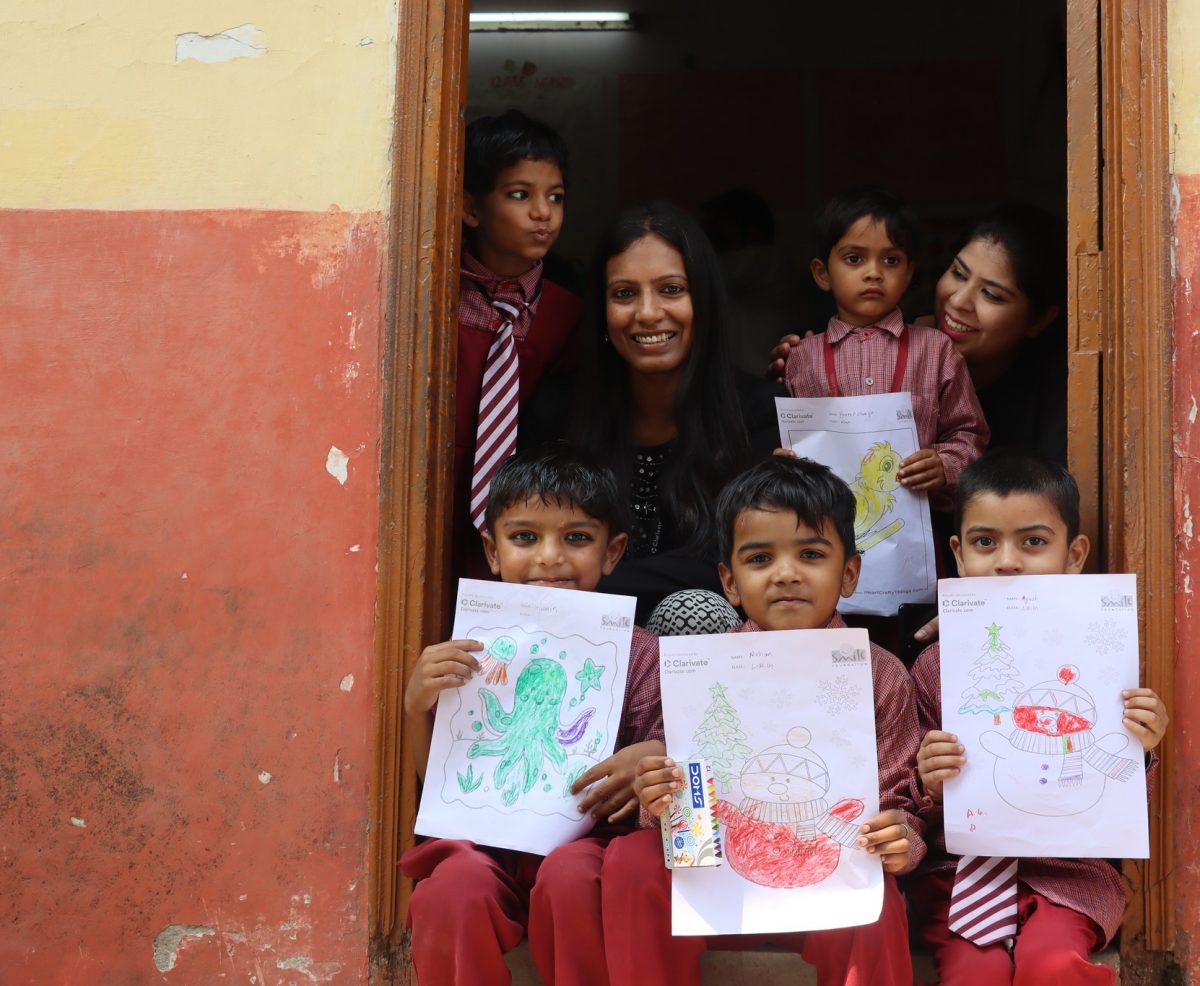
  1. Support Education Initiatives: One of the most direct ways you can contribute is by supporting various education initiatives like Smile Foundation’s Mission Education program that provides educational resources, scholarships and quality education to the underserved children of urban slums and rural areas of India.
  2. Mentorship: Sharing your knowledge and skills with others can be a powerful way to contribute to education. Volunteer as a mentor or tutor to help students, particularly in subjects where you excel. Your guidance can boost their confidence, improve their understanding and ultimately lead to better educational outcomes.
  3. Promote Literacy: Illiteracy remains a significant challenge in India. You can help by promoting literacy in your community. Organize or participate in literacy drives, adult education programs and reading clubs. Encourage family members, friends and neighbors to embrace reading as a lifelong habit.
  4. Advocate for Education: Be an advocate for educational reform. Engage with local and national policymakers to voice your concerns and recommendations on educational issues. Support policies that prioritize education accessibility and quality. Your advocacy can contribute to positive changes in the education system.
  5. Embrace Technology: In the digital age, technology can be a powerful tool for learning. If you have access to resources or expertise in this area, you can help schools and educational institutions integrate technology into their teaching methods. This can enhance the learning experience and better prepare students for the future.
  6. Foster a Learning Environment at Home: Parents and guardians play a crucial role in the education of a child. Encourage a culture of learning at home by providing books, educational games and a conducive environment for studying. Engage in conversations about the importance of education and career aspirations.
  7. Promote Inclusivity: Ensure that educational opportunities are accessible to all, regardless of gender, socioeconomic status, or physical abilities. Support and advocate for policies that promote gender equality and inclusivity in education.
  8. Continuous Self-Improvement: Education is a lifelong journey. As you continue to educate yourself, you set an example for others. By demonstrating your commitment to learning and self-improvement, you inspire those around you to do the same.

Do Good, this Education Day 2023!

On National Education Day 2023 in India, it’s important to remember that each of us has a role to play in shaping the future of education. Whether you make a thoughtful donation for the children of Mission Education for their continued education, mentor, advocate for change or foster a learning environment at home, your efforts are invaluable in building a more educated and prosperous India. As we commemorate Maulana Abul Kalam Azad’s legacy, let us work together to make a difference. At the end of the day, education is the key for children to change their lives completely.
Categories
Insights

Tackling Mental Health in School Children

Mental health has been a long-neglected aspect of healthcare worldwide, and India is no exception. Since the conversations around mental well-being have started gaining momentum with many countries conducting research, making policies and fighting toxic environments at workplaces, it is important to focus on the mental health of school children.

The National Mental Health Survey (NMHS) conducted in 2015-16 shed light on the state of mental health in the country, revealing some concerning statistics, especially when it comes to children and adolescents. The NMHS reported that the prevalence of mental disorders among children aged 13-17 was 7.3% for both genders. This finding highlighted a pressing need for intervention and support in addressing mental health issues among the youth.

Furthermore, the survey identified other alarming trends, such as early marriages among girls (26.8% before the legal age) and teenage motherhood (8% among girls aged 15-19), both of which can have adverse consequences on mental well-being. The same underscores the urgent need for a comprehensive approach to the mental well-being of children.

Apart from the societal issues, the survey also exposed the risks and challenges that children, particularly girls, face, which can significantly impact their mental health. These include sexual coercion, unwanted pregnancies, unsafe abortions, physical injuries, and exposure to digital threats like cyberbullying, internet addiction, and pornography. These risks emphasize the complex and interrelated nature of mental health challenges among young individuals.

What’s Missing? What Needs to be done about Mental Health in School Children

Despite the eye-opening findings of the NMHS, the approach of India to addressing these challenges is currently inadequate. The nation lacks a comprehensive school mental health program (SMHP) that would provide targeted support and interventions for children and adolescents. Existing programs mainly focus on physical health, with mental health concerns receiving insufficient attention.

Moreover, India faces a shortage of mental health professionals, with just 0.29 psychiatrists per lakh population and an absence of child psychiatrists. This shortfall hampers the provision of effective care for the mental health needs of children.

Current efforts often lack uniformity and comprehensiveness. While some programs address specific issues like substance abuse, suicide prevention, domestic violence, and sexual abuse, there is a significant gap in holistic SMHPs that cover the complete spectrum of mental health and well-being for school children.

Despite the provisions in the National Mental Health Policy, 2014 and the Mental Healthcare Act, 2017 to increase funding for mental health to address the treatment gap, less than 1% of the total union budget for health is allocated for mental health highlighting the need for increased financial support for mental health initiatives.

The Limitations of Rashtriya Bal Swasthya Karyakram (RBSK)

In 2013, the government launched the Rashtriya Bal Swasthya Karyakram (RBSK) under the National Health Mission. However, this program primarily focuses on early detection and management of physical illnesses like anemia, malnutrition, developmental disorders, skin, heart, and respiratory diseases among children, which is done through screenings at government schools and Anganwadis.

While RBSK does include screening for certain mental disorders like autism, learning delays, motor and cognitive skill issues, attention deficits and vision or hearing impairments, it doesn’t address common mental health concerns like stress, anxiety, depression or suicidal thoughts.

So, what should a comprehensive School Mental Health Program (SMHP) look like? According to a report by the United Nations International Children’s Emergency Fund (UNICEF), it should encompass five key pillars of support:

  • Create an environment conducive to learning.
  • Ensure early access to mental health services.
  • Prioritize the well-being of teachers.
  • Implement targeted mental health programs at various levels.
  • Foster collaboration between schools, families, and the community.

UNICEF also outlines a basic framework under existing educational policies and budgets for building effective SMHPs, including hiring dedicated counselors, offering telehealth mental health services, providing government-issued helpline numbers, maintaining an adequate workforce of teaching and non-teaching staff to support teachers, promoting community-based activities, incorporating mental health awareness into the school curriculum, and collaborating with families and communities to tailor the program to the needs of children.

School Health Program under the Ayushman Bharat scheme

In 2018, the central government launched the School Health Program under the Ayushman Bharat scheme, focusing on a wide range of activities, including health screening, classroom activities promoting health and wellness and thematic school assemblies. This program pays special attention to the mental health of middle and high school children, promoting activities like meditation, yoga, bullying prevention, internet safety, media literacy, substance abuse prevention, violence prevention and mental health awareness.

Coordination committees at various levels have been set up to implement the program, comprising teachers, district magistrates, education and health officers, state secretaries and Union ministry representatives.

However, one significant challenge is the shortage of mental health professionals in India. According to the World Mental Health Atlas (2017), the country had limited mental health resources, including just 0.29 psychiatrists per lakh population and no child psychiatrists. With only 49 child psychiatrists and a minimal presence of other mental health professionals, the inadequacy of the mental health workforce is apparent.

Moreover, the nation still does not possess a structured, nationwide School Mental Health Program (SMHP). While some programs sensitize teachers to mental health issues, promote practices like yoga and meditation, and offer toll-free counseling hotlines, they primarily address specific problems such as substance abuse, suicide prevention, domestic violence, and sexual abuse. A comprehensive, uniform SMHP that ensures the mental well-being of all school children is lacking.

Looking Ahead

Looking ahead, the NITI Aayog is planning to establish a comprehensive school healthcare program to address these issues. This initiative plans to extend its coverage to students in both government and private schools, building upon existing health promotion and disease prevention measures under the Ayushman Bharat scheme. The growing number of student suicides, particularly those linked to mental health issues, has prompted this move.

Since 2011, the number of student suicides has steadily increased, from 7,696 students in 2011 to 13,089 students in 2021. For those below 18, 1,408 cases cited illness as the reason for suicide, with 58% of these cases being related to mental health.

In conclusion, while the National Mental Health Survey 2015-16 provided invaluable insights into the mental health challenges faced by children and adolescents in India, the country currently lacks a cohesive and well-funded framework to comprehensively address these issues. Developing a robust school mental health program is vital to ensure the holistic well-being of students and to provide the necessary support for those facing mental health challenges. It is time to prioritize the mental health of school children and much work must be done to ensure that their mental well-being is adequately addressed.

Smile Foundation’s Mission Education concerns itself with the mental wellness of the children and conducts timely workshops with both the students and teaching faculty of the centers. We realize the holy trinity of body, mind and school and make concerted efforts towards each. Yes, we want our children to be educated well but mostly we want them to be aware of their feelings and help them in finding a voice that helps them navigate life better.

Categories
Partnerships

Payroll Giving: Making Philanthropy A Work Culture

Giving back to those in need through your time, money, or resources is a profoundly rewarding experience. It not only contributes to the betterment of society but also strengthens the culture and impact of your company. In today’s world, more people are paying attention to brands that champion causes they care about, and employees are looking for more than just a paycheck. As a business, aligning yourself with charitable work sets a remarkable example, allowing you and your team to actively participate in community improvement.

Philanthropy extends beyond traditional corporate social responsibility (CSR). While it certainly enhances your brand image and reputation, genuine philanthropy seeks to impact lives significantly, not just through recognition but through meaningful action.

By showcasing your commitment to improving society beyond business activities, your company builds trust and goodwill among consumers, employees, and stakeholders. This, in turn, leads to increased brand loyalty and support, creating a sustainable cycle of positive engagement.

The Impact of Workplace Giving

Workplace giving is a powerful tool to engage employees in philanthropy. It shapes company culture and makes employees feel that their work has a broader purpose. When employees know they’re contributing to a cause they care about, their job satisfaction and motivation increase.

The act of giving becomes a way for employees to use their knowledge and expertise for the greater good.

  1. Creating Community Initiatives: Philanthropy goes beyond financial donations. Companies can establish volunteer programs, donation drives, or partnerships with local charities. This not only benefits the community but also fosters a sense of belonging among employees.
  2. Camaraderie and Team Building: Participating in philanthropic activities as a team helps build a sense of community within the workplace. Witnessing colleagues engage in charitable work can inspire others to join, creating a domino effect of kindness.
  3. Flexibility and Inclusivity: Employees often have personal connections with specific charities or causes. Encouraging them to share their suggestions and take part in decision-making makes philanthropy more personal and inclusive.
  4. Value Your People: To inspire your employees to give back, you must show them that you value their well-being. A supportive, respectful work environment encourages employees to share their time and efforts with those in need.
  5. More Than Money: Philanthropy isn’t limited to financial contributions. Companies can make a significant impact by donating supplies, providing resources, or organizing volunteer days. This not only serves an immediate need but also engages employees more personally in the act of giving.

Payroll Giving with Smile Foundation

Incorporating philanthropy into your workplace is a transformative journey that benefits not only the causes you support but also your employees and your company’s culture. Creating an environment that values community initiatives, fosters camaraderie, and welcomes employee suggestions leads to a motivated, satisfied, and responsible team.

Your philanthropic efforts will help your employees find deeper meaning in their work and create a lasting, positive impact on society. So, begin your journey of giving back with Smile Foundation and experience the many benefits it brings to your workplace and beyond. Start a payroll-giving program for your employees with us today.

Categories
Partners In Change Partnerships

Employee Engagement Activities: Building a Better World Together

The COVID-19 pandemic changed everything, and it’s not just about working from home or wearing masks. It made people think deeply about themselves and what they do for a living.

The pandemic made people ask some big questions– 

What Makes Me Happy and Complete?

It’s not just about money, people want to do work that makes them happy and feels meaningful.

What Really Satisfies Me?

People started looking for fulfillment in their jobs, not just a paycheck.

Am I Giving Too Much Without Getting Enough Back?

Many realized they were working hard but did not feel valued for it.

Changing Expectations

People now expect more from their jobs. They want to be seen as individuals, not just workers. But, a study found out that only about 45% think their bosses see them this way. This gap leads to some tough questions and might make people think about finding a new job.

In today’s working world, being an engaged employee means more than just doing a job. It means being part of something meaningful, both in and out of the workplace. Engaged employees are more productive, motivated, and loyal. Thoughtful partnerships can make your employees feel more connected, purpose-driven and emotionally fulfilled.

Why Partner with Smile Foundation for Employee Engagement Activities?

Smile Foundation is an Indian nonprofit changing lives for over two decades with the support of many individual and corporate partners. Our mission centers around empowering underserved children, youth and women to lead a life of self-reliance and dignity. We provide healthcare, education, women empowerment and livelihood support, emphasizing the importance of quality education, healthcare, and skill development. Our work is built on the belief that every individual deserves an opportunity to break the cycle of poverty and achieve their dreams.

Smile Foundation provides an exceptional platform for organizations to extend their employee engagement activities beyond the conventional workplace. Partnering with Smile Foundation not only benefits underserved communities but also enriches the lives of the employees involved.  Partnering with Smile Foundation can add a new layer of meaning and joy to your employee engagement activities.

Volunteer Programs

Imagine your employees spending time teaching kids who really need it, or helping out with health check-ups in a community. It’s not just work, it’s an opportunity to be part of something bigger. It’s the kind of experience that fills your heart. 

Fundraising Drives

Collaborating with Smile Foundation for fundraising drives can serve as an effective employee engagement activity. It promotes teamwork, social responsibility and unity among employees. Fundraising creates a shared sense of purpose that transcends the workplace.

Skill-Based Workshops

Employees often possess a wealth of knowledge and skills that can be invaluable to underserved communities. Organizations can organize skill-based workshops where employees can impart their expertise to individuals in need. For example, employees can conduct career counseling sessions, mentorship programs or vocational training.

Corporate Social Responsibility (CSR) Initiatives

Collaborating with Smile Foundation for CSR initiatives is an impactful way to fulfill CSR obligations. Smile Foundation can assist in identifying projects aligned with your organization’s CSR objectives, ensuring a meaningful impact in the community. We can help you find projects that match your CSR goals. This means your company can do good for the world while staying true to its values.

Benefits of Employee Engagement with Smile Foundation

When your employees get involved with Smile Foundation, everyone benefits. Your employees will feel more fulfilled and purposeful knowing they’re making a real difference in the lives of others.

Working together for a great cause brings your team closer. They become a family, not just colleagues. That helps everyone work better together. Your employees can become better leaders, communicators, and problem-solvers. Helping others teaches them new skills, too.

When your company is linked to a good cause like Smile Foundation, people will see you in a positive light. This helps with clients, partners and future employees. Let’s also remember that happy employees are more likely to stay, which means you save money on hiring and training new people.

Engage Your Employees with Good Values and Actions

Being an engaged employee isn’t just about doing your job well, it’s about being part of something that changes the world for the better. The world has changed, and so has the way we see work. In the post-pandemic work is not just about a place to earn money. It’s where people want to find meaning and be appreciated. 

Smile Foundation offers your employees a chance to be part of something special. By getting involved, they can make a real difference and feel more emotionally connected. Partnering with Smile Foundation brings your business and the community together, creating a better world for everyone. So, why wait? Let your employees be part of something amazing and watch how it transforms your workplace into a place of joy and meaning.

Categories
Smile

COP28 and India’s Strategy for Climate Change

Climate change has emerged as the most pressing issue for all the Indian
cities. Indian urban areas are already experiencing a rise in the frequency
and intensity of urban floods, cyclones and severe heat waves. The average
global temperature has breached the 1.5°C mark, higher than the
pre-industrial level making it the hottest year so far.

The coming years could potentially be even hotter with humans experiencing extended periods of heat exceeding human tolerance. These events not only result in the loss of human lives and adverse impacts on urban well-being but also place a significant strain on municipal infrastructure and livelihoods.

Given that cities now accommodate more than half of the global
population and are projected to grow demographically, our actions and
responses will significantly shape worldwide endeavours to address climate
change-related challenges
.

Taking steps after Paris Agreement 2015

The Paris Agreement of 2015 set the ambitious goal of limiting global
temperature rise with the global emphasis largely on mitigation measures
aimed at reducing carbon emissions. As we look forward to the 28th
meeting of the Conference of the Parties (COP 28)– 2023 UN Climate
Change Conference to be convened from 30 November to 12 December
2023 in Dubai, United Arab Emirates (UAE), the focus will shift towards a more holistic approach to transformative climate action, marking a
significant turning point in our fight against climate change. This approach
comes in the form of a Global Stocktake (GST), a crucial tool defined by the United Nations Framework Convention on Climate Change.

The GST is a party-driven process that assesses whether nations and other
important stakeholders are collectively progressing toward the goals
outlined in the Paris Agreement or not. A comprehensive evaluation
process reports on the status of global climate action and support,
identifies any existing gaps, and collaboratively devises a roadmap for
solutions.

However, there is a growing concern about whether these measures are
enough, especially when countries in the Global South are grappling with
the harsh realities of climate hazards. These hazards result from the
interaction of climate change-related events, causing severe and
consecutive occurrences that significantly impact vulnerable systems and
sectors, especially in urban settings.

Where does India stand in Climate Change Challenges?

India, as a representative of the Global South, is one of the most vulnerable nations to climate change. Being a major emitter of greenhouse gases, India is already experiencing the adverse effects of climate change, including heatwaves, severe storms, flooding, and their harmful impacts on
education, health and livelihoods, particularly in coastal and hilly regions.
The need for both adaptation and mitigation strategies is becoming
increasingly urgent for India and other vulnerable countries to combat
these climate risks effectively.

While previous COP meetings have primarily focused on mitigation,
adaptation is gaining prominence. This shift is driven by the principles of
climate justice and equity. The Brihanmumbai Municipal Corporation (BMC) has set a precedent as the first Indian city to craft a climate action plan. The Mumbai Climate Action Plan (MCAP) 2022 is a policy-driven strategy supported by scientific data. It pinpoints key vulnerabilities– urban
flooding, coastal risks, urban heat, landslides, and air pollution.

Given that the effects of climate change are already evident and worsening
in vulnerable countries, short- to medium-term adaptation measures are of
paramount importance. Adaptation strategies help reduce vulnerability and
the harmful impacts of climate change, addressing the risks posed by
climate hazards like floods and droughts and enhancing ecosystem services
and bolstering resilience.

As COP28 approaches, the focus will be on presenting an overall
assessment of progress made in mitigation, adaptation, and the means of
implementation and assistance through the Global Stocktake. It’s crucial to
ensure a meaningful evaluation of this assessment, effectively addressing
the diverse needs of countries and regions. The adaptation strategy to
climate change must take centre stage, with a focus on improving
national-level actions, supporting policy actions, increasing administrative
co-operation, and addressing methodological challenges in adaptation
processes.

Holistic Approach

The focus of COP28 is on tangible results and a holistic evaluation of
climate-action progress. Both mitigation and adaptation need to be
adopted for closing different deliverables. Mitigation remains essential for
the long-term reduction of climate change impacts, while adaptation is the
lifeline for countries like India dealing with ongoing and recurring climate
challenges.

The path forward demands a seamless integration of climate-resilient
adaptation and mitigation strategies at an early planning stage. This
approach is our key to collectively achieving our climate change goals and
securing our shared future.

What is Smile Foundation’s stake in Climate Change Conversations?

Smile Foundation, like many nonprofits, is deeply concerned about climate change for several compelling reasons. Climate change is not an isolated environmental issue, it has far-reaching impacts that affect the very communities Smile Foundation serves.

  1. Education: Climate change can disrupt education in multiple ways. Increased extreme weather events, like floods and storms, can damage school infrastructure, making it unsafe for students and teachers. Unpredictable weather patterns can also lead to prolonged school closures, affecting the continuity of education. Additionally, children from vulnerable communities may be forced to help their families cope with the aftermath of climate-related disasters, further reducing their access to education.
  2. Women Empowerment: Climate change often exacerbates existing gender disparities. Women, particularly in rural areas, are more susceptible to the impacts of climate change due to their roles in securing food, water, and fuel for their families. Extreme weather events can disrupt livelihoods, forcing women to work longer hours to secure resources. This additional burden can limit their participation in income-generating activities and decision-making, hindering their empowerment.
  3. Healthcare: Climate change can lead to the spread of infectious diseases. Increased temperatures and altered rainfall patterns can create favorable conditions for diseases like malaria and dengue to thrive. Health facilities may be damaged or overwhelmed during climate-related disasters, affecting the availability and accessibility of healthcare services, especially for vulnerable populations.
  4. Livelihood: Climate change can devastate livelihoods in rural areas, where many families depend on agriculture. Erratic weather patterns, prolonged droughts, or intense floods can lead to crop failures and loss of income. This directly impacts the livelihoods and economic stability of the communities Smile Foundation aims to support through skill-building and income-generating programs.

Smile Foundation is concerned about climate change because it not only threatens the well-being of the communities it serves but also undermines the sustainability of its own interventions. Climate change can increase the vulnerability of marginalized populations, making it even more challenging to break the cycle of poverty and exclusion.

Categories
From The People, For The People

Why Volunteer with Smile Foundation?

In today’s world, it’s easy to find ourselves in a cycle of hoping for better, pointing fingers at the problems around us, and often blaming others for the state of things. It’s human nature to seek both fault and solutions outside of ourselves. But every so often, some of us break free from this pattern. We decide to take action, no matter how small. For some, it means bringing reusable bags to the grocery store, opting for public transport over personal vehicles to reduce pollution, or even writing articles or blogs to raise awareness about injustices and the importance of equality in the world. But for a select few, nothing compares to actively working towards a brighter future. One where children who once went to bed hungry can put food (or more regular feasts) on the table and a roof over their heads, all through our collective efforts that we decide to take today.

Why Volunteer for a Nonprofit?

Every drop counts in the vast ocean of change. Smile Foundation firmly believes that unless individuals in society proactively participate in the development process and contribute to the cause of Smile Foundation, lasting change remains out of reach. Volunteers are the backbone of this organisation. They give their time and effort to educate underserved children at Smile’s Mission Education centers and go beyond, spreading the message to inspire others. Their actions create a ripple effect, encouraging more people to make a small difference when opportunities arise.

Why the Need for More Volunteers?

The students at Smile’s Mission Education centers are eager to learn. Unlike the standard scenes of children resisting school, these kids are excited to attend. They don’t need to be convinced by parents to go to school. Their circumstances deny them an education, yet they chase it wholeheartedly. They pay close attention in class and value every instruction. Mission Education Centers are places where they find happiness, knowledge, nurture and regular meals. Their parents often struggle to make ends meet, leaving little time for their children.

These kids quickly form deep bonds with the volunteers and teachers who care for them. They come from slums near the workplaces of their parents, and some travel miles, sometimes even hitchhiking. Their determination is awe-inspiring. Today, their parents too recognize the value of education in providing a life of dignity. Many students return to the centers, using their education to help other children like them.

These volunteers bring not just knowledge but also hope to these young hearts. They show that someone cares, that their dreams matter, and that they deserve a brighter future.

Volunteers offer more than just their skills, they bring empathy, compassion, and a sense of shared humanity. They’re not just donating their time but also gifting their hearts. It’s this personal touch that often makes the most significant impact.

How do the Volunteers feel about their Involvement in Social Causes? 

Volunteers are often drawn to causes that resonate with their own values, and that passion radiates outward. Volunteers become powerful advocates, using their voices and networks to raise awareness, create change, and inspire others to join in.

They leave with a sense of fulfillment, knowing that the time and effort they’ve invested have made a positive impact. These children’s resilience and eagerness for education inspire hope, and the volunteers play a crucial role in making these hopes a reality.

Ultimately, volunteers play a vital role in making the world a kinder, more compassionate place. Their efforts help nonprofits like us achieve their missions and, in doing so, create a better, more humane society for all. So, when you consider volunteering, remember that you’re not just offering your time, you’re sharing your humanity too.

Become a Smile Volunteer here!

Categories
Insights

The Role of Culture in Women’s Empowerment

Women get empowered when they challenge established norms and culture of the society they live in. Thus, it is important to understand the role of culture in women’s empowerment.

This is a contentious issue in Indian culture. Globally, women account for about half of the world’s population. However, India has a skewed gender ratio in which males outnumber females. In terms of social standing, women are treated as lesser than men.

The condition of women in western nations is a little better off as they enjoy equal rights and status as men in various aspects of life. However, gender discrimination in India is still prevalent. The circumstances in India are paradoxical. At one end, a woman is a goddess, at other times, only a subservient being.

Role of Culture in Women’s Empowerment

Economic, social, religious, cultural, and psychological variables all influence the emergence and development of women’s empowerment.

Ancient norms and conventions have greatly affected the status and advancement of women. Some women have expressed concern that traditional values and traditions are interfering with and restricting their personal development. They have begun to challenge traditional beliefs and are attempting to break through the old values.

Modern women are those who are actively engaged in opposing social norms and constraints on women. They have a great desire for social liberty. However, there are a significant number of women who have little desire for social freedom and are content with pursuing a traditional way of life. Individual disparities in the desire for social freedom in women exist. This can be attributed to the hold of culture in our lives and the mental conditioning of women from an early age.

Women’s Empowerment from an Academic Perspective

Dr. Lakshmi Pandey and Bi. Shabila (2016) discovered in their study that most women have a moderate level of desire for freedom. Additionally, they are willing to advance their social standing to that of men. They also exhibited a mild desire for power. These findings are consistent with those of other studies. 

There is no doubt that women in India have achieved significant progress in the previous fifty years. Despite this, they continue to face many disadvantages and social evils in a male-dominated culture. It also confirms the image of women in a changing environment. The freeing effect of economic freedom and societal development is completely transforming their life.

Previous studies indicated that culturally defined norms and practices should be taken into account in order for a transition away from classic patriarchy to occur. Almost all societies practice some sort of patriarchy.

However, psychological research has shown that cultures differ in how much they prioritize gender fairness and how much they adhere to specific gender norms. Importantly, gendered norms and beliefs may act as a buffer between structural equity and female suppression. 

Previous research has found a link between patriarchal values and sexual violence against women. In countries where women had a lower social status, males were more likely to demonstrate bodily aggressiveness toward women than women were to show physical aggression toward men.

How Women Are Empowering Themselves

For many women, financial freedom is the foremost way to empower themselves. In urban areas, there are more job opportunities for women. This is not true in rural areas; moreover, there are safety concerns as well. Thus, many rural women are becoming entrepreneurs.

The causes and motives for rural women to start businesses or engage in economic activities are numerous. A source of income, enjoying a better life, accessibility to loans, favourable government policies, the impact of success stories, personal satisfaction, the desire to use one’s skills and talents, an unfavorable current working environment, self-employment and employment to others, assurance of career and family security, and the fulfillment of one’s creative urge is all important reasons.

Way Forward

Women need to participate actively in the National Development Plan. In the interest of the nation’s growth, modern women have shifted their perspectives and attitudes toward social concerns, customs, and so on. The desire for social freedom in women is significant to their lives and also to the future of the nation.

To summarize, we believe that cultures may differ in terms of whether components of empowerment are appropriate indicators of empowerment. Furthermore, we believe that the cultural background should be examined in order to fully comprehend the evolution of women’s empowerment. As a result, while designing interventions, cultural norms should be identified and described when providing outcomes, allowing for easier comparison between research.

Longitudinal and cross-cultural research is required to analyze the development of women’s empowerment. The impact of this can be felt in personal, relational, and societal dimensions. All these need to be evaluated to assess which interventions affect women’s empowerment in different dimensions and across cultures.

Categories
Health

Newborn & Maternal Health: Challenges & Solutions

Every mother deserves the chance to experience the moment of unfathomable delight that comes with holding a baby in her arms. However, giving birth is frequently traumatic and many mothers never get the chance to experience the early phase of motherhood as something exceptionally pleasant. 

The direct causes of maternal fatalities are well understood and are mostly avoidable, and curable, making them a significant health indicator.

Nearly two-thirds of all maternal fatalities are caused by serious complications, which include severe bleeding (typically after childbirth), infections, high blood pressure throughout pregnancy (pre- and eclampsia), problems after delivery and botched abortions.

Why is Child, Infant and Maternal Health Important?

Pregnancy offers a chance to discover women’s current health concerns and to stop future health issues for both the mother and her unborn child. These health dangers might consist of, but not limited to:

  • Heart illness with high blood pressure
  • Diabetes
  • Depression
  • Violence between intimates
  • Genetic disorders
  • Alcohol, tobacco, and drug usage
  • Lack of nutrients
  • Excessive weight

By expanding access to high-quality preconception, prenatal and interconception care, the risk of mother and infant death rates can be drastically decreased. In addition, a healthy pregnancy and birth can help children attain their full potential by allowing for the early detection and treatment of developmental delays, impairments, and other health issues in babies.

Factors Affecting Maternal, Newborn and Child Health

Numerous health risks are influenced by the environments in which individuals choose to live, learn, work and play. Maternal and child health habits and health status are influenced by environmental and social variables, such as access to health care and early prevention programmes, economic, educational and career possibilities.

Pregnancy outcomes, newborn and child health, and environmental factors are all influenced by factors that impact maternal and child health. Differences in socioeconomic determinants of health are a contributing factor to racial and ethnic differences in infant mortality. Access to high-quality medical care, such maternity care practices that support breastfeeding and safe sleeping conditions can also have an impact on a child’s health.

The health, diet, and activities of women throughout pregnancy and the early years of childhood may have an impact on the cognitive and physical development of newborns and young children. Neural tube abnormalities can be prevented by consuming the proper levels of folic acid before and throughout pregnancy. Most newborns receive the most complete nutrition from breast milk, which has a number of advantages for their health, development, growth, and immunity. Children raised in loving, supportive homes and communities, free from abuse and other negative childhood experiences, are also more likely to succeed as adults.

New Concerns in Maternal, Newborn, and Child Health

A “life course” view to health promotion and disease prevention has been used in recent initiatives to address persistent gaps in maternal, baby, and child health. Unwanted pregnancies are linked to a number of public health issues, including delayed prenatal care beginning, poor mother health, and premature birth. New diseases like Covid-19 also pose a challenge.

How Smile Foundation is making a difference?

Over 15,00,000 children and their families receive direct support each year from the Indian NGO Smile Foundation. In more than 2,000 isolated villages and slums spread over 25 Indian states, we are now doing more than 400 welfare programmes focused on women’s empowerment, healthcare, livelihood, and education. Visit here to know more about how you can donate for child health.

Categories
Smile

Why India needs to up-skill its urban village and rural youth?

India has completed 76 years of independence. In these years, the country has witnessed many historical transformations from the Green revolution to the Digital revolution and is an active ground for many more to come. The secret behind the development of any country lies in the optimal use of its resources. India is blessed with a bounty of natural resources, but it is the human resources that can make all the difference. 

With a population of more than 140 crores, India has no dearth of human resources, but the key to its success is in creating efficient human capital from it. One of the ways to meet this objective is to skill rural youth of the country.

Demographic Dividend

People of a country are its greatest asset and also a liability as they are both the factors and consumers of economic growth. The demographic features of population and quality of human resources are critical in the economic development of a nation. As per age composition, the population is classified into three groups, namely, young dependents (under 14 years), adults (15-64 years), and elderly dependents (above 65 years).

Statistics indicate that India will reach its highest level at 68.9% of its population in the age group of 15-64 years which is the working age population by 2030. This segment is also referred to as the ‘demographic dividend’ as they provide a favorable condition for accelerating economic growth by contributing to productivity. According to a CII report, productive employment of this demographic dividend can escalate India’s GDP from the current $3 trillion to $9 trillion by 2030 and $40 trillion by 2047.

However, tapping into the potential of the demographic dividend will be determined by the quality of our human resources. The three most important factors responsible for improving the quality of human resources are:

  1. Education
  2. Healthcare
  3. Training and up-skilling

Skill-Development for Youth – Need and Importance

According to ‘Youth In India-2017’, a statistical publication by the Central Statistics Office (CSO), India currently has the largest share of youth population in the world and would continue to hold this for the next 20 years. The National Youth Policy 2014 defines youth as persons in the age group of 15-29 years. According to the 2011 census, the share of youth population in India is 34.8% of total population.  

‘Youth’, the transition phase from childhood to adulthood is not only a crucial phase in one’s life but also instrumental in nation building. Youth is the primary productive workforce of a nation and also the most economically active section. Educated, motivated and skilled youth can lead a nation on a growth trajectory. On the contrary, illiterate, misguided, and unemployable youth can prove to be a challenge for the economy.

Education along with relevant training and skill development improves the employability of a person thus increasing their potential for access to better living conditions. Lack of skilled workforce is projected as one of the major reasons for India’s unemployment issue. With relevant training and up-skilling, the youth can gain expertise in their area of work, thus improving their position in the job market. This emphasizes the need for skill development for rural and urban youth. 

Rural-Urban Divide in India

Although the rural-urban divide in India was quite distinct in previous years, the rural landscape has undergone a massive change in recent times resulting in the creation of a more integrated economy and giving birth to the concept of urban villages.

Urban villages refer to those original villages which adapt to the urbanization around them as a result of the expansion of cities. Though these urban villages eventually merge with the urban ward, the rural-urban conflicts are strongly manifested here. As a result, these urban villages continue to remain as neglected pockets of the city and the youth in these urban villages often face a severe identity crisis.

The youth in the urban villages live in proximity to the metropolis and thus a hub of opportunities. But quite ironically, they might not be able to grab any, due to the lack of skills. Hence it is highly important to identify the potential and design training and skill-development programmes which tap into their talent and address their needs. This would not only empower these youth and create a positive workforce for economic development but also prevent the risk of losing this young population to undesirable and anti-social activities.  

Skill Development in Rural Areas

Heavy dependence of the rural economy on agriculture, lack of livelihood creation in villages, and failure to comply with technological advancements in agriculture-related industry have forced rural youth to migrate to cities. However, the rural youth who comprise 68 % of India’s total population often find themselves in a disadvantageous position in today’s job market, the main reason being lack of industry-relevant skills.

Skill development in rural areas has to overcome many challenges like:

  1. The penetration of vocational training in rural India has been disappointingly low, so much so that 93.7 % of youth had never received any vocational training till 2017-18
  2. Concentration of training institutes in the cities and towns often limits access of rural youth mostly females due to lack of proper transportation or other mobility restrictions
  3.  Outdated courses, Limited capacity and placement options of the Govt. run Industrial Training Institutes do not provide a very promising option
  4.  Existing Skill development programmes often fail to address the aspirations of the rural youth

How to Skill Rural Population

The first step in designing an effective skill-development programme for the rural population is to understand the changing dynamics of the rural landscape and identify the available skill sets in the rural population. Taking these into consideration the skill-development programmes can be customized to upgrade their skills to meet emerging industry requirements.

With the advent of digital revolution and penetration of smartphones and digital technology into rural India, the exposure of rural youth has increased, thus widening the scope of skilling opportunities as well. However, broadband connectivity in rural areas still needs improvement post which rural India can have a truly conducive environment for e-learning of education and up-skilling programmes by increasing their outreach to the remotest parts.

Technological opportunities in agriculture and allied sectors can create a huge job market in the future. Moreover, with greater emphasis on sustainable development, around 3 million jobs are predicted to be created in the renewable energy sector. Hence training and skilling rural populations in areas like energy conservation, pollution monitoring, and agricultural mechanization can provide them with huge career opportunities. Besides, skill development in healthcare services like nursing, pathology, lab technicians and paramedics also hold a promising future.

Conclusion

India is in an advantageous position due to its demographic transition. But to reap this economic opportunity, our human resource needs to be competent and well-equipped. The best way to make our workforce future-ready is to train them early. This is precisely why the New Education Policy 2020 integrates vocational education at school and college levels in a phased manner over the next decade. Proper implementation of this policy combined with other skill-development measures holds the key to unlocking a great future for our country and its people.

Smile Foundation through its initiative, Tayyari Kal Ki is making constructive efforts to prepare the Indian youth for the burgeoning workforce. Till now, the program has trained more than 75,000 youth in its livelihood centres with more than 47,000 placed in respectable global brands across India. 

Categories
Health

Should India Increase its Spending on Mental Healthcare

It is imperative to ensure that one has sound mental health in order to lead a happy, productive, and successful life. Mental healthcare has a direct influence on one’s physical and emotional well-being.

It affects the productivity of an individual and has a direct link to the social and economic growth of a nation. Thus it is important to improve and strengthen the mental healthcare system of India.

Surveys and Reports related to Mental Healthcare

According to the National Mental Health Survey conducted by the National Institute of Mental Health and Neurosciences, 10.6 percent of the Indian population, i.e. nearly 150 million people in India struggle daily with mental health and substance use disorders. While 50 percent of the Indian population suffers from depression and anxiety disorders, 0.9 percent of the population is prone to having suicidal tendencies.

Apart from having a debilitating effect on one’s mind and soul, poor mental health also results in mental morbidity and leads to neurosis in addition to stress disorders.

Effect of poor mental health on economic output: Mental health also has a far-reaching effect on the growth and development of a nation. According to an estimate by the World Health Organization, the global economy is set to face a financial loss of USD 1.03 trillion between the years 2012 to 2030 to lost productivity, resulting as a consequence of poor mental health.

Thus it is important for nations to take care of their citizens and their workforce and invest in mental healthcare services for their citizens.

Prioritization of Mental Health

Realizing the growing importance of mental health in the progress of a nation and the well-being of its citizens, the Government of India in the Union Budget 2022-23, has proposed to institute the National Tele Mental Health Programme (NTMHP).

Under this national mental health programme, 23 telemental health centres across India would be providing telemental health services to those in need under the supervision of the National Institute of Mental Health and Neuro Sciences.

This government scheme for mental health in India would seek to provide counseling and primary mental healthcare services to all citizens of the nation, especially those residing in underserved and remote areas.

The services which would be provided to the citizens free of cost would receive technical support from the Indian Institute of Technology, Bengaluru, and the National Health Systems Resource Centre (NHRSC). This would go a long way in offering mental health care services to those suffering from psychological distress in their hour of need.

Budget Allocation to Healthcare

Taking into account the rise in mental health issues and anxiety disorders in India in the wake of COVID-19, the Government of India in the Union Budget 2022-23, has allocated 86200.65 crores to the health sector.

However, despite the fact that there has been an increase in the budgetary allocation to health in India by almost 16 percent this year as compared to the previous year, mental health is yet to be prioritized in India as reflected in the annual budget. The budget for mental health this year has thus left the healthcare sector wanting more.

Mental Health and Poverty

It is important to realize that mental health and poverty are closely interlinked. While the former is caused by acute poverty, among other factors, poor mental health can also lead to destitution as mental health issues lower a person’s productivity.

A person suffering from severe depression may be unable to work and thereby be forced to grapple with unemployment and financial stress ultimately leading to abject poverty.

Thus it is imperative that the Government of India invests more in mental health and makes mental health a national priority giving it the utmost attention it deserves. This would ensure that people suffering from mental health concerns are not plagued by poverty and can contribute towards the growth of a nation.

Looking Forward

The Government of India should invest more in the healthcare sector, particularly in mental healthcare to ensure the welfare of its citizens. This can be done by relooking at existing policies and prioritizing the needs of the most vulnerable section of our society.

Mental health disorders are silent killer and pervade across all age groups in India. It is our responsibility as empathetic citizens to help those who are struggling with mental health concerns by offering them our unwavering support in every way and ensuring that they do not wallow in misery and instead embrace life with positivity, hope, and optimism.

Smile Foundation and Mental Healthcare

Smile Foundation in its efforts to make a holistic learning environment for children tries to include mental healthcare as one of its prime features. After all, all work and no plays focused on mental peace can make our Jacks/Jackies dull boys/girls/transgenders.

0%