
Categories
Smile

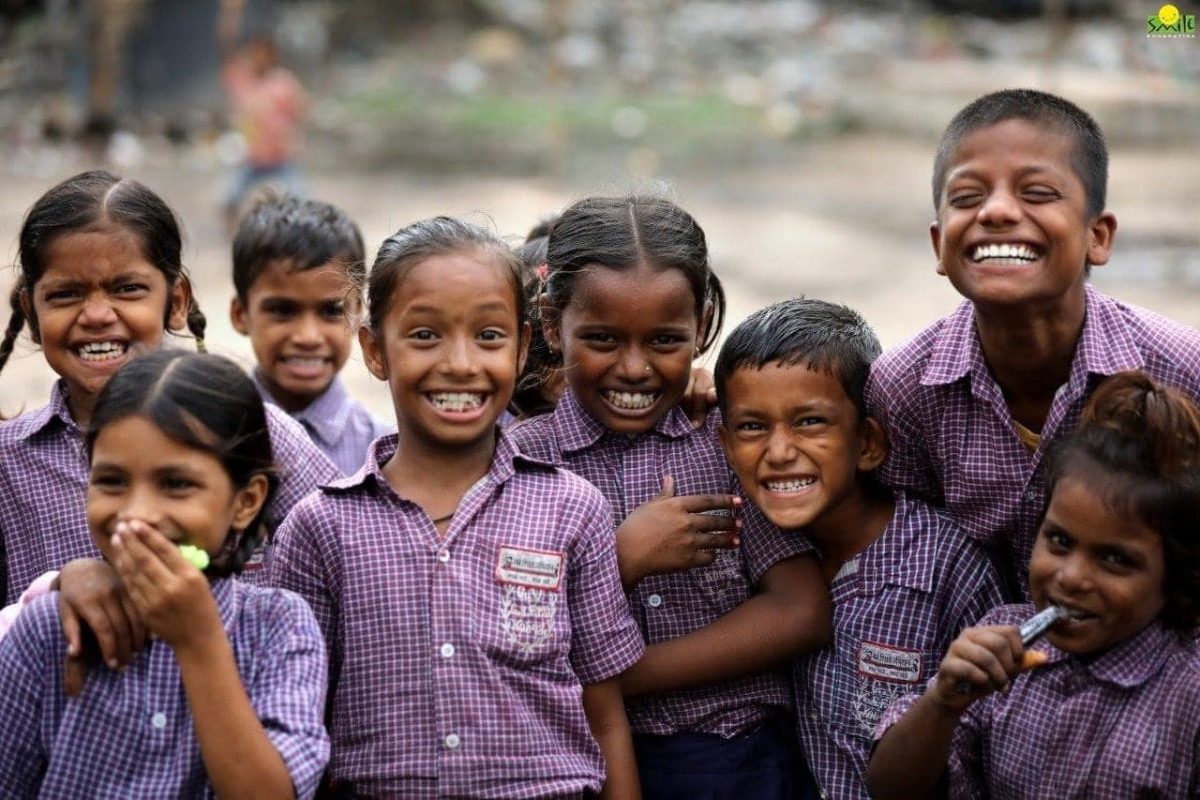
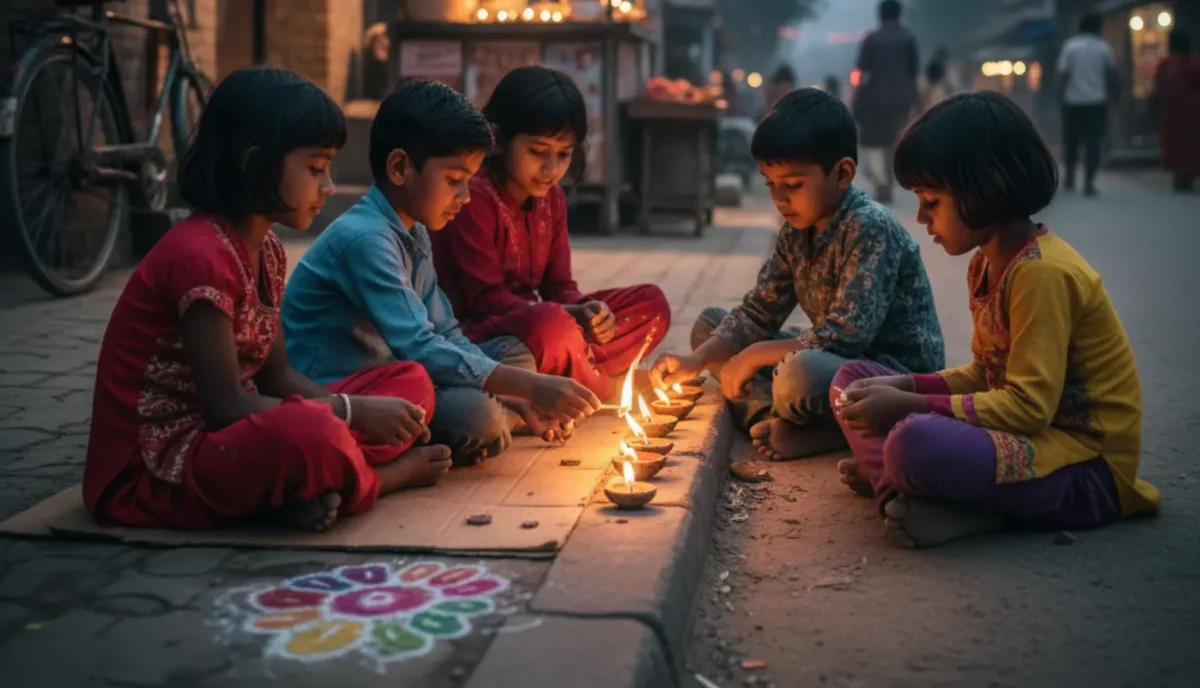
Diwali celebration 2025 – Illuminate young minds with the light of education 

Diwali, the festival of lights, stands as a luminous symbol of victory–triumph of good over evil. Traditionally associated with Goddess Lakshmi, the harbinger of prosperity, this festival has long embodied abundance and well being. Yet, true prosperity if viewed beyond mere financial gain, finds its most enduring form – in the power of education. Knowledge, after all, is the wealth that no circumstance can diminish.

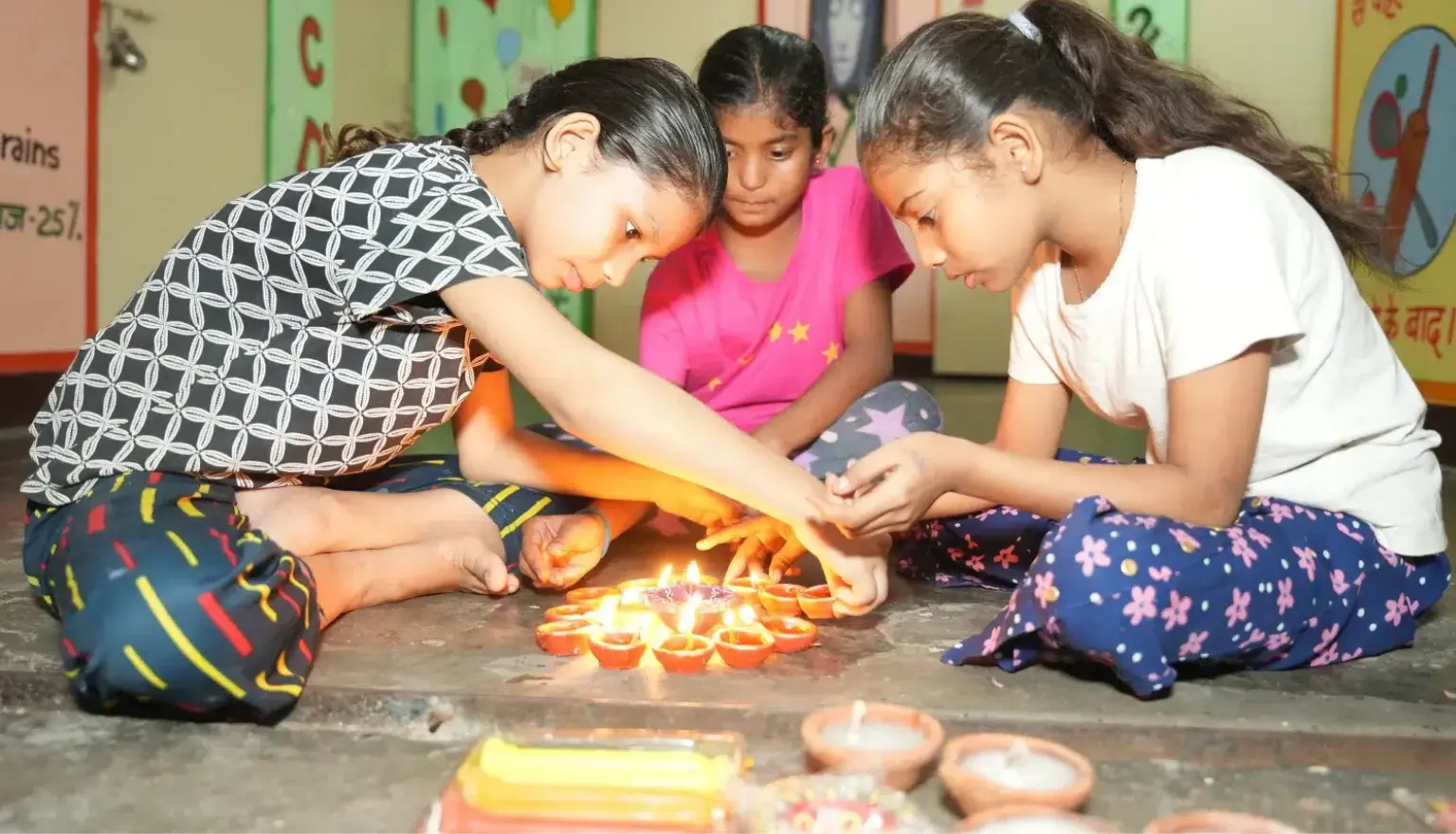
A diwali celebration is incomplete without the brilliance of diyas and similarly, the light of education is the powerful tool that illuminates a child’s mind, bringing clarity, opportunity and growth not just for the individual, but for their communities. It is through the books and learnings, that a young mind discerns the world, recognises opportunities and unlocks potential, paving the path to become an accomplished individual– perhaps, one day, much like the reader– like you.

This Diwali, let us honour the festival in its truest essence – by gifting children the light of knowledge and a safe environment to empower them to forge prosperous and meaningful futures.
Happy Diwali 2025

Safe Spaces 

A childhood shaped by safety and strong values lays the foundation for a healthy, accomplished adulthood. A child’s mind is pliant, like soft clay; without careful guidance and protection, it risks bearing the marks of trauma that can hinder not only their well-being but also their potential.

Despite numerous government initiatives aimed at safeguarding children, harsh social realities—child marriage, trafficking, and persistent illiteracy—still loom like predators, threatening to compromise the futures of the most vulnerable.

This makes it imperative to cultivate schools and communities where child safety is not an afterthought, but a guiding principle. Contributions made this Diwali go far beyond providing pencils and books. They help build safe, resilient infrastructures, equip teachers to nurture and protect children beyond academics, and foster environments where educators, parents, and communities act as vigilant guardians of every child’s holistic growth.

In essence, donation on Diwali does more than enable learning—it secures the sanctity of childhood, ensuring that every child can flourish safely, confidently, and with the freedom to reach their full potential.

Hygiene and Health

India continues to wrestle with persistent challenges, including malnutrition among its children. While infant mortality rates have improved over the years, many young children—and particularly adolescent girls—still confront conditions such as anaemia, which quietly erode their ability to grow, thrive, and learn.

It is crucial to recognise that the mind’s potential for learning is inseparable from the body’s well-being. A hungry or undernourished child cannot absorb knowledge, cannot dream expansively, and cannot realise the promise of their own capabilities. Your support, therefore, extends far beyond mere charity: it provides essential nutrients that fuel healthy growth, enabling children to fully harness the power of their minds and grasp the lessons that will shape their futures.

Equally vital is the creation of safe, supportive health environments—particularly for young girls who often face daunting barriers to education. Access to hygienic menstrual care, coupled with the dismantling of societal taboos, ensures she can pursue learning uninterrupted and with dignity.

This is where your contribution wields true influence: by investing in a child’s health, you simultaneously nurture their mind, empower their education, and fortify the foundation for a prosperous, capable, and resilient generation

A Fresh Outlook and Fresh Goals!

Hope is the most potent force in the human mind, a force that inspires, uplifts, and propels change. By donating on diwali for children in vulnerable communities, you provide more than resources; you ignite hope for a brighter tomorrow and kindle aspirations that can transform their futures. Your support reshapes not just the life of the child you sponsor, but also the lives of their families and the wider community.

As a social development organisation that has been working closely with the grassroot communities of India over three decades, Smile Foundation believes that diwali celebration is an enthusiastic occasion when celebrated with the vision of cultivating that society to be attentive to children’s needs, committed to their protection, and empowered to uphold their rights and access vital government support.

This Diwali, your small act of generosity holds the transformative power to ignite young minds with the enduring force of education. This gift doesn’t merely uplift a child today, it lays the foundation for generations to come, creating a world where learning becomes the light that fuels dreams, nurtures aspirations, and shapes a brighter, stronger future for our nation.

Be the spark that illuminate the path of knowledge for children who will carry the promise of tomorrow.
Categories
Smile

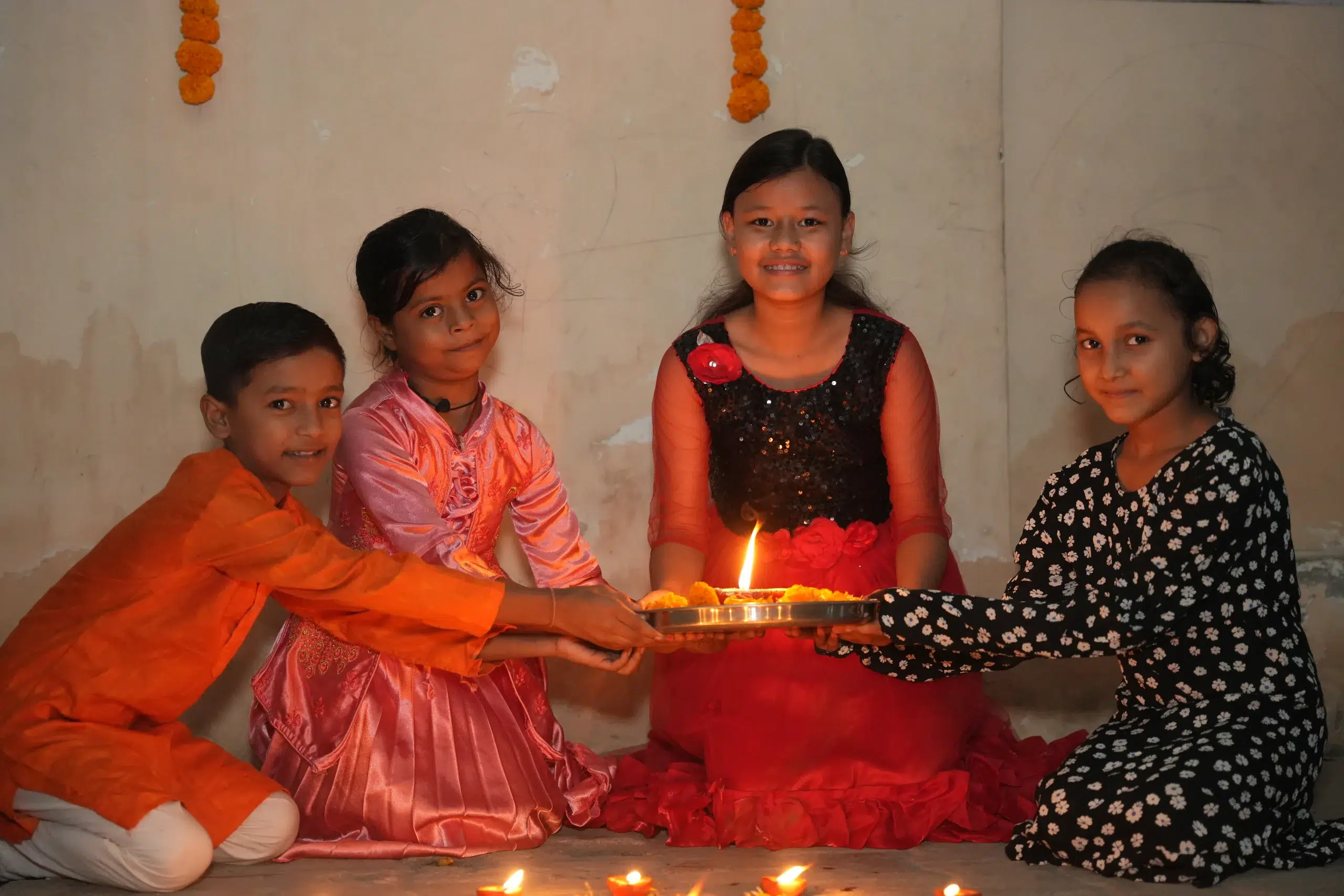
Diwali Celebration 2025: Light Up Lives Beyond Lamps and Fireworks

Diwali, the festival of lights, is just around the corner, and preparations are in full swing! Homes, shops, and offices are being cleaned, decluttered, and adorned for the celebrations. People bustle with shopping for clothes and meaningful gifts, while the air fills with festive fragrance, making the crisp autumn surroundings sparkle with joy.

Observed on Amavasya (new moon day) in the lunar month of Kartik, Diwali celebration is one of a kind, as it symbolises the victory of light over darkness, good over evil and knowledge over ignorance. It reminds us that when we collectively light the diyas, we transform a dark night into the brightest and happiest one.

Therefore, with such special significance, the Diwali celebration also deserves to be unique and significant. This year, let your celebration be a symbol of spreading the goodness of humanity. Let’s be the torchbearer to dispel the darkness of illiteracy, poverty, hunger, unemployment, pollution, or any such evil that threatens our society and planet.

Donate on Diwali

Here are 7 ways to make your Diwali celebration 2024 unique:

Donate on Diwali for a Child’s education
Donate for a Mid-Day Meal
Donate Used/New Festive Clothes
Be a Green Warrior
Support Local Vendors and Small Businesses
Spend your Diwali at an Orphanage/Old Age Home
Show Gratitude to Your Helpers

1. Donate on Diwali for a Child’s education

Diwali is a time when most of you are on a shopping spree to refresh your wardrobe, upgrade your home appliances, redo the interiors of your house and cheer your friends with lovely gifts. However, not everyone is fortunate enough to have such a dazzling Diwali.

Many families from the underserved communities, especially young children, often find themselves, feeling isolated from the Diwali celebration because of financial constraints, but this can change if you become the light of education in their lives.

Your support may not bring them immediate relief, but with your help through support for fees, stationery items, uniforms and additional study material, it can be a game-changer for these young ones, as they would be able to enter classrooms and continue their education, so that one day they too can celebrate the bright lights of a dignified life.

2. Donate for a Mid-Day Meal

Diwali is a time to cook up a feast. Friends and family bond together over elaborate spreads. But for many children from the underserved communities,  the Diwali feast is often a struggle. Therefore, let your kindness be a way of giving these children food by donating nutritious  mid-day meals that will make their Diwali happier and healthier.

3. Donate Used/New Festive Clothes

Festive time is always about looking fabulous. Festive wear are special but the fact is, post the festive season, they are not used much and very soon kids outgrow these beautiful outfits. So if you have a bunch of such unused festive wears just sitting in a corner of your wardrobe, this Diwali, please donate them to charity. Believe us, your ‘no-longer-used festive wear’ is a luxury wear for someone else.

It’s also possible for you to buy new clothes for the children in low-income groups. Just imagine their eyes sparkling in happiness when they try on their new outfits! There are only a few things in life more precious than a child’s innocent smile.

4. Be a Green Warrior

It is never too late to make your contributions to protect and preserve Mother Earth and what better occasion than making Diwali 2025– the initiation of positive and wise good beginnings!

This Diwali celebration, pledge to celebrate in an eco-friendly way. Sensitise your family, friends, people in your apartment area, neighborhood or locality to celebrate more with diyas, rangoli, sweets & food and less with crackers.

It would also be an excellent idea to locate a suitable area, maybe in your apartment complex or neighborhood park and plant a couple of saplings. You can also motivate others to do so. Post your ideas on your social media pages and start a green movement.

5. Support Local Vendors and Small Businesses

This Diwali celebration, let your shopping light up more than just your home. Choosing handmade diyas, flowers, and décor from local markets supports small vendors who sell not for profit, but for survival. Your purchases will not only brighten your festive décor but also bring joy to families whose Diwali celebration shines because of your support.

6. Spend your Diwali at an Old Age Home

Diwali is a time when the entire extended family comes together to celebrate. This Diwali, extend your love and affection to aged people who crave for the emotional blanket of a family. Visit an old age home and celebrate with them. Engage with them in decorating their place, cook together a delicious lunch, surprise them with some unforgettable gifts, sing, dance and make it a memorable Diwali for them and yourself.

7. Show Gratitude to Your Helpers

There are a lot of people who have an immense contribution in the smooth functioning of your daily life. Your domestic help, driver, liftman, building watchman, gardener, all these people toil hard every day to serve you. Diwali is an excellent time to express your gratitude for the services they offer.

As the saying goes, ‘charity begins at home’, these are the people you should first reach out to with your love and generosity. Hand them out a Diwali bonus or gift them something useful for their home or invite their family to join in your Diwali celebrations if they are willing.

If you are an apartment society resident, you can even float the idea to create, a corpus fund for Diwali Festival donations and mobilise funds from like-minded people in your apartment or complex, which can be used for the benefit of the helpers of the society.

“At its heart, a Diwali celebration is about spreading smiles—and what better way than through kindness. Even a small act can create ripples of positive change, which is why Smile Foundation invites you to embrace the true ‘joy of sharing’ this festive season.”

Together, let’s light up the lives of those who need our support the most. Donate on Diwali and make your kindness a legacy.

Happy Diwali 2025 !

Diwali Celebration 2025: Light Up Lives Beyond Lamps and Fireworks

Categories
CSR

CSR initiatives of Aviation Industry: Empowering Through Wings

For many of us, the dream of touching the sky was sparked by iconic movies like Top Gun. Some of us have been fortunate enough to touch the sky, whether as Air Force pilots, commercial pilots or flight attendants. However, for those from underserved communities who remain trapped in poverty, such dreams often remain out of reach.

India’s Aviation Soars

Over the last few years especially after the pandemic, India’s Aviation Industry has transformed itself into a robust industry. By expanding its International flights and airlines extending their fleet, the Indian Aviation Industry is estimated to surpass US and China, by becoming the world’s third-largest air passenger market by 2030. 

Considering their outstanding growth, this industry has also become one of the most employable fields in today’s times. Therefore, Indian Aviation CSR initiatives can help India in creating an inclusive and sustainable nation, where children, youth and women from low-income groups get an ecosystem encouraging them to develop holistically. 

Corporate Social Responsibility in Aviation 

For a long time, CSR in the aviation industry has focused on tackling air pollution and improving fuel efficiency. These important causes remain a priority, with CSR efforts in India addressing them to ensure a cleaner environment for all.

However, aviation companies have also shown keen interest in supporting other social causes like investing in the development of underserved communities. IndiGo’s- The IndiGoReach initiatives focus on educating children across various states in India. One of its key programmes targets 5,000 students in grades 6 through 10 at 25 rural government schools within the Badgaon and Kurabad blocks of Udaipur district.

The programme provides students with essential academic skills and conceptual understanding while building stronger relationships among students, teachers and parents. Additionally, the IndiGo School Adoption Programme aims to enhance teaching quality and learning experiences, boost digital literacy through the ‘Get Smart’ bus initiative and improve and sustain the infrastructure at 75 government schools.

Vistara and the joy of first-time flying for our children

Another prominent example of CSR activities by the Aviation industry in India has been Vistara’s CSR initiatives with Smile Foundation. By collaborating with the Shiksha Na Ruke Program, Vistara has supported child education through Smile Foundation. Through digital counseling on hygiene, career and mental wellbeing, Vistara has often interacted with our children, contributing to their holistic development. 

Through their CSR efforts, Vistara gave children of Smile Foundation their first flight experience, allowing them to savour the joy of flying and inspiring them to pursue education with the hope of one day sitting in a cockpit.

Given the positive impact of such initiatives, Smile Foundation believes the aviation industry can significantly contribute by directing CSR funds toward providing quality education for underserved children, offering skill training for youth that aligns with the aviation sector and supporting local women in establishing businesses that benefit both their families and the industry.

CSR in Aviation Industry redefining lives- how?

  1. Empowering Education through Scholarships 

Smile Foundation offers exclusive engineering scholarships for girls who are meritorious but due to financial hardships cannot pursue engineering courses. For the engineering course, Smile financially supports beneficiaries, provide digital tools like laptops for a seamless learning experience and assist with placements.

Recognising the demand for engineers in the aviation industry, Smile Foundation believes that investing CSR funds to encourage girls to pursue engineering will not only empower these young lives but also demonstrate corporate solidarity in promoting girl child education in India. Enabling our young girls to pursue highly competitive courses like engineering, aviation companies and social stakeholders like development organisations and government institutions can empower young girls to dream of flying.

2. Youth Development through Vocational Skills Training 

CSR activities by the aviation industry can support our youth in India through Smile Foundation’s STeP programme. This programme upskills them in various vocational courses, including BPO, Retail Management, Core Employability, Healthcare (General Duty Assistance), BFSI and Digital Marketing.

Students are trained for 4 to 6 months, combining theoretical and practical industrial training to ensure a comprehensive understanding of their chosen course. We also provide career counseling, placement support and post-placement assistance to secure and stabilise their livelihoods for years to come.

3. Empowering Women through Business Support 

Aviation industry can align their CSR programmes to empower women through our Swabhiman initiative. By investing in women entrepreneurial skills and supporting their small businesses, the aviation industry shall not only promote the “local for vocal” campaign, but help many women of India earn a livelihood and transform their communities for the better. 

Aviation CSR initiatives with Smile

Aviation industry can extend beyond the skies and deeply impact societal development. By aligning Corporate Social Responsibility (CSR) initiatives with the United Nations’ SDGs, aviation companies have the unique opportunity to create significant change in communities needing help across India.

The sector’s growth and prominence make it an ideal candidate for driving initiatives that empower women, support youth development and provide quality education to those in need. Through targeted programmes such as scholarships for aspiring engineers, vocational training for underserved youth and business support for women entrepreneurs, the aviation industry can help break barriers and create pathways for an equitable society.

By investing in these areas, aviation companies not only increase their social good value but also contribute to the broader goal of national advancement. This dual benefit of—strengthening the industry and uplifting communities out of poverty perils—demonstrates the far-reaching impact of strategic CSR efforts.

As we look to the future, let us harness aviation’s growth to uplift those who have historically been left behind. Together, we can ensure that the dream of touching the sky is no longer a distant dream but a reality for all, inspiring the next generation to reach new heights.

Partner with us to give wings to the dreams of many in rural India

Categories
Health

Healthcare for All? Only if we start from the last mile

In India today, the promise of universal health coverage often feels like a horizon that keeps moving further away the closer we get to it.

The country has made remarkable strides in terms of public health spending with the government allocating 1.94% of the total budget to healthcare in 2025. Initiatives like Ayushman Bharat have given millions access to insurance coverage that was unthinkable a decade ago. Mobile technology and telemedicine have reshaped how services reach remote areas. Yet for vast swaths of India’s rural poor and urban informal settlements, healthcare remains something closer to a lottery than a right.

Healthcare pushing Indians into poverty

More than 65% of Indians live in rural areas, where the nearest doctor could be miles away and where reaching a hospital often involves impossible costs in travel and time. Even in cities, the sprawling slums, teeming with life but invisible to planners, are glaring reminders that formal healthcare systems have not kept pace with economic growth. Every year, an estimated 17% of households in India still face catastrophic health expenditures, pushing them deeper into poverty.

Against this backdrop, the healthcare work Smile Foundation does reveals a more grounded story of progress—a quiet, persistent effort to shift health from being an aspiration to being a daily, lived reality.

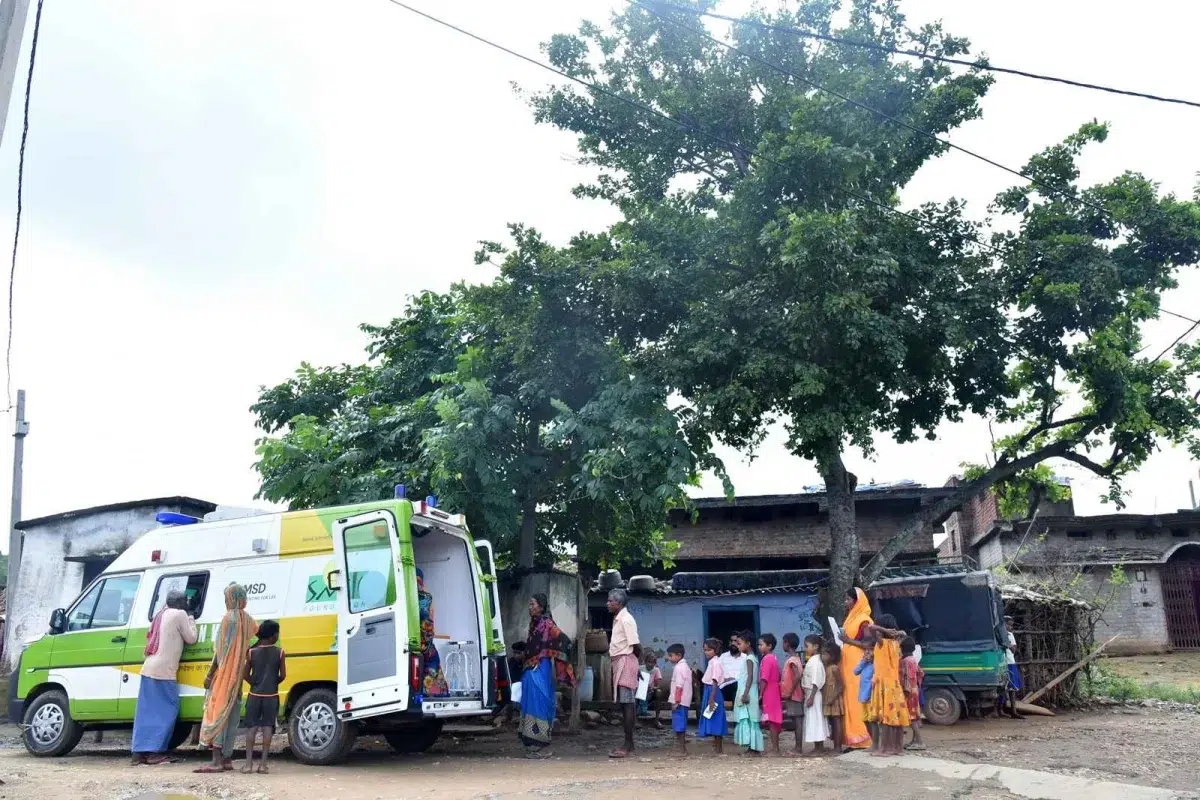
Take Shashikala, a pregnant woman living on the edge of Bengaluru. Without the Smile on Wheels mobile healthcare unit that visited her settlement, her prenatal care would have been sporadic at best. Instead, consistent check-ups and medication brought her a healthy pregnancy, offering a glimpse of what community-centered healthcare could look like at scale. Smile Foundation runs 105 such mobile healthcare units across 16 states, bringing basic outpatient care, medicines, and diagnostic services directly to those who might otherwise be invisible to formal health systems.

Having more than one touchpoint

But access is not just about putting clinics on wheels. It’s about permanence and trust—values that Smile Foundation weaves into its model through static health clinics in some of India’s remotest regions. In a village in Tamil Nadu, the Smile-run clinic stands as one of the few reliable touchpoints for patients managing chronic diseases like hypertension and diabetes. Beyond primary care, these centers offer physiotherapy, family counseling, and even mental health support—services that are often left out of conventional rural health planning.

Telemedicine, too, has been embraced, not as a futuristic luxury but as a pragmatic bridge between rural patients and urban specialists. Smile Foundation’s mobile telemedicine units, linking patients to doctors in Bengaluru, Chennai, and Hyderabad, provided over 85,000 specialized consultations last year alone. For a hypertensive farmer or a pregnant teenager in a village three bus rides away from the nearest city, such access can mean the difference between life and death.

Community health camps remain another critical lever. More than a hundred were organized over the past year, responding to seasonal outbreaks and local health crises. In areas where government outreach is sporadic, these camps are not just supplementary but essential.

Yet beyond the immediate relief of treatment, our real investment lies in the fabric of local health systems. Working with public health facilities, it has helped equip district hospitals and urban primary health centers with essentials like ECG machines, baby warmers, operating lights, and biomedical waste management systems. Such seemingly technical interventions carry enormous weight: without them, even the best-trained doctors are helpless.

The importance of training

Importantly, we recognize that healthcare delivery is as much about people as it is about infrastructure. Over the last year, it trained more than 1,000 frontline workers—ASHAs, ANMs, and VHSNC members—on everything from first aid and family planning to non-communicable disease management. These women, often unpaid or underpaid, are the real scaffolding of India’s rural health ecosystem. Strengthening their capacity is not charity; it is strategy.

There are specialized interventions too, often overlooked by mainstream public health narratives. More than 48,000 people accessed free dental care through Smile Foundation’s Mobile Dental Units operating in Delhi NCR and Agra. Meanwhile, over 71,000 transport workers—drivers, loaders, mechanics—received physiotherapy, checkups, and counseling through Transport Aarogyam Kendras in places like Unnao, Ranchi, and Ludhiana. These are not marginal acts. They are recognitions that health is holistic, and that occupational health cannot be the poor cousin of general medicine.

And then there is the work that is harder to quantify but perhaps most transformational: driving behavior change. Through information, education, and communication (IEC) activities, we reached over 350,000 people with messages about immunization, nutrition, hygiene, lifestyle diseases, management of vector borne diseases like malaria, filariasis, diarrhea, and typhoid, tobacco use and substance abuse, diabetes and hypertension, care seeking for blindness, first aid, and common geriatric ailments.. Changing habits and perceptions takes decades, not months. Yet without this slow, community-driven work, even the best services can remain underutilized.

Always bottom up or something similar to it

If there is a lesson for others from our approach, it is this: health systems cannot be built from the top down alone. Real health equity grows from the last mile upward.

The government’s macro-level efforts are necessary, but insufficient on their own. To meet the SDG target of Universal Health Coverage by 2030, India needs models that understand the complexities of local geographies, cultures, and economies. It needs partnerships that amplify government programmes rather than replicate them inefficiently. It needs, in short, a bottom-up movement that prizes proximity, trust, and adaptability over scale for scale’s sake.

Stories like that of Mannu Mahato, a centenarian stage actor who now receives regular geriatric care thanks to our healthcare efforts in Bihar, capture this larger truth. Health is not just about clinical outcomes. It is about dignity, independence, and the ability to live life fully at every age.

As India moves through the next crucial years of its development trajectory, it must ask itself whether health is truly seen as a public good or merely as a private burden mitigated by market solutions.

If it chooses the former, it must invest not just in hospitals and insurance schemes, but in grassroots models of compassion and proximity. Models that move toward people, not away from them. Models that treat health not as a service, but as a shared promise.

Categories
Education

STEM education key to India’s inclusive future

What do climate change, artificial intelligence, pandemics, and space exploration have in common? They all demand minds trained in science, technology, engineering, and mathematics—STEM. But what happens when more than half of India’s future workforce has never touched a science lab, seen a circuit board, or solved a real-life math problem?

In a nation of over 250 million school-going children, the future of India’s economy, innovation, and equity rests on how effectively we embed STEM into classrooms, especially in government schools and low-income communities.

The data doesn’t lie: STEM education gaps begin early

Despite being the world’s third-largest ecosystem for higher education in science and engineering, India faces a paradox: around 30% of engineering graduates are either unemployed or underemployed due to skill gaps (NITI Aayog). And the pipeline into STEM is narrow to begin with.

As per ASER 2023, among students in Class XI or higher, only 31.7% are enrolled in STEM subjects, while 55.7% are in the Arts/Humanities stream. Girls, rural students, and first-generation learners are particularly underrepresented.

Most government schools where over 65% of Indian children are enrolled still operate with outdated pedagogy, undertrained teachers, and minimal infrastructure. Traditional rote-based teaching does little to nurture curiosity, experimentation, or problem-solving—the very foundations of STEM.

Why STEM matters now more than ever

STEM cultivates creativity, critical thinking, collaboration, and resilience. According to the World Economic Forum, 65% of children entering primary school today will work in jobs that don’t yet exist—most of them requiring STEM skills. Economies that invest early in STEM consistently see stronger innovation indices and more equitable growth.

Smile Foundation: Reimagining STEM from the ground up

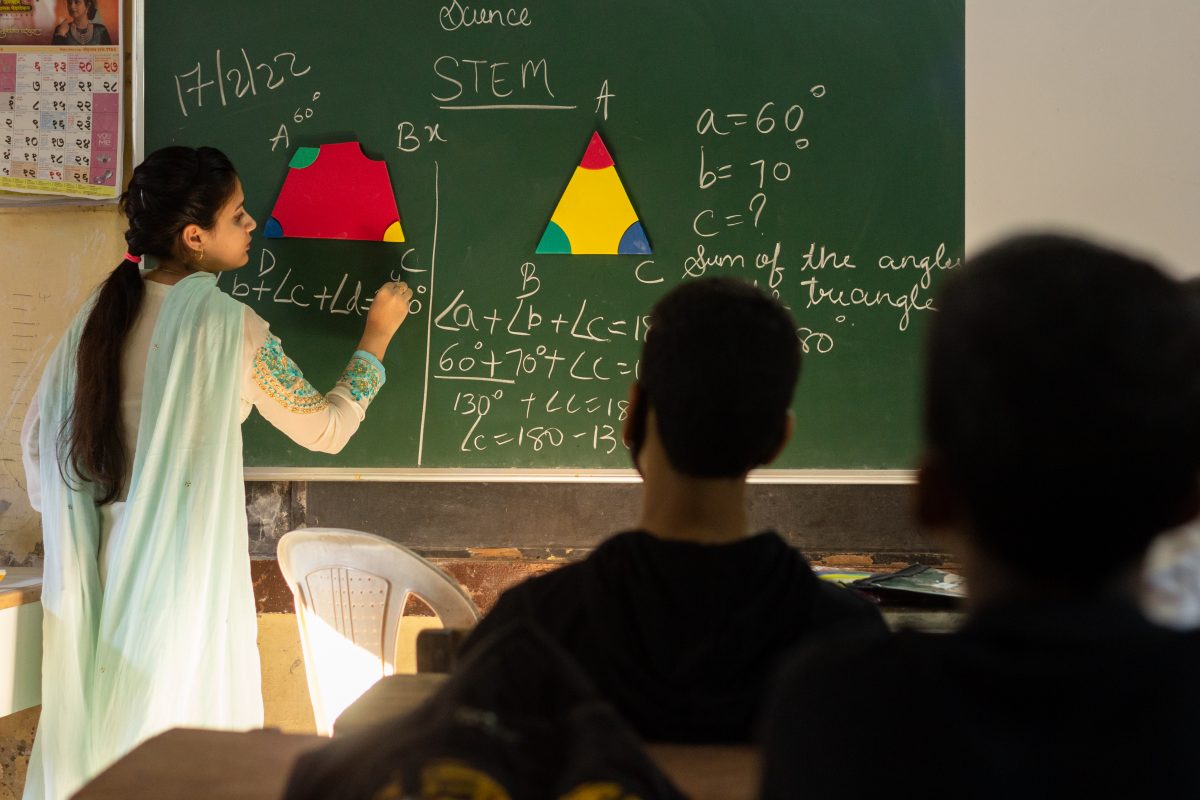
Smile Foundation’s Mission Education programme is redefining what STEM means for underserved children. With a footprint across 2,000 villages in 26 states, our approach is holistic, scalable, and rooted in real-world needs.

Our STEM programme includes:

  • Mini Science Centres and resource kits in government schools
  • Do-It-Yourself (DIY) learning kits that replace rote learning with hands-on discovery
  • Science clubs and fairs that encourage teamwork and creativity
  • Teacher training in pedagogy, STEM content, and inclusive classroom practices
  • Timetable integration and monitoring through baseline and end-line assessments

The result is a shift from passive absorption to active exploration, especially among girls and first-generation learners.

Global inspiration

Finland’s Phenomenon-Based Learning

Subjects are taught through cross-disciplinary projects. A lesson on “sustainable cities” could include physics, geography, economics, and ethics. It’s holistic and future-focused.

Rwanda’s Smart Classrooms

With limited budgets, Rwanda introduced solar-powered smart classrooms in rural areas. These boosted attendance, especially among girls, and improved national math scores.

United States’ STEM Ecosystems

Programmes like Girls Who Code and NASA’s outreach connect students, mentors, and industries, creating a sustainable STEM pipeline.

Gender and beyond: Making STEM education inclusive

Girls remain underrepresented in STEM, especially in rural and tribal schools. Factors include lack of role models, lab access, social norms, and gender biases. Smile Foundation works to reverse this through girl-led science projects, STEM day celebrations, and mentorship drives.

Globally, women like Gitanjali Rao, TIME’s Kid of the Year 2020, and Tessy Thomas, India’s “Missile Woman,” show how STEM empowers.

But true inclusion means going further. Dr. Ben Barres, a Stanford neurobiologist and the first openly transgender scientist elected to the National Academy of Sciences, once said,

“The barriers to entry are not just educational. They’re cultural.”

In India, transgender representation in STEM is nascent but growing, with public figures like Living Smile Vidya advocating for inclusive education frameworks. Policies must explicitly welcome transgender students into science education through scholarships, infrastructure, and safe learning spaces.

From policy to practice

India’s National Education Policy (NEP) 2020 is a bold step forward, encouraging coding, critical thinking, and interdisciplinary learning from the early years. But to make this vision a reality, STEM must not just be a policy objective—it must be woven into existing national development missions.

  • Digital India: STEM literacy builds the foundation for digital citizenship, cybersecurity, and emerging tech.
  • Startup India: Early innovation labs and maker spaces nurture entrepreneurial thinking in students.
  • Skill India: STEM learning aligns directly with vocational readiness in AI, robotics, renewable energy, and data analysis.

However, challenges remain:

  • Under-resourced schools often lack even basic science labs or trained teachers.
  • Overloaded curricula leave little room for experimentation.
  • Low visibility of diverse STEM role models limits aspirations, especially for girls and gender-diverse youth.

Smile Foundation addresses these through teacher upskilling, community engagement, and partnerships with local governments. We also track progress through continuous assessments, ensuring impact is measured, not assumed.

To expand this impact, varied partnerships should:

  • Fund low-cost mobile STEM labs and solar-powered science classrooms
  • Create gender- and trans-inclusive scholarship schemes
  • Leverage platforms like DIKSHA for STEM content in regional languages
  • Incentivize CSR and industry mentorships for government school students

By embedding STEM in national missions and school systems, and tracking results, India can move from access to aspiration, and from policy to practice.

India’s demographic dividend will only pay off if young minds are equipped for the challenges ahead. STEM education is about creating engineers and empowering them as creators, problem-solvers, thinkers, and informed citizens. It’s about ensuring that every child, regardless of gender, caste, geography, or identity, has the tools to shape their own future.

Smile Foundation’s experience proves that STEM can be scaled without being sterile, inclusive without being expensive, and joyful without losing rigour.

“We need to move from ‘STEM for the elite’ to ‘STEM for all.’” – Dr. Tessy Thomas, India’s ‘Missile Woman’ and DRDO scientist

Now is the time to build classrooms that teach science and help children live it.

Sources

Categories
Education

Breaking the dropout cycle

Priya, a 13-year-old from a small village in Jharkhand, loved mathematics and consistently topped her class of 30 students. Yet, her education came to an abrupt halt when she turned thirteen; not because of disinterest or inability, but due to the lack of safe and hygienic toilets in her school. Fearing for her safety, Priya’s parents, like many others in the village, decided to pull her out. Her story, though personal, mirrors the silent crisis unfolding across India, where basic infrastructural deficiencies force millions of children to abandon education.

Dropping out doesn’t just end a child’s formal education, it reinforces cycles of poverty and inequality. If India is to secure a better future for its young population, addressing the root causes of school dropouts must be a national priority.

The infrastructure gap leading to school dropouts

Often, the barriers to education are painfully basic. According to the Unified District Information System for Education Plus (UDISE+), only 56% of schools in India have functional toilets for girls. For adolescent girls, this shortfall is not only inconvenient but dangerous, frequently leading to withdrawal from school. In rural India, nearly there is still a lack of safe drinking water, exposing children to illness and discouraging regular attendance.

Poor infrastructure—crumbling classrooms, lack of desks, unreliable electricity—sends a message: education is not a priority. Students across grades are often taught together due to space constraints, with schools lacking even the most basic amenities.

Where are the teachers?

The teacher-student ratio in many Indian schools is dismal. Several lack qualified educators for essential subjects, and existing teachers are burdened with administrative tasks, elections, and census duties. Add to this a lack of training and pedagogical support, and it’s no surprise that students fail to stay engaged.

When children receive little individual attention or instruction suited to their learning level, the system slowly pushes them out.

Poverty and patriarchy

Many families, especially in rural and urban poor communities, simply cannot afford to keep their children in school. Economic necessity compels them to involve children in work—whether in farms, factories, or homes. Often, the first to be pulled out are girls.

According to UNICEF, 34% of girls in India are married before the age of 18. Early marriage, domestic chores, and caregiving responsibilities are major contributors to the gender gap in education. Even when girls are enrolled, they are often the first to be withdrawn in times of financial stress.

Quality vs. access

Another growing concern is the quality of education. While enrolment numbers may be high, classroom experiences often fail to inspire. Government-funded schools frequently lack updated learning materials and struggle to compete with private institutions in terms of curriculum and engagement.

Children who do not see the relevance or value of their education are more likely to disengage and drop out. Over time, education becomes a burden rather than a bridge to opportunity.

What needs to change to stop school dropouts?

Tackling dropouts requires a holistic approach beginning with infrastructure. Ensuring access to clean toilets, safe drinking water, proper classrooms, and electricity should be non-negotiable. Programmes like the Samagra Shiksha Abhiyan must be expanded with a stronger focus on infrastructure and learning environment upgrades.

India also needs more qualified teachers with the time and support to focus solely on education. Regular training, incentives, and fair workloads are key. This investment must be paired with community-level engagement to raise awareness about the importance of education and to reduce parental resistance to sending children—especially girls—to school.

Economic barriers must be addressed through scholarships, free uniforms, textbooks, and mid-day meals. Technology should be used to supplement classroom learning, particularly in remote areas where teacher shortages persist. Digital classrooms, learning apps, and recorded lessons can bring continuity to children’s education.

What’s already working?

India has made progress. The Right to Education (RTE) Act guarantees free and compulsory education for children aged 6–14, boosting enrolment significantly. The Mid-Day Meal Scheme has improved nutrition and attendance. Campaigns like Beti Bachao, Beti Padhao have pushed gender equity in school enrolment.

Development organizations, private foundations, and CSR-led interventions are playing a growing role. Organizations are investing in scholarships, remedial classes, school infrastructure, and teacher training—often filling gaps left by the public system.

Changing the narrative

Addressing dropouts is about giving every child a sense of worth and possibility. Priya’s story isn’t just about a missing toilet; it’s about missed potential. It reflects how a small gap in a system can grow into a life-altering detour.

Smile Foundation, for instance, works across India to bridge this very gap—bringing together education, community mobilization, and digital tools to help children stay in school and succeed. By investing in such integrated models, India can build a future where every child not only enters school but stays, learns, and thrives.

To break the dropout cycle, India must ensure that no child is left behind; not because they lacked ambition, but because they lacked a toilet, a teacher, or a chance.

Categories
Education

Learning through play: The future of Early Childhood Education

In a bustling classroom in Bengaluru, young children are huddled around a sandbox brimming with colorful tools and toys. Their teacher has given a simple prompt: use your imagination to build something. Riya, a spirited 7-year-old, is constructing a tower. Nearby, Aman is trying to piece together a toy car.

From the outside, it might seem like nothing more than a cheerful play session. But beneath the surface, something deeper is taking place—students are problem-solving, negotiating, creating. This is play-based learning in action: a powerful educational approach that nurtures not only academic skills but emotional, physical, and social development too.

In classrooms across India and the world, play-based learning is gaining momentum as an antidote to the rigidity of traditional education. Its foundation lies in one core idea: children learn best when they are allowed to explore, imagine, and lead their own learning journeys.

What is play-based learning?

At its core, play-based learning is an approach that uses child-led, exploratory activities—like games, storytelling, and puzzles—as a primary vehicle for learning. It rejects rote memorization and passive instruction, and instead allows children to learn through doing. It doesn’t abandon structure; rather, it integrates learning goals within playful activities that are developmentally appropriate and responsive to children’s needs.

Why is it transformative?

1. It strengthens cognitive development.
Games that require counting or sequencing help build early numeracy. Storytelling enhances vocabulary and comprehension. These hands-on experiences anchor abstract concepts in the real world, making learning more meaningful and memorable.

2. It cultivates social and emotional intelligence.
When children play together, they learn to collaborate, share, negotiate, and resolve conflict. These aren’t just playground skills; they are critical life skills, honed in the safety of a classroom where trial and error is part of the process.

3. It fuels creativity and critical thinking.
By engaging in open-ended play, children learn to ask questions, devise solutions, and think beyond the obvious. In a world where innovation is currency, this skill set is essential.

4. It supports physical development.
Play-based environments encourage movement like jumping, building, running which improves motor skills and stamina. In contrast, traditional methods that require long hours at a desk often hamper both focus and well-being.

Why now?

The global shift toward play-based learning is rooted in decades of research. Studies from the OECD and UNICEF have repeatedly shown that learning through play leads to stronger academic outcomes, better emotional health, and improved school retention rates, especially in early childhood. In India, where foundational literacy and numeracy remain pressing challenges, this method offers a real opportunity for transformation.

Yet, despite its proven impact, traditional schooling systems with their focus on textbooks and testing continue to dominate. Children are often seen as empty vessels to be filled with knowledge, rather than active participants in their own learning. Play-based learning flips that narrative.

How does it compare to traditional models?

Traditional education is largely teacher-driven, with rigid curricula and outcomes focused on test performance. It prizes discipline and conformity. In contrast, play-based learning emphasizes process over performance, offering flexibility that is better suited to a child’s natural curiosity and pace.

It also challenges the one-size-fits-all model. Rather than measuring children against the same benchmarks, it allows each child to explore in their own way nurturing individuality and building confidence.

Where is it working?

India’s education landscape is beginning to reflect this change. Anganwadi centres under the Integrated Child Development Services (ICDS) now offer preschool education through play and storytelling. The National Council of Educational Research and Training (NCERT) has introduced activity-based learning modules in its early years curriculum.

Development organizations are also stepping up. Smile Foundation, among others, works directly with schools and teachers to integrate play into daily teaching. Corporates like LEGO and Tata Trusts are donating learning tools and supporting infrastructure. These public-private partnerships are proving to be essential catalysts.

What needs to happen next?

Scaling play-based learning requires a concerted effort across systems:

  • Infrastructure: Schools must be equipped with safe, flexible spaces and age-appropriate materials that foster play.
  • Teacher training: Educators need both mindset shifts and hands-on training to design and deliver play-based lessons effectively.
  • Parental engagement: Parents should be made aware of the long-term benefits of play-based learning so they can support it at home.
  • Policy support: Governments must embed play into national early childhood strategies and provide funding for implementation.
  • Tech innovation: E-learning platforms can make play-based content more accessible, particularly in underserved areas.

A child-first philosophy

At its heart, play-based learning is about trusting children to be curious, capable, and creative learners. By letting go of rigid models and embracing joyful exploration, we give every child the chance to fall in love with learning from the very beginning.

As India moves toward universal access to early childhood care and education, the question is no longer whether play belongs in the classroom, it’s how quickly we can make space for it.

Categories
Livelihood

Livelihood and increased social acceleration

In a world defined by the next click, swipe, or update, life is no longer just lived—it is rushed. “Fast food,” “fast fashion,” “fast communication,” “quick transport,” “instant pay”—our collective reality is now dictated by speed. German sociologist Hartmut Rosa coined this growing phenomenon as social acceleration—a sweeping shift in the rhythm of life brought on by the technological revolutions of the modern era.

This acceleration is not just a cultural undercurrent—it is a structural force with real implications for livelihoods, particularly in emerging economies like India. With digital transformation altering how we live, work, and connect, millions are negotiating this rapid shift in real time.

What is social acceleration?

Social acceleration refers to the intensifying pace of social change, driven largely by technological and digital evolution. As cultural theorist Paul Virilio suggested, it’s about speeding through space and experience where sending a letter becomes an instant message, road journeys become flights, and saving money becomes tap-and-pay.

In practical terms, social acceleration means we’re working more efficiently but also feeling increasingly overwhelmed. Time is compressed, and the boundaries between work, rest, and play are increasingly blurred. At the heart of this shift is digitisation which is both a driver and a product of acceleration.

Digitisation and livelihoods: A complex relationship

India, one of the fastest-digitising economies in the world, embodies this phenomenon. According to the Bharat 2.0 Internet Study (2021), rural India surpassed urban areas in internet user growth—an astonishing 20% higher. Even more encouraging, female internet users were growing at nearly triple the rate of their male counterparts. The National Family Health Survey (NFHS-5) further confirms that technology is transforming lives.

Access to digital tools has opened doors to livelihood opportunities that didn’t exist before. Faster communication and improved information access have transformed rural agriculture, expanded health services, and improved access to sanitation and clean energy fueling progress at the grassroots.

1. Employment opportunities

Social acceleration has enabled remote work, gig economy platforms, and e-commerce, empowering people to earn from almost anywhere. From artisans in Rajasthan selling products on digital platforms to rural coders contributing to global tech firms, geography is no longer a constraint.

The gig economy, though fraught with regulatory gaps, has allowed many young Indians to freelance, earn income, and build skills through platforms like Urban Company, Freelancer, and Swiggy.

2. Entrepreneurship in motion

Micro, Small, and Medium Enterprises (MSMEs) have flourished as digital tools democratise access to information, marketing, and capital. Women and youth, particularly in low-income communities, now create home-run businesses through mobile phones, WhatsApp groups, and YouTube channels.

Supported by microfinance institutions and digital payment systems, these entrepreneurs use social media to build customer bases, establish branding, and bypass traditional market gatekeepers.

3. Financial and social inclusion

The internet has become a key enabler of financial inclusion. Women, who were previously excluded from banking systems, now access credit, insurance, and government subsidies through mobile platforms. Technology is enabling more women to vote, attend health appointments, and access child support services.

This has triggered what one might call a “silent revolution”—where social acceleration doesn’t just improve lives, it transforms gender norms. When women gain digital access, they also gain agency.

The shadow side of speed

Despite its promise, social acceleration also brings serious risks, especially for vulnerable populations.

  • Digital Divide and Literacy Gaps: Not everyone benefits equally. Poor connectivity, device affordability, and low digital literacy still marginalize millions, particularly the elderly, disabled, and rural populations in remote areas.
  • Mental Burnout: The pressure to always be available, always be improving, and always be earning—driven by algorithmic platforms—has created a culture of overwork. Young people are reporting higher rates of anxiety, and gig workers often operate without safety nets or formal labour protections.
  • Alienation and Erosion of Community: In an age of hyperconnectivity, meaningful connection has often taken a backseat. As Rosa warns, acceleration can lead to a sense of alienation—where people experience the world as fragmented, unpredictable, and beyond control.

Smile Foundation: Bridging the acceleration gap

Smile Foundation’s livelihood programme is one such effort to humanize the digital transformation. By working directly with underemployed youth from low-income communities, the programme provides market-driven skill training and placement support.

Through curated curricula, industry-aligned training, and a network of trainers, the programme connects youth with sectors showing high employment potential—retail, logistics, healthcare, and IT. Smile Foundation’s work aligns with India’s Skill India Mission and the global SDGs, particularly Goals 4 (Quality Education) and 8 (Decent Work and Economic Growth).

The aim is simple but powerful: equip the next generation with the tools to participate meaningfully in an accelerated world and not just survive it.

Where do we go from here?

If social acceleration is here to stay, we must evolve systems to keep pace—ethically, inclusively, and sustainably. This requires:

  • Digital Infrastructure Expansion: Universal broadband access and mobile literacy must be prioritised to bridge the urban-rural digital divide.
  • Policy Innovation: Protections for gig workers, fair wages, and platform accountability should accompany digital growth.
  • Mental Health Support: As speed increases, we must build systems that allow pause, reflection, and balance. This includes integrating mental wellness into education and employment programs.
  • Human-Centered Design: Livelihood programs should focus on the user—not just the technology. Interventions must be tailored, empathetic, and culturally grounded.

In conclusion, social acceleration is both a challenge and an opportunity. Its pace can uplift lives or leave people behind. But with thoughtful intervention, inclusive technology, and organisations like Smile Foundation leading grassroots change, acceleration doesn’t have to be alienating—it can be liberating.

If harnessed correctly, we can ensure that speed serves society, not the other way around.

Categories
Smile

Why education must begin in the mother tongue

Imagine stepping into a classroom where every word spoken by the teacher sounds unfamiliar. The lesson might be clear to some but not to you. Language, in this context, stops being a bridge to learning and becomes a barrier. For millions of children across the globe, this it’s a daily reality.

UNESCO reports that nearly 40% of the global population does not have access to education in a language they understand. In many low- and middle-income countries, the figure soars to 90%. In India, a nation of astounding linguistic diversity, children from tribal and rural backgrounds are most affected. Their futures hinge on a system that too often prioritizes dominant languages, like English or Hindi, over native tongues.

The consequences are severe. Education in an unfamiliar language can impede learning, lower self-esteem, and erode cultural identity. Yet, this systemic issue is frequently overlooked in broader discussions on education reform.

A classroom misaligned

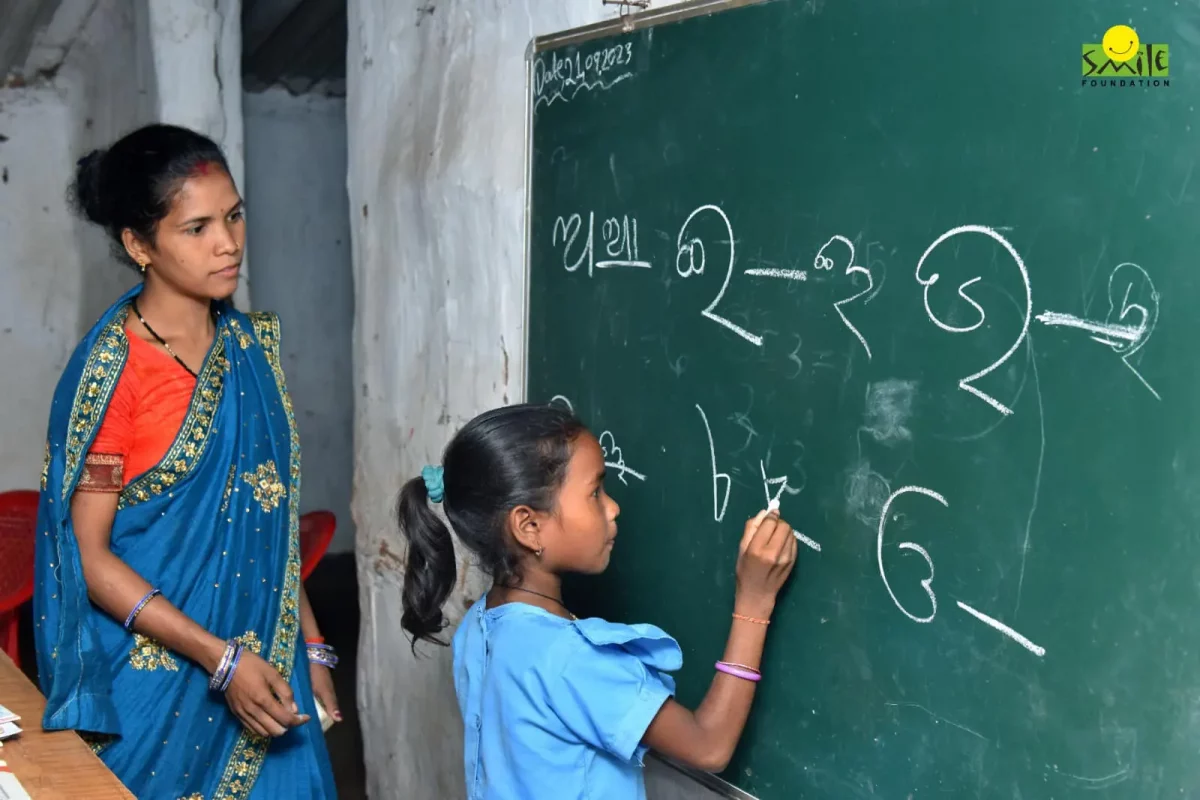
India recognizes 22 official languages and is home to more than 19,500 dialects. Despite this, the dominant languages in its classrooms remain English and Hindi. For children whose first languages are Mundari, Ho, Santhali, or Kui, school quickly becomes alien territory.

Evidence suggests the costs are real. A study in Andhra Pradesh and Telangana found that students taught in Telugu consistently outperformed their peers in English-medium schools. In Odisha, tribal children studying in their mother tongues displayed better attention spans, classroom participation, and test scores. A similar pattern was observed in Chhattisgarh, where children taught in Halbi showed increased classroom confidence.

These are signals. Children don’t fail school. School fails them when it ignores their lived experiences, language, and cognitive realities.

Cognitive clarity, emotional confidence

Language is the framework through which children make sense of the world. Research from India’s National Council of Educational Research and Training (NCERT) confirms what many educators have long known: foundational learning is strongest when delivered in a child’s home language.

Cognitive benefits aside, native language education supports emotional wellbeing. When children understand the language of instruction, they’re more likely to engage, ask questions, and take intellectual risks. When they don’t, anxiety, isolation, and early withdrawal from school become common.

In India, dropout rates in rural and tribal regions are a troubling consequence. Take Jharkhand, where tribal children who speak Ho or Kurukh at home are often taught in Hindi. Without a meaningful connection to what they are learning, many students disengage, leading to poor academic performance and, ultimately, school dropout. However, pilot programmes introducing tribal languages into early education in the state have shown remarkable improvements in both retention and learning.

The mother tongue advantage

Some states in India have taken note. Odisha’s Multilingual Education (MLE) programme integrates tribal languages like Santhali and Kui into the early curriculum. Telangana and Andhra Pradesh have also embraced Telugu-medium instruction at the primary level.

Encouragingly, India’s National Education Policy (NEP) 2020 promotes the use of the mother tongue or local language as the medium of instruction at least up to Grade 5. The policy recognizes that early education in a child’s first language enhances comprehension, critical thinking, and long-term academic success.

Global data backs this. According to research cited by the World Bank and UNESCO, children taught in their mother tongue during early schooling tend to outperform peers in other subjects including science and mathematics in later grades. This proves that native-language instruction doesn’t limit global competitiveness; it enhances it.

Where policy meets reality

While the NEP 2020 sets a progressive direction, implementation remains India’s biggest hurdle.

First, there is a dearth of quality educational materials in regional and tribal languages. Developing culturally relevant, age-appropriate textbooks and learning aids is essential. These materials should reflect not just the language but the lived experiences of the children reading them.

Second, teacher training must evolve. Many educators are unprepared for multilingual classrooms. Targeted training programmes, language fluency modules, and culturally sensitive pedagogy are vital to bridge this gap.

Third, digital innovation holds untapped potential. Artificial intelligence and machine learning tools can help translate and localize content at scale. Educational apps, voice-based learning modules, and interactive videos in multiple languages can ensure that every child, regardless of geography, receives quality instruction in a language they understand.

Rethinking equity in education

This issue is not just about pedagogy. It’s about justice.

When children are denied the right to learn in their own language, we deny them more than an education. We deny them identity, dignity, and a future on their terms.

India’s linguistic diversity should be seen not as an obstacle, but as an opportunity to build a more inclusive, equitable education system. That begins by listening, literally and figuratively, to the voices of the most marginalized.

Organizations like the Smile Foundation are already demonstrating how language-sensitive, community-driven interventions can improve outcomes. With the right blend of policy, technology, and cultural awareness, we can scale such successes across the country and offer a model for other multilingual nations grappling with similar challenges.

A future worth building

Imagine classrooms where every child hears a familiar word, where learning feels like belonging, and where identity is not sacrificed for understanding. That is the promise of mother tongue education.

If India is to truly fulfill the spirit of its Right to Education Act and the Sustainable Development Goals, it must begin by recognizing that language is not a barrier to success; it is the foundation of it.

To empower a child, speak their language. To transform a nation, educate every child in their own.

Categories
Education

Digital classrooms bridging the rural–urban education divide

In a remote village in Odisha’s Kalahandi district, where classrooms once lacked desks and often even teachers, the prospect of quality education was, until recently, a distant dream. But today, that story is changing. Under India’s ambitious Digital India initiative, schools in the region have been equipped with internet connectivity, smart boards, and e-learning platforms. Teachers have been trained to integrate multimedia tools into their lessons. Concepts that were once hard to grasp are now being brought to life on screens. For students, education is no longer rote; it is interactive, engaging, and empowering.

This quiet revolution underscores a larger transformation across India. Digital classrooms are emerging as a powerful equalizer, reshaping the education landscape and narrowing the persistent gap between urban privilege and rural neglect.

Digital classrooms: A new learning paradigm

The Indian education system has long struggled with stark inequalities—between public and private schools, between urban and rural regions, and between those who can afford quality education and those who cannot. Digital classrooms offer a way to address these inequalities. By leveraging technology, they make quality learning tools accessible regardless of geography or economic status.

What distinguishes digital classrooms from their traditional counterparts? The answer lies in how content is delivered and experienced:

  • Interactive Displays: Smart boards allow for dynamic lessons using animations, simulations, and real-time experiments. For instance, a lesson on the human heart becomes an immersive 3D visual experience instead of abstract textbook diagrams.
  • Learning Management Systems (LMS): Digital platforms like Google Classroom or India’s DIKSHA portal offer centralized access to lessons, assignments, performance records, and curated curriculum-aligned content, making learning more structured and transparent.
  • Dynamic Assessments: Real-time quizzes, adaptive learning, and automated feedback replace one-size-fits-all testing with personalized progress tracking.
  • Cloud-Based Resources: Students, especially in remote areas, can now access e-books, videos, and supplementary material anytime, removing physical limitations such as lack of libraries or trained educators.

These tools make education more flexible, personalized, and inclusive. Traditional classrooms, with their blackboards and standardized testing, often fail to cater to the diverse learning needs of students. Digital classrooms don’t aim to replace the human connection that a teacher brings—but rather, to enrich it with tools that promote engagement, innovation, and access.

The infrastructure gap

However, scaling these innovations requires addressing a digital divide that remains glaring. According to UDISE+ 2023–24 data, only 57.2% of Indian schools have computer facilities and a mere 53.9% have internet access. In Delhi, most schools are digitally equipped; in Bihar, only 18.5% have internet. The disparity is structural, rooted in unequal funding, geographic remoteness, and policy gaps.

Rural schools frequently face other hurdles as well: inconsistent electricity, poor sanitation, and high teacher absenteeism. Without addressing these foundational issues, digital education risks deepening rather than narrowing the divide.

Solutions that can scale

Bridging the rural–urban education gap requires a multipronged approach. First, infrastructure: targeted investments in digital hardware, internet connectivity, and reliable power must become part of every education development plan.

Second, teacher training is essential. A smart board is only as effective as the teacher using it. Training programs must be robust, continuous, and integrated into the broader professional development of educators.

Third, building digital awareness among parents and local leaders can help create a culture that values technology in education. If digital classrooms are seen as tools for upward mobility, community support will follow.

Public–private partnerships offer immense potential here. NGOs, philanthropic foundations, and edtech companies can supplement government efforts by co-developing content, funding infrastructure, and delivering grassroots training. These collaborations are already bearing fruit in pilot projects and can be scaled with the right policy backing.

Finally, national policy must go beyond announcements to budgetary commitments. The Digital India campaign is a start, but dedicated, measurable goals for digital education—especially in underserved areas—are critical for lasting change.

Beyond access: Equity and empowerment

Digital classrooms are more than tech upgrades—they are pathways to equity. When a child in rural Odisha learns the same content in the same way as a child in urban Bangalore, the very idea of a “second-tier” education is challenged.

But technology alone cannot be the solution. To be effective, digital education must be inclusive—accommodating disabilities, regional languages, and gender disparities. Accessibility must be built into design, content must be localized, and equity must remain the compass guiding innovation.

Conclusion

The case for digital classrooms in India is about ensuring that the accident of one’s birth; rural or urban, rich or poor, does not determine the quality of their education.

As India seeks to equip its young population for the challenges of the 21st century, bridging the digital divide in education is not optional—it is urgent. By investing in infrastructure, empowering educators, and engaging communities, digital classrooms can transform not just how children learn, but what they believe is possible.

It is time to make sure that geography no longer decides destiny in the Indian classroom.

0%