Categories
In The Spotlight

Why a response strategy to deal with the post COVID world is urgent

If we don’t act now, the COVID induced social crisis will be the biggest the world has seen. A concerted effort involving the public and private sectors to create a universal social safety net can be a viable damage-control measure.


The World Economic Forum conducted a study on the major risks we face in the aftermath of the pandemic. It unwraps how the socio-economic, environmental and technological milieus will transform impacting multiple layers across the society. Job losses tops the list with analysts expecting a protracted period of recession. This slump will lead governments to roll out relief packages which will eventually burden countries with more debt.Global trade will slouch further with an expected 13-32 percent drop.The foreign direct investment (FDI) is predicted to take a nosedive of about 40 percent. These rapid downturns will manifest in the foreign aids for humanitarian issues like food insecurity especially in the war-ridden regions.


Technology,on the other, while acted as an enabler for business continuity,for many on the wrong side of the digital divide have the increasingly tech-driven world means receded further backwards. In terms of environment, while the initial days of lockdown led to a degree of drops in pollution, experts fear that with economies rebooting there might be a bounce back effect. Thus impeding all the progress made on climate action.


An insight by the UN Department of Economic and Social Affairs (UN DESA)shows how unfolding of these episodes will exacerbate global social inequalities particularly impacting the vulnerable sections. For instance, homeless people are disproportionately bearing the health and economic impacts because they do not have the avenues to avail safe shelters and hence are highly exposed to the virus.


Older people too are an easy prey, especially those health conditions such as hypertensionand diabetes. Unfortunately, the COVID-19 narrative adds to their vulnerabilities. This section is perceived as weak, unimportant and a burden on society, a notion that reflects itself during treatment distribution and preferences. The risk of infections for persons with disabilities is heightened by issuesof inability in carrying out general self-care including personal hygiene. For them, not only has the service and support been disrupted, the UN DESA says many are excluded from the mainstream health information due to their condition. This increases the risks.


The other section is the informal workers – most of whom are migrant labourers. We have all been a witness to the ordeal these workers have undergone during the lockdown. The reverse migration that ensued exposed the dismal working conditions. The market that employs them did not want to even organize their transports back home. Standardisation of wages and social benefits was and will continue to be an issue pushing these workers further into poverty.


Unless we show urgency in drawing up a response strategy, the COVID induced social crisis will be the biggest the world has ever seen. There has to be a concerted effort from public and private actors to implement effective and universally accessible social protection infrastructure. This includes putting in place income and health securities for all. Making information accessible – especially to persons with disabilities. Mobilising youth through skilling to act as a limiting factor in the spread of virus.


To know about Smile Foundation’s work on Covid Response visit https://www.smilefoundationindia.org/smile-fights-covid19/

Categories
Insights

New Education Policy and Education in India

“Sit idle no more Go get education” – Smt. Savitribai Phule. She worked for the deprived section of the community & opened the gates of education in India for them especially for the education of girl child. She also established a school in Pune for the deprived section & stressed on sensitised the people about the importance of girl child education during the British Era.


National Education Policy is the policy adopted by the govt to be implemented in the country by all the educational institutions. This is an opportunity to provide education to all children & implement a standard education system all over the country based on the syllabus.


After the Independence of India in 1947, the government addressed the problem of illiteracy in the country and took various steps to promote education in India. In the year 1968 govt of India adopted 1st Education Policy under the leadership of Smt. Indira Gandhi, the policy was amended by  Shri Rajiv Gandhi in year 1986. Immediately after 6 years under the leadership of Shri Narsinmha Rao the policy also emphasized on the Banking process along free & compulsory education for the Age group between 6 to 14 years, Mid Day Meal, Promoting Girl Child Education, Adult Education for the school drop outs, focused on the deprived section of the community with various Social & Education Programmes. This policy also promotes Engineering, Architecture & JEE.


In the year 2019 under the government introduced the new education policy. In India this policy was accepted wholeheartedly by the educational institutions & educational professionals. All over India various organizations are working to reach out to maximum people & change agents, teachers, student’s leader, parents, para professional. The key highlights of the New Education Policy 2020 are as follows:-


The NEP proposes sweeping changes including opening up foreign universities to elevate education in India, dismantling of the UGC and the All India Council for Technical Education (AICTE), introduction of a four-year multidisciplinary undergraduate programme with multiple exit options, and discontinuation of the M Phil programme.


In school education, the policy focuses on overhauling the curriculum, “easier” Board exams, a reduction in the syllabus to retain “core essentials” and thrust on “experiential learning and critical thinking”.


In a significant shift from the 1986 policy, which pushed for a 10+2 structure of school education, the new NEP pitches for a “5+3+3+4” design corresponding to the age groups 3-8 years (foundational stage), 8-11 (preparatory), 11-14 (middle), and 14-18 (secondary). This brings early childhood education (also known as pre-school education for children of ages 3 to 5) under the ambit of formal schooling. The mid-day meal programme will be extended to pre-school children. The NEP says students until Class 5 should be taught in their mother tongue or regional language.


The policy also proposes phasing out of all institutions offering single streams and that all universities and colleges must aim to become multidisciplinary by 2040.


If we talked about all these policies in details after knowing the deprived section of the community this policies looks great & can be the ideal policy in the future to fight with some social evil in the society. Analysis points:-


  • MiD Day Meal in Early Childhood Intervention can be the good step towards the malnutrition at the early age.
  • Various Exit Policy for the students those who are working to run the bread & butter if He or She drop out atleast he should have some Degree or Diploma in hand & can continue education in future.
  • This policy can boost the regional language & protect such language for the coming generation.
  • Foreign Contribution in the Education Institute can boost Institution to get high quality facilities in India & Set Up World Class Infrastructure within the country.


More or the less entire Education Policy looks good and can create an impact & improve the education system based on the govt allocated education fund & implementation process on ground.


To know more about Smile Foundation’s education programme visit https://www.smilefoundationindia.org/education.html

Categories
In The Spotlight

Care, not isolation will help the elderly fight the pandemic

Pandemics have significant psychosocial impact. Health anxiety, panic, adjustment disorders, depression, chronic stress, and insomnia are the major offshoots. Misinformation and uncertainty further give rise to mass hysteria. Covid-19 pandemic has brought about unprecedented fear and uncertainty, especially among elderly adults.

COVID-19 is changing the elderly people’s daily routines, the care and support they receive, their ability to stay socially connected and how they are perceived. Elderly people are being challenged by requirements to spend more time at home, lack of physical contact with other family members, friends and colleagues; and anxiety and fear of illness and death – their own and others. It is therefore important that we create opportunities to foster healthy ageing during the pandemic.


Dr Tedros Adhanom Ghebreyesus, Director-General, WHO, expressing his concern on the matter said, “Older people carry the collective wisdom of our societies. They are valued and valuable members of our families and communities. But they are at higher risk of the more serious complications of COVID-19. We are listening to older people and those who work with and for them, to identify how best we can support them. We need to work together to protect older people from the virus, and to ensure their needs are being met – for food, fuel, prescription medication and human interaction. Physical distance doesn’t mean social distance. We all need to check in regularly on older parents, neighbours, friends or relatives who live alone or in care homes in whatever way is possible, so they know how much they are loved and valued.”


There are several reasons why the elderly are somewhat more vulnerable – they have more chronic conditions than younger people, their aging immune system makes it harder to fight off diseases, infections and viruses. Recoveries are usually slower and more complicated.


One important way to lower the risk of your older family members catching COVID-19 is to limit in-person visits. But this may be tough for older adults who cherish time spent with friends and family members. There is a need to understand that physical distancing doesn’t have to mean isolation or loneliness. We need to keep older adults safe, but also keep in mind that social isolation can have a negative impact on older people’s mental health.


The elderly rely on social connection more than most and they need it now more than ever. The elderly and retired sometimes need a helping hand and they also often need to have people around them.


To know more about how Smile Foundation is reaching out to the masses and the elderly visit https://www.smilefoundationindia.org/health-cannot-wait/

Categories
Insights

Blended learning to cross over the digital divide in education

In the pandemic-hit world, education has got a whole new meaning. Distance learning, online classes, digital classrooms, app-based curriculum have taken over the traditional classrooms. This transition is having multi-fold impact on the children – not only in terms of their learning outcomes and cognitive abilities (in case of younger children), but also on their physical and mental well being. However, despite the challenges, teachers and educational institutions around the world are taking various measures to ensure that the children do not lose out on their education with the schools having been closed down for several months now and carry forward the approach of blended learning for the development of children.


However, in the case of underprivileged children, the situation is much more critical because of challenges like accessibility to smart phones and other digital modes, and also internet connectivity. In addition to this, teachers are not trained to conduct digital classes and parents are not equipped to support the children with their studies at home, being mostly illiterate themselves.


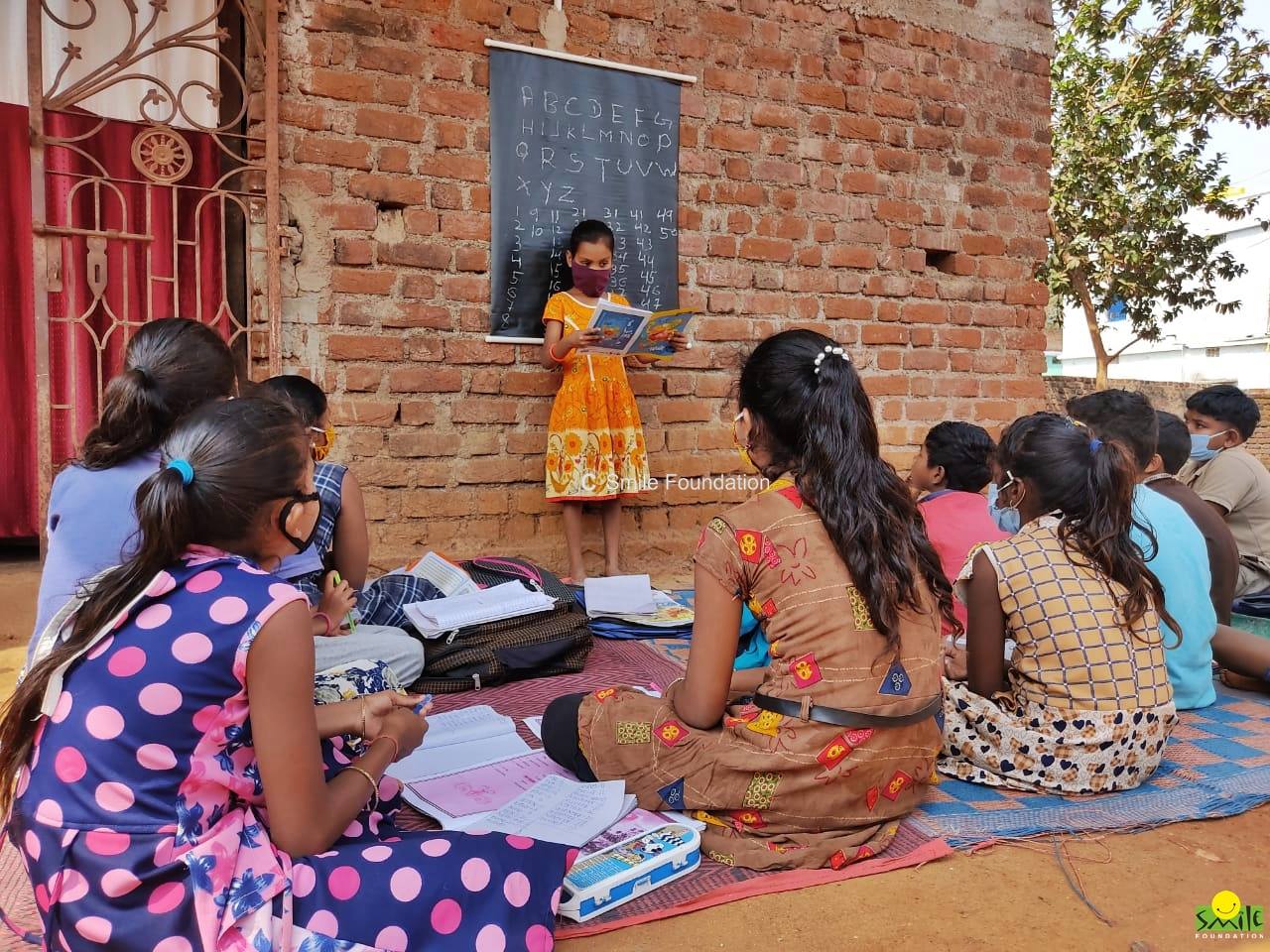
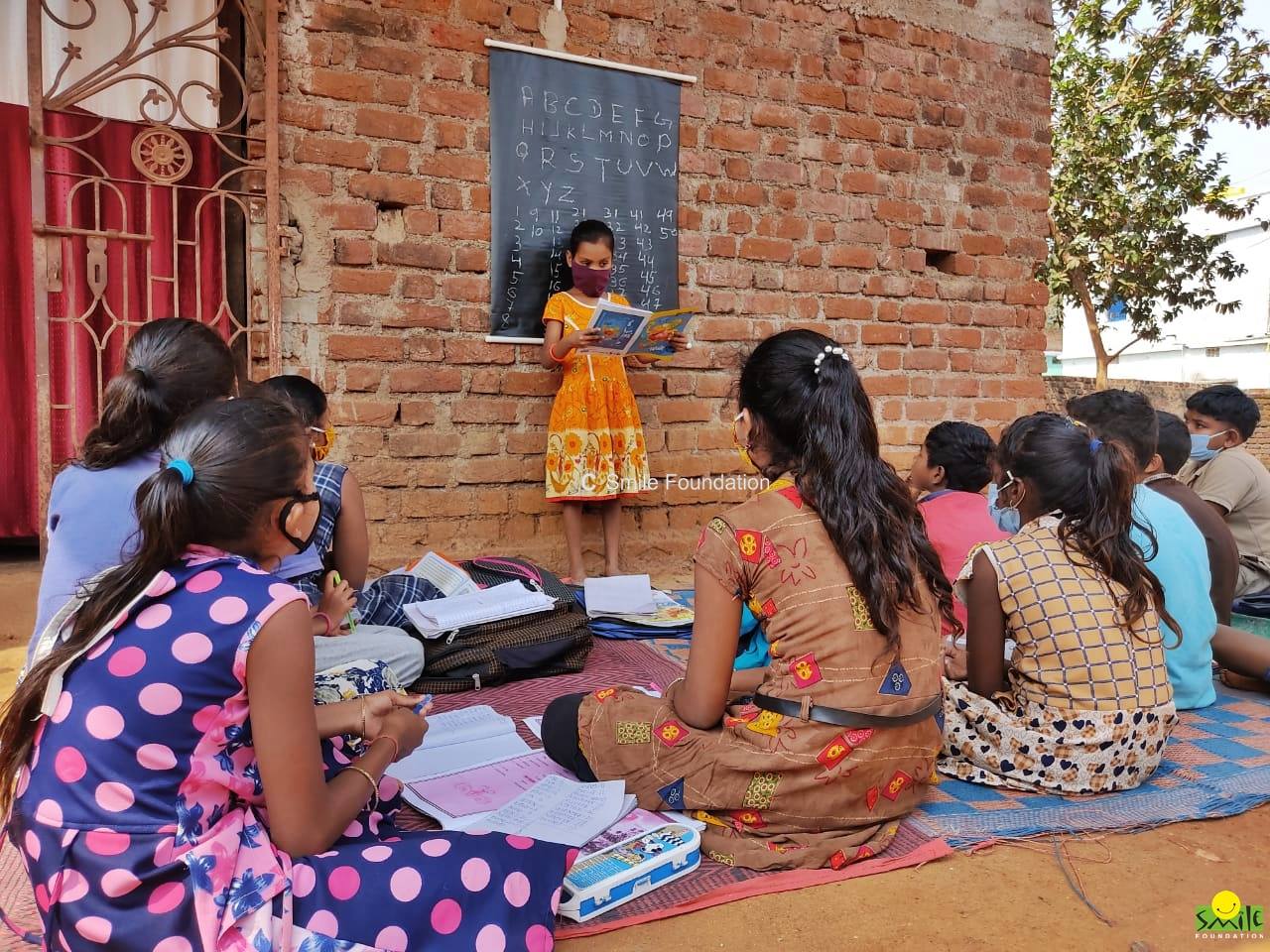
To better understand the situation on ground, Smile Foundation did a survey of 14,000 children enrolled in our Mission Education Programme and found out that 56% of our students do not have access to smart phones, 12% do not have access to any phones, and around 30% do not even have televisions. For many of these children, even getting enrolled into schools, in Mission Education centres has been a very difficult journey. Many of them have overcome issues such as child labour and child marriage besides poverty to reach classrooms. But with the schools closed, their progress has been impeded and this pause for them could mean dropping out of the fold of education forever.


In this adverse situation, we are following blended learning, where customized solutions are being created for individual children. Besides smart phone based app-learning modules, cable-based television learning programmes, one-on-one mentoring, home visits, cluster learning sessions, projector based learning, and many other methods are being used by teachers to continue the education of children. Along with this, the teachers are also being trained and prepared for this new environment where digital education is going to be the way forward. The parents are also being counseled regularly on supporting their children’s education by allowing them to use whatever means are available at home.


Many children are also facing a difficult environment at home as their parents are out of job, so the children are also being positively engaged in different extra-curricular activities to ensure their mental well-being, and a regular helpline service is also being initiated to address their anxieties and concerns. Along with this several value education lessons are also being conducted for the overall development of the children into better human beings.


To know more about Smile Foundation’s education programme visit https://www.smilefoundationindia.org/education.html

Categories
Partners In Change

Caring for the vulnerable: Smile on Wheels, Kolkata

Covid-19 has created an unprecedented challenge for the society and the health system. I have been associated with the Smile on Wheels project in Kolkata for the last five years, but particularly during the pandemic I feel the mobile clinic has been very essential. Covid-19 has affected the health seeking behaviour of the community in many ways. On one hand, people are slowly becoming conscious about wearing masks, hand washing and social distancing. This is one key reason that people are reluctant to visit public health facilities which often remain crowded and also cater to Covid-19 cases.


On the other hand, many private clinics have closed down or shifted to online consultation, making it difficult for people especially the poor and vulnerable families living in slums or rural areas to seek professional health consultation. This gap is filled by local pharmacists and unregistered medical practitioners who provide medicines without proper diagnosis which can be detrimental in the long run.


In this scenario, the Smile on Wheels mobile health clinic provides access to professional medical practitioners at their doorstep – giving them much needed relief, and also more importantly, the belief that they are not alone. Take the case of Jashoda Kalsar. Joshoda claims to be 90 years old. She lives in a tiny shanty in Dhoparmath, Ultadanga. She has no one to take care of her; she lives on her own. She primarily survives on begging in the streets and nearby railway stations. Sometimes, her neighbours provide her some food. In the present situation arising due to Covid-19 pandemic she has nowhere to earn.


Joshoda is diagnosed with various ailments like hypertension, back-pain and osteoarthritis. She is too frail to travel to a government hospital to seek advice and there is no one to accompany her. Moreover she doesn’t have the confidence to deal with the processes in a government hospital.


Joshoda can neither afford a private consultation nor buy the medicines required for the above mentioned ailments. “I am totally dependent on the Smile on Wheels clinic”, she shares “I have no other alternative for my health care needs, and the best part is that for the last 3 years I am treated with respect and care”.


In every location where we visit, there are a few cases like Joshoda Kalsar – they are mostly aged, vulnerable and socially and economically deprived; the service provided by the Smile on Wheel clinic is critical for them.


In the last five years, we have benefitted over 85,000 children and families who were in dire need of our support. At present, the Smile on Wheels project covers over 20 slums and semi urban villages. I am glad to be a part of this project and hope that we can continue to serve the vulnerable population in the pandemic, and beyond it.


To know more about Smile Foundation’s healthcare support for the poor and underserved visit https://www.smilefoundationindia.org/health-cannot-wait/

Categories
Insights

Experiential & Interactive Learning will reform education in rural Tamil Nadu

Critical thinking and conceptual clarity along with Experiential & Interactive Learning are the most important aspects which are needed for the students to compete in this fast world rather than rote learning.


National Education Policy 2020 aims at holistic learning of the students by recommending changes in the curriculum and pedagogy to improve the student’s cognitive skills. Till now, most of the students have practiced and are following rote learning which really prevents creative thinking and innovative skills. Their major focus is to score marks than understanding the concepts.


It actually goes from the teacher, they repeat the textbook content to the children, so that, they can memorize and reproduce in tests, which is hard-wired in the teaching practice. In rural part of Tamil Nadu, most of the Government schools instead of an interactive learning session have a one way broadcast of information from teacher to students. In exams, the children leave the known answers also if the question is framed differently.  By practicing the wrong method of teaching, we limit the children’s ability to learn and it creates a fear of studies in the children. 


Experiential and Interactive Learning: In addition to the existing Tamil Nadu’s educational system “Samacheer Kalvi” (a uniform syllabus between state and Matriculation schools), a standard pedagogy (hands on learning, arts and sports- integrated, story-telling pedagogy) for experiential learning will be adopted.


Effective learning always includes interactions, participations, discussions, discoveries and analysis.  The teaching and learning will be conducted in a more interactive manner and questions will be encouraged. The classroom sessions will be creative, collaborative, exploratory and experiential.  The NEP 2020 includes the hands on learning, arts integrated and sports-integrated education, story-telling based pedagogy, among other methods as standard pedagogy within each subject, and with exploration of relations among different subjects. 


Fundamental Learning: People always admire an apartment by its outer attractive, paint color, design and its structure. But most of them would never think about the basement which holds the entire building. To run hard in this competitive world it is very essential to focus on the Foundational courses which create immersed root to the student’s future. The NEP 2020 brings the new system of Education 5+3+3+4 format. The first 5 years are exclusively to establish a strong base for the students (Foundation stage); it covers from pre-primary to Class 2, then the preparatory stage (Class 3 to 5), followed by the middle stage (Class 6 to 8) and 4 years of secondary stage (Class 9 to 12).


Three Language Formula in Tamil Nadu: To look back from the early days, the state was exempt from the enforcement of the official languages act. In Tamil Nadu, the Tamil Language is considered as the most classic language and is also one of the longest surviving classical languages. In the previous NEP 1986, the three language formula was reiterated and till now only English and Tamil (Regional language) was followed. With focus on mother tongue, hopefully the same will be continued in implementation of the NEP 2020.


To know more about Smile Foundation’s education programme visit https://www.smilefoundationindia.org/education.html

Categories
In The Spotlight

Reprioritizing mother and child nutrition to avoid resurge in child mortality

Despite being one of the world’s largest producers of a number of food items, a significant part of India’s children remain undernourished, often resulting in child mortality. A strong fight armed with an aggressive awareness campaign will be the key in reversing this situation.


India recently celebrated a major gain in its child health index. According to a UN report, the country’s child mortality rate has significantly declined between 1990 and 2019 from 3.4 million to 824,000. Prioritising of neonatal services such as delivery of quality care at birth, home based newborn care through ASHA workers and multi-tiered facilities such as Sick Newborn Care Units to address issues such as preterm or low birth weight and sick neonates – have been the primary factors driving this success. 


However, despite this gain, death of children under five caused by preventable or treatable problems like complications during birth, pneumonia, neonatal sepsis etc continue unabated informs UNICEF. What’s more, the current pandemic and the disruption of services it has caused in terms of supply of health and nutrition for maternal and child health, immunisation and nutritional supplement may further undo the progress made in the last three years.


Despite being one of the world’s largest producers of food items like milk, pulses, rice, and wheat among others, it is quite an irony that 14 per cent of our population should be undernourished. India needs a concerted effort involving an aggressive awareness drive through information dissemination and engagement of community and local authorities to mobilise action and reprioritize mother and child health. 

The first step towards this is breaking the intergenerational cycle of malnutrition. This can happen when proper care is rendered during the first two years of life – a critical window to build up the immune system of a child. Other measures – vital in strengthening a child’s health – are breast-feeding, consuming locally available, affordable and nutrient-rich food. Lactating or pregnant women should follow dietary diversity by consuming green leafy vegetables, Vitamin A-rich vegetables and fruits. Promoting kitchen garden can greatly make these fruits and vegetables affordable and easily accessible. With the COVID at its peak, special care should be taken on hygiene practices and social distancing.

The local authorities or the gram panchayats – as the primary responders to the marginalised population – can be pivotal in India’s fight against malnutrition and child mortality. These officials can not only help spreading the message around nutrition but can also support in assessing the current health status of children and pregnant or new mothers by sharing accurate data. Based on this assessment corrective measures can be undertaken. The Anganwadi workers can be instrumental in ensuring that all the welfare schemes for mothers and children launched by the government reach their rightful destination.


Last mile delivery of various nutritional programs has been a key challenge in most of India’s welfare initiatives. Therefore, the vision of a nutritious young India can be realised only when the responsibility is shared between the local authority, the community and the government. And this partnership can work seamlessly only within a framework with adequate accountability for each party involved.


To know more about Smile Foundation’s work on women and child visit https://www.smilefoundationindia.org/swabhiman.html

Categories
In The Spotlight

Enabling young women to become change makers

“My father worked as sewage cleaner and I worked in a private job. As the lockdown started, our income stopped. Our savings were depleting and we were having sleepless nights thinking about how to manage our family’s expenses. I approached Savita Didi (Swabhiman coordinator) for help. Listening to my ordeal, she instantly suggested me to use the pile of clothes stocked in my house to make handmade masks. She taught me a simple way to make the masks and even advised to connect with the company I worked in for marketing of the masks. After negotiations, the company agreed on a compensation of Rs. 1.5 per mask and even provided thread and cloth for the same. Now, it takes me 4 hours to prepare 50 masks. At the end of the day now, I can sleep peacefully as I am able to ensure meals for my family and also say that we can inspire each other to become change makers” shares 22 year old Bhawna.


Swabhiman, Smile Foundation community engagement programme for empowerment of women and adolescent girls, has been working for over 15 years now to build a cadre of educated, confident, healthy, aware and financially independent women and girls who can become change makers for the society. Working with adolescent girls, the programme conducts sessions on menstrual health and hygiene, healthy eating, and other adolescent health issues to sensitize them and help them develop a health-seeking behavior. Special health camps facilitated by experienced gynaecologists are also organized to give them access to basic healthcare services. Similar workshops are held for holistic life-skill development of the girls on topics such as confidence building, personality development, yoga, self defence and financial literacy.


Meritorious girl children are awarded scholarship to complete their schooling and help them pursue higher studies. The Swabhiman scholars are taken on educational trips and exposure visits, attend career counseling sessions and inspiring sessions with women achievers, and get special assistance like free tablets to help them excel in their chosen fields of study.


During the pandemic, as schools and colleges shut down, the Swabhiman team became even more active connecting with the community girls on call and through other digital media.


This was to ensure that the girls can continue to learn and move ahead with a positive mind space to become the future change makers. Recent research has showed that youth are one of the worst affected population groups during the pandemic, particularly their mental health has been adversely impacted. Loss of studies, jobs and opportunities due to the lockdown and the ensuing financial crisis has resulted in increased anxiety, fear and depression. In case of adolescent girls from socio-economically disadvantaged families, the situation is worse as they face the possibility of being coerced into marriage because of a break in studies or career. The Swabhiman team is providing a support system to these young girls and also regularly counseling their parents. 


To know more visit https://www.smilefoundationindia.org/swabhiman.html   

Categories
In The Spotlight

Pinning hopes on the New Education Policy

Education means knowledge – this knowledge is not only helpful in making all of us a complete human being, but also lays the foundation of building a civilized society in its true form. Education is the tool that builds the future of the children and youth of the country. It should be our goal to make radical changes in education and pedagogy so as to end the practice of rote learning and encourage skills such as logical thinking, creativity, scientific thinking, ability to communicate and collaborate, multilingualism, social responsibility and concern, and promote digital literacy and inclusion. In this direction, the New Education Policy provides us some glimmer of hope.


New Education Policy: Opportunities


Importance of mother tongue: Mother tongue will be used as a medium of instruction from first to fifth. This will also be instrumental in ending rote learning.


Provision for Dropout in Higher Education: For various reasons, at times students have to drop out of studies in the middle of higher education. In such a scenario, they get nothing and have to start afresh for a degree. The new policy provides certificate of leaving in the first year, diploma of leaving in the second year and degree after completion of the final year.


Promotion of Physical Education: In the new education policy, music, sports, yoga etc. will be added to the main curriculum instead of being extra-curricular subjects.


Earlier, only the students who were interested in these subjects studied them. But these three subjects play a very essential role for the psycho-physical development of every student, like music reduces mental anxiety and depression, and sports provides physical fitness.


Integration of vocational and skill training: In the earlier education system, only youth from urban areas had the alternative to pursue vocational and skill based courses. Whereas, children from rural areas lacked such opportunities. According to the new education policy, as soon as students enter Grade 6, they will be introduced to vocational and skill-based education so that they can go on to make themselves self-employed by choosing their career according to the their inherent aptitude. This will help in curbing unemployment.

Increase in digital education opportunities: The provision of digital education in the new education policy will universalize digital education and children from rural areas will have equal access to it, obliterating disparities and making them feel more confident and at par with other students.


In the field of digital education, some social organizations such as Smile Foundation took the initiative to bring about a revolutionary change through provision of smart boards in council schools in backward districts like Gonda and Siddharthnagar in Uttar Pradesh and helped develop model projects.


Government care for pre-primary children: Children of pre-primary age were mostly educated by private urban educational institutions, and the pre-primary children in rural areas did not have this facility. In fact, not many parents took interest in pre-primary education, and only limited families were enrolled under the integrated child development services (ICDS) scheme. But, according to the new education policy, all children of pre-primary age will be inducted and the Department of Education will be actively involved in the child development project. Importance of Knowledge: In the current education system, more importance is given to marks rather than knowledge. As a result, children are only interested in competing for marks. Even though it has been largely accepted that this kind of education system does not help students in the long run, adoption of new methods had not given priority so far. Despite this, in the new education policy, instead of quantitative education (marks), emphasis has been placed on qualitative education (knowledge). By this, children will develop better mental ability and the future generations will be enlightened.


To know more about Smile Foundation’s education programme visit https://www.smilefoundationindia.org/education.html

Categories
Insights

Education in the times of COVID-19

Today as the world is evolving to adapt and innovate to the new normal environment, children have been severely affected in terms of their education, schedules, practices, learning process and social interactions. New hygiene practices, daily schedules, restrictive movement and the general observations related to COVID-19 have more likely made the children experience various degrees of anxiety, worry and uncertainty. This in turn has also changed the dynamics at home with parents being at the forefront to support the children’s online education process.


On the basis of the study conducted in June 20’ to understand the ground situation, the results showed that 56 percent of children did not have access to smartphones which is one of the basic essential equipment for online education and learning. This revelation prompted Mission Education team to gear up and initiate efforts along with NGO partners on ground to plan innovative and real time modes of teaching methodologies to be able to reach out to maximum number of students and keep them engaged in the
learning process.


Several ways of teaching learning exchanges were rolled out which were not exclusive to conducting online classes on WhatsApp, Google Meet, Zoom but also recorded classes, worksheets and video links were shared over WhatsApp. The initiatives came along with its challenges where majority of the teachers and students required orientation and handholding to acclimatise and become comfortable with the new learning systems.


Therefore, to know more specifically about the challenges and needs of the
children and their families in these pandemic times, a survey was
conducted amongst the beneficiaries of the Mission Education centres, on
education support in addition to health hygiene awareness, mental well-
being and nutrition status.


A total of 3533 beneficiaries were surveyed pan India from both Social
Venture Philanthropy (SVP) and Outreach centres with the aid of a questionnaire capturing information through personal interviews at the beneficiary’s home or virtually over call with the beneficiary’s guardian.


Challenges in the neo normal learning process


There have been tremendous efforts put in by the Mission Education centres, in initiating online and other modes of classes for children to continue learning within the purview of existing limitations in different areas. Regardless, there are still gaps and needs felt by the beneficiaries in effectively accessing online learning. With only 51% of the respondents satisfied with the current learning methods, 80% are waiting for schools to reopen after the lockdown is lifted, as they are inclined to send their children to school. This could be attributed to the altered work and home routine of parents who might be finding it difficult to adjust to the online learning schedules of children.


Almost 68% feel that the online/tele-calling classes are very rarely (sometime/never) scheduled as per parents availability since most of the parents having started going out for work or they have one mobile for both their work and their child’s study. Moreover 95% of the respondents
have two or more children at home which could also pose challenge in providing mobile phones to each one of them, with almost classes scheduled at the same time for all children.


Regarding accessibility to mobile phone with ease, 68% of respondents expressed that they need guidance or they are not able to access properly while 74% are not able to guide their children regularly. Furthermore, 44% mentioned that they do not have adequate availability of educational
resources to facilitate home-based learning for their children.


Interestingly, 52% of respondents were ready to learn to support their
children to adapt to the new learning process while 48% felt that they are
not prepared or equipped to help the children. This manifests the glaring
need for more orientation and support in terms of digital literacy for the
parents and guardians to support their children academically.


For 48% , online learning is considered as the most effective learning method with the help of tools like Zoom, Google Team, WhatsApp, etc.
where the children are connected to their school, teachers and learning content through live as well as recorded classes. The other most
effective methods according to the respondents are sharing worksheets (44%) over WhatsApp or handing over to parents at the centre/home besides tele-calling parents and teachers visiting homes to meet beneficiaries. A very small population of around 8% even explore other education based apps and this is probably because majority of the
parents are not aware about how to use applications appropriately or it could be also due to lack of space on phones and limited data pack.


However, the primary support indicated by 53% of surveyed respondents is the need for adequate educational resources inclusive of books and
other teaching learning materials with 53% while other kinds of support mentioned include mobile phone, internet support and related accessories to continue the learning process with the desired results.


Therefore, without letting a good crisis go to waste, the need of the hour is to bridge the digital literacy gap by facilitating digital learning process thus bring children from all settlements closer to the new learning systems.


To know more about Smile Foundation’s education programme visithttps://www.smilefoundationindia.org/education.html

0%