Categories
Smile

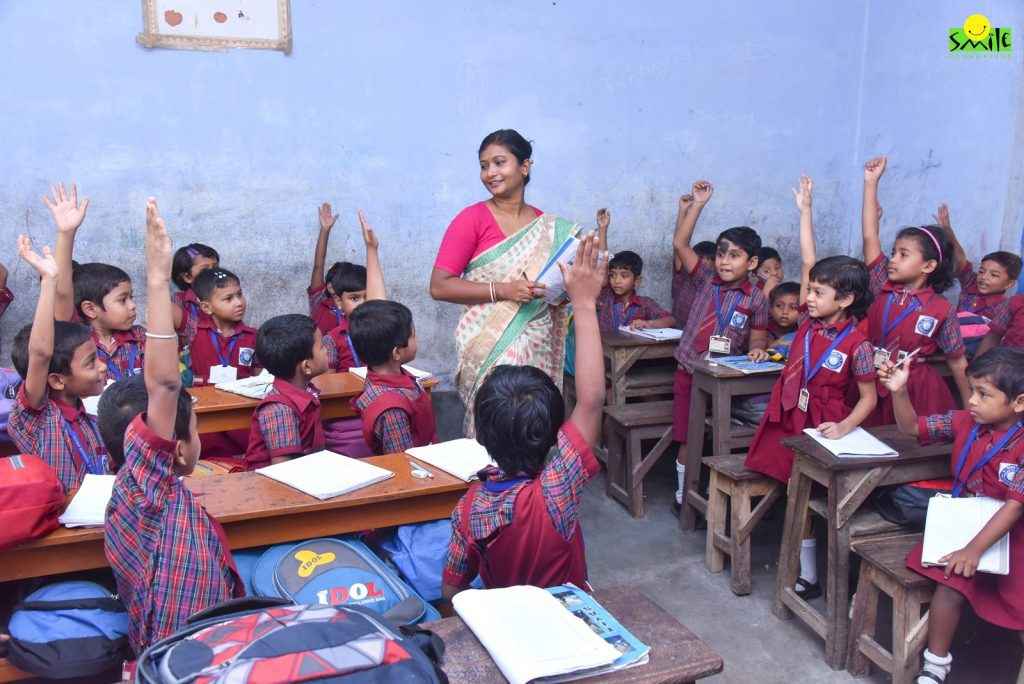
Finding a way through our teachers

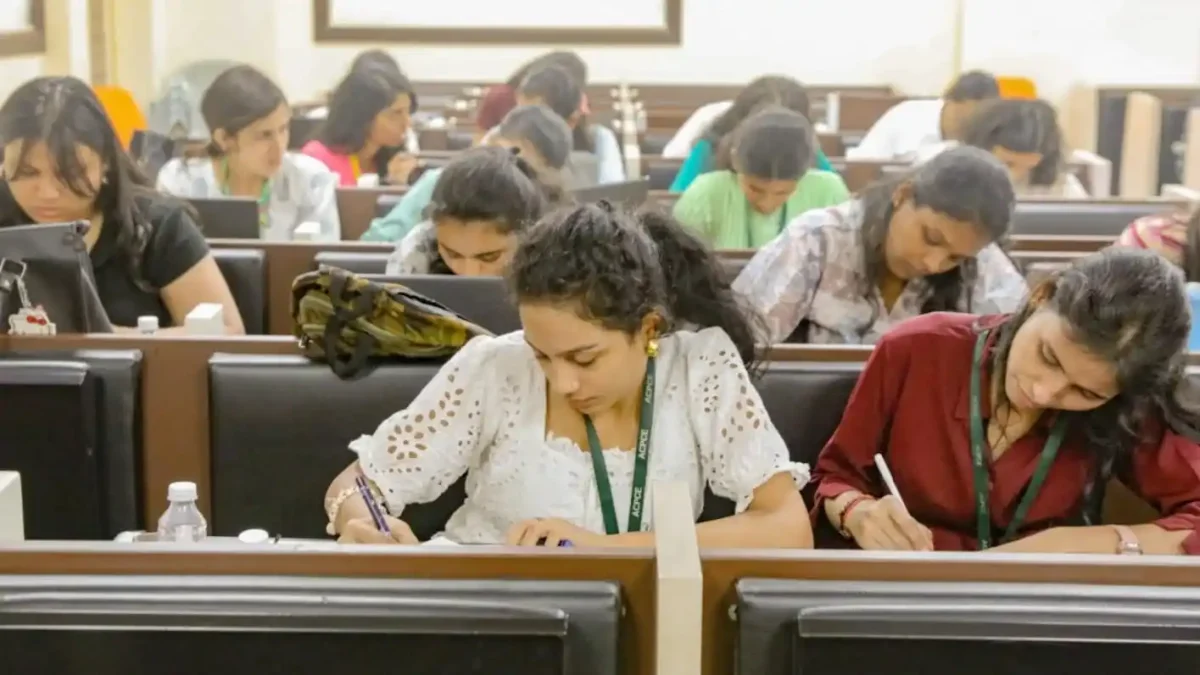
Teachers are the backbone of any education system, shaping not just individual lives but entire generations. In India, where higher education is expanding at an unprecedented pace, the role of teachers is more critical than ever. Yet, the education system is struggling with a significant crisis—graduates who are not employable. Studies indicate that 80% of Indian engineering graduates are unfit for industry roles, raising serious concerns about the effectiveness of our higher education system. Despite reforms, including the National Education Policy (NEP) 2020, which aims to modernise curricula and enhance skill-building, a fundamental issue persists: the declining influence of teachers in higher education.  
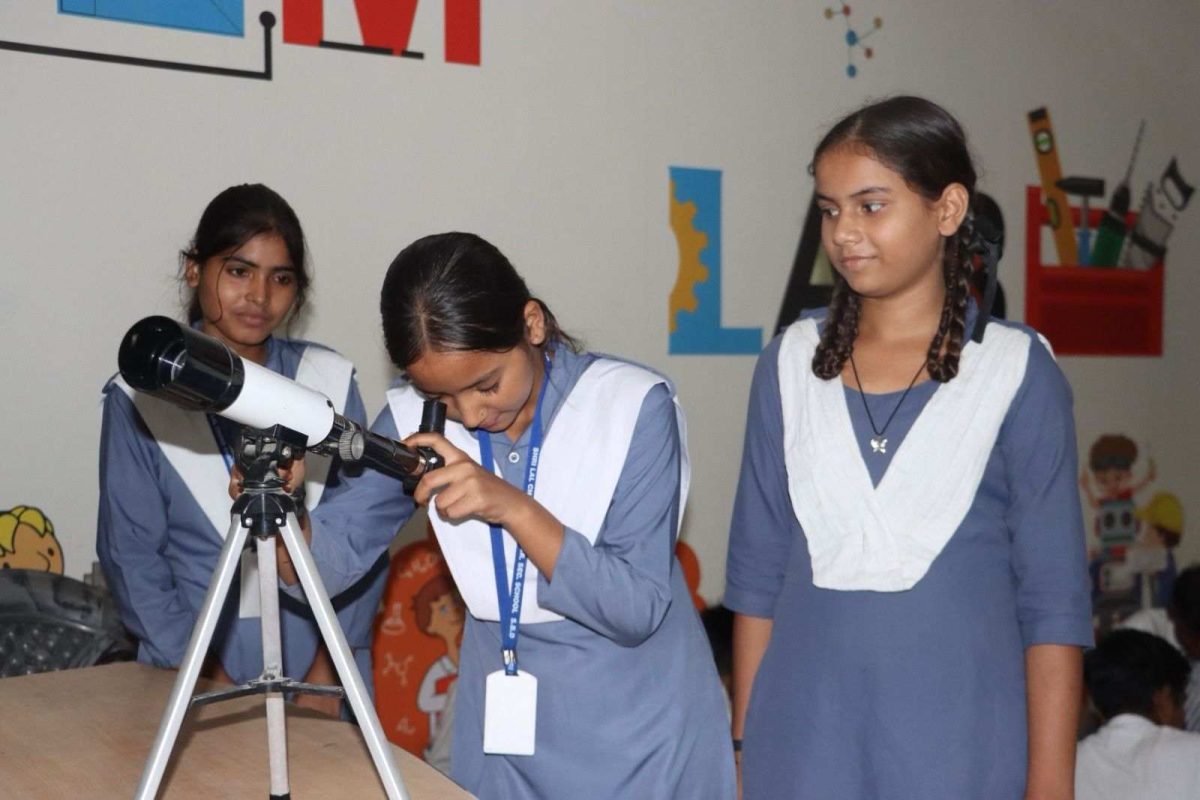
With online education and commercial coaching centers on the rise, traditional teacher-student relationships are weakening, reducing mentorship opportunities. While technology offers accessibility and convenience, it cannot replace the irreplaceable human element of teaching. If India aspires to be a global leader in innovation and economic development, it must prioritise the training, motivation, and support of teachers in higher education. Investing in teacher development is not just about improving employability—it’s about securing India’s future.  

The employability crisis

India produces nearly 50 million graduates every year, yet employers frequently cite a skills gap as a major hiring challenge. While the focus often remains on the IT and software sectors, over 60% of the workforce is employed in industries like construction, retail, healthcare, and personal services—sectors that demand practical expertise over theoretical knowledge. Despite the growing availability of platforms like NPTEL, SWAYAM, and Coursera, graduates still lack essential skills such as critical thinking, problem-solving, and hands-on experience.  

The problem lies not just in the curriculum but also in the way it is delivered. Many universities remain theory-heavy, neglecting industry-relevant training. The disconnect between classroom learning and workplace requirements is one of the key reasons for India’s alarming graduate unemployment rates. Without effective teachers who can bridge this gap, even the best curriculum reforms will fail to produce work-ready graduates. A well-trained teacher does more than just impart knowledge—they equip students with the skills and adaptability needed to thrive in an evolving job market.  

The diminishing role of teachers in higher education

For years and beyond, teachers have played a key role in shaping students’ careers, guiding them beyond textbooks. However, in India’s evolving education landscape, this influence is diminishing. While digital platforms have increased access to education, they have also reduced direct interactions between teachers and students. A report found that students felt disconnected from teachers in online learning environments.  

Another significant factor contributing to the diminishing role of teachers is the overwhelming workload placed on faculty members. Many professors handle large class sizes, administrative tasks, and research commitments, leaving them with little time to provide individual mentorship. Another report revealed that teachers manage administrative duties alongside teaching, significantly limiting their availability for student guidance.  

This erosion of teacher influence has long-term consequences. India must avoid this trajectory by reinforcing the importance of well-trained, well-supported educators who can guide students beyond textbooks and prepare them for the realities of the workforce.  

Finding the missing link in skill building  

Skill-building is a crucial but often neglected component of higher education. Employers frequently highlight deficiencies in communication, problem-solving, and technical proficiency among graduates. Despite the emphasis on STEM education, a significant number of engineering graduates still lack the practical experience needed for industry roles. The disconnect between academia and industry is widening, leaving students unprepared for job demands.  

In countries like Germany, where vocational training is integrated into higher education, youth unemployment rates remain as low as 5-7%, compared to India’s 23% (CMIE, 2023). Universities in these countries ensure that students gain real-world experience through mandatory internships and apprenticeships. It is imperative for India to adopt a similar approach by strengthening its focus on experiential learning. Teaching methods should incorporate industry collaborations, internships, and hands-on projects to ensure students are job-ready.  

Equally important is the training of educators themselves. A well-trained teacher can make theoretical concepts more practical and relatable. Faculty development programmes should be made mandatory, equipping educators with modern pedagogical techniques that blend academic rigour with industry relevance. This will allow teachers to pass these skills on to students, ultimately improving overall graduate employability. 

Revitalising teacher-student relationships  

A strong teacher-student bond fosters better learning outcomes, confidence, and career success. However, the teacher-student relationship in India has weakened over the years due to increasing reliance on self-learning and the lack of structured mentorship programmes. NEP 2020 acknowledges the importance of teacher quality, but more concrete efforts are required to bring meaningful change.  

One of the critical steps is to reduce faculty workload. Countries with robust higher education systems, like Finland, allocate sufficient time for teachers to mentor students. In contrast, Indian faculty members are often burdened with multiple responsibilities, making it difficult for them to engage in one-on-one student mentoring. It is important for universities to create an environment where professors are not just lecturers but also guides who support students through academic and career challenges.  

Incentivising quality teaching is another key measure. Unlike research, where faculty members receive recognition and funding, there are few incentives for university professors who excel in teaching. Recognising and rewarding educators who create engaging, impactful learning experiences can encourage better teaching practices across institutions.  

India’s education system needs deeper policy interventions beyond NEP 2020 to drive meaningful change. Mandatory pedagogical training for university professors is essential to equip them with modern teaching methodologies. Competitive salaries and improved working conditions, as seen in Singapore and Finland, can attract and retain quality educators. It is equally crucial to strengthen academia-industry linkages. 

Universities should collaborate with industry professionals to ensure practical, real-world exposure through industry-led courses, guest lectures, and apprenticeships. Without robust teacher development, India risks producing graduates who are formally educated but unemployable. By prioritizing our teachers, investing in pedagogy and mentorship, India can transform its higher education landscape, ensuring its graduates are not just degree-holders but skilled, industry-ready professionals.

What about Smile Foundation?

​Smile Foundation enhances educators’ skills through comprehensive training programmes focused on modern teaching methodologies, classroom management, and supporting students’ emotional and social development. These initiatives aim to foster engaging and effective learning environments, ensuring that teachers are well-equipped to meet the diverse needs of their students. 

In alignment with India’s National Education Policy (NEP) 2020, Smile Foundation emphasizes continuous professional development by organizing workshops and seminars that cover various aspects, including subject knowledge, pedagogical skills, classroom management, and the integration of technology in education. These programmes aim to cultivate critical thinking and adaptability among educators, preparing them to navigate the evolving educational landscape effectively. ​

Categories
Health

Maternal healthcare depends on empowering our frontline workers

Frontline workers are often the first to respond to medical emergencies, natural catastrophes, and socioeconomic upheavals. They encompass various local healthcare providers, from salaried staff, midwives, nurses, home-based caregivers, volunteers, nurses, doctors, and paramedics. The COVID-19 was a testament to their tireless work in packed hospitals, sometimes without proper protective equipment, motivated by a strong sense of responsibility. Their sacrifices underlined the need for a strong healthcare system and these individuals’ essential role in preserving public health.

A nation’s ability to build a resilient public healthcare system depends on strengthening and protecting its frontline workers. Investing in frontline health workers is imperative as they are central to last-mile service delivery and ensure comprehensive healthcare, especially maternal healthcare. Their contributions resonate deeply in the lives of every citizen every day, especially in rural India. 

ASHA workers: Their role and significance 

The World Health Organisation’s declaration of 2021 as the ‘Year of Health and Care Workers’ reaffirmed the significance of frontline health workers in enhancing public healthcare systems. Building on this, the G20 has made further efforts to improve their status as the countries came together to hinge on well-functioning health systems as part of Universal Health Coverage (UHC). 

A UHC can only be achieved through a primary healthcare-based health system providing equitable and acceptable community services. In India, ASHA workers constitute the backbone of this primary healthcare. As grassroots workers, they are crucial in providing primary, maternal and child healthcare in rural areas. As an unavoidable component in bringing health services to the grassroots level by raising health awareness and mobilising the community for local health planning, ASHA workers are important in motivating people to use existing healthcare services and serving as liaisons between the community and the healthcare system. They collaborate with local self-governments to address the health needs of the community.  

Promoting maternal child healthcare 

With the introduction of the National Rural Health Programme, the ASHA framework was strengthened, and various reports showed how this helped reduce several health indices, including maternal mortality ratio, infant mortality rate, and total fertility rate. Over the years, ASHA workers have increased maternal and child health service use in rural India.

ASHA workers interact directly with women and their families, often in disadvantaged and remote areas with limited access to health care. Their primary responsibility is to provide outreach, mobilisation, and counselling services, as well as to accompany pregnant women, children, and the elderly to the nearest health facility and to assist the community in accessing health and health-related services at Anganwadi Centres, Sub-Centres, and Primary Healthcare Centres. Their role also includes follow-up visits to expecting mothers or patients’ homes to ensure the continuity and quality of care. They are skilled in providing routine and necessary services in public health or medical practices while promoting MCH care.

The many challenges

Despite their invaluable contributions, frontline workers face several challenges. ASHAs do not get a fixed income, which can be very demotivating. They lack enough supportive supervision, which ASHA facilitators and other medical officers usually provide. Supportive supervision helps ASHAs achieve their goals swiftly by helping them through suitable processes, protocols, and actions. 

Low earnings, salary delays and a lack of work security exacerbate the situation for frontline workers. Many, especially in the informal sector, struggle to make ends meet. Limited access to healthcare, education, and social security exacerbates their problems, creating cycles of poverty and inequality.

Further, several frontline workers work long hours in physically and emotionally demanding workplaces, often without adequate resources or support. Several reports have discussed their burnout, stress, and exposure to life-threatening diseases, risking daily occupational hazards.

Furthermore, societal views towards their work may sometimes underestimate their efforts. Several frontline workers come from vulnerable backgrounds and confront stigma based on deeply rooted stereotypes that harm their dignity and contributions. Changing the narrative necessitates a social transformation in how frontline workers are perceived and treated. 

Protecting frontline workers

Recognising the contributions of frontline workers is the first step towards empowering them. The WHO’s accreditation of ASHAs demonstrates their impact on improving healthcare outcomes. To further enhance the AHSA community, it is necessary to

  • reconsider their remuneration/incentives,
  • capacity building,
  • supportive supervision facility, and
  • career advancement

Further government funding and CSR initiatives will undoubtedly pave the road for them to become an effective link between the community and the primary healthcare system. 

Technology and innovation can also help front-line workers by increasing efficiency and safety. Telemedicine technologies, for example, make remote consultations possible, reducing the pressure on healthcare professionals. Training programmes that use technology can provide workers with new abilities, opening them prospects for progress. For example, training delivery staff in logistics and supply chain management might extend their future opportunities.

An integral component of Smile Foundation

Frontline health workers remain resilient and committed to their purpose despite the challenges. They continue to serve their communities with devotion and compassion, often at tremendous personal cost.

ASHA workers play an important role in Smile Foundation’s outreach activities. They act as trusted intermediaries between the organisation and the communities it serves. Facilitating communication, trust-building, and awareness-raising initiatives. They are important in sharing information about Smile Foundation’s healthcare and education efforts, including awareness workshops on maternal and child health, vaccination drives, health camps, and sanitation, and nutrition. 

As India progresses, the contributions of frontline workers must remain key to its growth narrative. Policies prioritising their well-being are moral imperatives and investments in a country’s stability and development. It is time we acknowledge their roles in ensuring the health and well-being of millions of Indians and pay them the support and respect they deserve. 

Categories
Skill Development Education

How Vocational Training is empowering Indian women?

When Writer’s Café launched in Gopalapuram, Chennai, in 2016, people were happy to have a space where they could have food for thought as well as food to munch on. What made it (and still makes it) even more remarkable was the fact that the women who manned it were burn survivors. 

One of the women, who doused herself in kerosene after a fight with her alcoholic husband, said how she tried to get a job as an office assistant or data entry operator in vain. “People would see my scars and reject me,” she said, till she got vocational training and began working at the café. Today, she is able to support herself and her daughter.

This is a perfect example of how vocational training can empower women. Irrespective of the strata of society they come from, and whether they have college degrees or not, vocational training can help them earn a livelihood and live with dignity.

Need for vocational training

Whether it’s manufacturing, construction, retail, healthcare, or IT, many industries in India require skilled workers. Vocational training equips people with specific technical skills needed in these fields.

Vocational courses provide hands-on training that directly translates to the workplace, ensuring workers are better prepared for the demands of their roles. 

When it comes to women, vocational training equips women with practical skills that are in demand across various industries — tailoring, cosmetology, computer skills, healthcare, or handicrafts. This enables women to enter the workforce or start their own businesses, which leads to financial independence. 

It also increases their employability as they learn skills that employers look for, which can lead to both salaried jobs and entrepreneurial opportunities. Women who are financially independent often gain greater respect and recognition within their families and communities. Vocational training allows women to break traditional gender roles and proves that they can contribute economically, challenging stereotypes and increasing their social status.

“Financial independence empowers women in more ways than one. They will have better bargaining power not just in the workplace but also in their own households. They become part of decision-making even in matters of fertility and reproductive rights,” says Prasanna Gettu, founder and managing trustee, of The International Foundation for Crime Prevention and Victim Care (PCVC), an organisation which creates and extend support services for women and queer individuals affected by domestic and interpersonal violence. 

At PCVC, economic empowerment is an important vertical in the overall plan for empowerment. “We usually come up with an individual service plan for each woman, and it is drawn up in collaboration with the client. We want her to lead her empowerment and have agency. We encourage women to pursue what they want and based on what they identify as strengths and capabilities,” says Prasanna. Her organisation networks with a lot of organisations who offer vocational training. “Women can learn how to become a mechanic, drive a car, or join the F&B industry. We have tie-ups with organisations that offer courses and give them placement.”

Vocational training helps reduce gender inequality by providing women with equal access to opportunities. It helps break the barriers that prevent women from pursuing work outside the home and earning a livelihood.  Whether through creating small businesses or providing services that meet the needs of the local community, skilled women contribute to the economic and social well-being of their regions.

Studies prove vocational training empowers women

There are several Indian studies and reports that demonstrate how vocational training plays a crucial role in empowering women. They highlight the positive impact of skill development programmes on women’s socio-economic status, access to better job opportunities, and overall empowerment. 

For instance, the National Sample Survey (NSS) provides a broad picture of education and skill development trends in India. According to the NSS 2013 data, women who have received vocational training are more likely to be employed in formal sectors, earn higher wages, and experience better job security than those without such training. The study highlights that vocational training helps women build skills in various sectors such as tailoring, healthcare, IT, and beauty services, enabling them to secure more stable and well-paying jobs.

A study by UNICEF in collaboration with the National Skill Development Corporation (NSDC), which focused on the impact of skill development programmes on rural women, highlighted that women who participated in vocational training were more likely to start small businesses or enter into formal employment. Vocational training helped women develop skills in areas such as stitching, weaving, and food processing, which improved their economic independence and allowed them to contribute to their family’s income.

A study conducted by the Ministry of Rural Development (MoRD) assessed the impact of the Deen Dayal Upadhyaya Grameen Kaushalya Yojana (DDU-GKY) on women’s empowerment in rural areas. The findings revealed that women trained under the scheme were able to secure jobs in various sectors such as retail, construction, beauty services, and hospitality, which enhanced their income and economic independence.

Vocational training also gave women the confidence to take leadership roles in their families and communities, challenging traditional gender norms and increasing their participation in decision-making processes. Empowered women were more likely to prioritize the education of their children and improve their family’s healthcare practices.

Another study conducted by the International Labour Organization (ILO), which focused on gender and vocational training in India, particularly for women in rural and informal sectors, showed that vocational training programmes tailored to women’s needs (such as flexible timings, childcare facilities, and gender-sensitive curriculums) led to increased participation in the workforce. Many women who received vocational training were able to set up their own businesses, such as tailoring, beauty salons, and food services. They were also better equipped to negotiate better wages, working hours, and working conditions.

Support from the government 

Various government initiatives focus on providing vocational training to women, especially in rural areas. These programmes are designed to ensure that women have access to resources, guidance, and financial support needed to succeed.

For instance, the Pradhan Mantri Kaushal Vikas Yojana (PMKVY), a flagship scheme, was launched by the Ministry of Skill Development and Entrepreneurship (MSDE) to provide industry-relevant skill training to youth, including women, across the country. It has a special focus on empowering women by providing skills that can lead to self-employment or better job opportunities. DDU-GKY focuses on the rural youth, including women, by providing skills training in various sectors to make them employable or self-employed. Women beneficiaries are prioritized, and the scheme also emphasizes gender-sensitive training programmes.

The Mahila Coir Yojana is intended to provide self-employment to rural women artisans in regions producing coir fibre. It offers training women in coir processing, and making coir products such as mats, ropes, and carpets. Women artisans are encouraged to start their own coir businesses, enhancing economic independence and the scheme also provides support for entrepreneurship and self-employment.

Local government bodies also often launch initiatives aimed at empowering women through vocational training. According to Times of India, in 2024 Chandigarh municipal corporation along with an NGO conducted a ‘Driving Naari’ programme in Chandigarh to empower women of self-help groups by providing them equal opportunities in the field of driving as a career. It was aimed to empower underprivileged women to become professional drivers and give them access to remunerative “livelihoods with dignity”.

Private initiatives lend a helping hand

“Vocational training is imperative for anybody as it gives you skills. Even if you don’t have a degree, you have a skill that you can use. In the F&B sector, with the growth it is likely to see in the next five to eight years, human capital is of utmost importance to us,” says Tarun Mahadevan, managing director of Advantage Foods and trustee of Chennai Mission. “In our field you don’t look at educational qualifications, only if you have a skill and, if you don’t, whether you have the attitude to learn a skill.”

Nonprofits also help

As part of Smile Foundation’s educational initiatives, vocational exposure has been encouraged and initiated amongst students to facilitate holistic learning and development by providing a space for students beyond regular curriculum subjects to enable children and youth to make connections between different areas of learning. 

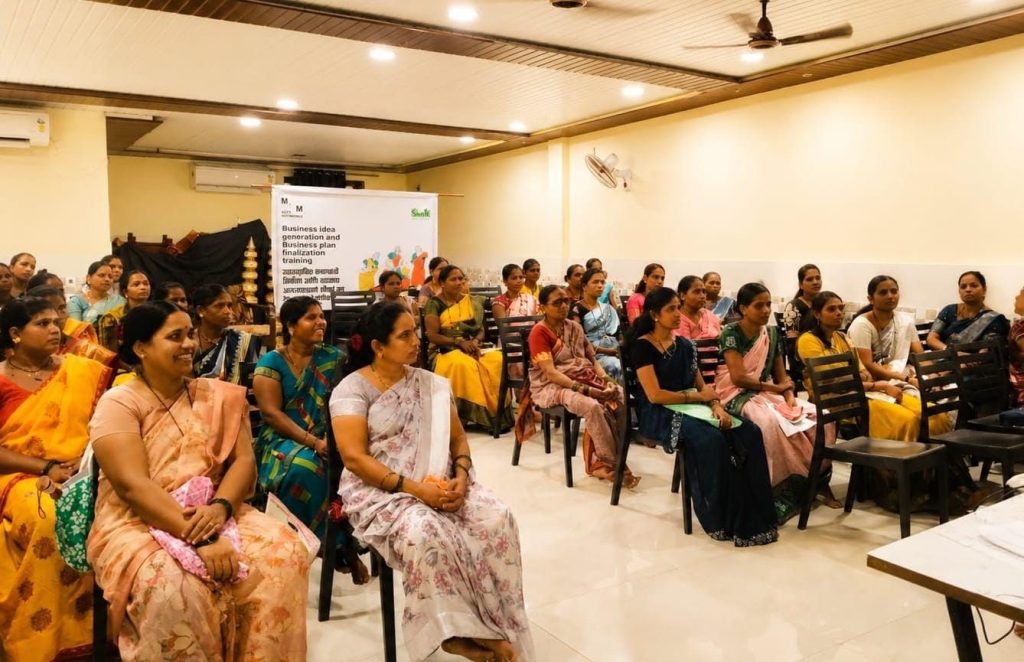
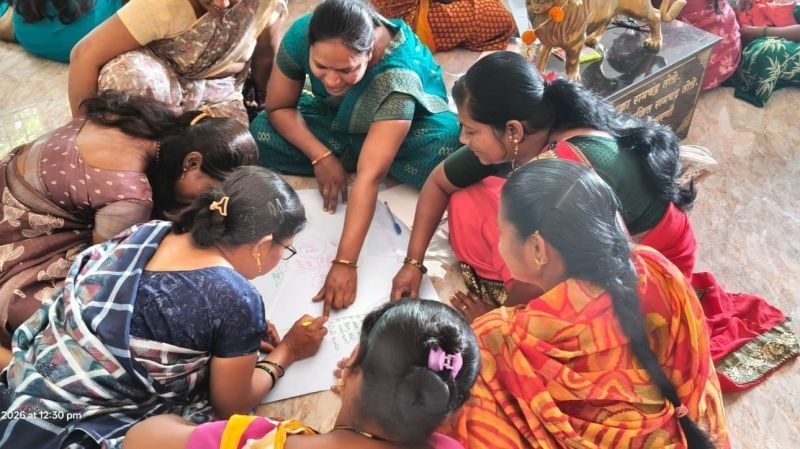
As part of Smile Foundation’s women empowerment programme Swabhiman, entrepreneurship and skill development training are provided to women from urban slums and rural areas with limited means owning low scale businesses, giving them access to opportunities for economic empowerment, independence, and leadership. Industry experts join in-house Swabhiman trainers to help the women understand and apply the basics of business and financial management, marketing and communication. They are familiarized with ways and opportunities to scale up and expand their small-scale endeavours to maximize profit and grow as independent, successful entrepreneurs.

The initiative includes identification and selection of women, developing an entrepreneurial ecosystem for women entrepreneurs, building capacity of women to start and run Micro Enterprises (Business idea generation and financial literacy), workshops on E-commerce and digital marketing, technical and entrepreneurial capacity building (Business Plan Finalisation), enrolment in government schemes for livelihood opportunities and setting up Model Micro Enterprises.

Categories
Smile

We will get old too

Every time the earth completes circling the sun, we become a year older. Though it’s a matter of celebration for many, it instills a sense of fear for survival in others, especially for elderly people. According to the United Nations Population Fund (UNPF), there are 1.1 billion people aged 60 years or above, i.e., 13.9% of the total population of 7.9 billion across the world in 2022. The number of people aged 65 years has almost doubled between 1974 and 2024. It has been estimated that the number will double in another half a decade to 20.7%. United Nations population projections also say that the number of persons aged 80 and above is expected to triple in the same time.

India is no different from the global trends. The country has about 103 million elderly people, i.e., 8.6% of its total population, as per Census 2011. UNPF’s recent report titled ‘India Ageing Report 2023’ states that there are 149 million people aged 60 years and above, i.e., 10.5% of the country’s total population in 2022. There are 36 elderly people for every 100 children, according to 2021 population estimates. The number is expected to touch 347 million, i.e., go up by 20.8% by 2050. Elderly people will constitute about 36% of the country’s population by the end of the century. The UNPF report also points out that a sharp rise in the population of senior citizens has been observed from 2010 along with a decline in the age group of below 15 years. The former will be higher than the latter before 2046.

The aging population is attributed to improvement in life expectancy, declining fertility, and reduction in mortality across the globe. This reflects a change in the age structure from young to old. According to research, a person aged 60 years is expected to live another 18.3 years. It is higher than females at 19 years.

With the rise in age, the majority of elderly people live their lives in fear. Though it has multifaceted reasons, loneliness, digital divide, and unaffordable health services are to name a few. Let’s read further to understand their challenges and whether the country is ready for its increasing elderly population.

Major challenges faced by the elderly in India

1. Economic issue: Most of the sectors have set the retirement age as 60 years for Indians. It means that they have to spend the rest of their lifetime without salary and be dependent on their pension, if they get any, or on their family members. Many of them, especially those from rural or remote areas, have not had access to formal pension schemes or retirement saving plans throughout their working lives. In the past, many relied on their children to take care of them in their old age. With the changing traditional family structures and younger generations migrating to cities for work, fewer children are willing or able to provide financial support. The absence of retirement savings makes elderly people vulnerable to poverty without having the necessary resources to live independently. This pushes many to take up available jobs even for merger jobs.

2. Social isolation: Social isolation, faced by the majority of senior citizens, has wide-ranging consequences on their emotional, mental, and physical well-being. As the country experiences rapid urbanization and demographic changes, the elderly population is increasingly finding themselves distanced from family, friends, and the broader community. One of the important factors is changing family structures. There was a time when multiple generations lived together in the same house. But the rapid urbanization has replaced it with a nuclear family structure. Younger generations are often relocating to urban areas or even abroad for better employment opportunities, leaving elderly parents behind in their hometowns. This shift has led to an increased sense of loneliness for many senior citizens who no longer live or interact with their children or extended families on a regular basis.

3. Unaffordable health service: As they age, many senior citizens experience chronic diseases, disabilities, and health complications that require frequent medical attention. This in turn has been raising healthcare costs. Since treating these conditions requires specialized care, home health services, and skilled medical personnel, senior citizens are put under financial burden. A report released by a real estate service says that “many seniors face financial barriers in accessing healthcare due to escalating costs, necessitating the implementation of financial planning solutions like insurance and retirement funds.”. Experts also point out the shortage in geriatric care facilities. There are hardly 12 hospitals with geriatric wards across the country to cater to the needs of the elderly population of over 150 million.

4. Digital divide: The rise of the internet, smartphones, and digital platforms has transformed communication, banking, healthcare, and access to information. It has grabbed a central role in day-to-day life. But many senior citizens find themselves excluded from these advancements due to various factors, like lack of access to technology, insufficient digital literacy, and physical limitations. Since most of them grew up in a time when technology was not as widespread, they had limited exposure to digital devices like smartphones, computers, and the internet. As a result, they find it extremely difficult to navigate online platforms or use digital tools. Digital literacy requires not just understanding how to operate technology, but also the skills to use it effectively for everyday tasks like online banking, accessing healthcare services, or staying in touch with family. For those who have never used a computer or smartphone, learning these skills later in life can be daunting and overwhelming. This digital divide creates barriers that impact their ability to participate fully in society, further exacerbating social isolation, financial insecurity, and vulnerability.

5. Feminization of old age: Gender disparities have no age differences. Though old-age people are vulnerable in general, old women face double the challenges. According to a UNPF report, “Poverty is inherently gendered in old age when older women are more likely to be widowed, living alone, with no income and with fewer assets of their own, and fully dependent on family for support.” The report points out that elderly widowed women often live alone with little to no support. They also face a greater incidence of morbidities that restricts their complete function. With no finances in their hands, their survival becomes extremely difficult after the death of their husbands.

The challenges faced by senior citizens are multidimensional and deeply rooted in socio-economic, cultural, and infrastructural factors. As they age, their needs for healthcare, financial security, social support, and overall well-being become more pressing. The lack of awareness, affordability, and availability of healthcare services further deepens their vulnerability. Addressing these challenges requires a comprehensive approach that involves improving social safety nets, expanding healthcare access, promoting digital literacy, and fostering inclusive community support systems. It also necessitates changing societal attitudes toward aging and prioritizing the dignity and rights of senior citizens.

Smile Foundation’s work

​Smile Foundation is actively engaged in enhancing the well-being of elderly individuals across India through various healthcare initiatives.

Our ‘Smile on Wheels’ programme deploys mobile healthcare units to underserved communities, delivering primary medical services directly to the doorsteps of elderly individuals who may have difficulty accessing traditional healthcare facilities. In regions like Bilaspur, Himachal Pradesh, Smile Foundation has organized eye and cataract detection camps. These camps provide screenings and facilitate necessary surgeries, significantly improving the vision and quality of life for numerous senior citizens. ​

During natural calamities, such as the Assam flash floods, we prioritize vulnerable groups—including the elderly—by providing first-aid medical care, distributing essential supplies, and setting up safe shelters tailored to their specific needs. ​

Through these targeted actions, Smile Foundation demonstrates a strong commitment to addressing the healthcare needs of India’s aging population, ensuring they receive the care and support necessary for a dignified and healthy life.​

Categories
Smile

The Science of Kindness: How Volunteering Benefits Mental Health

Believe it or not, kindness is the key ingredient of happiness. One cannot thrive in society without being kind or experiencing the act of kindness in any form. Kindness, as the American dictionary puts it, is the quality of being generous, gentle, helpful, and caring towards other people. In simple terms, it is showing consideration for others and showing love in action. It involves actions, words, or gestures that show care, empathy, and a desire to make someone’s life better, whether through small acts of service or thoughtful gestures. Like the wonders, it is at once simple and complex, covering itself with multiple layers yet making itself visible. It can be as simple as a smile, a compliment, or helping someone in need. It is all about treating others with respect and understanding, without expecting anything in return. This trait seems to be inbuilt in most living beings. Yet many choose to bury it deep under their skin for their own reasons. 

Understanding the science behind kindness

The science behind kindness touches upon psychology, neuroscience, and even evolutionary biology. When a person engages in kind actions, our brains release a variety of chemicals that impact our emotional and physical well-being.

In response to kind actions, our body releases oxytocin (the love hormone), dopamine (the feel-good neurotransmitter), endorphins (the body’s natural painkillers and mood enhancers), and serotonin (the mood-regulating neurotransmitter). Studies show that practicing kindness leads to an increase in happiness, reduces stress levels, and builds emotional resilience, benefiting overall well-being. Research shows that people who engage in consistent acts of kindness have better emotional well-being, feel more connected to others, and are generally healthier.

Kindness is crucial for survival. As social creatures, we rely on cooperation and reciprocity. Being kind will strengthen social bonds, create support networks, and promote group survival. The sense of community and belonging that comes with kindness is essential for both individual and collective well-being. Kindness has a rippling effect on society. It not only benefits the giver and receiver but also those who witness it. People who witness kindness can feel inspired to perform their own kind acts. This ‘rippling effect’ can create a culture of kindness that spreads through communities. It’s a powerful, positive force that can improve not only our lives but also the lives of those around us.

Volunteering is a form of kindness

Volunteering is a voluntary act of a person or group to give their time and labour for community service without any monetary compensation. It can take many forms, ranging from helping individuals or communities in need, supporting nonprofit organizations, or contributing to social, environmental, or humanitarian causes.

Volunteering is one of the most impactful ways to practice kindness because it involves giving your time, energy, and skills to help others without expecting anything in return. In reality, you are contributing to something larger than yourself by helping others in need. This selfless act is a direct demonstration of kindness. It benefits both the giver and the receiver. It also has long-lasting positive effects on community cohesion.

How does volunteering benefit mental health?

Time and again, studies have shown that volunteering can have a significant impact on a person’s mental health. Engaging in volunteer work can help in improving the psychological well-being of a person in numerous ways. Some of them are discussed below.

  1. Reduces stress and anxiety: When a person is involved in volunteer work, he experiences an increased sense of happiness and fulfillment. It is because the brain releases oxytocin to create a sense of warmth, connection, and joy; dopamine to make us feel happy and satisfied; and endorphins to improve mood and reduce stress. Engaging in meaningful activity is the best way to temporarily take our minds off personal worries and find a sense of calm and balance. Further, volunteering often provides a sense of purpose and meaning, and it is a powerful antidote to feelings of emptiness or depression. Research shows that people who volunteer regularly experience lower levels of depression compared to those who don’t.
  2. Boosts self-esteem and confidence: When a person helps others without expecting anything in return, he feels valuable and important, especially when he sees the positive impact of his actions. This in turn will boost his self-worth and encourage a sense of purpose. Also, volunteering will help him to learn and develop new skills, take on new challenges, and gain a sense of mastery. Feeling effective and competent contributes to a more positive self-image. Meanwhile, completing tasks and achieving goals in a volunteer setting gives one a sense of accomplishment, leading to greater satisfaction with their actions. This in turn will help him to enhance his confidence level.
  3. Supports cognitive health: Volunteering often involves learning new things, problem-solving, engaging in social interactions, and emotional processing. Many volunteer roles require critical thinking, problem-solving, and decision-making, be it for planning events, coordinating activities, or troubleshooting issues. These activities in turn will stimulate cognitive functions and help maintain mental sharpness. Also, when one learns a new skill or concept that challenges their brain, they are developing their cognitive resilience. Regularly engaging in new experiences keeps their mind flexible and sharp. Learning new information, interacting with different people, and remembering details related to volunteer work can help enhance both short-term and long-term memory. The mental challenge of recalling tasks and adapting to new environments keeps the brain engaged and active.
  4. Promotes a positive mindset: Volunteering encourages a person to think about the needs of others rather than dwelling on their own problems. By focusing on the well-being of others, one can gain a new perspective on their own challenges, making them seem less overwhelming. Also, when people are exposed to people in even more difficult situations, they feel a great sense of gratitude. It in turn will shift their attention from what’s lacking in their life to what’s abundant. Volunteering helps one understand different perspectives and increases empathy for people with varied life experiences. When one connects with others through compassion, it not only benefits them but also reinforces positive emotions in themselves. Acts of kindness and empathy boost emotional well-being. Studies show that altruistic behaviors activate areas of the brain associated with happiness and well-being. The more one gives, the more positive emotions they experience.
  5. Fights isolation and loneliness: Volunteering provides you with an opportunity to meet new people, form friendships, and become part of a supportive community. Regular social interaction with others through volunteering helps foster a sense of belonging and connection. This is not just waves of loneliness, but also crucial for good mental health. Strong relationships support positive thinking and create a sense of social fulfillment.

Volunteering is a powerful tool for enhancing mental health. By improving mood, reducing stress, building social connections, and increasing self-esteem, it helps create a positive feedback loop of well-being. It also nurtures a positive mindset by providing opportunities for personal growth, creating social connections, boosting self-esteem, and fostering feelings of gratitude and purpose that are essential for mental well-being. Whether it’s the sense of accomplishment, the relief from stress, or the social bonds formed, volunteering offers a multitude of mental health benefits that can improve one’s overall quality of life.

Categories
Education

How to increase Enrolments in Schools?

Quality education is the stepping stone for India’s development and opportunities for its youth and their communities. However, getting an education alone does little unless we can ensure that our children and youth are continuing their education and not dropping out, ensuring that besides getting a quality education, they finish their schooling successfully.

Education should empower individuals with the knowledge and skills necessary to navigate life’s challenges, contribute to their communities, and pursue their aspirations, thus transcending the notion of enrolment as the sole endgame.

The latest data from the Union Education Ministry’s Unified District Information System for Education (UDISE) Plus revealed that between 2022-23 and 2023-24, school enrolment in India fell by over a core.

As per the data, the gross enrolment ratio (GER) for various educational stages dropped across multiple levels. In the preparatory stage (Class III to V), the GER decreased from 41.9 percent in 2022-23 to 41.5 per cent in 2023-24. Similarly, the middle stage (Class VI to VIII) saw a slight reduction from 96.9 per cent to 96.5 percent. The most significant drop occurred at the secondary level (Class IX to XII), where the GER fell from 90 per cent to 89.5 percent.

What does data say?

To mitigate these challenges, the NEP 2020 talks about reaching a 100 percent gross enrolment ratio (GER) of students in schools from preschool to secondary level by 2030. It aims to achieve this by two initiatives. The first is to develop sufficient infrastructure for students to access safe and engaging school education at all levels up to class 12. The second is to create a tracking system to record students’ progress at various stages and provide them with guidance counselors and well-trained social workers. In the view of NEP 2020, this is key for retaining students in the school education system.

To address these difficulties, the NEP 2020 outlines a 100% gross enrolment ratio (GER) of pupils in schools from preschool to secondary level by 2030. It intends to achieve this through two efforts. The first step is to create adequate infrastructure for students to receive safe and enjoyable school instruction at all levels up to grade 12. The second step is to establish a tracking system to monitor kids’ progress at various stages and to give them guidance counselors and well-trained social workers. According to NEP 2020, this is critical for keeping pupils in the school education system. 

Improving infrastructure 

The UIDSE+ 2023-24 School Infrastructure research in India finds that significant progress has been made in ensuring basic facilities such as gender-specific bathrooms and functional drinking water. However, the research highlights severe issues in advanced infrastructure. Poor internet access and inadequate technology readiness indicate a substantial digital divide. Furthermore, the lack of inclusive infrastructure, such as stairs, railings, and operable desks, emphasises the accessibility divide.

Investing in better school facilities ultimately means investing in our children’s future and the overall welfare of our communities. Improving school infrastructure goes beyond physical structures; it creates an environment that fosters inclusive learning and benefits students, educators, and the broader community. Modern facilities, such as well-equipped libraries, labs, and technology rooms, enhance student learning by providing essential resources, while well-ventilated and comfortable classrooms promote focus. Safe and secure buildings with proper sanitation and recreational spaces contribute to student well-being, reducing stress and encouraging engagement. For educators, well-maintained classrooms and collaborative spaces support creative teaching methods and build a sense of community. A stimulating and resource-rich environment can boost attendance by making students more eager to learn. Furthermore, upgraded school infrastructure enhances the community’s image, attracts families, and provides event spaces, strengthening school-community ties. 

Attendance tracking system 

Efficient attendance tracking can be a foundational pillar supporting the entire educational process. As technology rapidly digitises, the reach of a School Management System (SMS) is set to expand. The ancient approach of manually taking attendance, which was prone to inaccuracies and time-consuming, has given way to an era of precision and real-time data via this technology.

A student’s regular presence in the classroom is inextricably related to academic success and overall growth. Efficient attendance tracking is not merely a bureaucratic formality but can be a fundamental pillar underpinning the entire educational process. At a time when the world is fast moving towards digitisation, the scope of school management systems is poised for expansion. The archaic method of manual attendance-taking, prone to errors and time-consuming, has given way to an era of precision and real-time data through School Management System (SMS) technology.  An SMS can be used for various purposes, including academic record-keeping and communication. However, its most crucial job is in the area of attendance tracking. As a result, these systems provide a holistic solution for enhancing overall school efficiency through increased student attendance.

Other measures to boost enrolment 

Building trust and engagement

To increase enrolment for students in rural and remote areas, educators must build trust and relationships with local stakeholders, including students, parents, teachers, counsellors, community leaders, and organisations. Establishing credibility through respect, active listening, campaigns, and involvement in decision-making fosters a sense of belonging and partnership, making rural communities more open to educational opportunities.

Information and guidance

To boost enrolment for students in rural areas, educators must provide clear information and guidance on higher education’s benefits, costs, and requirements, addressing misconceptions and accessibility challenges. Multiple channels, such as local meetings, brochures, campaigns, and in-person visits, can help inform and inspire rural students and their families while addressing their concerns.

Providing support

Educators must provide support and resources—such as tutoring, mentoring, financial aid assistance, and transportation—to help students navigate the application and transition process. Educators can empower rural students and their families by addressing challenges like academic preparation, financial barriers, and logistical hurdles, ensuring successful enrolment and retention.

Smile Foundation: Mission Education

Ensuring students keep up with schooling requires genuine care, monitoring, and improvement of the system. By addressing the issue of dropouts at its roots and offering localised and tangible solutions, Smile Foundation, through its Mission Education programme, ensures that children in rural India not only enrol in schools but also complete them successfully. Built on concerted efforts, Mission Education believes in bringing students to schools and having them stay and access quality education. 

Categories
Women Empowerment

The Importance of Gender Budgeting Initiatives

To build a prosperous society, we must ensure that every citizen has equal access to opportunities and is treated at par with each other. This is why gender equality is extremely important for any society. However, as we have seen, despite rapid economic and technological growth in the past decades, there is still a lot of gender disparity in countries around the world, and in India. Governments around the world have been trying to tackle this problem in many ways, and gender budgeting is one of the tools that they use.

Simply put, gender budgeting means analysing the government budget through a gender lens to ensure that policies and initiatives carried out by the government are benefiting everyone equally, especially those who have been historically discriminated against because of their gender identity. In India, gender budgeting has gained momentum over the years, with its share in total expenditure rising from 4.5% in 2014 to 6.8% in FY25, as highlighted in this report.

Understanding gender budgeting

As mentioned above, gender budgeting is a tool or a perspective integrated into the budgeting process to ensure gender-specific impact of government initiatives. While it may be misunderstood as something where a separate budget is created to achieve gender equality and to invest in policies that help in achieving that, it is not about that. It is actually about bringing gender considerations in the centre while entire budget planning.

The roots of it can be traced back to the Fourth World Conference on Women in Beijing in 1995 after which the idea started becoming more mainstream. Many countries, including India, have since then adopted this method to move towards creating a more inclusive budget. Gender budgeting can help in many ways. Here are some of the examples:

  1. Promoting gender equality – One of the most important functions of gender budgeting is to use public spending in a way that it supports marginalized genders. The resources are allocated to promote gender equality and bridge the many gaps that exist in our current system.
  2. Economic growth – While it may seem like gender budgeting only helps a particular gender, it is not true. By bridging the gap between genders and providing them equal opportunity, it allows them to increase their participation in the labour force and, in turn, support overall economic growth of the country.
  3. Empowerment of women – By investing in initiatives like women’s education, health, etc., the governments can create an opportunity where women can be empowered. It helps in the improvement of their participation in society, financial independence, better health, and much more.
  4. Dealing with gender-based violence – Gender budgeting can allocate resources to programmes that prevent and address gender-based violence, such as domestic violence shelters, legal aid services, and awareness campaigns. These initiatives create safer environments for women and promote social cohesion.

Gender budgeting in India

Now, let us look at how India has been using gender budgeting as a robust policy tool to get all the benefits mentioned above. The concept was first introduced in India in the budget 2005-06 and since then, every year, the government publishes a Gender Budget Statement (GBS) which highlights the allocations made by the government for women-specific schemes.

We can understand the gender budgeting initiative in India by looking at in from three perspectives:

  1. Women-specific schemes –  These schemes have 100% allocation for women and address their specific needs. Examples include the Beti Bachao Beti Padhao (Save the Girl Child, Educate the Girl Child) campaign and the Pradhan Mantri Matru Vandana Yojana (PMMVY), which provides financial assistance to pregnant and lactating mothers.
  2. Allocation for women within general schemes – These schemes allocate at least 30 per cent of their budget for women. For Example, MGNREGA promotes women’s participation in the workforce and National Rural Health Mission (NRHM) has specific budget allocation for maternal and child health.
  3. Gender budgeting cells – The government has established GBCs in various ministries and departments to institutionalize gender budgeting. These cells are responsible for analyzing budgets from a gender perspective and ensuring that gender considerations are integrated into policy and programme design.

Impact of gender budgeting in India

While we have already looked at how gender budgeting impacts not just women but the overall economy, let us quickly see how it benefits a rapidly growing country like India. First of all, investment in women’s education initiatives have improved their literacy level and also enrolment of girls in schools. At the same time, a special focus has been given to women’s health initiatives and it has helped those living in villages and remote areas, especially pregnant women. Women’s participation in the labour force has also been improving steadily because of these initiatives and they have also received various social protections under different schemes. Overall, gender budgeting has created a safety net for women in India who have historically faced discrimination because of their gender.

Challenges and way forward

While we have talked about the positive impact of gender budgeting, we must also look at the many challenges that exist today and what we can do in the future to overcome these challenges.

  1. First of all, there is still a lack of awareness among the policymakers, administrators and general public. Those who are responsible for the implementation of these schemes in the remotest areas are often biased. Therefore, we need to invest heavily in capacity building programmes to ensure everyone is aware of their rights and duties in this area.
  2. Secondly, while India has adopted gender budgeting for years, there is still a shortage of data to meaningfully assess the impact of these initiatives. In the absence of data, it cannot be ascertained what is happening right and what needs to improve.
  3. Thirdly, there is a lack of such initiatives in all the ministries, and it is only focused in some specific ministries like women and child development, rural development, and health and family welfare. The core idea of gender budgeting is to analyse the entire budget through a gender perspective, and it is important that all the ministries start adopting that perspective.

Therefore, as we move forward, India needs to deal with these challenges proactively and establish strong monitoring and evaluation mechanisms to ensure that the initiatives do not just remain on paper.

Conclusion

Gender budgeting initiatives are a powerful tool for promoting gender equality and empowering women. By integrating gender perspectives into the budgeting process, governments can address systemic inequalities and create a more inclusive society. In India, gender budgeting has made significant strides in improving education, healthcare, employment, and social protection for women. However, there is still much work to be done to strengthen its implementation and expand its reach. Therefore, in future, India needs to focus on prioritizing spreading awareness, capacity building, establishing monitoring and evaluation systems, and improving data collection to make these initiatives stronger.

Categories
Livelihood

Will respectable livelihoods mean less resource conflicts?

In a small village of Maharashtra, two families found themselves embroiled in a bitter conflict over shared water source in the area. This was because both of the families sustained themselves through water-intensive farming which meant that there was never enough resources available for both of them to cultivate their crops without a hassle. This conflict kept growing until it reached the point of turning violent. However, an intervention by the local NGO changed the whole situation. Through its support, both the families learnt about sustainable agricultural practices, diversification of crops, and minimizing the use and wastage of water. At the same time, they also learnt about alternative livelihood opportunities like dairy farming which meant they were not solely dependent on agriculture for sustenance.

This proved to be a life changing intervention for both the families as it significantly reduced their dependency on the shared water resource and, in turn, solved the conflict that had been brewing for years. Not just that, it also provided a sense of security and respectability to them as they could now earn extra money and invest more in their children’s education. This story illustrates a profound truth – respectable livelihoods can transform lives and reduce conflicts over scarce resources.

Link between livelihoods and resource conflicts

Today, the global population has grown to a level where it is putting a lot of stress on the natural resources available to us. In India, this problem is even bigger, as the country has now surpassed China to become the most populous in the world. This also means that many people have to migrate from rural areas to the urban centres in search of work as resource shortages make it more and more difficult for them to survive off the land. This is why, providing sustainable and dignified livelihood opportunities to these people can reduce the conflict that gets created as these rural-urban migrants continue to fight for even more limited resources in the cities.

Resource conflicts often arise when communities compete for access to limited natural resources such as water, arable land, and forests. These conflicts are exacerbated by factors such as population growth, climate change, and economic inequality. Livelihoods are also deeply intertwined with one’s sense of self-respect and dignity. If an individual does not have access to basic resources like water, sanitation, hygienic public spaces, etc., they are likely to get into conflict with others to claim the most they can, often at the expense of others.

This is why it is extremely important that timely interventions are made to provide alternative income sources to people to reduce their reliance on some limited public goods. Globally, we have seen many such examples of interventions that led to incredible turnarounds. Let us look at some examples:

  1. Rwanda’s coffee cooperatives – After the Rwandan genocide, coffee cooperatives played a crucial role in rebuilding communities and reducing resource conflicts. By providing farmers with a stable income and access to international markets, these cooperatives fostered economic stability and reconciliation.
  2. Kenya’s water resource management – In Kenya, water was a major reason for conflict in arid regions, but a community-based water management programme brought down these conflicts significantly. Local communities were taught new livelihood techniques like beekeeping, poultry farming, etc., which reduced their dependence on the shared water resources.

Livelihoods and resource conflicts in India

India, with its diverse geography and growing population, faces significant challenges related to resource conflicts. Disputes over water, land, and forests are common, particularly in rural and tribal areas. However, several initiatives have demonstrated the potential of livelihoods to address these conflicts:

  1. Watershed development programmes – In states like Maharashtra and Andhra Pradesh, watershed development programmes have improved water availability and agricultural productivity. By involving local communities in planning and implementation, these programmes have reduced conflicts over water resources and enhanced livelihoods.
  2. Forest Rights Act (FRA) – The FRA recognizes the rights of tribal communities to access and manage forest resources. By providing legal recognition and promoting sustainable livelihoods such as agroforestry and non-timber forest product collection, the FRA has reduced tensions between tribal communities and forest authorities.
  3. MGNREGA – The Mahatma Gandhi National Rural Employment Guarantee Act (MGNREGA) provides rural households with guaranteed employment and income. By reducing economic vulnerability, MGNREGA has alleviated resource-related conflicts and improved social cohesion.

Strategies to promote respectable livelihoods

While a lot has been done in this area, we must remember that the problem of resource shortages is only going to increase in the future. Therefore, we must first of all focus on more sustainable ways of living which reduces our burden on these resources. At the same time, we should encourage the affluent section of our society to adopt these sustainable practices aggressively. With all this, we should also look at promoting respectable livelihoods for everyone. Here are some of the strategies to achieve that:

  1. Skill developmentThe first and most important intervention is to provide skilling opportunities to the people who are engaged in livelihoods that are facing the biggest threat due to resource shortage. By providing them vocational training, we can help them to move to more lucrative employment and also increase their income levels. At the same time, it may be a good opportunity for them to live a more respectable life.
  2. Access to financeMany individuals living in rural areas, smaller cities, or remote regions of the country can become micro entrepreneurs if they have access to collateral free finance. By providing them money to kickstart their small or micro business, we can ensure that they are not just finding respectable livelihoods for themselves but are also creating jobs for others.
  3. Community-based approach – Involving local communities in resource management and decision-making can foster cooperation and reduce conflicts. Programmes like Joint Forest Management (JFM) and Participatory Irrigation Management (PIM) empower communities to manage resources sustainably.

Resource shortages can be directly linked to human conflict and also impact the individual’s dignity. Not just that, it can have a severe impact on the livelihoods of people who depend directly on these resources. Therefore, it is essential that we create opportunities for people to move towards alternate, respectable livelihoods in order to reduce conflict. By providing individuals and communities with stable income sources, we can address the root causes of resource dependency and promote social harmony.

Categories
CSR

How CSR Partnerships are transforming Social Welfare in India?

When Ratan Tata passed away, people across the country mourned not just the loss of an astute industrialist, but a philanthropist who touched the lives of innumerable people. He believed that the success of a company is intrinsically linked to the welfare of society. Under his leadership, Tata Trusts supported various initiatives and projects in education, healthcare and rural development sector.

CSR Partnerships in India: The legacy 

There has been a philanthropic side to India’s corporate sector, with industrialists like Jamshedji Tata and G D Birla working to integrate business with social good. In fact, their efforts are said to have laid the foundation for Corporate Social Responsibility (CSR) in India.

CSR refers to a business model in which companies integrate social and environmental concerns into their operations and interactions with stakeholders. It involves companies taking responsibility for the impact their activities have on society and the environment, beyond just making profits. CSR partnerships play a huge role in the country’s development as it can drive social welfare and change.

India is the first country in the world to make CSR mandatory, following an amendment to the Companies Act, 2013, in April 2014. Companies with a net worth of ₹500 crore or more, a turnover of ₹1,000 crore or more, or a net profit of ₹5 crore or more during any financial year are required to spend at least 2% of their average net profits from the last three financial years on CSR activities.

Apart from being legally mandated, CSR is also crucial for businesses to build a positive brand image, foster community relationships, and contribute to sustainable development.

“Companies that have been genuinely interested in social development, such as HCL Foundation, Wipro and Tata Trust, have always been contributing far more than the 2% mandated today,” says Chinny Krishna, chairman of Aspick Engineering Pvt Ltd. “Apart from improving the company’s own image, employees also get a lot of pleasure from the fact that their companies are involved in social activities.”

Corporates focus on education, skilling youth

The four main types of CSR are environmental responsibility, ethical responsibility, philanthropic responsibility and economic responsibility.  In India, CSR comprises a broad range of activities.

Two of the main areas that companies focus on are education and healthcare. “Education empowers not just this generation but the ones to come. And in a populous country like India, healthcare initiatives are important and need to be supported,” says Chinny Krishna.

Many businesses are investing in education-related CSR initiatives, especially in rural areas. This includes building schools, providing scholarships, and funding digital literacy programmes.

CSR also plays a big role in making young people ready for the job market. While presenting the Union Budget this year, finance minister Nirmala Seetharaman said that the government will launch a scheme that will provide internship opportunities in 500 top companies to one crore youth in the next five years. The students will receive an internship allowance of Rs 5,000 per month along with one-time assistance of Rs 6,000. According to a report, the companies will be expected to cover the training cost and 10% of the internship cost from their CSR funds.

That’s why companies are also focusing on skill development to improve employability, especially for youth from marginalised communities. “We work a lot with school and colleges. We integrate students who are interested in working in the hospitality industry after they complete class 12, and offer them skill development programmes and certify them,” says Cotah.

Healthcare initiatives get a boost

Healthcare is another area of focus. CSR partnerships today help bridge gaps in healthcare infrastructure, especially in remote areas. Companies often partner with NGOs to provide free medical services, build healthcare centres, and fund health awareness campaigns. Some companies also focus on specific health issues, such as maternal health or malnutrition, working alongside government schemes.

Alexander Athisayanathan, who founded Iyayugam Trust in 2015 to support children with cancer and their families, says CSR activities have helped him continue the work he does. “We provide diapers and provisions as well as nutrition kits to children with cancer. Many of their parents work in the unorganised sector so during summer, we provide provisions for a couple of months nutritional kits and seasonal fruits,” he says, adding that a few corporates such as Shree Mithai Pvt Ltd and Takion, an IT company, have come forward to support his Trust as part of their CSR activities..

To make dental treatment affordable and accessible and to address the gaps existing in dental healthcare at the community level Smile Foundation joined hands with GlaxoSmithKline Asia Private Limited (now Haleon). The dental health units have been providing diagnostic as well as curative services through roster based OPDs. They organize regular Information, Education and Communication (IEC) activities to enhance health seeking behaviour. Another very important component of the Smile on Wheels Dental HealthCare is the School Oral Health Programme that includes awareness sessions on oral health and hygiene followed by regular dental check-ups.

CSR initiatives broaden scope

In recent years, gender issues, women empowerment, environmental concerns and animal welfare have also become focus areas for CSR activities. Companies are increasingly adopting environmentally friendly practices and working with local communities to preserve natural resources, reduce pollution, and promote renewable energy. CSR partnerships are funding initiatives like afforestation, waste management, and the promotion of sustainable agricultural practices.

“Animal welfare has to be considered part of social welfare. Most of the activities we do, such as removing the testicles of stray dogs, are not being done just because of interest in the welfare of animals. We don’t want community animals to multiply as it is seen as a threat to human beings,” says Chinny Krishna, who is also co-founder of the Blue Cross of India. “All animal welfare today is based on benefits derived by human beings. We are addressing human welfare through animal welfare.”

Women empowerment is another area that has been receiving a lot of attention from corporates in recent years. CSR initiatives are focused on empowering women through skill development, entrepreneurship, and access to financial resources. Corporates also often fund or initiate public awareness campaigns on social issues such as health, education, sanitation, and environmental conservation, to reach a larger audience.

CSR initiatives are also directed toward improving roads, electrification, and housing in rural areas. Companies are providing financial assistance for rural entrepreneurs and farmers, ensuring economic sustainability in these areas.

CSR partnerships have proven especially useful during natural disasters, with businesses offering financial aid, supplies, and even manpower in rescue and rehabilitation efforts. Post-crisis, companies collaborate with NGOs and the government to rebuild infrastructure and provide long-term solutions.

Challenges and concerns

While many CSR partnerships have had a significant positive impact, it comes with its own set of challenges. According to a publication, “it is found that a number of factors hinder CSR programmes in India some of which are a lack of holistic approach towards CSR by companies, inadequate community participation, problems with CSR implementing agencies like issues of efficiency, transparency, and consensus on CSR programmes.”

Concern has also been expressed about the sustainability of these projects and their alignment with community needs. Some critics feel that CSR programmes can be more about brand-building for companies than seriously addressing real social issues, leading to short-term impact rather than long-term change. Concerns are also often raised about the lack of transparency and accountability in how CSR funds are allocated and spent.

Success stories

There are quite a few success stories of corporate-NGO partnerships. Smile Foundation operates six active scholarship projects in collaboration with esteemed donors including Deutsche Bank, Quantiphi, Quest Global, and Siemens. These projects collectively benefit thousands of students. We are committed to increasing this figure to ensure that more and more young men and women are granted the opportunity to excel in sectors with high growth potential and make a significant contribution to our development. 

We have a retention strategy in place, including the regular review of academic performance, counselling services, and mentoring. Some key features of the scholarship projects include financial assistance, wherein they offer scholarships for the four-year duration of the engineering course, covering the tuition fee and ensuring that economic constraints do not impede their academic progress. Each scholarship recipient is provided with a laptop and other essential resources, ensuring that they have the technology required for online learning and research.

The programme also provides training in employability and communication, and internships to equip scholars with the skills required to not just graduate but to thrive in the competitive world. Smile Foundation also helps students visit the sites, offices, and different departments of potential employers based on their interests, education, and industry needs.

Students are also provided with domain/technical skills training based on industry needs and in alignment with their chosen fields in the second year of the course. The scholarship programme provides placement assistance in the fourth year of the course and helps the scholars with aptitude tests, mock tests, and mock interviews.

Categories
Women Empowerment

The Silent Workforce: Women Farmers in Rural India

Drive through rural India and you will see fields full of women, planting seedlings, transplanting, weeding. But few wonder what life is like for these women who are dependent on agriculture-based livelihoods.

80% of rural women in India are involved in agricultural livelihoods

India is an agrarian economy with about 54.6% of total workforce engaged in agricultural and allied sector activities as per Census 2011.  As per the Annual Periodic Labour Force Survey (PLFS) Report 2021-22, the estimated percentage distribution of workers at All-India level in usual status by broad industry division as per National Industrial Classification (NIC) 2008 shows that 38.1% men and 62.9% women are engaged in agriculture. Available data, and information on NITI Aayog also reveals that, in India, agriculture employs about 80% of rural women. This indicates that a higher proportion of women are involved in agricultural work compared to men.

“Different surveys have shown that 80% of agricultural work is done by women. Certain work such as transplanting and weeding, and after harvest, winnowing and threshing, are done only by women,” says Ananthoo, a food and sustainable agriculture activist based in Chennai. “But when it comes to the market or economy, they are invisibilised.”

Challenges faced by rural women 

Many rural women do not have legal ownership of land, which makes it difficult for them to access credit, modern farming techniques, or government support.

“Very few women actually own land. For the tenant farmers and landless women there is no recognition or legal document. For all the women in the farm household, their name never features on the Kisan card or any document because only the man’s name is put on it. So they cannot benefit from any government schemes or receive government support such as disaster relief during times of drought or flood,” says Ananthoo, adding that the task is to include women’s name in the Kisan card or farm registry so that there is identification, which can be useful for various things.

Sheelu Francis, founder, Tamil Nadu Women’s Collective, says that one of the main challenges is that women in agriculture are not recognised as farmers. “They are considered farm labourers as they do not have land in their name. We are trying to get recognition for them as farmers so that they can get the farmer’s ID card. If they have it, then they can have access to credit,” she says.

Women also often have limited access to agricultural inputs like seeds, fertilizers, and machinery, which in turn affects their productivity and economic sustainability.

Women’s labour and contributions are also often undervalued. They are seen as helpers in the agricultural process but not as primary workers, which again plays a role in the agrarian economy. Women farm labourers, also receive lower wages than men, even for similar tasks.

According to an article women constitute nearly 33% to 50% of the agriculture labour force in India, yet their work often goes unrecognised and undervalued. The article also called for a deeper examination of the structural barriers that restrict women’s access to land, credit, technology, and policy-making platforms. 

Long hours spent in the fields, along with the pressure of doing domestic work, raising children and being caregivers can also take a toll on their health. Rural women also often don’t have access to sanitation facilities. Lack of safety and sexual harassment is also faced by rural women while working in the fields.

Since rural women often face difficulties accessing loans, credit, and other financial services due to lack of collateral (mainly land) or financial literacy, they are unable to invest in farming innovations. This is also impacted by the fact that women have limited access to agricultural training and educational programmes.

Most of the tools and equipment used in agriculture are also designed to be handled by men. “We need equipment that is designed to be used by women. More research needs to go into coming up with such tools,” says Sharada Thankappan, a woman farmer in Kerala.

Cultural and social barriers also impact rural Indian women. In many rural areas, there are deep-rooted patriarchal norms that restrict women’s mobility, decision-making power, and participation in social or economic activities. They also have to juggle farm work and household responsibilities, which impacts their ability to learn or implement new farming practices.

Climate change is another factor that adversely impacts women in rural areas as they are particularly vulnerable to the impacts of climate change, such as droughts, floods, and unpredictable weather patterns, all of which can severely affect agricultural yields and livelihoods. 

Migration impacts rural women

“Most of the women we work with who are involved in agricultural activities in TN are agricultural coolies,” says Sheelu. Most of the able-bodied men have migrated to areas such as Tiruppur and Bengaluru in search of work and the women are left in villages to take care of young ones and older people and whatever land is available, which is usually in the husband’s name.

The collective helps women make decisions. “One of our main focus areas is getting them to shift from growing cash crops to food crops, particularly millets,” says Sheelu, adding that they also promote climate-resilient agriculture.

What the government is doing to help

The Indian government has introduced several schemes like the National Rural Livelihood Mission (NRLM), Pradhan Mantri Krishi Sinchayee Yojana (PMKSY), and Pradhan Mantri Fasal Bima Yojana (PMFBY), which provide financial and technical support to women in agriculture. There are also other schemes that encourage women’s entrepreneurship and skill development in agriculture, such as setting up food processing units or dairy farming.

Self-Help Groups (SHGs) also provide a platform for rural women to come together, access savings and credit, and start income-generating activities. SHGs also offer rural women a chance to engage in agricultural businesses like poultry, goat farming, and organic farming, which have the potential for economic upliftment.

Some organisations and activists have launched digital literacy initiatives to help rural women enhance their agricultural practices. With the rise of digital platforms and mobile apps, rural women can access information on weather, farming techniques, and market prices provided they receive adequate training.

There have been some success stories thanks to government initiatives. According to a report, a 25-member women’s collective, the Jaiva Pachakari Krishi Group, from Thanneermukkom in Alappuzha has cultivated chemical-free veggies, including long beans, ash gourd, bitter gourd, tomatoes, okra, and green chilies among others on five acres of land at Vathyattukalari in SB Puram Ward (Ward 2) of Thanneermukkom grama panchayat. 

All the members of the group, which began vegetable farming in 2023 on an experimental basis, are Mahatma Gandhi National Rural Employment Guarantee Scheme (MGNREGS) workers and they made this possible by integrating MGNREGS with the Agriculture department’s Poshaka Samriddhi Mission, says the article. The women’s collective has now expanded farming to another 1.5 acres, where they now grow spinach, brinjal, snake gourd and cucumber.

Organic farming, agri-based enterprises offer opportunities

The growing demand for organic produce also provides rural women an opportunity to engage in organic farming, which offers better income and promotes sustainability. Women, especially in areas with a history of sustainable farming practices, can capitalize on their knowledge of natural resource management and biodiversity to promote organic and sustainable farming. Rural women can also participate in cooperative farming and farmer producer organizations (FPOs) that allow them to pool resources, share knowledge, and collectively market their products. This can increase their bargaining power in the market, reduce costs, and improve profit margins.

Rural women can also engage in agri-based enterprises like food processing, handicrafts, and herbal products. This adds value to raw agricultural products and increases income potential. For example, women can start small businesses in food processing, making jams, pickles, etc.

Since women in rural areas often have traditional knowledge about water conservation, seed saving, and sustainable farming, it can be pivotal in adapting to climate change, and women can be integral to community-level climate resilience efforts through participation in decision-making bodies and local environmental programmes.

What NGOs and activists are doing to help

Many activists and NGOs are working to ensure that rural women receive their due. Women empowerment, for instance, is one area that Smile Foundation, for instance, focuses on

The promotion of gender equality and women empowerment is a key aspect of UNDP’s Sustainable Development Goals. It involves promoting equal rights, opportunities, and access to resources for women, enabling them to make independent choices and have control over their lives. Empowered women contribute to economic growth, social progress, and sustainable development. 

Smile Foundation’s women empowerment programme Swabhiman, initiated in 2005, reaches out to marginalized and socially-excluded women with interventions in nutrition, healthcare, and livelihood. The programme capacitates women through innovative community practices, empowering them to seek healthcare and bring sustainable changes in the community, while also supporting them to become aware, skilled, and financially independent. Swabhiman also actively works to create a gender equal society, actively engaging men, and boys to participate in the process of women empowerment.

0%