
190,000+
Women

6
States
Women’s empowerment is central to inclusive and sustainable development. National priorities such as the National Health Mission (NHM), POSHAN Abhiyaan, RMNCHA+N, Skill India Mission, and Digital India recognise that women’s health, nutrition, skills, and economic participation are critical to strengthening families and communities. These frameworks emphasise preventive healthcare, nutrition security, entrepreneurship, and digital inclusion as key enablers for women to participate more actively in social and economic life.
Smile Foundation’s Swabhiman programme aligns closely with this national vision and works across the interconnected pillars of health, nutrition, and livelihoods to address the multi-dimensional challenges faced by women from underserved communities. The programme supports adolescent girls, mothers, and women entrepreneurs through preventive healthcare access, nutrition awareness, skill development, and enterprise support. Through community outreach and frontline system strengthening, Swabhiman promotes informed health-seeking behaviour and contributes to improved maternal, adolescent, and child health outcomes.
Economic participation is a core focus of the programme. Structured entrepreneurship training, financial literacy, and market linkages enable women to initiate and sustain income-generating activities. Convergence with self-help groups and government livelihood platforms further strengthens access to resources, markets, and institutional support. This integrated approach helps reinforce women’s roles as contributors to household income and community development.
At the community level, Swabhiman integrates awareness, counselling, and institutional strengthening to ensure continuity of services. By working closely with government departments, frontline workers, and local institutions, Smile Foundation complements public systems, helps bridge service delivery gaps, and strengthens last-mile access. In doing so, Swabhiman reinforces the link between national priorities and community-level action, supporting women to move toward better health, financial stability, and greater participation in social and economic life.
Health
Focuses on preventive, promotive, and referral-based healthcare for women and adolescent girls
Nutrition
Addresses nutrition security and behaviour change at the household and community level
Livelihood & Entrepreneurship
Enables women’s economic participation and income generation
System Strengthening & Community Institutions
Enables sustainability by embedding programme outcomes into public systems
reached through integrated health, nutrition, and livelihood interventions
in entrepreneurship and financial literacy, with 116 micro-enterprises established
strengthened for improved service delivery

trained to enhance quality of community healthcare
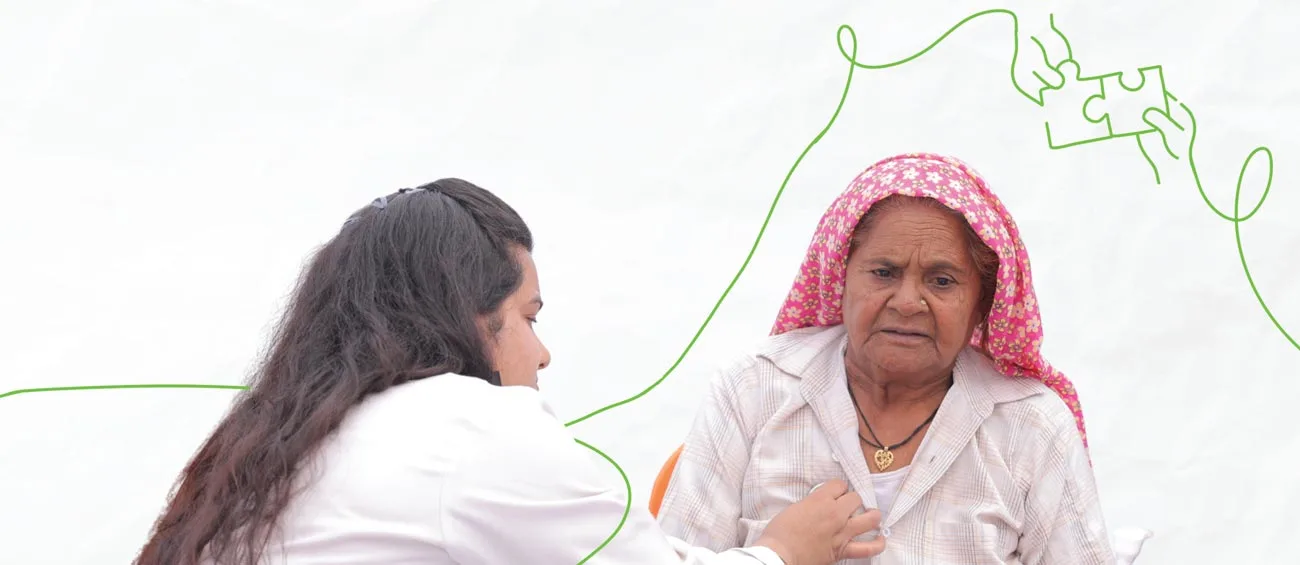
Swabhiman strengthens women’s access to preventive and primary healthcare through community outreach, health awareness, and institutional linkages. The programme focuses on reproductive, maternal, adolescent, and child health, promoting early care-seeking and timely referrals. Health counselling, screening, and follow-up services are delivered through community sessions, home visits, and health camps. By reinforcing continuity of care and linking women to public health facilities, Swabhiman improves access to essential services and strengthens trust in the primary healthcare system at the community level.
Nutrition interventions under Swabhiman focus on improving household food practices and addressing anaemia and undernutrition among women and children. Community-led nutrition education, low-cost recipe demonstrations, and kitchen garden initiatives promote the use of locally available, nutrient-rich foods. Nutrition supplementation and regular screening support early identification and management of deficiencies. Through sustained Social Behaviour Change Communication (SBCC), the programme strengthens awareness around balanced diets, maternal nutrition, and child feeding practices, reinforcing long-term nutrition security at the household level.
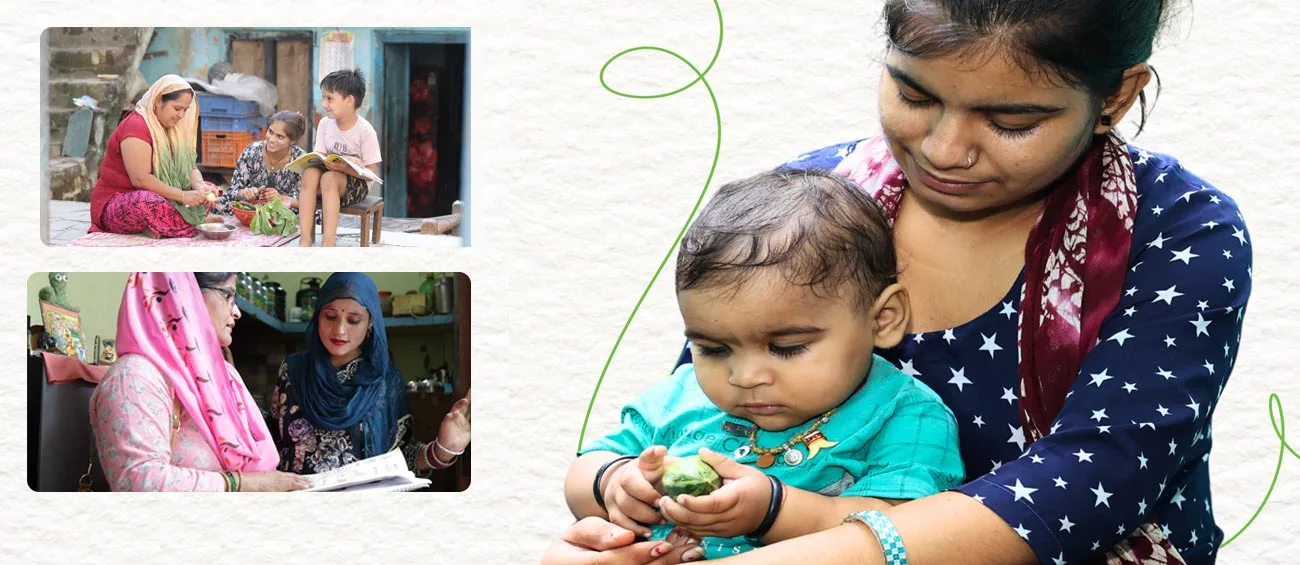
The programme places strong emphasis on the health, nutrition, and awareness needs of adolescent girls. Interventions include menstrual hygiene education, anaemia prevention, life skills sessions, and awareness of physical and emotional well-being. School and community-based sessions promote informed health choices and encourage confidence during a critical stage of development. By integrating health education with psychosocial support, Swabhiman helps adolescent girls navigate change with dignity, awareness, and improved access to essential services.
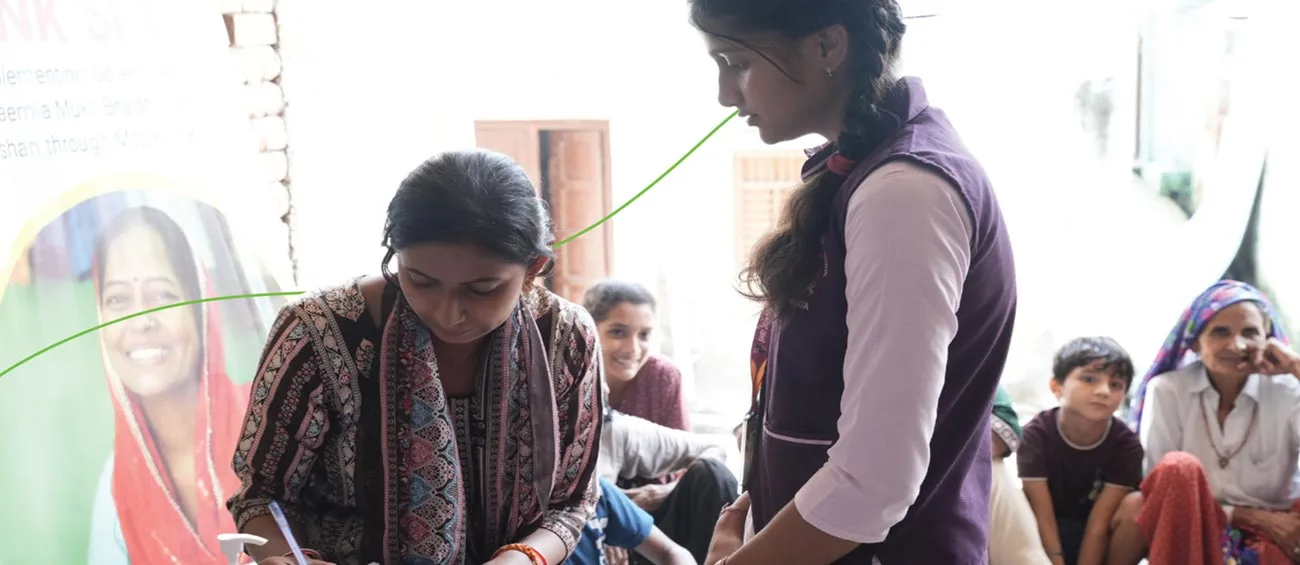
Economic empowerment is a core pillar of Swabhiman. Women are supported through structured entrepreneurship training, financial literacy, and digital skills development. The programme enables women to initiate and strengthen micro-enterprises across multiple trades and services. Linkages with self-help groups, livelihood platforms, and market networks strengthen sustainability and income continuity. By enhancing women’s earning capacity and enterprise confidence, Swabhiman supports greater participation of women in household and local economies.
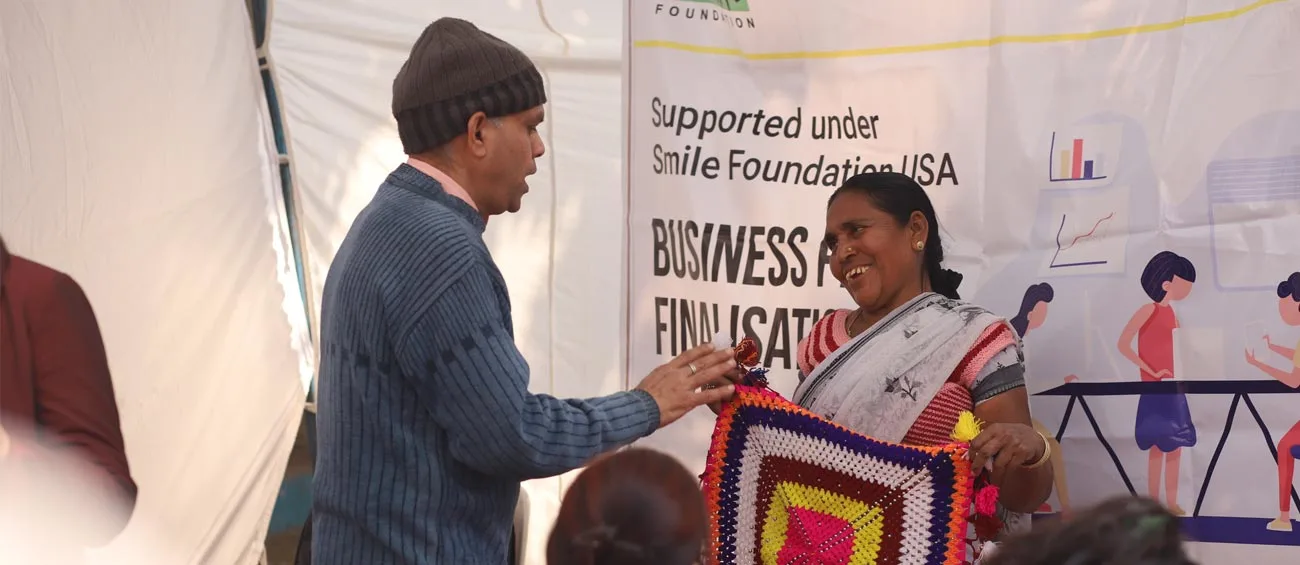
Swabhiman strengthens public systems by working in close alignment with health, nutrition, and livelihood departments. The programme supports Health & Wellness Centres, Anganwadi Centres, and frontline workers through infrastructure support, service readiness, and capacity building. Digital health platforms and institutional protocols are integrated to improve efficiency and monitoring. By reinforcing convergence with government missions and community institutions, Swabhiman embeds its interventions within existing service delivery systems, ensuring scalability and long-term sustainability.
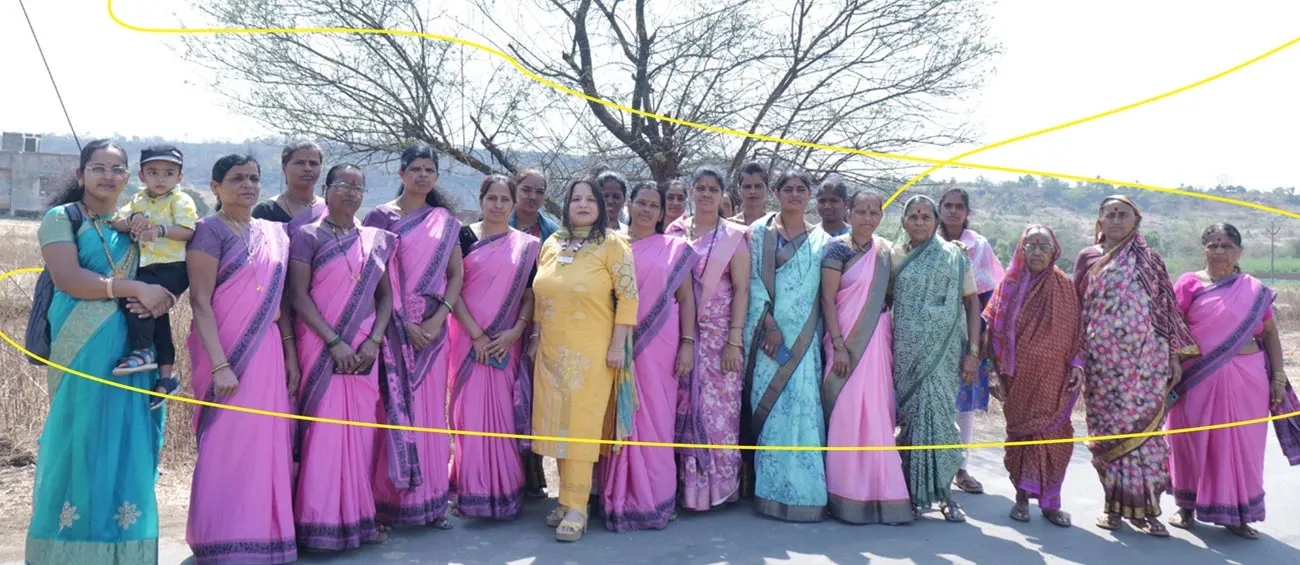
Innovation under Swabhiman focuses on strengthening access, efficiency, and long-term impact. Digital and financial literacy enable women to access online services, banking platforms, and livelihood opportunities. Environment-conscious initiatives such as reusable sanitary products and community kitchen gardens promote sustainability alongside health outcomes. Teleconsultation and digital tracking systems improve continuity of care and programme monitoring. By integrating technology with community-led solutions, Swabhiman strengthens the resilience and future-readiness of women and families.
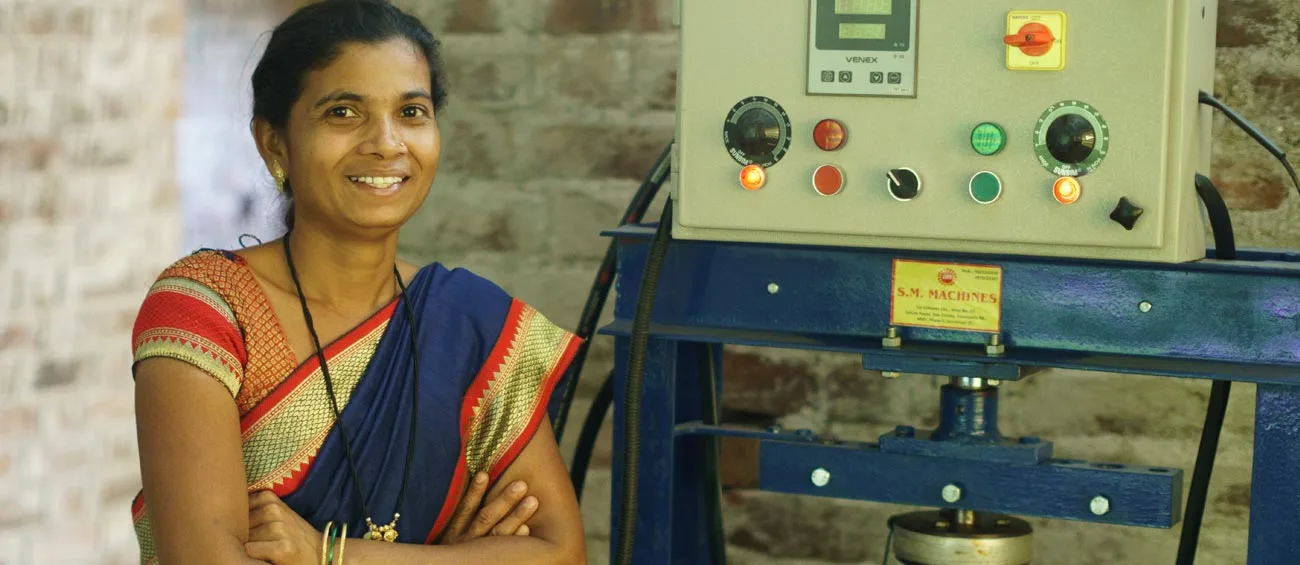
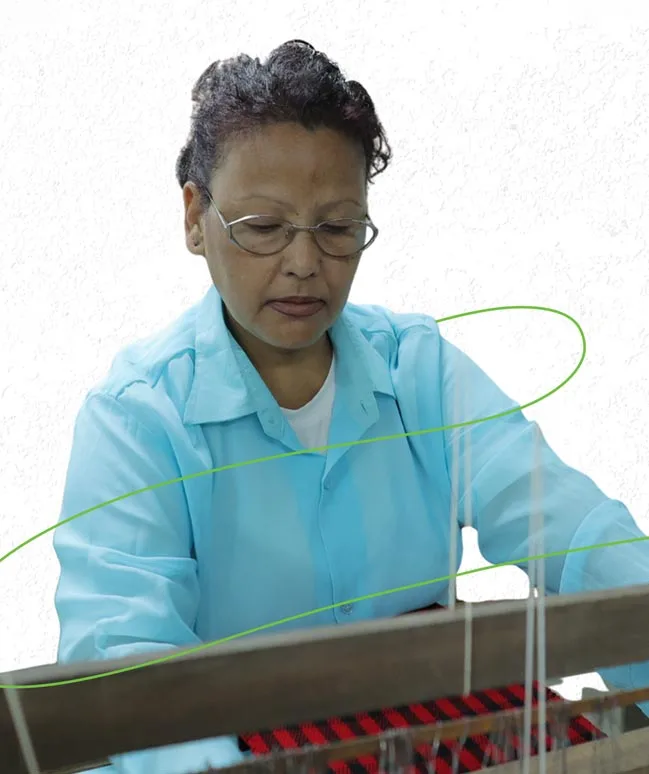
Many women here in Kalimpong, have been weaving for years. It is our way of earning and supporting our families. The sound of the loom is part of our daily life and connects us to our roots. Through Smile Foundation’s women empowerment programme, our community organisation received training in communication and planning. These sessions helped us enhance our business planning, financial and digital literacy, vocational skills and soft skills. We also learned about marketing, product pricing, e-commerce, and exhibitions to sell our products. Earlier, we worked quietly, but now we plan together and think about how to grow. We are learning how to earn in a better way, save money and support our children’s education. The programme has also helped us see the value of our craft and our community. We are proud that our traditional skills can build a sustainable future.
Today, I run my own business of homemade spices. I always wanted to do something on my own but didn’t know where to start. Then one day, I met people from Smile Foundation. They told me about the Entrepreneur Development Training Program. I joined the training and step by step, I started learning new things—how to plan a business, manage money, price my products and talk to customers. But more than anything, I learned to believe in myself. With support and confidence, I joined hands with a few women in my neighbourhood. We started making Puliogare powder, a traditional recipe we all knew well. We had never thought of selling it before. Through the training, we understood the importance of hygiene, proper packaging, quality and how to market our product. In the beginning, my husband was unsure if I could manage things outside the house. But now, he proudly helps me pack and deliver my orders.
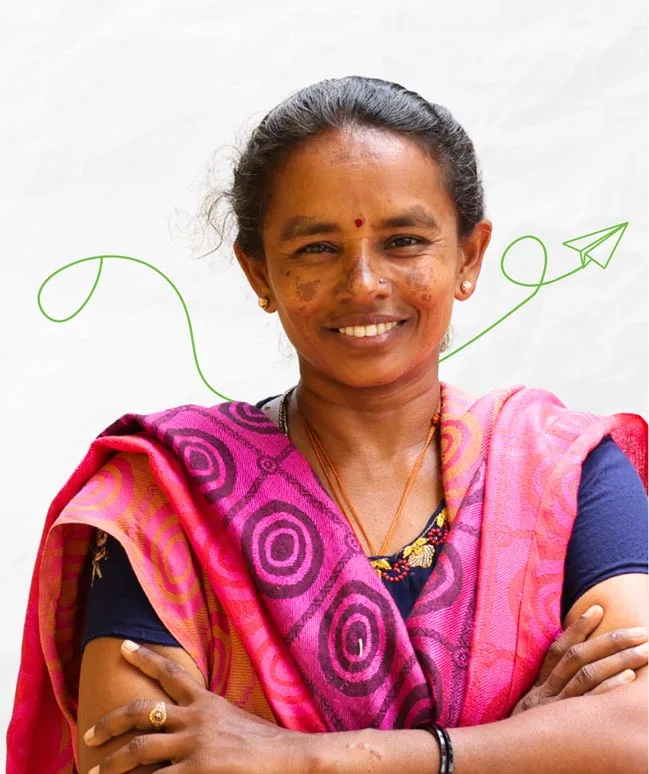
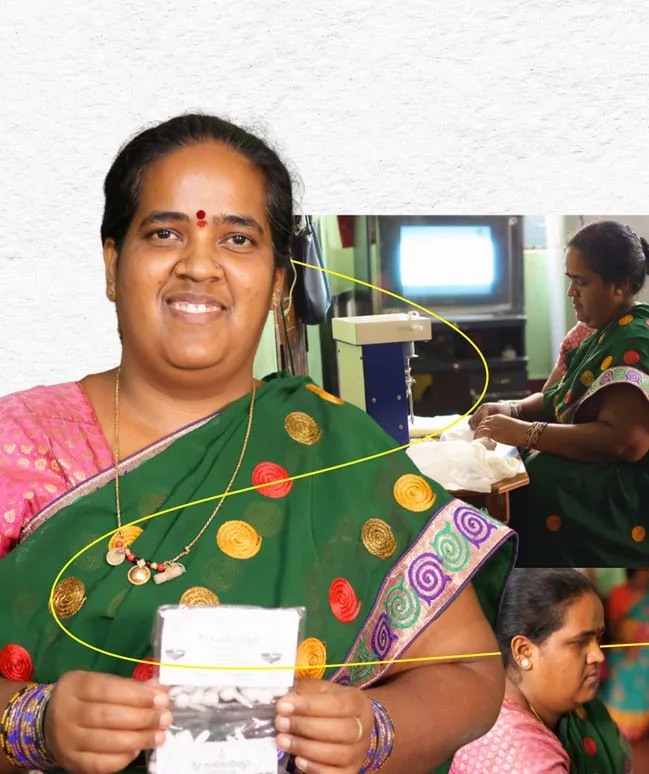
For a long time, I wanted to create my own identity, not just as a daughter-in-law, wife, or mother, but as me. Smile Foundation’s Entrepreneur Development Training helped me take that first step towards my dream. Now, I make cotton wicks with my own hands. It might seem like a small thing, but for me, it's huge. It's not just about earning money; it's about feeling like I created something. The training taught me how to plan my day, balance home and work and reach out to local shops and temple suppliers. Earlier, I didn’t even know where to begin. Now, I keep track of costs, calculate profits and even save a little every month. My family has started supporting me too—they see the sparkle in my eyes, the confidence in my voice. And I feel proud too, because I didn’t just wait for change, I became it.
Vimla turned a kitchen garden into a source of iron-rich meals for her family! Living in Chhata, Mathura, Vimla always wanted to provide her family with healthy, nutritious food, but limited resources and lack of awareness made it difficult. Most days, meals depended on whatever was available in the market and fresh vegetables were often costly. Her journey took a positive turn when she attended Smile Foundation’s nutrition awareness sessions under the women empowerment initiative. She learned about the importance of nutrition, especially iron-rich food for children’s growth and how small, practical steps can make a big difference. The training on kitchen gardening inspired her the most. Determined to put this learning into practice, Vimla started a small kitchen garden right in her backyard. Using simple techniques shared during the session, she planted spinach, beans, tomatoes and other vegetables. Earlier, she had no choice but to buy whatever was available, but now she ensures her family eats healthy food.