

Summary
- World Teacher’s Day is an opportunity to recognize the lasting influence teachers have on children’s learning, confidence and futures.
- Observation is central to good teaching: Teachers who pay attention can recognise changes in a child’s learning, behaviour and emotional wellbeing.
- Struggling children may not always ask for help: Falling grades, withdrawal, absenteeism or changes in behaviour can be early signs that a child needs support.
- Early intervention matters: Identifying challenges early can help prevent learning difficulties from affecting a child’s confidence and long-term progress.
- Teachers need support too: Training, manageable class sizes, learning resources and collaboration with families and specialists can help teachers respond effectively.
- Every child deserves to be seen: Great teaching goes beyond curriculum delivery. It means recognising individual strengths, understanding different needs and creating opportunities for every child to thrive.

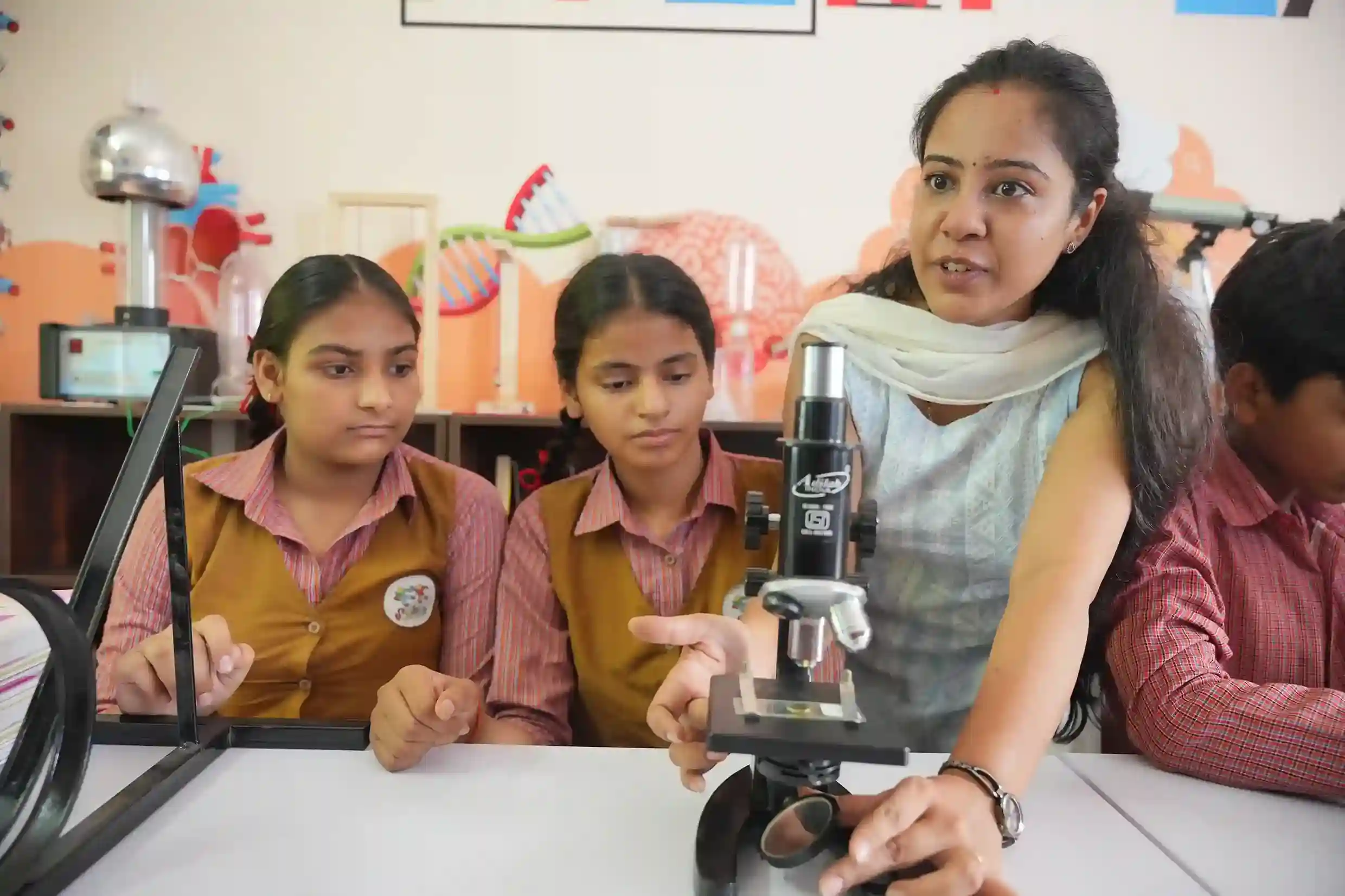
Each year, World Teachers’ Day on 5 October gives us a chance to pause and recognize the lasting impact teachers have around the world. In 2026, the day feels especially meaningful as it marks the 60th anniversary of the landmark 1966 UNESCO/ILO Recommendation concerning the Status of Teachers. Like a skill that multiplies over time: the best teachers are also, above all, attentive observers. By noticing the small signals others may miss, they can change the course of a child’s life.
The Power of Observation in Teaching
It’s easy to think of teaching as a matter of delivering lessons and marking papers, but at its heart, teaching is about paying attention. Observation is the art of seeing what’s in front of you and what lies beneath. It’s about reading the room, catching the anxious glance or detecting the student who suddenly grows quieter. Teachers who observe well spot the first hints that a student is falling behind. In classrooms brimming with different personalities, backgrounds and abilities, observation becomes the secret ingredient.
Early Signs That a Child Is Falling Behind
The signs of a struggling child often surface in subtle ways. You might notice:
- Academic signals: Perhaps a student’s homework is regularly incomplete or their answers become vague, or grades start to slide, or participation drops off.
- Social signals: A child withdraws from classmates, stops volunteering for group activities or appears lost in the shuffle.
- Behavioural and emotional signals: There’s a rise in unexplained absences, a change in mood or an uncharacteristic outburst. Sometimes, it’s a frustrated sigh or a look of defeat that says more than words.
The best teachers pick up on these cues and help a student avoid slipping through the cracks. They know that falling behind is rarely about laziness or lack of ability. More often, it’s a silent distress call.
Stories of Impact this World Teacher’s Day
Ask any successful person, and they’ll likely have a teacher’s name on their lips. Bill Gates credits his maths teacher for urging him to aim higher and his drama teacher for drawing him out of his shell. Oprah Winfrey remembers Mrs Duncan, who sparked her confidence and ambition. For countless children, a teacher’s watchful eye and timely encouragement have been life-changing. Sometimes, that teacher is the first adult to see their potential, or simply, to notice that they’re struggling and care enough to act.
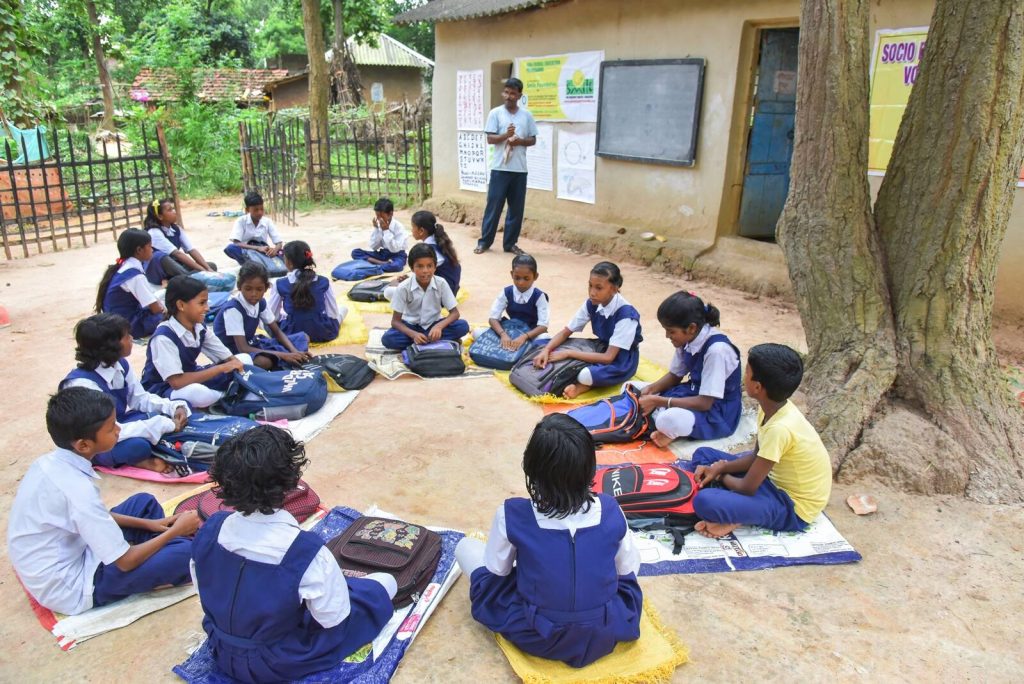
Across India, remarkable educators are changing the very shape of learning, often in places where resources are scarce but hope is abundant. Ranjitsinh Disale, for instance, turned rural classrooms on their heads by adding QR codes to textbooks and translating lessons into local languages. Then there’s Deep Narayan Nayak, known as the “Wall Teacher.” When the pandemic shuttered schools, he refused to let children fall behind. Nayak transformed mud walls into blackboards, making entire neighbourhoods his classroom. By observing not only his pupils but also their communities, he tackled deep-rooted social barriers and kept children learning against the odds.
And consider Arvind Gupta, who saw that many children lacked access to science labs but not to curiosity. He built simple science toys from everyday objects, turning ordinary items into extraordinary learning tools. His playful approach made science accessible and fun, inspiring millions to explore and question the world around them.
Why Early Intervention Matters
Recognizing the early signs and offering timely support can make a meaningful difference. Whether a child is struggling academically or emotionally, timely help can prevent setbacks from affecting their confidence. Teachers can respond in ways that fit each student’s needs, such as adjusting instruction, having one-on-one conversations or providing additional resources. The sooner support begins, the better the chances of helping a child succeed and believe in their abilities.
The Evolving Role of Teachers in a Changing World
The classroom is not what it once was. Today’s teachers face challenges their predecessors could hardly imagine — digital distractions, larger class sizes, a kaleidoscope of learning needs and the aftershocks of a global pandemic. Observation has become even more essential. In online lessons, teachers look for the student who goes quiet behind a muted microphone. In multicultural classrooms, they notice who is struggling with language or adjusting to a new environment. The 2026 World Teachers’ Day theme, “Standing with teachers: 60 years of protecting the profession, advancing its status and shaping our futures”, couldn’t be more apt. Teachers are frontline observers, adapting every day to help every child find their footing.
Supporting and Training Teachers
It’s not enough to ask teachers to observe; we must equip them to do it well. This means investing in training that sharpens observation skills and provides practical strategies for early intervention. Schools should foster environments where teachers have the time and resources to truly know their students, such as smaller classes, access to mental health support and strong collaboration with families.

Practical Steps
When a student falls behind, a thoughtful, systematic approach helps:
- Identify strengths and weaknesses: Look beyond the obvious; a student struggling in maths may shine in group work or creative projects.
- Identify learning styles: Not every child learns the same way. Some may need hands-on tasks, others visual cues or discussion.
- Differentiate instruction: Adapt lessons, scaffold concepts and provide varied homework options.
- Have one-on-one conversations: Sometimes what a child needs most is to know you believe in them and that help is available.
- Involve classmates: Peer support can boost confidence and understanding for both struggling and excelling students.
- Involve the administration: Tap into school resources like counsellors, learning support staff or academic advisors. It truly takes a village.
Celebrate and Empower Teachers this World Teacher’s Day 2026
Let’s not reserve our gratitude for just one day. Thank a teacher this World Teacher’s Day 2026, support education for underserved children and speak up for better working conditions and resources. Write a note, share a memory, or simply offer a listening ear. Teachers shape our future by what they teach and, more importantly, by what they see and nurture in each child.
Great teaching begins with observation. When we value and empower our teachers as observers, we give every student the chance to be seen, understood, and uplifted. On this World Teachers’ Day, let’s celebrate those who notice the quiet struggles and the hidden strengths.
FAQs
1. What is World Teacher’s Day?
World Teacher’s Day is observed annually on 5 October to recognise the contribution of teachers and highlight the importance of supporting the teaching profession.
2. Why is observation important in teaching?
Observation helps teachers identify changes in a child’s academic performance, behaviour, participation and emotional wellbeing. It can help teachers recognise when a child may need additional support.
3. What are some early signs that a child is struggling at school?
Signs can include declining academic performance, incomplete work, reduced participation, frequent absence, withdrawal from classmates, changes in mood or unusual behaviour. A single sign does not necessarily indicate a problem, but persistent changes may warrant further attention.
4. How can teachers support children who are falling behind?
Teachers can adapt instruction, provide additional learning support, have one-on-one conversations, use different teaching approaches and work with parents, school leaders and other professionals where appropriate.
5. Why is early intervention important for children?
Early support can help address learning or emotional difficulties before they become more significant barriers to a child’s confidence, participation and educational progress.
6. How can schools help teachers identify and support struggling students?
Schools can provide teacher training, learning resources, manageable workloads, access to counsellors or learning-support professionals, and systems that encourage collaboration between teachers and families.
7. What is the theme of World Teacher’s Day 2026?
The 2026 World Teacher’s Day theme is “Standing with teachers: 60 years of protecting the profession, advancing its status and shaping its futures.” The year also marks the 60th anniversary of the 1966 UNESCO/ILO Recommendation concerning the Status of Teachers.

Sources:
- https://www.unesco.org/en/days/teachers
- https://learnenglish.britishcouncil.org/free-resources/general/magazine-zone/world-teachers-day
- https://www.hmhco.com/blog/happy-world-teachers-day-why-and-how-to-celebrate?srsltid=AU7gw4V9lQtwYFrE3731XmNxtUqbCDWzVAIHc3aXE9ckeGM4I0OLfFQx
- https://www.childcareed.com/a/how-can-teachers-observe-children-s-development-effectively.html







One reply on “World Teacher’s Day 2026: The Best Teachers Are Also Great Observers”
খুব ভাল লাগল।