Categories
Education

Learning through play: The future of Early Childhood Education

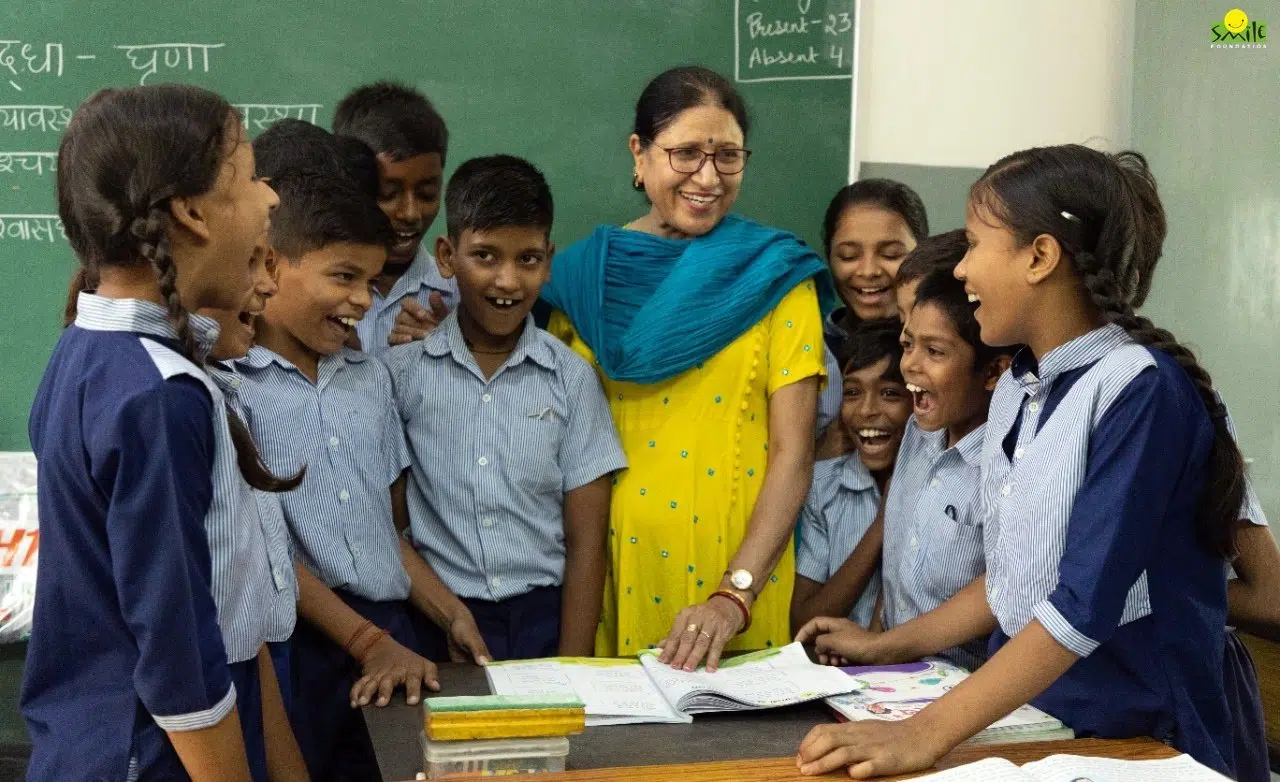
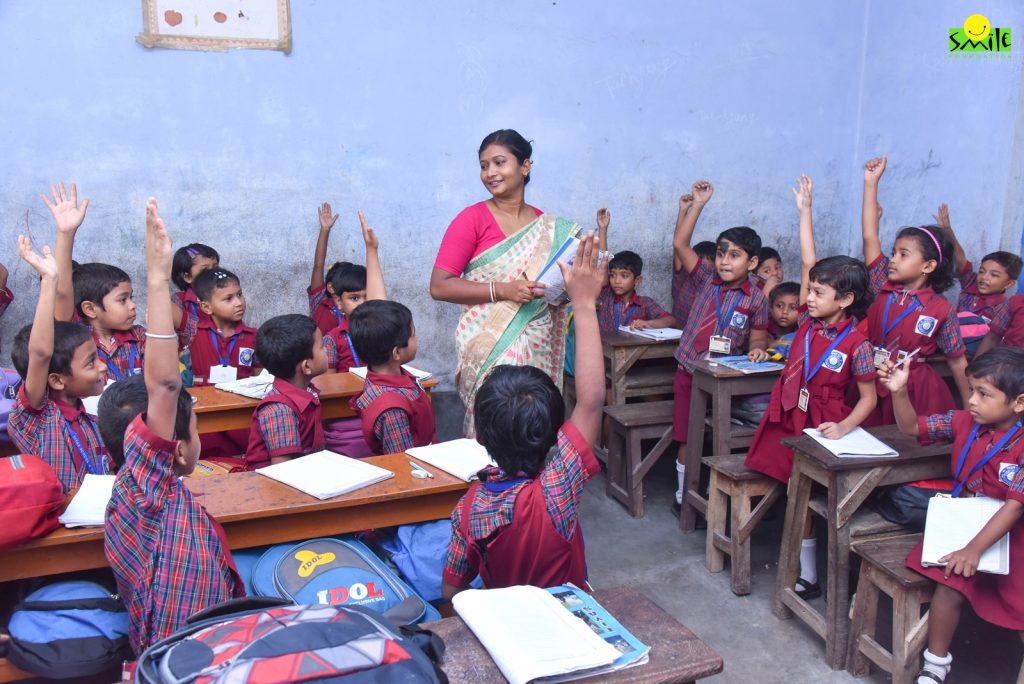
In a bustling classroom in Bengaluru, young children are huddled around a sandbox brimming with colorful tools and toys. Their teacher has given a simple prompt: use your imagination to build something. Riya, a spirited 7-year-old, is constructing a tower. Nearby, Aman is trying to piece together a toy car.

From the outside, it might seem like nothing more than a cheerful play session. But beneath the surface, something deeper is taking place—students are problem-solving, negotiating, creating. This is play-based learning in action: a powerful educational approach that nurtures not only academic skills but emotional, physical, and social development too.

In classrooms across India and the world, play-based learning is gaining momentum as an antidote to the rigidity of traditional education. Its foundation lies in one core idea: children learn best when they are allowed to explore, imagine, and lead their own learning journeys.

What is play-based learning?

At its core, play-based learning is an approach that uses child-led, exploratory activities—like games, storytelling, and puzzles—as a primary vehicle for learning. It rejects rote memorization and passive instruction, and instead allows children to learn through doing. It doesn’t abandon structure; rather, it integrates learning goals within playful activities that are developmentally appropriate and responsive to children’s needs.

Why is it transformative?

1. It strengthens cognitive development.
Games that require counting or sequencing help build early numeracy. Storytelling enhances vocabulary and comprehension. These hands-on experiences anchor abstract concepts in the real world, making learning more meaningful and memorable.

2. It cultivates social and emotional intelligence.
When children play together, they learn to collaborate, share, negotiate, and resolve conflict. These aren’t just playground skills; they are critical life skills, honed in the safety of a classroom where trial and error is part of the process.

3. It fuels creativity and critical thinking.
By engaging in open-ended play, children learn to ask questions, devise solutions, and think beyond the obvious. In a world where innovation is currency, this skill set is essential.

4. It supports physical development.
Play-based environments encourage movement like jumping, building, running which improves motor skills and stamina. In contrast, traditional methods that require long hours at a desk often hamper both focus and well-being.

Why now?

The global shift toward play-based learning is rooted in decades of research. Studies from the OECD and UNICEF have repeatedly shown that learning through play leads to stronger academic outcomes, better emotional health, and improved school retention rates, especially in early childhood. In India, where foundational literacy and numeracy remain pressing challenges, this method offers a real opportunity for transformation.

Yet, despite its proven impact, traditional schooling systems with their focus on textbooks and testing continue to dominate. Children are often seen as empty vessels to be filled with knowledge, rather than active participants in their own learning. Play-based learning flips that narrative.

How does it compare to traditional models?

Traditional education is largely teacher-driven, with rigid curricula and outcomes focused on test performance. It prizes discipline and conformity. In contrast, play-based learning emphasizes process over performance, offering flexibility that is better suited to a child’s natural curiosity and pace.

It also challenges the one-size-fits-all model. Rather than measuring children against the same benchmarks, it allows each child to explore in their own way nurturing individuality and building confidence.

Where is it working?

India’s education landscape is beginning to reflect this change. Anganwadi centres under the Integrated Child Development Services (ICDS) now offer preschool education through play and storytelling. The National Council of Educational Research and Training (NCERT) has introduced activity-based learning modules in its early years curriculum.

Development organizations are also stepping up. Smile Foundation, among others, works directly with schools and teachers to integrate play into daily teaching. Corporates like LEGO and Tata Trusts are donating learning tools and supporting infrastructure. These public-private partnerships are proving to be essential catalysts.

What needs to happen next?

Scaling play-based learning requires a concerted effort across systems:

  • Infrastructure: Schools must be equipped with safe, flexible spaces and age-appropriate materials that foster play.
  • Teacher training: Educators need both mindset shifts and hands-on training to design and deliver play-based lessons effectively.
  • Parental engagement: Parents should be made aware of the long-term benefits of play-based learning so they can support it at home.
  • Policy support: Governments must embed play into national early childhood strategies and provide funding for implementation.
  • Tech innovation: E-learning platforms can make play-based content more accessible, particularly in underserved areas.

A child-first philosophy

At its heart, play-based learning is about trusting children to be curious, capable, and creative learners. By letting go of rigid models and embracing joyful exploration, we give every child the chance to fall in love with learning from the very beginning.

As India moves toward universal access to early childhood care and education, the question is no longer whether play belongs in the classroom, it’s how quickly we can make space for it.

Categories
Livelihood

Livelihood and increased social acceleration

In a world defined by the next click, swipe, or update, life is no longer just lived—it is rushed. “Fast food,” “fast fashion,” “fast communication,” “quick transport,” “instant pay”—our collective reality is now dictated by speed. German sociologist Hartmut Rosa coined this growing phenomenon as social acceleration—a sweeping shift in the rhythm of life brought on by the technological revolutions of the modern era.

This acceleration is not just a cultural undercurrent—it is a structural force with real implications for livelihoods, particularly in emerging economies like India. With digital transformation altering how we live, work, and connect, millions are negotiating this rapid shift in real time.

What is social acceleration?

Social acceleration refers to the intensifying pace of social change, driven largely by technological and digital evolution. As cultural theorist Paul Virilio suggested, it’s about speeding through space and experience where sending a letter becomes an instant message, road journeys become flights, and saving money becomes tap-and-pay.

In practical terms, social acceleration means we’re working more efficiently but also feeling increasingly overwhelmed. Time is compressed, and the boundaries between work, rest, and play are increasingly blurred. At the heart of this shift is digitisation which is both a driver and a product of acceleration.

Digitisation and livelihoods: A complex relationship

India, one of the fastest-digitising economies in the world, embodies this phenomenon. According to the Bharat 2.0 Internet Study (2021), rural India surpassed urban areas in internet user growth—an astonishing 20% higher. Even more encouraging, female internet users were growing at nearly triple the rate of their male counterparts. The National Family Health Survey (NFHS-5) further confirms that technology is transforming lives.

Access to digital tools has opened doors to livelihood opportunities that didn’t exist before. Faster communication and improved information access have transformed rural agriculture, expanded health services, and improved access to sanitation and clean energy fueling progress at the grassroots.

1. Employment opportunities

Social acceleration has enabled remote work, gig economy platforms, and e-commerce, empowering people to earn from almost anywhere. From artisans in Rajasthan selling products on digital platforms to rural coders contributing to global tech firms, geography is no longer a constraint.

The gig economy, though fraught with regulatory gaps, has allowed many young Indians to freelance, earn income, and build skills through platforms like Urban Company, Freelancer, and Swiggy.

2. Entrepreneurship in motion

Micro, Small, and Medium Enterprises (MSMEs) have flourished as digital tools democratise access to information, marketing, and capital. Women and youth, particularly in low-income communities, now create home-run businesses through mobile phones, WhatsApp groups, and YouTube channels.

Supported by microfinance institutions and digital payment systems, these entrepreneurs use social media to build customer bases, establish branding, and bypass traditional market gatekeepers.

3. Financial and social inclusion

The internet has become a key enabler of financial inclusion. Women, who were previously excluded from banking systems, now access credit, insurance, and government subsidies through mobile platforms. Technology is enabling more women to vote, attend health appointments, and access child support services.

This has triggered what one might call a “silent revolution”—where social acceleration doesn’t just improve lives, it transforms gender norms. When women gain digital access, they also gain agency.

The shadow side of speed

Despite its promise, social acceleration also brings serious risks, especially for vulnerable populations.

  • Digital Divide and Literacy Gaps: Not everyone benefits equally. Poor connectivity, device affordability, and low digital literacy still marginalize millions, particularly the elderly, disabled, and rural populations in remote areas.
  • Mental Burnout: The pressure to always be available, always be improving, and always be earning—driven by algorithmic platforms—has created a culture of overwork. Young people are reporting higher rates of anxiety, and gig workers often operate without safety nets or formal labour protections.
  • Alienation and Erosion of Community: In an age of hyperconnectivity, meaningful connection has often taken a backseat. As Rosa warns, acceleration can lead to a sense of alienation—where people experience the world as fragmented, unpredictable, and beyond control.

Smile Foundation: Bridging the acceleration gap

Smile Foundation’s livelihood programme is one such effort to humanize the digital transformation. By working directly with underemployed youth from low-income communities, the programme provides market-driven skill training and placement support.

Through curated curricula, industry-aligned training, and a network of trainers, the programme connects youth with sectors showing high employment potential—retail, logistics, healthcare, and IT. Smile Foundation’s work aligns with India’s Skill India Mission and the global SDGs, particularly Goals 4 (Quality Education) and 8 (Decent Work and Economic Growth).

The aim is simple but powerful: equip the next generation with the tools to participate meaningfully in an accelerated world and not just survive it.

Where do we go from here?

If social acceleration is here to stay, we must evolve systems to keep pace—ethically, inclusively, and sustainably. This requires:

  • Digital Infrastructure Expansion: Universal broadband access and mobile literacy must be prioritised to bridge the urban-rural digital divide.
  • Policy Innovation: Protections for gig workers, fair wages, and platform accountability should accompany digital growth.
  • Mental Health Support: As speed increases, we must build systems that allow pause, reflection, and balance. This includes integrating mental wellness into education and employment programs.
  • Human-Centered Design: Livelihood programs should focus on the user—not just the technology. Interventions must be tailored, empathetic, and culturally grounded.

In conclusion, social acceleration is both a challenge and an opportunity. Its pace can uplift lives or leave people behind. But with thoughtful intervention, inclusive technology, and organisations like Smile Foundation leading grassroots change, acceleration doesn’t have to be alienating—it can be liberating.

If harnessed correctly, we can ensure that speed serves society, not the other way around.

Categories
Smile

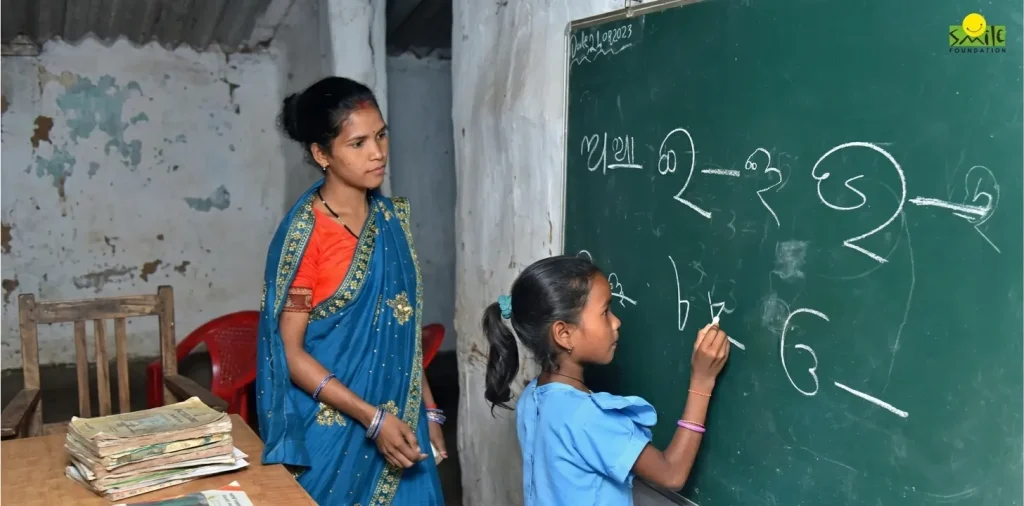
Why education must begin in the mother tongue

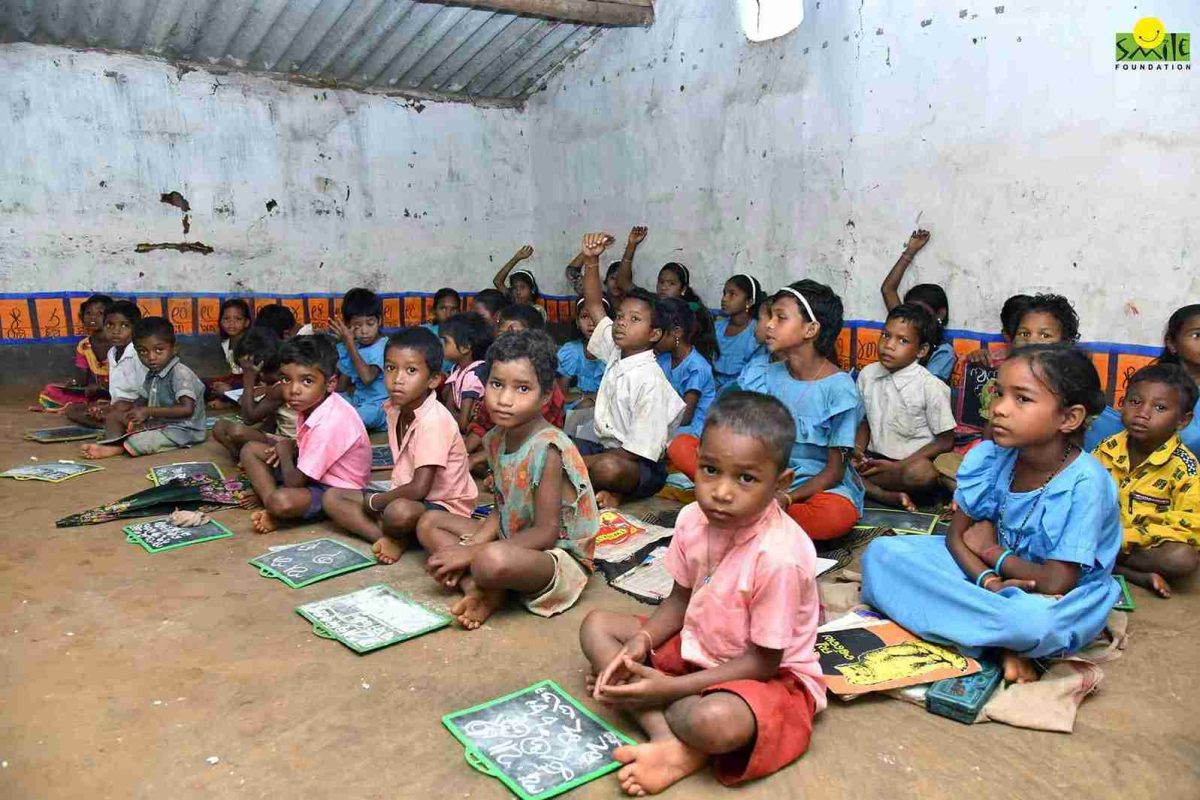
Imagine stepping into a classroom where every word spoken by the teacher sounds unfamiliar. The lesson might be clear to some but not to you. Language, in this context, stops being a bridge to learning and becomes a barrier. For millions of children across the globe, this it’s a daily reality.

UNESCO reports that nearly 40% of the global population does not have access to education in a language they understand. In many low- and middle-income countries, the figure soars to 90%. In India, a nation of astounding linguistic diversity, children from tribal and rural backgrounds are most affected. Their futures hinge on a system that too often prioritizes dominant languages, like English or Hindi, over native tongues.

The consequences are severe. Education in an unfamiliar language can impede learning, lower self-esteem, and erode cultural identity. Yet, this systemic issue is frequently overlooked in broader discussions on education reform.

A classroom misaligned

India recognizes 22 official languages and is home to more than 19,500 dialects. Despite this, the dominant languages in its classrooms remain English and Hindi. For children whose first languages are Mundari, Ho, Santhali, or Kui, school quickly becomes alien territory.

Evidence suggests the costs are real. A study in Andhra Pradesh and Telangana found that students taught in Telugu consistently outperformed their peers in English-medium schools. In Odisha, tribal children studying in their mother tongues displayed better attention spans, classroom participation, and test scores. A similar pattern was observed in Chhattisgarh, where children taught in Halbi showed increased classroom confidence.

These are signals. Children don’t fail school. School fails them when it ignores their lived experiences, language, and cognitive realities.

Cognitive clarity, emotional confidence

Language is the framework through which children make sense of the world. Research from India’s National Council of Educational Research and Training (NCERT) confirms what many educators have long known: foundational learning is strongest when delivered in a child’s home language.

Cognitive benefits aside, native language education supports emotional wellbeing. When children understand the language of instruction, they’re more likely to engage, ask questions, and take intellectual risks. When they don’t, anxiety, isolation, and early withdrawal from school become common.

In India, dropout rates in rural and tribal regions are a troubling consequence. Take Jharkhand, where tribal children who speak Ho or Kurukh at home are often taught in Hindi. Without a meaningful connection to what they are learning, many students disengage, leading to poor academic performance and, ultimately, school dropout. However, pilot programmes introducing tribal languages into early education in the state have shown remarkable improvements in both retention and learning.

The mother tongue advantage

Some states in India have taken note. Odisha’s Multilingual Education (MLE) programme integrates tribal languages like Santhali and Kui into the early curriculum. Telangana and Andhra Pradesh have also embraced Telugu-medium instruction at the primary level.

Encouragingly, India’s National Education Policy (NEP) 2020 promotes the use of the mother tongue or local language as the medium of instruction at least up to Grade 5. The policy recognizes that early education in a child’s first language enhances comprehension, critical thinking, and long-term academic success.

Global data backs this. According to research cited by the World Bank and UNESCO, children taught in their mother tongue during early schooling tend to outperform peers in other subjects including science and mathematics in later grades. This proves that native-language instruction doesn’t limit global competitiveness; it enhances it.

Where policy meets reality

While the NEP 2020 sets a progressive direction, implementation remains India’s biggest hurdle.

First, there is a dearth of quality educational materials in regional and tribal languages. Developing culturally relevant, age-appropriate textbooks and learning aids is essential. These materials should reflect not just the language but the lived experiences of the children reading them.

Second, teacher training must evolve. Many educators are unprepared for multilingual classrooms. Targeted training programmes, language fluency modules, and culturally sensitive pedagogy are vital to bridge this gap.

Third, digital innovation holds untapped potential. Artificial intelligence and machine learning tools can help translate and localize content at scale. Educational apps, voice-based learning modules, and interactive videos in multiple languages can ensure that every child, regardless of geography, receives quality instruction in a language they understand.

Rethinking equity in education

This issue is not just about pedagogy. It’s about justice.

When children are denied the right to learn in their own language, we deny them more than an education. We deny them identity, dignity, and a future on their terms.

India’s linguistic diversity should be seen not as an obstacle, but as an opportunity to build a more inclusive, equitable education system. That begins by listening, literally and figuratively, to the voices of the most marginalized.

Organizations like the Smile Foundation are already demonstrating how language-sensitive, community-driven interventions can improve outcomes. With the right blend of policy, technology, and cultural awareness, we can scale such successes across the country and offer a model for other multilingual nations grappling with similar challenges.

A future worth building

Imagine classrooms where every child hears a familiar word, where learning feels like belonging, and where identity is not sacrificed for understanding. That is the promise of mother tongue education.

If India is to truly fulfill the spirit of its Right to Education Act and the Sustainable Development Goals, it must begin by recognizing that language is not a barrier to success; it is the foundation of it.

To empower a child, speak their language. To transform a nation, educate every child in their own.

Categories
Education

Digital classrooms bridging the rural–urban education divide

In a remote village in Odisha’s Kalahandi district, where classrooms once lacked desks and often even teachers, the prospect of quality education was, until recently, a distant dream. But today, that story is changing. Under India’s ambitious Digital India initiative, schools in the region have been equipped with internet connectivity, smart boards, and e-learning platforms. Teachers have been trained to integrate multimedia tools into their lessons. Concepts that were once hard to grasp are now being brought to life on screens. For students, education is no longer rote; it is interactive, engaging, and empowering.

This quiet revolution underscores a larger transformation across India. Digital classrooms are emerging as a powerful equalizer, reshaping the education landscape and narrowing the persistent gap between urban privilege and rural neglect.

Digital classrooms: A new learning paradigm

The Indian education system has long struggled with stark inequalities—between public and private schools, between urban and rural regions, and between those who can afford quality education and those who cannot. Digital classrooms offer a way to address these inequalities. By leveraging technology, they make quality learning tools accessible regardless of geography or economic status.

What distinguishes digital classrooms from their traditional counterparts? The answer lies in how content is delivered and experienced:

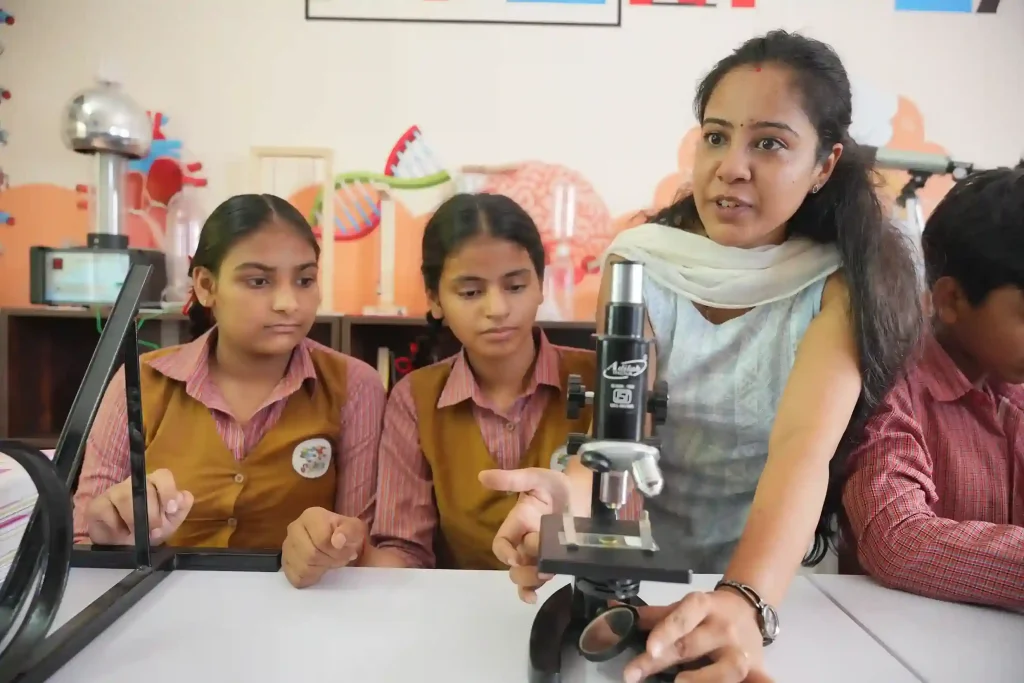
  • Interactive Displays: Smart boards allow for dynamic lessons using animations, simulations, and real-time experiments. For instance, a lesson on the human heart becomes an immersive 3D visual experience instead of abstract textbook diagrams.
  • Learning Management Systems (LMS): Digital platforms like Google Classroom or India’s DIKSHA portal offer centralized access to lessons, assignments, performance records, and curated curriculum-aligned content, making learning more structured and transparent.
  • Dynamic Assessments: Real-time quizzes, adaptive learning, and automated feedback replace one-size-fits-all testing with personalized progress tracking.
  • Cloud-Based Resources: Students, especially in remote areas, can now access e-books, videos, and supplementary material anytime, removing physical limitations such as lack of libraries or trained educators.

These tools make education more flexible, personalized, and inclusive. Traditional classrooms, with their blackboards and standardized testing, often fail to cater to the diverse learning needs of students. Digital classrooms don’t aim to replace the human connection that a teacher brings—but rather, to enrich it with tools that promote engagement, innovation, and access.

The infrastructure gap

However, scaling these innovations requires addressing a digital divide that remains glaring. According to UDISE+ 2023–24 data, only 57.2% of Indian schools have computer facilities and a mere 53.9% have internet access. In Delhi, most schools are digitally equipped; in Bihar, only 18.5% have internet. The disparity is structural, rooted in unequal funding, geographic remoteness, and policy gaps.

Rural schools frequently face other hurdles as well: inconsistent electricity, poor sanitation, and high teacher absenteeism. Without addressing these foundational issues, digital education risks deepening rather than narrowing the divide.

Solutions that can scale

Bridging the rural–urban education gap requires a multipronged approach. First, infrastructure: targeted investments in digital hardware, internet connectivity, and reliable power must become part of every education development plan.

Second, teacher training is essential. A smart board is only as effective as the teacher using it. Training programs must be robust, continuous, and integrated into the broader professional development of educators.

Third, building digital awareness among parents and local leaders can help create a culture that values technology in education. If digital classrooms are seen as tools for upward mobility, community support will follow.

Public–private partnerships offer immense potential here. NGOs, philanthropic foundations, and edtech companies can supplement government efforts by co-developing content, funding infrastructure, and delivering grassroots training. These collaborations are already bearing fruit in pilot projects and can be scaled with the right policy backing.

Finally, national policy must go beyond announcements to budgetary commitments. The Digital India campaign is a start, but dedicated, measurable goals for digital education—especially in underserved areas—are critical for lasting change.

Beyond access: Equity and empowerment

Digital classrooms are more than tech upgrades—they are pathways to equity. When a child in rural Odisha learns the same content in the same way as a child in urban Bangalore, the very idea of a “second-tier” education is challenged.

But technology alone cannot be the solution. To be effective, digital education must be inclusive—accommodating disabilities, regional languages, and gender disparities. Accessibility must be built into design, content must be localized, and equity must remain the compass guiding innovation.

Conclusion

The case for digital classrooms in India is about ensuring that the accident of one’s birth; rural or urban, rich or poor, does not determine the quality of their education.

As India seeks to equip its young population for the challenges of the 21st century, bridging the digital divide in education is not optional—it is urgent. By investing in infrastructure, empowering educators, and engaging communities, digital classrooms can transform not just how children learn, but what they believe is possible.

It is time to make sure that geography no longer decides destiny in the Indian classroom.

Categories
Girl Child

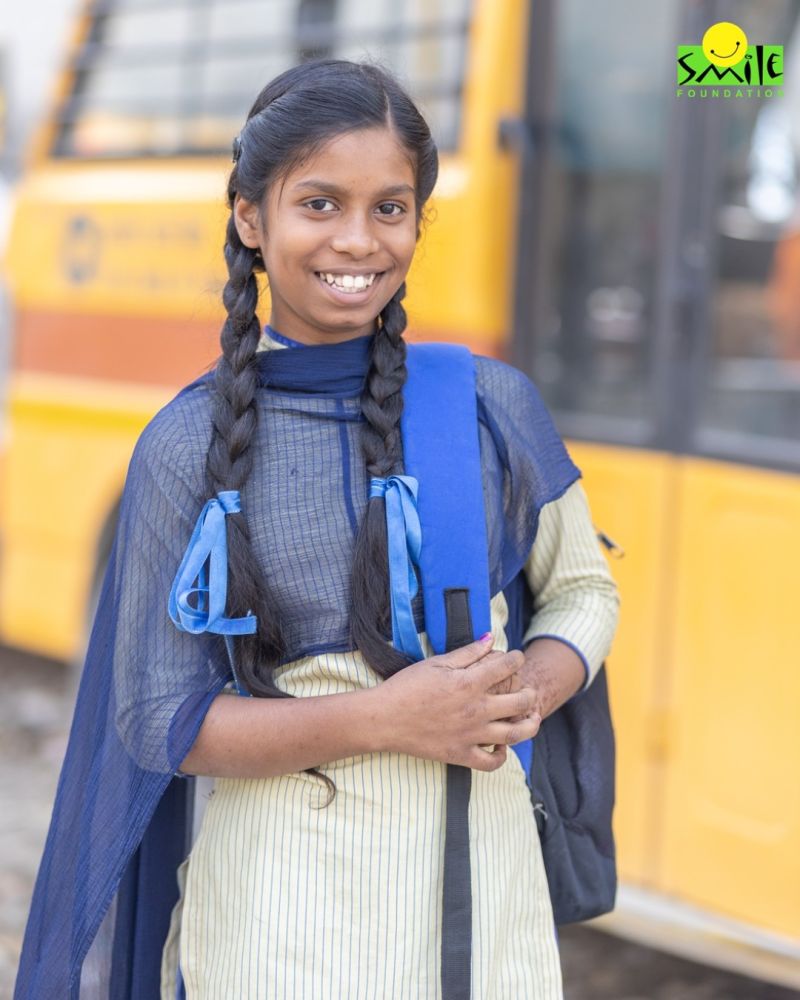
Why every girl child deserves a classroom

The Indian constitution has made education a fundamental right. However, even today, millions of children are deprived of access to good-quality education because of socio-economic barriers, systemic inequalities, and general apathy. Within this problem, there is a larger problem that exists – the gap between girls and boys. The female literacy rate in India stands at 65.46%, significantly lower than the male literacy rate of 80.88%.

Over the years, several initiatives have ensured that the enrolment of girls in school gets improved. Even then, there are many inequalities that continue to persist. Also, the biggest problem is the retention of girls in the education system and their transition from school education to college education. This is because the drop-out rates for girls in higher education are more than that of men. This can be owed to factors like child marriage, societal stigma, sanitation facilities, security related issues, family pressure, etc. When the financial condition of a household is poor, it is often the girl child who has to take a step back from education and support in household chores. As per Annual Status of Education Report (ASER) 2022, 98 percent girls between the ages of 11 to 14 are enrolled in schools, but their dropout rates increase as they enter higher grades.

This highlights the importance of ensuring that every girl has access to formal education and the barriers preventing that from happening need to be removed. Every girl deserves a classroom, as a space for learning, as a gateway to empowerment, equality, and opportunity.

Importance of girl child education

While it is understood that education is crucial for growth and development of both girls and boys, and we are not suggesting that any one of them need to be prioritized more; why we are talking about education for girls is the systematic differences that exist between the two genders. Educating girls is both a matter of individual empowerment and also a tool of societal transformation.

Here’s why girl child education is so important

  1. Independence and empowerment: Girls who receive proper education have the knowledge and skills to become financially independent and also to take informed decisions about their wellbeing. A financially independent woman can very well become the decision-maker of her life breaking away from her earlier assumed subservient roles.
  2. Health and well-being: This is also true that girls who receive an education are able to make the right decisions when it comes to their health and well-being. Not just that, they also support their families in making the right decisions. This is because educated mothers are more likely to seek medical care for themselves and their children. This helps in reducing maternal and child mortality rates.
  3. Gender equality: This is a given; when girls are educated, they are able to stand shoulder to shoulder with boys. They challenge traditional gender roles and break stereotypes. For example, educated women may choose to support the family financially instead of taking care of the household. Education also empowers girls to assert their rights, seek legal help, and participate actively in the political and social sphere.

Broader impact of educating girls

  1. Economic Growth: When women receive good education, they are able to enter the workforce, become entrepreneurs, and also bring new innovation to the industries they work in. This way, they help the nation’s economy to grow at a faster pace. According to the World Bank, closing gender gaps in education and labour force participation could add $12 trillion to global GDP by 2025.
  2. Development of Society: When it comes to participation in community development, public discourse, or fighting for social change and challenging harmful practices, the ones who are empowered can do it. Educated girls are more likely to challenge harmful practices like child marriage, gender-based violence, etc. This way they help in creating a more inclusive society.

Society’s moral obligation towards girls

All of us have a moral obligation to ensure every girl in this country finds a classroom. Educating children is a matter of justice, dignity, and human rights. When we deny our girls access to education, we perpetuate the cycle of discrimination, inequality, and social injustice.

There are a number of initiatives that have been taken in India to ensure that girl education is promoted. 

  1. Beti Bachao Beti Padhao (BBBP): Launched in 2015, this government programme aims to address the declining child sex ratio and promote education and empowerment of girls. It focuses on awareness campaigns, community mobilization, and improving access to education.
  2. Kasturba Gandhi Balika Vidyalaya (KGBV): This scheme provides residential schools for girls from disadvantaged communities, ensuring access to quality education in rural and backward areas.
  3. Sukanya Samriddhi Yojana (SSY): A savings scheme that encourages families to invest in their daughters’ education and future, offering financial security and incentives.
  4. National Scheme of Incentives to Girls for Secondary Education (NSIGSE): This programme provides financial incentives to girls from marginalized communities to complete secondary education.

Apart from these initiatives by the government, there are many contributions made by non-government organizations (NGOs) and the private sector as well. There are several initiatives that work towards ensuring good quality education for not just girls, but every child.

The way forward: What needs to be done for girl child

Apart from ensuring access to education and classrooms, we also need to work towards maintaining the quality of this education, creating employment opportunities, and much more. Here are some of the things that need urgent attention:

  1. The primary focus should be on reducing the dropout rate for girls as they reach higher grades. This can only be addressed through awareness campaigns, community involvement, and providing incentives for families to support their girl child’s education until she receives higher education. Providing scholarships, menstrual hygiene products, and safe transportation can make a significant difference.
  2. Secondly, there is a major need to invest in education infrastructure so that more and more schools and higher education institutions of quality are present across the country, and the girls do not have to travel long distances to receive education. Additionally, libraries and digital classrooms should be established in existing institutions as well.
  3. Leverage technology to provide online learning opportunities and bridge the digital divide. Initiatives like Digital India can be expanded to include e-learning platforms for girls in remote areas.
  4. Since educating girls is not dependent on just one person, we need to involve parents and community leaders in promoting this. As mentioned above, awareness campaigns need to be run and incentives need to be created for families.
  5. Lastly, the most important is the continuous strengthening of policies that support and promote education of girls. Also, the existing policies need to be implemented in a better way so that there are no gaps that exist. Regular monitoring and evaluation is also needed to assess the impact of the initiatives, and changes should be made according to the need.

Every girl deserves a classroom—not just as a space for learning but as a platform for empowerment, equality, and opportunity. Educating girls is not just an investment in their future but a commitment to building a better world for all. It is a moral obligation, an economic necessity, and a social imperative. As India strives to achieve its development goals, prioritizing girl child education will be key to unlocking the nation’s full potential.

Categories
Smile

Women as agents of change

It is not uncommon in Indian households to see women shying away from discussing important matters like finance, politics, and social justice. However, the World Bank has identified women’s voice, agency, and participation as a key dimension of gender equality and as a major policy priority.  This recognition has not been a recent one. Women have been shaping societies across the world with their innovation, resilience, and leadership. They have been playing an important role in advocating for justice, equality, and sustainable development. Women have always been using their voices to challenge norms, question power structures, and create transformative solutions. Their contributions have reshaped histories and paved the way for future generations to continue the fight for a more equitable world. As change agents, women bring unique perspectives, drawing on lived experiences, empathy, and determination to break barriers and inspire action.

Importance of having women as agents of change

Though there are numerous reasons for having women as agents of change, some key points are discussed below.

  1. Diverse perspectives: Women’s participation in societal transformation brings diverse perspectives, experiences, and strengths that can drive progress across all sectors. These will be completely different from men. When a woman is involved in a leadership role, the solutions to local and global issues would become more well-rounded and representative of their entire population. Their unique perspective will help to identify overlooked problems and provide inclusive and sustainable solutions to pressing issues.
  2. Community benefits: When women are empowered to take on leadership roles and participate fully in the economy, the entire community benefits. Studies have shown that empowering women leads to higher education rates, improved family health, greater income equality, and overall economic growth. The World Bank has found that increasing women’s participation in the workforce can boost national GDP. 
  3. Challenging societal norms: When a woman is an agent of change, it directly challenges societal norms and dismantles structural inequalities. Women who break down barriers, challenge outdated stereotypes, and inspire future generations to believe that gender should never limit potential. Involvement of women in activism, governance, and leadership is essential for creating a more just society where all individuals have equal opportunities to thrive.
  4. Better governance: Studies have shown that having more women in leadership positions leads to better governance and more transparent and accountable institutions. They often emphasize collaboration and inclusivity. It in turn fosters a more cooperative environment for resolving conflicts and addressing complex issues. Also, women tend to prioritize policies that focus on welfare, health, and education, which directly improve the quality of life for individuals and communities.
  5. Role models for future generations: Women as change agents will become role models for younger generations, particularly girls. These women show them that they too can break barriers and drive change. Representation of women in leadership roles is crucial in encouraging the next generation of women to pursue their dreams, take on leadership roles, and be active participants in social, political, and economic change.

Women as agents of change

1. Politics: Politics has been a tough arena for all, women in particular. It poses immense challenges, right from cultural and societal norms to outright discrimination. By entering and excelling in the political field, women challenge and dismantle the barriers, proving that leadership is defined by capability and vision but not by gender. One such politician is Indira Gandhi, the only woman Prime Minister of India. She broke the barriers in a male-dominated political landscape. She demonstrated that women could lead with decisiveness, leaving a lasting mark on Indian politics.

Research has shown that women in leadership positions tend to focus more on policies that prioritize public health, education, and social welfare. Their approach to governance often emphasizes inclusivity, empathy, and long-term sustainability, all of which are essential for the development of thriving societies. Former Prime Minister of Finland, Sanna Marin, had been promoting education, healthcare, and gender equality. She positioned Finland as one of the world’s most progressive countries.  

Also, women politicians have often shown exceptional leadership during crises, whether political, economic, or social. Their ability to make quick, compassionate decisions while balancing pragmatic solutions with empathy has been a hallmark of their leadership. Angela Merkel, who had been Germany’s chancellor for 16 years, led the country through the European financial crisis, the migrant crisis, and the COVID-19 pandemic. She is widely known for her calm and methodical approach to crisis management.

2. Literature: Women have always been powerful agents of change in literature, both as writers and characters. They have often challenged the rigid gender norms and stereotypes imposed on women by society. Their writing provides new representations of women, challenging the traditional roles assigned to them and opening up new spaces for female expression, identity, and independence. Virginia Woolf’s A Room of One’s Own and Mrs. Dalloway explored the constraints that society placed on women, particularly within the realms of creativity, independence, and mental health. Woolf’s idea that women need financial independence and personal space to create art was groundbreaking for its time. Similarly, Charlotte Perkins Gilman’s The Yellow Wallpaper depicted the psychological oppression of women through the story of a woman confined to a room for her mental health.

Women writers have used literature as a platform for advocating women’s rights and feminist ideals. Their work has inspired generations of readers to reconsider the status of women and the inequalities they face in both private and public life. In her seminal work The Second Sex, Simone de Beauvoir questioned the historical and cultural oppression of women, arguing that women had been historically defined in relation to men. Her philosophy laid the foundation for modern feminist thought and activism. Betty Friedan’s The Feminine Mystique helped ignite the second wave feminist movement in the 1960s, revealing how suburban housewives in America were trapped in a cycle of domesticity and discontent.

Women writers have often focused on rewriting history from a female perspective or telling stories that were previously ignored or erased. Through their works, they reclaim narratives and provide insight into the experiences of women who have been historically marginalized. Chimamanda Ngozi Adichie’s novels explore the intersection of gender, race, and immigration, giving voice to African women and their stories in a global context.

3. Climate change: Women, especially those from marginalized communities, have been at the forefront of grassroots environmental movements. Since they have a deep understanding of local ecosystems, they are likely to be directly affected by climate change impacts, such as water scarcity, food insecurity, and other extreme weather events. This connection drives their activism and advocacy for solutions that address the needs of their communities. Wangari Maathai, a Kenyan environmental activist, found the Green Belt Movement, which planted millions of trees across Africa. The movement has been addressing deforestation and promoting environmental conservation.

Women have also been advocating for climate justice. It calls for addressing the inequitable impacts of climate change on vulnerable populations, ensuring that those who have contributed least to the problem are not left behind in the solution. Mary Robinson, the former President of Ireland and former UN High Commissioner for Human Rights, has been an outspoken advocate for climate justice. Her foundation—the Mary Robinson Foundation—Climate Change—works towards the human rights dimension of climate change.

4. Social movements: Women played an important role in a wide range of social movements, from civil rights and labor to feminism and environmental justice. It has not only been crucial for advancing the causes they championed, but it has also been essential in redefining gender roles, empowering marginalized communities, and challenging oppressive systems. Women have led the charge for women’s rights and women’s liberation from the suffragist movements to contemporary gender equality campaigns. Leaders of the US suffrage movement—Susan B. Anthony and Elizabeth Cady Stanton—were instrumental in securing suffrage rights for women in 1920. As a journalist and co-founder of Ms. Magazine, Steinem raised awareness on issues such as reproductive rights, workplace discrimination, and sexual autonomy in the 1960s. She continues to influence feminist discourse today.

Women have also been central to civil rights movements, fighting for racial justice and equality in the face of systemic racism, segregation, and oppression. Their leadership in grassroots organizing and protests helped shape the trajectory of civil rights movements across the world. Rosa Parks’ refusal to give up her seat on a segregated bus in Alabama sparked the Montgomery Bus boycott. She became an icon of the American Civil Rights Movement. Angela Davis was instrumental in the fight for racial justice, particularly in her advocacy for incarcerated Black individuals and her leadership in the Black Panther Party.

Across the globe, women have proven themselves to be indispensable agents of change. They have been driving movements, policies, and innovations, and they made lasting impacts on society. Through their activism, leadership, and unwavering commitment, they have challenged oppressive systems, advocated for the marginalized, and contributed to profound societal transformations. However, their journey is ongoing, as challenges such as gender inequality, environmental crises, and social injustice continue to persist. Empowering women through supporting them to become independent like Smile Foundation does and ensuring their active participation in decision-making processes remain essential to creating a more just, inclusive, and sustainable world.

Categories
Smile

How close is India to its gender roles?

The world will take another 134 years to achieve the goals of SDG-5 with complete gender parity – way beyond the benchmark for 2030. And for India, the progress is seen to be quite slow.

India has been historically entrenched in complex gendered roles that are deep-rooted in its traditions and culture. A country that has witnessed fierce women political leaders setting examples and worshipping female goddesses has been simultaneously bound by rigid gendered stereotypes, laying out many challenges in its path of growth and development. The Covid-19 pandemic was a big reveal of the fragility of Indian women, when the harm was not only limited to the fall in their labour participation but the double whammy of managing jobs and household chores while the world struggled to stay alive within the confines of their homes.

In the 2024 World Economic Forum’s Global Gender Gap Report, which looks at gender equality worldwide, India ranked 129th among 146 nations, slipping two places from the previous year. India closed 64.1 per cent of its gender gap, leaving massive room for policymakers and leaders to do better with gender-responsive/inclusive policies. According to the report, the “slight regression” is primarily due to “small declines” in education and political empowerment. However, the report shows that women’s economic participation has improved in the last few years, but much more must be done.

Gender disparity 

In the past few years, there has been a transformative shift in India’s gender approach, with a few upticks in wage parity between males and females. However, women continue to lack equal representation in leadership roles across practices. India ranks near the bottom with less than 40% parity in the WEF report on providing equal access for men and women to economic participation and opportunity.

Another concern about gender equality lies in India’s health performance. Although there has been an improvement in the sex ratio at birth, girls continue to die more than boys. Rather, India is the only large country where the fatality rate for girls is higher than for boys. Due to its social norms and practices, girls in low-income settings are exposed to the possibility of child marriage, teenage pregnancy, child domestic work, poor education and health, sexual abuse, exploitation, and violence. Many of these manifestations will not change unless girls are valued more and given equal education opportunities.          

Unequal access to education continues to yield perpetual gender inequality in the economy. Women do so much unpaid work at home that many lack the time and energy to pursue paid employment. Providing females with a job-assured education is the first step to enhancing all development indicators, including nutrition, and breaking the vicious cycle of early marriage, which leads to poor maternal and child health. 

But it all begins at home…

Family and home are the first social environments a child encounters; it’s where values, attitudes, and behaviours are initially learned. The family’s influence is particularly critical for learning and unlearning gender roles. 

According to the Organisation for Economic Cooperation and Development, Indian women spend 352 minutes daily on housework, 577% more than males, who contribute only 52 minutes. 

The structured gender roles in Indian families have frequently confined women to an environment ruled by predominant patriarchy. While each family member is expected to play a specific role, such functions are typically defined by an individual’s gender and society’s perception of gender identity. Females are mainly constrained to in-house activities that are deemed ‘feminine’, whilst males are expected to conduct roles that require them to leave the domestic setting, which is associated with ‘masculinity’.

The most typical roles and duties assumed for women are ‘caregiver’ and ‘nurturer’. Such defined roles inside the complex caste systems of India restrict individuals’ freedom to act on their initiative. They exemplify their behaviour by teaching them that they will only be validated in the family or society if they comply with society’s assigned duties.

According to a recent Pew Research poll, approximately nine out of ten Indians believe that a wife must always obey her husband, with nearly two-thirds agreeing. According to the study done between late 2019 and early 2020, Indian women are just slightly less likely than Indian men to say they agree that wives should always obey their husbands (61% vs. 67%). Many Indians express egalitarian views toward some gender roles in the home. For instance, 62% of adults say both men and women should be responsible for caring for children. However, traditional gender norms still hold sway among large segments of the population. Roughly a third of adults (34%) feel that childcare should be handled primarily by women.

Dispelling gender roles and norms

In India, conventional gender norms frequently constrain both girls and boys to preset roles and expectations. Promoting gender equality involves a concerted effort to question and dispel these long-held misconceptions. Parents and carers must actively encourage female children to pursue various hobbies and passions within households, while boys should also be included in carrying out household chores. Girls should be able to pursue their interests without being constrained by gender stereotypes or societal expectations, whether in sports, the arts, science, or other fields. Such practices promote the growth of well-rounded, confident persons not limited by obsolete norms.

Parents and carers are important in promoting gender equality within their families. To begin this path, they must be educated about the critical importance of gender equality and the numerous benefits it provides. Understanding the significance of this notion empowers parents and carers to guide their children successfully. Workshops, seminars, and awareness campaigns on gender equality can provide great learning and growth opportunities. These activities convey knowledge and promote introspection, urging parents and carers to consider how their actions, words, and attitudes affect the development of girl children. 

What is Smile Foundation doing to close the gender gap?

Smile Foundation aims to empower women and girls through holistic educational and vocational training programmes. During the fiscal year 2022-2023, the organization supported more than 44,000 girls through vocational training to improve their employability and economic independence.

An integral part of this initiative is Project Manzil, which provides counseling and training in employability skills to girl adolescents. Project Manzil targets a number of vocational streams such as Information Technology, health care, beauty and wellness, security, retail, automobiles, apparel, home furnishing, agriculture, tourism and hospitality, and electrical and electronics. Working with schools, students, and industry associations, Project Manzil aims at enabling girls to achieve their educational and career objectives.

Complementing these efforts,  the Swabhiman initiative, launched in 2005, targets women’s empowerment by intervening in nutrition, health, and livelihood. An important part of Swabhiman is financial literacy in the digital domain, which provides women with the awareness and capability to effectively utilize the digital financial ecosystem. This covers training on online banking, mobile payments, budgeting tools, and secure online transactions. The initiative appreciates that mothers with financial literacy will encourage their offspring to be prudent when dealing with money, promoting a culture of fiscal prudence among families. 

Through these programmes, Smile Foundation seeks to close the gender gap in financial literacy, contribute to economic growth, and bring about the well-being of families by empowering women to make informed financial choices and become financially independent.

Categories
Smile

From streets to schools

Ramesh, a 10-year-old from a drought-stricken village in Maharashtra, once spent his days weaving through Mumbai’s traffic signals, selling trinkets to survive. His family, having migrated to the city in search of work, ended up living on the streets. Ramesh’s dreams of attending school were buried under the weight of his circumstances. That changed when he was identified by a development organization, enrolled in a local government school, and given access to books, uniforms, and support. Today, having passed his 10th-grade exams with distinction, Ramesh aspires to become an engineer.

His story is echoed by millions of children across India—bright, resilient, and eager to learn, yet denied the basic right to education. Ramesh’s journey underscores how timely interventions can break generational poverty and reshape futures.

A systemic crisis: The scope of out-of-school children in India

India holds the distinction of having the world’s largest child population. Yet, according to UNESCO’s 2022 report, over 6 million children in India remain out of school. Many are engaged in informal work, domestic labor, or begging. The roots of this crisis are structural and multifaceted.

Poverty remains the largest barrier, with parents often relying on their children’s earnings to survive. The 2011 Census reported over 10 million child laborers, a figure that continues to challenge national education goals. Girls are especially at risk—pulled out of school due to entrenched gender roles, early marriage, or the lack of basic infrastructure like safe toilets. In rural areas, the problem is compounded by dilapidated schools, insufficient teachers, and cultural norms that deprioritize education for girls.

These challenges are not just a reflection of inequality; they are a warning sign. When children are denied education, a nation loses out on human potential.

Education as the most powerful equalizer

Education is a lifeline. It empowers children to break the cycle of poverty, gain financial independence, and build healthier lives. A Brookings Institution study found that the likelihood of escaping generational poverty doubles with access to secondary education.

Education also has ripple effects. The World Health Organization reports that every additional year of education for girls can reduce child mortality rates by 2–10%. Educated children are more likely to make informed health decisions, resist exploitation, and advocate for themselves and their communities.

But beyond statistics lies a deeper truth: education gives children dignity. It opens doors to opportunity and agency; something every child, regardless of background, deserves.

Transformative initiatives: Turning the tide

Over the years, India has launched several landmark policies to improve access to education:

  • The Right to Education Act (RTE) mandates free and compulsory education for children aged 6–14. While implementation gaps remain, it lays the foundation for inclusive education.
  • Samagra Shiksha Abhiyan integrates school education and emphasizes quality, infrastructure, and equity.
  • The Mid-Day Meal Scheme, feeding millions of children daily, has not only improved nutrition but also incentivized attendance—reducing dropouts by as much as 30%.

Additionally, organizations like Smile Foundation have developed grassroots interventions by providing access to healthcare, remedial education, and family support, helping children like Ramesh transition from the streets to structured learning environments.

Looking ahead: A vision for inclusive education

Despite progress, systemic barriers continue to deny many children a fair start. To truly bridge the education gap, a multi-pronged approach is needed:

  • Universal preschool education: Strengthening and scaling up Anganwadis (community child care centers) will provide early learning foundations, particularly in marginalized areas.
  • Digital inclusion: Smart classrooms, online learning platforms, and mobile-based education can close the rural-urban divide—if investments are made to overcome the digital gap.
  • Teacher training and motivation: Teachers must be empowered through continuous professional development and fair compensation to ensure they become enablers of transformation.
  • Parental engagement: Parents must be involved in the education process and made aware of the long-term value of keeping their children in school.

These interventions, when pursued in concert, can ensure that no child is left behind.

A shared responsibility

The path from streets to schools is not paved by policy alone; it requires empathy, collaboration, and sustained effort. Government agencies must prioritize marginalized communities. Development organizations must scale successful interventions. Corporates must support education through CSR initiatives. And citizens must champion the rights of every child.

Ramesh’s story is a reminder that with the right support, even the most disadvantaged children can rise, thrive, and lead. By ensuring equitable access to quality education, we can turn India’s greatest challenge into its most enduring strength.

.

Categories
Partners In Change

How grassroots movements are changing the face of rural India

Before Anna Hazare became the face of a protest movement in India, he was a grassroots worker in the small village of Ralegan Siddhi in Maharashtra. Through his work, he transformed the village into a model of development from being a drought-affected and poverty-stricken area. It was through the grassroots initiatives led by Anna Hazare that the villagers came together and started projects like watershed management and made their village self-sufficient. This transformation underscores the power of grassroots movements in addressing local challenges and driving rural development.

Challenges and opportunities of rural India

According to estimates, out of the total population of India, around 65 percent lives in the rural areas. This is a massive number considering the total size of India’s population. This is why rural India is also the backbone of the country because of the contribution it makes through agriculture, handicrafts, traditional arts, and many small-scale industries. Rural India also contributes impressively to the economic development of the country and this is why rural consumption is an important metric of assessing India’s growth trajectory.

However, rural India faces persistent challenges, including poverty, lack of infrastructure, limited access to education and healthcare, and environmental degradation. Even today, amidst all the technological growth and diversification of livelihoods, around 47 percent of the rural population depends on agriculture for sustenance. Not just that, even with all the development, many people living in rural India still struggle for access to basic facilities like roads, clean water, electricity, healthcare, etc. Rural female labour force participation has increased from 19.7% in 2018-19 to 27.7% in 2020-21, reflecting progress but also the need for further empowerment. 

This is why, with all the challenges that rural India faces, we need robust grassroots interventions that can create community-driven solutions and bring about a needed change.

What are grassroots movements?

Grassroots movements are those initiatives that originate from and work on the ground. They are community-driven and address the local issues of the people. This is the reason why grassroots movements are also localized and unique to every region. For example, in a region with water scarcity, grassroots movements will primarily focus on creating solutions that deal with that problem. Those solutions will not work in a region which suffers from the problem of flooding every year.

Unlike top-down approaches, grassroots movements originate at the local level, empowering individuals to take ownership of their development. Grassroots movements can focus on various areas, including environmental conservation, economic empowerment, social justice, health, education, etc. The primary strength of any grassroots movement is its ability to mobilize the people, use the knowledge that is available locally, and create solutions that are sustainable in the long run.

Examples of grassroots movements in India

India being a largely rural country for decades has seen many movements that transformed the face of rural regions. Let us look at a few of them:

  1. Chipko movement – This is perhaps a grassroots movement which most of the Indian students study about in their schools. An environment conservation movement that started as a protest against cutting down of trees became a symbol of resilience of people. During the movement, villagers, especially women, hugged the trees to prevent people from cutting them down. The movement not only protected the environment but also highlighted the role that women can play in grassroots movements.
  2. Narmada Bachao Andolan – Led by Medha Patkar, this movement opposed the construction of large dams on the Narmada River, which displaced thousands of tribal communities. While the movement faced challenges, it brought global attention to the rights of marginalized groups and the environmental impact of large-scale projects.
  3. Self-Employed Women’s Association – This is one of the grassroots movements which has created a sustainable impact and continues to do so. Self-help groups in general have helped people in rural areas to come together and support each other. In the case of SEWA, it empowered women by skilling them, providing them micro finance, and helping them set up their businesses.
  4. Swachh Bharat Abhiyan – Led by the prime minister of India, this movement became a grassroots initiative in both rural and urban areas, bringing people and administration together to promote cleanliness, improve sanitation facilities, and eliminate open defecation from the country.

Grassroots movements and future of rural development

As we move more and more towards technology and as it becomes easier to connect with each other via the internet, the question may arise about the relevance of grassroots movements. However, it is important to understand that the importance of grassroots movements cannot be ignored, especially as India continues on its growth trajectory. India can only grow if it takes along its rural areas. In future, there are some areas that India needs to put a special focus on:

  1. Climate change – The problem is not only local, but global. India being a majorly agrarian economy, it needs to find more sustainable ways of growing crops which reduces our dependence on excessive use of water. Choosing crops that are a good alternative to water intensive farming and renewable energy can create a big impact for India and the world.
  2. Digital inclusion – There is no denying that digital divide exists in India and to ensure that both urban and rural populations progress in tandem, what we need is to promote digital inclusivity. This can be achieved through government intervention and providing affordable internet access in rural areas.
  3. Healthcare – Even today, a large number of Indians travel to major cities to receive quality healthcare support. If we want our grassroots populations to become self-sufficient, we need to ensure that they have the necessary healthcare facilities available to them locally. This can be achieved by building infrastructure and using digital tools to bring telemedicine and consultation to these areas.
  4. Skill development and education – This is another area which can act like a game changer for India. With a large population in the working age bracket, India can either leverage the opportunity or miss out on the growth that can come by building a productive workforce.
  5. Women’s empowerment – Lastly, India needs to focus heavily on promoting gender equality and empowerment of women because they make up half of the country’s population. By including them in the Indian growth story, the country can move forward at a much faster pace.

Grassroots movements have the potential to transform rural India by addressing local challenges, empowering communities, and fostering sustainable development. The success stories of Ralegan Siddhi, the Chipko Movement, and SEWA demonstrate the power of collective action and community-driven solutions. As India looks to the future, investing in grassroots movements and supporting local leadership will be crucial for achieving inclusive growth and bridging the urban-rural divide. By harnessing the energy and aspirations of rural communities, India can build a more equitable and prosperous society for all.

Smile Foundation strengthening grassroots organizations

Smile Foundation supports grassroots organizations through its ‘Empowering Grassroots‘ programme, which aims to enhance the capabilities of community-based organizations (CBOs) to achieve local sustainability and effectiveness. This initiative aligns with India’s ‘Atmanirbhar Bharat’ mission by focusing on several key areas:

  • Capacity Building: The programme offers training in governance, leadership, communication, fundraising, and resource mobilization to help CBOs improve their organizational planning and operational efficiency.
  • Workshops and Training Sessions: Regular workshops and face-to-face learning sessions are conducted throughout the year, enabling CBOs to address operational challenges and maximize their impact on the ground.
  • Promoting Local Fundraising: The foundation emphasizes mobilizing local support to reduce dependency on foreign resources, fostering self-reliance among grassroots organizations.

Through these efforts, Smile Foundation has built the capacities of over 500 grassroots development organizations, strengthening the base of India’s socio-economic pyramid and promoting sustainable community development. 

Categories
Smile

Finding a way through our teachers

Teachers are the backbone of any education system, shaping not just individual lives but entire generations. In India, where higher education is expanding at an unprecedented pace, the role of teachers is more critical than ever. Yet, the education system is struggling with a significant crisis—graduates who are not employable. Studies indicate that 80% of Indian engineering graduates are unfit for industry roles, raising serious concerns about the effectiveness of our higher education system. Despite reforms, including the National Education Policy (NEP) 2020, which aims to modernise curricula and enhance skill-building, a fundamental issue persists: the declining influence of teachers in higher education.  

With online education and commercial coaching centers on the rise, traditional teacher-student relationships are weakening, reducing mentorship opportunities. While technology offers accessibility and convenience, it cannot replace the irreplaceable human element of teaching. If India aspires to be a global leader in innovation and economic development, it must prioritise the training, motivation, and support of teachers in higher education. Investing in teacher development is not just about improving employability—it’s about securing India’s future.  

The employability crisis

India produces nearly 50 million graduates every year, yet employers frequently cite a skills gap as a major hiring challenge. While the focus often remains on the IT and software sectors, over 60% of the workforce is employed in industries like construction, retail, healthcare, and personal services—sectors that demand practical expertise over theoretical knowledge. Despite the growing availability of platforms like NPTEL, SWAYAM, and Coursera, graduates still lack essential skills such as critical thinking, problem-solving, and hands-on experience.  

The problem lies not just in the curriculum but also in the way it is delivered. Many universities remain theory-heavy, neglecting industry-relevant training. The disconnect between classroom learning and workplace requirements is one of the key reasons for India’s alarming graduate unemployment rates. Without effective teachers who can bridge this gap, even the best curriculum reforms will fail to produce work-ready graduates. A well-trained teacher does more than just impart knowledge—they equip students with the skills and adaptability needed to thrive in an evolving job market.  

The diminishing role of teachers in higher education

For years and beyond, teachers have played a key role in shaping students’ careers, guiding them beyond textbooks. However, in India’s evolving education landscape, this influence is diminishing. While digital platforms have increased access to education, they have also reduced direct interactions between teachers and students. A report found that students felt disconnected from teachers in online learning environments.  

Another significant factor contributing to the diminishing role of teachers is the overwhelming workload placed on faculty members. Many professors handle large class sizes, administrative tasks, and research commitments, leaving them with little time to provide individual mentorship. Another report revealed that teachers manage administrative duties alongside teaching, significantly limiting their availability for student guidance.  

This erosion of teacher influence has long-term consequences. India must avoid this trajectory by reinforcing the importance of well-trained, well-supported educators who can guide students beyond textbooks and prepare them for the realities of the workforce.  

Finding the missing link in skill building  

Skill-building is a crucial but often neglected component of higher education. Employers frequently highlight deficiencies in communication, problem-solving, and technical proficiency among graduates. Despite the emphasis on STEM education, a significant number of engineering graduates still lack the practical experience needed for industry roles. The disconnect between academia and industry is widening, leaving students unprepared for job demands.  

In countries like Germany, where vocational training is integrated into higher education, youth unemployment rates remain as low as 5-7%, compared to India’s 23% (CMIE, 2023). Universities in these countries ensure that students gain real-world experience through mandatory internships and apprenticeships. It is imperative for India to adopt a similar approach by strengthening its focus on experiential learning. Teaching methods should incorporate industry collaborations, internships, and hands-on projects to ensure students are job-ready.  

Equally important is the training of educators themselves. A well-trained teacher can make theoretical concepts more practical and relatable. Faculty development programmes should be made mandatory, equipping educators with modern pedagogical techniques that blend academic rigour with industry relevance. This will allow teachers to pass these skills on to students, ultimately improving overall graduate employability. 

Revitalising teacher-student relationships  

A strong teacher-student bond fosters better learning outcomes, confidence, and career success. However, the teacher-student relationship in India has weakened over the years due to increasing reliance on self-learning and the lack of structured mentorship programmes. NEP 2020 acknowledges the importance of teacher quality, but more concrete efforts are required to bring meaningful change.  

One of the critical steps is to reduce faculty workload. Countries with robust higher education systems, like Finland, allocate sufficient time for teachers to mentor students. In contrast, Indian faculty members are often burdened with multiple responsibilities, making it difficult for them to engage in one-on-one student mentoring. It is important for universities to create an environment where professors are not just lecturers but also guides who support students through academic and career challenges.  

Incentivising quality teaching is another key measure. Unlike research, where faculty members receive recognition and funding, there are few incentives for university professors who excel in teaching. Recognising and rewarding educators who create engaging, impactful learning experiences can encourage better teaching practices across institutions.  

India’s education system needs deeper policy interventions beyond NEP 2020 to drive meaningful change. Mandatory pedagogical training for university professors is essential to equip them with modern teaching methodologies. Competitive salaries and improved working conditions, as seen in Singapore and Finland, can attract and retain quality educators. It is equally crucial to strengthen academia-industry linkages. 

Universities should collaborate with industry professionals to ensure practical, real-world exposure through industry-led courses, guest lectures, and apprenticeships. Without robust teacher development, India risks producing graduates who are formally educated but unemployable. By prioritizing our teachers, investing in pedagogy and mentorship, India can transform its higher education landscape, ensuring its graduates are not just degree-holders but skilled, industry-ready professionals.

What about Smile Foundation?

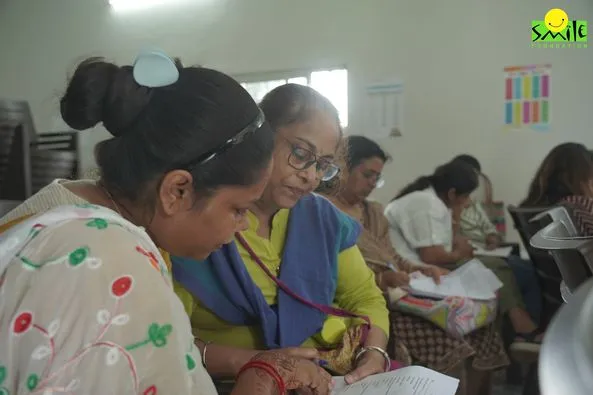
​Smile Foundation enhances educators’ skills through comprehensive training programmes focused on modern teaching methodologies, classroom management, and supporting students’ emotional and social development. These initiatives aim to foster engaging and effective learning environments, ensuring that teachers are well-equipped to meet the diverse needs of their students. 

In alignment with India’s National Education Policy (NEP) 2020, Smile Foundation emphasizes continuous professional development by organizing workshops and seminars that cover various aspects, including subject knowledge, pedagogical skills, classroom management, and the integration of technology in education. These programmes aim to cultivate critical thinking and adaptability among educators, preparing them to navigate the evolving educational landscape effectively. ​

0%