Categories
Women Empowerment

Leveraging Technology for Women’s Empowerment

ChatGPT Image Aug 28 2025 11 35 27 AM

When India’s Prime Minister handed over his social media accounts to five remarkable women achievers – from a chess grandmaster to a farmer-turned-entrepreneur – it was a symbolic celebration of women’s empowerment in the digital ages. Each of these women had harnessed technology for learning, innovation and enterprise, inspiring countless others to imagine new possibilities. But India’s digital revolution has not yet reached the majority of women, especially those in rural and marginalised communities.

According to the latest National Family Health Survey, just over half of urban women have ever used the internet and in rural areas the figure drops to only one in four. This digital divide translates into a gap in education, economic opportunity, healthcare access and voice. Bridging this divide has become essential, and technology – when thoughtfully deployed – is proving to be a powerful equaliser.

Digital inclusion: Bridging gaps in education, work and healthcare

Empowerment begins with access – to information, to services, to opportunity. Today, that access is increasingly digital. Across India and much of the world, mobile phones and the internet have become gateways to learning and livelihood for women who were long constrained by geography, social norms or safety concerns.

In education, a proliferation of government-led digital learning initiatives and private e-learning platforms is bringing knowledge to women and girls who once had to drop out of school or could only dream of a college degree. From mobile apps teaching basic literacy to online coding boot camps, technology is helping women acquire new skills on their own schedule and in their own language.

India’s flagship rural digital literacy program has trained millions of women in basic computer and internet skills, with women accounting for over half of all participants. Partnerships like Google and Tata Trusts’ Internet Saathi initiative alone enabled roughly 30 million rural women to get online over the past decade – women who can now access educational content, government services and job information that was once out of reach.

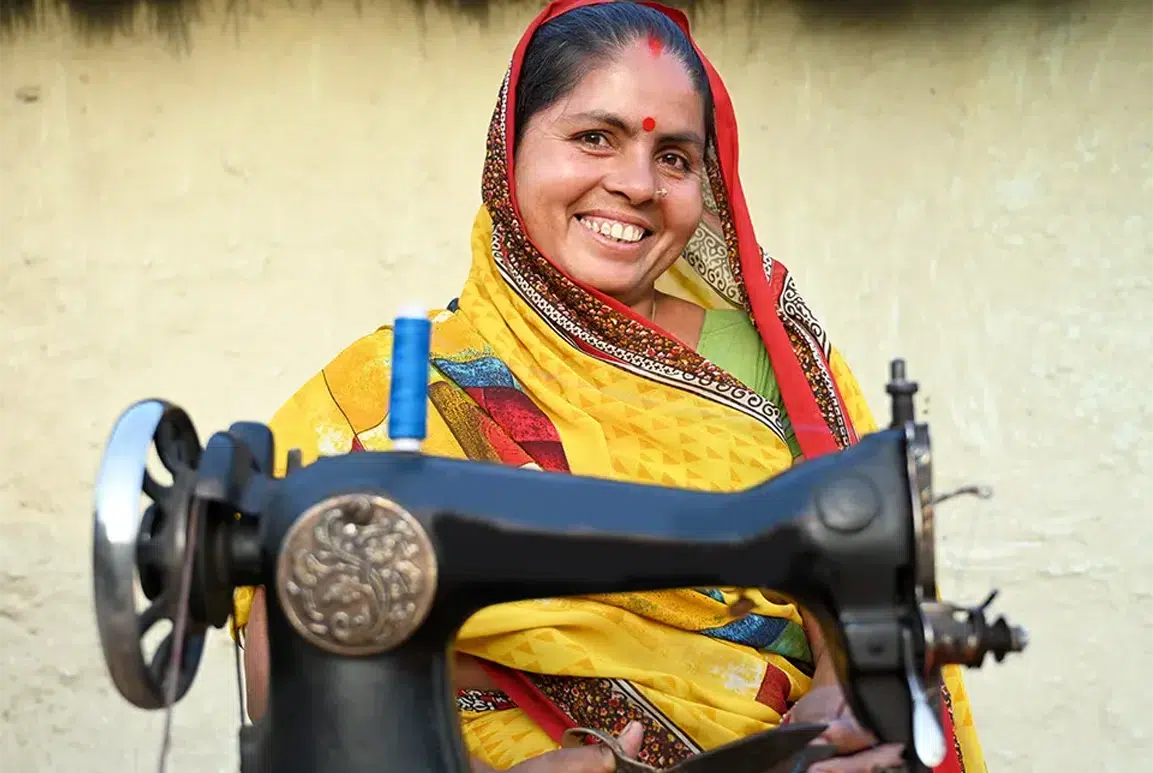
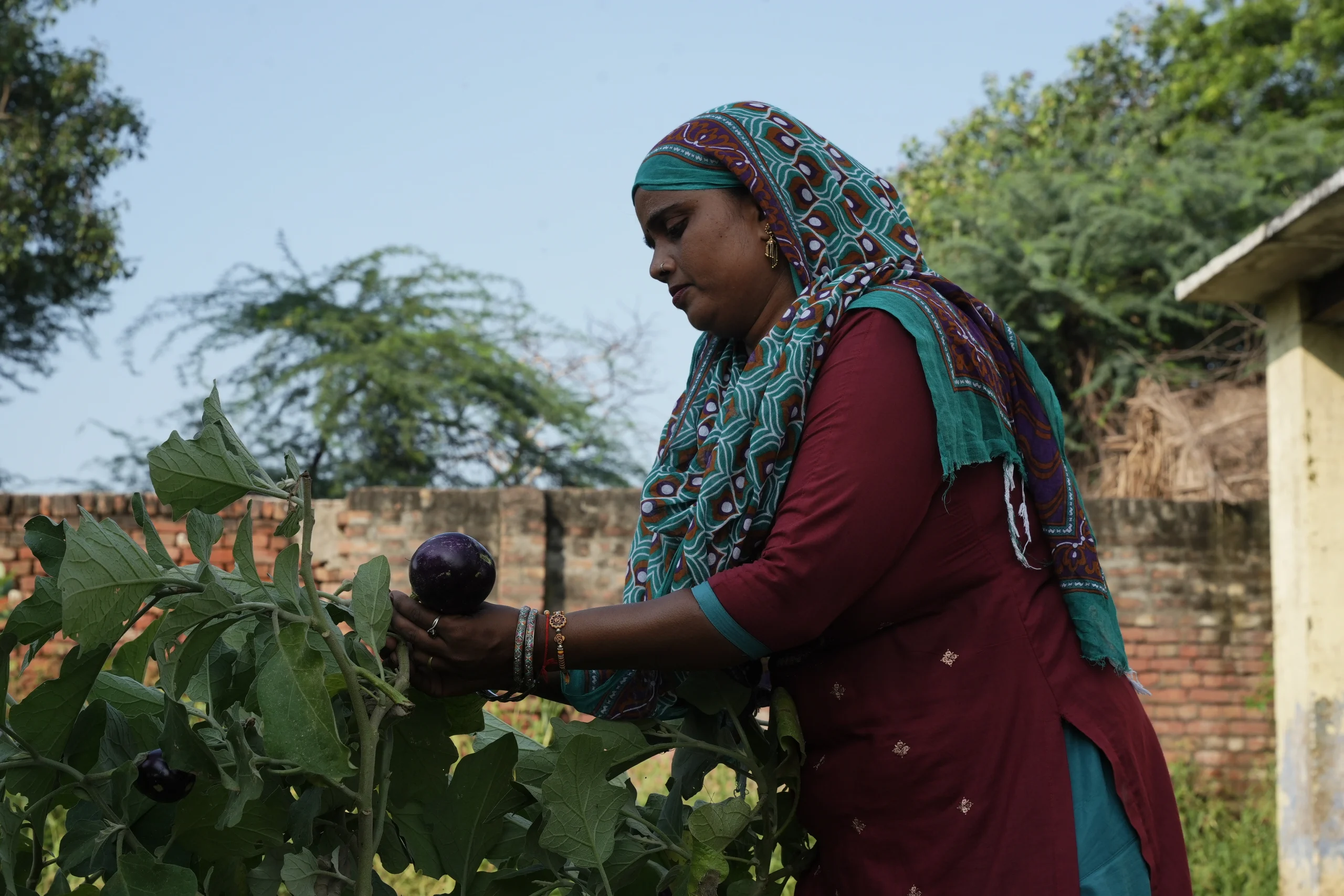
Access to digital tools also opens doors in the workplace and marketplace. Equipped with a smartphone and some training, a woman in a small village can market her handmade products far beyond her local haat, tapping into e-commerce platforms and social media to reach customers across the country. Indeed, e-commerce and social media have created a new class of women entrepreneurs who operate from their homes yet serve buyers nationwide.

ChatGPT Image Aug 28 2025 11 37 13 AM

Take the example of India’s social-commerce platform Meesho, which has enabled millions of women in small towns and villages to become online resellers and business owners with zero upfront investment. By leveraging WhatsApp or Facebook, these women turned their social circles into customer networks, selling everything from saris to homemade pickles. The result is extra income and a newfound confidence and financial autonomy. In fact, studies have found that women entrepreneurs who embrace digital payments and online sales tend to grow their revenues faster, as digital tools help them bypass traditional barriers like limited mobility and lack of bank access.

Crucially, technology is helping overcome one of the most stubborn hurdles to women’s economic empowerment which is the lack of financial inclusion. In societies where women often lacked independent bank accounts or credit, fintech innovations have become game-changers. Through mobile banking apps and India’s Jan Dhan Yojana – a national financial inclusion drive – tens of millions of women have opened simple no-frills bank accounts for the first time.

ChatGPT Image Aug 28 2025 11 41 20 AM

As of early 2025, over 30.3 crore (303 million) women held Jan Dhan accounts, making up about 55.7% of all such accounts. These accounts serve as a crucial on-ramp to economic life: they receive wages or government benefits directly, and they give women a safe place to save money, free from familial control or the risk of theft. The rise of instant digital payment systems like UPI (Unified Payments Interface) further empowers women by giving them a convenient, cashless way to transact and build credit histories.

Direct Benefit Transfer (DBT) programmes are depositing funds straight into women’s bank accounts, bypassing middlemen and reducing “leakage” of welfare money – effectively putting financial decision-making power into women’s hands. Each of these steps – digital literacy, e-commerce, fintech, e-governance – forms a piece of a larger puzzle using technology to dismantle the traditional barriers that kept women out of the formal economy.

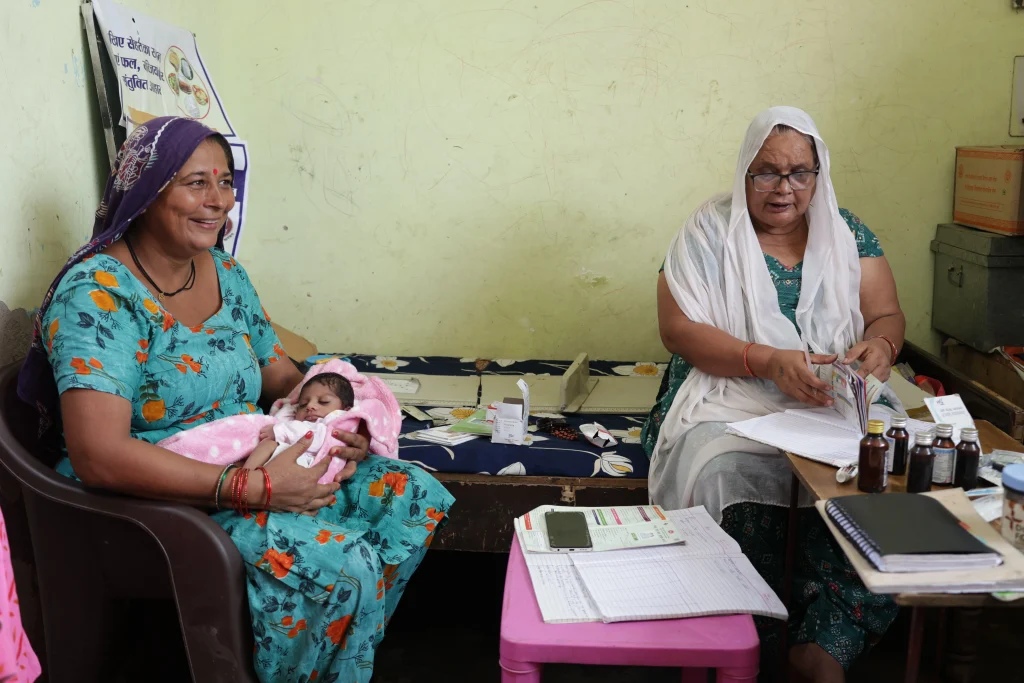
Healthcare, too, has seen technology emerge as a lifeline for women, especially in remote areas. Telemedicine platforms and health apps are bringing medical advice and counselling to women’s doorsteps, often literally. During the COVID-19 pandemic, for example, India’s nationwide telemedicine service eSanjeevani scaled up dramatically to connect patients in far-flung villages with doctors in cities via video calls. This has particular benefit for women, who may be less able to travel long distances for care due to household responsibilities or cultural constraints. As of 2023, over 10 crore (100 million) telemedicine consultations had been provided through eSanjeevani and more than 57% of its beneficiaries are women. These virtual consultations make it easier for a new mother to get postpartum care advice or for an adolescent girl to confidentially seek information about reproductive health, without the expense and stigma that might otherwise be involved.

Mobile health apps are also addressing women’s needs – from period trackers and pregnancy guidance in local languages to mental health counselling chats and emergency helplines for domestic abuse. In rural Rajasthan, for instance, women who never had a local gynaecologist are now able to consult obstetric specialists via telemedicine and receive timely guidance on nutrition or high-risk pregnancy warnings. Technology is effectively closing the distance between women and healthcare – bridging not just physical gaps but social ones, by making health information private, personalised and accessible on a simple phone screen.

India’s tech-powered journey toward empowerment

No country illustrates the promise – and complexity – of leveraging technology for women’s empowerment quite like India. Over the past decade, India has embarked on an ambitious effort to digitise governance and social services, with the explicit aim of including those historically left at the margins. This push aligns with the national vision of Viksit Bharat@2047 – a roadmap for a developed, inclusive India by the centennial of independence. A cornerstone of this vision is the belief that “Empowered Women, Empowered India” and that empowerment must begin with inclusive access to rights and services.

ChatGPT Image Aug 28 2025 11 38 38 AM

In practice, this has meant deploying technology in innovative ways to ensure women and children benefit fully from government programmes – no matter how remote their village, how low their income or how limited their mobility. The Ministry of Women and Child Development (MoWCD) has been at the forefront of this digital transformation, integrating real-time data systems, mobile platforms and transparency mechanisms into its schemes.

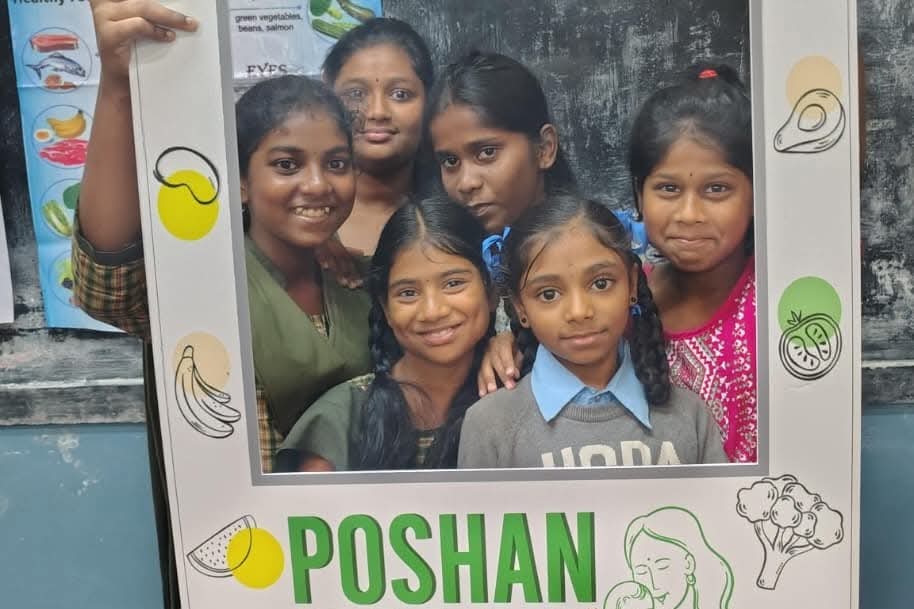
Consider the challenge of malnutrition and early childhood care, which disproportionately affect rural women and children. For decades, India’s vast network of Anganwadi centers – village nutrition and childcare clinics – struggled with antiquated record-keeping and patchy service delivery. In 2021, MoWCD launched the Saksham Anganwadi and Poshan Tracker initiative, dragging this network into the digital age. Today, over 1.4 million Anganwadi centres are linked via the Poshan Tracker smartphone app, enabling Anganwadi workers to log nutrition data, growth measurements, and attendance in real time. More than 10 crore pregnant women, nursing mothers, young children and adolescent girls are registered on this platform, which allows authorities to monitor nutrition delivery nationwide at a glance. Where once there were ledgers that took months to compile (and often concealed gaps or the bad word, corruption), there are now real-time dashboards and geo-tagged progress reports. Supervisors can pinpoint which village hasn’t received its supply of supplementary food this week or which child is faltering on growth indicators and act immediately. The digital tracking has ushered in precision, efficiency and accountability in nutrition services and this hasn’t gone unnoticed – Poshan Tracker was recognised with the Prime Minister’s Award for Excellence in Public Administration in 2025. Technology even helped plug leakages in these programmes: a new facial recognition feature for attendance and ration pickup ensures that ghost beneficiaries are weeded out and only the rightful women and children receive the nutrition support, eliminating middlemen and fake claims. These measures, while tech-heavy, ultimately serve the larger purpose of every mother and every child getting the nourishment they are entitled to and any lapses can be caught early rather than lost in bureaucracy.

Another leap has come in the form of paperless, direct aid for pregnant and lactating women. The Pradhan Mantri Matru Vandana Yojana (PMMVY) – a maternity benefit scheme – historically faced hurdles like slow payments and complex paperwork. By digitising the entire process, those problems are fading. Today, a woman who conceives her first child can register online or via a mobile app with Aadhaar identification, and receive ₹5,000 directly into her bank account to support her nutrition and medical needs during pregnancy. If she has a second child and it’s a girl, some states provide an additional ₹1,000 as an incentive under the Beti Bachao, Beti Padhao initiative. Over ₹19,000 crore in benefits has already been disbursed to more than 4 crore (40 million) women through PMMVY’s digital platform, with doorstep assistance from Anganwadi and ASHA health workers ensuring even women in remote hamlets can enroll. The scheme’s online grievance redressal portal and live dashboards add further transparency – a beneficiary can track her payment status on her phone and officials can quickly spot delays or issues in any district. The upshot is not only quicker assistance to pregnant women, but also a subtle shift in perceptions with women being seen not as passive recipients of welfare but as rights-bearing citizens who can demand and track their entitlements. This model of Direct Benefit Transfer to women’s accounts bolsters women’s say in household spending (since the money is in their name) and it introduces many unbanked women to the formal financial system for the first time. In fact, the success of DBT in schemes like PMMVY has contributed to India’s broader push for women’s financial inclusion, with the majority of Jan Dhan accounts now belonging to women. It is a powerful feedback loop where technology-enabled welfare gives women financial traction, and which in turn empowers them economically and socially.

Beyond health and welfare, technology is also being wielded to protect women’s rights and safety. One notable innovation is the SHe-Box portal – an online platform that provides a single-window mechanism for women across India to report workplace sexual harassment. Under the law (the Prevention of Sexual Harassment Act, 2013), employers must address such complaints, but many women, especially in informal sectors, struggled to navigate the process. SHe-Box has made it as simple as logging on and filling a form; the complaint is then routed to the appropriate authority, and the progress can be tracked online. By bringing a usually hidden injustice into the digital open, this platform has lowered the barriers to reporting abuse and signalled that harassment will no longer be swept under the rug.

Likewise, the Mission Shakti mobile app and dashboard serve as a digital panic button and resource guide for women in distress. A woman facing violence or trafficking can, with a few taps, connect to the nearest One-Stop Crisis Centre and police assistance, rather than physically visiting multiple offices. Nearly every district in India now has an OSC and by linking them digitally, Mission Shakti ensures women can find help immediately and discreetly. These tech tools not only rescue women from danger but also empower them with knowledge – the app, for instance, provides information on legal rights and helplines, reinforcing that women have avenues for justice.

Children, too, benefit from this tech-led governance model, especially girls and orphans who are among the most vulnerable. Under the Juvenile Justice Act, the government launched CARINGS (Child Adoption Resource Information and Guidance System), an online portal that tracks every step of the adoption process. Prospective parents can register, view available children’s profiles (with privacy safeguards) and be vetted through a transparent digital queue, replacing what used to be a murky, delay-ridden system. The portal has brought new transparency and efficiency to child adoption, reducing waiting times and ensuring that adoptive families and children are better matched.

Similarly, Mission Vatsalya is using tech to oversee child welfare institutions and foster care: a centralised dashboard compiles reports from thousands of Child Care Institutions across states, flagging any incident of abuse or violation of child rights in real time. Authorities can thus respond swiftly – for example, if a shelter home reports an incident, national officials see it immediately and can intervene or allocate resources. By knitting together police, legal services and child protection units via one data system, the government has created an accountability chain that is much harder to break. If one asks what difference all these digital interventions make on the ground – the answer lies in outcomes.

Over the past several years, India’s sex ratio at birth has modestly improved from 918 girls per 1000 boys to about 930 per 1000, indicating progress in curbing sex-selective practices and valuing daughters. Maternal mortality has fallen significantly to 97 per 100,000 births, from 130 per 100,000 six years ago. While many factors contribute to these trends (like better health facilities and awareness), officials credit the last-mile targeting and monitoring made possible by technology for accelerating the gains.

At the very least, digitisation has squeezed out some inefficiency and inequality in service delivery, meaning more pregnant women get timely care and more girls survive and thrive. It has also built greater public trust in welfare schemes – when people can see their entitlements credited to their bank or issues resolved on a portal, faith in the system strengthens.

How technology catalyses women’s leadership

One of the most transformative – if less tangible – impacts of technology on women’s empowerment is how it amplifies women’s voices and leadership. Traditional hierarchies often limited who could be a leader: one had to be physically present in meetings, have advanced education or be part of old boys’ networks. Digital platforms are blowing up many of those barriers. Through online education and mentoring networks, women are gaining leadership skills on their own terms. A young woman in a small town can enroll in a virtual leadership workshop or connect with a mentor on LinkedIn, without needing the “right” social connections.

ChatGPT Image Aug 28 2025 11 43 43 AM

Virtual collaboration tools and remote work, now widely accepted, also enable more women – especially those balancing childcare or eldercare – to take on decision-making roles without being confined to an office from 9 to 5. This flexibility is chipping away at the age-old bias that equated leadership with constant physical availability. Indeed, during the pandemic, many workplaces discovered that productivity and teamwork could survive online; as a result, more women (and men) are advocating to keep these flexible arrangements. For women, this means careers don’t have to pause due to marriage or motherhood – they can continue to lead projects, startups or community initiatives from wherever they are.

Technology has also provided women leaders with new platforms to be heard and taken seriously. In the past, getting a seat at the table – whether in politics, business or academia – was a formidable challenge for women, and even when present, their ideas were often overlooked. Now, consider how social media, blogs and webinars allow women to publish their expertise and build their reputations in a visible way.

Female scientists, entrepreneurs, artists or policy experts can bypass traditional gatekeepers by directly reaching audiences online. A female agronomist in a rural area can start a YouTube channel advising on farming techniques and gain thousands of followers, establishing herself as an authority without needing a male intermediary. Similarly, women in governance can leverage data and transparency tools to strengthen their leadership. In India, many local councils now have women as elected members (thanks to reservations) and some are using apps to track village budgets or WhatsApp groups to coordinate initiatives. These digital tools help them make decisions based on real data and mobilise constituents quickly, thereby enhancing their effectiveness and credibility.

Moreover, the very existence of digital records and analytics in workplaces and government tends to reduce biases – performance can be measured in concrete outcomes (sales figures, response times, etc.) rather than subjective impressions. This shift benefits women, who have historically been judged by stereotypes more than results. In a tech-driven environment, if a woman-led team delivers, the numbers speak louder than any prejudice.

Of course, none of this means the playing field is suddenly even. Online spaces come with their own challenges – harassment and trolling of outspoken women, the need for digital skills that not all have and the risk of new forms of exclusion (like algorithmic bias). But even here, technology is providing counterweights. Women-centric online communities and safety apps are emerging to support those who face abuse or discrimination.

For instance, encrypted reporting apps allow women in an organisation to collectively flag a harasser, making it harder for incidents to be silenced. Campaigns for digital citizenship education are teaching young girls how to navigate the internet safely and assertively. All these efforts contribute to an environment where more women dare to step into leadership roles, knowing they have tools and allies at their disposal.

Empowering through collaborative action

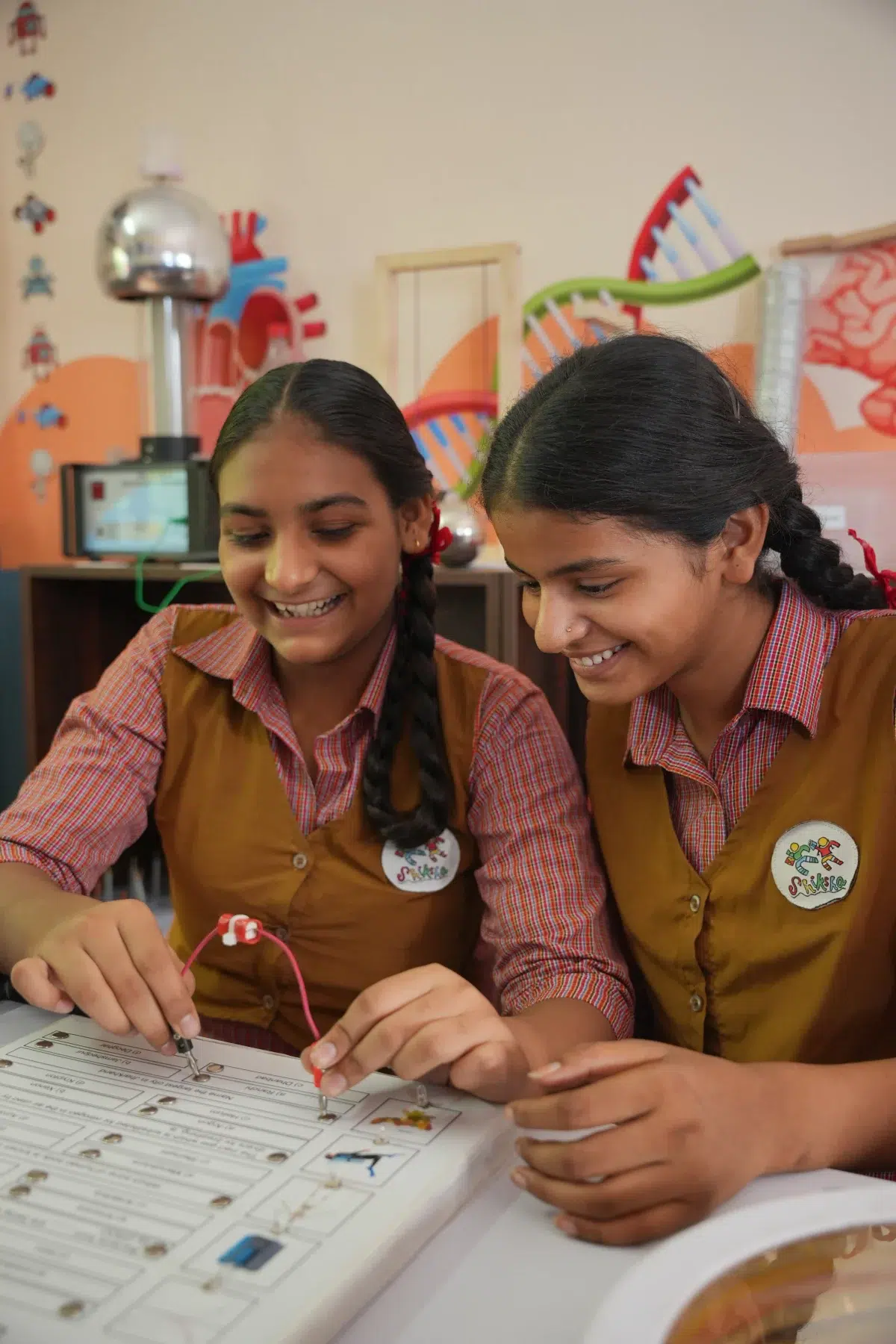
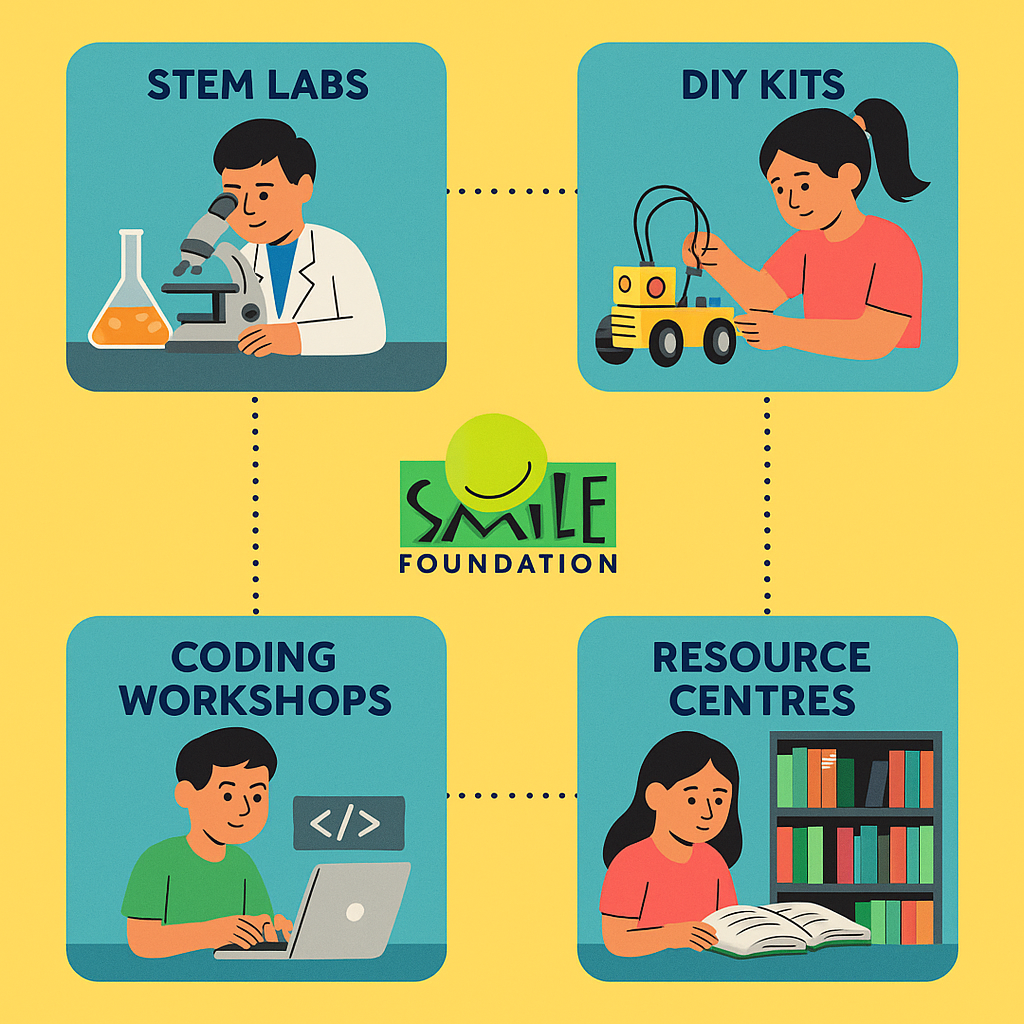
The digital gender gap is a work in progress and the reality remains that a large number of women are still offline or only minimally connected. This is where collaboration between government, private sector and civil society becomes crucial. As an example, consider the role of NGOs like Smile Foundation, which works across India to bring technology and training to those at the last mile. In partnership with government bodies and corporates, Smile Foundation extends the reach of digital empowerment into some of the country’s most underserved regions. A key focus area has been integrating technology into STEM education (Science, Technology, Engineering, Mathematics) for girls and young women, to sow the seeds of future empowerment. Through its STEM for Education initiatives, Smile Foundation has introduced thousands of students from low-income communities to the marvels of robotics, coding and even aerospace modelling – fields they barely knew existed.

In one year-long collaboration with IIT Bombay, over 1,000 students from under-resourced schools were mentored in hands-on projects like 3D printing, building hovercrafts, solar lamp making and basic robotics. Many of these students were girls who, for the first time, got to tinker in a state-of-the-art lab and see themselves as potential engineers or scientists. Not only do these girls learnt technical skills, they also gained the confidence to pursue higher education and careers in STEM, traditionally male-dominated arenas.

By embedding technology in education, NGOs like Smile are preparing the next generation of women to be creators of technology, not just users. We provide teacher training, digital learning modules in local languages and even basic infrastructure like tablets or projectors in rural classrooms. The approach is holistic combining curriculum with curiosity. As one Smile Foundation programme manager put it, exposure leads to aspiration: a girl who has built a simple circuit in 8th grade is far more likely to envision herself as an electrical engineer a few years later.

ChatGPT Image Aug 28 2025 11 40 21 AM

Importantly, these community-level interventions complement larger government schemes. While the government builds digital highways and platforms, it often takes local trust and tailored training to actually get women to walk those highways. Public-private partnerships and CSR-funded programmes have stepped in to do just that. We organise digital literacy camps for women, set up computer centres in villages or provide micro-loans for women to buy smartphones.

By one estimate, nearly 20 million of the people made digitally literate under the Pradhan Mantri Digital Saksharta Abhiyan were women – over half of all trainees. This was possible because implementation partners went door-to-door to convince families to let their daughters learn computers and because classes were held at times that women could attend.

Likewise, numerous success stories underscore how a nudge from an NGO or a company can turn technology into empowerment. In one Haryana village, a group of women trained by UNDP listed their homemade bangles on Facebook Marketplace, boosting their festive-season earnings by 60%. In Maharashtra, an Internet Saathi trainee went on to launch her own honey business online and now mentors other village women in digital entrepreneurship. These examples show that when women gain digital skills and support, they don’t just improve their own lives but also become catalysts for broader community change, hiring other women, sharing knowledge and breaking stereotypes one by one.

Technology is not a panacea or a standalone solution but an enabler that can accelerate every other aspect of women’s empowerment. The task now is to ensure that digital inclusion efforts leave no woman behind. This means addressing affordability (so that devices and data plans are within reach for poor women), promoting digital literacy in vernacular languages and ensuring online spaces are safe from abuse and misinformation that disproportionately target women. It also means designing technology with women’s needs in mind: for example, fintech products tailored for women with irregular incomes or e-learning content that accounts for women’s dual burdens of work and home. The Indian government’s ongoing programs, from Digital India to Mission Shakti, signal a commitment to this inclusive approach, but they will need continuous feedback and course correction. For instance, if a dashboard shows fewer women using a portal in one region, officials and activists should investigate whether cultural factors are at play and address them through awareness campaigns.

In conclusion, leveraging technology for women’s empowerment is about rewriting social scripts. It’s about a woman in a remote village who can now assert her rights because she knows the government scheme and can apply online; a young graduate who can work for a multinational company from her hometown; a mother who gains respect in her family because money is coming into her bank account; a girl who decides to become a scientist because she fell in love with coding at a workshop. Each of these stories, multiplied millions of times, adds up to a society transformed. India’s journey shows both the immense potential of technology and the importance of thoughtful implementation.

Digital tools have enabled timely interventions in nutrition, education, health and justice, ensuring that development benefits are no longer confined to the privileged urban elite. They have embedded transparency and accountability into public service delivery, making the state more responsive to every woman at the last mile. And perhaps most importantly, they have given women a newfound voice – whether through data, through entrepreneurship or through online networks of solidarity.

For India’s women, once isolated by distances both physical and societal, that bridge is proving to be nothing short of transformational. The task now is to strengthen it, widen it, and ensure that every woman, from the cities to the deepest villages can stride across to claim her rightful future.

ChatGPT Image Aug 28 2025 11 45 49 AM

Sources:

Categories
Education Women Empowerment

Digital Pathways to Women Empowerment

ChatGPT Image Aug 25 2025 12 28 41 PM 1

When the Prime Minister entrusted his social media platform to remarkable women achievers Vaishali Rameshbabu (chess grandmaster), Elina Mishra (nuclear scientist) Shilpi Soni (space scientist), Anita Devi (farmer-entrepreneur) and Ajaita Shah (CEO of Frontier Markets), it was a celebration of women empowerment in its truest sense. Each of these women, through dedicated training and skill development, harnessed the potential of digital tools for learning, innovation and market access—transforming personal expertise into national impact, and inspiring countless others to reimagine what is possible.

But these stories, as powerful as they are, risk masking a harder truth. India’s digital revolution has not yet reached most women. The National Family Health Survey reveals that just over half of urban women use the internet (51.8% of urban women to be precise), and in rural areas the figure drops to one in four

For women in rural areas, this gap translates into slower economic advancement, as limited access to digital tools shut them out of markets, innovations and opportunities that could drive both individual mobility and collective growth.

Women empowerment rests on economic stability

Anchored in the promise of the Sustainable Development Goals — and reinforced by India’s own CSR mandate — lies a simple truth that women’s empowerment in the 21st century cannot be achieved without digital inclusion. Technology is a gateway to opportunity, dignity and independence. It is the bridge that allows women to shape not only their own futures, but also that of their communities.

Yet India continues to stumble on the most basic step of putting a smartphone in every woman’s hand. In low-income families, device ownership for women remains elusive. In rural areas, affordability, low literacy, restrictive social norms and safety concerns layer barriers upon barriers. The result is stark digital exclusion — and with it, a narrowing of women’s choices.

This exclusion is not abstract and it directly impacts women empowerment, as it limits- 

  1. Participation in markets
  2. Access to finance 
  3. Engagement in governance processes 

It also shows up in entrepreneurship. Women-owned enterprises make up barely one-fifth of India’s registered MSMEs (only 20.5%), according to the Udyam portal. The digital divide compounds this inequity, making it harder for women to scale ideas, connect with customers or tap into supply chains.

If left unaddressed, this gap will calcify. It risks creating two parallel economies —  one where men ride the momentum of digital growth, and another where women remain on the margins. Digital empowerment is not an add-on to gender equity — it is its backbone. Without it, India’s growth story will remain half-written.

Government-led digital pathways for women 

Over the years, India has taken important steps to bridge the digital divide for women, especially in rural areas. From digital literacy drives and online marketplaces to financial inclusion through mobile-linked bank accounts, these initiatives reflect a growing recognition of technology being not just a tool, but one of the digital pathways to empowerment.

By giving women the skills to navigate digital platforms, access markets and manage their own finances, these efforts open doors to opportunity and independence. But while the framework exists, the real challenge lies in ensuring that every woman can actually benefit from it.

Collective efforts for consolidated solution  

While the government may lay the groundwork for women’s empowerment, the story cannot end there. Real change in rural India depends on whether women are given the skills, tools and confidence to use those opportunities. This is where social stakeholders come in.

CSR–NGO partnerships have the power to turn good intentions into lasting impact. By complementing government initiatives with targeted training and digital access, they can help women move from the margins to the marketplace. They can ensure that empowerment is about women building livelihoods that last, communities that thrive and futures they can shape on their own terms.

While the Government of India is spearheading the women empowerment movement creating pathways for rural women to achieve financial independence and stability, the role of social stakeholders remains critical. CSR–NGO partnerships carry an equal responsibility to ensure these initiatives realise their full potential. By complementing governmental efforts with targeted support, they can equip women in rural India with essential skills and digital tools, enabling them to build sustainable livelihoods and stand confidently on their own feet.

Outcome-driven CSR model for women’s empowerment under Schedule VII

India has no shortage of well-intentioned programmes for women. But the question is no longer if we should empower women — it’s how. And increasingly, the answer lies in what happens when corporations and NGOs come together with purpose, not just compliance.

An outcome-driven approach, when aligned with Schedule VII of the Companies Act, can push CSR spending beyond tokenism. It can deliver real, measurable change if partnerships are designed to pool expertise, networks and resources. 

AD 4nXe6VB31HalSsJnxP4R1UlOol8KPJzzju9KVTEQv6A7Sr9Z6N53tCq02OEyCKXU71iV62mrI82wPt8imnyU X2bHfDkKs11subLgiQeh8IILGhR 3vOwtRSsBJ yfomNXUpTfbhU?key=j5o3vAPl7Xs5K4tU21utUA

Education and skills: The first lever of change

The story of empowerment often begins in the classroom — or these days, on a screen. Investment in vernacular digital and financial literacy, accredited training and mentorship networks arms women with market-ready skills. It also gives them the confidence to step into India’s rapidly shifting economic landscape.

Breaking barriers to equality

CSR funds directed towards safety technologies and leadership pipelines do more than tick boxes on gender equality. They chip away at systemic barriers, creating pathways for women to participate fully in digital, corporate and entrepreneurial ecosystems that have long excluded them.

Building livelihoods, not just incomes

When women in rural India are connected to e-commerce platforms, supported with logistics solutions and integrated into local markets, the result is not just higher earnings. It is the transformation of livelihoods — whole families and communities stand taller when women producers gain access to profitable markets.

Seeding women-led innovation

Perhaps the most exciting frontier is incubation. Co-funded CSR–NGO interventions can back women-led startups in agritech, fintech or edtech — areas that directly touch the challenges rural women face daily. With the right support, these businesses change how communities live, learn and work.

AD 4nXdIc x1Mfo4iEbwFVcJL3IsDpYuhwVqE0BOpxzlgess58UDbuUQ cCoUuW0p495gPtn3GaOWvXH47dfCJd90rQxT8paFDk7YhOt 4UI9d93vNokhAD JKaOqa iho8FqtYcgR9Pg?key=j5o3vAPl7Xs5K4tU21utUA

Real faces of empowerment

Yashodha, once a learner herself, now trains rural women in Aari work through Smile Foundation’s programme, blending embroidery, business skills and digital know-how — empowering them to earn, support their families and inspire others toward self-reliance.

DP 1

Through Smile Foundation’s training, Sowmya turned cotton wick-making into a steady income stream. Learning business planning, cost tracking, navigating digital payment platforms and local market outreach gave her financial stability, family support and the pride of shaping her own economic independence.

Women’s empowerment in action with Swabhiman

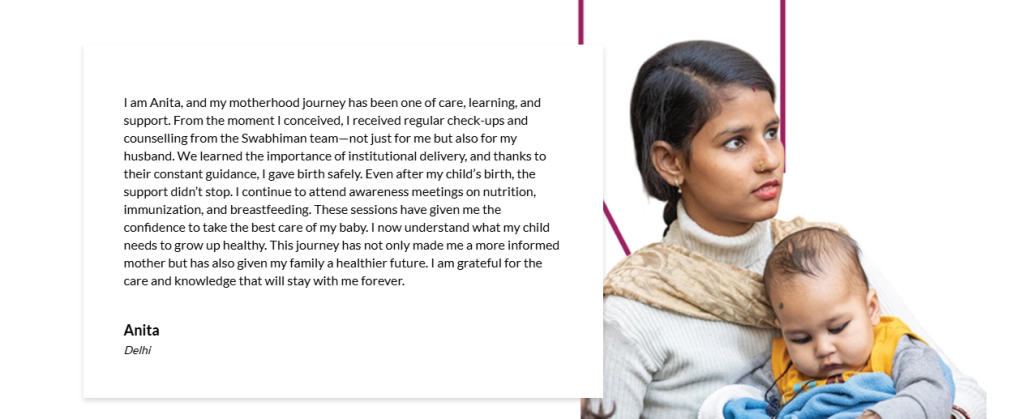
In villages where opportunity once felt distant, Smile Foundation’s Swabhiman programme is helping women embrace digital tools — running businesses on smartphones, selling through online marketplaces and taking control of their economic future.

Core Empowerment Pillars:

  • Entrepreneurship & Skill Development – Tailored training for women from rural and urban low-income areas, enabling them to start, manage and grow small-scale enterprises.
  • Financial Literacy – Guidance on budgeting, profit calculation, savings and reinvestment, ensuring sustainable business growth.
  • Market Linkages – Support in connecting with local, regional and digital buyers, expanding customer reach.
  • Digital Inclusion – Vernacular training in e-commerce onboarding and technology adoption.

With mentorship from industry experts and in-house trainers, participants master business planning, marketing and customer engagement. This knowledge has already led to the creation of 68 women-led businesses and micro-enterprises in FY 24, breaking traditional gender barriers and driving community progress.

For these women, empowerment is the confidence to lead, the resilience to adapt and the ability to inspire the next generation.

Power change, together!

Digital empowerment is the foundation for women’s economic participation in India’s growth story. While government schemes have set the stage, the journey from awareness to adoption demands the collective strength of CSR, NGOs and local communities. By bridging the digital divide, Smile Foundation enables women to scale businesses, lead change and inspire generations. 

ChatGPT Image Aug 25 2025 11 19 51 PM

Partner with us!

Sources:

Categories
Smile

Can India Retain Its Best Minds?

ChatGPT Image Aug 26 2025 12 38 29 PM

Every year, millions of Indians pack their bags for foreign universities, hospitals, and laboratories. More than 1.8 million study abroad; hundreds of thousands more settle in richer economies. This global demand flatters India’s education system — but at home, the departures have begun to look like a strategic loss.

In recent years this outflow of brain drain has reached striking levels. Between 2015 and 2022, an estimated 1.3 million Indians emigrated, many of them doctors, engineers, IT professionals and academics. In 2022 alone, a record 225,000 Indians renounced their citizenship, often to acquire passports of countries like the United States, Canada, Australia, and those in Europe.

This exodus reflects both the global demand for Indian talent and persistent gaps in India’s domestic environment. As India aspires to great-power economic status and self-reliance, the question of how to stem talent loss – or even convert it into “brain gain” – has taken on new urgency.

The scale of India’s talent exodus

By sheer numbers, India’s diaspora is the largest in the world – roughly 20 million Indians were living overseas as of 2020. Not all are highly skilled, but a significant share are professionals and students, and this number is climbing fast. In fact, India now accounts for a third of all international students in major destination countries (U.S., UK, Canada, Australia), a huge jump from just 11% a decade ago.

Every year, hundreds of thousands of young Indians enroll in foreign universities – an educational exodus financed by families back home. Indian households spent about $44 billion in 2024 on overseas education for their children, a figure projected to double to $91 billion by 2030. This includes tuition and living expenses and represents a massive outflow of capital. There is also a steady stream of skilled workers moving overseas for jobs. On average around 2.5 million Indians emigrate each year (of all skill levels), a trend that “threatens India’s growth by depleting its skilled human capital,” as one analysis noted.

The profile of this migrant talent pool spans industries. In technology, Indians comprise a sizeable portion of Silicon Valley’s workforce and startup founders. An estimated one-third of engineers in Silicon Valley are of Indian origin, and Indians have founded or led dozens of “unicorn” tech startups globally. In corporate leadership, Indians punch above their weight: over 10% of Fortune 500 CEOs are Indian-born or of Indian origin, running giants like Google, Microsoft and Adobe.

In medicine, India is one of the largest exporters of doctors and nurses; for example, Indian-trained physicians form a significant part of the workforce in the UK, US, Canada and the Gulf. This outward flow underscores India’s strong education in fields like engineering and medicine – but also raises flags about domestic shortages.

citizenship renunciation trend

In academia and research, Indian scientists often seek opportunities abroad: India was the second-largest source of foreign science and engineering PhD students in the U.S. in the 2000s and 2010s (after China) and Indian students earned about 13% of U.S. doctorates awarded to foreign nationals in 2018. These figures illustrate the scale at which India’s talent is contributing to other economies and institutions.

Why India’s brightest leave

The causes of India’s brain drain are multifaceted, involving both “push” factors at home and “pull” factors from abroad. Surveys and studies consistently point to a mix of economic, professional and quality-of-life motivations driving Indians to migrate. Some of the key reasons include:

  • Higher salaries and career opportunities: A talented professional in technology or healthcare can earn significantly more in Silicon Valley or London than in India. Many global companies actively recruit in India – for instance, tech giants like Google and Microsoft hire scores of Indian engineers and Western healthcare systems eagerly accept Indian doctors and nurses. The wage differentials are stark; even Indian IT firms have sometimes facilitated “talent export” by sending employees abroad on projects and H-1B visas. Ambitious individuals often feel that top roles, cutting-edge projects or a fast career trajectory are more accessible overseas.
  • Research and academic infrastructure: For scientists, researchers and academics, the allure of world-class labs, abundant research funding and intellectual freedom in the U.S. or Europe is strong. India’s R&D spending has hovered around a low ~0.7% of GDP, trailing far behind advanced economies that invest 2–3% of GDP in research. This translates to fewer research positions and grants at home. A physics or biotech PhD from IIT might head to the West where universities and companies offer state-of-the-art facilities and support for innovation. The limited availability of postdoctoral and faculty positions in India’s universities and national labs also pushes many freshly minted Indian PhDs to continue their careers abroad.
  • Quality of life and public services: Many emigrants cite better living standards abroad – everything from reliable infrastructure to cleaner air. Big Indian cities struggle with problems such as pollution, traffic congestion and strained public services. For instance, air quality in Delhi or Mumbai often exceeds safe limits, which is a deterrent for those who can choose a life in cleaner environments. Additionally, concerns about public safety and governance play a role. A study of migrating healthcare professionals noted that personal safety, law and order and environmental conditions are significant in the decision to settle abroad. Countries like Canada and Australia actively market themselves to skilled immigrants with promises of safe cities, efficient public transport and social benefits, making them attractive to Indian families.
  • Education and skill gaps: Ironically, one driver of student exodus is the limited capacity and competitiveness of India’s own education system. Top Indian institutions (IITs, IIMs, AIIMS, etc.) are world-class but can only admit a tiny fraction of applicants. Many students who don’t secure one of those few spots or who can afford it, opt for universities in the U.S., UK or Australia. Others are drawn by specialised courses or interdisciplinary programmes not widely available in India. In some fields, attending a Western university is seen as a fast-track to international careers. Additionally, the high cost or limited quality of certain programmes at home (for example, expensive private medical colleges) pushes students to seek better value abroad. This educational outbound flow has become a major facet of brain drain, as a large share of those who go abroad for studies choose to start careers and settle there after graduating.
  • Immigration policies abroad: On the pull side, many developed countries have immigration policies explicitly designed to attract skilled workers. The points-based systems in Canada and Australia, the H-1B work visa in the U.S., and talent visa schemes in European countries all act as magnets for Indian talent. In recent years, Canada has seen tens of thousands of Indian IT professionals and students become permanent residents annually, thanks to its welcoming stance on skilled immigration. These policies, combined with large Indian diaspora communities already established overseas, create a reinforcing cycle inviting more Indians to migrate.
  • Entrepreneurial ecosystem: For startup founders and entrepreneurs, certain foreign locales offer easier access to venture capital, mentorship and markets. Silicon Valley’s vibrant ecosystem, for example, has drawn numerous Indian entrepreneurs. While India’s own startup scene has grown (Bengaluru and Delhi are now major hubs), some innovators still leave to incorporate their companies in the U.S. or Singapore to tap global investors and infrastructure. Until very recently, regulations in India made doing business comparatively cumbersome, which led some entrepreneurs to move abroad for a more favourable business climate. High-net-worth individuals have also emigrated for reasons like lower tax regimes or more stable regulations elsewhere – between 2014 and 2018, approximately 23,000 Indian millionaires left the country, according to one World Bank report. This “rich-person brain drain” underscores that beyond scientists or engineers, the wealthy and business elite may also seek greener pastures.

It’s evident that brain drain is not simply individual wanderlust, but rooted in structural issues. As one commentary put it, India must address “the urgent need for systemic reforms” so that talented citizens find educational excellence, economic opportunity and an innovative environment at home. Otherwise, the magnetic pull of developed nations will continue to draw India’s best and brightest away.

The cost of talent loss

The impacts of brain drain on India are profound and multi-dimensional. At the most direct level, every skilled worker or scholar who leaves represents a loss of human capital for the Indian economy. The country effectively subsidises the education and training of these individuals only to see another nation reap the benefits of their productivity. A study on the fiscal effects of emigration estimated that India loses the equivalent of about 0.5% of its gross national income each year due to high-skilled workers moving to the U.S., which is roughly 2.5% of India’s total tax revenue.

In concrete terms, this is a loss of tens of billions of dollars in potential annual economic output and taxes. In the critical IT sector alone, India may be forfeiting $15–20 billion annually by way of talent that contributes to foreign firms and economies instead of domestically. One informal estimate even pegged the overall cost of brain drain at $160 billion per year, which interestingly is about double India’s defense budget. While such figures are hard to pin down precisely, they underscore the massive opportunity cost of educated Indians working abroad.

The innovation deficit is another concern. When top scientists, engineers and entrepreneurs leave, the country loses out not only on their current contributions but on the multiplier effect they could have had – the startups they might have founded, the patents they might have filed, the students they might have mentored. Silicon Valley’s gain in Indian talent has at times been India’s loss in technological leadership. For example, many Indian-origin tech leaders in the West could have been driving innovation in India’s own companies or research labs, had the conditions been right.

A brain drain of researchers can weaken local knowledge networks, as innovative ideas and collaborations flow outwards. It is telling that India, despite its large workforce, still underperforms in high-end innovation metrics (such as patents per capita or research publications) relative to its potential – a gap partly attributable to decades of scientific talent migrating.

Certain sectors feel the pinch of talent loss acutely. The healthcare sector is a prime example and case study in brain drain dynamics. India today has roughly one million active doctors for a population of 1.4 billion, well below the recommended ratio. Yet India has trained many more doctors – a large number have moved to countries like the UK, U.S., Canada and Australia which actively recruit medical professionals. This outflow “mitigates the effects of increased domestic healthcare spending” by creating shortages of specialists and experienced clinicians in India.

For instance, Indian hospitals, especially in rural areas, struggle to hire enough doctors even as Indian physicians serve in large numbers abroad. The nursing workforce shows a similar trend: states like Kerala and Punjab have a tradition of nurses emigrating to the Gulf or West, leading to domestic shortfalls. The result is an uneven health system where certain regions in India remain underserved. Brain drain thus can quite literally be measured in human lives when you consider patients who lack adequate doctors or healthcare workers.

Beyond the immediate economic and service delivery impacts, there is also a psychological and social cost. A persistent narrative of talent leaving can create a sense of pessimism or diminished national confidence. It can also reinforce itself: if young people see their role models and peers all planning to go abroad, they too are more likely to aspire to leave. This can erode the ambition to improve one’s own country.

Moreover, high-profile cases of brain drain – like Indian engineers driving Silicon Valley or Indian scientists in NASA – often spark debates within India about the environment that drove them away. As one policy forum noted, issues like high taxation, bureaucracy and inadequate research infrastructure in India have discouraged some expats from returning and deterred would-be innovators at home. The loss of any single individual might not cripple a nation of India’s size, but cumulatively the talent outflow has meant fewer dynamic job creators, thought leaders and experts on the ground in India.

It’s not all a one-way loss, however. There are also countervailing gains and silver linings from having a large global Indian diaspora – something we explore later. For now, it’s clear that the net effect of brain drain is a serious concern. Recognising these costs has galvanised Indian policymakers and institutions to search for solutions to convert “brain drain” into “brain gain.”

Efforts to reverse the trend

Facing the challenge head-on, India in recent years has launched a multi-pronged effort to retain talent and incentivise its return. The government, academic institutions and even private sector have started addressing the root causes that drive people away – from boosting research funding to improving career prospects. Key initiatives and policy measures include:

  • Investing in research & innovation: A core strategy is to build world-class research infrastructure at home so scientists and engineers don’t feel they must go abroad to do cutting-edge work. The Department of Science & Technology (DST) and other agencies have pumped funds into new labs, centres of excellence and grant programmes. For example, DST’s Fund for Improvement of S&T Infrastructure (FIST) programme provides grants to universities to upgrade laboratories. Likewise, a new National Research Foundation (NRF) was established by an Act in 2023 to steer more strategic research funding into Indian institutions. These efforts aim to address the chronic underfunding of R&D. There’s also greater support for innovation and startups: the Startup India initiative launched in 2016 created a seed fund (₹9.5 billion) and a network of incubators across the country. Today, India boasts the 3rd largest startup ecosystem globally (over 100 unicorn startups), indicating growing opportunities for innovators to thrive without leaving.
  • Improving compensation and career paths: Recognising that salary differentials drive many away, some Indian sectors have begun offering more competitive packages, especially in tech and academia. Government research institutions introduced schemes like Performance Related Incentive Scheme (PRIS) and flexible promotions to reward productivity. Premier educational institutions (IITs, IISc, AIIMS, etc.) have been granted more autonomy to hire top talent, sometimes at higher pay scales or with modern tenure tracks, to attract global-caliber faculty. There is also discussion of offering tax incentives or easing administrative hurdles for returning professionals, such as fast-tracking visas or providing tax breaks on income for a few years, though concrete policies on this front are still evolving. The private sector, for its part, has seen MNCs establishing R&D centers in India that pay internationally competitive salaries (Google, Microsoft and IBM all have large research labs in India now). If India’s rapid economic growth continues, the gap in salaries and opportunities vis-à-vis the West is expected to narrow, reducing the push factor over time.
  • Academic and scientific diaspora programmes: India is explicitly trying to convert brain drain into brain circulation by tapping its diaspora for collaboration and short-term return. A notable effort is the Vaishvik Bhartiya Vaigyanik (VAIBHAV) initiative, a programme to connect Indian-origin scientists abroad with domestic researchers and institutions. Through VAIBHAV, webinars and joint projects have been set up in frontier fields, leveraging the expertise of the diaspora without requiring permanent relocation. Another programme, GIAN (Global Initiative of Academic Networks), invites accomplished foreign and diaspora academics to teach in Indian universities for short stints, exposing students to global knowledge. The Visiting Advanced Joint Research (VAJRA) Faculty programme provides grants for overseas scientists (including non-resident Indians) to spend 3–12 months in India collaborating on research. Unlike permanent return schemes, VAJRA’s goal is to harness global expertise on a flexible basis – effectively importing knowledge even if the expert’s primary base remains abroad. Such exchanges help plug some brain drain gaps by ensuring India’s scholars and students can work with the best minds, no matter where they reside.
  • Reverse brain drain fellowships: To actively lure top Indian talent back home, specialised fellowships have been very important. The Ramanujan Fellowship, for example, is targeted at brilliant Indian scientists and engineers under 40 who are working abroad and wish to return. It offers an attractive research grant and salary top-up for five years for those who come to work at an Indian institution. In the last five years, about 550 researchers have returned to India under the Ramanujan Fellowship scheme alone. Similarly, the DBT Ramalingaswami Re-entry Fellowship (run by the biotechnology department) has brought back over 600 Indian biomedical scientists from overseas since its inception in 2007. These programmes effectively act as a brain gain pipeline, targeting Indians who have gained experience in top labs abroad and giving them resources to set up labs in India. Another scheme, INSPIRE Faculty Fellowship, aims to retain recent PhD holders by providing funding to start their independent research career in India instead of going abroad. By mitigating the financial and professional risks of returning, these fellowships have had some success in reversing the brain drain in academia and R&D.
  • Education reforms at home: In the long run, improving India’s higher education system is crucial to reducing the need for students to go abroad in the first place. The government’s National Education Policy (NEP) 2020 is a major overhaul aimed at modernising curricula, promoting multidisciplinary learning and expanding capacity at top institutions. Notably, NEP 2020 also proposes allowing top foreign universities to set up campuses in India and forging international collaborations. If implemented, this could give Indian students the option to get a world-class education without leaving the country. The policy also introduced a 5+3+3+4 school structure and more focus on vocational and skill training from a young age. Over time, these reforms seek to produce graduates who are globally competent but also well-integrated into India’s development needs, thus reducing the push factors for emigration. Early signs of progress include a few foreign institutions expressing interest in opening India branches, and some IITs planning overseas campuses which could eventually stem “education drain.”
  • Streamlining governance and opportunities: A broader aspect of retaining talent is making India an attractive place to live and work by tackling the governance issues that often frustrate professionals. Reforms to simplify bureaucratic processes, reduce red tape and fight corruption are ongoing; India’s ease-of-doing-business ranking has improved markedly over the past decade (though more at the macro level). Efforts to improve urban living conditions – from smart city initiatives to pollution control measures – though slow, are aimed at addressing quality-of-life concerns. Additionally, the government has been engaging with the diaspora through events like the Pravasi Bharatiya Divas (Diaspora Day) and creating channels for them to invest in India’s development projects. The underlying message is that India is “open for return” and values the expertise and capital of its overseas citizens.

It’s worth noting that some officials have downplayed the severity of brain drain, pointing out that India’s large population and talent base continue to produce many skilled workers. A recent parliamentary statement even claimed “no significant brain drain” has been observed that would adversely affect India’s science and tech progress. But this view likely hinges on the expectation that new initiatives will keep more talent at home.

Indeed, if India successfully implements these policies – better research funding, quality education expansion, diaspora collaboration and a friendlier business environment – it can create a virtuous cycle where fewer people feel compelled to leave and some who left choose to return, thus transforming brain drain into brain gain.

Grassroots education and the talent pipeline

Reversing brain drain is not only about enticing top scientists or corporate leaders to stay; it also requires nurturing the next generation of talent from the ground up. Analysts argue that brain drain reflects a systemic failure to fully develop and utilise talent within the country. That failure often begins at the earliest stages of education. Many bright individuals in India never get the opportunity to become high-skilled workers in the first place due to disparities in primary and secondary education, especially in rural and under sourced areas.

Strengthening the grassroots education ecosystem is therefore a key long-term strategy to combat brain drain. The logic is twofold: first, a larger and more equitably educated population means India can afford to lose some talent and still have plenty at home; second, individuals who are deeply rooted in their communities and empowered from a young age may be more inclined to contribute locally rather than seek validation solely abroad.

Community-based initiatives have shown promise in this regard. For example, the Smile Foundation’s Empowering Grassroots programme works with over 500 community-based organisations to improve schooling, nutrition and mentorship for children in rural villages, urban slums and tribal regions. By investing in early education, life skills and local role models, such programmes aim to produce a generation of achievers who have strong ties to their home communities.

The Foundation’s Mission Education initiative provides not just academics but also healthcare and nutrition to tens of thousands of children from marginalised backgrounds. The impact of these efforts is seen in improved learning outcomes and higher aspirations among students who otherwise might have been left behind. Crucially, these grassroots programmes also instill a sense of social responsibility and confidence in youth.

A student from a village who succeeds through community-supported schooling may feel a commitment to give back or build something in their hometown, rather than simply join the urban migration rat-race or go abroad. In essence, community schooling and mentorship can create socially rooted, resilient citizens who see viable futures in India.

This approach addresses a subtle facet of brain drain: the narrative of success. If success is consistently portrayed as “going to America” or working in a foreign multinational, young talent will gravitate to that image. But if success stories emerge of innovators and leaders who arose from rural India and stayed to improve their communities, it broadens the imagination of what is possible domestically. There are already examples – entrepreneurs building startups in smaller Indian cities, NGOs led by foreign-educated Indians who returned, local governance champions, etc.

Scaling up grassroots capacity-building can multiply these examples. Over time, bolstering educational equity (more quality schools, teachers and scholarships across India) will enlarge the talent pool and reduce the feeling that one must escape India to fulfill one’s potential. It’s a slow solution, but a sustainable one for long-term brain gain: ensuring India’s intellectual capital is grown and retained from the bottom up, not just retained at the top. As the Economist might put it, the country needs not only world-class universities but also world-class primary schools, so the brightest minds of the next generation see a future in India at every stage of their development.

The diaspora dividend: From brain drain to brain bank

While brain drain poses challenges, India’s global diaspora also represents a tremendous asset – a “brain bank” that India can draw upon. The 32-million-strong Indian diaspora (including people of Indian origin) has achieved remarkable success overseas and many remain emotionally and economically connected to India. One clear benefit is remittances: India has been the world’s top recipient of remittances for over a decade. In 2022, the Indian diaspora sent home an unprecedented $111 billion in remittances, equivalent to about 3.3% of India’s GDP. This is larger than India’s earnings from IT exports or any single category of export. These inflows help stabilise India’s balance of payments and support millions of families.

Notably, about 36% of these remittances came from high-skilled Indian migrants in the U.S., UK and other high-income countries – a testament that even many well-educated Indians abroad send money to support parents, invest in property or fund charities at home. On the other hand, less-skilled migrants in the Gulf contributed around 28% of remittances. In sum, what India loses in direct talent, it partly gains back in financial flows from its overseas citizens.

ChatGPT Image Aug 26 2025 01 24 59 PM

Remittances to India reached $111 billion in 2022 – by far the largest in South Asia – but as a share of GDP (3.3%) they are lower than smaller countries that rely more on labour migration.

Beyond money, the diaspora boosts India’s soft power and global influence. Indian-origin CEOs of global companies, for instance, have often acted as unofficial ambassadors of India’s talent to the world. The likes of Sundar Pichai (Google) or Satya Nadella (Microsoft) bring visibility to India’s strengths in tech and management. Diplomatically, countries with a strong Indian diaspora (like the U.S., UK, Canada) tend to have interest groups and caucuses that lobby for good relations with India. Culturally, the spread of Bollywood, yoga and Indian cuisine worldwide owes much to diaspora communities acting as cultural carriers. All of this strengthens India’s global standing in ways that are hard to quantify but valuable.

The concept of “brain circulation” is gaining traction as a way to turn brain drain into an advantage. Instead of a one-way loss, India can benefit if its overseas talent remains engaged and circulates knowledge back. There are numerous examples of this: Indian professors in the U.S. co-authoring research papers with colleagues in India; successful Indian entrepreneurs in Silicon Valley mentoring or investing in Indian startups; doctors of Indian origin abroad conducting free medical camps or training sessions in India; and the returnees who come back with new skills.

In fact, the rise of India’s IT and outsourcing industry in the 1990s and 2000s was catalysed by diaspora professionals who returned or built business bridges – the founders of major IT firms and many venture capital funds had international experience. Today, the Indian startup scene sees significant funding from diaspora investors. The Global Innovation Index rankings of recent years have noted India’s progress and attribute part of it to the knowledge linkages of its diaspora scientists and engineers. A fascinating observation is how China leveraged its diaspora: many Chinese-origin scholars abroad began citing and collaborating with China-based researchers, boosting China’s scientific output. India is trying a similar approach, encouraging its scientists overseas to contribute to domestic research from afar.

Moreover, not all who leave are gone forever. A trend of reverse migration or “brain gain” has begun in small numbers. Some Indian professionals, after a decade in the West, choose to return home for personal or professional reasons – be it the pull of family, the attraction of India’s growing market or a desire to contribute to their homeland. For example, in the past few years, senior executives from Silicon Valley have moved to Bangalore to lead Indian tech firms or venture funds.

Certain government initiatives, like the ones mentioned (Ramanujan fellowships, etc.), have convinced expatriate researchers to come back. While these returnees are still a trickle compared to the outflow, they have outsized impact by bringing global expertise to India’s institutions. Each such case also serves as a symbol of possibilities, showing that India can be a place where world-class careers are possible.

In essence, India’s aim is to strike a balance – to maintain a healthy circulation of talent. As one commentator framed it, the goal should be not to completely halt brain drain (which is neither feasible nor desirable in an open world), but to transform it into brain circulation where the Indian “brain network” spans continents but remains connected to India. With strategic engagement, the vast Indian diaspora can be India’s “brain reserve,” contributing to national development through remittances, investments, knowledge exchange, and even return migration. Or as a pithy saying goes, if China has built physical infrastructure across the world, India has built influence through its people. Harnessing that influence is key to turning the brain drain narrative into one of brain gain.

Toward brain gain

ChatGPT Image Aug 26 2025 01 29 36 PM

Reversing India’s brain drain is a complex challenge – akin to “navigating a labyrinth,” as one policy forum described it. There is no single magic bullet; it requires coordinated improvements across India’s educational, economic and governance landscape. The analysis above suggests a dual focus strategy. In the short to medium term, India must continue enhancing domestic opportunities for excellence: better universities, more R&D funding, thriving industries and liveable cities.

When talented Indians see that they can fulfill their aspirations at home nearly as well as abroad, the incentive to leave will naturally diminish. Initial signs are encouraging – India’s rising economy and vibrant tech sector are already persuading some to stay, and even luring back a few who left. If sustained, investments in research, innovation and education will gradually make India a global knowledge hub in its own right, not just a supplier of talent to hubs elsewhere.

Equally important is the long-term groundwork of human capital development. This means fixing the leaky pipes at the source: providing quality schooling and mentorship at the grassroots so that all Indians with ability can rise. By broadening and diversifying the talent pipeline, India ensures that one person’s emigration is not a catastrophic loss because many others are ready to step up. And those who do rise from humble roots might be more inclined to drive change in their communities, creating a virtuous cycle of development. Over time, a more inclusive and robust domestic talent pool will reduce the desperation or necessity that often underlies brain drain. It will also produce leaders who are socially rooted and perhaps less inclined to permanently relocate, preferring instead to improve conditions in India. As this happens, the narrative shifts “from brain drain to brain gain” – with India not only sending out talent, but increasingly attracting talent and capital back.

Finally, embracing the diaspora as partners is crucial. Rather than lamenting those who left, India is learning to leverage their success. The vision of Viksit Bharat (Developed India) 2047, by the time India reaches 100 years of independence, explicitly counts on diaspora collaboration and returnees to boost India’s leap into a developed, innovation-driven economy. This is a pragmatic and modern outlook: in a globalised world, migration can be a win-win if managed well.

Migrants gain skills and income abroad, and with the right incentives and attachments, their homeland can benefit through remittances, investments and knowledge transfer. The key is keeping the connections alive. India’s policies are gradually moving in that direction – from easier OCI (Overseas Citizen of India) cards to involving diaspora experts in advisory roles. If India succeeds, it will exemplify what some scholars term not a brain drain but a “brain circulation” system, where human capital flows out but also circulates back in new forms.

In conclusion, India’s brain drain challenge is real and pressing, but it is not insurmountable. The country’s vast population means it can continue to supply global talent, but with wise policy it can also increasingly retain talent and welcome it back. The road to brain gain runs through strengthening institutions at home and building bridges abroad. By tackling educational inequities, improving research ecosystems, incentivising returns and leveraging its diaspora, India can turn the tide. The transformation will not happen overnight – it’s a generational endeavour – but the stakes are high. A India that keeps its best minds (or welcomes them back after they win laurels abroad) will be in a far stronger position to innovate, grow economically, and solve its development challenges.

The brain drain, in other words, can be converted into a brain trust. As India marches towards great-power status, retaining its human capital will be as vital as any infrastructure or economic reform. The coming years will test whether India can indeed channel its famed talent pipeline inward for its own advancement, fulfilling the promise of “brain gain” after decades of brain drain.

Categories
Health

What the Pandemic Taught Us About Public Health Education

The world in the aftermath of COVID-19 can be distinctly divided into two eras: pre-pandemic and post-pandemic. The crisis was not only a global health emergency but also a profound social rupture that redefined how we live, communicate, work and engage with systems meant to support our well-being. The pandemic was a stress test — one that laid bare the structural vulnerabilities in our societies and revealed uncomfortable truths about everyday life that had long gone unaddressed. 

As COVID-19 swept across countries and continents, it dismantled the illusion of preparedness. It exposed glaring gaps in public health education, particularly revealing how deeply misinformation can embed itself in the absence of trusted communication channels. This time also highlighted the fragility of frontline response mechanisms in our country. While all of us witnessed the crumbling medical infrastructure in our country, the silent crisis was unfolding in the realm of health awareness on a community-level. 

ChatGPT Image Aug 26 2025 03 14 30 PM

The persistent cracks in public health education amplified the scale of suffering, leading to preventable confusion, fear and mistrust. Thus in a post-pandemic world, the real battleground in a public health crisis scenario is not just in hospitals, but in homes, schools, streets and community centres. In fact, the need for accessible and community-driven health education has never been more evident than now. 

The decline of public health education in India 

In February 2025, the United States government significantly scaled back the operations of USAID (United States Agency for International Development) by terminating a large number of its global projects. This decision sent ripples through the international development and public health sectors, where USAID has long played a pivotal role in providing both humanitarian aid and development assistance, especially in low- and middle-income countries. 

While India, with its expanding economy and increasingly self-reliant health initiatives, may be relatively insulated from the full brunt of these cuts, the same cannot be said for many nations which were heavily reliant on external support for health education, disease prevention, etc. 

The global public health community was taken by surprise. Beyond its immediate operational impact, the withdrawal of USAID funding has led to a noticeable contraction in the global public health job market. This has reduced career prospects for thousands of early-career professionals, particularly those pursuing or recently completing a postgraduation in Public Health and similar degrees in the health space. 

The withdrawal has led many international projects to cease operations, followed by limited donor funding and shrinking NGO operations. Due to this, the pipeline between public health education and employment has been severely disrupted. For students and professionals seeking to apply their expertise in global or community health contexts, this moment represents both a crisis and a call to reimagine how nations can build self-sustaining public health systems that are not overly dependent on foreign aid. 

Reduced funding for public health degrees further undermines the already limited emphasis on effective public health communication. 

Emphasising the lessons learnt from COVID 

A key challenge in India’s public health landscape that came to the fore during COVID is the disconnect between health policy and grassroots communication. Much of the public health messaging is top-down, technical and not tailored to the linguistic or social realities of diverse communities. This gap becomes particularly dangerous in crisis scenarios such as the pandemic, where misinformation spreads faster than facts and communities are left without trusted local sources of guidance. 

ChatGPT Image Aug 26 2025 03 22 06 PM

Since the country anyway faces an acute shortage of trained public health professionals. While doctors and nurses are integral to healthcare delivery, public health educators, field health workers, are also equally pertinent. Partnerships are key among these players, further reinforcing that health education must be localised and people-driven. 

The role of civil society is also pertinent herein. For instance, Smile Foundation emerged as a vital grassroots entity that mobilised resources, health workers as well as community volunteers to reach underserved communities. This was evident through key initiatives such as the Health Cannot Wait campaign, which provided protective gear to frontline health workers and hygiene kits to vulnerable populations.

Additionally, through our community health programmes, we sensitised communities on critical health issues via telecounselling and other outreach efforts, helping to bridge the gap between formal healthcare systems and local realities. 

These efforts put forth an example to highlight the power of decentralised, trust-based communication in times of crisis as well as the need to strengthen civil society linkages as a permanent fixture of India’s public health ecosystem. It is clear that formal education must be complemented by grassroots capacity-building, particularly in areas where formal health services are still inaccessible.

Categories
Women Empowerment

With or Without Power: The Story of Indian Women

ChatGPT Image Aug 26 2025 11 14 06 PM 1

In India, women’s progress has often been told as a story of triumph — classrooms once closed to girls now filled with ambitious students, workplaces brimming with female professionals and political platforms featuring women leaders who once would never have been given a seat at the table. On paper, the numbers speak of remarkable advancement like more women earning degrees than ever before, joining STEM fields, launching start-ups and leading social change. Laws around inheritance and workplace safety, government schemes supporting girls’ education and employment and even quotas in politics appear to cement a steady march toward equality.

But for too many Indian women, education and employment do not automatically translate into safety, respect or agency. The independence that should signal freedom often triggers resentment, stigma or violence. Women who visibly succeed are still punished for defying patriarchal expectations and institutions meant to protect them frequently fail. The paradox is striking: India celebrates women’s empowerment in headlines, while everyday stories reveal how precarious that empowerment remains.

The paradox of progress and peril

ChatGPT Image Aug 26 2025 11 14 12 PM

On July 10, 2025, Radhika Yadav, a 25-year-old state-level tennis player and coach from Gurugram, was shot dead by her father. Her crime was independence. Radhika had built a coaching venture, gained public recognition for her achievements and supported her family financially. In many societies, her success would be a cause for celebration. In her home, it triggered resentment and violence.

Her story is not isolated. In Odisha, a 20-year-old college student who filed a formal sexual harassment complaint against her professor set herself on fire after institutional inaction. In Pune, young women in a hostel who sought police support were dismissed, harassed and denied protection. In each case, women who showed agency — by filing complaints, by standing up, by seeking justice — were betrayed not just by individuals but by the systems meant to protect them.

ChatGPT Image Aug 26 2025 11 20 59 PM

The tragedy is systemic. Empowerment, when unsupported by institutional safeguards and cultural change, becomes perilous. Women’s agency may place them in greater danger if patriarchal backlash is left unchecked. This is the dissonance India grapples with today: symbolic empowerment that often collides with lived powerlessness.

Numbers behind the narrative

The statistics paint an equally unsettling picture.

  • In 2022, India reported 445,256 crimes against women — over 51 cases every hour, a 4% rise from the previous year (NCRB).
  • The national rate stood at 66.4 crimes per 100,000 population, with Uttar Pradesh topping the list (65,000 cases), followed by Maharashtra and Rajasthan.
  • Over 30,000 cases of rape were registered, with Rajasthan, Uttar Pradesh and Madhya Pradesh leading the grim tally.
  • NFHS-5 data shows that 29% of women still face marriage-related violence, with alarming figures in Karnataka (44%), Bihar (40%), Telangana (~38%) and Manipur (39%).

At the same time, NFHS indicators on bank account ownership, mobile usage and property rights highlight progress in women’s economic and social agency. More women are included in financial systems, education is climbing and their visibility in workplaces is growing.

But the paradox of rising visibility with rising violence persists. Empowerment and vulnerability sit side by side, underlining that access without safety is an incomplete victory.

Structural failures: Laws without teeth

India has no shortage of laws designed to protect women — from the Sexual Harassment of Women at Workplace Act (2013) to amendments in criminal law following the Nirbhaya case. Welfare schemes promise support through conditional cash transfers, employment initiatives and maternal health entitlements.

But implementation falters. Workplace complaints go unanswered. Police refuse to register FIRs. Court delays deny justice for years. Social expectations continue to push women back into caregiving roles regardless of their education or employment. Too often, policies treat women as beneficiaries of welfare rather than agents of change.

The result is a widening gulf between empowerment as a statistic and empowerment as a lived reality. Women may have a bank account, but not the freedom to decide how to use it. They may have a seat at a workplace, but not protection from harassment. They may hold a degree, but not the autonomy to marry or move freely.

A global lens: India is not alone

This paradox is not unique to India. Across the Global South, women’s empowerment on paper frequently clashes with entrenched patriarchal realities.

  • In Bangladesh, rising garment sector employment has given millions of women financial independence — yet reports of gender-based violence remain high, particularly against working women.
  • In Kenya, despite women’s strong presence in informal markets, land ownership remains overwhelmingly male, constraining women’s decision-making.
  • In the United States, women occupy leadership roles in record numbers, yet face rising maternal mortality rates, particularly among Black women, pointing to systemic neglect of gendered health needs.
ChatGPT Image Aug 26 2025 11 16 45 PM

Globally, progress in economic participation is often undermined by stagnant or worsening indicators on safety, health and representation. The UN’s 2023 SDG Gender Snapshot warns that not a single target on gender equality is on track to be met by 2030. Less than 1% of women and girls live in countries with both high empowerment and low gender inequality.

India’s paradox is thus part of a global crisis: the risk that empowerment rhetoric outpaces structural reform.

Feminist movements and the call for gender education

If structural failures weaken empowerment, feminist movements provide the counterweight. From protests after the 2012 Delhi gang rape to campaigns against child marriage and workplace harassment, India’s women’s rights movements have consistently forced political and social attention onto issues often brushed aside.

Globally too, feminist movements have held democracies accountable. In Latin America, campaigns like Ni Una Menos mobilised millions to confront femicide. In the Middle East, women-led protests in Iran and Afghanistan defied authoritarian crackdowns. These movements demonstrate that gender equality advances only when power is contested, not when it is benevolently granted.

One enduring solution lies in gender education. Integrating feminist studies, critical thinking and gender awareness into classrooms can help dismantle harmful norms early. Schools are not just spaces of instruction, but of social conditioning. By challenging unequal power dynamics in education itself, India can build generations less bound by patriarchal structures.

Civil society’s role: Bridging the gap

During COVID-19, when formal systems collapsed, India saw the importance of grassroots organisations in action. The Smile Foundation’s Health Cannot Wait campaign reached vulnerable communities with hygiene kits and protective gear. Its community health workers conducted tele counselling and awareness campaigns when misinformation was rampant.

Beyond health, Smile Foundation’s Swabhiman programme, launched in 2005, embodies how civil society can strengthen empowerment. Swabhiman works with socially excluded women across urban and rural areas, focusing on nutrition, healthcare and livelihood. It capacitates women through community practices, enabling them to seek healthcare, earn independently and participate in decision-making. Importantly, the programme engages men and boys to challenge patriarchal attitudes — tackling empowerment as a societal transformation rather than a women-only project.

Its impact is measurable: 68 women-led businesses and micro-enterprises were created in FY24, alongside thousands of women trained in financial literacy, digital skills and entrepreneurship. Each case is a reminder that empowerment anchored in skills, safety and social awareness can translate to genuine agency.

The way forward: Beyond symbolic empowerment

So what would it take to move from symbolic empowerment to substantive equality? A few pathways emerge:

  1. Safety as a non-negotiable baseline: Without bodily safety and institutional accountability, empowerment is precarious. Police reform, gender-sensitive law enforcement and fast-track courts must be prioritised.
  2. Redefining empowerment: Policies must shift from seeing women as beneficiaries of welfare to agents of change. Schemes should embed women’s decision-making power, not just extend support.
  3. Feminist education: Gender studies should be integrated into mainstream curricula, building critical thinking around equality from an early age.
  4. Economic independence + social support: Skilling programmes must go hand-in-hand with safety nets and family sensitisation, ensuring women who step into workspaces are not penalised at home.
  5. Civil society and CSR partnerships: NGOs and corporate partners must expand outcome-driven models, pooling resources to deliver measurable change — from digital inclusion to entrepreneurship.

With or without power

India’s women today live in contradiction. They are more educated, more visible and more ambitious than any generation before. But their achievements are too often shadowed by danger, stigma and systemic neglect.

True empowerment is not about counting women in classrooms or boardrooms, but about ensuring those women can walk home safely, speak without fear and claim their rights without retaliation. It is about shifting from symbolic progress to structural power.

The choice India faces is stark, that of continuing celebrating milestones while ignoring the dangers or confront the paradox head-on by investing in safety, feminist education and inclusive systems. Civil society, movements and policy reforms together can ensure that empowerment is not a veneer but a lived reality.

Because empowerment without safety is not empowerment at all.

ChatGPT Image Aug 26 2025 11 32 43 PM
Categories
Education

Scholarships: Fuel for India’s Dream Machine

If you’ve ever tried elbowing your way through India’s college admission season, you know the feeling. Application portals crash, cut-off percentages soar into the stratosphere and social media fills up with stories of students who scored 99% yet are still scrambling for a seat. Welcome to the rat race of Indian higher education, where aspiration outpaces opportunity and affordability remains a nagging wall many cannot climb.

Delhi University, for instance, has around 70,000 undergraduate seats across 91 colleges. Sounds decent until you realise that over 2.6 million students apply each year. Even if you’re among the select few to secure admission, another hurdle stares you down: the cost. Parents dip into savings, take out loans or swallow their pride and borrow from relatives. For millions of others, even that isn’t an option.

ChatGPT Image Aug 29 2025 12 40 35 PM 1

Scholarships as equalisers

For a child from a tea-estate in Assam or a Dalit family in Bundelkhand, a scholarship is validation that their hard work matters, that talent can trump circumstance. Scholarships level the playing field, ensuring that higher education is not just a privilege of the wealthy but a right accessible to all.

And the need is acute. Seats in government-funded universities with low fees are limited, while private institutions charge in lakhs. Without scholarships, thousands of brilliant students simply disappear from the education pipeline.

Smile Foundation, for instance, runs a scholarship programme that doesn’t just stop at tuition — it covers books, mentorship and skill-building. That extra layer matters. Imagine being the first in your family to enter a university. The culture shock, the academic rigor, the peer pressure — these can all derail you. Scholarships that provide both money and mentorship act as scaffolding, helping students stay the course.

A quick detour: Where did scholarships come from?

Scholarships have a surprisingly dramatic backstory. Ancient Greece revered learning but reserved it mostly for the elite. Every so often, though, acts of generosity opened doors — Alexander the Great famously funded a school under Aristotle. Rome followed suit, with wealthy patrons occasionally supporting poor but bright students.

By the Middle Ages, as universities like Oxford, Bologna and Sorbonne emerged, scholarships became more structured. Churches and monasteries established charitable endowments. Some students even entered early versions of work-study programmes — labouring in return for tuition.

ChatGPT Image Aug 29 2025 12 47 03 PM

Fast forward to the Enlightenment, when Europe’s wealthy and royalty began pouring money into scholarship funds as a way to promote knowledge and, frankly, legacy. The U.S. took things further: Harvard offered early scholarships, while the G.I. Bill of 1944 revolutionised access by enabling millions of returning soldiers to study.

Today, scholarships worldwide are a multibillion-dollar enterprise. From global giants like the Rhodes Scholarship to grassroots community grants, they remain the bridge between potential and opportunity.

India’s story

India has always had a tradition of patronage in education. Nalanda and Takshashila attracted scholars from Asia, often supported by royal or monastic assistance. Later, during colonial times, structured systems evolved. Philanthropists like Jamsetji Tata (1892) funded Indian students abroad. By 1944, the government had launched the Post-Matric Scholarship for Scheduled Castes, a ground breaking move to counter entrenched caste barriers.

ChatGPT Image Aug 29 2025 12 51 21 PM

Post-independence, the challenge was clear. While India promised universal education, economic disparities and caste inequities created walls. To tackle this, the state and UGC (University Grants Commission) built extensive scholarship frameworks — targeting Dalits, OBCs, tribal communities, women and the poor.

Some milestones:

  • 1998: Post-Matric Scholarships for OBCs.
  • 2008: National Means-cum-Merit Scholarship Scheme (NMMSS).
  • 2009 onwards: A proliferation of state-specific and minority-focused scholarships.

Despite gaps in awareness and accessibility, scholarships in India have undeniably been engines of social mobility.

Why do they matter in today’s India

ChatGPT Image Aug 29 2025 12 43 50 PM

Let’s zoom in on the present. Scholarships are investment multipliers.

  • Breaking poverty cycles: When a student gets a degree, their family income potential often triples within a generation.
  • Equity for marginalised groups: Women, Dalits and Adivasis — long excluded — are offered a fair shot.
  • Regional balance: Scholarships enable students from remote or rural areas to access top institutions.
  • Human capital: As India races to be a $5 trillion economy, it needs skilled graduates — not just in engineering or medicine but across humanities, social sciences and emerging industries.

Invest in a child’s education today and you’re not just lifting them — you’re strengthening the economy and democracy itself.

The personal face of scholarships

Numbers are important, but the true weight of scholarships lies in stories.

  • Radhika Yadav, Madhya Pradesh: The daughter of a farmer, she dreamt of studying law. A scholarship covered her tuition and hostel fees. Today, she’s a practicing lawyer fighting for land rights of small farmers — people like her father.
  • Amit, Bihar: His mother works as a domestic helper. Without a scholarship, he would’ve dropped out after Class 12. Instead, he pursued computer science and now teaches coding to kids from low-resource settings..
  • Seema, Delhi slum cluster: With a scholarship, she studied nursing. During COVID-19, she was on the frontlines, saving lives, proving the ripple effect of that one intervention years earlier.

Every scholarship awarded is, in effect, an investment in a human story — one that often pays back many times over.

But the system isn’t perfect

ChatGPT Image Aug 29 2025 12 55 33 PM

Here’s the tricky part: scholarships can be riddled with bureaucracy. Application forms are long, documentation requirements absurd (imagine asking a daily wage worker for notarised income certificates) and disbursement often delayed. Awareness is another issue — thousands of scholarships go unclaimed each year because students simply don’t know they exist.

There’s also a mismatch between where scholarships exist and where they’re needed most. Urban students with internet access and coaching often corner opportunities, while rural or first-generation learners miss out.

The New Frontier: Digital & data-driven scholarships

Thankfully, things are changing. The National Scholarship Portal (NSP) now aggregates thousands of schemes in one place. AI-driven platforms are helping match students with scholarships suited to their profiles. Corporates are stepping in too — linking CSR funds to education initiatives.

Imagine a near-future scenario:

  • A student logs into a portal, fills a single profile.
  • AI scans their background, grades, location,\ and interests.
  • Instantly, it generates a personalised list of scholarships they qualify for.
  • Applications are auto-filled, verified digitally and funds disbursed directly into their bank account.

It’s already happening in parts of India. The challenge is scaling it to every village and town.

The Gender Dividend

Scholarships for women are particularly powerful. Educated women marry later, have healthier children and participate more in the workforce. Each of these outcomes boosts GDP. A UNICEF study found that every additional year of schooling for girls increases their future earnings by 10-20%.

Targeted scholarships for women in STEM, medicine or even vocational training are game-changers. Imagine if India doubled its female laboUr force participation — it could add $770 billion to GDP by 2025 (McKinsey). Scholarships are one of the most cost-effective levers to make that happen.

Beyond access, towards innovation

As India positions itself as a knowledge economy, scholarships must go beyond funding access. They must incentivise research, innovation and entrepreneurship. Imagine scholarships tied to climate solutions, rural health innovations or AI ethics. These would not only empower individuals but also align education with national and global priorities.

Equally, scholarships should nurture soft skills — communication, leadership, resilience—often the missing pieces between a degree and employability. Smile Foundation’s model of pairing financial aid with mentorship is precisely the kind of holistic approach India needs.

If we want to reap our much-touted demographic dividend, we need to ensure no bright child is forced to drop out because of money. If we want innovation, we need scholarships that push research. If we want equality, we need targeted scholarships for women, Dalits and marginalised groups.

Invest a rupee in scholarships today and watch it multiply in the form of stronger families, healthier communities and a more competitive nation tomorrow.

Scholarships are about recognising that brilliance is universal —e ven if opportunity is not. They are about saying to every child: your dreams are valid and we will help you chase them.

India is at a tipping point. We can either let financial barriers waste the potential of millions or we can turn scholarships into rocket fuel for our nation’s growth story.

ChatGPT Image Aug 29 2025 12 59 46 PM
Categories
Health

Mobile Boat Clinics Reducing Health Expenses in Rural Assam

ChatGPT Image Aug 20 2025 01 14 33 PM

As the torrential rain lashed and the Brahmaputra raged, in late May and early June 2025, devastating floods and landslides in Assam and other Northeastern states of India, impacted over 364,000 people across 19 districts in Assam alone. Every year, millions of people are displaced and extensive property, crops and livestock are destroyed in annual floods in Assam and in downstream Bangladesh. Floodwaters cover roads, and many river islands remain cut off for extended periods, making it difficult to reach essential medical services. Therefore, it is clear that delivering sustained and emergency healthcare in riverine regions presents numerous challenges. 

Boat clinics: Bringing the clinic to the people

Today, in Brahmaputra, a boat painted in white and blue makes its way towards a cluster of huts perched on an island. It carries some valuables — a doctor, a nurse, a counsellor, a stack of medicines, diagnostic tools, and, perhaps most importantly, hope. This is the Smile Foundation’s mobile boat clinic, launched in South Salmara under a CSR partnership with MSD Pharmaceuticals. The boat clinic is bringing primary healthcare to some of Assam’s most inaccessible communities — the riverine islands that dot the state’s vast waterways.

ChatGPT Image Aug 20 2025 01 18 58 PM

These islands are home to thousands of families who often live hours away from the nearest brick-and-mortar health facility. Moreover, the doctors often hesitate to work in remote areas, where low literacy rates, diverse dialects and poor mobile coverage impede health education. For them, seeking medical care has traditionally meant a chain of out-of-pocket expenses: hiring a boat to the mainland, paying for transport to the district hospital, losing a day’s wages and bearing the cost of treatment and medicines.

Smile Foundation’s model flips this equation. Instead of the patient travelling to the clinic, the clinic travels to the patient. In South Salmara, the boat clinic visits on a planned schedule. The team — a locally recruited doctor, nurse, counsellor and driver — provides free consultations, diagnostics and medicines right on the boat.

The hidden costs of distance

Consider a mother whose child experiences a fever at night. The nearest hospital is on the mainland, some two hours away by boat and bus. The journey might cost quite a bit of money that could also be a week’s worth of food.

ChatGPT Image Aug 20 2025 01 13 53 PM

Many delay seeking care, relying instead on home remedies or local healers until the condition becomes severe. This delay often turns what could have been a small expense into a hospitalisation worth several thousand rupees. By placing a doctor and basic medicines within the community, early diagnosis of conditions like diarrhoea, malaria or hypertension prevents costly complications later. Pregnant women receive antenatal check-ups without travelling miles. Children are vaccinated on schedule.

Community trust and local hiring for boat clinics

When the nurse talking to you is from your island and the counsellor speaks your language, it is much easier to receive care. Smile Foundation’s decision to hire people from the communities where they work not only creates jobs but also helps build trust. Patients are more likely to speak openly about their problems, follow advice and return for check-ups. Trust also plays a vital role in preventive health, which is a crucial yet often overlooked way to reduce medical costs. Boat clinic teams collaborate with frontline health facilitators like ASHAs and health volunteers to educate people about nutrition, maternal health and non-communicable diseases. 

ChatGPT Image Aug 20 2025 01 15 19 PM

Digital records for long-term savings via boat clinics

Our digital patient database records every interaction, allowing for follow-up visits and referrals. This prevents duplication of tests and ensures continuity of care. Yet again, two factors that can significantly reduce unnecessary spending for patients. It also facilitated further referrals, if needed, to a larger facility, by offering documented history of the patient, reducing both diagnostic time and costs at the next level of care.

ChatGPT Image Aug 20 2025 01 13 57 PM 1

Scaling the Model

On the shifting sands of Assam’s river islands, a clinic that floats is often the only one that arrives. The South Salmara boat clinic is a component of a more extensive MSD–Smile Foundation initiative that spans 17 underdeveloped districts in India, including 12 districts and 12 island clusters in Assam.

Each vessel can see hundreds of patients every month — children with fever, mothers in labour, elderly men with chronic conditions — at a cost that is a fraction of building and staffing permanent health centres. For families who live hours away from the nearest hospital, that difference can be life-saving.

ChatGPT Image Aug 20 2025 01 17 24 PM

But the real measure of success is in what happens afterwards. Money not drained by hospital visits goes into school fees, better food on the table, small loans to start a business. Less debt means fewer families fall into poverty. Health ripples outward into dignity and stability.

If this model can be sustained and expanded, the floating clinic could become as ordinary — and as essential — as the ferry that carries villagers across the Brahmaputra each day.  This would pave the way for a future in which the ambitions of the riverine communities of Assam are not dashed by out-of-pocket health expenses.

ChatGPT Image Aug 20 2025 01 20 17 PM
Categories
Smile

Why Educating Tribal Children Is India’s Forgotten Frontier

Shreya, a young girl from Himachal Pradesh’s Kangra valley, has a dream: “I want to move so far ahead in life that I don’t have to make my father do the work he currently does. I want to take care of my family.”

Hundreds of kilometers away, in Kulamua, Assam, Antora echoes a similar wish: “I dream of giving my family a comfortable life, a good life.”

These are not extraordinary dreams. They are as ordinary — and as essential — as any dream a child in Delhi, Bengaluru or Mumbai might have. But for millions of India’s tribal children, the simple act of dreaming big is itself an act of courage.

ChatGPT Image Aug 29 2025 01 10 01 PM

Why tribal education matters

India is home to 10.4 crore people from Scheduled Tribes—8.6% of our population. They belong to hundreds of unique communities, speak dozens of languages, and live across forests, mountains, deserts and islands. Yet, their children face barriers to education that most urban families cannot even imagine.

Think about it while one child’s worry is whether they’ll get a tablet for online classes, a tribal child’s worry might be whether the nearest school even has a roof. While one child is enrolled in coaching for IIT, another is walking five kilometres through a forest just to attend a Class 4 session.

Education, in theory, is the great equaliser. But for tribal children, it often becomes the great divider.

The ground reality

Why do so many tribal children drop out of school?

  1. Geographic isolation: Villages are scattered, schools are distant, roads are nonexistent. For a child in Bastar, a “school nearby” might still mean a two-hour trek through forest paths.
  2. Infrastructure gaps: Even when schools exist, they may not have trained teachers, safe classrooms, toilets or learning materials. A leaking roof can be enough to deter attendance.
  3. Economic pressure: Survival comes first. If a child can graze goats, fetch firewood or work in fields, that’s one less burden on the family. Education becomes a luxury they cannot afford.
  4. Cultural disconnect: Curriculums are designed in urban centres, often ignoring tribal languages, values and lived realities. Imagine being taught history that never mentions your people or science in a language you barely speak.
  5. Bureaucratic hurdles: Even schemes meant for tribal upliftment get tangled in red tape. Delayed disbursements, documentation demands, and lack of local planning all erode trust.

Shreya and Antora: Small stories, big lessons

ChatGPT Image Aug 29 2025 01 22 38 PM

At Smile Foundation’s Mission Education centres in Kangra and Kulamua, Shreya and Antora have found something rare classrooms that feel like home.

Shreya, once hesitant, now raises her hand proudly: “Pehle mai participate nahi karti thee, ab mai participate kar rahi hoon.” (Earlier I did not participate; now I am involved in everything.)

Antora, for her part, calls her school “a gift for us.”

The national picture: A policy–reality gap

India doesn’t lack policies. From the Right to Education Act to targeted tribal scholarships, from the Eklavya Model Residential Schools (EMRS) to state-level incentives, there’s no shortage of programs on paper.

But execution is still patchy. EMRS schools, for instance, aim to set up one residential school in every block with 50% tribal population. But as of 2023, less than half of the sanctioned schools are fully functional. In many states, dropout rates among tribal children remain significantly higher than the national average.

This gap is not about intent — it’s about delivery.

ChatGPT Image Aug 29 2025 01 34 51 PM

What needs to change

So how do we turn policy intent into classroom reality? Here’s a roadmap worth considering:

  • Localised, culturally rooted education: Curriculums must respect tribal culture, values and languages. Teaching in mother tongues in early grades can dramatically improve learning outcomes.
  • Vocational pathways: Culturally relevant vocational programmes — be it eco-tourism, sustainable agriculture or forest management — should be woven into secondary education. This makes school meaningful for families too.
  • Flexible access models: Mobile schools for nomadic tribes, year-round admissions and reduced documentation can widen the entry gate.
  • Empowered local monitoring: Panchayats, community leaders and local NGOs should be equipped to oversee schemes, track teacher attendance and plug gaps.
  • Holistic support: Free coaching, counselling and mentoring can help tribal children not just stay in school but aim higher — entrance exams, skill-building and career planning.
  • Higher education access: Setting up IGNOU-style distance education institutes in tribal belts can make college affordable and reachable.
  • Corporate and NGO partnerships: Companies under CSR and NGOs like Smile Foundation can complement state efforts, experimenting with models that government schools can later adopt.

Why it’s worth it

  • Economic dividend: Tribal communities make up a large share of India’s population. Investing in their education unlocks a vast pool of human capital.
  • Social equity: Education is the fastest way to reduce long-standing inequalities rooted in caste and tribe.
  • Cultural preservation: Education that respects tribal heritage ensures languages, art and traditions are not lost.
  • National integration: A child who feels included in the education system is more likely to feel included in the nation’s story.

Every pencil, a new future

ChatGPT Image Aug 29 2025 01 39 25 PM

There’s a striking image often shared in classrooms of a pencil as a weapon of change. Every time a tribal child picks up a pencil, they challenge centuries of exclusion. They signal to the world: I belong here, I matter, and I will write my own story.

And when children like Shreya and Antora succeed, the ripple effects are enormous. An educated daughter inspires younger siblings. An employed son supports aging parents. A literate household pushes for better governance. One pencil can rewrite an entire community’s future.

Educating tribal children is about giving children born in forests, deserts and mountains the same right to dream as those born in cities.

NGOs like Smile Foundation are showing what’s possible with community-driven, culturally sensitive models. But to scale this, India needs a coalition: governments, corporations, NGOs and citizens working together.

If India is serious about becoming a knowledge economy, about harnessing its demographic dividend, then no child — especially those furthest from the spotlight — can be left behind.

Closing thought

Shreya’s dream is to ease her father’s burden. Antora’s dream is to give her family a comfortable life.

Neither dream should be extraordinary. And yet, in today’s India, they are.

The true measure of our progress as a nation will not be how many AI engineers we export to Silicon Valley, but how many tribal children we empower to dream freely and how many of those dreams we help come true.

Because in the end, a nation is only as strong as the dreams it nurtures.

Categories
Health

Public Health in India: Progress, Gaps and Possibilities

The promise and the paradox

It is a story of both triumph and tragedy. In just two decades, India has pulled off extraordinary feats: it eradicated polio, halved maternal mortality, extended life expectancy and, during the pandemic, ran the world’s largest vaccination drive, administering more than two billion doses through a homegrown digital platform.

But, for every success, there is a worrisome statistic. India remains home to the largest number of stunted children in the world — more than one in three under the age of five. Tuberculosis still kills more Indians every year than any other infectious disease. And even as communicable diseases linger, non-communicable conditions like diabetes, hypertension and heart disease have surged, accounting for more than 60 percent of deaths today.

The paradox of India’s public health system is not of absence, but of unevenness: breath-taking achievements on one hand, persistent fragility on the other.

Legacies of a patchwork system

India’s health system was designed, at least on paper, to be comprehensive. The pyramid model envisioned sub-centres and primary health centres in villages, community health centres at the block level and district hospitals serving as the backbone, with medical colleges and apex institutes offering specialised care.

But this architecture was always underfunded. India spends only 2.1 percent of its GDP on health — among the lowest in the world. As a result, infrastructure has been skeletal in many states: sub-centres without doctors, hospitals without oxygen plants and rural clinics lacking even electricity or running water.

The result is a patchwork of experiences. In Kerala, a pregnant woman can expect near-universal institutional delivery and skilled care. In parts of Madhya Pradesh, that same mother might deliver without trained assistance, her child facing an infant mortality rate nearly nine times higher. India does not have one health system; it has many, divided by geography, wealth, caste and gender.

The human face of health: Frontline workers

If the system has not collapsed under the weight of these inequities, it is because of the invisible army of women who keep it standing.

The ASHAs — Accredited Social Health Activists — serve as the first link between the state and her community. She walks miles under the sun to convince families to vaccinate their children, accompanies expectant mothers to health centres and explains to adolescents why nutrition matters. Anganwadi workers, another 1.3 million, provide early childhood care, hot meals and basic education in village centres, often with little more than a single room and a blackboard.

During COVID-19, these women became frontline warriors — tracking cases, delivering medicines, escorting patients to hospitals. Many fell sick themselves; some died. Their honorarium, often less than a daily wage in the city, was their only compensation.

Civil society organisations, including Smile Foundation, have long recognised the value of working with this cadre. From supporting ASHAs in maternal health awareness campaigns to strengthening Anganwadi infrastructure through partnerships with corporate donors, NGOs amplify what the state begins. But somehow India’s public health system rests on the shoulders of women who are still not formally recognised as workers.

Ambitious programmes, uneven realities

India does not lack ambition. The launch of the National Health Mission in 2005 created a new vocabulary of primary care and community participation. The Ayushman Bharat programme of 2018 sought to transform health access through two pillars: Health and Wellness Centres offering preventive, comprehensive care; and the Pradhan Mantri Jan Arogya Yojana (PM-JAY), the world’s largest health insurance scheme, covering half a billion people.

On paper, these are game-changing interventions. In reality, they face hurdles. PM-JAY has struggled with uneven participation by private hospitals, especially in rural areas and allegations of fraud. Health and Wellness Centres, envisioned as the new fulcrum of primary care, have been slow to scale. Critics warn that without strong investment in preventive health, insurance will end up subsidizing hospitalisation, not reducing it.

Nutrition policy tells a similar story. POSHAN Abhiyaan, launched in 2018, was meant to converge multiple schemes to reduce stunting and anaemia. Progress has been incremental but insufficient with more than half of Indian women of reproductive age are still anaemic and childhood wasting rates remain stubbornly high.

Ambition is not India’s problem. Execution is.

The COVID-19 stress test

The pandemic exposed both the fragility and resilience of India’s health system. Hospitals ran out of oxygen, families scrambled for beds and crematoriums overflowed during the devastating second wave. At the same time, local innovations saved lives: community kitchens, mobile health vans, grassroots volunteers and the relentless work of ASHAs and Anganwadi workers.

India also delivered a remarkable achievement: over two billion vaccine doses administered, powered by CoWIN, a digital platform built at scale and speed. It proved that with political will and technological innovation, the country can deliver. The question is whether that urgency can be applied outside a crisis.

The new frontiers: NCDs, mental health and climate

While India is still fighting tuberculosis and dengue, new frontiers of public health demand attention.

  • Non-communicable diseases (NCDs): With 77 million diabetics, India is often called the “diabetes capital of the world.” Hypertension affects one in four adults. These chronic conditions require lifelong management — a challenge for systems designed to tackle acute infections.
  • Mental health: For decades, mental illness was pushed to the margins. The Mental Healthcare Act (2017) promised parity with physical health, but funding remains below 1 percent of the health budget. The pandemic worsened the crisis, yet services are woefully inadequate, with less than one psychiatrist per lakh people.
  • Climate change: Rising heatwaves, floods and pollution are no longer environmental issues alone — they are health issues. Air pollution is now the second-highest risk factor for premature death in India. Climate-resilient health systems are no longer optional.

The cost of neglect

Underinvestment in health is not just a moral failure; it is an economic one. Out-of-pocket spending still makes up more than half of total health expenditure. Every year, millions are pushed below the poverty line because of medical bills. Productivity losses from malnutrition, untreated illnesses and NCDs run into billions of dollars.

The World Bank estimates that every dollar invested in early childhood health and nutrition yields up to $14 in returns. By that measure, India is leaving trillions on the table by failing to invest enough in its people’s health.

Civil society and the bridges they build

Government programmes, however ambitious, cannot succeed alone. Civil society organisations have long filled the gaps — in awareness, last-mile delivery and innovation. Smile Foundation, for instance, runs Smile on Wheels, a fleet of mobile hospitals that bring doctors and diagnostics to underserved areas. During floods in Kerala and Assam, Smile worked on restoring schools and health services, not just distributing rations.

These interventions may be small compared to national schemes, but they matter deeply to the families they touch. More importantly, they demonstrate what works combining state resources with community trust and pairing ambition with grassroots execution.

Towards a public health state

So, what will it take for India to move from survival to dignity in public health? Three shifts are essential.

First, money on the table. Without raising public health spending to at least 3 percent of GDP, infrastructure, workforce, and primary care will remain fragile. Second, focus on prevention, not just cure. Insurance schemes must not crowd out investments in nutrition, sanitation and awareness. Finally, recognition of the frontline. ASHAs and Anganwadi workers must be professionalised, paid and supported — because the future of India’s health depends on their labour.

Choosing the future

India stands at a crossroads. It has proven that it can deliver — eradicating polio, expanding institutional births, building a digital vaccination platform at scale. But it has also revealed how underinvestment, inequity and neglect can undo progress overnight.

The next chapter of India’s public health story must be about systems, not silos; dignity, not just survival. The state must lead, but it cannot do it alone. Civil society, corporations and communities all have a role to play.

As Smile Foundation’s work across villages and slums shows, health is not just about hospitals or insurance cards. It is about the confidence of a mother that her child will survive, the assurance of a worker that illness will not bankrupt him and the dignity of a frontline health worker who is finally valued for her labour.

In the end, public health is not a sector. It is the foundation of everything else — education, productivity, growth, equality. India’s future depends on whether it chooses to build that foundation strong and unshakeable.

Categories
Smile

ESG in India as Trust Infrastructure

Quick take: ESG isn’t a buzzword anymore — it’s the plumbing of trust. For boards, regulators and investors, ESG turns intent into verifiable outcomes; for nonprofits and CSR partners, it turns programmes into decision-useful data. This essay traces ESG’s global evolution, India’s 2025 rulebook, and — crucially — the “ESG infrastructure” inside Smile Foundation’s work that lets companies report with confidence while improving lives at scale.

From buzzword to baseline: a short history of ESG

Two decades ago, sustainability reporting was mostly voluntary and uneven. That changed in the mid-2000s when a UN-convened group of global financial institutions argued that environmental, social and governance issues were material to value creation. Their 2004 report—Who Cares Wins — popularised the term “ESG” and set off a chain reaction across capital markets.

The next milestone came in 2006 with the launch of the UN-supported Principles for Responsible Investment (PRI) — a voluntary code that now covers asset owners and managers who commit to integrate ESG factors in decisions. The PRI was unveiled at the New York Stock Exchange and has grown into a global coalition.

In parallel, the Global Reporting Initiative (GRI) founded in 1997, with roots in CERES, Tellus Institute and UNEP created the first widely used standards for sustainability reporting, later expanded to cover social and governance topics.

Fast-forward to the 2020s and the alphabet soup began to converge. In 2023, the International Sustainability Standards Board (ISSB) issued IFRS S1 (general sustainability disclosure) and IFRS S2 (climate), effective for annual periods beginning January 1, 2024 — arguably the clearest global baseline for investor-grade sustainability disclosures.

Meanwhile, the European Union’s Corporate Sustainability Reporting Directive (CSRD) moved non-financial reporting from “nice-to-have” to mandatory, beginning FY 2024 for the first wave and then phasing in additional companies. In 2025, the EU also voted to defer timelines for later waves, easing near-term burdens while keeping the direction of travel intact.

Markets want comparable, assured and decision-useful sustainability data — not anecdotes.

Current rulebook: where ESG in India meets CSR

India has built one of the most distinctive ESG ecosystems in the world by pairing capital-market disclosures with the world’s only mandatory CSR spend law.

  • Mandatory CSR: Under Section 135 of the Companies Act, 2013, qualifying companies must spend at least 2% of average net profits from the prior three years on CSR activities aligned to Schedule VII. Companies must also file CSR-2, a yearly return detailing projects and spends. NGOs executing CSR projects must register via CSR-1.
  • NGRBC → BRSR: India’s National Guidelines on Responsible Business Conduct (2019) led SEBI to replace the old BRR with Business Responsibility and Sustainability Reporting (BRSR), mandatory for the top 1,000 listed entities from FY 2022–23.
  • BRSR Core & assurance: In July 2023, SEBI introduced BRSR Core—a tighter set of key indicators requiring reasonable assurance, phasing in from the top 150 listed companies (FY 2023–24) and scaling up to the top 1,000 by FY 2026–27; SEBI has since refined timelines and introduced industry standards to make reporting more consistent.
  • Value-chain disclosures: SEBI’s framework extends to upstream and downstream partners (covering major purchase/sales relationships), recognizing that a company’s real impacts and risks sit in its ecosystem. Timelines have been adjusted to sequence capacity building before full compliance.
  • ESG mutual funds: SEBI now allows multiple ESG strategies (exclusions, integration, best-in-class, impact, sustainable objectives, transition) with clear naming norms and stronger anti-greenwashing disclosures.
  • Social Stock Exchange (SSE): SEBI’s SSE enables not-for-profit organizations to raise funds via Zero-Coupon Zero-Principal (ZCZP) instruments on NSE/BSE’s SSE segment—formalizing disclosures and transparency for philanthropic capital. Early listings demonstrate feasibility, and process improvements continue.
  • Regulatory fine-tuning: Like Europe, India is calibrating scope and timelines to balance ambition and feasibility; SEBI announced reviews of ESG requirements and value-chain deadlines in 2024–25.
  • Banking & climate risk: The RBI has issued a draft climate-risk disclosure framework (TCFD-aligned) for banks/NBFCs and launched a climate risk data platform (RBI-CRIS)—a strong signal that sustainability data will increasingly mediate credit and risk.

India’s model attaches reporting (BRSR/BRSR Core) to capital markets, funding (CSR/SSE) to statutory mechanisms, and risk (RBI) to finance. That creates both opportunity and responsibility for NGOs to generate assurable, interoperable impact data that corporate partners can plug straight into their ESG statements.

What “ESG in India” looks like inside a non-profit

ESG infrastructure is everything under the hood that makes an NGO a reliable partner for assured reporting. Think of it as four layers:

  1. Governance & integrity
    • Board independence, conflict-of-interest norms, audit trails, child-protection and safeguarding policies, grievance redressal, whistle-blower channels.
    • Clear procurement policies and vendor due diligence to support partners’ value-chain disclosures under BRSR Core.
    • Interoperability with global frameworks—so data can map to GRI, ISSB S1/S2 or CSRD concepts when a corporate needs it. (GRI provides explicit linkages to BRSR and alignment guidance across frameworks.)
  2. Data & measurement
    • Program logframes and indicator dictionaries that define inputs, outputs and outcomes.
    • Beneficiary registries with consent logs and privacy controls.
    • Monitoring dashboards that generate auditable evidence (attendance, service uptake, clinical or educational outcomes), with sampling plans for verification.
  3. Risk & compliance
    • Controls for financial management (maker-checker, reconciliations, restricted grant accounting).
    • Schedule VII alignment for projects (CSR eligibility), plus readiness for CSR-2 reporting for corporate partners.
    • SSE-readiness: documentation and impact metrics that can support ZCZP issuances where relevant.
  4. Transparency & assurance
    • Routine third-party evaluations, beneficiary feedback loops, and assurance packs (indicator definitions, raw extracts, enumerator protocols).
    • Ability to provide reasonable assurance-ready data on BRSR Core-like indicators (e.g., labour practices in the program supply chain, health & safety, community outcomes).

This is the invisible architecture that lets CSR teams move beyond “storytelling” to decision-useful, assurable impact.

Where Smile Foundation fits: translating programmes into ESG-grade evidence

Smile Foundation’s portfolio—education, primary healthcare, nutrition, women’s empowerment and disaster response—naturally aligns to the S in ESG, with spill overs into E (resilience, renewable integration) and G (transparent partnerships). Without over-claiming specifics, here’s how a well-built NGO infrastructure like Smile’s can power corporate ESG and CSR requirements:

Map programmes to corporate disclosures (BRSR/ISSB/CSRD)

  • Health access & prevention: Our mobile medical units and e-health touchpoints produce prevention and access metrics (screenings, immunisation linkages, referrals completed). These populate social-impact KPIs and value-chain disclosures for healthcare and FMCG partners under BRSR Core — especially where last-mile access is material to product stewardship or license to operate.
  • Nutrition & early childhood: Evidence on anaemia screening, maternal counselling and diet diversity ties into public-health outcomes and for food & beverage partners, contributes to responsible product & community nutrition narratives demanded under BRSR. (GRI-BRSR linkages help translate indicators.)
  • Education & skill building: Learning-outcome tracking (attendance, grade-level competencies) demonstrates human capital creation — useful for CSRD’s double materiality (inside-out community impact and outside-in risk) and ISSB’s focus on human capital where material.
  • Women’s agency: Programs that raise female labour-force participation or leadership in community health intersect with DEI metrics that boards increasingly disclose in ESG funds’ requirements and BRSR leadership indicators.
  • Resilience upgrades: Where feasible, solar lighting, water filtration or climate-smart improvements at clinics/schools can legitimately contribute to E-side goals — especially as RBI nudges lenders toward climate-risk transparency and adaptation finance.

Give boards audit-ready comfort (BRSR Core, CSR-2, SSE)

  • Assurance packs: Programme data configured to BRSR Core expectations (definitions, cut-offs, sampling) de-risks a corporate’s reasonable assurance cycle as SEBI’s glide path expands.
  • CSR compliance: Projects structured to Schedule VII categories and documented to support the company’s CSR-2 filing are now table stakes. NGOs that understand this reduce year-end surprises for boards and audit committees.
  • SSE option: For suitable projects, the Social Stock Exchange can channel philanthropic capital with regulated disclosures via ZCZP instruments—useful for companies seeking transparent, public fundraising for flagship social programmes.

Interoperability by design

Because global companies face ISSB/GRI/CSRD abroad and BRSR at home, Smile’s reporting needs to translate. GRI already publishes BRSR linkage guidance and broader interoperability notes across ISSB and ESRS standards — useful scaffolding for a common indicator dictionary.

Takeaway for CSR partners: you shouldn’t have to “re-build” evidence to suit each disclosure regime. A single, well-governed dataset should map across frameworks.

The cost question — and how to keep it real

Globally, companies have voiced concerns about the cost and complexity of new reporting regimes even as regulators argue the long-term benefits of standardized data. India is seeing similar calibration, with SEBI adjusting BRSR Core timelines and value-chain expectations.

What does that mean for NGO partners?

  1. Right-sizing data: Track fewer, higher-quality indicators that align with corporate materiality. Quality beats quantity — especially under assurance.
  2. Digital by default: Data capture needs lightweight offline capability, privacy controls and exportable audit trails — not bespoke tools that break at scale.
  3. Assurance readiness: Maintain enumerator training logs, SOPs and change histories. Auditors love clear versioning.
  4. Value-chain lens: If a company’s BRSR requires disclosures on its value chain, NGOs should anticipate vendor diligence (safeguarding, labour standards, emissions estimates) and have documentation ready.
  5. Finance-sector pull: As RBI’s climate-risk regime matures, banks will increasingly ask for risk-aware project design (e.g., climate-resilient sites, heat mitigation). NGOs that speak this language will find it easier to attract low-cost capital and CSR co-funding.

An operating model for policymakers and CSR leaders

A. For policymakers

  • Codify NGO outcome taxonomies. Offer standard indicator sets for education, health and nutrition that are assurance-ready and interoperable with ISSB/GRI/BRSR. (GRI already maps BRSR; extend and localize.)
  • Strengthen the SSE. Continue simplifying ZCZP issuance, create a “light” secondary disclosure channel and publish exemplar fundraising documents for replication.
  • Co-finance data systems. Underwrite shared open-source M&E stacks that trained NGOs can adopt with minimal cost.
  • Assurance ecosystem. Build a cadre of social-sector assurance providers (beyond financial audit firms) to reduce costs and speed verification cycles.
  • Align climate and social. As RBI finalizes climate-risk rules, encourage adaptation metrics in community health/education projects to crowd in finance.

For CSR partners

  • Start with materiality. Map your highest-priority BRSR/ISSB topics to programme outcomes (e.g., nutrition, women’s economic agency, adolescent learning). Don’t chase vanity metrics.
  • Co-design the indicator dictionary. Agree on definitions, disaggregation (gender, age, location) and sampling before grant signing.
  • Budget for verification. Reserve 5–10% of programme costs for independent evaluations or assurance packs.
  • Leverage the SSE. For flagship community programmes, consider ZCZP to signal transparency and crowd in co-funders.

What a Smile-style “ESG infrastructure” looks like in practice

Below is a condensed blueprint — not an exhaustive list — of what corporate partners should expect from a mature, assurance-ready NGO:

  1. Policy & governance
    • Board-approved code of conduct; anti-fraud, anti-bribery and safeguarding policies; DEI commitments; conflict-of-interest declarations.
    • Vendor onboarding with KYC, labour-standards declarations and (where material) basic emissions data — supporting partner value-chain disclosures.
  2. Evidence & data
    • Indicator dictionary aligned to GRI linkages with BRSR and cross-references to ISSB topics when relevant.
    • Consent and privacy protocols; GPS-tagged service points where appropriate; tamper-evident records for audits.
  3. Programme controls
    • SOPs for service delivery (e.g., health camps, mobile clinics, community sessions) with compliance logs.
    • Field monitoring with randomised back-checks and grievance hotlines.
  4. Reporting & Interoperability
    • Quarterly partner reports that roll up to CSR-2 needs, with assurance binders (raw extracts, enumerator rosters, QA notes).
    • Optional SSE-style reporting cadence for high-visibility projects.
  5. Risk & Resilience
    • Climate-aware site planning (shade, ventilation, flood-safe storage) to align with the finance sector’s evolving risk lens.
  6. Learning & Improvement
    • Beneficiary feedback loops; adaptive management; and annual learning reviews published for transparency.

Even when the Foundation’s field stories are compelling, this architecture is what allows a CFO, CSO or Audit Committee to sign off with confidence.

A word about “greenwashing” and narrative discipline

ESG’s critics often point to compliance fatigue and inflated claims. The antidote isn’t more slogans; it’s narrow, material and assured reporting. Europe’s CSRD debate shows both the costs and the opportunity of standardised sustainability disclosures; India’s own recalibration via SEBI reflects a similar realism. NGOs that keep their indicator sets tight, auditable and interoperable will win trust — and funding — faster.

Why this matters now

Three forces are converging:

  1. Global baselines (ISSB) and regional mandates (CSRD) demand consistent, investor-grade data.
  2. Indian disclosures (BRSR Core, value-chain) increasingly require assured data from outside the company’s four walls—where NGOs operate.
  3. Financial sector nudges (RBI climate risk) will push lenders to prefer projects and partners with credible risk and impact data.

Smile Foundation’s edge is its ability to translate last-mile service delivery into board-ready evidence which the connective tissue that helps a company satisfy regulators, inform investors and earn community trust.

The road ahead for ESG in India

The ESG conversation is moving from promises to proof. Global standards are converging; India is localising with BRSR Core and strengthening its assurance spine; the RBI is bringing climate risk into finance. In this landscape, the most valuable thing an NGO can offer is decision-useful, assured data — not just moving stories but measurable outcomes that a board can stand behind.

Smile Foundation’s on-the-ground programmes are necessary but the ESG infrastructure behind them is what makes those programmes investable, reportable and scalable. For policymakers, that’s a reason to back shared measurement systems and assurance capacity. For CSR partners, it’s a reason to demand quality and co-create it.

If ESG is the plumbing of trust, then good data is the water that runs through it. Build the pipes right, and the impact flows.

Sources & further reading

0%