
IN THIS ESSAY:
- India’s post-globalisation economic growth has created new livelihood opportunities across digital commerce, logistics and retail sectors.
- The rapid rise of quick commerce is transforming India’s employment landscape, especially across tier II and tier III cities.
- Expanding warehousing, logistics and delivery ecosystems are increasing demand for skilled youth workforce participation.
- Millions of rural and underserved youth still face barriers such as weak digital literacy, limited vocational training and lack of organised employment exposure.
- CSR-led youth livelihood programmes can bridge the employability gap by aligning skill development with emerging industry demands.
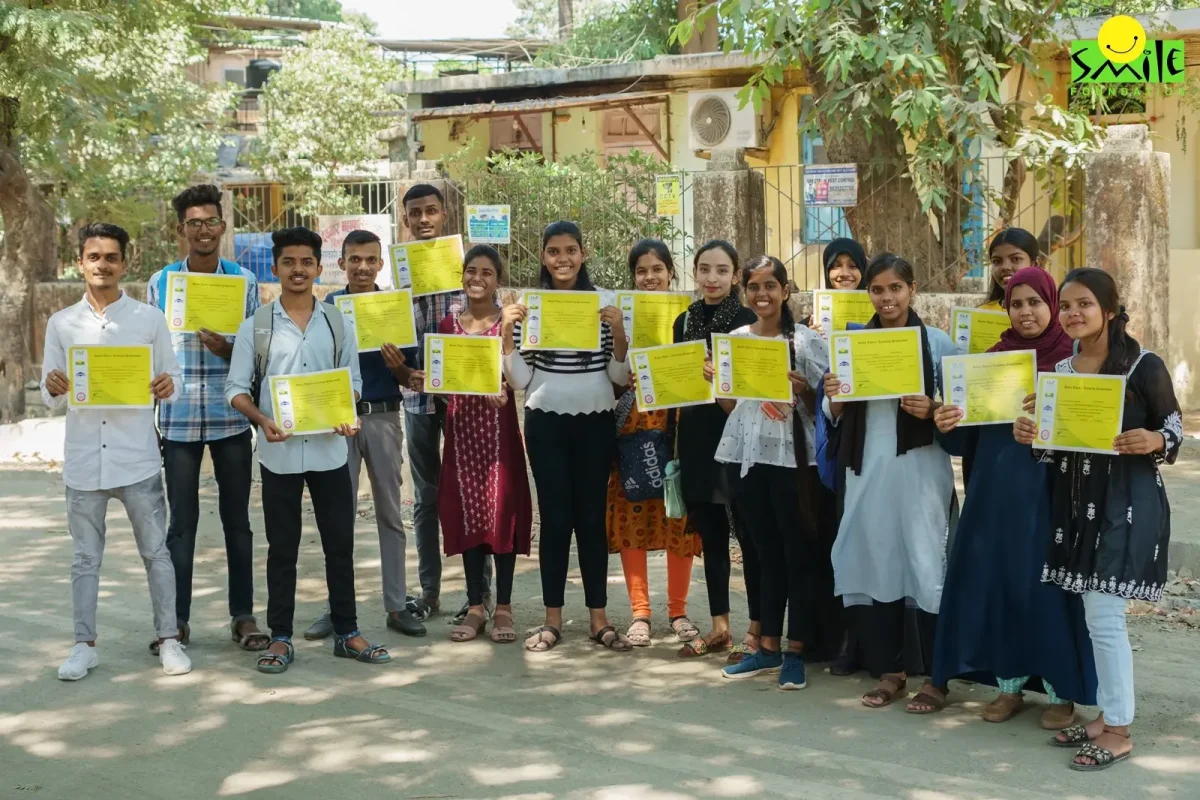
- Smile Foundation’s STeP programme equips underserved youth with vocational, digital and workplace readiness skills for sustainable employment.
- Industry-aligned training in retail operations, supply chain management, customer relations and digital services can prepare youth for quick commerce careers.
- Collaborative CSR partnerships can help transform India’s economic expansion into inclusive and sustainable youth livelihood growth.
India’s economic expansion has gone through profound changes. India before and after globalisation tells two different stories. The 1991 Liberalisation, Privatisation and Globalisation (LPG) reforms opened India to global markets, investment and new industries transforming the country from a restricted economy into one of the world’s fastest growing economies. Over the decades, this growth has expanded technology, manufacturing, retail and digital services, creating new livelihood opportunities for India’s youth, especially from marginalised communities.
However, India still has a long way to go and in this evolving economic landscape, CSR partnerships and youth livelihood programmes must continue investing in youth from underserved communities preparing them for new-age livelihood opportunities across logistics, digital operations and delivery ecosystem because India’s youth have the potential to become the driving force behind the country’s future growth.
But they need sustained support, access to livelihood opportunities and the right skill development ecosystem that enables them to realise their potential and build a future with dignity and stability.
Quick Commerce Can Create Livelihood for India’s Youth
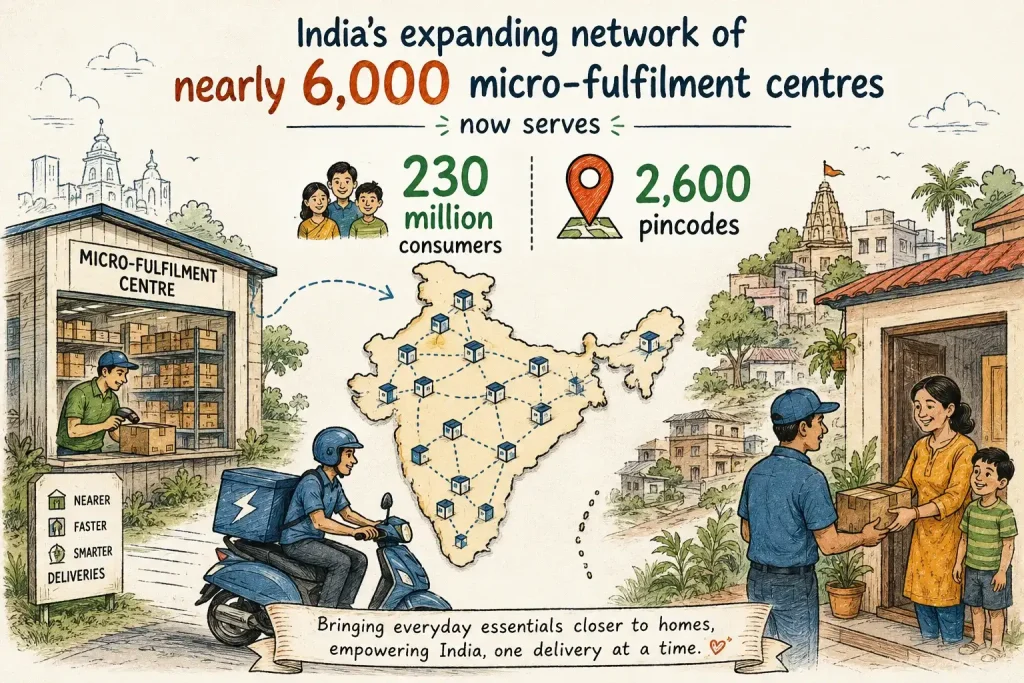
India’s quick commerce ecosystem is rapidly transforming the country’s economic and employment landscape. With major players like Amazon, Flipkart and Blinkit expanding into tier II and tier III cities, the sector is creating new livelihood opportunities for the youth of India.
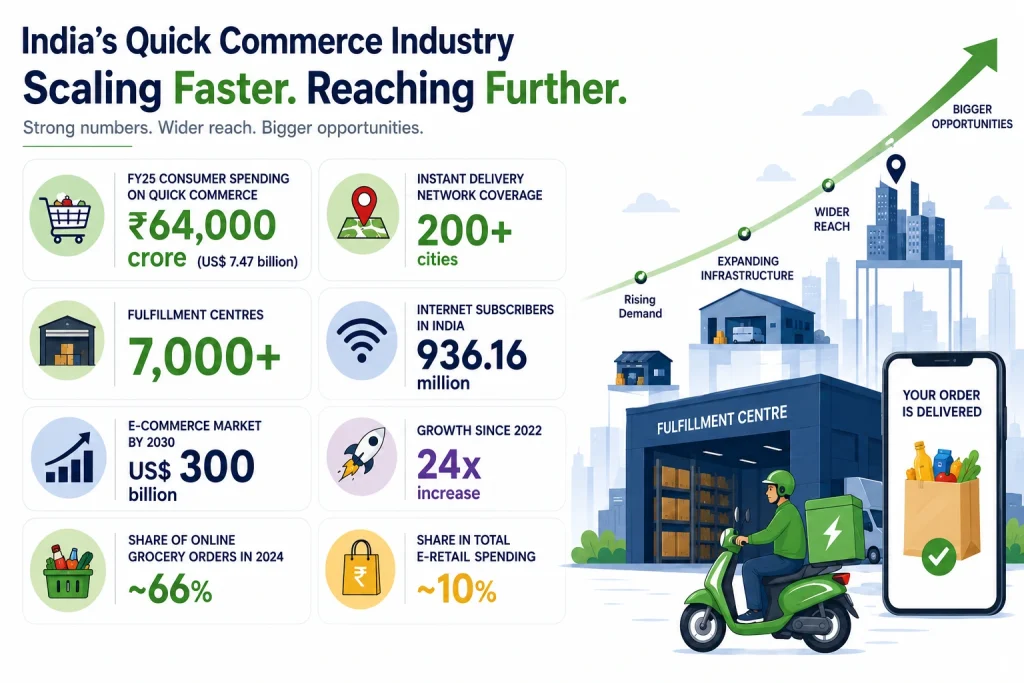
Recently, a giant e-commerce platform has announced the expansion of its rapid delivery services across 100 cities reflecting the growing demands for hyperlocal delivery and digital retail infrastructure. Furthermore, India’s quick commerce market has projected US$ 65–70 billion valuation by 2030, which means the sector that can see a rise in the demand are:
- warehousing
- logistics
- retail operations
- delivery services
Thus, creating strong opportunities for CSR initiatives for youth livelihood programmes, to equip underserved youth with employability, digital and vocational skills aligned to emerging industries.
India’s economic transformation over the last three decades has reshaped the country into one of the world’s fastest growing digital and consumer economies. From a nation once navigating economic uncertainty in the early 1990s, today India is driving global conversations around technology, digital commerce, manufacturing and last mile delivery innovation.
The rapid expansion of quick commerce platforms across metropolitan cities along with tier II and tier III cities reflects the changing economic landscape and signals the new era of livelihood opportunities for the youth of India.
- E-commerce,
- Quick commerce
- Logistics
- Digital services
reflecting a globally connected economy creating :
New business opportunities → employment avenues→ entrepreneurial ecosystems across metropolitan and emerging cities of India.
Rural Youth Employment in India: Ground Reality
India has the largest youth population in the world with nearly 65% of its population below the age of 35. By 2036, the country is projected to have almost 345 million youth, making India’s demographic strength one of its greatest economic advantages.
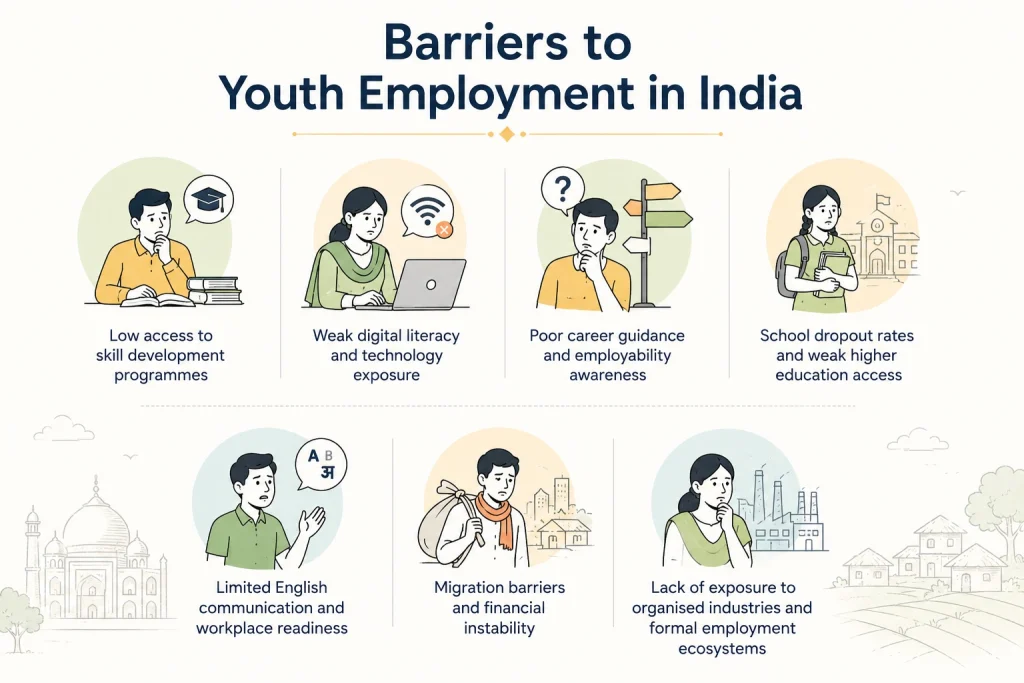
However, for many young people from the rural, tribal and socio-economically challenged communities, access to dignified employment continues to remain difficult. While industries are expanding rapidly, structural and educational barriers continue to prevent millions of youth from accessing sustainable livelihood opportunities.
According to the Youth in India 2022 report:
- Rural youth participation in informal labour and agriculture remained significantly higher than urban youth.
- With the agriculture field employing the largest share of the rural workforce.
- Nearly 25% of Indian youth aged between 15 and 29 were not in employment, education or training (NEET),– highlighting that 1 in 4 young people were neither studying nor earning, increasing long-term economic vulnerability.
Quick Commerce As Livelihood Engine for India’s Youth
The rise of quick commerce is no longer only transforming consumer behaviour and logistics infrastructure, but is also opening new livelihood opportunities for India’s youth.
From warehousing and inventory management to customer support, delivery operations and digital commerce coordination, the sector is creating employment pathways that can help underserved communities move towards financial independence, stability and dignity.
However, meaningful and long-term impact cannot be achieved through industry expansion alone. It requires collective efforts where businesses, CSR partnerships and youth livelihood programmes work together to bridge the gap between opportunity and employability, ensuring that young people are equipped with the skills, exposure and confidence needed to participate in India’s evolving economy
Smile Foundation’s STeP is equipping youth of marginalised communities to create a sustainable future through :
- Industry-aligned vocational training,
- Professional skills
- Workplace readiness
STeP: Support Youth with Quick Commerce Skills
As India’s digital economy continues to grow, many youth of tribal communities and rural areas, still remain disconnected from opportunities due to limited access to skills, exposure and employability support.
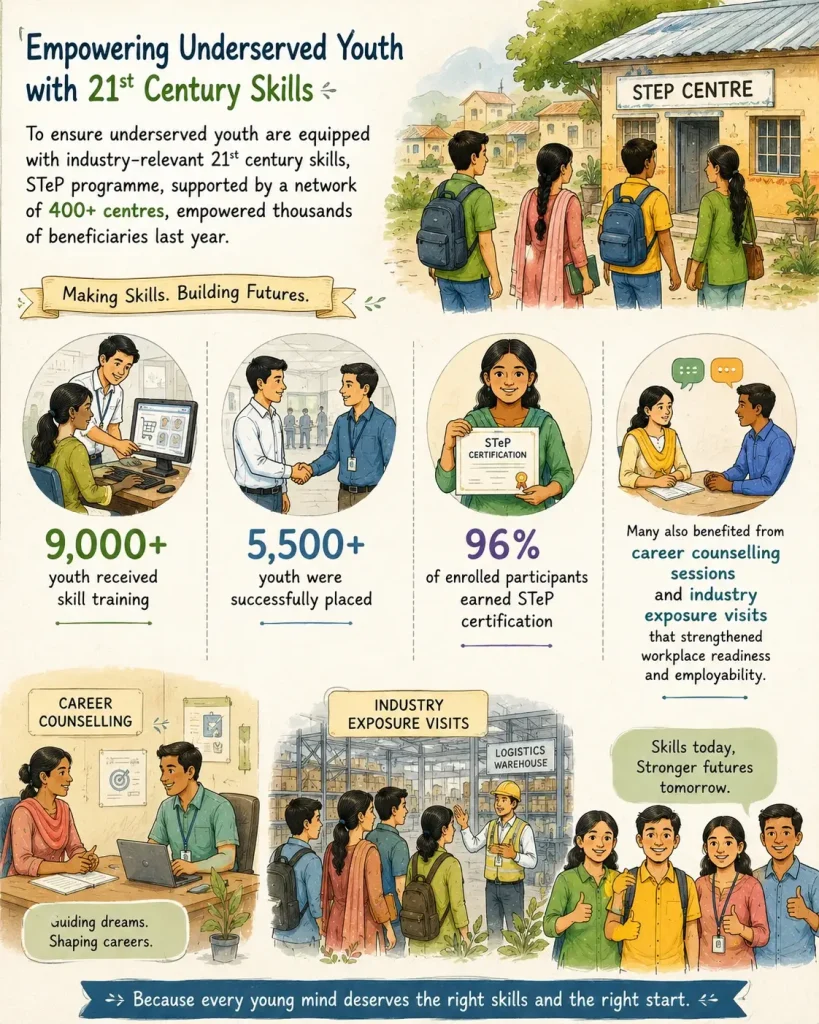
Through STeP, youth are equipped with industry-relevant 21st century skills that help them move towards stable livelihoods, financial independence and a more secure future. Smile Foundation’s STeP (Smile Twin e-Learning Programme) is focused on empowering underserved youth with industry-relevant skills that help them access sustainable livelihood opportunities and organised employment. Supported through a network of 400+ partners, the programme has equipped thousands of young people with employability-focused training aligned with evolving industry demands.
Last year alone, over 9,000 youth received skill training, 5,500 were successfully placed and 96% of enrolled participants earned STeP certification, while many also benefited from career counselling sessions and industry exposure visits that strengthened workplace readiness.
As India’s quick commerce, logistics and e-commerce sectors continue expanding rapidly, STeP is helping youth build skills aligned to these emerging employment ecosystems.
Quick Commerce Skills: Empower Youth With Livelihood
- Retail & Customer Relationship Management
Youth are trained in communication, customer interaction, teamwork and workplace behaviour, helping them prepare for customer-facing roles in retail stores, quick commerce operations and service industries.
- Logistics & Supply Chain Operations
With warehousing and delivery networks expanding rapidly, STeP helps youth build practical operational skills in inventory handling, fulfillment processes and logistics coordination required in today’s growing supply chain ecosystem.
- IT-Enabled Services & Digital Skills
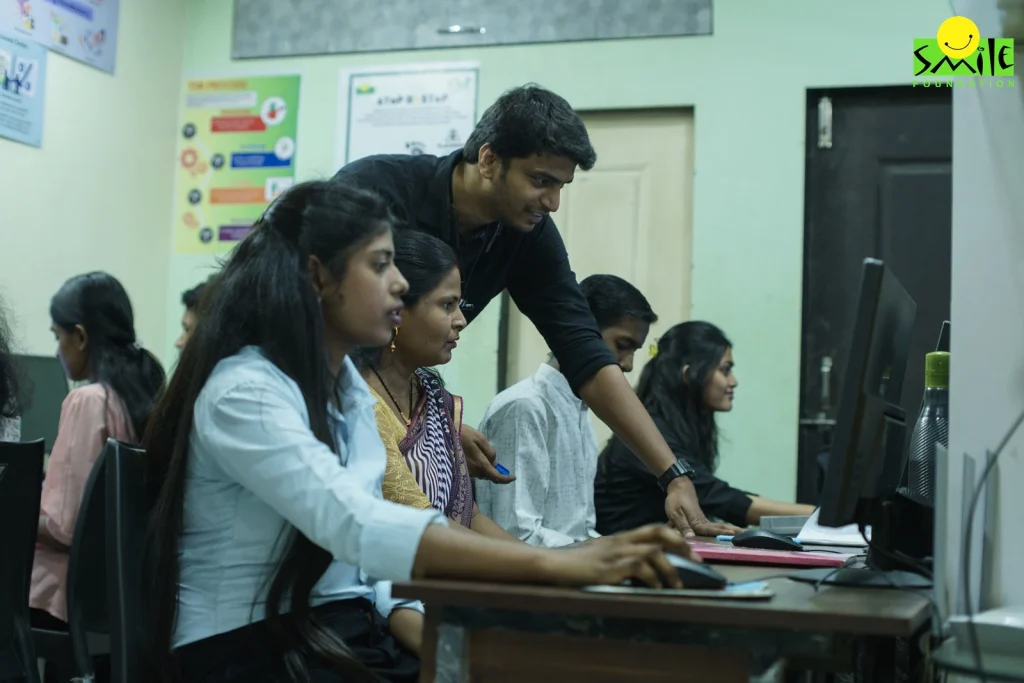
The programme strengthens digital readiness through computer literacy, digital communication and technology-enabled workplace training, enabling youth to access opportunities in e-commerce, backend operations and digital support services.
- Soft Skills & Employability Training
Beyond technical learning, STeP focuses on building confidence, English communication, interview preparedness, professional behaviour and problem-solving skills that help underserved youth transition more confidently into organised employment.
Meaningful Employment
As India moves towards becoming a global economic powerhouse, the true measure of progress will lie in ensuring that underserved youth are not left behind, but are empowered to contribute meaningfully towards the nation’s livelihood, productivity and future growth.
Millions of youth from rural, tribal and underserved communities still struggle with school dropouts, weak digital literacy, limited vocational training, migration barriers, financial instability and lack of exposure to organised industries. For young women especially, restricted mobility, caregiving responsibilities and limited access to formal employment ecosystems continue to affect workforce participation.
Build Youth Livelihood Opportunities: Partner Now
CSR partnerships and youth development initiatives can become powerful catalysts for change.
By supporting
- skill development
- workplace readiness
- digital exposure through industry-aligned livelihood programmes
businesses and NGOs can help build a stronger, future-ready workforce capable of participating in India’s growing digital economy.
Every warehouse, delivery hub and retail network needs skilled talent. Partner with Smile Foundation livelihood programme to transform India’s economic expansion into inclusive growth of youth from underserved communities.
FAQs
1. Why are youth livelihood programmes important in India today?
Youth livelihood programmes help underserved youth gain employability, digital and vocational skills required to access opportunities in emerging sectors such as quick commerce, logistics and e-commerce.
2. How can CSR partnerships support youth development?
CSR partnerships can support youth development by investing in skill training, digital literacy, workplace readiness and livelihood programmes aligned with industry demand.
3. What employment challenges do rural youth face in India?
Rural youth often face barriers such as limited education access, weak digital literacy, school dropouts, migration challenges and lack of exposure to organised employment sectors.
4. Why is CSR for youth development becoming increasingly important?
As India’s economy becomes more technology-driven, CSR for youth development helps prepare underserved communities with industry-relevant skills for sustainable livelihoods.
5. How is quick commerce creating livelihood opportunities?
Quick commerce is generating employment across logistics, warehousing, retail operations, customer support and digital commerce services, creating new livelihood opportunities for youth.
6. What role do NGOs play in youth livelihood programmes?
NGOs help bridge employability gaps by providing vocational training, career guidance, digital literacy and workplace readiness support to underserved youth.
7. How does Smile Foundation’s STeP programme support youth development?
The STeP programme equips underserved youth with vocational training, communication skills, digital literacy and employability support aligned with emerging industries.
8. How can youth development contribute to India’s economic growth?
A skilled and employable youth population strengthens productivity, workforce participation and economic resilience, helping India build a more inclusive and sustainable economy.
Sources:
