
Categories
CSR Partners In Change Partnerships Smile

Why Purpose Marketing Is New Year’s Trend for Brands

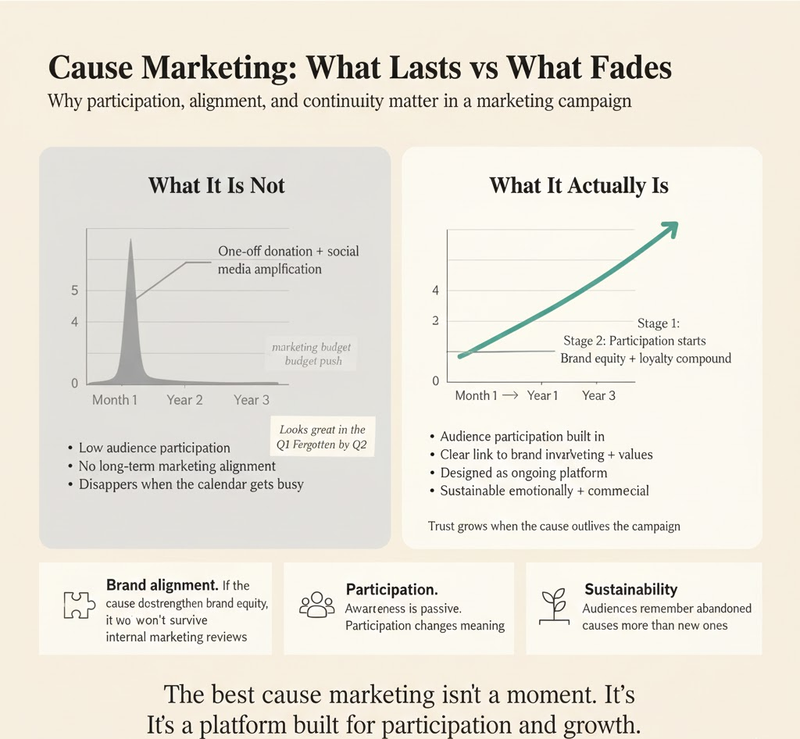
As the seasons of carols and the ringing of New Year echoes in the air, reflection and renewal rises with a sharpened desire to move ahead with purpose. This season brings an opportunity for brands to move beyond the noise of festive promotions and step into the world of purpose marketing, a strategic declaration of  their brand’s intentions running deeper than a one-off donation or an obligatory CSR drive. 

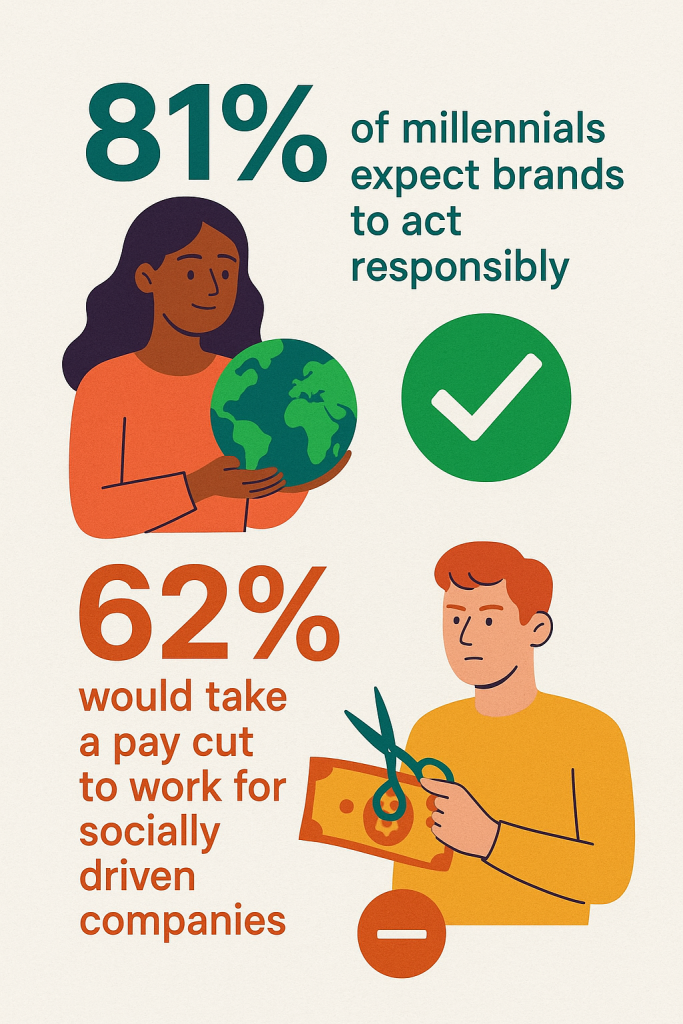
Today’s consumers, especially the younger lot are more discerning as they read and observe brands like books. They look for values, consistency and a mission they can attach their loyalty to. When a brand’s purpose aligns with their own, advocacy follows almost instinctively. Festivities like Christmas and New Year engagements in this sense become a seasonal checkpoint. It is a stage when people reset goals and reconsider their beliefs and support towards social causes. Those brands that choose to step onto this stage, do a lot more than discounts, they align purpose marketing initiatives through donations, employee giving, community engagement and cause-related campaigns that invite consumers to co-creates, making participation a form of persuasion. 

Why Purpose Marketing Wins?

 Across the world, corporations are rewriting their playbooks with strategies that reflect their new understanding that purpose is power. For example, Mastercard’s pledge to bring 1 billion people into the digital economy by 2050 or Intel’s commitment to ensure 40% women in technical roles by 2030 are not acts of goodwill alone, but a long sighted strategic move to strengthen the brand’s purpose while accelerating social justice, inclusion and sustainability. 

Furthermore the governments, investors and consumers now expect brands to uphold more than profits, resulting in corporate social responsibility intersecting with purpose not as a parallel consent but as mutually reinforcing forces.

Benefits of Purpose Marketing :

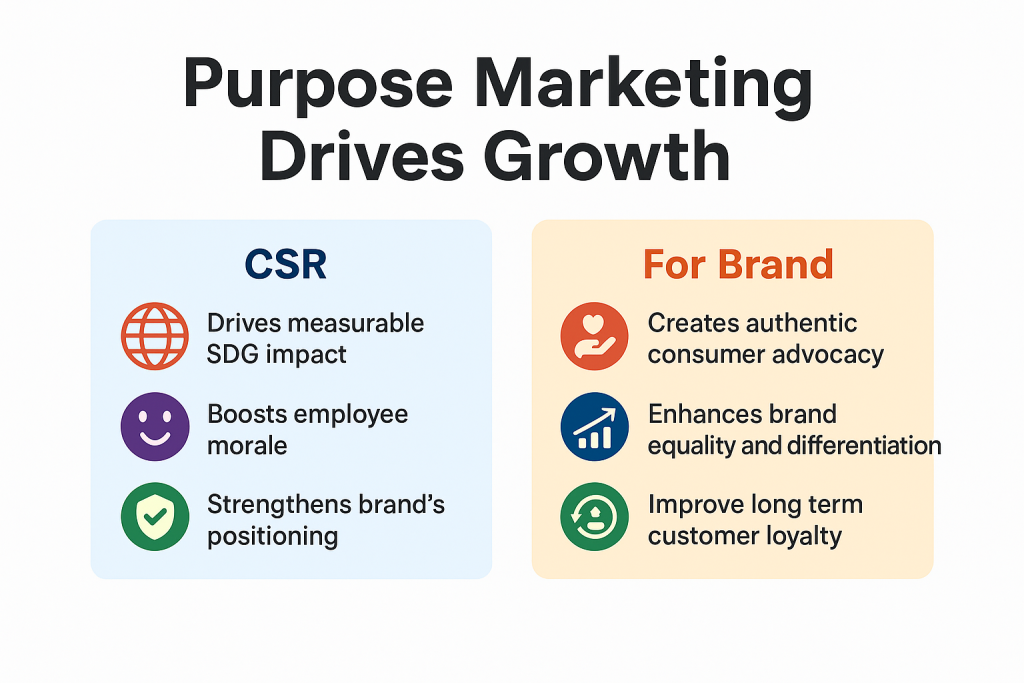
  • Stronger brand equity and long-term differentiation

Purpose marketing comes with a 360 degree approach where it builds an integral relationship with brands and consumers. Purpose-driven brands make a strong impression on consumers, making them remember the brands, trust them and stay for the long term while on the other hand, the “purpose premium” framework, as per to Deloitte, shows that brands with clear purpose enjoy advantages in brand and reputation, sales, innovation, operational efficiency, talent retention and risk mitigation. 

  • Higher employee morale and retention through meaningful engagement

Employees feel a deeper allegiance to their organisations when they see them championing causes they personally value. When corporate social responsibility is woven into a company’s purpose, it becomes a quiet but powerful force strengthening loyalty and reducing attrition. In an article, Joan Steinberg, Morgan Stanley’s Global Head of Philanthropy quotes,

“it’s just not consumers who expect the company to be a good neighbor. It’s also employees”.

*Huffpost

  • Greater consumer advocacy driven by authentic purpose

In the era of doing beyond profit, customers want brands to make tangible social impact. A purpose marketing driven approach through CSR approach or cause related marketing enables the consumers to build trust and emotional loyalty. Through credible storytelling showcasing impact, transparency and brand’s ongoing commitment, socially conscious consumers stick for long term, rather than transactional interactions, which further turns them into loyal advocates for the brand, who shall co-steer cause marketing initiatives through interventions like donations at checkout. 

  • A measurable contribution to SDGs and national development priorities

As India works toward achieving the Sustainable Development Goals (SDGs) by 2030, it is crucial to recognise the power of collective engagement. Purpose marketing- whether through CSR commitments or cause-related initiatives, can become a true gamechanger by activating society’s collective consciousness. When brands align with social causes, they help enable quality education for children from underserved communities, deliver last-mile healthcare to remote regions and empower women, young girls and youth with livelihoods, that allow them to sustain themselves and shape a stronger future.

Giving Back in Action 

Purpose marketing becomes truly powerful when it shifts from intention to meaningful action. Across India, brands partnering with Smile Foundation have shown how CSR initiatives and cause-related marketing can create real, measurable impact. These collaborations have enabled children from underserved communities to access quality education, delivered last-mile healthcare to remote regions and opened livelihood opportunities for women and youth. In doing so, purpose-driven CSR and CRM interventions have not only strengthened communities but also enhanced brand trust, loyalty and long-term value- proving that when brands invest in purpose, both society and the business grow together.

Smile Foundation’s Purpose Marketing Activities- Case study

Blueleaf’s Integrated Rural Development Impact

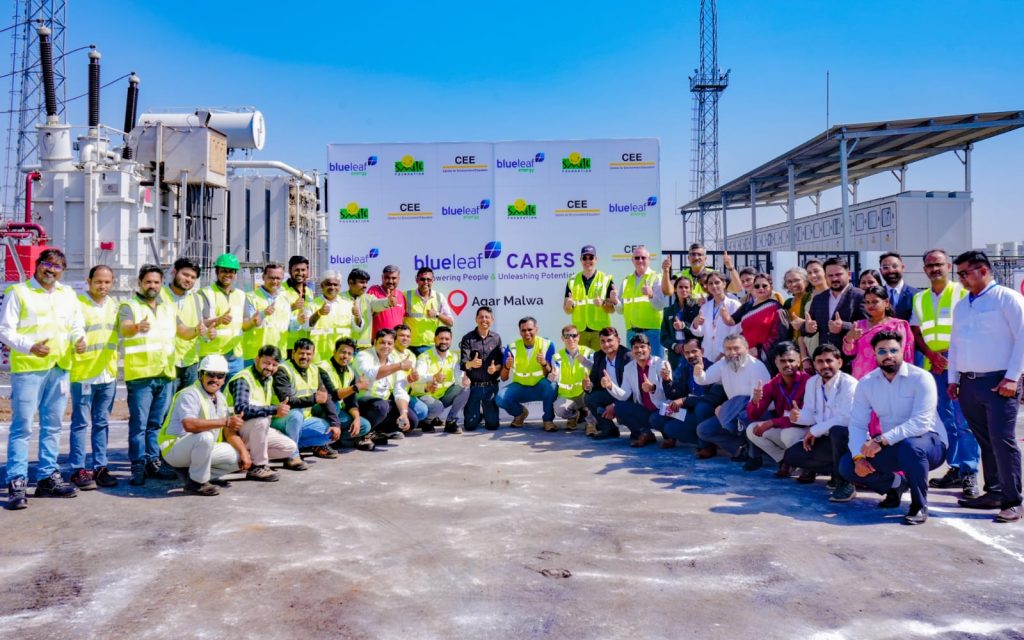
Blueleaf Energy, through its Blueleaf Cares programme, has partnered with Smile Foundation to drive integrated rural development across 27 villages in Madhya Pradesh. Focusing on healthcare, education, livelihoods and the environment, the initiative supports over 10,000 people, while strengthening local systems through community partnerships and alignment with national schemes.

Submarine Pens Turns every Pen into Purpose 

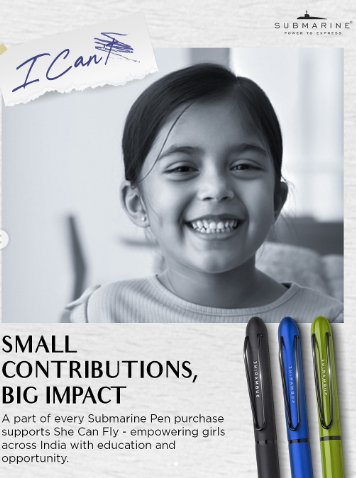
Submarine Pens has partnered with Smile Foundation to advance education and healthcare for children across more than 2,000 villages and urban settlements in India. Through this collaboration, the brand integrates social impact into its core identity, turning every pen sold into a meaningful contribution towards stronger, more equitable community outcomes.

Lakshita’s Creative to Empowerment 

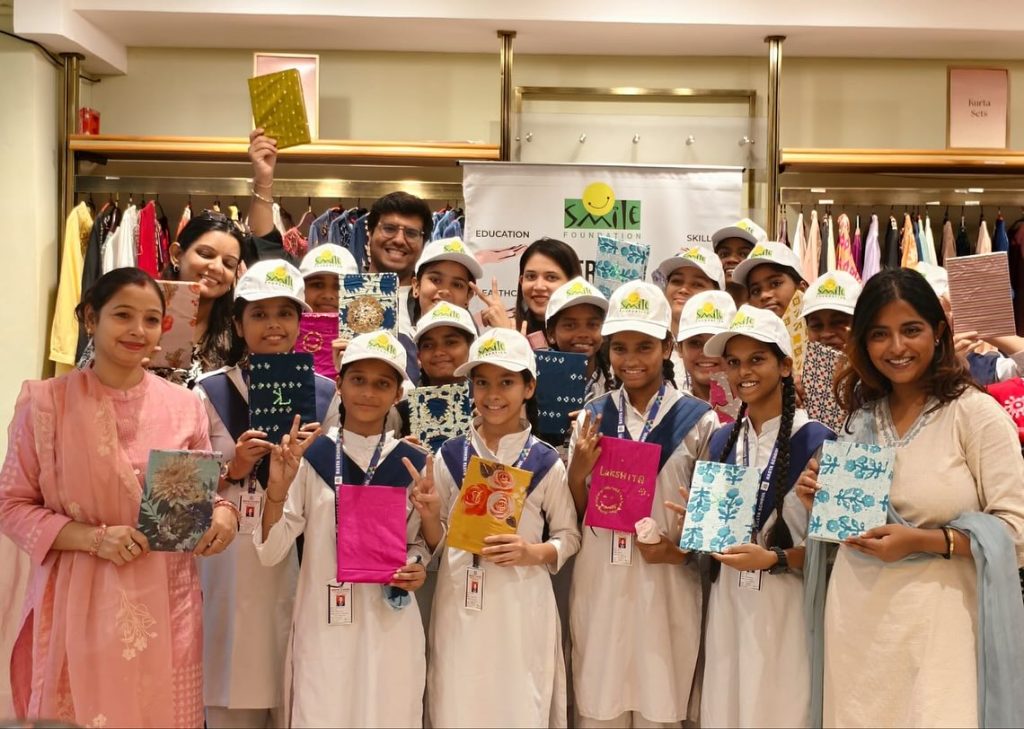
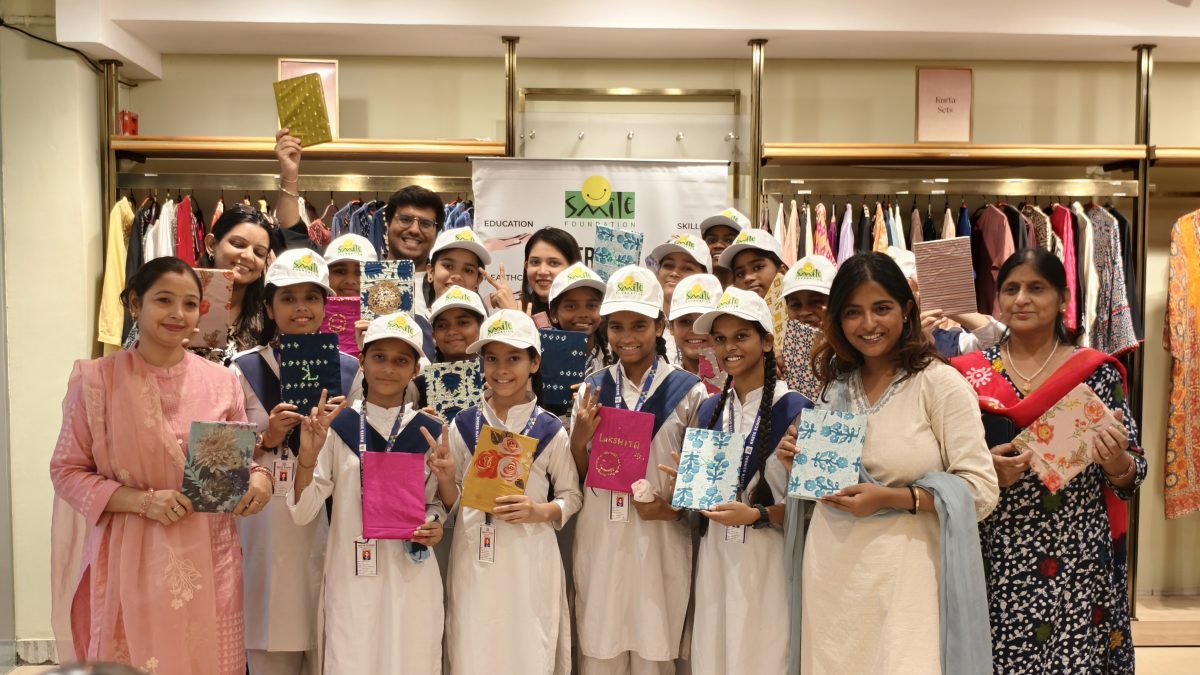
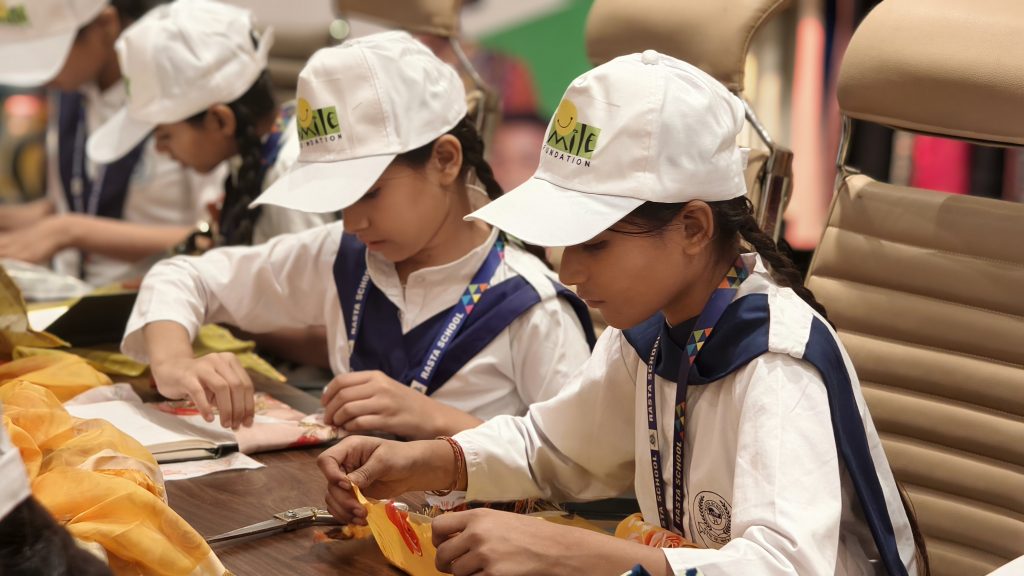
Children’s Day became a powerful expression of purpose marketing as Lakshita, in collaboration with Smile Foundation, invited young girls to explore sustainable fashion through hands-on creativity. The event transformed simple crafting into an experience of confidence, imagination and empowerment, while aligning brand values with meaningful social engagement; this celebration demonstrated how purposeful initiatives can spark joy while stitching aspirations for a brighter, more inclusive future.

Indus insights Purpose on Wheels for School going children 

Indus Insights’ Manager’s Forum partnered with Smile Foundation to deliver bicycles to children who walk long distances to school- an employee giving programme that was  rooted in the spirit of purposeful brand engagement. As volunteers assembled the bikes, children observed, learned and participated, creating a shared moment of joy. This impactful collaboration demonstrated how purpose-led initiatives can strengthen organisational culture, while creating meaningful community value.

Dear Diary’s Purpose-Driven Partnership

Smile Foundation’s collaboration with Dear Diary by Rashmika Mandanna brings the “Kindness Economy” to life through purpose marketing- with part of every sale going towards supporting education of children from the marginalised sections of the country. This initiative shows how brands can embed purpose into products, creating value that goes beyond fragrance to nurture dreams and spark ripples of positive change across communities.

Make New Year of Meaningful Impact with Smile 

Businesses today are moving beyond profit to embrace purpose and support causes that strengthen the social fabric of our communities. What was once an optional charitable gesture has now become a core asset, resonating with consumers, employees and communities while advancing business objectives.

Festive moments like Christmas and New Year offer ideal opportunities for brands to transform seasonal campaigns into sustained, purpose-driven initiatives. Whether through CSR interventions, employee engagement programmes or cause-marketing campaigns, companies that embrace purpose position themselves as social pioneers. They foster emotional equity, create meaningful social impact and shape their brands, businesses and markets into catalysts for social good. 

Partner with us to integrate purpose into your brand strategy today. Participate with communities, engage your employees and design initiatives that deliver measurable market growth and meaningful social change.

Sources:

  1. Why Giving Back Increases Brand Loyalty
  2. 81% of millennials want companies to be good corporate citizens
  3. Why Smart Companies Give Back


Ways to Promote Your Business With Charitable Marketing

Why a purpose-driven strategy is good for business


Categories
Education Girl Child Partnerships Smile

Made with Love, Shared with Purpose: Lakshita x Smile Foundation

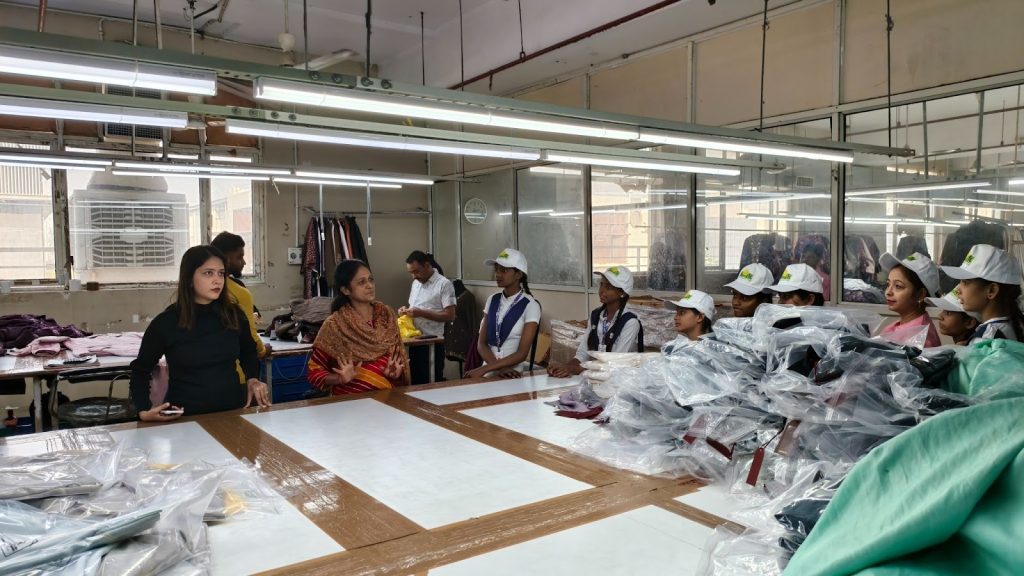
The crisp November sun streamed softly through the large windows of the Lakshita factory, casting a golden glow over the room. Tables were neatly set, colourful bits of fabric lay scattered like little confetti, and the air buzzed with excitement. This wasn’t a regular day at Lakshita. It was a day when fashion met purpose and creativity became a bridge between hearts.  As the girls from the Smile Foundation’s education centres walked in, their eyes widened with excitement. Bursting with energy and curiosity, they looked around in awe at the swatches of embroidered fabric, sequins, threads, and beads that surrounded them. The Lakshita team greeted the children with warm smiles and open arms, ready to spend a day not just making things, but making memories.  

Children’s Day- Weaving Smiles

The day began on a heartwarming note, with songs and laughter filling the room. The children’s voices echoed through the factory, as they sang along to cheerful tunes. They also sang “Empathy” – their own anthem of kindness and empathy; the lyrics spoke of the beauty of compassion and the strength that comes from caring for each other – a message that resonated with Lakshita’s own ethos. Just as the brand strives to make life easier for women through thoughtful designs, the song reminds everyone that empathy lies at the heart of every meaningful creation. 

Once the children settled down, their hands began to move, hesitant at first, but then confident, almost instinctively.  Old fabric patches turned into colourful bangles wrapped in thread. Small pieces of lace became journal covers; buttons became embellishments, and mirrors became motifs of joy. The room echoed with laughter, soft chatter,  and the occasional joyful exclamation, as the children proudly showed off their creations to each other.  

Lakshita’s team encouraged the children to embrace the joy of sharing. Every girl was asked to share a strip of fabric with her friend, sparking renewed chatter as they exchanged ideas and colours. Later, when they made bangles, they traded one of their creations with another’s. So, by the end of the day, each girl had a pair – one made by her and one by her friend! It was a simple reminder that creativity, much like kindness, grows richer when shared. 

As the day unfolded, it became clear that this was more than just a craft workshop. It was an exercise in empowerment, where every child’s creation carried a part of their spirit, a reflection of their dreams, resilience, and imagination. What began as a pile of discarded fabric was reborn through their touch into something beautiful and meaningful.  The tables filled with colourful bangles, handcrafted journals- transformed the room into a small gallery of joy with children walking around, admiring each other’s work and offering compliments. 

Joining the Lakshita team were Lakshita Kharbanda and Kabir Kharbanda, who spent time interacting with the girls. They shared stories, marvelled at the girls’ creations, and guided them in their projects. Their warmth and enthusiasm ensured that every child felt seen, appreciated, and inspired. The team clicked pictures and captured laughter over slices of pizza and juice boxes. 

By the end of the day, as the sun began to dip, the chatter slowly quieted down, and the room was filled with an unspoken sense of fulfillment. What had started as an initiative to reuse fabric scraps, had evolved into something much more profound – a celebration of creativity, compassion. And empowerment. 

For Lakshita, whose every endeavor is rooted in the vision of empowering women, this day was a living reflection of that purpose. Watching the young girls create with confidence and joy reaffirmed the brand’s belief that true empowerment begins when women are given the space to express, imagine, and build something of their own. For the children, the experience was proof that beauty and strength can emerge from even the simplest threads, and that their hands, hearts, and dreams hold the power to create change. 

In a world where waste often overshadows wonder, this initiative served as a reminder that creativity can transform even the smallest leftovers into something extraordinary.  

The creations have a journey of their own ahead. They will soon be displayed and sold at select Lakshita stores with all proceeds directly supporting the Smile Foundation causes, so more children get access to education, nutrition, and a brighter future. So, when customers pick up one of these handcrafted pieces at Lakshita, they aren’t just buying a product; they are buying a story of joy, resilience, and renewal.  

Lakshita’s Thread of Responsibility 

For Lakshita, this wasn’t just a CSR activity; it was a heartfelt extension of what the brand stands for. Fashion, after all, isn’t just about clothing. It’s about empowering communities, celebrating creativity, and using art as a medium to make a difference. 

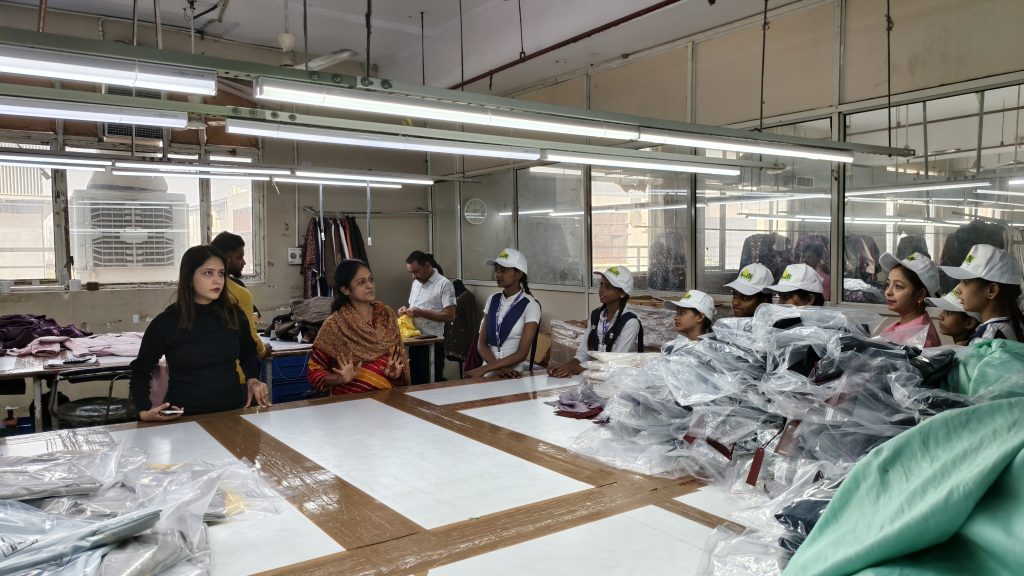
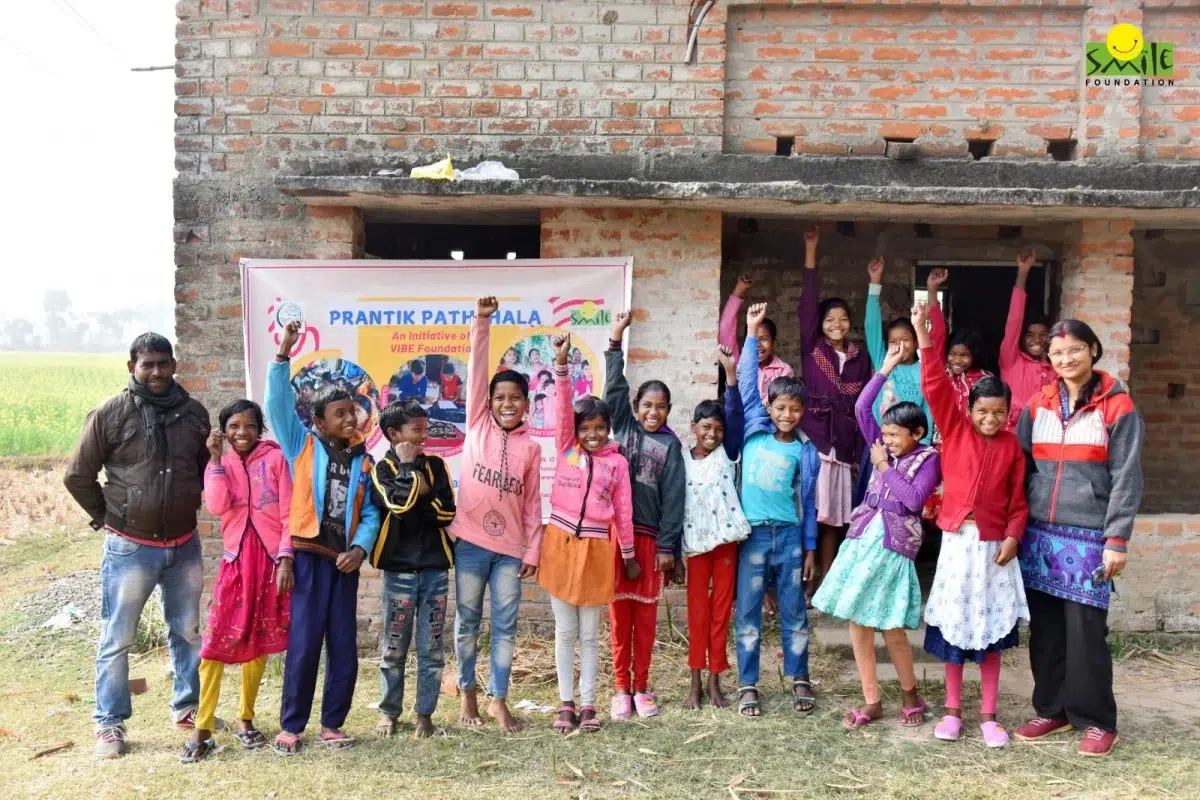
Children visiting Lakshita’s Manufacturing Unit

At its heart, this initiative was about more than creativity. Throughout the day, the team was moved by the girls’ dreams and ambitions. Many spoke eagerly about becoming doctors or lawyers when they grew up – professions they had always seen as symbols of success. But as the day unfolded, surrounded by fabrics, colours, and design stories, something shifted. By the time they waved their goodbyes, several of them wanted to be fashion designers. It was a moment of quiet pride for the Lakshita team. The day had opened their minds to possibility; it had challenged the stereotype that only conventional careers were meaningful, proving that creative fields are just as meaningful and impactful. 

For Lakshita, that realisation embodies what empowerment truly means: giving young girls the courage to dream differently, to find their voice, and to believe in their creative potential. Because, as the brand firmly believes, when you empower one child, you empower an entire family. That ripple builds a more compassionate world. 

Final Thoughts: A Heartfelt Promise 

The Children’s Day celebration stands as a meaningful example of how collaborative efforts can create lasting impact for young learners. Lakshita and Smile Foundation’s collective efforts to support children across the country remains widely appreciated, as their initiatives help open pathways to brighter and more secure futures.

For Lakshita, this marks an important step in its ongoing efforts to champion purposeful initiatives. The brand continues to create spaces where art, awareness, and empathy intersect, reflecting its broader commitment to women’s empowerment and fashion with intention. This initiative also reinforces Lakshita’s dedication to responsible fashion, where each creation speaks not only of craftsmanship, but of care and compassion. 

To learn more about Lakshita’s journey and their work towards empowering women, you may explore their page.

Categories
CSR Partners In Change Partnerships Smile

Festive Impact Through Cause-Related Marketing

In India, festivals are far more than celebrations– they are moments of togetherness, gratitude and shared humanity. Families gather together, neighbours exchange sweets and communities come alive with hope, light and laughter making the air echo with new beginnings and aspirations.

A special time for India as it is the beginning of the festive arc– from Diwali to New year, this season is important in many ways for all. From the perspective of businesses , it is a rare window for brands to do something deeper – to build emotional connections that outlasts the noise of advertising. 

This is where cause-related marketing plays a pivotal role enabling brands to move beyond sales- embedding themselves in the heart and minds of consumers, through values of giving, belonging and shared purpose. 

Driving Festive Impact with Cause Marketing

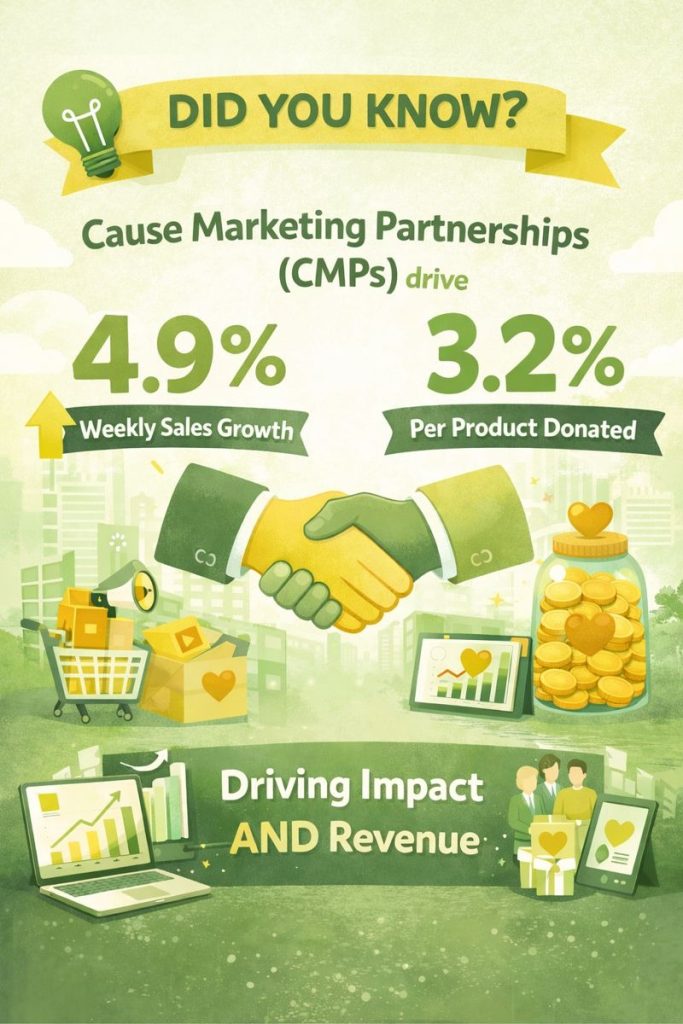
Studies reveal that 60% of consumers are more likely to return to a brand within 6 months, if their festive marketing experience feels meaningful. This data only affirms what emotions have long known– people remember how brands make them feel, not just what they sell. 

Campaigns like Myntra’s inclusive Diwali, which celebrated domestic helps as part of the festivities, or Big Basket’s “Neki Kar” campaign which championed kindness and humanity, remind us that meaningful, impact based storytelling drives deeper loyalty than any discount ever could. 

Yet, the festive season also poses challenges for brands– soaring media costs, dwindling attention spans, and content oversaturation can often lead to brands’ communication getting lost. 

Therefore, in such a crowded landscape, brands can stand apart from their competitors through cause related marketing campaigns, that can become the bridge that transforms the festive campaigns into collaborations– purposeful, human and authentic. 

The Modern Indian Shopper & Festive Cause Marketing 

Festivals in India awaken generosity and nostalgia as Indian consumers’ shopping choices are often driven by cultural and religious sentiments. But, it is also important to acknowledge that today the modern Indian consumer is no more impulsive. Today consumers are deliberate, aspirational and emotionally attuned. 

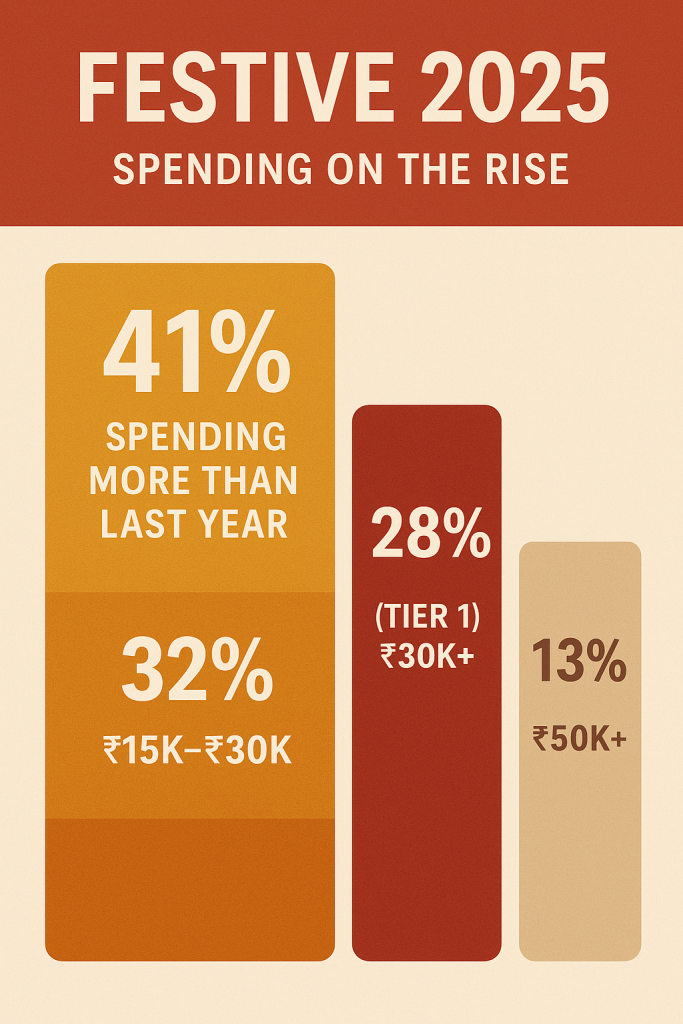
While urban consumers seek aspirational experience, shoppers in Tier 2 and 3 cities value practicality. But, across these diverse groups run a common thread– the desire for meaning alongside consumption . Increasingly, shoppers want their purchases to carry purpose– to add value not just to their lives, but to the communities around them. 

These numbers show willingness to invest— but also the need for returns beyond material satisfaction. Through cause-related marketing, brands can align their messaging with consumers’ growing desire for joy with meaning– a purchase that uplifts both giver, receiver and a beneficiary of a community that needs support. 

The Heart of Festive Spending 

Festivals stir a universal impulse– the desire to give, to indulge and to make loved ones happy. Consumers want their spending to matter. 

When brands infuse CRM into festive campaigns, they offer consumers an opportunity to multiply their joy through purpose. A parent buying a toy for their child could also be supporting another child’s education. A family purchasing electronics may empower rural women entrepreneurs– these layered experiences turn purchases into acts of compassion. 

Furthermore, as consumer openness grows, particularly towards new and emerging brands– this emotional window during the festive seasons, gives challenger brands, D2C ventures and established players alike the chance to earn trust through purpose engagement

When Promotions Meet Purpose 

In India, festivals are just the right time to experience the vibrancy of India’s different cultures and communities- families shop together, give gifts together and celebrate together. Naturally, promotions and festive bundles remain irresistible. But, when these offers get tied to a meaningful cause, the result is often magnetic. 

Imagine a festive sale that donates a percentage of proceeds to children’s health, or a bundle that funds skill training for women in rural India– these result oriented campaigns often become far more impactful than just being a sale’s affordable purchase–it becomes a powerful transformative action. 

It has also been observed that 81% of consumers have said that short videos capture their attention most effectively during the festive season. This means that if brands align their festive marketing campaigns with cause marketing, they can establish their authenticity through real faces, real voices that tell the story of positive change in their own words, giving the consumers an insight to the commitment of the brand towards social welfare. 

Guide to Leverage Cause Marketing During Festivals 

Step 1: Early Planning and Long-Term Partnerships

Brands that plan early and build lasting partnerships with NGOs convey credibility and empathy. Through consistent, co-branded initiatives, consumers see tangible proof of impact, transforming each purchase into a story of real-world change.

Step 2: Phased, Story-Led Campaigns

Structured storytelling ensures awareness translates into action:

  • Pre-Festive Phase: Build curiosity through storytelling and awareness.
  • During Festivities: Encourage participation through donations, purchases, and events.
  • Post-Festive Phase: Showcase on-ground impact through real beneficiary stories.

This rhythm sustains engagement long after the lights fade.

For the Good, By the Good 

In a world driven by visibility, empathy-driven campaigns resonate. Cause-related marketing enables brands to move beyond impression metrics– crafting emotional resonance that shapes society and businesses alike. 

Stories of real lives such as a girl in Odhisha pursuing education, a widow in Tamil Nadu rebuilding her livelihood, a young aspirant achieving higher education through scholarships– all such stories transform consumers from spectators into participants of change as they see their spending being utilised to uplift others. 

Festive Marketing Strategies That Spread Lasting Smiles

At Smile Foundation, we have witnessed first-hand how cause related marketing partnerships during the festive season can transform campaigns from transactional promotions into instruments of genuine social change. 

Every year from Diwali to New Year, brands have the opportunity to align with programs like ours to deliver measurable and meaningful impact; we firmly believe that well strategic Cause marketing partnerships can enhance the wider ecosystem of all the stakeholders– brands, consumers and committees involved. 

It is important to understand that cause related marketing must be viewed as a platform that can transcend seasonal giving. It can be a strategic investment in holistic development blending brand purpose with social progress.

Brands,NGOs and consumers alike become co creators of change as companies reinforce trust and loyalty, consumers experience fulfillment with purposeful purchase and participation, but most importantly– underserved communities benefit from tangible support in health, education and empowerment. 

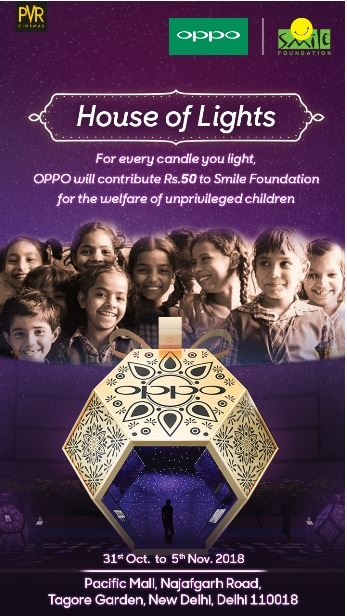
One such inspiring example of such collaboration was OPPO India’s #BestDiwaliGift initiative, which inspired people to gift brighter futures to less privileged children. At OPPO’s House of Lights in Pacific Mall, New Delhi, visitors lit candles and shared stories of those who illuminated their lives. For every candle lit or story shared, INR 50 was donated to Smile Foundation — a gesture that turned celebration into compassion.

Another striking example of cause related marketing partnership with Smile was Swiggy Instamart’s Orange Santa collaboration where Swiggy delivered packs of joys to children from the Mission Education program. The campaign demonstrated the instant impact of strategic festive cause marketing partnerships; it successfully established that festive campaigns are more than seasonal promotions. 

All such initiatives establish a key lesson – when festive campaigns are integrated with cause marketing, they provide measurable results across three dimensions- community impact, consumer engagement and brand differentiation, but most importantly they establish brands as social custodians, who implement “giving” as their business ethos to ensure that lives in need are truly supported for a better future. 

Partner with us to transform festive campaigns into strategic initiatives that advance meaningful community impact.

Sources-

Festive marketing in 2025: Premiumisation, pragmatism and the video pivot

Impact of Festivals and Religious Events on Consumer Buying Trends

How Consumer Behavior is Changing During India’s 2025 Festive Season

Festive Marketing in India: The Season of Sentiments (and Sales)

Categories
Partners In Change Partnerships Smile

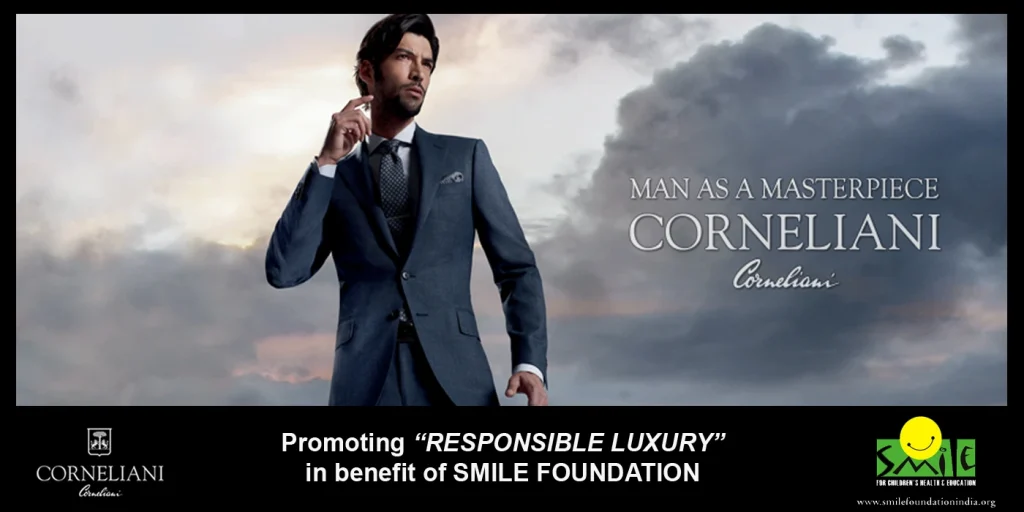
Luxury Meets Purpose through Cause Related Marketing

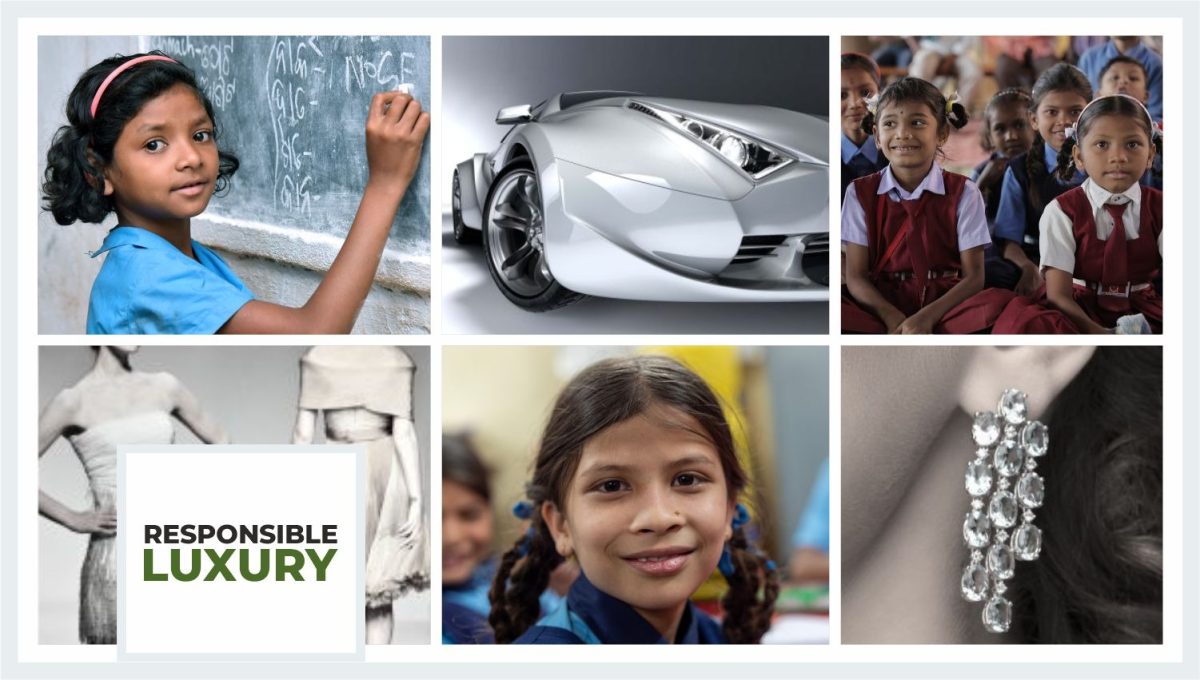
What makes a product truly luxurious? It is never only the sheen of fabric, the polish of metal, or the weight of a logo. These are surface signals. Real luxury is born from the story etched into its creation–the unseen hours of craftsmanship, the deliberate pursuit of rare materials, the precision that elevates mere function into art. Every stitch, every curve tells a story of rarity and desire.

In the same way, when luxury brands embrace cause related marketing (CRM) partnerships, they are not simply adorning their products with social relevance—they are deepening the narrative. The story of a product expands beyond craftsmanship to purpose, beyond elegance to impact. Luxury with meaning becomes not just an object of aspiration, but a statement of alignment with higher ideals.

Furthermore, today this evolution is also demanded by the socially conscious consumers. They seek brands that reflect their moral compass, their identity, their values. They buy not just the product, but the story of contribution, of responsibility, of cultural influence. 

Therefore, luxury houses mastering this art of narrative through CRM does more than build brand equity. It forges emotional resonance, transforming them into arbiters not just of taste, but of societal progress itself.

CRM in Luxury- Building Equity with Responsibility

Today luxury campaigns have evolved from silent contributions to illustrative CRM initiatives to promote cultural movements. Gucci’s Chime for Change initiative, co-founded by Beyonce and Salma Hayek, transcended fashion into a global platform for advocating gender equality, blending celebrity influence with grassroot impact. Similarly, Cartier’s Women Initiative has built a legacy of empowering female entrepreneurs worldwide embedding social progress into the brand’s identity.

These examples highlight a defining trend– that luxury brands through compelling and resonating storytelling are bringing their brand’s commitment to support social causes, for transforming their advertisement campaigns into a sustainable movement, that resonates with their consumers while reinforcing their social commitment. 

This evolution is also fuelled by shifting consumer expectations. Today’s consumers are not content to purchase products on the basis of popularity alone; they are attentive to the values and contributions of the brands they choose. With heightened focus on areas such as education, women’s empowerment, youth skills development, and last-mile health delivery in underserved regions, customers now seek evidence of whether the brands they trust are genuinely contributing to society.

A recent study illustrates this shift: 45% of consumers are more likely to purchase from a brand that donates to charity compared to a competitor that does not. For business leaders, this underscores a crucial imperative — cause-related marketing is no longer a discretionary activity, but a strategic lever that can simultaneously drive social impact and long-term brand equity.

Expanding Brand equity with Cause marketing

In the contemporary marketplace, the bond between consumers and brands has transcended the transactional limitations. Increasingly, the relation is defined by values, morals and social consciousness. As highlighted by The Impact of Storytelling Advertising on Consumer Experiences and Brand Equity, a research done by Great Lakes Institute of management, brands must cultivate authenticity and transparency, if they are to sustain consumer’s trust. Storytelling has emerged as the most effective means of achieving this, offering businesses a way to humanise their operations and demonstrate tangible impact. 

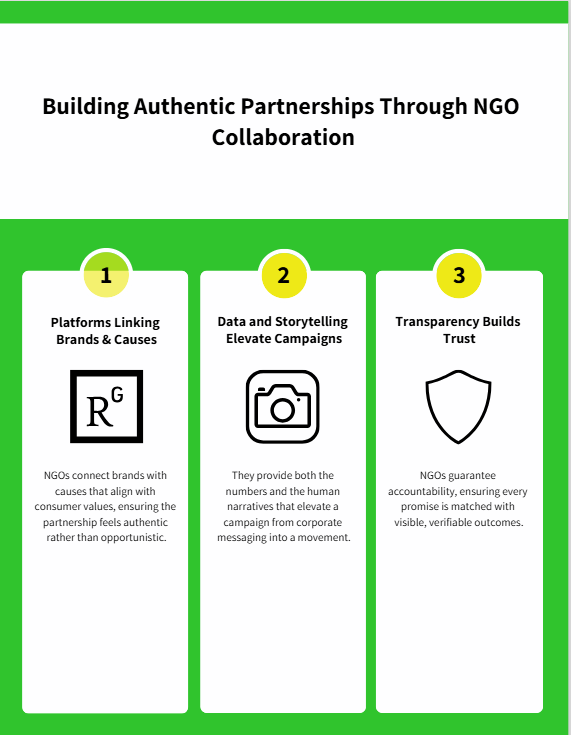
Cause-related marketing strengthens this storytelling agenda by embedding social purpose into brand narratives. Through partnerships with NGOs, companies gain access to authentic, lived experience that form the foundation of compelling stories.

By communicating these experiences, luxury businesses do more than showcase philanthropic activity; they invite consumers into a shared mission. This alignment of commerce with conscience is what drives brand equity in an era where reputation and trust are as critical as products’ quality or price.

Marketers have observed that cause-related storytelling has the power to go beyond campaigns and become movements. For example the above mentioned luxury brand campaigns came in with a strong messaging that invoked something personal in the audience. Emotional narratives activate empathy centers in the brain, making audiences more likely to remember a message, act on it or share it. Evidence suggests that brands employing storytelling not only drive stronger recall, but also foster higher levels of consumer loyalty and willingness to contribute– whether financially, socially or reputationally. 

Maximising CRM Impact via NGOs

For luxury brands, NGOs serve as critical bridges of trust, translating philanthropic intent into tangible outcomes while converting marketing initiatives into measurable social and cultural movements that stay with their consumers. Partnerships with credible NGOs provide clarity in reporting, ensuring transparency and accountability, while enhancing consumer engagement by showcasing authenticity on the ground. 

By leveraging NGO expertise, luxury brands can design high-impact, multi level interventions that deliver real change such as – 

  • Quality and advanced education for children,
  • Last-mile delivery of healthcare at the doorsteps, 
  • 21st century livelihood training for the youth 
  • Entrepreneurship empowerment for women from rural communities.

These initiatives create a win-win for all involved as– NGOs grain scale and visibility, brands build purpose driven equity and most importantly, communities experience lasting improvements. 

Elevate Cause marketing with Smile 

In today’s business landscape, luxury brands are no longer evaluated solely on product quality or exclusivity. Modern consumers – particularly Millennials and Gen Z expect brands to demonstrate tangible social responsibility. 

Smile Foundation provides a structured, credible platform for integrating purpose into result oriented cause related activities, that allows businesses to show their determination in making measurable and sustainable social impact. 

Ways to partner With Smile 

  • Part proceeds: Allocate a share of product sales to Smile initiatives directly inkling revenue with measurable improvements in education, healthcare and livelihoods. 
  • Purpose marketing: Design campaigns aligned with Smile’s causes, strengthening customer trust while differentiating brand positioning in a competitive marketplace. 
  • In-app donations: Embed donation options within apps, creating seamless user experiences while reinforcing brand commitment to accessibility and inclusivity. 
  • Point of sale campaigns : Enable micro-donations at checkout, driving higher average order value while deepening customer engagement. 
  • Redeem points- Convert loyalty rewards into social good, enhancing retention and reinforcing long term consumer brand relationships. 

As a two decade old social development organisation, we truly believe that in today’s time, CRM partnerships are pivotal for luxury brands to build an intimate and lasting relationship with their customers. They command a premium through curated experiences, and by extending this premium to society through strategic partnerships, brands can elevate their ethos from exclusivity to shared value and responsibility. 

With the changing consumer demands, this opportunity and time is the right strategic lever that combines purpose with profit. By embedding CRM into core business strategies, luxury brands can drive social change at an amplified scale ensuring that they become — the beacon of social change in the truest essence.

Partner with Smile Foundation to turn commitment into measurable, lasting change.

Source– 

  1. Cause-related marketing: a systematic review of the literature
Categories
CSR Smile

Redefining Hospitality with Impact-Driven CRM

Today’s discerning travellers are no longer influenced by luxury alone – they actively seek experiences rooted in purpose, sustainability and social responsibility. In response, the industry is turning to cause-related marketing (CRM) aligning brand identity with meaningful social impact. This marks the rise of impact-driven hospitality, where conscious consumption is reshaping how travel brands connect with their audiences.

With the global sustainable tourism market projected to grow to USD 7.19 trillion by 2032, CRM is fast becoming a key competitive differentiator. Brands that embed social purpose into their business model are earning greater relevance, and also deepening relationships with conscious consumers.

India’s tourism and hospitality landscape

India’s tourism and hospitality sector is poised for exponential growth, with expected revenues surpassing US$ 59 billion by 2038 and foreign tourist arrivals estimated to reach 30.5 million. Ministry of Tourism reports that the industry is growing at a 20% CAGR, fuelled primarily by an expanding middle-income demographic.

Indian consumers are gravitating towards travel experiences that mirror their values – whether through sustainable tourism, wellness retreats, experiential journeys, staycations, women-led travels, solo traveling or visits to offbeat destinations. It’s a chance for brands to shift from purely transactional relationships to becoming emotionally relevant in their customers’ lives.

Travel isn’t just about ticking off destinations anymore – it’s about meaning. By weaving cause-driven campaigns into today’s travel trends, brands have a chance to make every kind of trip a little more purposeful, and a whole lot more memorable.

The case for CRM in Indian hospitality

In a world where travellers are choosing meaning over mere miles, cause-related marketing gives brands a chance to stand for something bigger. For India’s travel and hospitality scene, infusing social purpose into the guest experience, when done authentically, can boost not just brand love, but real impact too. Think stronger connections, higher perceived value and a better brand fit with what today’s conscious travellers truly care about.

  • Build emotional equity
  • Inspire deeper consumer loyalty
  • Position themselves as purposeful industry leaders
  • Deliver value-driven hospitality experiences

How can this be achieved?

Adoption of CRM

CRM fosters transparency and trust by linking business growth with social responsibility. It empowers brands to form long-term, emotionally anchored relationships with their audience.

Example: A luxury hotel chain could launch a CRM campaign supporting education for girls in tribal regions, where every booking contributes to a classroom seat-
“Your comfortable room gives her the chance to enter a classroom.”

Consumer Response

When brands champion a cause, consumers are not only drawn to the brand, but also feel personally invested in the cause itself. This dual affinity enhances trust and positive brand sentiment. 

Example: An airline partners with an NGO to plant a tree for every domestic booking, reinforcing its commitment to carbon offsetting and environmental stewardship.

Positive Brand Outcomes

CRM strengthens brand attitudes, boosts campaign participation, increases purchase intentions and builds brand loyalty, particularly among impact-oriented consumers. As per a survey of 637 consumers, it was observed that cause related marketing made a significant positive impact on consumer brand engagement.

Example: Hospitality brands offering welcome kits or hygiene essentials crafted by local women entrepreneurs can boost guest satisfaction, encourage social sharing, and create long-lasting brand advocates.

Consumer Brand Engagement

CRM stimulates deeper emotional, cognitive and behavioural engagement, encouraging customers to champion the brand beyond monetary transactions.

Example: Brands can integrate their CRM through NGOs in India for rural immersion programmes where members engage with local artisans or health workers to form a bond between customers, brand and the cause. 

Enhanced Consumer Perceived Value 

Consumer Perceived Value (CPV) is the perceived benefit from a product or service, beyond its functional utility – it includes emotional resonance, social contribution and brand purpose playing a role. When consumers see brands actively doing good, they perceive higher value in their purchase.

Example: Hospitality brands can integrate menstrual hygiene workshops for adolescent girls in villages, aligning health and well being with their brand goals, giving guests a more meaningful stay.

Strategic focus areas for CRM-driven impact

The travel and hospitality industry uniquely engages consumers through direct, personal experiences. This proximity makes their relationship with both customers and local communities central to operations. By integrating cause-related marketing (CRM) focused on social issues relevant to their consumers’ environments, brands can transform tourism into purpose-driven journeys creating lasting impact for communities while building meaningful brand value.

  1. Education for economically deprived children 

By aligning with CRM for education, hospitality and travel brands can support schooling for marginalised children of rural villages. This can showcase their commitment towards transforming leisure stays into life changing learning opportunities for young minds of India. 

  1. Women’s skilling and employment 

Through CRM, brands can empower women in nearby communities by funding skill building in hospitality and travel industry enabling dignity, employment and generational change through every guest experience

  1. Enhance rural healthcare access

Through CRM driven partnerships, brands can fund mobile healthcare units in remote or off beat destinations, building critical rural healthcare gaps while aligning brand presence with measurable social impact.

  1. Sustainability for everyone 

Integrating CRM with sustainability in terms of nutritious local harvesting, brands can co-create kitchen gardens, nurturing both community health and a brand narrative rooted in good health for the underserved communities of India. 

Enabling Purpose-led growth: Smile’s CRM capabilities

  • Vistara (TATA SIA Airlines Limited) supports Smile Foundation through its Payroll Giving Programme, enabling employees to voluntarily contribute a fixed monthly amount. These contributions directly aid Smile Foundation’s interventions in education, healthcare and livelihood development, fostering sustained impact through collective employee participation.
  • Another key CRM activity was done by Holiday Inn with Smile Foundation, where children at the Education centre in Gurugram enjoyed a joyful day of games, engaging activities and Secret Santa surprises creating meaningful brand-connected moments of laughter, celebration and shared happiness.
  • Through its cause-related marketing partnership with Bag2Bag, Smile Foundation converts each customer transaction into real impact. Every checkout at Bag2Bag offers ₹7 to support children’s education and community development in underserved regions across India.

Partner now 

In India’s hospitality sector, cause-related marketing is evolving into a strategic approach to building purpose-driven brand engagement. It is no longer limited to charitable donations or one-off campaigns. As tourism becomes increasingly experience-led, consumers are actively seeking brands that reflect their values and contribute meaningfully to society. When thoughtfully implemented, CRM can strengthen emotional connections with travellers, improve brand loyalty and deliver measurable social impact – all while aligning business objectives with broader societal goals.

With deep grassroots expertise, Smile Foundation offers customised CRM solutions that align brand purpose with on-ground impact ensuring every partnership delivers value for both business and community.

Collaborate with Smile Foundation to make every booking count. Let’s co-create journeys that leave a lasting impact.

Categories
Partnerships

Significance of Cause Related Marketing (CRM) in NGOs

Non-profit organisations or NGOs need to continually work towards gathering funds for a cause. Whether it is a cause dedicated to education, health, livelihood, or any other developmental issue, funds are crucial for the initiatives. NGOs use a range of ways to collect funds, including Cause Related Marketing.

What is Cause Related Marketing or CRM?

The phrase was initially used by American Express to characterise its 1983 fundraising effort for the restoration of the Statue of Liberty. Every time someone used an American Express charge card, the company gave one penny toward the repair.

Cause marketing definition, thus, can be any collaboration between a non-profit and a business. The collaboration is aimed towards increasing sales for the business and promoting the NGO’s cause.

There are instances of Cause Related Marketing everywhere in today’s world. You might have come across it while ordering food, buying clothes, or booking your airline tickets. Businesses urge customers to donate a small amount to a particular fund or dedicate a share of the earnings to a cause.

Benefits of Cause-Related Marketing

As mentioned above, CRM is a unique tool for consolidating support for a cause. At the same time, it helps a business grow. This benefit that it provides a business pushes them to invest a healthy amount in the marketing efforts. 

Non-profit organisations often find it hard to spend a lot of money on advertising or marketing. Therefore, this partnership enables them to gain visibility and reach the masses. While helping the NGOs, it is also beneficial to the businesses.

The ways in which CRM benefits businesses include fulfilling their corporate social responsibility, boosting the morale of their employees, improving their image in public, creating a unique image for the brand, etc.

Communities gain from cause-related marketing as well. A greater awareness creates opportunities for advancement. The campaign and its backing have significantly advanced social issues.

With the advantages, there are also some disadvantages of cause-related marketing. One of the biggest concerns is that it can badly affect the image of the NGO and the business. People might accuse the non-profit of engaging in commercialism.

At the same time, CRM may also be used as a tool to only benefit an organisation while ignoring the end result of the cause. 

Cause-Related Marketing Examples

While there are many examples of Cause Related Marketing around the world, let us look at a few of them. One of the latest examples is Squarespace’s Act with Pride campaign. 

Website host Squarespace made the decision to highlight LGBTQIA+ community members with motivational tales for Pride Month. The “#ActWithPride” campaign provided free Instagram Story Templates that users could download and use when creating stories. Following that, winners were highlighted on Squarespace’s Instagram profile page and story.

Another example is that of the Leftovers Challenge by Mythical Kitchen. Josh Scherer, a chef on YouTube, runs the Mythical Kitchen channel where he posts recipes for comfort cuisine. To launch the #LeftoversChallenge, he collaborated with a number of hosts from culinary channels, including Andrew Rea of Binging with Babish and Alvin Cailan of First We Feast.

The #LeftoversChallenge challenges participants to create original dishes using leftovers and post them on social media with the hashtag. To help restaurant employees if they lost their jobs, the organisers gave them 50% of the proceeds. 

Additionally, 25% went to charitable organisations that support restaurant employees, and the final 25% went to low-interest loans for failing businesses.

Future of Cause-Related Marketing

As businesses grow, it becomes imperative that they help and support the communities they operate in. At the same time, we are seeing the world is getting smaller. Today, businesses cannot escape their corporate responsibility.

It matters how businesses choose to participate—or not. Consider Nike’s response to the Black Lives Matter movement as an illustration of how companies are utilising their platforms to engage on issues that have the greatest impact on their target audiences and communities.

Consumers are also more aware today as they wish to associate with the brands that work for the community as well. Therefore, we can expect that more and more businesses will indulge in Cause Related Marketing in the future.

The rise of big charities and successful mass campaigns is also emerging as a healthy trend. Large charities require a lot of funds to create impact at scale. This makes it crucial for them to parent with for-profits too. So, as we move forward, we can expect more creative and more impactful Cause Related Marketing campaigns in the future.

Smile Foundation and CRM

Smile Foundation is always looking for opportunities to collaborate with brands that share with us the ethos and values of child education and the holistic development of families. Learn more about the cause-related marketing partnerships of Smile Foundation here!

0%