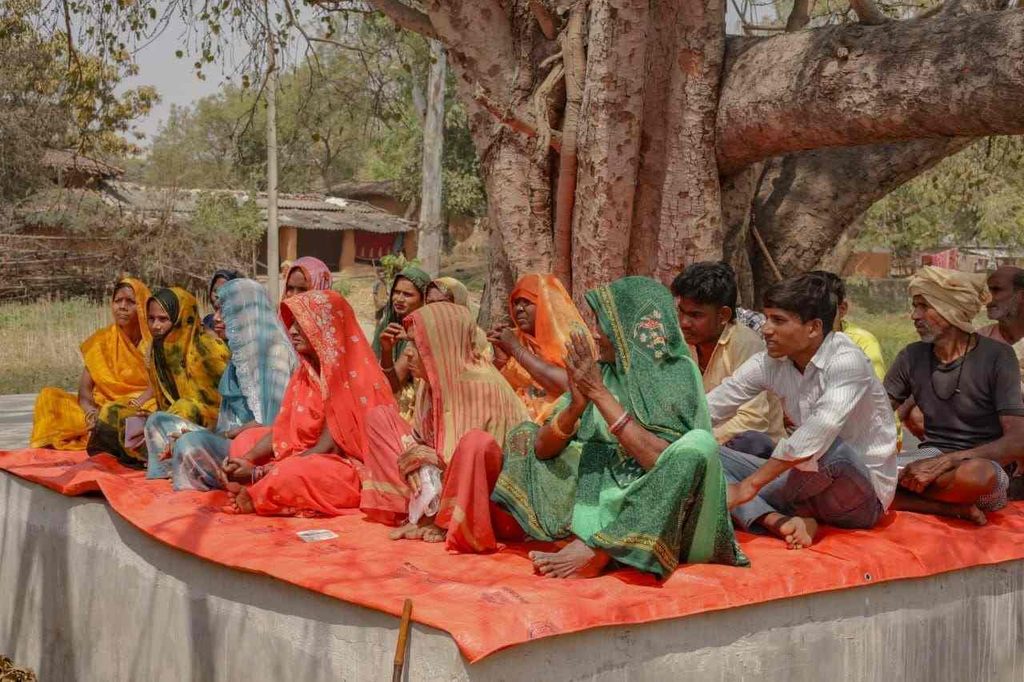
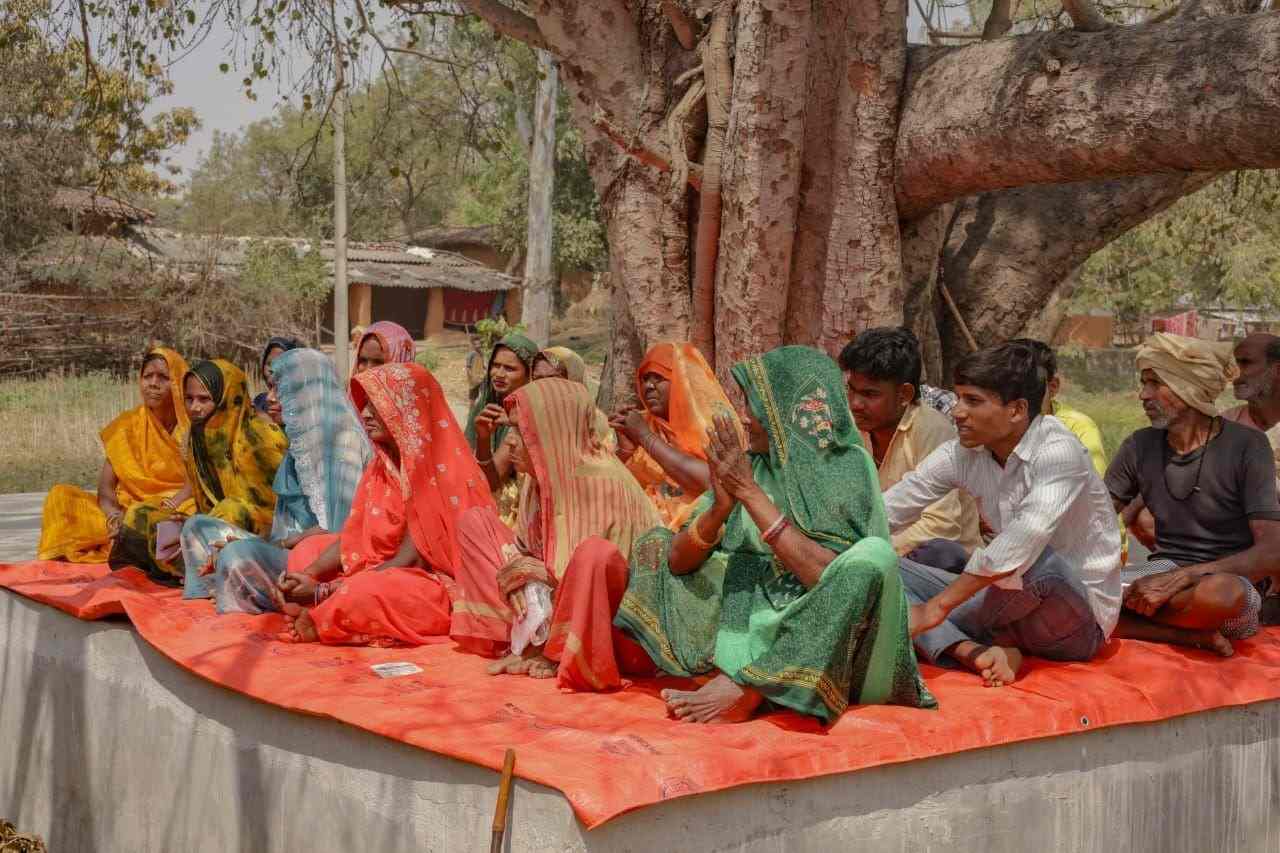

When a village struggles with unreliable drinking water, poor school attendance or limited access to government welfare schemes, the problem is rarely just a shortage of resources. In order to find a viable solution, it may really come down to who knows how to access those resources, who can negotiate with local authorities, with an underlying layer of consideration regarding whose concerns are taken seriously when such decisions are made. A village may have a functioning gram panchayat and government development schemes on paper, yet still struggle to translate them into meaningful improvements in people’s lives.
This is where local leadership programs in rural communities can make a difference. Through community mobilisation, financial management and developing public accountability mechanisms, local leadership initiatives help people participate more effectively in shaping their own futures.
Why local leadership matters for rural development
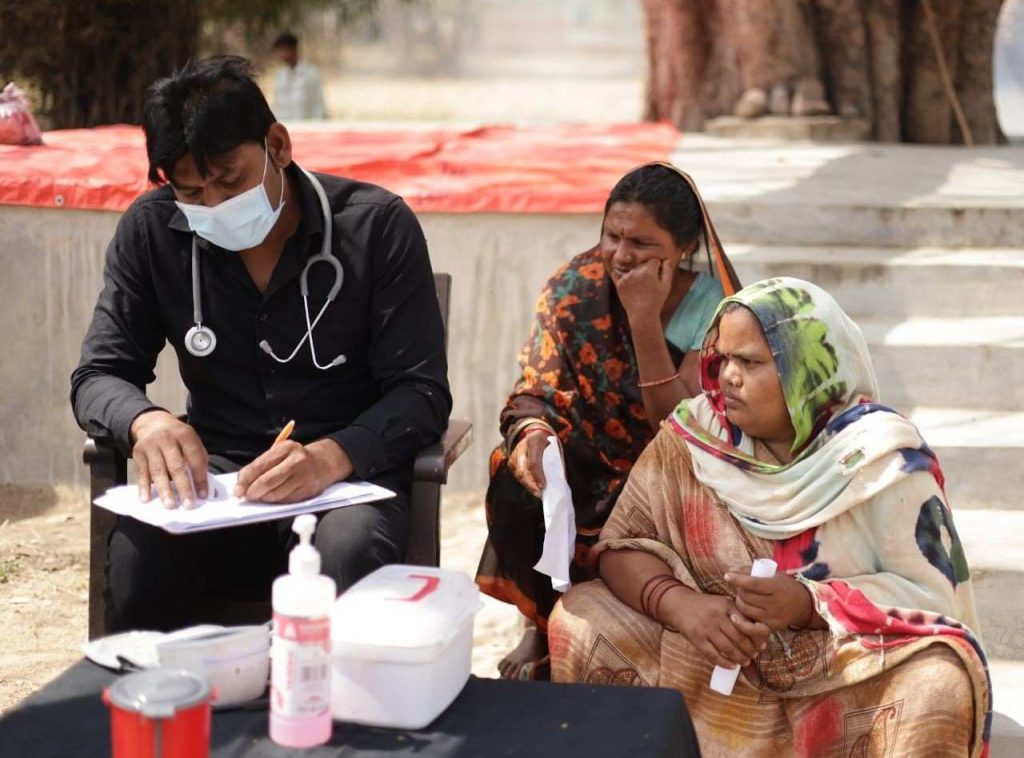
In rural India, where the gram panchayat is a crucial institution of local self-government, leadership development can connect community knowledge with public resources. The purpose is to train a few individuals to become better leaders who can then strengthen the capacity of communities in identifying problems and working collectively to solve them, often by holding institutions accountable.
Rural development in our country is often measured through visible outcomes such as roads constructed, toilets built, schools renovated and drinking-water connections installed. But the effectiveness of these investments also depends on whether local institutions can identify community priorities, coordinate implementation and respond when these services fail. India’s Panchayati Raj system provides an institutional foundation for addressing these gaps.
The 73rd Constitutional Amendment established a framework for elected local government in rural areas, creating opportunities for residents to participate in decisions about village development. Yet elected office does not automatically translate into effective leadership. Representatives must understand government procedures, budgets, welfare entitlements, public works and the mechanisms through which citizens can question decisions.
The Ministry of Panchayati Raj’s Revamped Rashtriya Gram Swaraj Abhiyan (RGSA) recognises this need. The scheme supports training for elected representatives, panchayat functionaries and other stakeholders, covering basic orientation, refresher courses, specialised subjects and the preparation of Gram Panchayat Development Plans.
However, we also need to note that leadership development is not an alternative to public investment but it just helps communities and local institutions make better use of that investment. When residents understand how village plans are prepared, how funds are allocated and where grievances can be raised, they are better equipped to participate in governance rather than encounter development schemes only when they are implemented. The real measure of success therefore, is whether leadership initiatives help communities exercise greater influence over the decisions that affect their daily lives.
Making local governance more responsive
A well-designed leadership program teaches participants how to translate everyday concerns into actionable plans. This might involve documenting the hours women spend collecting water, identifying a gap in the local health centre’s services, or mapping which households lack access to a government benefit.
The next step is learning how to take these findings to the gram sabha, work with panchayat officials, prepare development proposals and follow up on administrative decisions. Such skills can make public participation more substantive, particularly when community members have historically been excluded from formal decision-making.
Local leadership includes elected officials as well as teachers, members of self-help groups, youth volunteers, farmers, health workers and community organisers who can all help communities identify problems and coordinate responses. For instance, a village facing declining agricultural productivity may need to bring farmers together with agricultural extension workers, water-management committees and government departments. Such coordination becomes particularly important when rural communities face climate-related risks, water scarcity, livelihood insecurity or disruptions to essential services.
Local residents often possess detailed knowledge of their environment, work patterns and social networks. Leadership programs can thus, help turn this knowledge into collective action by developing skills in facilitation, conflict resolution, negotiation and planning.
Women’s participation is key
At the same time, women’s representation in local government is pertinent to create an important entry point for grassroots leadership. Limited access to information, social restrictions, unequal household responsibilities and pressure from male relatives or local political actors often constrain their ability to perform the role.
A 2012 United Nations Development Program report, ‘From Reservation to Participation’, examined strategies used across ten Indian states to strengthen women’s participation in local governance. It highlighted the importance of capacity building, constituency mobilisation and institutional support in helping elected women representatives understand and exercise their responsibilities.
More recently, the Ministry of Panchayati Raj has introduced specialised training for Women Elected Representatives under its women-led governance initiatives. A government update published in May 2026 reported that 1,48,904 women elected representatives had been trained under the specialised module.
The training focuses on practical leadership, communication, negotiation and decision-making skills. The significance of these programs lies not simply in the number of women trained, but in whether they are able to translate that training into meaningful participation in local governance.
A woman representative who can question a contractor, understand a development budget or raise concerns about sanitation and safety in a gram sabha is better equipped to influence decisions and ensure that community needs are reflected in local development priorities.
What makes a leadership program effective?
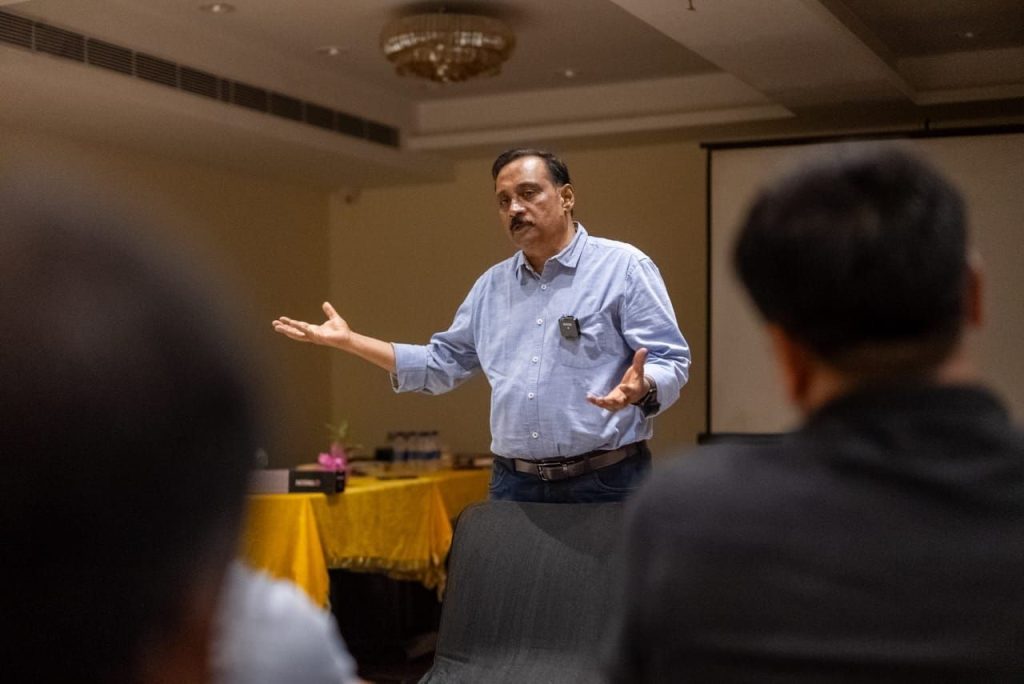
Training can provide knowledge, but leadership develops only through practice. A program that consists of a few workshops may introduce participants to government procedures without giving them the confidence or institutional access to apply what they have learned. Effective initiatives therefore combine classroom instruction with field-based learning, mentoring and opportunities to participate in real decisions.
An evaluation published in 2025 by the Public Affairs Centre examined capacity-building programs for newly elected gram panchayat members in 2020–21 and refresher training for elected women representatives in 2023–24, implemented by the Administrative Training Institute and State Institute of Rural Development and Panchayati Raj in Mysuru. The study assessed the relevance, quality and effectiveness of these programs, highlighting gaps in administrative, financial, technical and digital knowledge among elected representatives, particularly women and members of Scheduled Caste, Scheduled Tribe and Other Backward Class communities.
These findings point to the need for programs that respond to the actual responsibilities and constraints of participants. Training should cover practical tasks such as reading budgets, accessing digital government platforms, understanding welfare schemes, preparing development plans and conducting public meetings. Participants should also receive continued support when they encounter problems that cannot be resolved through training alone.
Organisations working in rural development can contribute by facilitating community meetings, helping residents understand their rights, connecting local leaders with technical experts and creating opportunities for peer learning across villages. Civil society organisations can also help excluded groups participate in consultations and document whether public commitments are being fulfilled.
The challenges leadership training cannot solve alone
It is equally important not to overstate what these initiatives can achieve. A trained leader may understand how to prepare a development proposal but still lack the funds, staff or administrative authority needed to implement it. A woman representative may acquire negotiation skills but continue to face restrictions on her mobility or decision-making. Communities may participate in consultations without having any real influence over the final decision. These limitations demonstrate why leadership development must be accompanied by institutional reform, adequate funding, accessible information and mechanisms for accountability. The government itself has acknowledged the continuing need to strengthen the capacity-building system.
A parliamentary committee report on rural development and panchayati raj for 2024–25 noted that approximately 40 lakh elected representatives, panchayat functionaries and other stakeholders had received capacity-building training in 2023–24. It nevertheless recommended greater attention to digital literacy, the localisation of Sustainable Development Goals and sector-specific expertise, alongside wider use of virtual learning and exposure visits.
The long-term value of local leadership programs in rural communities lies in their ability to strengthen the relationship between people and the institutions responsible for their welfare. For rural India, this means investing not only in infrastructure and welfare schemes but also in the people who help communities navigate, shape and scrutinise them.
Ultimately, successful leadership development is measured by whether communities gain a stronger voice in decisions, whether local institutions become more responsive, and whether people who have traditionally been excluded can exercise meaningful influence over the future of their villages.
FAQs: Local Leadership Programs in Rural Communities
1. What are local leadership programs in rural communities?
Local leadership programs help rural residents develop the knowledge and skills needed to participate in village governance and community development. They may cover financial management, public accountability, community mobilisation, negotiation, development planning and access to government welfare schemes.
2. Why are local leadership programs important for rural development?
Rural development depends not only on infrastructure and government schemes but also on how effectively communities can identify their priorities and access public resources. Local leadership programs help residents engage with gram panchayats, coordinate collective action and hold institutions accountable for delivering essential services.
3. What role do gram panchayats play in rural development?
Gram panchayats are institutions of local self-government responsible for supporting village-level development and governance. They help identify community priorities, prepare development plans and coordinate local initiatives. Effective leadership and public participation can strengthen their responsiveness to residents’ needs.
4. How does the 73rd Constitutional Amendment support grassroots leadership in India?
The 73rd Constitutional Amendment established a constitutional framework for elected local government in rural areas. It strengthened the institutional basis for decentralised governance and created opportunities for residents and elected representatives to participate in decisions about village development.
5. How can local leadership programs strengthen women’s participation in governance?
These programs can help women elected representatives develop skills in communication, negotiation, financial management and decision-making. Mentoring, peer learning and institutional support can further help women raise community concerns, understand development budgets and participate more meaningfully in gram sabhas and local governance.
6. What makes a local leadership program effective?
Effective programs combine practical training with field-based learning, mentoring and opportunities to apply new skills. Training should address real responsibilities, including reading budgets, accessing digital government platforms, preparing development plans and understanding welfare schemes. Continued institutional support is also essential.
7. What challenges can limit the impact of local leadership programs?
Limited funding, inadequate administrative authority, insufficient staff, social inequalities and restricted access to information can prevent trained leaders from translating their knowledge into action. Leadership development must therefore be accompanied by adequate public investment, accessible information, institutional support and mechanisms for accountability.