Categories
Health

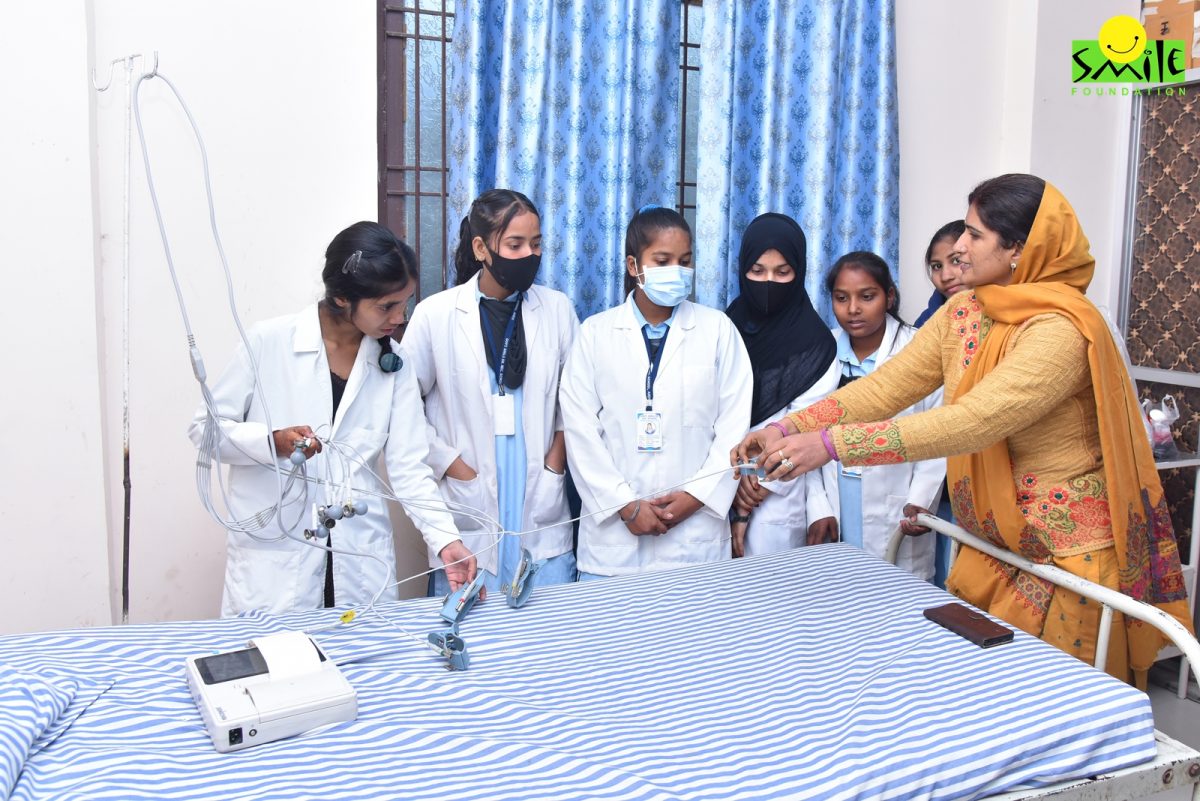
Gender-Sensitivity in Rural Women Healthcare

Medical experts have been constantly emphasizing the need to ensure timely access to both physical and mental health care for women. But women, especially those from rural and marginalized communities, are more deprived of these privileges. Numerous studies have been conducted on the unmet healthcare needs of women and how lack of timely access has been jeopardizing their overall health. Yet nothing much changes on the ground. 

In the era where gender equality has been set as one of the sustainable development goals to be achieved before 2030, gender insensitivity continues to be prevalent. As a result, women continue to face systemic barriers in almost everything. These barriers, deep-rooted in socio-economic and cultural factors, snatch education, job opportunities, power, independence, and even access to healthcare. 

Understanding gender sensitivity

Men and women are different physically, mentally, psychologically, and emotionally. Gender sensitivity is related to the ability to acknowledge and validate the existing gender differences, issues, and inequalities in the society. To become gender-sensitive, one needs to understand how gender roles have been constructed socially and how this presumption has formed the basis for inequalities or unfair distribution of opportunities. In simple terms, gender sensitivity is having the ability not to discriminate against an individual based on their gender by understanding, acknowledging, and validating the difference between multiple genders.

Through gender-sensitivity programs, awareness related to things that obstruct gender equality is created. It talks about how inequalities are taking place on the ground of gender. It is a significant way to foster respect and compassion for others. Just like every other lesson, it should also start at home.

Understanding gender sensitivity in healthcare

Since men and women are so different physically, risks, symptoms, and experiences of diseases may vary significantly. Time and again, various studies have reiterated that sex and gender matter in healthcare. Inequities might arise if the differences in gender and sex are not taken into account.

A study titled ‘Bringing gender sensitivity into healthcare practice: A systematic review’ defines gender sensitivity in healthcare as follows. “Gender sensitivity means that health professionals are competent to perceive existing gender differences and to incorporate these into their decisions and actions.”

The study points out that, “It is commonly accepted that gender does not exist in a vacuum; gender is part of a socio-political and cultural context. Healthcare organizations are gendered, which means that male and female patients are treated differently and that male and female physicians behave differently.”

Prevailing systemic barriers in healthcare for rural women

In the last few decades, numerous studies have been done to identify the obstacles that rural Indian women face while accessing healthcare. Analyzing and understanding the obstacles are the keys to launching an intervention programme. Below are the systemic barriers in healthcare faced by rural women.

1. Patriarchy and lack of power: Indian society, especially the rural areas, is bound by patriarchal norms. In simpler terms, it means men decide everything in a family, and women hold absolutely no power. When a woman experiences certain discomfort or pain, male members of the family don’t even consider it. Since she has no autonomy, and to keep peace at home, she ends up ignoring the discomfort or pain. She seeks medical advice only when it becomes severe or unbearable. As a result, the discomfort, which would have been a symptom of a disease and curable at the initial stage, develops and eventually becomes matured. She ends up getting treatment for a long period or until her man decides to stop it.

2. Economic barriers: Many women are financially dependent on their husbands. So, she will have to convince her husband to spend money to access healthcare services. If her husband denies, then she will have no option but to accept it and ignore her symptoms. Even otherwise, medical expenses remain a cause of concern for almost everyone. Healthcare costs, especially specialized treatments, surgeries, and long-term care, are highly expensive, mainly due to medical inflation. Since most of the rural population belongs to the lower or lower-middle class category, it becomes extremely difficult for them to afford it. As a result, they end up forgoing necessary treatment, worsening their health conditions.

3. Misconceptions regarding symptoms: Misconceptions regarding health symptoms are quite prevalent in rural areas of the country. These misconceptions, often rooted in cultural beliefs, lack of education, and limited access to accurate health information, prevent women from seeking appropriate medical care or recognizing the importance of early intervention. In rural areas, where healthcare infrastructure is limited, these misconceptions can exacerbate health problems, leading to delayed diagnoses, improper treatments, and worsened health outcomes. For instance, some women assume a particular symptom, like abdominal pain, as a normal occurrence during her menstruation or as a result of her lifestyle choices. But in reality, it could be a symptom of a more serious condition like endometriosis or an ovarian cyst. Due to this misconception, they don’t seek medical advice and just follow home remedies, resulting in delayed or inappropriate treatment.

4. Stigma related to menstruation and gynecological issues: In many rural communities, menstruation is seen as a subject of taboo. This stigma prohibits open discussion about menstrual health, hygiene, and the potential health risks associated with poor menstrual practices. As a result, women don’t understand the importance of menstrual hygiene or realize when their symptoms may indicate a medical issue, such as heavy bleeding, pain, or infections. They end up tolerating these symptoms in silence because of the fear of being judged or misunderstood. This delay in seeking medical care leads to a lack of early diagnosis of conditions such as fibroids, ovarian cysts, or even cancer, which could have been treated more effectively if caught early.

5. Limited healthcare infrastructure: Rural and remote areas of the country still lack sufficient healthcare infrastructure, with hardly a hospital, few clinics, and a primary health center. Even the ones that do exist are under-equipped or understaffed. Also, they need to travel long distances to reach nearby quality hospitals, which is both time-consuming and expensive. This makes it challenging for women to access basic healthcare services like maternal care, routine check-ups, or treatment for common illnesses. Also, rural areas lack emergency medical services like ambulances, which can be life-saving for women during childbirth, accidents, or other health emergencies. This delays critical care and increases the risk of complications.

Ways to overcome the barriers

Overcoming systemic barriers in healthcare faced by rural Indian women requires a multi-pronged approach that addresses both the immediate healthcare needs and the underlying structural, cultural, and economic challenges. Below are some of the ways that can help overcome these barriers.

1. Improving health infrastructure: The government should invest in establishing more primary health centers (PHCs) and sub-centers in rural areas to increase access to basic healthcare services. These facilities should be adequately equipped with essential medical supplies, diagnostic tools, and trained healthcare workers. Also, the referral system between primary, secondary, and tertiary healthcare centers should be strengthened. For it will ensure that women can access more specialized services when needed. Timely referral and transportation to higher-level healthcare centers should be prioritized.

2. Empowering and educating women: It is vital to improve health literacy among rural women by organizing workshops, campaigns, and training on key health issues. Programs like the Accredited Social Health Activist (ASHA), where trained women from the local community act as health intermediaries, should be expanded. ASHAs can educate women on basic healthcare, clarify misconceptions regarding symptoms, guide them on available government schemes, and encourage them to seek medical care. Increasing awareness about menstrual hygiene and debunking myths surrounding menstruation can reduce stigma and empower women to seek better menstrual health management.

3. Challenging cultural and social norms: Incorporating gender-sensitive content in education curricula will help children and young adults understand the importance of women’s health and respect for women’s bodily autonomy. This should include discussions on menstruation, reproductive health, family planning, and sexual health. Open discussions will help to tackle the deep-rooted cultural norms and stigma surrounding women’s health. Also, social programs that focus on empowering women and improving gender equality can have long-term effects on healthcare access. Women’s leadership and participation in decision-making processes at the community level should be encouraged to ensure that their needs are adequately represented in policy and healthcare delivery.

Smile’s Work

Smile Foundation has implemented several initiatives to improve healthcare access for rural women in India, addressing systemic barriers through the following programs:

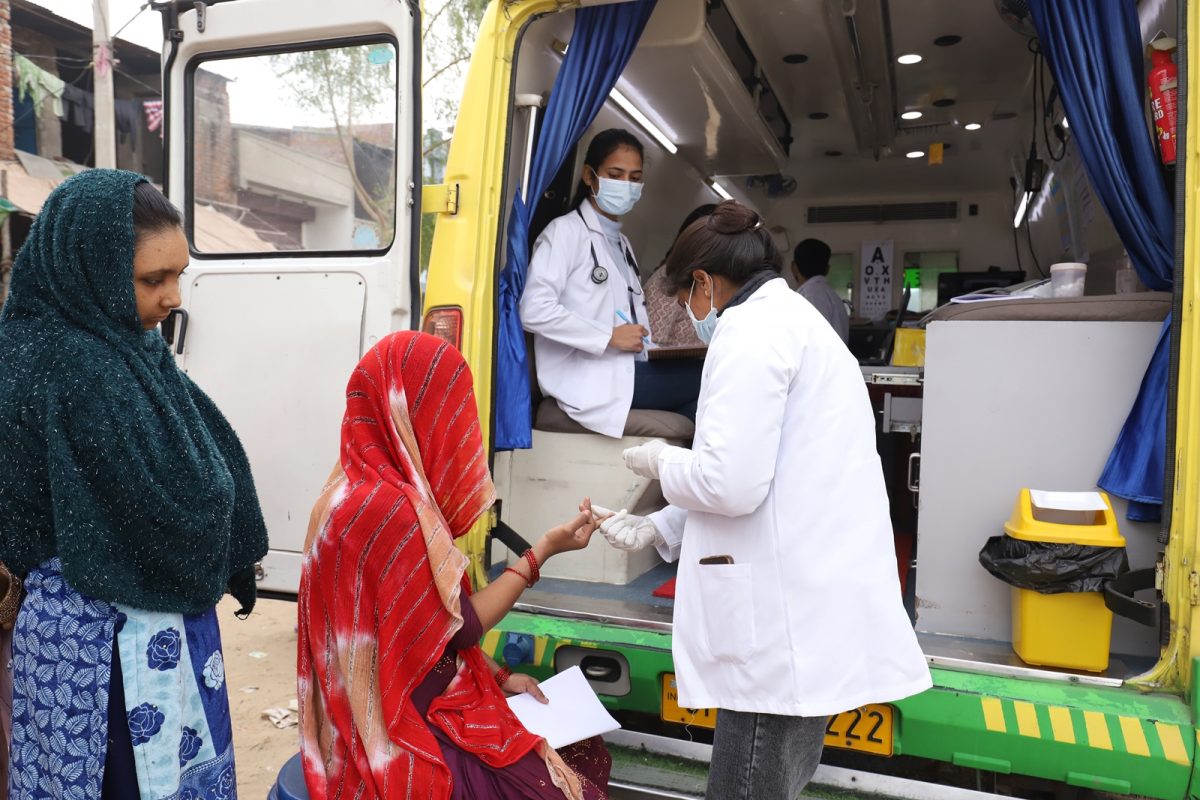
  1. Mobile Healthcare Units (MHUs): Equipped with medical professionals and necessary equipment, these units travel to remote and underserved areas, providing primary healthcare services such as medical check-ups, vaccinations, basic treatments, and health education. This approach brings healthcare directly to communities lacking nearby medical facilities. 
  2. Telemedicine Initiatives: Leveraging technology, Smile Foundation connects patients in remote locations with doctors through digital platforms. This allows for remote consultations, diagnoses, and treatment recommendations, reducing the need for patients to travel long distances for healthcare. 
  3. Static Clinics: In areas with slightly better infrastructure, static clinics offer a consistent healthcare presence, providing services like diagnostics, minor procedures, and regular health check-ups. For example, a static Health Clinic in Ranchi focuses on the health and well-being of truck drivers, offering OPD and physiotherapy services. 
  4. Health Camps: Organizing health camps in remote areas, Smile Foundation addresses immediate healthcare needs by focusing on specific concerns such as eye care, dental care, immunizations, or maternal health. These camps bring together medical professionals and volunteers to offer consultations, treatments, and health education.
  5. Collaboration with Government Health Centers: By partnering with existing government health centers, Smile Foundation enhances their reach and capacity. This collaboration involves providing additional medical staff, equipment, training, and support to ensure effective service delivery to remote populations. 

Through these initiatives, Smile Foundation strives to overcome systemic barriers and improve healthcare access for rural women in India, contributing to better health outcomes and quality of life.
Categories
Women Empowerment Girl Child

Gender Equal Society by 2030—Is It Possible?

The idea of a gender-equal society by 2030 is a bold goal set by the United Nations under Sustainable Development Goal (SDG) 5: Achieve gender equality and empower all women and girls. But with just a few years left, can we truly create a world where gender no longer dictates opportunities, safety, or rights? 

Mrs.– a recent 2025 film that has taken center stage in conversations about gender, challenges deep-seated societal expectations of women. More than just a movie, it reflects the struggles many women face in balancing ambition with societal norms, mirroring real-world inequalities. It reminds us that gender equality, more than being about progressive policies, is also about changing deep-rooted biases.

Despite undeniable progress in education, employment, and lawmaking, gender discrimination, pay gaps, violence, and stereotypes are still widespread. So, can we achieve this milestone by 2030, or is it an idealistic dream?

Education: The Foundation of Gender Equality

Education is often cited as the key to breaking gender-based discrimination, and for a good reason. Countries that have prioritized equal educational access for all genders have seen remarkable improvements in economic growth, healthcare outcomes, and overall social development. According to UNESCO, globally, 118.5 million girls of primary and secondary school age are out of school, with sub-Saharan Africa and South Asia facing the largest gaps. In India, while gender parity in primary education is improving, dropout rates for girls increase significantly at the secondary level due to societal pressures, early marriage, and safety concerns. A survey found that nearly 30% of girl students drop out of schools by the time they get to class IX and the number rises to 57% in class XI, limiting future opportunities.

To bridge this gap, access to quality education must be non-negotiable. Gender-sensitive curriculum, scholarships, and mentorship programs tailored for marginalized communities can open doors. Skill-building initiatives, particularly in STEM and leadership, can further close the opportunity gap. The Government of India has launched initiatives like GATI (Gender Advancement for Transforming Institutions) to boost women’s participation in STEM and PM-USP Yojana to provide scholarships and reduce dropout rates.

Beyond the Pay Gap

Financial independence is one of the strongest weapons against gender disparity. Yet, women and non-binary individuals still earn less, face hiring discrimination, and have fewer leadership opportunities. According to the World Economic Forum’s 2023 Global Gender Gap Report, closing the gender gap in economic participation at the current rate will take a staggering 131 years. Less than 25% of the Indian workforce is female and the contribution of women to India’s GDP is just 18%, one of the lowest proportions in the world.

The solution? Focused policies on skill development, equal pay laws, and better workplace support. India has seen some progress with initiatives like the Maternity Benefit (Amendment) Act, but further action such as stronger paternity leave policies and stricter enforcement of workplace harassment laws are needed to create truly inclusive work environments.

Improving Healthcare Accessibility for Gender Equality

Gender disparity in healthcare remains a significant issue in India, where women often face limited access to medical services, higher malnutrition rates, and inadequate reproductive care. The statistics are staggering: India’s maternal mortality rate (97 per 100,000 live births) is higher than in developed nations. Over 50% of Indian women aged 15-49 suffer from anemia, affecting maternal and child health. In India, the National Family Health Survey (NFHS-5) reports that 29.3% of married women have faced domestic violence, and access to mental health services remains inadequate, particularly in rural areas.

Healthcare systems must be redesigned with gender in mind. Countries like Argentina, which have integrated gender-affirming healthcare policies, show what’s possible. India has made progress with initiatives like Ayushman Bharat, but expanding gender-sensitive services and tackling deep-rooted healthcare discrimination is crucial.

Gender-Based Violence

Despite stricter laws and increasing awareness, gender-based violence remains a major hurdle to achieving gender parity. The UN reports that an estimated 736 million women—almost one in three—have faced intimate partner or sexual violence. In India, fast-track courts for sexual violence cases and policies like the Protection of Women from Domestic Violence Act have helped, but underreporting and stigma still prevent many survivors from seeking justice.

Solutions go beyond laws; they require cultural shifts. More support services for survivors, including mental health counseling and financial aid, can make a difference. Countries like Spain, which have gender violence courts and immediate response teams, offer effective models that India and other nations can adapt.

A Seat at the Table, or Many Seats at the Table

For real change, women and non-binary individuals must have a voice in decision-making spaces. Globally, only 26.5% of parliamentary seats are held by women. In India, women make up just 14% of the Lok Sabha, far from equal representation.

Affirmative action policies can help. Rwanda, with 61% female parliamentary representation, sets a strong example of how political will can drive change. More inclusive leadership results in better policies, fairer budgets, and faster progress toward gender equity.

Smile’s Work for Gender Equality

Smile Foundation is actively engaged in promoting gender equality through various initiatives:

  • Swabhiman Programme: This initiative focuses on women empowerment by providing digital financial literacy, health awareness, and entrepreneurship training. It aims to equip women with the knowledge and skills necessary to navigate the digital financial landscape effectively.
  • Project Manzil: In Rajasthan, this project has provided counseling and employability skills training to over 90,000 young girls, enhancing their prospects for a better future.
  • She Can Fly Campaign: This effort is designed to enable, equip, and empower underprivileged girl children with quality education, proper nutrition, good health, adequate skills, and self-confidence. The campaign supports more than 400,000 girls and women annually, offering education support to over 27,000 girls and healthcare support to more than 300,000 girls and women through mobile healthcare units.
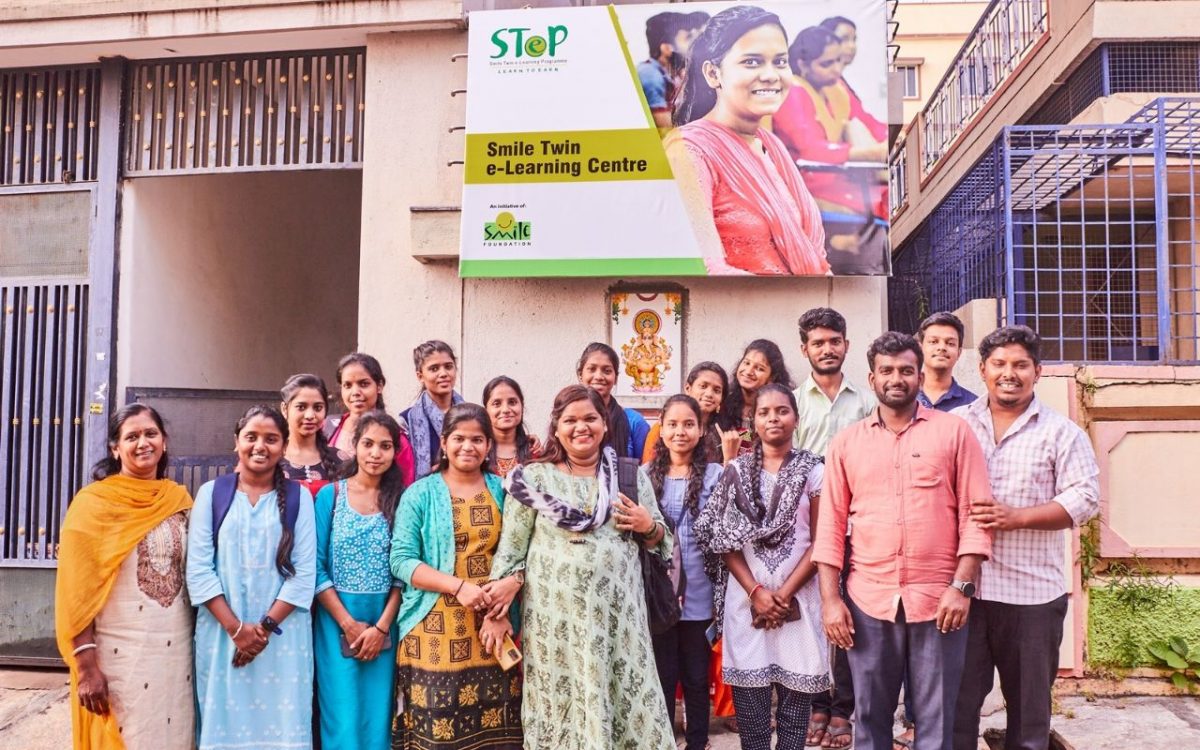
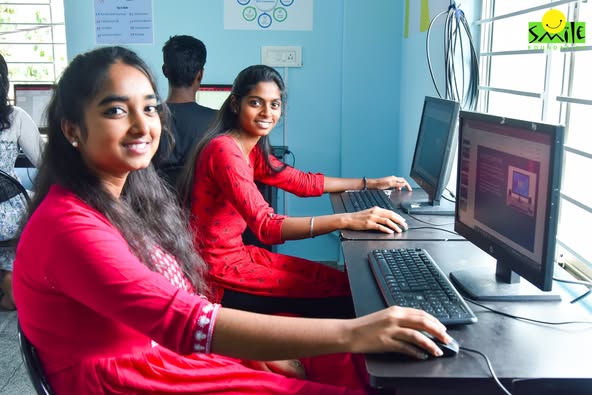
  • Smile Twin E-learning Programme (STeP): This program trains underprivileged youth in English, computer skills, soft skills, and other necessary competencies. To date, more than 10,000 youths have been trained, with over 6400 placed in various brands across India. Notably, more than half of the beneficiaries are girls, highlighting the program’s commitment to gender inclusivity.

Through these comprehensive programs, Smile Foundation strives to create a gender-equal society by addressing educational disparities, enhancing employability, and empowering women and girls across India.

Will We Get There by 2030?

Beyond laws and policies, societal attitudes must evolve to achieve gender equality in true form. Traditional gender roles still dominate, limiting aspirations and opportunities. The media, digital platforms, and education play key roles in shaping gender norms. However, India still struggles with a digital gender divide—only 33% of internet users are women, limiting access to online education and job opportunities.

The way we raise children matters too. Teaching boys and girls the same values, giving them equal responsibilities, and breaking gender stereotypes in schools and workplaces can lead to a more balanced future. So, Can we achieve a gender-equal society by 2030? The honest answer is—it’s unlikely. But that doesn’t mean the fight should slow down. The key lies in an integrated approach: change is possible when there is collective action and political will.

We may not get there by 2030, but we can ensure that gender equality is a reality in the making- every single day.

Categories
Skill Development Livelihood

Vocational Training as Part of School Curriculums

Technological advancements and global economic shifts are redefining job markets and it has become crucial to reassess educational strategies. Particularly in rural India, traditional education systems often focus heavily on theoretical knowledge, neglecting practical skill development that can provide real-life benefits. The inclusion of vocational training and skill development in school curriculums for rural children can bridge this gap and equip them with the tools necessary to thrive in the modern workforce. With nearly 70% of India’s population residing in rural areas, the need for relevant and accessible education has never been greater. 

According to a 2018 report, nearly 80% of the employed in India are in informal sectors, often with limited education or skills. This trend underscores the importance of integrating vocational skills early in a child’s educational journey to provide them with more opportunities for stable, rewarding livelihoods.

A Global Perspective

Vocational training is not a new concept. It has been embraced worldwide as an effective way to prepare young people for the demands of the labor market. Countries like Germany, Switzerland, and Singapore have long been pioneers in integrating skill-based learning into their education systems. In these nations, vocational training is considered equally valuable as academic education, with students gaining hands-on experience in various trades, from healthcare to engineering, agriculture to digital skills. 

For example, in Switzerland, students undergo rigorous vocational training as part of their high school curriculum, with more than 70% of young people entering vocational tracks. Such systems have led to stronger labor markets and greater social stability, and they offer a roadmap for India to follow.

The Role of Vocational Training in Rural India

In India, the Government of India has made significant strides toward vocational education through initiatives such as the National Skill Development Mission (NSDM) and Pradhan Mantri Kaushal Vikas Yojana (PMKVY). These programs aim to provide training to the youth and help them develop skills that are directly aligned with industry requirements. However, the gap between these initiatives and rural children remains substantial. Nearly 80% of rural youth in India are yet to receive vocational or skill training, underscoring a major skills gap. Consequently, around 40% of rural youth face difficulties in securing employment, primarily due to a lack of necessary skills.

Integrating vocational training into rural school curriculums can bridge the skills gap and enhance employment opportunities. With limited access to higher education, rural students could gain marketable skills in areas like modern farming, food processing, and animal husbandry—essential for improving agricultural productivity. Additionally, digital literacy is crucial as digital jobs are rapidly expanding. However, rural youth often lack internet access and exposure to digital tools. Incorporating digital skills in education can help them stay competitive in the job market and explore new income opportunities, ensuring they are better prepared for the evolving workforce.

Role of NEP 2020

The National Education Policy (NEP) 2020 has significantly emphasized integrating vocational and skill training into India’s school curriculum to bridge the gap between education and employability. It mandates the inclusion of vocational education from secondary school level, enabling students to gain hands-on experience through internships and skill-based learning. 

With a focus on industry-relevant skills, including digital literacy, agriculture, and entrepreneurship, NEP 2020 aims to prepare students for diverse career pathways. By promoting a multidisciplinary approach and integrating emerging technologies, the policy seeks to enhance job readiness and empower students, especially in rural areas, with practical skills.

But, What are the Challenges?

Despite its benefits, the integration of vocational training into rural school curriculums faces several challenges. One of the primary barriers is the lack of infrastructure and qualified trainers in rural areas. Many schools are under-resourced, with limited access to facilities such as workshops, computers, or even internet connectivity. Moreover, teachers may lack the expertise to effectively deliver vocational training in fields such as agriculture, technology, or construction. 

The cultural bias against vocational education also remains a significant hurdle. In many parts of India, traditional academic education is seen as a more prestigious path, while vocational training is often associated with lower-status jobs. 

Overcoming Barriers to Implementation

To address this, a shift in societal attitudes is essential. It is critical to raise awareness about the value of vocational skills and their role in the modern economy. Government and community efforts must focus on making vocational education appealing to both students and parents by showcasing success stories and demonstrating the long-term benefits of such training.

Additionally, partnerships with the private sector could play a crucial role in overcoming some of these barriers. Collaborations with industries and companies can help align school curriculums with the skills required in the job market. By involving local businesses in shaping the curriculum, vocational training can become more relevant and better suited to the needs of the rural economy. Technology can also be leveraged to bridge gaps in access and expertise. Online platforms and remote learning programs could provide rural children with access to high-quality educational resources and digital skills training, even in the absence of physical infrastructure.

Smile’s Work

Smile Foundation is actively engaged in integrating vocational training and skill development into the education of rural children through several initiatives:

  1. Mission Education Program: This initiative addresses the educational needs of underserved children, including those in rural areas. It emphasizes not only academic learning but also life skills and vocational training to ensure holistic development. For instance, in Cholanayakanahalli, Bangalore, the program serves communities below the poverty line, where most children are first-generation learners. 
  2. Vocational Training Centers: Smile Foundation establishes centers that provide practical, hands-on training aligned with industry standards. These centers focus on digital literacy and other relevant skills, ensuring that rural youth are prepared for modern job markets. 
  3. Digital Literacy Programs: Recognizing the importance of technology, the foundation implements digital literacy initiatives to ensure rural youth are comfortable with technology, thereby enhancing their employability. 
  4. Public-Private Partnerships: Smile Foundation fosters collaborations to create apprenticeship and internship opportunities, promoting entrepreneurship among rural youth. 
  5. Shiksha Na Ruke Initiative: This program includes vocational education and skill training as key interventions, aiming to promote socio-emotional well-being and infrastructure development in government schools.

Through these efforts, Smile Foundation aims to empower rural children by equipping them with practical skills, thereby enhancing their employment opportunities and contributing to sustainable development.

By embracing vocational education, we can provide rural youth with the tools to succeed, whether through formal employment or entrepreneurial ventures. 

However, this vision can only be realized through collaborative efforts from government bodies, non-governmental organizations, educational institutions, industries, and communities. When executed effectively, vocational training can transform the lives of millions of rural children, ensuring that they are not left behind in the global race toward development.

Categories
Women Empowerment

The Critical Need for Gender Equity and Equality in India

‘Equality knows no gender’. While we are all familiar with this saying, gender equality, and gender equity, is something that people across the world are still fighting for, and the same is true for India. 

In a land where goddesses are revered, many women and girls still struggle for access to education, healthcare, equal pay, right to property and financial independence, among other things. Members of the LGBTQIA+ community are worse off, and have to wage their own battle as they face social stigma and lack access to equal opportunities at the home, workplace and in society.

Gender equality vs gender equity

Gender equality refers to the idea that all people, regardless of their gender, should have the same rights, opportunities, and access to resources. It’s about treating everyone equally, with no discrimination based on gender. 

Gender equity focuses on fairness and justice in addressing gender imbalances. It recognizes that people of different gender identities often start from different places due to historical, social, and economic disadvantages, and therefore, requires different treatment or resources to achieve fairness. 

On the Gender Inequality Index (GII) 2022, India ranks 108 out of 193 countries, with a score of 0.437. This is an improvement as India stood at rank 122 out of 191 countries with a score of 0.490 in the Gender Inequality Index 2021. This is because the government, and NGOs have been working to bring about gender equality, and equity, in all spheres of life. But we still have a long way to go.

When education is a privilege

The Right of Children to Free and Compulsory Education Act or Right to Education Act (RTE), enacted on August 4, 2009, makes education a fundamental right of every child between the ages of six and 14 and specifies minimum norms in elementary schools.

However, according to Child Rights and You (CRY), only about 60% of girls complete class 12, says John Roberts, director, southern region, CRY. “Whenever children are not in school, they become susceptible to early marriage, violence and abuse, and child labour. And girls are more vulnerable,” he says.

The government and NGOs have come up with initiatives to address the problem. The Beti Padhao Beti Bachao (BBBP) initiative was launched in 2015 to provide financial assistance for the education and health of the girl child, especially in districts with low child sex ratio. 

However, when it comes to the LGBTQIA+ community, many of them are still forced to drop out of educational institutions due to the bullying and discrimination they face from their peers and even teaching staff.

Battle for equity in healthcare 

A study by the All India Institute of Medical Sciences, New Delhi, has revealed that only 37% of women have proper access to health needs and services compared to 67% of men. Issues like maternal mortality, malnutrition, and lack of access to reproductive health services need to be addressed to improve gender equity in health.

Women experience delays in seeking care, inadequate prenatal and maternal healthcare, and higher rates of malnutrition and anemia. A Harvard health study has shown women in pain are much more likely than men to receive prescriptions for sedatives, rather than pain medication, for their ailments. One study even showed women who received coronary bypass surgery were only half as likely to be prescribed painkillers, as compared to men who had undergone the same procedure. 

According to Dr Preetha Reddy, vice chairperson, Apollo Hospitals, gender inequities in healthcare can be addressed by encouraging more women to join the medical field, as nearly two-thirds of healthcare workers in India are men; only 6% of all doctors in rural areas are women. 

As far as the LGBTQIA+ community is concerned, there aren’t enough medical professionals also to address their unique healthcare needs as the healthcare needs of a lesbian or gay person is very different from that of a trans person, especially someone who is medically transitioning.

‘Invisibility Amplified: A report on the impact of COVID-19 on intersex people in Asia’, released in 2021 by Intersex Asia, revealed that a significant number of intersex people were reluctant to seek medical help despite having symptoms of Covid-19 due to their prior experience of medical violence and trauma. The report also showed that while more than 40% of the people surveyed didn’t get directly affected by Covid-19, an alarming number of people didn’t see a doctor despite having Covid-19 symptoms.

Lack of political representation

Equal participation and leadership of women in political and public life are essential to achieving the Sustainable Development Goals by 2030. However, data shows that women are underrepresented at all levels of decision-making worldwide and that achieving gender parity in political life is far off, says a UN Women report.

In India, the 18th Lok Sabha comprise only 74 women compared to 469 men, says a Firstpost report, adding that “this share is not only abysmally skewed but also lower than the 14.4% share of female representation during the 2019 election, where 78 women were elected as MPs.”

There is not adequate representation of other genders as well in Indian politics. But winds of change are blowing. In Tamil Nadu, which has always been at the forefront of transgender reform, transgender Priya Babu went to court and won her community the right to choose their gender in the voting list in 2003. Ganga Nayak created history in Tamil Nadu when she became the sole transgender candidate to have won a seat in the state local body polls in 2022.

Equality in the workplace 

Women often face barriers to equal opportunities in the workforce. This includes unequal pay for equal work, lack of maternity benefits, gender-based discrimination, and limited opportunities for leadership positions. 

According to a recent report highlighting Gender Disparities in Corporate Leadership in India, there has been an overall increase in female representation in the workforce over the years — from 23.9% in 2016 to 26.8% in 2024. But, as women advanced to managerial positions, there was a significant drop (18.59%), followed by a continuous decline in female representation in leadership positions — 20.1% at director roles, 17.4% at Vice President roles and at 15.3% at C-suite positions, says the report.

“The correlation between fewer women in leadership positions and women taking career breaks is undeniable. According to Avtar’s research, while women’s representation is 26% at entry level roles in corporate India, this drops to less than 12% at executive levels,” says Saundarya Rajesh, founder-president, Avtar Group. The lack of gender representation at the C-suite level can be attributed to the absence of conducive work structures across organizations – that of policies, programmes and career enablers that address women’s unique challenges, such as extended maternity leave, childcare support, and flexible work arrangements. 

Encouraging policies for workplace safety, equal pay, and career advancement for women can help. “When companies begin to invest in hiring, retaining and advancing women, they see transformational impact. As per data emerging from Avtar & Seramount Best Companies for Women in India study, women’s representation in the Best Companies is at 37%,” says Rajesh, adding that, at leadership levels, this touched 20% in 2023, because of robust frameworks of support these organizations have towards ensuring equitable career pathways for women. “While all best companies in 2023 offered structured mentoring, 76% of them offered career sponsorship – a programme to give greater visibility to women’s work and their aspiration for advancement.”

End gender-based violence

Gender-based violence is another issue that needs to be tackled. According to an article, violence within the confines of the home remains a serious concern with 24% (6,237) of the total 25,743 complaints received by the Nation Commission for Women over 2024 pertaining to domestic violence. 

“We have seen a big shift in the last two decades that we have been working in the field. Parents now realise the need for gender equality – to treat girls and boys in the same way, and to even invest in education and the daughter’s future. There is a realization that gender inequality contributes to domestic violence,” says Prasanna Gettu, founder of The International Foundation for Crime Prevention and Victim Care (PCVC). 

While there are many laws to support women survivors of domestic violence, it’s different when it comes to non-binary people, she feels. “That’s going to take some time as there is less awareness, understanding, and lack of family acceptance. But it’s not impossible as we have reached a stage where it is being discussed in public, laws are being amended and in future policies can be strengthened,” says Gettu.

NGOs take initiative

Smile Foundation lays stress on vocational education and more than 44,000 girls are supported under its programmes. Our Project Manzil also provided counselling and employability skills training to over 90,000 young girls in Rajasthan. 

Since financially literate mothers can motivate their children to be savvy with money, our women empowerment programme, Swabhiman, has a digital financial literacy component, which has been empowering women with the knowledge and skills to effectively navigate the digital financial landscape. The programme provides education and training on various aspects of digital finance, including online banking, mobile payments, budgeting tools, and safe online transactions. It equips women with the necessary skills to manage their finances, make informed decisions, and access financial services through digital platforms- all to make gender equity a reality of our their lives.

Categories
Girl Child

Marriage cannot ever be an Ally of Young Girls

The United Nations has observed a significant decline in child marriages in South Asian countries and named India as one of the significant contributors. Going in line with the data, union women and children development minister Annapurna Devi recently revealed that child marriages halved in the country. The number has dropped from 47.4% in 2006 to 23.3% in 2019-21. The facts don’t mean that child marriages are abolished in the country. It just means that the number has come down.

The minister has also shared that one in five girls is married before turning 18 years, and they had stopped at least two lakh early marriages in the last year in the country. Indian families continue to marry their girl children at an early stage despite numerous warnings both from the government and experts. Why do they refuse to give up their attempts? Why marriage can never be an ally of young girls. Let’s understand in detail. 

What is early marriage?

Early marriage is a practice that involves marrying off individuals, mainly girls, before they reach the legal age of marriage. It has been prevalent in the country for centuries together. Families married off their wards at the earliest, and sometimes even before the girl hit puberty. But the British government passed the Child Marriage Restraint Act in 1929 to stop early marriages. The law insisted that a girl should at least be 14 years old, and a boy should be 18 years old to get married. Since the Muslim community opposed it, a separate law has been passed for them.

After the independence, the Child Marriage Restraint Act was amended twice. In 1949, the age limit was increased to 15 for girls, and in 1978, the age limit was increased to 18 for women and 21 for men. Since people continued marrying their girls at much younger ages, the government passed the prohibition of child marriage act in 2006.

According to the act, a child means a person who, if a male, has not completed 21 years of age, and if a female, has not completed 18 years of age. Child marriage means a marriage or a marriage about to be solemnized, to which either of the parties is a child. The act not just prevents the marriage of children but also punishes the involved adults.

Causes of early marriage

Though stringent laws have been put in place, early marriage remains prevalent across the country, especially in rural and economically disadvantaged areas. It has always been driven by a combination of social, economic, and cultural factors. One of the foremost reasons for early marriage is that it is seen as a duty of parents.

Even today, in several conservative communities, marriage is often seen as a responsibility or obligation of parents, and it has never been the choice of women. Parents and extended family members force girls to marry at an early age to complete their responsibility. Not just that, the girls are also expected to fulfill their role in ensuring lineage and contributing to the family’s social status. Parents of girls who remain unmarried after a certain age face social stigma, and the girls feel like a burden on their families. To avoid the perceived shame, many families marry off their daughters at an early age.

Even modern communities see marriage as a way to preserve a family’s honour and reputation. It is due to the underlying belief that a girl’s worth is tied to her chastity and her role as a caregiver. Early marriages are often seen as a way to preserve their ‘purity’ and to avoid dishonour.

Impact of early marriage on young girls

Early marriage, one of the serious violations of children’s rights, has devastating consequences for both males and females. But, according to statistics, the number of girls who undergo early marriage is at least five times higher than their counterparts. About 250 million girls are married before the age of 13 across the globe. Research has also found that early marriages have affected them physically, emotionally, socially, and economically.

1. Health risk: Early marriages often lead to girls becoming involved in physical intimacy before they are physically and emotionally ready. Chances are high that they know nothing about their sexual and reproductive health. That’s why child marriages often result in adolescent pregnancy with increased complications. Risks like premature labour, obstructed labour and eclampsia are commonly found in adolescent pregnancies. Girls also experience maternal mortality or childbirth-related injuries. They are also at greater risk of having babies with low birth weight, premature birth, or other health problems. This will put both the girl and her child in danger. Not just that, early marriages also increase the risk of sexually transmitted diseases (STDs) as they are unaware of protecting themselves in sexual relationships.

2. Interrupted education: Girls are often taken out of school to marry off shortly after they hit puberty. Some societies restrict girls’ roles to being wives and mothers. Without education, they miss out on a crucial stage of development and self-discovery that typically defines their childhood and adolescence. They also miss out on opportunities to improve their economic autonomy and personal development. In most cases, they end up taking low-paying jobs or become dependent on their husbands for financial support. This economic dependence will lead to an unequal power dynamic in the marriage. It in turn will entrench gender inequality and limit a girl’s ability to make independent decisions.

3. Social isolation: When a girl marries at a young age, her focus shifts to her new responsibilities as a wife, and later a mother. In many cases, they are confined to their new home and fulfill domestic duties. She will have little freedom to interact with her friends or extended family. Not just that, she will also not be allowed to participate in any social events or gatherings. There are numerous instances when a girl had to take permission from her husband or in-law to do literally anything. This lack of autonomy limits her opportunities to build and maintain healthy social connections. This social isolation can make her feel lonely and disconnected from her peers.

4. Loss of childhood: Marriage always brings with it the expectation that girls will take on adult responsibilities. It means she will have to manage the household, cooking, cleaning, and caring for her in-laws, husband, and other family members. These duties not only take priority over her personal interests, play, and leisure, which are essential aspects of childhood, but also toil her emotionally. This emotional toil often makes them feel overwhelmed, confused, and isolated. This in turn will take away their carefree and joyful experiences that define childhood. Emotional stress and a stunted sense of self will end up interrupting developmental milestones of adolescence.

5. Loss of identity: With the robbed education, she also loses the space for personal growth, critical thinking, and the exploration of interests and talents. This in turn deprives the girls of the chance to develop into independent individuals with their own aspirations. With this, they also lack the ability to make decisions about their own lives. Their choices regarding education, career, hobbies, and even personal relationships are often dictated by their husbands or families. In most cases, they will have none. This loss of autonomy will rob the control of their own futures from their hands. There are several cases when girls are subjected to domestic violence, sexual abuse, and exploitation in child marriages.

Opening up all the door for girls

Education is the key to breaking the cycle of poverty and early marriage, yet millions of girls in India still face barriers to learning. Smile Foundation’s She Can Fly campaign is committed to changing this by ensuring that young girls, especially from underserved communities, get access to quality education, life skills, and equal opportunities.

Through school support, scholarships, and mentorship, Smile Foundation helps girls stay in school, build confidence, and dream big. By addressing challenges like early dropout rates, lack of resources, and social constraints, we empower them to take charge of their futures.

Categories
Smile

Women Serving Tea, Men Reading Newspapers

While you read that title, what visuals pop into your mind? Are you reminded of your childhood mornings – of seeing your mothers and grandmothers engaged in morning household chores while fathers and other men in the family sipped on their freshly served hot tea and read the newspapers? Mothers and grandmothers also had their share of knowledge sharing, but only after they served the men. But what we talk about are tales from the past. It has been quite some time since that era of gendered roles “should have” passed. However, what continues is the trend to portray men and women in their gendered roles through our education system; a key tool of development.

The way we think is deeply rooted in what we read and write. Books, teachers, and our educational institutions are key in molding children into the citizens that they become, shaping their minds, beliefs, and perceptions that they carry throughout their lives. This can be pernicious if the concepts of sexism, misogyny as well as patriarchal values are being ingrained into impressionable young minds through textbooks and syllabi that continue to be taught to date and have been passed down through generations. 

Sexism continues to plague our textbooks 

According to a recent study by the Centre of Global Development, a US-based think tank, compared to books from the UK, US, Australia, and Sub-Saharan Africa, South Asian books promote the biggest male bias with language about accomplishment and hard effort, and the strongest female bias when it comes to physical appearance and domestic chores.

It is no news how sexism in Indian textbooks has been a persistent political problem for years. Our textbooks not only follow the gender stereotypes to the ‘T’ but also reflect patriarchy in all its abundance, lacking an equal representation of men and women even in illustrations.

It has been over three decades since the National Council of Educational Research and Training (NCERT) criticised Narendra Nath Kalia’s groundbreaking work, Sexism in Indian Education: The Lies We Tell Our Children, which documented gender bias in textbooks in the late 1970s, for being sensationalist. Nearly 30 years later, in 2017, the Indian Minister of Education called for “appropriate action” when the NCERT carried out a similar book survey to uncover sexist and gendered appropriation in textbooks. Now, one of the most recent reviews of NCERT books released between 2020 and 2022, shows that there hasn’t been much progress made in shattering the narrative. The review discovered that just 34% of gendered words (such as “he” or “she”) in NCERT texts are female, while 66% are male.

Several reading materials and a selection of texts by NCERT reinforce a lot of blatant chauvinism. For example, the story “Resignation,” from English Rapid Reader, mostly for senior school, describes the misery of a clerk’s life: “There was disappointment and defeat all around him. He had no son but three daughters; no brother but two sisters-in-law.” The content of the text goes further to valorise outlawed customs like sati and jauhar. Further, the NCERT includes a story titled “Dear Departed,” by Stanley Haughton, in the English Supplementary Reader: “What is the basis of human relationships? Love. We have heard innumerable stories of a wife jumping onto the funeral pyre of her husband, for life without him is unthinkable for her. It usually takes a tragedy like death to bring out these latent qualities in relationships.”

Similarly, soldiers, medics, and politicians are portrayed as men in the environmental studies textbook, which is often taught in the fifth grade, while cooking and cleaning are associated with female responsibilities. In terms of percentage, 20.06% of the illustrations feature the roles and responsibilities of women, whereas over half feature men.

The Hindi tale “Bade Ghar ki beti,” which is part of the ICSE curriculum, illustrates another problematic lesson. This story conveys that a family without males is tragic and disappointing. In the classroom, these courses reinforce the notion that women are inferior, ensuring that students are indoctrinated into gender-based prejudices and conditioned to behave in ways dictated by patriarchy.

This is why investigating the content of school textbooks is important: They impart lasting lessons to young students. Most textbooks perpetuate and reinforce gender stereotypes by cementing prejudices, such as portraying men as heroic and strong-willed. At the same time, women are positioned as demure caretakers whose purpose almost always seems to be only to act as background fillers.

Shattering gender biases goes beyond textbook teaching

Gender equality in education is about actively promoting fairness in teaching and the education system. It’s not only about removing gender discrimination in schools but also about making sure both boys’ and girls’ experiences and needs are considered in all aspects of education. This helps them break free from traditional gender roles.

Today, our girls and boys remain the victims of gender stereotypes in text and resource materials. They are also victims of unintended or sexist behaviours in many ways in institutions. Training teachers who promote gender equality is crucial to making real change in schools. Gender roles are shaped by society and contribute to inequality in teaching and learning. While more women are receiving education, and there have been improvements in how females are treated in classrooms and learning materials, it’s too soon to say the problem is solved. Gender bias in education is still an issue that needs attention.

Breaking gender stereotypes in classrooms

Breaking gender stereotypes in classrooms is a continuous effort that takes dedication, teamwork, and persistence. By creating a learning environment that promotes equality and respects individual choices, educators can help students overcome societal barriers and reach their full potential. With this goal in mind, Smile Foundation’s She Can Fly campaign is designed to support girls by providing quality education, scholarships, and career opportunities. Through these efforts, Smile Foundation is making a lasting impact, helping girls break gender biases and build a brighter future.

Categories
Nutrition

Are Indians Becoming Unhealthier?

In today’s world, it is common to see people walking or running to the gym, practicing intermittent fasting, or following popular diets to lose weight. This lifestyle stands in stark contrast to earlier patterns, where health typically became a priority only after the age of 40 or when a health issue arose. However, is that enough to maintain good health? Other factors such as managing stress, a nutritious diet, and overall lifestyle changes also play a crucial role in staying healthy. The excessive use of mobile phones is also impacting people’s mental and physical health.

Younger generations in India are increasingly adopting healthier lifestyles and becoming more health-conscious by following nutritious eating habits and engaging in regular exercise. Despite being more aware of their health than previous generations, there are still concerns regarding rising stress levels, mental health issues, and the prevalence of unhealthy food. These factors contribute to the growing incidence of lifestyle diseases. Women have varied issues at various stages that also often go unattended.

Being aware is one thing and implementing healthy habits and routines is another thing. Self-awareness enables us to recognise and respond to our physical and psychological needs in a timely manner. But, we must be motivated to create action plans to meet these basic needs

Rising Lifestyle Diseases

Lifestyle diseases are often associated with various lifestyle factors, including unhealthy diets, lack of physical activity, tobacco use, and excessive alcohol consumption. Cardiovascular diseases encompass conditions that affect the heart and blood vessels, leading to heart attacks. There has been considerable debate about how the pandemic has impacted all aspects of human health along with the long-term consequences of the vaccine, particularly heart health. Regardless, it seems the pandemic has contributed to an increase in heart attacks to some extent. Alarmingly, the average age of patients with cardiac issues is decreasing each year.

Hypertension is a very common medical concern in India. Obesity is also increasingly affecting young children, youth, and adults. Factors contributing to this include sedentary lifestyles, lack of outdoor play, and unhealthy food and processed food.

Diabetes comes with a lot of challenges along with elevated blood sugar levels. It can lead to numerous other medical problems or exacerbate existing conditions such as heart disease, chronic kidney disease, and vision impairments. It may delay improvement in cases.

Chronic Respiratory Diseases

Indians are increasingly suffering from respiratory diseases due to co-morbidities and high pollution levels. Chest and throat diseases, often manifesting as pneumonia which can be life-threatening, are very common.

Mental Health

Recently, the incidence of mental health disorders such as depression, anxiety, substance abuse, etc., has significantly increased among Indians. The pandemic has played a substantial role in this rise, along with a lack of awareness and stigma towards mental health and limited access to mental healthcare.

This alarming trend in mental health concerns is closely linked to the intense performance demands and high expectations prevalent in various professional sectors and in academics. The consequences of such persistent stress are profound, negatively impacting not only individual mental and physical well-being but also reducing productivity in workplaces and schools/colleges. Furthermore, peer pressure, excessive internet use, and social media comparisons can worsen mental health issues, leading to feelings of inadequacy and unrealistic expectations.

Women’s Health

Though mental health and other lifestyle-related diseases also affect women, their health concerns are intricate and diverse. Throughout different life stages, women face various issues related to sexual and reproductive health, osteoporosis, and chronic conditions such as cancer and heart disease. Women often neglect their health, and this lack of attention is further perpetuated by others.

Positive Trends Towards Good Health

There are encouraging trends regarding health, particularly among young people. The youth can serve as role models for older generations and, as part of families, can encourage healthier habits among adults. Some positive practices that Indians are adopting and can promote include:

Increased Health Awareness and Fitness Options: Young people are more informed about nutritional needs and actively seek healthier food choices. They prioritise regular exercise, take gym memberships, do yoga, and utilize home workout apps that are becoming increasingly popular. Health influencers on social media also promote good health and healthy eating habits.

Access to Information: There is a wealth of health information available through technology, and social media plays a significant role in encouraging healthier lifestyle choices.

Focus on Mental Health: Young individuals are more open to addressing stress and other mental health issues, often seeking counselling or therapy.

Community Health Activities: Many young people participate in marathons, walking or cycling groups, and other outdoor adventures, which promote physical activity and social engagement.

Preventive Healthcare: Youth are more aware of the importance of health check-ups and vaccinations, as well as understanding hereditary health risks.

In conclusion, while there is a growing awareness of health among young Indians, translating this awareness into actual practice is essential. A comprehensive focus on physical and mental health is necessary to ensure overall well-being.

Bridging Healthcare Gaps with Smile Foundation

Despite growing awareness of health and well-being, millions in India, especially women and children in underserved communities, still lack access to essential healthcare. Smile Foundation’s healthcare programme is committed to changing this by providing preventive, promotive, and curative healthcare services where they are needed most. Through initiatives like Smile on Wheels, we take primary healthcare to remote areas, ensuring that families receive timely medical attention, screenings, and awareness about lifestyle diseases, maternal health, and nutrition.

With the rise of lifestyle diseases, mental health concerns, and chronic conditions, healthcare must go beyond treatment—it must focus on prevention and awareness. Our programme works to empower individuals with the knowledge and resources to make informed health choices. By collaborating with medical professionals, government agencies, and local organizations, Smile Foundation is treating illnesses and building healthier communities for the future. 

Categories
Livelihood

Agents of Change: India’s Young People

Every country’s youth plays a big role in nation building. And it’s true of India too. According to the 2021 World Population Review, India is home to 1.37 billion people. At present, there are 600 million people aged between 18 and 35 in the country.

India’s youth population is an integral part of the country’s growth. Youth today are at the forefront of change – economic, social, political and environmental. But, to help them realise their full potential, you also need to address the challenges faced by them – by providing access to education, health, employment, and gender equality. And the government, private sector and NGOs are working to provide a nurturing environment.

“The youth of today is very important for nation building. That’s why we have mentorship programmes and other initiatives to engage them in all aspects of our work,” says Vikram Cotah, CEO, GRT Hotels and Resorts. “They bring in fresh perspectives. That’s why we have open houses, where we encourage them to come up with ideas, and solutions to problems, which we then incorporate.”

Drivers of economic growth

Young people can help drive India’s economic, social, and cultural transformation. India has seen a surge in youth-driven startups, contributing to economic growth and job creation.

According to ‘A Study on the Effectiveness of Start-Up India Scheme for Youth Entrepreneurs: A way of Economic Growth in India’ published in Kaav International Journal of Economics, Commerce & Business Management, a refereed peer-reviewed journal, entrepreneurship has the capacity for employment generation, GDP improvement, and innovation in the business field. It not only leads to self-employment but also builds capital, improves the standard of living, and increases the per-capita income by extending different employment opportunities. In a developing country like India many policies are directed to encourage entrepreneurship among major youth forces of labour and low -middle income groups. For instance, in 2016, the government of India launched the Startup India initiative, which aims to transform the nation’s youth into employment creators rather than job seekers.

Spearheading social, political change

Though often young people are perceived as being indifferent to the world of politics, they are the main agents of social and political change. Several programs have been launched to encourage youth participation. 

The ‘Know Your Leader’ campaign encourages young people to learn about their elected representatives and their work. It helps them understand the role of politicians and promotes transparency in the political system.

The National Young Leaders Programme, a Central Sector Scheme, identifies and nurtures young individuals with leadership potential, providing them with mentorship and training opportunities. The objective of the programme is to develop leadership qualities among the youth to enable them to realize their full potential and in the process, to contribute to the nation-building process.

Bringing about environmental change

The youth of today are more aware of environmental issues and are also at the forefront of combating it. Whether it’s organising beach clean-ups or combating climate change, they are to preserve the planet.

According to a Down To Earth report, 94% of Indian youth feel impacted by climate change. About 1,931 people aged 14-25 years were part of the survey. Around half of the survey’s participants reported increased stress or anxiety related to the worsening climate. Another 22% said these challenges motivate them to take action, highlighting a desire to combat the crisis despite feelings of vulnerability.

Several green initiatives involving Indian youth have been launched at the local and national level. The Indian Youth Climate Network (IYCN), for instance, works to raise awareness about climate change and its impact on India, particularly among young people. The organization advocates for policy changes and supports grassroots initiatives to promote sustainable development and reduce greenhouse gas emissions. IYCN also provides a platform for young people to engage with climate issues and take action in their communities. Through its various campaigns, events, and outreach programs, IYCN seeks to build a movement of young people committed to fighting climate change and promoting a sustainable future for India.

“Young people are action and result oriented. More than talk about a problem they wish to be solution providers, changemakers. Environmentalist Foundation of India’s (EFI) establishment is based on field work and thus we are able to connect with action-oriented youth,” says Arun Krishnamurthy, founder, EFI, who established it in 2017. “Our volunteers are engaged in clean-ups, plantation and maintenance, field study, and environment awareness.”

Initiatives to empower youth in India

Recognizing the importance of the youth demographic, the Indian government, along with NGOs and the private sector, is implementing a range of initiatives to empower young people. 

The Skill India Mission was launched in 2015 to create and implement comprehensive skill development training programmes that would help bridge the gap between industry demands and skill requirements and therefore, develop the country at large.

The Digital India campaign, launched in 2015, is a comprehensive initiative aimed at transforming India into a digitally empowered society. This initiative is vital for the younger generation, as it not only increases access to technology but also helps bridge the digital divide. It promotes digital literacy, online education, e-governance, and digital services, allowing youth from even rural and underserved areas to access information, resources, and opportunities that were once out of reach.

The draft National Youth Policy (NYP) 2021 outlines a 10-year vision for youth development that India aims to achieve by 2030. It has outlined steps for critical intervention towards health, education, skill building, entrepreneurship, and leadership training. It also focuses on efforts to engage youth through technology, while highlighting the need for cohesively linking skilled workers with apt employment. Developing a fitness culture among the youth while bolstering access to health care and services is another focus area of the policy to ensure a holistic development.

Aimed at fostering a culture of innovation and entrepreneurship, the Atal Innovation Mission (AIM) seeks to establish innovation hubs and provide young innovators with the necessary resources to turn their ideas into viable businesses. With programs like Atal Tinkering Labs and Atal Incubation Centers, AIM offers a platform for young people to work on their creative ideas, innovate, and build solutions that address India’s most pressing challenges.

The Pradhan Mantri Kaushal Vikas Yojana (PMKVY) was launched in 2015 to encourage and promote skill development in the country by providing free short duration skill training and incentivizing this by providing monetary rewards to youth for skill certification. During its pilot phase in 2015-16, 19.85 lakh candidates were trained. After the successful implementation of pilot PMKVY (2015-16), PMKVY 2016-20 was launched by scaling up both in terms of Sector and Geography and by greater alignment with other missions of Government of India like Make in India, Digital India, Swachh Bharat, etc. 

The Ministry of Environment, Forest and Climate Change has also partnered with UNICEF YuWaah (Generation Unlimited in India) to create the digital Meri LiFE platform. Meri LiFE enables young people to hone their leadership, climate sensitivity, and green skills with support from Capgemini. 

CSR initiatives, NGOs harness youth power

“We work a lot with school and colleges. We integrate students who are interested in working in the hospitality industry after they complete class 12, and offer them skill development programmes and certify them,” says Cotah, adding that they also work with NGOs. “As part of our CSR activities, we have tied up with NGOs working with the less privileged. We have given Rs 2 crore to class 12 students who have scored 70% and above so that they can get into the college of their choice,”

At their hotels, Cotah says they have introduced a mentorship programme. “We have a buddy system, where a senior person is in charge of a couple of youngsters so that they get integrated fully into the system,” he says.

Krishnamurthy says that youth involvement is crucial and critical as they are the future. “Getting them ready for challenges is essential. Adaptation is a key skill that they need. Youth of today is a fine blend of tech and field work, hence it’s a promising generation capable of plenty,” he says.

Smile Foundation has also been contributing by skilling the youth and making them more employable. Our STEM and experiential learning initiative builds scientific temperament in students by introducing them to think critically, solve problems through inquiry and logic, ideate creatively and continue this process learning for a lifetime are critical skills for the youth and workforce of tomorrow. 

Our skill training and livelihood program is closely aligned with the ‘Skill India’ initiative of the Government of India. We aim to empower individuals with relevant and in-demand skills through specialized training courses, which will help them adapt to the changing job market and secure meaningful employment opportunities.

Categories
Smile

Women Running the Show

Do you know that about 70% of those working in the healthcare sector are women globally? The number stands high despite the fact that women constitute only 40% of the global formal workforce. Though it is hard to believe for many, the statistics remain true to this date. At the same time, it is also true that many of them are employed in relatively low-paid jobs like nursing and midwifery, and they hardly make it to leadership positions. The situation is almost the same in India.

In India, only 29% of medical doctors are women, according to NSSO 2017-18 data. But at the same time, more than 80% of nursing staff, including midwifery, and 100% of Accredited Social Health Activists (ASHAs) are women. But, irrespective of the position they hold, these women have been working tirelessly. They have been visiting underserved areas every other day to educate them and connect them with healthcare sectors. As a result, the Maternal Mortality Rate (MMR) has fallen sharply from 130 lakh live births in 2014-16 to 97 lakh live births in 2018-20. These members are ensuring 100% institutional deliveries. MMR is just one of the numerous factors that has been bearing fruit for these women. Let’s discuss how women are running the healthcare sector in this article. 

Women at the forefront of healthcare delivery in rural areas

It is an undeniable fact that women’s involvement spans various roles like healthcare workers, community health volunteers, and health entrepreneurs in the healthcare sector. Donning the hats, they have been creating significant impact in improving access to medical services, health education, and leading health initiatives. Their contributions have had a transformative impact, especially in rural, tribal, and other underserved areas of the country. Let’s see how women are leading in the field below.

1. ASHA workers

Rural India has no person who has not heard of ASHA workers. So is their involvement, contribution, and success. Launched in 2005 as a part of the country’s National Rural Health Mission, the programme was aimed at connecting marginalized communities to the healthcare system.

ASHA workers, who are community-based health workers, are responsible for providing basic health services, including maternal and child health care, family planning, promoting hygiene and sanitation, immunization drives, and raising awareness about nutrition and disease prevention. These women act as a bridge between the formal healthcare system and the rural population, ensuring that communities receive essential healthcare services on time.

Since ASHA workers are educated residents of the villages, they often become influential leaders. Their serious concern for the well-being of women and children also plays a vital role in creating a bond with the villagers. They are often seen as the advocates of good health. They often take the lead during health campaigns, educate their peers, and inspire others to engage with healthcare services.

India has about 10.47 lakh ASHAs as of March 2020, according to a statement released by the Ministry of Health and Family Welfare. The number makes it the world’s largest community volunteer programme.

2. Anganwadi workers

Anganwadi centres both in rural and urban areas, are held by women. They are honorary workers who are under the Integrated Child Development Services (ICDS) programme. The programme was originally launched in 1975 to combat malnutrition and child hunger.

Now, their work involves providing essential health and nutrition services to children and pregnant and lactating mothers. Being coined as a key pillar of the healthcare system, these women have turned themselves into a bridge between the government and the public. They are responsible for implementing all the health and welfare schemes launched by the government for women and children.

Anganwadi workers are responsible for providing supplementary nutrition, immunizations, health check-ups, and early childhood education. They play an essential role in reducing malnutrition, improving maternal health, and ensuring early childhood development in rural and tribal regions.

These workers organize community health camps and nutrition awareness sessions in promoting breastfeeding and hygiene practices among new mothers. They often serve as trusted figures in their communities, helping to change health behaviors and improve public health outcomes.

According to data, India has about 13.87 lakh Anganwadi and mini-Anganwadi centres as of March 31, 2021. According to a statement released by the Press Information Bureau, there were 13.48 lakh Anganwadi workers and 10.23 lakh Anganwadi helpers in the country as of December 2023.

Challenges faced by women in healthcare

Despite the tremendous work women do in ensuring rural healthcare delivery, they often end up facing a barrier after another. These challenges stem from socio-economic, cultural, and systemic issues and often impact their ability to provide quality care to the communities. Some of the key challenges are discussed below.

1. Lack of decision-making power: Women often struggle to be recognized as efficient decision-makers in both personal and professional lives. One of the main reasons is the gender stereotype. In many conservative societies, including India, people refuse to see women on par with men. Despite their qualifications and expertise, these women often face resistance from their patients, who refuse to accept without talking to their superiors. Lack of women in superior posts also deteriorates the trust in them.

2. Stigma around women’s health issues: Women’s health, including reproductive health, menstruation, and maternal care, is considered a social taboo in many rural parts of the country even today. The attached stigma makes it extremely difficult for the healthcare providers to address these issues openly and patiently. If a worker tries to break the stigma and attempts to talk openly about it, people refuse to cooperate with her.

3. Limited access for upskilling: Healthcare workers have limited formal education or insufficient training in modern medical practices. Although programmes including ASHAs offer some kind of training to the workers, there is still a gap in advanced knowledge and skills. Also, due to long working hours, traveling to remote areas, and dealing with a high volume of patients, they get exhausted both physically and mentally. These factors in turn hinder the growth of women healthcare workers’ skills and qualifications.

Smile and women leading its healthcare initiatives

Smile Foundation’s healthcare initiatives are significantly bolstered by the contributions of women healthcare workers, particularly through programs like Smile on Wheels and Swabhiman.

Smile on Wheels: Our mobile hospital program delivers primary healthcare services to underserved communities across India. Women healthcare professionals, including doctors, nurses, and community health workers, play a pivotal role in these mobile units. They conduct medical consultations, administer treatments, and lead health awareness campaigns, focusing on maternal and child health, nutrition, and hygiene. Their efforts ensure that quality healthcare reaches marginalized populations, addressing both preventive and curative needs. 

Swabhiman: As part of the Swabhiman initiative, Smile Foundation empowers women to become frontline health workers within their communities. These trained women provide essential health education, facilitate access to medical services, and support initiatives aimed at improving public health outcomes. By engaging local women, the program enhances trust and effectiveness in health interventions, leading to strengthened grassroots healthcare systems. 

Through these programs, women healthcare workers are instrumental in delivering medical services and fostering community engagement, education, and empowerment, thereby contributing to the overall success of Smile Foundation’s health initiatives. 

Women in the healthcare sector in underserved areas of India play a crucial factor in improving healthcare access, outcomes, and community well-being. Women healthcare leaders such as ASHA workers, Anganwadi workers, doctors, and nurses are breaking barriers, transforming communities, and providing essential health services to those who need them the most. With continued investment in training, resources, and recognition, these women can play an even more significant role in shaping the future of healthcare in rural and underserved regions.

Categories
Smile

The Changing Nature of Skilling and Skilling Programs

In a world defined by continuous change, the importance of skilling has never been more pronounced. From technological innovations to global commerce, the landscape of work is evolving rapidly, demanding a fresh mix of capabilities. According to the Coursera Job Skills Report 2024, top skills include leadership in driving organizational change, expertise in AI, cybersecurity, and proficiency in web development. But skilling is no longer just about acquiring technical know-how; it encompasses adaptability, problem-solving, and emotional intelligence—traits essential for excelling in modern workplaces. Thus, understanding the dynamic nature of skilling has become important to obtain sustainable livelihoods and stay relevant in today’s workforce.

The drivers of change in skilling

The rapid pace of technological innovation, global economic shifts, and environmental imperatives are reshaping industries and professions. Automation and AI, for instance, are replacing traditional jobs while creating new ones in data science, machine learning, and green technologies. The World Economic Forum reports in 2023 predicts that by 2027, 23% of jobs globally will undergo significant transformation. This new paradigm demands not only technical expertise but also soft skills like adaptability and resilience to navigate ever-changing work environments.

Moreover, global commerce is increasingly interconnected. As companies expand their operations across borders, cultural intelligence and multilingual communication are becoming the need of the hour. These changes highlight how crucial it is for people to embrace lifelong learning and adaptability to keep up with the pace of change and stay relevant in their careers.

From technical proficiency to holistic skilling

Gone are the days when mastering a single technical skill guaranteed job security. While technical knowledge still remains vital, the emphasis is shifting toward holistic skilling. Leadership abilities, critical thinking, and collaboration are now as essential as coding or engineering expertise. According to a report by the World Economic Forum, over 50% of employees will require significant reskilling by 2025 to keep up with technological disruptions.  Organizations are prioritizing problem-solving skills, self-management, and the ability to collaborate effectively. These “power skills” enable individuals to innovate, manage stress, and work cohesively in diverse teams.

Additionally, education systems and training programs are aligning with these demands. For example, India’s National Education Policy 2020 emphasizes multidisciplinary learning, integrating technical subjects with arts and humanities. This approach equips students with a broad skill set, preparing them for diverse career paths.

The role of technology in skilling

Technology is both a driver and enabler of the skilling revolution. Various digital platforms like Coursera, edX, and Skillshare have democratized access to quality education, allowing individuals from remote or underserved areas to acquire in-demand skills. According to a report by the National Skill Development Corporation (NSDC), online skilling programs in India saw a 2000% surge during the pandemic, with many participants from rural areas.

Artificial intelligence is also transforming how skills are imparted. AI-driven learning platforms provide personalized course recommendations, track progress, and even simulate real-world scenarios to enhance practical learning. For instance, virtual reality (VR) is being used to train healthcare workers, factory operators, and even teachers, offering immersive and hands-on experiences.

Skilling programs for low-income families

For youth from vulnerable communities, skilling is not just an economic imperative but a pathway to empowerment. Livelihood training programs focusing on employability skills—from carpentry and tailoring to data entry and digital marketing—are creating opportunities for sustainable income. These programs not only help bridge the digital divide but also encourage inclusion, enabling marginalized groups to participate in the global economy. By integrating a sociological perspective into skilling initiatives, societies can create a more equitable and sustainable future.

In India, schemes like the Pradhan Mantri Kaushal Vikas Yojana (PMKVY) and Deen Dayal Upadhyaya Grameen Kaushalya Yojana (DDU-GKY) have targeted rural youth, equipping them with skills aligned with market demands. These programs emphasize hands-on training, mentorship, and job placement, ensuring that skilling translates into tangible benefits.

Upskilling for empowerment

But, sometimes skilling extends beyond economic benefits; it brings about social mobility and inclusion. For young women in patriarchal societies, acquiring skills can be a stepping stone to financial independence, challenging traditional gender roles. Similarly, for individuals with disabilities, skilling programs tailored to their needs enable them to participate in the workforce with dignity.

Moreover, skilling programs often instill confidence, leadership, and a sense of purpose. These intangible benefits ripple through families and communities, creating a culture of aspiration and progress. For instance, community-based training centers in rural areas often double as hubs of social interaction and mutual learning which builds a sense of belonging and collective growth.

The future of skilling

The future of work will be defined by roles that require a combination of technical and human-centric skills. Emerging fields such as environmental, social, and governance (ESG) management, digital transformation, and project management are already shaping career growth trajectories.

As industries continue to evolve, the future of skilling will hinge on adaptability and foresight. Governments, educational institutions, and organizations must collaborate to create flexible, forward-looking curricula that anticipate market trends. Public-private partnerships can play a crucial role in scaling up skilling initiatives and ensure that they reach the most underserved populations.

For individuals, the onus lies in cultivating a “learn to learn” mindset. Continuous upskilling, whether through formal education or self-directed learning, will be indispensable in navigating the complexities of the modern world. As Prof. Deepa Mani of Indian School of Business aptly notes, “Innovation is not as much the ability to develop new ideas as it is the ability to break away from old ones.”

Smile Foundation and the rigour to skill the youth

Smile Foundation’s skilling program is a demonstration of how community-driven initiatives can create transformative impact. Through our specialized training centers across India, we empower youth from low-income communities with vocational training, technical expertise, and important life skills. The program includes diverse courses—from digital marketing and data entry to retail and customer service—enabling individuals to secure stable, dignified livelihoods.

In addition to vocational training, Smile Foundation integrates a strong focus on personal development, making the participants more confident and resilient  by the team they have joined at their workplaces. By aligning with industry demands, our skilling programmes not only provide employment opportunities but also contribute to breaking the cycle of poverty, especially among underserved groups.

The changing nature of skilling reflects the broader transformations in society, economy, and technology. In this landscape, skills are no longer static credentials but dynamic tools for adaptability and growth. As we look to the future, the emphasis must shift from merely acquiring skills to nurturing a mindset of innovation, resilience, and inclusivity. In doing so, we can build a world where opportunities are accessible to all, enabling everyone to thrive in an ever-evolving global ecosystem.

0%