Categories
Health

Mobile Health Solutions and Telemedicine for Rural Healthcare Accessibility

Quality healthcare access in rural India has always remained a challenge as rural areas are often disadvantaged due to their geographical isolation, shortage of medical professionals, and lack of improved infrastructure. Improved access to quality healthcare for rural populations is a pressing issue, with disparities in health outcomes and service availability compared to urban areas. These limitations often give rise to substantial delays in prompt care; people in rural areas are at greater risk of suffering premature death from heart disease, cancer, respiratory illnesses, and stroke.

Rural populations also tend to have a higher proportion of older adults, pregnant mothers, and newborns, who may require more frequent medical services, further exacerbating the demand for healthcare providers.   

Telemedicine and mobile health solutions have become promising tools for closing the gap in healthcare access by using digital platforms to connect patients in remote areas with medical professionals. They are revolutionising the way healthcare services are provided in rural India. Through telemedicine, digital tools connect patients with doctors remotely, while mobile health services ensure that quality healthcare services reach the remotest corner on the wheels. This eliminates the need for in-person travel and allows for prompt medical intervention.

With the COVID-19 pandemic, the need for telemedicine and mobile health solutions has spiked, with government and private initiatives expanding access to primary care to rural areas where nearly 70 per cent of the population lives. 

Telemedicine: A promising tool for rural healthcare

More than a tool for providing patient care, telemedicine provides solutions for bridging the primary healthcare gap in rural India. It enables important healthcare treatments to reach even the most remote places, where traditional healthcare infrastructure is frequently inadequate.

Telemedicine can transform the rural healthcare system and help solve transport issues, which are one of the primary causes of a lack of appropriate healthcare in rural areas. Telemedicine contributes to the region’s economic stability by reducing conveyance charges. Technology and advanced communication equipment promise to significantly improve the diagnosis and treatment of critical and chronic diseases. Further, since there is no need for physical appearance inside a clinic, telemedicine reduces waiting time, which increases doctor-patient interaction and consultation frequency. Other benefits include the immediate reviewing of test reports and imaging data by radiologists and doctors, which increases the likelihood of receiving prompt medical care. This includes a patient’s vital metrics, such as blood pressure, sugar levels, and blood oxygen levels, which can be monitored at regular intervals from the comfort of his home and recorded in the patient’s electronic files for prompt consideration.

When the rural population uses more technology and is aware of its benefits, access to quality healthcare worldwide grows exponentially, as do the options for receiving second and third opinions. 

MMU: Delivering last-mile healthcare

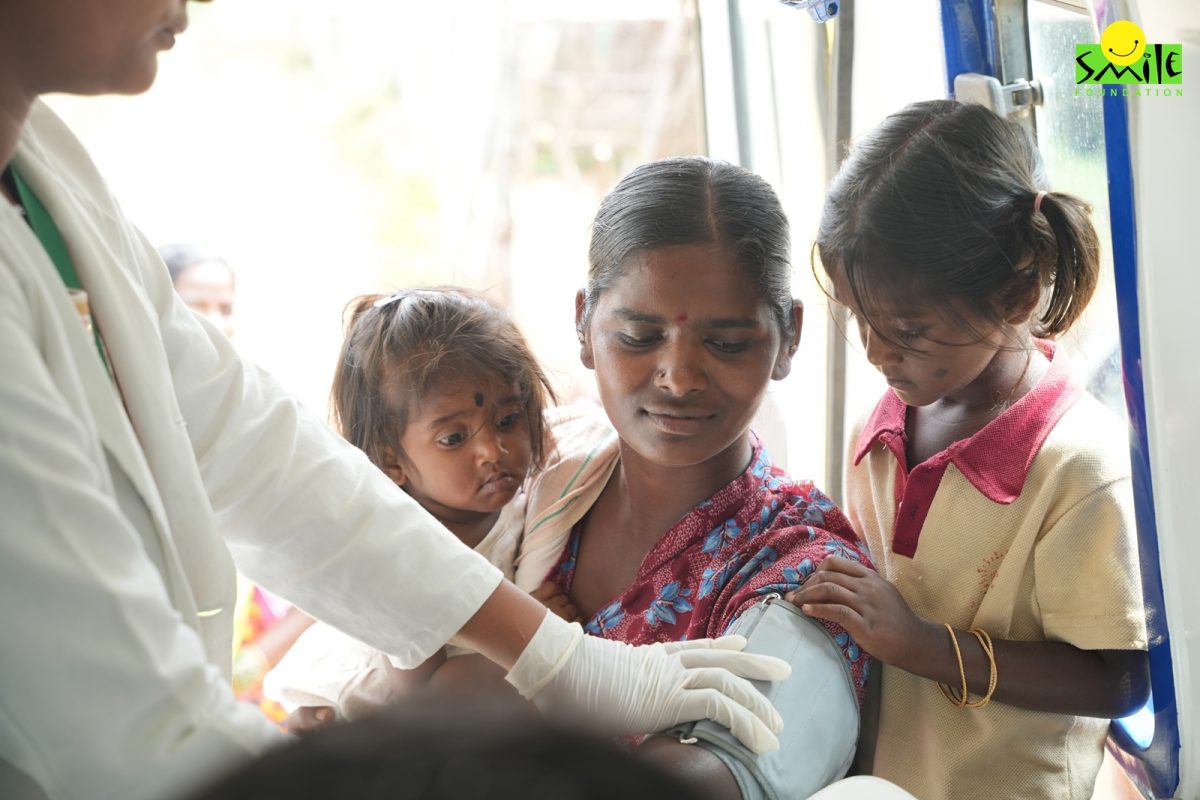
On the other hand, Mobile medical units (MMUs) are specialised vehicles equipped with medical facilities and staffed by healthcare professionals designed to deliver essential medical services directly to underserved rural populations. Since their introduction, MMUs have been a revelation to the public. They have provided a definitive solution to many issues about whether high-quality healthcare can be made available directly to persons living in remote areas deprived of quality health services during an emergency. MMUs provide medical centre services to communities with limited access to healthcare. These clinics can take the form of buses, vans, or trailers that operate independently or as extensions of established healthcare organisations.  

They enhance accessibility by reaching remote areas lacking adequate healthcare infrastructure addressing geographical, financial, cultural, and psychological barriers to care. MMUs offer cost-effective solutions by reducing the need for emergency hospital visits and associated expenses, as evidenced by cost savings observed in similar models globally. These units, equipped with advanced technology, including electronic health records and telemedicine capabilities, facilitate comprehensive care encompassing primary, preventive, emergency, and speciality services. By bringing healthcare services directly to patients, MMUs are crucial in improving health outcomes and bridging the healthcare gap in rural communities.

The gaps in between

However, several impediments prevent individuals from adopting telemedicine or expanding the services of MMUs. Limited smartphone access and dependable internet connectivity are major challenges, particularly in remote and rural communities. Many patients in these places may not have the necessary technology or expertise with telemedicine. Socio-cultural considerations also play a role, as many patients prefer face-to-face consultations and rely on traditional healthcare techniques. Privacy concerns, particularly in shared living circumstances, deter patients from properly utilising telehealth and MMU services. 

Smile’s promise to accessible rural healthcare

With a population of over 1.4 billion, last-mile healthcare delivery in our country remains a significant concern. More than 65% of the population lives in rural areas with a lesser share of overall healthcare infrastructure, and urban slum dwellers emphasise daily survival over healthcare. Unequal distribution and a lack of information also hinder utilising available healthcare services. Addressing these gaps is critical to meeting Universal Health Coverage goals and supporting the Government of India’s aim of Ayushman Bharat. 

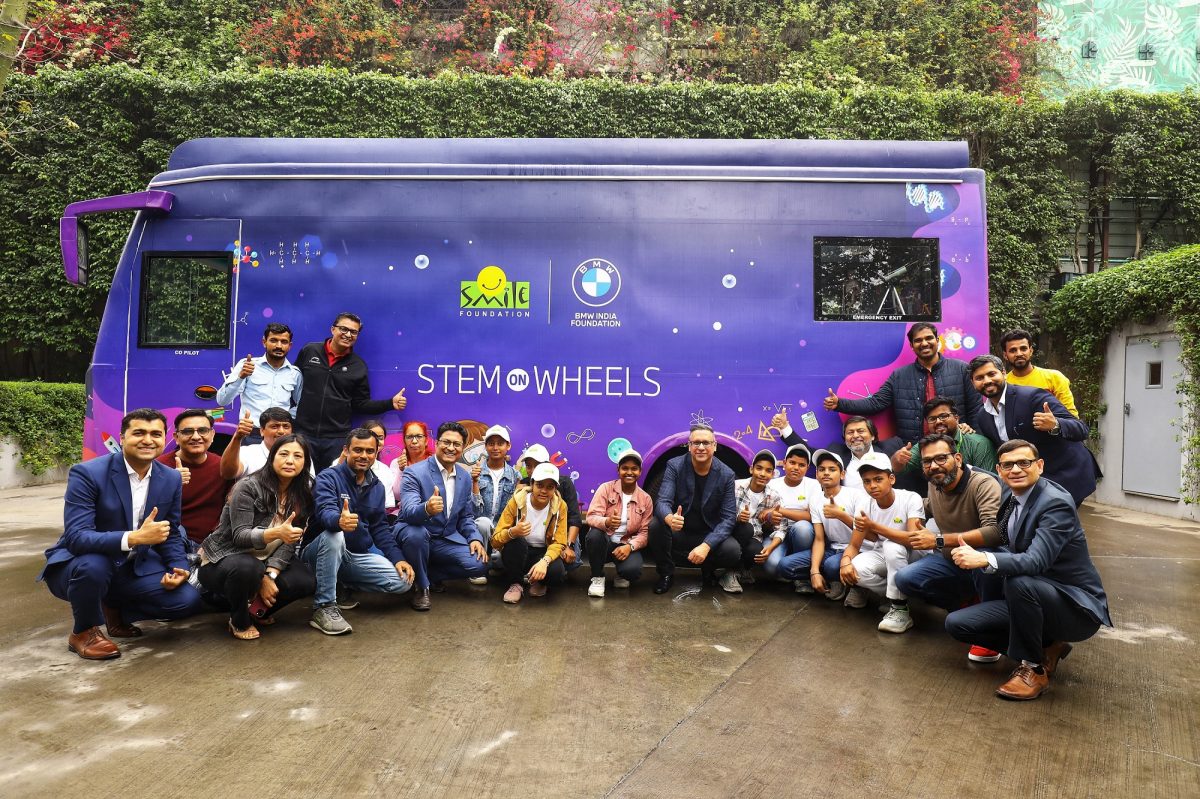
Smile Foundation’s Smile on Wheels (SoW) initiative attempts to reach rural communities through professional healthcare services. These mobile Vans operate nationwide, treating approximately thousands of patients every year. It provided free medicines to individuals. A national-level multi-centric project, the project offers a comprehensive spectrum of healthcare services to poor people in remote rural areas and slums via an equipped mobile medical van. The program aims to provide the impoverished with various rudimentary, preventative, and curative health treatments. 

Furthermore, the Smile Foundation focuses on improving telemedicine access by establishing telemedicine clinics in Primary Health Centres (PHCs) to boost primary healthcare access and minimise the burden at the primary healthcare level, utilising the public-private partnership model.  
Categories
Livelihood

Impact of Technological Advancement on Rural Employment

“The soul of India lives in its villages” – Mahatma Gandhi

India’s rural population forms most of its society and is integral to all its development policies. Working towards developing rural areas and villages is essential for driving inclusive and sustainable growth and helping restrict rural-urban migration, primarily due to rural poverty coupled with basic infrastructural needs. Rural communities are typically impoverished, with limited access to infrastructure development. Although several small firms are growing in and around these areas, only a few big organisations and industries can generate employment. As a result, modernised processes and technological advances have limited influence and adoption due to the lack of necessary infrastructure to support technological efficiency. 

Further, the COVID-19 epidemic, along with persistently high levels of poverty and inequality, threatened the progress of the world’s rural people. However, the epidemic has also demonstrated that modern technologies can allow rural communities to thrive, bridging the rural-urban gap.

Technological advancement is a key development factor in rural India. They can result in higher and improved production, socioeconomic equality, the integration of contemporary technologies, and long-term growth, all considered cornerstones of a country’s success.

Impact of technology and innovation on rural livelihood

With a vision to strengthen rural India, several efforts to incorporate digital learning, technology-based labour work, healthcare apps, and so on have boosted the labour market and impacted agricultural activities. Enhanced innovation has improved rural areas’ growth prospects, with policymakers diving deeper into bringing about technology to sector-specific measures. 

Technology in facilitating agricultural growth

Technology has a critical role in expediting rural development by addressing inefficiencies. Precision in agriculture tools, such as remote sensing, drones, and Internet of Things (IoT) devices, help farmers maximise resource utilisation, reduce waste, and boost yields. Further, real-time weather information, soil health monitoring, and crop disease detection via mobile applications enable farmers to make informed decisions and take preventive steps, ultimately improving agricultural outcomes. As a result, farmers’ incomes can increase dramatically. 

Maintaining transparency with information 

Openness and effective information exchange are critical for formalising the rural economy and creating a favourable investment climate. Technology fosters the transparent sharing of information and allows for efficient resource monitoring. Digital platforms can be designed to help farmers get market information, connect them with buyers and suppliers, and ensure fair prices. Furthermore, blockchain technology can promote transparency in supply networks, trace the origin of agricultural produce, and combat fraud. By leveraging technology to create transparent and efficient procedures, stakeholders can gain trust, attract more investment, and support equitable growth. 

Healthcare, education, and financial inclusion 

Technology can also help with other aspects of rural development, such as healthcare, education, and financial inclusion. Telemedicine systems connect remote people with healthcare professionals, ensuring rapid access to medical advice and treatments. This helps to alleviate healthcare-related issues and enhances overall well-being. Furthermore, e-learning systems can deliver high-quality education to remote locations, providing rural kids with information and skills for the future. Technology-enabled financial services, such as digital banking and mobile payments, give rural areas more accessible and secure access to financial products and services. 

Digital literacy among farmers 

Digital literacy is rising in rural India, providing more people with technological skills and offering new business opportunities. Growing awareness of digital technology and solutions among the younger generation of farmers and Farmer Producer Organisations (FPOs) has resulted in the rise of novel business models throughout the agriculture value chain. These models have several steps, including inputs, harvesting, processing, and distribution. As a result, this transformation reduces rural migration and draws national and international investors, promoting agro-industry development.

Technology-enabled rural development schemes

In recent years, the Indian government has implemented schemes and policies ranging from education to financial literacy, agritech, and skill development that effectively provide basic social infrastructure to rural people.

Technological Advancement for Rural Areas (TARA): This scheme under the Skill Enhancement Education & Development Program (SEED) is critical in providing long-term support to science-based voluntary organisations and field institutions in rural and other disadvantaged areas and helping with technological solutions and effective delivery of technologies for livelihood generation.

Ayushman Bharat Digital Mission: The Ayushman Bharat Digital Mission (ABDM) seeks to build the infrastructure required to enable India’s integrated digital healthcare network. It will employ digital highways to connect different actors in the healthcare industry.

Ayushman Bharat Health Account (ABHA): ABHA is the driving force behind safer and more efficient digital health records. A digitally secure ABHA enables health data access and sharing with participating healthcare providers and payers. Anyone wanting to join ABDM with digital health records must establish ABHA first. People are recognised and authenticated, and their health records are linked across several systems and stakeholders (with informed consent).

Digital India Programme: Digital India is India’s flagship initiative to transform the country into a knowledge-based economy and a digitally empowered society. Digital India focuses on three key areas: digital infrastructure as a utility for all citizens, governance and on-demand services, and citizen empowerment through digital technology.

Digital India Land Records Modernisation Programme (DILRMP): A central sector scheme to build a digital repository for modernising land records in rural India, essentially creating a transparent and accessible system for managing land ownership information across the country. The initiative has sanctioned over 1,000 Watershed Development Components of Pradhan Mantri Krishi Sinchayee Yojana projects to 28 States and 2 UTs of J&K and Ladakh.

Smile Foundation’s work

To bring technology into education and help impact rural livelihoods and students in underprivileged areas, Smile Foundation is improving its learning centres by adding smart classrooms, solar panels, and digital tools like learning software and educational tablets. We also run scholarship programs with partners like Deutsche Bank, Quantiphi, Quest Global, and Siemens. Through these programs, thousands of students receive laptops and other essential resources for online learning.

As part of our Mission Education program, we set up Tab Labs in rural schools. These tablets come with videos, reading materials, quizzes, and lessons designed for each grade level, making learning fun and accessible for young children.

We aim to ensure that no child is left behind and that every student is prepared for a brighter future.

Categories
Livelihood Women Empowerment

More Women in Business Might Mean Less Gender-based Violence

Sunita, a domestic violence survivor from a small village in Rajasthan, decided to take charge of her life and reached out to a local women’s self-help group to seek their support. With the help of the group, she got access to microfinance and guidance to start her own tailoring business from home. She started her journey as the first woman entrepreneur from her village and, in turn, motivated many other women from her community to pursue independence.

Over time, Sunita became financially independent and also expanded her business as the demand grew. In the process, she employed two more women from her village who were also survivors of domestic abuse. The newfound financial independence and collective strength of women created a shift in societal attitudes, fostering respect and reducing instances of gender-based violence. The women acted as each other’s support and defended anyone who faced instances of violence or abuse.

This example shows the power that women can hold when they are financially independent and running their own businesses. Not just that, they also empower other women in the process, become more aware and confident about their rights, and are able to band together and fight against the injustices.

Gender-based Violence: A Global and Indian Perspective

To an urban Indian, it may feel like gender-based violence is now a thing of the past. We do not see advertisements like ‘ghanti bajao campaign’ on television anymore asking people to intervene when they come across instances of domestic abuse in their neighbourhood. However, the problem is far from over. According to the World Health Organization (WHO), approximately 1 in 3 women globally have experienced physical or sexual violence in their lifetime, most often by an intimate partner.

In India, we saw a rather grim picture especially during the COVID-19 induced lockdown when an increase in the cases of domestic violence was reported. According to the National Crime Record Bureau (NCRB) data, there was a 12.9% increase in crimes against women between 2018 and 2022, with domestic violence, sexual assault, and harassment being the most common forms. Gender-based violence is not just about physical assault but it also acts as a way of restricting the women from achieving autonomy.

It has far-reaching consequences on women’s physical and mental health, economic productivity, and social well-being. While there are strong legal frameworks in place to deal with this problem, many cases still go unreported or are solved at a local level to avoid any shame and embarrassment for the parties involved. The women who are victims of gender-based violence are also subjected to scrutiny from the society on various levels, making it even more difficult for them to speak up and take a stand.

How More Women in Business Can Translate to Less Gender-based Violence

This is where entrepreneurship among women can play a pivotal role. Here’s how it can help in reducing gender-based violence:

  1. Financial independence – As we saw above in the case of Sunita, financial independence gave her the opportunity to create a healthy life for herself and also help other women in the process. Being independent financially is the key to taking a stand for yourself when you are in trouble. When women are dependent on others financially, they also lack the power to stand up against mental or physical violence.
  2. Challenging patriarchy – Women in business challenge traditional gender roles and stereotypes, fostering a culture of equality and respect. As women gain visibility and influence in the economic sphere, societal attitudes towards gender roles begin to shift.
  3. Community progress – When women enter into businesses, they not only create a path for self-progress but also support other women in their community. At the same time, it has been observed that educated and independent women are also able to ensure better health and education for their children as well.
  4. Creating role models – Successful women become strong role models in society and those women who are suffering from gender-based violence can turn to them in times of distress.
  5. Workplace equality – Women in leadership positions are more likely to implement policies that address gender-based violence, such as anti-harassment measures and support systems for survivors. This creates safer and more inclusive workplaces.

Apart from these, there are many other ways in which women in businesses can have a direct impact on reducing gender-based violence. For example, it was found in a study in Uganda that women who participated in economic empowerment programs experienced a 50% reduction in intimate partner violence. Similarly, companies with women in leadership roles have shown to adopt more inclusive and equitable workplace practices, contributing to a decline in workplace harassment.

Bringing More Women into Businesses

Now that we understand the positive impact of women in businesses, the question is how we can ensure that more and more women have the opportunity to take this path. Here are some of the solutions:

  1. Access to finance – The most basic and also the most important aspect of starting a business is to have enough money for making an initial investment and setting up the business. While finance is easily accessible to people who already possess wealth, it may also be easier for men to get access to it because of the availability of collateral. Therefore, it is crucial that women are provided access to collateral-free loans, especially at subsidized interest rates, to enable them to take the risk and start a business.
  2. Skill development – Secondly, it is essential that women who have never had the chance to develop necessary skills to run a business are provided the support to learn this through capacity building workshops and peer support. Both government and non-government organizations have been working in this area in India. 
  3. Mentorship – Mentorship programs and networking opportunities can provide women with guidance, resources, and connections to succeed in business. Platforms like Udyam Sakhi and TiE Women are fostering such ecosystems. 
  4. Policy support – Another important step is to create policy interventions that support women entrepreneurs, especially those coming from lesser privileged backgrounds and regions. This way, more and more women will find the motivation to start their own businesses.

There are many other ways through which women can be encouraged to start businesses. These include awareness campaigns by the media, social change, and even creating a safe work environment for them. In the end, all these initiatives can come together to create an opportunity for women to become successful business owners.

Smile’s Work

Smile Foundation’s Swabhiman initiative focuses on empowering underserved women through education, health, and livelihood programs. 

Smile Foundation’s Swabhiman initiative is a comprehensive women’s empowerment program aimed at bringing pride and dignity to marginalized and socially excluded women and girls. Launched in 2005, Swabhiman, meaning ‘self-respect’ in English, seeks to enable women to realize their self-esteem and optimum potential in every sphere of life through innovative community engagement strategies. 

Key Components of the Swabhiman Initiative:

4 S Model: The program operates through a highly effective approach known as the ‘4 S Model,’ which stands for:

  • Seeking Healthcare as a Behavior: Encouraging women to prioritize and seek necessary healthcare services.
  • Support through Education: Providing educational opportunities to empower women with knowledge and skills.
  • Support from Men through Male Involvement: Engaging men in the community to support women’s empowerment and challenge traditional gender roles.
  • Sustaining Change in the Community: Ensuring long-term positive changes through community involvement and ownership.

Healthcare and Nutrition: The initiative focuses on maternal and child healthcare, menstrual health awareness, and nutrition enhancement. For instance, in Sangrur, community-based events called ‘godh-bharai’ celebrate forthcoming motherhood, providing pregnant women with necessary information on birth preparedness, breastfeeding, and nutrition. citeturn0search6

Skill Development and Entrepreneurship: Swabhiman provides business skills training to capacitate women to start their own enterprises. This empowers them to become financially independent, improve their quality of life, and advocate for women’s rights, thereby creating sustainable and empowered communities.

Partnerships for Impact: Collaborations with organizations like Children’s International Foundation (CIF) address critical health, nutrition, education, and skill development needs for children and caregivers. This comprehensive approach impacts thousands, providing a holistic improvement in well-being and future opportunities.

Impact of the Swabhiman Initiative

Since its inception, Swabhiman has empowered over 150,000 women through various interventions. More than 1,000 women and adolescent girls trained as change agents are leading community initiatives and advocating for women’s rights. The initiative’s lifecycle approach ensures that education, healthcare, and livelihood opportunities reach the most vulnerable at every stage of their lives, fostering respect and reducing instances of gender-based violence. 

The intersection of economic empowerment and gender equality offers a powerful pathway to address gender-based violence. By bringing more women into business, we can challenge the structural inequalities that perpetuate violence and create a society where women are respected and valued. While progress has been made, much work remains to be done to ensure that women have equal opportunities to thrive in the economic sphere.

Categories
Women Empowerment

Financing accelerates Socio-Economic Development Interventions

When we think about financing, we may have a biased understanding of it. The first thing that comes to our mind is home financing, vehicle financing, or large business financing. However, it also plays a crucial role in growth and development of micro, small, and medium enterprises (MSMEs). These enterprises are the backbone of many economies, providing employment, fostering innovation, and contributing significantly to GDP. Therefore, ensuring access to cheap and robust financing services to MSMEs helps them thrive and expand. It is also directly related to the socio-economic development of different sections of the society. This is because the growth of MSMEs distributes wealth among classes of people who may otherwise be left out of the economic growth story.

Important of Financing for MSMEs

MSMEs are vital for economic development, particularly in developing countries. They account for a significant portion of businesses and employment worldwide. According to the World Bank, SMEs represent about 90% of businesses and more than 50% of employment globally.

According to some reports, MSMEs in India contribute around 30 per cent to the GDP of the country and employ more than 110 million people. This number is significant and shows how big the role of MSMEs in India is. Despite their importance, many MSMEs struggle to access formal credit due to high-interest rates, strict collateral requirements, and limited financial literacy. Addressing these challenges through cheaper and efficient financing can unlock the potential of MSMEs and drive socio-economic development.

Financing on the Global Stage

To understand the critical role that financing plays in socio-economic development of people, we must look at the examples from a global perspective:

  1. Microfinance in Bangladesh – One of the biggest innovations that happened in this region was the setting up of Grameen Bank by Nobel Laureate Muhammad Yunus in Bangladesh. The bank provided micro loans to individuals from a poor background, especially women, without the requirement of a collateral. This opened up new doors for millions of people who, before this, did not have access to any kind of credit. The money they borrowed helped them in starting their own micro businesses or taking care of emergency expenses.
  2. Europe’s Green Bonds – While it may not be the direct example of affordable financing, it does show how financing can bring about a change in society. The green bonds issued in Europe help the countries in the EU to finance sustainable projects, such as renewable energy, energy efficiency, and clean transportation.
  3. Development Finance in Africa – Many African countries struggle because of poor economic growth and political instability. Therefore, African Development Bank (AfDB) has been a crucial player in providing affordable loans and grants for infrastructural development. Through this, AfDB has supported projects like road construction, bridges, power plants, and connectivity.

Financing and Socio-Economic Development in India

Affordable financing or micro-loans can play a revolutionary role in developing any country. These are especially crucial for a country like India which has a massive consumer base and a lot of untapped potential especially in the rural areas. Here’s everything that cheap financing can achieve in India:

  1. Empowerment of MSMEs – As discussed above, MSMEs are extremely important for a democratic economic growth in India as they distribute wealth across the country and provide opportunities to people from different classes. When MSMEs get access to affordable credit, they invest in technological advancement, expansion of business, and creation of more jobs.
  2. Supporting Agri Reforms – Even today, a large section of Indians are engaged in agriculture or agriculture related employment. Ensuring affordable financing for these people means they can invest more in increasing the yield and using more sustainable ways of growing food.
  3. Infrastructure Development – Cheaper financing can facilitate the development of critical infrastructure, such as roads, bridges, and power plants. Public-private partnerships (PPPs) and government-backed financing schemes can attract investment and accelerate infrastructure projects, boosting economic growth.
  4. Improving Financial Inclusion – Traditionally, it has been observed that those who are already economically stable have easier access to credit as well. Therefore, providing cheap and affordable financing to all sections of the society creates financial inclusion as it takes away their dependence on informal modes of credit which are mostly exploitative.

Government and Private Sector Initiatives in India

The Indian government, both at the central and state level, has been working proactively to ensure access to cheap finance to those who need it the most. There are several initiatives like Pradhan Mantri Mudra Yojana (PMMY) launched in 2015. PMMY provides collateral-free loans to micro-enterprises under three categories. Other initiatives like Kisan Credit Card and Pradhan Mantri Jan Dhan Yojana are also achieving financial inclusion in different ways.

At the same time, the private sector has also been making inroads in this area as it is also a growing opportunity for them. Several new microfinance institutions, small finance banks, and fintech companies have come up in India over the last decade which are ensuring that everyone has easy access to credit.

Growth in Financing in India

The growth of digital technologies and data analytics has transformed the financing landscape in India. Data-centric approaches have enabled financial institutions to assess creditworthiness more accurately, reduce risks, and provide tailored financial products. Some key developments include Digital Lending Platforms, UPI, account aggregators, and open credit enablement network. The widespread adoption of UPI has facilitated financial inclusion and made it easier for individuals and businesses to access financial services and other indicators have made it easier for MSMEs and individuals to access affordable financial services.

Smile Foundation’s Swabhiman initiative 

We adopt a comprehensive approach to women’s empowerment, integrating microfinance components to enhance financial independence among women. Key aspects include:

  1. Entrepreneurship Development: Swabhiman conducts workshops and training sessions to equip women with business skills, enabling them to establish and manage their own enterprises. This encourages financial self-reliance and boosts confidence. 
  2. Financial Literacy: The initiative emphasizes financial education, teaching women effective money management, savings, and investment strategies. This knowledge is crucial for sustaining businesses and personal financial stability. 
  3. Access to Microfinance Services: By collaborating with partners, Swabhiman facilitates women’s access to micro-loans and financial services, supporting the growth of their businesses and promoting economic empowerment. 

Through these integrated efforts, Swabhiman ensures that women have the necessary financial tools and support to thrive, thereby contributing to broader socio-economic development.

Cheaper and easier access to financial services like credit can aid the socio-economic development of people. As people get access to formal credit, they use that money to leverage opportunities of making more income. In turn, they also generate more employment and help others. This also helps the economy grow as it adds to the overall GDP growth. As we move forward, it is essential to continue investing in affordable financing solutions and leveraging technology to enhance financial inclusion. By doing so, we can create a more equitable and prosperous society, where everyone has the opportunity to thrive and contribute to the nation’s development.

Categories
Health

Role of Traditional vs Modern healthcare in Rural Women’s Health

While healthcare services have improved over the years, rural women continue to face significant barriers to accessing modern medical care. Factors like financial constraints, lack of awareness, social taboos, and limited availability of healthcare facilities make the situation challenging. 

Traditional medicine, which has been practiced in India for centuries, still holds a strong presence in rural areas. Ayurveda, Siddha, and Unani have been used for generations and are often the first line of treatment. While modern healthcare provides scientifically validated treatment, traditional medicine offers a more holistic approach that aligns with cultural beliefs and local practices. Striking a balance between these two systems can be key to improving rural women’s health outcomes.

The Current State of Women’s Health in Rural India

Women in rural India suffer from multiple health issues, ranging from malnutrition and anemia to pregnancy-related complications and chronic diseases. According to the National Family Health Survey (NFHS-5), over 57% of women aged 15-49 in rural areas are anemic. Maternal mortality remains a significant concern, with India recording a maternal mortality ratio (MMR) of 97 per 100,000 live births in 2018-2020, with rural areas contributing disproportionately to this figure. Additionally, non-communicable diseases (NCDs) like hypertension and diabetes are increasing, affecting women’s long-term health. Access to quality healthcare is hindered by poor infrastructure, lack of transportation, and deeply rooted gender discrimination that often places women’s health needs at a lower priority than those of men. 

Women often face neglect when it comes to receiving medical care, as family resources are typically allocated to men first. Report suggests that women in rural households are less likely than men to seek healthcare when sick. Social norms and lack of transportation discourage women from traveling alone to healthcare facilities, and many rely on male family members. Traditional medicine, often practiced within communities by women themselves, offers an alternative where women feel more comfortable and empowered to seek care, thereby improving their health-seeking behaviour.

Where Modern Healthcare Falls Short

Despite its advancements, modern healthcare is not easily accessible to rural women. Rural areas often lack well-equipped hospitals or even basic primary healthcare centers. A 2019 report stated that 75% of India’s healthcare infrastructure is concentrated in urban areas, leaving rural populations underserved. Even with government schemes like Ayushman Bharat, out-of-pocket healthcare expenses remain high, discouraging women from seeking medical attention. Cultural and social barriers also play a significant role, as gender norms often prevent women from visiting male doctors or prioritizing their health over family responsibilities.

In many villages, women hesitate to discuss reproductive or menstrual health concerns, leading to undiagnosed and untreated conditions. Moreover, some rural communities have a deep-rooted mistrust of modern medicine, viewing it as foreign or unnatural compared to traditional practices they have relied upon for generations. Telemedicine, however, is emerging as a potential solution to bridge this gap. The expansion of digital health services and mobile healthcare units has shown promise in overcoming geographical barriers, allowing women to consult healthcare providers remotely without the need to travel long distances.

The Role of Traditional Medicine in Bridging the Gap

Traditional medicine has been an integral part of India’s healthcare system for centuries. Ayurveda, Siddha, and Unani treatments are widely practiced, and herbal remedies are commonly used in rural households. Several studies have shown the effectiveness of traditional medicine in addressing specific health concerns. 

Traditional medicine provides diverse remedies and therapies to support women’s reproductive health across various life stages, offering affordable and accessible solutions to those who might otherwise go untreated. For instance, ayurvedic formulations like Ashwagandha and Shatavari can enhance reproductive health and manage pregnancy-related complications. Traditional herbal treatments can help address menstrual irregularities, fertility concerns, and postpartum care, promote healing and recovery.

Chronic disease management through traditional practices such as yoga and naturopathy has also proven effective in managing hypertension, diabetes, and arthritis. Studies have indicated that a combination of Ayurveda and modern interventions can significantly improve health outcomes.

Where’s India at?

Recognizing the potential of traditional medicine, the Indian government has actively promoted its integration with modern healthcare. The Ministry of AYUSH (Ayurveda, Yoga & Naturopathy, Unani, Siddha, and Homeopathy) was established to regulate and promote traditional healing practices. Governments are making provisions to recruit AYUSH doctors in primary healthcare centres to integrate traditional medicine with modern medical services. The National AYUSH Mission aims to strengthen AYUSH services in rural areas by establishing dedicated healthcare centers. 

Several states have also trained ASHA workers to incorporate traditional medicine into their services, providing accessible and culturally acceptable healthcare to rural women. By integrating AYUSH practitioners with modern medical professionals, India is working towards a more comprehensive healthcare system that caters to the diverse needs of its rural population.

The Way Forward

Looking at the current state of women’s health in rural areas, India must adopt a healthcare model that seamlessly integrates modern and traditional medicine to enhance health holistically. Expanding access through telemedicine and mobile health services can ensure timely care, while education and awareness campaigns will help women make informed choices about their health. Traditional practices should be scientifically validated, with research refining and standardizing herbal treatments for broader acceptance. Encouraging AYUSH practitioners to collaborate with modern doctors can bridge the gap between tradition and science, creating a comprehensive system that serves rural women effectively. 

Rather than debating which system is superior, India should focus on merging their strengths. Modern healthcare provides scientific rigor and life-saving interventions, while traditional medicine offers culturally familiar, community-driven solutions. A blended approach will empower rural women, respecting their beliefs while ensuring they receive the best possible care. With the right policies and infrastructure, India can build a healthcare framework where rural women no longer have to choose between tradition and modernity.

Smile Foundation has been actively addressing the health needs of rural women. Recognizing the challenges these women face—such as limited access to modern healthcare, financial constraints, and cultural barriers—the Foundation supports initiatives that bridge this gap. Through their community-based programs, Smile Foundation works to raise awareness about women’s health and provides access to modern medical services. In doing so, Smile Foundation ensures that rural women have access to comprehensive healthcare improving overall health outcomes.

Categories
Women Empowerment Health

Resilience of Women’s Bodies

Women’s bodies are remarkable. They have the capability to endure unique health challenges and display incredible resilience and strength. However, you must be wondering why we need to talk about the resilience of women’s bodies? What is so unique about them? To begin with, women experience biological phenomena like menstruation and menopause, pregnancy and childbirth, and so much more which men don’t go through. These experiences bring with them physical and psychological challenges that only women can understand.

Add to that the politics over women’s bodies and the social expectations, and it becomes important for us to talk about this issue. There are countries around the world, many of them progressive nations, who restrict women’s autonomy to take decisions like abortion. Then, culturally women’s bodies are seen as something that needs to be protected or hidden, where the modesty and shame of a society lies. Politically, women’s bodies have been treated like battlegrounds, often seen as trophies that the victor would take.

This shows that there is so much that needs to be talked about when it comes to women’s bodies. However, we are going to restrict ourselves to the health and biological challenges that women face. Understanding and acknowledging the resilience of women’s bodies is crucial for creating policies and raising societal awareness that support women’s health and well-being.

Unique health challenges

According to a recent report by the World Health Organization (WHO), more than a third of women experience lasting health problems after childbirth, highlighting the need for greater attention to women’s health issues. Let’s look at the different challenges that women face:

  1. Menstruation: Women experience menstruation starting from puberty (around the age of 12 or 13) and ending at menopause. This means that they experience this unique biological process for decades of their life. There are related issues like period pain, heavy bleeding, premenstrual syndrome, and others that can severely impact the physical and mental wellbeing of women and hamper their capability to perform daily activities. Further, there are issues like PCOS and other medical conditions that can increase the challenges faced by women.
  2. Pregnancy and childbirth: Nurturing a child for nine months is a period of immense emotional and physical transformation for women. At the same time, it can also pose several health risks. Complications such as gestational diabetes, preeclampsia, and postpartum depression are common. The WHO report indicates that many women experience lasting health problems after childbirth, including chronic pain, incontinence, and mental health issues.
  3. Menopause: This is marked by the end of reproductive years for women and is again accompanied by various emotional and physical changes. Women can experience night sweats, hot flashes, decreased bone density, and mood swings during this time. Menopause also increases the risk of certain health conditions, including cardiovascular disease and osteoporosis.

This shows that women’s bodies begin to experience significant changes starting from a young age of 12, and sometimes even lesser, and continue to experience these changes for decades. This is something women have to live with every day. Additionally, they have to face social taboos related to natural processes like menstruation. Further, women’s bodies also have unique needs which need to be addressed to create an equitable environment for them in workplaces and public spaces. Like, the debate around period leaves is ongoing in India where it is being demanded that women be provided the opportunity to either work from home during the first day of the period or given an off day owing to the period pain and other discomforts that many women may experience during this time.

Then there are issues related to pregnancy and the support women need. Consider the story of Meera, a mother of two from Mumbai. After experiencing a difficult delivery, Meera faced severe postpartum depression and chronic pain. With the support of her family and healthcare providers, she gradually regained her strength and resilience. She also got the necessary support from her workplace who allowed her to work from home after exhausting her maternity leave. This shows that understanding of women’s challenges is crucial to make more empathetic decisions and build infrastructure which helps them.

Women’s bodies and societal awareness

Creating societal awareness about women’s health issues is essential for promoting understanding, breaking stigmas, and advocating for better health policies. Education, media, and advocacy play pivotal roles in raising awareness and driving change. It is important that topics like menstruation, pregnancy, and menopause along with others are issues in detail at a young age with both girls and boys. These programs can help young people understand and appreciate the unique health challenges faced by women.

Media can also play a crucial role by rightly shaping public perception around these issues. This article is also an attempt in the same direction. By writing about these issues, creating content around them, and educating others, we can set the groundwork for larger policy and infrastructural changes that support women.

Policy implications and recommendations

Gender-sensitive healthcare: One of the biggest needs is to ensure that women from all walks of life have access to healthcare which understands and respects their unique requirements. This includes providing comprehensive reproductive health services, mental health support, and postnatal care.

Workplace support: As discussed above, there needs to be more discussion around ways in which women can be supported and accommodated based on their unique challenges. This does not only benefit women but will go a long way in creating more empathy driven workplaces where employees are treated humanely and provided support whenever needed.

Access to resources: Ensuring access to essential health resources, such as menstrual hygiene products, prenatal and postnatal care, and mental health services, is crucial for promoting women’s health. Government and community programs can provide support to women in underserved areas.

Smile’s Work

Smile Foundation is dedicated to improving women’s health, education, and financial independence through targeted programs that address healthcare access, gender equality, and livelihood opportunities.

Swabhiman Program – Since 2005, this initiative has empowered marginalized and socially excluded women by providing nutrition, healthcare services, and financial literacy training. By focusing on reproductive health, maternal care, and awareness programs, Swabhiman enables women to make informed decisions about their well-being.

Mobile Healthcare Services – Recognizing the barriers women face in accessing medical care, Smile Foundation operates mobile healthcare units that bring essential services—including preventive check-ups, maternal care, and free medicines—to underserved communities. In 2022-23 alone, over 75% of the 1+ million beneficiaries were women and children.

She Can Fly Initiative – This program champions girl child education, nutrition, and self-confidence, ensuring that young girls have the tools they need to thrive. Each year, it supports 400,000+ girls and women, offering:

  • Education & scholarships
  • Healthcare & menstrual hygiene support
  • Job-oriented skill training  
  • Advocacy & awareness programs

Smile Foundation’s holistic approach is about building a society where women are empowered, educated, and supported at every stage of life.

All the issues that women face and how they continue to still perform as well as men in a society which is primarily designed for the latter shows their resilience and the resilience of their bodies. However, this does not mean that it is taken for granted and celebrated as a heroic act. Instead, what we need to do is to reduce the burden on women by spreading awareness about these unique challenges and creating a more accommodating social environment for them.

As we reflect on the remarkable resilience of women’s bodies, it is crucial to ask ourselves: How can we create a more supportive and understanding society for women? What policies and practices can we implement to ensure that women receive the care and support they need throughout their lives?

Categories
Education

With Less Attention Spans, Are Our Children Learning Even More Slowly?

We are living in the digital age, where information is abundant and easily accessible. However, at the same time, this information overload is also linked with reduced attention spans in children and adults alike. Especially for children, how they interact with the world has been altered because of the proliferation of digital devices like smartphones and tablets. As a result, educators, parents, and researchers are grappling with the question: With less attention spans, are our children learning even more slowly? Let us try to answer this question.

Changing Attention Spans

If we have to understand what attention span is, then it can simply be defined as the amount of time an individual can spend on a task without being distracted. Research suggests that attention spans of people have reduced significantly in the last few decades. According to a study conducted by Microsoft, the average human attention span has dropped from 12 seconds in 2000 to just 8 seconds in 2013, which is even shorter than that of a goldfish. This change is particularly evident in children who are now exposed to digital devices from a tender age.

There are many factors contributing to this change. Exposure to videos, games, social media, and instant messaging can have an irreversible change for people making them seek instant gratification. Presence of digital devices at all times also makes distraction easy for children who are not able to sustain their focus on a task for an extended period of time.

Impact of Shortened Attention Spans on Learning

Learning is a complex process which requires deep and sustained attention and the ability to process large amounts of information. With the drop in attention spans, children’s ability to absorb the information is hampered. There are various ways in which it impacts the children:

Reduced comprehension – One of the biggest challenges of reduced attention span is the information that the brain can process and retain. This can lead to gaps in understanding and much more difficult to grasp complex concepts.

Lower academic performance A young student needs to focus a lot of their attention on learning diverse subjects in order to build a strong knowledge base. However, poor attention span can result in students not being able to perform well academically, scoring unsatisfactory marks, and failing to implement the knowledge in real life. According to a study published in the Journal of Educational Psychology, students with shorter attention spans tend to have lower grades and are at a higher risk of academic underachievement.

Challenges in critical thinking – One of the most important aspects of growth is to build critical and creative thinking. If a child is capable of focusing on a complex problem for a long time, he or she is likely to come up with innovative ways to solve it. However, distractions and poor attention span can make them impatient and avoid working on complex problems. This can have a severe negative impact on the development of creative capabilities among children.

Strategies to Improve Attention Span

Addressing the issue of shortened attention spans requires a multi-faceted approach that involves educators, parents, and policymakers. Several strategies can be implemented to improve attention and enhance learning outcomes for children:

Action-based learning – What children need today is learning processes that are as engaging as their digital devices. Therefore, we need to experiment with more hands-on learning techniques, interactive projects, etc., to add an element of play in the learning. This way, children can focus on the learning activities for longer without getting bored easily.

Limit screen time – It is also needed that the parents and teachers maintain a healthy supervision over how much time children are spending using digital devices. Parents also need to ensure that the children are not exposed to digital devices at a very early age as it can become addictive.

Mindfulness practices – Mindfulness exercises, such as meditation and deep breathing, can help children improve their focus and concentration. Research has shown that mindfulness practices can enhance attention regulation and reduce stress, leading to better learning outcomes. 

Planning a routine – When living in a world full of distractions, it is important to set up a structure that helps the children to stay on a path. Therefore, setting time for studying, breaks, and even use of digital devices in moderation is encouraged. Consistent routines can help children develop good study habits and maintain focus during learning sessions.

Breaking down tasks – One of the biggest challenges with dealing with a complex problem is the enormity of it. Therefore, to make it achievable, it is needed that the task is broken down into small pieces and the children can feel a sense of achievement after completing each piece of task.

Physical activity – Regular physical activity has been shown to improve cognitive function and attention. Incorporating physical exercise into daily routines can enhance children’s ability to concentrate and learn.

Attention Span, Learning Outcomes, and Future Prospects

When we talk about attention span, the biggest issue that it is connected with is the learning outcomes in children and their capability to apply knowledge in real life scenarios. Poor attention span impacts the learning outcomes in many ways. First of all, it has an adverse effect on the academic performance of children as discussed above.

Secondly, what children learn shapes the kind of adults they are going to grow into. Children who are not able to learn the needed skills and build a critical understanding of the world are less likely to be employable as compared to other children. This can also impact the overall quality of life of these children because of the lack of opportunities available to them in future.

We have also seen cases of children who are battling severe addiction issues and it can have long-term consequences for their lives which are not yet clear because of the novelty of the problem we are dealing with. On the other hand, children who can concentrate and learn effectively develop self-confidence, resilience, and a growth mindset, enabling them to pursue their goals and aspirations.

Smile’s Work

Smile Foundation has been actively addressing challenges related to reduced attention spans and learning difficulties among children through several initiatives:

  1. Mission Education Program: This program provides basic education and healthcare to underserved children, focusing on their holistic development. It includes:
    • Pre-school Education: For children aged 3-6 years.
    • Non-Formal Education: For non-school-going children aged 6-14 years.
    • Remedial Education: For school-going children aged 6-14 years.
    • Bridge Courses: For drop-outs aged 14-18 years.

These initiatives aim to bring first-generation learners to school and empower them to break the cycle of poverty.

  1. Special Education for Children with Autism: In collaboration with Action for Autism, Smile Foundation focuses on children with autism in Delhi. The project emphasizes:
    • Diagnosis and Assessments: Early identification of autism spectrum disorders.
    • Early Interventions and Counseling: Providing tailored support to enhance learning and functioning.
    • Family and Parent Skill Building: Educating families to support their children’s development.
    • Life Skills Training: Equipping children with essential skills for daily living.

The objective is to help these children learn and function intellectually, physically, and socially within their limitations. 

  1. Survey on Post-Pandemic Learning Loss: Smile Foundation conducted a survey covering urban, rural, and aspirational districts of 22 states, including New Delhi. The findings revealed:
    • Less than 50% of children are able to cope with age-appropriate learning post-pandemic.
    • 58% of teachers observed that children have missed out on social skills and now get distracted easily, indicating reduced attention spans.

These insights have guided the foundation to implement strategies to improve attention spans and learning outcomes. 

Through these targeted initiatives, Smile Foundation is working to mitigate the effects of reduced attention spans and ensure that children in New Delhi receive quality education and support for their overall development.

As we navigate the challenges of the digital age, it is essential to address the issue of shortened attention spans and their impact on children’s learning. By implementing effective strategies, such as active learning, screen time management, mindfulness practices, and structured routines, we can help children improve their focus and achieve meaningful learning outcomes.

Categories
Education

Technology bridges the Education Divide in India’s remote regions

Last December, the Centre for Child Rights and Development (CCRD), Chennai, conducted a two-day training session for rural children in Chengalpattu district. “We wanted to talk to children about the safe use of technology for educational purposes. We discovered that they are mainly interested in using the internet to access social media,” says Stegana Jency, director, adding that girls were mostly accessing content on cosmetics and beauty while boys were searching for information on physical fitness and bodybuilding. 

“We then asked them why they were not using technology to enhance their knowledge or skills or to supplement the school curriculum, especially as many of them find it difficult to understand certain concepts,” says Jency, adding that they also spoke to the children of using technology, and the internet, in a safe manner. “We made them realise the importance of using technology for learning. After the training, many have started accessing self-development websites and using the internet for their studies and to work on projects. But one session isn’t enough, we will need many more to help children in underserved areas use technology for educational purposes.’

Digital classrooms, e-learning platforms can help students, teachers

Technology can help bridge the education gap in underserved communities by providing equitable access to learning resources, and improving educational outcomes.

Or one, it provides access to educational content. Students in underserved areas can access free or low-cost educational materials, such as videos, textbooks, tutorials, and even courses through digital platforms. There are websites like Khan Academy, Coursera, etc that offer a vast range of subjects, allowing students to learn at their own pace. Free or affordable e-books and resources that are available online help students access learning materials without the financial burden of having to purchase expensive textbooks.

With access to technology and proper tools, students in rural or isolated locations can receive an education comparable to that of urban areas through video conferencing or digital classrooms. Online platforms allow students to connect with teachers and educational content in areas where schools lack proper infrastructure. 

Technology can also help teachers in underserved communities improve their skills by offering them access to online professional development courses, webinars, and teaching resources. Digital tools like adaptive learning platforms can provide personalised learning by tailoring educational content to each student’s pace and learning style. This is especially useful in underserved communities where students may come from different educational backgrounds or have varying access to prior learning experiences. 

Educational apps and online resources provide students with access to a wealth of information beyond textbooks. And schools are adopting new technology to improve learning. 

A 2023 survey by the National Council of Educational Research and Training (NCERT) revealed that over 65% of Indian schools had integrated some form of digital technology into their classrooms. This trend is only expected to increase in the coming years.

Technology can improve education in underserved areas

The Covid-19 pandemic highlighted the digital divide that exists between rural and urban areas. “Children in urban areas had the opportunities and space to access technology but it was a challenge in rural areas.”, says Stegana Jency, Director of Centre for Child Rights and Development (CCRD) in Chennai.

Technology can help bridge this gap. For example, eVidyaloka was founded with the vision of transforming rural education in India by leveraging technology and volunteer-driven teaching. Their programme primarily focuses on subjects such as Mathematics, Science, English, Digital Literacy, and Artificial Intelligence for students in grades five to 10, aligning with state education board curricula.

Technology is a game-changer in rural education. It eliminates geographical barriers, making quality learning accessible to students who would otherwise lack it. Through digital classrooms, organisations enable students in the remotest villages to learn from experienced teachers worldwide. Additionally- digital content, and interactive platforms enhance engagement and help students grasp concepts more effectively. With digital initiatives, all engaged stakeholders are preparing rural students to be future ready.

Government initiatives work to bridge the gap

The Indian government has launched several initiatives to leverage technology in rural education, such as ‘Digital India’. A flagship programme of the Government of India, it aims to transform India into a digitally empowered society and knowledge economy. 

PM e-VIDYA aims to unify all efforts related to digital/online/on-air education to enable multi-mode access to education. This will benefit nearly 25 crore school going children across the country.

Digital Infrastructure for Knowledge Sharing (DIKSHA), an initiative of NCERT, is a national platform for school education. It can be operated through a web portal or mobile app and includes e-content corresponding to the curriculum meant for learners and teachers. According to the official website, it currently supports 108 languages: 101 Indian languages and 7 foreign languages.

There is also SWAYAM PRABHA, a group of 40 DTH channels devoted to telecasting of high-quality educational programmes on 24X7 basis using the GSAT-15 satellite. Every day, there will be new content for at least four hours, which will be repeated five more times in a day, allowing students to choose the time of their convenience. The content is provided by IITs, UGC, CEC, and IGNOU.

Other government initiatives include E-Pathshala, a website and app that provides access to educational resources like textbooks, audio, video, and periodicals. It was developed by the National Council of Educational Research and Training (NCERT) in collaboration with the Ministry of Education (MoE). 

And schools have been making an effort to integrate technology into their classrooms as it benefits learners and teachers. A study by the National Skill Development Corporation (NSDC) found that 92% of teachers believe that technology has made them more effective in the classroom.

Roadblocks that need to be overcome

Despite its transformative potential, digital education in rural areas faces several challenges. Limited internet connectivity, lack of access to digital devices, and infrastructural constraints can hinder the effectiveness of online learning. Additionally, digital literacy among students, teachers, and even parents needed to be strengthened.

It has been observed that girls in rural areas are impacted more. Very often, children who live in remote areas have to travel 10km or more to reach the town, where they can access the internet. Boys will go with other boys by bike and go wherever needed to access the internet but, when it comes to girls it’s more difficult as there are concerns about safety.

Many women and girls are not allowed to have their own mobile phones. Gender issues play a very important role in accessing technology.

Lack of knowledge of current applications is another hurdle. Though there are many websites and apps available that can be used to enhance reading and writing skills and also assist with the academic curriculum, few people are aware of it or how to use it. Even many teachers in underserved areas are not very tech-savvy. Sometimes the common understanding that emerges from the current classrooms is something like this- 21st century children are being taught by 19th century teachers in 18th century classrooms.

Often, parents, teachers and school management are also hesitant to allow children access to technology as they feel children will get “spoiled”.

Since many adults are not knowledgeable about the latest advances in technology, they are unable to guide children or teach them positive aspects of technology and how to use it safely so they simply deny them access to it. When an organisation conducted a training session on digital usage, out of 30 children, only one boy was aware of the risks involved in using mobile apps, social media, etc.

To address these issues, a multi-stakeholder approach is necessary—government support for ensuring smooth implementation, local partners for socio-economic context, corporate partnerships for funding/ support and community engagement to create awareness and ownership of learning.

NGOs help spread awareness

Smile Foundation is working to address the issue and leverage use of technology in education to help students in underserved areas.

Our educational initiatives have worked to improve our centres’ infrastructure through green infrastructure and digital classrooms including solar panels, smart class installation, learning software and educational tablets.

The Foundation also operates various scholarship projects in collaboration with esteemed donors like Deutsche Bank, Quantiphi, Quest Global, Siemens, and more. These projects collectively benefit thousands of students. Each scholarship recipient is provided with a laptop and other essential resources, ensuring that they have the technology required for online learning and research.

Under Mission Education, our flagship programme, we are setting up Tab Labs in schools in rural areas for young children. These tabs have video resources, reading resources, quizzes, a kids-friendly interface, and curriculum-mapped content as per their academic classes. We are committed to leaving no child behind in our efforts towards making Indian children ready for a developed India.

Categories
Women Empowerment

Understanding the Impact of Early Marriage on Rural Women

Early marriage, commonly referred to as child marriage, is quite prevalent in various parts of the world, especially in South Asia. It has been acknowledged that child marriages have started declining around the globe. Yet, about 650 million girls and women alive today were married when they were children, according to United Nations International Children’s Emergency Fund (UNICEF) data. It means close to 21% of young women are married as children. Data also reveals that about 12 million girls are undergoing child marriage every year, especially in South Asia.

Almost all the countries, including India, have set marriageable ages for their men and women to prevent child marriages in their region. The Indian government passed the Prohibition of Child Marriage Act in 2006 to abolish child marriage. According to the act, a child means a person who, if a male, has not completed 21 years of age, and if a female, has not completed 18 years of age. Child marriage means a marriage, or a marriage about to be solemnized, to which either of the parties is a child. The act not just prevents the marriage of children but also punishes the involved adults. The number of child marriages has dropped from 47.4% in 2006 to 23.3% in 2019-21.

Causes of Early Marriage

There are numerous causes for child marriage, like poverty, lack of awareness, and societal views. UNICEF cites early marriages are driven by deep-seated social and religious views. They are violations of human and child rights. One main reason is that conservative societies often see marriage as a responsibility or obligation of parents. As a result, girls are forced into marriage to complete their responsibility. It doesn’t end there; girls are expected to fulfill their role in ensuring lineage and contributing to the family’s social status. Families with unmarried girls face social stigma, and after some time, girls are seen as a burden by their own families. Marriage is one of the ways to preserve a family’s honour and reputation. It is due to the underlying belief that a girl’s worth is tied to her chastity and her role as a caregiver. Early marriages are often seen as a way to preserve their ‘purity’ and to avoid dishonour.

Health Impact of Child Marriage on Women

Early marriage has always had a negative impact on the physical and mental health of women. Some of them are discussed below.

1. Reproductive health risk: Various studies have found that early marriage had significant effects on the reproductive health of women. Girls who are married at a young age are often subjected to frequent childbearing, unplanned pregnancy, and abortion. This in turn affects their nutritional status. Children born to such mothers will have less chance of survival and a high chance of anthropometric failure like stunting, underweight, and wasting.

2. Early pregnancy and complications: Most of the girls who marry at a young age end up becoming pregnant almost immediately. This means that they have become pregnant even before their bodies and minds are fully matured for the entire process. This puts them at greater risk of complications like obstructed labour, which occurs when the baby cannot pass through the birth canal because the mother’s pelvis is too small. These pregnancies also result in preterm births. It in turn is associated with higher risks of infant mortality and long-term health issues for the baby. Babies born to young mothers are likely to have low birth weight, which can lead to health problems such as developmental delays, respiratory issues, and higher vulnerability to infections.

3. Increased risk of ectopic pregnancy: Child marriage has been playing a major role in increasing the risk of ectopic pregnancy. Ectopic pregnancy is a case where a fertilized egg implants outside the uterus, typically in the fallopian tube. This can lead to infertility or turn into a life-threatening situation if not treated promptly. Since young women in rural India do not have access to proper reproductive health information and often experience unplanned pregnancies, the rate of ectopic pregnancy is high among them. It could be due to numerous factors like lack of contraception or fallopian tubes damaged from early sexual activity.

4. Increased risk of cervical cancer: A research paper titled ‘Marriage and childbearing in relation to cervical cancer’ reveals that “cervical cancer patients are more likely to be married and to have married at an earlier age”. Several other studies also reveal the connection between cervical cancer and early marriage or sexual intercourse at an early age. It is mainly because of the early exposure to human papillomavirus (HPV), and certain strains of HPV, when remaining untreated for years together, cause cervical cancer. Not just that, early and multiple pregnancies also contribute to the cancer.

5. Increased risk of Sexually Transmitted Diseases (STDs): Doctors repeatedly warn that exposure to sexual intercourse at an early age and teenage pregnancy often lead to STDs. This is because they are unable to negotiate safe sexual practices with their partners, and they often become vulnerable to unprotected sex and get the infection. Due to social and cultural norms, girls do not have access to contraception, often resulting in unintended pregnancies. Research has shown that women involved in sexual activity before they turned 21 years have a higher chance of acquiring STDs. The percentage is close to 60%. Also, teenage pregnancies are most likely to create inflammation in reproductive organs.

6. Increased risk of Pelvic Inflammatory Diseases (PID): Though Pelvic Inflammatory Disease – a reproductive tract infection – can affect women of any age, it is prevalent among women subjected to early marriage. Because early marriage exposes girls to sexual activity before they are physically and emotionally mature. This increases the risk of contracting STDs like chlamydia and gonorrhea, which are leading causes of PID. Limited access to reproductive health education and health services; they wouldn’t get treatment on time even if they noticed symptoms like pelvic pain or unusual discharge.

7. Mental health risk: Early marriage has a significant effect on the mental health of women, and it influences their emotional, psychological, and social well-being. Young brides face immense emotional pressure as they quit their childhood to take on adult responsibilities like running a household, meeting spousal expectations, and caring for family members. These responsibilities will lead to chronic stress as they often feel overwhelmed and anxious. 

Early marriage also leads to loss of autonomy. Women do have limited control over their choices, including education, career, and social life. They are also separated from their families and friends after marriage. This can result in feelings of isolation and helplessness, which are strongly linked to depression. Also, when a woman feels her value is tied solely to her role as a wife or mother, this lowers her self-esteem and self-worth. 

Over a period of time, the compounded emotional, psychological, and social challenges associated with early marriage can have long-lasting effects. Many women who marry young may continue to struggle with mental health issues well into adulthood, including depression, anxiety disorders, and difficulty coping with stress. The emotional scars of early marriage can affect their ability to trust others and maintain fulfilling connections, further reinforcing feelings of isolation or emotional instability.

Smile’s Work

Smile Foundation works to stop the early marriage of girls through a combination of education, advocacy, and community engagement. They focus on empowering girls with education, life skills, and awareness about their rights, creating opportunities for them to pursue a better future beyond early marriage.

Key approaches include:

  1. Educating Girls: Through programs like Mission Education, we provide quality education to girls, particularly in rural and marginalized areas. This helps girls build confidence and develop skills that offer alternative paths to marriage.
  2. Awareness Campaigns: The foundation conducts awareness programs targeting families and communities, emphasizing the negative impact of early marriage on girls’ health, education, and future prospects. These campaigns aim to change societal attitudes and discourage child marriages.
  3. Life Skills and Mentorship: Smile Foundation offers life skills training to girls, helping them understand their rights and develop leadership qualities. Mentorship programs also support girls in making informed decisions about their lives and future, helping them resist pressure to marry early.
  4. Community Involvement: We work with local communities to create a supportive environment where girls are encouraged to complete their education and delay marriage. They collaborate with local leaders, educators, and health professionals to ensure that communities understand the importance of girl education and the consequences of early marriage.

These efforts aim to reduce early marriage by addressing the root causes, including poverty, lack of education, and traditional beliefs, while promoting gender equality and girls’ rights.

Early marriage has serious consequences on women’s physical and mental health. Addressing these impacts of early marriage requires both preventive measures like awareness, empowerment and access to health resources and healthcare services, and interventions to support the affected women.

Categories
Education

Importance of Career Guidance Programs for Rural Children

Gone are the days when youngsters blindly continued their ancestral businesses, ignoring their interests and potential. These days, students across the country without much geographical barriers have started to explore and enter into various career paths. They have also been shining brightly. The government, along with various organizations, has been pulling all the strings to ensure that they choose the right career path. While the above information remains factually correct, it is also true that many students, especially those from rural areas, are struggling without being aware of diverse career options. As a result, they often end up pursuing what their elders or neighbours pursued, without identifying their interests. This is where career guidance programs play a vital role. Before we discuss the importance of career guidance programs, let’s understand the educational system in rural areas.

Status of the educational system in rural India

There is no denying that the percentage of school-going children has been constantly increasing in the rural parts of the country. Thanks to efforts put in by both the government and non-government bodies in ensuring children attend schools. The 14th Annual Status of Education Report (ASER), published by Pratham Foundation, an NGO, in January 2025, after surveying about 6.5 lakh children in 17,997 villages, has made it clear. According to the report, the overall enrollment of students aged between six and 14 years remains high at 98.1%, and the proportion of out-of-school children has come down from 13.1% in 2018 to 7.5% in 2024.

In line with the enrollment ratio, progress has been seen in terms of learning outcomes as well. As per the report, the proportion of Class III students who can read a Class II-level text has increased to 23.4% in 2024 from 16.3% in 2022. Similarly, arithmetic proficiency of lower grade students has gone up from 20.2% in 2022 to 27.6% in 2024.

Despite the improvement in the enrollment and improvement in lower grades, learning outcomes continue to remain low in higher grades. The report says that only 45.8% of class VIII students can perform basic arithmetic in 2024. Not just that, many of the government schools in rural areas do not have proper infrastructure facilities, including toilets and drinking water facilities. Several schools do not have a sufficient number of qualified teaching faculties. These factors, in turn, prohibit students, especially girls, from putting their 100% into studies. As a result, the overall development of students as they near completing school studies is disrupted.

What is a career guidance program?

A career guidance program is an initiative designed to help students or job seekers in choosing a career based on their interests and skill sets. It will help them to explore, plan, and make informed decisions about their career paths. It will also ensure that the students are equipped with the knowledge and skills to make such informed decisions.

These career guidance programs support students in understanding their interests, strengths, and skills required for various careers through a range of activities, resources, assessments, and expert advice. It guides students in taking up unconventional paths and excelling in their chosen path.

Importance of career guidance programs

Career guidance programs play a vital role in students’ lives. In recent times, such programs have become essential across the country, especially in rural areas. For it is in rural and remote areas students lack sufficient resources, exposure to various career options, and are brimming with geographical and economical barriers. Career guidance programs are a boon to those students since they help them in shaping more informed, empowered, and successful futures. Below are some of the reasons why career guidance is essential in rural parts of the country.

1. Breaking stereotypes: Career guidance programs, in general, challenge societal norms. In rural India, gender-based and caste-based expectations are deeply ingrained. Since these programs encourage students to explore and pursue careers that have been traditionally dominated by one caste or one gender in the region, it can be particularly transformative. For instance, many conservative societies encourage girls to pursue only caregiver roles like domestic work, nursing, or teaching, while boys are steered towards careers in engineering and administration. The career guidance programs will blur the gender and caste line and expose students to a broader range of professions. It shows that anyone can achieve in any field if they have the potential. Through exposure to successful personalities in non-traditional careers, they inspire students to follow their passions. These programs often involve community leaders and parents in order to change the collective mindset and encourage families to support their children in pursuing diverse careers. By breaking down such stereotypes, one could aim towards creating a social and gender-balanced workforce.

2. Awareness of career options: These programs attempt to bridge the gap between limited career opportunities perceived in rural areas and the broader range of available possibilities by providing required knowledge, resources, and guidance to students. For instance, many families in rural areas limit their career options to farming, teaching, healthcare, or local traders. With the advancement of technology, new fields like data science, artificial intelligence, renewable energy, and digital marketing are emerging. But many don’t seem to be aware of these opportunities. By attending these programs, one can become aware of these growing fields. For these programs conduct workshops, seminars, and awareness campaigns where experts from various industries talk about the scope of different professions. Possibilities of gaining firsthand knowledge of various careers by talking directly to experts are there. This awareness will help them in understanding the prerequisites and the potential for growth in different sectors. Thereby, they can analyze how they can pursue these opportunities, even if they are not common in their immediate environment.

3. Skill development: In rural areas, where access to quality education and vocational training is limited, career guidance programs provide valuable resources and support to enhance employability and career readiness. These programs help students to assess their strengths, weaknesses, and interests. Once individual skills and aptitudes are identified, these programs provide customized advice on the skills needed for various career paths. This ensures that students focus on developing the right skill sets that align with their aspirations. Several programs also use tools like psychometric tests or interest inventories to help students discover their areas of interest. This process encourages students to explore skills relevant to their chosen career paths and understand how they can develop those skills further. Their role just doesn’t end there. They collaborate with educational institutions or industrial bodies to provide certificate courses in various fields, including hospitality and digital literacy. These certifications in turn will enhance their employability. They also focus on helping students improve their communication skills, including speaking, writing, and listening, and soft skills like teamwork, conflict resolution, and networking. This in turn will help them to communicate effectively. Since entrepreneurship is a viable career option, they also provide training in business skills like marketing, branding, sales, and financial management that are crucial to starting their own business.

Smile’s Work

Smile Foundation has been actively addressing the educational challenges faced by children, particularly in rural areas, through various initiatives:

  1. Project Manzil: This initiative focuses on empowering adolescent girls by enhancing the quality of vocational education. By collaborating with schools, students, and industry, the project aims to help girls realize their career goals and educational aspirations. The project benefited over 44,000 girls in grades 9-12 across six districts in Rajasthan.
  2. On-the-Job Training (OJT) Program: As part of Project Manzil, more than 5,000 girls from six districts in Rajasthan have completed an immersive 80-hour training across eight vital trades, including IT, healthcare, beauty & wellness, security, automobile, agriculture, apparel, and retail. This program enhances employability skills and opens new avenues for their future careers.
  3. Shiksha Na Ruke: This program ensures continuous education for children by providing digital literacy and learning access to rural and tribal children. It also offers merit-based scholarships for girl children, focusing on holistic development.
  4. Child For Child (CFC) Program: Launched in 2006, this initiative aims to inculcate a conscience and value system in children, helping them grow into responsible citizens and change-makers. By sensitizing privileged children about the challenges faced by underprivileged kids, CFC fosters empathy and social responsibility.

Through these initiatives, Smile Foundation is making significant strides in providing career guidance and educational support to children in rural areas, ensuring they have the resources and opportunities to pursue their aspirations.

In recent times, career guidance programs have become essential in the rural parts of the country. For they have been helping millions of students in bridging the gap between educational aspirations and employment opportunities. Not just that, they have also been helping students in identifying the right career paths that align with their potential and interests. By educating students about various career options, they have not just been playing a transformative role in breaking the cycle of poverty but also fostering sustainable development.

0%