Categories
Health

Preventive Measures for New COVID-19 BF.7 Variant in India

Kamini is a daily wage earner who migrated many years ago to a bigger city for work from her native. The COVID-19’s beginning in the year 2020 was one of the most difficult phases of her life. She had to return to her native and fought daily for providing  the essentials to her three young kids. 

The absence of a decent regular income was a deep curse for her and her family. It was only at the end of 2021 that she was able to return to the city that gave her a regular means of livelihood. If COVID disrupts again like 2020, then Kamini will face a lot of problems. Such a disruption should be averted at all costs.

The Omicron sub-variant BF.7, which is responsible for the enormous Covid-19 rise in China, has been detected in some cases in India. The BA.5, the former Omicron variety, is a sub lineage of the BF.7.

Covid-19 is now experiencing another surge in China. There have been a few occurrences of the Omicron sub-variant BF, which is thought to be the cause of the recent increase in Covid-19 infections in China. So far, 7 variants have been found in India. This sub-variant has previously been found in the US, the UK, Germany, Belgium, France, and numerous other nations.

What is known about the Covid-19 BF.7 so far?

A branch of the Omicron version BA.5 is the BF.7. It is a highly transmissible variety with a quicker incubation time, according to PTI. Additionally, it can infect people who have had vaccinations and has a higher potential for reinfection.

The Covid-19 BF.7 variation has 4.4-fold stronger neutralisation resistance than the original Wuhan virus, according to a study that was published in the journal Cell Host and Microbe. This indicates that the vaccination-induced antibodies are insufficiently potent against the pathogen.

Covid-19 BF.7 Variant Characteristics

The novel variation exhibits symptoms, such as fever, sore throat, runny nose, and cough, that are comparable to those of an upper respiratory infection. Additionally, some people may have stomach-related problems including diarrhoea and vomiting.

Experts advise being examined right away if someone is exhibiting these symptoms. This type can spread more quickly but may not cause any serious complications. Early diagnosis and isolation are therefore absolutely essential.

Precautions to be Taken Against Covid-19 BF.7

There are several Covid-19 BF.7 Variant Precautions that you must observe, and the most important ones are covered below. The first need is that everyone present must get themselves vaccinated against Covid-19 in both recommended dosages and the booster dose.

Second, while visiting outside the home, you must always wear the mask and periodically clean your hands. Consume the nutrients and build your immunity to defend yourself against the many Coronavirus types.

To avoid contracting the virus, keep social distance in all public settings and stay away from crowds.

Home Remedies for the Omicron BF 7 Variant

Increase your immunity by consuming nutrients like almonds, apricots, and other foods to defend yourself from this version as a first-line home remedy. In addition, keep your family safe by regularly checking for fever and other diseases.

Smile Foundation’s Role

Across 25 Indian states, the Smile Foundation has more than 250 welfare centres making thoughtful interventions related to education, healthcare, youth employment and women empowerment directly benefiting lacs of children, youth and women each year. The Smile Foundation employs a life cycle approach to development and concentrates its interventions on children, their families, and the neighbourhood.

The Smile Foundation offers free rations to the disadvantaged population in addition to tele-consulting and tele-counselling in light of the continuous lockdown and economic hardship. Through these workshops, Smile explains how to avoid contracting diseases by maintaining personal hygiene and keeping one’s surroundings clean, among other things.

Categories
Livelihood

Inclusive Skill Development: India and Differently-abled Livelihood

“Development can only be sustainable when it is equitable, inclusive and

accessible for all. Persons with disabilities need therefore to be included at

all stages of development processes, from inception to monitoring and evaluation.”

Ban Ki Moon

The Context

People who are differently abled perceive the world quite differently from those without them. Their experiences, joys, difficulties, and more might find similar patterns with others but it would be true to say here that their journey toward independent living is filled with difficulties unimaginable for most of us. What can we do in such a case? Enrollments in online skill development courses are one way to go about it.

We can support them while they build their own bridges to get where they want to be. Sometimes, being a fully supporting character in someone’s life is more than enough.

What does Disability mean in India?

The Persons with Disabilities (Equal Opportunities, Protection of Rights and Full Participation) Act was approved by the Indian government in 1995. According to the Act, a person who qualifies as “disabled” has at least a 40% handicap, as determined by a medical authority. Such a person is also called PwD, a Person with Disability.

Additionally, there are various frameworks that are now utilised in India to describe and define disability. The United Nations Convention on the Rights of Persons with Disabilities was ratified by the Indian government.

In October 2007, (UNCRPD), according to Article 1 of the Convention, “Persons with disabilities include individuals who have long-term physical, mental, intellectual, or sensory impairments that, when combined with other factors, may prevent them from fully and effectively participating in society on an equal basis with others.”

As a result, disability is not viewed as a distinct medical illness but rather as the result of interactions between a person’s health and their environment in general.

In India, there were over 22 million people with disabilities, which is about 2.13 percent of the population, according to the Census of 2012. This encompasses those who have physical, mental, or communicative difficulties. Nevertheless, the 2009 World Bank Report estimates that there are about 6% of disabled people in India. To top it off, the World Health Organization estimates that 10% of the population is affected. 

Disability is a complicated phenomenon, making it difficult to precisely estimate its prevalence through a national survey. Given these difficulties, it is not unexpected that there is disagreement over the best ways to quantify handicaps, leading to a range of numbers.

Value Proposition of Including People with Disabilities in the Workforce

Despite having a sizable population, PwDs are rarely regarded as the nation-state’s productive human resource. National states sometimes disregard the relationship between disability and poverty, which creates a vicious cycle in which people with disabilities and their families are more likely to be poor than the general population because they have fewer opportunities to earn money and higher expenditures.

The talent, hard work, and potential of PwDs in India are mostly unrealized, underutilized, or underdeveloped. Additionally, the employment and education rates for people with disabilities are significantly lower than those of other people.

PwDs are one of the poorest populations in India since there are fewer options for them to make money and more expenditures to cover. Even though work prospects have risen over the past 20 years and India’s GDP grows by an average of 6.3% percent, the employment rate for people with disabilities actually decreased.

Many not-for-profit organisations working in tandem with the rising needs of the Government of India and the nation, have been trying to skill the Indian youth from underprivileged sections to prepare them better for employment opportunities, and online skill development courses are high on their agenda.

Suggestions for the Private Sector

So how can the private sector rise up and make their workplace more diverse and representative of different communities?

According to the PwD Act 1995, the Government of India will provide incentives to the public and commercial sectors to encourage the hiring of people with disabilities. However despite the incentive program’s passage, 13 the outcomes need major improvements.

To evaluate current incentive programmes and develop new ones that will encourage the hiring of handicapped people in the commercial sector, the private sector’s engagement, in especially the business world, requires considerably more creativity and should ideally go beyond simple incentives like tax breaks and Provident Fund payments, etc. 

Creating accessibility in the workplace, and providing assistive technology, gadgets, personal attendants, etc. are just a few examples of improvements and concessions that might be made to the workplace to support and promote employment for PwDs.

It’s a great idea to hold private meetings with corporations and business groups, together with an executive decision-maker, to discuss how they might help PwDs have a better quality of life. Create a composite livelihood plan as a pilot project, and appoint an impartial committee to oversee it. The committee should have suitable representation from PwDs, business entities, the government, and civil society.

Some Points for Urban Livelihoods, Self Employment and Entrepreneurship

A good starting point would be to Include the interests and needs of the differently-abled as a vulnerable group in new or current poverty reduction programmes to provide chances for livelihood (wage and self-employment) for those living in urban areas, particularly slums and from lower socioeconomic backgrounds.

Also, create incentive programmes (such as exemptions from sales tax, VAT, excise tax, and service tax) for disabled business owners, companies that employ more than 50% of disabled people, and companies that produce assistive technology or gadgets for people with disabilities.

Points for Rural Livelihoods

Under major government initiatives, like the Mahatma Gandhi National Rural Employment Guarantee Act (MGNREGA) which already includes provisions for PwDs, disability-specific sub-programmes might be launched. Disability audits should be conducted on a regular basis to make sure the programme is effective for the handicapped community. These will highlight the creases and assist in determining the best tactics for ironing them out.

Additionally, campaigns may be launched to raise awareness of the rights granted to the disabled under the programme.

In order to guarantee that the National Rural Livelihood Mission (NRLM) is inclusive with a provision for reasonable accommodations/adjustments, there should also be an extra focus on vulnerable groups like women with disabilities, etc., ensuring that 3% of the target population benefits from the scheme, and have regular reviews undertaken to determine the impact of the programme on the livelihood patterns of PwDs.

Conclusion

There are many young girls and boys who are differently-abled and can do a lot better in their professional careers and lives overall if provided the much-needed support like giving them an environment to learn new and old things 360 degrees. Online skill development courses with their advancements, especially after the pandemic, can work wonders for them too.

India indeed has a lot of work to do for the upliftment of the differently-abled.

The differently-abled must educate themselves on the newest technology of the day if they want to live a full life– a life filled with love, care, respect, dignity, and contentment. The job market’s increasing need for these abilities can keep them in demand and help them integrate into society.

Smile Foundation and Inclusive Livelihood

Smile Foundation through its livelihood programme, STeP (Smile Twin e-Learning Programme) is employing all its human and technical resources towards skilling the Indian youth from lower-income families for better employment opportunities.

Inclusive skill development is the programme’s next logical step towards broadening the scope of our livelihood-related work. Become an active agent for the nation’s economic progress aligning your CSR activities with our livelihood programme. Learn more here!

Categories
Education

What Futuristic NEP Education means for India?

Talking to young children can be so grounding. Young age never means the absence of imagination. When I asked Radha, a VIIth standard student studying in a government school in Delhi, India, “What is your favourite session of the day?”

Radha answered without thinking for a second, “Our library Day. We can choose any book we want. There is no right or wrong. One day I can read English stories, and on other days, I can read about technology, music, dance , anything. I love that I can choose my own book depending on my mood and what I feel like learning that day.” Radha sounded incredibly liberated and relaxed while sharing her thoughts on her favourite class. 

Just like Radha’s story, we realise that kids today are able to express themselves more freely, and thus re-imagining education and its syllabi have never been more imperative than now.

Education is one of the key areas that strengthens a country’s foundation and is a major topic of discussion for every executive across the world. National Education Policy (NEP) was created as a result of periodic revisions required for the country’s education strategy. A New Education System in India was long overdue!

What does National Education Policy Entail?

In order to control, promote, and support the quality of imparted education across India, the Government of India created National Education Policy or NEP. The new education system in India covers early childhood education and higher education, and it is relevant in both urban and rural locations.

NEP has seen three versions so far. It was originally put into effect by PM India Gandhi in 1968; then, PM Rajiv Gandhi introduced the National Education Policy in 1986; and finally, PM Narendra Modi developed the National Education Policy in 2020.

Curricular and Pedagogical Framework for Early Childhood Education

A framework of recommendations for parents and Anganwadi teachers/workers on optimal cognitive stimulation of newborns and young children in this age range will be presented in the first section.

The instructions would explain how to create easy, affordable learning tools such as hats and boats made from folded newspapers, hats made from a plastic bottle and colourful hard candy, and simple melodic and percussion instruments that can be struck with sticks, which could serve as craft activities for kids in Anganwadis and can be distributed to parents in the neighbourhood.

Design of A New Education System in India

Preschools, elementary schools, and anganwadis will all have excellent physical infrastructure that supports learning. Welcoming and engaging physical surroundings will be provided for early childhood development.

Picture cards, puzzles, dominoes, picture storybooks, blocks, rudimentary musical instruments, number towers and rods, puppets, arts and crafts supplies, and colouring books are a few examples of such innovative learning resources.

For high-quality stimulation and engagement, posters, graphics, and artwork with alphabets, words, numbers, shapes, and other elements will be hung at children’s eye levels.

Professionalisation of High Quality Educators for Early Childhood Education

Additionally, necessary facilities will be developed for these educators’ through initial professional training and their Continuous Professional Development (CPD). This will allow them to carry out successful early childhood teaching-learning methods.

Current Anganwadi workers and educators managing the pre-school education component of the ICDS will be given the option to engage in a 6-month special training programme.

Mobilisation of Local Community and Volunteers

This vital mission to address the learning crisis should and will be made known to teachers, parents, students, community members and the general public. That’s the true essence of this new education system in India.

To reiterate, achieving universal fundamental literacy and numeracy in elementary school by 2025 must be our top objective. If this most fundamental learning (basic reading, writing, and arithmetic) is not initially accomplished, the rest of the Policy will be useless for our children.

Addressing Access Gaps in Infrastructure

In order to strive toward reaching 100% GER from the Foundational Stage through Grade 12 for all students by 2030, the number and coverage of schools/sections will be raised at all levels, notably between Grades 9–12.

It should be noted that composite schools and school complexes with a larger variety of grade levels offer a number of benefits, such as the opportunity for siblings and neighbours of different ages to commute together and attend the same school as well as the pooling of material and human resources.

Empower Students through Offering Them Choices

Kids may decide what they want to accomplish in their lives, what they like, and to learn more about themselves. Those are progressive steps towards self-determination! This also allows students’ decisions to be guided by their experiences, interests and self-reflection rather than by society, their parents and their unending expectations.

Bilingual Approach for Teaching Students though New Education System in India

All students from preschool through Grade 1 will be exposed to three or more languages with the goal of developing speaking proficiency and interaction, as well as the ability to recognise scripts and read basic text, in all three languages by Grade 3. This is done to take advantage of young children’s enhanced language-learning abilities. Up until Grade 3, children will write predominantly in the language of instruction. After that, writing with various scripts will be gradually taught.

Indian Sign Language (ISL) will be standardised throughout the nation, and curricular materials at the national and state levels will be created for use by children with hearing impairments. Where practical and appropriate, local sign languages will also be respected and taught.

In addition, Indian languages are very scientifically structured and lack numerous grammatical exceptions, unphonetic spellings of words, and complicated word structures. Only 15% of the population speaks English, and those who do almost exclusively belong to the economic elite (as opposed to, for example, 54% of Indians who speak Hindi and other Indian languages), keeping them out of higher-paying jobs and socioeconomic strata.

What India’s Laboratory Education Will Look Like Under NEP 2020?

In terms of communications and information technology, India is quickly rising to the top of the world. The NEP 2020 campaign is therefore heavily focused on integrating contemporary technology into the core of education. Since it is now known that there is a two-way interaction between education and technology, it is more crucial than ever to incorporate contemporary advances into the educational process.

According to NEP 2020, a generation of pupils who are technologically knowledgeable and world-ready will be raised by instructors in the not too distant future. Artificial intelligence, robots, drones, the Internet of Things (IoT), smart boards, portable computers, blockchains, and many more technologies will have a significant impact on everyday life in the future. Therefore, it is our generation’s responsibility to ensure that the following generations are not kept in the dark regarding these issues.

We had no idea the enormous impact the internet would have on almost everything, not just the education sector, when the NEP was initially developed in 1968. Nobody really anticipated the deep integration of technology to our everyday lives, but here we are now! As a result, specialised organisations will be created with the sole purpose of keeping an eye on emerging technologies and making system improvements as necessary.

What does all of this mean for experiential learning in India? Unquestionably, the fundamental sciences and arts will no longer be the only subjects covered in school curricula in the future. Many schools now offer computer programmes, therefore it’s reasonable to assume that these courses will soon open doors to additional technologies like artificial intelligence (AI), drones, robotics, space science, etc. 

All these courses have a high potential for practical learning and relatively little theory at the lower levels. For instance, it’s very hard to teach robotics without holding a moving component.

Incorporating Ethical and Constitutional Values in the New Education System in India

Students will learn the value of “Doing what’s right” from an early age. Questions like “Is it a decent idea?” “Will this injure anyone?” will hopefully affect their every practical decision.

Students will be taught the Indian principles of service, ahimsa, swacchata, satya, nishkama karma, tolerance, honesty, and hard work as well as respect for all individuals and their natural abilities irrespective of origin.

Smile Foundation and Child Education

Smile Foundation wants to bring a positive change in the lives of children like Radha who have had a difficult life but are looking for real chances to change their lives. With the help of your heartfelt contribution towards its Mission Education programme, we will together take huge steps towards the freedom of children through education and build a stronger, more resilient India.

Categories
Livelihood

Address the Unemployment Rate in India through Skilling the Youth

A seismic event transformed the world in 2020. People’s lives turned upside down within weeks. Many lost their health, jobs, and livelihoods, with the uber-rich also impacted by the devastation of the pandemic. Businesses were not immune either; many, including those that existed for decades, shut down for good, leaving thousands employed.

Fortunately, many things have changed as we approach the third anniversary of the pandemic. Thanks to the vaccine, many lives have been saved, and businesses have slowly regained some of their much-needed vigour. However, the problem of unemployment lingers on, especially in India.

Unemployment in India

Unemployment in India has been around for a while. It has been a problem for governments for decades. The country’s massive population makes it difficult for everyone to find work, but the pandemic magnified the issue. As Micro, Small & Medium Enterprises (MSMEs) and local businesses suffered from lockdown, people found work hard to come by.

The data published by the Centre for Monitoring Indian Economy (CMIE) shows the unemployment problem is only worsening. India’s unemployment rate has increased substantially since September 2022. It crossed 9% on a 30-day moving average basis on December 19, marking the highest unemployment rate in India since the pandemic.

Data from the Employees’ Provident Fund Organisation (EPFO) makes for similar grim reading. After hitting the 1.15 million mark in July 2022, the new member additions have steadily declined. It dropped to 0.98 million in September and fell further to 0.73 new members in October 2022.

Are there Other Factors?

While the pandemic has undoubtedly accelerated the unemployment issues in India, it isn’t the sole reason.

For years, Indians have struggled with skill development. The problem is especially pronounced in the youth and has played a central role in increasing unemployment in India. The country boasts the world’s largest and youngest population, but only 5% of the workforce is formally skilled. It is an alarming number that highlights the difficulty the Indian youth face when transitioning from the academic to the professional world.

Why Youngsters in India Lack Skills?

The highest unemployment rate in India issue among the Indian youth stem mainly due to following:

1. Lack of information

Many youngsters are unaware of the opportunities on offer in various industries. There’s an information mismatch, which results in unrealistic professional expectations.

2. Lack of training opportunities

Compared to their foreign counterparts, university students in India rarely have access to training opportunities and short-term professional experience. Geographical and financial obstacles get in their way, despite numerous offers on the table.

3. Existing social norms

Some jobs and professions in India have suffered due to social norms and stereotypes. They’re looked down upon and, therefore, subconsciously affect the youth. They do not fancy these jobs, limiting the number of options they have.

Skilling the Youth is the Answer to Unemployment

Youngsters in India are the hope of the country as well as the world. In the next three decades, around 183 million people will join the working age group in India. That is equal to a massive 22 percent of the incremental global workforce, signifying the importance of the great Indian youth to the global economy. The highest unemployment rate in India should become a thing of the past for our nation’s better world positioning.

However, skill development is vital for Indian youngsters to lead the world. Educational institutions can lead the revolution, helping students gain experience whilst studying.

India needs better, more flexible, and modern degree and professional education colleges. Currently, the environment offered by local universities and institutes leaves much to be desired, as they keep students away from the industry.

More focus on training opportunities could be helpful, as students can gain professional insight whilst still in college. Experience from their time in a professional setup could prove a game-changer, allowing them to focus on industry-specific skills academically.

Industry experience also helps reduce information mismatch among the youth. Many are aware of the opportunities and pathways to succeed in the field of their choice. First-hand experience in a company can clear that up, showing them the path to corporate life and the industry of their choice.

Focus on Life Skills

Life skills come in handy throughout life. Indian youngsters are rarely trained in the essential skills needed in life, which indirectly affects their employability. Some of these soft skills include:

1. Problem-solving ability

Running away from problems instead of facing them is an alarming trait in several Indian youngsters. Problem-solving ability, whether at work or in personal life, should be refined and encouraged in schools and colleges.

From an employment viewpoint, it is safe to say youngsters with a problem-solving mindset are more likely to land a job than those lacking the skill. They can also quickly rise through the ranks professionally and help their companies succeed.

2. Strong mindset

Similarly, educational and professional skill-building institutions can train youngsters to control their emotions and build strong mindsets. Failure is a natural step forwards and not backward. With the right attitude, youngsters can tackle employment challenges and improve themselves to increase their employability.

3. More awareness

Youngsters with more knowledge and awareness about what’s happening around them are likely to perform better in interviews. Hiring managers appreciate candidates with an insight into various industries, their current outlook, different markets, and how they might look in a few years. Youngsters can stand out against their competition by keeping themselves updated with the economy and industry.

Closing Note

With the youth population in India increasing every day, governments and educational institutions face the challenge of arming them with the necessary skills. Fortunately, the government identified the importance of skill-building in youth sometime back and took steps to address the problem.

Programs like Make in India and the Pradhan Mantri Kaushal Vikas, launched to skill the youth and increase their participation in India’s push towards a $5 trillion economy, have shown promise. The National Skill Development Corporation (NSDC) and the Ministry of Skill Development and Entrepreneurship are a couple of other government initiatives focused on Indian youngsters.

While significant work is still needed, these initiatives should bear fruit in some years. But whether these moves address the highest unemployment rate in India and guide the country closer to the $5 economy goal remains to be seen.

Smile Foundation, CSR and Skilling The Youth

Smile Foundation realised that with a little hand-holding, youth can become the backbone of the Indian economy. If they are shown the right direction, they prosper, their family prospers and so does the country! And thus STeP or the Smile Twin e-Learning Programme was launched in 2007. The aim is to help as many youth as possible in getting gainful employment.

This e-learning programme is creating a pool of young and independent people through skill enhancement in tandem with market requirements providing training in soft skills, basic computer use, spoken English and the basic communication tools. This initiative is a perfect avenue for CSR interests with many corporates of different sizes investing in its potential. Learn more here!

Categories
Education Livelihood

Entrepreneurship Skills Development for School Students

Entrepreneurship– this word wasn’t perhaps known to many until maybe a decade back. To be successful meant studying hard and getting a stable job that paid well. However, the coming of the internet and democratic flow of information has changed everything today. 

In the 21st century, entrepreneurship skills development has become a priority for many. People don’t just want to find comfortable jobs, but they want to become job creators.

The world is waking up to the potential of entrepreneurship. India, on the other hand, is leading in start-up innovation. Tech-based start-ups in India are growing rapidly and government-backed technology like UPI is now going global. By August 2022, India was the third-largest start-up ecosystem in the world. Today, the country has more than 77,000 small and big start-ups spread across 656 districts.

More and more such start-ups are receiving billions of dollars in funding from international organisations. In 2022, 21 Indian start-ups entered the Unicorn Club which means their valuation reached $ 1 billion. All this has been made possible by a conducive environment for innovation and support from the government as well. 

To boost the spirit of entrepreneurship among young Indians and to create a culture of entrepreneurship skill development programme, the government of India launched a flagship initiative in 2016. 

The Startup India Initiative, which was established on January 16th, 2016, has released a number of initiatives with the goal of assisting entrepreneurs, creating a strong startup ecosystem, and changing India into a nation of job creators rather than job seekers. A specialised Startup India Team oversees these initiatives and answers to the Department for Industrial Policy and Promotion (DPIIT).

Let’s Talk About Entrepreneurial Skills Development

When we talk about entrepreneurship, the first question that comes to mind is how to develop entrepreneurial skills? Our education has, so far, been focused on acquiring job skills. The livelihood skill development programme has also followed a basic approach so far.

However, in this rapidly transforming world, the need is to equip the people with the right skills. Once they have the necessary skills and confidence, they can create innovative organisations. In order to achieve this, entrepreneurship is now being taught at various levels.

One of the initiatives taken in this direction is by the Delhi Government. Under its ‘Entrepreneurship Mindset Curriculum’, they launched ‘Business Blasters’ programme. Rs 2000 was given to students of class 11 and 12 to develop ideas for entrepreneurship. 

After thorough evaluation, 1000 of these ideas were selected for the programme.

This was a first-of-its-kind initiative where government schools’ students got a chance to directly pitch their ideas to investors and receive funding. The Delhi Skill and Entrepreneurship University has also been launched with the aim of creating innovators of tomorrow.

Teaching Entrepreneurship in Schools

As we can see from above examples, many initiatives are already being taken to integrate entrepreneurship learning in school and college education. Both private and government institutes are waking up to the importance of developing technical skills for entrepreneurs.

Whether it is starting a small venture or a global start-up, the entrepreneurs need to have the right skills to scale their organisation. This can only be achieved if the students are taught at an early stage to think creatively and take risks. This is why we need to begin from the school level.

Learning about entrepreneurship involves completely changing one’s mindset, altering one’s intellectual perspective, and taking conventional steps to enlighten children. Clearly, entrepreneurial education has a crucial role in influencing perspectives, skills, and traditions.

The goals of entrepreneurship education are so important that it is essential to support a rigorous framework in education and knowledge of the subject, then to offer confidence and steady modernisation to enable more students to benefit from entrepreneurship education.

According to the Global Entrepreneurship Monitor, more than 11% of Indians between the ages of 18 and 64 aspire to launch a business over the next three years. This means that a 10th of working adults is willing to take up entrepreneurship as a career option. For India, a comparatively young country, this can be a major opportunity of growth. If this potential is utilized to its maximum, it can make India a leader in entrepreneurship innovation.

So, What Can We Do About It?

Each student can be taught the fundamentals of entrepreneurship, igniting their interest in the topic. Students can benefit from entrepreneurs’ experiences and learning exposure by interviewing them and engaging in their businesses, for example, which will expose them to real-world experience and motivate them to study business.

In countries like Japan and the United States, entrepreneurship is taught at an early level in schools. It is promoted culturally, and innovation is supported in various ways. India is on the same path. More and more people are looking up to new age entrepreneurs as their heroes today.

Students from all socioeconomic levels benefit from entrepreneurship education because it encourages unique thinking and the development of their abilities and skills.  A lifetime learning process, entrepreneurship education begins in elementary school and continues through all stages of education, including adult education. The creation of opportunities, upholding of social justice, fostering of confidence, and stimulation of the economy all result from this.

With shows like Shark Tank coming to India, the idea of entrepreneurship has now reached every household. The iron is hot, and the hammer is ready! 

What’s needed is that the available opportunity is leveraged. This can only be achieved if we begin from the beginning and introduce entrepreneurship to the students at school level.

Smile Foundation and Entrepreneurship at Schools

Smile Foundation through its Mission Education programme is trying to develop the knowledge base of students from lower-income families in every aspect including the entrepreneurship skills development.

STeP or the Smile Twin e-Learning Programme is another initiative of the Smile Foundation focused on skill development of the Indian youth from the disadvantaged sections of the society. Learn more here and become a part of the change today!

Categories
Nutrition

Is Food Production translating into Adequate Nutrition?

When we talk about nutrition, the first thing that perhaps comes to everyone’s mind is food production. The belief is that to achieve adequate nutrition, we need to produce enough food. However, does necessary food production translate into adequate nutrition? The answer is no.

We cannot just stop at food production if we want to ensure adequate nutrition for everyone. The effort should be to go one-step ahead and understand other challenges like accessibility, local needs, etc.

Mr Chindi Vasudevappa, Vice-Chancellor of National Institute of Food Technology Entrepreneurship and Management said, in a conference, that 70% of Indians consume less than half of recommended dietary allowances of micronutrients. 

The country also is home to 25 per cent of the hungry people in the world. These facts become even starker when we compare it with India’s food production capacity. According to Food and Agriculture Organization of United Nations (FAO), India is the second-largest food producer in the world.

It also ranks as the second greatest producer of rice, wheat, sugarcane, groundnuts, vegetables, fruit, and fish in addition to being the world’s largest producer of milk and pulses. India is today the ninth largest exporter of agricultural goods in the world. The country has become a net food exporter with a six-fold increase in food crop yields from 50 million tonnes in 1950–51 to approximately 300 million tonnes in 2019–20.

All this could be achieved because of initiatives like Green Revolution, Public Distribution Program, and sale of subsidized products to the poorer population. Even during the Covid pandemic, the Indian government provided free food to more than 80% population of the country.

Even with all this, why is the food production in India not translating into adequate nutrition for everyone?

Food Processing and Nutrition

Almost every kind of food that reaches our plates is processed in some form. Whether it is traditional form of processing or industrial, it is needed to store and transport food at long distances. However, one of the challenges of food processing is that it may negatively affect the nutritional value.

When the food is ultra-processed, it may contain high amounts of sugar, preservatives, and other ingredients which may not be good for long-term consumption. Additionally, some of the minerals and vitamins in the food may get dissolved during the processing.

So, does that mean we should do away with industrial processing of food? In today’s fast-paced world, that cannot be a solution. There are many reasons for this but the two most important ones are that food processing can improve accessibility and also make India a global leader in food production.

Thus, the solution lies in finding the ways in which the balance between food production and nutrition, and food processing and nutrition can be maintained. After the Covid-19 pandemic, people have become more conscious of what they are consuming.

Therefore, there has been a rise in the demand for gluten-free, organic food which uses natural preservatives and additives. The industry for organically grown and processed food is growing rapidly in India and around the world.

Even the government, through Ministry of Food Processing Industries (MoFPI), is bringing in policies to boost investments in food production processing industry in India. With regularization of the food processing industry, MoFPI can ensure transparency so that customers can make better decisions.

Food Processing Industry in India

One of the largest food processing industries in the world, India’s output is anticipated to reach $535 billion by 2025–2026. Approximately 1.93 million people are employed in the food processing business, according to government statistics, which accounts for 12.38% of all registered factory employment. 

The government has made significant investments in the food processing sector in India, including 68 Agro-Processing Clusters, 356 Cold Chain Projects, and 41 Mega Food Parks. The Indian food sector is expected to produce $535 billion in US dollars by 2025, with a CAGR of 11%. According to trends, India’s food processing sector is anticipated to expand as a result of global mindful consumption.

As mentioned above, India is already a leader in food production globally. The country can leverage its position to become a global leader in food processing as well. Even within the country, many startups are now coming up which are focusing on providing healthier options to customers.

The food processing sector is the sunrise sector in the country and with its growth, we can also expect the nutritional benefits can also reach the end consumer.

Achieving Adequate Nutrition Targets

As discussed in the beginning, food production cannot alone solve India and world’s nutritional deficiency problems. What we need is focus on multiple areas to ensure food nutritional food is made available to everyone.

There are reasons like poor storage facilities, wastage in transportation, and use of contaminated water which impacts the access to nutrition for people in India. According to Mr Vasudevappa, India loses Rs 1,00,000 crore of food every year.

All these problems can be solved by bringing in necessary investment and improving the infrastructure. By focusing on food production, diversification of crops, and building a robust food processing industry, India can achieve its targets of providing nutritious food to everyone.

Another major problem that the world, and India, need to focus on is climate change which is impacting food production and driving hunger. What we need is to build a food processing industry which is resilient to the vagaries of climate change. By growing crops like millet which consume lesser water, we can further improve our agricultural production and provide adequate nutrition to everyone.

The focus to ensure adequate nutrition for everyone is an arduous one. However, by focusing our energy on improving food production and food processing, we can achieve our goals. Smile Foundation is also doing its part in its mission of providing nutritious meals to underprivileged children and their families.

Categories
Health

Telemedicine Project in Mewat: Healthcare Access via Technology

It’s a well-known fact that Health is Wealth. Health adversely affects not only the health but overall financial, family, and social aspects of one’s life. Untimely identification of health problems results in various social problems. One healthcare project was undertaken by Smile Foundation and one of its most committed partners, Philips in the Mewat region of Haryana, India to make healthcare accessible to the rural area through technology.

Many people are deprived of trustworthy, consistent, modern health care because of their location as they can be miles from a hospital or clinic, living in a desolate area, or regularly underserved areas. After Covid-19, it was very difficult for the community members of Mewat to get consulted by the doctors physically in the hospitals.

To enhance access to healthcare in remote locations of Mewat through digital healthcare intervention, Smile Foundation partnered with Philips India and a total of 269 mobile OPDs were conducted and a total of 13753 patients were treated during the reporting period.

Mobile Telemedicine Unit

Telemedicine came as a boon for patients shortly after the government of India and the Medical Council of India released their new guidelines for use of telemedicine during the pandemic. Even without a medical emergency like the pandemic, providing in-person healthcare is challenging, particularly given the large geographical distances and limited resources.

This particular Mobile Telemedicine Unit conducts OPDs 5 days in a week covering 1-2 villages per day falling within the catchment areas of the sub-centers for general consultation. On the 6th day, the unit carries out documentation and stock update. The roster is prepared during the pre-operational period. To avoid duplication of services provided by the government, only those services will be provided which are not covered by the sub-center.

Short Case Story

Mr. Shankar Hadpad is a 55-year-old farmer. His main source of livelihood is farming, but due to the excessive use of chemical fertilizers and pesticides in farming, he was diagnosed with a skin disease 2 years ago. He consulted several dermatologists but did not get cured from the prescribed medication from the private Hospitals.

Mr. Shankar taking medical services from SoW Doctor

When he came to know about the Smiles on Wheels (SoW) service, he visited it and got counseled by the SoW doctor along with the nurse. Thankfully, around 75 % of his ringworms have now been cured.

As medical facilities are limited in a rural area, telemedicine consultation has been very helpful to the beneficiaries in getting themselves treated. They are able to access primary health care services through the telemedicine unit. This healthcare project is a complete success.

Categories
Nutrition

Focus on Nutrition, Not Hunger

The Latin quote ‘Mens sana in corpore sano’ when translated means ‘a healthy mind in a healthy body’. And this is what a well-balanced diet provides– energy that you need to keep active throughout the day and nutrients that you need for growth and repair, helping you to stay strong and healthy and help to prevent illness. Hunger and Malnutrition in India need a proper discussion.

Hunger and Malnutrition in India

Let’s start by understanding the difference between nutrition and food. Why? Because it’s important to know the nutritional elements of the food that is served on a plate. While food does fill the stomach, the essential question that one needs to ask here is what nutritional elements have been consumed through the food?

The data related to deaths under the age of five years in the country due to hunger and malnutrition is alarming, amounting to many deaths every year, owing to hunger of children alone.

A quick look at the data– 

  • India’s position in the Global Hunger Index currently stands at 107th out of 121 countries. With a score of 29.1, India has a level of hunger that is serious.
  • India is the largest milk producer in the world and is also self-sufficient as a grain producer. Still a part of the marginalised population don’t have easy access to either sufficient milk or quality food grains.
  • Several other factors contribute to malnutrition – safe drinking water, sub standard sanitation especially toilets, low immunity amongst kids and pregnant women, and most importantly lack of education and awareness of healthy food habits amongst rural and marginalised section of society

This draws attention to a very important question– are we eating right? It is easy to confuse filling our stomachs to eating healthy and right. As data has proven, this is not a correct assumption. What fills a plate also needs to be nutritionally balanced and filling.

Importance of Good Nutrition

Good nutrition means having a wholesome, healthy and sustaining diet. This is beneficial as it provides the body with the essential nutrients to safeguard against diseases. It also boosts immunity and strength to withstand any ailments that may prop up during one’s life span. Eating a variety of foods and consuming less salt, sugars and saturated and industrially-produced trans-fats are essential for a healthy diet.

So what can be called Good Nutrition ?

Eating a variety of foods and consuming less salt, sugars and saturated and industrially-produced trans-fats are the hallmarks of good nutrition and essential for a healthy diet. Processed foods should be avoided as much as possible as they offer no nutritional value, even if they seem to satisfy hunger. In fact, the side effects of consuming such food is alarming as they drain the body disrupting its smooth and healthy functioning. 

Special Nutrition Programme

A special nutrition program was launched in India in 1974-78 as part of the Minimum Needs Programme. The objective was to provide additional healthy meals to pre-school children and expectant and nursing mothers for six days a week. This would provide the missing nutrients, making the meals healthy and balanced.

The programme is active in many forms both in rural areas which are inhibited predominantly by lower socio-economic groups in tribal  as well as in urban slums. This initiative is required to ensure that the most vulnerable sections of our society enjoy a healthy diet throughout their lives.

The outcomes will be positive and the country will see healthy pregnancies, normal growth, development and ageing cycles amongst all.

What constitutes Proper and Accurate Food Nutrition

For healthy growth, the body has to function and grow appropriately. And for that to be possible, one must consume enough nutrients as part of their regular diet. Nutrients are of two types–  macronutrients classified under proteins, carbs, fats, fiber and water; and micronutrients classified under vitamins and minerals.

Consuming meals that have a balanced mix of these nutrients, both macro and micro helps the body in producing the necessary energy, metabolic activity, micronutrient shortages, chronic disease prevention, general health promotion and well-being.

Major Takeaway

Food is every individual’s basic need and access to healthy nutritious food is every individual’s– be it a man, woman or child, fundamental right. Quality and wholesome food consumption need to be a matter of routine especially for the marginalised sections who are most deprived of healthy meals.

This is essential for sound health, normal maintenance of life, survival, and well-being of all human beings. As we step into a new year, we must pledge towards omitting hunger and malnutrition everywhere on the planet.

Smile Foundation cares about the food and nutrition of the children associated with its various programmes and takes special measures to ensure nutrition to children and families from lower-income households. Hunger and malnutrition in India will become a thing of the past with the initiatives of the Indian Government and various social development organisations.

Categories
Women Empowerment

Making Women Empowerment a Men’s Issue

When we hear the words ‘women empowerment’, what is the first thing that comes to our mind? It is when we help women in accessing equal opportunities as men. Whether it is education, health, employment, etc., women should have the same facilities available to them. There are many women empowerment ngo working to alleviate the problems of millions of women across the world.

The Unequal Struggle

Women, who make half the population of the world, struggle with inequality in different areas even today. According to a report, women constitute 24% less of the world’s parliamentarians. Only 5% of the mayors are women. This is the state of political representation of women in the world.

Not just that, women are also paid 24% less than men for similar work. There are still 18 countries in the world where men can decide if women should work. Another disturbing fact is that one in three women are likely to face violence during their lifetime.

These facts explain why women empowerment is an important issue to be discussed. Having said that, if we make this only an issue about women then that defeats the purpose. An important factor here is that men need to take equal responsibility for this culture of inequality. Since men, as seen from the facts above, are socially, politically, and economically in a stronger position, their contribution is extremely crucial for empowering women.

Why Women Empowerment Matter

Women empowerment has been recognized as an important tool of sustainable global development. The United Nations Population Fund, time and again, has emphasized the need for equality. In its Millennium Declaration, 2000, it focused on equality for women through various assertions. It stated:

“No individual and no nation must be denied the opportunity to benefit from development. The equal rights and opportunities of women and men must be assured.”

“To ensure that, by the same date, children everywhere, boys and girls alike, will be able to complete a full course of primary schooling and that girls and boys will have equal access to all levels of education.”

“To promote gender equality and the empowerment of women as effective ways to combat poverty, hunger and disease and to stimulate development that is truly sustainable.”

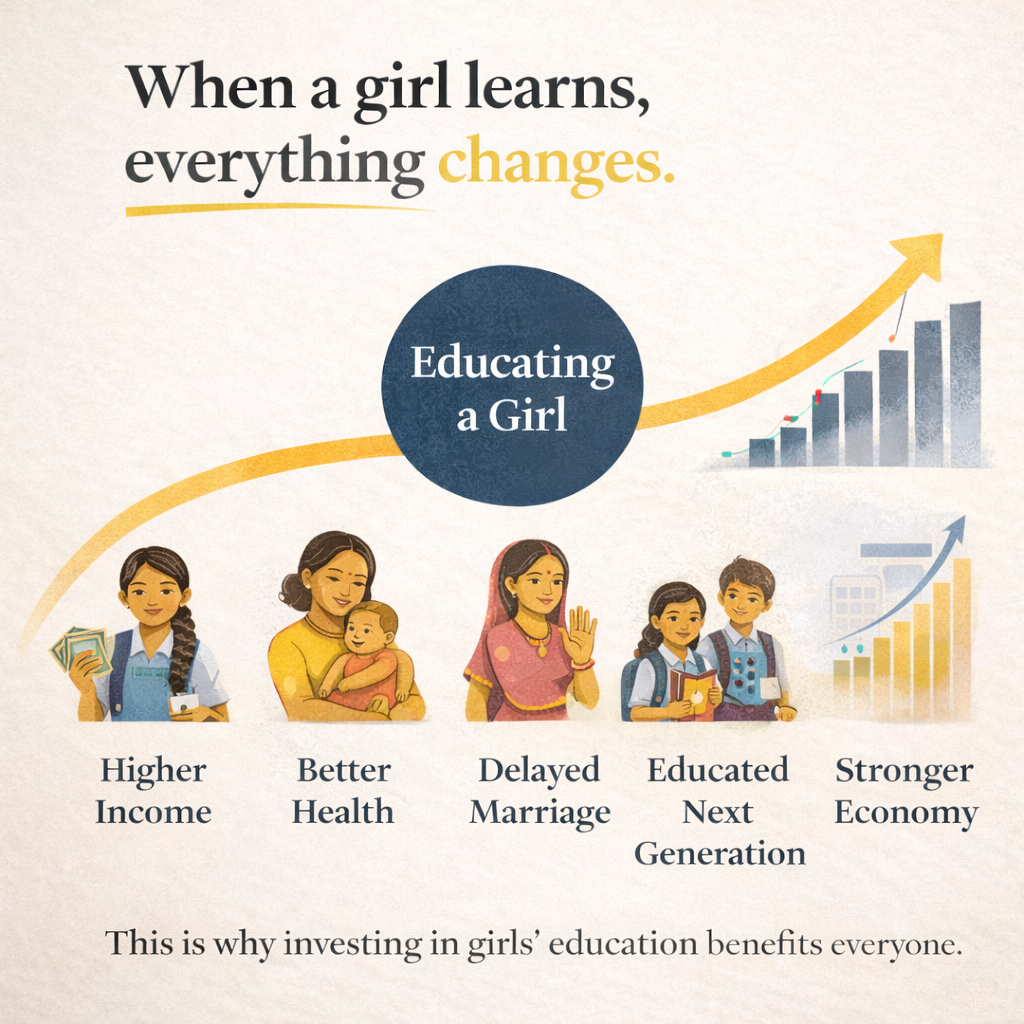
Programs aimed towards empowering women have a long-lasting impact for themselves, their families, and also for the nation at large. According to a statistic, as of 2011, every additional year of basic education increased girls’ future earnings by 10–20%, while every additional year of secondary education raised earnings by 15–25%. 

Also, there would be two-thirds fewer adolescent pregnancies and women would have fewer children overall if all females completed secondary education. Women with more education are much more likely to seek out prenatal care and trained delivery attendants, which lowers mother and newborn mortality. 

Mothers who have received education are better equipped to protect their young children from common illnesses like pneumonia and malaria, which could potentially save three million lives. For every $1 invested in programmes that help women engage in income-generating activities, $7 is returned. In a nutshell, empowerment of women creates a much larger impact than we can anticipate.

Women in India

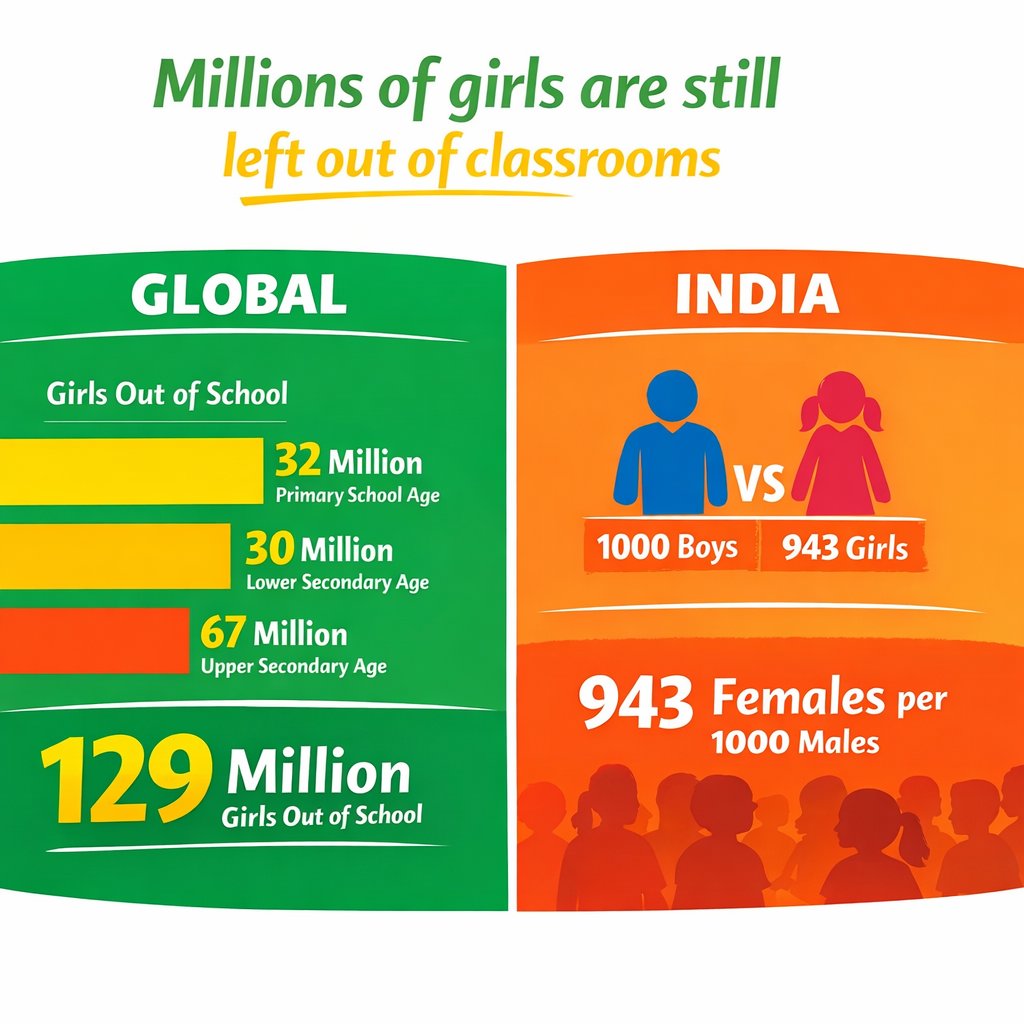
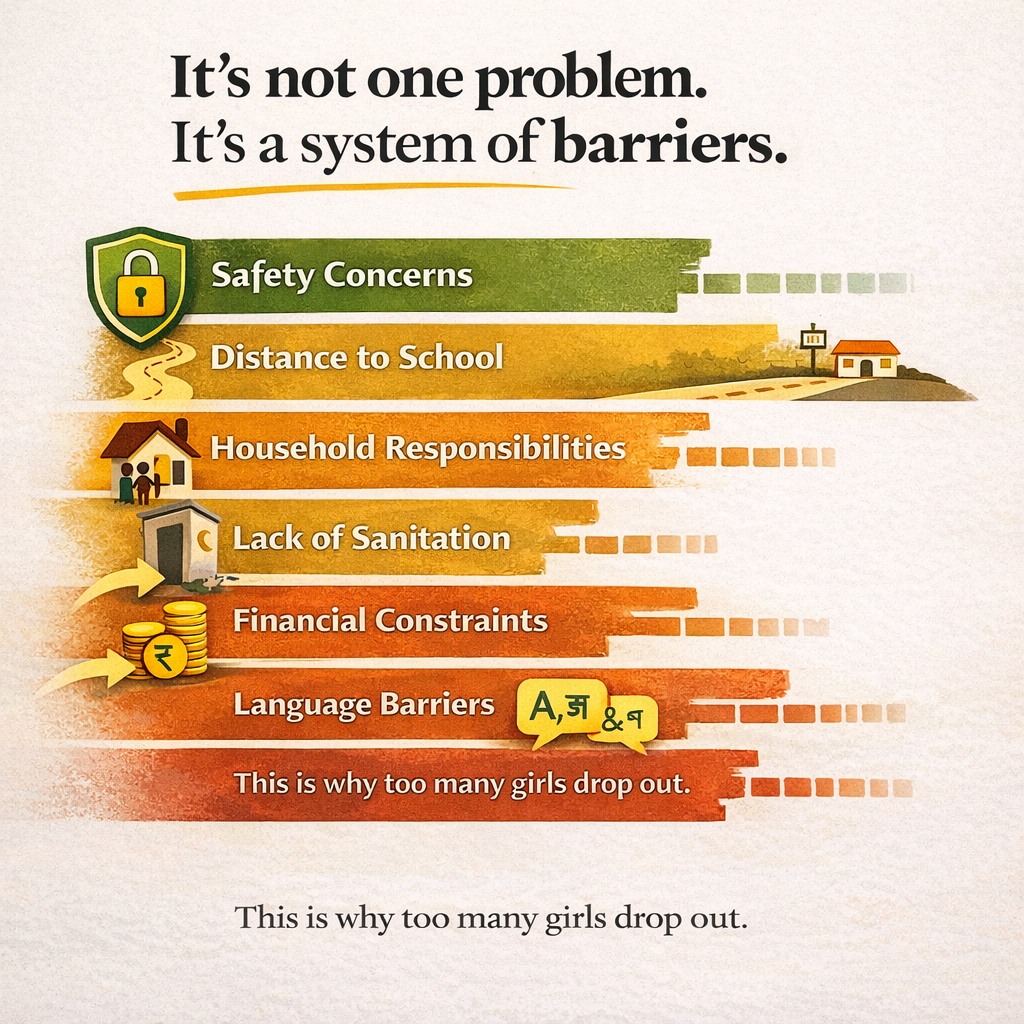
Just like the rest of the world, India too has a problem of gender inequality. Women suffer because of discrimination on various fronts. Globally, females have greater survival rates at birth, are more likely to have healthy development, and are just as likely to attend preschool as boys, yet in India more girls die at birth rate than boys. Additionally, girls are more prone to drop out of school early.

Women also have to face discrimination because of social stigma related to menstruation. Therefore, women empowerment is a crucial area to work upon in a country like India. Indian society has seen reformation over the centuries and decades. In fact, some of the early reformers who fought for women were men.

One of the shining examples is Raja Ramnohun Roy who worked tirelessly for the abolition of Sati practice and succeeded. Thus, the importance of women empowerment in India has been a subject of discussion for centuries now. When India became independent, equality for all, irrespective of their gender or sex, became a fundamental right of all citizens.

Today, the country has various schemes that work in this direction. From the ‘Beti Bachao, Beti Padao’ campaign to Ujjawala Yojana, the Indian government has been continuously working towards betterment of women in the society. Many of these schemes also focus on the need for men to come forward and participate in this change. This is again important because making women empowerment a men’s issue can expedite the entire process of change.

NGOs and Women Empowerment

Then, there are non-government organisations too which are working in the same direction. The NGO for women empowerment in India has been doing exceptional work for women economic empowerment, social equality, and much more. One of the examples is the ‘Swabhiman’ program by Smile Foundation. The programmme works for women empowerment and was launched in the year 2005.

Since then, the goal has been to empower women through creative community initiatives, support them in their education and livelihoods, help them develop life skills, give them the confidence to seek medical attention and bring about lasting changes in the neighbourhood, and involve both men and boys in the effort to create a society where gender roles are equal.

In conclusion, we can understand why women empowerment is so important for the world. If half of the population is kept away from opportunities, it limits the growth that we can achieve. Imagine the overall positive impact if women were given equal opportunities as men.

Everyone would benefit from it and today we need a more sustainable development. Therefore, making women empowerment a men’s issue is important. This is because society needs to come together and find the social evils. This can only be achieved together and it is the need of the hour.

Categories
Education

Quality Education is a Basic Right of Every Child

Afroz (name changed) works as a domestic help in the apartment complexes of Noida, Uttar Pradesh, and stays in a rented accommodation in an urban village of the city. Many years back, in search of a livelihood, she had migrated from Bhagalpur in Bihar to the National Capital Region (NCR) along with her husband.

The city did not disappoint her and she was happy that she no more had to mill rice on dhenki (a traditional rice mill made of wood and iron), which was her routine work in the village. But within a few months of staying in NCR she realised that to better the living condition of her family, she will have to work.

“My neighbour worked as a domestic help and often brought home sweets and gifts. I thought why shouldn’t I? My husband was reluctant but I convinced him,” says Afroz. Afroz has three children now who study in a private school and also go for private tuition after school hours. She and her husband work very hard to pay their fees.

Ask her why is she not sending her children to a government school where education is free, and she says, “Sarkari school me achhi padhai nahin hoti. Didi soti rehti hai. Aaj kal sab ghar me Angrezi bolne lage hain. Kal ko log apne bachon kaa khayal rakhne ke liye Angrezi bolne waali kaamwali dhundenge. Kamsekam mere bachon ko kaam to mil jayega. (They do not teach well in government schools. With the English-speaking population increasing in the country, there would be a time when people will look for educated English-speaking maids and caretakers. My children will at least get that job).”

Afroz has high aspirations for her children but is very practical in her approach. Free or cheap quality education in India is still not a reality of Afroz and her kids.

RTE Act, 2009 for Quality Education in India

When the Right of Children to Free and Compulsory Education (RTE) Act, 2009, came into effect in April 2010, it incited hope that India’s public education system would be strengthened if it has to be ensured that no child in the country is deprived of a quality education in India.

The government reports looked fair till the pandemic forced the physical closure of schools and learning shifted to the online medium where a computer or a smartphone and internet connection became a requirement for parents if learning of their children had to be continued.

Many children across the country were deprived of elementary and secondary education not only because their parents could not afford it but also because many schools lagged behind in basic technical infrastructure.  

As per the Unified District Information System for Education (UIDSE+) Report 2020-21, in 2019-20, only 5.5 lakh schools in the country had functional computers. It increased to 6 lakh in 2020-21. Likewise, only 3.36 lakh schools had internet facilities in 2019-20 which went up to 3.7 lakh in 2020-21 with 40 per cent of the schools having functional computers.

Enrolment in Schools

However, the Gross Enrollment Ratio improved and the total students enrolled in school education from primary to higher secondary stood at 25.38 crore.   If the UDISE+ report is to be believed, 39.7 lakh students of government-aided, private school students, shifted to government schools during the 2020-21 academic year.

Enrollment in private schools dropped at the pre-primary and primary levels by 22.28 lakh and 11.6 lakh respectively while enrollment in government schools saw a rise of 18.82 lakh and 9.28 lakh in the primary and upper primary classes respectively. The reason was obvious: Job loss, death of parent/s or a family member, salary cut, or loss in business increased the financial vulnerability of parents and guardians during the pandemic.

The government report stated that admission of young children in schools during the pandemic was postponed and more so it was noticed among vulnerable kids like children at pre-primary, class 1 level, and Children With Special Needs (CWSN).

Even as the scare of a fourth COVID-19 wave still looms, private schools that were stalled by the government from hiking the fees for the last two years, have declared an increase in tuition fees leaving those parents still coping with the stress caused due to the pandemic, baffled.

Article 21 (A) inserted in the Indian Constitution through the 86th Constitutional Amendment Act made free and compulsory education of all children in the age group of six to fourteen years, a Fundamental Right.

NEP 2020: Quality Education in India

The National Education Policy (NEP) 2020 which came up after a gap of 34 years and is aligned to the Sustainable Development Goal (SDG) 4 of ensuring inclusive and equitable quality education and promoting lifelong learning opportunities for all, also emphasises guaranteeing universal access to school education at all levels. 

Over the years, the school enrollment rate has increased in the country but dropout has not stopped completely. The annual dropout rate of secondary school students in 2020-21 was recorded at 14.6 per cent.

To bring back children who have dropped out from school and to prevent further dropping out of children from school, the NEP 2020 stresses providing effective and sufficient infrastructure so that all students have access to safe and engaging school education at all levels from pre-primary school to Grade 12. 

In alignment with SDG 4, some states have taken infrastructure development in schools seriously. Delhi has already set an example. In Odisha, as of now, the makeover is limited to high schools as it is primarily funded by the school alumnus under the Mo School Abhiyan. An
all-inclusive change in the education ecology is being brought about by states like Rajasthan, Himachal Pradesh, Jharkhand, and Andhra Pradesh.

Kerala has always been way ahead of others but even Haryana has made an effort to make 80 per cent of government school students in elementary classes saksham (grade competent) through the state’s flagship programme Saksham Haryana.

Education which was once a State subject was shifted to the Concurrent List by the 42nd Constitutional Amendment Act. Though the Centre has powers to bring uniform educational reforms, it is on the states to ensure proper implementation of the laws and policies, be it RTE or NEP.

It would not be very fair to compare the outcome of one state with the other given that the economy and ecology of states differ, but an effort to improve the quality of education in India will have to be attempted by all the states. There is mushrooming growth of private schools and hardly any efforts made by state governments to establish new government schools or monitor the quality of education in private schools. 

Don’t limit Afroz’s Dreams for Her Kids

Aforz says, “Mai to unpadh hoon. Mere shauhar padhe likhe hain, lekin Angrezi me achhe nahin hain. Upar se ye project wagaira, hamare paas kahan time hai (I can’t read and write. My husband can, but he is not good in English. And do we have time for school projects).” But she finds it strange when her employers send their wards to the so-called top schools of the city and also struggle to help/do their children’s project works.

A good curriculum, advanced educational learning materials and chic infrastructure cannot ensure quality learning. Schools, both government and private, will have to be trained in engaging children, unearthing their hidden talents, boosting their self-esteem, preparing them for life, and showing them the way forward.

The NEP 2020 also reiterates that education is a “public service and access to quality education must be considered a basic right of every child”. What we need is a strong, vibrant public education system. Charities in India supported by corporate houses are doing their bit in reaching out to disadvantaged children.

Nevertheless much more will have to be done to make universal access to high-quality education, a reality in the true sense. The number of applicants for Kendriya Vidyalayas across the country is proof that if quality education in India is provided in state-owned schools, it would be the first choice of not only the disadvantaged groups but also of the Indian middle class.

Smile Foundation and Quality Education

Smile Foundation truly believes in the holistic development of the children. Through its flagship initiative, Mission Education, it is trying to ensure that children are provided with quality education in India. Every barrier that can be brought down for the endeavor of success of every child from an underprivileged situation is taken care of dutifully. Quality education for all will be a reality very soon!

0%