Categories
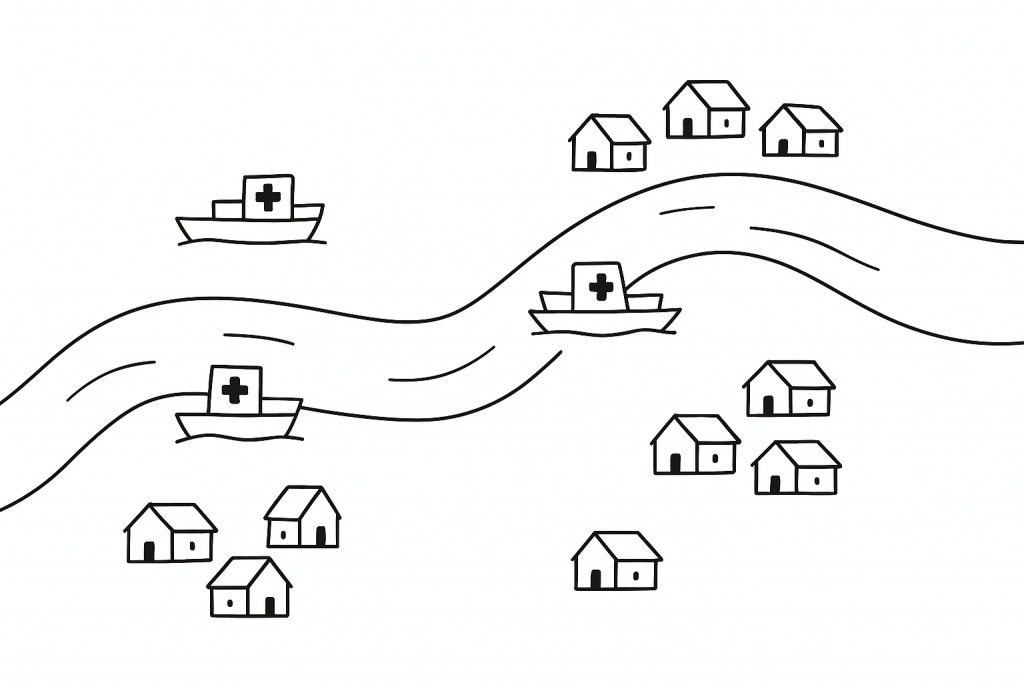
Health CSR Partnerships Smile

Addressing Workforce Gaps in India’s Rural Healthcare System

515494681 1215945033889970 6372765179692349072 n

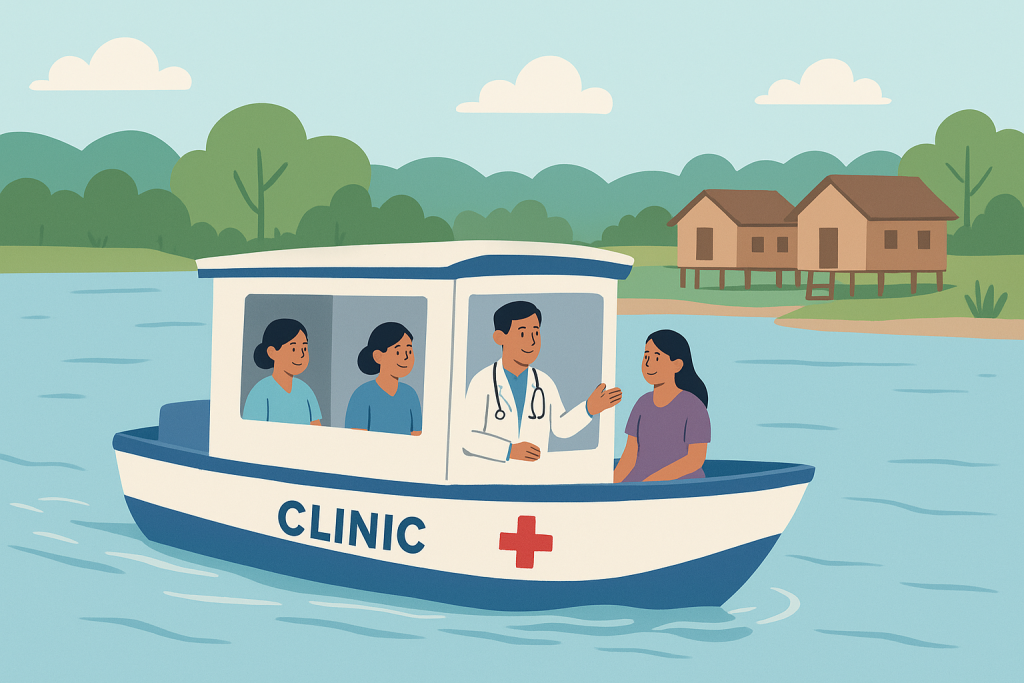
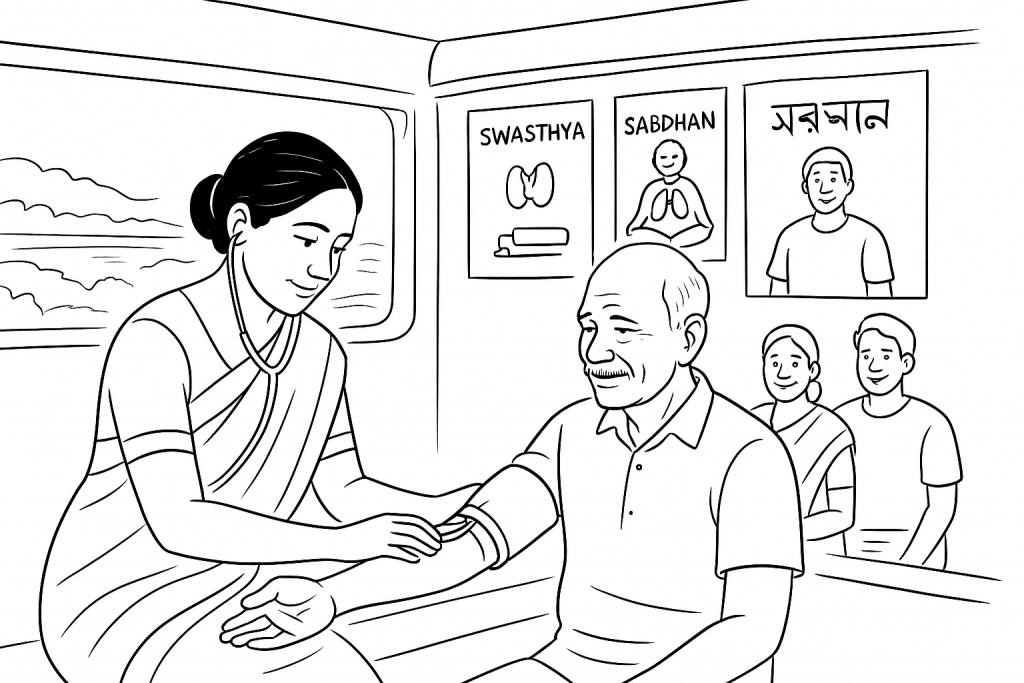
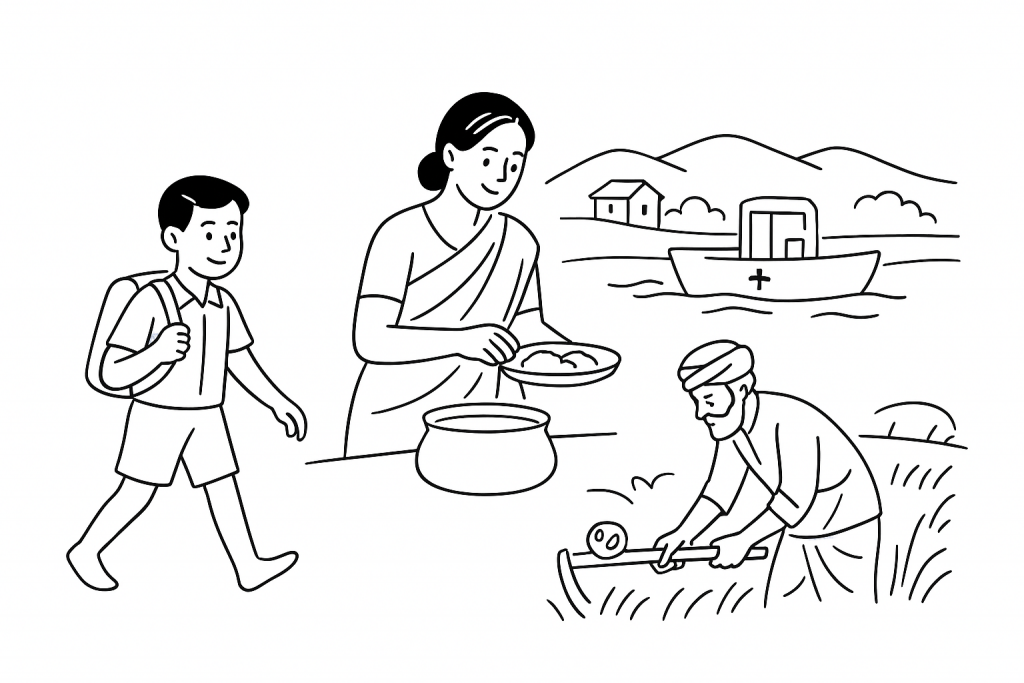
Every morning before dawn, Dhanam, a small business owner in Chennai, prepares her idli stall for the day. Fatigue was her constant companion till a free checkup by the Smile on Wheels mobile medical unit revealed that she had diabetes. With access to timely guidance and care delivered close to home, she has been able to manage both her health and her livelihood without missing a single customer in a day.

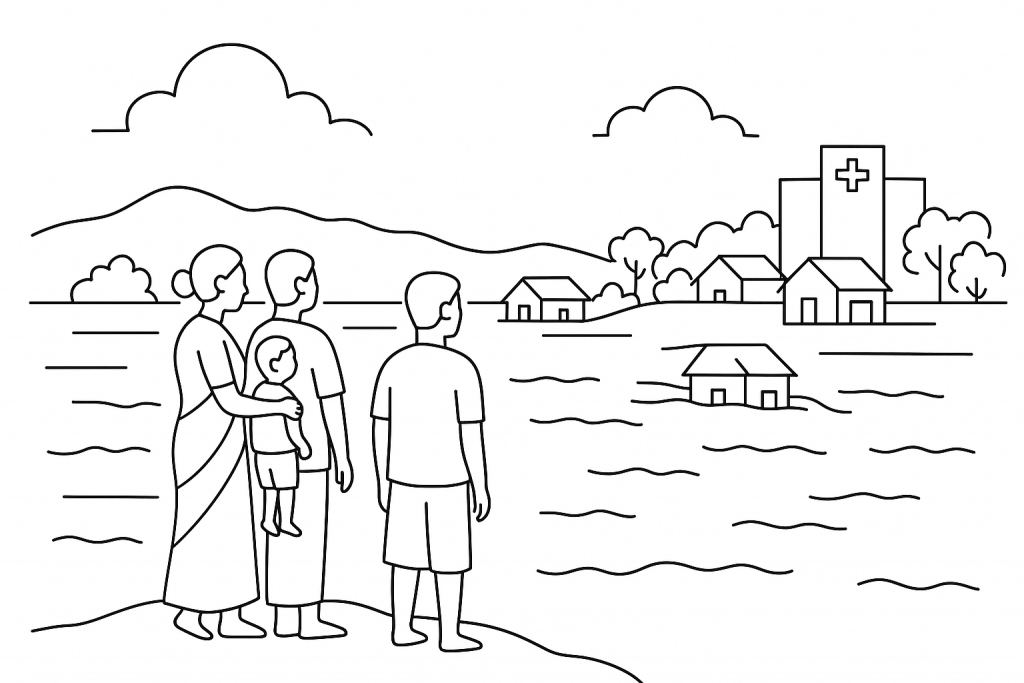
While India’s urban medical infrastructure has emerged as a global benchmark attracting international patients with its world-class hospitals and advanced treatments, the same cannot be said for rural healthcare. But this sheen of excellence fades quickly as one moves beyond city limits. In rural and underserved areas, healthcare is often an afterthought which remains delayed, distant, and fragmented.

The issue is not only the absence of hospitals or beds, but the critical shortage of skilled and often overlooked, shortage of skilled healthcare workers. Hospitals and clinics can be built, but without trained professionals to staff them, they remain symbols of intent rather than engines of impact.

A healthcare system without trained caregivers is a system destined to fail. For business leaders, CSR professionals, and policymakers, this challenge also presents an opportunity. Investing in rural health is a strategic investment in the nation’s social and economic infrastructure. Strengthening the rural health workforce fuels productivity, resilience, and long-term development goals. It ensures that no life remains unreachable, and that India’s rural healthcare transformation is truly inclusive.

Rural Healthcare Workforce Deficit

In India where healthcare professionals are often revered as “gods,” the expansion of modern hospitals, rising numbers of medical graduates, and a growing private sector have created an impression that quality healthcare is now within reach for all. Yet this perception masks the troubling truth that in countless remote villages across India, even a basic medical consultation remains out of reach. The closest doctor may be hours away, and trained nurses are often absent from the local primary health centre. 
India’s rural healthcare system continues to fight the crisis of the acute shortage of trained human resources. Despite sustained government efforts and targeted interventions, the lack of doctors, nurses, and frontline workers in rural India remains one of the most critical barriers to delivering equitable care. Several interlocking factors explain why rural India remains on the wrong side of this imbalance.

  1. Geographical maldistribution and urban preference 

Despite an overall increase in medical graduates over the year, recent surveys suggest that India has approximately 1:1456 of doctor-population ratio contradicting the WHO standards of 1:1000. A key challenge lies in the urban concentration of medical professionals. Increasingly, doctors are opting for city-based careers, drawn by better professional opportunities, higher earning potential in the private sector, and superior living conditions. This growing urban preference has contributed to the persistent difficulty in staffing rural healthcare facilities leaving large swathes of India underserved and vulnerable.

  1. Unsupportive rural working conditions 

Persistent gaps in infrastructure such as unreliable electricity, limited access to clean water, inadequate staff housing, and non-functional diagnostic tools continue to plague rural healthcare systems in India. For doctors and medical personnel posted in remote areas, the lack of quality schooling for their children and the absence of secure, livable environments for both work and residence present additional barriers. These challenges collectively discourage healthcare workers from accepting or continuing rural postings, reinforcing the urban-rural divide in access to essential health services.

  1. Urban-centric medical education system 

Medical and nursing education in India remains largely centred around tertiary care, with limited emphasis on preparing professionals for the realities of rural practice. This urban-centric training leaves graduates ill-equipped and often unwilling to serve in underserved regions. Compounding the issue is the stark mismatch between the number of MBBS graduates and the availability of postgraduate seats, pushing many aspiring doctors to forego rural postings in pursuit of further academic opportunities—a trade-off that continues to weaken frontline care in rural India.

  1. Systemic delays and administrative inefficiencies 

Recruitment to India’s rural healthcare centres is often hindered by delayed processes, lack of transparent vacancy notifications, and bureaucratic red tape. These systemic inefficiencies not only slow down staffing but also deter many young medical professionals from applying to Primary Health Centres (PHCs) and Community Health Centres (CHCs), further deepening the rural health workforce crisis.

According to recent surveys, 65% of India’s total population lives in rural areas. Given this demographic reality, it is imperative to assess whether the country’s healthcare workforce aligns with the needs of its rural citizens.

Alarming data from the National Medical Journal of India indicates a shortfall of nearly 80% in rural healthcare staffing, even as infrastructure has expanded. Since 2005, India has witnessed a 63.8% increase in the number of Community Health Centres (CHCs). As of 2022, there were 5,480 CHCs operational in rural areas, supplemented by 584 in urban settings. In tribal regions, 960 CHCs have been established, signalling a concerted effort to reach historically underserved populations.

Notably, states such as Uttar Pradesh, Tamil Nadu, West Bengal, and Bihar have led the way in expanding healthcare infrastructure, reflecting targeted efforts to mitigate regional health disparities. However, infrastructure alone cannot deliver care without adequately trained and retained personnel, these centres risk becoming underutilised assets.

AD 4nXffKsjzvRkNWUmt mMjzI8 EKvyBYJIpzqc3O khzzuUUqT2YpbXdMDy913dwV xdgaaMH4drgLAgvxY165pw0Q2tpgSOImrR1VwwIWjRRHgDs6AFT2AkJpyVUCr1waD2ZsskK9Dw?key=wWrvbBFkdzhrkczyrEYn w

Public Health Chronicles*

Government initiative for healthcare in India 

In alignment with Sustainable Development Goal 3 and India’s health priorities, the government is working to build a more inclusive and resilient healthcare system, especially in underserved regions. Recent reforms focus on strengthening frontline infrastructure, expanding workforce capacity, and leveraging digital solutions to close critical service gaps.

  • Ayushman Bharat – Health and Wellness Centres (HWCs):
    These centres provide comprehensive primary care including maternal and child services, NCD screenings, and essential medicines bringing preventive and promotive healthcare closer to rural communities.
  • National Health Mission (NHM): 

Launched in 2013, NHM integrates rural and urban health missions, emphasizing decentralized planning, community engagement, and system-wide improvements.

  • Human Resource Reforms:

Using Rural Health Statistics to guide decisions, policy measures now target recruitment bottlenecks, workforce incentives, and training reforms to ensure skilled personnel reach India’s remotest health centres.

Human resources for health – The critical pillar of Indian rural healthcare

The World Health Organization defines the Human Resources for Health (HRH) as all individuals engaged in promoting, protecting or improving public health. It includes clinical care, public health interventions, research, management and support services. (WHO,2007). Their role and capacity directly influences health outcomes and system efficiency. 

When there is a  low HRH density, its direct impact is seen in increased maternal and child mortality, reduced life expectancy, and a growing burden of untreated mental health conditions. The shortage of healthcare givers in the rural landscape of India also becomes a concerning factor towards implementation of health policies to its full effect, disrupting continuity of care, and posing a significant barrier to achieving public health goals. Most critically, it threatens the country’s progress toward Universal Health Coverage.

What’s needed? A people-first approach

Like any profession, healthcare demands a robust, supportive ecosystem. One that nurtures not only clinical expertise but also professional development, career advancement, and personal well-being, especially in high-demand, resource-limited settings like rural India.

To address this systemic gap, health policy experts and medical academicians have put forward strategic recommendations aimed at bridging the divide between trained healthcare providers and the underserved rural population. These include:

  • Providing the medical personnels with rural healthcare fellowships programmes 
  • Provide them with incentivised service models like housing, pay structure, and career recognitions 
  • Strengthening community-based solutions by promoting the training of local women as ASHA workers and auxiliary nurse midwives
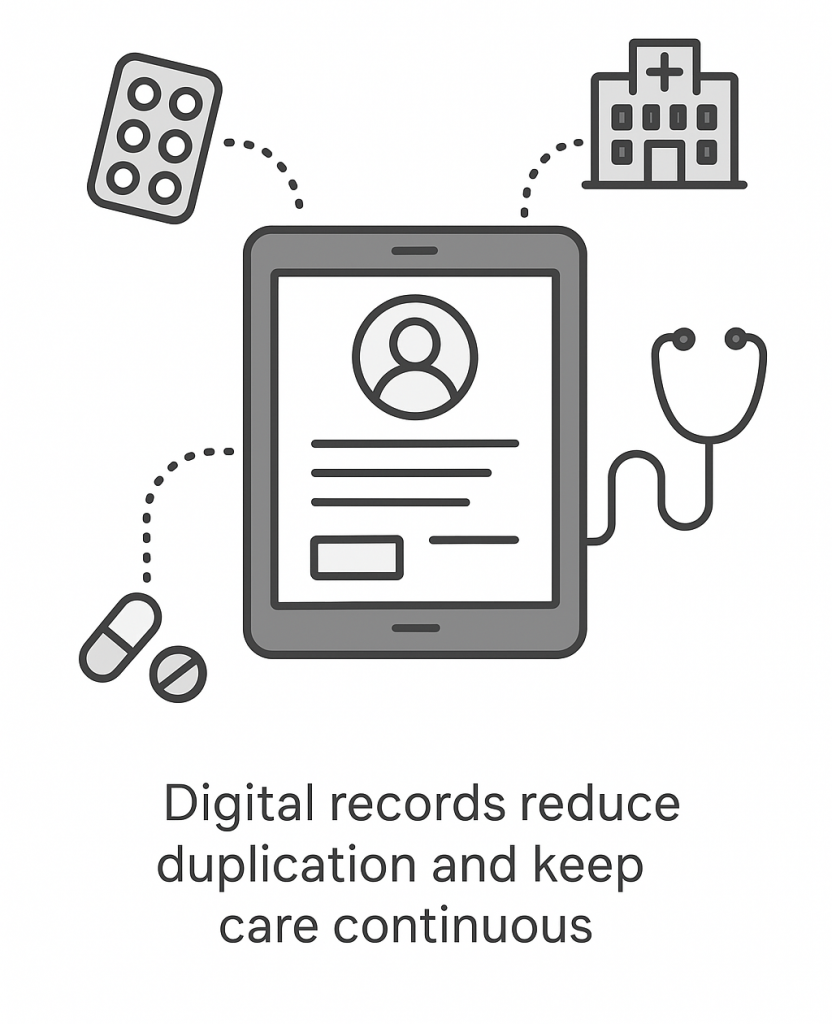
  • Digital upskilling and telemedicine integration

These interventions recognise that rural health systems must be built from the ground up and not imposed from the top down. By encouraging local leadership, creating enabling conditions for healthcare professionals, and aligning incentives with service delivery, India can create solid, sustainable pathways for its rural health workforce.

Partnerships that strengthen people power 

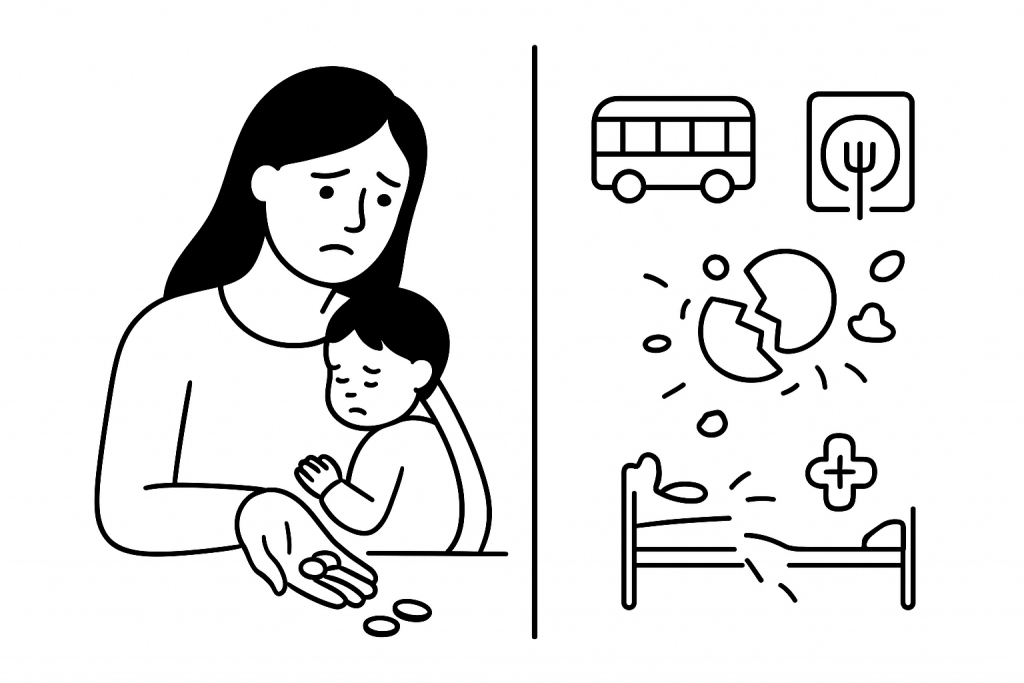
In the remote interiors of Tamil Nadu, a community of daily-wage labourers survives on earnings that barely cover basic necessities. For them, healthcare was a luxury, an added financial strain they simply cannot afford.

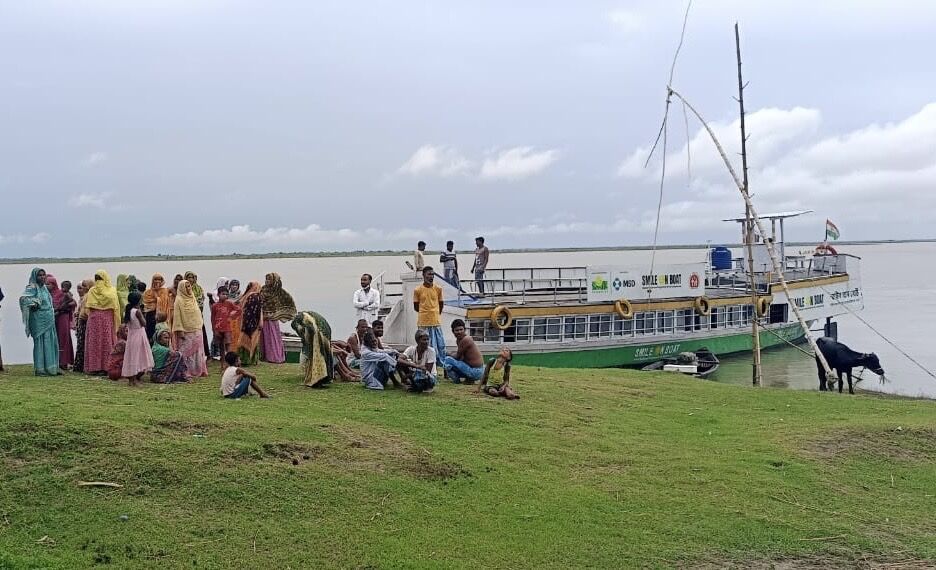
However, that narrative has begun to shift. Through a strategic partnership with a leading multinational health technology firm, Smile Foundation’s Smile on Wheels mobile medical unit now brings accessible, no-cost primary healthcare directly to their doorsteps.

Regular check-ups, preventive screenings, and free medicines have empowered pregnant women, children, and the elderly to take charge of their health without the anxiety of added financial burden.

This model demonstrates how targeted CSR partnerships can bridge systemic healthcare gaps, enabling low-resource populations to live healthier lives sustainably and with dignity.

Corporate Social Responsibility towards building a robust healthcare system is not a new phenomenon but definitely one of the most powerful tools to strengthen it. Since ages, corporate partnerships for healthcare have played a pivotal role in advancing the healthcare goals of the country bringing quality healthcare services and dignified lives to the underserved communities of India. 

Therefore, their role in solving the challenge of limited healthcare givers in India is more important to support and implement the initiatives taken by the state for a healthier India. 

  • Support training of frontline workers in India’s rural healthcare system

Training the rural healthcare workers strengthens community-based care, improves health outcomes and builds trust in the system. By investing time and efforts, corporate partnerships can empower women and children with better healthcare facilities, enhance workforce retention, and ensure sustained impact leading to compassion meeting the true potential of the frontline workforce in delivering quality healthcare. 

  • Invest in technology enabled capacity building

Technology driven solutions such as e-learning platforms, mobile medical units, and telehealth services extend the reach of quality care. These tools bridge access gaps, enable real time diagnostics, and foster last mile impact- transforming healthcare delivery for underserved communities while ensuring cost efficiency and positive impacts. 

  • Partnering with NGOs in India to develop and deploy rural health talent pools 

By partnering with trusted development organisations in India, corporates can enable scale deployment of trained health professionals in rural regions. These collaborations create sustainable talent pipelines, rooted in local context, ensuring continuity of care, community trust, and measurable healthy system strengthening at the base level.

503477910 1188046363346504 8663597943102636699 n
Achieve Universal Health Coverage goals with Smile 

Smile Foundation’s healthcare programme reaches over 12.89 lakh people across 16 states directly contributing to SDG of ensuring health and well being for all. The initiative delivers primary healthcare at the doorstep for the underserved communities of the country where the focus on 3A’s – Awareness, Affordability, and Access are delivered at the doorstep. 
Untitled 1 2

With the goal of building capacity and promoting changed behaviour, Smile’s healthcare interventions in 2024 have conducted 23 nationwide training for frontline healthcare workers combined with targeted IEC campaigns, promoting long term health seeking behaviours addressing antenatal care to diabetes, hygiene, and geriatric support.

To advance last-mile healthcare solutions, the programme has also introduced mobile dental clinics and established Transport Aarogyam Kendras for truck drivers who often forgo medical care due to cost or limited access. These efforts aim to bring quality healthcare directly to populations typically left on the margins.

At Smile Foundation, we see our grassroots health programmes as a clear opportunity for companies to meet their CSR goals. Partnering with us means delivering inclusive, technology-enabled, and community-centric healthcare to rural communities where the need is urgent and the impact is lasting.

Categories
Education

Bridging the Higher Education Divide Through Holistic Scholarships

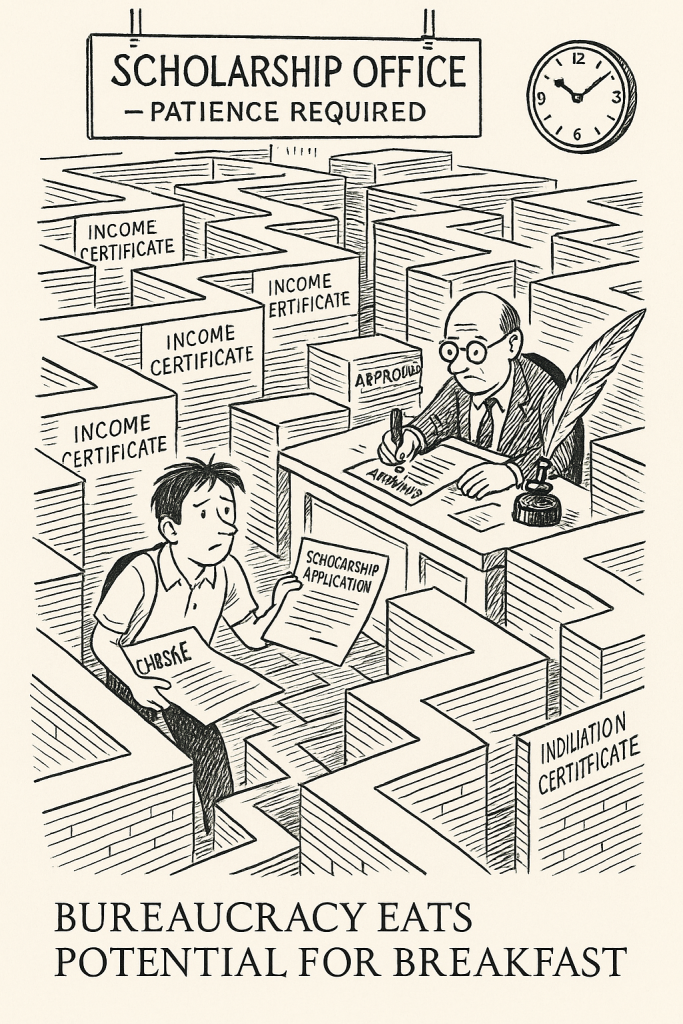
India’s higher education expansion belies that access remains deeply unequal. Despite dramatic growth in colleges and universities, only a fraction of students make it to campus. The latest government data shows that a staggering 71.6% of Indian youth do not progress from high school to college. This means millions of talented students, especially from low‑income, rural or marginalised backgrounds, never even get a chance. The reasons go beyond tuition fees.

For many, the pathway to college is blocked by a maze of social and institutional barriers like a lack of information and guidance, complex scholarship processes, digital and language divides and entrenched biases around caste, gender and field of study. As one recent survey cautions, “scholarships are essential, [but they] often fall short of addressing the full range of challenges faced by students from marginalised backgrounds,” leaving too many behind.

One young woman’s story captures this gap. Aishwarya, an engineering student from a working‑class family in Bengaluru, dreamed of a science career despite her father’s modest income. “I had always dreamt of pursuing a career in science,” she recalls. Yet even after earning a coveted college seat, she struggled: “The fees, transport, books and even mobile data for online classes started adding up. It became impossible to continue with my studies.” Aishwarya’s predicament shows why affordability alone is a reductive way to see the problem. It wasn’t just money – it was every extra cost and complication that overwhelmed her. Schools and scholarships often focus narrowly on tuition, but students like Aishwarya need a safety net that covers all essentials.

But money isn’t the only missing piece. Many first‑generation college students are also navigating an alien world. Classrooms, career counselling and internship culture can feel utterly foreign to someone from a village or slum. These students may have no one at home to help write a résumé, prepare for an interview or network professionally. In the words of one scholarship advisor, “financial aid is just one piece of the puzzle”. Without guidance, confidence and exposure, even well‑funded students can falter.

Research confirms that bridging “small gaps” in language, transportation and mentorship can dramatically boost a young person’s confidence and sense of belonging. In other words, handing someone a scholarship but dropping them into a strange new environment is unlikely to yield success. As one report bluntly puts it, “without complementary support of this kind, financial aid isn’t likely to result in success.”

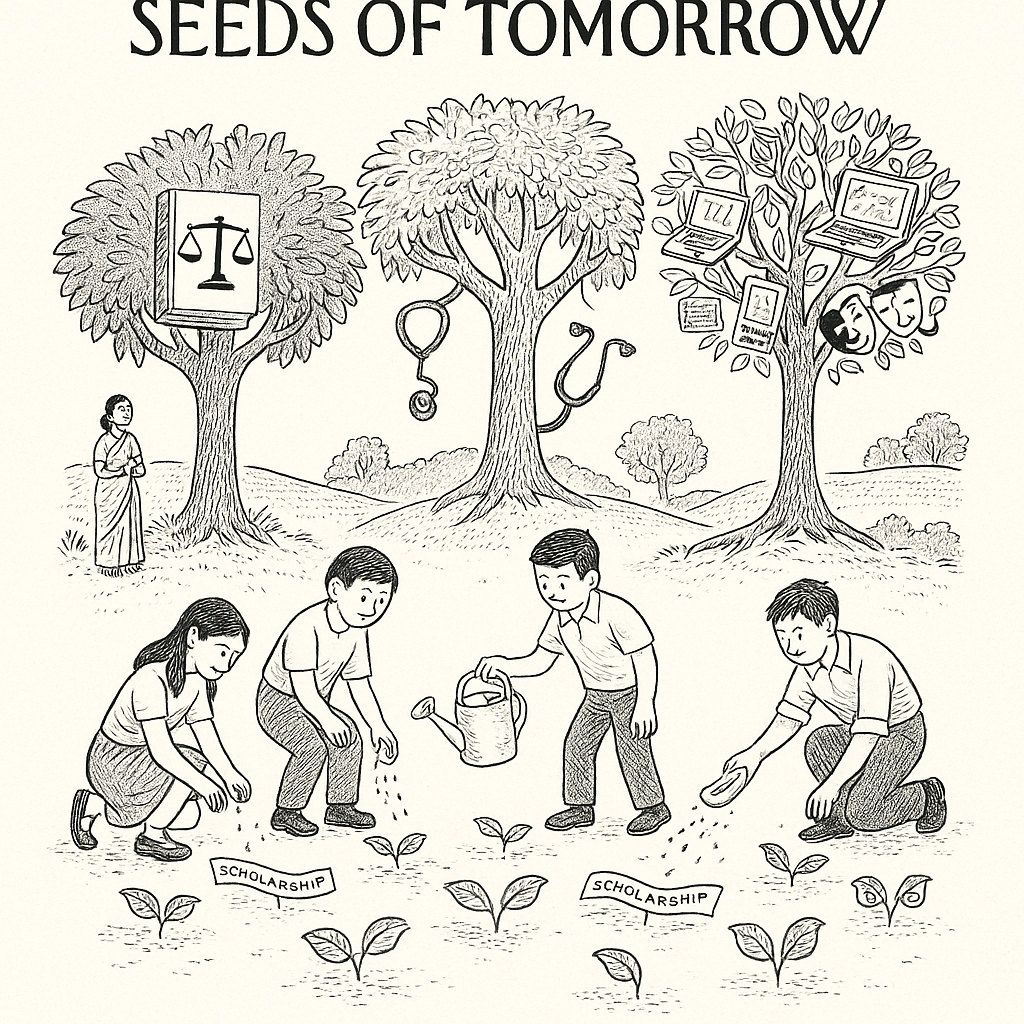
To overcome these hurdles, holistic scholarship models are emerging. Rather than just paying fees, they wrap students in a blanket of support. A leading example is Smile Foundation’s Scholarship programme which pairs financial aid with life‑skills training, English and digital fluency classes, mentorship, career counselling and even mental health support. Our need‑based sponsorships cover not only school fees but also books, uniforms, stationery and transport – ensuring continuity from primary school through higher secondary.

We also run bridge and remedial courses for dropouts, giving out‑of‑school youth a second chance at learning. In partnership with corporate CSR funds, Smile even extends vocational and professional scholarships for nursing, computer training and other career paths so that older students gain employable skills.

Girls receive special attention. Smile Foundation notes that female students face gendered expectations, mobility constraints and lack of access to safe campuses or hostels. To counter this, our scholarships for girls are embedded in a broader strategy providing menstrual hygiene kits, counselling and safe transport arrangements alongside funding. These measures help keep girls in school with dignity and confidence. Indeed, poor infrastructure and social pressure still cause girls in India to drop out in large numbers.

A UNESCO survey found 23 million girls worldwide each year leave school simply for lack of proper menstrual hygiene facilities – a reality Smile’s programmes directly address by providing sanitary supplies and education. By focusing on the whole student, not just the ledger sheet, holistic scholarships help remove the hidden barriers that money alone cannot fix.

From the classroom to the career

Of course, going to college is only the first step. Equally important is what comes after, and here too, India faces an urgent challenge. As industry surveys repeatedly show, there is a growing employability gap. The latest India Skills Report (2025 edition) found that only about 54.81% of Indian graduates are considered job‑ready by industry standards. In other words, nearly half of college grads still lack the soft skills, digital know‑how or career orientation that employers want. This is a dilemma for students and donors alike of a degree that doesn’t lead to a job is a missed opportunity.

Bridging this gap requires purposeful integration of skills and internship opportunities into scholarship programmes. Smile Foundation’s vocational scholars, for example, gain real workplace exposure through internships and industry workshops. One beneficiary, Vaishnavi, speaks for many: working a brief internship in a Mumbai office “changed my self-perception entirely,” she says. “Until then, I never thought someone like me could work in a place like that… Now I know I can.” This transformation, from classroom confidence to career confidence, is exactly the aim.

Smaller initiatives aren’t enough; we need system‑wide change. India’s National Education Policy 2020 (NEP) acknowledges this by calling for stronger links between academia and industry. In practice, NEP mandates that universities experiment with vocational education and include mandatory internships and apprenticeships in their curricula. CSR partnerships can accelerate this by helping align college curricula with real job skills, sponsor laboratory facilities or digital labs, and mentor students. Several Indian CSR guidelines now encourage firms to support educational initiatives and many companies do fund scholarship seats but often without the accompanying training. For true impact, CSR‑funded scholarships should come bundled with career bootcamps, group discussions, mock interviews and internships.

Such public‑private collaboration also builds social capital. When students meet mentors and industry leaders, they learn the norms of professional life – the resume buzzwords, presentation etiquette and networking savvy that others pick up informally. These interactions set realistic expectations and open doors. If a bright rural student sits down with an engineer who once came from a similar village, she gains both inspiration and guidance. As Smile Foundation’s scholarship head emphasises, the goal is to ensure students aren’t just enrolled, but ready for the workplace. With this model, a scholarship becomes a ladder from school all the way into a career.

A new definition of “Access”

At its core, this approach asks us to redefine “access” to higher education. Access isn’t achieved the moment a student steps through the college gate; it is truly realised only when she completes her degree and walks into a job that matches her potential. This shift changes everything. Students who receive wraparound support – mentorship, life skills training and career exposure – have dramatically higher retention and graduation rates. In fact, they build what educators call identity capital: the confidence, connections and self‑understanding that let them convert an education into opportunity. One study of peer‑mentoring camps found that 96% of disadvantaged girls went on to higher education when given comprehensive support.

These success stories ripple outward. A single girl who becomes a professional can transform the aspirations of her whole community. Her siblings see her example and dare to dream; her parents feel vindicated in educating daughters. In the long run, every such scholar is a social mobility agent. In economic terms, investing in holistic scholarships is like investing in a multiplier, one income‑earning graduate can indirectly benefit dozens of others.

For donors and CSR leaders, the implication is clear that funding fees is necessary, but not sufficient. Smart investments target multiple needs simultaneously. For example, Smile Foundation in 2023 reached 120,000 students with educational programmes, supported 44,000 girls with school and vocational training, and funded 2,000 scholarships for higher studies. These efforts are not stand‑alone; they are integrated with teacher training, lab upgrades and health campaigns. An evaluator might not see the tagline “scholarship” on every initiative, but together they form a ladder that keeps students climbing.

ChatGPT Image Jul 24 2025 12 19 51 AM

Rethinking the scholarship model

There is no one-size-fits-all solution, but certain principles have emerged:

  • Simplify and localise the process: Make applications user-friendly, available in regional languages and accessible through a single portal. As YDF researchers note, the current system “often falls short” because students face underused online portals and confusing forms. Providing local outreach and translation can close this gap.
  • Provide upfront, comprehensive support: Move away from reimbursement models that force families to front fees. Scholarships should cover tuition and supplies before the semester starts. Even small hidden costs like photocopying certificates or paying for internet access can derail a poor student. Covering uniforms, travel and exam fees up front ensures no one is left waiting or indebted.
  • Bundle life skills and mentorship: Accompany funding with regular counseling, communication workshops, and peer mentorship. Smile Foundation encapsulates this by embedding scholarships in life-skills training in a language students understand. Such holistic care from teaching time management to providing psychosocial support boosts resilience.
  • Prioritise girls and the most disadvantaged: Design eligibility criteria around socioeconomic need, not just grades. Scholarship programmes must explicitly counter gender and caste bias. Initiatives like Smile’s She Can Fly recognise that for many families, sending a daughter to a distant college is a social challenge as much as a financial one. By including menstrual hygiene kits, counselling and safe lodging in a girls’ scholarship package, one organisation can dramatically improve female retention.
  • Partner with industry and education systems: Scholarships should be the bridge between school and the workplace. CSR funding can create scholarship seats tied to internships or apprenticeships. Colleges can work with employers to adapt curriculum and host career fairs. The NEP 2020 envisions incubation centres and vocational tracks in universities – donors can help build these bridges by funding projects, labs and student exchange with industry.
  • Track and share success: Document case studies of students who have thrived with holistic support. Anecdotes like Vaishnavi’s success are inspiring, but scaling best practices requires data. If governments and NGOs pool evidence on which combinations of support lead to graduation and jobs, we can replicate what works.

Implementing such a model takes coordination, but the payoff is enormous. For donors and CSR heads, the message is clear: Invest in the whole student, not just the fees. A truly equitable higher education system will not emerge from fee waivers alone. It will be built by understanding students’ lives – their journeys, hurdles and aspirations – and filling every gap along the way.

By closing gaps in both tuition and opportunity, holistic scholarships pave a fairer, more durable path to success. They ensure that a poor student not only gets in, but also moves forward. Only by redefining access in this way can India truly unleash the potential of its youth.

Sources: Government and industry reports on higher education (AISHE, CII), news analyses, and Smile Foundation programme materials.

Categories
Livelihood

Skilling the Gig Economy

India’s economic story is often told through the lens of innovation, startup growth, and digital disruption. But behind this dominant narrative lies the fact that millions of working Indians are underemployed, not unemployed. According to the Ministry of Statistics and Programme Implementation, India’s underemployment score stands at 62.28, even though official unemployment remains below 7 percent.

The distinction matters. While unemployment refers to those without jobs, underemployment captures those working below their skill level or in insecure, low-paying roles. A large portion of these workers belong to India’s informal or gig economy. They drive cabs, deliver groceries, repair appliances, or assist in homes and hospitals. They are essential to daily urban life, but remain invisible in policy conversations. Without intervention, they risk being left behind in an economy that is moving faster than their ability to catch up.

The solution lies in reimagining skill development, especially for blue-collar gig workers. This is not about formal degrees or certificates, but about equipping people with the tools they need to succeed in the real economy.

Gig economy: A growing workforce with shrinking opportunities

India’s gig economy is expanding rapidly. Reports estimate that gig work could contribute up to 1.25 percent of India’s GDP by 2030. Platform-based jobs now stretch across services from delivery and ride-hailing to beauty, domestic care and field tech support.

Yet most of these roles sit at the bottom of the value chain. They are transactional, poorly paid, and offer little upward mobility. More than 90 percent of India’s workforce is informally employed, and within that, a significant share are blue-collar gig workers with little to no social security.

A Bain & Company study notes that only 12 percent of gig workers use platforms to grow their earnings or build businesses. A staggering 35 percent are financially strapped day labourers who survive on daily wages, making them particularly vulnerable to inflation, illness, or platform shutdowns.

The skills gap explains much of this stagnation. Gig work today is no longer just physical—it is digital and customer-facing. A delivery worker needs to manage orders through apps, handle cashless payments, communicate with customers and navigate real-time changes. These are not intuitive tasks, especially for first-time earners from rural or low-income urban households.

The problem is not a lack of aspiration. Most of these workers seek better lives, more stable incomes, and opportunities to grow. What they lack is access to the kind of skilling that prepares them for the future of work.

The limitations of current skilling programmes

India has made considerable investments in skilling through schemes like Skill India Mission and PMKVY. These programmes have helped formalise vocational training across sectors. But for gig workers, especially blue-collar ones, most skilling options remain out of reach.

First, traditional training centres often operate on fixed schedules and at fixed locations. Gig workers, with unpredictable shifts and long hours, cannot easily attend. Second, many programmes still teach generic skills like tailoring, data entry, beauty services without linking them to current market demand or platform-specific roles. Third, most workers receive little support after training. Placement services, mentorship, and access to finance are rarely integrated into the training lifecycle.

There is also a gender gap. Women in gig work, particularly in domestic or care roles, are rarely targeted for upskilling despite growing demand in health and home-based services. Digital safety, mobility constraints, and childcare responsibilities make it harder for them to access training.

Skilling that meets workers where they are

For skill development to truly empower India’s gig workforce, it needs to adapt to the realities of blue-collar work. This means making training modular, mobile, vernacular, and hyper-local.

An effective skilling model for gig workers should include:

  • Hands-on vocational training that mirrors real-world tasks
  • Soft skills and life skills like communication, time management, and customer interaction
  • Basic digital literacy to help navigate apps and online platforms
  • Financial literacy to improve savings, budgeting, and credit access
  • Entrepreneurial skills for those who want to build micro-enterprises or transition out of platform dependency

These elements are not optional. They form the foundation of a future-ready, inclusive workforce that can adapt as platforms evolve and new jobs emerge.

ChatGPT Image Jul 23 2025 08 18 39 PM

Smile Foundation’s skilling model: Linking training to livelihoods

Smile Foundation’s work in the area of employability offers valuable insights into how blue-collar workers can be prepared for a modern economy. Through our Smile Twin e-Learning Programme (STeP), we provide market-linked training to youth aged 18 to 32 from underserved backgrounds. The curriculum focuses on retail, hospitality, logistics, beauty, and wellness—sectors where gig work is concentrated.

What sets STeP apart is its emphasis on end-to-end support. Participants are trained not just in job-specific skills but also in communication, basic English, financial literacy, and digital tools. The programme also partners with over 200 companies to ensure placement opportunities after training.

In 2023–24, more than 12,000 youth completed training through STeP. Of those, around 72 percent secured jobs in sectors aligned with their training, many in gig and service roles. The programme operates in 25 states, with a special focus on rural and tier-2 regions where formal skilling infrastructure is limited.

Beyond STeP, Smile Foundation collaborates with companies through CSR partnerships to reach larger numbers of gig workers. These partnerships fund mobile skilling vans, doorstep training and digital courses. This convergence of civil society implementation with corporate investment can accelerate change on the ground.

Corporate engagement: Not just good CSR, but good business

The private sector has a critical role to play in building a robust, inclusive gig economy. Better-skilled workers lead to better service delivery, improved customer satisfaction, and brand trust. In a competitive platform economy, quality, and reliability are key differentiators. Companies like Urban Company, Zomato, and Amazon are already experimenting with in-house training modules and health coverage for gig workers.

Others, like Quess Corp and Tata STRIVE, are running placement-linked skilling programmes that bridge the supply-demand gap in blue-collar services. Platforms that invest in upskilling their workers tend to have lower attrition and better ratings—benefits that directly affect their bottom line.

Government incentives could further encourage such investments. For example, public-private partnerships could tie skilling outcomes to tax credits or regulatory benefits. Micro-credentials co-designed by platforms and skilling partners can provide gig workers with verified, portable skills that enhance employability across platforms.

What needs to happen next for the gig economy

India’s demographic dividend will only pay off if its working-age population has the skills to meet 21st-century demands. For the blue-collar gig workforce, this requires a new approach that is agile, inclusive, and outcome-focused.

Here is what policymakers, nonprofits and corporate leaders can do:

  1. Map sectoral needs: Regularly update demand forecasts for gig sectors and tailor skilling programmes accordingly.
  2. Encourage digital skilling: Make short-form, mobile-first learning content available in multiple Indian languages.
  3. Target women workers: Design training that includes mobility support, childcare solutions, and safe working conditions.
  4. Link training to finance: Combine skilling with access to microcredit, insurance and savings products.
  5. Certify and recognise skills: Create micro-credential systems that allow workers to build and stack skills over time.
  6. Strengthen local ecosystems: Build partnerships between municipalities, industry, and nonprofits to ensure local implementation and accountability.

These steps require collaboration, not duplication. Skilling cannot succeed in silos. It must be embedded into public policy, supported by private innovation and delivered through grassroots networks.

Looking ahead: From labour to leverage

India’s gig economy is here to stay. It represents an opportunity to make the labour market more flexible, more inclusive, and more resilient. But without a concerted focus on upskilling, it could also deepen existing inequalities.

Blue-collar gig workers are not just labourers. They are caregivers, problem-solvers, and digital citizens in the making. When we invest in their growth, we invest in the very infrastructure that keeps our cities moving and our economy running.

A delivery worker today could become a team leader tomorrow, a home services provider could become a franchise owner, a ride-hailing driver could transition to fleet management. All this is possible if the right skills meet the right opportunity.

As India builds its future of work, the question is not whether gig work will grow, but whether gig workers will grow with it.

Categories
Smile CSR Education Girl Child Partners In Change Partnerships

Menstrual Hygiene and Girls’ Education: Why Awareness Matters More Than Ever

In this essay:

  1. Menstrual hygiene remains a major barrier to girls’ education in rural India, with stigma, poor awareness and inadequate sanitation contributing to school absenteeism.
  2. Menstrual Hygiene Day highlights the urgent need to normalise conversations around periods and ensure adolescent girls can manage menstruation with dignity and confidence.
  3. Lack of menstrual hygiene awareness and access to sanitary products continues to affect girls’ health, confidence and long-term educational opportunities across underserved communities.
  4. Strategic CSR–NGO partnerships can strengthen menstrual hygiene management through infrastructure support, menstrual literacy and improved access to safe hygiene products.
  5. Community-led menstrual hygiene programmes involving ASHA workers, peer educators and schools can help reduce stigma and improve health-seeking behaviour among girls.
  6. Smile Foundation’s Swabhiman initiative is promoting menstrual hygiene awareness, peer education and access to sanitary products to reduce school dropouts and strengthen girls’ confidence.

In a classroom in Odisha, Shalini stood up to answer a question. She had no idea her life was about to change. A red stain on her seat, a sign of her first period, brought giggles, whispers and then silence. No one had spoken to her about menstrual hygiene or menstruation before. Frightened and ashamed, she thought she was unwell. The next day, she begged her parents not to send her back to school. In that moment, her education and confidence began slipping away together.
Shalini’s story reflects the harsh reality faced by countless girls across rural India, where lack of menstrual hygiene awareness, limited access to sanitary products and poor sanitation facilities continue to affect girls’ education. For many adolescent girls, periods become a reason to miss classrooms, fall behind in learning or eventually drop out of school altogether.

Menstrual hygiene is not only a health issue; it is deeply connected to dignity, confidence and equal access to education. Without safe spaces, awareness and support, millions of girls continue to navigate menstruation through silence, stigma and fear, limiting their potential long before they get the opportunity to realise it.

ChatGPT Image Jul 21 2025 06 52 27 PM 1

UNICEF & WATERAID INDIA STUDY (2015)*

The unspoken numbers

According to UNICEF India, over 253 million adolescents live in India, with nearly half being girls and 25% of them in rural areas. Despite several government-led menstrual hygiene initiatives, thousands of girls still drop out of school due to shame, pain, poor access to products and lack of supportive infrastructure.

504380955 1211039214380552 9087096205533380845 n 1

Period absenteeism: Why?

Whether in rural villages or urban neighbourhoods, a girl’s first period often arrives unannounced and with fear. Her body undergoes unfamiliar changes, but in the absence of support and information, this moment becomes isolating. When compounded by poor infrastructure, stigma and silence, menstruation becomes not just a personal struggle, but an educational barrier.

Menstrual Hygiene in India
  1. Social taboos 

Even today, in many parts of India, menstruating girls and women are subjected to regressive restrictions like being barred from entering temples, kitchens or even touching food on the grounds of being “impure.” These practices are reinforced by harmful myths, such as the belief that menstrual blood is toxic or that using sanitary pads causes infertility. As a result, many girls are pushed toward using cloth or other unhygienic alternatives compromising their health, dignity and confidence.

  1. Poor menstrual product access

In many rural communities, girls face limited access to safe menstrual products, clean cloth or private drying spaces. Adding to their troubles is the issue of no proper disposal facilities; they often resort to using ashes or rags as quiet acts of desperation that compromise their health and dignity. 

Menstrual hygiene in Indian women (15-24yrs)

Recent data reflects encouraging progress: 78% of women in India now use hygienic menstrual methods such as sanitary napkins, tampons or menstrual cups indicating growing awareness and improved access. However, among adolescent girls, only 42% rely exclusively on these hygienic practices*, with significant disparities persisting across states and districts. This gap underscores the urgent need for targeted interventions that address both availability and cultural barriers in underserved regions.

*Menstrual hygiene practices among adolescent women in rural India: a cross-sectional study

AD 4nXeNTUwnB5U0K46Gp1CXcPGNGWqh7fA6kJfVctJhTGmgf2jU9o4pe6E1nW2TOA99V09n9Rdu4bZqwUY8U03gS6RVjIZrXf287cQjcJEPE8I4kk7as5qko7XVA3kFAEPazop1WFKaZQ?key= SWeFV2KTfjqIdMTjWd1DA

https://pmc.ncbi.nlm.nih.gov/articles/PMC9675161

  1. Paying the hidden cost of secrecy and infrastructure gaps

Many girls across rural India navigate their periods in secrecy by hiding pads in books, fearing stains, missing school events, and sometimes their yearly reviews as well because of menstruation. With no dustbins, running water or private toilets in schools, managing menstrual hygiene becomes near impossible. The result is a deafening mix of isolation, shame and lost days of learning. 

Menstrual health is a national priority

India has taken steps in the right direction. The Menstrual Hygiene Scheme (MHS), by the Ministry of Health and Family Welfare, offers subsidised sanitary napkins and peer counselling through ASHA workers. The Rashtriya Kishor Swasthya Karyakram (RKSK) promotes adolescent health, including menstrual awareness. The Suvidha Scheme by the Ministry of Chemicals and Fertilisers introduced biodegradable sanitary pads at ₹1, increasing affordability.

However, gaps persist. Many of these programmes struggle to reach India’s most marginalised girls. Product availability doesn’t always translate to product use, especially when surrounded by silence and stigma.

As a result, many adolescent girls navigate menstruation in isolation—confused, unprepared and unsupported. For countless girls, this social conditioning leads to school absenteeism, diminishing their confidence, academic continuity and long-term opportunities.

Addressing the gaps through strategic partnerships 

To bridge these challenges, strategic CSR–NGO partnerships are serving as catalytic agents. By combining grassroots reach with corporate scale, these collaborations have the potential to advance menstrual hygiene management as a systemic solution driving health equity, school retention and long-term social impact for adolescent girls across India.

Improving school infrastructure beyond brick and mortar

One major challenge for school girls from rural communities during menstruation is the lack of functional school infrastructure; poor washrooms, inadequate disposal, limited water and no privacy often lead to school dropouts.

What can be done

  • Support the development of gender sensitive washrooms with lockable doors, running water, disposable bins and incinerators. 
  • By partnering with NGOs, corporates can implement their CSR goals for women empowerment. Through impact dashboards, the projects can be tracked to identify the usage, maintenance, and overall the hygienic parameters required for young girls in home and schools. 

Culture stigma needs community solutions 

One of the most important issues that must be addressed immediately at a large scale is the lack of awareness about menstrual health amongst young girls and their communities. This becomes more concerning when the concerns of young girls are silenced due to vulture silence, shame and myths that often lead to fear, poor hygiene and isolation. 

What can be done

Corporates can support community based menstrual literacy programmes where they can collaborate with local organisations, ASHA workers and peer educators to increase awareness on menstrual hygiene. Furthermore, they can also educate the girls, teachers and community workers through culturally adapted IEC tools (flipbooks, comics, digital stories ) to challenge taboos and normalise conversations. 

Take the example of Shivani. Once hesitant and withdrawn, she found her footing through menstrual health sessions conducted by Smile Foundation’s Swabhiman programme. With accurate information and support, she gained not only knowledge, but also the confidence to speak up. Today, she serves as a peer educator empowering other adolescent girls in her community and promoting health-seeking behaviour.  

As part of its integrated approach to women’s health, Smile Foundation’s Swabhiman trains community-based volunteers as reproductive and menstrual health educators in underserved areas. This capacity-building intervention strategically addresses knowledge gaps, dismantles cultural taboos and promotes safe menstrual hygiene practices directly reducing school absenteeism and health risks among adolescent girls. By embedding peer-led advocacy into last-mile delivery, the initiative strengthens behavioural change at the community level while aligning with national adolescent health goals and SDG targets.

Making innovation accessible, affordable and adaptable 

As key drivers of social impact, CSR–NGO partnerships are well positioned to eliminate unhygienic menstrual practices such as the use of cloth, ash or sacks by co-developing and scaling access to affordable sanitary products tailored for rural adolescent girls. In light of growing environmental concerns, these partnerships must also prioritise innovation in biodegradable and reusable menstrual solutions, ensuring both adolescent health and ecological sustainability. Such an approach aligns with ESG goals and supports long-term, community-based health equity.

What can be done

  • Support women-led production units for biodegradable sanitary napkins or menstrual cups.
  • Collaborate on last mile distribution through workshops in local communities and schools, Anganwadis and frontline health workers.
  • Support impact evaluations to track product adoption, usage frequency, and behavioural shifts. 

For instance, through targeted workshops on menstrual hygiene, Smile Foundation’s Swabhiman programme ensures last-mile delivery of accurate, stigma-free education to adolescent girls in underserved communities. By promoting body literacy and safe hygiene practices, the initiative empowers girls with the confidence to stay in school, safeguard their health and become agents of change in their communities.

489068730 1143126787838462 1952922679654461403 n

Her better health and future with Swabhiman

To commemorate Menstrual Hygiene Day 2026, Swabhiman is addressing menstrual hygiene as a critical enabler of uninterrupted education for adolescent girls in rural India. By training peer educators, frontline volunteers, and community health workers, Swabhiman delivers accurate, stigma-free menstrual literacy at the grassroots. It also facilitates access to sanitary products, promotes hygienic practices and advocates for safe, girl-friendly school sanitation infrastructure. This integrated approach reduces absenteeism and school dropouts caused by menstruation-related challenges. Aligned with national priorities and SDGs 4 and 5, Swabhiman empowers girls to manage menstruation with dignity transforming it from a source of shame into a gateway for continued learning and confidence.

A call to strategic CSR for menstrual hygiene in India

By investing in menstrual hygiene, CSR initiatives can move the needle on multiple fronts including school attendance, public health, gender empowerment and community resilience.

Smile Foundation invites partners committed to building inclusive, lasting impact. Let’s work together so that menstruation is no longer a reason for any girl to drop out but a moment where she steps into knowledge, dignity and power.

Categories
Health

Community Power to Address India’s Maternal Anemia

Iron-folic acid (IFA) tablets are a cornerstone of India’s public health drive, but anemia remains a stubborn barrier to safe motherhood and healthy newborns. NFHS 5 data shows that 52.2% of pregnant women in India are anemic, and experts warn this widespread deficiency “contributes to high maternal and infant mortality rates”. Mothers who lack iron and nutrition are more likely to deliver low-birthweight or premature babies, and even mild anemia raises risks for both mother and child. Recognising this, the government’s Anemia Mukt Bharat strategy (2018) scaled up IFA supplements and nutrition counseling across the lifecycle. These efforts have helped millions, but by themselves they are not enough – pills must be backed by early diagnosis, education, and local action to make a real dent.

Government efforts and the community gap

India’s flagship IFA schemes for adolescents, and pregnant and lactating women are globally unmatched, and studies confirm iron supplementation is “the most efficient and scalable intervention” for anemia. Frontline workers including ASHA and Anganwadi workers distribute supplements and conduct awareness drives under Poshan Abhiyaan and Anemia Mukt Bharat. But in practice, tablets alone often fall short. Without counseling, many women skip doses or suffer side effects, and local diets remain poor in iron. Innovative local fixes can bridge this gap. For example, Sangrur (Punjab) officials found children were discarding morning IFA tablets. By mixing the iron dose into the mid-day meal and encouraging school kitchen gardens (spinach, fenugreek, etc.), they achieved 100% tablet intake and fresh nutrients. Smile Foundation’s work builds on such models, partnering with communities to translate policy into practice.

Smile Foundation’s programmes follow a systems approach that complements government infrastructure. Instead of relying on pills alone, we weave together multiple threads – from kitchen gardens and nutrition education to regular screening and counselling. Key components include:

  • Kitchen gardens and food diversity: Schools and villages plant iron-rich veggies (spinach, legumes, moringa) so families have fresh iron sources year-round. In Sangrur, Smile helped grow dozens of community gardens.
  • Regular health camps and screening: Mobile medical vans and local camps provide maternal-child check-ups and hemoglobin tests. In Mathura’s new “Pink Smile” initiative, fortnightly anemia camps reach thousands of women and girls.
  • Nutrition education and fortified foods: Interactive sessions and recipe kits teach families how to use local foods for nutrition. In Gujarat’s Banaskantha, we distributed 15,000 fortified “laddoos” (iron-rich snacks) over 10 months alongside IFA tablets. More than 70% of the girls in that programme showed gains in hemoglobin and BMI.
  • Adolescent and maternal counseling: Peer groups and home visits reinforce healthy behaviors. 
  • Capacity-building of local workers: Training Anganwadi staff and teachers ensures sustainability.

These elements multiply impact by engaging the whole community.

Sangrur, Punjab: Nutrition Enhancement Programme

In Sangrur district, a three-year Nutrition Enhancement Programme demonstrates the scale of this approach. It reached 23 villages and impacted over 60,000 people, including pregnant women, lactating mothers, and young children, plus their families. Through this effort, Smile teams and officials held 260 health camps offering nutrition and anemia screening. We also conducted nearly 9,750 community sessions and home visits on diet and self-care. The results have been encouraging – local officials report that anemia rates among school children plummeted from ~40.6% to just 2.7% within six months of the intervention. By coupling government resources (mid-day meals and IFA distribution) with kitchen gardens, counselors and camps, Sangrur has virtually eliminated anemia in some piloted schools – proof that ‘integration’ works.

Mathura, Uttar Pradesh: Pink Smile

In Mathura’s rural Chatta Tehsil, Smile Foundation partnered with PepsiCo India on the recent Pink Smile project to tackle anemia and malnutrition in 10 villages. In its pilot phase, the programme has already reached 4,200 villagers (women, adolescents and children), and aims to cover over 40,000. Pink Smile brings together mobile medical vans, fortnightly anemia screening camps, and nutrition education. For example, local health teams distribute low-cost, high-nutrition recipes and food kits to pregnant women, set up kitchen garden kits for families, and train ASHAs on counselling methods. These hands-on, on-site services ensure early diagnosis and follow-up: anemia cases are caught at screening camps, treated promptly, and mothers receive regular dietary advice. This multi-pronged model – front-line care plus community nutrition – is designed to boost the impact of existing schemes by meeting people where they live.

Banaskantha, Gujarat: Project Sampoorna

Banaskantha is one of India’s Aspirational Districts and was the focus of Smile’s Project Sampoorna. Launched in 2018, Sampoorna worked with 1,000 adolescent girls (age 14–19) across 10 villages, all diagnosed with mild-to-severe anemia. Over 10 months, each girl received the special fortified laddoo twice a week, along with iron-folic tablets, multi-vitamins, and deworming as needed. Intensive education sessions taught the importance of iron-rich diets and kitchen gardening. The outcome was that the severe-to-moderate anemia in the group fell from ~78% to about 34%. Underweight prevalence dropped from 70.2% to just 13.8%, and girls in the “normal” BMI range rose from 29.5% to 86.1%. In practical terms, 70%+ of participants reported significantly better hemoglobin and body-mass index after the programme.

One girl’s story illustrates the human side of these numbers. Sahisa, a teenager from a village in Banaskantha, arrived at Sampoorna severely anemic and had even dropped out of school from fatigue. Through regular laddoos, supplements and close follow-up by Smile’s team, her health rebounded. Over a few months, she regained strength and energy. Sahisa returned to her village school and even enrolled in a vocational training course. Sahisa’s turnaround highlights that defeating anemia can literally turn lives around.

Beyond health: Education, productivity, and community development

The benefits of curing anemia reach far beyond hemoglobin levels. A well-nourished girl is more likely to stay in school, concentrate in class, and develop skills – boosting her future earning potential. Studies confirm this link: iron deficiency in childhood causes cognitive and physical delays that lead to “lower schooling and productivity loss” in adulthood. In practical terms, the gains seen in these projects have meant better school attendance and participation. Families also report that healthier mothers can care for their families and work more effectively. By improving nutrition and health, these programmes strengthen human capital: educated children, productive adults and ultimately stronger rural economies.

A systems approach amplifies public health

Taken together, the experience in Punjab, UP and Gujarat shows that community-led solutions reinforce the public health system and amplify government efforts like Anemia Mukt Bharat by adding local ownership and continuous follow-up. Tackling maternal and neonatal anemia demands a systems approach, one that combines government resources with grassroots engagement.

India’s anemia programmes have always been built on IFA supplementation and allied public health services – and rightly so. By adding regular community screenings, kitchen gardens, nutrition education and adolescent engagement to the national IFA drive, programmes like Smile Foundation’s are bridging the gap between policy and practice. These integrated projects keep families and local leaders involved, reinforce health workers’ efforts, and link wellbeing to tangible gains. The result is that young women like Sahisa emerge not only anemic-free but empowered – a generation of healthier mothers and workers in the making. In the battle for maternal and child health, fighting anaemia at its roots transforms what was once a silent crisis into an opportunity for social and economic progress.

Categories
Education

A Conversation with Raghu Tewari, Founder of AMAN

“The Hills Know How to Lead Themselves”

A Conversation with Raghu Tewari, Founder of AMAN, Almora

As told to Smile Foundation’s team

High up in the Kumaon hills of Uttarakhand, communities have long survived through collective wisdom, sustainable farming, and close-knit social bonds. But over time, migration, climate changes, and policy neglect have threatened their traditional way of life. In Almora district, one organisation—AMAN—has stepped in not as a provider, but as an enabler.

We sat down with Raghu Tewari, founder of AMAN, to learn more about how his grassroots efforts are helping mountain communities rediscover their own strengths.

AMAN is also a participant in Smile Foundation’s Empowering Grassroots programme, conducted in partnership with Change the Game Academy, which supports community-led organisations through capacity building in leadership, local fundraising, governance, and programme development.

Q: What inspired you to start AMAN? What kind of work does AMAN focus on?

Raghu Tewari: I come from this land. Over the years, I saw how hill communities, especially in and around Almora, were rich in knowledge but lacked access to systems that respected or supported them. Many government schemes don’t reach here, and even when they do, people don’t always know how to access them. I believed that the community should be equipped to speak for itself, to solve its own problems. That’s how AMAN was born, not to do things for people, but with them.

We work in areas like sustainable agriculture, preservation of indigenous knowledge, education, and community advocacy. We support women-led collectives, revive traditional farming methods, and help children, especially girls, stay in school. A big part of our work is also connecting people to entitlements like ration cards, pensions, and government schemes they were unaware of or unable to apply for.

No Mountain Too High For Hilly Women
Women of the village at a training session

Unfortunately, development organisations from the south do not play a significant decision-making role in global conversations, thereby limiting their access to donors and funds. Not only does it make scaling our solutions more challenging, it also delays reaching a common ground between the global south and north. For example, donors from the north often say that capacity must be built, but fail to understand that capacity cannot be built when very limited funding is available. As a result, development organisations from the south become subcontractors for development organisations of the north. These subcontractors have no authority and often have to operate with margins that barely cover their costs – not to mention capacity building.

Development should focus on long-term solutions rather than short-term projects, and these solutions need funding for them to be scalable and sustainable. However, many donors believe that organisations in the global south are risky business partners, creating a self-reinforcing chicken-and-egg situation. Donors from the north do not provide funds because partners from the south lack capacity that cannot be built due to a lack of funds. Although there has been talk of local anchoring for a long time, little progress has been made with this very paradox.

Q: How did Empowering Grassroots support your work?

Raghu Tewari: Before the training, our work was good but scattered. The Empowering Grassroots programme helped us become more structured and focused. We learned how to write stronger proposals, plan sustainable programmes, and even raise funds locally. One of the best parts was learning how to tell our own story better. That boosted our confidence.

Now, we’ve improved our documentation, and we’re able to reach more families with fewer resources because our systems are stronger. That’s a big leap for a small organisation like ours.

After the training, we conducted a local fundraising drive, our first ever. We didn’t raise huge sums, but what mattered was that it came from the community itself. That changed the relationship between us and the people we serve. They began to see AMAN as their own platform. It built trust, accountability, and pride.

Screenshot 2025 07 25 180035
Training of women to make edible items like buscuits and juice

Q: Why is preserving indigenous knowledge so important to your mission?

Raghu Tewari: Because it’s being lost. Young people today often see traditional farming or local crafts as outdated or inferior. But these are practices that sustained generations, farming without chemicals, water management without machines, conflict resolution through community dialogue.

We’re working to document this knowledge, involve elders in sharing it, and encourage youth to respect and revive it. Whether it’s using native seeds or practicing traditional medicine, this is resilience. It’s sustainable, affordable, and rooted in the environment.

We want to expand our work to more villages and build local leadership. If we can train young people from within these communities to take charge, whether in farming, education, or governance, we won’t need external help in the long run. The goal is to create self-sustaining communities.

Categories
Education Smile

Prioritising Mental Health of Children: Schools Can Show the Way

In a Smile Foundation workshop on social-emotional learning, a grade-six girl captured the dilemma facing India’s children: “Didi, happiness har jagah hai lekin safe nahi hain!” (Sister, happiness is everywhere, but it doesn’t always feel safe). That simple line highlights a hidden crisis. After the COVID years UNESCO warned that children and adolescents have been experiencing a heightened level of stress and anxiety, and globally one in seven 10–19-year-olds now lives with a mental disorder. Our schools, the very places meant to nurture growth, are instead becoming pressure-cookers for anxiety and depression.

A study by NIMHANS found that roughly 23% of Indian schoolchildren have significant mental health issues (anxiety, depression, behavioural disorders). The National Mental Health Survey (2015–16) similarly showed 7.3% of adolescents (age 13–17) meeting criteria for psychiatric illness. Much to the chagrin of the country’s needs, India spends less than 1% of its health budget on mental health, and has just 0.29 psychiatrists per lakh people (with virtually none specialising in children).

The fallout is deadly with student suicides nearly doubling in a decade, from 7,696 in 2011 to 13,089 in 2021, and among those under 18 the majority cite mental health as a contributing factor. In short, India’s schoolchildren are living in a storm of stress, with too few shelters.

The schoolyard stress test for mental health of children

Government data confirm what students privately tell us. In a 2022 NCERT survey of about 3.8 lakh middle- and high-school students (under the Ministry’s Manodarpan initiative), 81% said academic pressure of studies and exams triggered their anxiety. Frequent mood swings and exam fear were widespread, worsening from middle to secondary grades and affecting girls slightly more than boys. These students may score high on standardised tests but low on emotional well-being: most reported being satisfied with school life and feeling responsible for doing well, yet a declining sense of support and happiness as they advanced to higher grades. In practice, a child struggling with self-doubt or bullying often carries the burden home, untold and unaddressed, until the grades or the gap become too wide to bridge.

In this context, schools must become safe spaces and first-response centres for children’s emotional health. Adolescence is a critical window. WHO notes that protective school environments can shape lifelong habits of resilience and social learning. Children who feel respected, accepted, and belonging in class are far more likely to engage and learn; those who feel unsafe or stigmatised tend to shut down or act out. International agencies accordingly urge a broad, integrated approach. UNICEF’s framework for a School Mental Health Programme calls for

(1) a positive learning environment

(2) early access to counseling and support

(3) focus on teacher well-being

(4) targeted interventions (e.g. group counselling, yoga classes)

(5) collaboration with families and communities

Under India’s Ayushman Bharat School Health Program, states now promote meditation, anti-bullying campaigns, internet safety, and substance-abuse prevention in schools. Likewise, the National Education Policy (2020) and Delhi’s Happiness Curriculum have officially recognised social-emotional learning (SEL) as a pillar of holistic education valuing mindfulness, empathy, and life skills alongside academics. These are all positive moves.

But policy is not yet practice. India still lacks a uniform, well-funded School Mental Health Program. Schemes often focus on physical check-ups; psychosocial concerns get far less attention. A School Health & Wellness Programme was launched, but it runs up against a huge manpower gap. In the Smile Foundation’s survey of campus needs, faculty themselves report seeing kids who are anxious or withdrawn, but few teachers have training to notice signs or respond. In public schools especially, the ratio of counsellors (if any) to students is pitiful.

Teachers and curriculum: The first responders

Teachers are the vanguard of a first response system. They see students daily and can flag red flags in behaviour or mood. International research confirms that simple steps like greeting children warmly, listening without judgment, praising effort significantly boost self-confidence and a growth mindset. The curriculum too can reinforce emotional literacy. For example, Delhi’s weekly happiness class uses stories and discussions to teach empathy and coping. Other states now run Manodarpan counselling sessions or life-skills classes, as envisaged by NEP 2020.

Under its Mission Education programme, Smile Foundation holds regular teacher training on classroom management and child pedagogy. These sessions train educators to spot anxiety and build connections teaching that empathy and compassion are essential components for fostering acceptance. In Smile’s partner schools, teachers learn to see each child’s uniqueness. One girl named Tanisha, for example, was found to have exceptional skills in arts and crafts, and teachers then gave her special materials and encouragement to nurture that talent. Such gestures may seem small, but they send a powerful message that a child is seen and valued.

When classrooms become emotionally safe, learning transforms. Smile reports that in its centres, children who once sat in silence now raise hands without fear – they know their voices matter, and their journeys are valued. Extracurricular clubs and celebrations also play a role: think poetry circles, arts exhibitions or sports days that include all children. Every inclusive activity offers peer support and stress relief. Parents in Smile’s programmes are also engaged through community meetings and workshops, because parents are crucial partners.

UNICEF and WHO stress that involvement of families is part of any success because schools should not work in isolation. When a parent knows how to talk to a teen about coping, and a teacher knows how to guide them back into the classroom family, the social web around each child strengthens.

Smile’s story: On-the-ground impact

The challenges are complex, but the results can be immediate. In Mumbai’s Smile-run partner School, a trainer led a Grade 6 session imagining a city of happiness. The children sketched parks, gardens and smiling families – yet one child dared to voice a fear, “Didi, happiness har jagah hai lekin safe nahi hain”. This candid admission ignited a rich discussion on safety and empathy. Teachers and Smile counsellors sat with students to unpack what safety means: emotional safety in relationships, the confidence to ask for help, knowing it’s OK to feel uneasy. In follow-up classes, students learned mindfulness exercises and peer-support strategies.

On the other side of town, in Smile’s village outreach, grade-9 students who were once frightened of exams now practice group meditation and peer counselling under Smile guidance. Teachers report seeing more smiles and more willingness to share problems. A senior teacher remarked, “After our weekly mentor-mentee meetings, I can see shy students beginning to speak up. They know someone is listening.” Another said, “Kids who never wanted to come to school are now arriving early, they say school feels like a second home.” These anecdotal outcomes resonate with the research that shows children with mental support do better academically and have lower dropout rates than those who don’t.

Smile’s approach also emphasises curriculum. Storytelling and role-play are woven into daily lessons; value education now means open conversations about anxiety and resilience. The goal is to give children the language to express feelings. One boy, after a Smile-led session on stress, told his teacher, “I thought I was the only one with exam nightmares. Now we talk about it and do breathing exercises together.” Such peer normalisation of mental health is invaluable.

Behind the scenes, Smile also conducts stress management workshops for students and faculty. Counsellors train teachers to look for warning signs of burnout in students and even in themselves. Parents and community health workers are given pamphlets and attended village meetings so they, too, can support adolescents at risk. In one Smile centre, a community festival included a Feelings Wall, where children stuck notes about when they felt happy, worried or angry, initiating conversations across generations about emotions. These micro-interventions create a culture of care.

High returns: The CSR imperative for mental health of children

For CSR and corporate philanthropy, supporting mental health of children is a high-impact investment. When a company funds a school counsellor or an SEL workshop, it empowers dozens of children and families. Every rupee spent on early emotional support can save on future costs: less need for remedial education, lower healthcare burdens, and a more productive workforce down the line. In fact, global studies (WHO, UNESCO) note that every dollar invested in child mental health yields multiple dollars in later economic benefit (through higher lifetime earnings and reduced social costs). The Indian context adds urgency of addressing children’s emotional wellbeing breaking cycles of poverty and abuse that underlie many social problems.

Investing in mental health in schools also aligns perfectly with CSR guidelines and NEP 2020 goals. CSR for education in India has often focused on infrastructure or scholarships. Adding mental wellness programmes is the logical next step. The NEP itself envisions holistic education nurturing not just the mind, but also health, values, and creativity. CSR funds can accelerate this vision. Section 135 of the Companies Act and the CSR Rules explicitly encourage projects on health and education; supporting counsellors, training teachers in SEL, and running awareness campaigns all qualify. Moreover, organisations that champion mental health in schools send a strong message that they are caring for the future talent pool and demonstrating genuine social responsibility.

Several CSR projects are already moving in this direction. For example, Smile Foundation’s corporate partners have co-founded wellness corners in schools, complete with counsellor desks and meditation mats. Companies find that such initiatives boost teacher morale and community relations, besides quantifiable impact (higher attendance, reduced dropouts). Importantly, working through an NGO like Smile provides monitoring and evaluation, so CSR leaders see clear outcomes tied to their funds.

The return on investment for society and for companies’ reputations is huge. A generation of emotionally healthy students is more likely to become engaged citizens and employees. They will miss fewer workdays, require less medical leave, and contribute creatively rather than retreating. For women’s empowerment and gender equity, the payoff is even greater. Adolescent girls with strong support networks are far less likely to drop out or enter early marriage, and better able to pursue higher education or careers. That rings especially true given NEP’s focus on keeping girls in school and giving every child voice and choice.

Build the future with care

The mental health crisis in India’s schools cannot be fixed by one sector alone. It requires government, educators, communities, and critically, the CSR ecosystem to step up. CSR decision-makers can show the way by prioritising school-based interventions as part of their education and health portfolios. This means funding counsellor training, counselling centres, teacher workshops, SEL curricula, and campaigns that destigmatise mental health in villages and cities alike. It means measuring success not only in test scores, but in happier, more resilient children.

The government has laid the policy groundwork (NEP 2020, Manodarpan, school health programmes) and NGOs like Smile are on the ground implementing models. The missing ingredient is scale which CSR can provide. By channelling CSR for education in India towards emotional wellbeing, companies will fulfil NEP’s vision of holistic growth. They will also help India meet Sustainable Development Goal 4 (inclusive quality education) and SDG 3 (good health and well-being).

Just as importantly, this work aligns with the human story behind the data. Every invested rupee carries a message to a child: “We see you, we value you, and we will help you.” As one Smile educator puts it, their mission is not only to educate the mind but to make children aware of their feelings and help them find a voice.

For India’s CSR leaders, this is a challenge worth embracing. By supporting mental health of children, CSR can plant the seeds of a happier, healthier India. Indeed, the school classroom may be where the future truly begins – let us make it a secure and nurturing place for every child.

Sources: Authoritative data and recommendations from WHO, UNICEF, UNESCO and India’s NCERT, NIMHANS and Ministry of Education informed this analysis. Case examples and quotes are drawn from Smile Foundation reports and field accounts.

Categories
Education

Why India Needs Sports Education for Every School?

India has long celebrated its scholars, but sports remain a vast unexplored frontier, especially for children in government schools and low-income communities. Around the world, nations like Kenya, Brazil, and China have harnessed early sports infrastructure to win medals and also to shape discipline, confidence, and social mobility at scale. In India, however, inequality in sports access reinforces educational and economic disparities.

Smile Foundation’s Education Quality Improvement Project (EQuIP) launched across hundreds of government schools integrates sports infrastructure and activity into school transformation. As India grapples with under-performance in global sports stages, particularly from public sector schools, the urgency to invest in grassroots sports for social change has never been clearer.

The global story: How nations turn grassroots into gold

Kenya’s world-class runners often trace their beginnings to rural highlands where daily life blends endurance with competition. Brazil’s football culture starts in neighbourhood courts, fostering informal learning, and improvisation from early childhood. China’s structured school and local systems identify athletic talent early across swimming, gymnastics, and table tennis.

Those countries teach a simple lesson: sports is not just extracurricular, it is infrastructure for confidence and belonging.

Outcomes are tangible. Kenyan youth benefit from discipline and resilience; Brazilian sports schools nurture self-esteem alongside skills; and Chinese urban-rural sports academies increase upward mobility and national pride. In contrast, India’s public education system offers stadium-scale infrastructure only to a select few, the remainder often go unserved.

India’s gap: Talent exists but opportunity does not

India’s public school system remains largely academic. Most government schools have no playgrounds, no trained coaches, and limited organised physical education. Research shows over 80% of low-income schools lack basic sports infrastructure. As a result, students miss out on building crucial life skills like teamwork, perseverance, spatial awareness that employers increasingly value.

For underserved children, the impact is more severe. With limited recreational avenues and NO recognition for sporting ability, students from rural or peri-urban backgrounds are rarely shortlisted for scholarships or sports-based entry into education streams. The talent pool remains dormant, not for lack of ability, but for absence of opportunity.

499761114 1181942163956924 7791498066980546876 n

Why sport belongs in classrooms

  • Improved Attendance and Engagement: Schools offering regular sports activities report up to 30% better attendance. Play becomes incentive to come to school and stay.
  • Enhanced Well-Being and Mental Health: Physical activity reduces anxiety, builds emotional resilience, and improves concentration in class.
  • Skill Building for the Workforce: Gig work, hospitality, retail—all demand teamwork, discipline, and adaptability—traits honed through sport.
  • Equity and Inclusion: Sports allow children to succeed outside of exams, even those with academic struggles can shine.

These benefits are systemic. A child who learns to run relay or shoot hoops under supervision builds confidence that a quiz score may never inspire.

Smile Foundation and EQuIP: Sports as part of school transformation

Smile Foundation’s EQuIP initiative works in low‑resource government schools across 15 states, supporting over 1,660 schools as part of its Mission Education(ME) centres. While its broader goal is improving learning outcomes, EQuIP stands out for embedding sports within every school’s transformation strategy.

Key elements include:

  • Provision of play materials and infrastructure like balls, hoops, and safe play spaces.
  • Organising sports meets: Smile ran athletics events like long jump, shot put, races for students from Mission Education Centres, with coaching support and gear.
  • Teacher training on how to integrate physical activities into daily classroom time.
  • Linking health with play: sports, well-being sessions, nutrition education, all working together under EQuIP.

One highlight: in Pune, ME children selected through school trials participated in a broader sports meet with Smile supplying equipment and support. These experiences build early exposure to organised athletics without requiring elite pathways.

499971101 1181942190623588 6451196416947441772 n

Social impact through sport: What evidence shows

While Smile’s internal metrics are still maturing, broader studies demonstrate:

  • 30% higher retention rates in primary school where physical activities are embedded.
  • Improved gender inclusion: in mixed sports meets, girls show increased participation and confidence.
  • Teacher motivation: where simple tournaments take place, staff morale improves and absenteeism drops.
  • Parental trust and engagement: communities form pride when their children represent the school in sports.

In Smile’s Pune pilot, adolescent girls involved in sports reported stronger school engagement and expressed new ambition about higher education and employment.

Why CSR and policy makers should care

Social innovation programmes and CSR funders must recognise a simple truth that sport equals social capital. By partnering with school transformation efforts like EQuIP, CSR efforts unlock multiple returns:

  • Education outcomes: focus on the whole child.
  • Equity: sports opportunity is one of the few levelers.
  • Talent pipeline: scholarship, vocational access, and eventual employment.
  • Scalable rollout: low-cost models of sports integration can be replicated across districts.

CSR budgets targeted at education or nutrition alone miss the multiplicative impact of investing in simple sports infrastructure. A patch of ground, a ball, an annual sports meet—these create space for identity, movement, belonging.

Why India must act now

India lags not due to lack of athletes but due to a lack of structured, inclusive sporting opportunities. Other nations design for equity:

  • Brazil’s Favela PC initiatives bring football training into informal settlements.
  • Kenya partners with NGOs to deliver school-based athletics hubs.
  • China’s sunshine sports agenda mandates rural school participation in sports.

India’s public system grants stipend-level fellowships to Olympic hopefuls, but offers nothing to the child running barefoot in a government school playground.

Smile Foundation’s EQuIP offers a middle ground, a meaningful, scalable, low-cost sport integration into public schools, where most Indian children study.

Recommendations for stakeholders

To amplify impact, stakeholders should urgently consider:

  1. Policy Integration: Ministry of Education can institute mandatory minimal sports infrastructure and activity days in government school norms.
  2. CSR Collaboration: Brands investing in education should allocate a portion to sports infrastructure—play spaces, coach training, tournaments.
  3. Public-Private Partnership Scaling: Models like EQuIP should be replicated state-wide with measurable outcomes tied to attendance and well-being indicators.
  4. Monitoring & Evidence Building: Collect longitudinal student data like attendance, drop-out, psychosocial well‑being from sports-intervened schools.
  5. Inclusive Design: Ensure facilities are gender-sensitive, disability‑inclusive, and culturally adapted.

A promise worth investing in

In villages across Almora, Kangra, Odisha, and Mumbai, Smile-supported schools show that even simple sports events can change how a child sees herself. Not only as a student, but a runner, a jumper, a team player. These identities matter. They seed ambitions that exams alone may never rea;lise.

Public policy and CSR must recognise this truth: sport breeds social agency.

When India truly commits to building equitable sports ecosystems in schools, the country will no longer produce only academics but confident, disciplined, resilient young citizens ready to shape India’s future.

499257579 1181942173956923 8218037077874632546 n
Categories
Women Empowerment

No Mountain Too High For Hilly Women

In the remote valley of Kansar in Uttarakhand’s Almora district, something extraordinary is unfolding. In villages once defined by silence and tradition, women are beginning to speak — not just in whispers within kitchens but in full voice at Panchayat meetings, health forums, and even as first-time breadwinners. Through the efforts of Smile Foundation’s Swabhiman initiative, in collaboration with AMAN, more than ten villages are witnessing a remarkable transformation as women shatter barriers that were once deemed insurmountable. One of the main goals of the UNDP’s Sustainable Development Goals is to promote gender equality and give women more authority. It means giving women the same rights, chances, and access to resources as men, which lets them make their own decisions and have control over their life.

The conversations with women reveal a calmness and strength, punctuated by moments of shy laughter and proud smiles. Some express themselves with a quiet yet unwavering certainty, others who radiate enthusiasm as they recount the transformative shifts in their lives from learning to manage money and health to speaking in group discussions. Their expressions convey a profound sense of joy intertwined with the dignity that arises from being acknowledged and valued.

At the heart of Swabhiman lies a profound belief that when women believe in themselves, they gain the power to change not only their own lives but also the lives of those around them. Through a series of educational workshops focused on health, hygiene, and nutrition, these women are arming themselves with knowledge that is essential for their well-being and that of their families. 

A shift From silence to strength for the hilly women

Hilly women are now meeting monthly in spaces that were once silent. They openly discuss menstruation, nutrition, and finances — topics that were previously off-limits. This new camaraderie not only encourages learning but also empowers women to take on leadership roles in their communities. These monthly meetings beyond administrative updates are essential lifelines of awareness. Discussions cover key themes, such as sensible financial management, the fundamental rights we uphold, and important aspects of hygiene and cleanliness, and parenting. Every woman deserves knowledge, and with that knowledge comes power.

Health, hygiene, and hope

The foundation of this transformation is education, particularly about health, nutrition, and well-being. These are not merely “women’s issues”; they form the bedrock of society. Hilly women trained through this programme now openly discuss menstrual health and sanitation, which they never talked about. The programme prioritises the provision of accessible and comprehensive reproductive health services, education, and resources. Such initiatives are essential for enhancing the health status of mothers, infants, and children alike. Empowering pregnant women and mothers through knowledge and promoting behaviour changes are essential for better health outcomes and healthy food habits.

With accurate information, women are becoming the first responders to health issues at home and influential figures in their communities. 

Collective action

The kitchen has long symbolised the limits faced by rural women, reflecting their restricted lives. In Almora, it is turning into a launchpad. By monetising their skills such as cooking, tailoring, or running small businesses, these women are redefining independence. Sourcing local fruits and other raw materials, they make biscuits and juices that are pure, seasonal, and chemical-free. Women learned to make juices from scratch, as a meaningful way to improve their skills. Some had the necessary tools; what they really needed was support and encouragement. These skills have turned into a potential livelihood. The real inspiration comes from the unity we see among these women. 

One participant succinctly expressed it sharing, “Sangthan ke madhyam se mahilayein ekjuth ho gayi hain. Kaheen par kuch galat ho raha hai, toh kehti hai ki hume usey sudhaarna hai.” (Women have come together through the organisation. If something goes wrong someplace, they say we have to fix it.”

Financial confidence and unity

The financial literacy component of the programme acts as a vital tool, equipping women with the essential knowledge and skills needed to navigate the complexities of financial management effectively. The ability to earn, save, and spend wisely has become crucial skills that women are increasingly mastering.

Behind every confident woman in Almora, stand the project coordinators from Smile Foundation and AMAN, who walk tirelessly on rocky and uneven trails to reach the remote villages. They carry teaching aids, health kits, training material and lots of ideas and hope.

“No mountain too high for women” is a reality when women are trusted, trained, and treated as equals. In Almora, we see what happens Smile Foundation and AMAN focus on belief, not just need. There is a lesson here for India. The path to equity doesn’t always start in Parliament or on paper. Sometimes, it starts in a circle of women, sitting under a tree, discussing their dreams.

Categories
Women Empowerment

How Craft-Based Businesses Are Empowering Women Creators

The world is beginning to pay attention to the world of handicrafts. It’s common to see popular reels on social media featuring women from village communities doing intricate Aari work or block printing or engaging in any handwork. Even leading fashion designers and lifestyle brands are acknowledging this trend and including embroidery in their contemporary collections. This shows us that handmade items aren’t outdated but a form of high art.

Craftsmanship is gaining global recognition. Today’s buyers want to know who made their clothes and products, and how they were made. This growing demand for authenticity presents a unique opportunity. 

The handicrafts sector stands as a cornerstone of the Indian economy, providing livelihoods to over seven million individuals. The total exports of handicrafts were valued at INR 31,095 crore (US$ 3.8 billion) in FY24.  Its significance cannot be overstated, as it embodies the rich cultural heritage and craftsmanship that define the nation. 

Stitching new beginnings with Aari work

In a small workshop tucked away in the bustling streets of India, a group of women are gathered, their nimble fingers deftly weaving vibrant fabrics, shaping intricate beadwork, and breathing life into stunning handmade creations. These are the women of Smile Foundation’s Swabhiman programme, a remarkable initiative that is not only transforming their lives but also serving as a model for empowering women through craft-based entrepreneurship. The women learn Aari work through Smile Foundation’s women-led training initiatives.

Screenshot 2025 07 25 183030

Smile Foundation recognised the need to equip these women with the tools, training, and market access to turn their craft skills into viable businesses.

Aari embroidery traces its origins back to the cobbler or ‘mochi’ communities of ancient Uttar Pradesh and Kutch. Interestingly, the Aari needles were primarily employed in the creation of shoes and soles. The decline of the ‘mocha’ trade compelled individuals to pivot towards the textile industry as a necessary means of sustaining their livelihoods. The Mughals, renowned for their openness to innovative techniques and artistic styles across various mediums, brought it to their royal courts. The skill gradually reached 18th-century Europe, where it was embraced as ‘Tambour’—named after the embroidery frame used. 

Building community through Aari work/craft

Smile’s centre is a space of solidarity where women come together to learn, share stories, encourage one another, and grow as a group. Some are forming small collectives. Others are looking for ways to start their own labels. 

One of the most notable features of the programme is its overall approach to empowerment. Beyond teaching technical skills or assisting with product development, the project also creating a sense of community, building confidence, and instilling the belief that these women can shape their own futures. There is camaraderie and mutual support among the programme participants. They share their challenges, celebrate successes, and inspire each other to push the limits of what’s possible.

The free-of-cost training programme in Aari embroidery and tailoring also introduces these women to the world of business planning, branding, and digital marketing—tools that once felt out of reach. With these skills, they are preparing to take on the marketplace, not just as workers, but as entrepreneurs.

Screenshot 2025 07 25 182951

The power of a mentor

One of the most touching stories is that of Yashodha, a trainer who has become a role model. She gently guides her students through complex embroidery patterns. More importantly, they now discuss opening boutiques and taking customer orders with excitement. Several participants in the programme have learned to contribute to their household income. 

The transformation doesn’t stop with learning. These women are encouraged to market their creations, participate in exhibitions, sell through digital platforms, and build local client networks. With knowledge of pricing, customer engagement, and digital tools, they are turning craft into a sustainable business model. The true beauty of this initiative lies in its ripple effect. Each empowered woman becomes a source of strength for many others, including her daughters, her neighbours, and her community.

Why it matters

In a world where millions of women still cannot get jobs, programmes like this show that women do well when they have the chance. Also, the focus on craft-based entrepreneurship aligns with a growing global trend that values handmade and artisanal goods. More and more, people want unique, ethically made things that tell the stories of their makers and reflect their skills.

This is what ‘handmade, heart-led’ truly means. It’s about weaving lives back together with purpose and pride. Through its women-led training initiatives, Smile Foundation is helping craft more than products. It’s crafting futures. These creators, once invisible, are now being celebrated not only for their work, but for their artistry, heritage, and perseverance. What starts as a personal journey becomes a shared movement, bringing economic resilience to entire families and villages.

0%