
Women empowerment in India is a measurable shift happening across education, work and leadership. However, the story is layered. Progress and barriers exist side by side.
In 2026, India stands at a critical moment. Girls are entering schools in higher numbers, women are stepping into leadership roles and policy frameworks are stronger than before. But gaps in workforce participation, safety and equality remain.
If you want a clear picture of where India stands today, this guide brings together the data, the challenges and what is actually working.
What Does Women Empowerment Mean in India?
At its core, women empowerment means enabling women to make choices about their lives. It includes access to education, economic independence, safety and equal participation in society.
In the Indian context, it goes beyond individual freedom. It is deeply connected to:
- Family structures
- Community norms
- Access to public systems
True empowerment happens when women can:
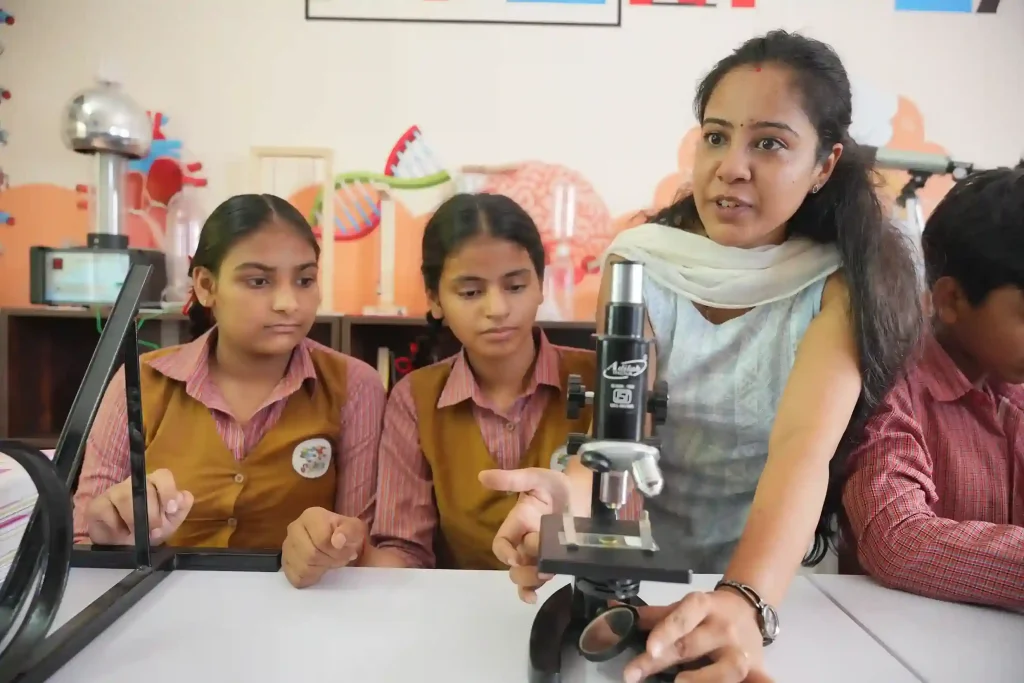
- Stay in school
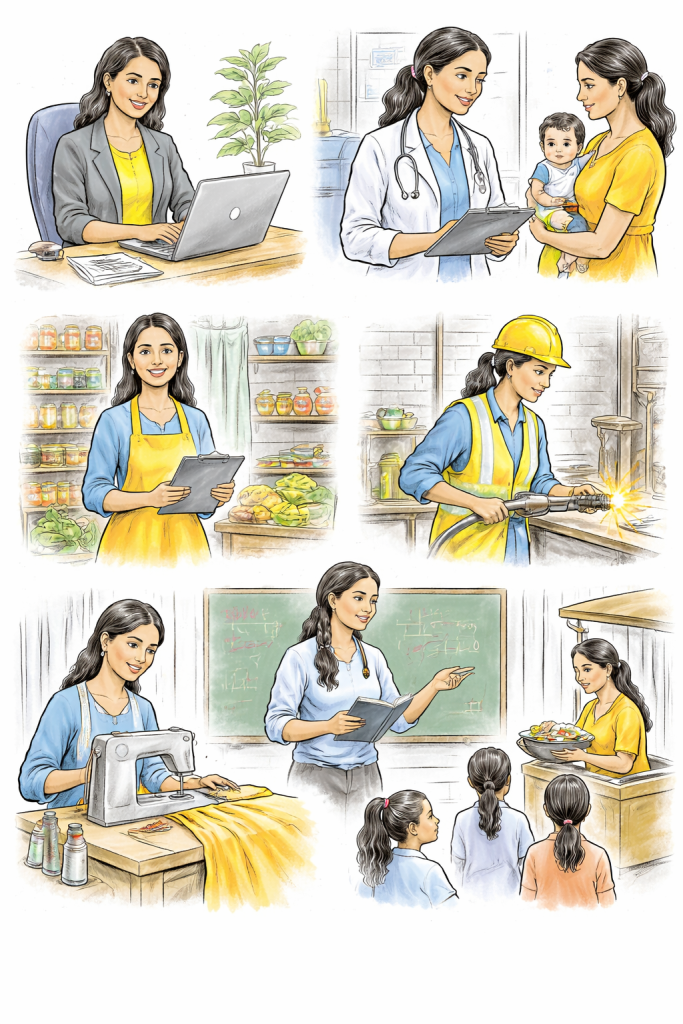
- Work and earn
- Make decisions within households
- Participate in governance
Key Statistics on Women in India in 2026
Understanding the data helps ground the conversation.
India has made steady progress, but the gaps are still visible.
Literacy and Education
Female literacy rate India has improved significantly over the past decades.
Key insights:
- Female literacy is now above 70 percent in many states
- Gender gap in primary education has narrowed
- Dropout rates increase at secondary level
Girls are enrolling in schools, but retention remains a challenge, especially in rural areas.
Workforce and Economic Participation
Women workforce India 2026 participation remains one of the biggest concerns.
Current trends show:
- Female labour force participation is around 25 to 30 percent
- Urban participation is lower than rural in some sectors
- Informal work dominates women’s employment
This means millions of educated women are still outside the workforce.
Political Representation
Women are increasingly visible in governance.
Data suggests:
- Women hold around 14 to 15 percent of seats in Parliament
- Higher representation at Panchayat levels due to reservations
While progress is visible, leadership at higher levels remains limited.
Major Challenges Women Still Face in India
Despite progress, structural challenges continue to limit gender equality India outcomes.
Gender-Based Violence
Safety remains a major concern.
According to National Crime Records Bureau:
- Cases of violence against women continue to be reported across states
- Domestic violence and harassment remain underreported
Safety impacts mobility, education and employment choices.
Early Marriage and Education Dropout
Child marriage education link is still strong in some regions.
Challenges include:
- Girls dropping out after puberty
- Social pressure for early marriage
- Lack of secondary schools nearby
This disrupts long-term opportunities.
Wage Gap and Unpaid Labour
The gender pay gap India persists across sectors.
Women also carry a disproportionate burden of unpaid work:
- Household chores
- Caregiving responsibilities
This limits their ability to participate fully in the economy.
Government Schemes Empowering Women in India
India has introduced several programmes to support women development schemes India.
Key initiatives include:
- Beti Bachao Beti Padhao: Focus on girl child survival and education
- Mahila Shakti Kendra: Community participation and empowerment
- Self-help group programmes: Financial inclusion through microfinance women India
These schemes aim to improve access and reduce inequality.
Progress Made — What Is Working?
There is real, measurable progress.
Some areas showing improvement:
- Increased enrolment of girls in schools
- Growth of women self-help groups India
- Rise in women-led enterprises
- Greater awareness around rights and health
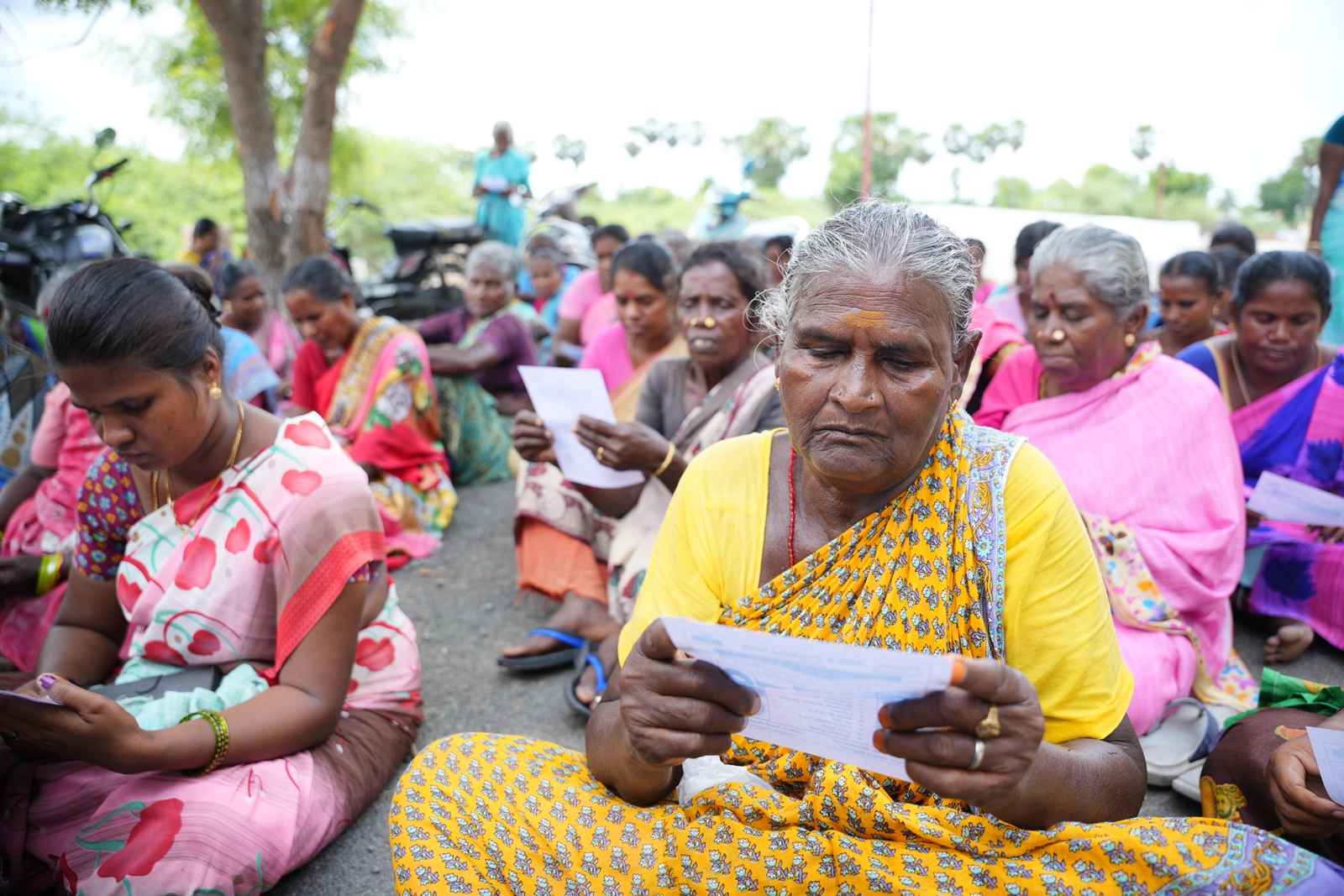
Microfinance and SHGs have especially transformed rural women empowerment India by enabling income generation and financial independence.
How Women Empowerment in India Is Changing at the Grassroots
In many villages, the change is visible in small but powerful ways.
A woman who once stayed at home now runs a small business. A girl who would have dropped out is completing her education.
These shifts are not always captured in national data. But they represent real transformation.
How Smile Foundation Empowers Women and Girl
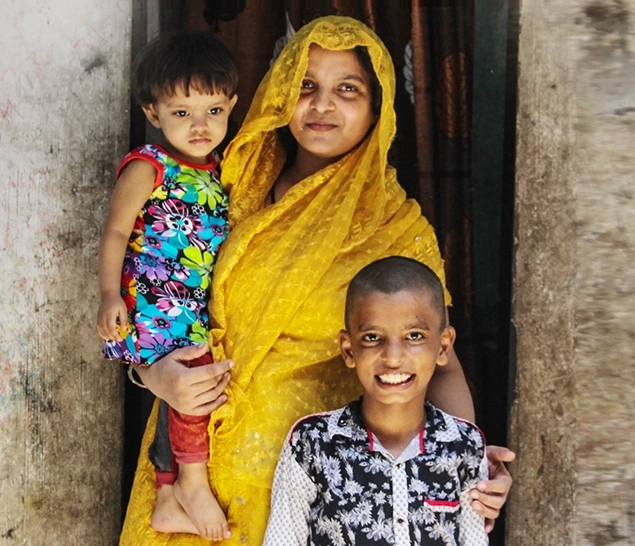
Smile Foundation works across education, healthcare and livelihood programmes to support women and girls.
Their approach focuses on:
- Ensuring girls stay in school
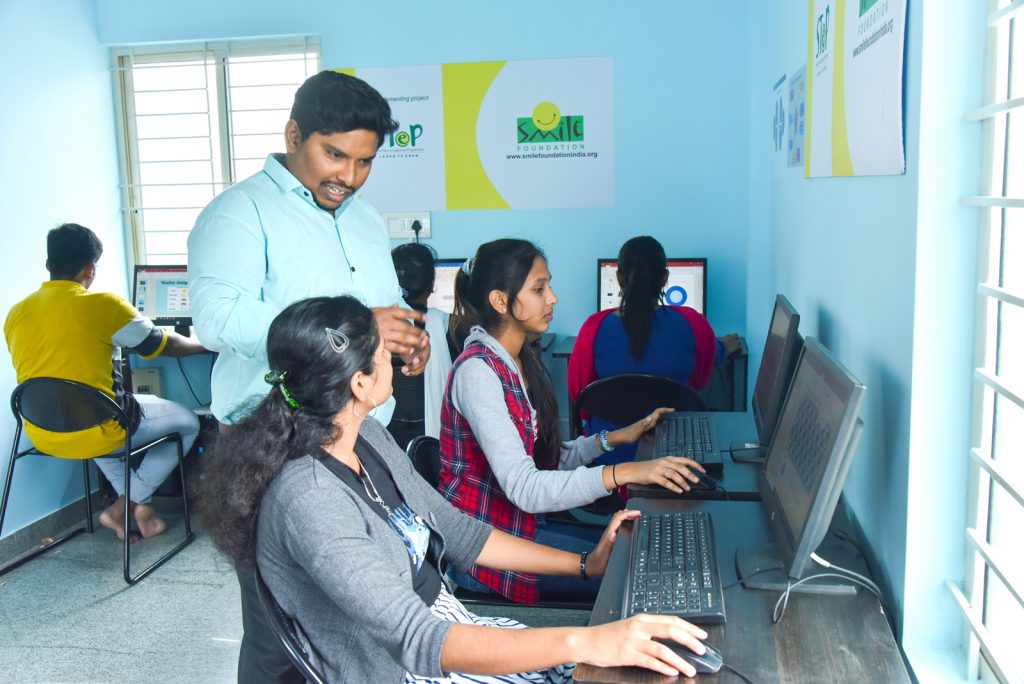
- Providing skill training for young women
- Supporting community awareness
By addressing both access and opportunity, the focus is on long-term empowerment.
👉 If you are looking to contribute, supporting Smile Foundation’s programmes can help create sustained impact for women and girls across India.
What Still Needs Attention
Progress does not mean the work is done.
Key areas that need continued focus:
- Increasing women workforce participation
- Improving safety and mobility
- Addressing unpaid labour imbalance
- Strengthening secondary education access
Empowerment is not a single milestone. It is a continuous process.
Every step counts
Women empowerment in India is shaping the country’s future in ways that are both visible and subtle.
There is progress in classrooms, communities and policies. But there are also barriers that require sustained attention.
The path forward is clear. Invest in education, enable economic participation and create safer environments.
Every small step contributes to a larger shift.
FAQs — Women Empowerment in India
What is women empowerment and why is it important in India?
It refers to enabling women to have equal rights, opportunities and decision-making power in society.
What are the key statistics on women empowerment in India in 2026?
Literacy rates are improving, but workforce participation remains low and gender gaps persist.
What challenges do women still face in India today?
Safety concerns, wage gaps, early marriage and limited workforce participation.
What government schemes support women empowerment in India?
Schemes include Beti Bachao Beti Padhao, Mahila Shakti Kendra and self-help group initiatives.
What is the female literacy rate in India in 2026?
It has improved significantly and is above 70 percent in many regions.
How many women participate in India’s workforce?
Approximately 25 to 30 percent, depending on the dataset.
What is the gender pay gap in India?
Women earn less than men on average across most sectors.
What is the role of self-help groups in women empowerment?
They provide financial access, support entrepreneurship and build community networks.
How does education help empower women in rural India?
Education increases opportunities, delays marriage and improves economic independence.
How does Smile Foundation support women empowerment?
Through education, skill development and community-based programmes.