Apna Akhbar (December 23, 2010)
Year: 2022
( September 10, 2018 )
Early Childhood Education and development shouldn’t be misunderstood as a preliminary educative strategy that is given to children. It tackles issues that are much deeper and highly critical in nature.
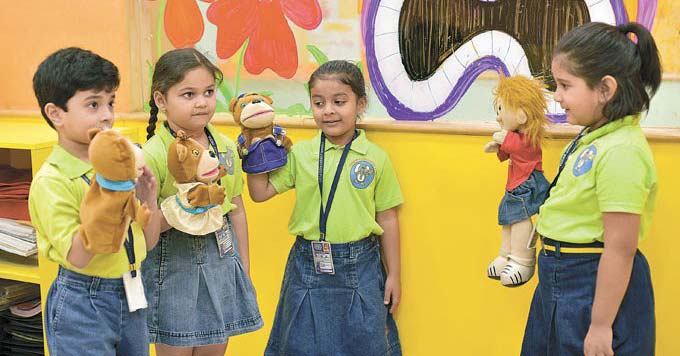
The barriers to education need to be taken down one single brick at a time and holistic education is achieved by gaining one step at a time. Every instance in a child’s life plays a critical role in building the individual they turn out to be. Interventions at the beginning of a child’s learning curve have more than a preliminary effect on their future development. The earliest years of a child’s life, where they pick up skills and emotional responses, has been understood to determine a child’s survival and thriving in life. These particularly lay the foundation for their learning and holistic development. Various facets of a child’s life are built in this period, ranging from cognitive, physical, social and emotional skills – each of which plays a critical role in their determining the path that a child takes to achieve success in life and also gives children a future that they are able to achieve. Looking at education in this holistic manner is necessary if one were to even attempt to achieve the Sustainable Development Goals. Each of which, from challenging poverty to making a more equitable society, from building an effective healthcare system to making institutions stronger and more accountable, from making people more aware about their environment to gaining access to essentialities in life. An intervention at the beginning of a child’s life will be critical to realizing these goals.
What one attempts to go through this concept is to confront issues of nutrition, health, and education in the early years of a child’s life – which is from pre-natal to 6 to 8 years of a child’s life. It attempts to look at a child through a lifecycle approach which touches upon every instance that leads to one having a healthy and fulfilling life. To understand this one has to approach the early interactions that a child has, which are to a large extent determined by supportive family and community care practices, proper nutrition and healthcare, learning opportunities which eventually lead to policies that care for children and enable families to invest in their child. One also has to note that ECE positively impacts attendance, retention and the learning of children in their elementary and higher education. This has a much higher impact on children who are bound to underperform due to their social and economic position in the society. It is critical to not just the progress of a child, but it is vital to the nation’s education, civic and economic prosperity. In the process of reducing the gaps in social and economic factors, working with the future of these very communities have been dependent on these efforts to bridge the learning curve from childhood to elementary education.
This isn’t a novel concept; India had included ECD as a part of its educational systems from almost 5000 years prior. A gamut of traditional practices was employed in early childhood care and education. There was a slow fading of these as colonial educational practices slowly corroded the earlier practices, it was only through preschool education primarily undertaken by voluntary agencies and private institutions that early childhood development was undertaken. Through rigorous documentation in the latter half of the 19th century, we understood the nature of education that was there earlier.
Data derived from Census 2011 determines that there are about 158.7 million children between the ages of 0-6, it is then critical that we recognize the need to provide quality pre-primary education programmes. In an effort to do so a number of constitutional and policy provisions have been made, NPE (1986) paved the way for the 86th Constitutional Amendment which introduced Article 21A on the right to education for free and compulsory education for 6-14 years of age, and Article 45 urges each of the states to provide ECCE for all children till the time they complete the age of six years. These efforts resulted in the Right of Children to Free and Compulsory Education (RTE) Act 2010, which guaranteed children’s right to quality elementary education. Though ECCE has not been recognized as a compulsory provision by the RTE it urges states to provide free pre-school education for children above the age of three years. It incorporated holistic care and education into the system and provided it to children from 0-6 years, especially from disadvantaged groups – groups which were in dire need of such assistance. Progress continued and led to the National Early Childhood Care and Education (ECCE) Policy in 2013 that the Government of India approved, this policy also included the National Curriculum Framework and Quality Standards for ECCE. The factor that sets this apart is that the policy caters to all children under 6 years, and is a commitment by the State to provide universal access to quality early childhood education. It is the Women and Child Department that is responsible for the ICDS programme, a centrally sponsored and State administered ECCE programme. This covers, on an estimate of about 38 million children through a network of more than 1.4 million Anganwadi Centres. ICDS covers most of the aspects of ECD, it tackles issues of supplementary nutrition, immunization, health check-up, pre-school education, referral services, and nutrition and health education. ECCE effectively targets the psychosocial development of children and develops them for school readiness.
Source: http://bweducation.businessworld.in/article/Where-Does-Quality-Education-Begin-/10-09-2018-159708/
( September 10, 2018 )
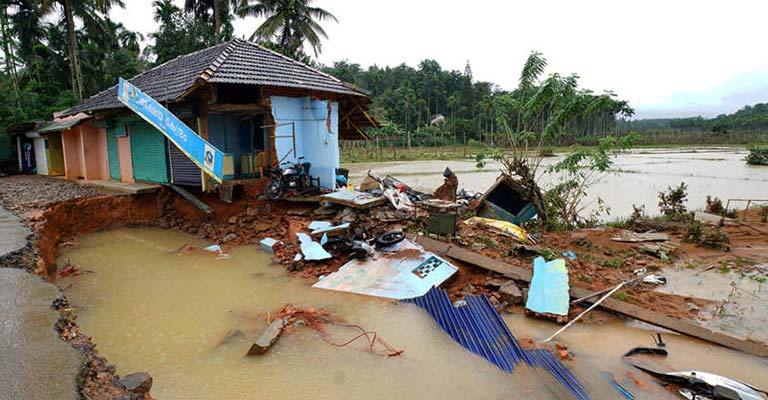
The massive floods in the state claimed over 400 lives and caused widespread damage
New Delhi: An NGO based in the national capital has set up a health camp in the flood-affected district of Wayanad.
The camp was set up earlier this month in Kamanna, Wayanad, by the Smile Foundation and has catered to over 186 patients, including 104 women, the NGo said in a statement.
Rashtriya Dainik (December 23, 2010)
( August 19, 2019 )
RB’s health, hygiene and home portfolio is led by global brands Nurofen, Strepsils, Gaviscon, Mucinex, Durex, Scholl, Clearasil, Lysol, Dettol, Veet, Harpic, Cillit Bang, Mortein, Finish, Vanish, Calgon, Air Wick, Woolite and French’s
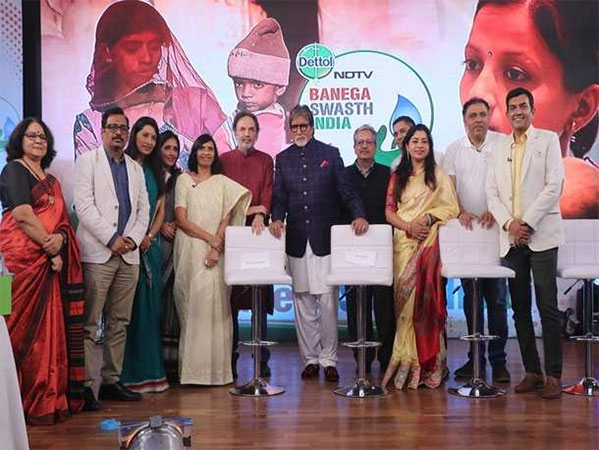
Consumer health and hygiene company, Reckitt Benckiser (RB), has launched Season 6 of its flagship Dettol BSI initiative with a focus on ‘Swasth’ this time.
According to the company, the transition from Banega Swachh to Banega Swasth India, is supported by campaign ambassador, Amitabh Bachchan with the veteran actor unveiling ‘The Swasth Box’ along with dignitaries from RB and health experts from across the country on Monday.
“Our journey towards Swachhta started five years ago with a great vision that brought Dettol Banega Swachh India to life. The programme’s conscious effort to drive behaviour change across communities has encouraged people to adopt better health practices and we are extremely proud of what we have been able to achieve together. To be able to drive lndia’s health agenda further, it is imperative for us to focus on another significant factor – Swastha. Given health today is more than an absence of illness – being healthy also means being fit and happy. The upcoming year will witness special attention on child nutrition and pregnant mothers that form the backbone of our future generations. This year the programme is further complementing Govt’s initiative, Ayushmann Bharat”, Gaurav Jain, senior vice president, AMESA, RB Health, said.
This kit/box will have various things ranging from hand sanitizer, bath soap, Dettol wipes, baby blanket, sanitary pads, mosquito nets, nail cutter, zinc, ORS, Iodine, cotton roll, baby wrap, small sustainable toy for the kid and hypothermia care kit. The kit is further supported by Pehel and Smile Foundation.
“The first 1,000 days for a new born are very crucial for his/her neurodevelopment and lifelong mental health. Making provisions for adequate nutrients through breastfeeding and healthy eating during this crucial time affects the long-term health and therefore, our focus going forward will be on the well-being of new mothers and children”, Ravi Bhatnagar, director external affairs and partnerships, RB Health AMESA, said.
RB’s health, hygiene and home portfolio is led by global brands Nurofen, Strepsils, Gaviscon, Mucinex, Durex, Scholl, Clearasil, Lysol, Dettol, Veet, Harpic, Cillit Bang, Mortein, Finish, Vanish, Calgon, Air Wick, Woolite and French’s.
“The deadline for India to become open defecation free is 2nd October 2019 which is the 150th birth anniversary of Mahatma Gandhi. It was Gandhiji’s dream that the quality of life of every Indian should improve with sanitation, cleanliness and hygiene as its foundation. Along with the elimination of open defecation we are also working towards a country where our infants and most vulnerable citizens stay healthy. If we all come together we can achieve this. Please do join us in this campaign to ensure that our country is clean and healthy for our future generations”, Dr. Prannoy Roy, co-founder and executive co-chairperson, NDTV, said.
While the transition from Swachh to Swasth took place, RB will continue to take the cleanliness agenda forward as well. Clean India will ensure a Healthy India and hence, the efforts of ensuring a hygienic environment will take place to take ODF to ODF plus. Water conservation will also be a pivotal agenda to drive under which 5 lakhs schools.
Pioneer Hindi (December 23, 2010)
( 17 August 2019 )
( 17 August 2019 )
Mid Day (December 23, 2010)
( August 17, 2019 )
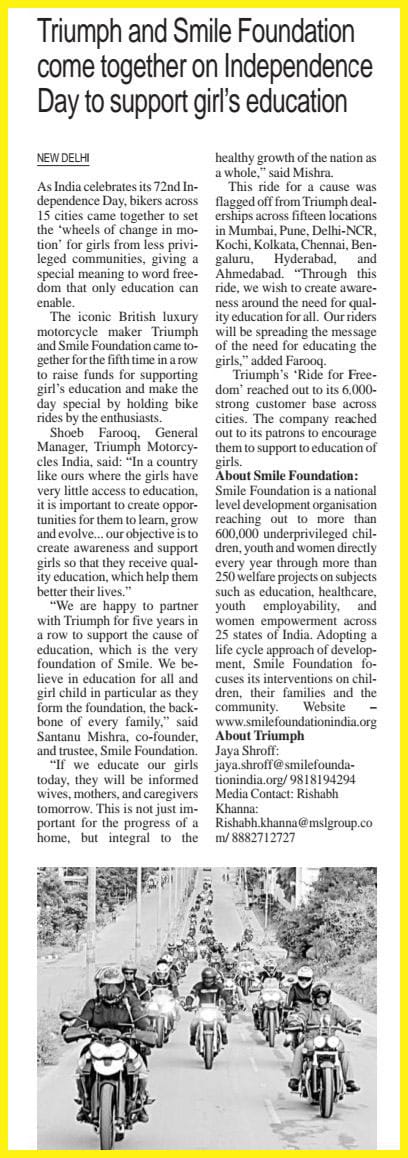
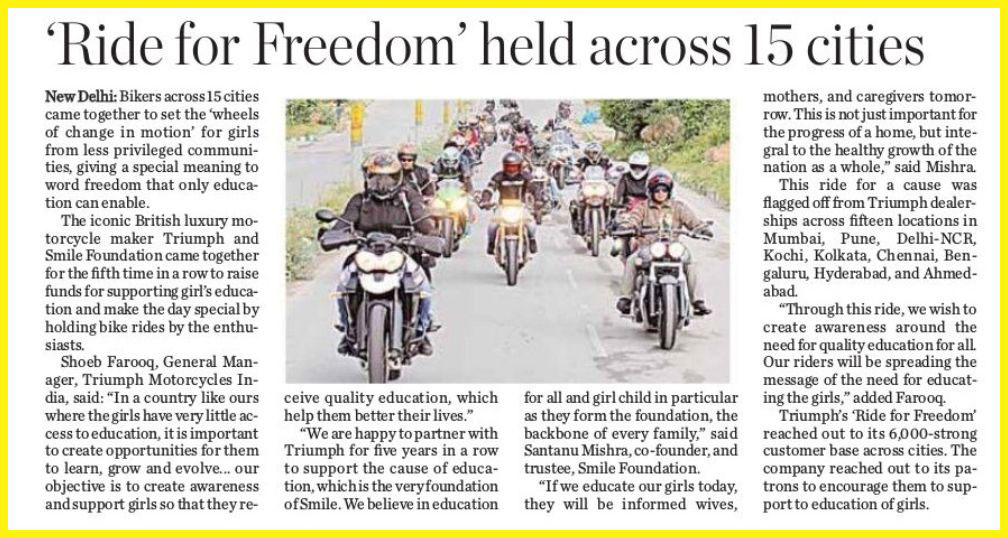
Ride to raise funds for educating girl child
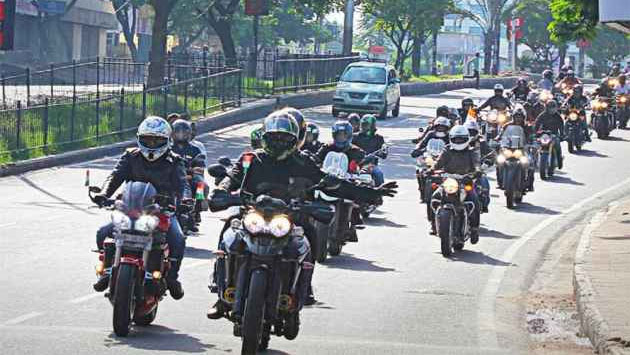
Over the years, Triumph Motorcycles has been known to tie up with various charitable organisations for its annual Independence Day ride. This year’s edition, which is called the ‘Ride for Freedom’, will be held in partnership with the Smile Foundation, an NGO which focuses on primary education and has over 25 centres across India. Through the ride, the bike manufacturer hopes to raise funds for educating girls across the country.
This is not the first time the iconic British motorcycle manufacturer is working on such an endeavour. In the past, it has sponsored the education of more than 200 girls across communities. Currently, Triumph has a 5000-strong customer base and it will be reaching out to riders from across the country to come together, ride and pledge their support for this noble cause. The rides, which will be held across major cities, will start and conclude at Triumph’s local dealerships.
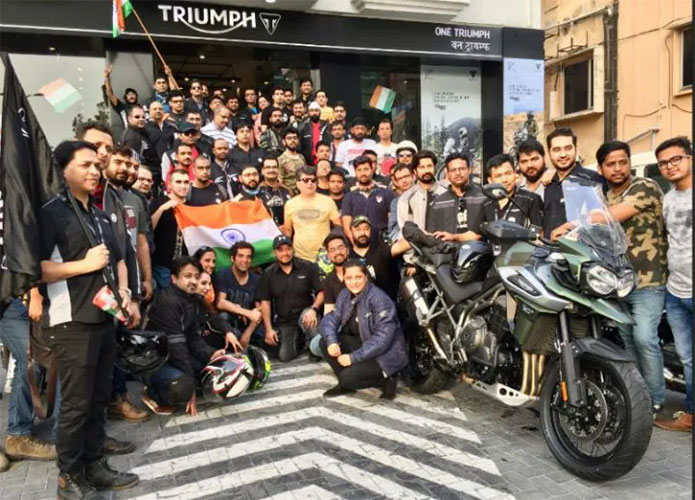
Triumph Motorcycles and Smile Foundation ‘Ride for Freedom’
Pledge to support girl child education on Independence Day, to organize rides across 16 Indian cities
10 August 2018, New Delhi: Continuing with the Triumph tradition of getting riders together for a good cause to commemorate the 71st Indian Independence Day, Triumph Motorcycles India is gearing up for the ‘Ride for Freedom’ on 15th August across 16 cities in India. In the true spirit of Independence Day, Triumph Motorcycles India and Smile Foundation have come together to support the cause of Girl Child Education.
The iconic British bike maker is reaching out to its 5000-strong customer base and beyond to get participants to donate towards Smile Foundation’s contribution in the area of primary education. In the past, Triumph has successfully sponsored the education of more than 200 girl children across communities.
Spearheading India operations Mr. Shoeb Farooq, General Manager, Triumph Motorcycles India, will be flagging off the ride from New Delhi. He said, “It is a proud moment as an Indian to be a part of this Freedom Ride for such a noble cause. In a country like ours, where the female population has limited access to education, it is imperative we create opportunities for growing girl children to learn, grow and evolve. Through these rides, our objective is to create awareness and help children receive quality education, I am certain that this year too, like every year, Triumph enthusiasts will support this cause wholeheartedly.”
“Education is the most important element of our upbringing and especially for women, as education empowers a woman towards a better life. We immensely appreciate the efforts taken by brand Triumph in partnering us to promote the cause of Girl Child- She can fly campaign. Through this initiative, we want to sensitize civil society and partner them in the process of empowering, educating and making our girl child stronger, to stand her own ground.” – Mr. Santanu Mishra, Co-Founder and Executive Trustee, Smile Foundation
The “#SheCanFly” Campaign ride will be flagged off and end at Triumph dealerships across cities.